

Mediterranean Food Dishes: Basic Overview
Common Ingredients
Common Cooking Methods
Courses
Meals
Key Taste
Eating Etiquette
Meal Presentation
Culinary Festivals
Influence and Fusion
Mediterranean Food Dishes: Origin and Region
Cuisine
Cuisine’s Regions
Popular Types of Mediterranean Dishes
-
Soups
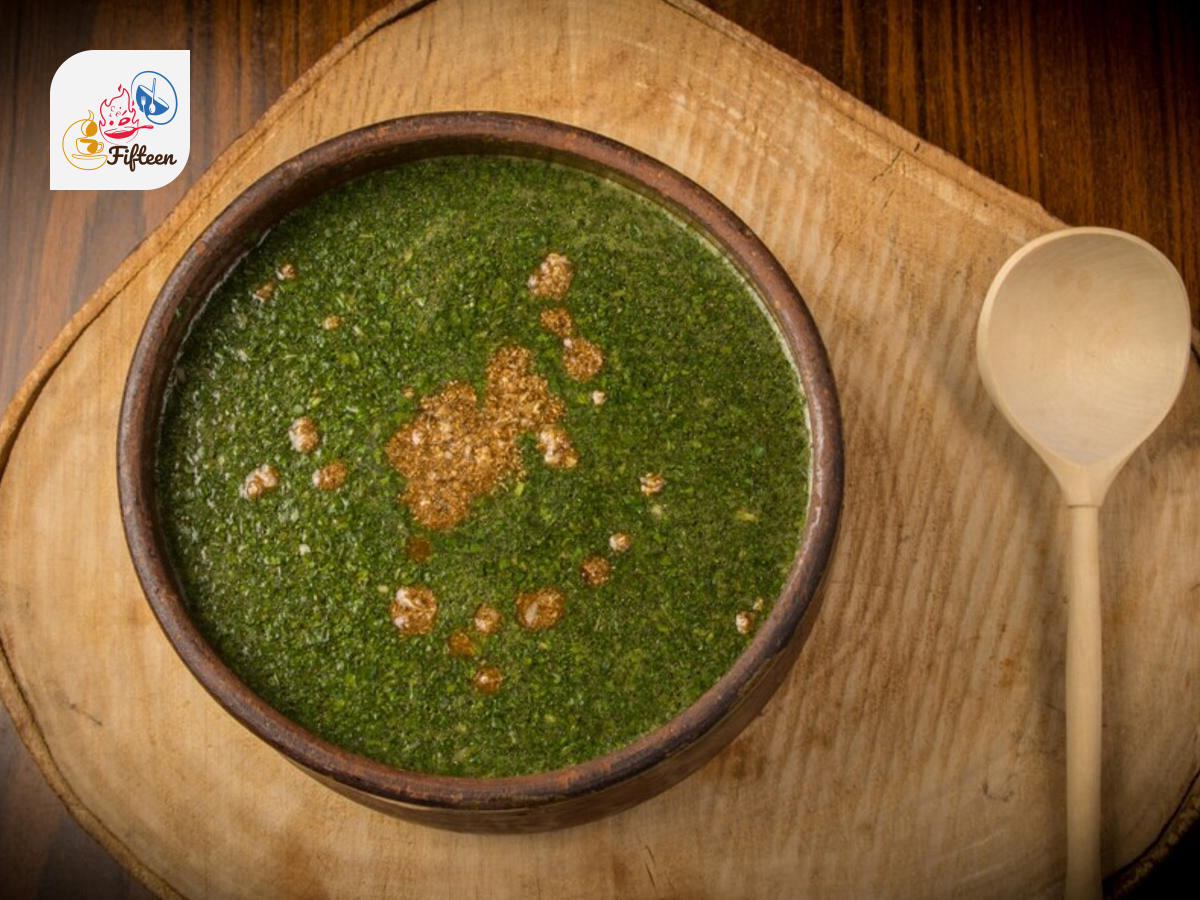
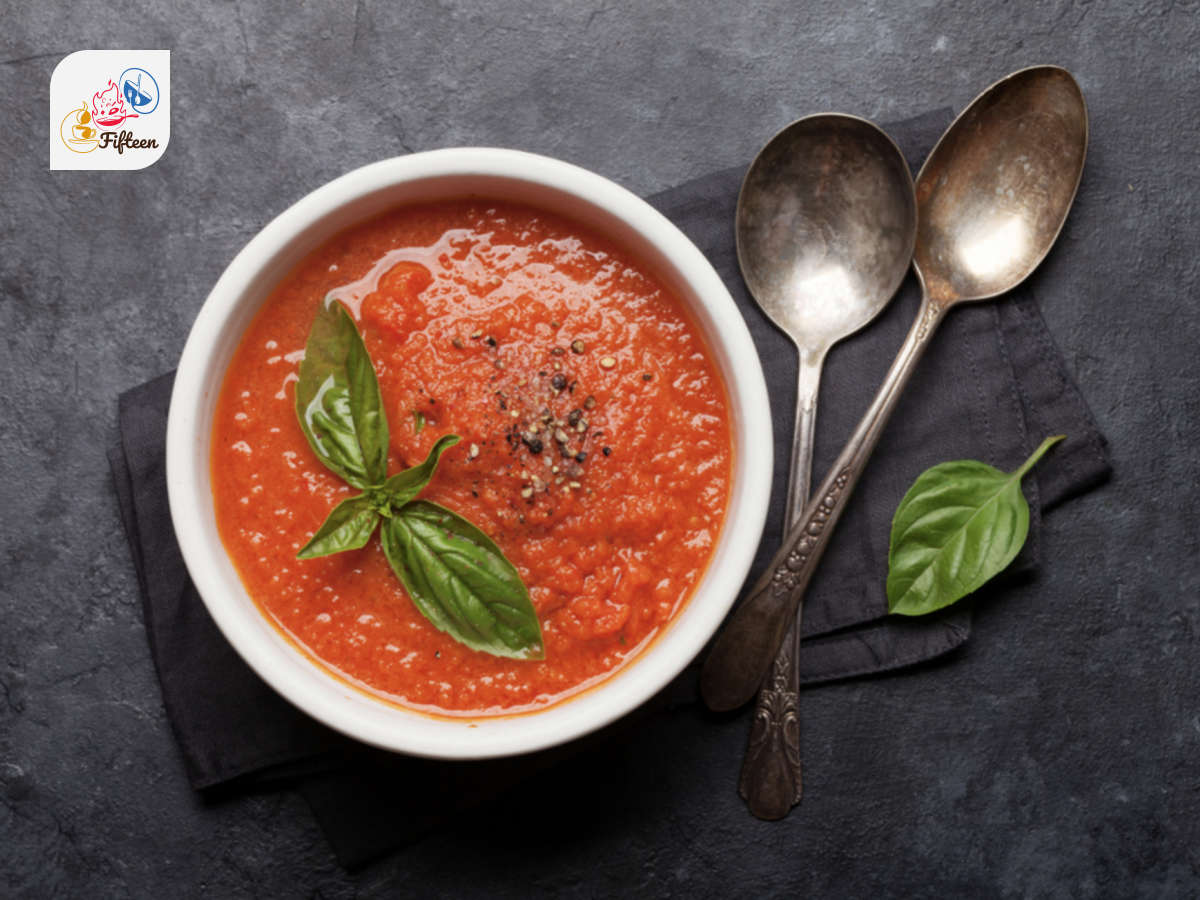
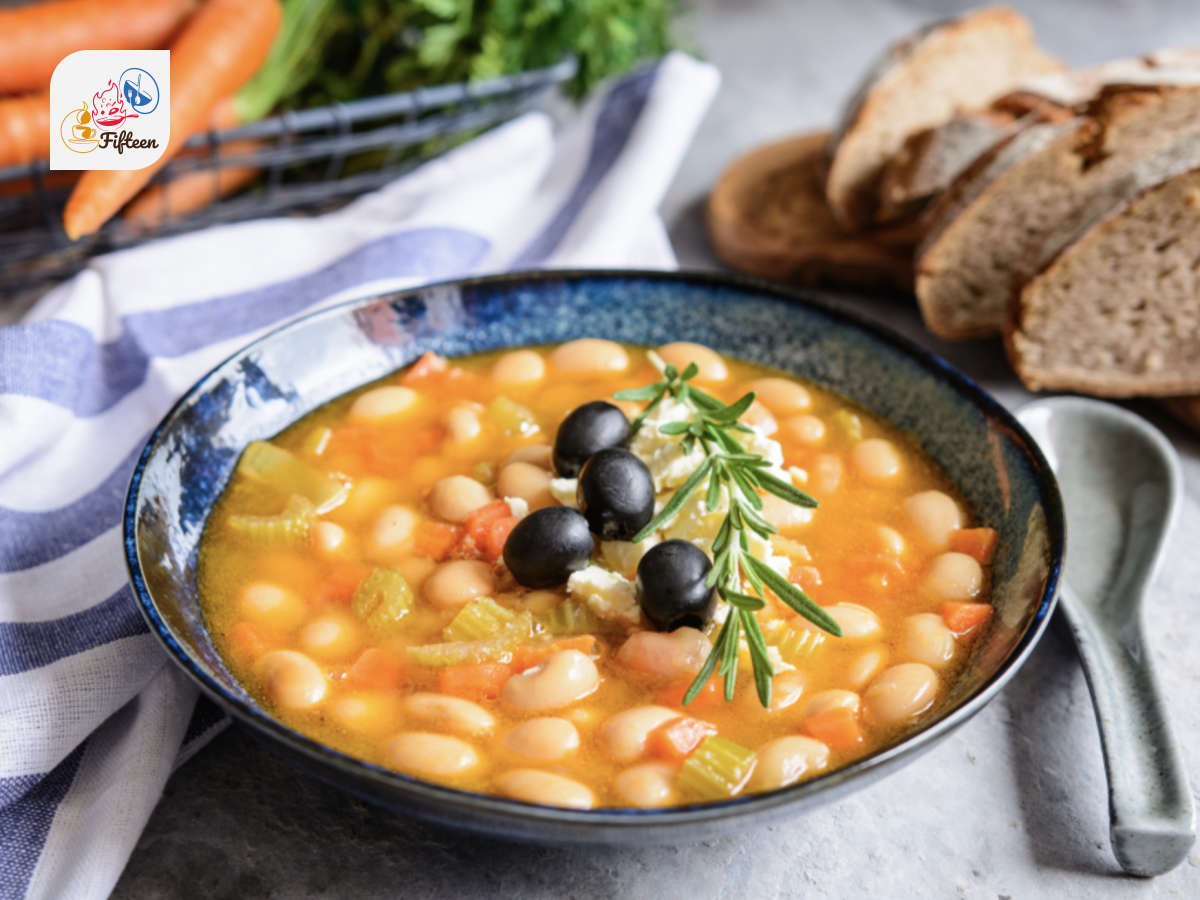
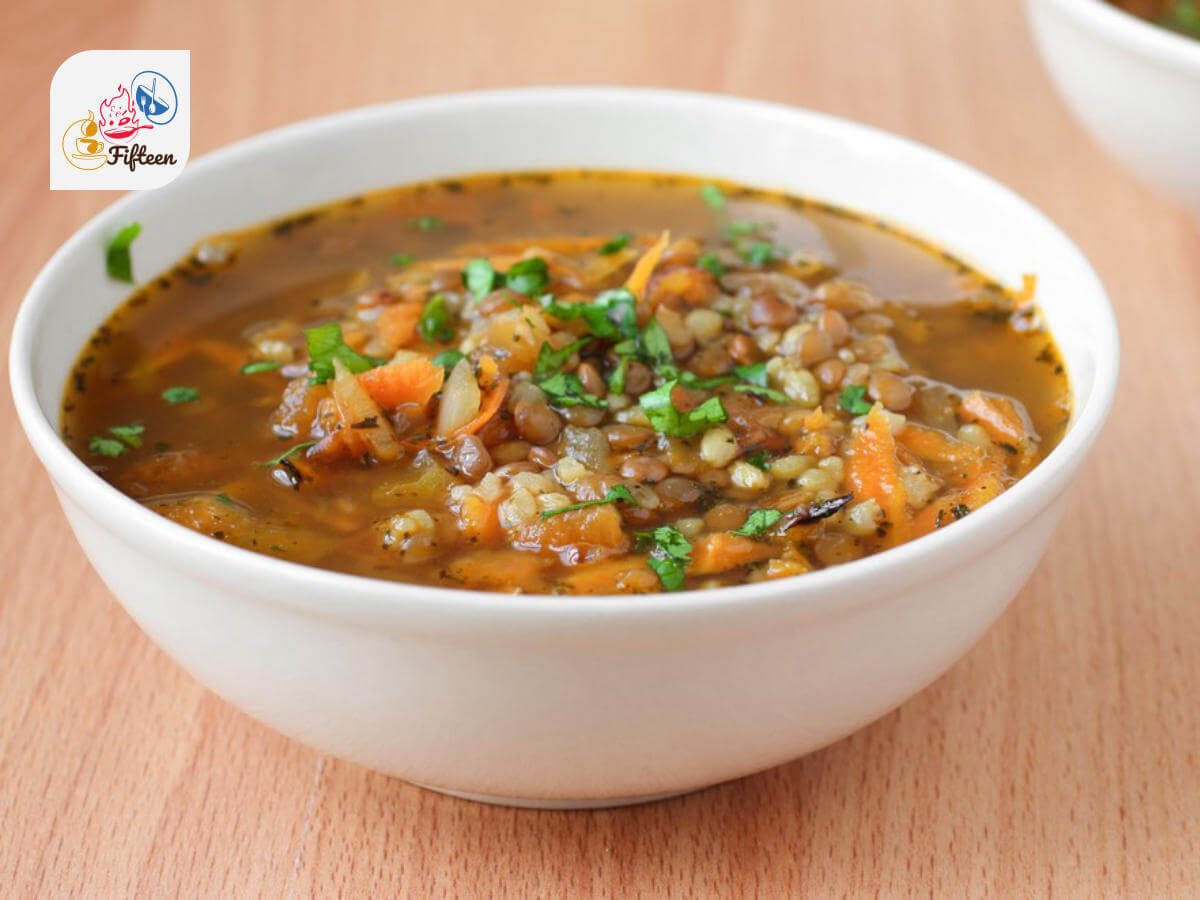
Soups in Mediterranean cuisine are known for their rich flavors, often made with a base of fresh vegetables, legumes, and sometimes meats or seafood.
These soups range from light, clear broths to more substantial, creamy variations, often enhanced with a medley of herbs and spices.
Ingredients like tomatoes, onions, garlic, and olive oil are staples. Mediterranean soups can be served as a starter or as a main course, paired with crusty bread for a complete meal.
-
Stews
Stews in this cuisine often feature a combination of meats, vegetables, and legumes, simmered in a rich, savory sauce.
Spices and herbs play a crucial role in seasoning these stews, with each region adding its unique twist to the recipe.
Mediterranean stews are typically enjoyed with a side of rice, couscous, or bread, making them a filling and satisfying option for any meal.
-
Bread and doughs
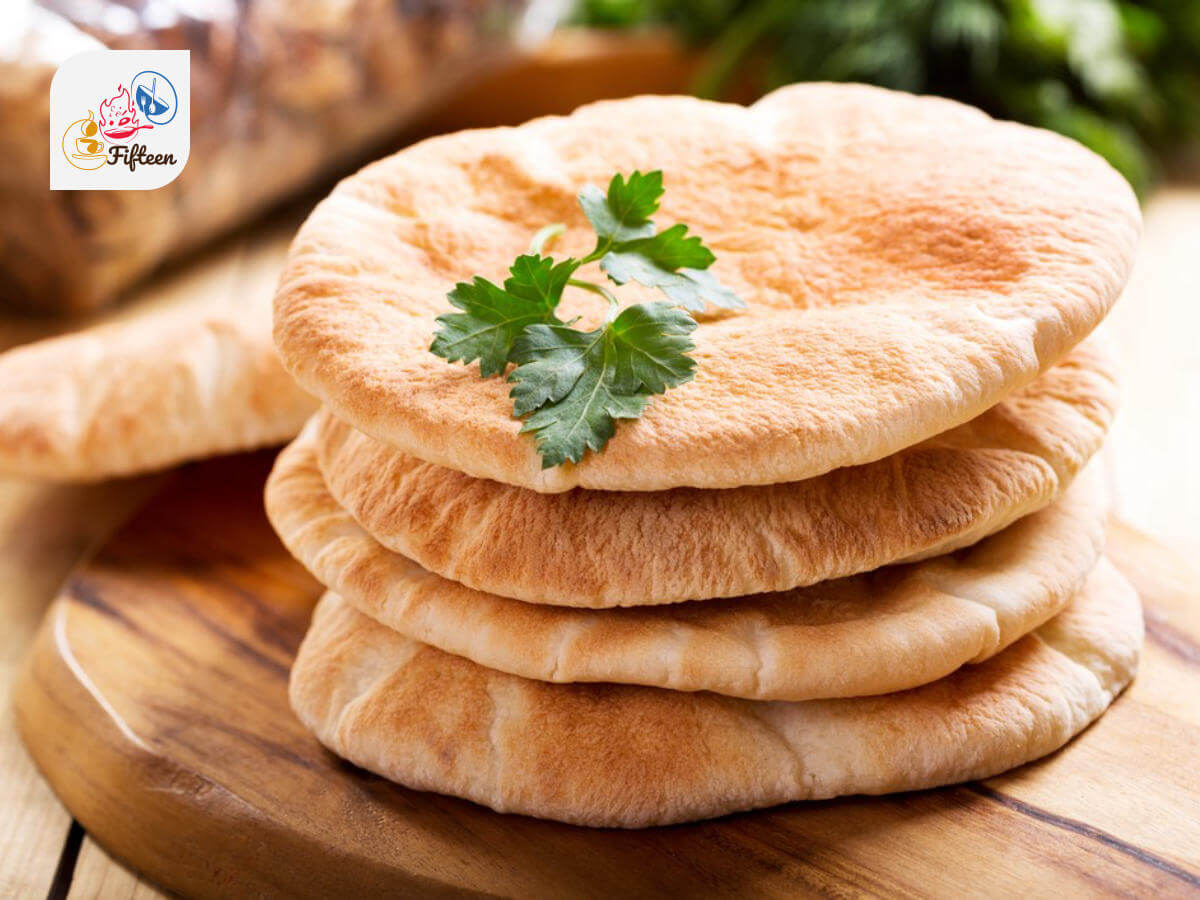
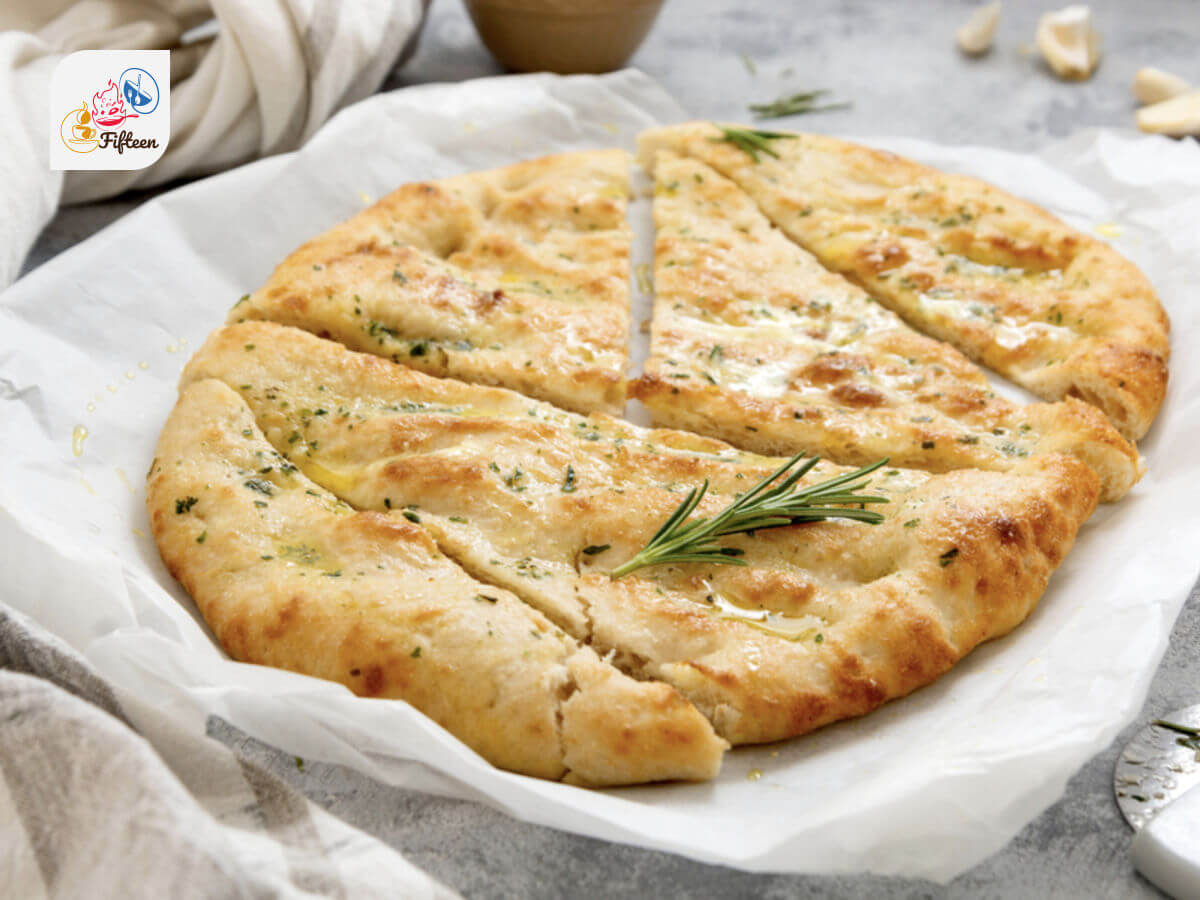
Bread and doughs form an integral part of Mediterranean meals, ranging from fluffy, leavened breads to thin, crispy flatbreads.
These are often baked in wood-fired ovens, imparting a distinct smoky flavor.
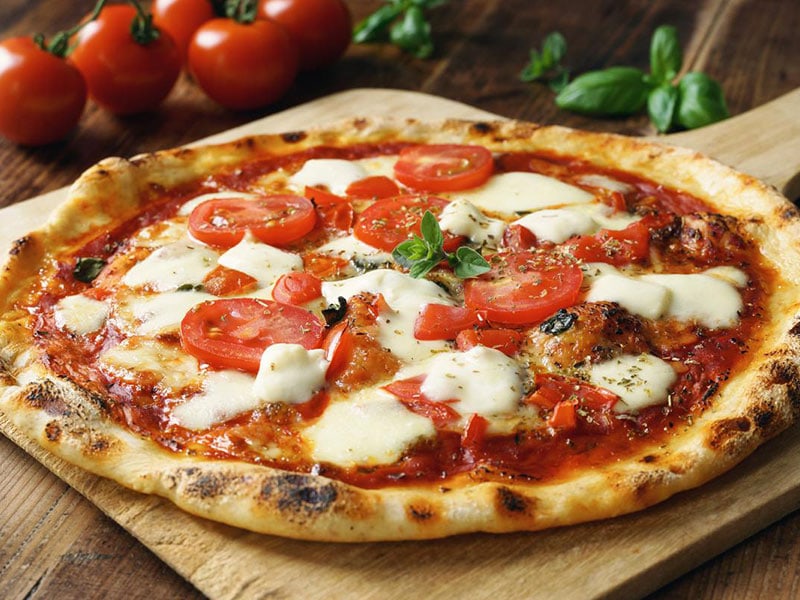
Doughs are versatile and can be used to make a variety of items, including pizzas, pies, and pastries, often filled with cheese, meats, or vegetables.
Olive oil is a common ingredient in Mediterranean bread dishes, contributing to their moist texture and rich flavor.
-
Grilled and barbecued dishes
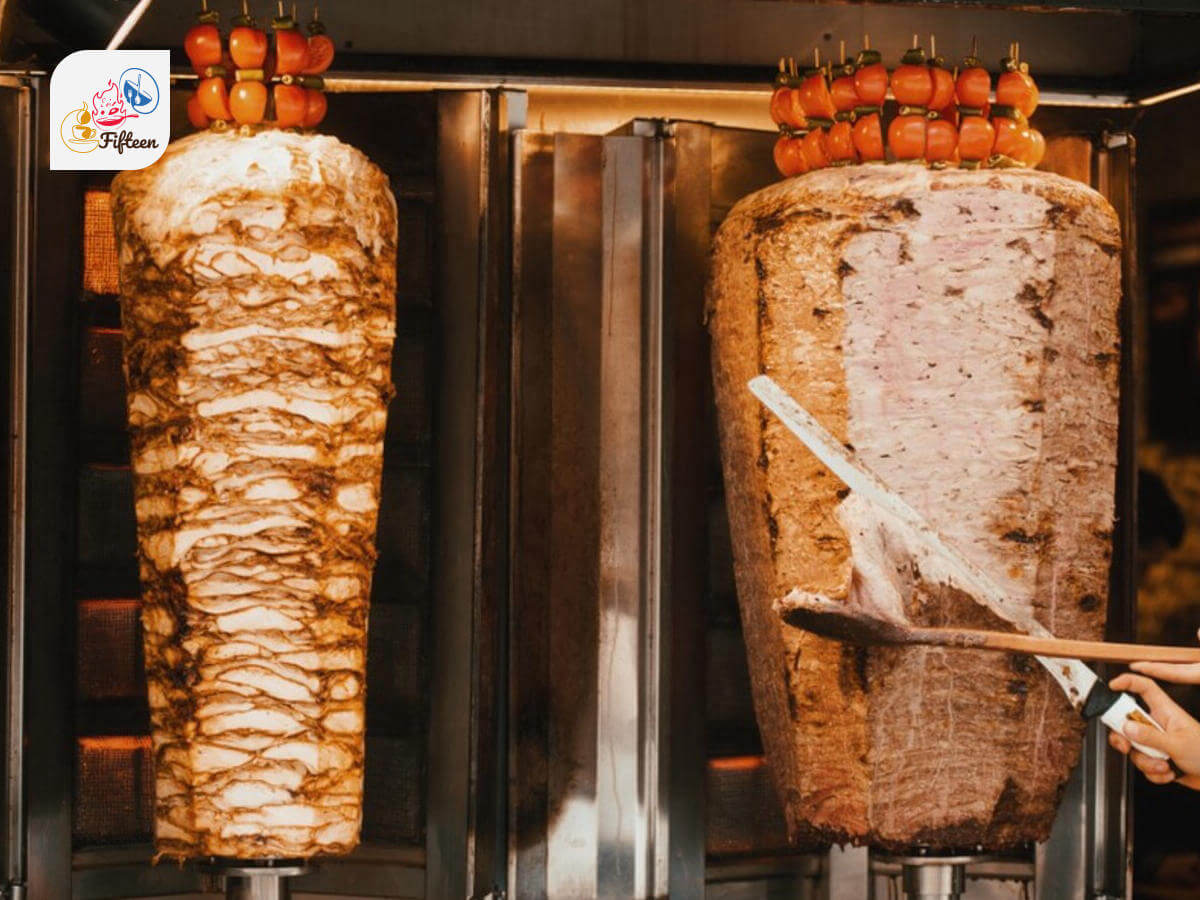
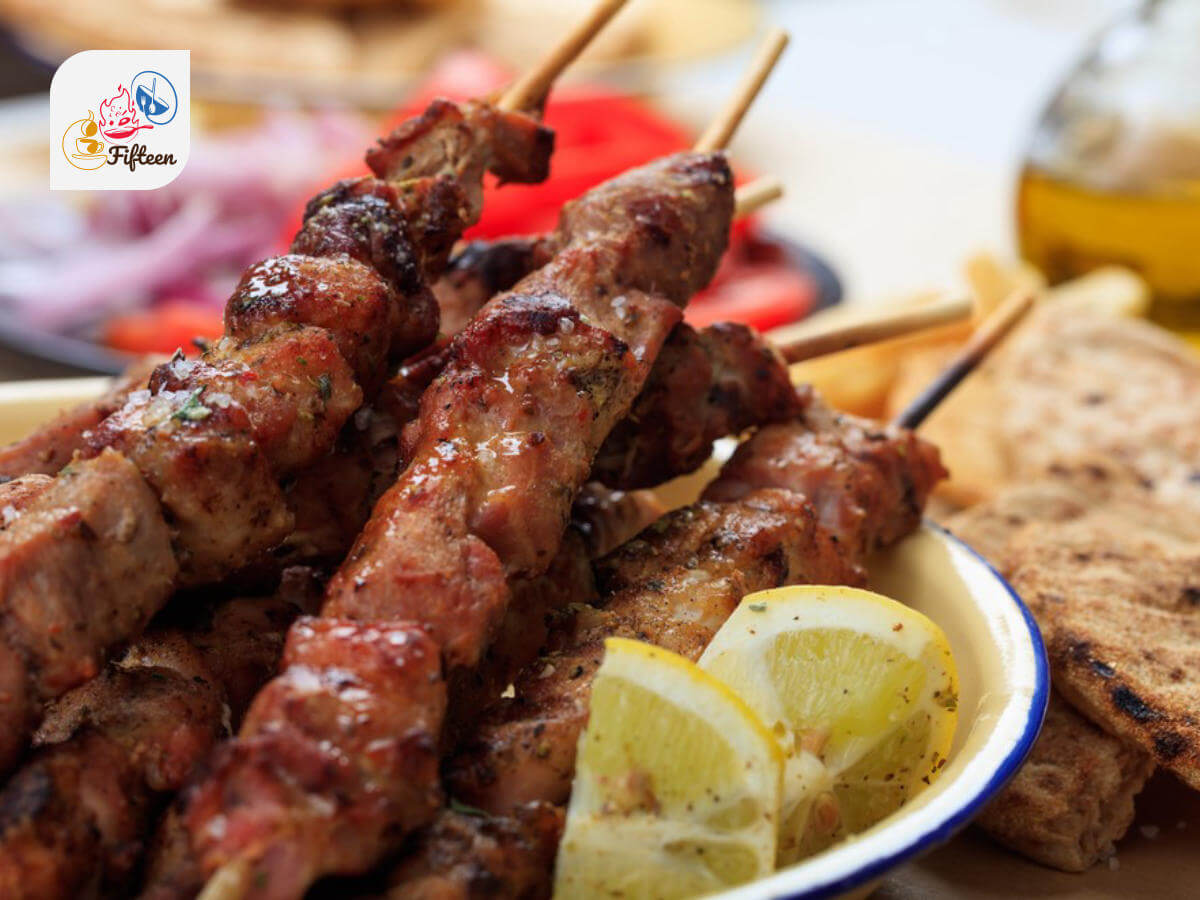
Grilled and barbecued dishes are a highlight of Mediterranean cuisine, showcasing the region’s love for fresh, high-quality ingredients cooked over an open flame.
Meats, seafood, and vegetables are marinated with herbs, spices, and olive oil, then grilled to perfection, creating a smoky, charred exterior and a tender, juicy interior.
These dishes are often served with simple sides like salads or grilled vegetables, allowing the natural flavors of the ingredients to shine.
-
Rice dishes
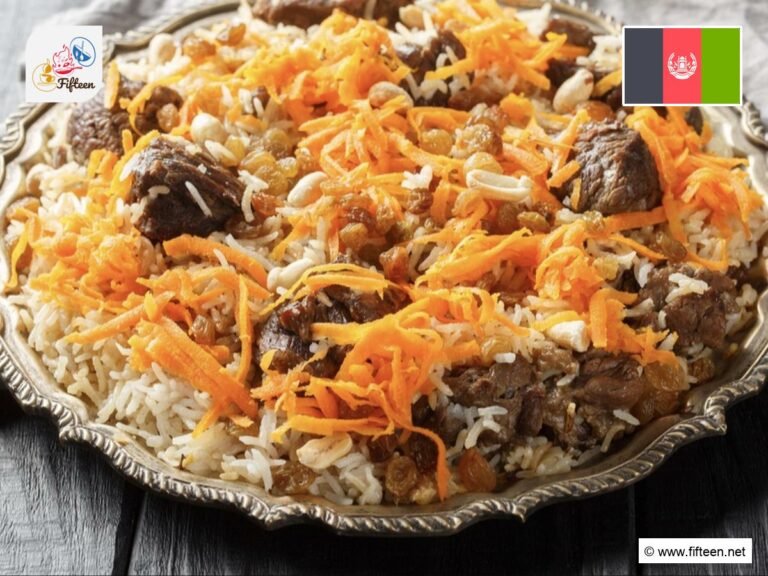
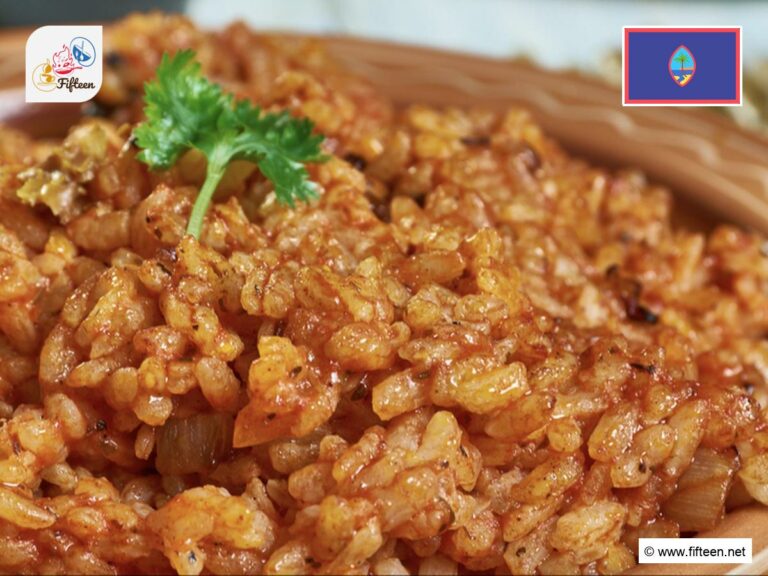
Rice dishes are diverse and abundant in Mediterranean cuisine, often serving as the centerpiece of a meal. Paella, risottos, and pilafs are popular examples.
These dishes are typically prepared with a variety of meats, seafood, and vegetables, seasoned with aromatic spices and herbs, and cooked until the rice is flavorful and tender.
Rice dishes are frequently enjoyed in communal settings, bringing people together over a shared love for food.
-
Condiments and sauces
Condiments and sauces are essential in adding depth and complexity to Mediterranean dishes.
From the tangy, creamy tzatziki to the rich, smoky baba ghanoush, these accompaniments are made with a base of fresh ingredients like yogurt, eggplants, and tomatoes, seasoned with garlic, herbs, and spices.
They are used to enhance the flavor of grilled meats, vegetables, and breads, or served as part of a mezze platter, adding a burst of flavor to every bite.
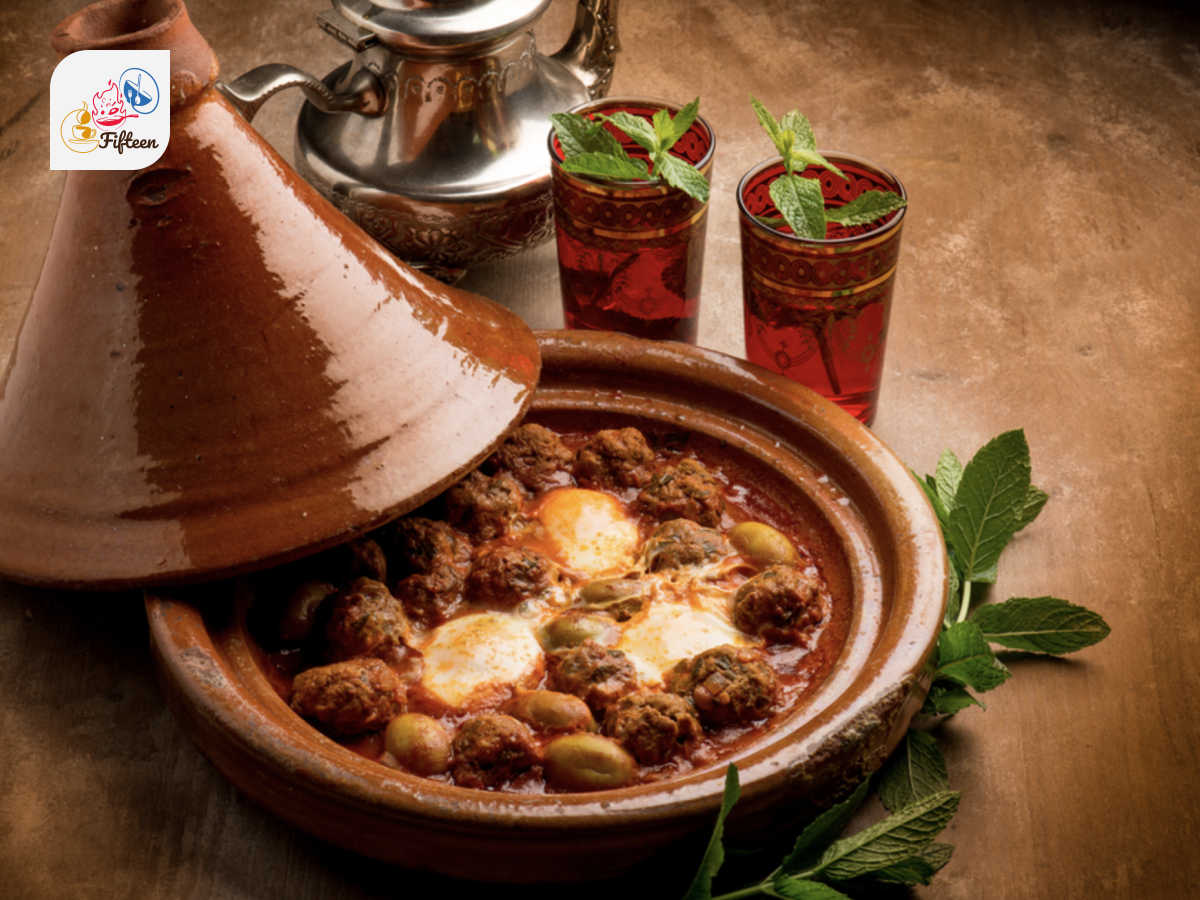
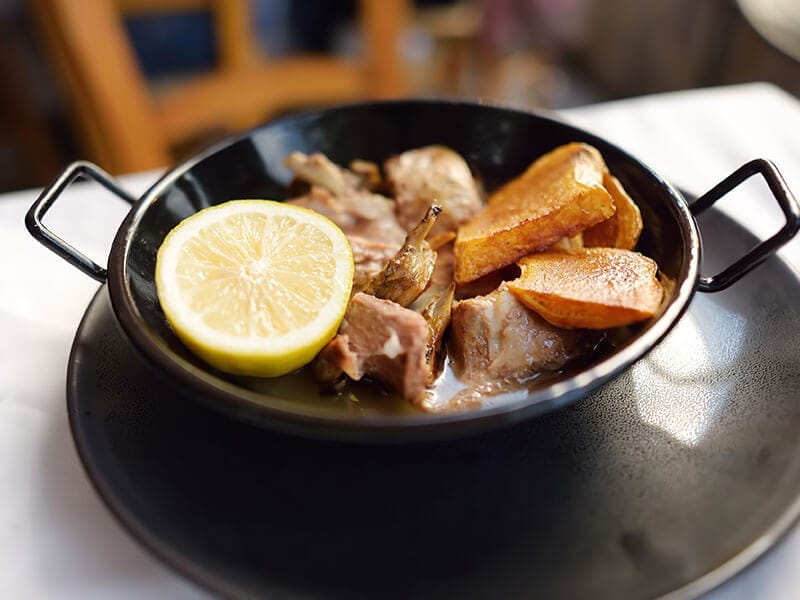
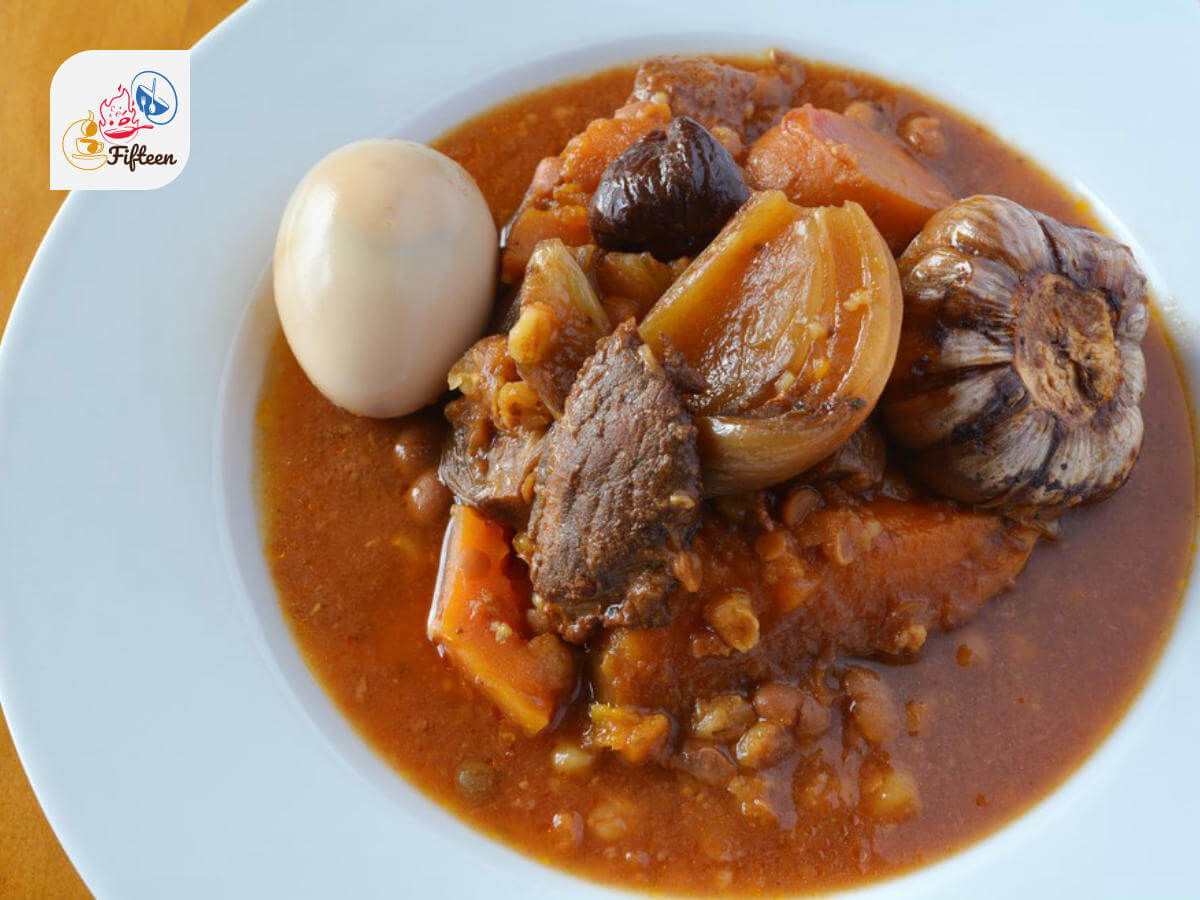
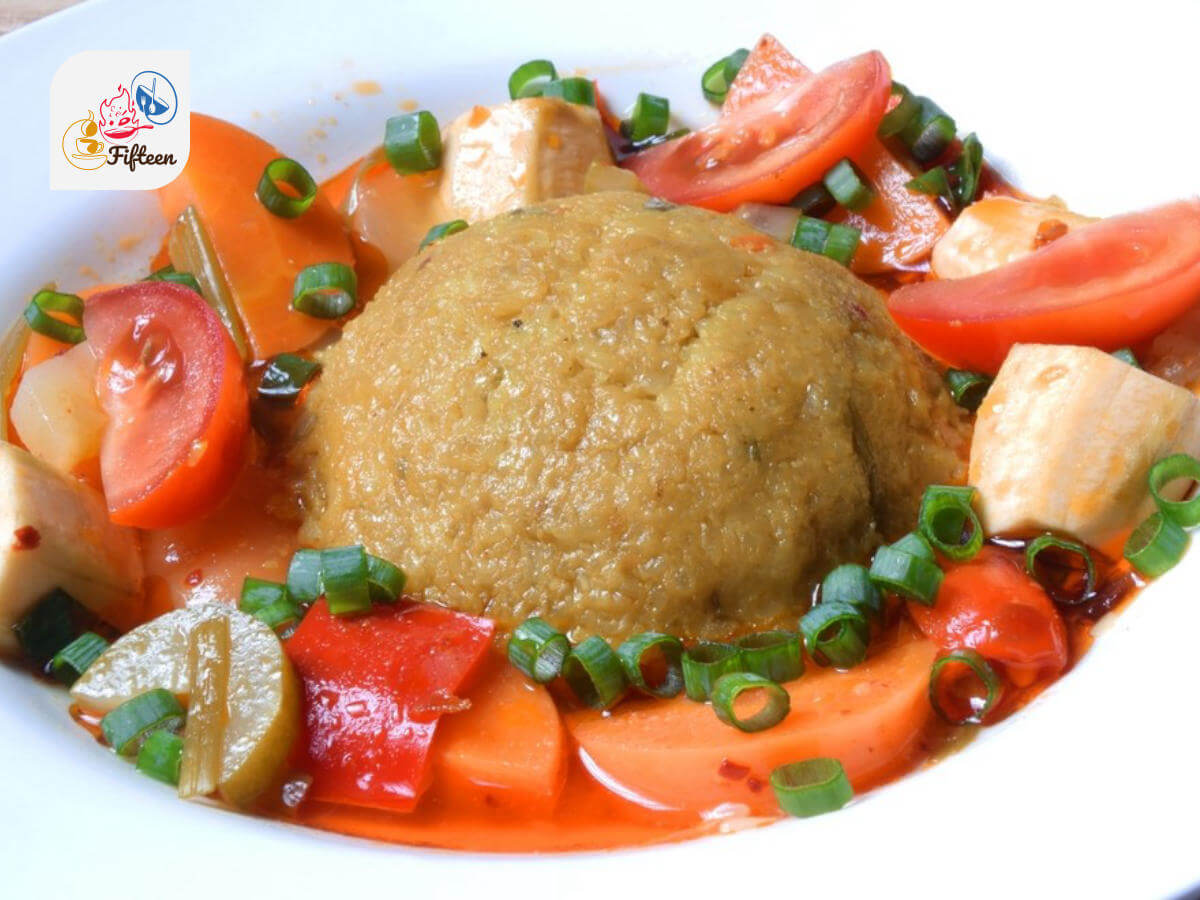
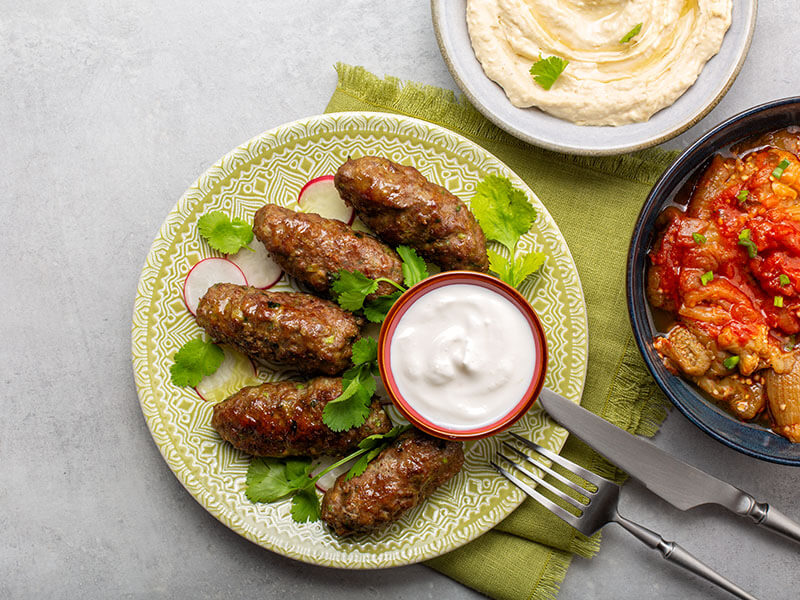
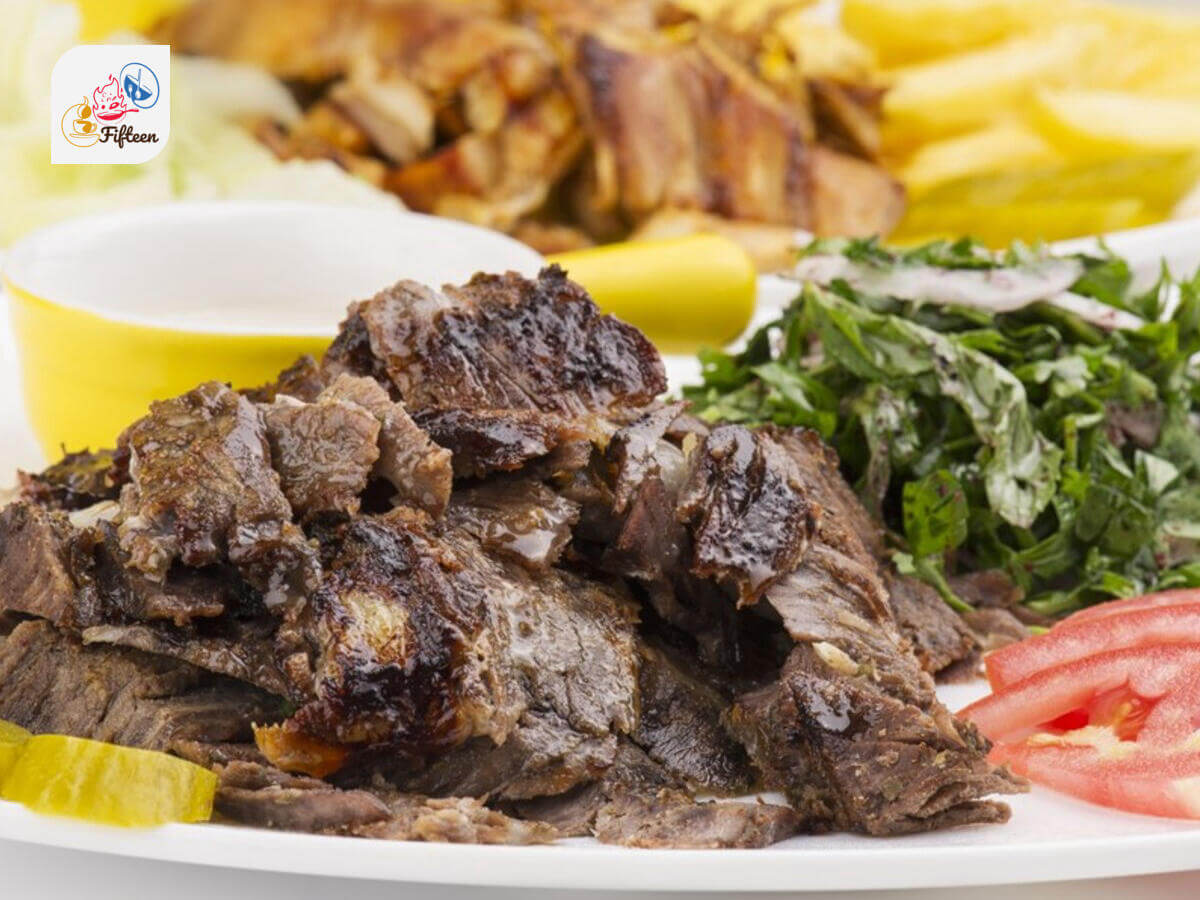
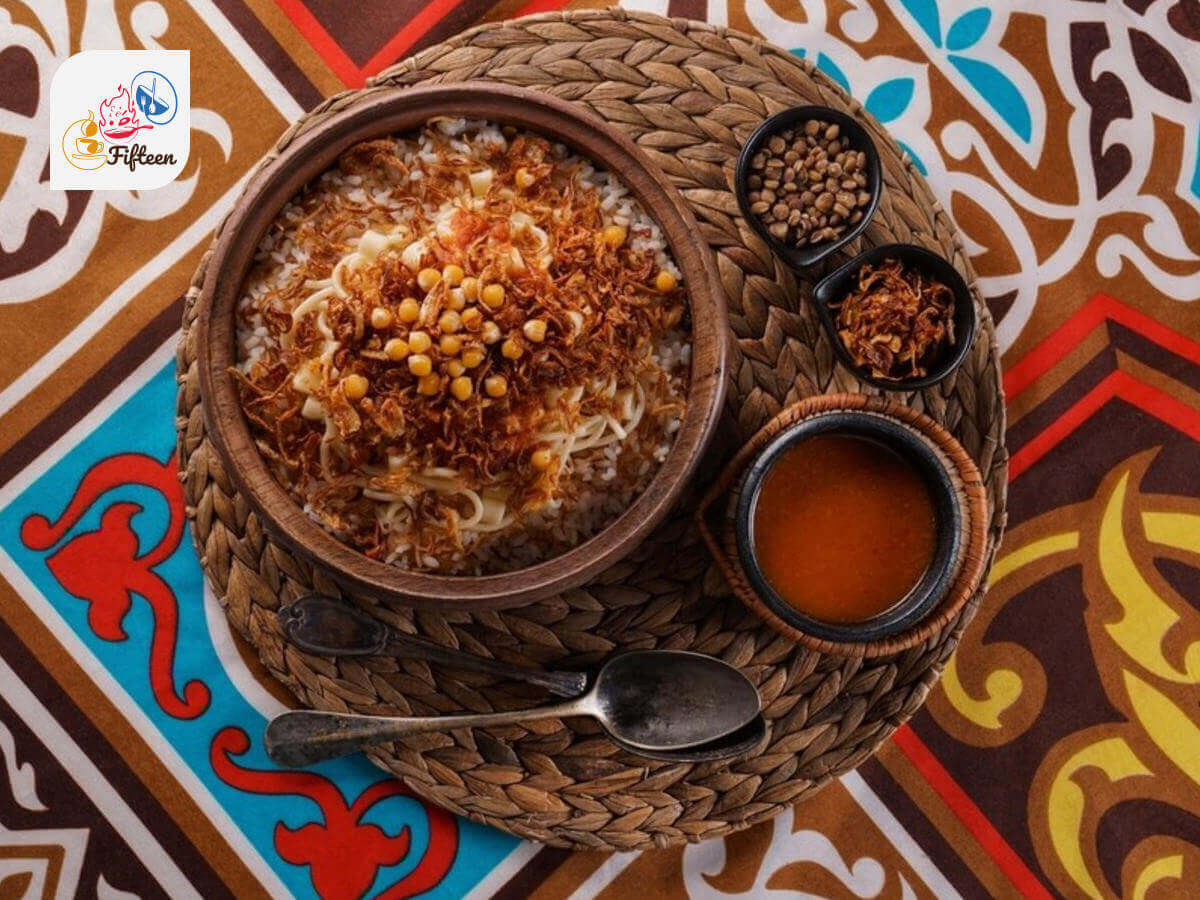
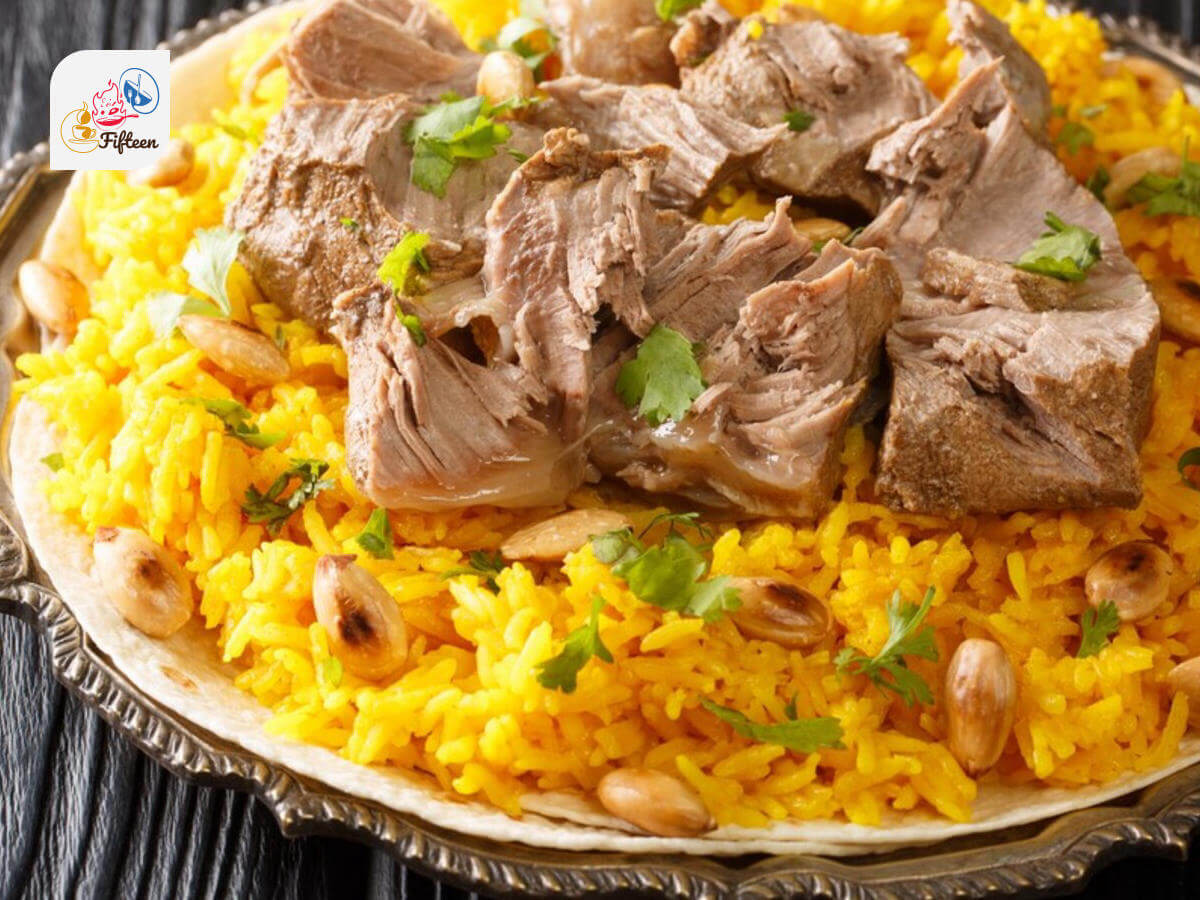
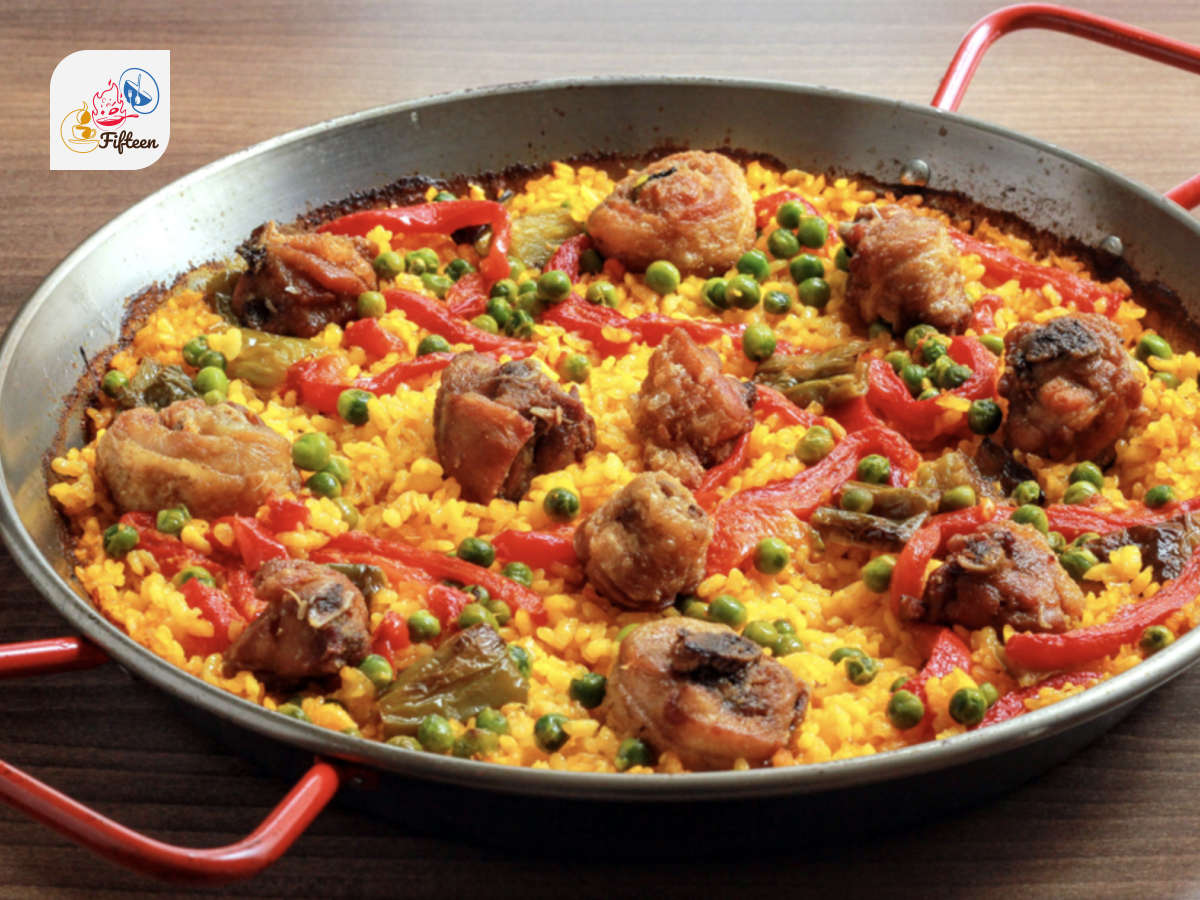
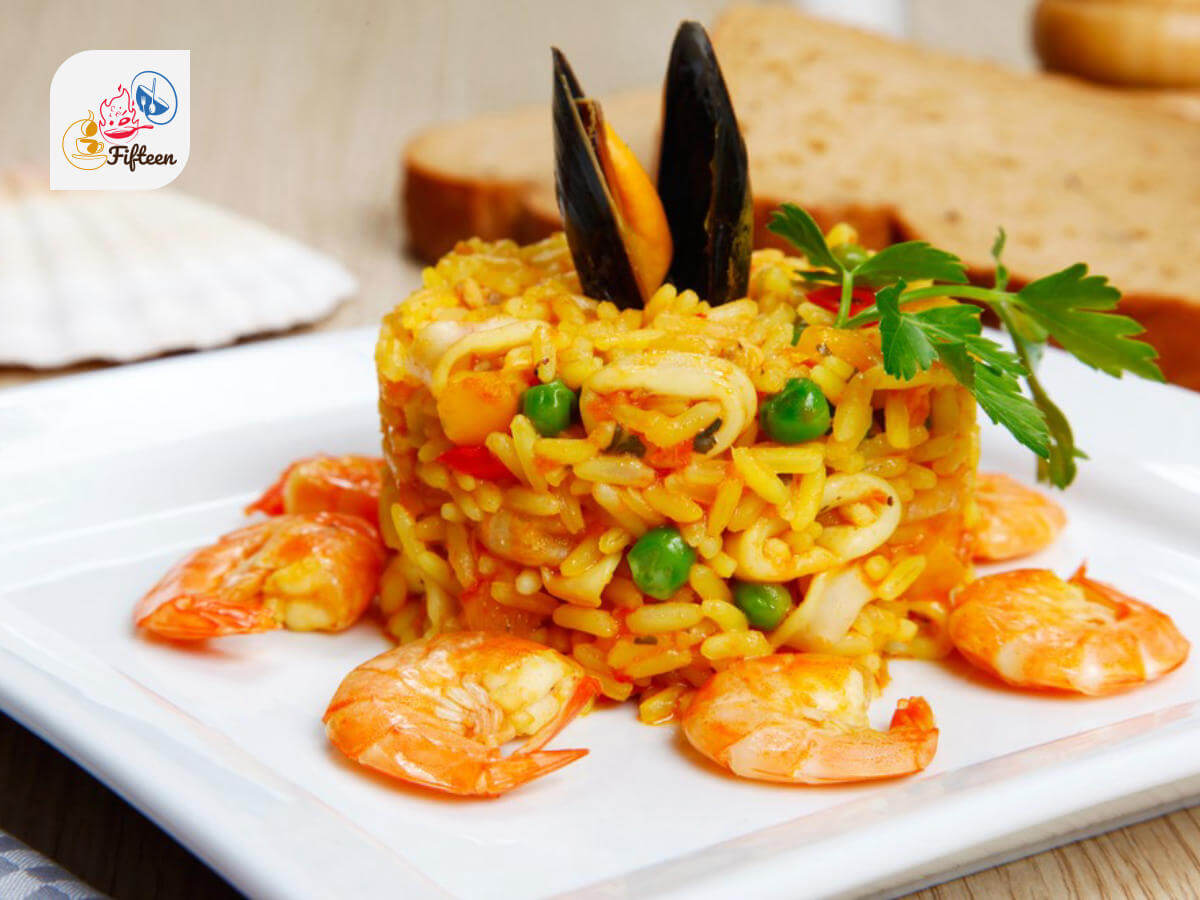
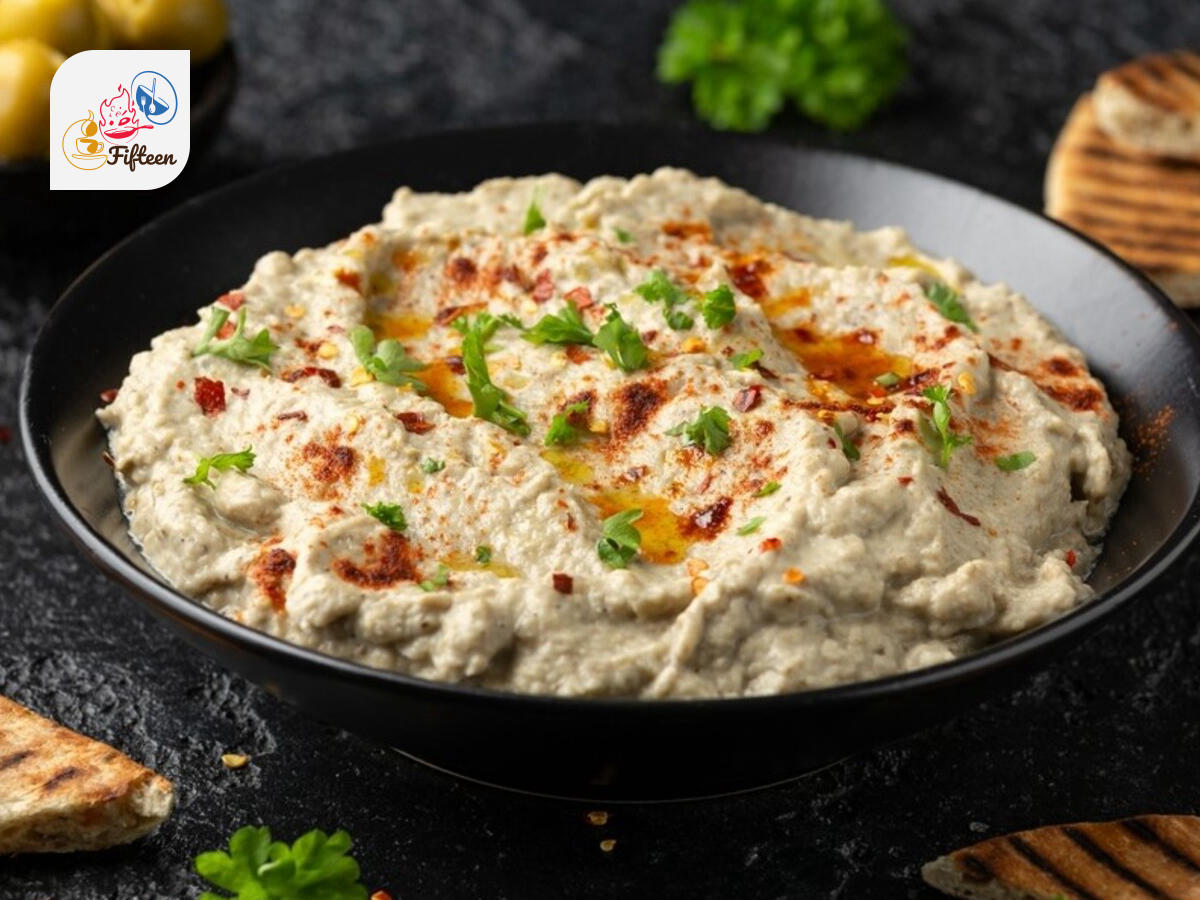
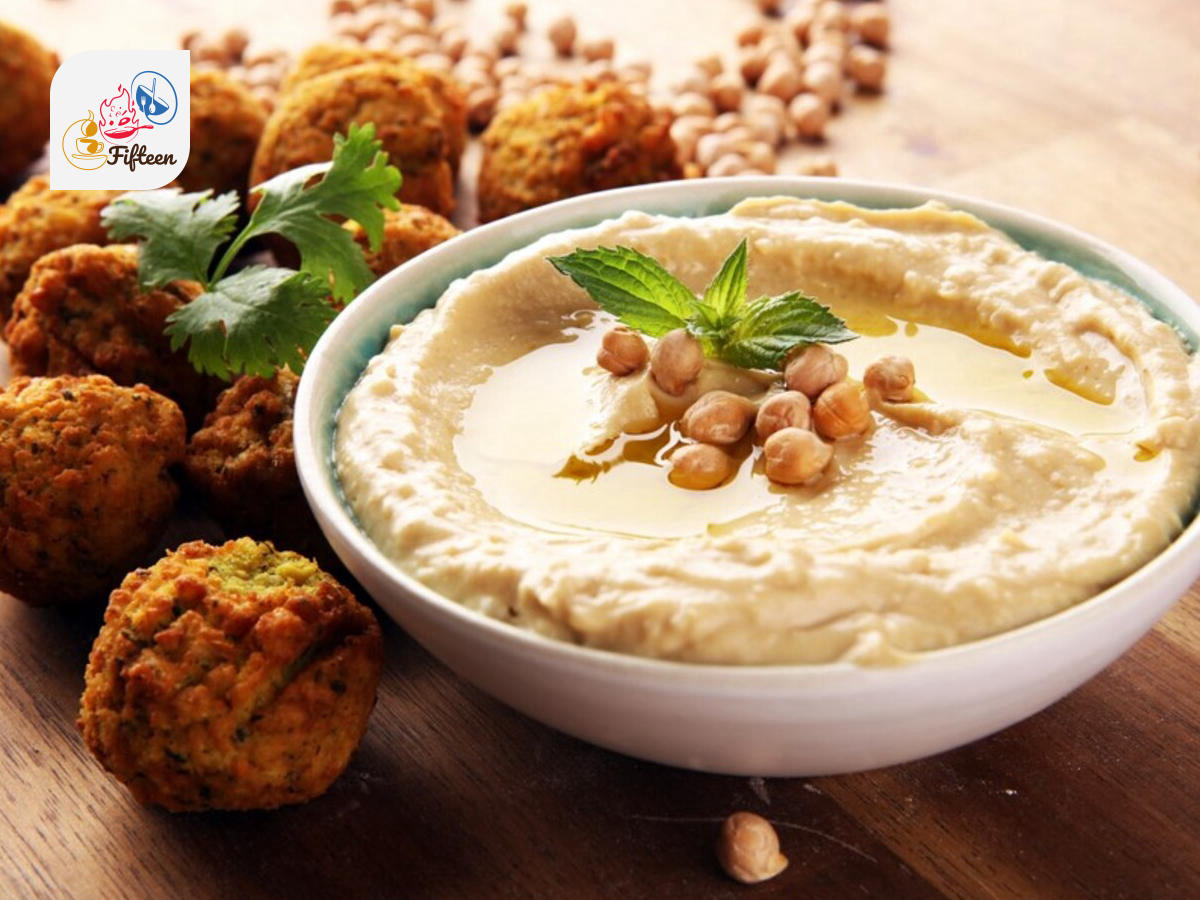
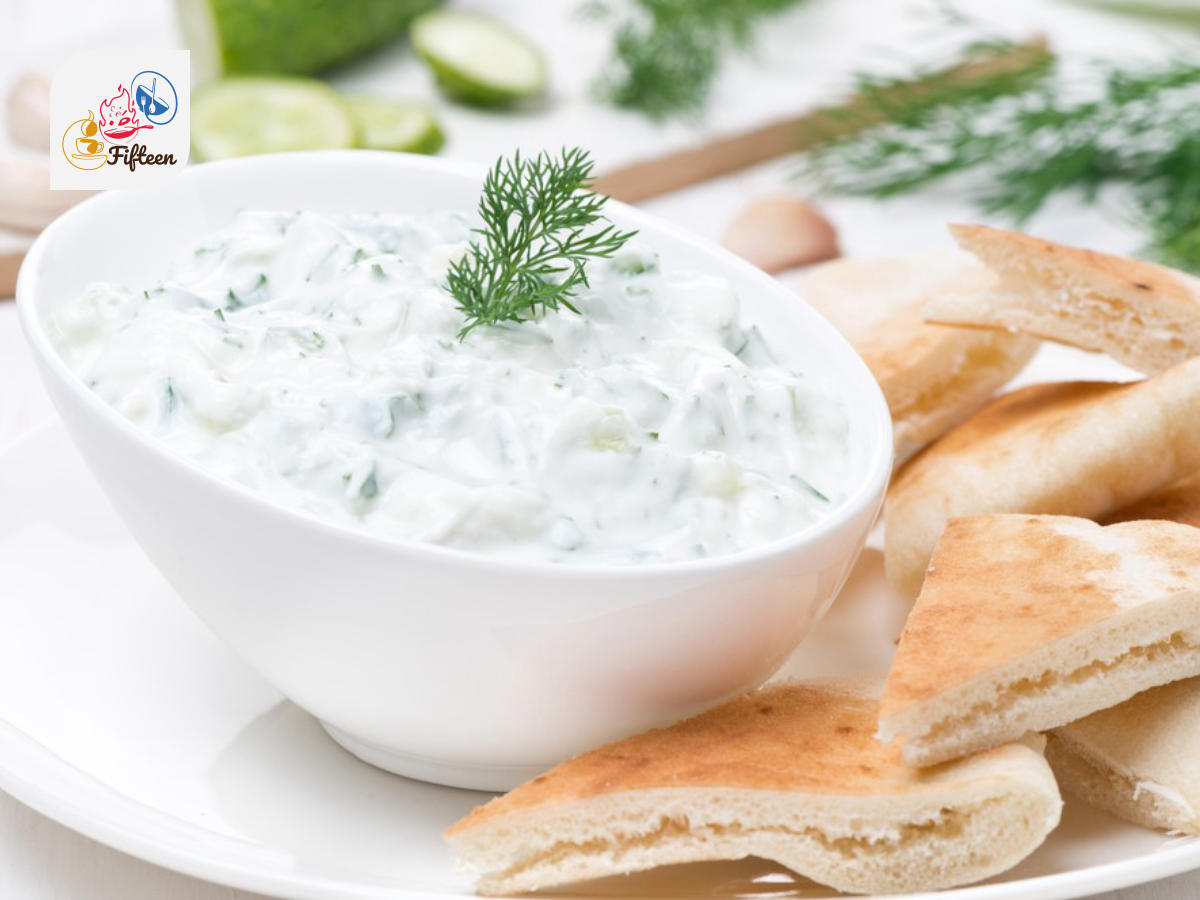
Mediterranean dishes are delicacies commonly savored in the vast and culturally rich region surrounding the Mediterranean Sea, spanning Southern Europe, North Africa, and the Middle East.
This area’s cuisine is a melting pot, drawing influences from European delicacies, African culinary creations, and Asian specialties.
Key components include olive oil, which is used extensively for cooking and dressing; wheat, from which bread, pasta, and couscous are made; and grapes, which are consumed as fresh fruit, dried as raisins, or fermented into wine.
Mediterranean cooking is characterized by its emphasis on fresh vegetables and fruits, legumes, grains, fish, and seafood, with a moderate use of dairy and meat.
The flavors are typically bold and aromatic, derived from a variety of herbs and spices like rosemary, basil, thyme, oregano, and cumin. The cuisine is also known for its use of nuts, seeds, and dried fruits.
Cooking methods across the region, including grilling, roasting, and slow-cooking, help preserve the natural flavors and nutrients of ingredients
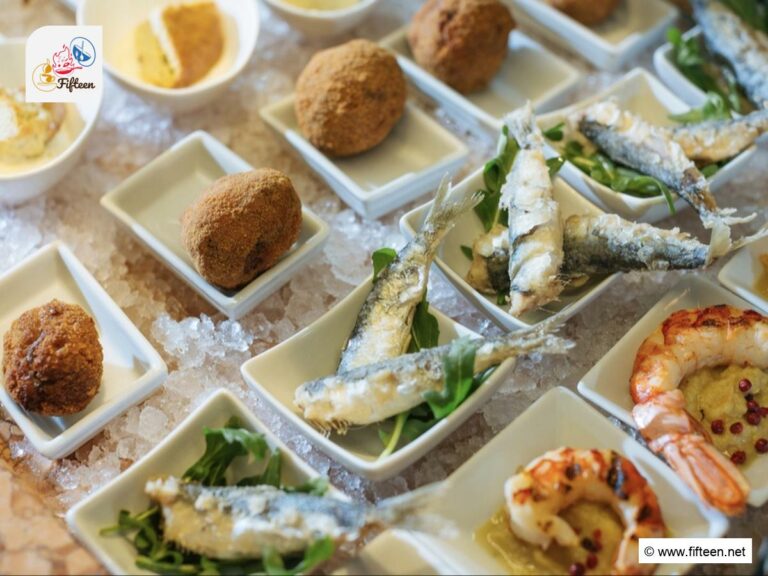
Stews and soups are common, often featuring a tomato base with a variety of vegetables and meats. Seafood dishes are particularly prominent along the coastal areas, where fish is often grilled, baked, or incorporated into rich stews.
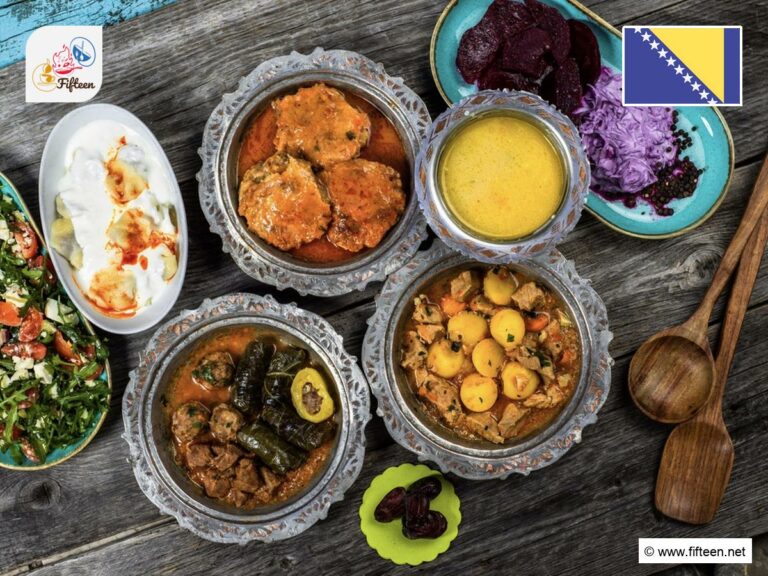
In the region, the tradition of serving a variety of small dishes, known as meze, fosters communal dining and introduces a diversity of flavors in a single meal.
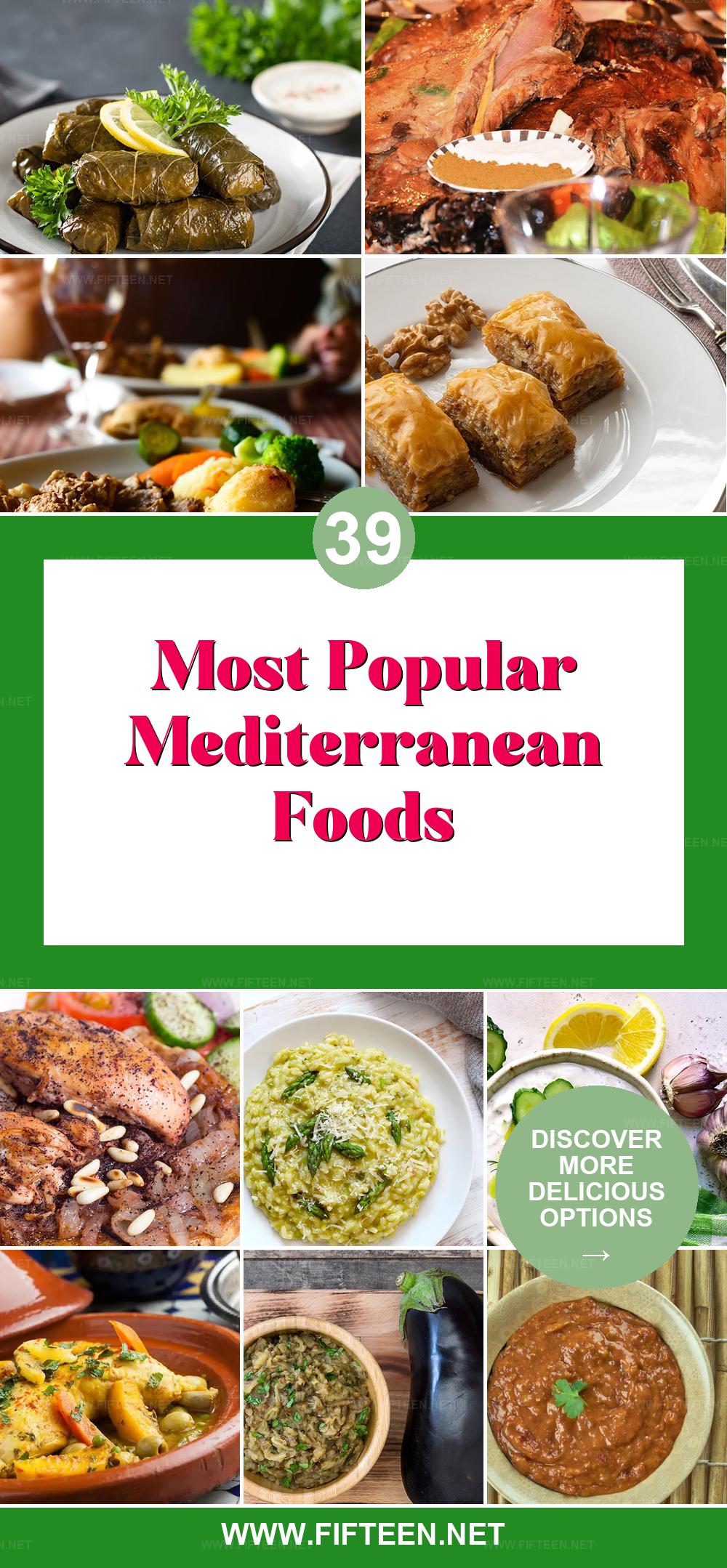
In addition to exploring the most popular dishes, I delve into traditional specialties, their global appeal, and health benefits.
Next, I’ll guide you through the features of regional cuisine, the best culinary spots in the Mediterranean, highlighting unique street foods’ features, where to find them, their significance in local festivities, and dining etiquette.
Plus, you can compare Mediterranean fare with Middle Eastern and Indian cuisines, uncover tips on ideal food and drink combos, and have the lowdown on the Mediterranean diet, including dos and don’ts.
39 Popular Mediterranean dishes with Filters
Explore the colorful Mediterranean cuisine through the top 39 dishes, sorted by popularity. Discover your new favorite by filtering through ingredients, flavors, cooking methods, types of dishes, and meal times.
From traditional classics and national favorites to inventive fusion options, street food, and exotic delicacies, there’s something to delight every palate.
Exotic dishes in the Mediterranean include lesser-known regional specialties that use unique ingredients or cooking techniques.
Fusion dishes in Mediterranean cuisine reflect the region’s long history of trade and cultural exchange, blending traditional Mediterranean flavors with elements from other cuisines.
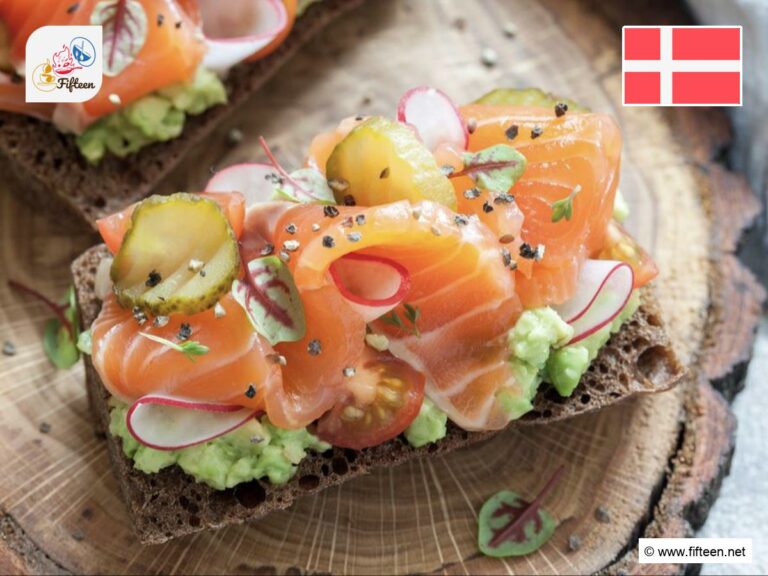
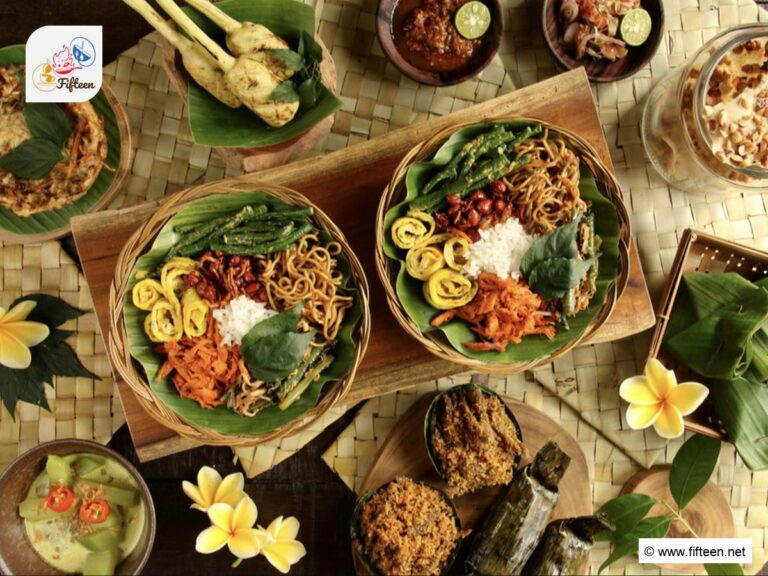
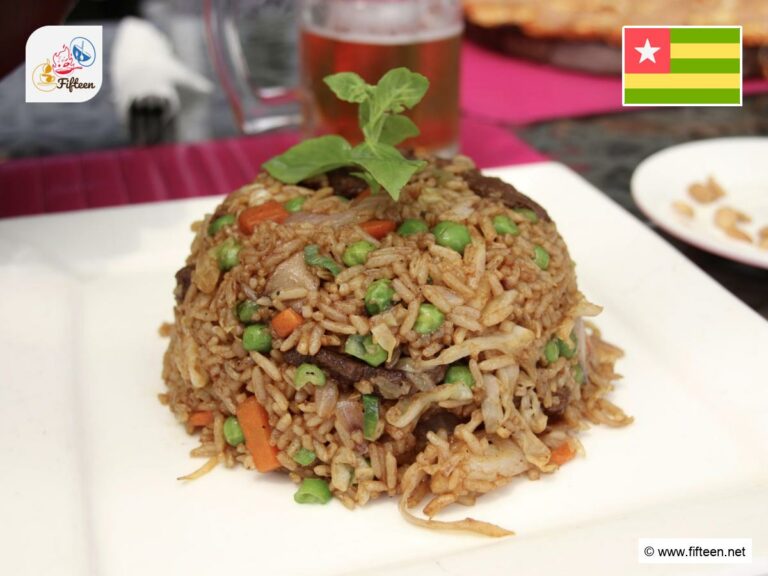
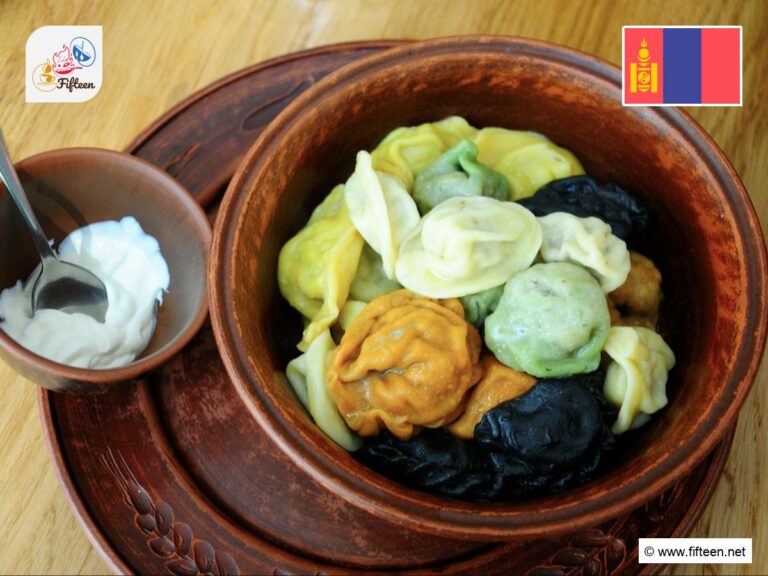
List of Mediterranean Dishes by Country
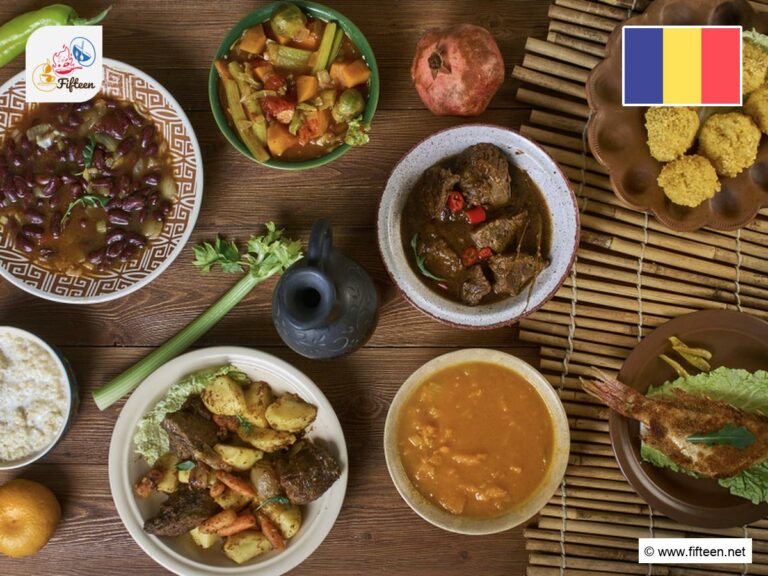
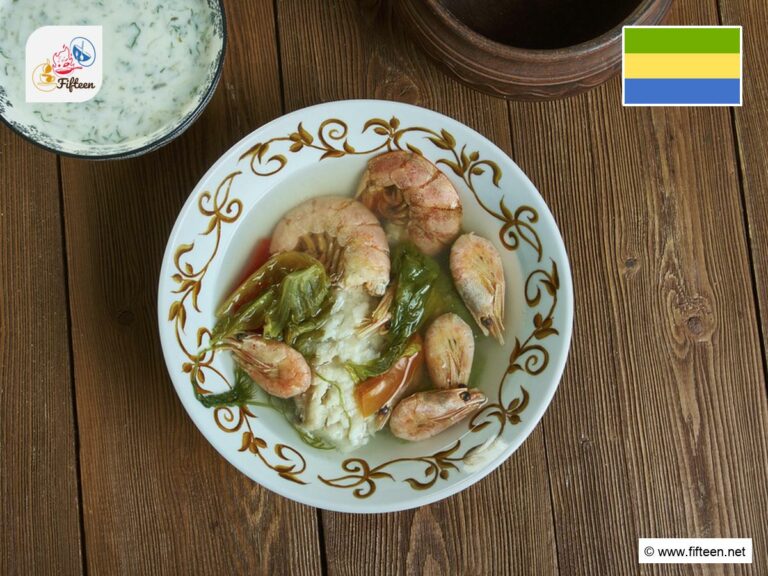
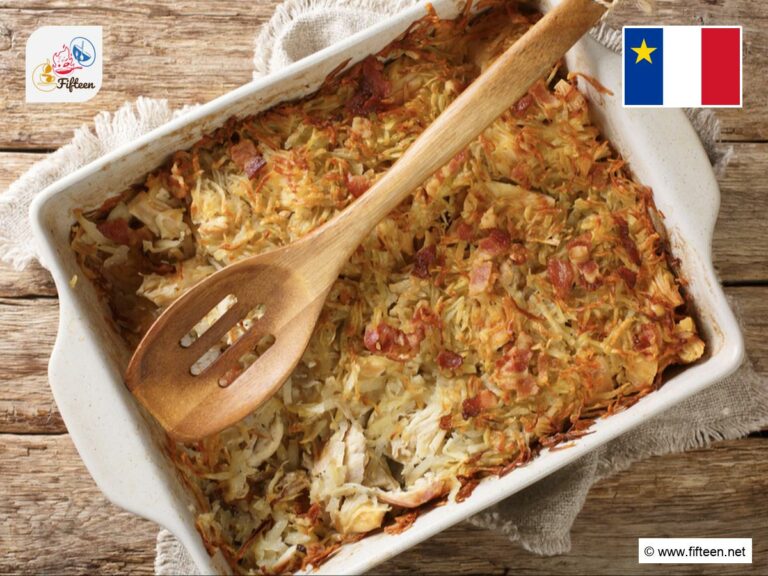
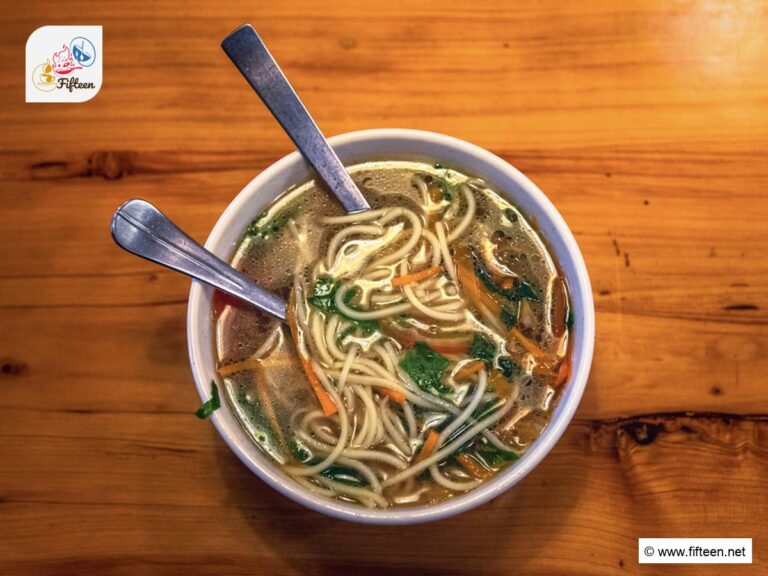
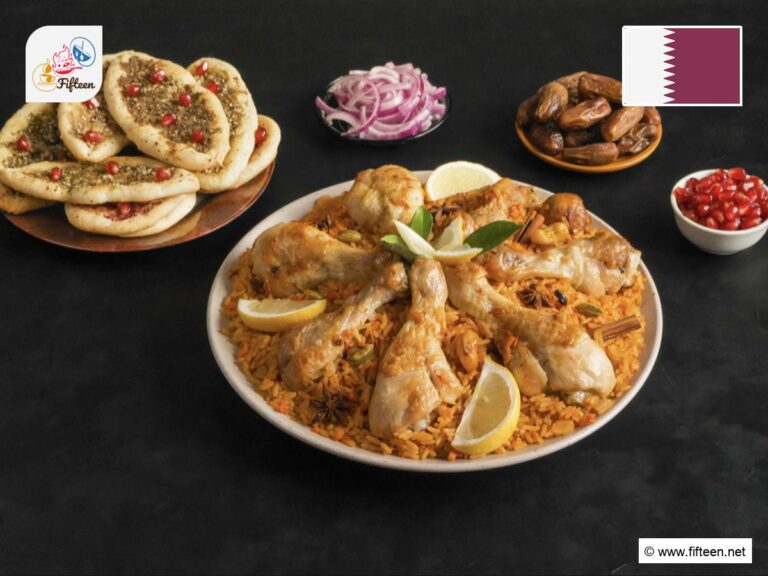
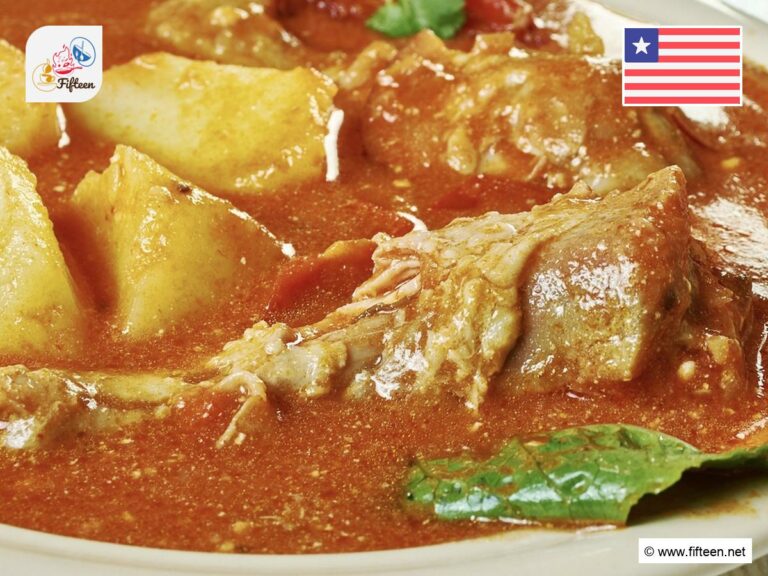

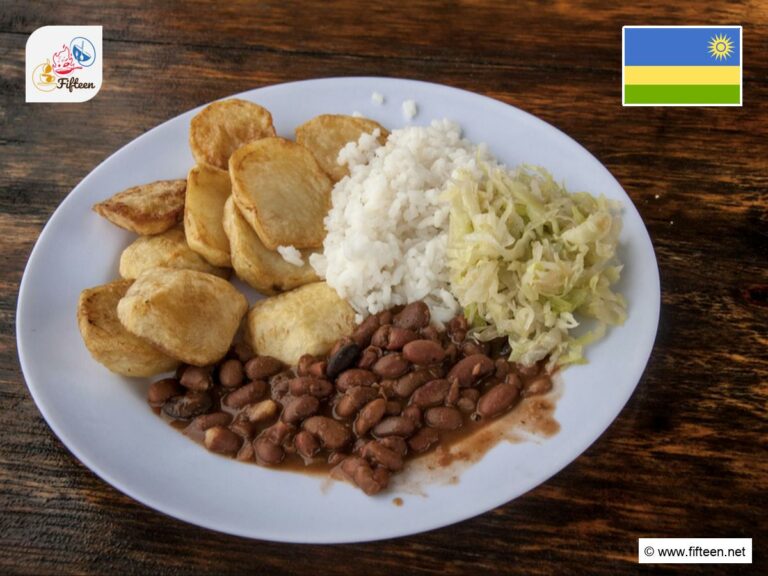
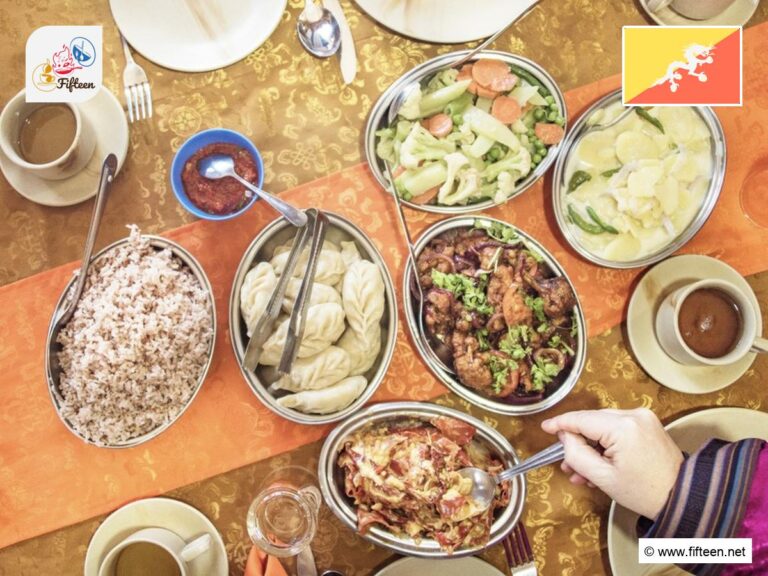
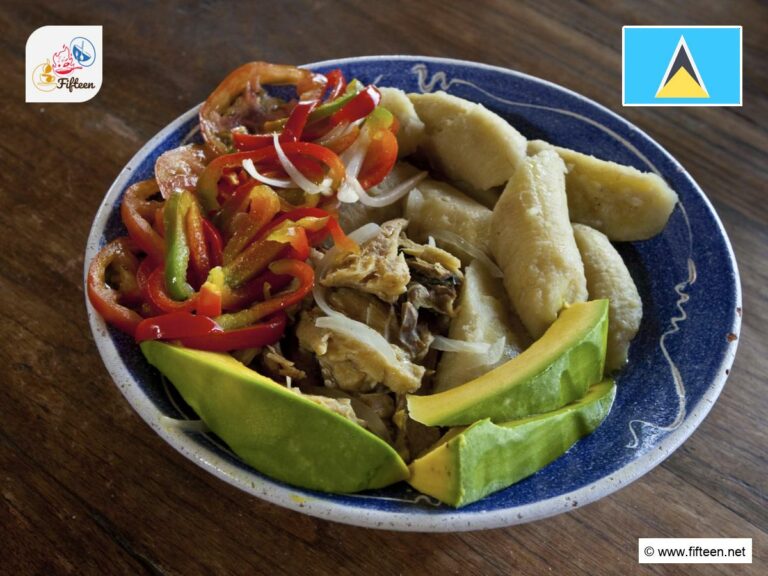
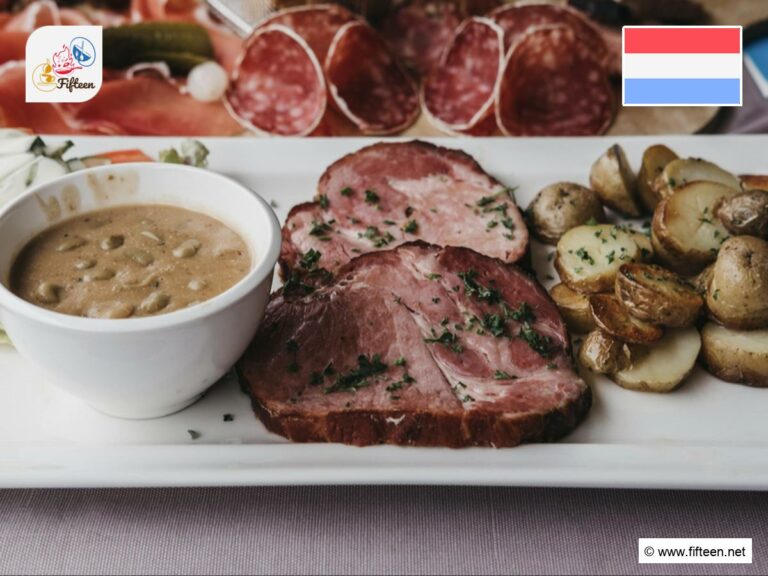
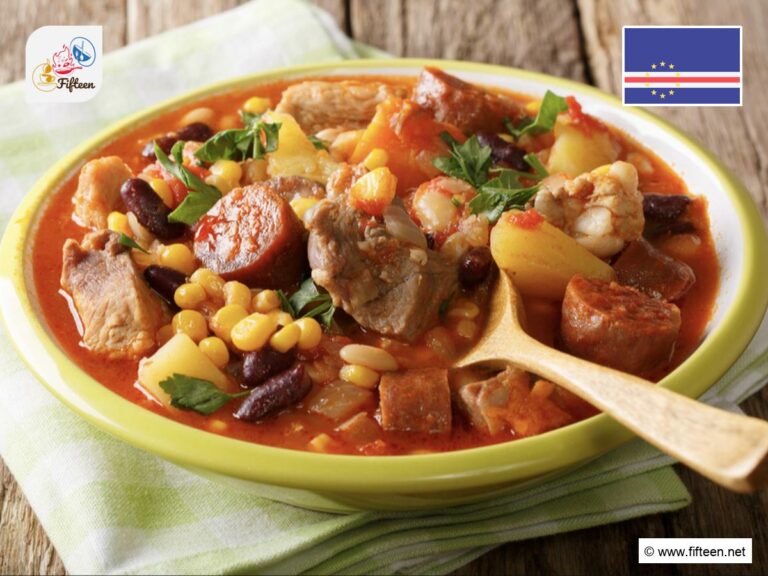
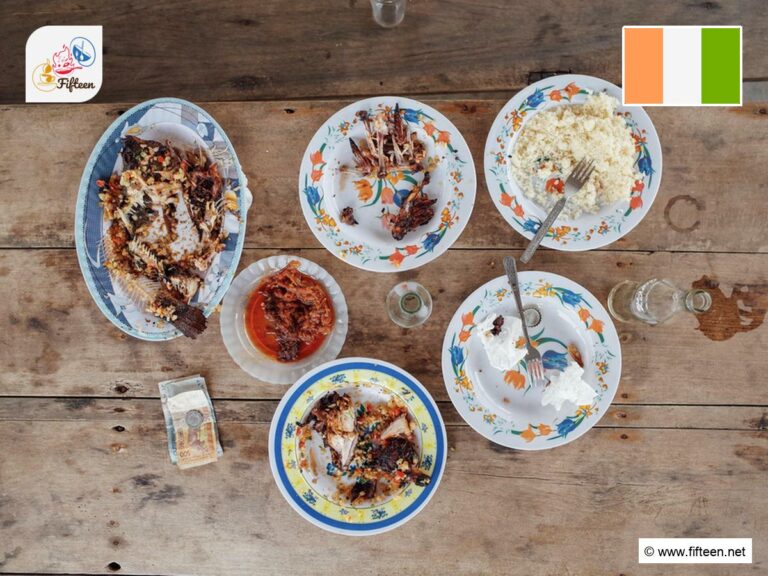
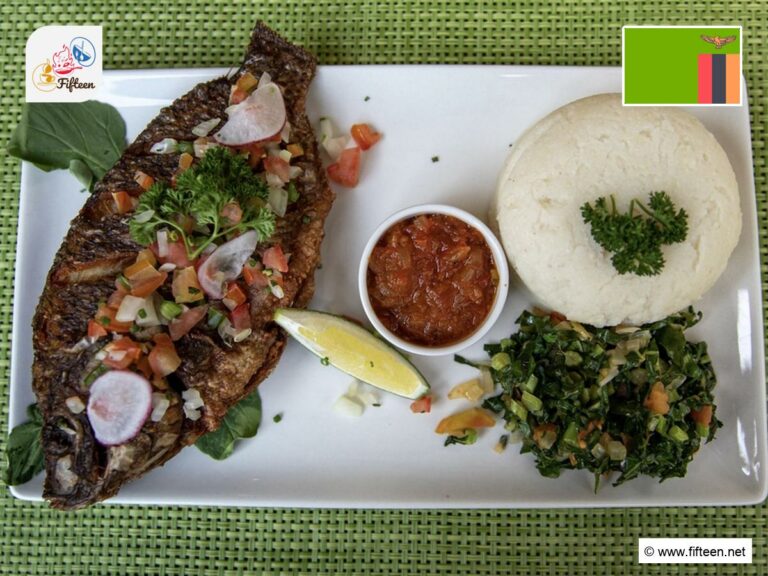
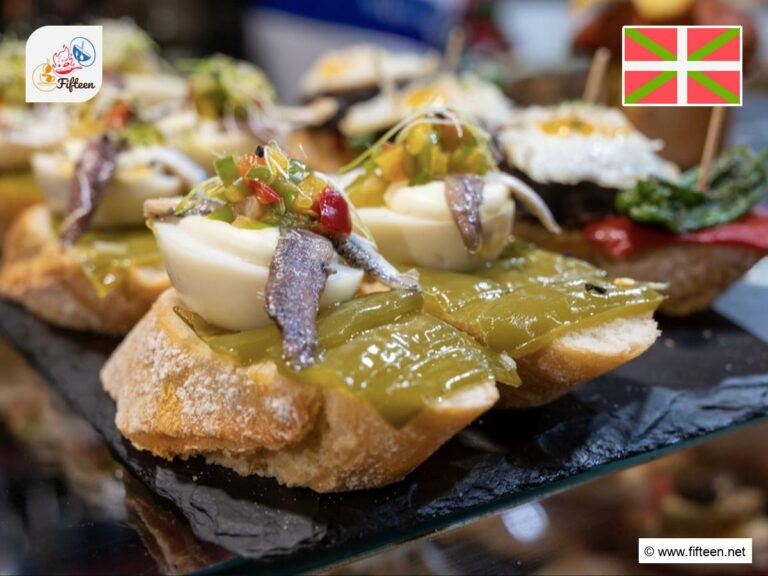

What Are the Features of Mediterranean Dishes by Regions?
This section breaks down the distinctive features of Mediterranean dishes by region:
The diversity of Mediterranean dishes by region highlights the unique blend of local ingredients and cultural influences. Next, explore which countries stand out in this culinary landscape.
What Are the Top Mediterranean Food Countries?
Below are the leading countries in Mediterranean cuisine, along with their culinary highlights:
Identifying the top Mediterranean food countries unveils a rich tapestry of flavors and traditions that lay the foundation for the widespread popularity of Mediterranean street food.
What Makes Mediterranean Street Food Famous?
Mediterranean street food is renowned for the following main reasons:
The fame of Mediterranean street food lies in its ability to offer a quick, delicious, and authentic taste of regional cuisines, sparking curiosity about the countries that excel in this vibrant aspect of their food culture.
Which Mediterranean Countries Have the Best Street Food?
Exploring Mediterranean street food reveals a delightful array of flavors and dishes that reflect the region’s rich culinary diversity. Below is a quick look at the most famous countries:
The best street food in Mediterranean countries showcases the art of combining simplicity with flavor. Right next to this part, you can consider the significance of these dishes in larger, more important celebrations.
What Are the Roles of Mediterranean Dishes in Important Celebrations?
Mediterranean cuisine is central to various celebrations, embodying cultural traditions and spiritual practices.
Moving on, uncover the art of Mediterranean dining etiquette, emphasizing communal eating and respect for food.
What Is Mediterranean Dining Etiquette?
When dining in Mediterranean settings, several key etiquette points should be considered:
Understanding Mediterranean dining etiquette, setting the stage for a comparison between Mediterranean and Middle Eastern dishes, where similarities in ingredients highlight the historical and cultural connections.
Mediterranean Dishes vs. Middle Eastern Dishes
Mediterranean and Middle Eastern dishes, while often grouped together due to geographical proximity and some overlapping ingredients, have distinct characteristics, flavors, and traditions. Here’s a comparison to highlight their differences:
Mediterranean Dishes
Middle Eastern Dishes
Mediterranean and Middle Eastern culinary creations, despite sharing some ingredients and influences, each offer distinct flavors, ingredients, and culinary traditions, reflecting their unique cultural heritages.
Next, why don’t you compare Mediterranean dishes with Indian dishes, known for their intense spices and use of dairy.
Mediterranean Dishes vs. Indian Dishes
Mediterranean cuisine and Indian dishes are both rich and diverse, reflecting the cultural, historical, and geographical variety of their respective regions. However, they have distinct characteristics that set them apart.
Mediterranean Dishes
Indian Dishes
Mediterranean dishes focus on fresh produce, olive oil, and lean proteins for a healthy diet, while wholesome delicacies from India are known for its complex spices and a wide variety of vegetarian and meat dishes, offering diverse flavors and textures.
Up next, let’s discover the harmony between the dish and the drink in this cuisine.
Which Beverages to Pair with Mediterranean Dishes?
Here’s how beverages complement Mediterranean dishes to enhance the overall dining experience:
This selection of drinks from Mediterranean enhance the flavors of Mediterranean dishes, paving the way to explore the rich history and popularity of this diet.
When Did the Mediterranean Diet Become Popular?
The Mediterranean diet, inspired by the traditional food habits of southern Spain, southern Italy, and Crete in the early 1960s, gained widespread recognition in the 1990s.
This diet emphasizes a plant-based approach, focusing on unprocessed cereals, legumes, vegetables, fruits, with moderate consumption of fish, dairy products (mainly cheese and yogurt), and a low amount of red meat.
Olive oil is a key component, associated with health benefits like reducing mortality risk and chronic disease.
The diet’s popularity in the United States was bolstered by its inclusion in the 2015–2020 Dietary Guidelines for Americans, alongside the DASH diet and vegetarian diet, due to its potential for reducing all-cause mortality and the risk of heart disease, obesity, and other health benefits.
The concept was first publicized in 1975 by American biologist Ancel Keys and chemist Margaret Keys but did not gain significant attention until the 1990s, following objective data from epidemiological studies in Calabria, Naples, and Madrid, and further confirmed by the Seven Countries Study.
In summary, the Mediterranean diet became popular in the 1990s, following decades of research and publication that highlighted its health benefits. It’s also important to understand its dietary guidelines to fully appreciate its benefits.
What Foods Can and Cannot Eat on The Mediterranean Diet?
Here’s a breakdown of what you can and cannot eat on the Mediterranean diet based on information from Mediterranean Living and Mayo Clinic:
| Foods to Eat | Foods to Limit or Avoid |
|---|---|
| Vegetables: A wide variety of fresh vegetables including onions, garlic, potatoes, artichokes, zucchini, eggplant, squash, and leafy greens like spinach, kale, and arugula are encouraged. Fruits: Fruits such as grapes, tomatoes, lemons, oranges, apples, and berries are part of the daily diet. Nuts and Seeds: Healthy fats from pine nuts, walnuts, almonds, and seeds like sesame and pumpkin are included. Whole Grains, Rice, and Pasta: Whole grains such as whole wheat, bulgur wheat, quinoa, rice, and whole-grain pasta are recommended. Legumes: Beans and legumes like lentils, chickpeas, and kidney beans are key for protein and fiber. Seafood: Fish and seafood, especially fatty fish rich in omega-3 fatty acids like salmon, sardines, and mackerel, are recommended two to three times a week. Healthy Fats: Unsaturated fats, particularly olive oil, are a staple in cooking and dressing foods. Dairy: Moderate portions of dairy, especially fermented dairy like yogurt and cheeses such as feta and mozzarella, are included. | Red Meat: Red meat is consumed only occasionally, and lean cuts of grass-fed beef or lamb are preferred when consumed. Added Sugars and Sweets: Foods with added sugars are limited, including sweets, sodas, and candies. Processed Foods: Highly processed foods and refined grains are not part of the diet, aiming for whole, minimally processed options instead. |
Let’s try these Mediterranean dishes, share your culinary adventures, and engage with our community by liking, sharing, and commenting on this article. Your feedback fuels our passion for bringing more delicious recipes and culinary insights directly to you.
Jamie Scott
Editor in Chief, Senior Content Writer
Expertise
Home Cooking, Meal Planning, Recipe Development, Baking and Pastry, Food Editor, Cooking-video Maker, Western Food Evaluation Expert
Education
Le Cordon Bleu College of Culinary Arts
Local Community College, New York, NY
Jamie Scott is a skilled culinary expert and content creator specializing in Western cuisine. With over 15 years in the culinary field and formal training from Le Cordon Bleu, Paris, Jamie deeply understands how to blend nutrition with delicious flavors. His passion for cooking matches his commitment to making healthy eating accessible and enjoyable.
On Fifteen.net, Jamie brings a fresh perspective to classic dishes and beverages, offering readers insightful recipes, cooking tips, and a fresh view on meal planning that emphasizes taste, health, and simplicity.