Rye bread, pork, potatoes, dairy products, fish (especially herring and sprat), seasonal vegetables
Common Cooking Methods
Boiling, baking, smoking, frying, drying
Courses
Appetizer, main course, dessert, salad
Meals
Breakfast, lunch, dinner
Key Taste
Savory, neutral, sweet, sour
Eating Etiquette
Arrive on time, greet with handshake and eye contact, follow host’s seating, use utensils Continental style, observe formal table manners, eat bread as side, toast with eye contact, thank host, payer handles bill.
Meal Presentation
Traditional Estonian meals often emphasize communal eating and seasonal festivities, with a focus on sharing dishes like sauerkraut and blood sausage during Christmas
Culinary Festivals
Christmas, Easter, Midsummer’s Day (St. John’s Day), New Year’s, and Independence Day
Influence and Fusion
Influenced by Scandinavian, German, Russian, Latvian, and Lithuanian cuisines due to its geographical location in the Baltic region
Estonian porridges are wholesome, and commonly made from grains like barley or oats.
They can be savory, paired with meats and vegetables, or sweetened with fruits and berries.
Estonian dishes blend traditional elements with influences from nearby countries, such as Scandinavian, German, Russian, Latvian delicacies, and Lithuanian treats, reflecting its position in the Baltic region.
Staples include rye bread, pork, potatoes, and dairy products. The country’s cuisine features a variety of cold dishes such as pickles, meats, sausages, potato salad, and rosolje, a signature dish made with beetroot, potatoes, and herring.
Fish, particularly herring, smoked eel, and Baltic dwarf herring, play a significant role. Soups are central, from broths mixed with vegetables to sweet soups made from black bread and apples. Desserts are diverse, from traditional kama and kissell to Soviet-era birthday treats.
When discovering the fares of Estonia, you should not miss the chance to learn about the country’s seasonal fares alongside some interesting beverage choices.
Traditional Estonian food offers a rich tapestry of flavors. Here’s a glimpse into the traditional foods of Estonia:
Foundation on Meat and Potatoes: The diet traditionally revolves around meat (especially pork), potatoes, and in coastal and lakeside areas, fish.
Influence from Neighboring Cuisines: Estonian food has absorbed elements from Scandinavian, German, Russian, Latvian, and Lithuanian cuisines.
Dairy Products: Dairy, particularly in the form of cheese and sour cream, plays a significant role in the cuisine.
Seasonal Eating Habits: The Estonian diet changes with the seasons, utilizing fresh produce in the summer and preserved foods in the winter.
Rye Bread: A staple of the Estonian diet, rye bread is cherished across the country.
Later on, explore the popularity of Estonian food around the world to uncover more about this country’s cuisine.
Estonian cuisine has gained international recognition, largely through the Estonian diaspora. In North America, cities like Toronto and New York celebrate Estonian food at cultural events and in restaurants.
Finland, sharing close ties with Estonia, enjoys Estonian products in supermarkets and restaurants, highlighting the shared culinary preferences across the Baltic Sea.
In Europe, countries like Sweden and Germany, with historical connections to Estonia, host Estonian cultural festivals where traditional foods are a main attraction. Australia’s Estonian community brings a taste of Estonia down under, with events and eateries featuring Estonian classics.
Aside from these features, the healthy side is also a notable thing when it comes to Estonian food.
On the health side, Estonian food has these notable features to memorize:
Seasonal Produce: Maximizes nutrients and taste with fresh, in-season fruits and vegetables.
Balanced Diet: Combines meat with plentiful plant-based foods for fiber and nutrient diversity.
Fermented Foods: Incorporates probiotics through sauerkraut and kefir, boosting gut health.
Whole Grains: Utilizes rye, barley, and oats for a high fiber intake, supporting digestion.
Fish: Emphasizes fish consumption, providing essential fats for heart and brain health.
With all this information, you’re well-equipped to discover the dishes of Estonia, unveiling flavorful treats made using local ingredients.
19 Most Popular Estonian Dishes with Filters
Below are the most well-known Estonian dishes, carefully sorted according to their popularity. Check out these specialties using the filter system in order to see them in alphabetical order, taste, key ingredients, dish types, cooking methods, and even global popularity.
Also, I’ll leave you with some exciting categories about Estonia’s popular, traditional, national, and street food dishes:
Widely enjoyed across Estonia, reflecting the country’s culinary preferences.
Often found in restaurants and homes, showcasing a blend of modern and traditional flavors.
Regularly consumed, indicating a strong cultural affinity and accessibility.
Symbolize Estonian identity and culinary heritage.
Often associated with national celebrations and festivals.
Serve as culinary ambassadors, representing Estonia in international contexts.
Rooted in Estonia’s history, passed down through generations.
Emphasize local ingredients and cooking methods unique to the region.
Reflect seasonal eating habits and Estonia’s agricultural past.
Casual and accessible, reflecting everyday Estonian flavors.
Found in markets, festivals, and street food vendors, offering a quick taste of local cuisine.
Adapt traditional Estonian ingredients and recipes for on-the-go consumption.
European Sprat
Street Food
Traditional
European sprat is a small marine fish belonging to the Clupeidae family, prized for its white-gray flesh and prevalent in European seas, including Estonia.
As a country with a rich fishing tradition, sprat holds a vital place in Estonian cuisine. This versatile fish features in numerous Estonian recipes, enjoyed in various forms, such as canned, salted, fried, or smoked.
Kiluvõileib
Traditional
Kiluvõileib is an iconic Estonian open-faced sandwich featuring a marinated sprat filet atop a slice of rye bread. People often garnish it with poached or hard-boiled eggs, green onions, and fresh herbs.
This fish sandwich is widely available in local restaurants, especially during special events.
Verivorst
Street Food
Traditional
Verivorst is a traditional Estonian blood sausage with pig’s blood, barley groats, and other spices. Although it is an excellent appetizer for an everyday meal in Estonia, it is primarily sold and consumed during the winter months as a traditional Christmas dish.
This dark blood sausage is also a national dish of Estonia cuisine. Additionally, verikäkk (black pudding) can be considered a variation of verivorst.
Often, Estonians cook these blood sausages in ovens or simply frying them in a pan. For serving, locals prioritize options like lingonberry jam, butter, sauerkraut, or sour cream for enjoying with verivorst.
Sült
Traditional
Sült is a traditional Estonian aspic, or meat jelly, crafted primarily from pork. This savory dish is made using parts of the pig rich in connective tissue, like trotters, resulting in a gelatinous consistency akin to a solidified soup.
In modern renditions, sült may also incorporate leaner cuts and pork scraps for a contemporary twist. Meat jelly remains a cherished appetizer in Estonia, celebrated for its unique texture and flavor.
Mulgikapsad
Traditional
Mulgikapsad is a traditional Estonian sauerkraut, pork, and barley dish that can be served as a complete meal with boiled potatoes and fermented milk. Like all sauerkraut dishes, mulgikapsad tastes better on the second day.
Estonian villagers used to make this classic mix with barley groats every Thursday and Sunday, but pearl barley is also a great choice.
Rukkileib
Street Food
Traditional
Rukkileib is a type of black bread of Estonian cuisine, accompanying nearly every savory dish. This black rye bread, favored over white bread, boasts a richer color, a more robust flavor, and a higher fiber content.
A staple throughout the Middle Ages in various European countries, including Estonia, Iceland, Denmark, and Sweden, rukkileib is believed to have been introduced to Britain around 500 AD.
It features prominently in numerous Estonian recipes, such as kiluvõileib.
Leivasupp
Traditional
Leivasupp is a cherished traditional Estonian rye bread soup. This delightful dish combines the thickness of mashed rye bread with the sweetness of fruit juice, raisins, and cinnamon, creating a creamy and sweet soup.
It’s an ingenious solution for utilizing stale dark rye bread, further enriched when served with cream, milk, and nuts. Commonly enjoyed warm or chilled, it is often savored as a dessert or a light afternoon snack, and even as a favored main course during school lunches in Estonia.
Rosolje
Traditional
Rosolje is a fuchsia-colored Estonian salad featuring a delightful combination of bite-sized beet and potato chunks enveloped in a light, creamy sauce.
Typically served chilled, rosolje complements meat dishes or sausages perfectly. While every Estonian family boasts its own unique recipe, the essential ingredients remain potatoes and beets.
The salad’s versatility allows for customization with additions like pickled herring, onions, hard-boiled eggs, or apples.
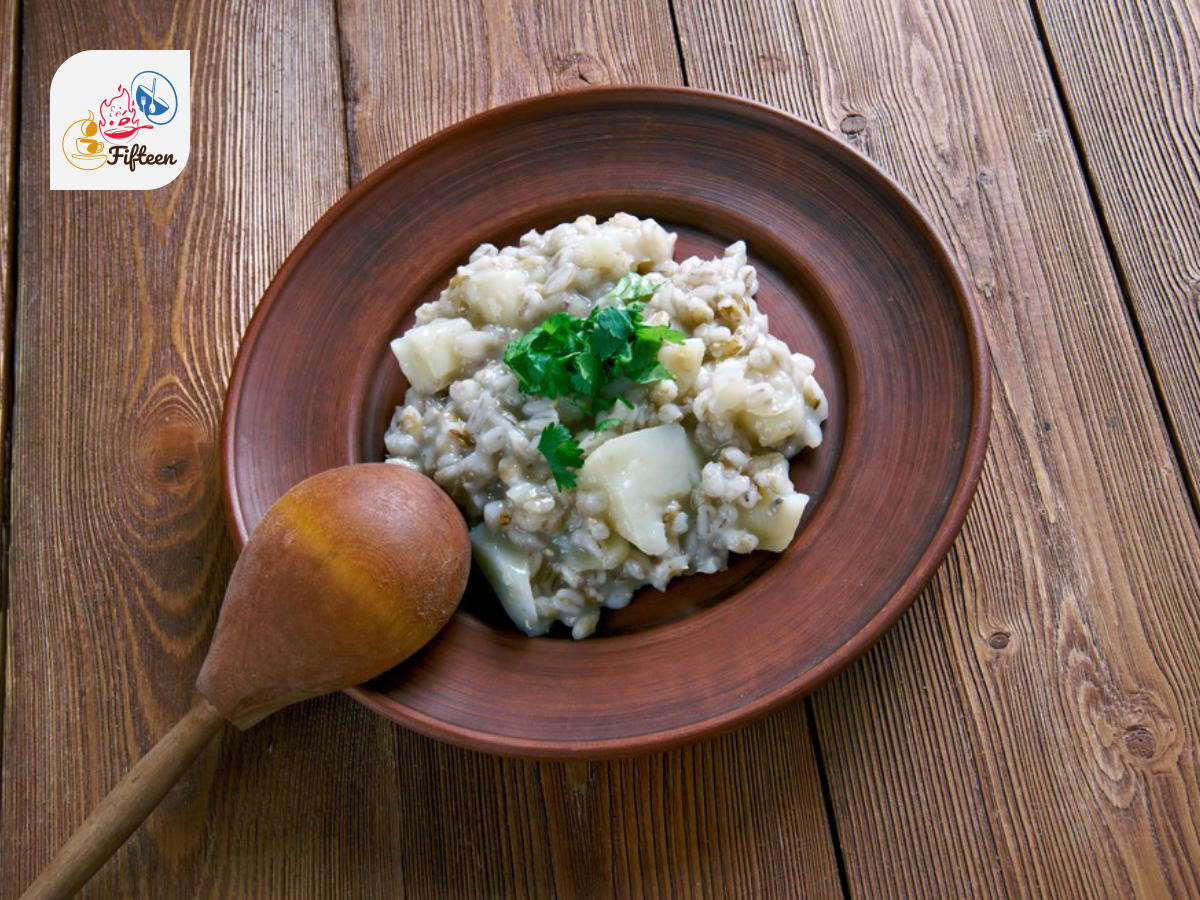
Mulgipuder
Traditional
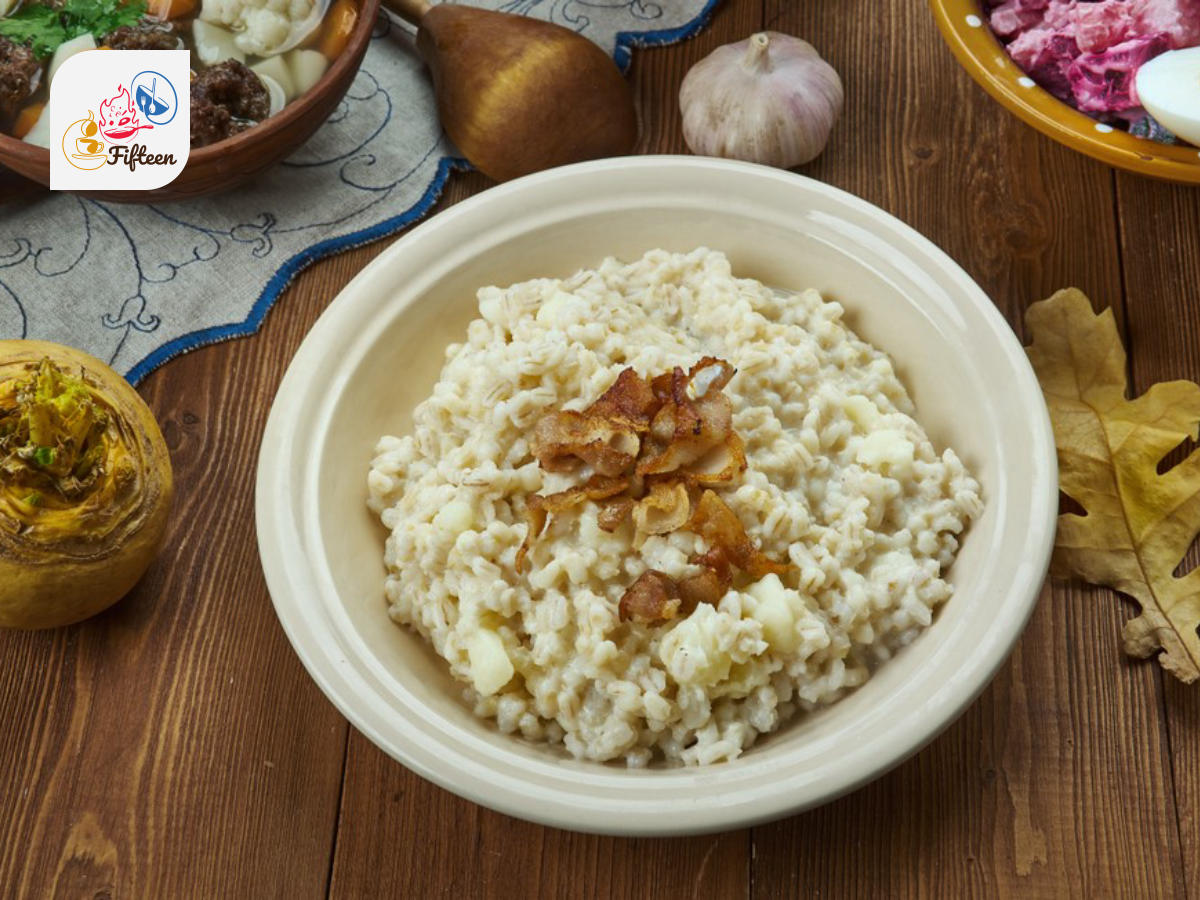
Mulgipuder is a porridge made with mashed potatoes and barley in Estonia.
It’s commonly made with bacon and sautéed onions and served as a main course with rye bread and sour cream or as a side dish to go with other roasted meat meals.
The name of this dish means “Mulgi’s porridge”. Around the second part of the 19th century, residents in southern Estonia (the Mulgi) began making this comforting porridge.
This dish quickly became well-known across Estonia near the end of the century. On the funny side, in Mulgimaa, animals were considered more important than humans, so the locals used to give this porridge to them first.
Kohuke
Street Food
Traditional
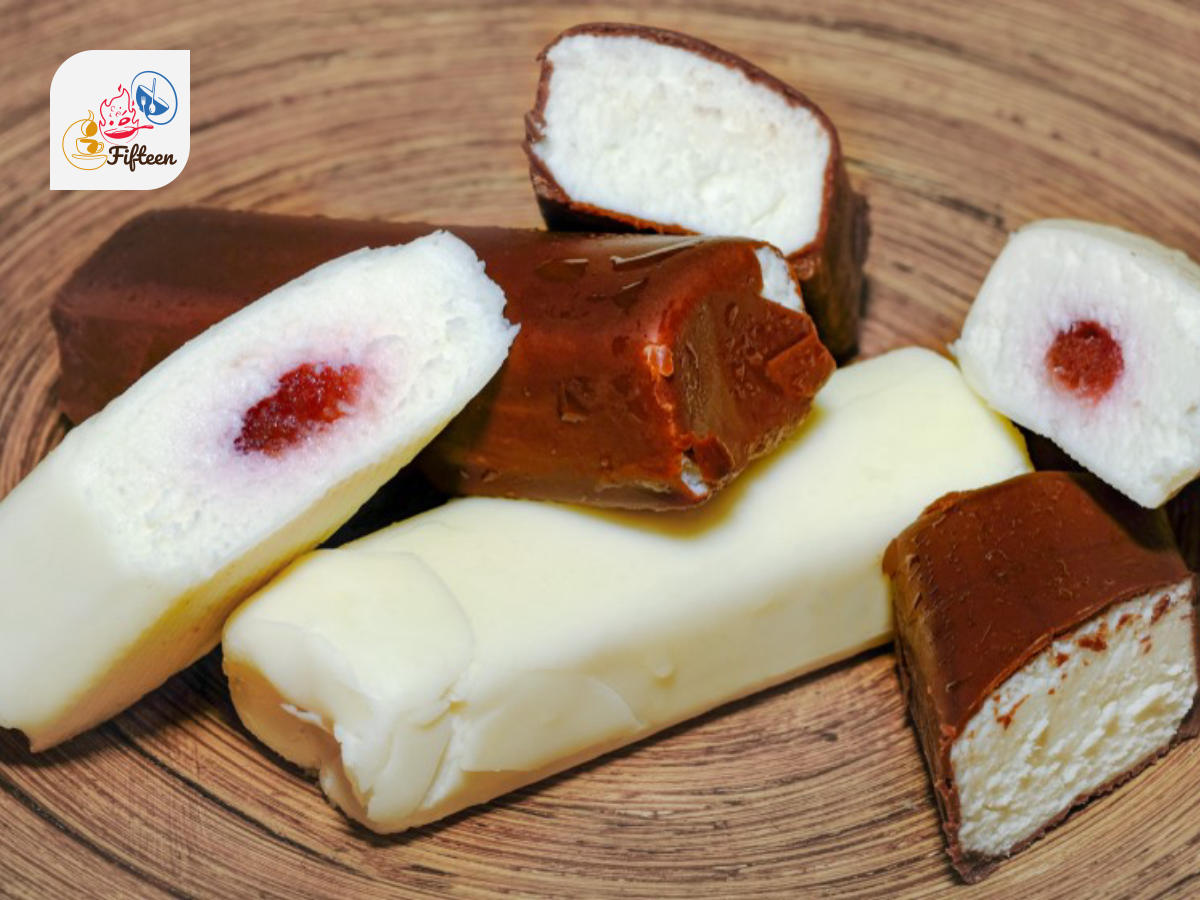
Kohuke is a popular Estonian sweet snack made from lightly pressed curd bars covered in chocolate. The treat is not only popular among Estonians, but it is also sought-after in other European countries.
Despite the unclear origin, it is still commonly believed that kohuke was initially invented during the time of the Soviet Union. The delightful curd bar was soon a crowd favorite.
Now, this treat comes with new flavors introduced, namely berry, chocolate, coconut, and kiwi.
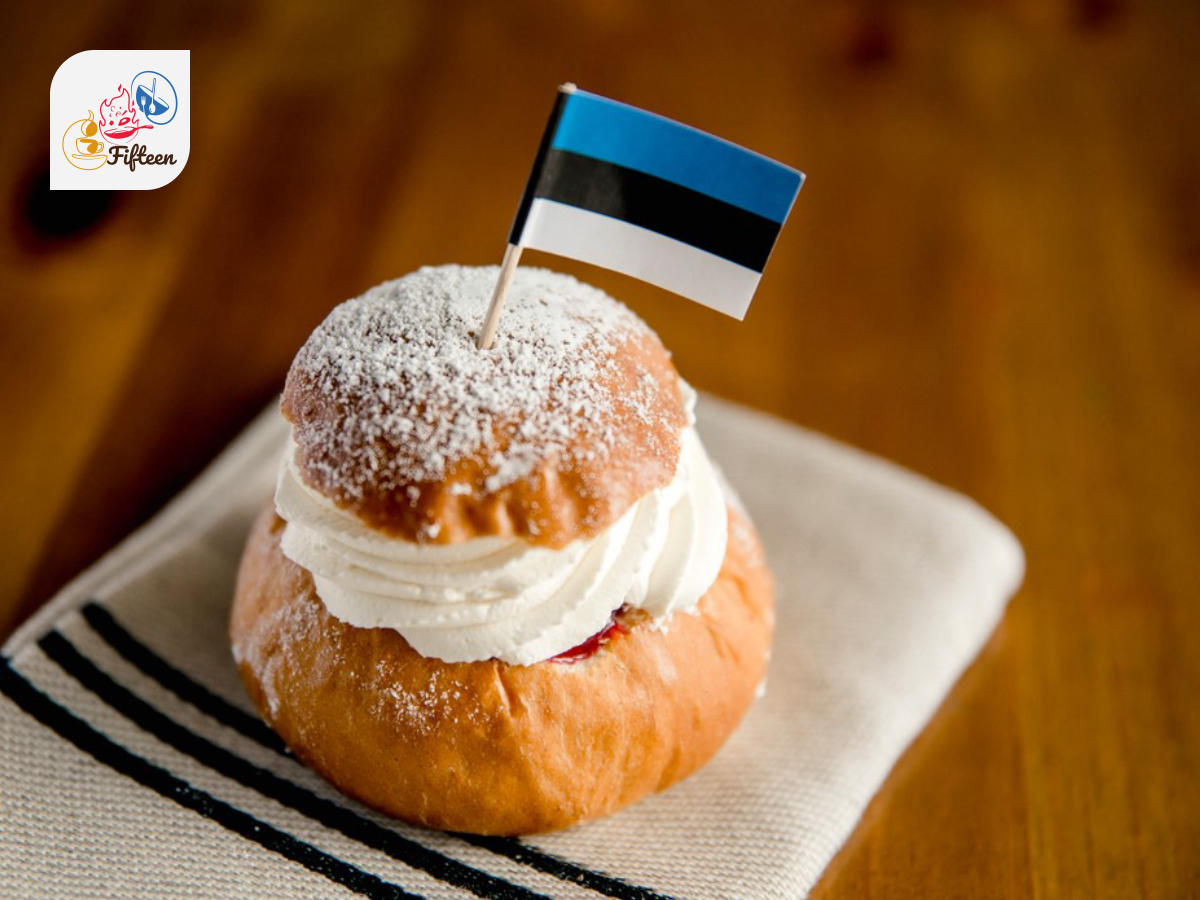
Vastlakukkel
Traditional
Vastlakukkel is a traditional sweet roll filled with vanilla cream in Estonia. Although this dessert originated in Sweden, it is considered an irreplaceable part of Estonia’s St. John’s Day celebration.
Also called Midsummer’s Day, St. John’s Day is one of the most celebrated holidays in Estonia, revolving around bonfires, dancing, chanting, and of course, enjoying this delicious vastlakukkel.
In Estonia, these buns come with cardamom-spiced wheat buns along with whipped cream, jam, or marzipan as a filling.
Mannavaht
Traditional
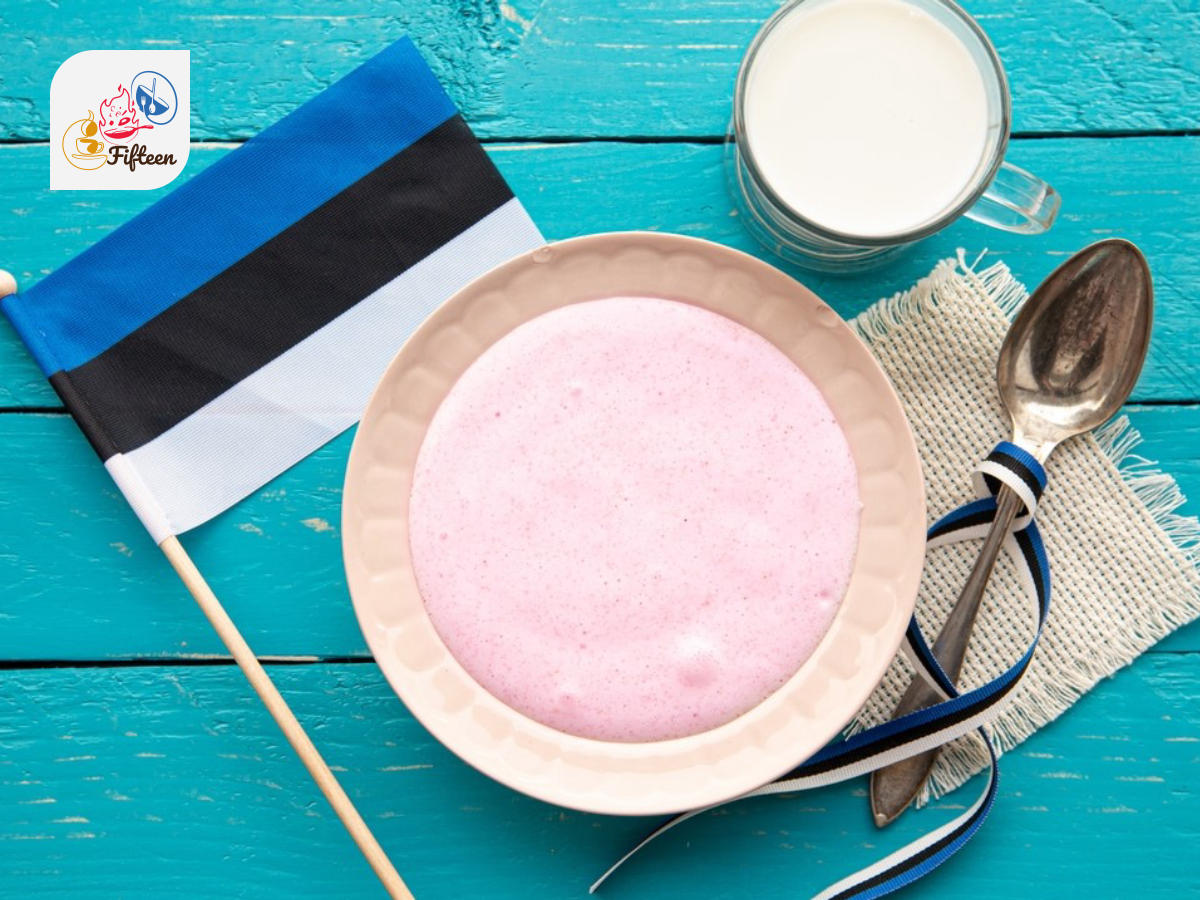
Mannavaht, or vispipuuro, is a signature Estonian dessert porridge made by cooking lingonberries with wheat semolina and sugar. Once cooked, the mixture is vigorously whipped and cooled down into a mousse-like dessert.
It will then be topped with cream, sugar, and perhaps some fresh berries. Vispipuuro used to be a labor-intensive dish back in the day, as flour needed to be made without the aid of machinery. People often enjoy mannavaht as a breakfast item, especially for children.
Kohupiimakreem
Traditional
Kohupiimakreem is a homemade Estonian cold dessert made from whipped milk curd, vanilla, sugar, and whipping cream. It is served in small containers and topped with fresh berries.
Marzipan
Traditional
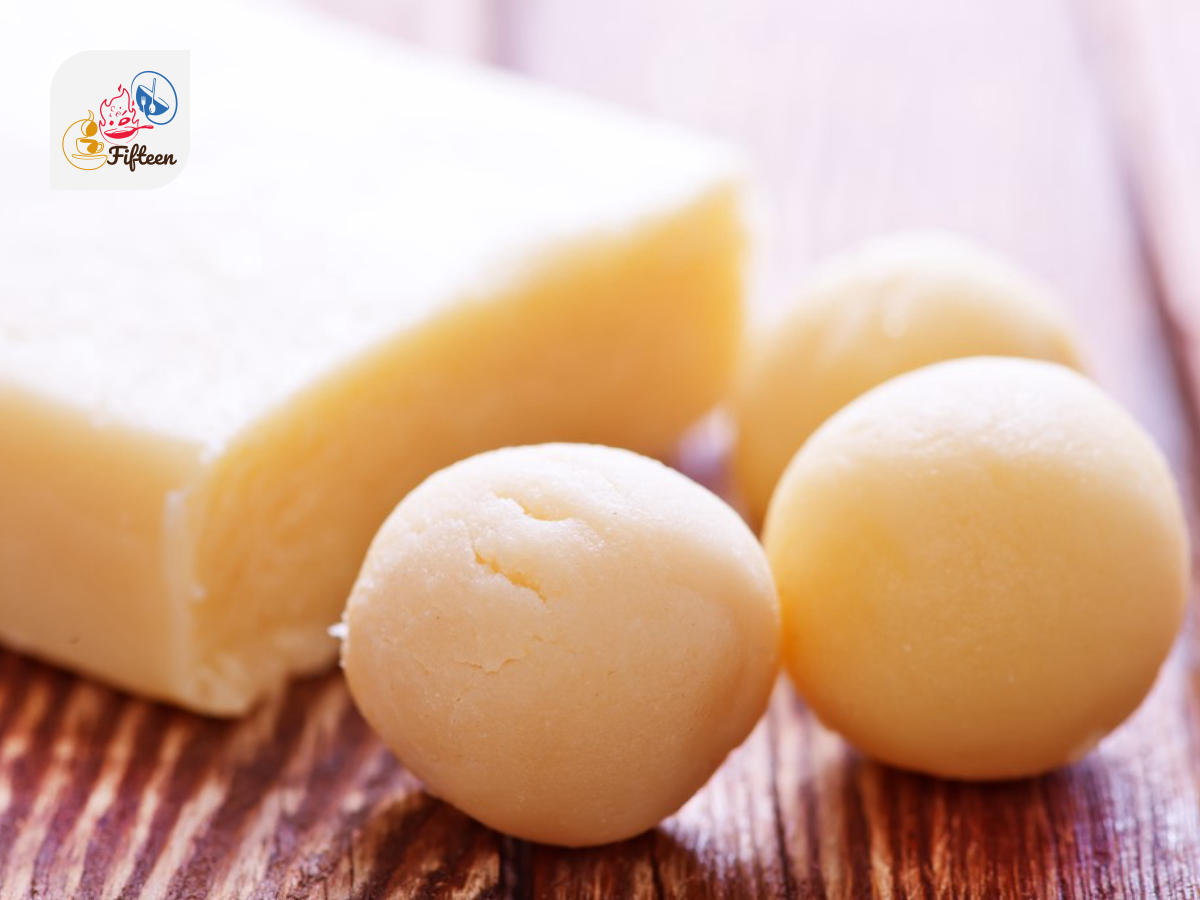
Marzipan is a compressed confectionery of almonds and powdered sugar enjoyed as a traditional sweet treat by many Estonians. The Town Hall Pharmacy once used to sell it in the former Hanseatic city of Tallinn in 1695 as a medicine.
The treat usually has a fun cylinder shape which will then be sliced into round bite-size pieces. Considered one of the oldest Estonian treats, marzipan can sometimes be overly sweet to some.
Kissel
Traditional
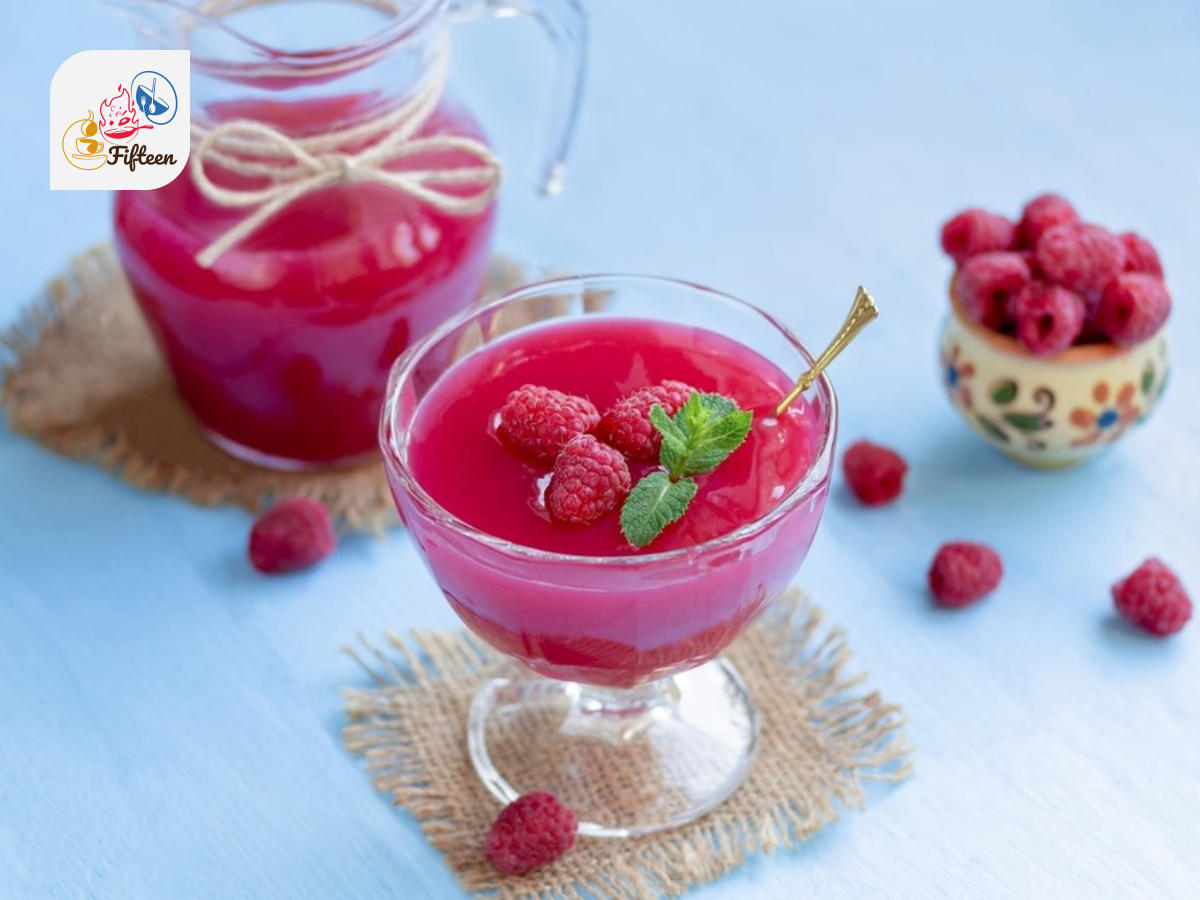
Kissel is a famous Estonian dessert that doubles as a drink when it’s at the right consistency. It is made from sweetened berry juice boiled down with cornstarch, potato starch, or arrowroot, often served either cold or warm.
When made alcoholic, the mixture also calls for red wine. Sometimes, fresh or dried fruits can be added to the mix to enhance the flavors.
Kissel is more likely to have a soupy consistency, served in a small cup, and usually eaten with a spoon. Originating in Russia in the 12th century, the dish was then popularized in Poland, Finland, Ukraine, and certainly, Estonia.
Kama
National
Street Food
Traditional
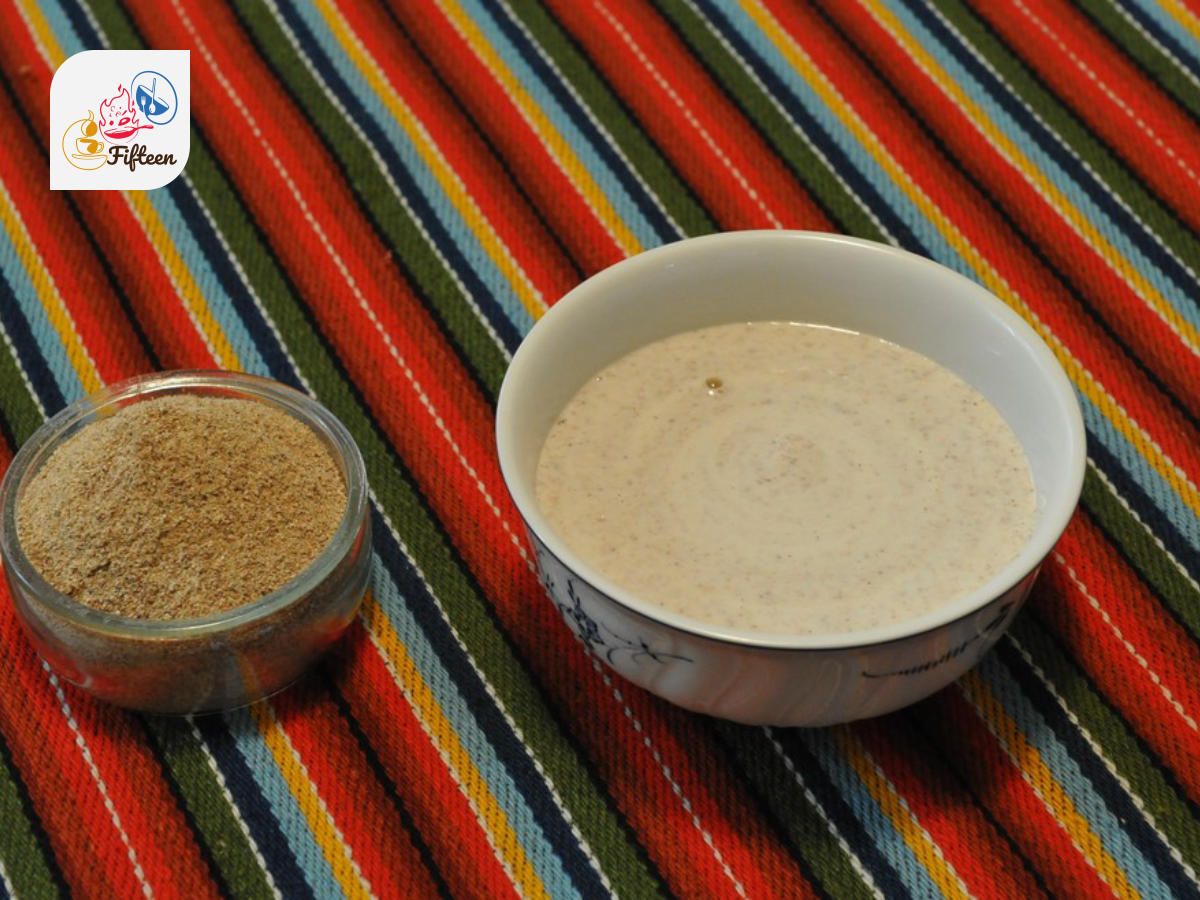
Kama is a national Estonian dish made by grinding toasted oats, rye, barley, and peas into a fine powder. It is then enjoyed with buttermilk or other dairy products to create a creamy porridge.
In older times, this creamy porridge was the peasant way to use leftover milled grains. During the Soviet Union’s time, the chocolate shortage in the Baltic states led to Kama being made with blended evaporated milk, coffee, sugar, and cocoa powder.
Nowadays, Kama is one of the most well-loved Estonian breakfast dishes out there, accompanied by fruity forest berries. It can also be enjoyed as a drink or a filling road trip meal.
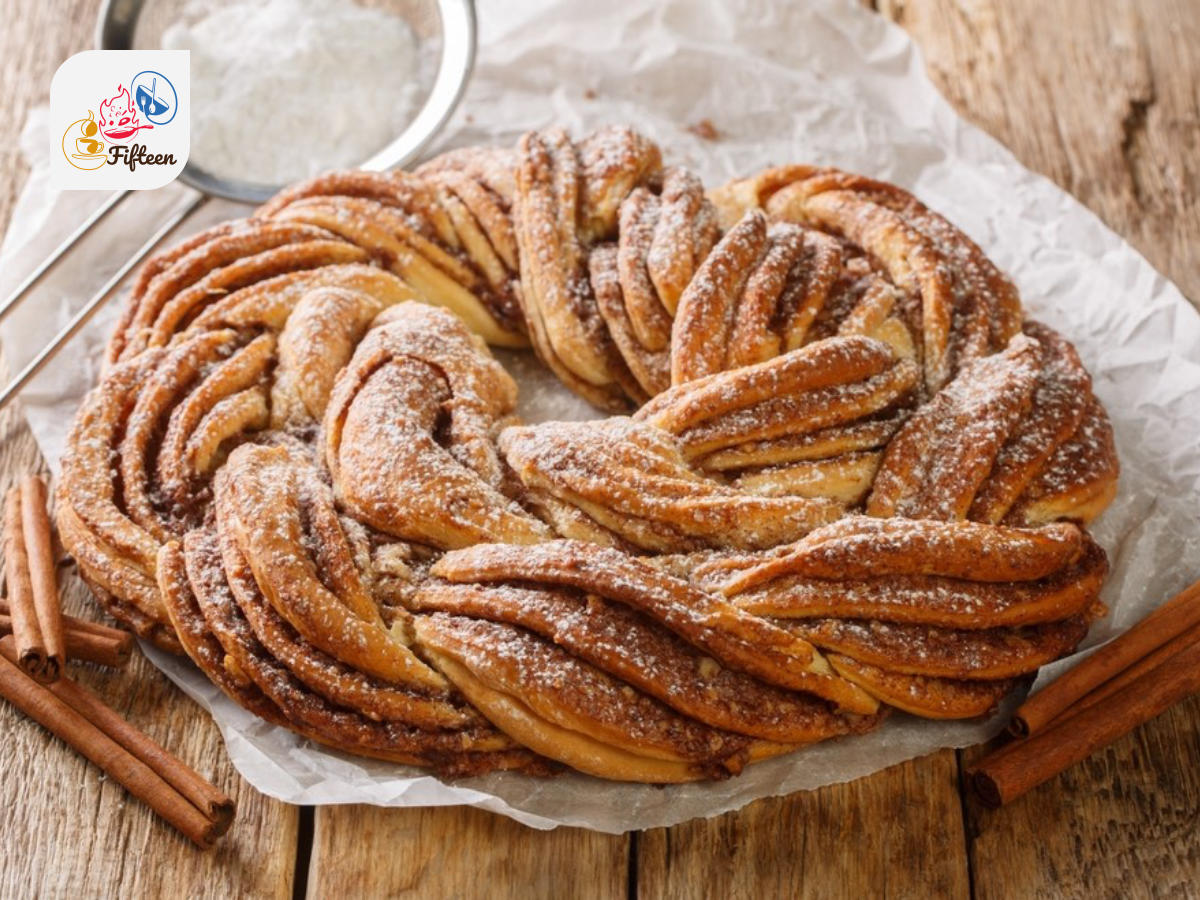
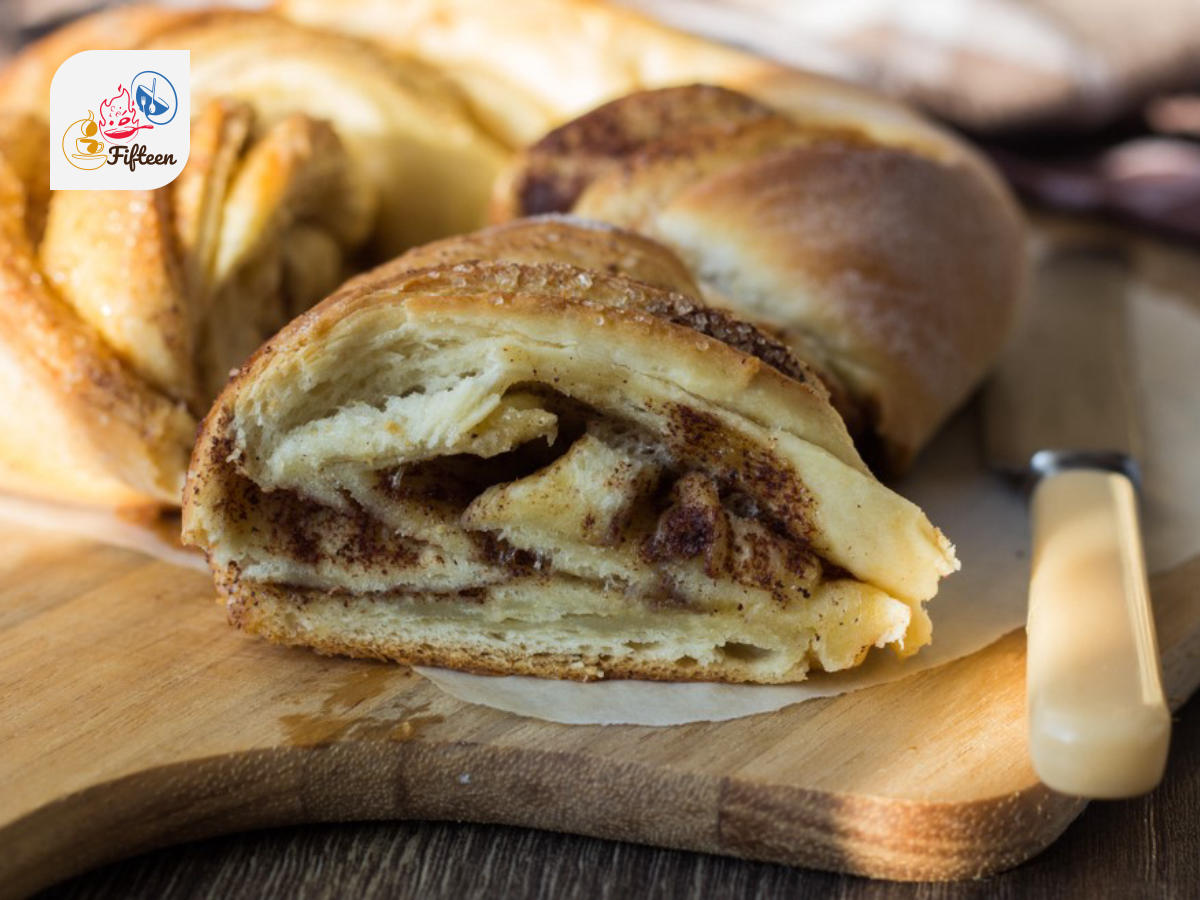
Kringel
Traditional
Kringel is a ring-shaped butter and cinnamon sweet braid bread in Estonia. The treat is flaky, buttery, and extremely flavorful with cocoa powder, walnuts, or almond fillings.
This tasty sweet bread has been widely consumed in Estonia during Christmas parties as part of the celebration ever since the 13th century.
At that time, Roman Catholic monks traveled the continent and introduced pretzels to Estonia and other Northern European countries.
Kompott
Traditional
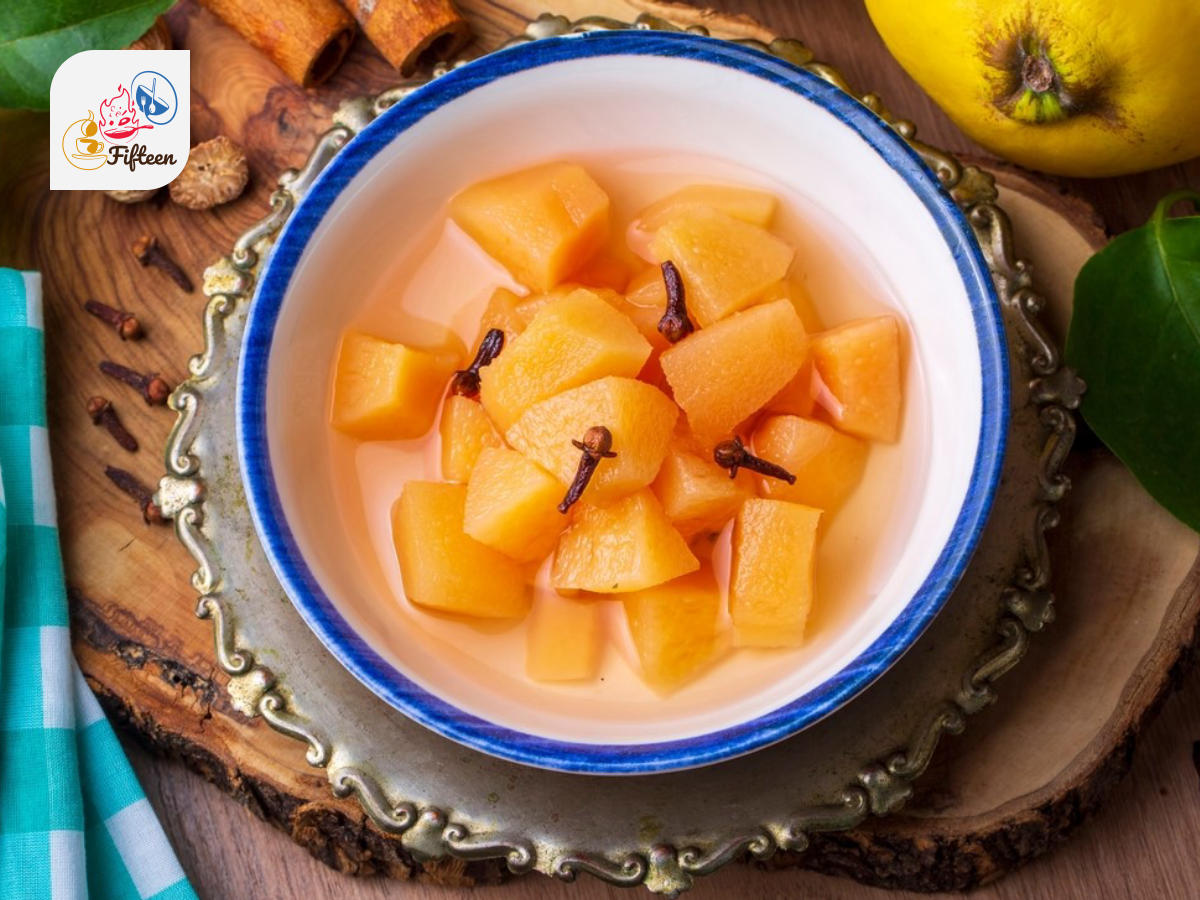
Kompott is an Estonian fruit-based treat from medieval Europe. It’s made by cooking big chunks of fruits in sugar syrup and spices to make this dish.
People also add vanilla, orange peel, cinnamon sticks, and other spices to give this dessert extra flavor. The name kompott comes from the Latin word compositus, which means “mixture”.
Kompott was once used as a remedy to counter the negative effect of humidity on the human body. It was also served in major feasts in medieval England.
Kartulisalat
Traditional
Kartulisalat is an Estonian potato salad characterized by its combination of boiled potatoes, eggs, onion, cucumber, and sausage, all finely chopped and tossed in a creamy dressing made from sour cream and mayonnaise.
Aside from the common options, the salad allows for personalization with additional ingredients like carrots, apples, green peas, or capers. Typically served cold, the veggie mixture benefits from refrigeration for a few hours before serving.
Kartulisalat enjoys popularity during festive celebrations, including Christmas, New Year’s, and Independence Day, and is often served alongside vienners or ham.
How Do the Seasons Affect Estonian Food?
In Estonia, each season offers a different approach to food, featuring a wide range of flavors:
Season
Estonian Food Traditions
Summer and Spring
Emphasis on fresh produce: berries, herbs, vegetables directly from the garden.
Hunting and fishing are popular pastimes.
Barbecuing is a common activity.
Winter and Christmas
Consumption of jam, preserves, and pickles.
Traditional practices of gathering and conserving fruits, mushrooms, and vegetables for winter.
Blood sausage (verivorst), head cheese (sült), and sauerkraut (hapukapsas) with oven-roasted potatoes as part of the traditional menu, mainly during Christmas.
After knowing about the seasonal fares of Estonia, you should uncover some refreshment options that pair well with the dishes.
What Estonian Dishes to Pair with Beverages?
Here are some suggestions for pairing Estonian dishes with beverages:
Kiluvõileib: Pair with a light beer or dry white wine to complement the fish’s rich flavor.
Rosolje: Enjoyed with a semi-sweet white wine or a light red wine to balance the earthiness of the beets.
Verivorst: Enjoy with a robust dark beer or a full-bodied red wine that can stand up to the strong flavors of the sausage.
Sült: A dry or semi-dry cider would refresh the palate after the dense texture of the sült.
Leivasupp: A dessert wine or a sweet liqueur would be a delightful contrast to the soup’s sweetness.
Did you enjoy these Estonian specialties? If it’s a yes, feel free to share them with your friends. And if you have any other questions about Estonian cuisine, leave them in the comment section below.
Home Cooking, Meal Planning, Recipe Development, Baking and Pastry, Food Editor, Cooking-video Maker, Western Food Evaluation Expert
Education
Le Cordon Bleu College of Culinary Arts
Program: Bachelor’s degree in Culinary Arts
Focus: Gained foundational knowledge in French and European culinary techniques. Participated in workshops and hands-on training sessions under the guidance of seasoned chefs.
Local Community College, New York, NY
Program: Associate’s Degree in Nutrition
Focus: Acquired basic understanding of nutrition principles, dietary needs, and the importance of balanced diets in daily life.
Jamie Scott is a skilled culinary expert and content creator specializing in Western cuisine. With over 15 years in the culinary field and formal training from Le Cordon Bleu, Paris, Jamie deeply understands how to blend nutrition with delicious flavors. His passion for cooking matches his commitment to making healthy eating accessible and enjoyable.
On Fifteen.net, Jamie brings a fresh perspective to classic dishes and beverages, offering readers insightful recipes, cooking tips, and a fresh view on meal planning that emphasizes taste, health, and simplicity.




Jamie Scott
Editor in Chief, Senior Content Writer
Expertise
Home Cooking, Meal Planning, Recipe Development, Baking and Pastry, Food Editor, Cooking-video Maker, Western Food Evaluation Expert
Education
Le Cordon Bleu College of Culinary Arts
Local Community College, New York, NY
Jamie Scott is a skilled culinary expert and content creator specializing in Western cuisine. With over 15 years in the culinary field and formal training from Le Cordon Bleu, Paris, Jamie deeply understands how to blend nutrition with delicious flavors. His passion for cooking matches his commitment to making healthy eating accessible and enjoyable.
On Fifteen.net, Jamie brings a fresh perspective to classic dishes and beverages, offering readers insightful recipes, cooking tips, and a fresh view on meal planning that emphasizes taste, health, and simplicity.