
Vietnamese Food Dishes: Basic Overview
Common Ingredients
Common Cooking Methods
Courses
Meals
Key Taste
Eating Etiquette
Meal Presentation
Culinary Festivals
Influence and Fusion
Vietnamese Food Dishes: Origin and Region
Cuisine
Cuisine’s Geographical Territory
Country’s Region
Popular Types of Vietnamese Dishes
-
Noodle Soups
Noodle soups in Vietnamese cuisine are renowned for their aromatic and rich broths, which are often simmered for hours to extract maximum flavor from meats and bones, commonly beef or chicken.
The soups incorporate a variety of noodles, such as the thin flat rice noodles in phở or the thicker rice noodles in bún bò Huế, and are garnished with fresh herbs, lime, and chilies.
-
Dry Noodle Dishes
Dry noodle dishes in Vietnam stand out for their lack of broth, focusing instead on the flavors infused in the noodles themselves.
They are often dressed in a light sauce or oil and topped with ingredients like grilled meats, fresh herbs, and vegetables.
-
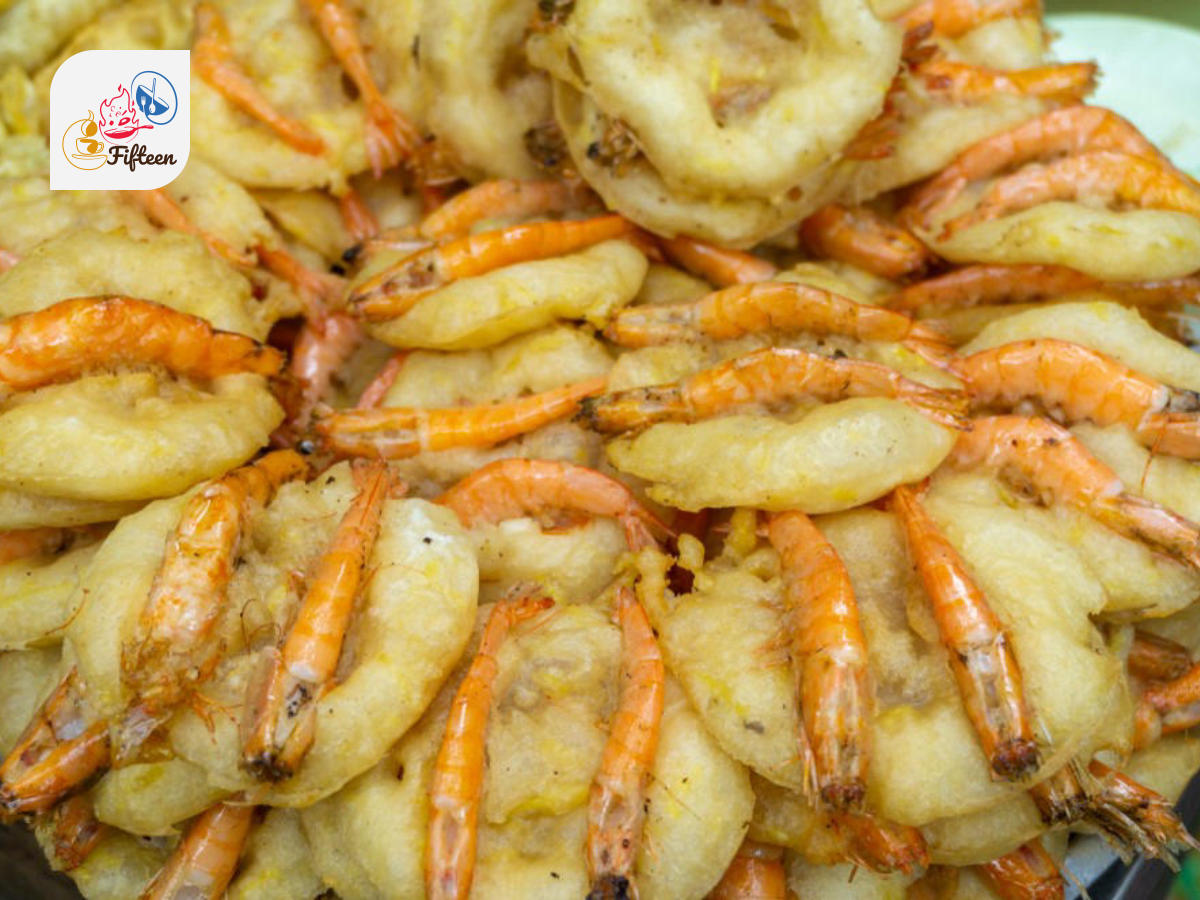
Fried Dishes
Vietnamese fried dishes are celebrated for their crunchy textures.
They are often accompanied by fresh vegetables and a variety of dipping sauces, balancing the richness of the fried components with fresh, vibrant flavors.
-
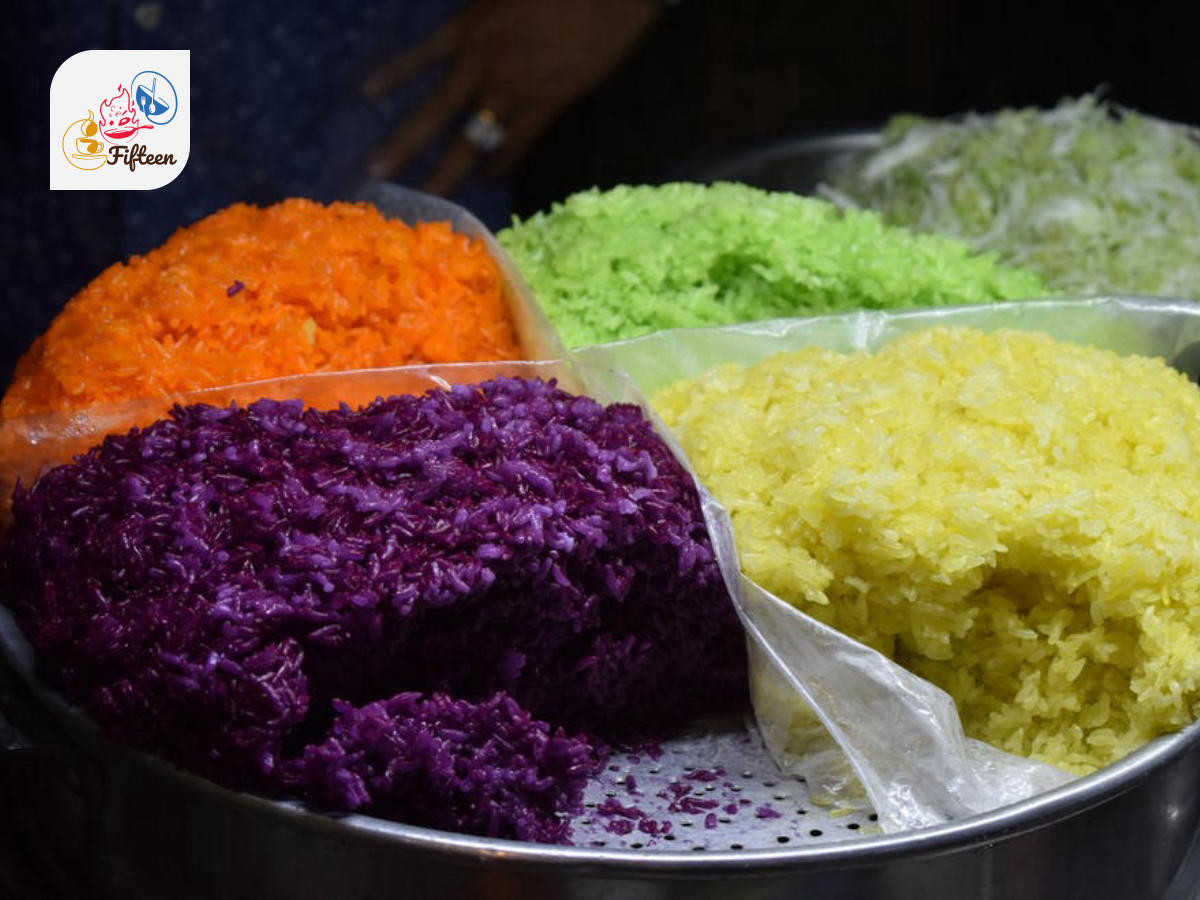
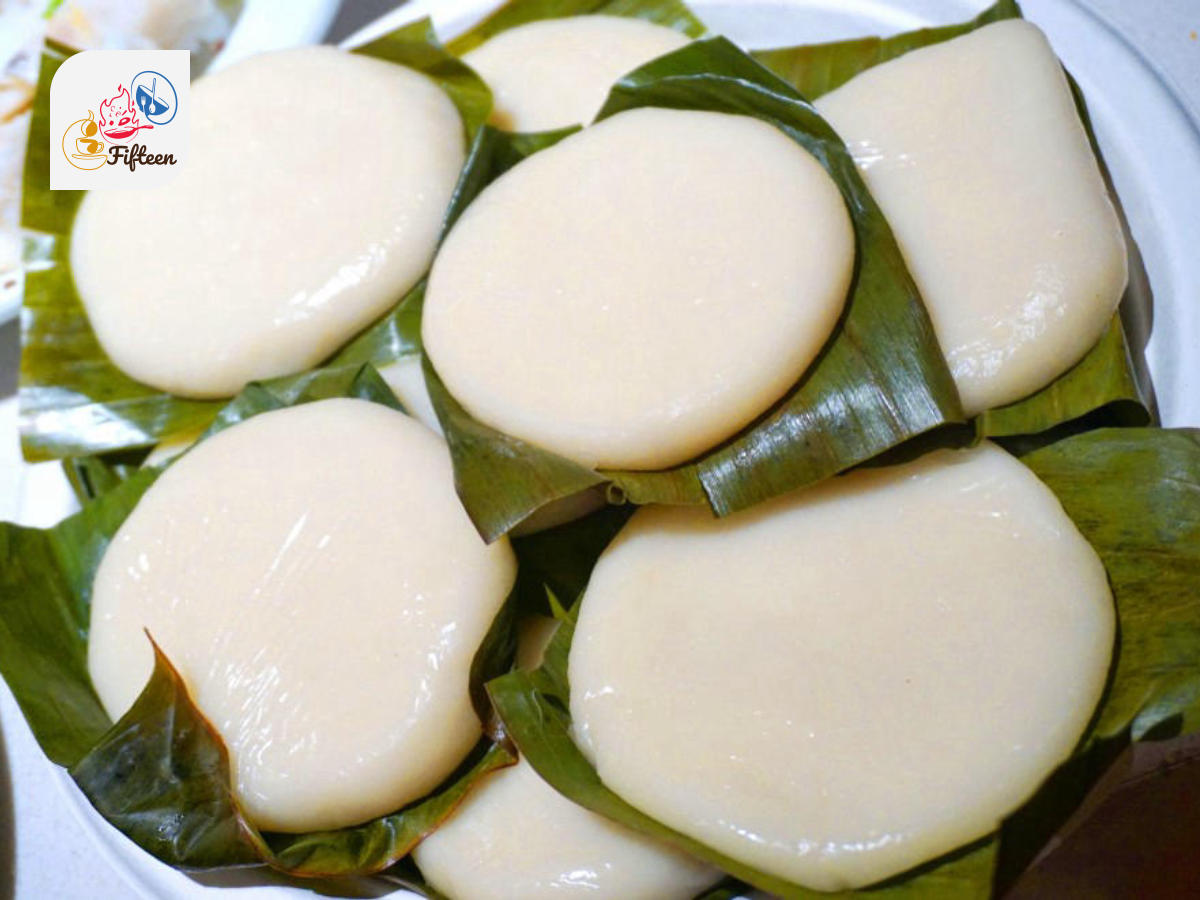
Glutinous Rice Dishes
Glutinous rice dishes in Vietnam are versatile, serving as both sweet and savory meals.
They can be mixed with beans, coconut, or sesame for breakfast or snacks, or paired with meats.
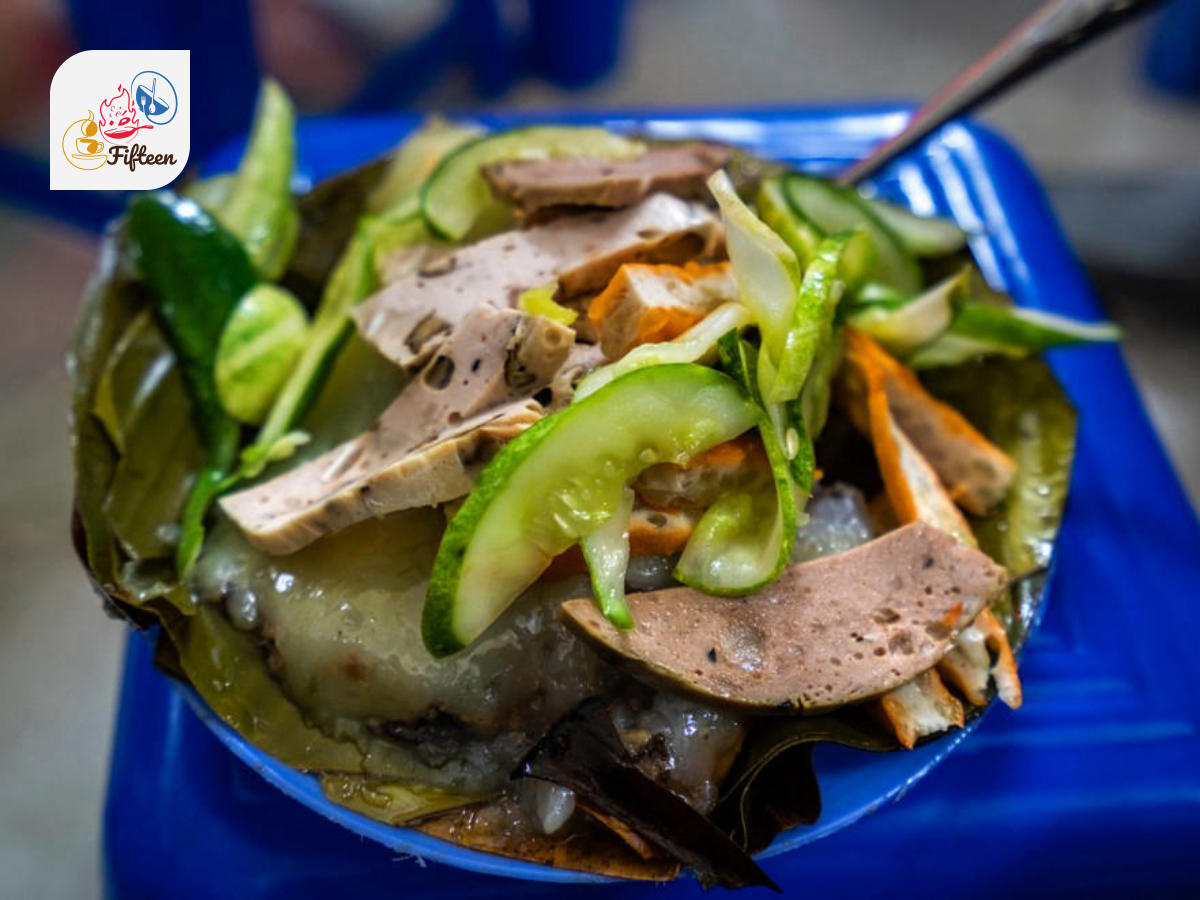
They are often wrapped in leaves for more substantial dishes, showcasing the sticky, chewy texture of glutinous rice.
-
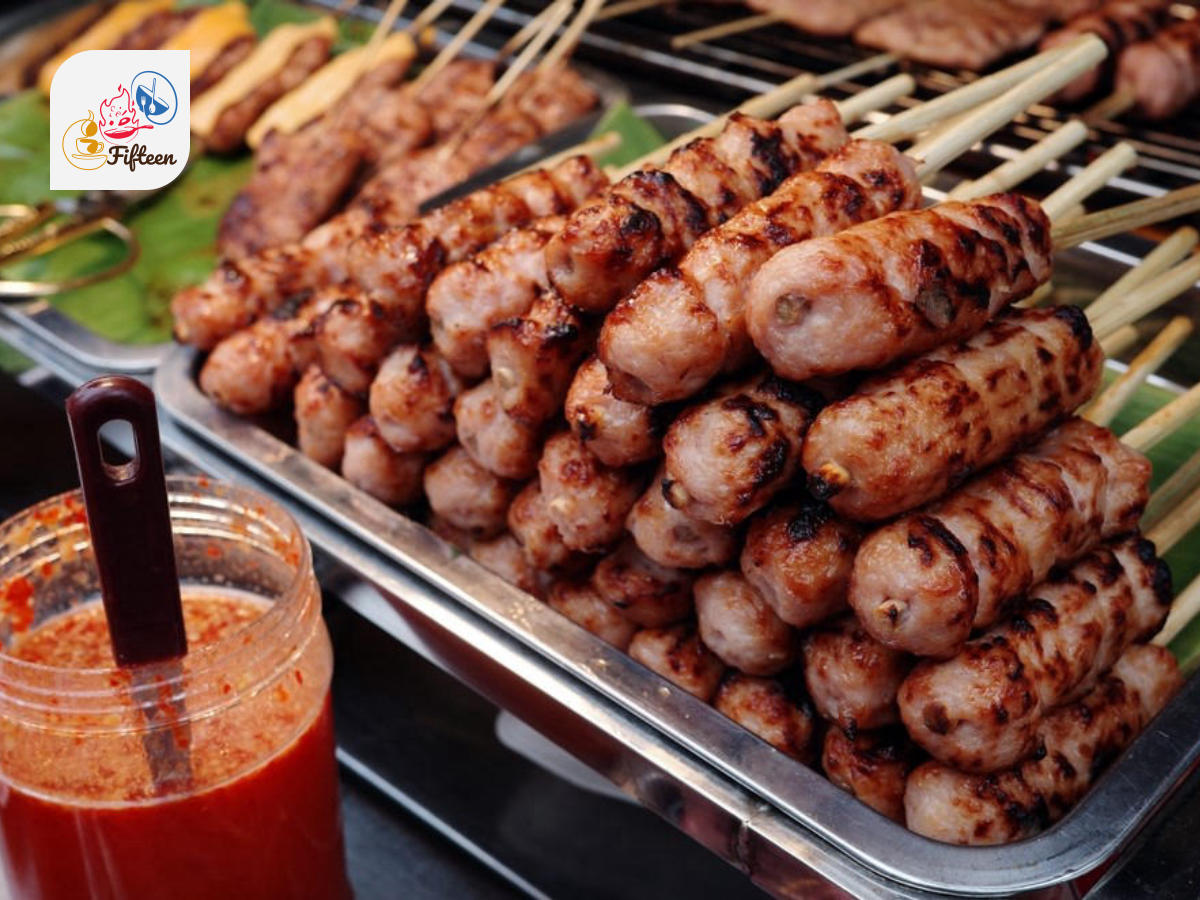
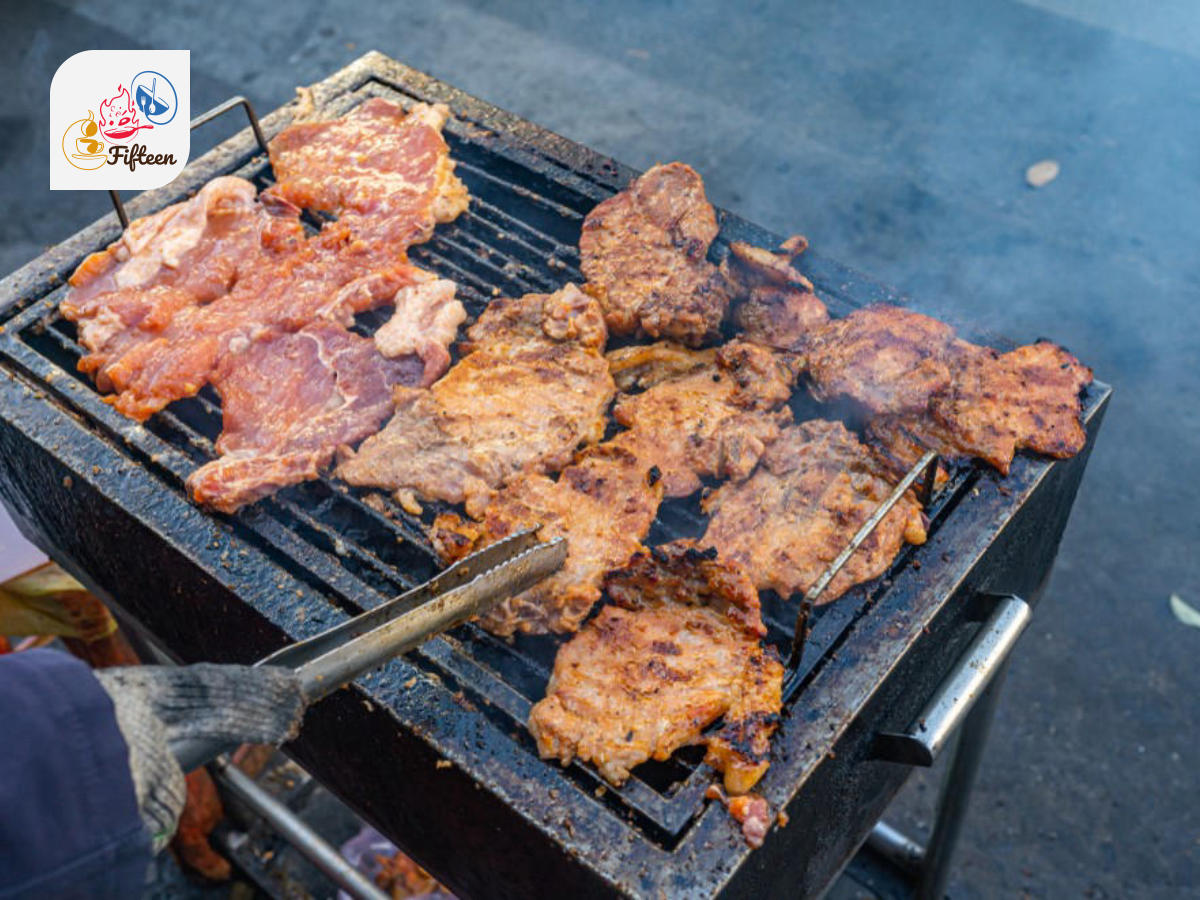
Grilled and Barbecued Dishes
Grilled and barbecued dishes are marinated with a blend of traditional spices and herbs, and then grilled to perfection.
These dishes offer a smoky and savory flavor profile that’s often enhanced with a side of fresh salad or wrapped in rice paper with herbs and noodles.
-
Rice Dishes
Rice dishes are a staple in Vietnamese cuisine, often enjoyed in the form of plain steamed rice or more elaborate dishes like Cơm Tấm.
In such dishes, rice is topped with a variety of ingredients including grilled pork, pickled vegetables, and fried egg, all complemented by a flavorful sauce.
-
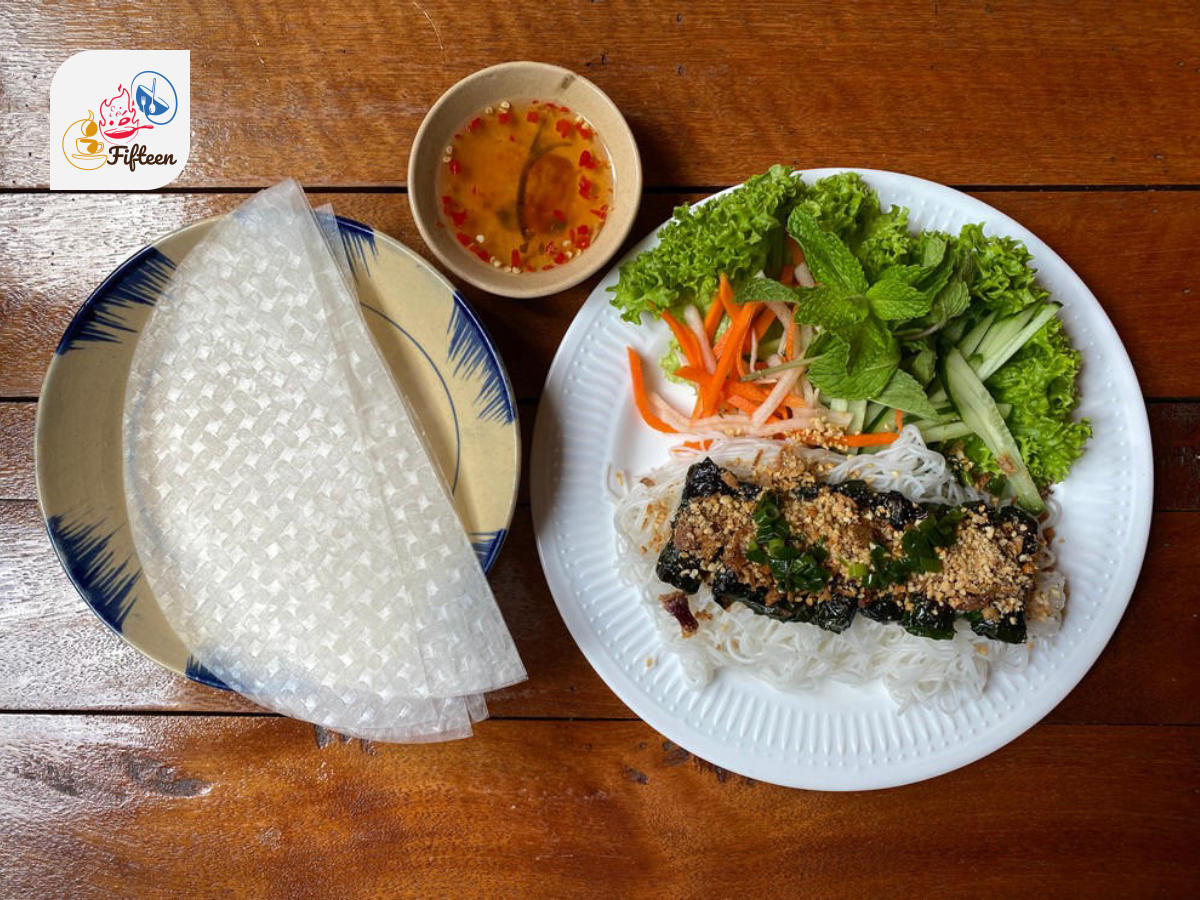
Rolls
Rolls embody the essence of Vietnamese cuisine with their fresh and light nature.
They consist of rice paper wrapped around a combination of herbs, vermicelli, and meats or shrimp, served with dipping sauces like hoisin or fish sauce.
-
Braised Dishes
Braised dishes in Vietnamese cuisine are slow-cooked to develop deep, complex flavors, incorporating elements like lemongrass, star anise, and cinnamon.
These hearty dishes are often enjoyed with bread or noodles, providing comfort and warmth with every spoonful.
-
Steamed Dishes
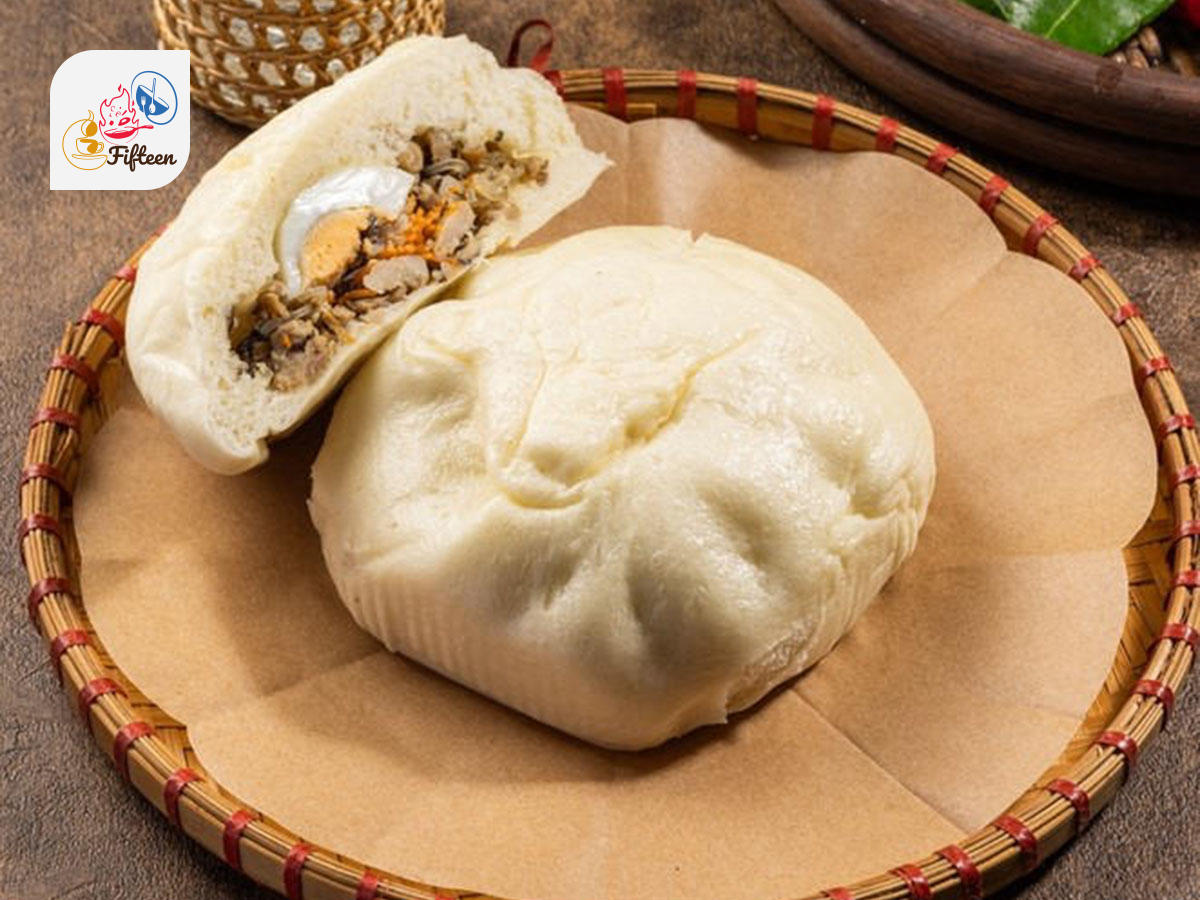
Steamed dishes, from bánh bao (steamed buns) to delicate fish and poultry preparations, highlight the gentle cooking method that preserves the ingredients’ natural flavors and nutrients.
These dishes are often light yet satisfying, featuring subtle seasonings and served with a side of dipping sauce to enhance their taste.
-
Desserts
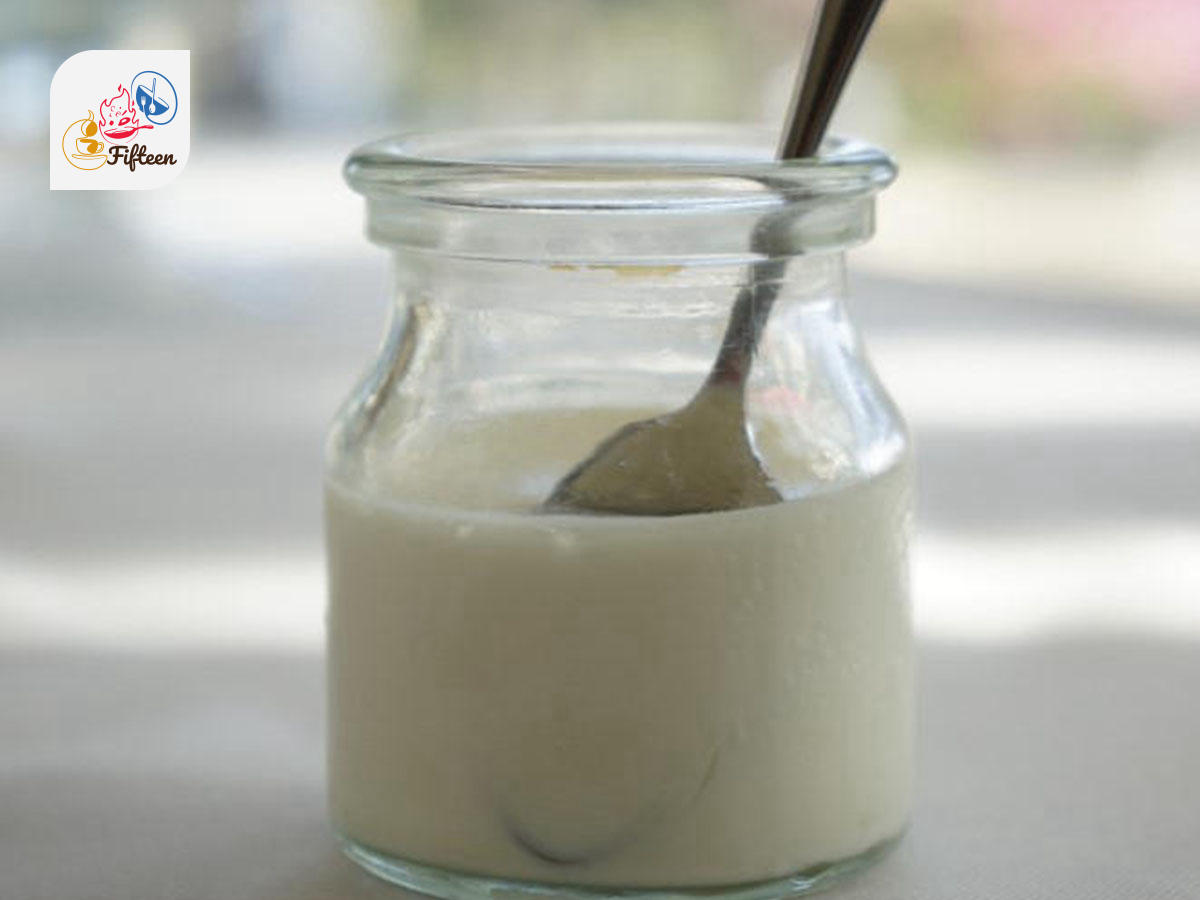
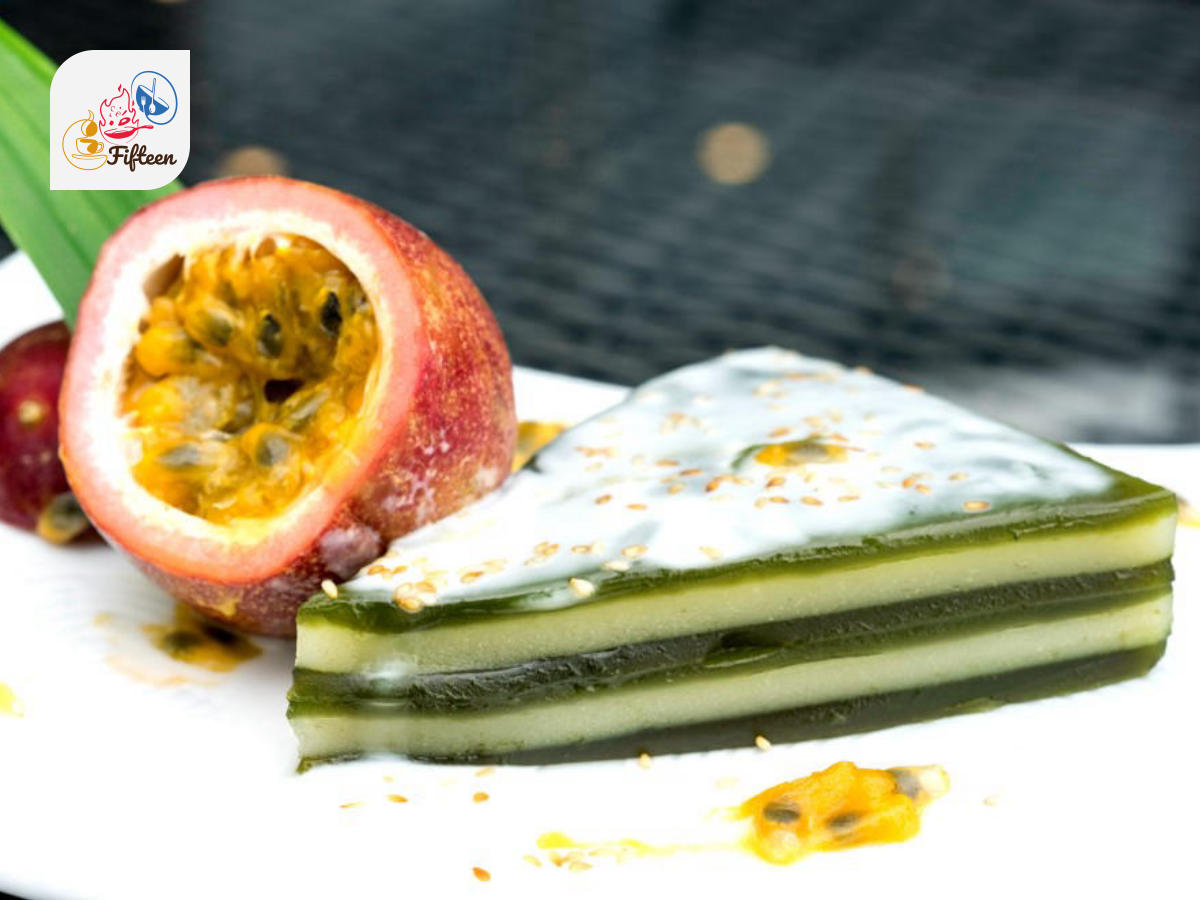
Vietnamese desserts captivate with their delicate balance of sweet, refreshing, and sometimes subtly savory flavors, often incorporating local ingredients like tropical fruits, coconut milk, and glutinous rice.
From the creamy and smooth texture of bánh flan to the vibrant and chewy layers of bánh da lợn, these desserts are not only a treat for the palate, but also a reflection of Vietnam’s rich culinary diversity, and tradition.
-
Dumplings
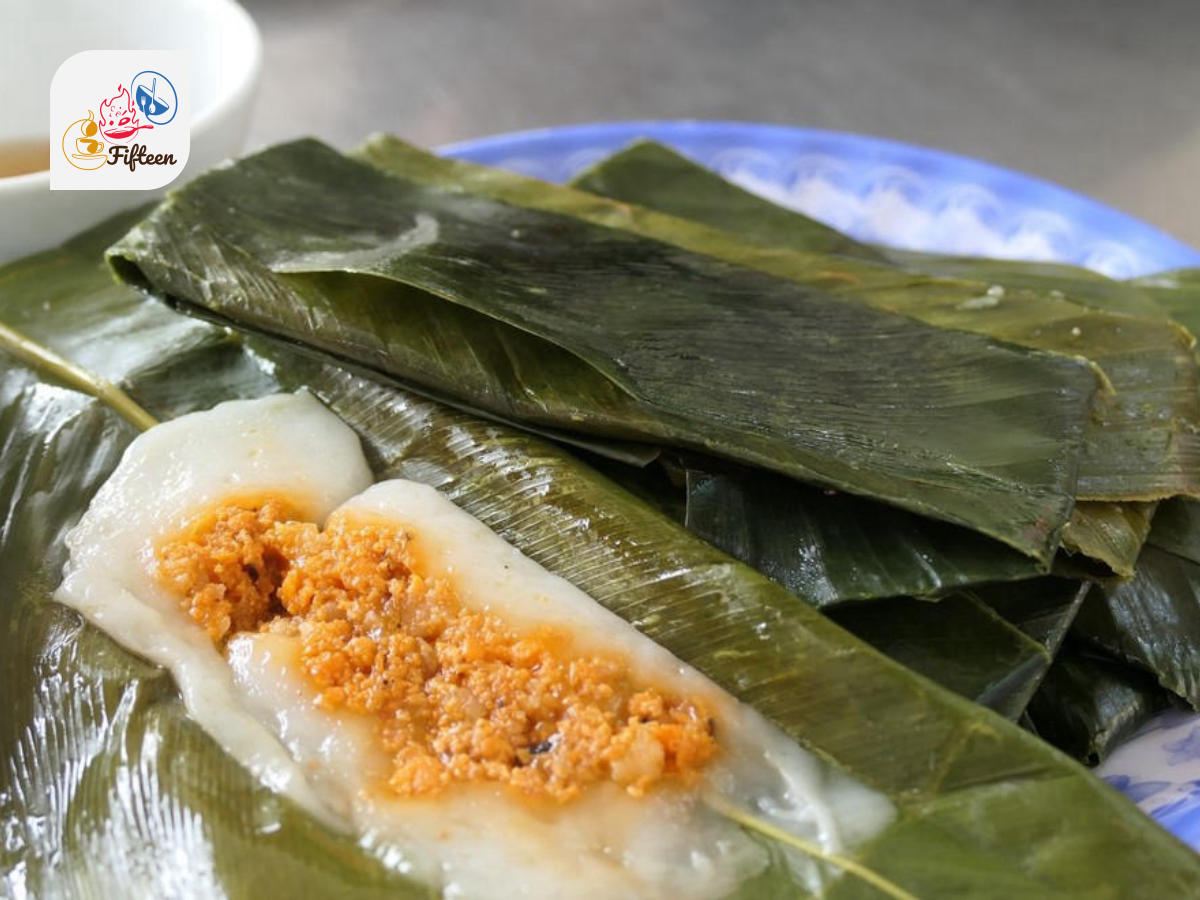
Vietnamese dumplings showcase a delightful culinary craft, featuring tender wrappers made from rice or tapioca flour that encase a variety of fillings, from savory minced pork and shrimp to sweetened mung bean paste.
These bite-sized morsels are often steamed or boiled to perfection, offering a soft, chewy texture that pairs beautifully with accompanying sauces or dips.
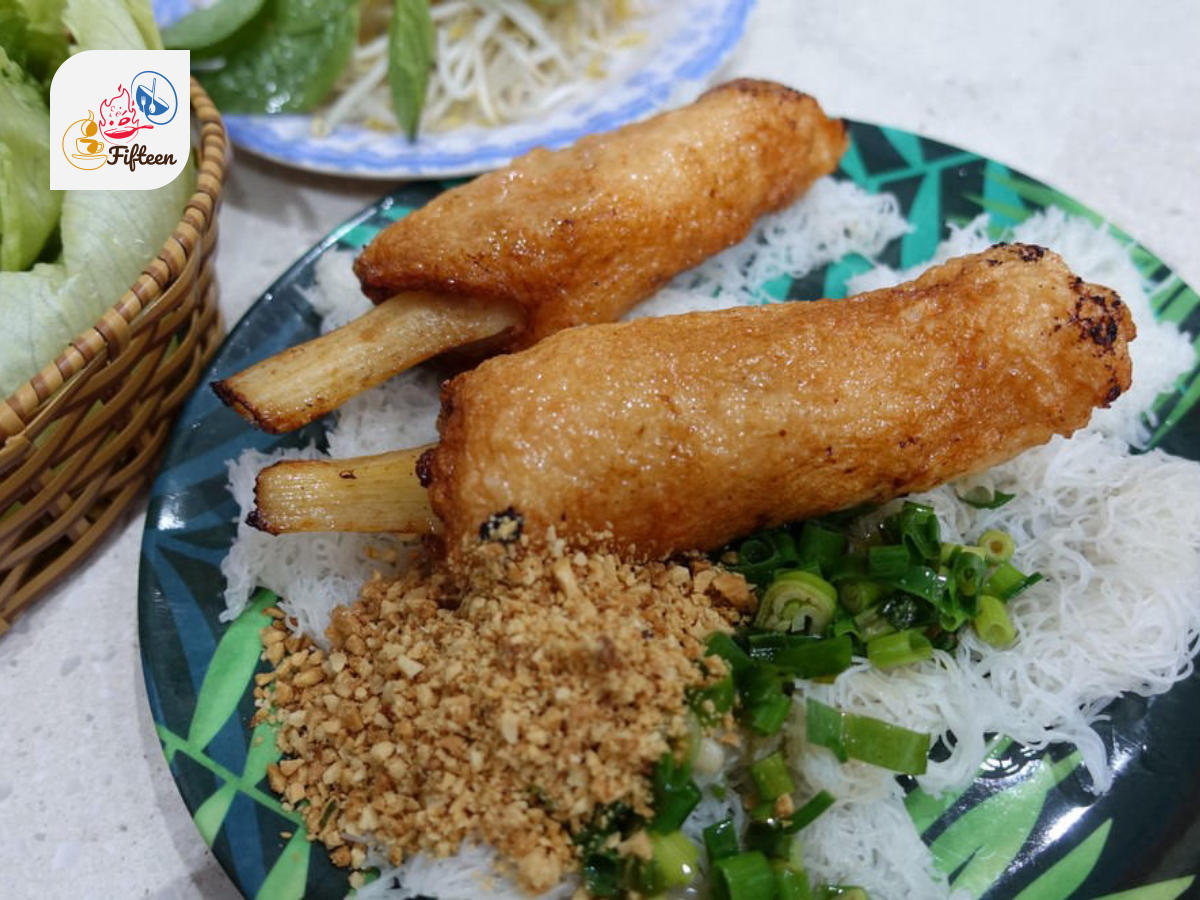
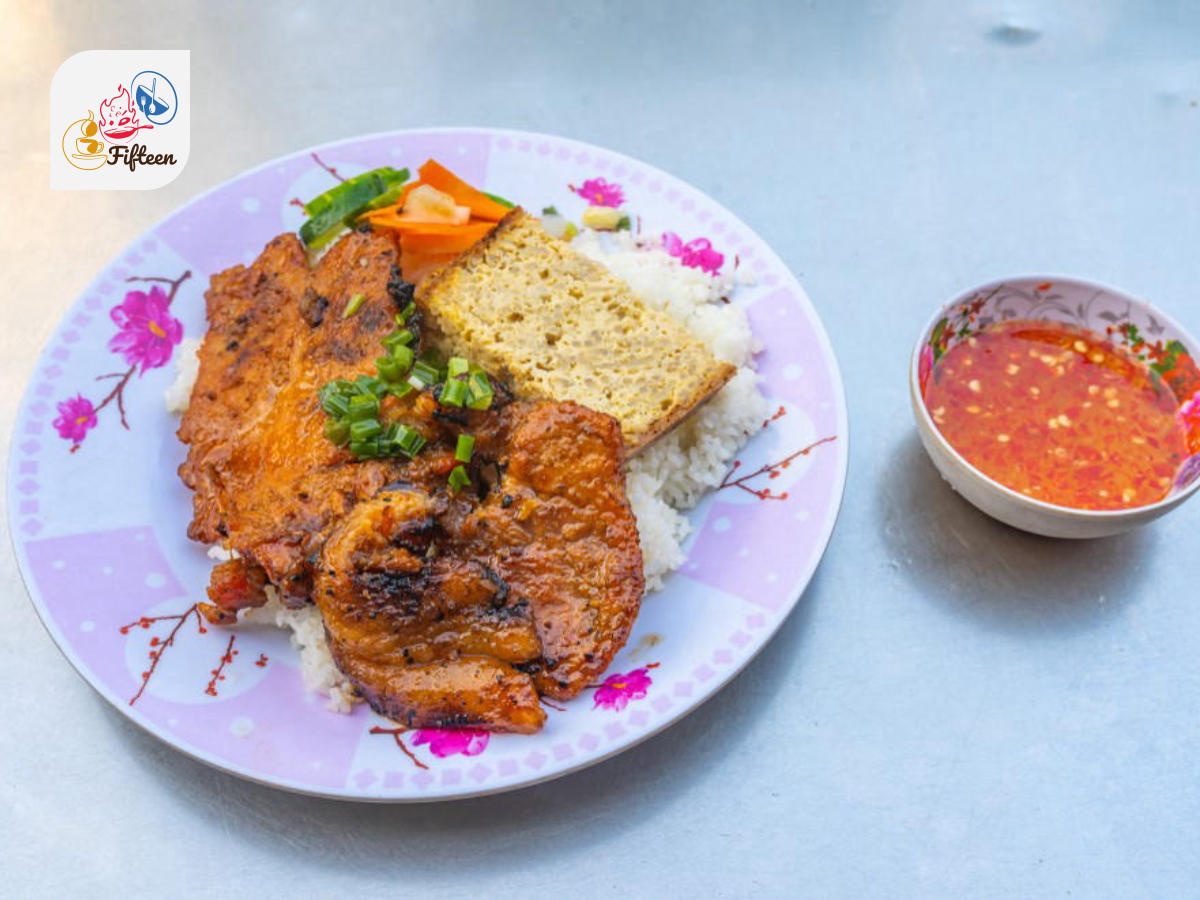
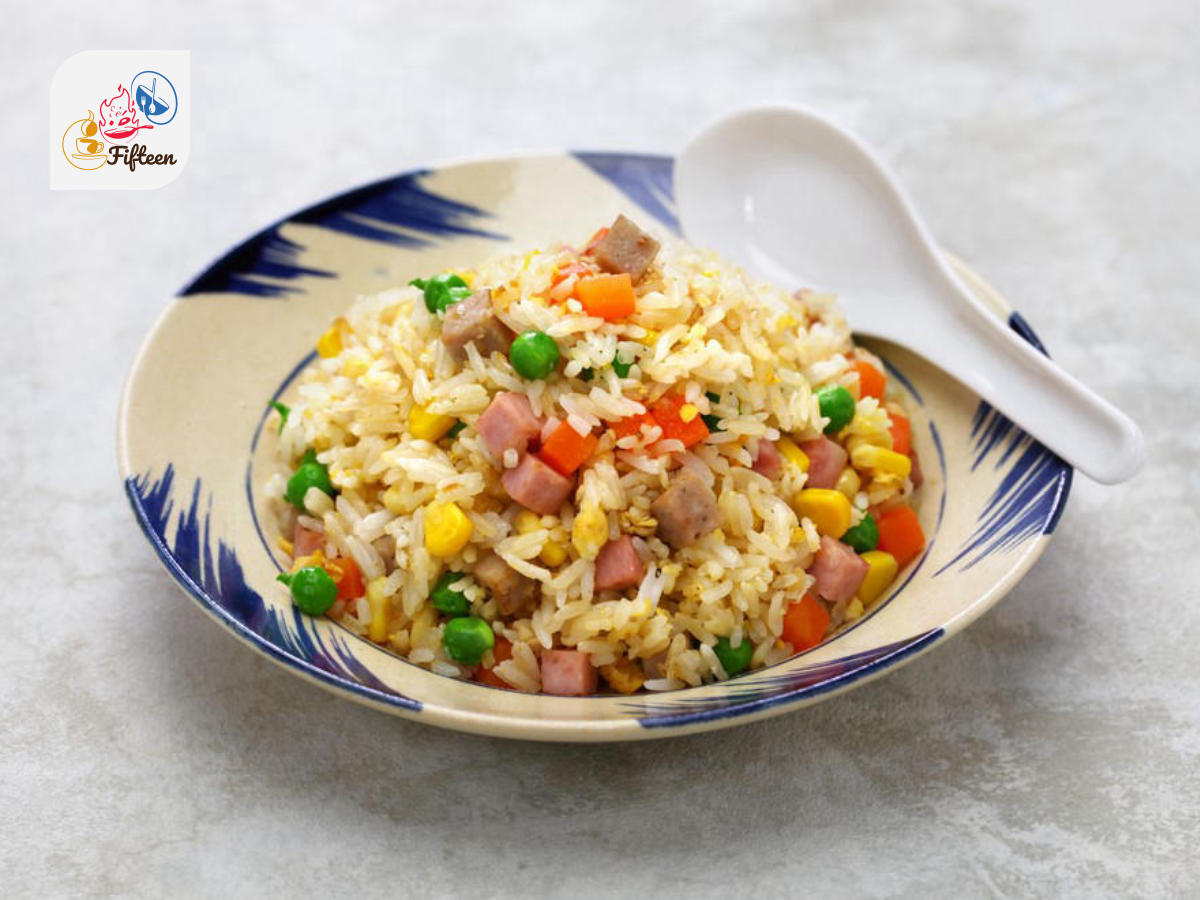
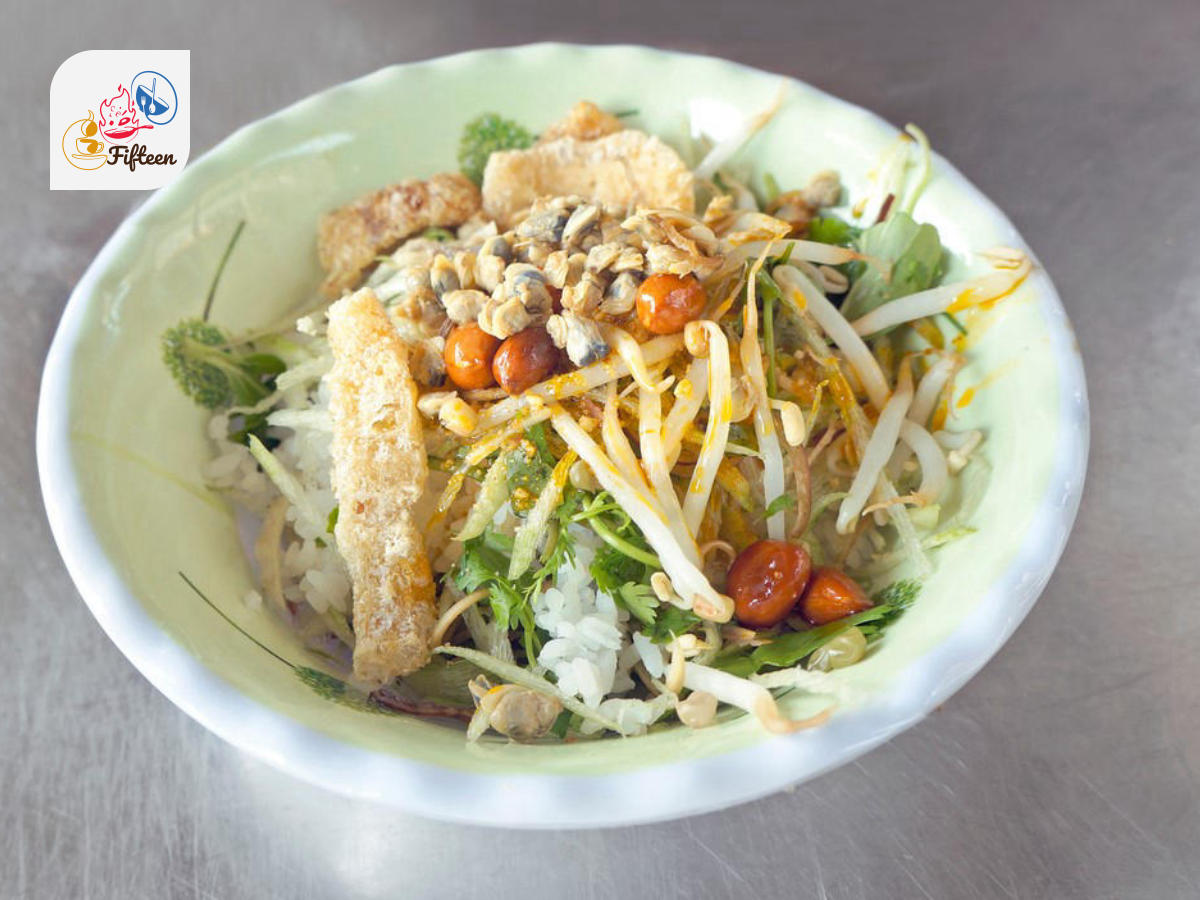
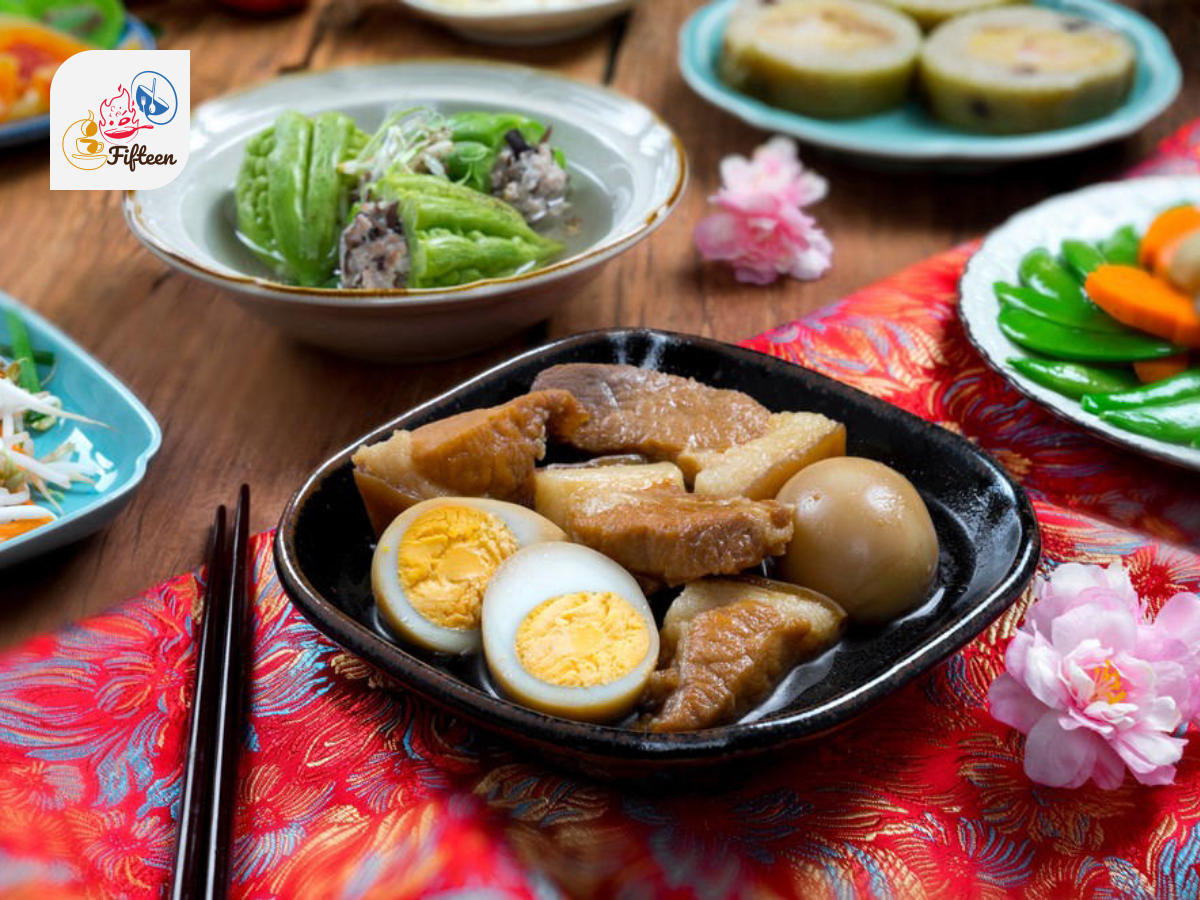
Vietnamese dishes encompass various culinary creations that have been prepared and enjoyed in Vietnam. Many classic Vietnamese dishes draw inspiration from local cooking traditions and foreign cuisines. Notable influences are the specialties of specialties of France, China, and Cambodia.
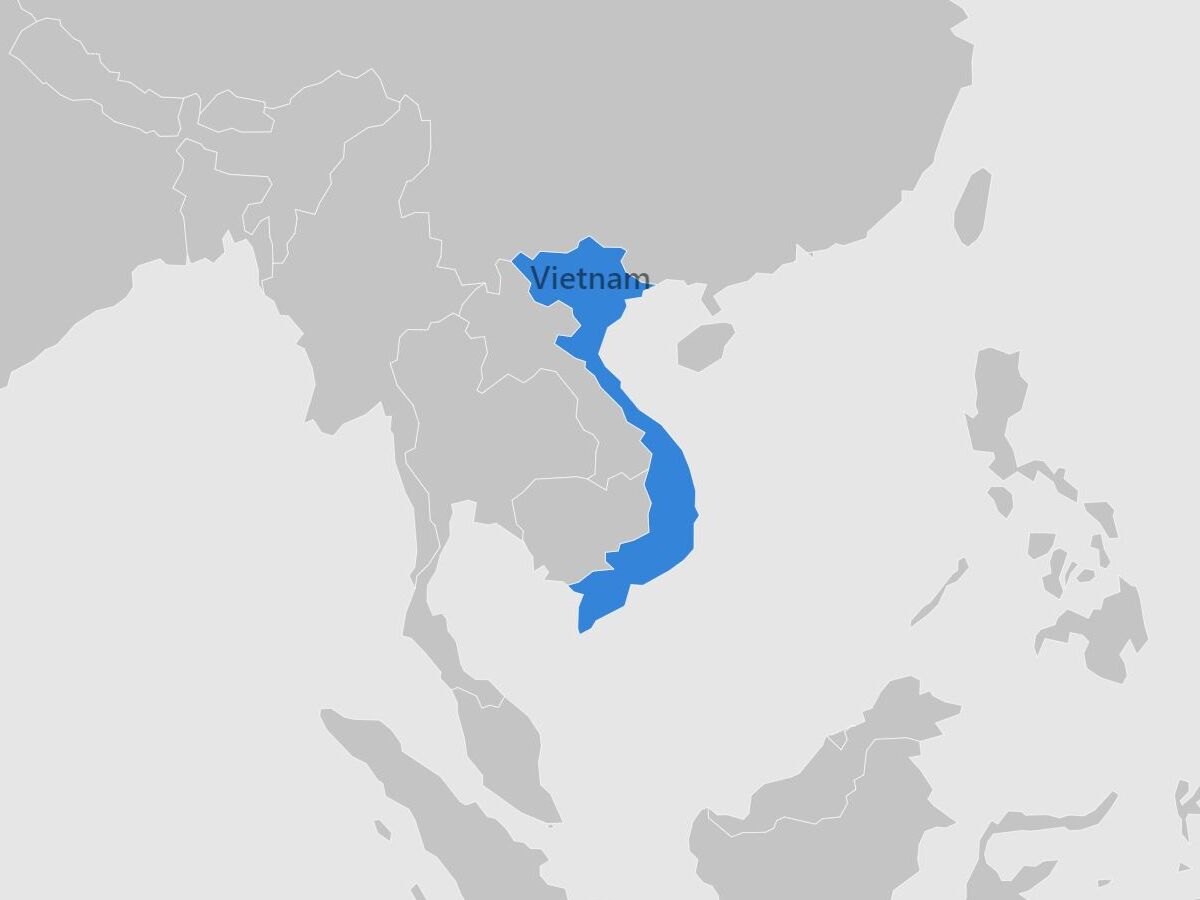
Vietnamese cuisine can be divided into three regions: Northern, Central, and Southern. The three regional cuisines display subtle differences due to cultural, geographical, and historical conditions.
Numerous time-honored dishes in Vietnamese cuisine rely on rice (including sticky rice) and rice-based ingredients, pork, poultry, fish, fresh herbs and vegetables, and fruits.
Dairy products are rarely used, but local condiments are very important, especially nước mắm (Vietnamese fish sauce).
Many common Vietnamese dishes are made from rice and derived ingredients, such as rice noodles, rice vermicelli, and rice paper wrappers.
Pancakes, porridges, and bánh (a wide variety of dishes prepared from sticky rice or flour of any kind) are also popular.
Taste-wise, savoriness and sweetness are among the most popular tastes in Vietnamese cooking, but saltiness, bitterness, and sourness are no less important. Many dishes offer multiple tastes.
Read on to learn about Vietnamese dishes, starting with how historical factors, geography, and cultural norms influence them.
Next, I will delve into the principles of Vietnamese cooking, the characteristics of Vietnamese family meals, the impact of the street food scene on dishes, and time-honored cooking equipment and utensils.
In the end, a brief comparison between Vietnamese dishes and Chinese dishes is revealed.
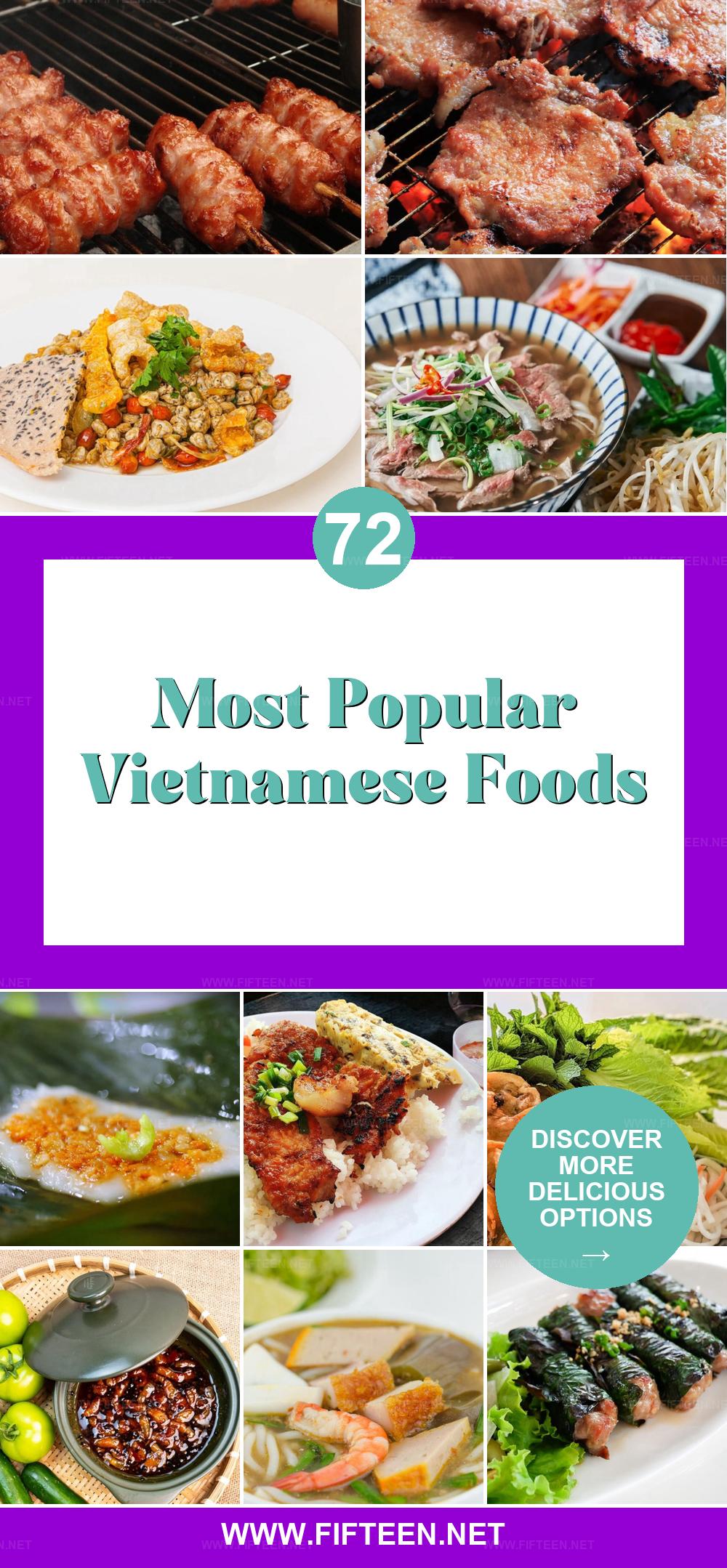
Listed below are 72 most famous dishes of Vietnam, sorted according to their popularity.
72 Popular Vietnamese Dishes with Filters
Check out up to 72 delicacies from Vietnamese cuisine and use the filter to view these dishes in alphabetical order, tastes, ingredients, dish types, cooking techniques, and global popularity.
Plus, you will get to know about the styles of culinary that commonly exist in Vietnamese, featuring choices like the most popular, national, traditional, street food, fusion, and exotic dishes:
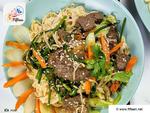
Phở
- National
- Street Food
- Traditional
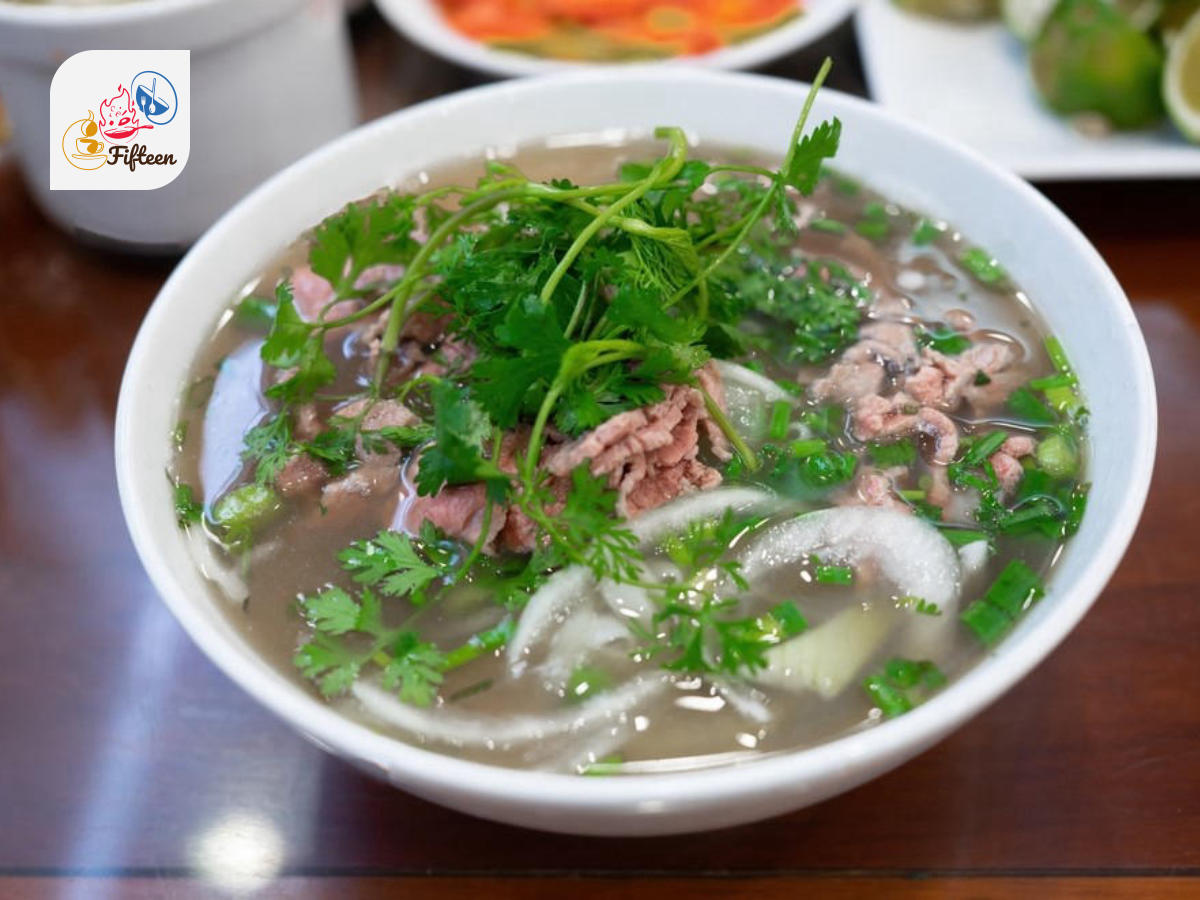
Phở is a traditional Vietnamese soup that combines a savory broth with rice noodles, vegetables (like bean sprouts), herbs (such as cilantro, basil), and meat, typically beef or chicken.
Originating from Northern Vietnam in the early 20th century with French and Chinese influences, it has become a beloved dish both within the country and internationally.
The soup is known for its complex flavors, which are achieved through a careful balance of spices and fresh ingredients. Phở is often enjoyed as a main course and is a national dish in Vietnamese cuisine.
Bánh Mì
- Fusion
- National
- Street Food
- Traditional
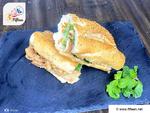
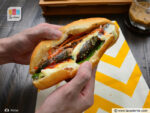
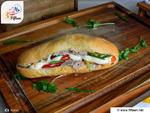
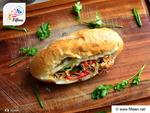
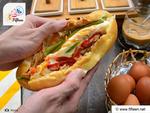
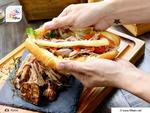
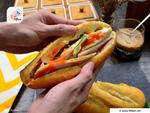
Bánh mì is a Vietnamese sandwich that is made using a baguette with a thin, crispy crust and a light, airy interior.
This sandwich is a fusion of Vietnamese and French culinary traditions, featuring a variety of fillings such as seasoned pork, pâté, pickled vegetables, fresh herbs, and spicy condiments.
Bánh Mì is celebrated for its blend of textures and flavors, combining savory, sweet, sour, and spicy elements in one bite.
Originating in the mid-20th century, it has become a staple street food in Vietnam and has gained popularity worldwide, especially in communities with a large Vietnamese diaspora.
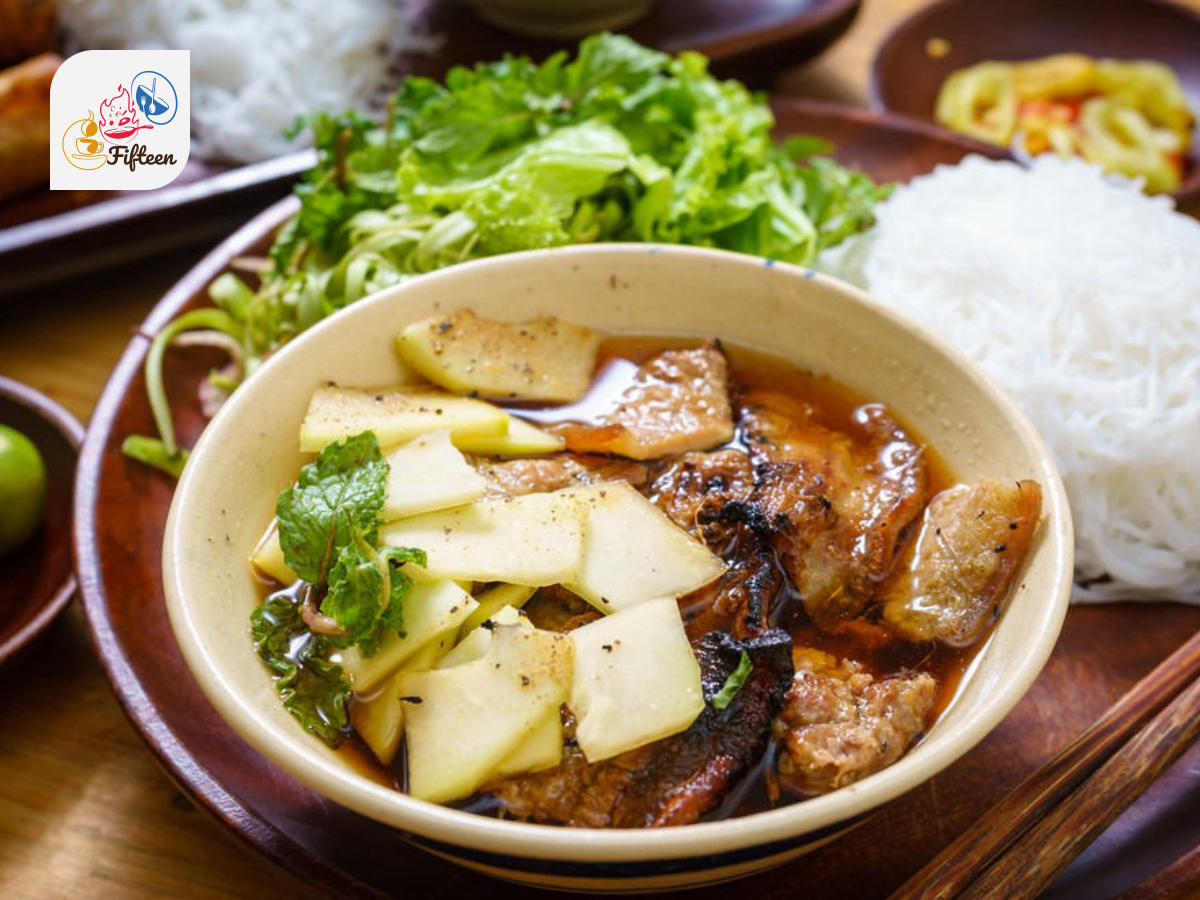
Bún Chả
- National
- Street Food
- Traditional
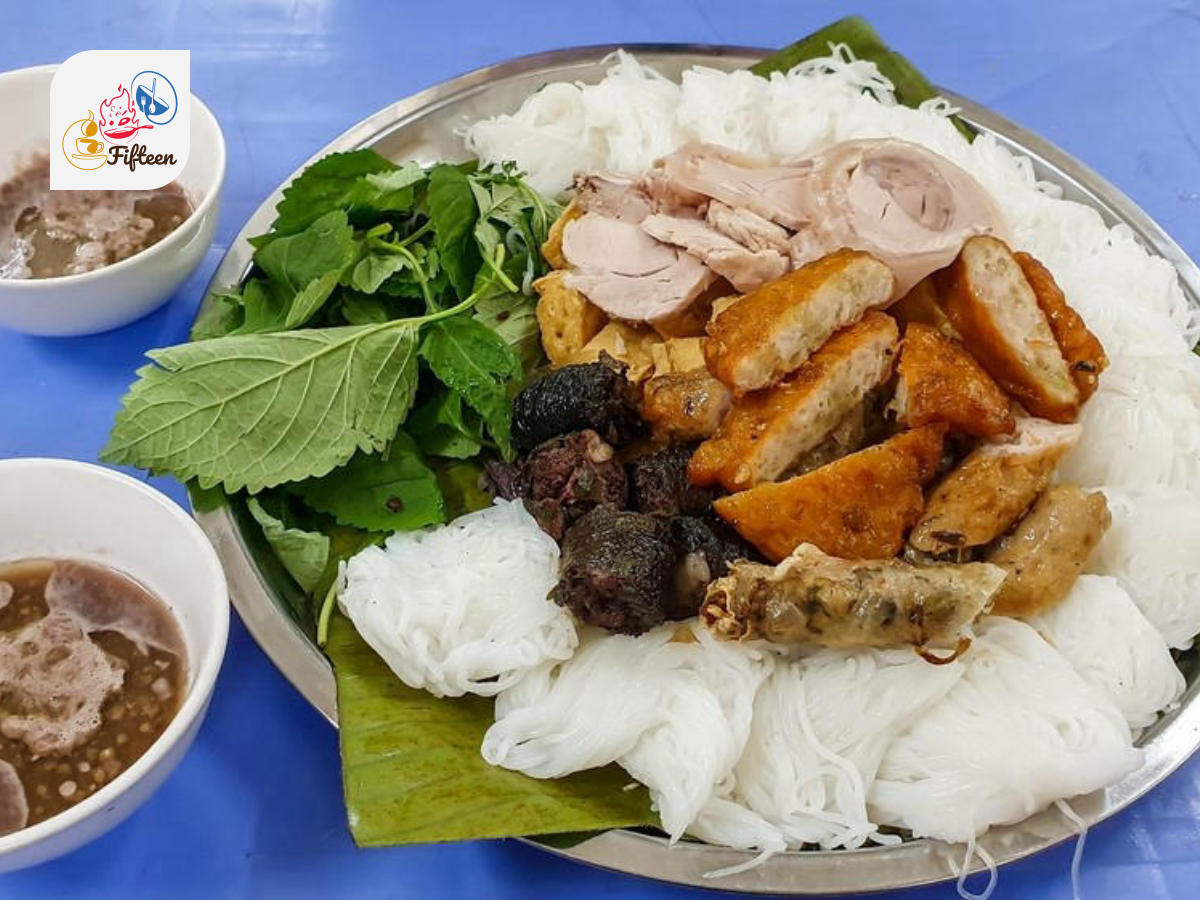
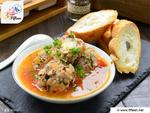
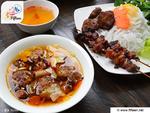
Bún chả is a Vietnamese dish that features grilled pork served alongside rice vermicelli noodles, fresh herbs, and a flavorful dipping sauce.
Believed to have originated in Hanoi, the capital of Vietnam, this dish is a delightful combination of savory grilled pork, soft noodles, and the fresh, aromatic presence of herbs, all brought together with a tangy and slightly sweet sauce.
It’s a popular meal that captures the essence of Vietnamese cuisine with its balance of flavors and textures, typically enjoyed as a hearty lunch.
Gỏi Cuốn
- Fusion
- National
- Street Food
- Traditional
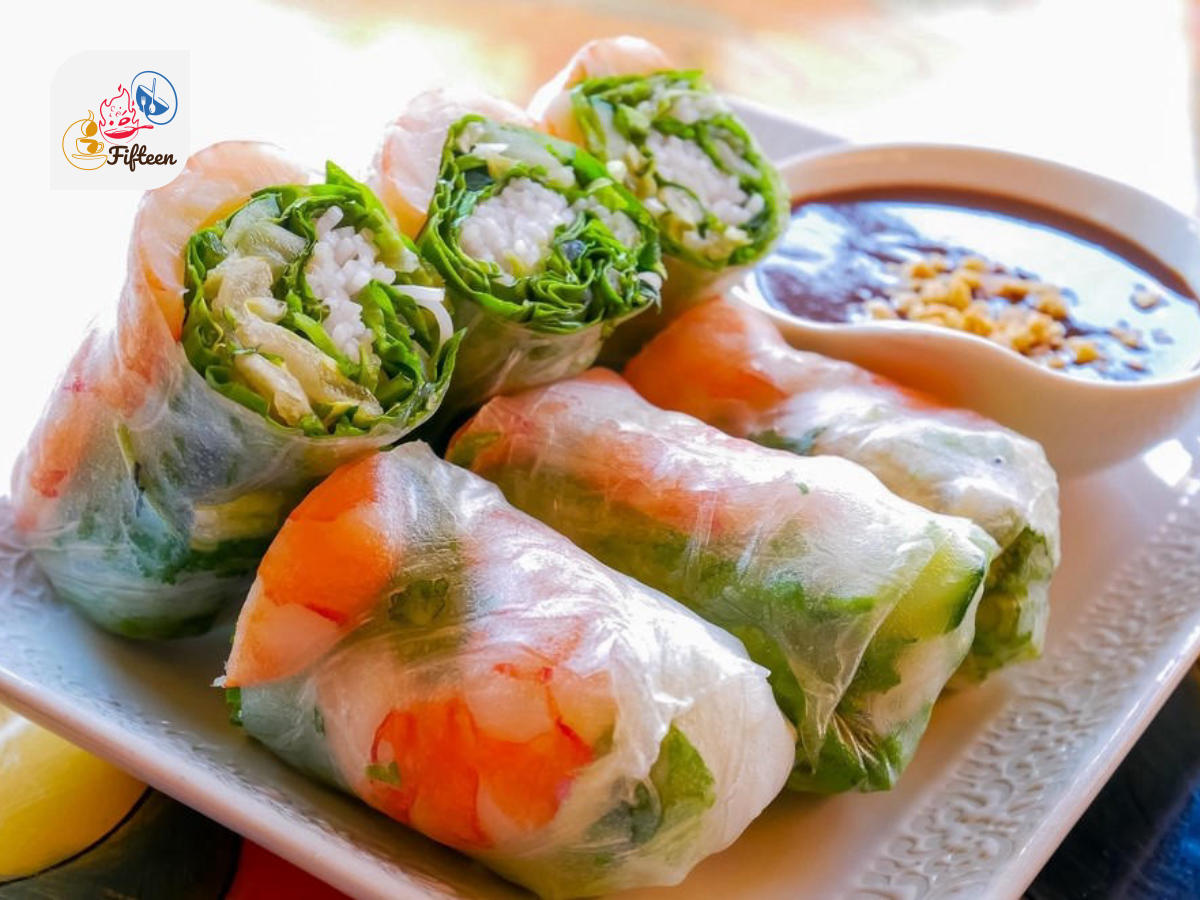
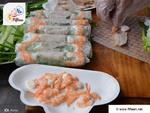
Gỏi cuốn, or Vietnamese fresh spring rolls, is a light and refreshing dish consisting of pork, shrimp, vegetables (such as lettuces, cucumber, and bean sprouts), rice vermicelli, and other ingredients wrapped in rice paper.
Unlike their fried counterparts, gỏi cuốn are not cooked after being assembled, preserving the crisp texture of the vegetables and the soft, pliable rice paper.
They are commonly accompanied by a variety of dipping sauces, including a peanut sauce or a fish sauce-based condiment known as nước chấm.
Gỏi cuốn are enjoyed as a popular appetizer or snack in Vietnam and have gained international popularity for their delightful combination of textures and flavors.
Bún Bò Huế
- National
- Street Food
- Traditional
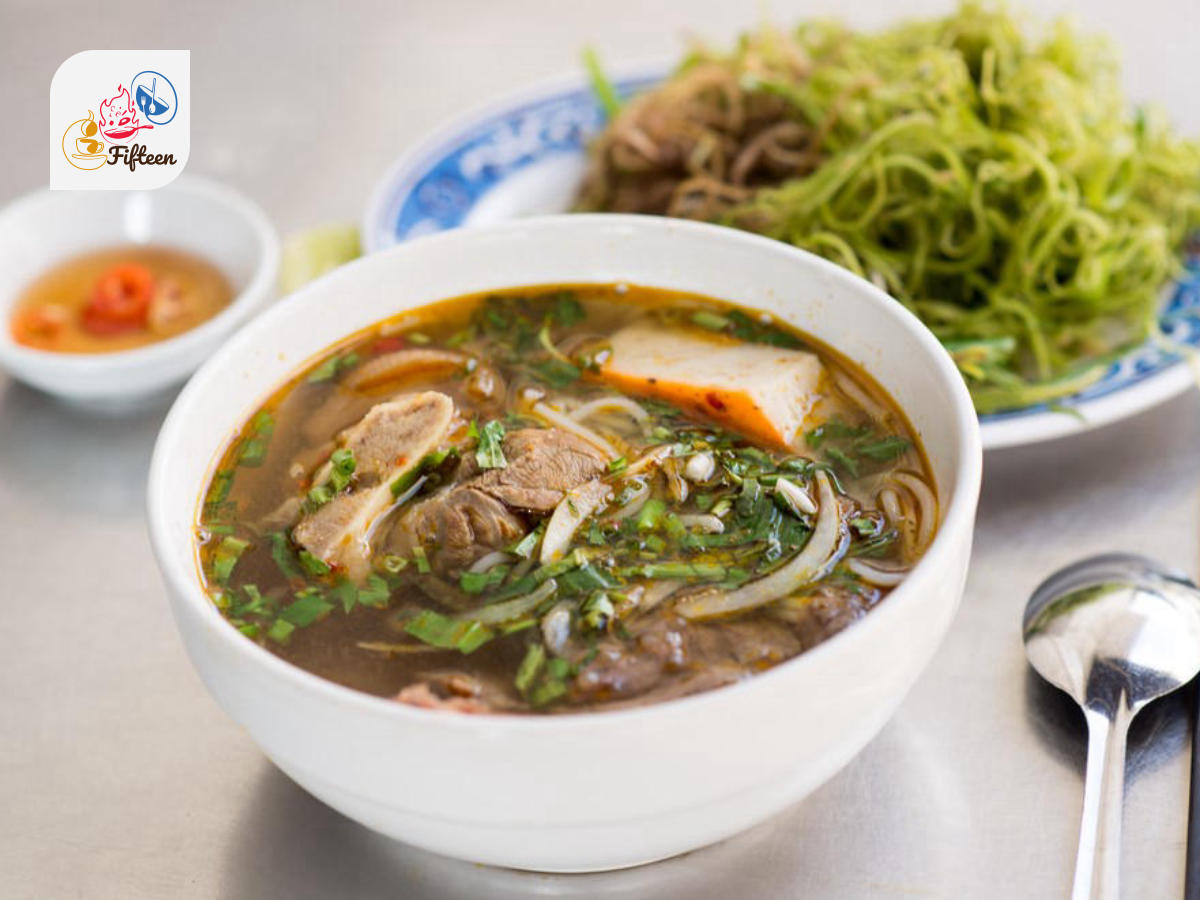
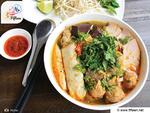
Bún bò Huế is a spicy and aromatic Vietnamese soup that hails from the city of Huế in Central Vietnam. This dish is known for its distinctive balance of spicy, sour, sweet, and salty flavors, primarily derived from lemongrass, fermented shrimp sauce, and chili oil.
It features thick rice vermicelli noodles and is typically served with slices of beef shank, oxtail, and sometimes pork knuckles. Accompaniments often include lime wedges, fresh herbs, and thinly sliced banana blossom.
Cơm Tấm
- National
- Street Food
- Traditional
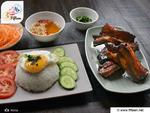
Cơm tấm, also known as broken rice, is a Vietnamese dish that features small, fractured rice grains as its base, traditionally served with grilled pork (sườn).
It can also include a variety of other toppings, such as steamed egg meatloaf (chả trứng), pickled vegetables, and prawn paste cake (bì).
A key component of Cơm Tấm is the accompanying fish sauce-based dressing, which is sweetened and poured over the dish to enhance its flavors.
Chả Giò
- National
- Street Food
- Traditional
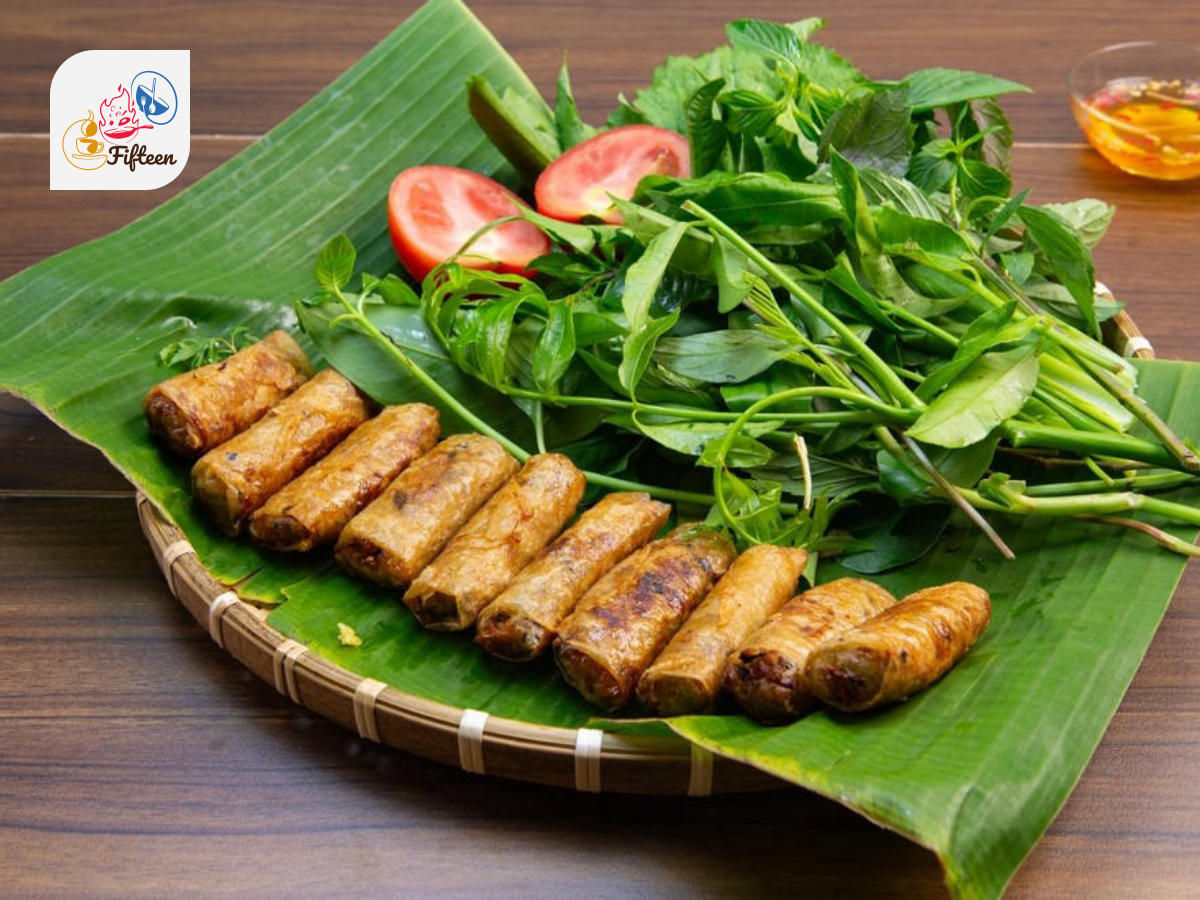
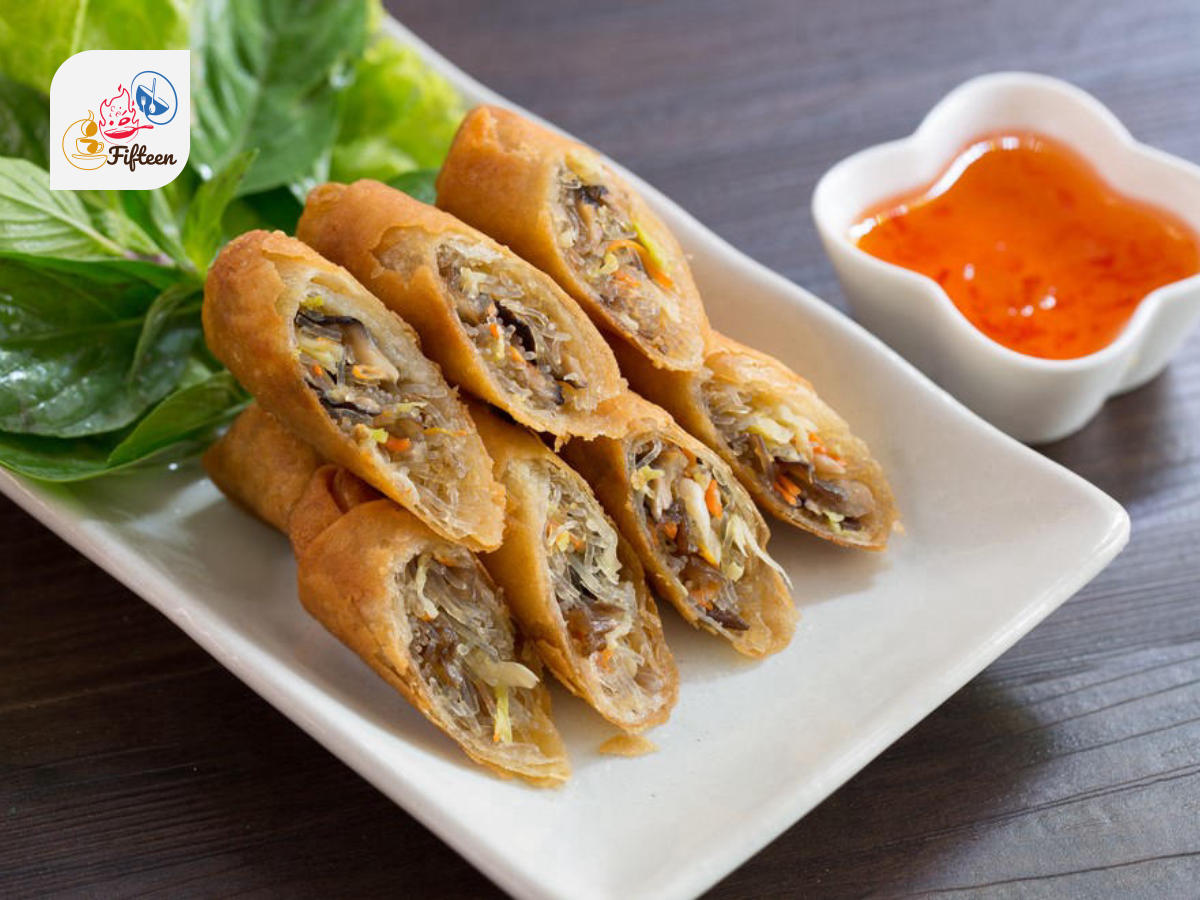
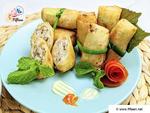
Chả giò, or Vietnamese fried spring rolls, is a popular appetizer within Vietnamese cuisine. These rolls are made by wrapping a mixture of ground pork, mushrooms, glass noodles, and finely chopped vegetables like carrots and jicama in rice paper.
Once assembled, they are deep-fried until the exterior is crispy and golden brown. Chả giò can be enjoyed on their own, dipped in a tangy fish sauce-based mixture known as nước chấm, or served alongside dishes like rice vermicelli.
Bún Riêu
- National
- Street Food
- Traditional
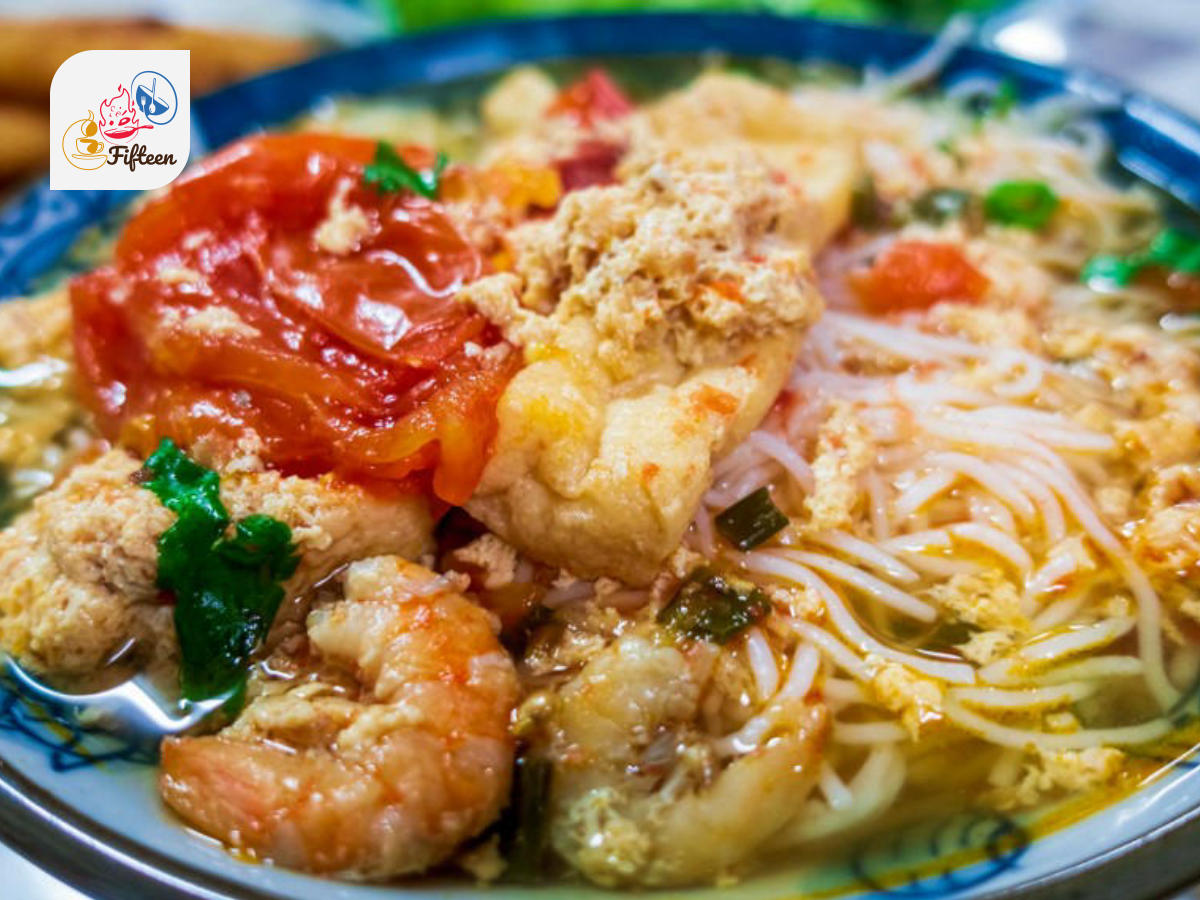
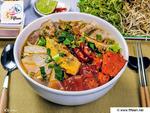
Bún riêu cua is a Vietnamese noodle soup known for its complex flavors and rich texture. The dish features a tomato-based broth infused with the essence of freshwater crab, creating a harmonious blend of sour, sweet, and savory notes.
Rice vermicelli noodles serve as the base, accompanied by a variety of toppings such as fried tofu, fresh herbs, and sometimes, congealed pig’s blood for added richness. The soup is often garnished with a dollop of shrimp paste, adding depth and umami to the dish.
Bánh Xèo
- National
- Street Food
- Traditional
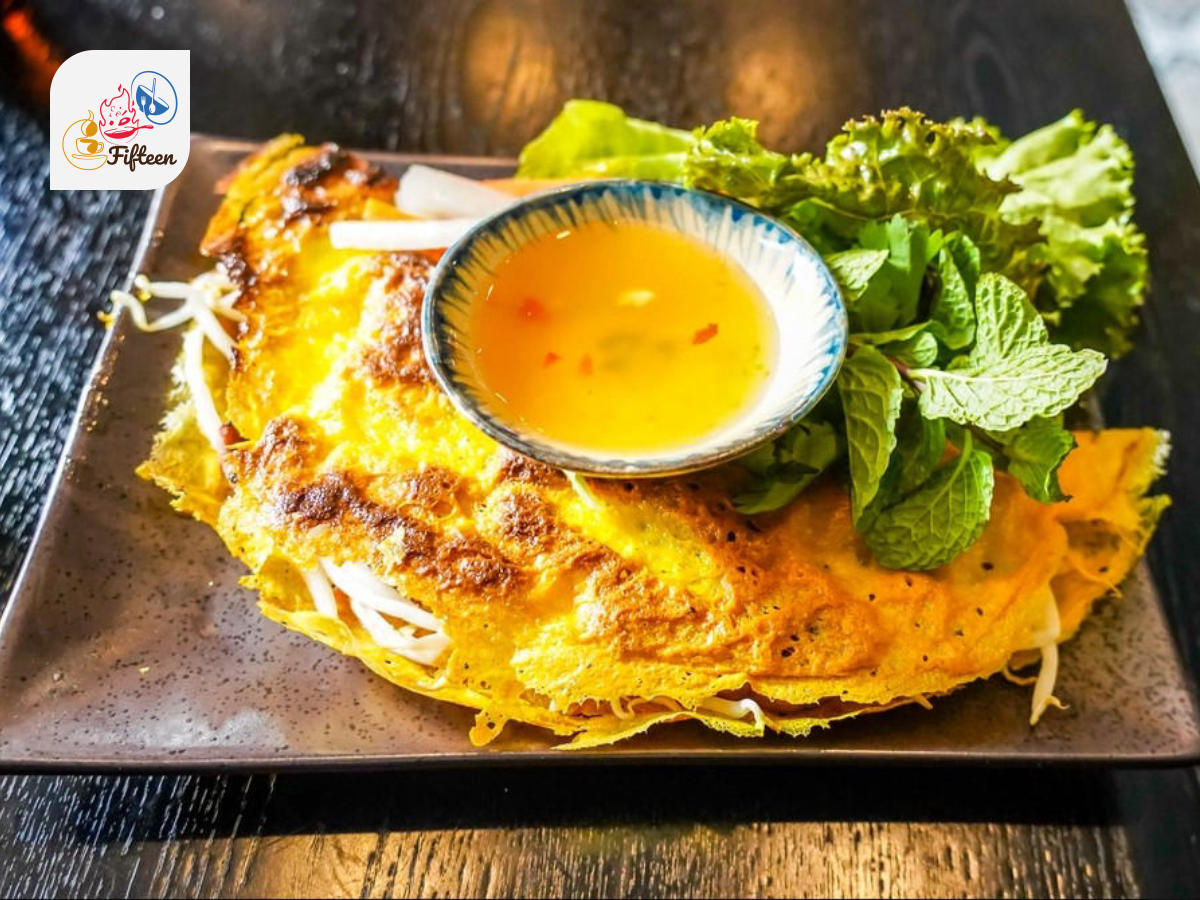
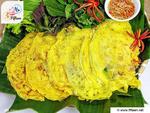
Bánh xèo is a Vietnamese savory crepe or pancake made from rice flour, water, and turmeric powder, which gives it a vibrant yellow color. The batter is fried to a crisp in a pan, and traditional fillings include pork, shrimp, diced green onion, mung bean, and bean sprouts.
This dish is typically served with a variety of fresh herbs, lettuce, and a dipping sauce called Nước chấm, enhancing its flavors with a mix of sweet, sour, and savory notes.
The name “bánh xèo” translates to “sizzling pancake,” referring to the sound it makes when the batter hits the hot skillet.
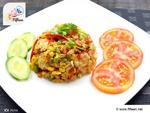
Cơm Chiên
- Traditional
Cơm chiên, or Vietnamese fried rice, is a dish consisting of rice that’s been stir-fried in a pan or wok, often mixed with ingredients like eggs, vegetables, and sometimes meat or seafood.
It’s a versatile dish that can be found across the nation, with each region adding its own unique twist to the recipe. The dish is known for its ability to incorporate leftovers, making it both practical and delicious.
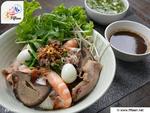
Hủ Tiếu
- National
- Street Food
- Traditional
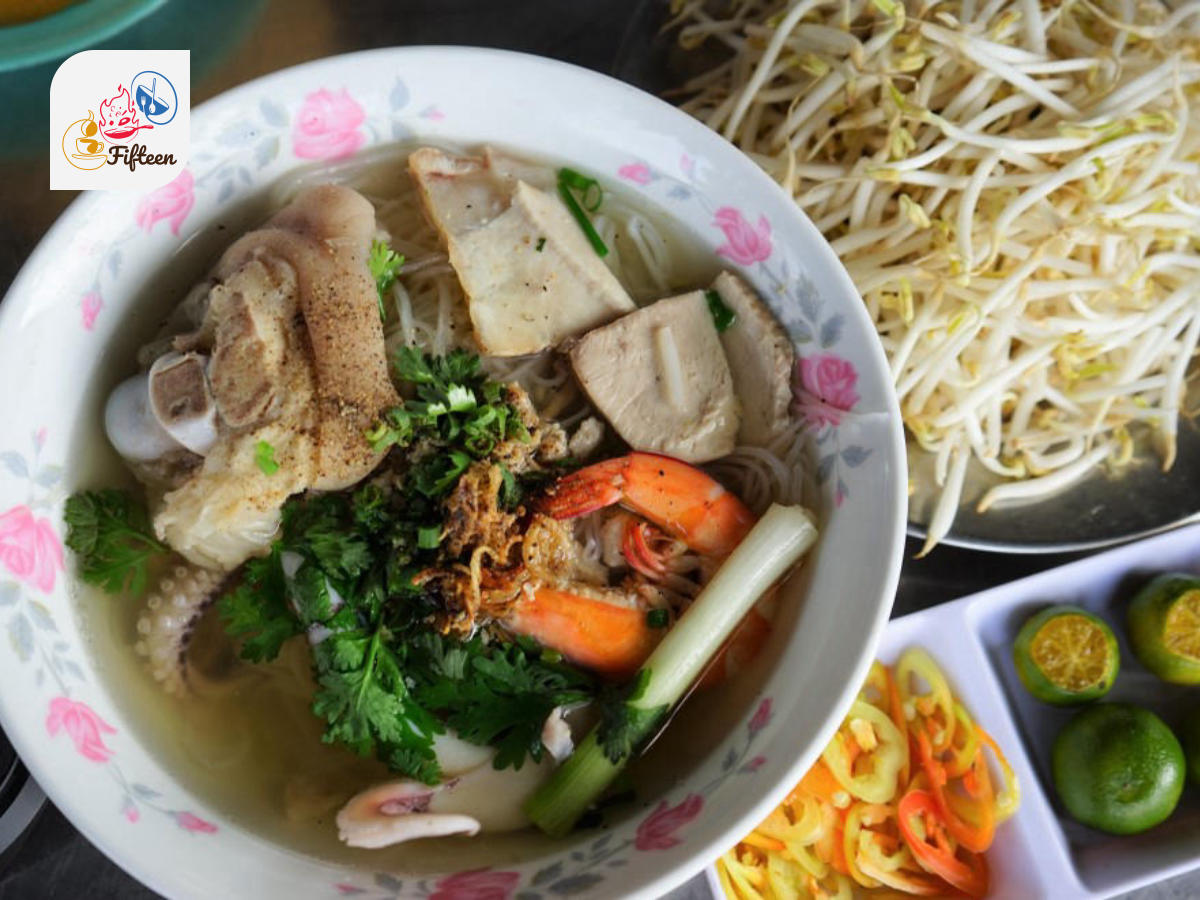
Hủ tiếu is a Vietnamese noodle soup known for its clear, savory broth made from simmering pork bones, dried shrimp, and squid, flavored with grilled onions for a smoky depth.
The dish is a blend of textures and flavors, offering options for both soup and “dry” versions. It comes in various regional variations like hủ tiếu Nam Vang, hủ tiếu My Tho, and hủ tiếu Sa Dec.
Hủ tiếu Nam Vang features a light broth with pork, quail eggs, and shrimp, hủ tiếu My Tho includes chewy noodles and is often served with meatballs and pickles, while hủ tiếu Sa Dec is noted for its distinct noodles influenced by local water quality.
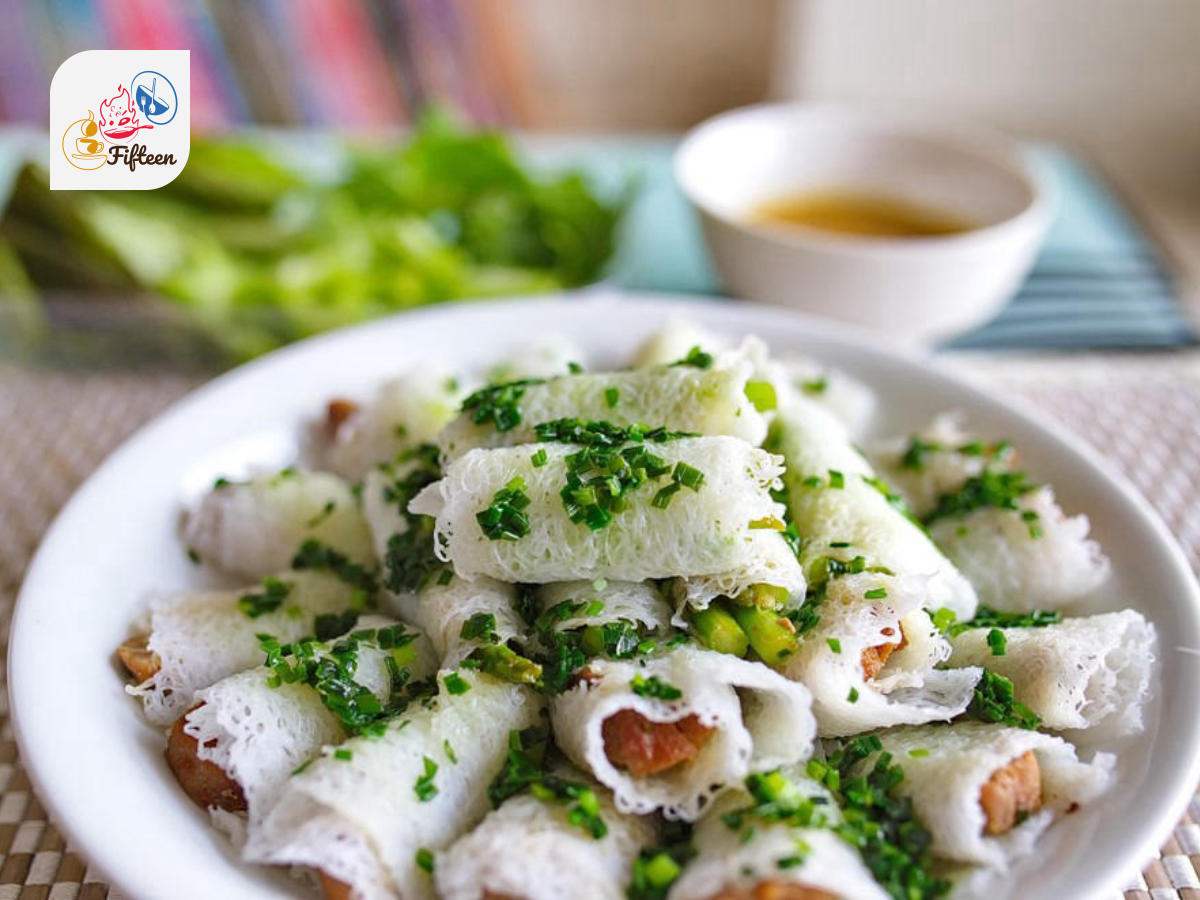
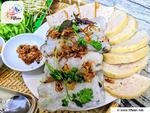
Bánh Cuốn
- National
- Street Food
- Traditional
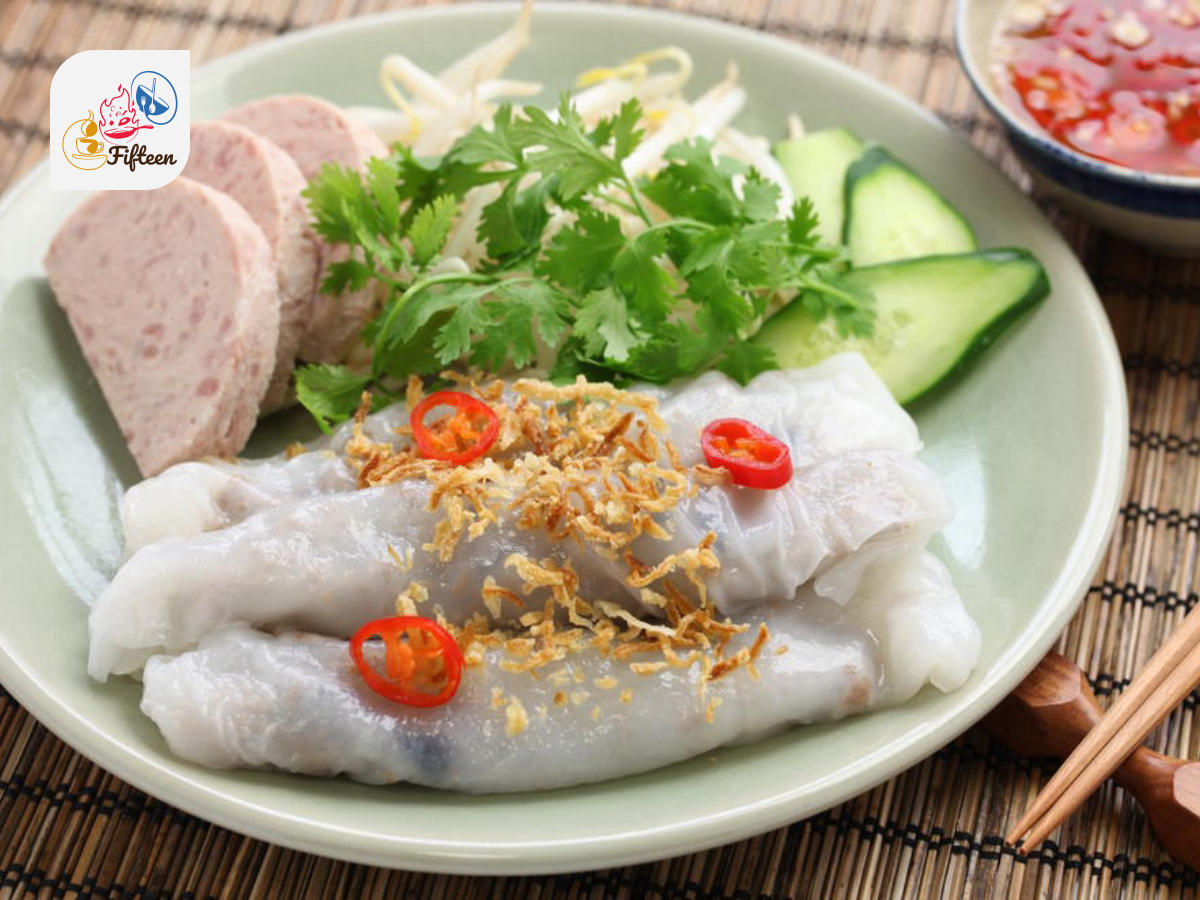
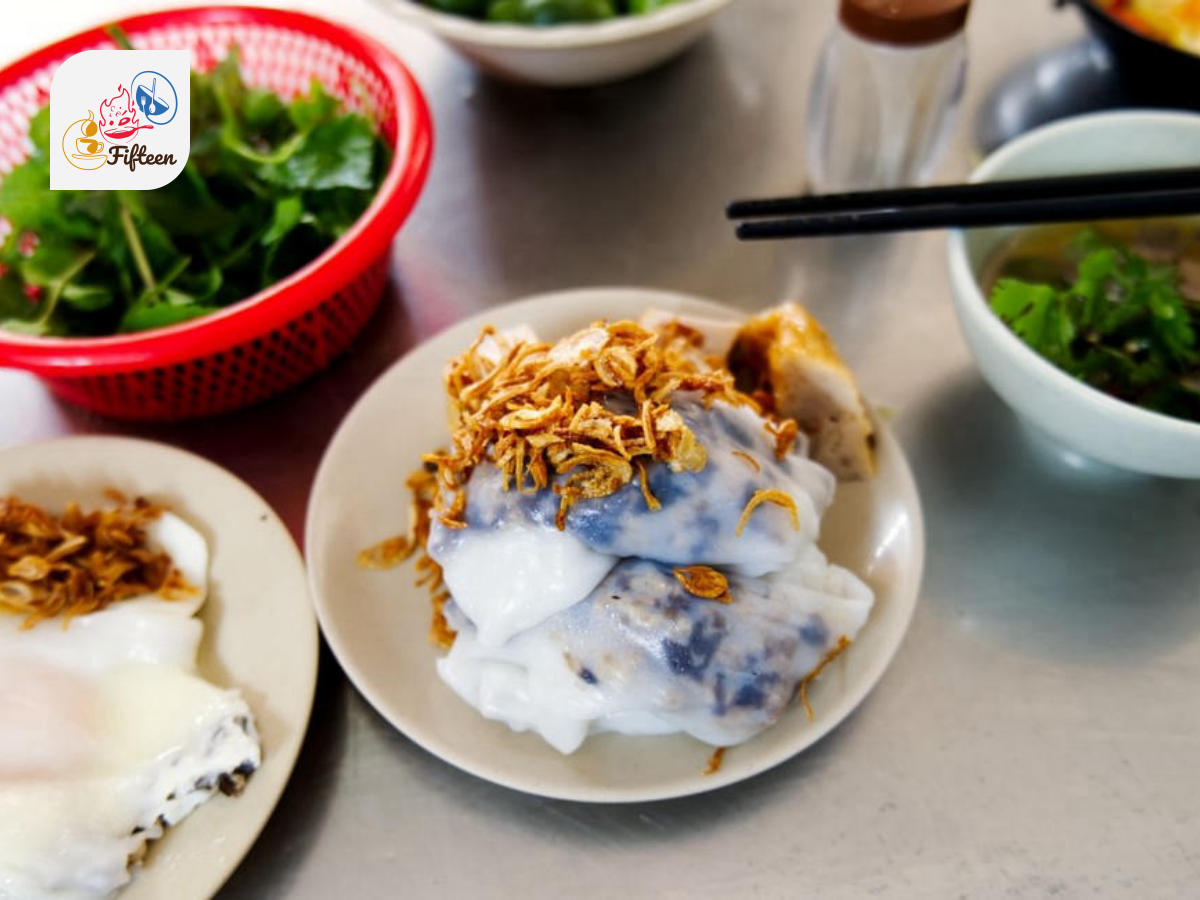
Bánh cuốn is a traditional Vietnamese dish made from thin, wide sheets of steamed fermented rice batter, filled with a mixture of seasoned ground pork, minced wood ear mushrooms, and shallots.
This dish is often accompanied by sides like Vietnamese pork sausage, sliced cucumber, and bean sprouts, and is typically served with a fish sauce-based dipping sauce.
Bánh cuốn is known for its delicate, soft texture and is commonly enjoyed as a light meal or breakfast in Vietnam.
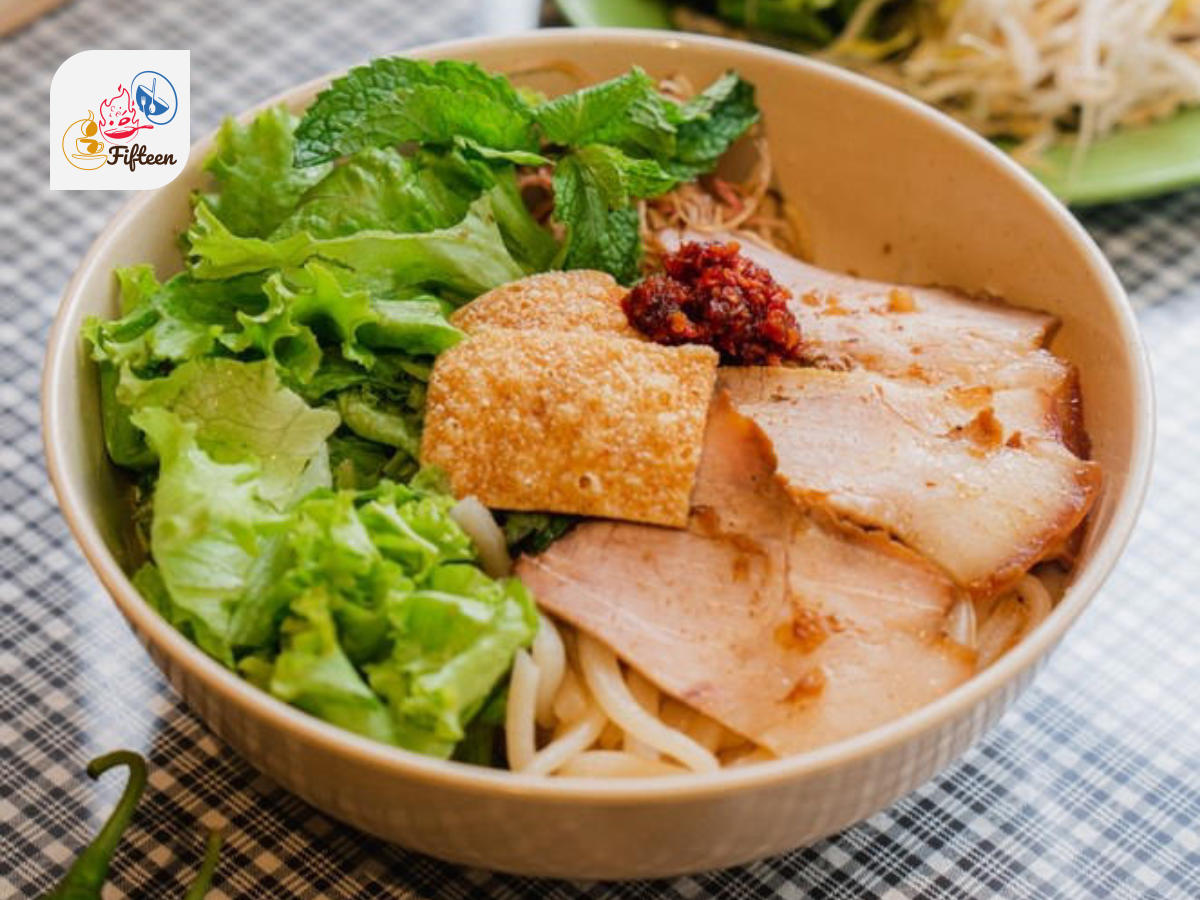
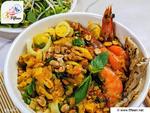
Mì Quảng
- National
- Street Food
- Traditional
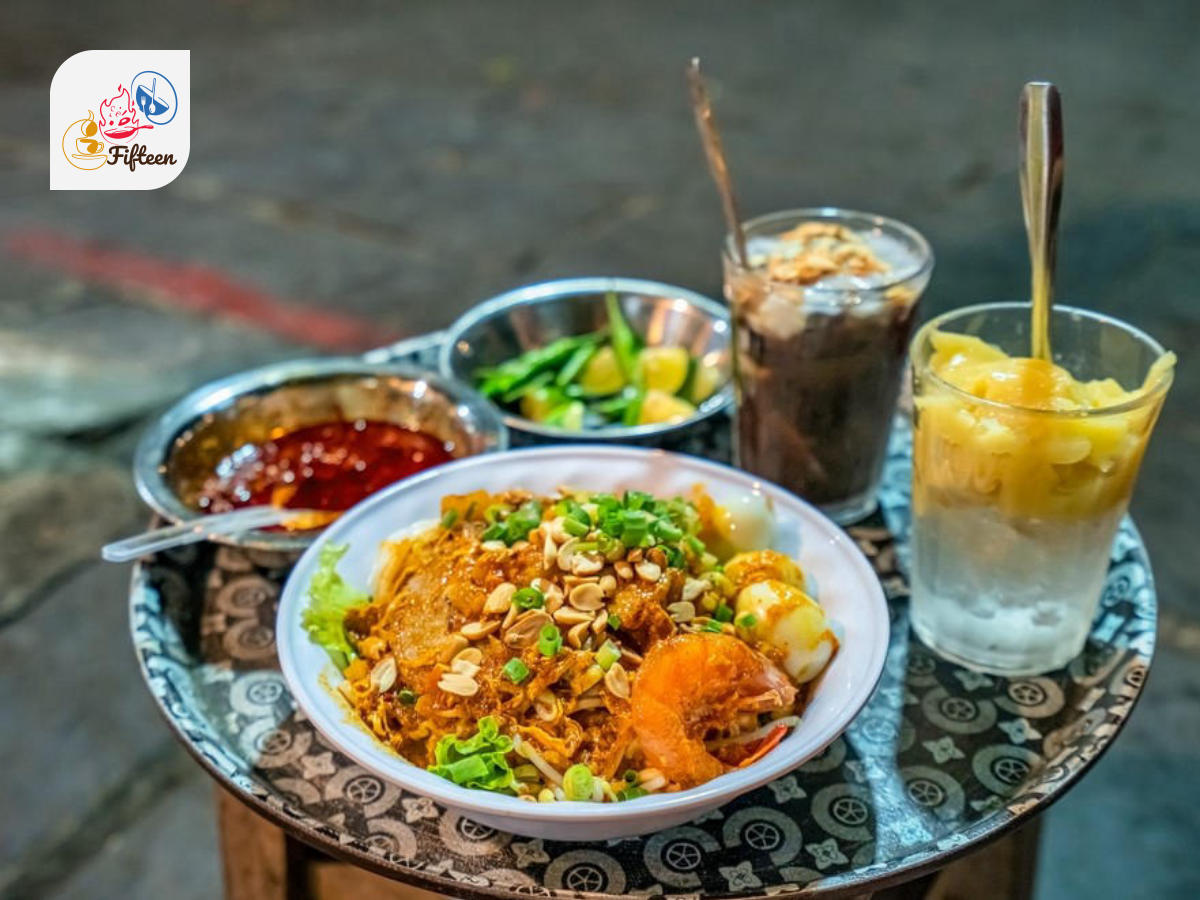
Mì Quảng is a Vietnamese noodle dish that hails from Quảng Nam Province in the central part of the country. It’s characterized by its use of wide rice noodles, a small amount of highly flavored broth, and a variety of proteins such as shrimp, pork, chicken, or sometimes beef.
The dish is vibrant with the addition of turmeric to the broth, giving it a distinctive yellow color. Fresh herbs, peanuts, and toasted sesame rice crackers are common garnishes.
Bánh Canh
- Street Food
- Traditional
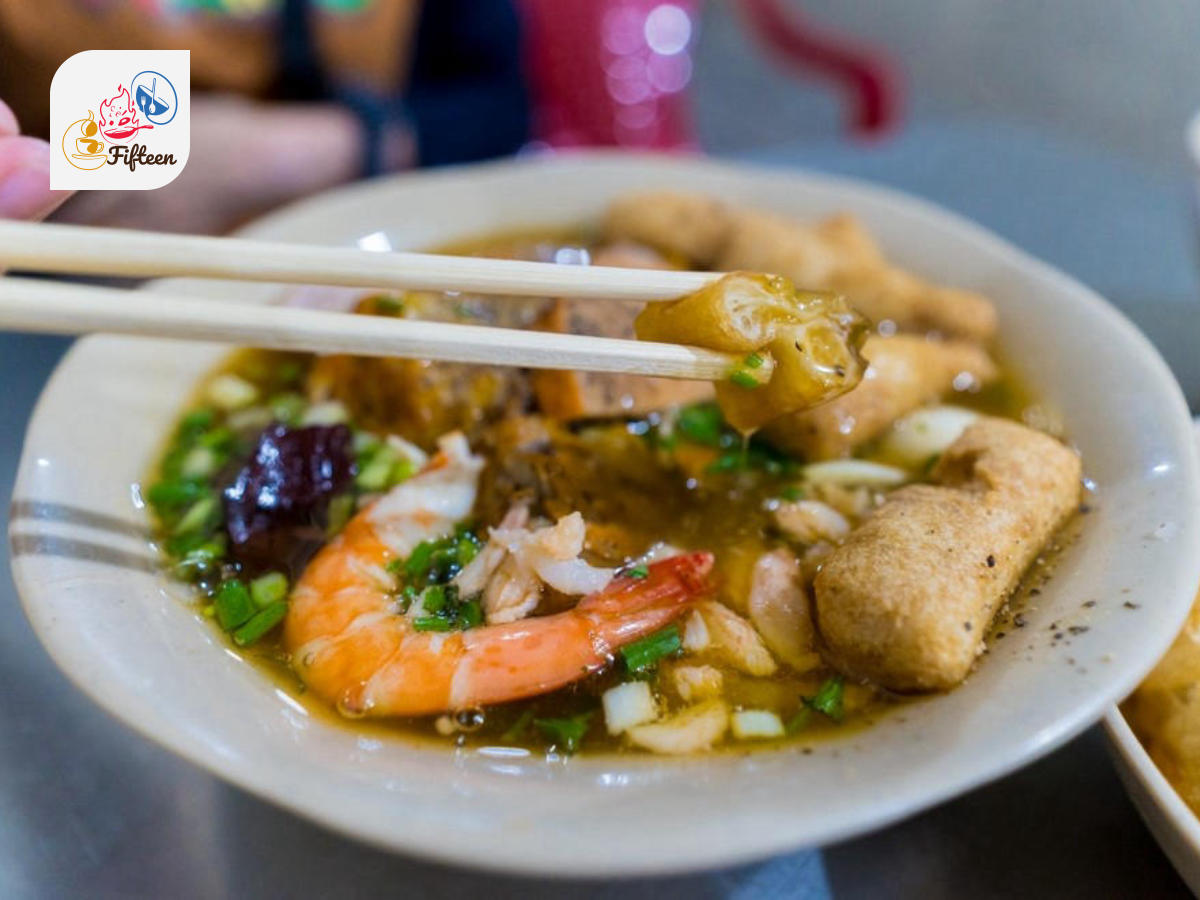
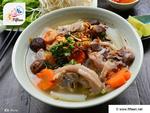
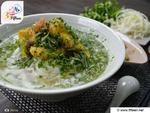
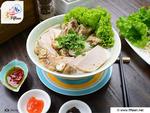
Bánh canh is a Vietnamese noodle soup featuring thick, chewy noodles made from tapioca flour or a mix of tapioca and rice flour, similar to udon. The dish is served in a flavorful broth, typically pork-based, and can be garnished with items like pork meatloaf, green onions, and chili oil.
Variations include bánh canh cua, with crab meat, and others with added seafood or meatballs. The preparation involves simmering pork bones for a clear, rich broth and making or buying the distinctive thick noodles.
Cà Ri
- Traditional
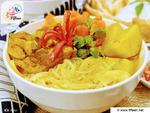
Cà ri, or Vietnamese curry, is a dish known for its aromatic and lighter broth, commonly made with chicken. It’s a central and southern Vietnamese specialty, often served at social gatherings.
The dish is characterized by its use of coconut milk and a blend of spices, offering a unique flavor profile. Cà ri can be enjoyed with bread, steamed rice, or rice noodles, making it a versatile and comforting meal.
Chè
- Street Food
- Traditional
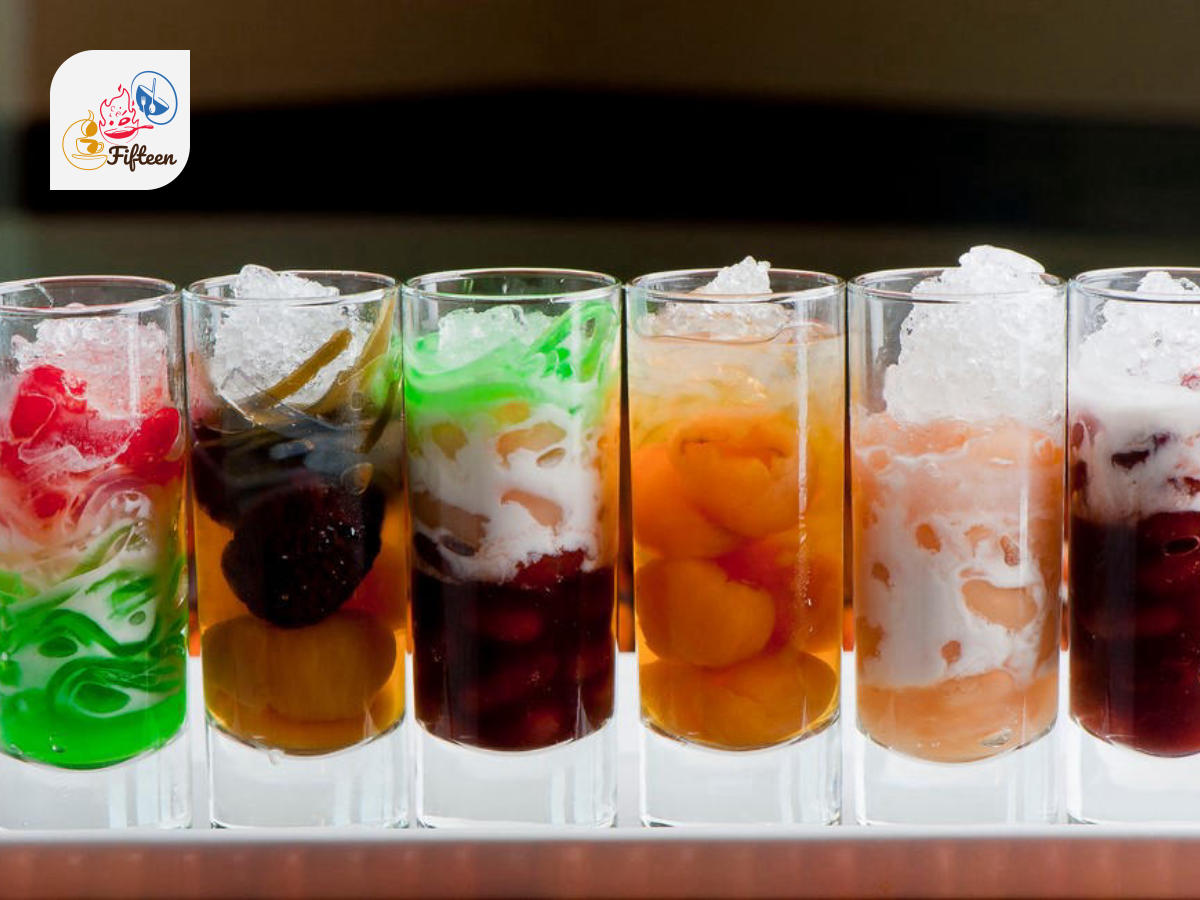
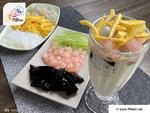
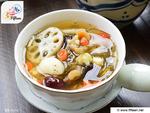
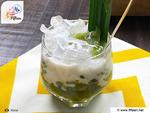
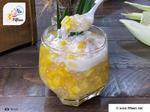
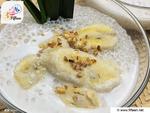
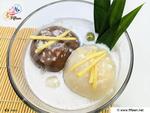
Chè is a traditional Vietnamese sweet treat that varies widely, including dessert soups, puddings, and beverages. It’s made with ingredients like beans, tapioca, jelly, fruits, and coconut cream, and can be served hot or cold.
Some popular variations of chè include chè bưởi (pomelo sweet soup), chè hạt sen long nhãn (lotus seed and longan sweet soup), chè đậu đen (sweet black bean soup), chè ngô or chè bắp (sweet corn pudding), chè khúc bạch (almond with cheese jelly and lychee sweet soup), etc.
Chè is enjoyed both at home and sold in stores, often garnished with coconut cream in the south. The name “chè” in northern Vietnam also refers to tea.
Bánh Bèo
- Street Food
- Traditional
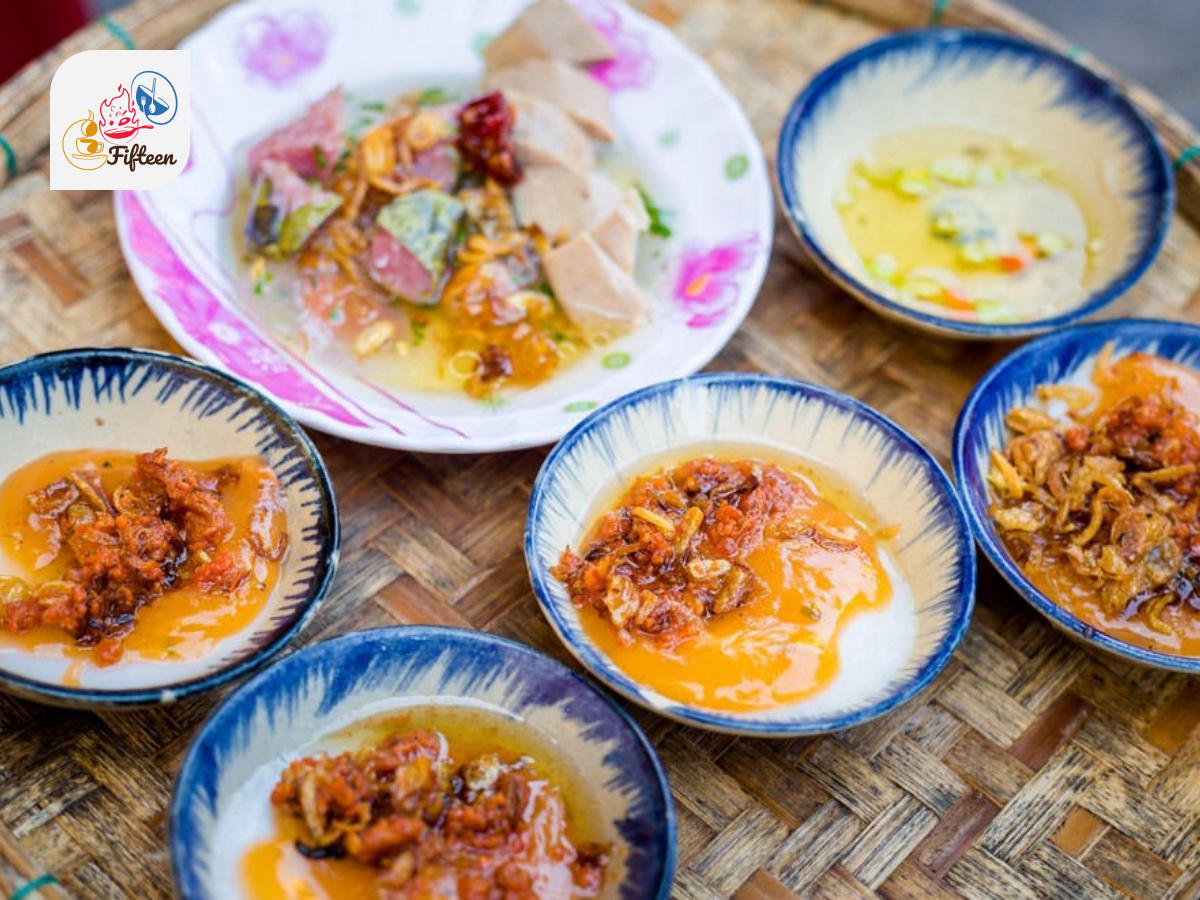
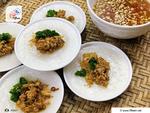
Bánh bèo is a traditional Vietnamese dish originating from the city of Huế in Central Vietnam. This dish consists of small, round, steamed rice cakes made from a mixture of rice flour and tapioca flour, giving them a soft and slightly chewy texture.
Typically served in small, shallow dishes, bánh bèo is topped with savory ingredients such as finely chopped dried shrimp, crispy pork skin, and scallion oil. A tangy dipping sauce made from fish sauce, sugar, garlic, and chili peppers often accompanies the dish, enhancing its flavors.
Gỏi
- Street Food
- Traditional
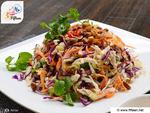
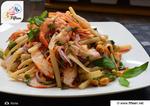
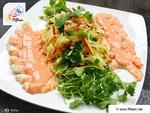
Gỏi refers to a broad category of Vietnamese salads, known for their freshness and variety. Initially associated with raw fish salads like “”gỏi cá,”” akin to ceviche, the term has expanded to encompass a wide range of salads featuring fruits, vegetables (commonly cabbage and lotus root), meats, and seafood.
Notable examples include “”gỏi gà”” (chicken salad), “”gỏi đu đủ xanh”” (green papaya salad), “gỏi xoài”” (mango salad), and “”gỏi tôm”” (prawn salad), each distinct in its combination of ingredients and flavors.
The preparation of gỏi emphasizes the use of fresh, vibrant ingredients, reflecting the diverse culinary landscape of Vietnam. Gỏi is usually served alongside cháo in Vietnamese cuisine.
Bánh Bao
- Street Food
- Traditional
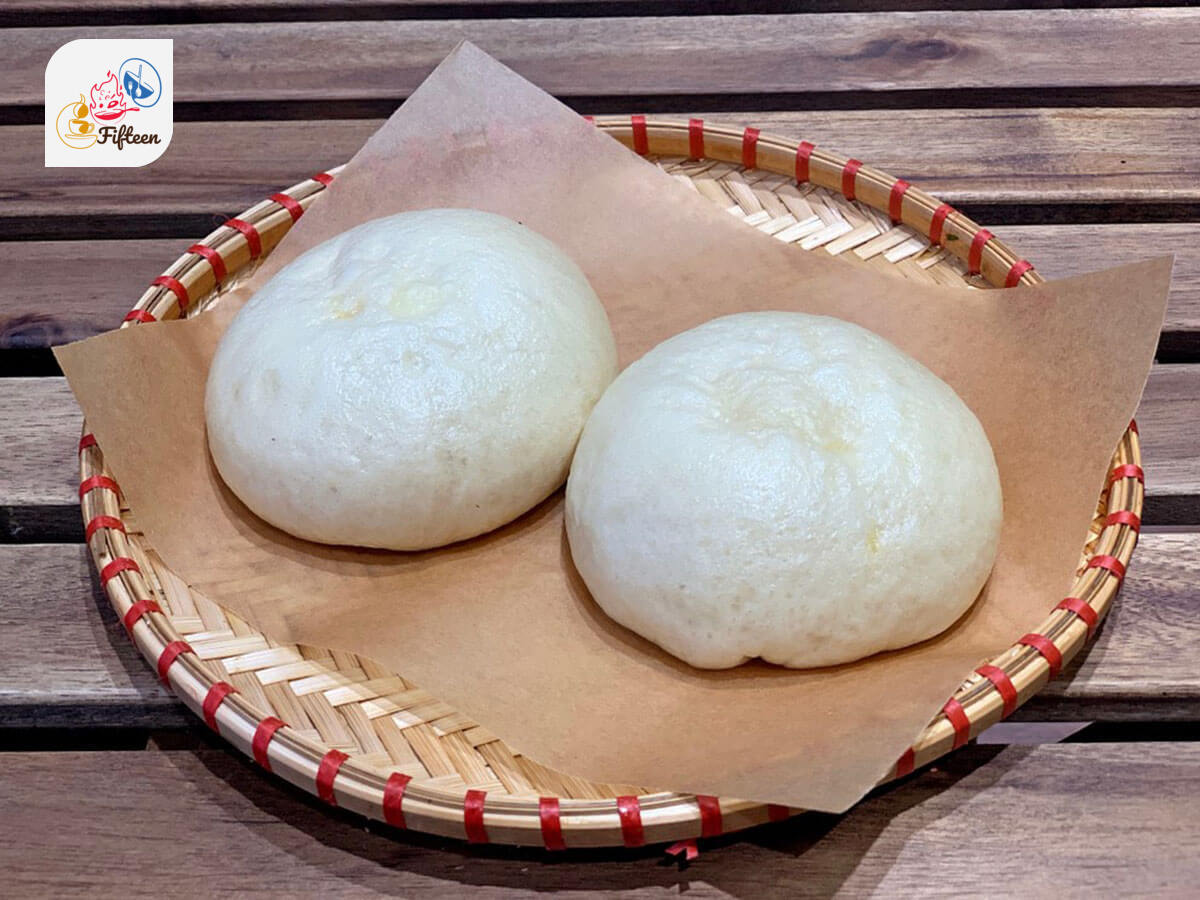
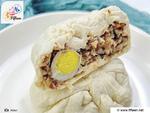
Bánh bao is a type of Vietnamese steamed bun, round in shape and filled with ingredients such as ground pork or chicken, onions, mushrooms, and a portion of a hard-boiled egg. It sometimes includes Chinese sausage.
These buns are larger than their Chinese counterparts (baozi) and are known for their savory filling, encased in a soft, fluffy dough. Bánh bao can be enjoyed as a snack or a light meal and is appreciated for its portability and delicious filling.
Cháo
- Street Food
- Traditional
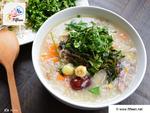
Cháo is the Vietnamese term for rice porridge made by simmering rice in water or broth until it becomes soft and creamy, cháo can be simply seasoned with salt or enriched with proteins like chicken (cháo gà), beef (cháo bò), or fish (cháo cá).
It’s often garnished with ingredients such as ginger, green onions, fried shallots, and herbs, and can be tailored with various condiments to suit different tastes.
Cháo is not only a daily staple but also a preferred meal for those needing easy-to-digest foods, such as when recovering from illness. Its variations, like cháo lòng with pork offal and cháo bò with ground beef, showcase the adaptability of this dish across Vietnam’s regions
Cá Kho
- Traditional
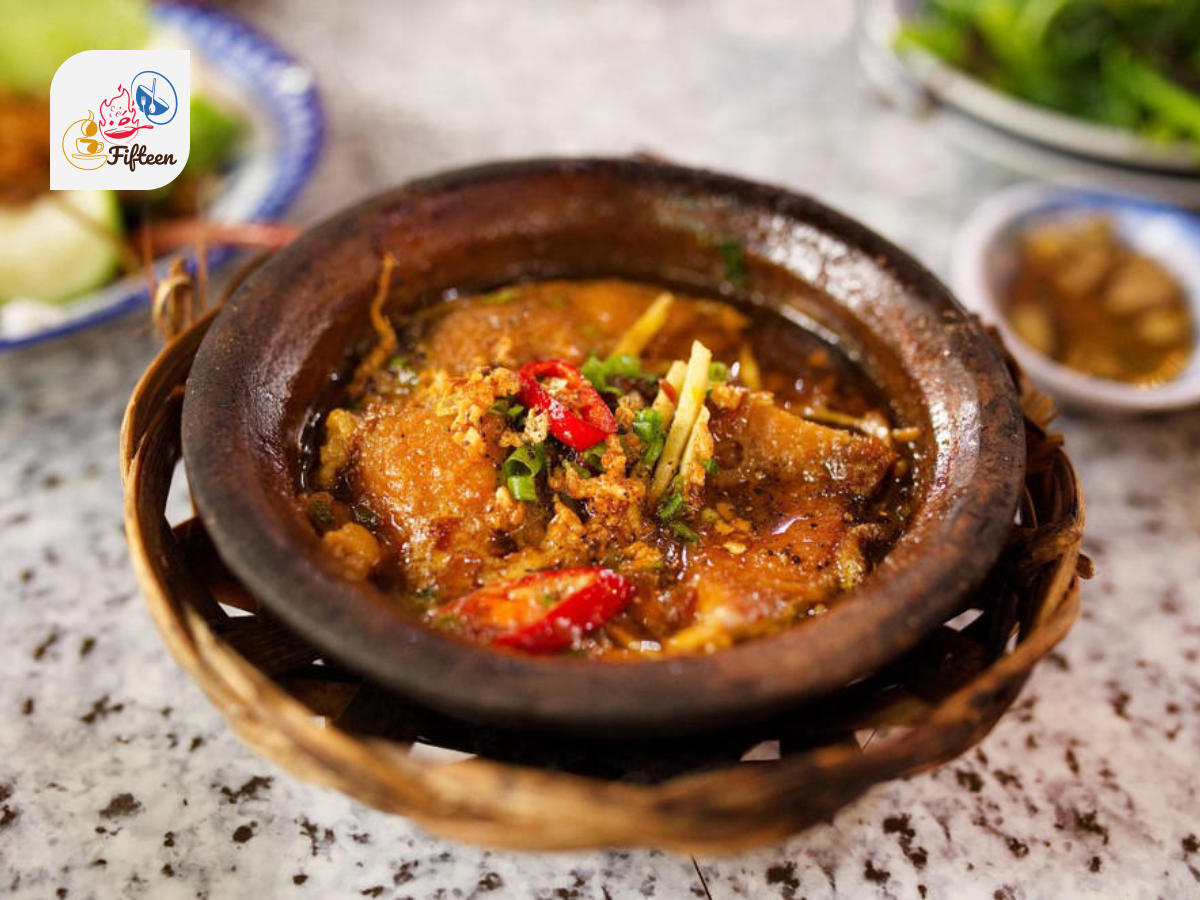
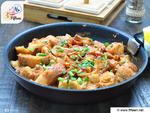
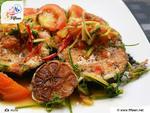
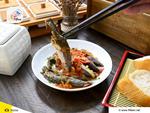
Cá kho is a traditional Vietnamese dish where fish, typically catfish, is braised in a clay pot with a caramelized sauce made from a blend of sugar, fish sauce, and various aromatics like garlic, shallots, and ginger.
This method of cooking imparts a rich, savory flavor to the fish, making it a beloved comfort food in Vietnam, often served with steamed rice.
Thịt Kho
- Traditional
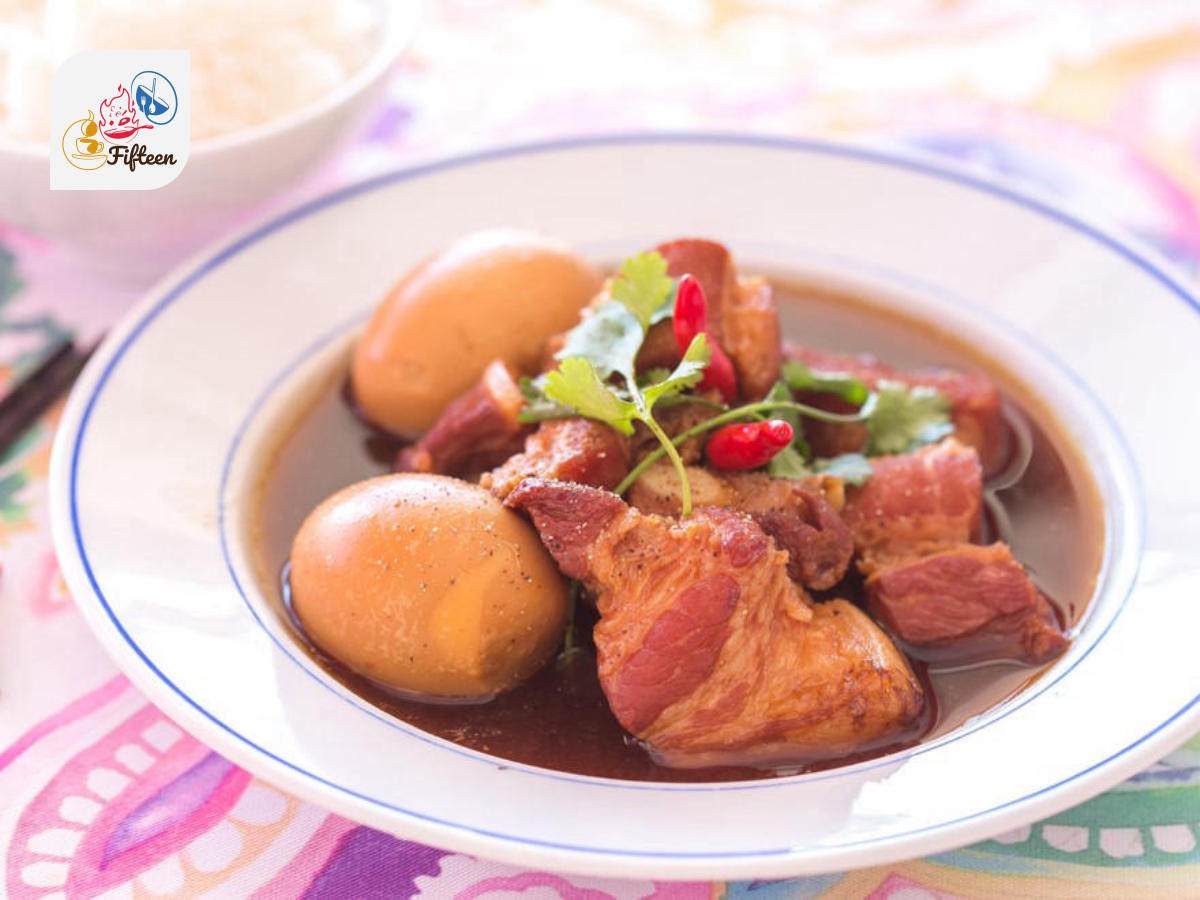
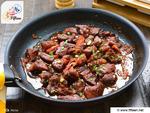
Thịt kho is a Vietnamese braised pork dish known for its sweet and savory flavor profile, achieved by caramelizing sugar and using fish sauce.
Key ingredients include pork belly or shoulder, garlic, shallots, and often coconut water, enhancing its complexity. It’s commonly served with rice. The slow cooking method ensures the meat is tender and flavorful, making it a comforting meal choice.
Bún Bò Nam Bộ
- Street Food
- Traditional
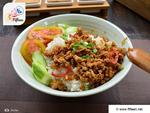
Bún bò Nam Bộ is a vibrant and flavorful Vietnamese salad dish consisting of thinly sliced beef over a bed of rice vermicelli noodles, garnished with herbs, peanuts, and crispy shallots.
It’s dressed with a tangy and slightly sweet sauce, making it a refreshing meal, especially in warmer climates. Unlike its soup counterpart from central Vietnam, bún bò Huế, bún bò Nam Bộ is served without broth, highlighting the freshness of its ingredients.
The name “bún nò Nam Bộ” originates from Nam Bộ Street in Hanoi, where the dish was first created in the 1980s, despite its name suggesting a southern origin.
Thịt Kho Tàu
- Fusion
- Traditional
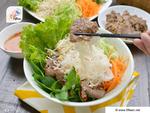
Thịt kho tàu, also known as caramelized pork and eggs, is a cherished dish from Vietnam, traditionally made with tender pieces of pork and whole eggs that are slowly braised in a sweet and savory coconut juice.
Thịt kho tàu is especially popular during the Vietnamese New Year, known as Tết, where it holds cultural significance and is often served as part of the festive meals, symbolizing prosperity and togetherness.
Bò Kho
- Fusion
- Traditional
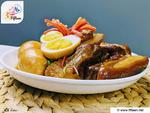
Bò kho is a Vietnamese beef stew that is rich and flavorful, often spicy, and includes beef as its main ingredient along with carrots, lemongrass, and garlic.
It’s a dish that reflects a blend of local Vietnamese and French culinary influences, typically slow-cooked to develop deep flavors and tender meat. Bò kho is versatile and can be served with rice, rice noodles, or bread.
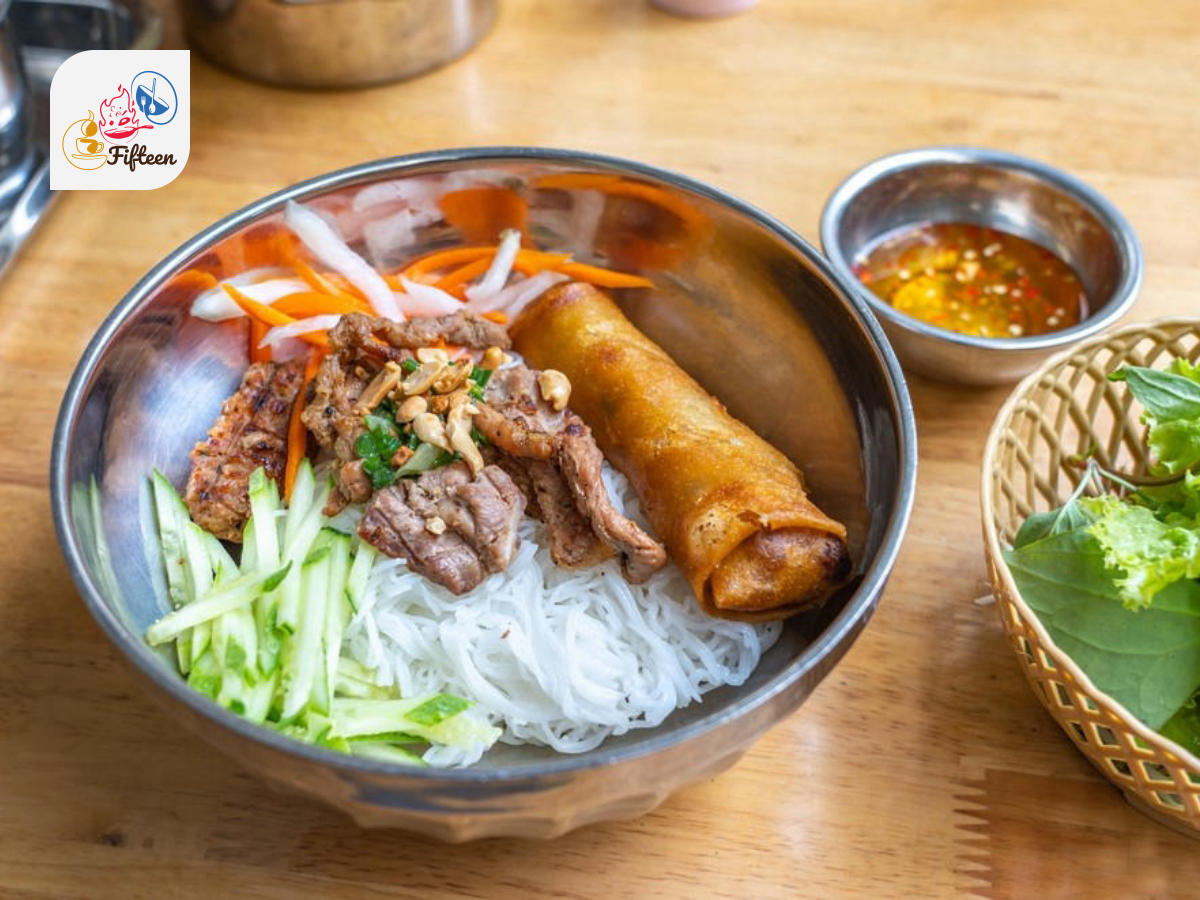
Bún Thịt Nướng
- National
- Street Food
- Traditional
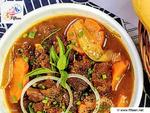
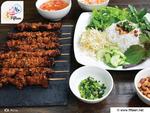
Bún thịt nướng is a Vietnamese noodle dish consisting of cold rice vermicelli noodles topped with grilled pork, fresh herbs like basil and mint, salad, bean sprouts, and spring rolls.
It’s dressed with nước chấm, a flavorful fish sauce, and often garnished with roasted peanuts, pickled carrots, and sometimes grilled prawns or garlic pork sausage.
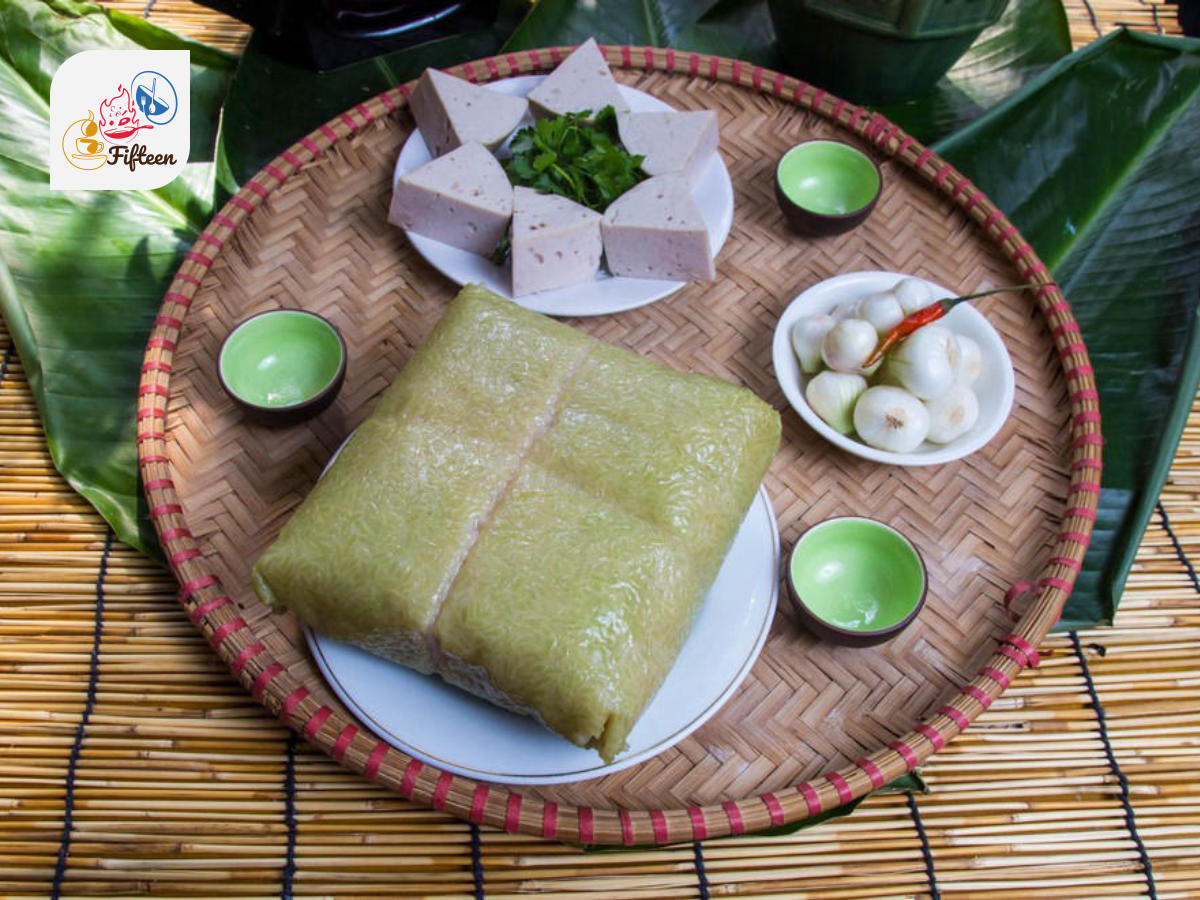
Bánh Chưng
- National
- Traditional
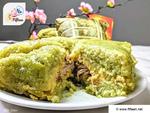
Bánh chưng is a traditional Vietnamese rice cake known for its square shape and is made from glutinous rice, mung beans, and pork, all wrapped in green leaves.
It has a deep-rooted history in Vietnamese culture, symbolizing the earth, and is traditionally consumed during the Tết festival.
The preparation of bánh chưng is a cherished ritual that involves family members coming together to wrap and cook the cakes, which are then offered on family altars to honor ancestors during Tết celebrations.
Chả Cá Lã Vọng
- Street Food
- Traditional
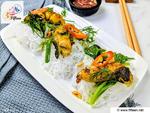
Chả cá Lã Vọng is a distinctive grilled fish dish hailing from Hanoi, Vietnam. It involves marinating chunks of fish, traditionally hemibagrus, in a mixture that includes turmeric, giving the dish its characteristic yellow color, along with shrimp paste, fish sauce, ginger, and chili peppers.
The marinated fish is then grilled, creating a delightful blend of flavors. This dish is typically served sizzling in a pan, accompanied by an array of fresh herbs such as dill and scallions, and is enjoyed with vermicelli rice noodles and peanuts.
Nem Nướng
- Street Food
- Traditional
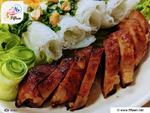
Nem nướng is Vietnamese grilled pork sausages or meatballs, a popular dish known for its savory and slightly smoky flavor. The preparation involves grounding pork mixed with a blend of seasonings including shallots, garlic, fish sauce, sugar, and black pepper.
These ingredients are then shaped into sausages or meatballs and grilled to perfection. Nem nướng can be enjoyed in various ways, either as a standalone snack or appetizer, wrapped in rice paper with fresh herbs and vegetables, or served atop rice noodles.
Bò Lúc Lắc
- Traditional
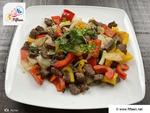
Bò lúc lắc, also known as shaking beef, is a vibrant Vietnamese dish featuring stir-fried beef cubes that are quickly sautéed with a mix of soy sauce, garlic, sugar, and lime juice.
The beef is typically marinated to enhance its flavor and tenderness, then seared in a hot pan or wok, which gives the dish its characteristic ‘shaking’ motion as the beef is tossed back and forth.
It’s often served atop a bed of lettuce, sliced tomatoes, and cucumbers, with a side of rice or over a bed of watercress, and sometimes accompanied by a dipping sauce made from salt, pepper, and lime juice.
Bò Nướng Lá Lốt
- Street Food
- Traditional
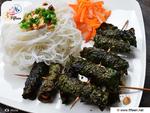
Bò nướng lá lốt, or Vietnamese beef wrapped in betel leaves, is a dish where seasoned ground beef is enveloped in lá lốt (piper lolot) leaves, creating small, flavorful parcels. These are then grilled, imparting a smoky flavor, while the leaves add a peppery and slightly bitter taste.
This dish is commonly enjoyed as part of a larger meal or as an appetizer, often served with a side of fresh herbs, rice noodles, and a dipping sauce made from fish sauce, lime juice, garlic, and chili.
Thịt Heo Quay
- Traditional
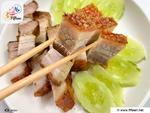
Thịt heo quay refers to Vietnamese roasted pork, known for its crispy, crackling skin and tender, flavorful meat. The pork is marinated with a blend of spices and seasonings, and then slow-roasted to achieve a perfect balance of textures.
The crispy skin contrasts with the succulent meat, making it a popular choice for festive occasions and family gatherings. Thịt heo quay is often served with steamed rice, fresh vegetables, and a dipping sauce to complement the rich flavors of the pork.
Bún Măng Vịt
- Street Food
- Traditional
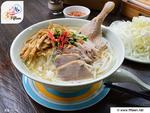
Bún măng vịt is a Vietnamese noodle soup that features tender duck meat and bamboo shoots as its main ingredients. This dish is known for its clear and flavorful broth, which gains depth from the simmered duck bones and the subtle sweetness of the bamboo shoots.
Served with rice vermicelli noodles and garnished with fresh herbs like cilantro or basil, this soup offers a comforting balance of flavors and textures, making it a popular choice in Vietnamese cuisine.
Bánh Khọt
- Street Food
- Traditional
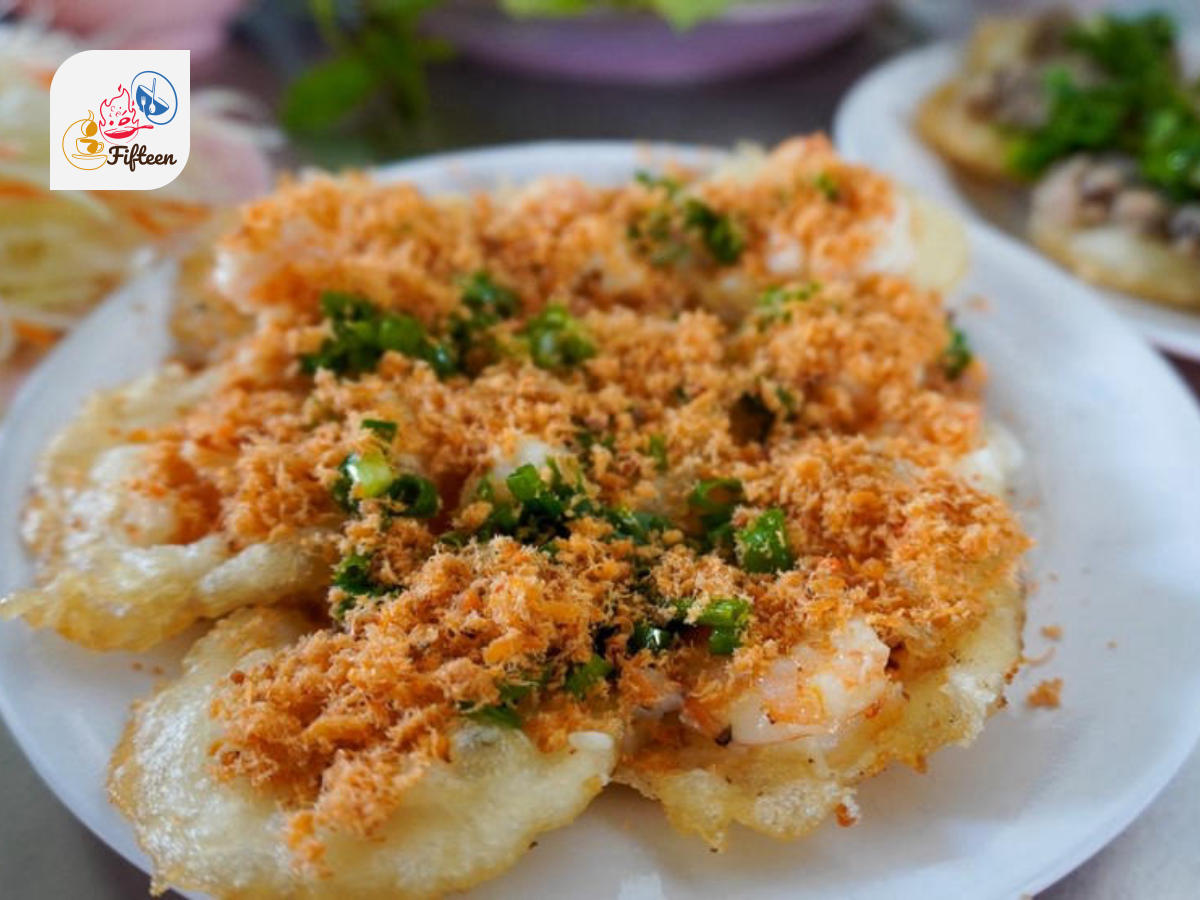
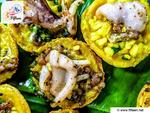
Bánh khọt is a delightful Vietnamese mini pancake, crispy on the outside and soft on the inside, made from rice flour and coconut milk. These small, round cakes are cooked in a special pan that gives them their distinctive shape.
Typically, they are topped with shrimp and a sprinkle of green onions before being served with fresh lettuce, herbs, and a tangy dipping sauce made from fish sauce, lime juice, garlic, and chili.
Bánh khọt is enjoyed by wrapping the pancake in lettuce and herbs, and then dipping it into the sauce.
Bánh Giò
- Street Food
- Traditional
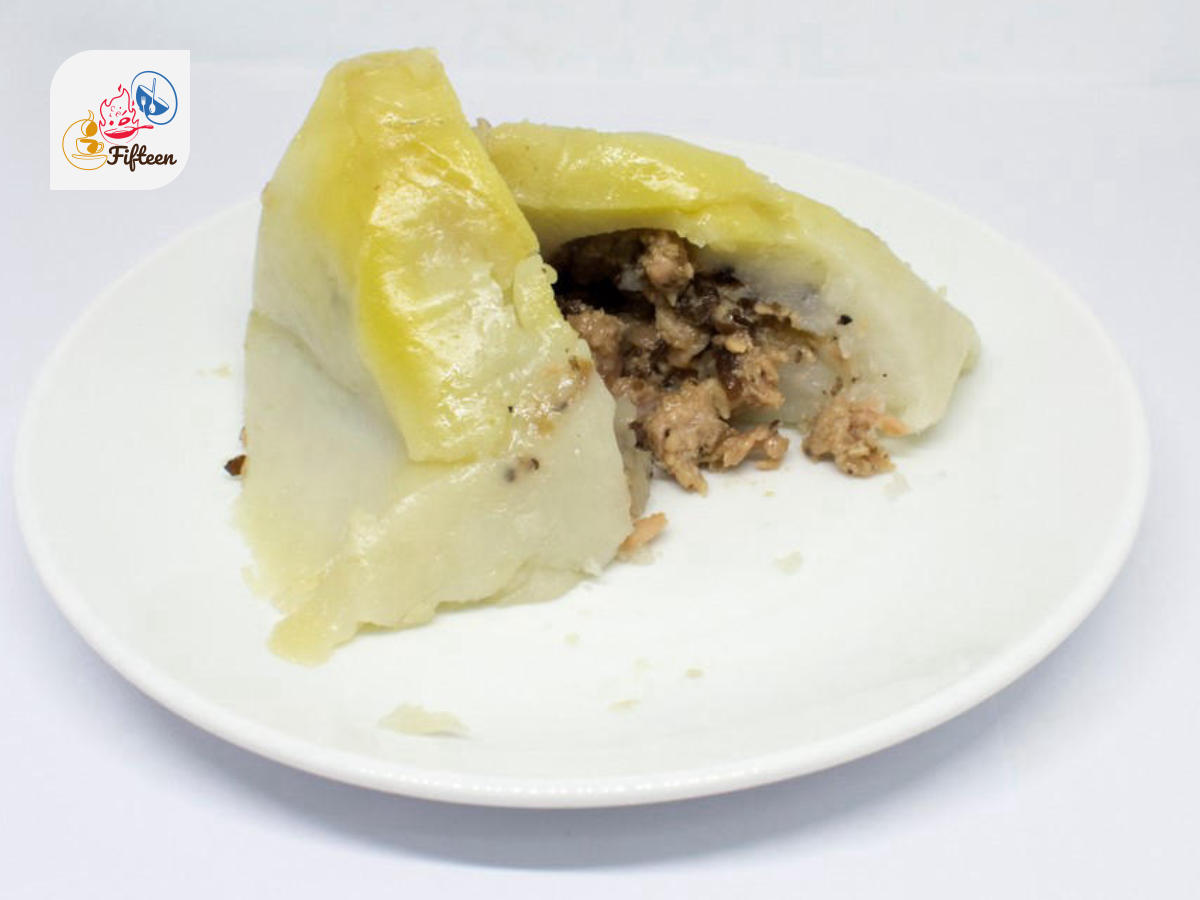
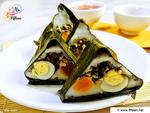
Bánh giò is a traditional Vietnamese dumpling that’s steamed and has a unique pyramid shape. It’s made with a soft and chewy dough from rice flour and filled with a savory mixture of minced pork, wood ear mushrooms, and shallots.
The dumpling is wrapped in banana leaves, which impart a subtle aroma during the steaming process. Bánh giò is often enjoyed as a snack or a light meal and can be served with a side of soy sauce or chili sauce for added flavor.
Cua Rang Me
- Traditional
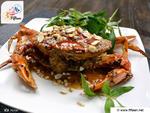
Cua rang is a Vietnamese seafood dish featuring crabs stir-fried in a rich tamarind sauce. The crabs are typically coated in a mixture of tamarind paste, which lends the dish its signature sourness, complemented by the sweetness of sugar and the heat from chili peppers.
This dish is known for its balance of flavors, combining the natural sweetness and succulence of the crab with the tangy and slightly sweet sauce. Cua rang me is often garnished with fresh herbs and served with rice, making it a beloved seafood dish in Vietnamese cuisine.
Nem Cua Bể
- Traditional
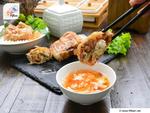
Nem cua bể is a Vietnamese dish consisting of spring rolls filled with crab meat, mushrooms, carrots, and other vegetables, which are then fried to achieve a crispy texture.
It is a signature dish of Hai Phong, a coastal city in Vietnam, and is often served with vermicelli and fresh vegetables.
Bún Đậu Mắm Tôm
- Street Food
- Traditional
Bún đậu mắm tôm is a simple yet flavorful Vietnamese dish that features soft rice vermicelli noodles, fried tofu, and is typically served with a pungent, fermented shrimp paste sauce known as mắm tôm.
This dish is often accompanied by fresh herbs and sliced cucumbers to balance the strong flavors.
Canh Chua
- Traditional
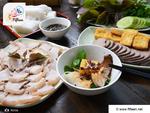
Canh chua is a traditional Vietnamese sour soup originating from the Mekong Delta region. It is known for its tangy and refreshing taste, primarily derived from tamarind.
The soup typically features fish from the Mekong River, along with pineapple, tomatoes, and sometimes other vegetables like okra, taro stems, bean sprouts, etc.
Canh Chua is garnished with aromatic herbs like ngò ôm (rice paddy herb), Vietnamese coriander, and Thai basil. It’s often enjoyed with rice or rice vermicelli and can vary to include ingredients like prawns, and squid.
Bánh Đa Cua
- Street Food
- Traditional
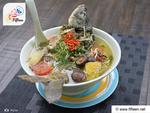
Bánh đa cua is a traditional noodle soup from Hai Phong, a city in Northern Vietnam. This dish is known for its rich and flavorful crab broth, which is enhanced with various ingredients such as pork, fish cakes, and fresh vegetables.
The soup is distinguished by its use of bánh đa noodles, which are thick and red. Betel leaf rolls and fried fish cakes are common accompaniments, adding depth to the soup’s flavor profile.
Bún Mọc
- Street Food
- Traditional
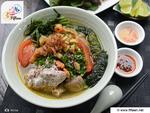
Bún mọc is a Vietnamese noodle soup known for its clear and light broth, which is typically made from pork bones. The dish is characterized by its inclusion of tender pork meatballs, which are seasoned and crafted from ground pork.
Accompanied by rice vermicelli noodles, bún mọc is often garnished with fresh herbs, thinly sliced green onions, and sometimes mushrooms.
Bún Thang
- Street Food
- Traditional
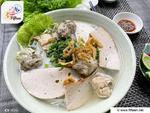
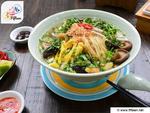
Bún thang is an elegant Vietnamese noodle soup that originates from Hanoi. The broth is delicate and infused with the flavors of chicken and sometimes dried shrimp, laying the foundation for the dish.
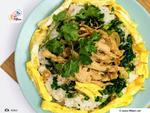
Bún thang is distinctively garnished with thinly sliced omelettes, chicken shreds, thinly cut Vietnamese ham (giò lụa), and sometimes preserved radishes. Fresh herbs and a small amount of shrimp paste are often added to enhance the taste.
Bánh Flan
- Street Food
- Traditional
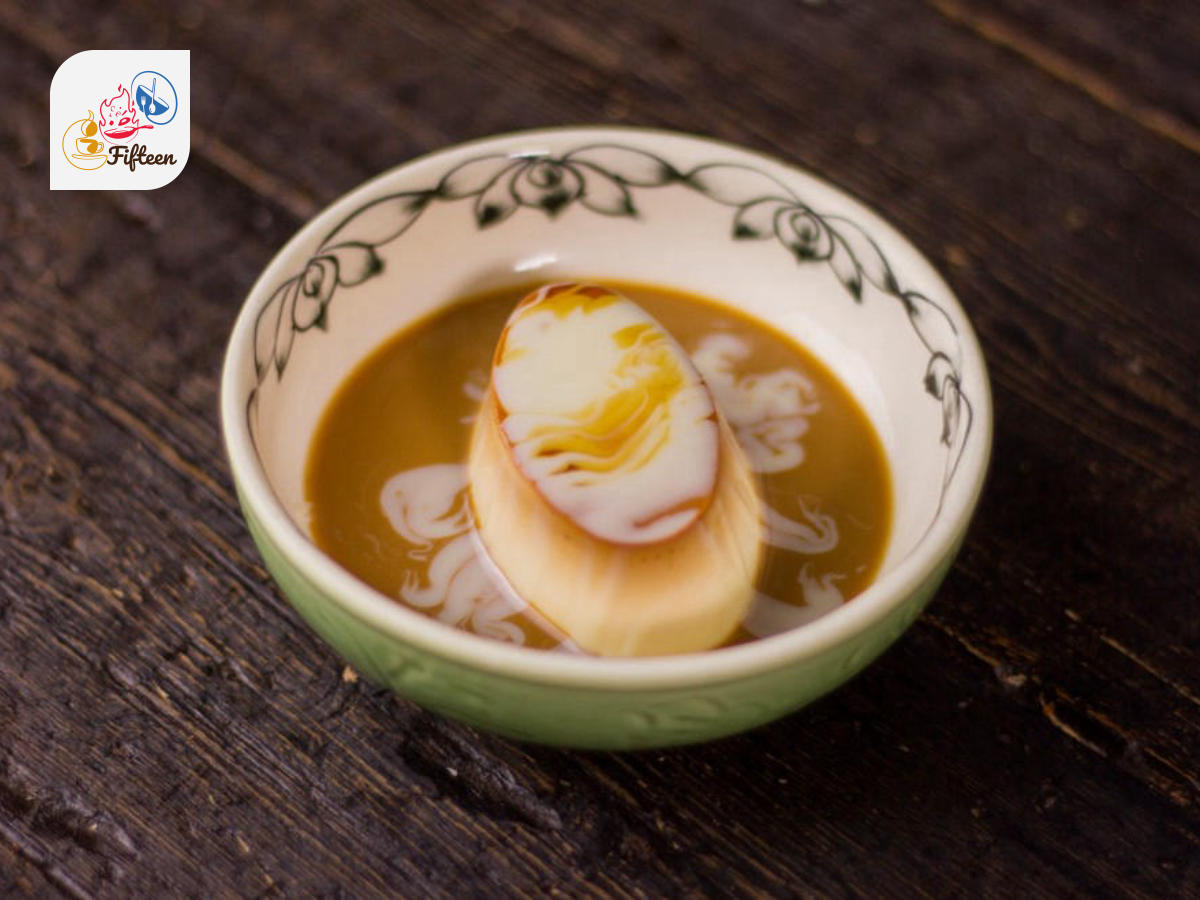
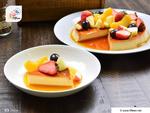
Bánh flan is a Vietnamese dessert inspired by French crème caramel, featuring a smooth custard with a layer of caramel on top.
The dessert is known for its silky texture and the contrast between the sweet custard and the slightly bitter caramel. It’s made by whisking eggs, milk, and sugar, then gently baking or steaming to set the custard without introducing air bubbles, ensuring a smooth texture.
Súp Cua
- Street Food
- Traditional
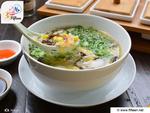
Súp cua is a Vietnamese crab soup characterized by its clear, flavorful broth enriched with crab meat, eggs, mushrooms, and herbs, offering a balance of savory and aromatic notes.
It’s typically served as a starter or light meal, valued for its simplicity and the freshness of its ingredients.
Vietnamese Pâté
- Fusion
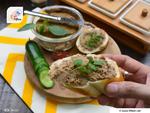
Vietnamese pâté is a flavorful blend of finely ground liver or meat, mixed with spices and other ingredients to create a rich, smooth paste. Originating from Europe, it has become an integral part of Vietnamese cuisine, known for its versatility.
It features in various dishes, notably bánh mì, adding a creamy, savory dimension. Variations include pork liver, chicken liver, salmon, and vegetarian options, each offering distinct tastes.
Xôi
- Street Food
- Traditional
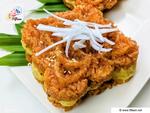
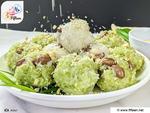
Xôi is a traditional Vietnamese dish made from glutinous rice, known for its sticky and chewy texture. It can be prepared in both savory and sweet versions, incorporating a variety of ingredients such as mung beans, coconut, or meat.
A standout variant is xôi gấc, which incorporates the vibrant gấc fruit. Xôi is versatile, serving as a popular breakfast item, a snack, or even a main dish, reflecting the rich culinary diversity of Vietnam.
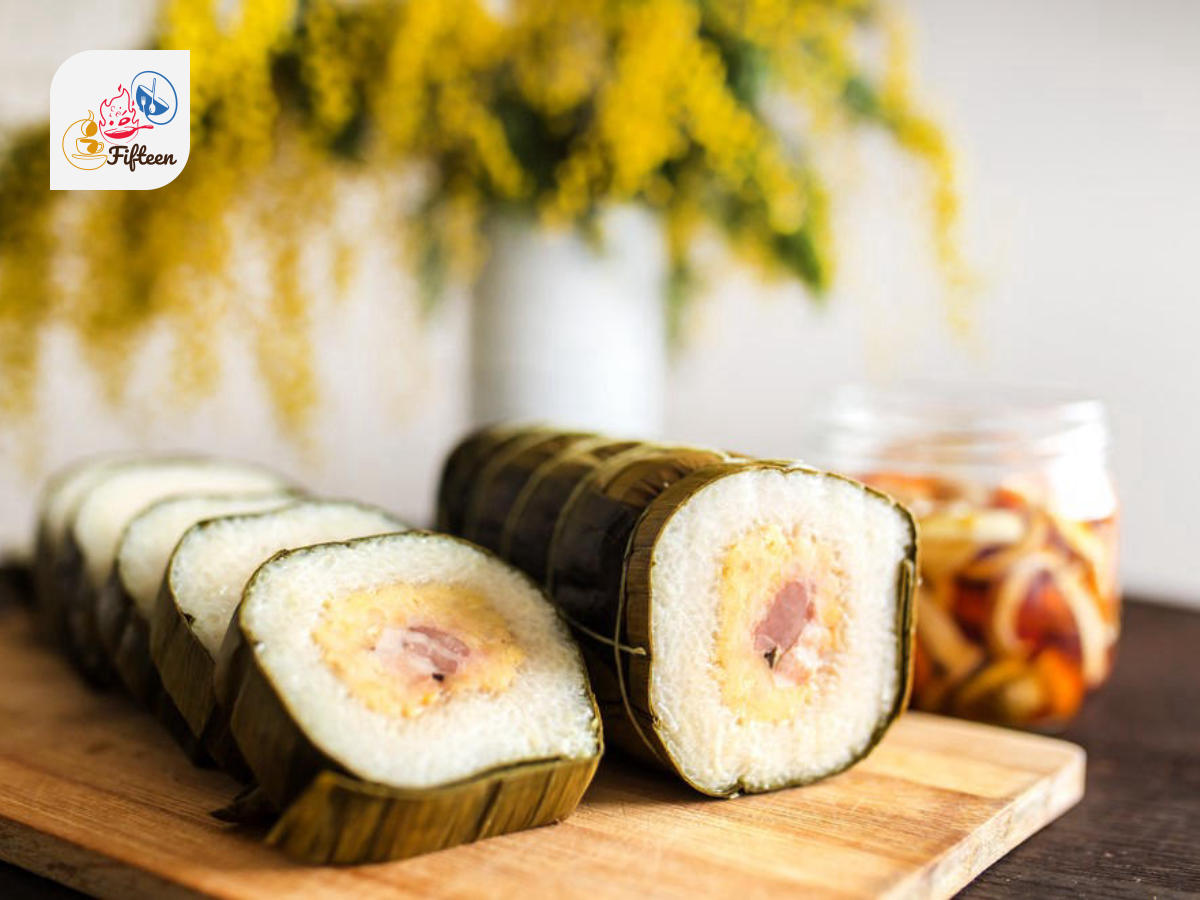
Bánh Tét
- Traditional
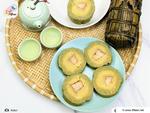
Bánh tét is a cylindrical Vietnamese cake, also made from glutinous rice but with a heartier filling that usually includes mung bean paste and pork belly. It’s wrapped tightly in banana leaves and boiled to perfection.
There are variations of bánh tét that include bananas, known as bánh tét chuối, which is particularly popular in the Mekong Delta area, especially in Tien Giang Province.
The cake is traditionally prepared for Tết, symbolizing the lunar calendar and the coming of spring. Bánh tét is a craft that brings families together, as they spend time wrapping and cooking the cakes in preparation for the New Year celebrations.
How Do Historical Factors Influence Vietnamese Dishes?
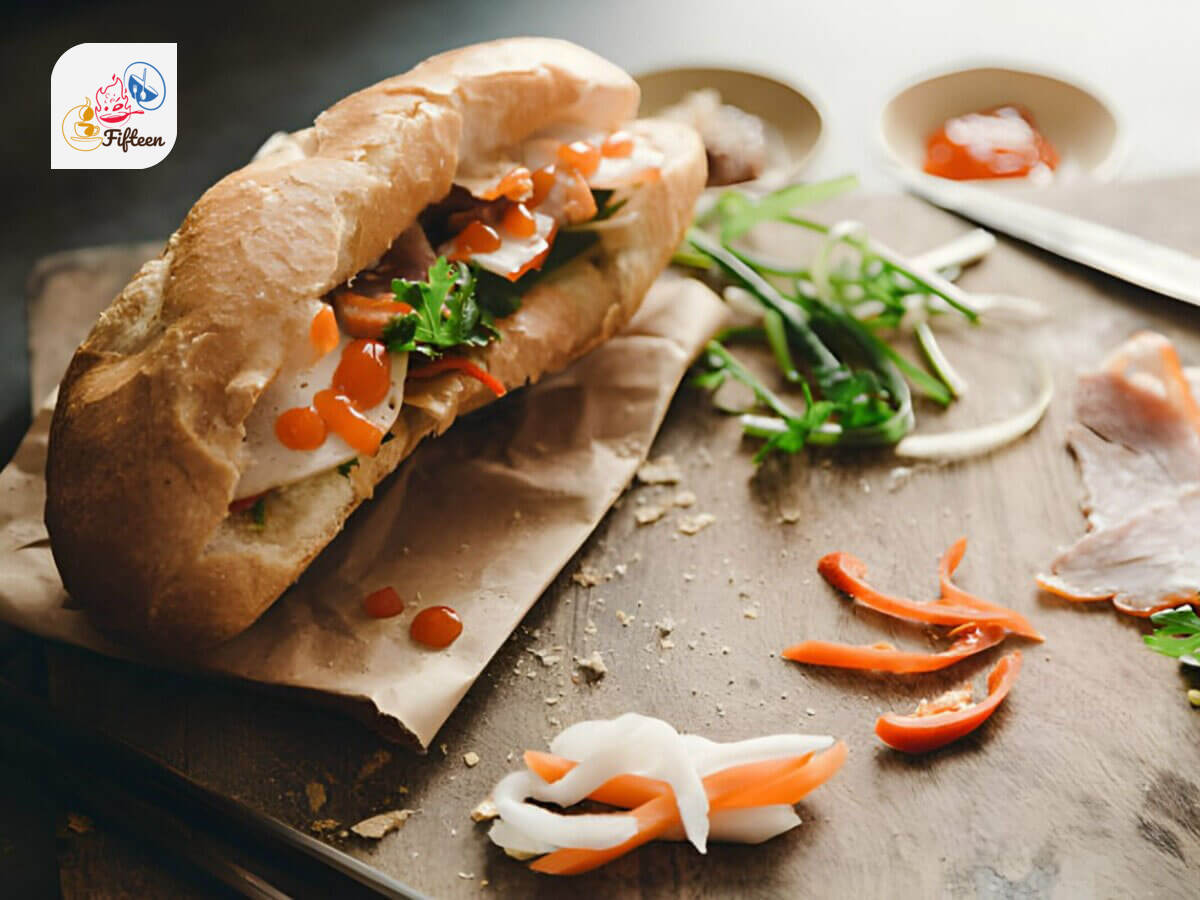
The rich history of Vietnam has left an indelible mark on its cuisine in the following 5 key aspects:
Chinese Influence
Over centuries of interactions with Chinese cuisine, Vietnamese people have adopted many Chinese cooking techniques, ingredients, and cooking concepts.
Stir-frying, soy sauce, and rice noodles are some notable examples. In addition, many Vietnamese dishes were introduced by Chinese immigrants or settlers.
French Colonial Influence
The French conquest of Vietnam in the mid-19th century popularized many iconic dishes and ingredients in contemporary Vietnamese cuisine.
Significant mentions are baguettes (the main ingredients of bánh mì), beef, and condensed milk.
Cham and Khmer Influences
Other major sources of inspiration for Vietnamese dishes are the Khmer communities in Southern Vietnam and Champa (a former kingdom in Central Vietnam).
Royal Influences
Some classic dishes in Vietnam came from the royal kitchens of the Nguyễn dynasty based in Hue.
The chefs in these kitchens created various elaborate and intricate dishes, which are now staples in Hue and Central Vietnamese cuisine.
Global Influence in the Late 20th Century
As Vietnam opened up to global influences, its foods began to incorporate elements from other cuisines, leading to new fusion dishes and cooking styles.
The rising popularity of Vietnamese dishes, especially after the Vietnam War, also encourages innovation and adaptation in Vietnamese cooking.
Now that you’re aware of how Vietnamese cuisine is shaped by its history, let’s check out the influence of geography and cultural factors.
How Do Geography And Cultural Factors Influence Vietnamese Dishes?
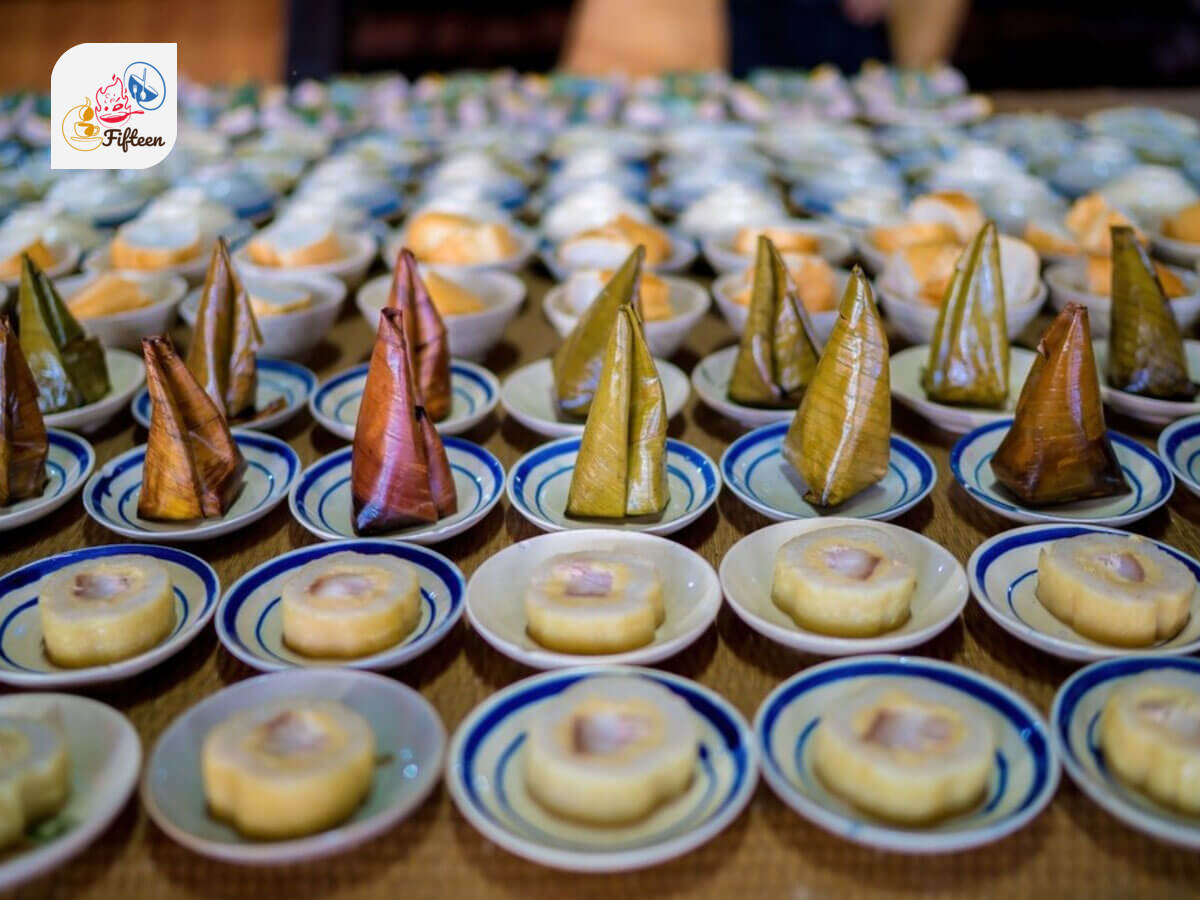
Below are 6 key points on how geography and cultural factors define classic dishes in Vietnam:
Vietnam’s geography contributes to a diverse range of food ingredients and culinary styles. For example, the north, with its cooler climate, favors dishes with less spice.
The coastal central region is known for its spicy and salty cuisine and fondness for seafood. Endowed with an abundance of rivers and fertile plains, Southern Vietnamese cooking usually utilizes fresh vegetables, fruits, and freshwater fish.
The tropical climate of Vietnam ensures a constant supply of ingredients, especially fresh herbs and vegetables. Many dishes are available year-round.
Nevertheless, some dishes are more prevalent at certain times, especially in the spring and summer. Cooling dishes are summer staples in Vietnam.
The extensive rice cultivation in Vietnam has led to a variety of dishes based on rice, sticky rice, and derived products, such as xôi, phở, hủ tiếu, bánh chưng, bánh cuốn, etc.
Throughout history, Vietnam was an agrarian society that valued communal spirit. Consequently, communal eating and food sharing are major points of traditional meals in Vietnam.
Many classic Vietnamese dishes are often tied to special occasions, such as Tet (Vietnamese New Year), weddings, and đám giỗ (death anniversaries).
For example, bánh chưng, bánh giầy, and bánh tét are must-have Tet staples, or bánh phu thê is always served at weddings.
Buddhism, which promotes veganism and vegetarianism, is a major religion in Vietnam. Therefore, there are numerous plant-based dishes or versions of popular Vietnamese foods.
Philosophically speaking, the Chinese concepts of wuxing (known as ngũ hành in Vietnamese and Five Elements in English) and yin-yang (known as âm dương in Vietnamese) balance form the core principles of Vietnamese cooking.
What Are The Core Principles Of Vietnamese Dishes?
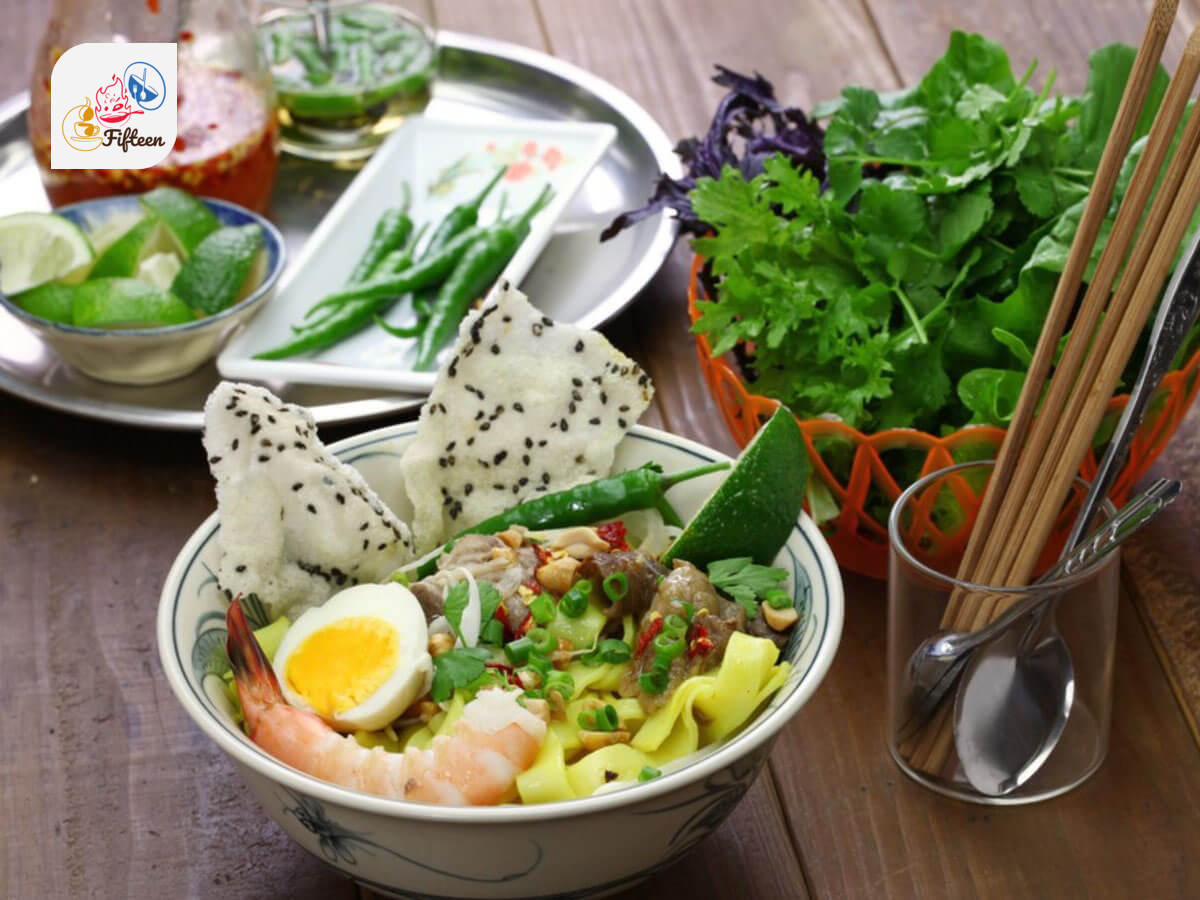
Many Vietnamese people prepare time-honored dishes according to the philosophy of ngũ hành and âm dương.
Ngũ Hành (Wuxing – Five Elements)
Various dishes in Vietnamese cuisine are prepared to correspond with the number five (as in the five forces of earthly life).
They should have five tastes, five types of nutrients, and five colors, as well as please five senses of the body. I will illustrate the ngũ hành concept through phở.
Âm Dương (Yin and Yang)
Vietnamese dishes are often divided into “heating” (dương) and “cooling” (âm) foods. The âm dương idea means to consume these two food types with balance.
For example, “heating” foods should be paired with suitable“cooling” counterparts or enjoyed in cold seasons.
A popular instance is that ginger, a spicy and “hot” herb, is widely paired with “cooling” protein food like duck meat, catfish, and seafood. Canh chua (sweet and sour soup), considered a “cooling” dish, typically accompanied by cá kho tộ (braised fish), a “heating” dish.
This concept influences Vietnamese cuisine in many ways, from lavish feasts to family meals.
What Characterizes Traditional Vietnamese Family Meals?
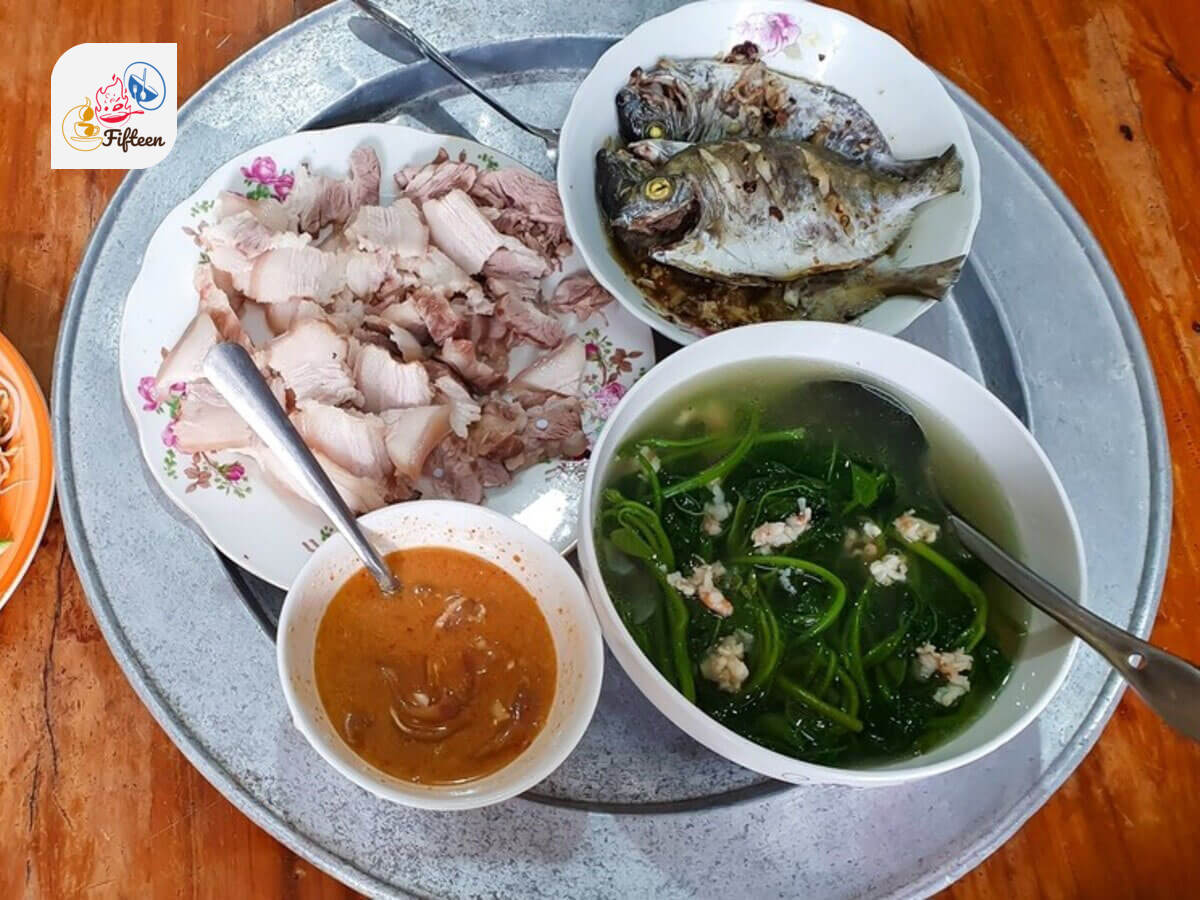
Check out the following 4 main factors to make sense of typical family meals in Vietnam: meal composition, regional differences, dining etiquette, and the roles of family meals.
What Does a Typical Vietnamese Family Meal Have?
A Vietnamese family typically has the following dishes for a normal meal.
Dishes for family meals are prepared differently depending on the region of Vietnam.
How Do Family Meals Differ Between Vietnam’s Regional Cuisines?
The three regions of Vietnam have many differences when it comes to the main flavors, ingredients, and preparation of family meals. Here is a brief breakdown:
Northern Vietnam
Central Vietnam
Southern Vietnam
While there are some culinary differences between the regions, Vietnamese people usually have the same rules of dining etiquette.
What Is Dining Etiquette in Vietnamese Families?
Most typical Vietnamese meals follow the rules below.
Obeying these rules ensures that family meals can play their expected roles in Vietnamese daily life.
What Are the Roles of Family Meals in Daily Life?
In Vietnam, family meals help strengthen the bonds between family members, allowing them to share lively discussions and life updates. Such meals are even more important in an extended family.
Sometimes, friends and neighbors are invited to a family meal as an expression of communal values.
Family meals aren’t the only factor to influence Vietnamese dishes: the country’s street food scene also has a notable effect.
How Has Street Food Affected Vietnamese Dishes?
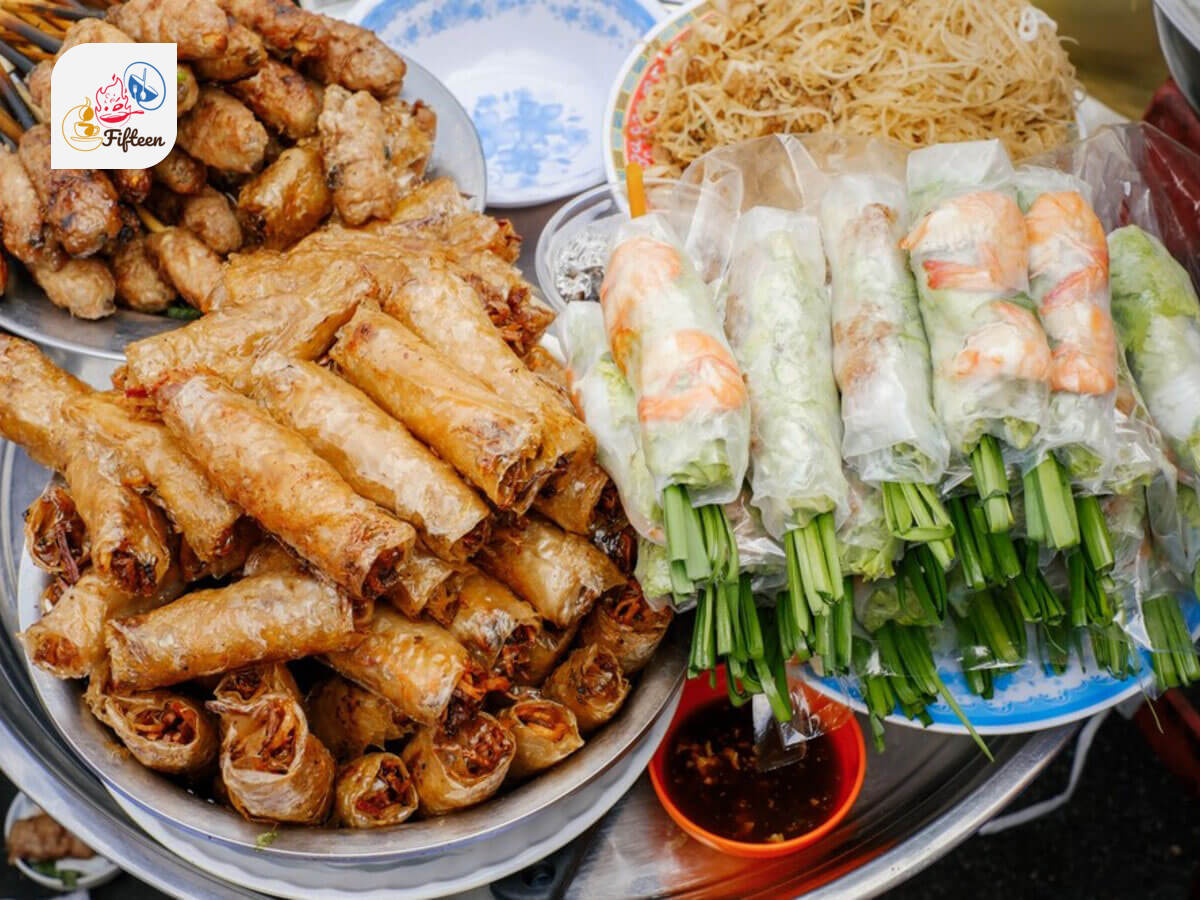
Street food has played a significant role in the evolution of Vietnamese dishes in 3 main ways:
Social Values
Street food in Vietnam is a vital part of the social fabric, helping foster community and social value.
Food stalls and informal eateries are popular gathering places where people from all walks of life share tables and engage in conversations.
Accessibility
Vietnamese street food offers a wide range of affordable options for people from various economic backgrounds. Numerous small businesses and vendors rely on this trade for their livelihood.
Various Vietnamese dishes, such as chè, xôi, bánh, and noodle dishes, were originally prepared by street vendors.
Cultural Values and Traditions
Many street food dishes in Vietnamese cuisine have historical significance since they are prepared using traditional methods passed down through generations.
On the other hand, street food vendors often experiment with traditional recipes, keeping the street food scene dynamic and relevant.
Experiencing Vietnam’s street food is one of the best ways to enjoy local dishes like a native.
How To Enjoy Vietnamese Dishes Like Locals?
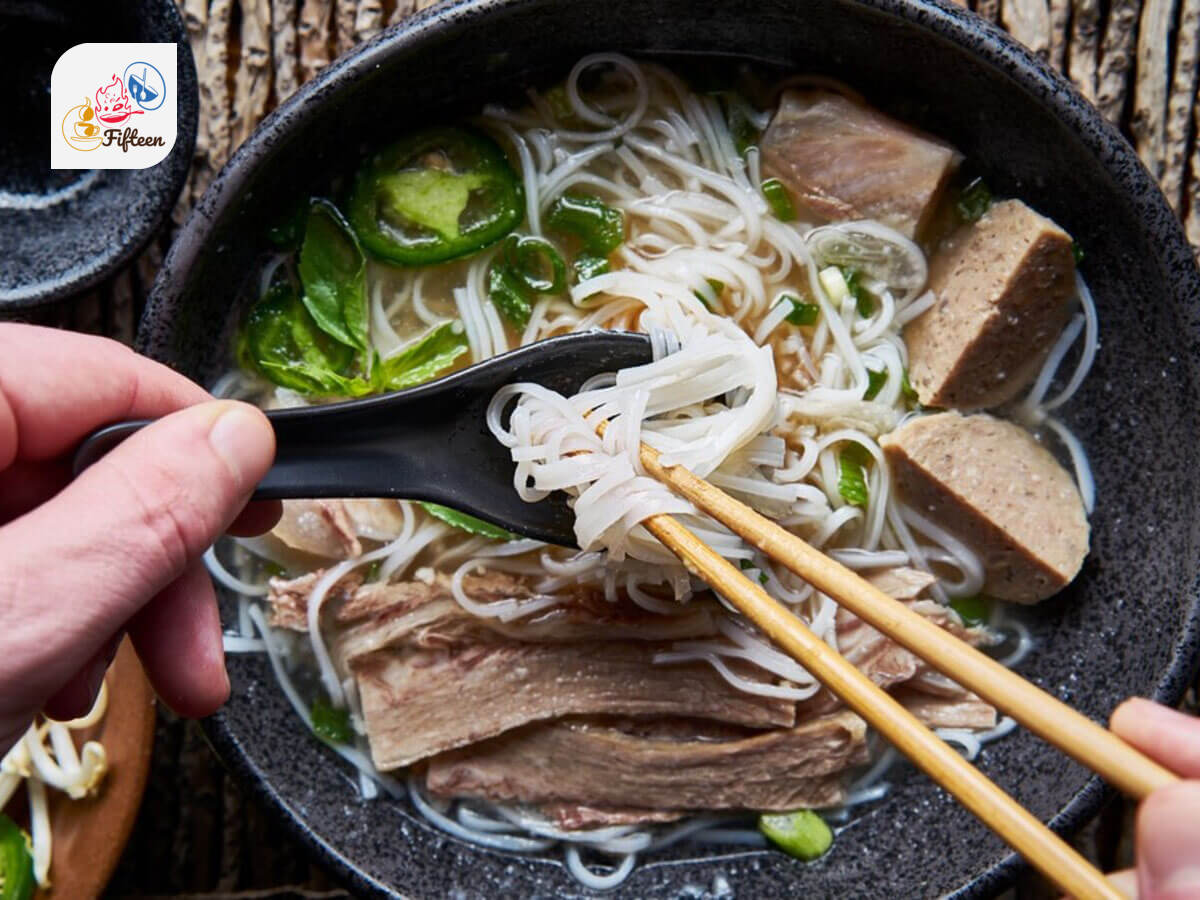
Vietnamese people usually enjoy their food with chopsticks and spoons. However, many dishes are best enjoyed with hands.
In addition to chopsticks and spoons, there are many other utensils used in Vietnamese cuisine.
What Are Traditional Vietnamese Utensils?
The most popular utensils that Vietnamese people use to prepare traditional dishes are as follows:
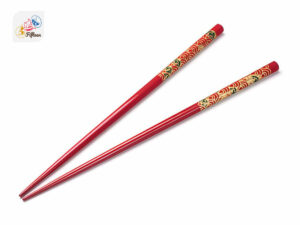
Đũa (Chopsticks)
A staple in Vietnamese dining and used for most traditional Vietnamese meals.
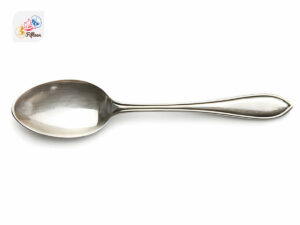
Muỗng/ Thìa (Spoon)
Often used alongside chopsticks to serve liquid and solid foods. Both short and long-handle spoons are popular.
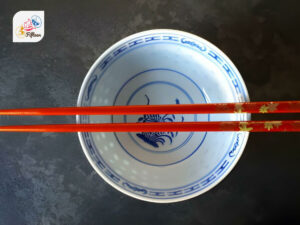
Tô/ Bát/ Chén (Bowl)
Used to contain individual servings of rice and accompanying dishes.
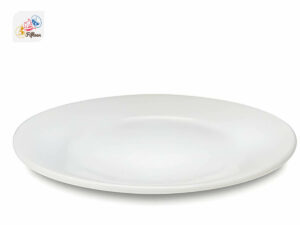
Dĩa/ Đĩa (Plate)
Used to serve food with little to no liquid.
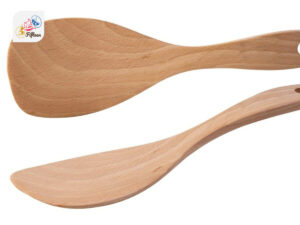
Vá Cơm (Rice Paddle)
Used to serve rice from the pot.

Rổ/ Rá (Basket)
Used to wash and drain food ingredients.
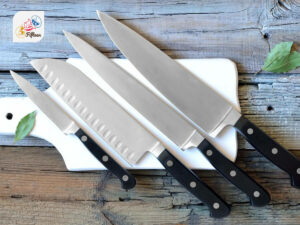
Dao (Knife)
Used to prepare food ingredients, such as cutting, chopping, slicing, julienning, etc.
Besides those utensils, there are many other necessary tools required to make traditional dishes in Vietnam.
What Are Traditional Vietnamese Cooking Equipment?
The 7 following tools are important in crafting various traditional Vietnamese dishes.
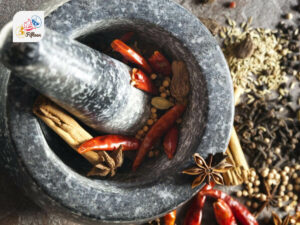
Chày Cối (Mortar and Pestle)
Used to grind and mix spices, herbs, and other ingredients.
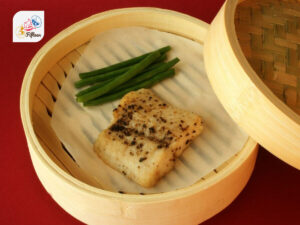
Nồi Hấp (Bamboo Steamer)
Used for steaming a variety of dishes, including vegetables, dumplings, meat, and many bánh varieties.
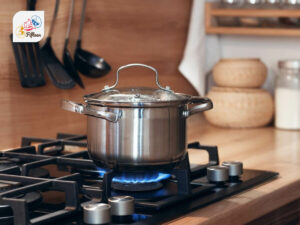
Nồi (Pot)
Often used to make soups, stews, and broths.
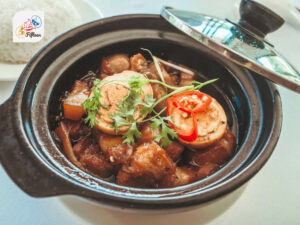
Thố Đất (Clay Pot)
Used for slow cooking, stewing, and braising. Clay pots are better at retaining and distributing heat than metal pots.
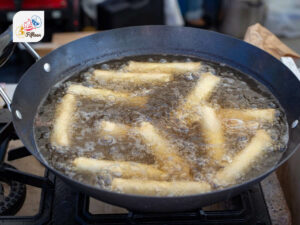
Chảo Xào (Wok)
Typically used for stir-frying and deep-frying. Chảo (skillet/ frying pan) is also a popular tool.
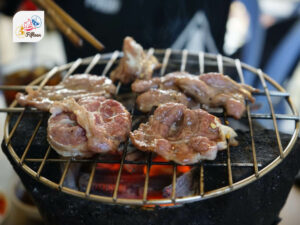
Vỉ Nướng (Grill)
Used to grill meats, seafood, and vegetables. Many Vietnamese street food dishes require this tool.
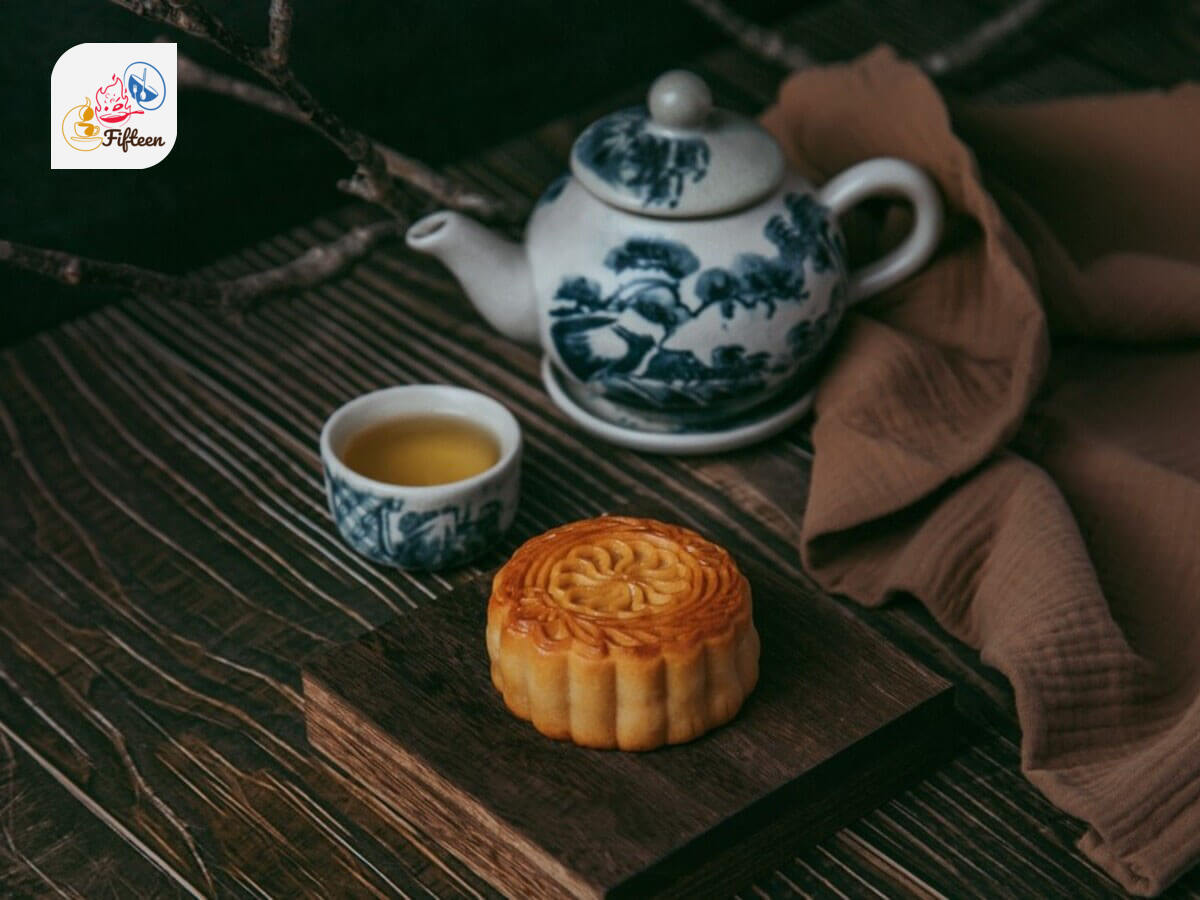
Ấm Pha Trà (Teapot)
Used to make tea.
What Are Food Taboos in Vietnam?
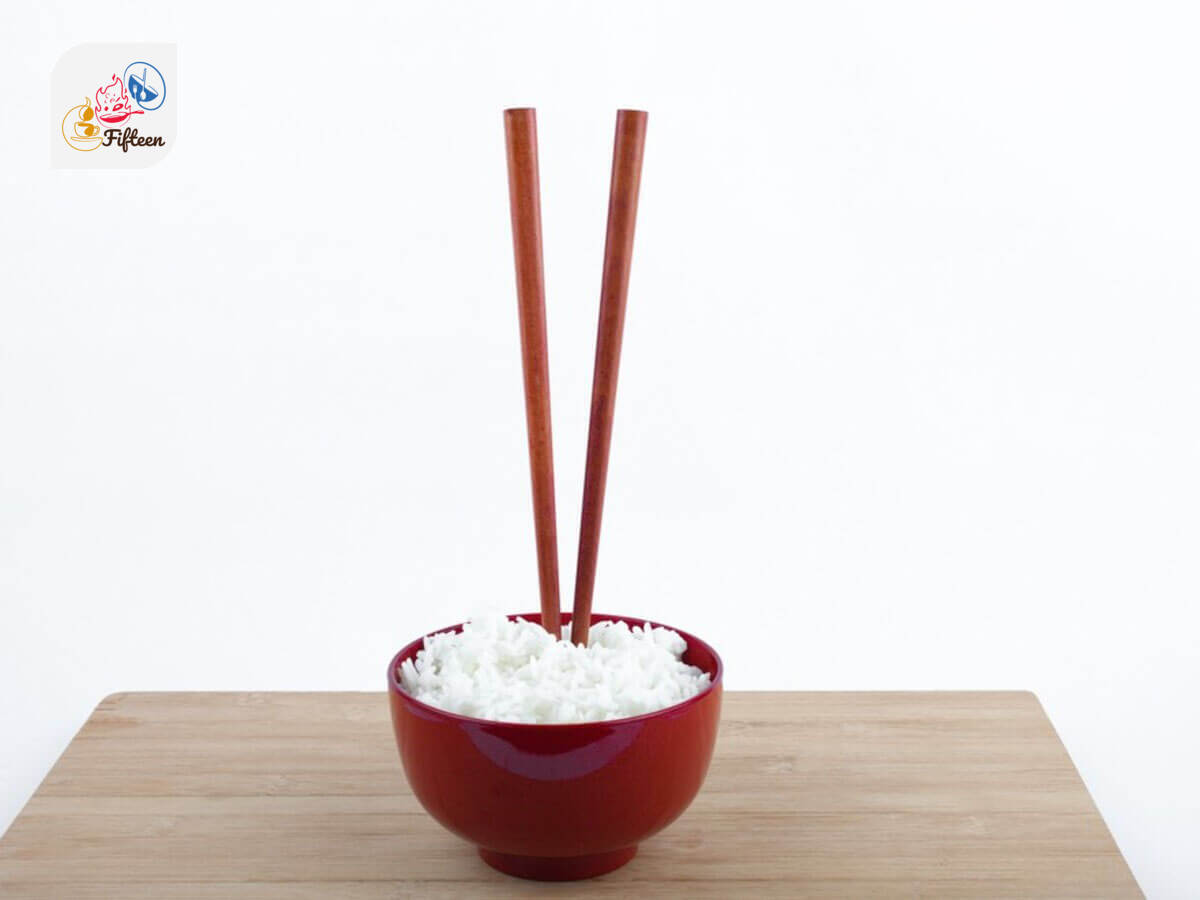
The following things are serious food taboos in Vietnam:
Which Beverages to Pair with Vietnamese Dishes?
Here are some traditional Vietnamese beverages and the dishes they complement best:
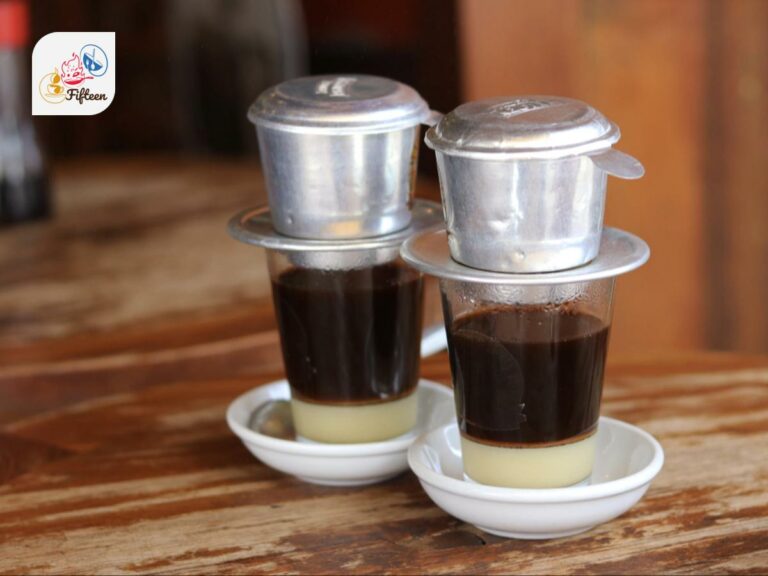
Cà Phê Sữa Đá
A perfect match for hearty noodle dishes like phở and bún bò Huế, where the strong, sweet coffee complements the rich, aromatic broth of these soups.
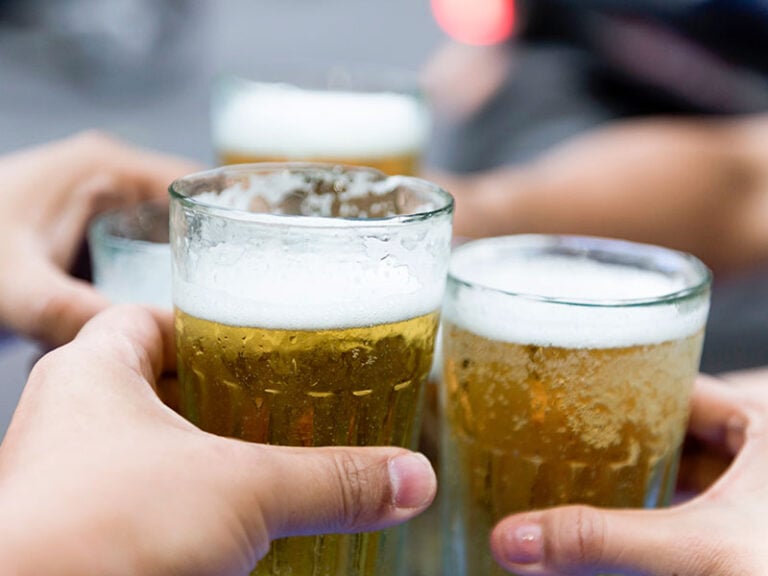
Bia Hơi
Goes well with a variety of street foods, especially bánh mì and chả giò, offering a refreshing contrast to the savory fillings and crispy textures.
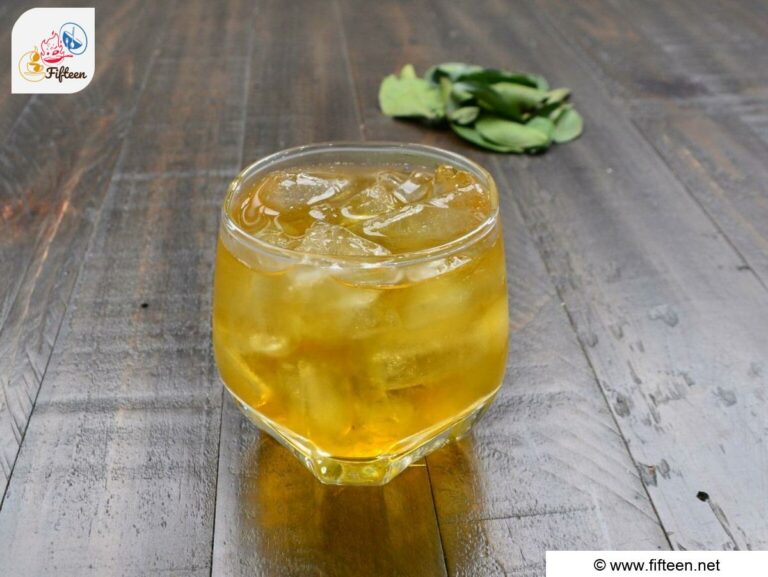
Trà Đá
Ideal with light and fresh dishes such as gỏi cuốn (fresh spring rolls) and bánh xèo (sizzling pancakes), enhancing the delicate flavors with its cooling effect.
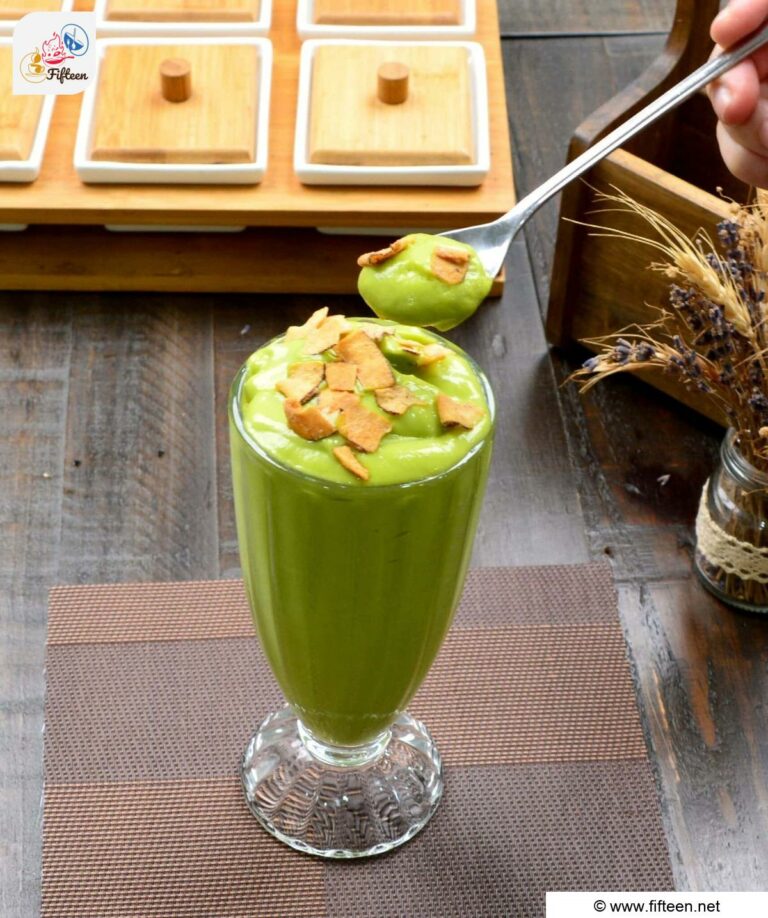
Sinh Tố
Complements rich and flavorful dishes such as cơm tấm (broken rice with grilled pork) and mì Quảng (Quang style noodles), with the smoothie’s sweetness offering a counterpoint to the savory and umami flavors.
These pairings celebrate the harmony of flavors that is a hallmark of Vietnamese cuisine, with each famous Vietnamese beverage enhancing the dining experience by complementing or contrasting the flavors of these well-loved dishes.
Having explored beverage pairings with Vietnamese dishes, let’s now examine how Vietnamese cuisine differs from Chinese cuisine.
Vietnamese Dishes vs. Chinese Dishes
Vietnamese and Chinese cuisines are both rich and diverse, reflecting their unique cultural histories, geographic landscapes, and social customs. Here’s a brief comparison between the 2 countries:
Vietnamese Cuisine
Chinese Cuisine
In summary, Vietnamese dishes are light and fresh with French influences, while most signature Chinese dishes are diverse with strong regional flavors. Both have evolved through cultural interactions.
If you’ve enjoyed exploring the flavors of Vietnamese dishes with me, show your support by liking, sharing, and commenting below! Your engagement helps me bring more delicious dishes and culinary insights to food enthusiasts like you.
Jamie Scott
Editor in Chief, Senior Content Writer
Expertise
Home Cooking, Meal Planning, Recipe Development, Baking and Pastry, Food Editor, Cooking-video Maker, Western Food Evaluation Expert
Education
Le Cordon Bleu College of Culinary Arts
Local Community College, New York, NY
Jamie Scott is a skilled culinary expert and content creator specializing in Western cuisine. With over 15 years in the culinary field and formal training from Le Cordon Bleu, Paris, Jamie deeply understands how to blend nutrition with delicious flavors. His passion for cooking matches his commitment to making healthy eating accessible and enjoyable.
On Fifteen.net, Jamie brings a fresh perspective to classic dishes and beverages, offering readers insightful recipes, cooking tips, and a fresh view on meal planning that emphasizes taste, health, and simplicity.