

Malaysian Food Dishes: Basic Overview
Common Ingredients
Common Cooking Methods
Courses
Meals
Key Taste
Eating Etiquette
Meal Presentation
Culinary Festivals
Influence and Fusion
Malaysian Food Dishes: Origin and Region
Cuisine
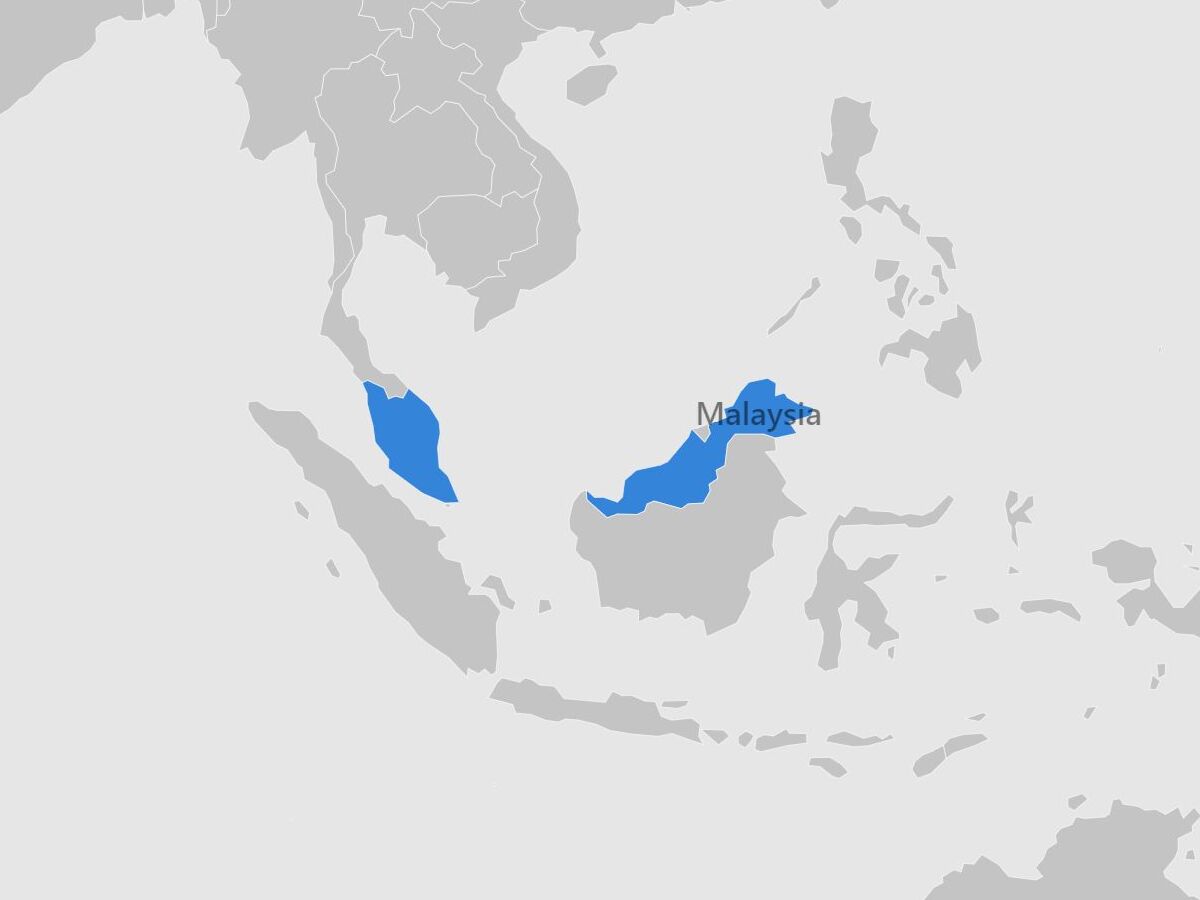
Cuisine’s Geographical Territory
Country’s Region
Popular Types of Malaysian Dishes
-
Noodle soups
Malaysian noodle soups are a harmony of rich, aromatic broths, often infused with spices and herbs.
These soups typically feature various types of noodles, ranging from thin rice noodles to thicker varieties.
They are commonly adorned with meats like chicken, prawn, or fish.
The flavors range from mildly spiced to intensely hot, catering to a broad spectrum of palates.
-
Dry noodle dishes
In Malaysian cuisine, dry noodle dishes are a staple, characterized by their lack of broth and a strong emphasis on seasoning and sauces.
These dishes often include a mix of boiled, fried, or grilled meats, tossed with noodles and a variety of sauces, herbs, and spices.
They provide a textural contrast, combining the chewiness of the noodles with the tenderness of the meat and the crunch of fresh vegetables.
-
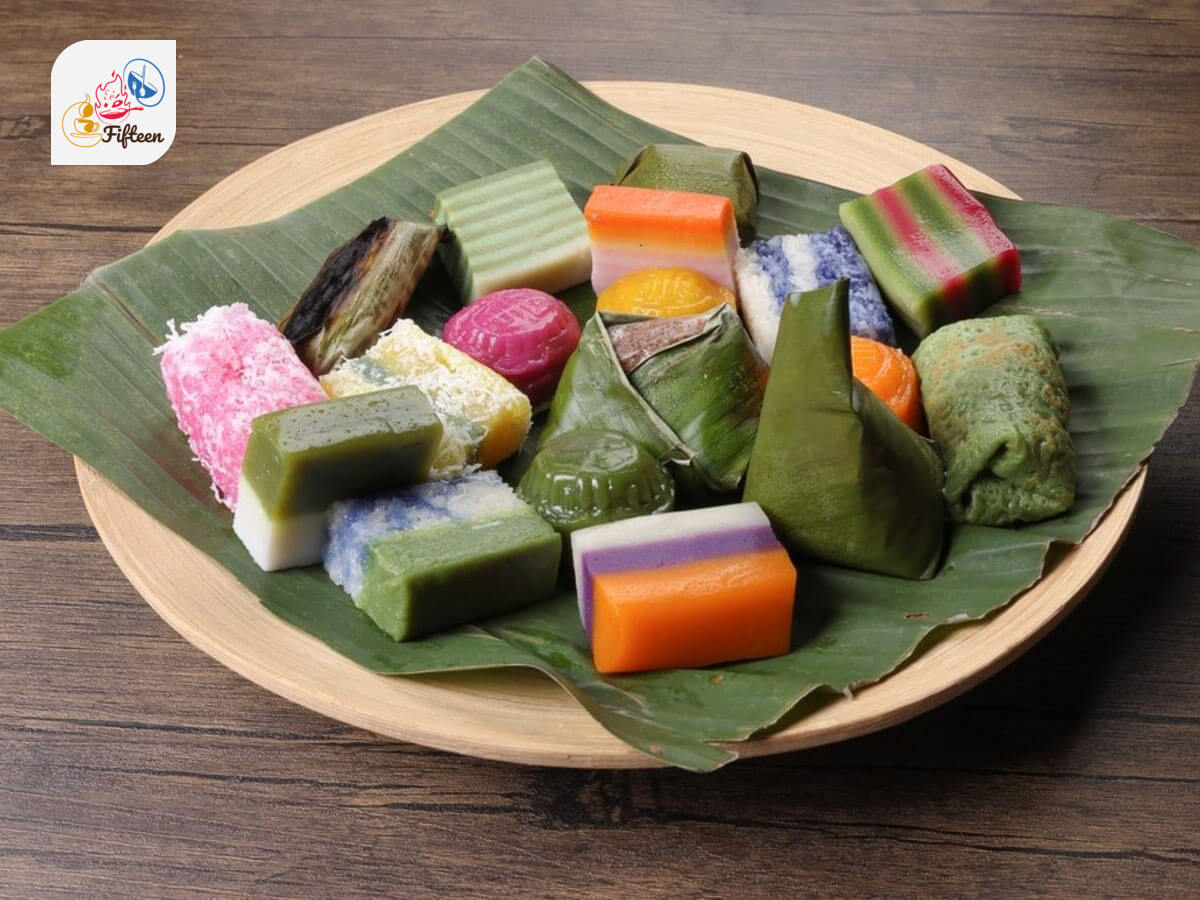
Cakes and pastries
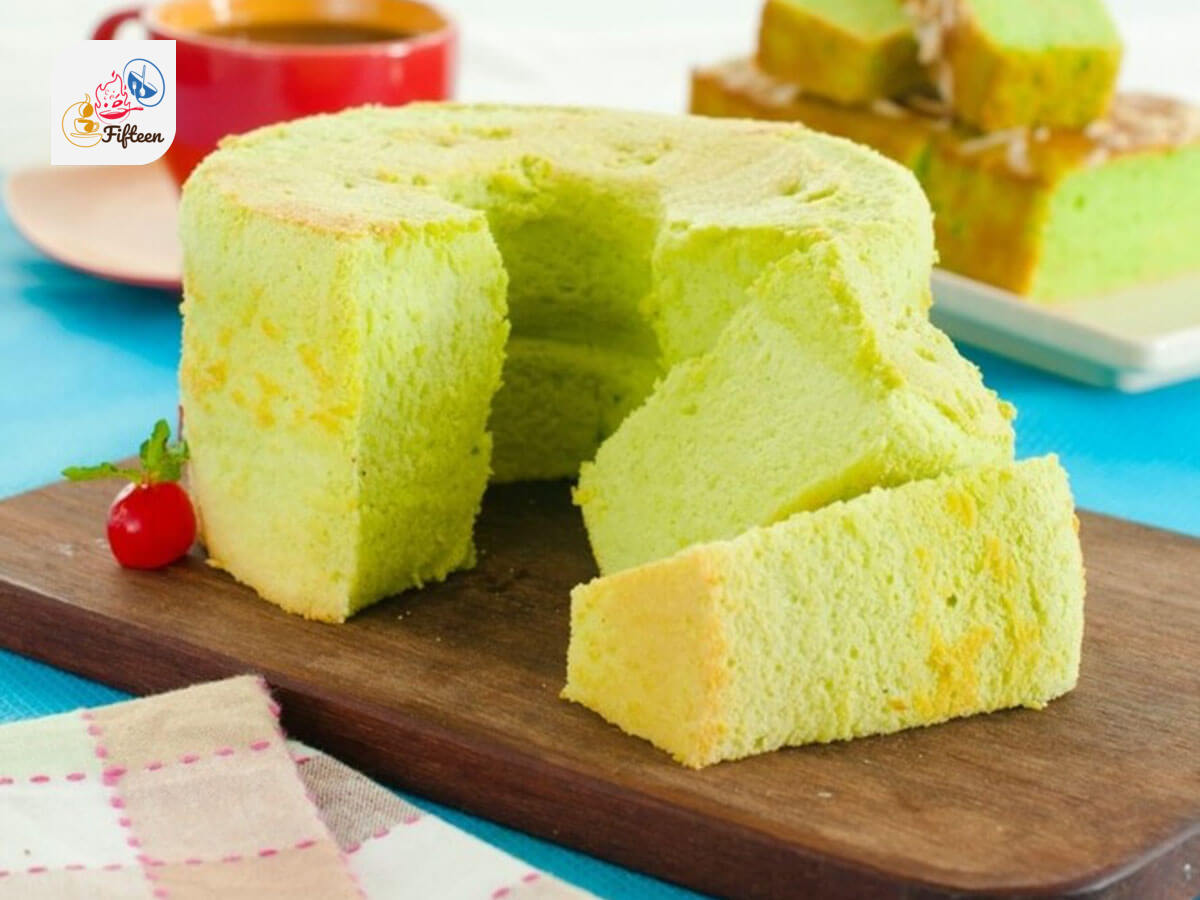
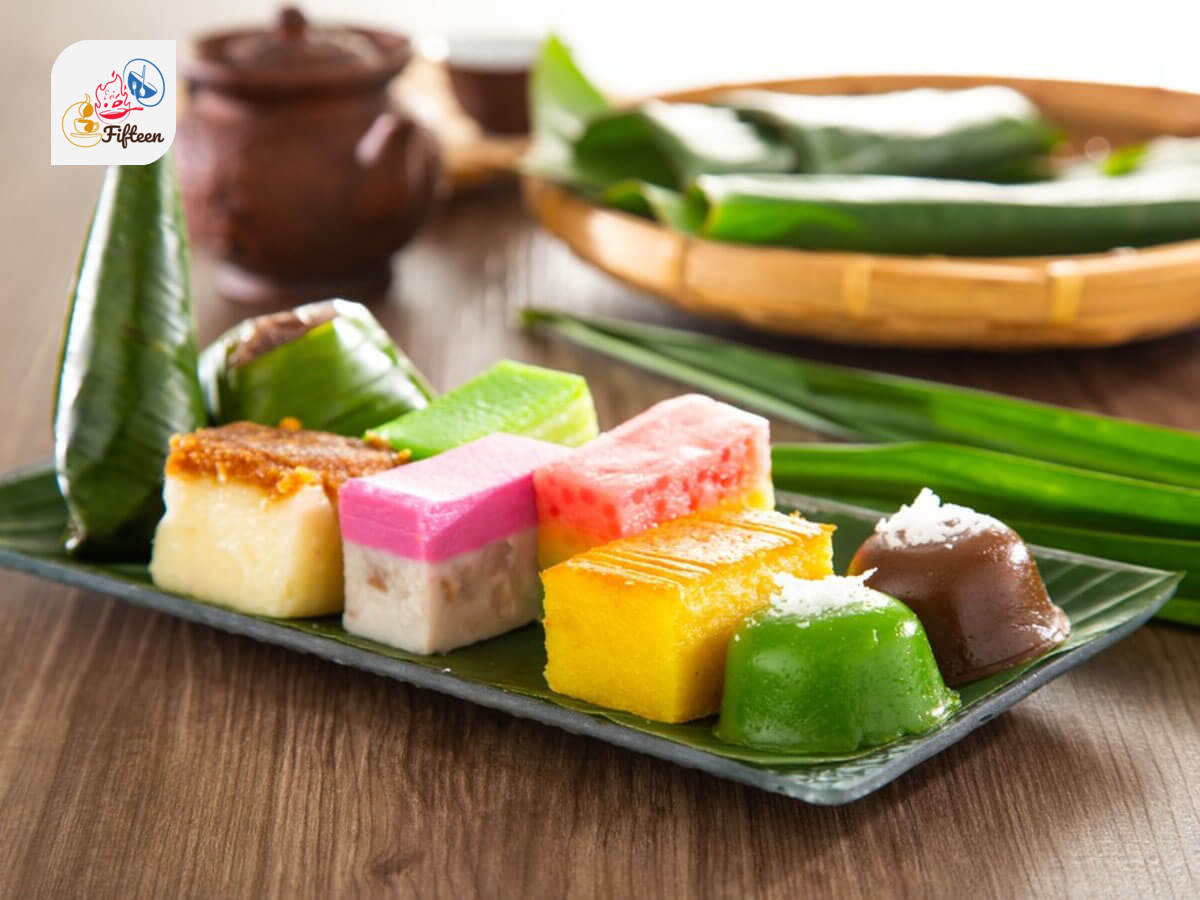
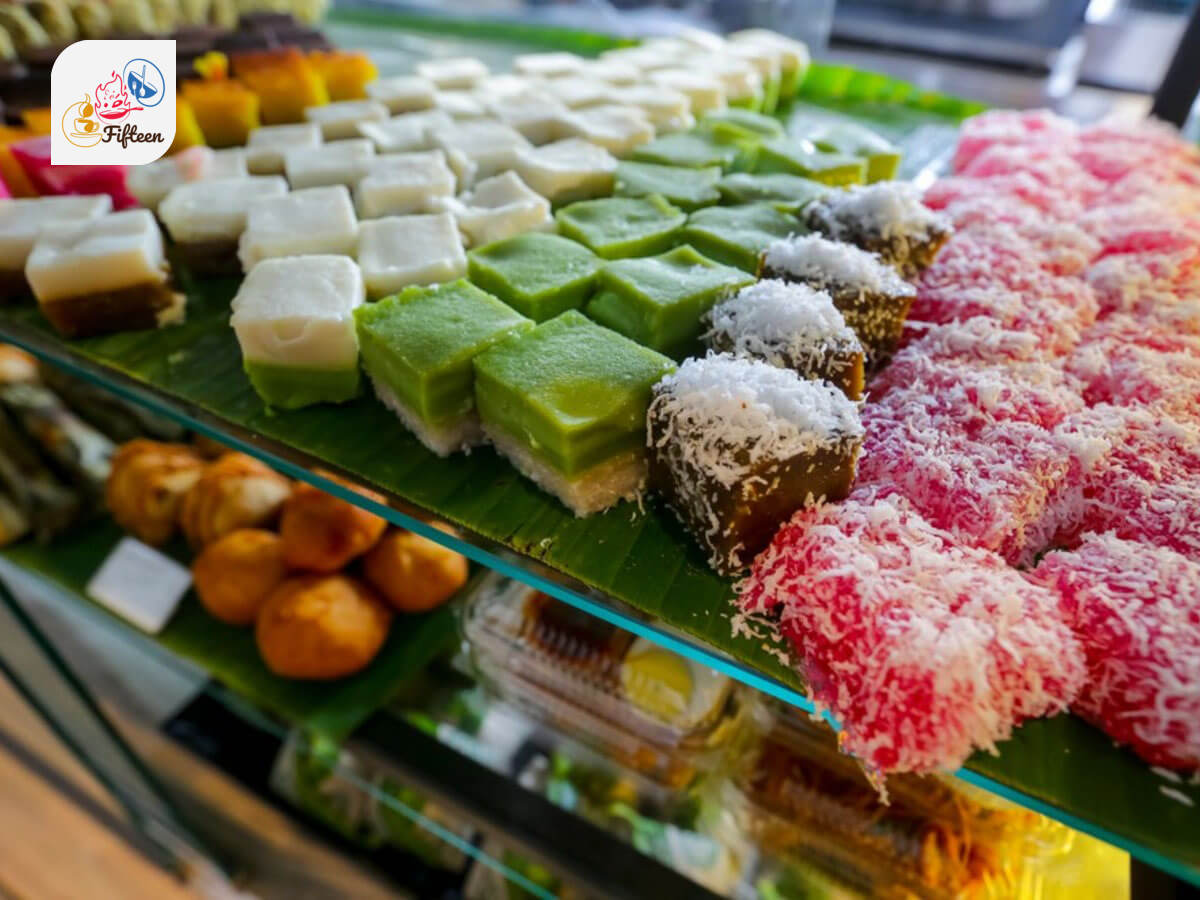
Cakes and pastries in Malaysia are a delightful blend of traditional and modern influences, showcasing a variety of textures and flavors.
Utilizing ingredients like coconut, pandan leaves, and rice flour, these treats range from sweet to savory.
Many Malaysian cakes and pastries are steamed rather than baked, giving them a unique, moist texture.
-
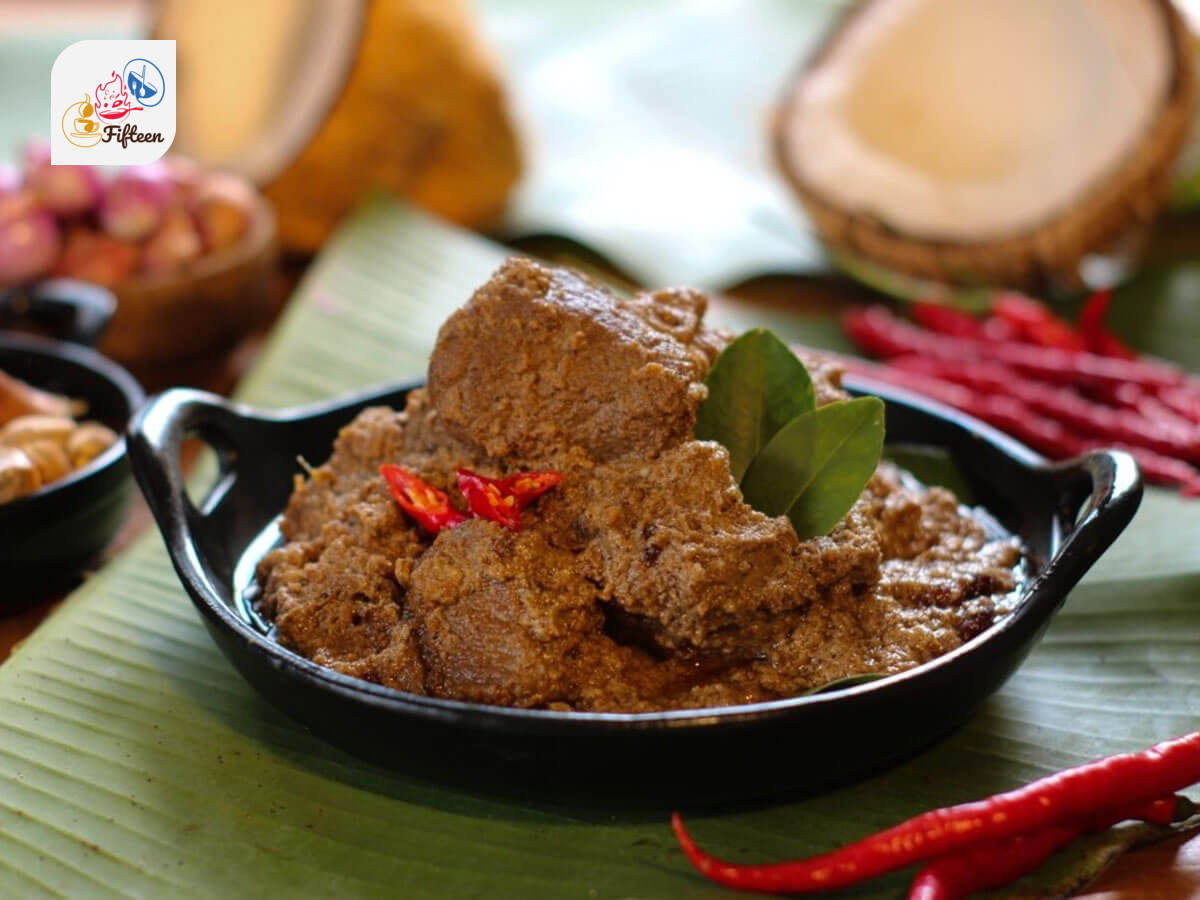
Curries
Malaysian curries are a rich and diverse aspect of the cuisine, often featuring spices, coconut milk, and a variety of proteins like chicken, beef, or seafood.
The depth of flavor in these curries is a result of slow cooking and the layering of spices, herbs, and aromatics.
-
Desserts
Desserts in Malaysian cuisine are as diverse as they are colorful, often featuring ingredients like coconut milk, palm sugar, and a variety of tropical fruits.
From shaved ice desserts to sweet puddings and jellies, these treats are not only a feast for the taste buds but also for the eyes.
-
Grilled and barbecued dishes
Grilled and barbecued dishes in Malaysia are a testament to the country’s love for intense flavors and smoky aromas.
These dishes often involve marinating meats in a blend of spices and herbs before grilling them to perfection.
They feature tender, flavorful, and often spicy fare that is a staple in Malaysian street food culture.
-
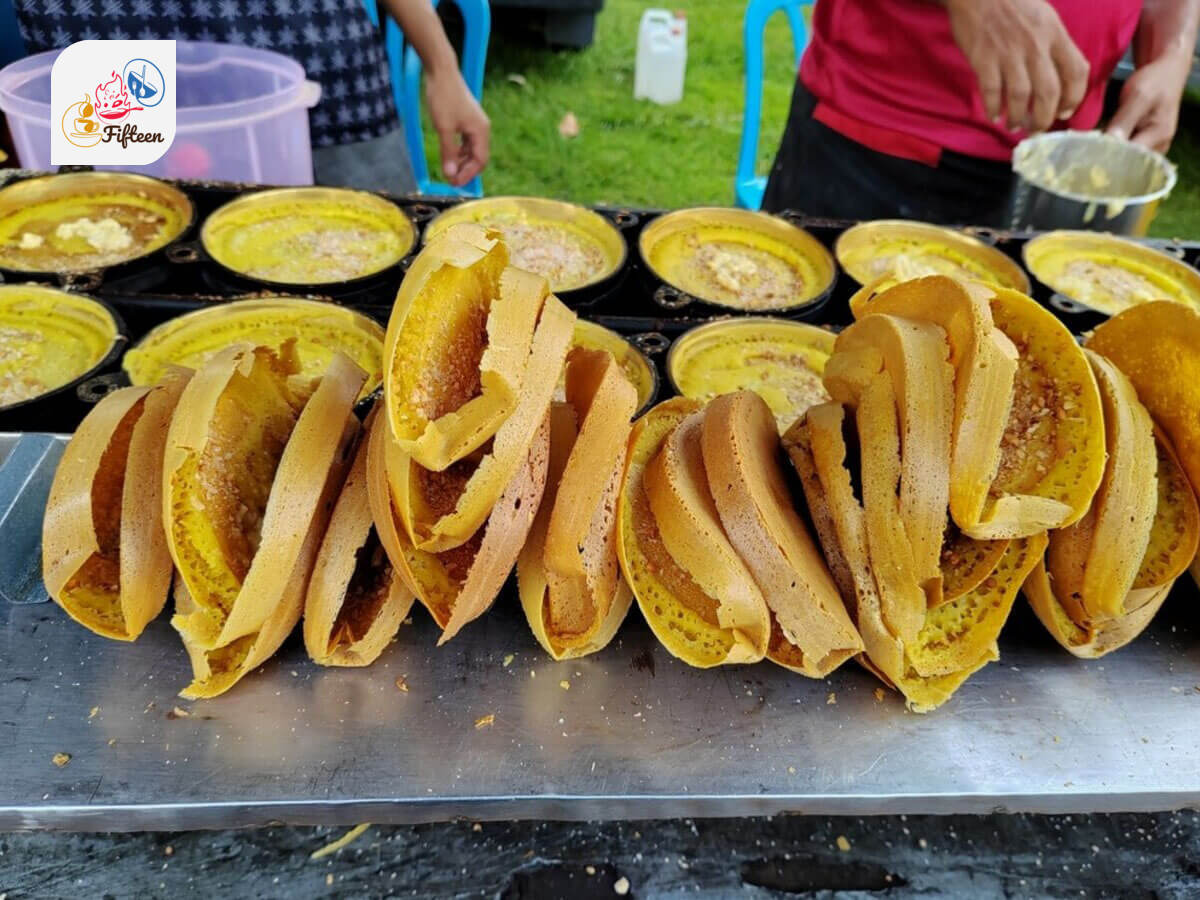
Pancakes
Malaysian pancakes range from sweet to savory, often incorporating ingredients like coconut, rice flour, and a variety of fillings.
These pancakes are typically thin and light, with a texture that can range from crispy to soft and chewy.
-
Rice dishes
Rice is a central component of Malaysian cuisine, served in a variety of ways, from steamed to fried.
Malaysian rice dishes often incorporate a medley of flavors, spices, and ingredients such as meats, seafood, and vegetables.
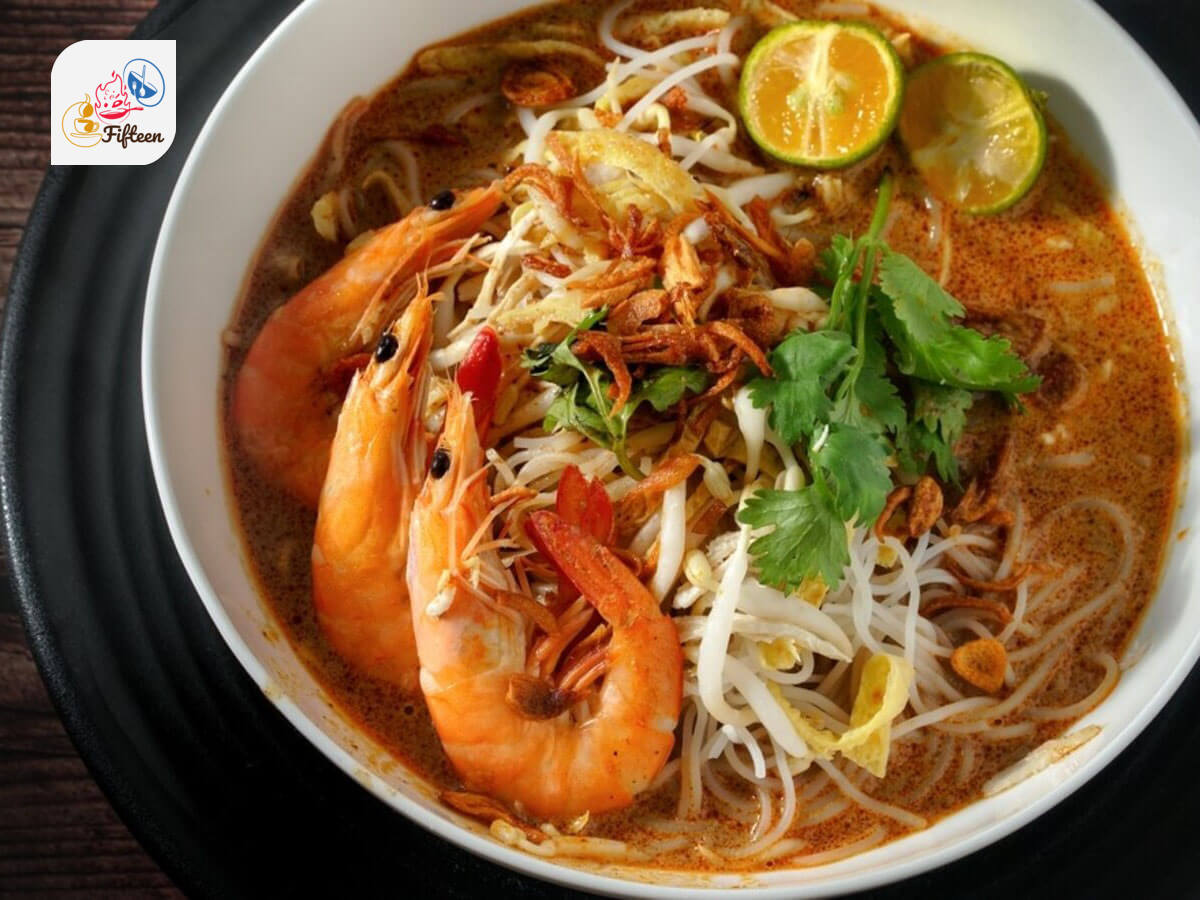
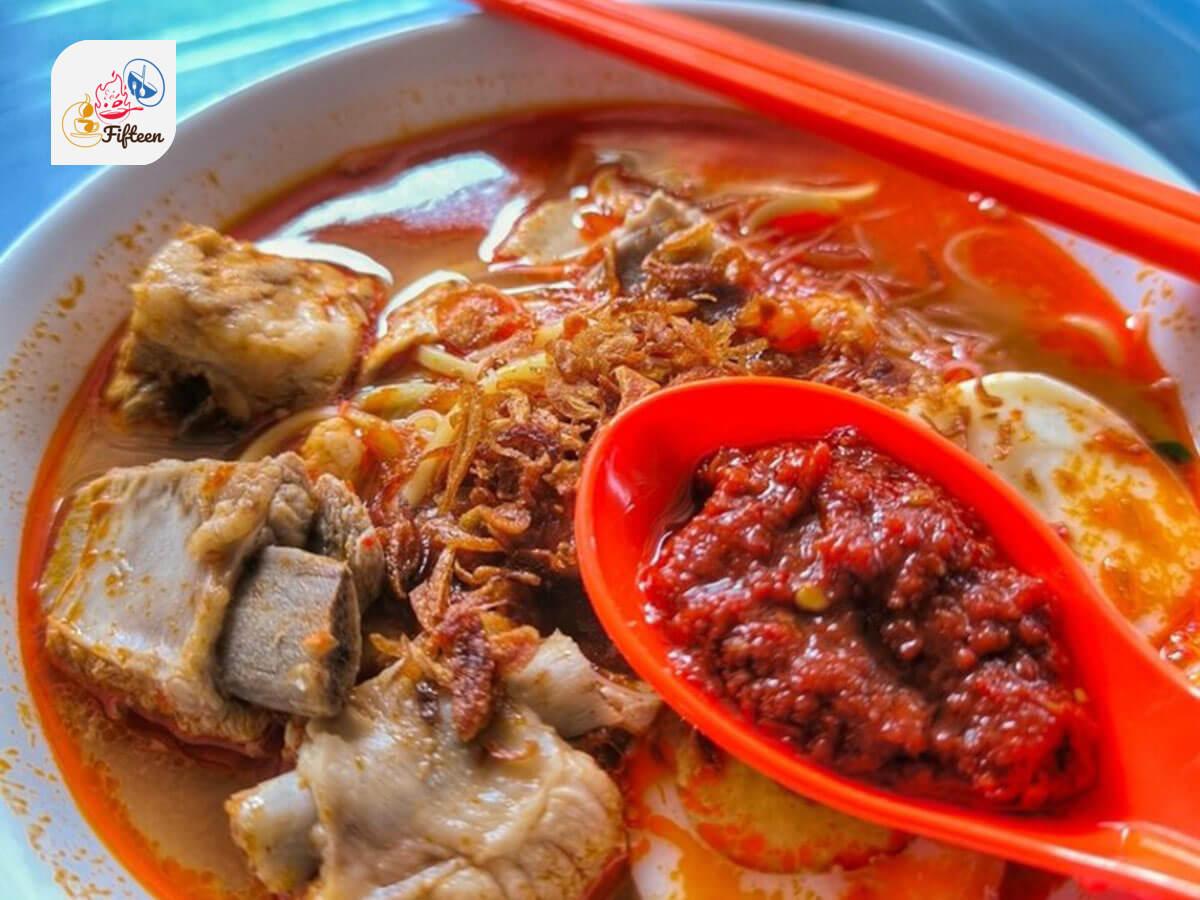
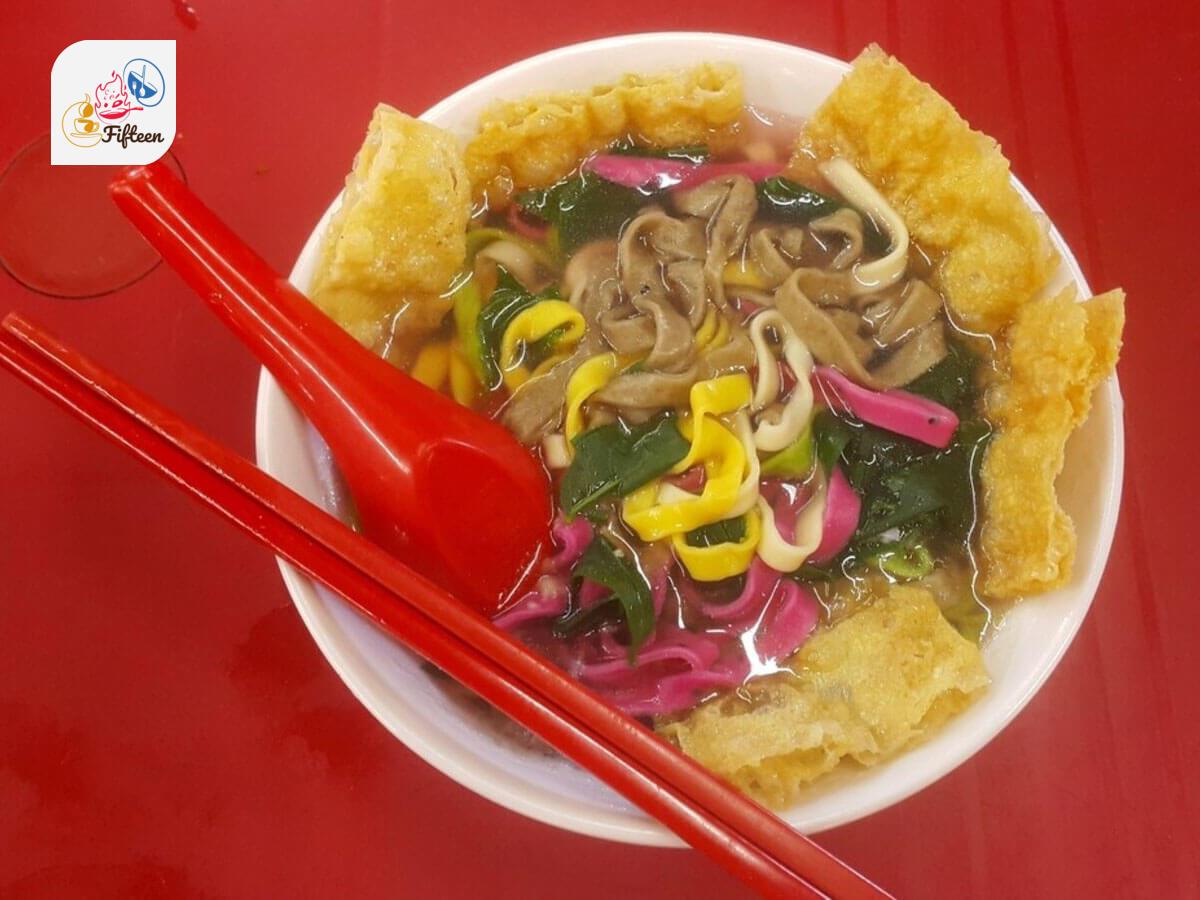
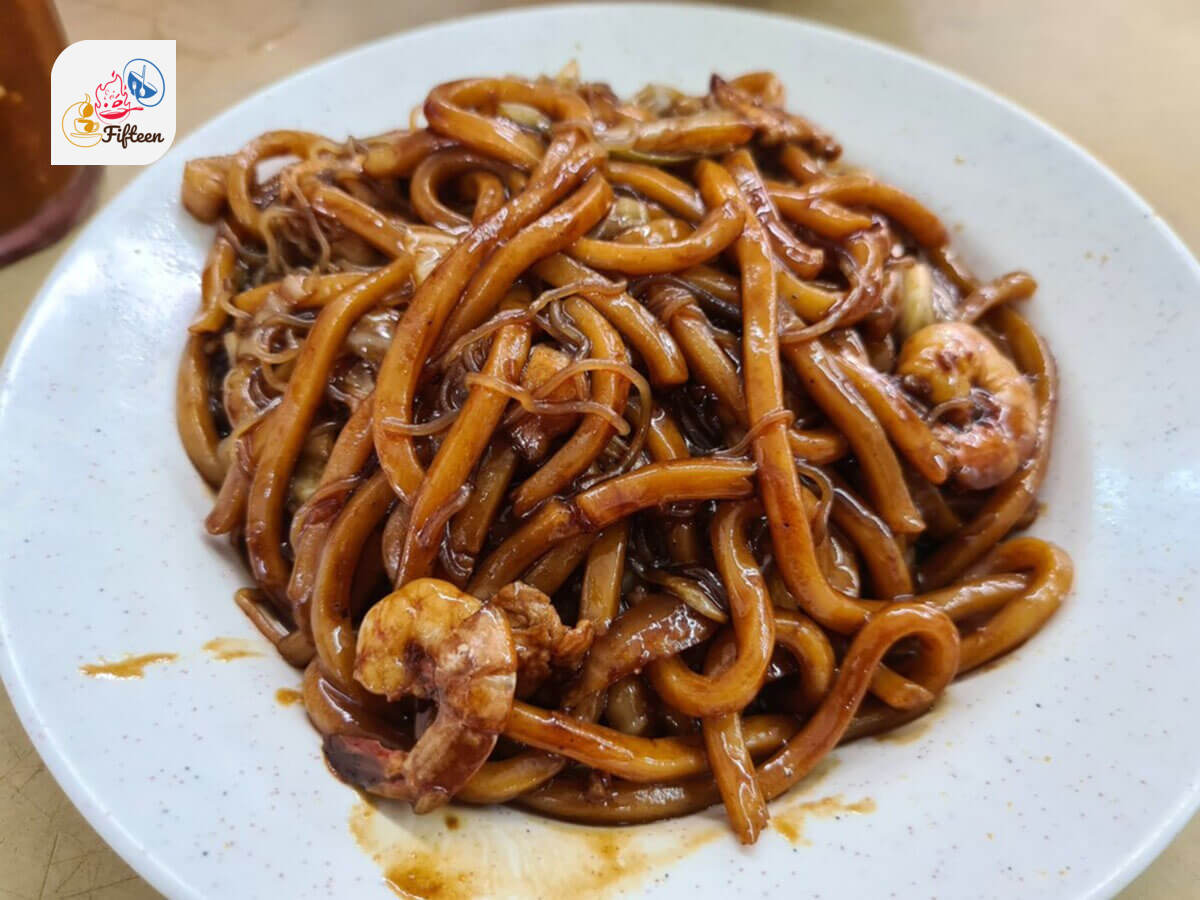
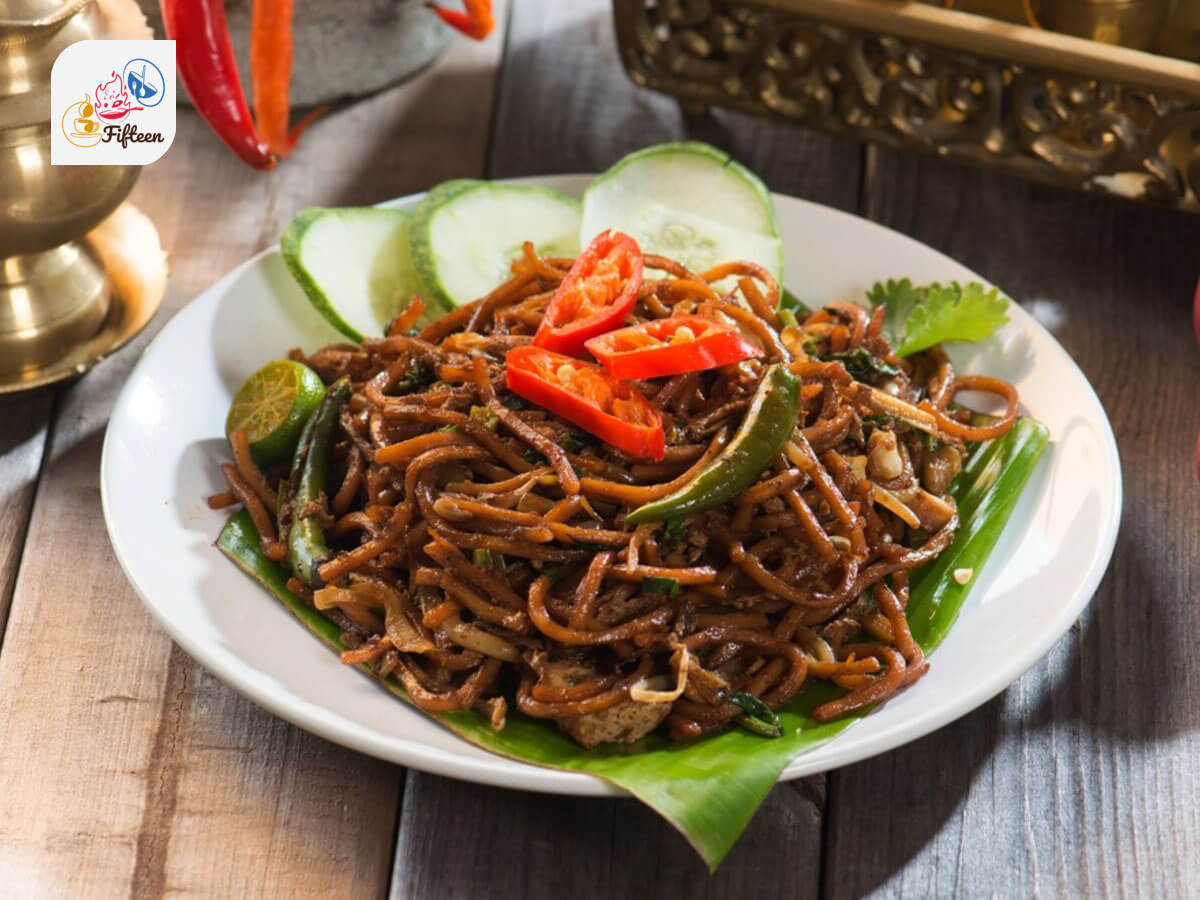
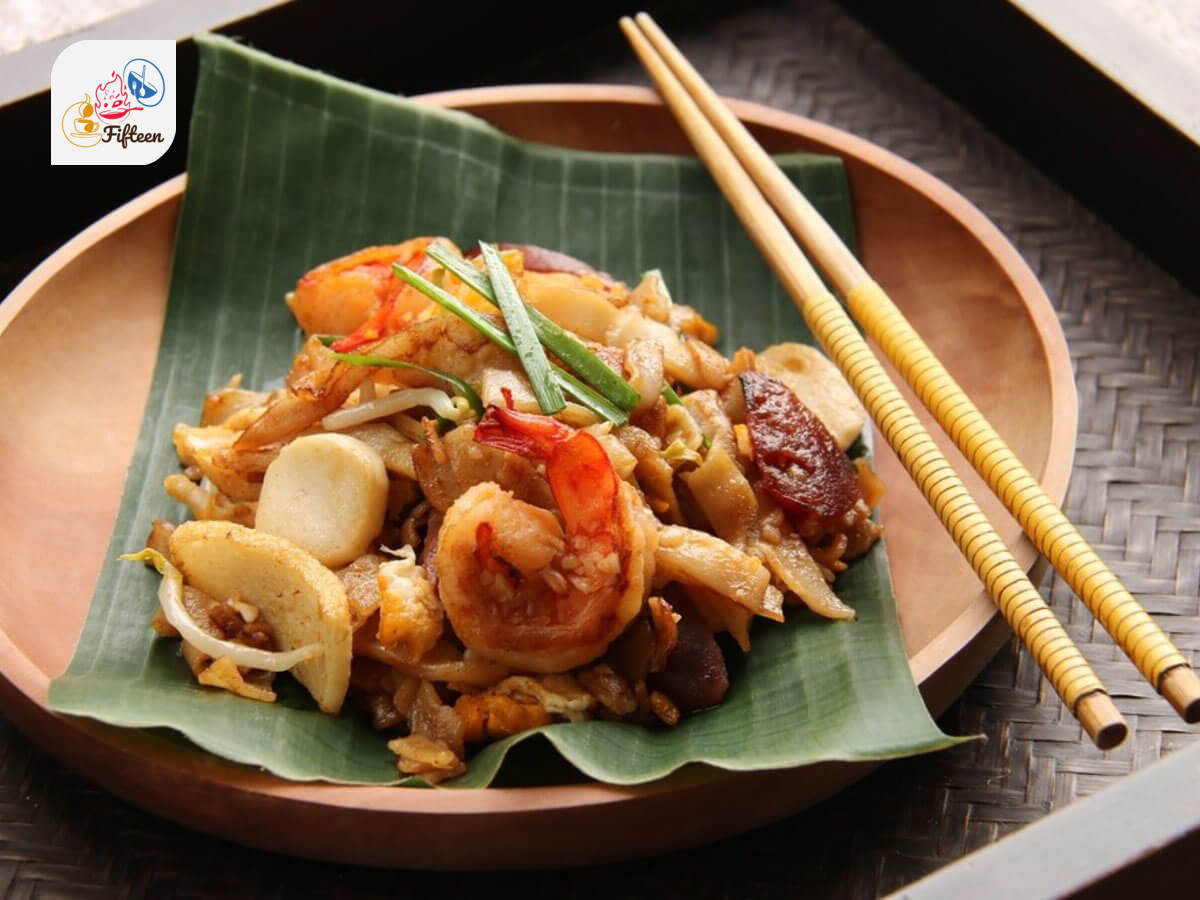
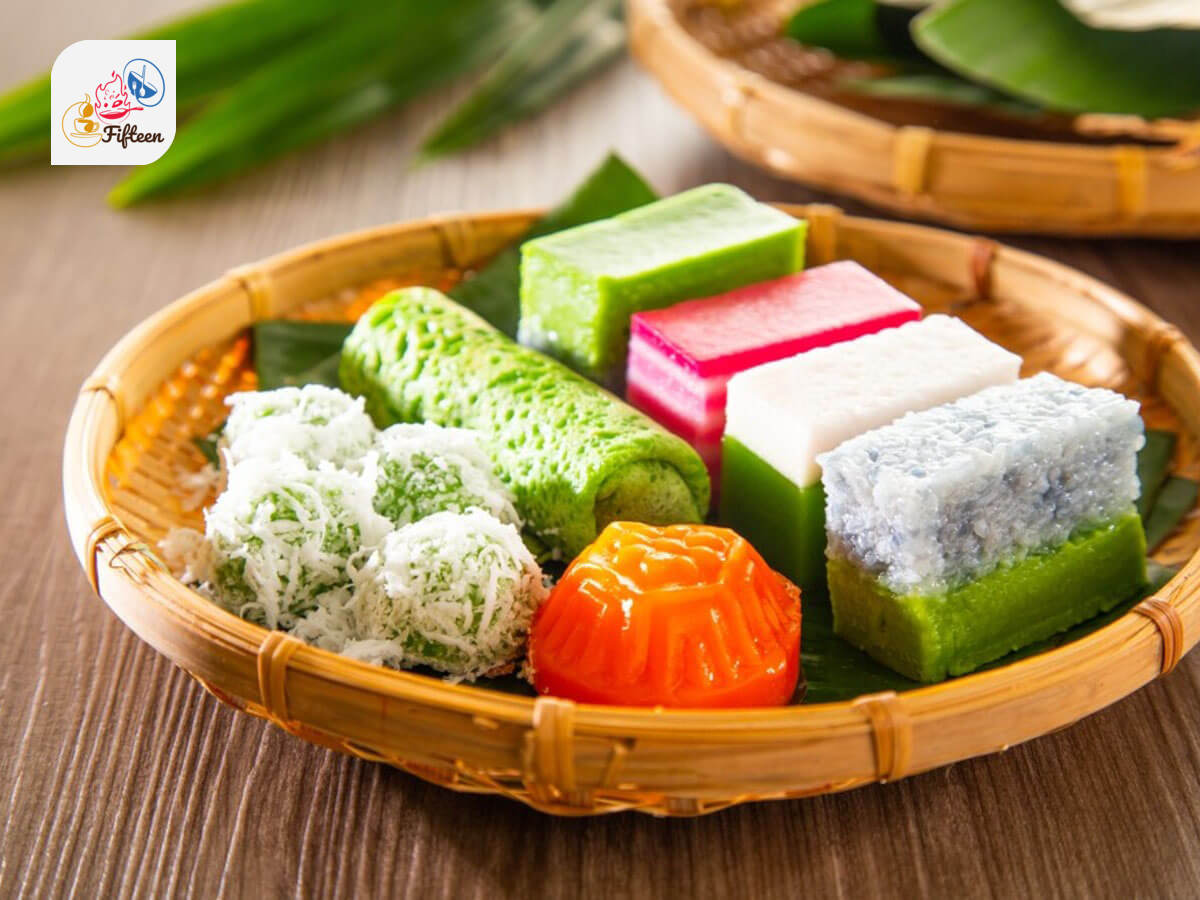
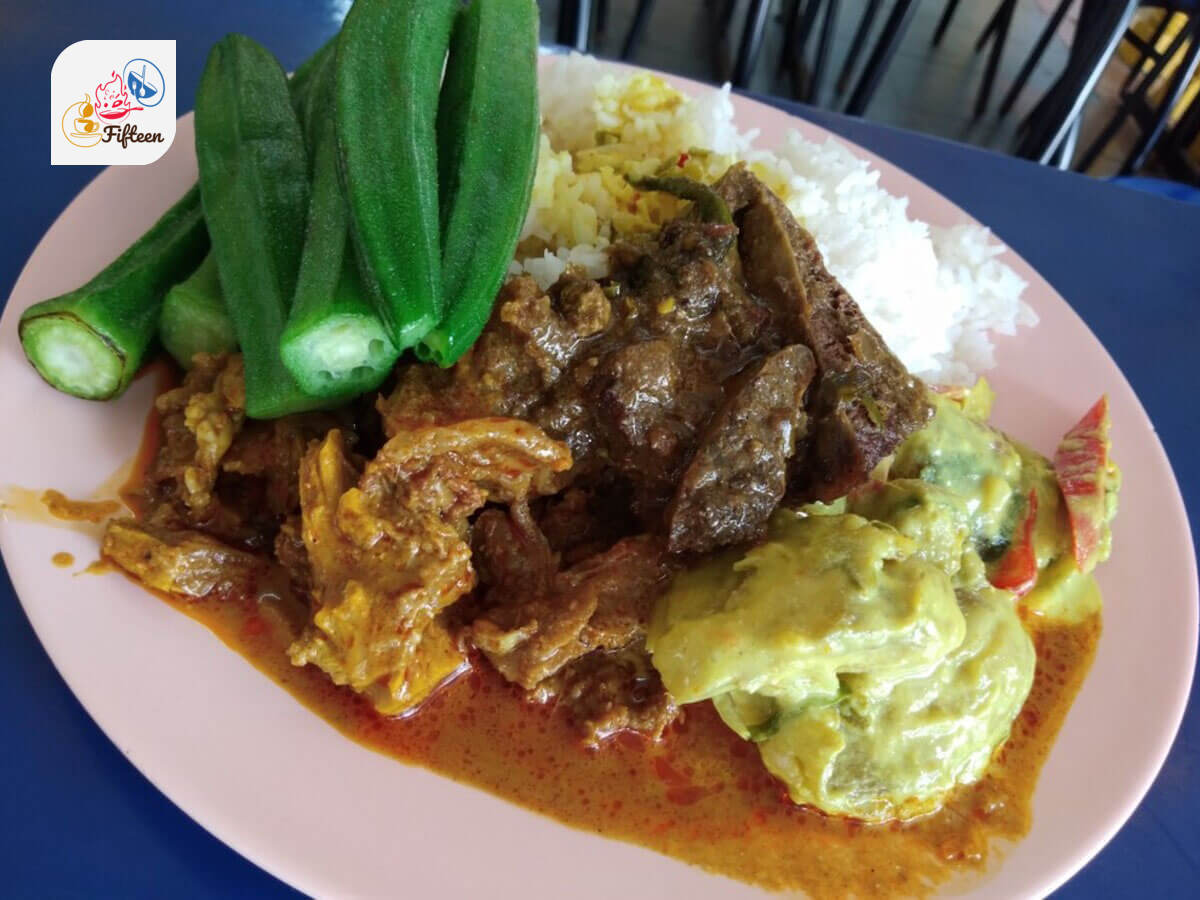
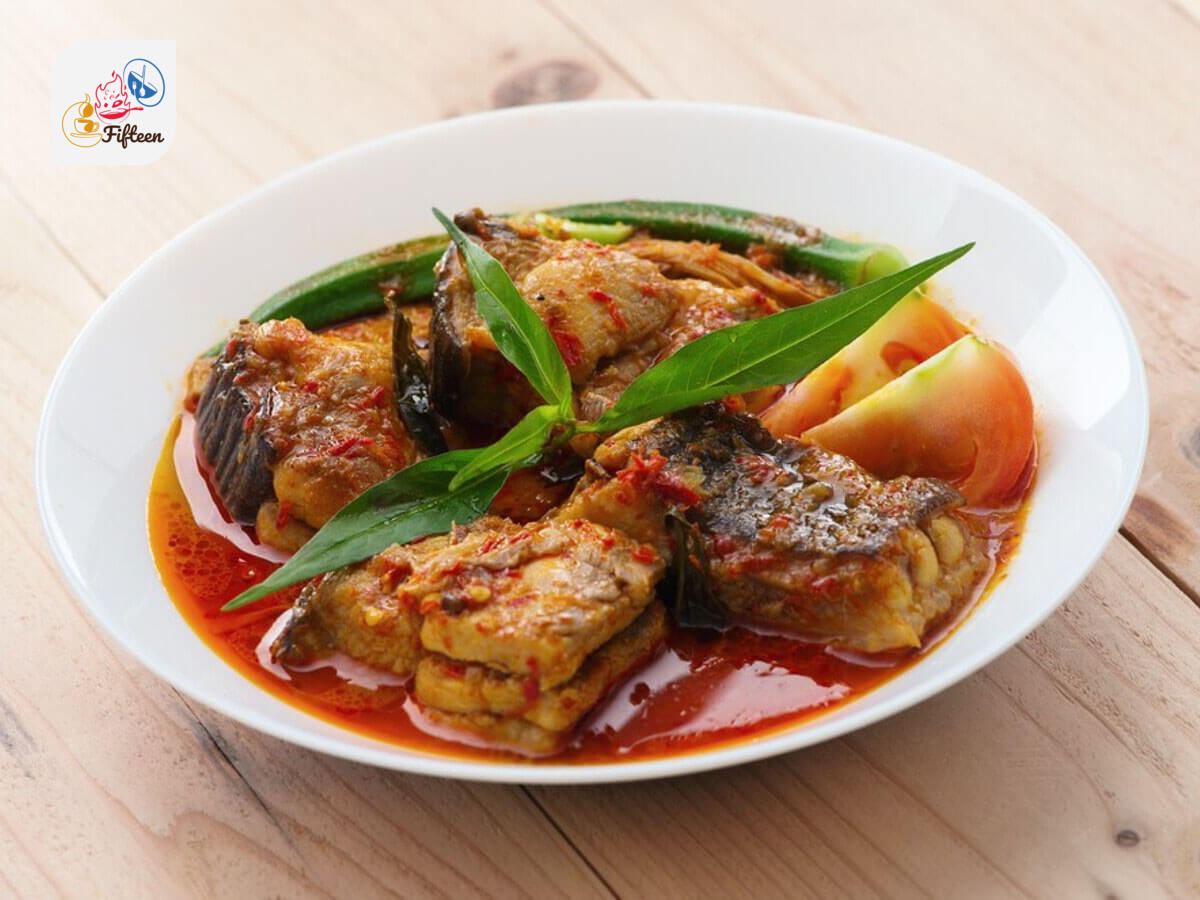
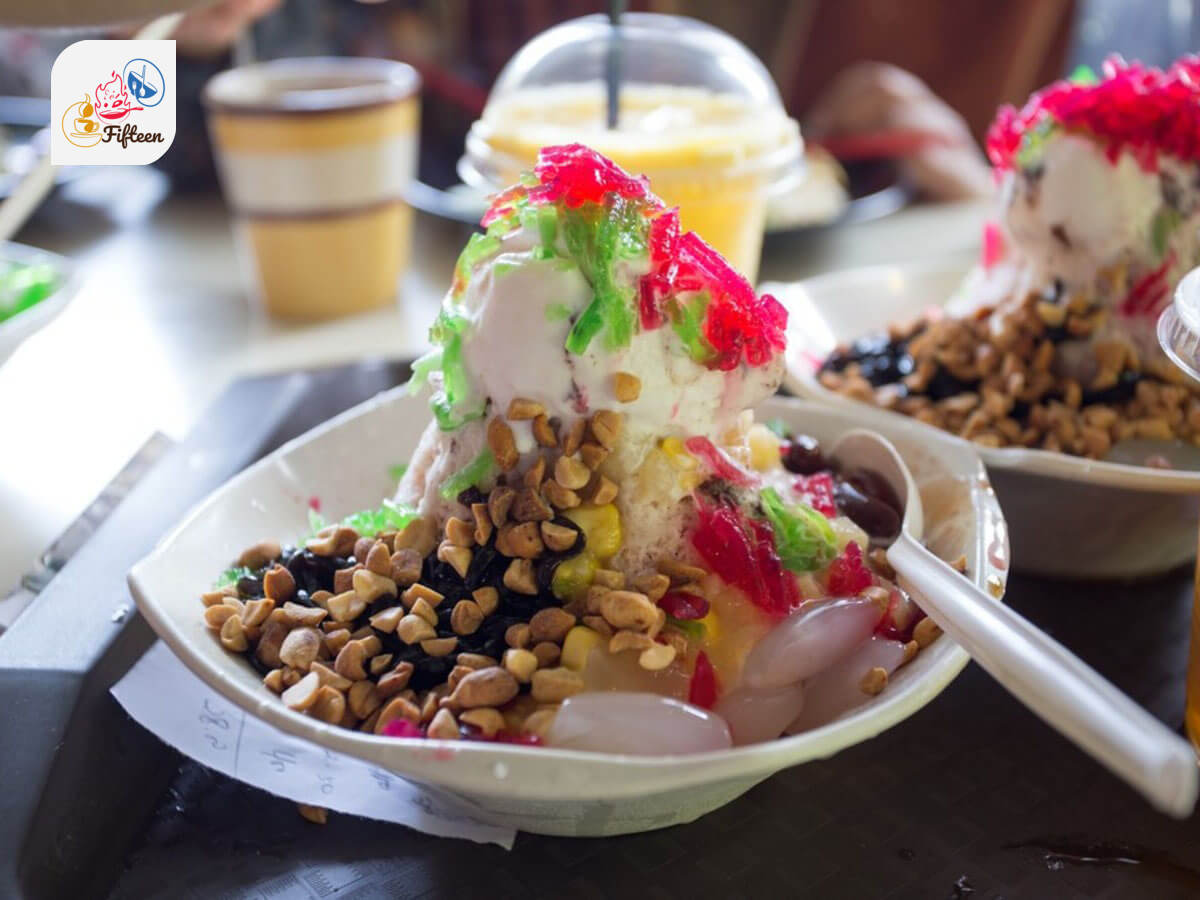
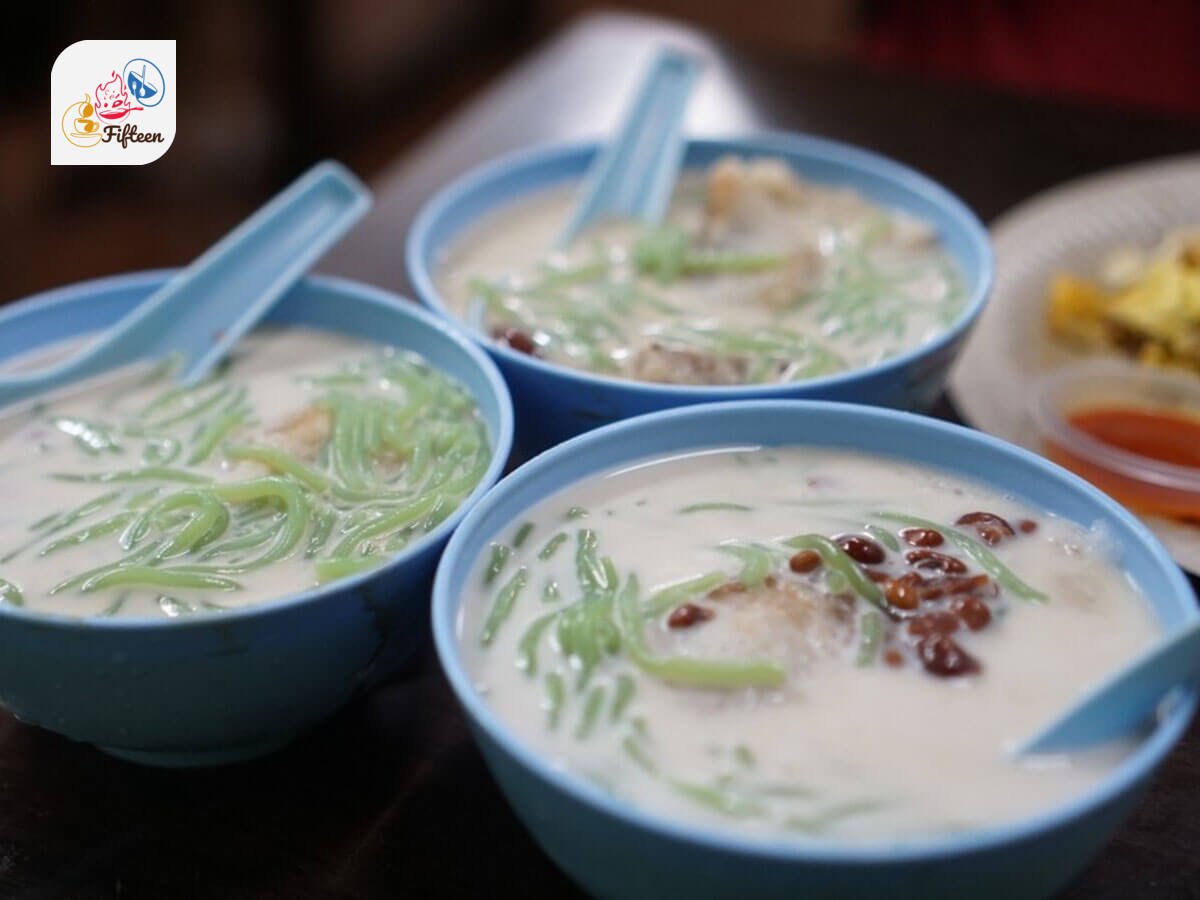
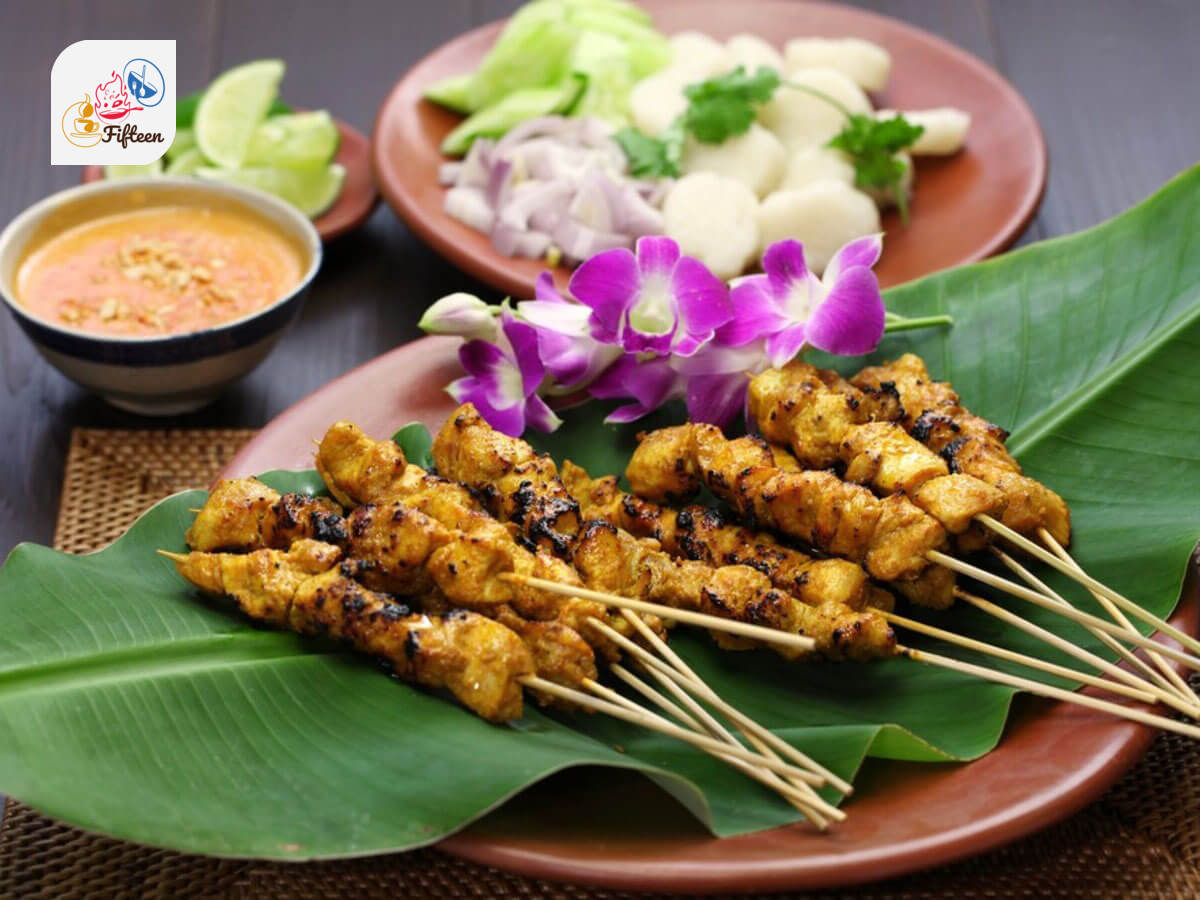
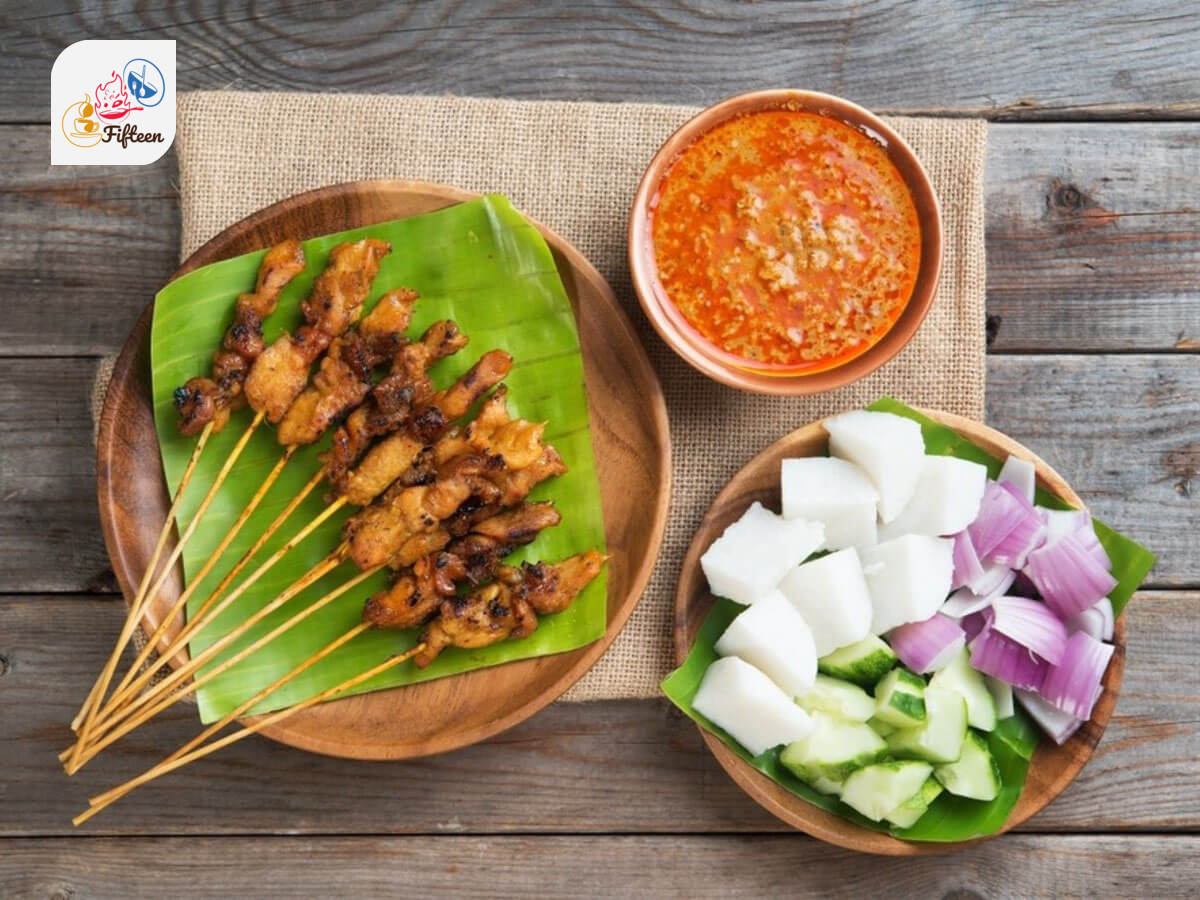
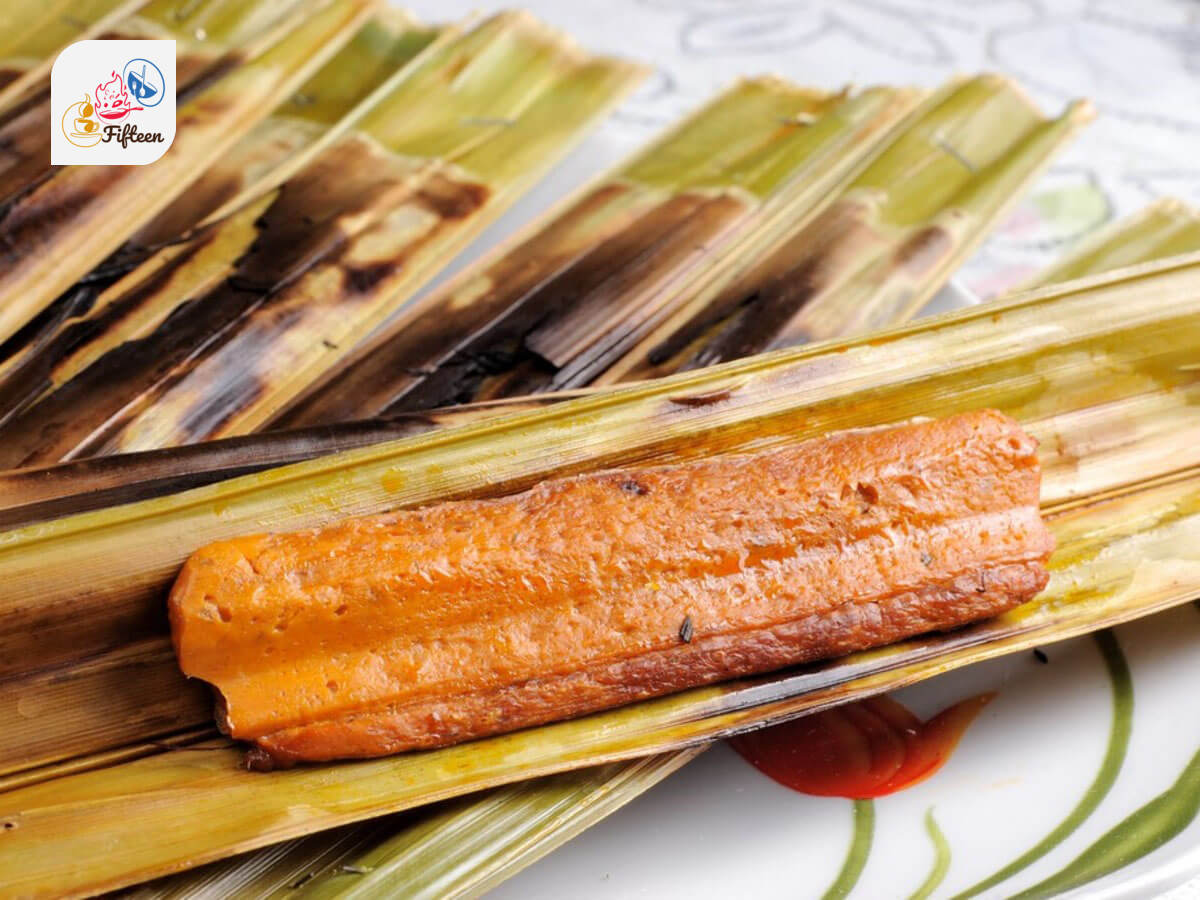
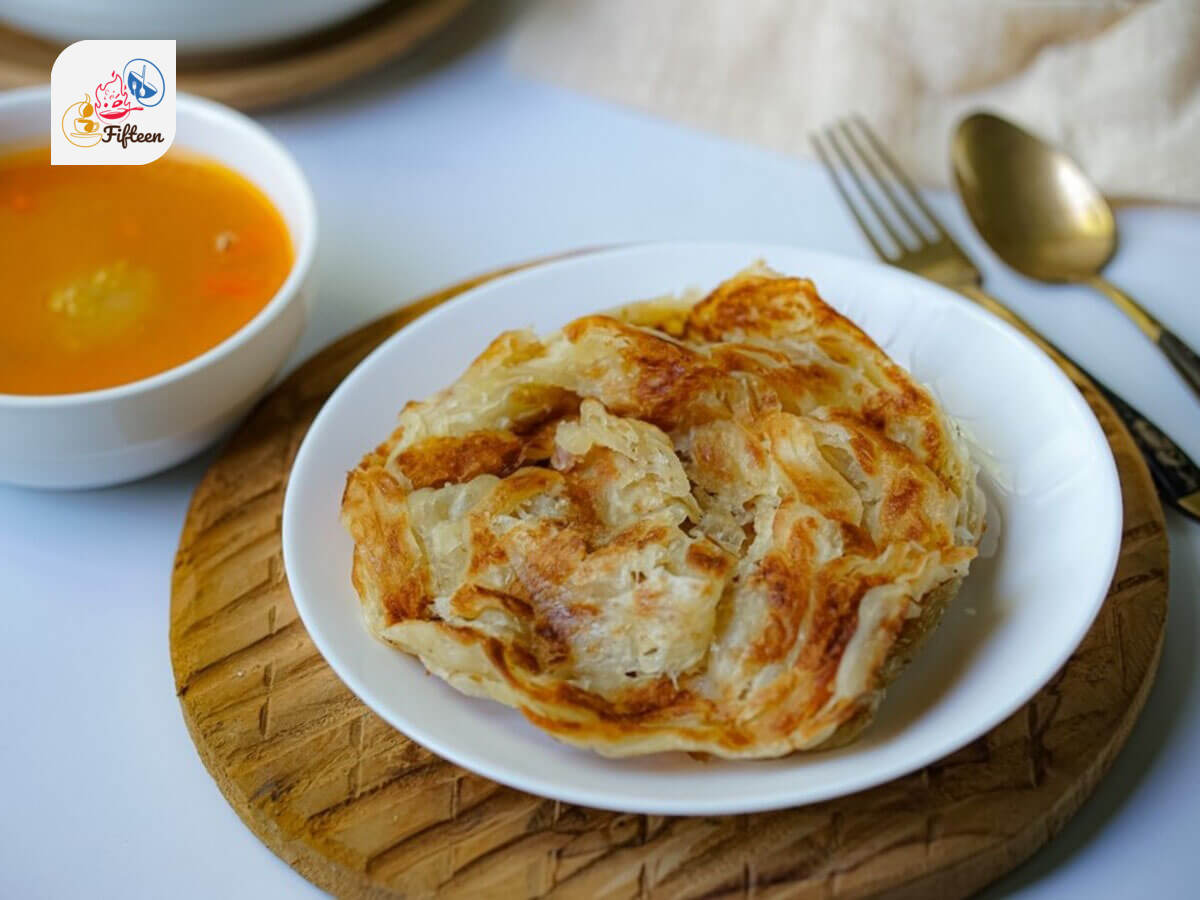
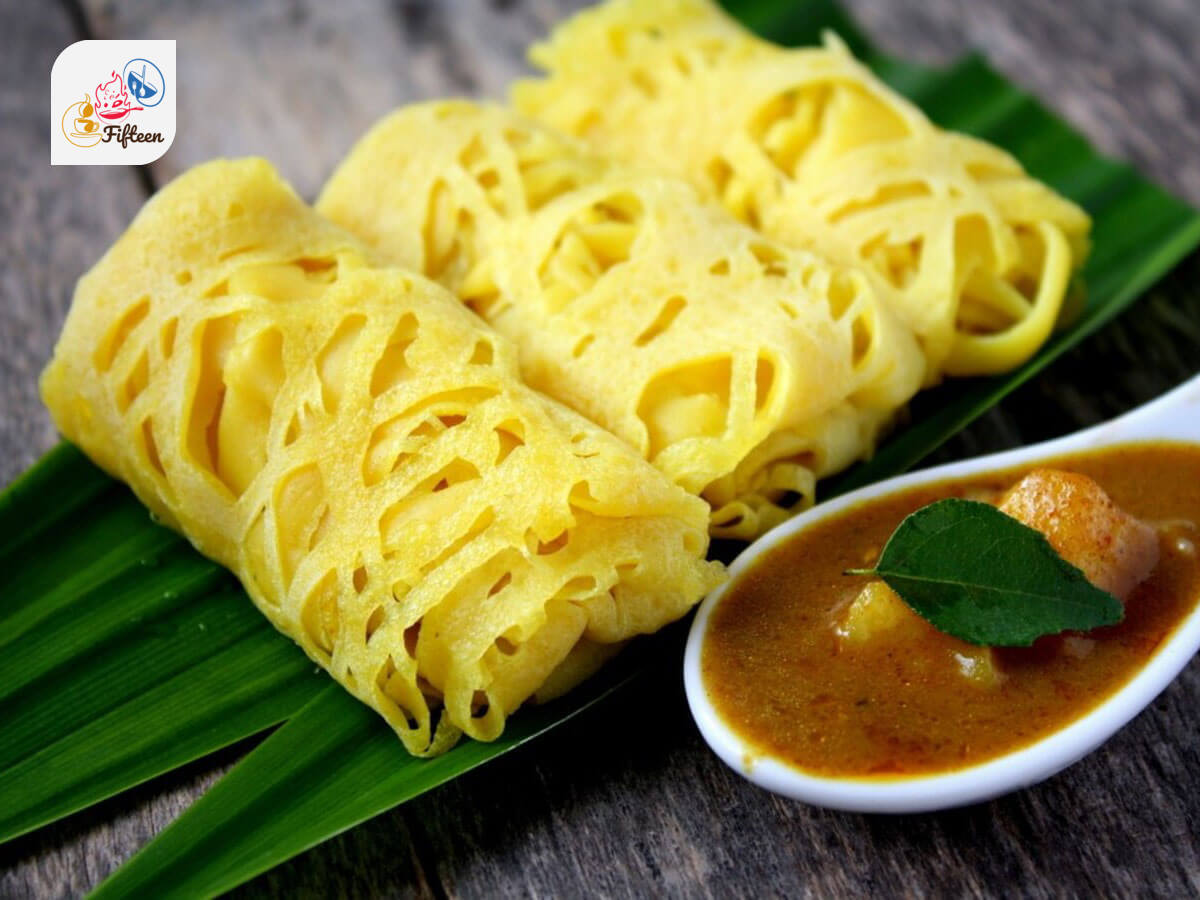
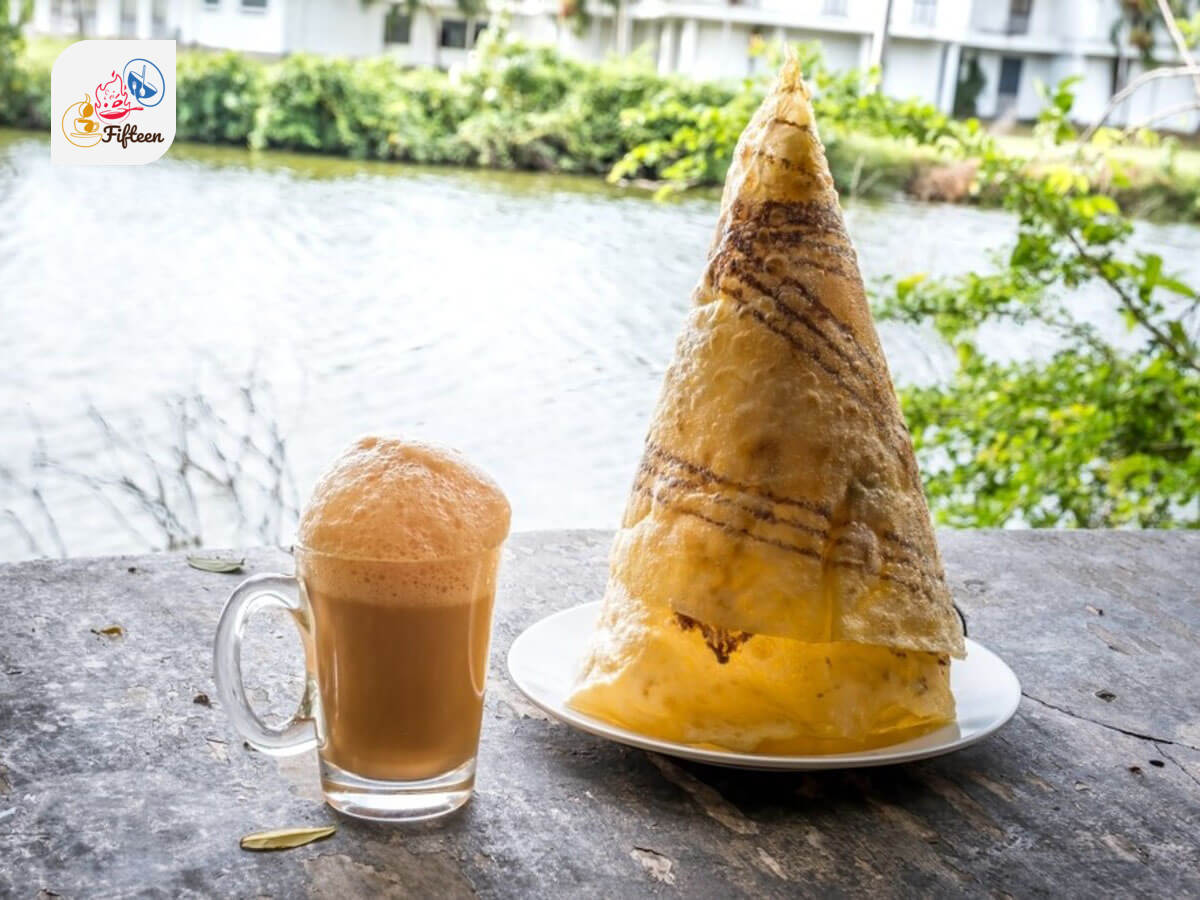
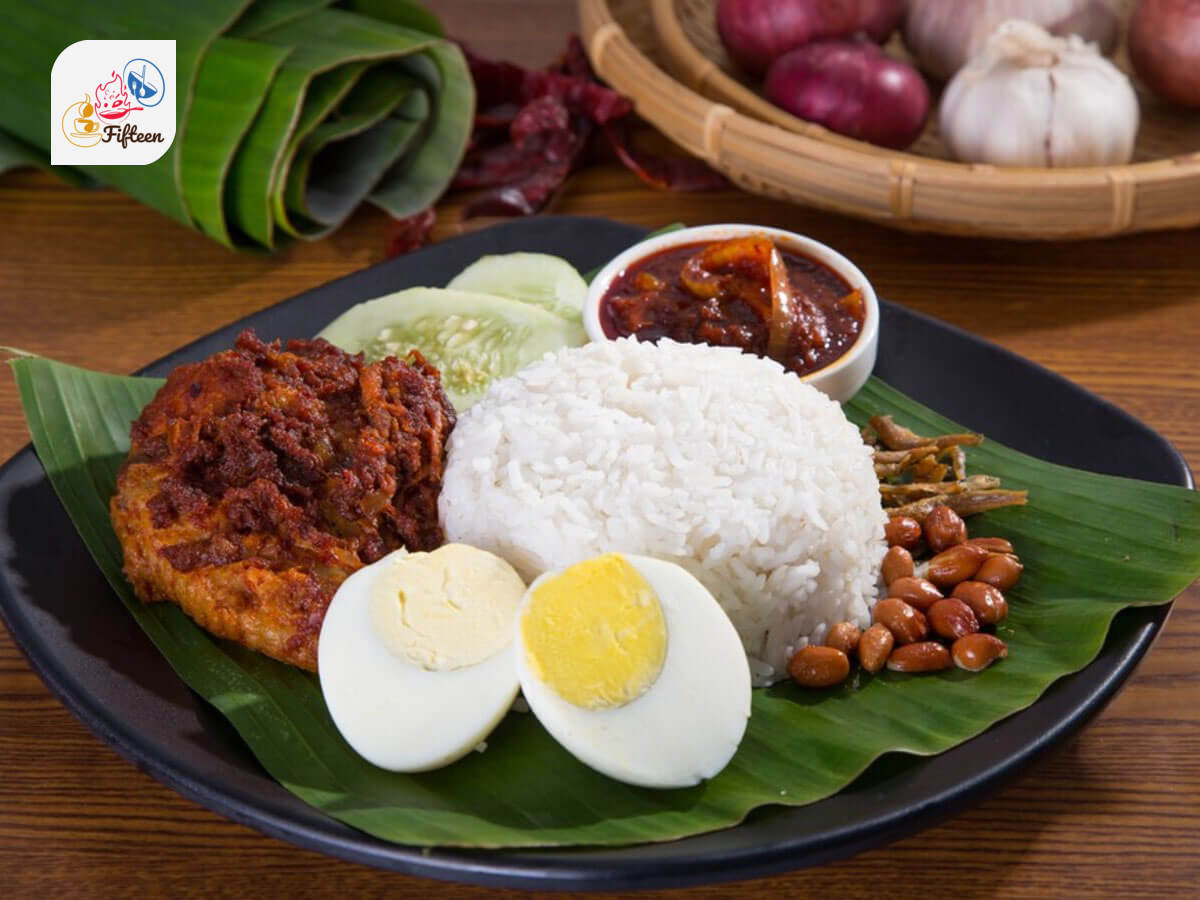
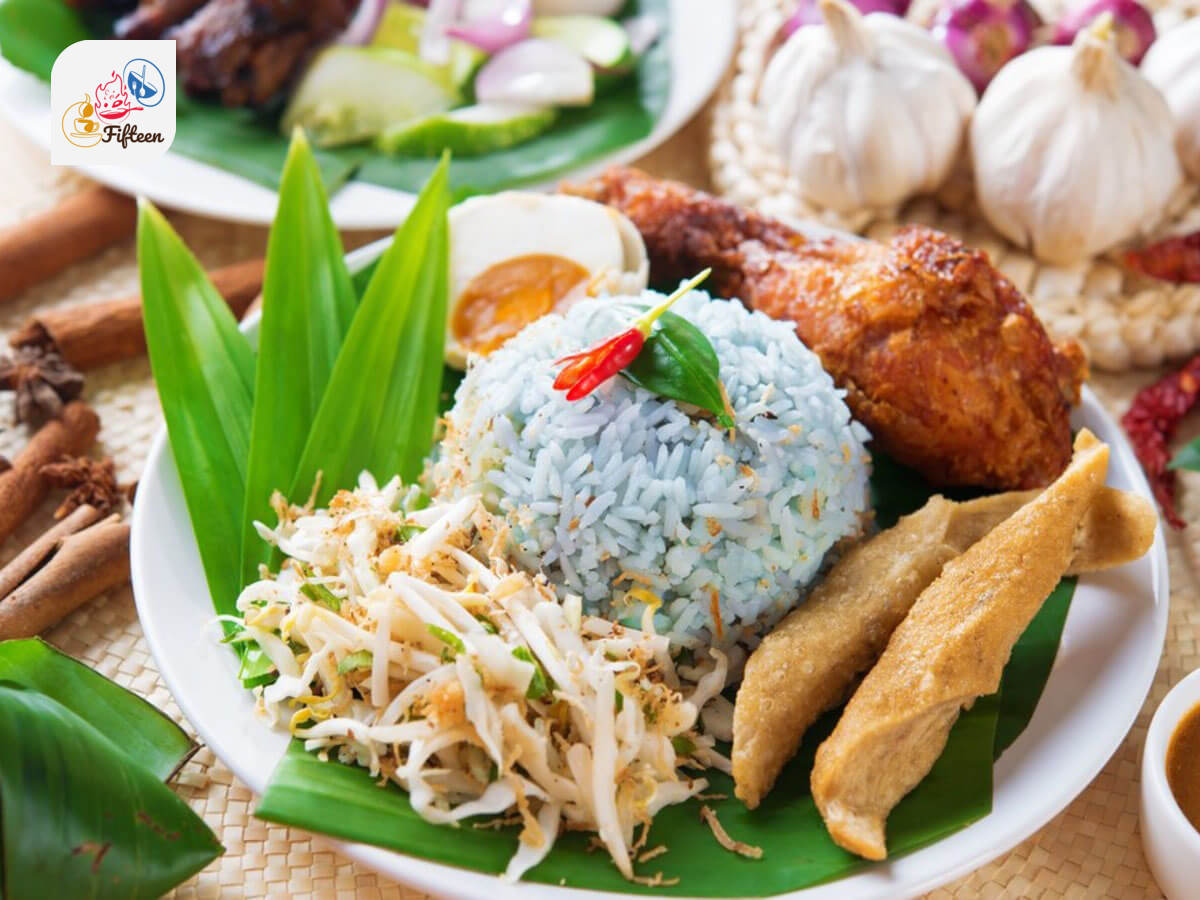
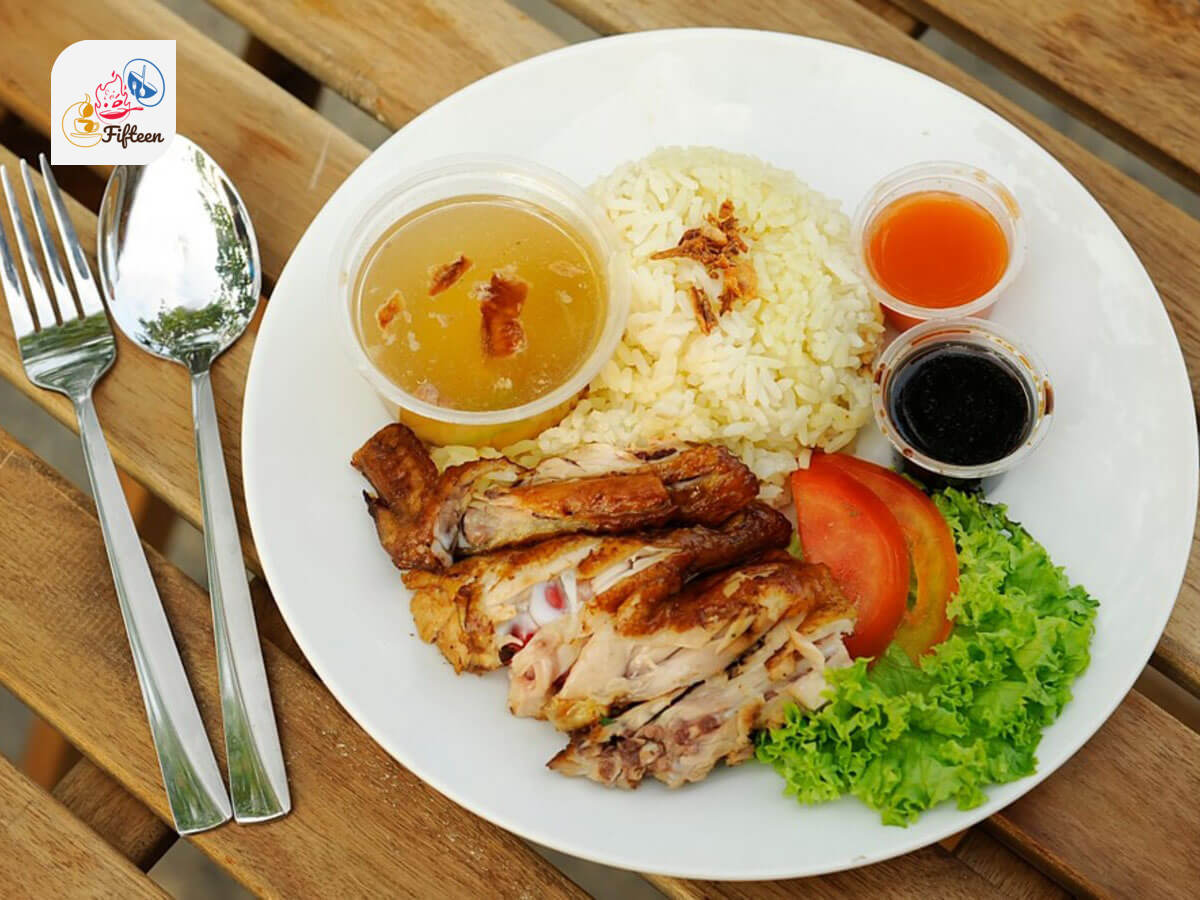
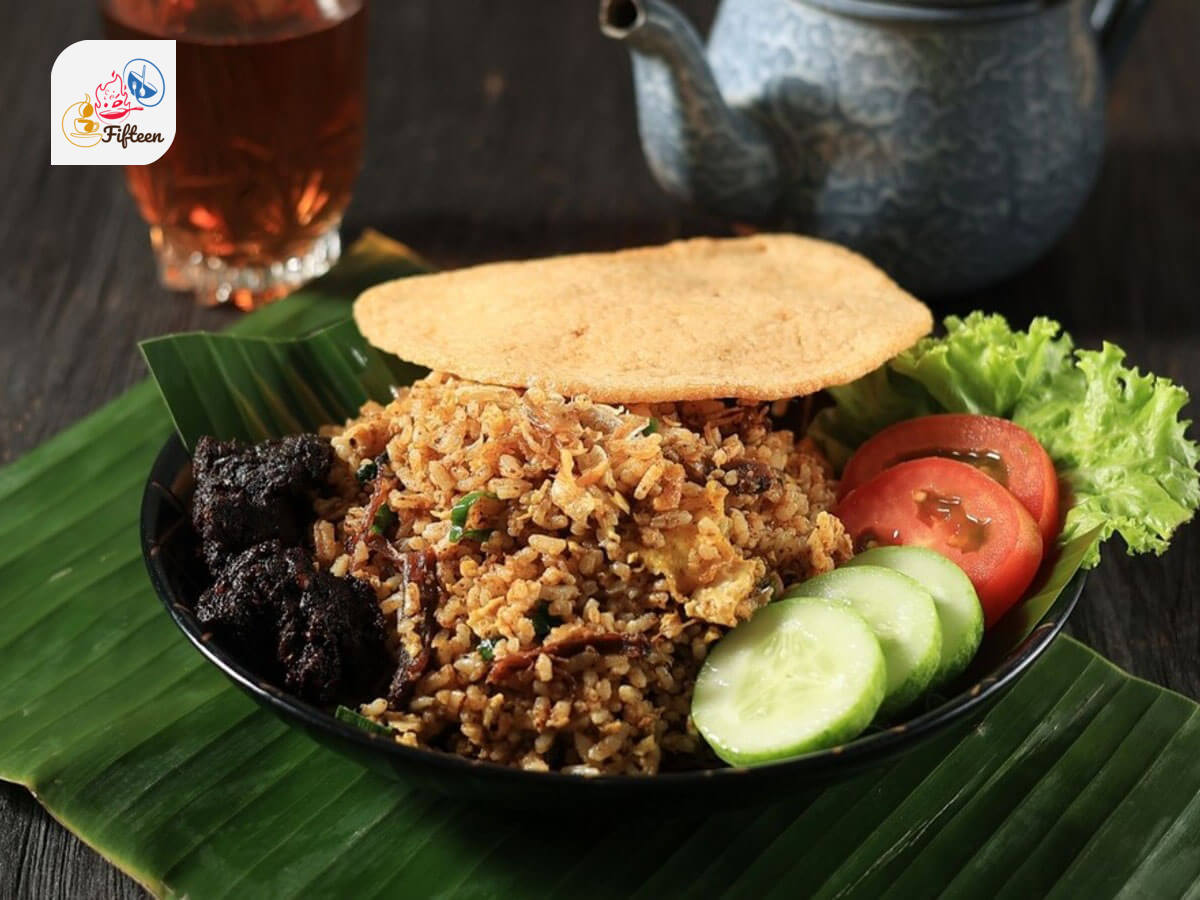
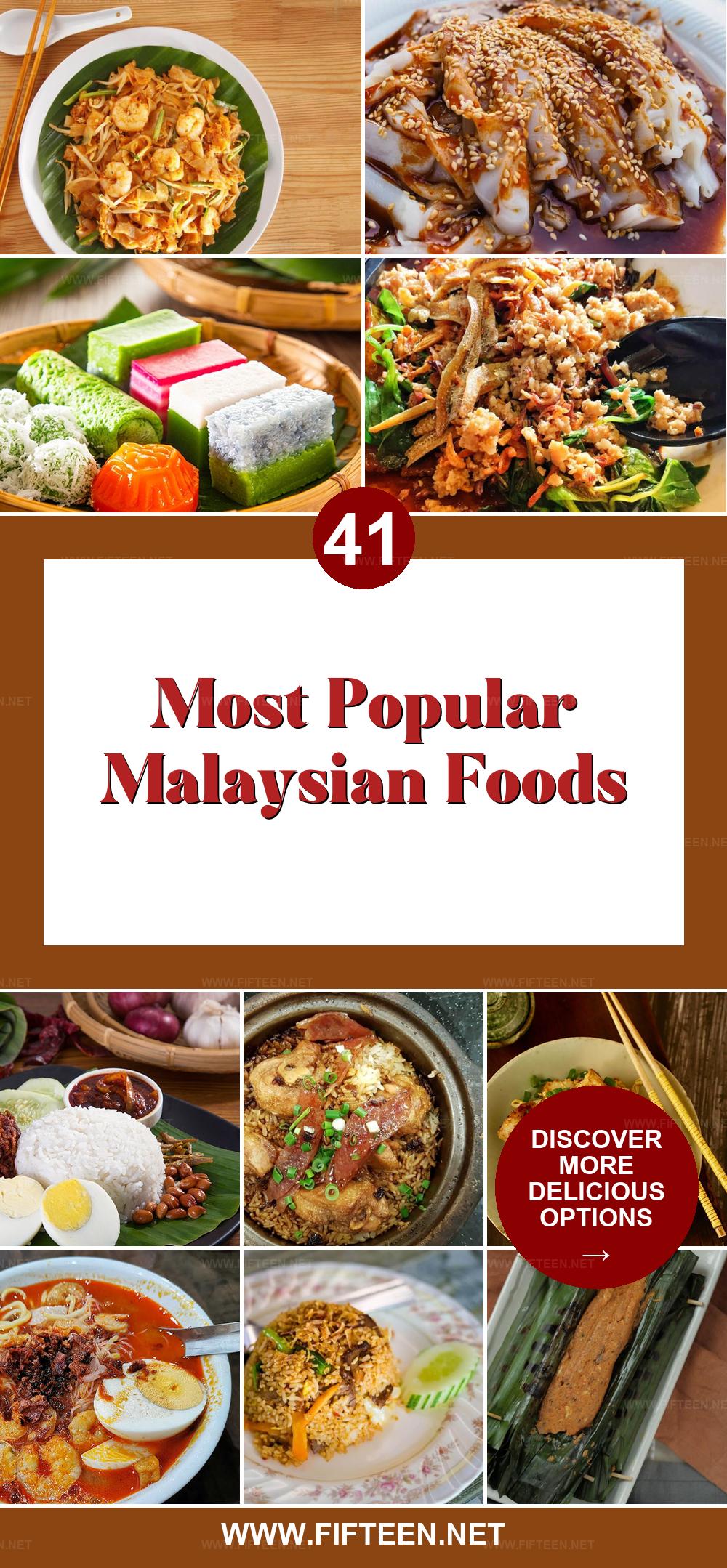
Malaysian dishes are different savory and sweet delicacies widely enjoyed across Malaysia, a Southeast Asian country including Peninsular Malaysia.
While several dishes, like nasi lemak and nasi kandar, are native, others come from foreign countries, like chai tow kway and popiah from China.
Well-loved local dishes range from savory dishes like soups, stews, and grilled dishes to desserts like banana fritters. I’ll introduce each dish’s main components, cooking methods, and local variations.
Afterward, you’ll get to see all the characteristics of this cuisine, including its types of food. Next is a detailed answer to how this cuisine affects other foods from Southeast Asian countries like Thailand, Indonesia, and the Philippines.
Plus, I’ll also drop you some options for pairing dishes with beverages in Malaysia.
41 Popular Malaysian Dishes with Filters
Remember to use the filter system that rearranges these specialties in alphabetical order, dish types, ingredients, cooking methods, tastes, and global popularity.
Furthermore, it’s best to check out the available culinary styles of Malaysian food, including choices like the most popular, national, traditional, street food, and fusion options:
What Are The Characteristics of Malaysian Dishes?
Malaysian cuisine is a fascinating blend of 6 main characteristics, as listed below:
What Is Special About Different Cuisines in Malaysia Based on Ethnicity?
Because of its varied cultural groups, Malaysia has various ethnic cuisines, as listed below:
How Do Malaysian Dishes Compare to Other Southeast Asian Dishes?
Malaysian dishes share many similarities with other Southeast Asian cuisines, like Thai, Indonesian, and Filipino foods, due to geographical proximity and historical interactions. However, each has its unique characteristics that set it apart.
Malaysian Dishes vs. Thai Dishes
Malaysian and Thai cuisines are popular for their bold flavors, thanks to sweet, sour, salty, and spicy elements. Ingredients like lemongrass, coconut milk, and chilies are common in both.
However, most well-known Thai dishes lean more towards sharper flavors, often accentuated by fresh herbs like basil and mint, with dishes like tom yum (hot and sour Thai soups) and pad Thai (stir-fried noodles) as good examples.
In contrast, Malaysian dishes often employ deeper, more complex flavors, especially in Malay and Nyonya cuisines. Here, spices are blended into rich pastes for dishes like rendang and laksa.
Malaysian Dishes vs. Indonesian Dishes
Malaysian and Indonesian dishes have much in common, given their Malay heritage. Both cuisines feature rice as a staple and extensively use spices like turmeric.
Indonesian cuisine often incorporates more indigenous ingredients and cooking techniques. For example, gado gado is a mixed vegetable salad with peanut sauce, somewhat similar to the Malaysian rojak.
Dishes in Indonesian cuisine have several differences from Malaysian dishes, such as tempeh and various sambals. The famous Indonesian nasi goreng and its Malaysian counterpart are similar but differ in proteins and vegetables used.
Malaysian Dishes vs. Filipino Dishes
Malaysian dishes are distinct from Filipino foods but share some similarities. Rice is a staple in both cuisines, but Filipino dishes often feature pork, a rare ingredient in predominantly Muslim Malaysia.
Most of the common Filipino dishes are famous for their sour and salty flavors, often using vinegar and soy sauce in dishes like adobo and sinigang (sour tamarind soup).
In contrast, popular Malaysian dishes are richer and more aromatic, thanks to various spices and coconut milk.
What Malaysian Dishes to Have with Beverages?
To savor these specialties, it’s best to accompany them with refreshments from Malaysia to elevate the flavor of dishes:
Hit the like button and share this Malaysian dish list with your friends and family if you think it’s helpful and interesting. Remember to share all your thoughts about these suggestions above.
Jamie Scott
Editor in Chief, Senior Content Writer
Expertise
Home Cooking, Meal Planning, Recipe Development, Baking and Pastry, Food Editor, Cooking-video Maker, Western Food Evaluation Expert
Education
Le Cordon Bleu College of Culinary Arts
Local Community College, New York, NY
Jamie Scott is a skilled culinary expert and content creator specializing in Western cuisine. With over 15 years in the culinary field and formal training from Le Cordon Bleu, Paris, Jamie deeply understands how to blend nutrition with delicious flavors. His passion for cooking matches his commitment to making healthy eating accessible and enjoyable.
On Fifteen.net, Jamie brings a fresh perspective to classic dishes and beverages, offering readers insightful recipes, cooking tips, and a fresh view on meal planning that emphasizes taste, health, and simplicity.