

Azerbaijani Food Dishes: Basic Overview
Common Ingredients
Common Cooking Methods
Courses
Meals
Key Taste
Eating Etiquette
Meal Presentation
Culinary Festivals
Influence and Fusion
Azerbaijani Food Dishes: Origin and Region
Cuisine
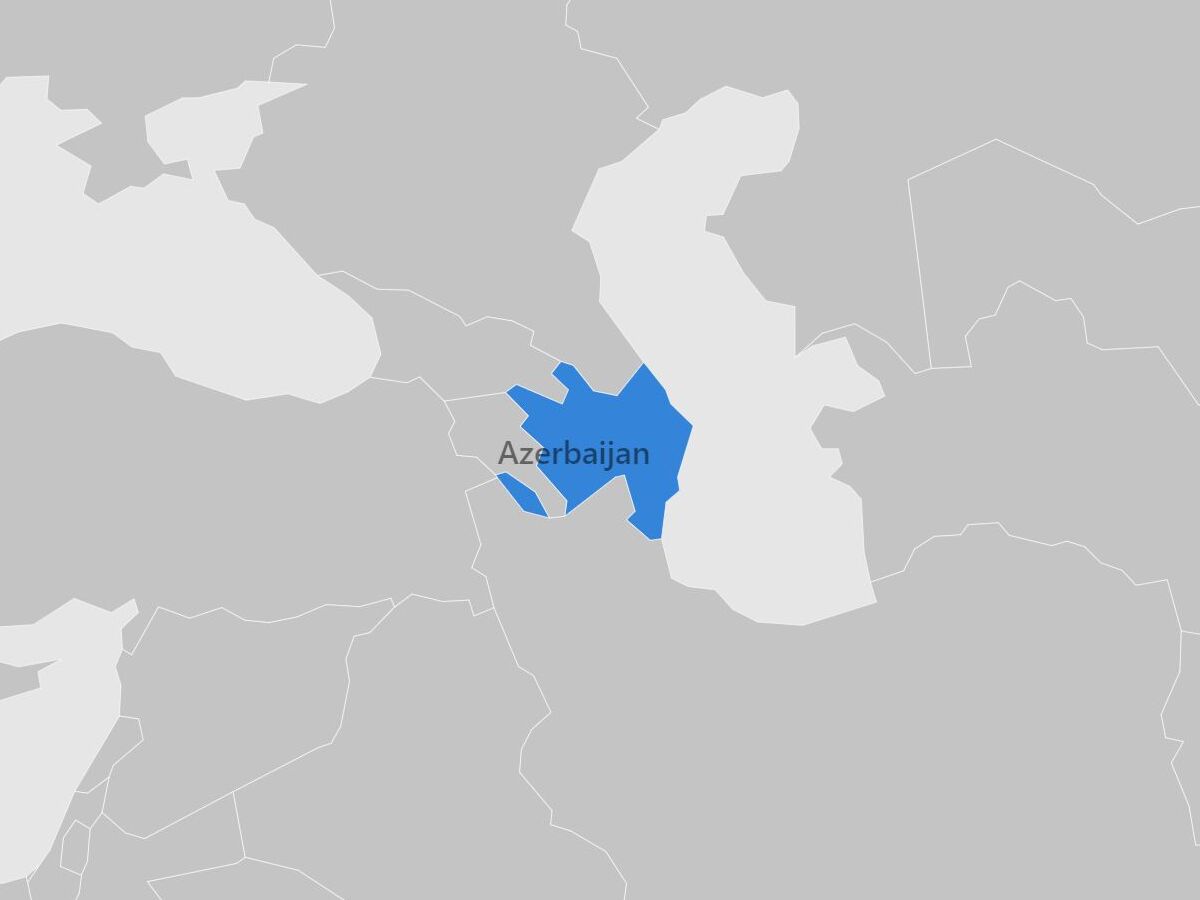
Cuisine’s Geographical Territory
Popular Types of Azerbaijani Dishes
-
Soups
Azerbaijani soups range from light, refreshing appetizers to hearty main dishes.
These soups are prepared with a wide range of ingredients, such as lamb, vegetables, and yogurt.
Soups can be served hot or cold in Azerbaijan.
Certain soups are so liquid that they can be consumed as beverages.
-
Stews
Azerbaijani stews are hearty, savory, energy-rich, and fit for the main course.
These stews are usually based on meat (especially lamb), with the addition of various vegetables.
Fresh herbs and spices are used extensively in such dishes.
-
Cake and Pastries
Cakes and pastries have a long history in Azerbaijan and come in many varieties.
Azerbaijani cakes and pastries are very sweet and often made from rich doughs.
All-purpose flour, dried fruits, butter, sugar or sugar syrup, and spices are popular ingredients for these treats.
Azerbaijanis usually serve cakes and pastries with tea, fruits, or nuts as snacks or desserts.
-
Bread and Doughs
Bread is the staple food in Azerbaijan and has a near-sacred status.
Locals pair bread with all types of dishes, from soups to stews and rice dishes.
Bread is also a vital ingredient to thicken soups or form the base of many Azerbaijan main dishes.
-
Snacks
Snacks in Azerbaijan include various small-sized dishes, such as rolls, fried items, and dairy products.
Many snacks are famous appetizers, entrees, and street food dishes.
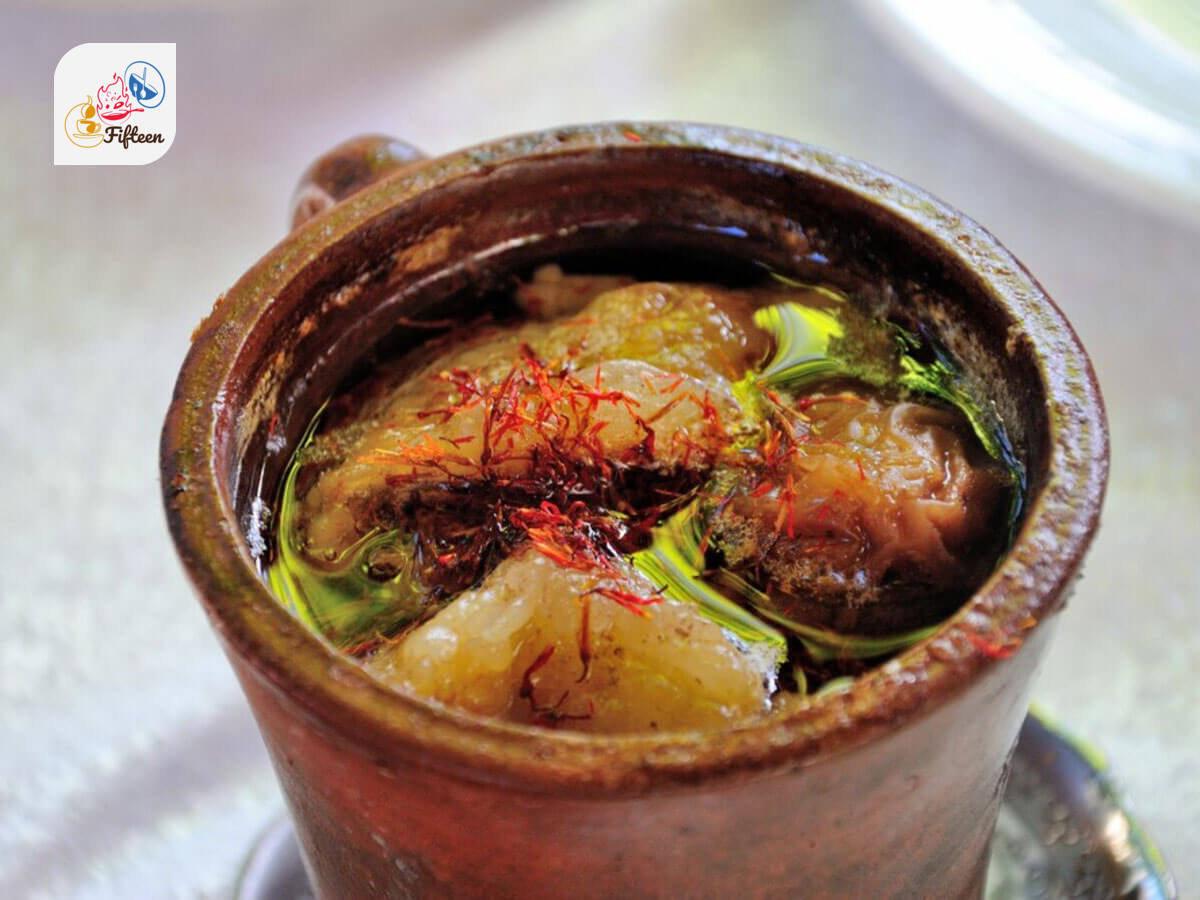
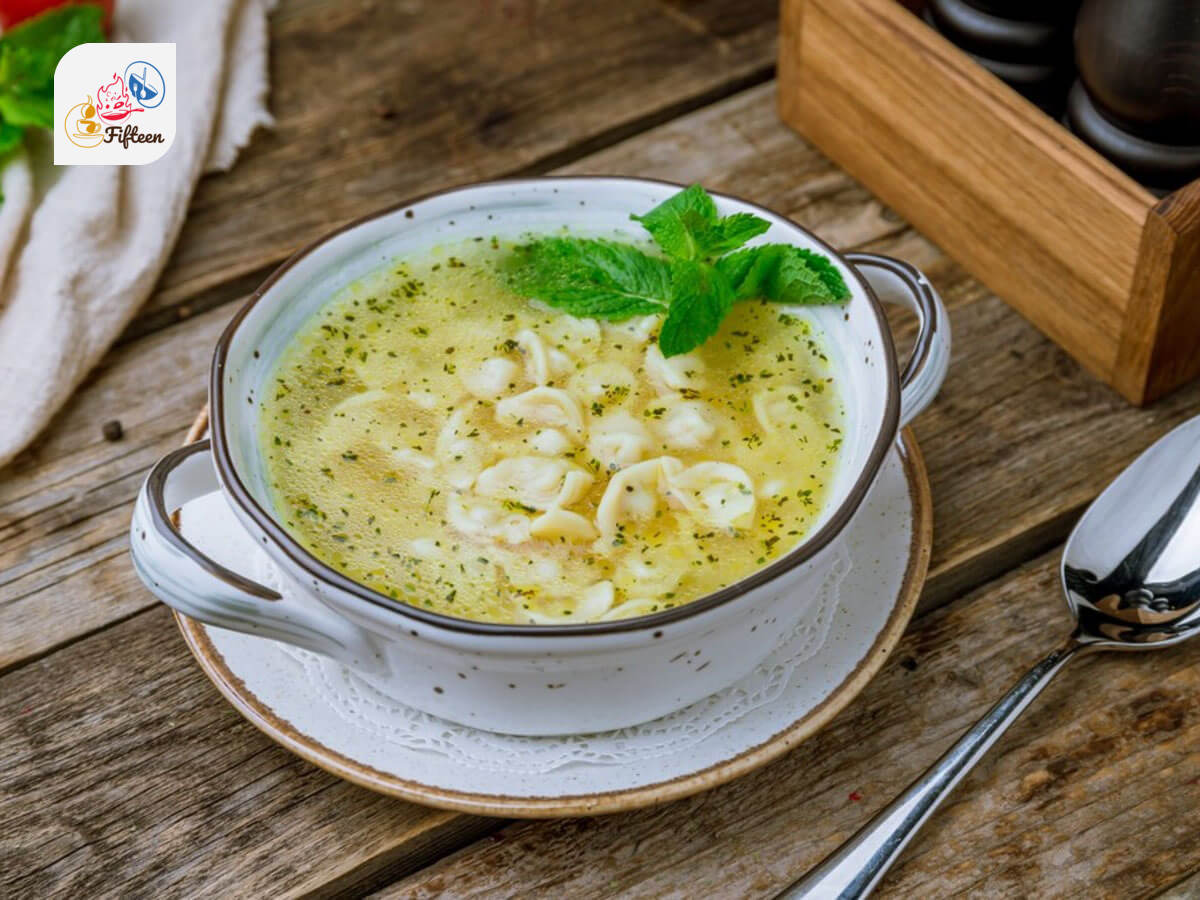
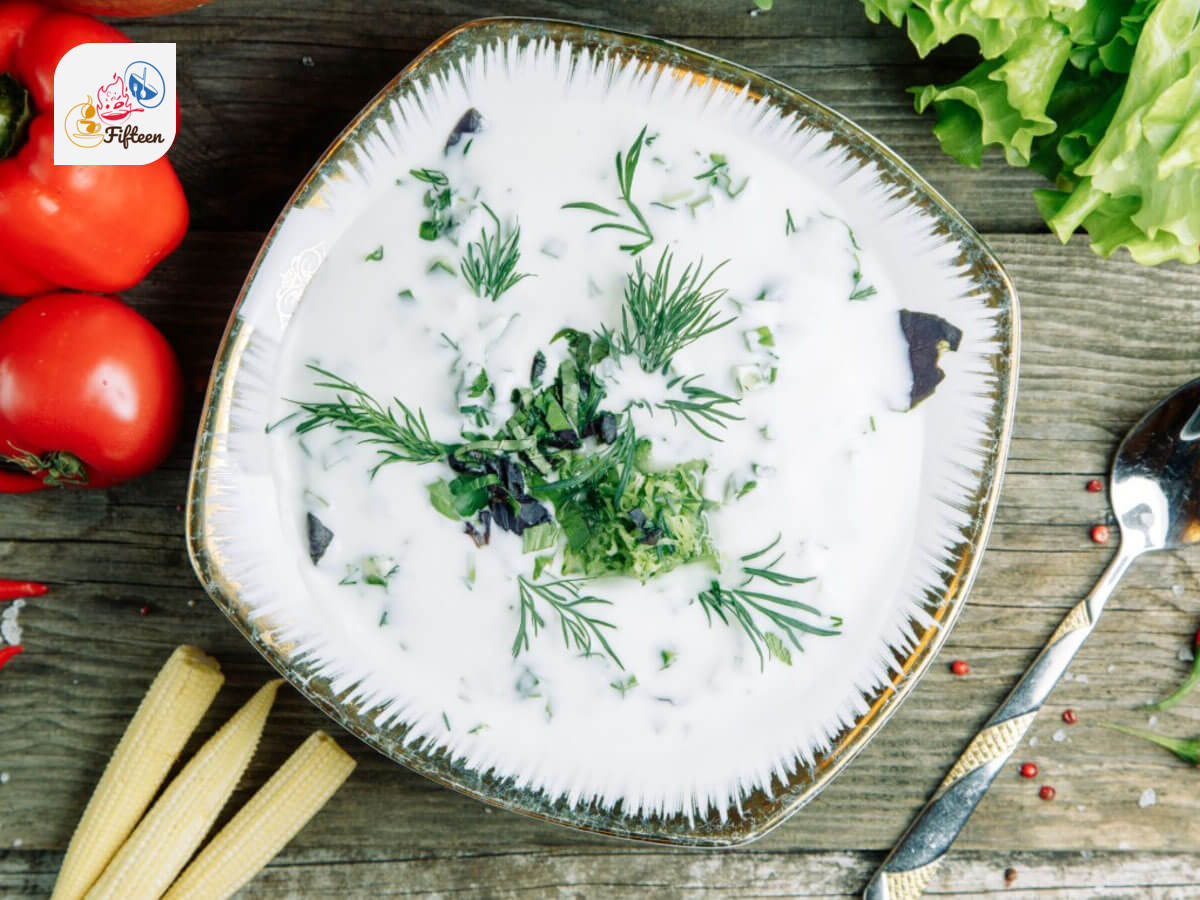
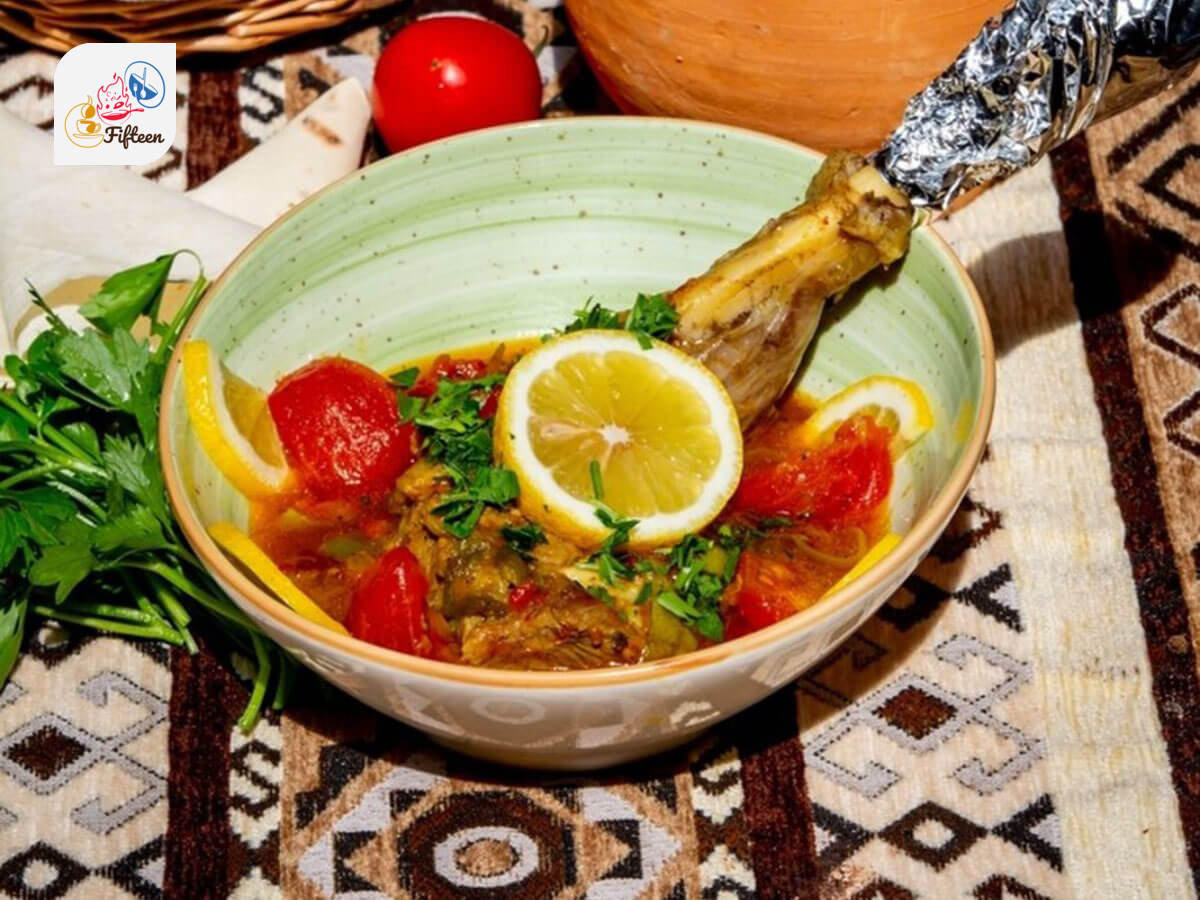
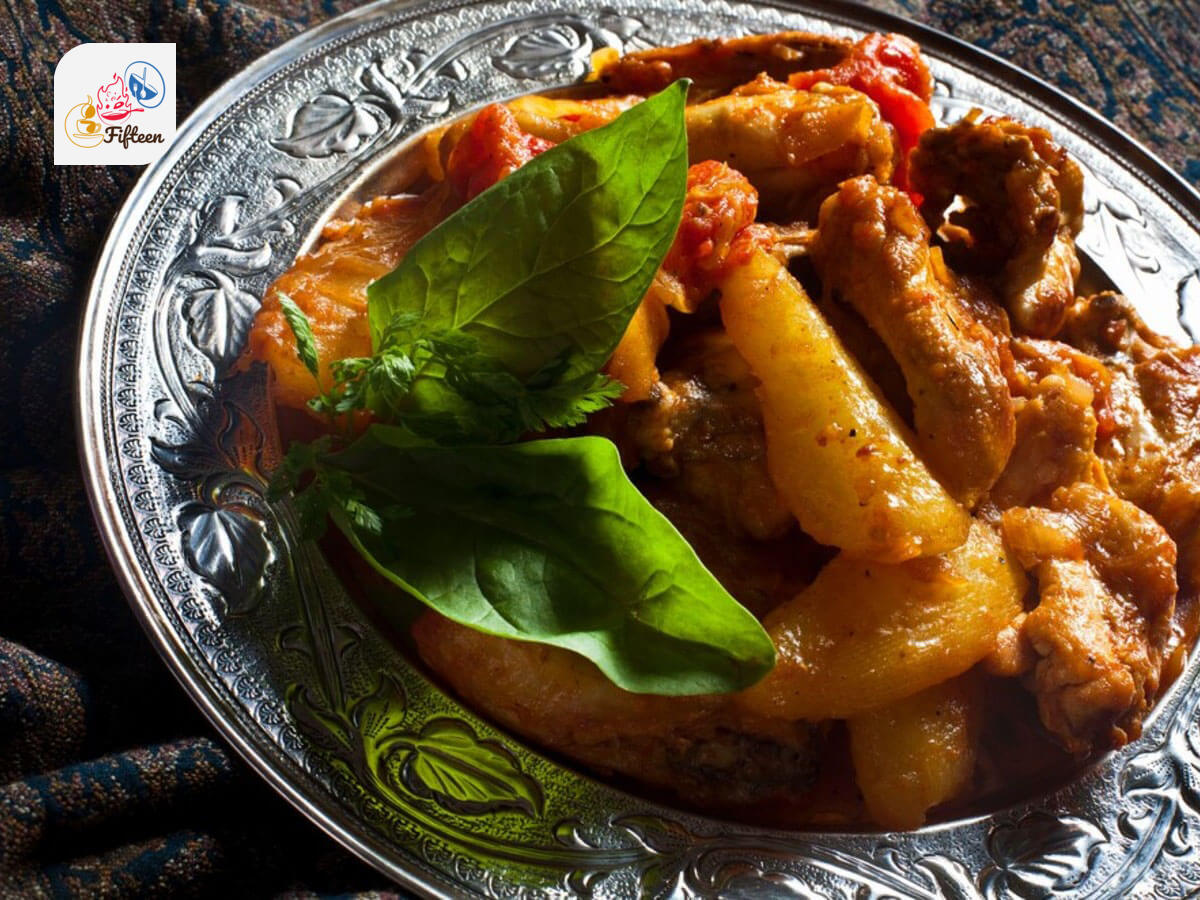
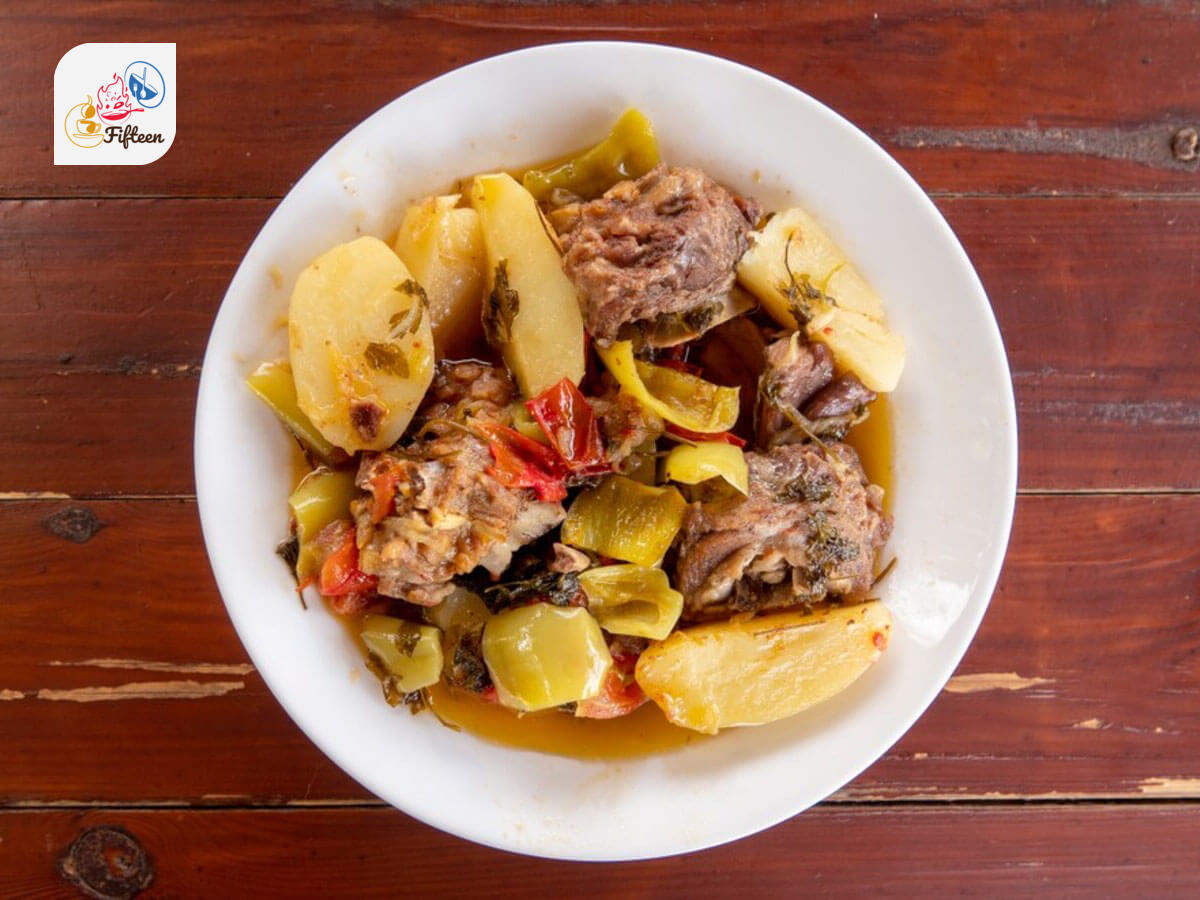
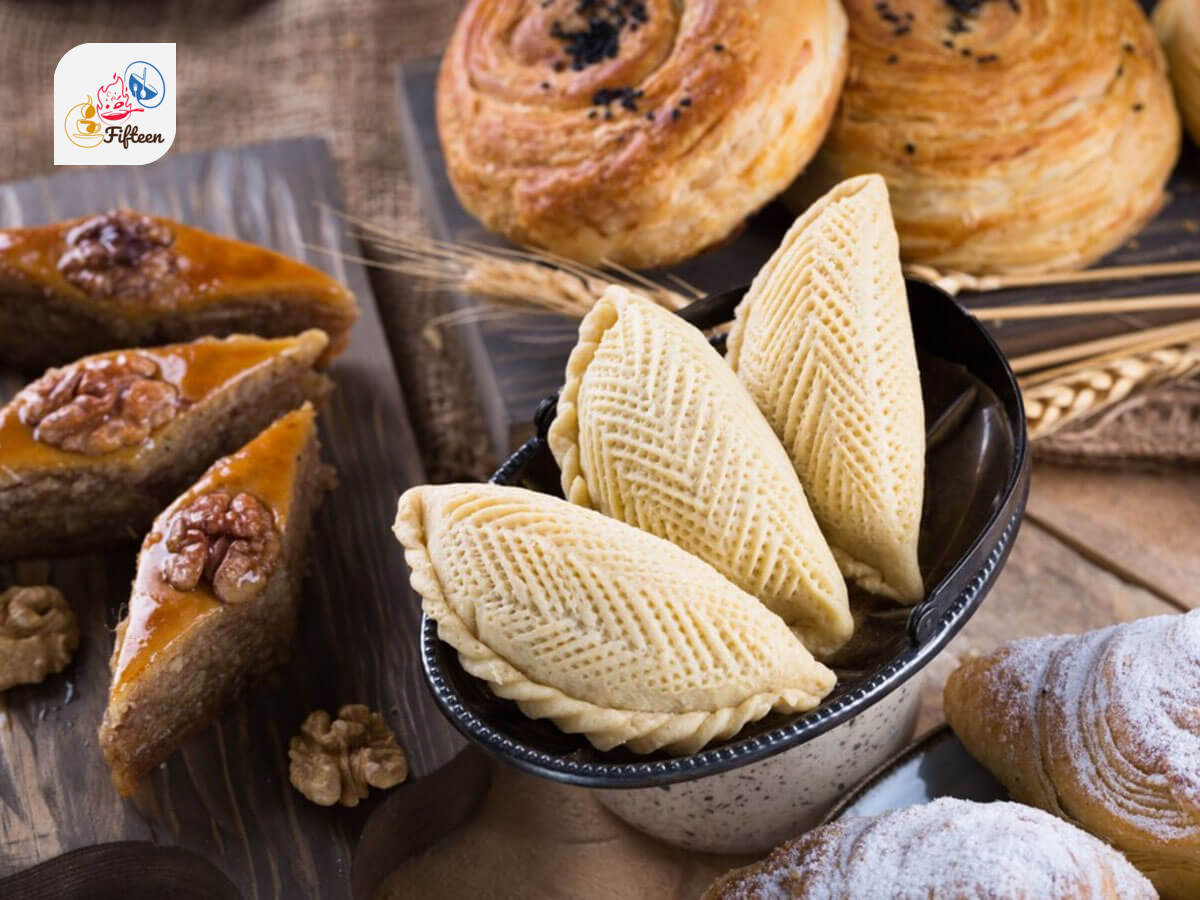
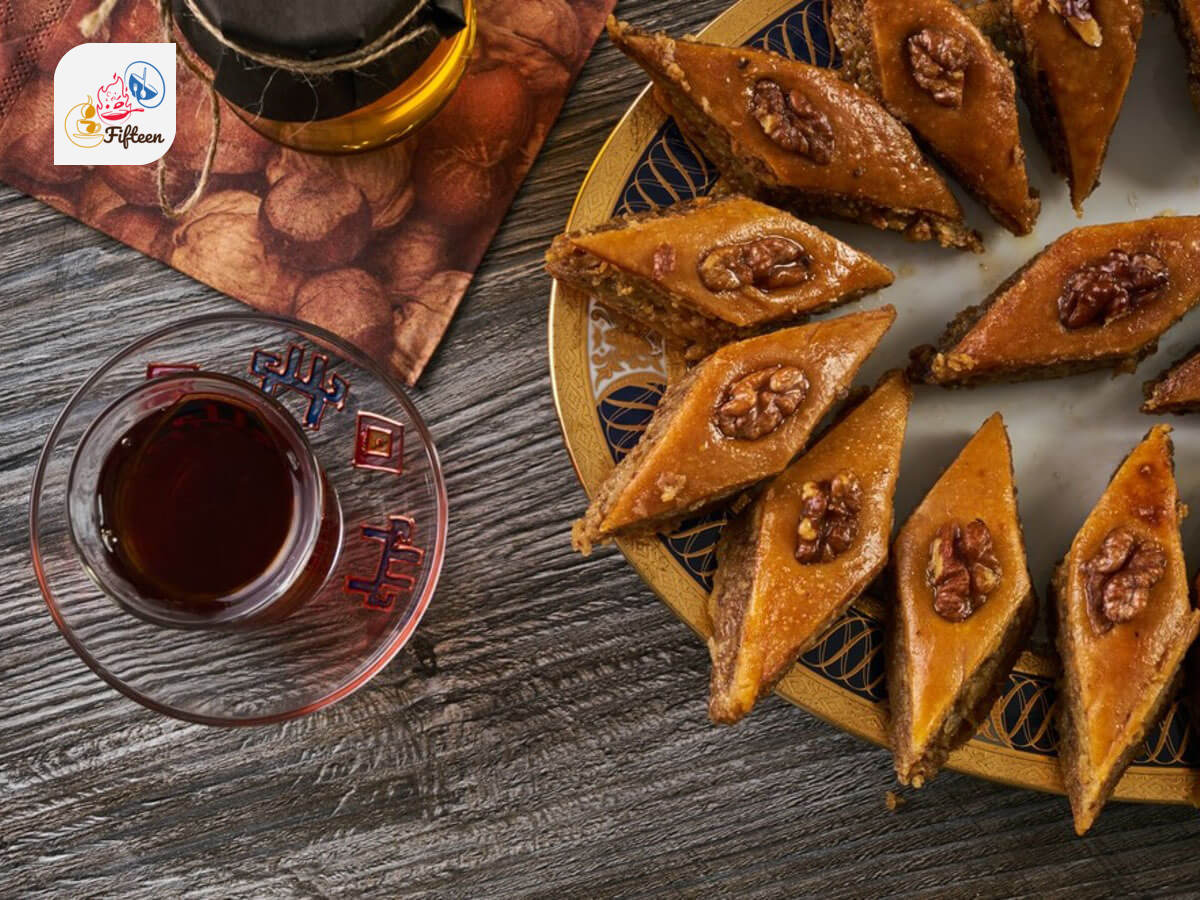
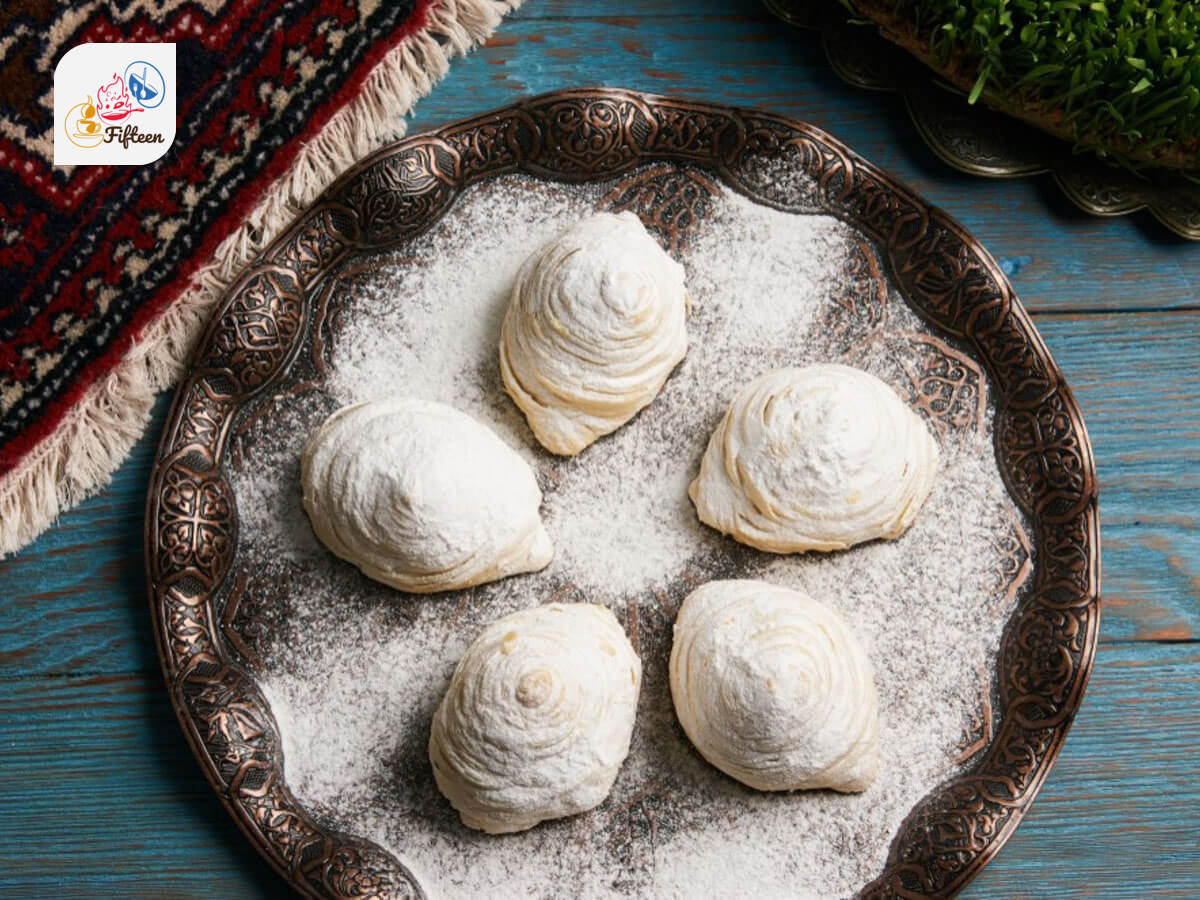
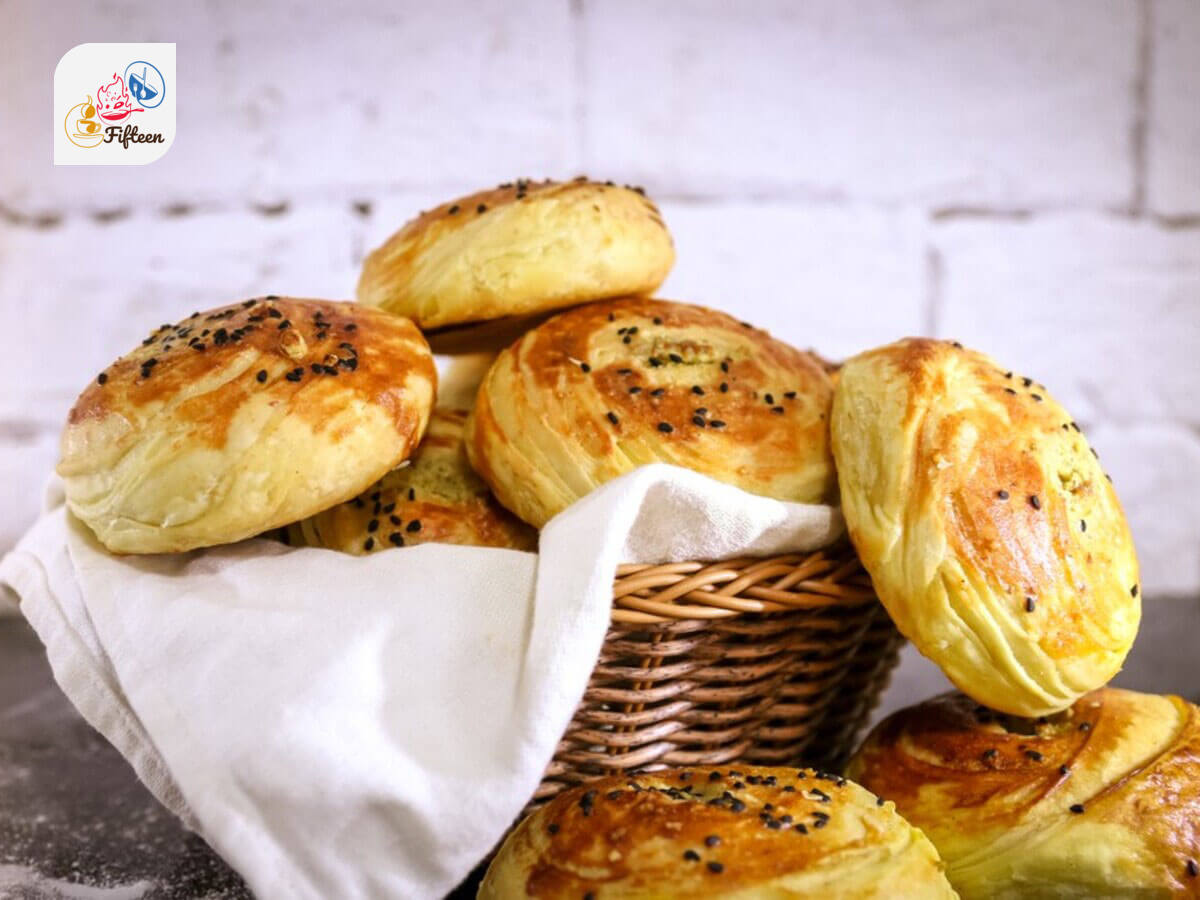
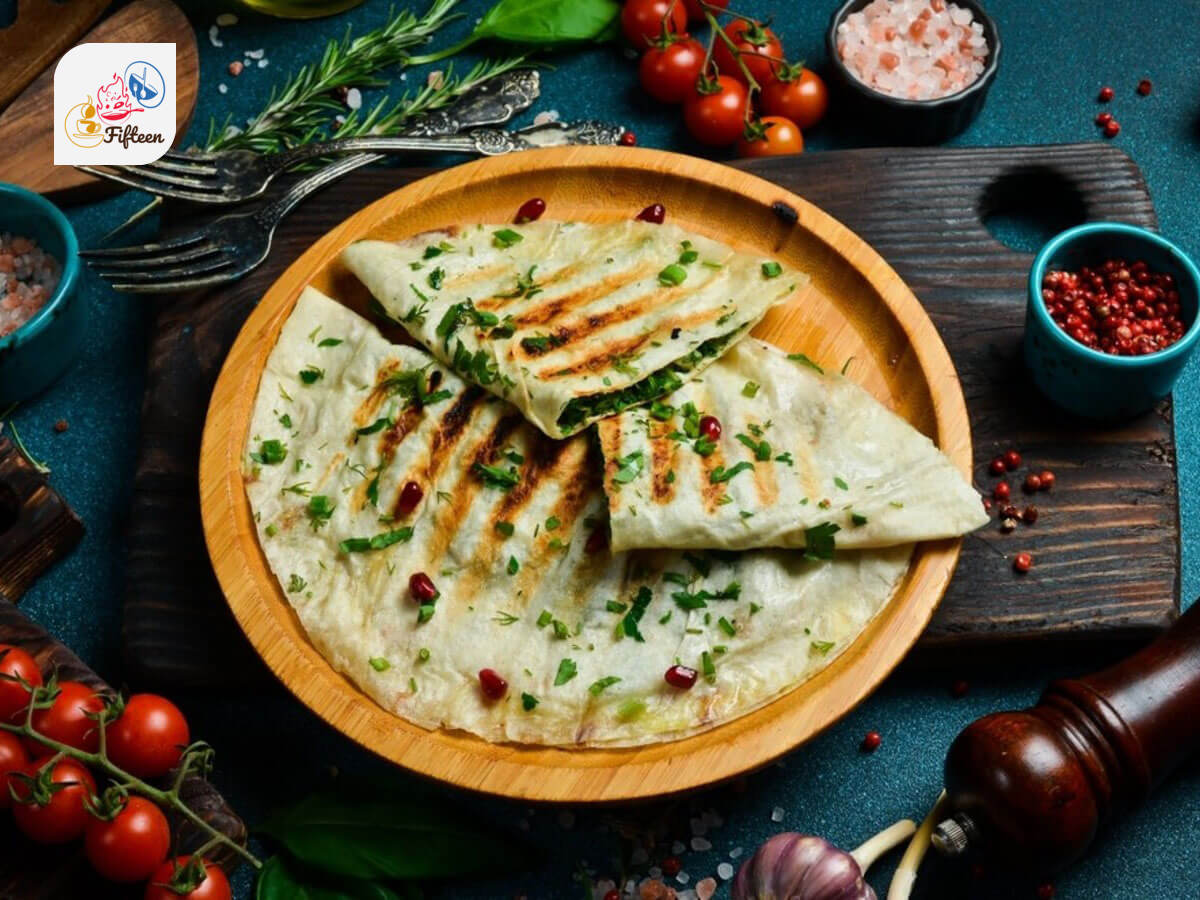
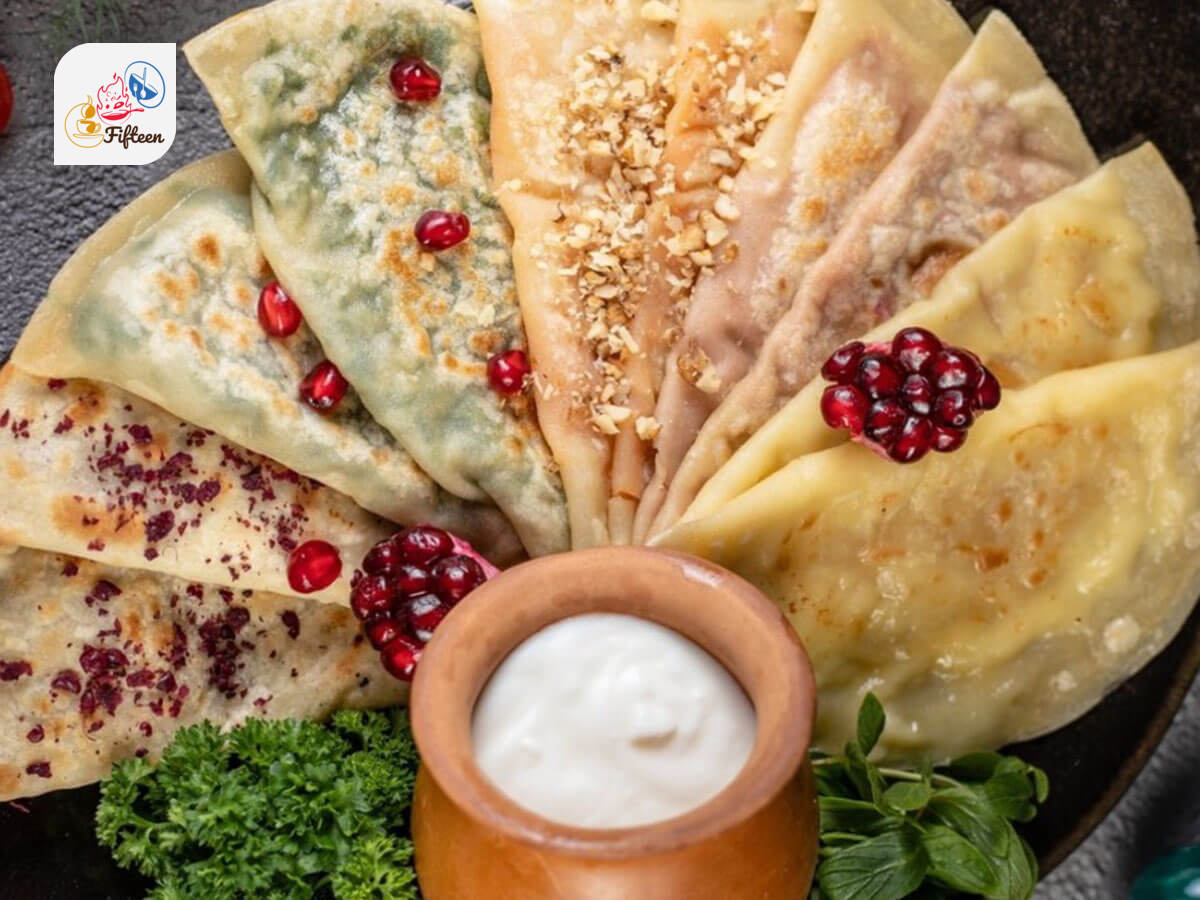
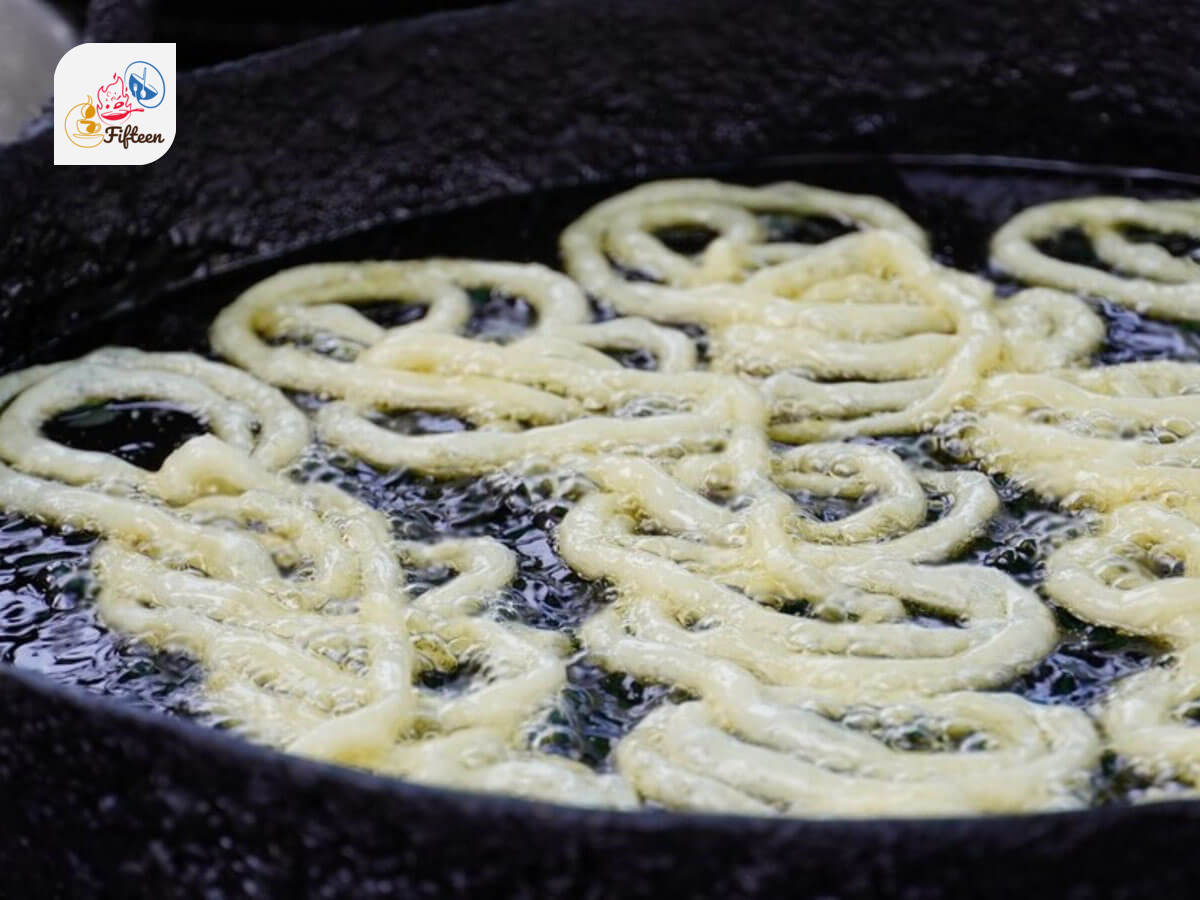
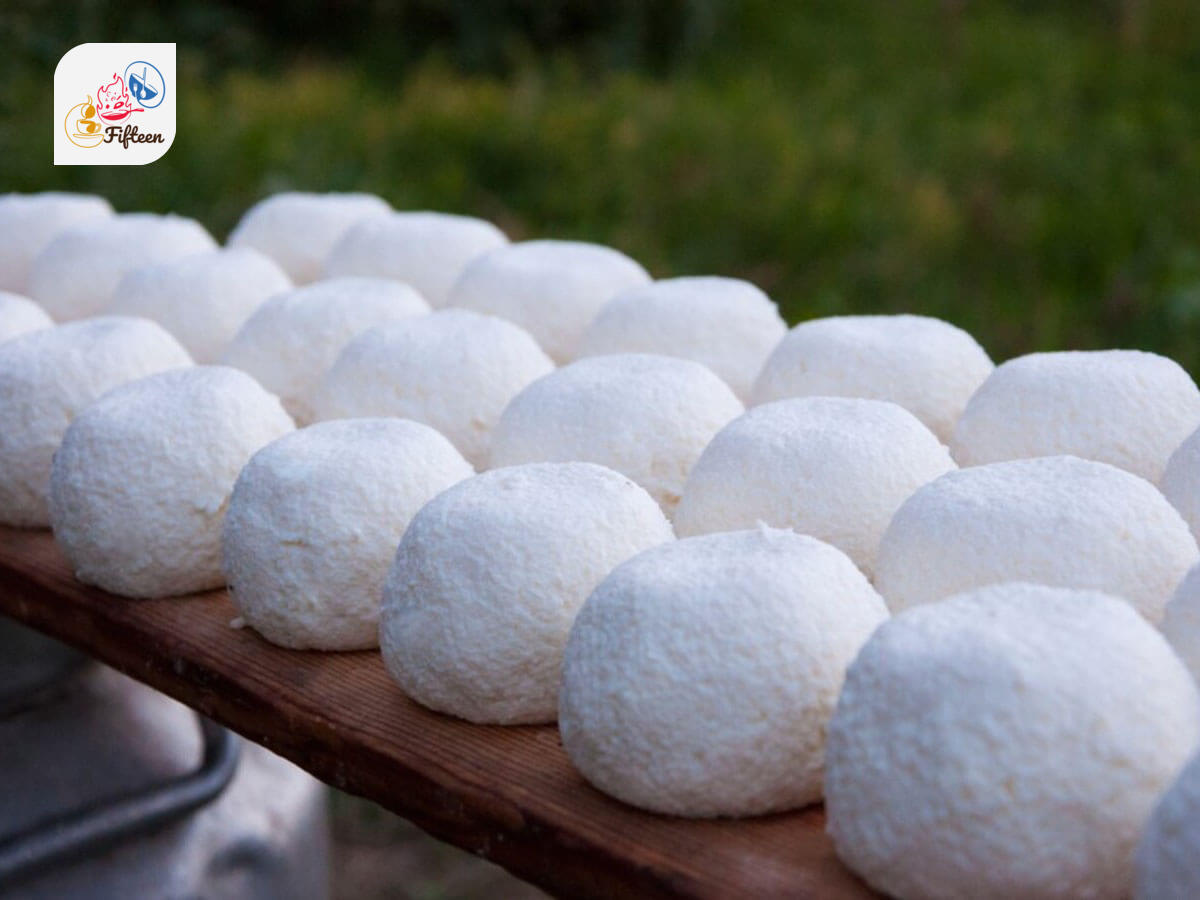
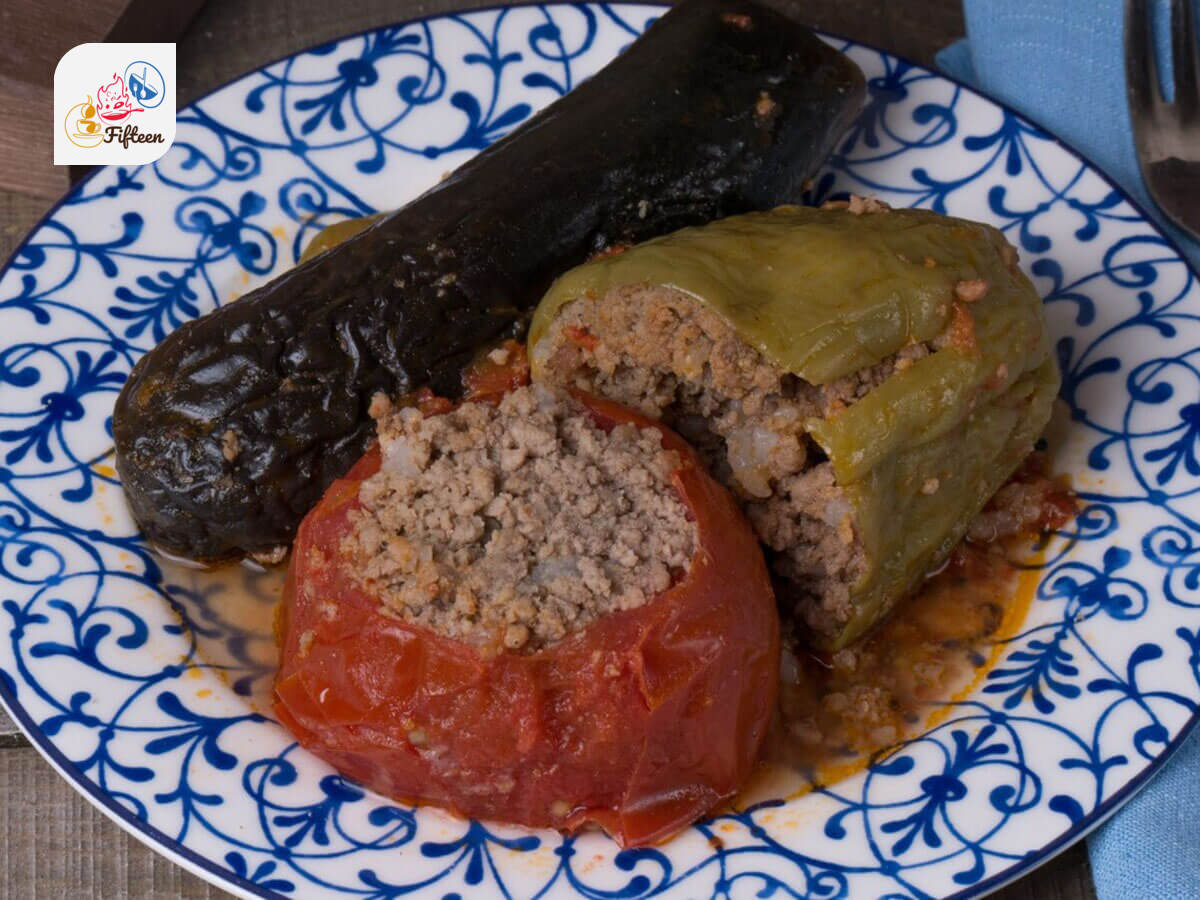
Famous Azerbaijani dishes are popular dishes that fully use the cooking techniques and are enjoyed by many in Azerbaijan. These delicacies also reflect the country’s extensive agricultural diversity and cultural heritage.
One of the outstanding features of Azerbaijani dishes is their reliance on fresh, locally sourced produce. The country offers a diverse range of fruits, vegetables, and aromatic herbs.
Fish is also common, especially in regions near the Caspian Sea, while lamb and game meats are enjoyed in certain areas. Azerbaijan has been influenced by Turkish treats, Iranian delights, Armenian specialties, Russian cuisine, and Central Asian culinary traditions.
More information about traditional Azerbaijani food will be provided, such as its main attributes, global popularity, and healthfulness.
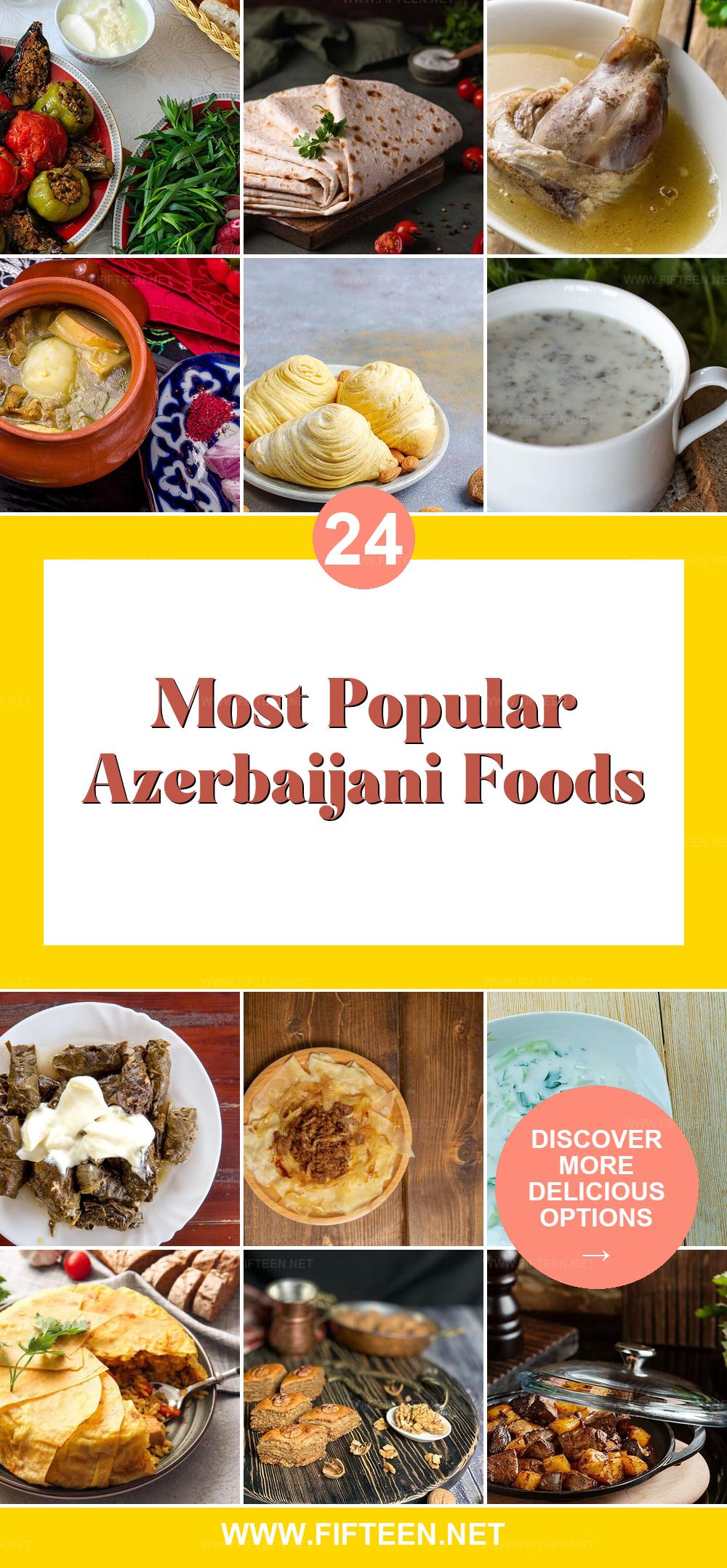
Next, I will reveal the best 24 dishes in Azerbaijan. Each specialty in this post is an exciting find featuring valuable information about a dish’s origin, ingredients, and cultural importance.
Then, I will look deeper into the food culture of Azerbaijan along with the country’s dining etiquette.
24 Famous Azerbaijani Dishes
Use my interactive filters, such as alphabetical sorting, main ingredients, taste, cooking methods, dish types, courses, and global popularity, to explore the most famous 24 dishes in Azerbaijan.
There are additional filters based on specific culinary styles, such as traditional, national, and street food options. Use them to make your experience smoother.
What Is Azerbaijan’s Food Culture?
The following three factors define the food culture of Azerbaijan: diverse culinary influences, meal composition, and core ingredients.
As Azerbaijan sits at the crossroads of Europe and Asia, its cooking traditions have been shaped by many renowned cuisines.
Notable influences are the cuisines of the Middle East (Iran and Turkey), Eastern Europe (Russia), the Caucasus (Armenia), and Central Asia.
An Azerbaijani meal often starts with cold appetizers, such as fresh vegetables, cheeses, and pickles.
The main course usually features meat, often lamb or chicken, cooked in various styles, with plov being a prime example. For desserts, pastry is often the go-to option.
Azerbaijani cuisine is rich in vegetables, herbs, and spices. Saffron, coriander, and sumac are commonly used spices, while fresh produce like tomatoes, eggplants, and peppers are staples.
Dairy products (like yogurt), meat (particularly lamb), dried fruits, and nuts are key ingredients in many dishes.
In the next section, I will suggest a few popular beverages that Azerbaijanis like to serve with their dishes.
What Are the Best Beverages For Serving With Azerbaijan Dishes?
To enhance your experience with Azerbaijani food, enjoy local dishes with the following three types of beverages.
Black Tea
As the most popular beverage in Azerbaijan, black tea pairs well with sweet and savory dishes alike, such as pakhlava, qutab, and lavash.
Ayran
Ayran is a refreshing yogurt-based drink with a tangy flavor, so it is a good match for heavy or spicy dishes, including lula kebab, plov, dolma, and djiz-biz.
Sherbet
Sherbet is a sweet, fruity drink ideal for serving alongside both sweet and savory dishes, namely badambura, ovdukh, and zülbiyə.
Now that you understand the best food and drink pairings in Azerbaijani cuisine, I will go into the basic table manners in this country.
What Is the Dining Etiquette of Azerbaijan?
Dining etiquette in Azerbaijan reflects the country’s rich cultural heritage and traditions, and here are some key aspects of Azerbaijani eating habits.
Hospitality
Azerbaijanis often invite guests to join in their meals, and refusing an invitation can be considered impolite.
Seating Arrangement
Traditionally, guests are seated according to their status or age, with the most respected guest seated farthest from the entrance.
Respect for Bread
Bread is an important staple in Azerbaijani cuisine and is treated with respect. Improper actions with bread are regarded as very rude, like wasting bread or placing it upside down on the table.
Use of Utensils
In many settings, Azerbaijanis eat with their hands and use a piece of bread as a “spoon” or a vessel for food. However, utensils like forks and knives are usually provided.
In some settings, particularly in rural areas or more traditional meals, it’s common to eat with your hands. However, in urban areas and formal settings, utensils are used.
Serving Style
Meals are often served family-style, with dishes placed in the center of the table for everyone to share.
Finishing the Meal
Leaving a small amount of food, except for bread, on your plate signifies that you are satisfied and that the host has provided ample food.
Post-Meal Etiquette
After the meal, people often linger at the table, enjoying tea and having light conversations. In addition, it’s considered polite to thank the host for the meal.
Please share this post on Azerbaijani specialties with your loved ones who wish to explore. Also, don’t forget to share your thoughts in the comment section!
Jamie Scott
Editor in Chief, Senior Content Writer
Expertise
Home Cooking, Meal Planning, Recipe Development, Baking and Pastry, Food Editor, Cooking-video Maker, Western Food Evaluation Expert
Education
Le Cordon Bleu College of Culinary Arts
Local Community College, New York, NY
Jamie Scott is a skilled culinary expert and content creator specializing in Western cuisine. With over 15 years in the culinary field and formal training from Le Cordon Bleu, Paris, Jamie deeply understands how to blend nutrition with delicious flavors. His passion for cooking matches his commitment to making healthy eating accessible and enjoyable.
On Fifteen.net, Jamie brings a fresh perspective to classic dishes and beverages, offering readers insightful recipes, cooking tips, and a fresh view on meal planning that emphasizes taste, health, and simplicity.