

South Korean Food Dishes: Basic Overview
Common Ingredients
Common Cooking Methods
Courses
Meals
Key Taste
Eating Etiquette
Meal Presentation
Culinary Festivals
Influence and Fusion
South Korean Food Dishes: Origin and Region
Cuisine
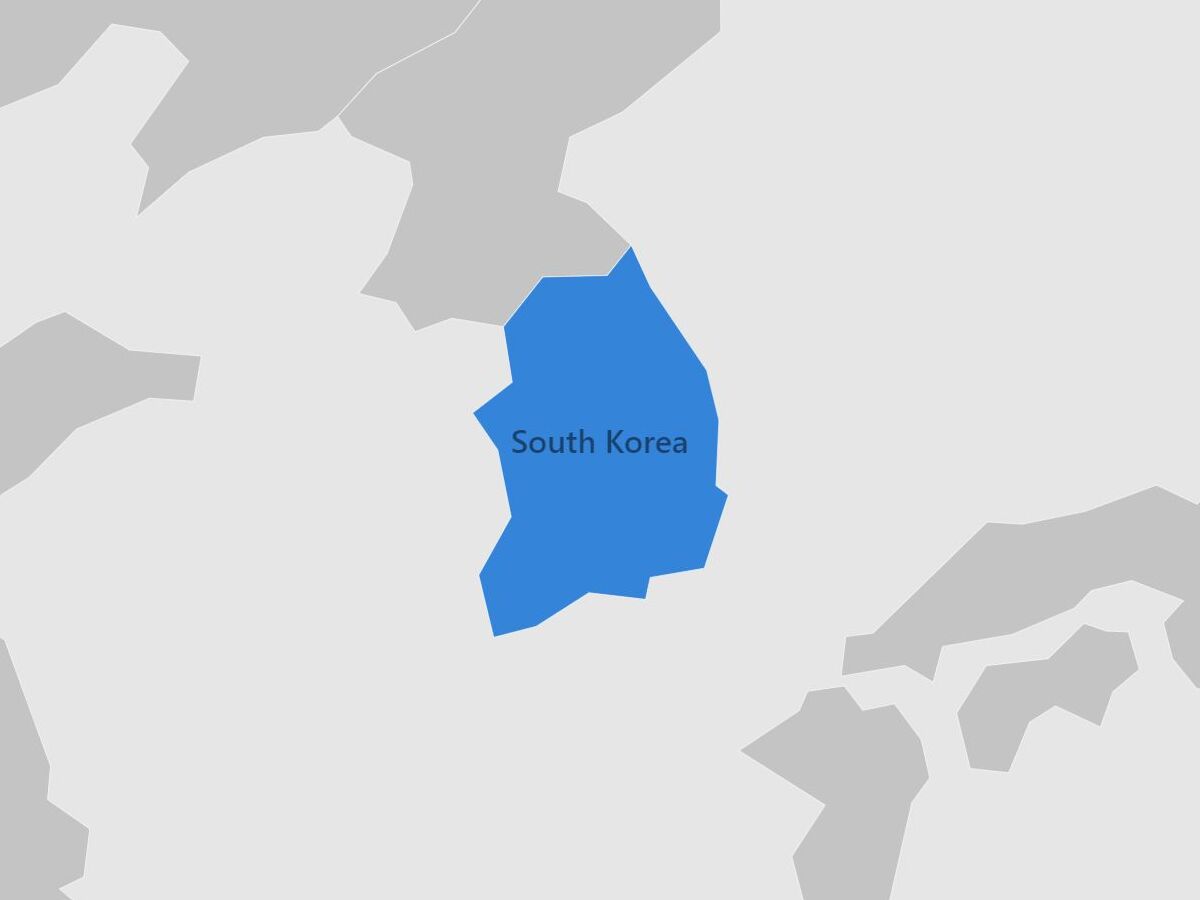
Cuisine’s Geographical Territory
Popular Types of South Korean Dishes
-
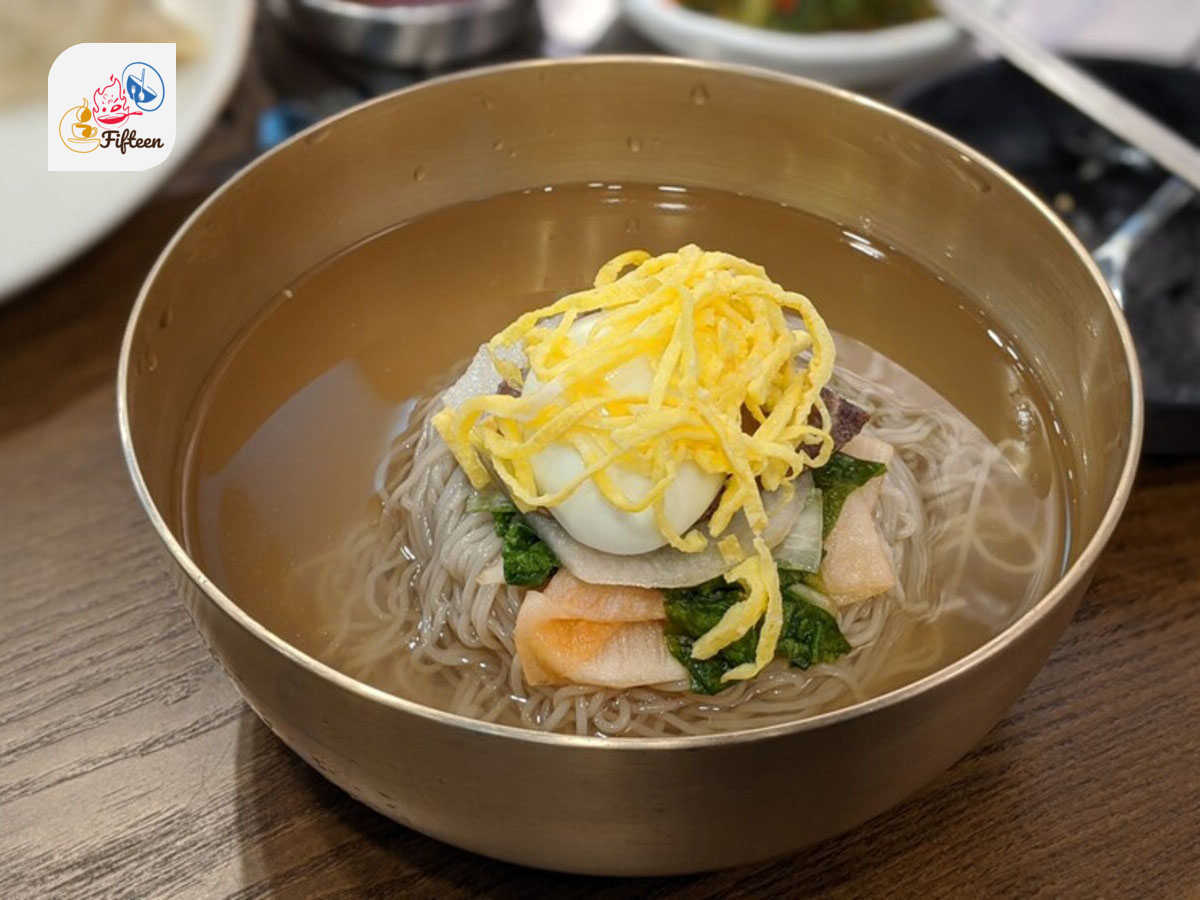
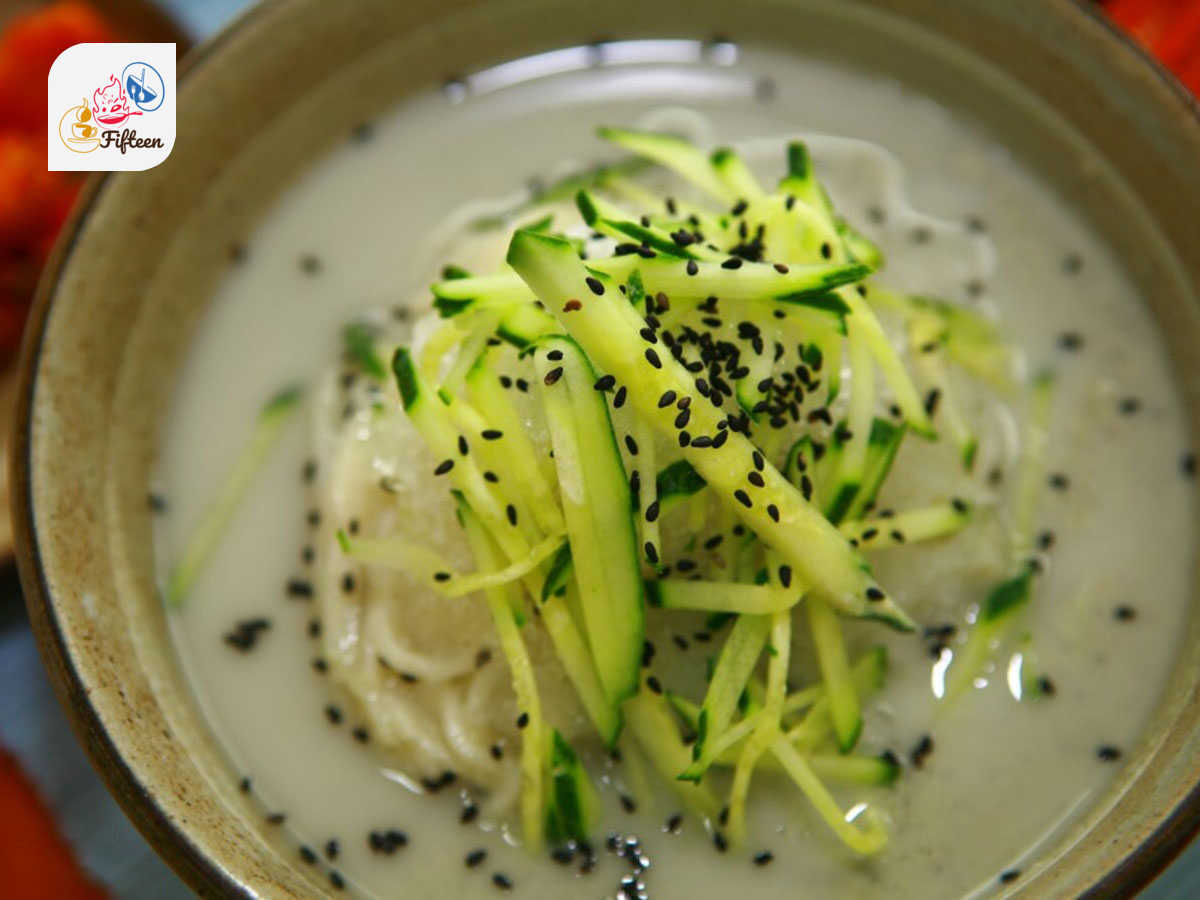
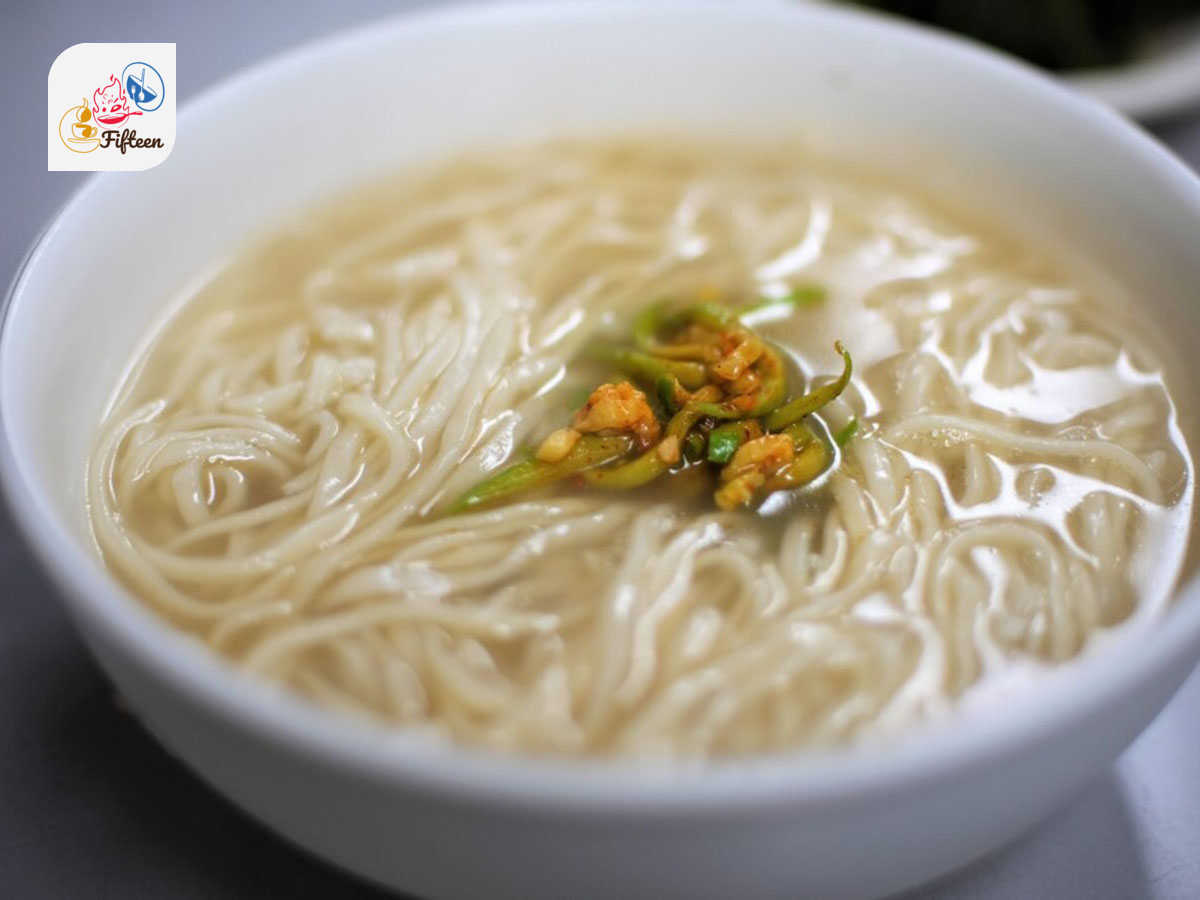
Noodle Soups
Korean noodle soups combine long noodles with flavorful broths.
These soups can include a variety of ingredients like vegetables, meat, and seafood.
-
Dried Noodle Dishes
Korean dried noodle dishes can be categorized into cold and hot varieties.
They can be stir-fried or served without broth or only sauce.
-
Fermented Dishes
These dishes range from sour to spicy in flavor. Kimchi is a staple in Korean meals.
They are ideal for vegan and vegetarian diets.
-
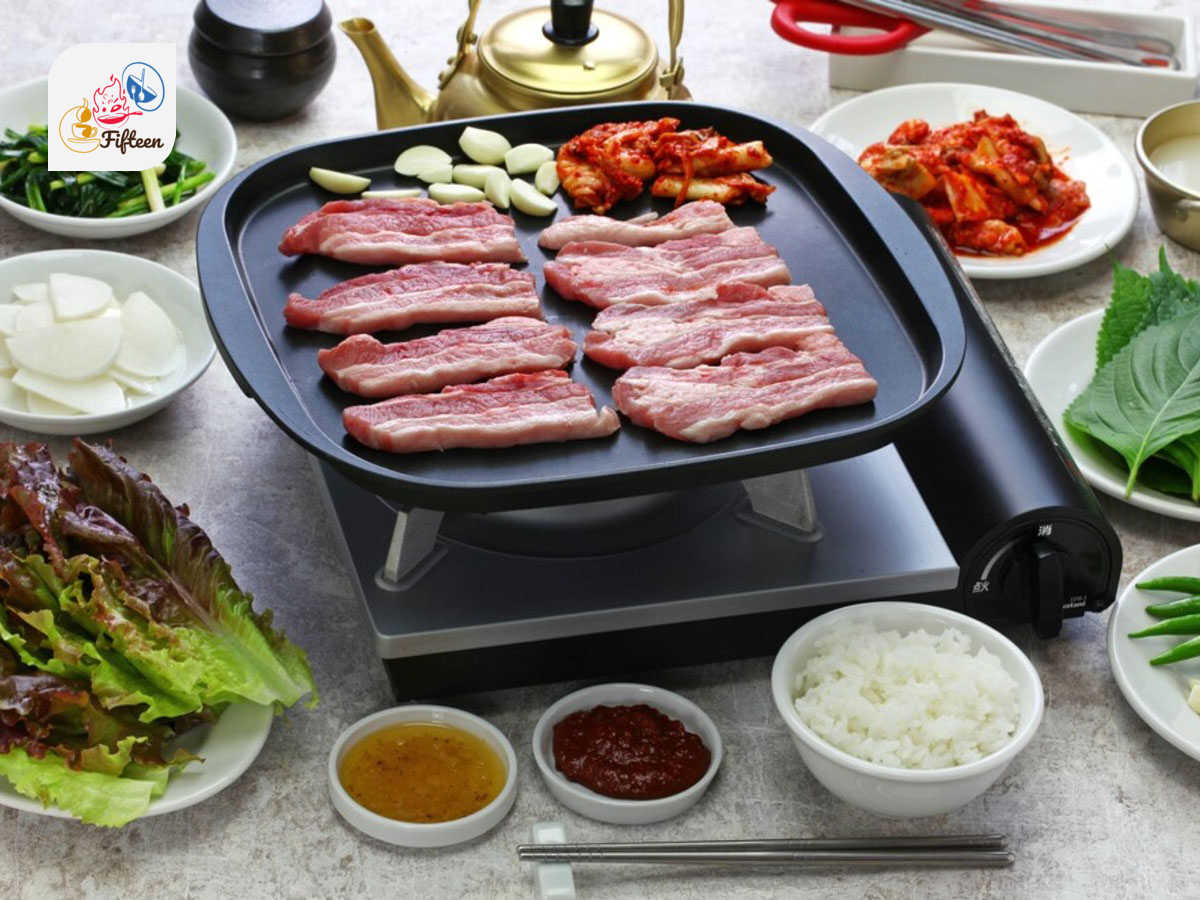
Grilled and Barbecued Dishes
Korean barbecue is famous worldwide, featuring marinated meats like beef, pork, and chicken grilled right at the table.
They are often accompanied by a variety of side dishes and sauces.
-
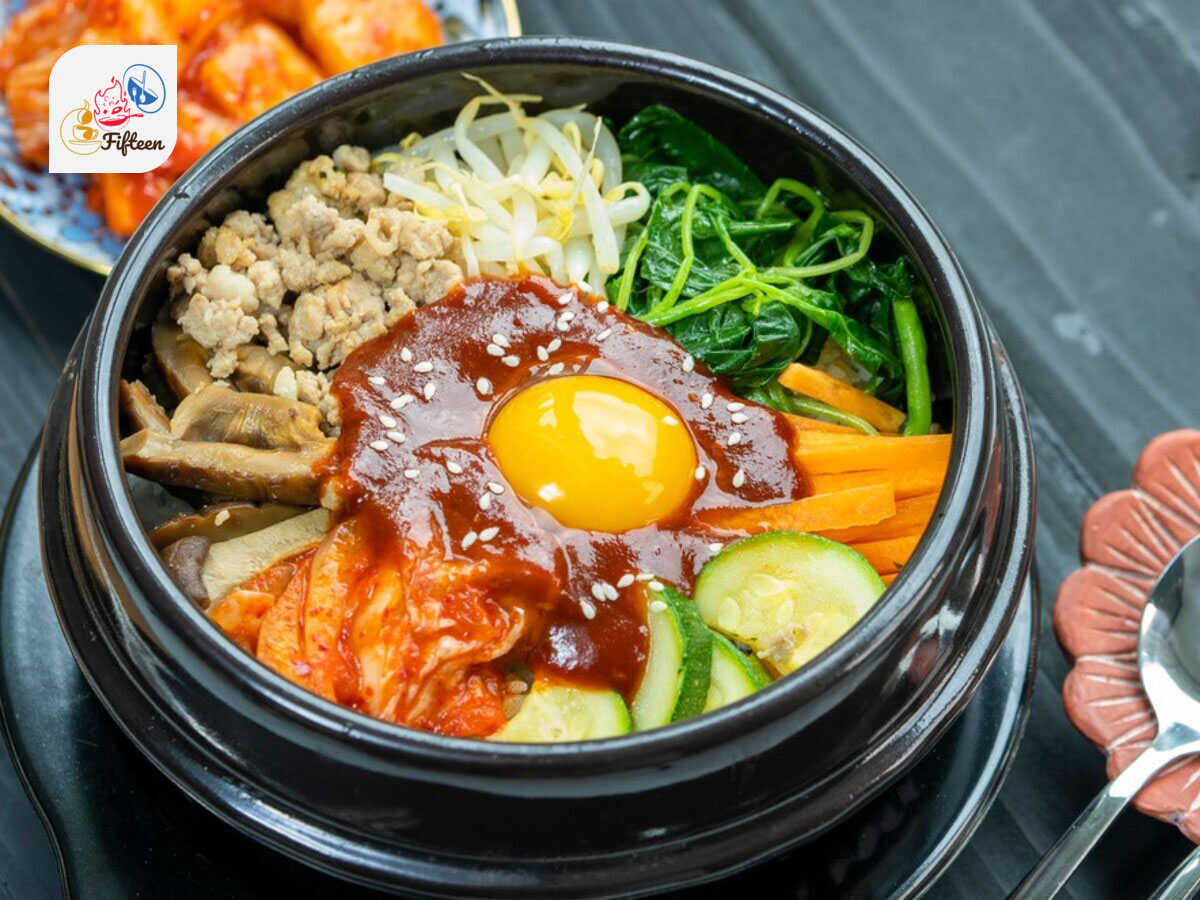
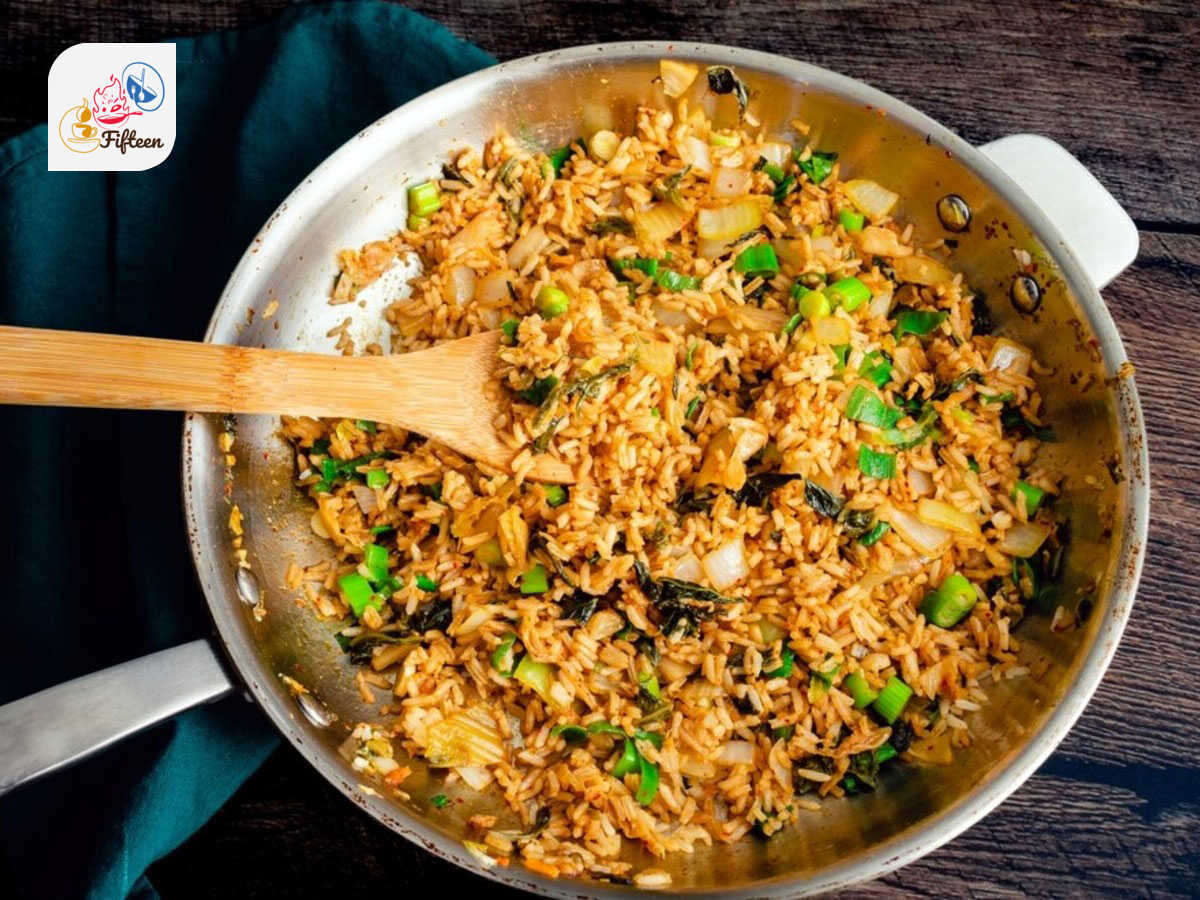
Rice Dishes
Rice is a staple in Korean cuisine, forming the base of dishes.
Rice is also used in making rolls and as a side for many dishes, like soups, stews, or grilled treats.
-
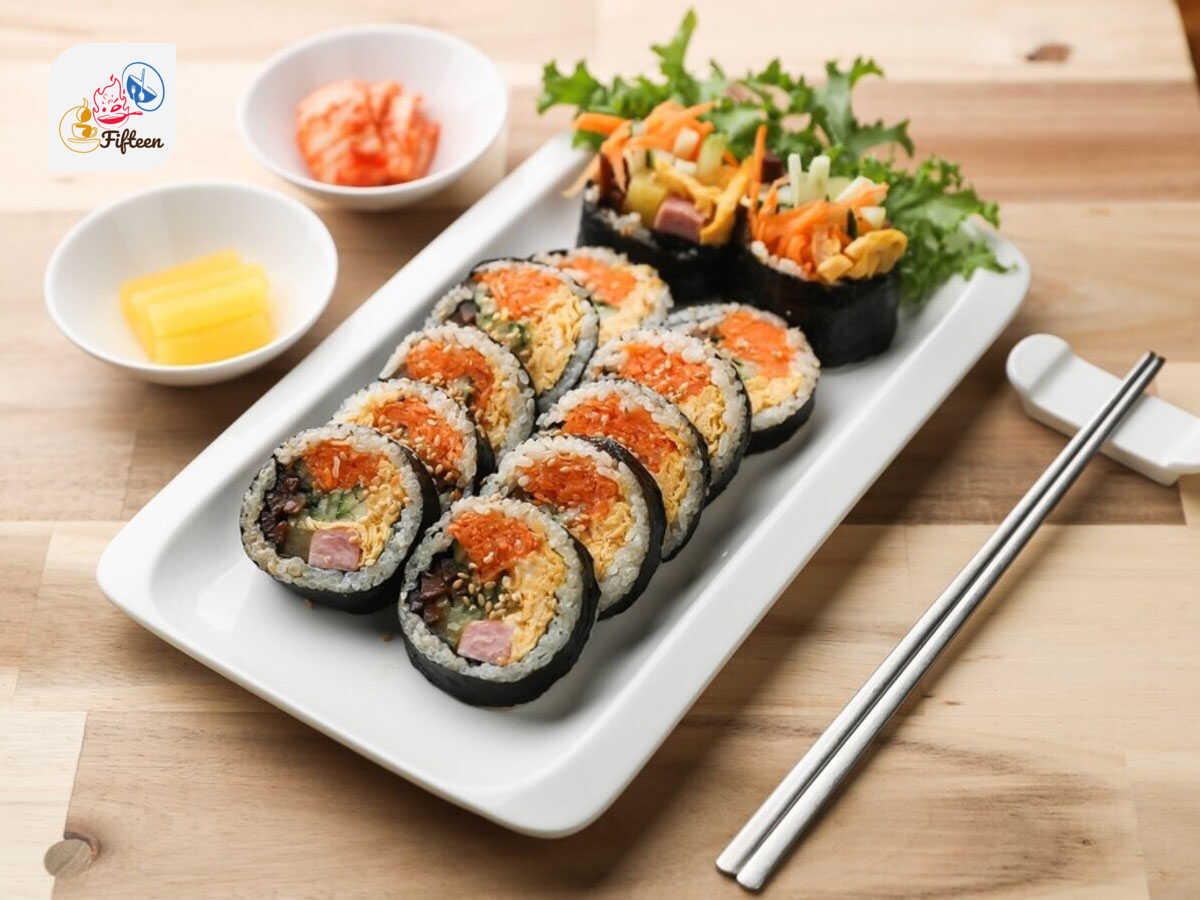
Rolls
Korean rolls, such as gimbap, are made with seaweed and rice, and filled with vegetables, eggs, and meats.
They are a popular snack or meal.
-
Soups
Soups in Korea typically include ingredients like meats, seafood, vegetables, and tofu.
They provide warmth and comfort.
-
Stews
Korean stews are thicker and more robust than soups, though their ingredients are similar.
-
Desserts
Korean desserts vary in style and ingredients.
Some are street food items.
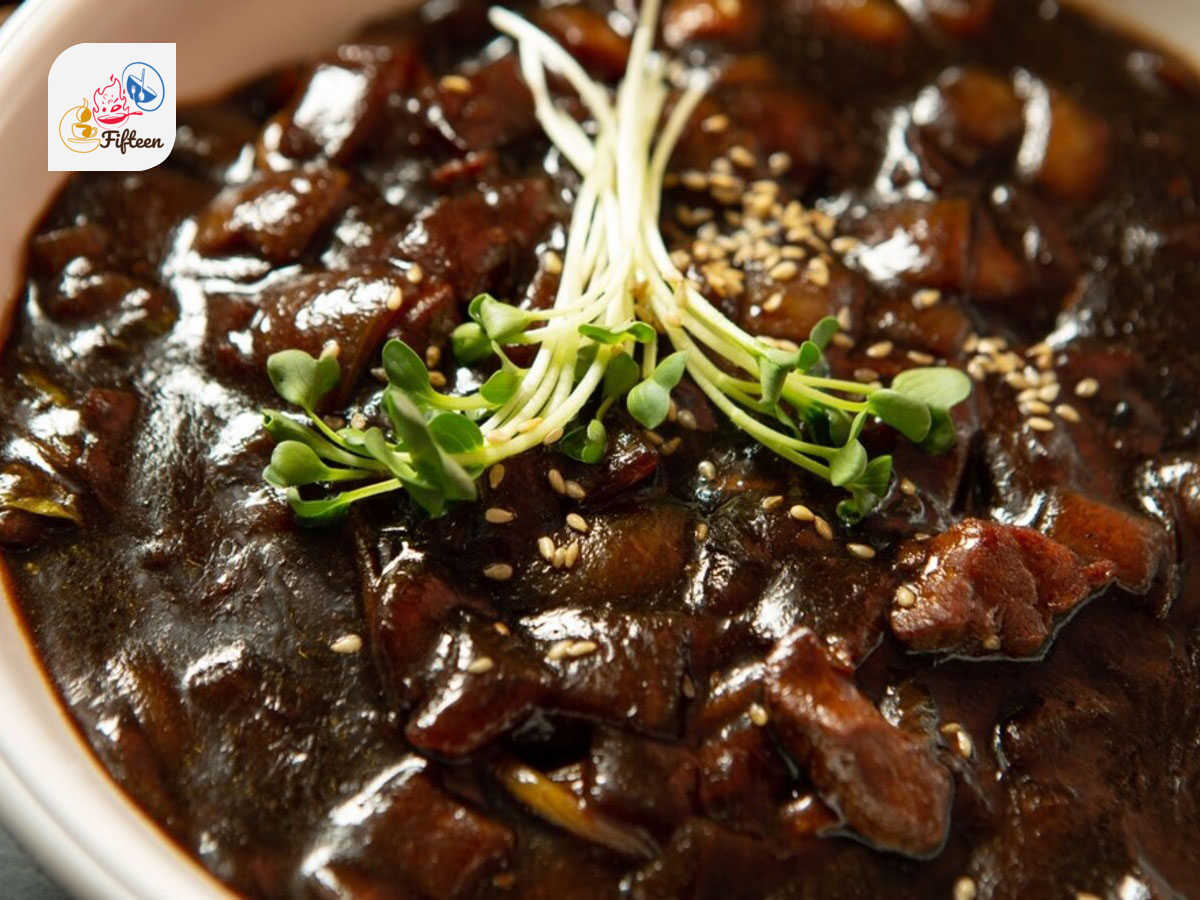
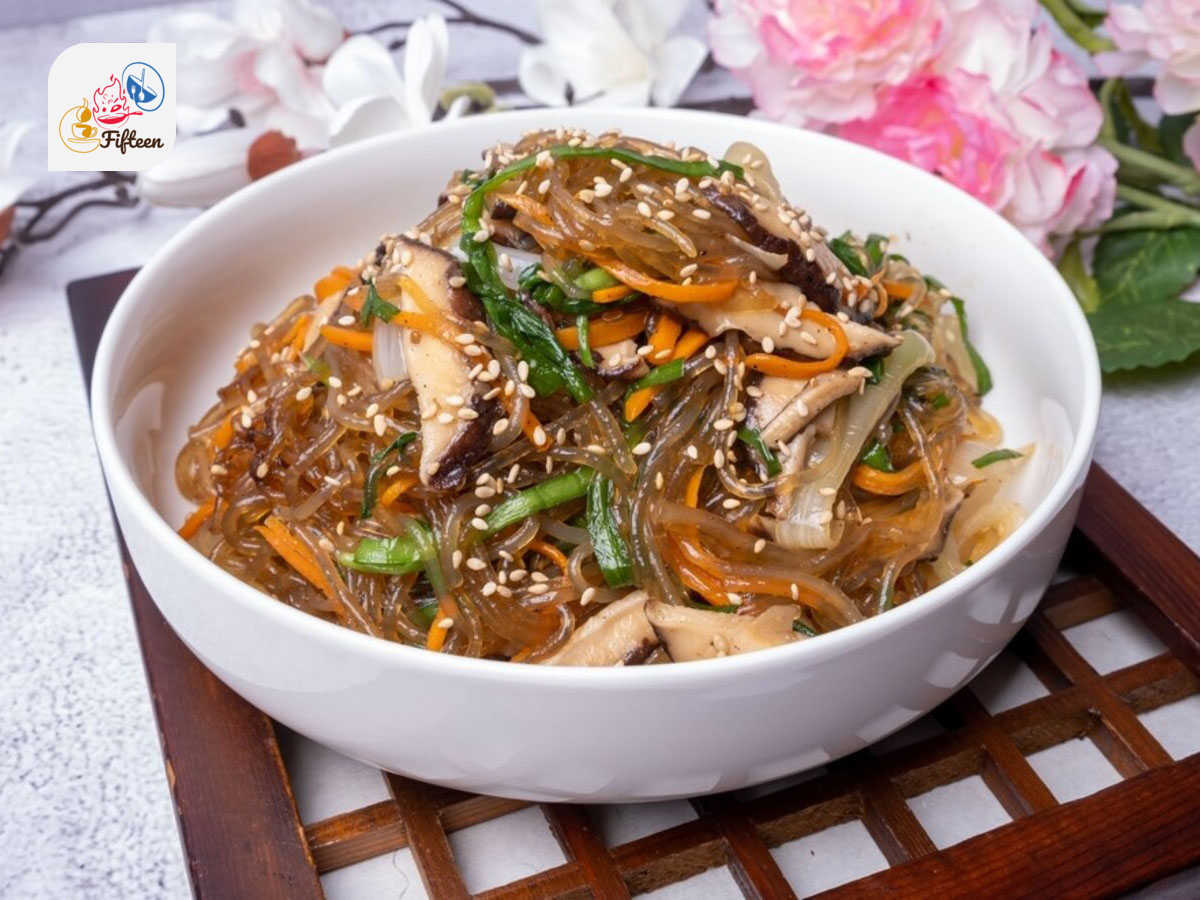
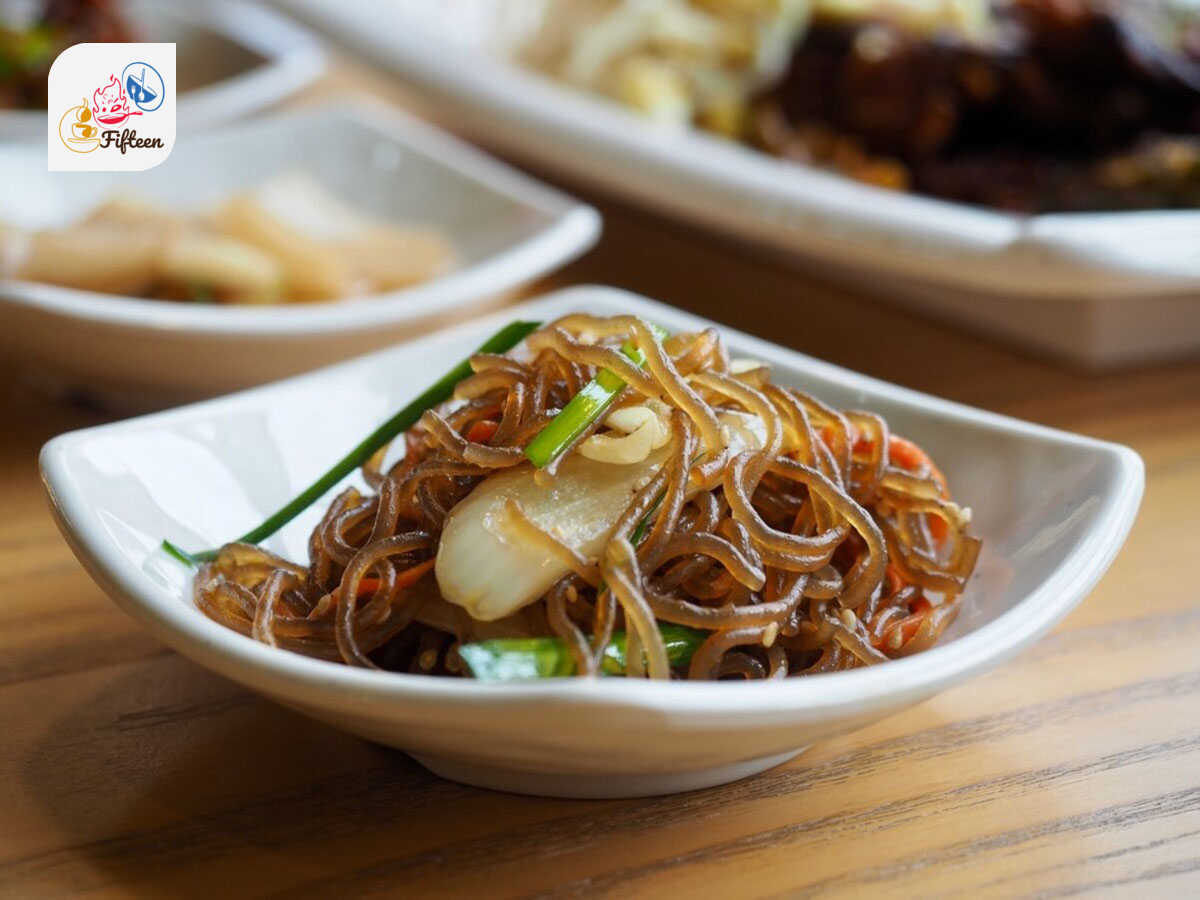
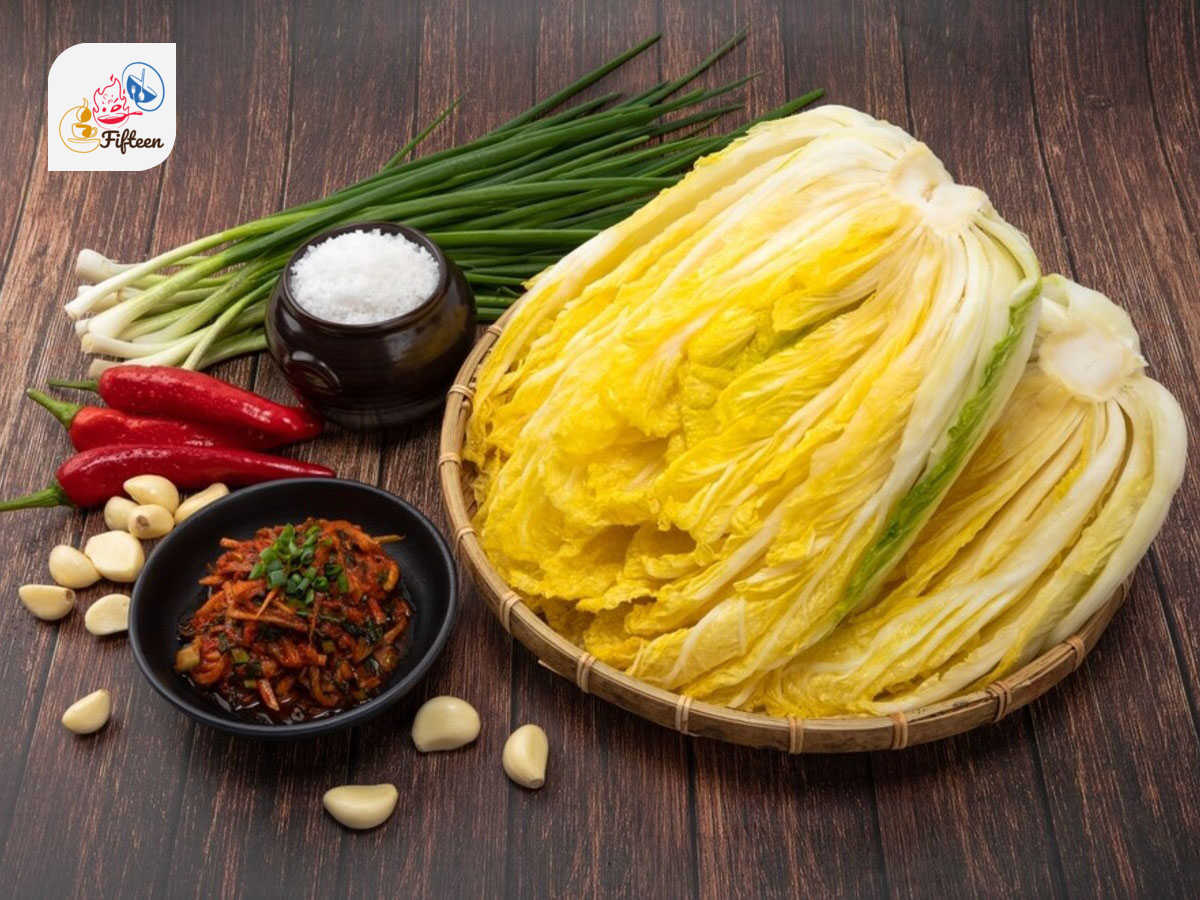
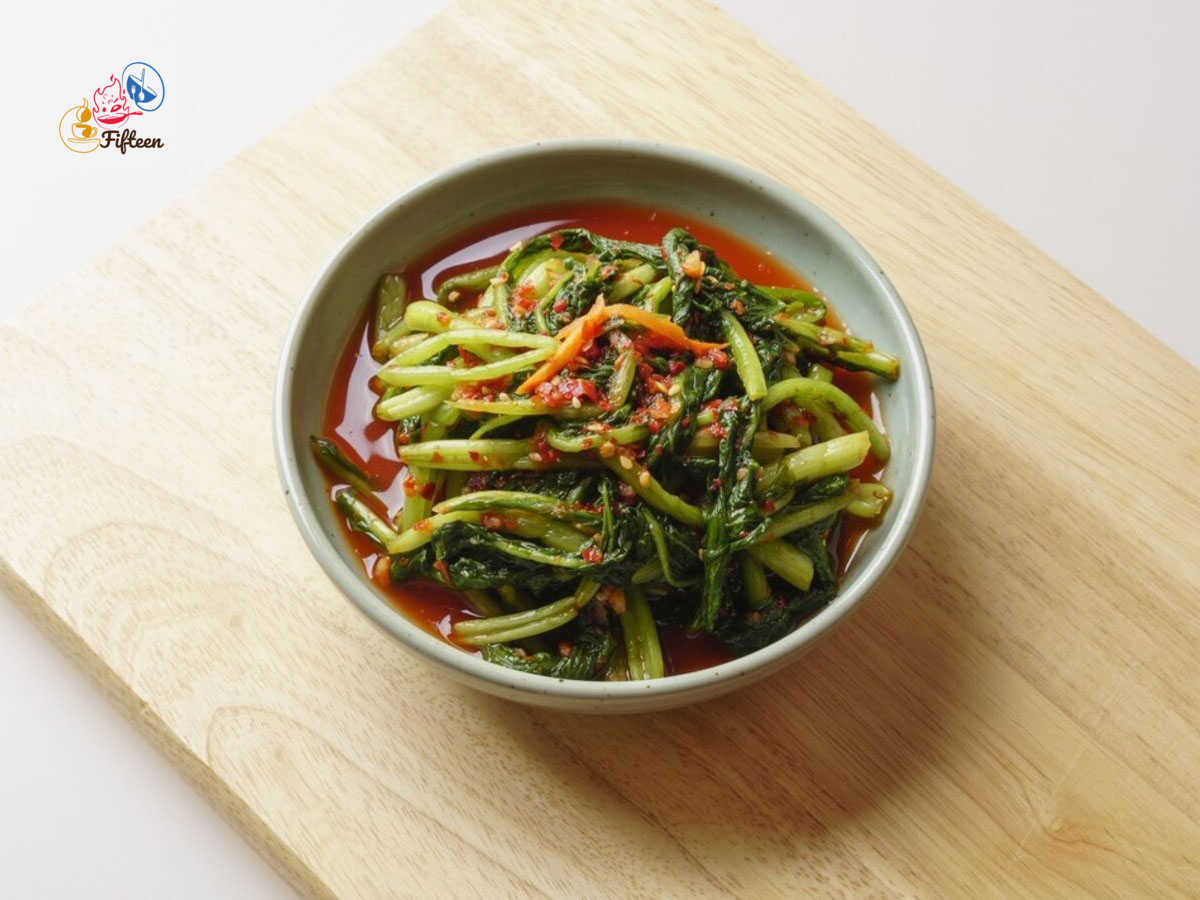
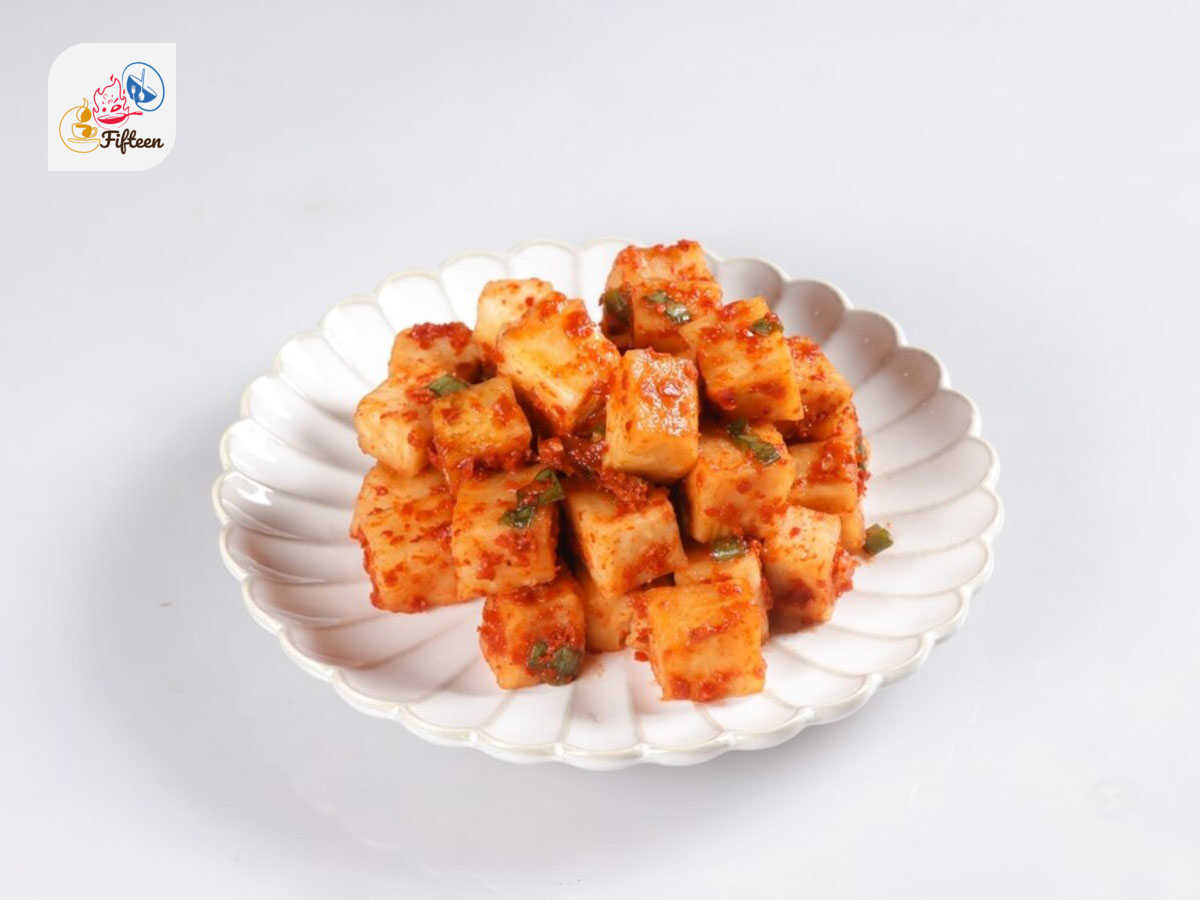
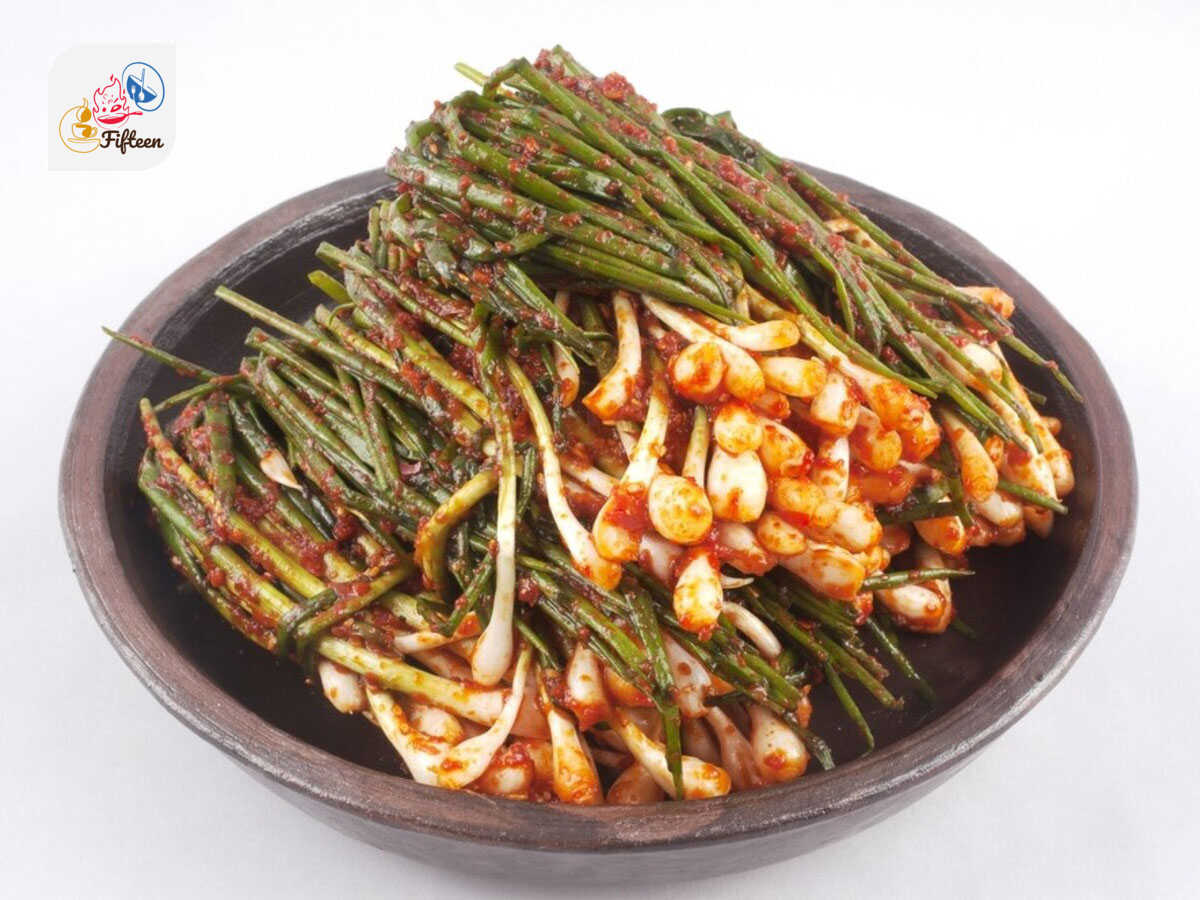
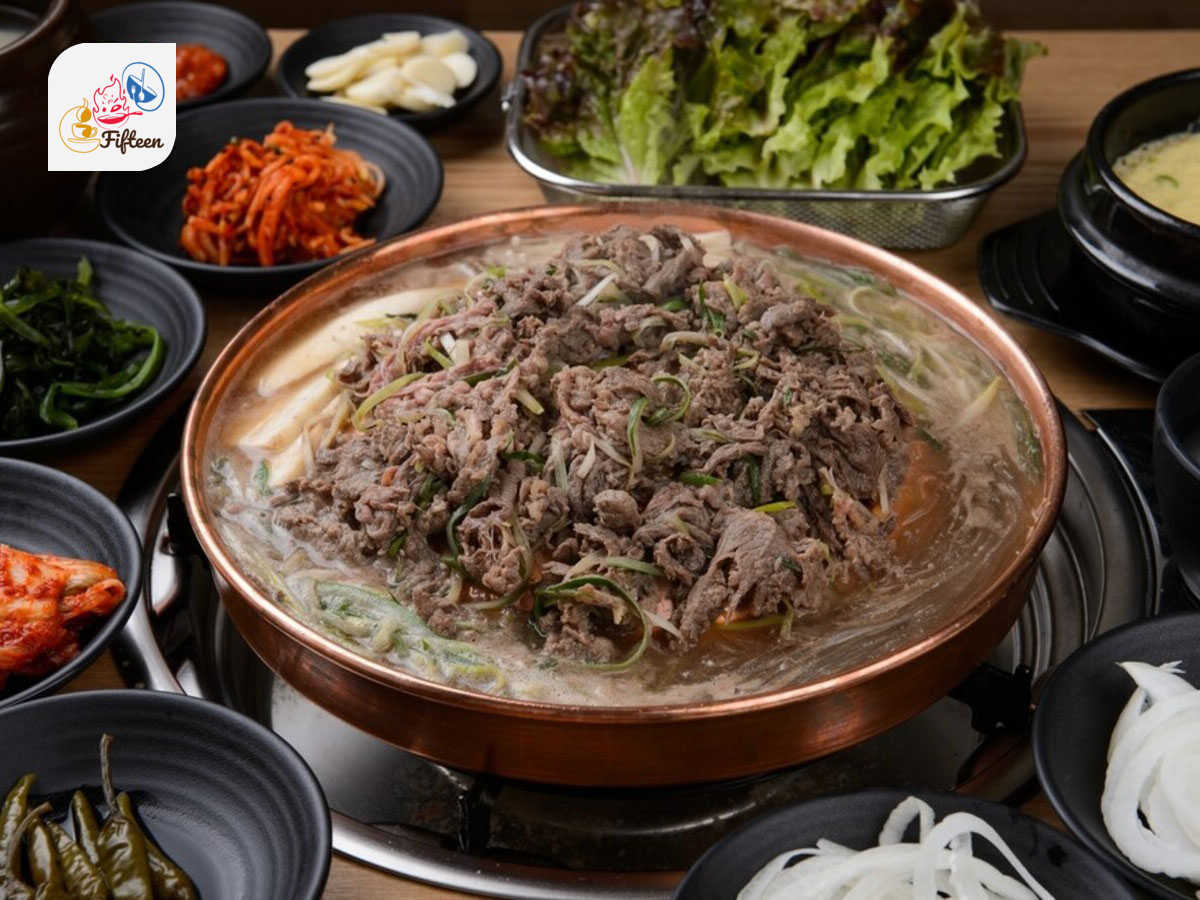

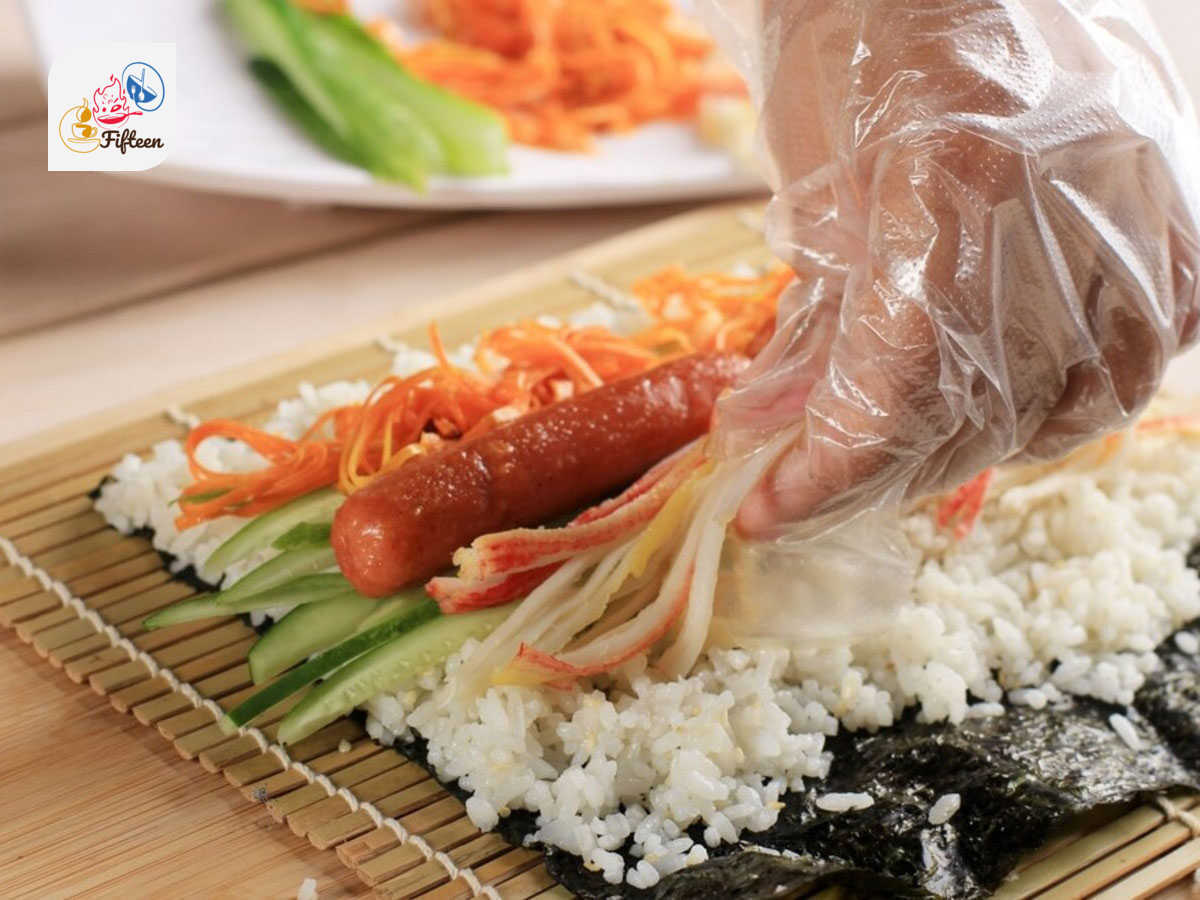
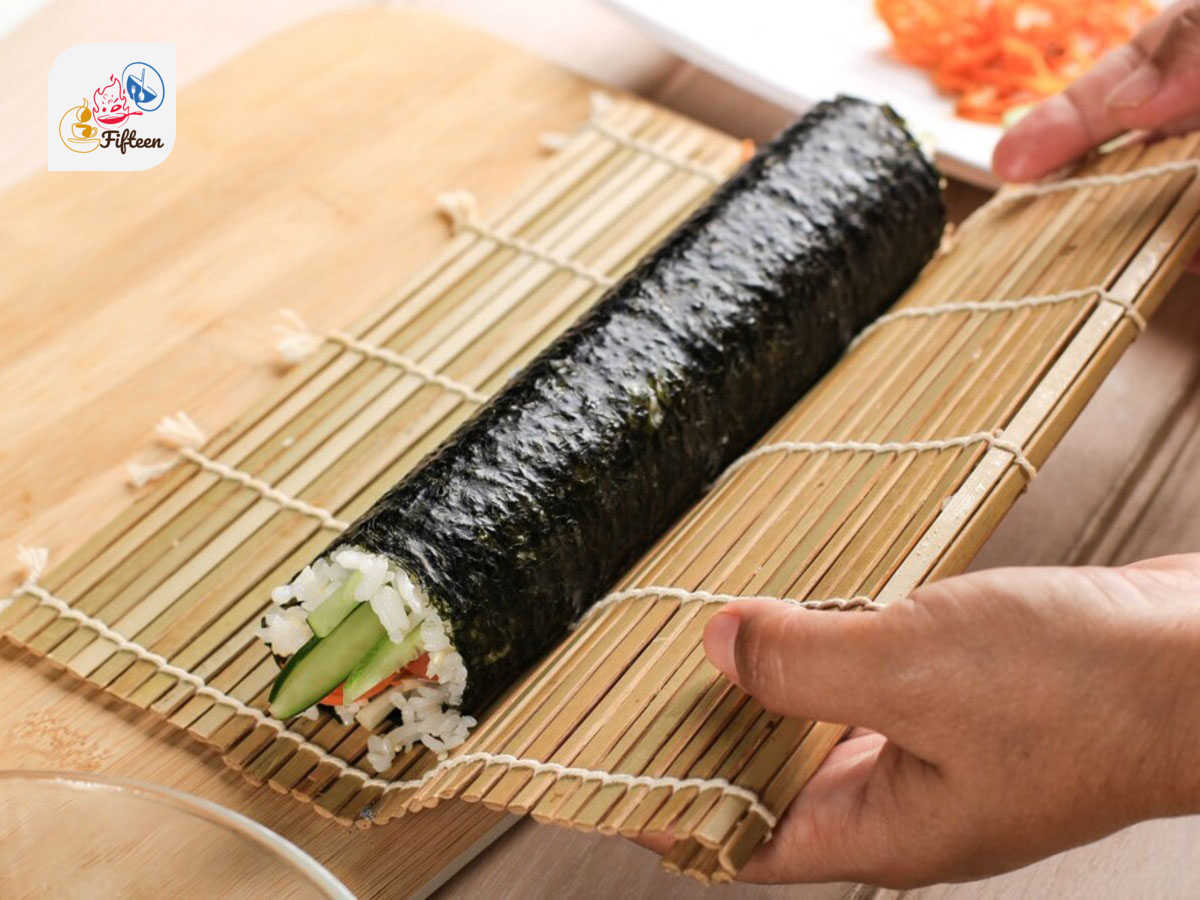
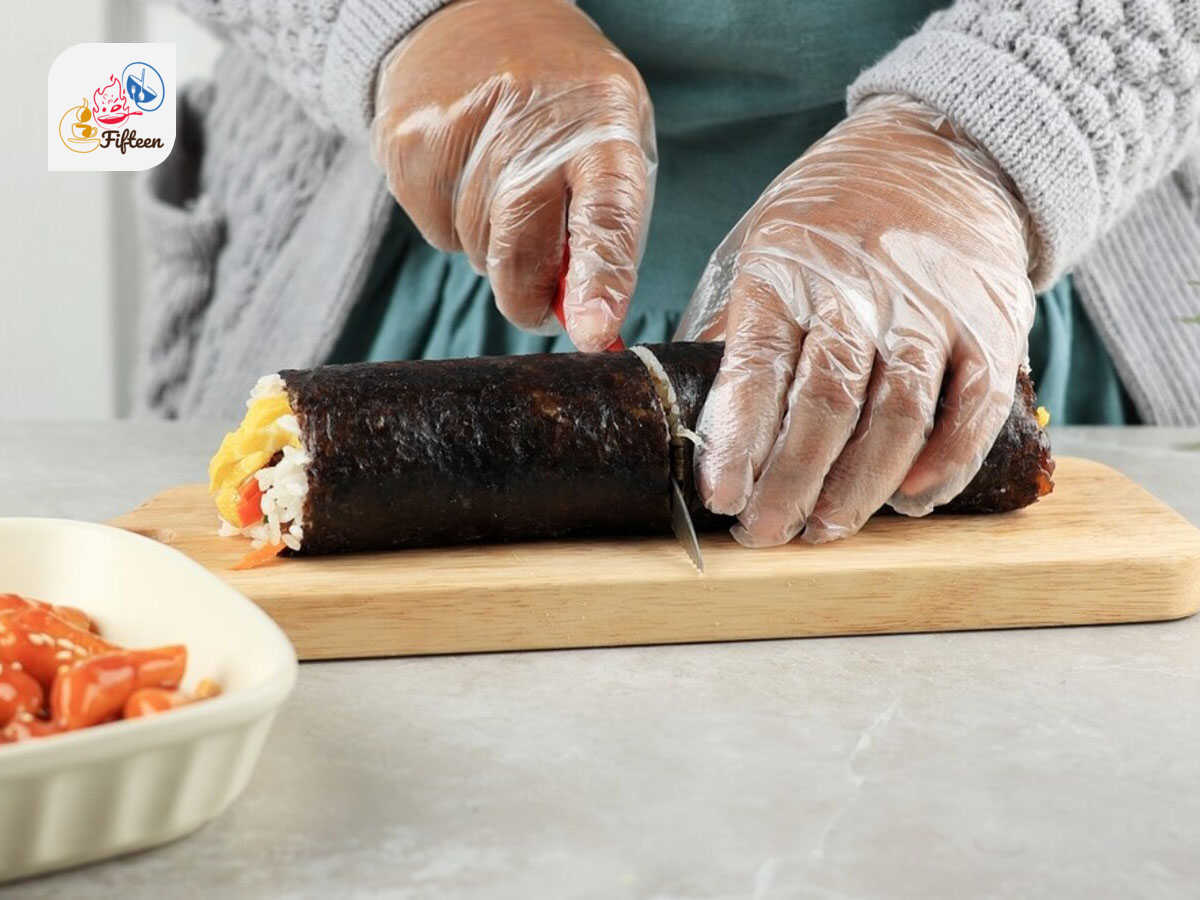
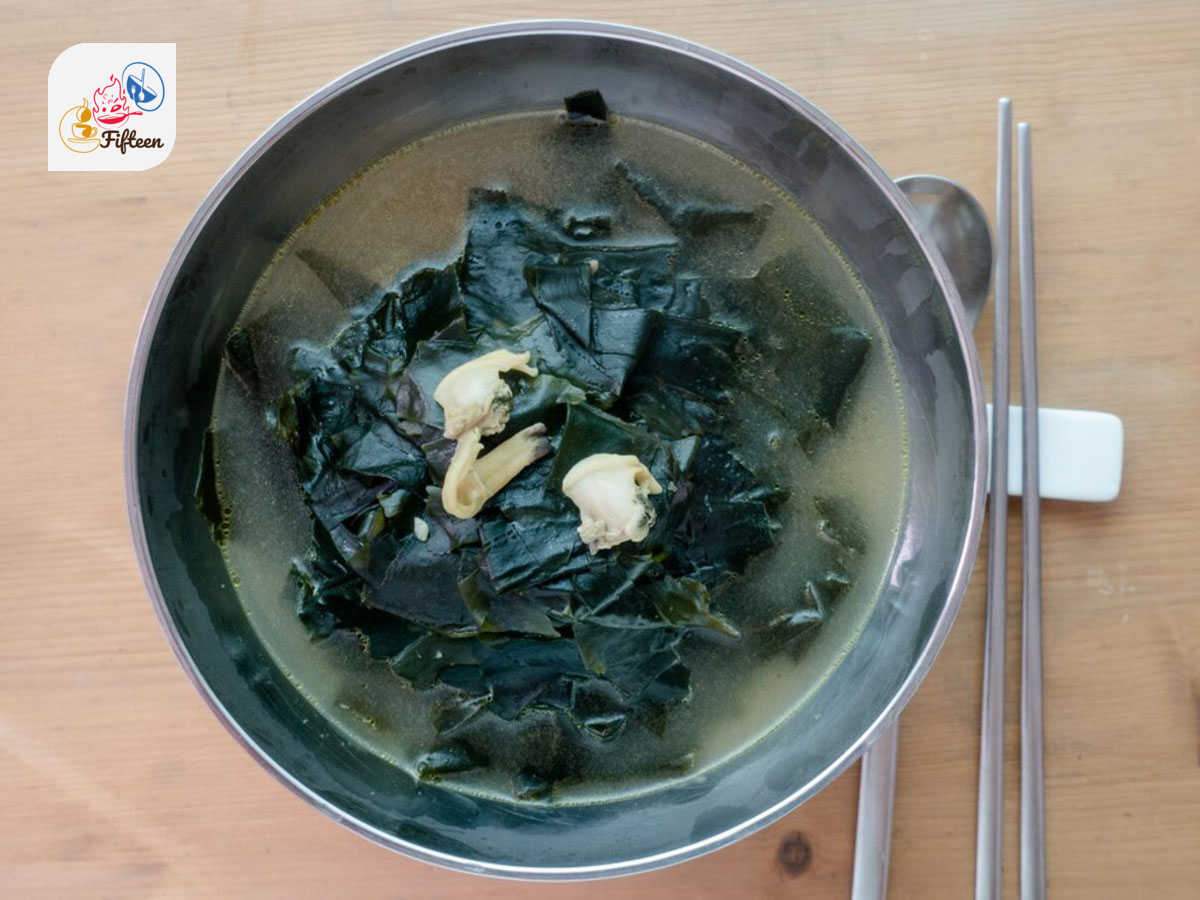
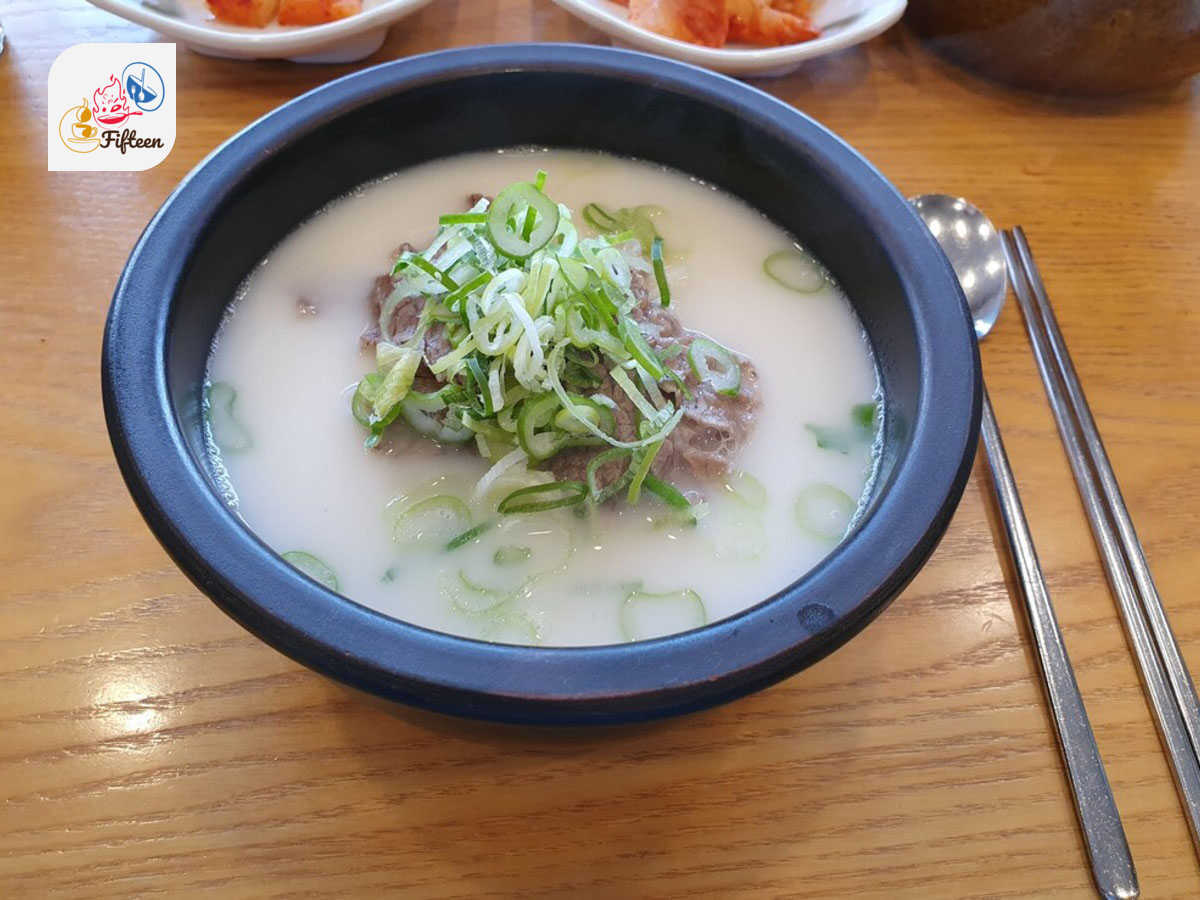
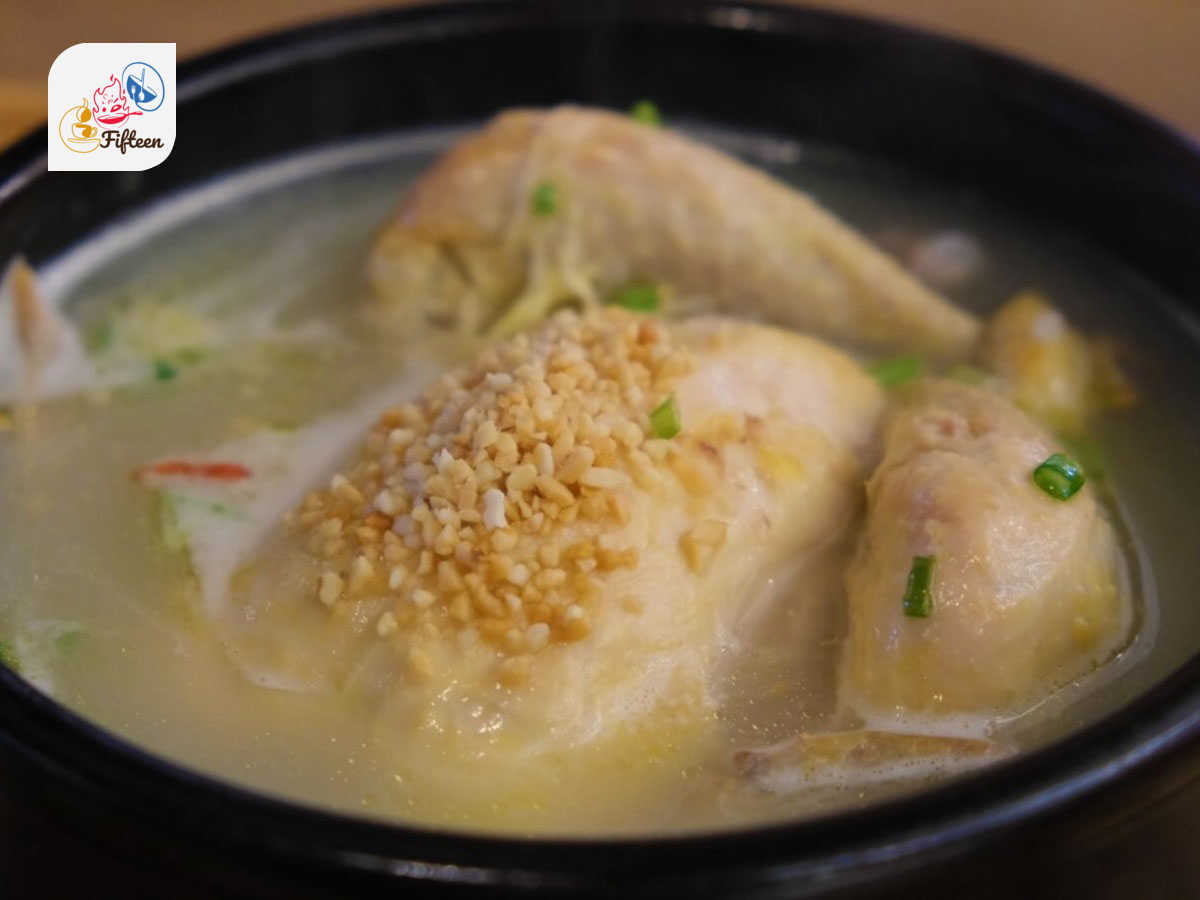
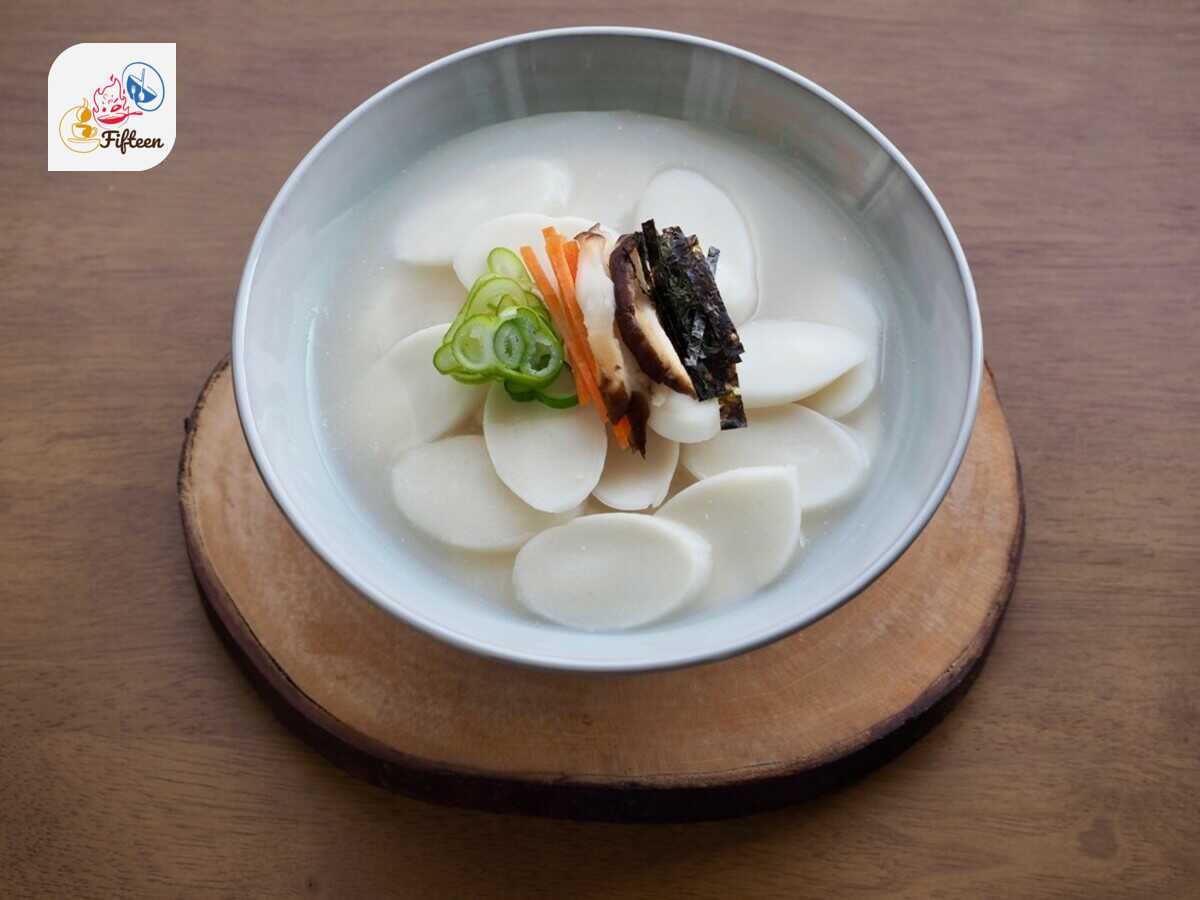
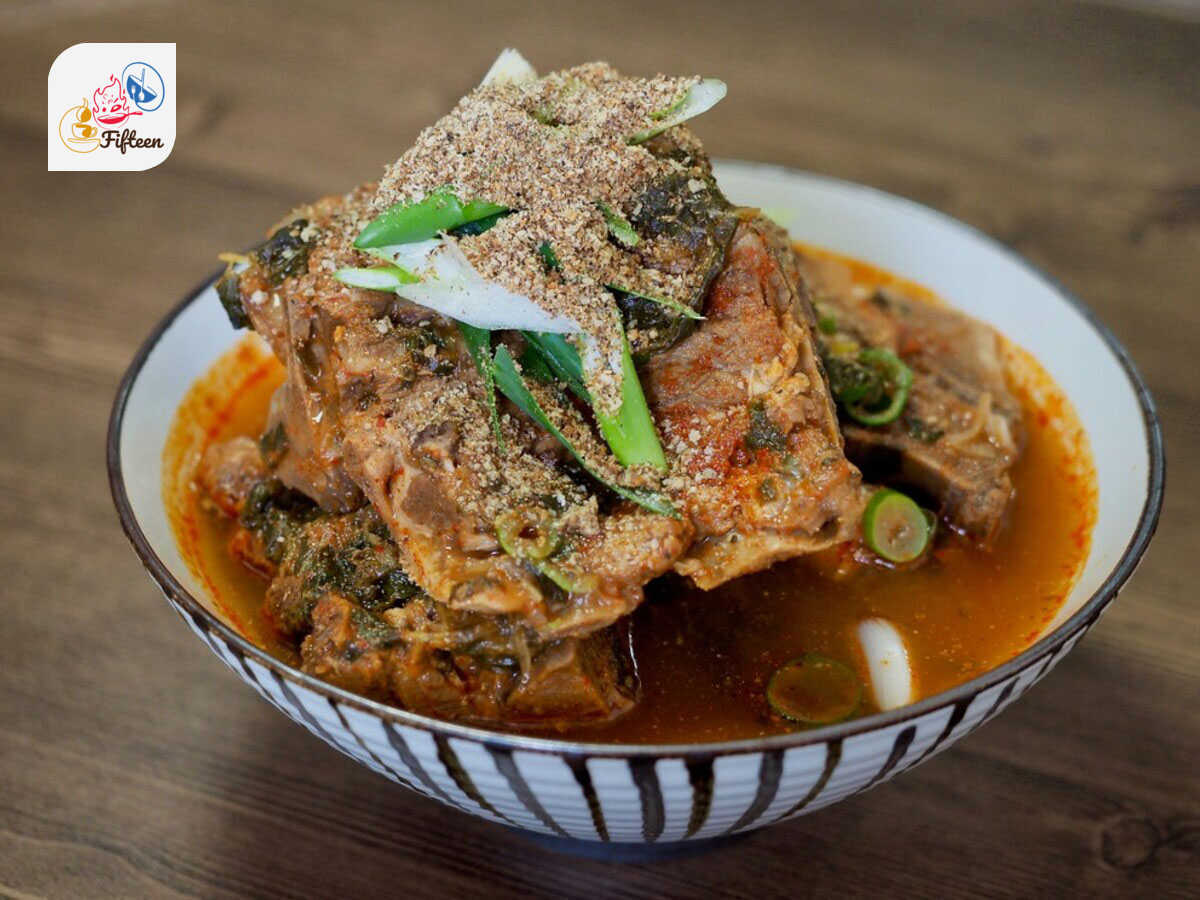
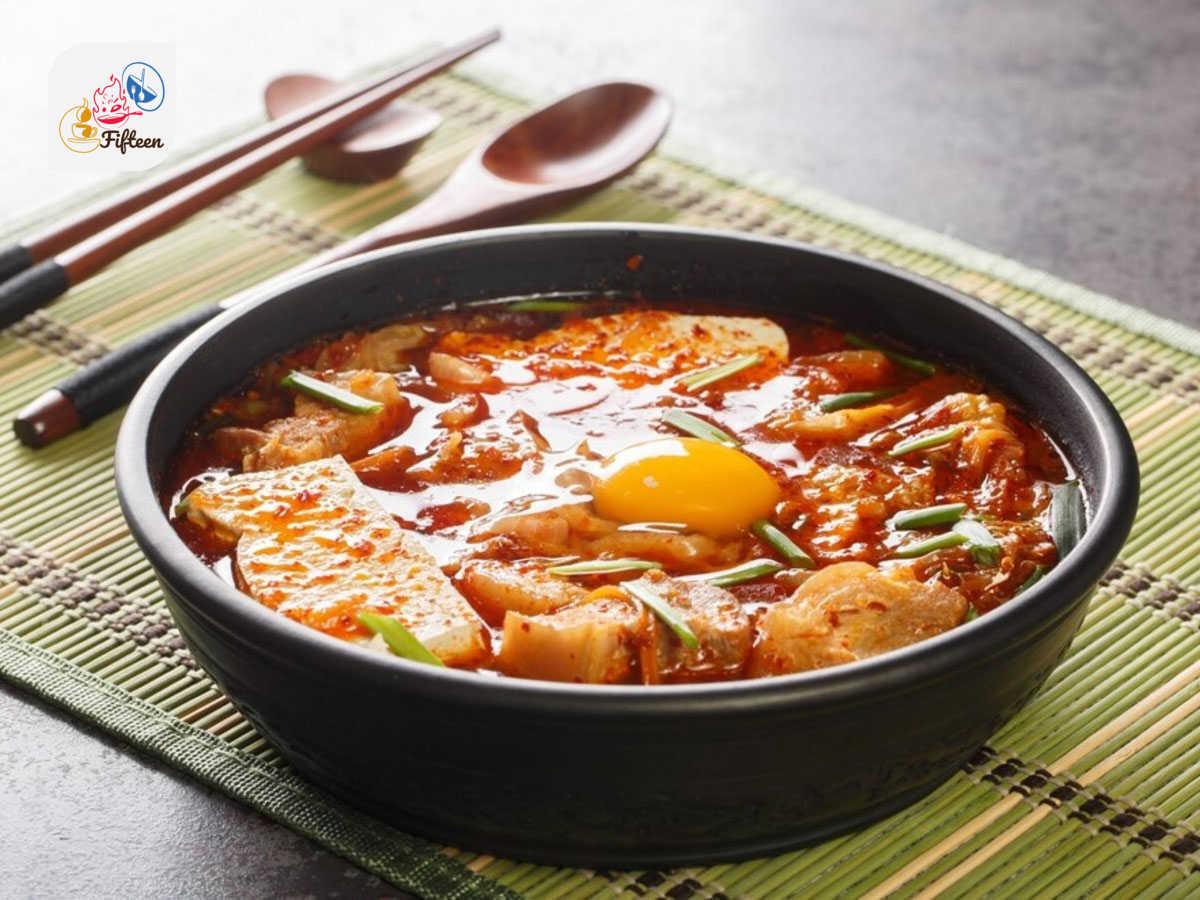
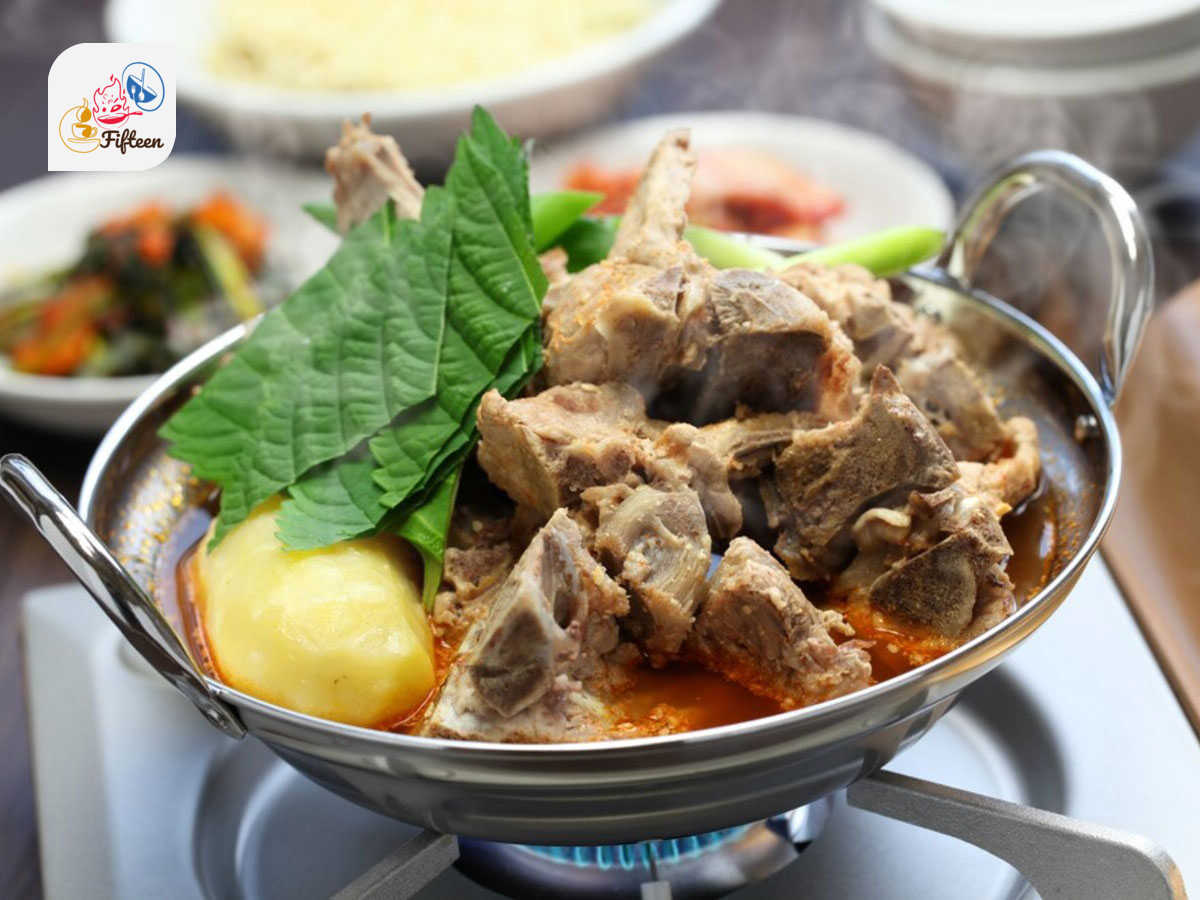
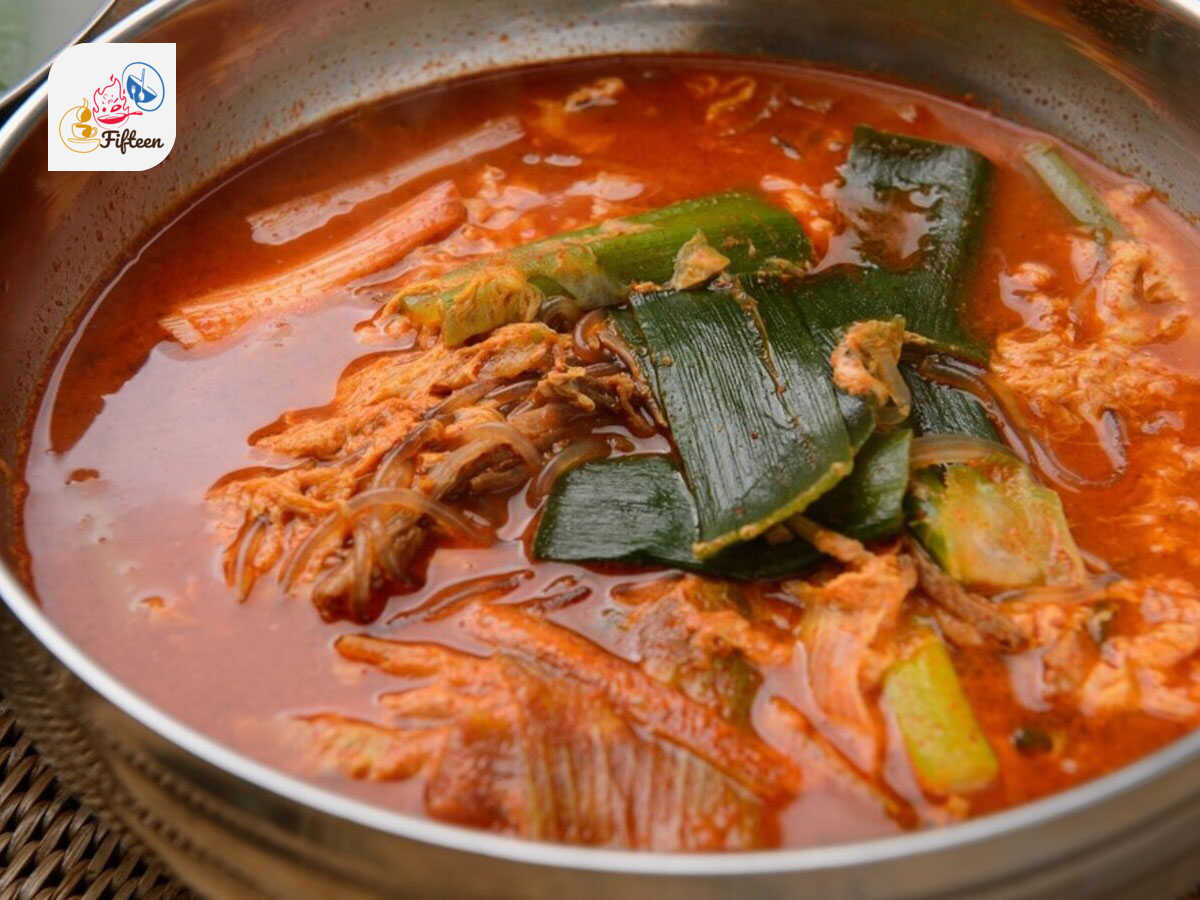
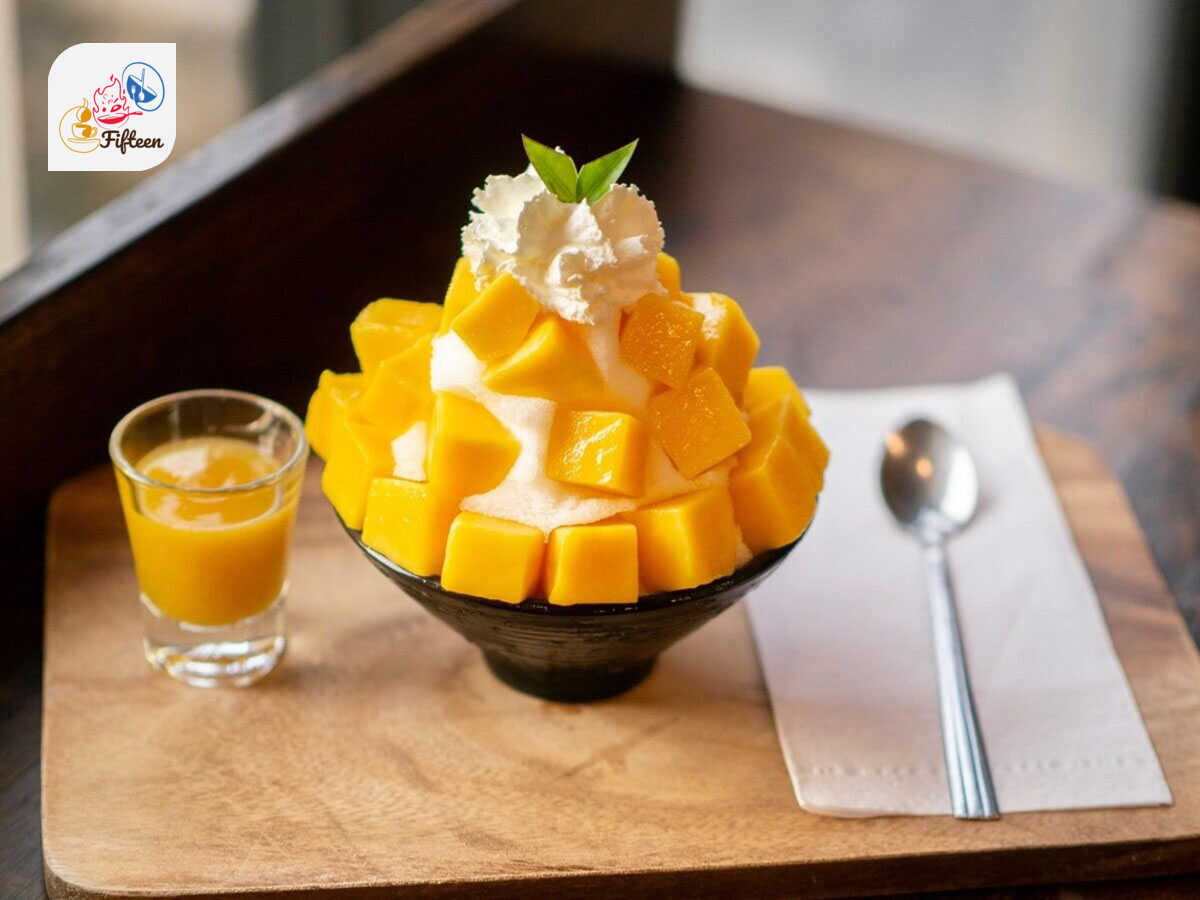
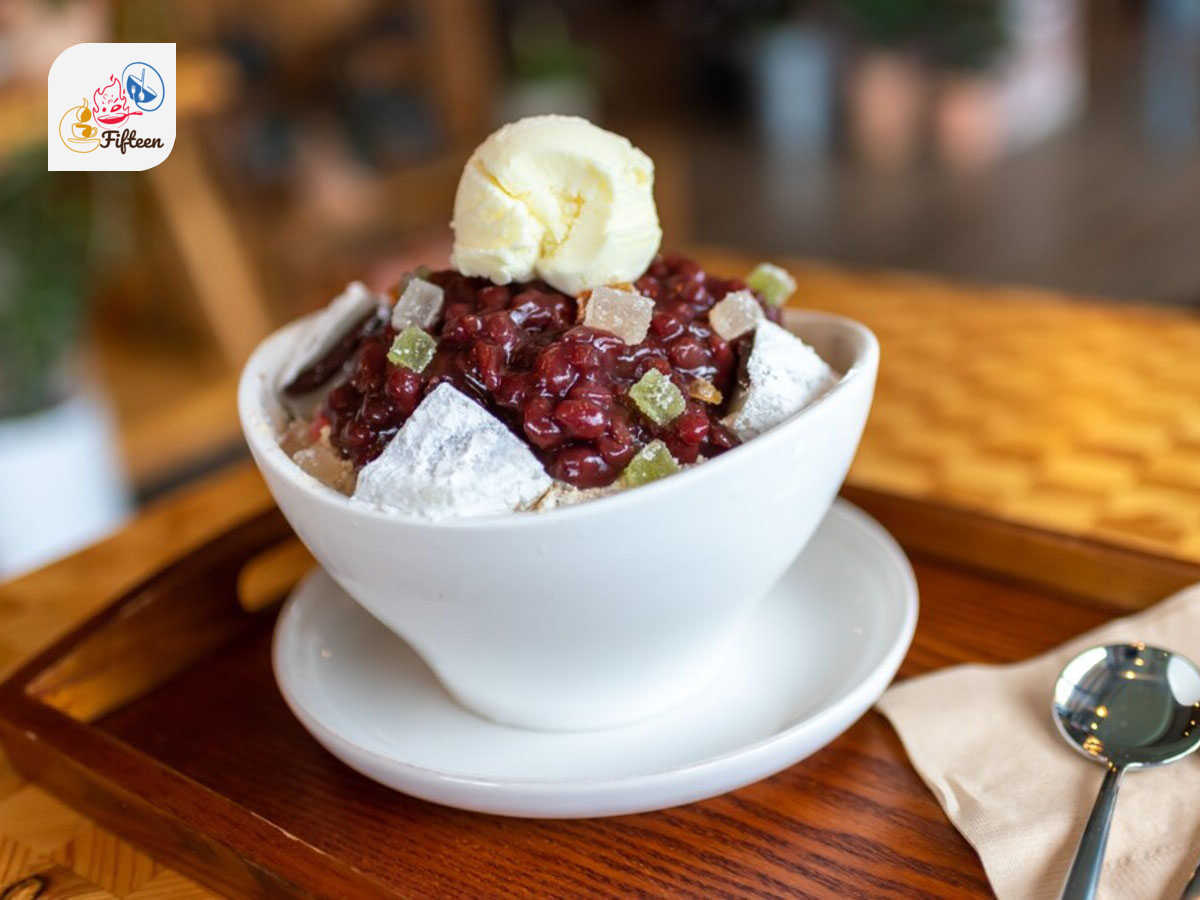
They come with an array of side dishes, known as “banchan” (반찬), that accompany steam-cooked short-grain rice. Fermented vegetable dishes (like kimchi) are also a major component of many Korean delights.
While the dishes from North Korea and South Korea share the same roots, various historical and economical factors have contributed to the widening gulf between the two cuisines.
Keep on reading to discover 33 delicious South Korean dishes and their highlighted characteristics. Other insights about traditional Korean food, its worldwide recognition, and its healthiness are worth discovering.
33 Popular South Korean Dishes with Filters
South Korean cuisine is surprising with many tasty dishes. With 33 dishes below, I hope you will enjoy your food journey in this country. Plus, you can use the filter to search your loved recipes quickly.
But first, let’s explore the main characteristics of these South Korean dishes across six distinct categories: most popular, traditional, national, street food, exotic, and fusion delicacies.
These dishes may feature uncommon ingredients or preparation methods. For instance, raw crab soaked in soy sauce, or dishes made from intestines.
What Makes Korean Dishes Unique?
Here are 4 standout features affecting Korean delights.
Korean History
Korean cuisine traces its origins to ancient agricultural and nomadic traditions, with the Three Kingdoms Period forming distinct regional culinary practices and foods emerging, further diversifying the nation’s gastronomic landscape.
Over the centuries, Korean food has been shaped by other influences, including Buddhist vegetarian principles, Confucian rituals, and foreign invasions.
Regional Cuisines
Each region boasts unique dishes influenced by its climate, geography, and local ingredients. For instance, Pyongan province is known for its bland flavors and dishes, while Hamgyong province, in the far north, heavily uses garlic and chili pepper in its dishes.
Holiday Specialties
Celebrations like Chuseok involve families gathering to prepare and share traditional foods like rice cakes.
Street Food Influence
Besides the delicacies for special times, the street flourishes with markets, alleyways, and vendors introducing various Korean specialties to locals and tourists.
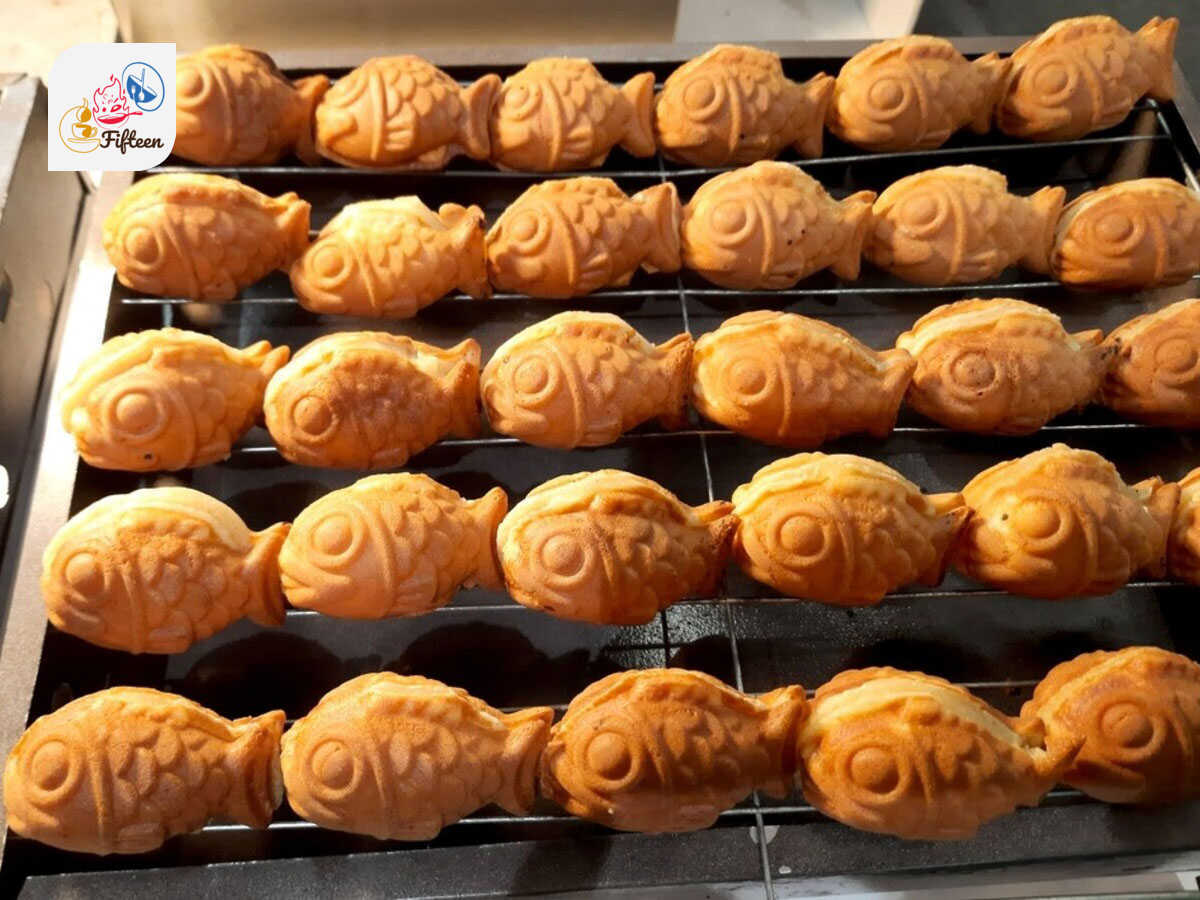
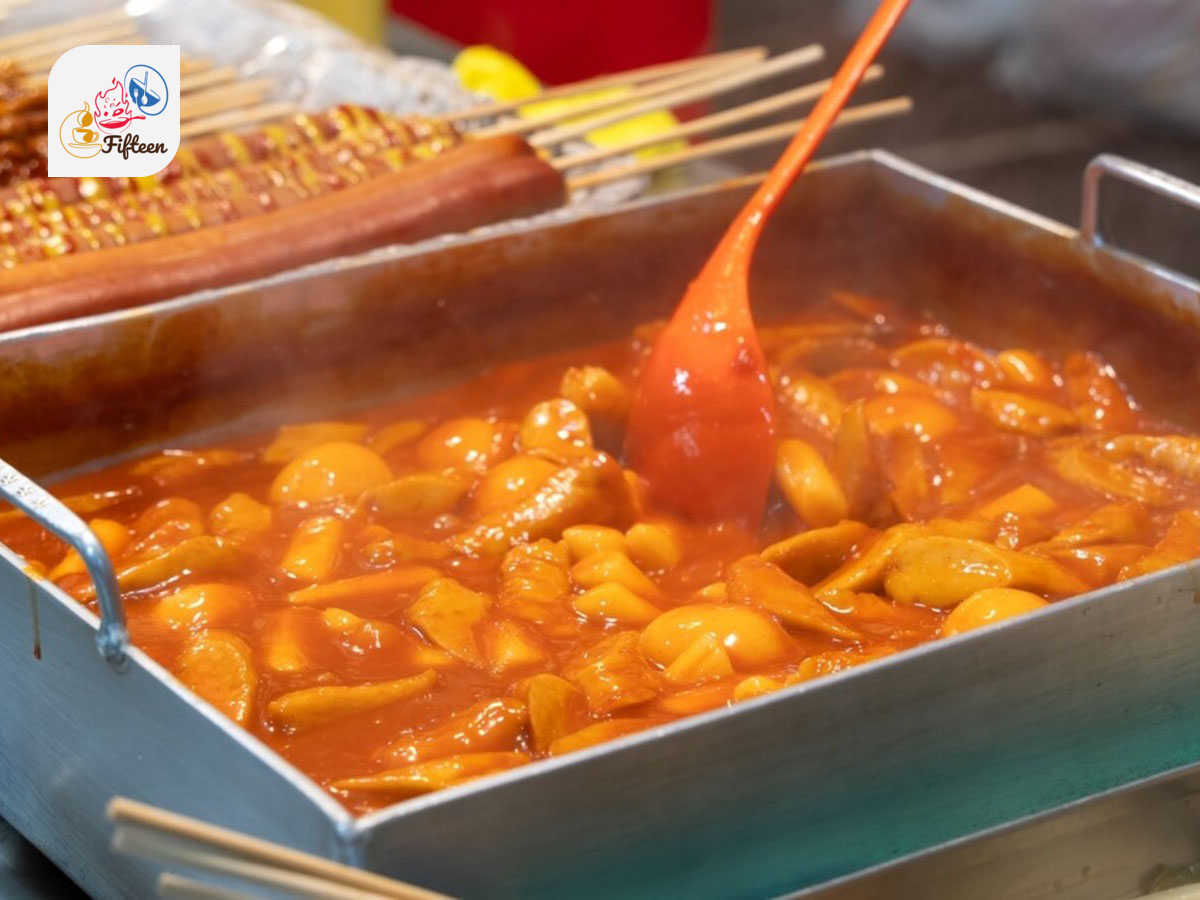
Some of the prime street foods are tteokbokki, fish cake, and bungeoppang. Also, the influences of Japan also impact Korean street foods.
Next, let’s explore the typical beverages to go with delicacies in Korea.
What Beverages Are Great for Pairing with Korean Dishes?
Various Korean drink options, either traditional and modern ones, can pair excellently with dishes. Here are some great examples.
Soju
Soju is a clear alcoholic beverage that pairs well with many Korean dishes, particularly barbecue and spicy foods.
Makgeolli
Makgeolli is a slightly sweet, milky, and effervescent rice wine that complements spicy and savory flavors.
Cheongju
Cheongju rice wine pairs well with milder dishes like steamed fish or vegetable-based meals.
Green Tea
Green tea is a non-alcoholic option that can cleanse the palate, especially when eating greasy or heavy dishes, like meaty stews.
Beer
Light Korean or Asian-style lagers are refreshing and can balance the spice of Korean food. Beer and fried chicken (aka chimaek in Korea) is the most famous duo.
Have you found your favorite beverages yet? In case you don’t, check out the comprehensive list of beverages in South Korea for more options on drinks to pair with local fare.
Finally, if you have a chance, let’s enjoy all the delicious dishes on this list. I am sure you will be satisfied with their great taste.
There are still many other delicious foods that I have not mentioned in this list. If you know any other fantastic foods, feel free to share them in the comments. Also, do not forget to leave your questions; I will respond as soon as possible.
Truc Tran (Kris)
Senior Content Writer
Expertise
Home Cooking, Meal Planning, Recipe Development, Baking and Pastry, Food Editor, Cooking-video Maker, Asian Food Content Creator, Vietnamese Food Evaluation Expert
Education
TasTAFE, Australia
Kendall College (Australia Branch in Sydney)
HNAAu School (Vietnam, International Joint Training Program)
Kris, also known as Truc Tran, is a seasoned food writer and editor. She loves exploring all kinds of foods, from quick street foods to fancy restaurant dishes. In her writing, she brings together different tastes, cooking methods, and traditions of cuisines, showing how each culture’s food or drink is unique. On Fifteen.net, Kris shares her deep knowledge, especially about Asian food and traditional meals from across the globe.