

Asian Food Dishes: Basic Overview
Common Ingredients
Common Cooking Methods
Courses
Meals
Key Taste
Eating Etiquette
Meal Presentation
Culinary Festivals
Influence and Fusion
Asian Food Dishes: Origin and Region
Cuisine
Continent’s Region
Popular Types of Asian Dishes
-
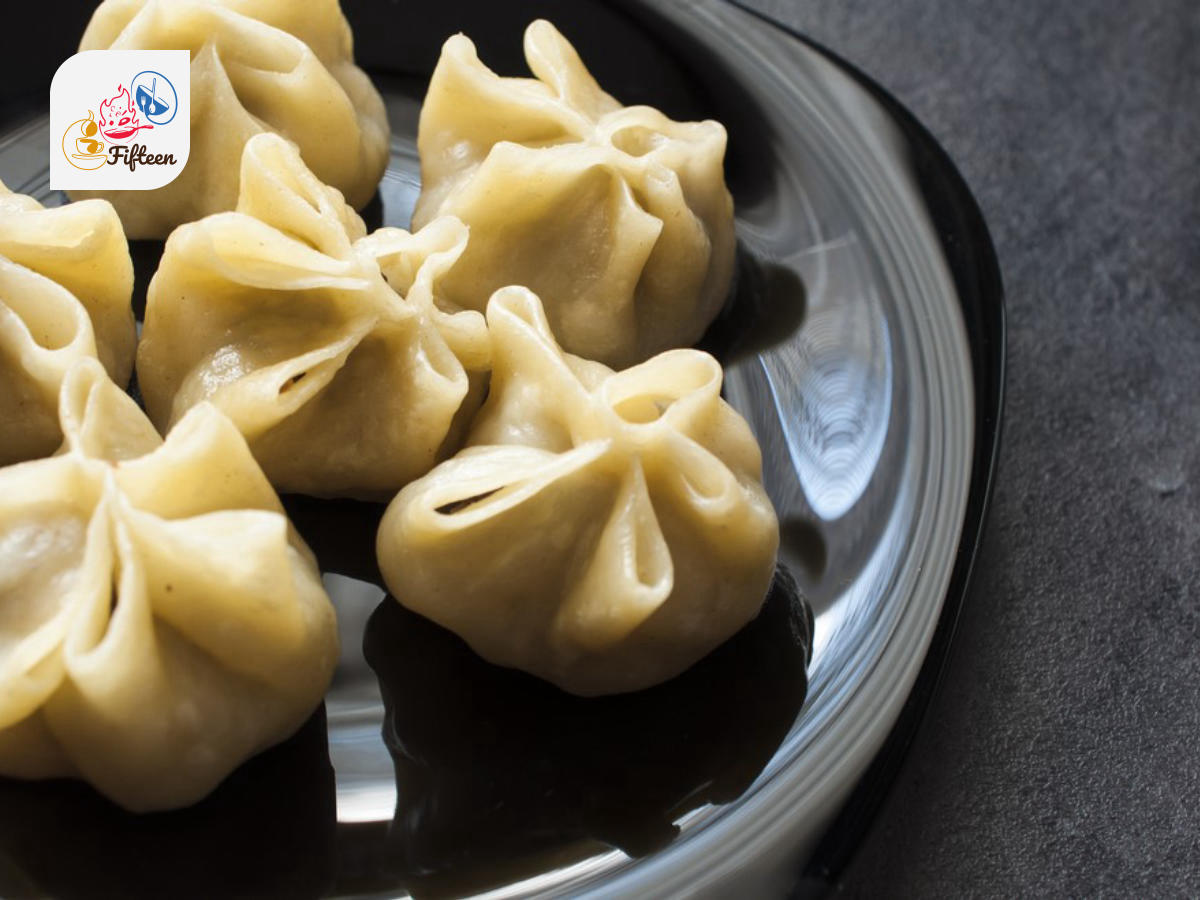
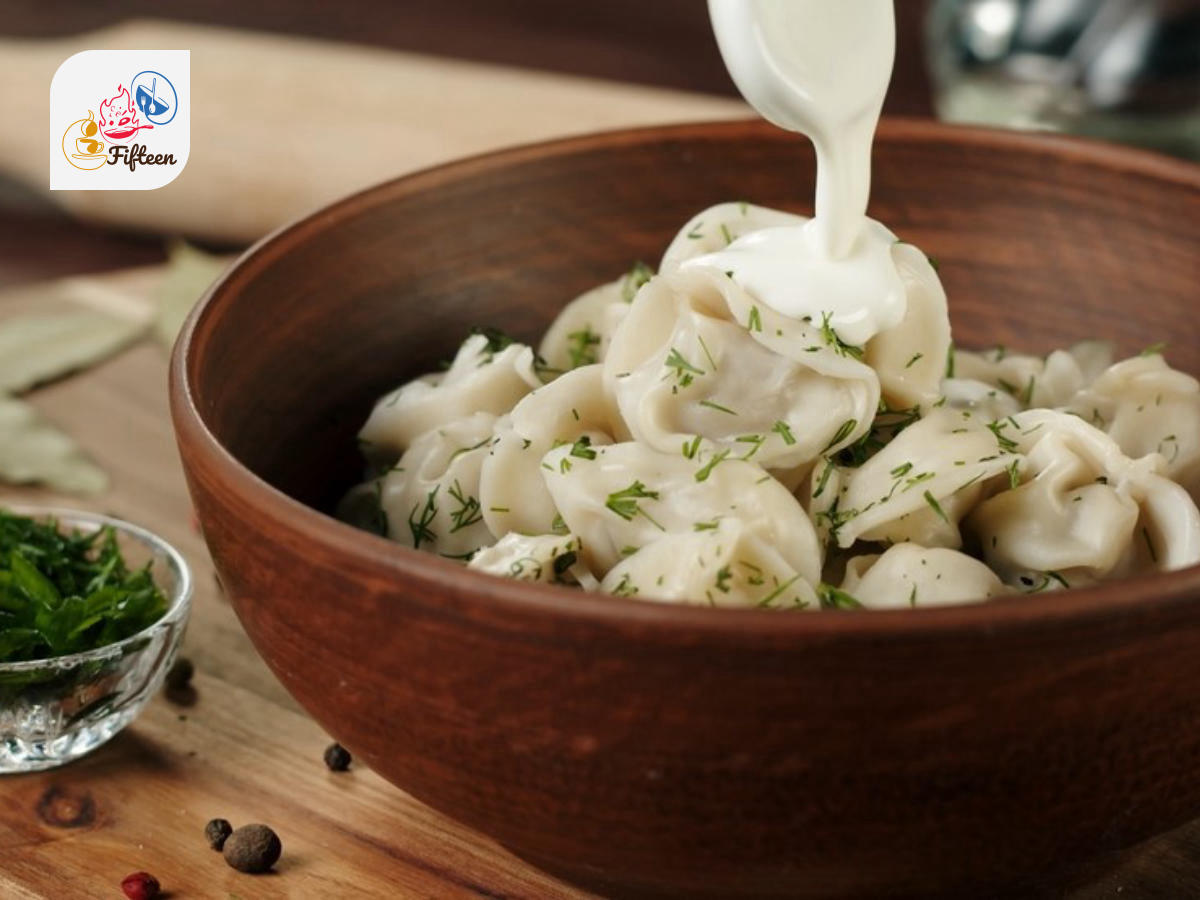
Dumplings
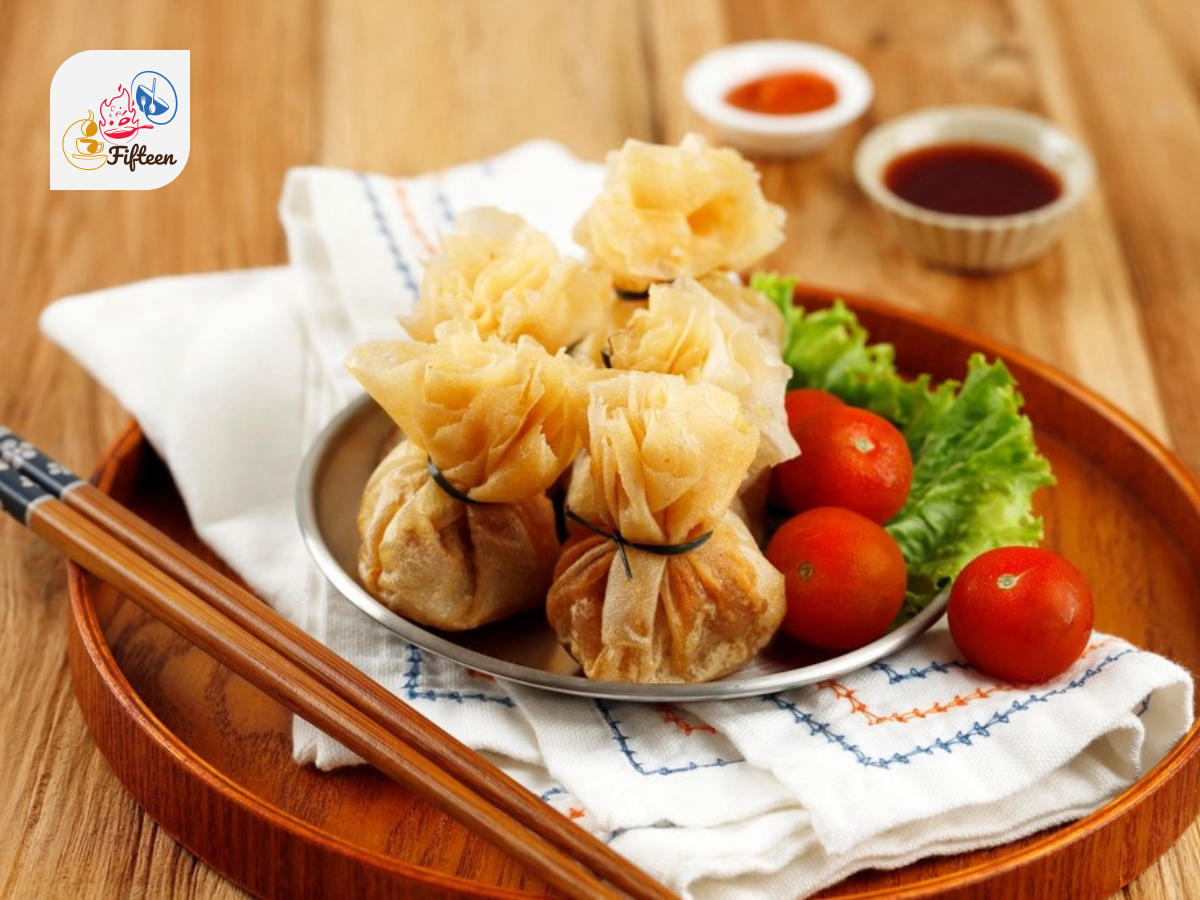
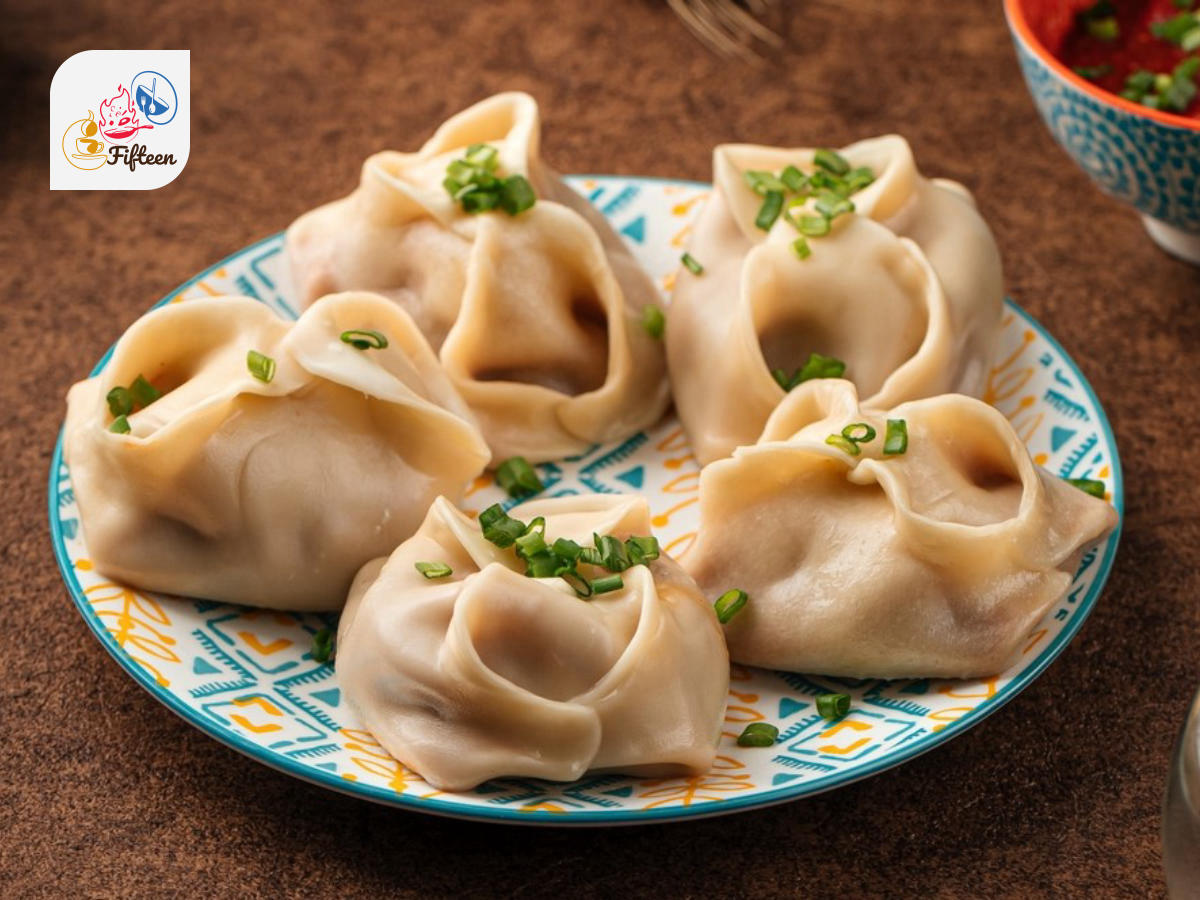
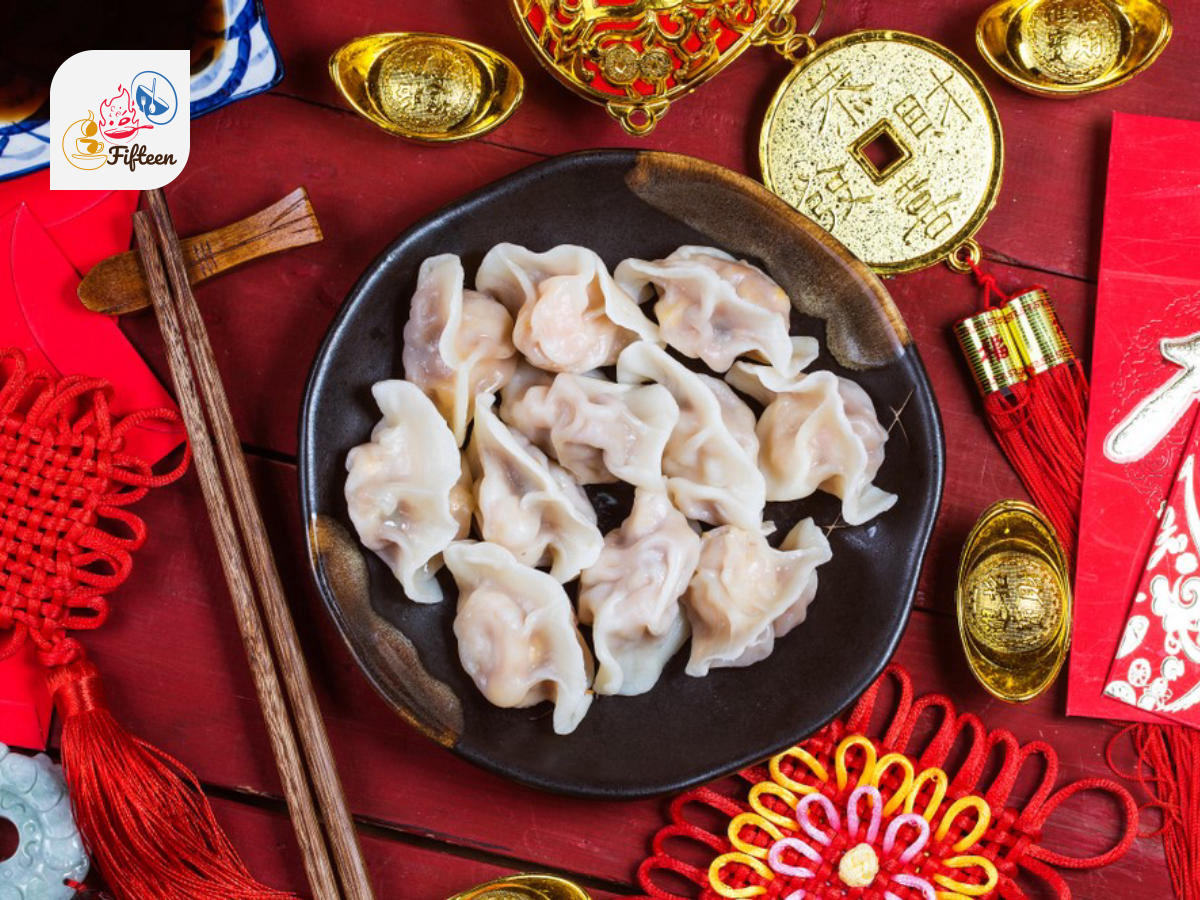
Asian dumplings are a versatile staple, varying from steamed or fried to filled with meat, vegetables, or seafood.
They normally pair with dipping sauces.
-
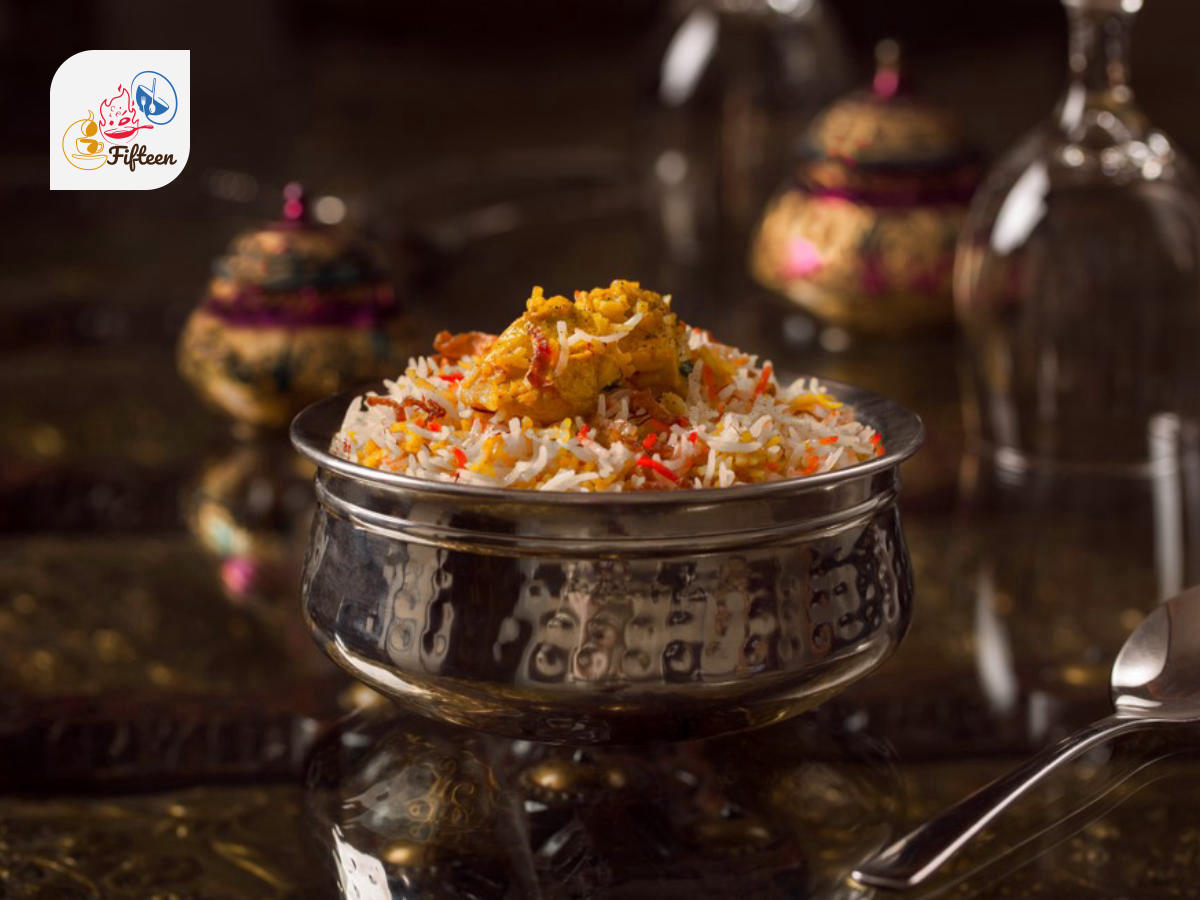
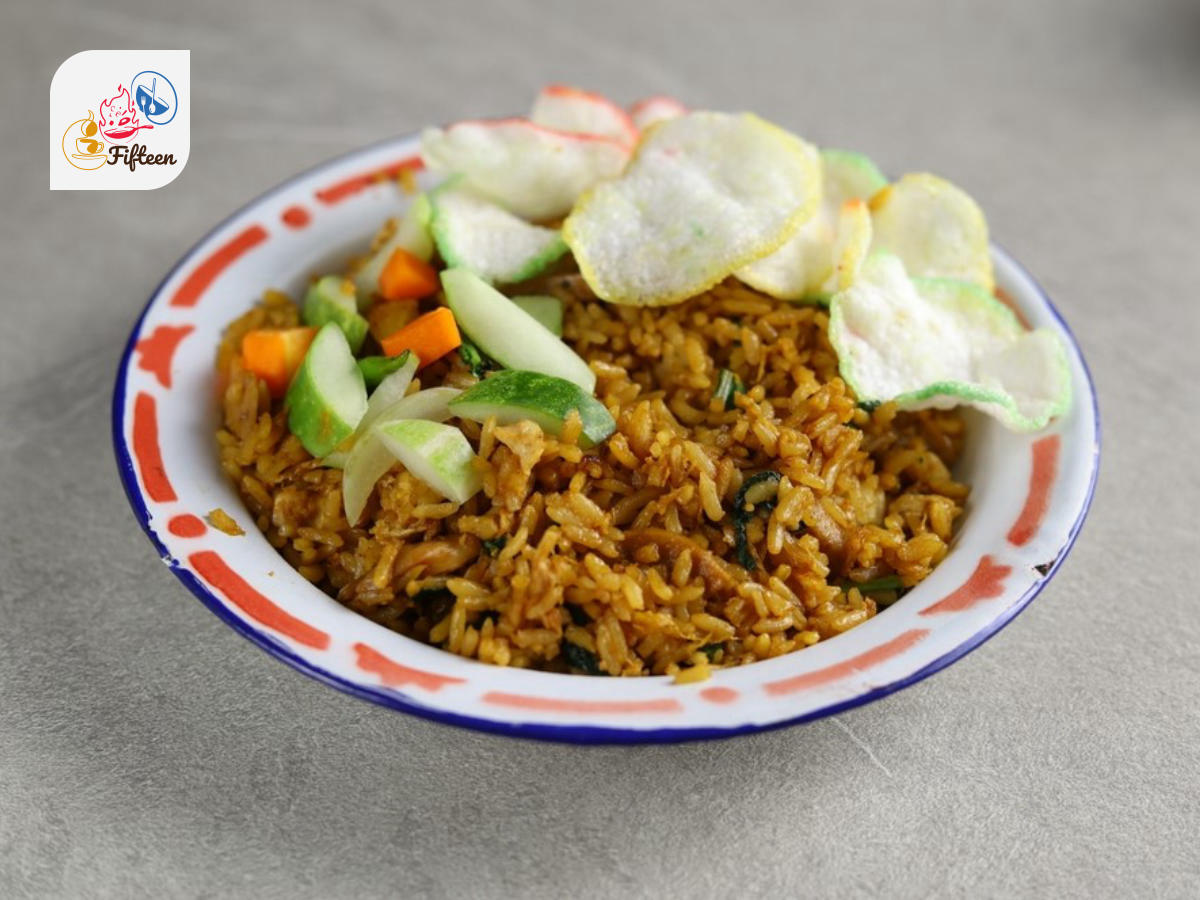
Rice Dishes
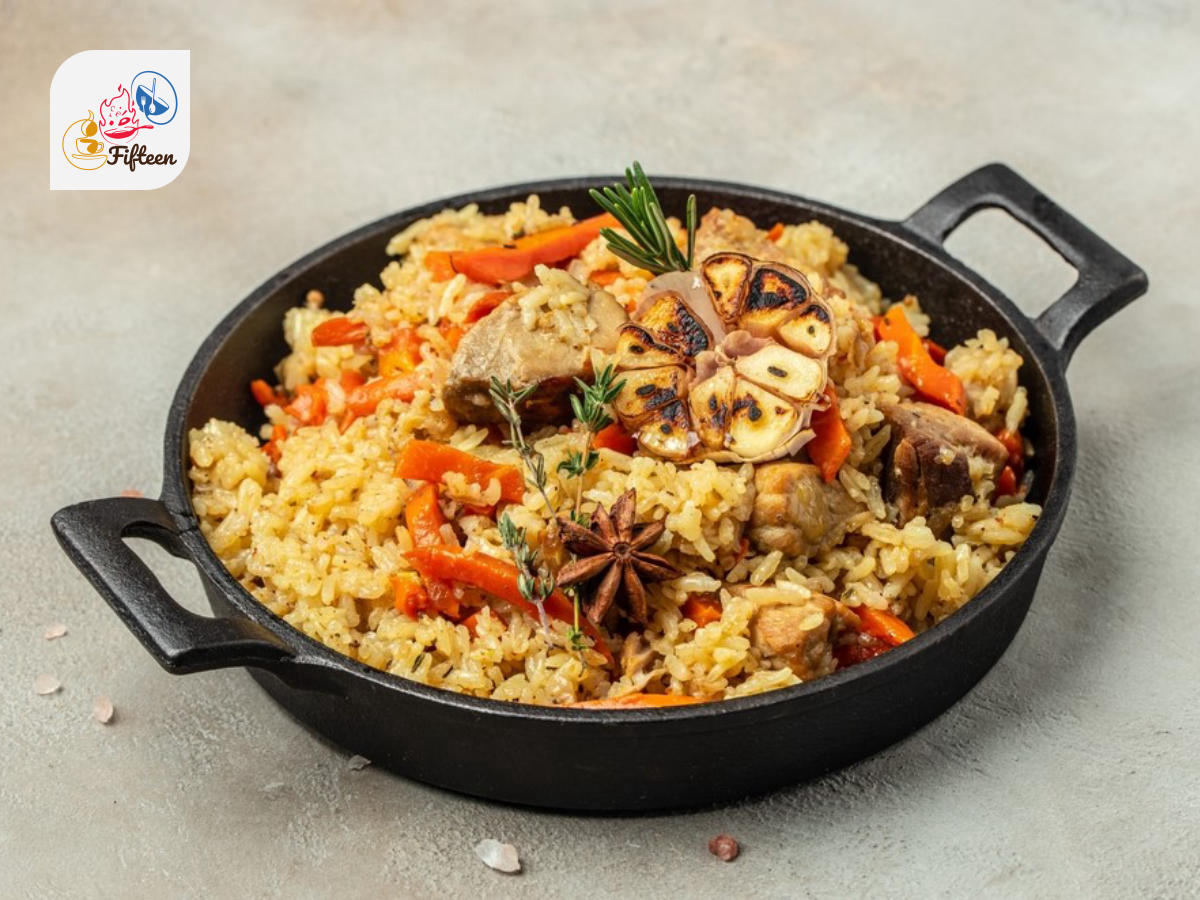
Rice is a primary staple across Asia. Dishes range from simple steamed rice to complex preparations.
-
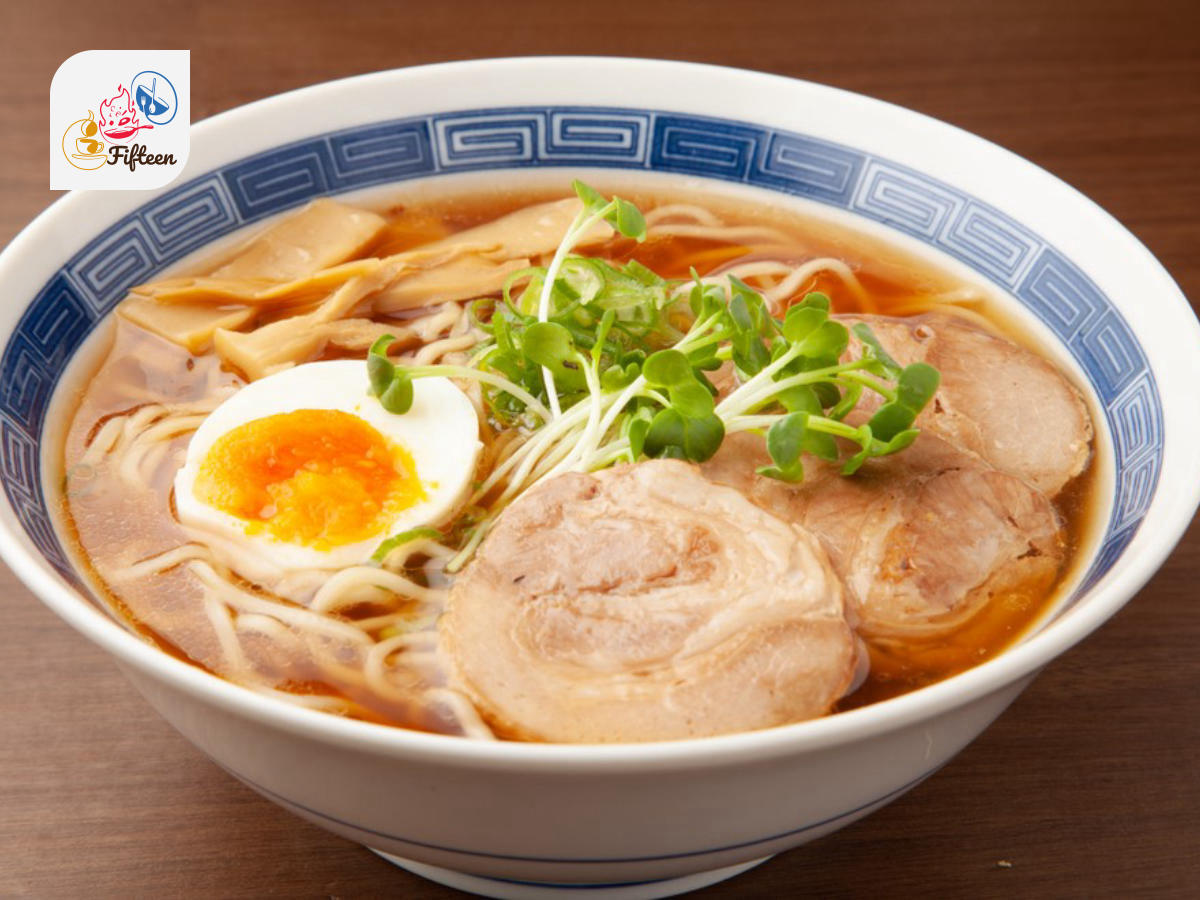
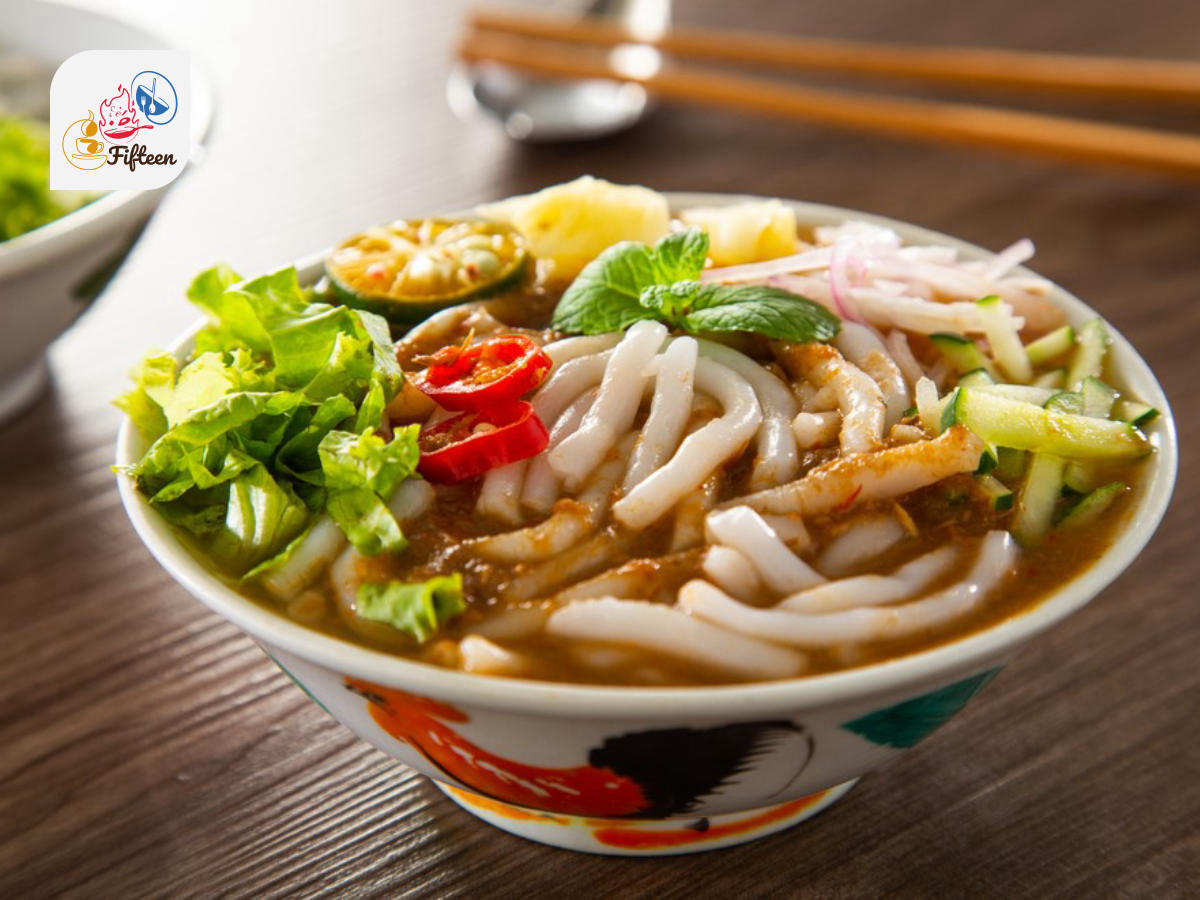
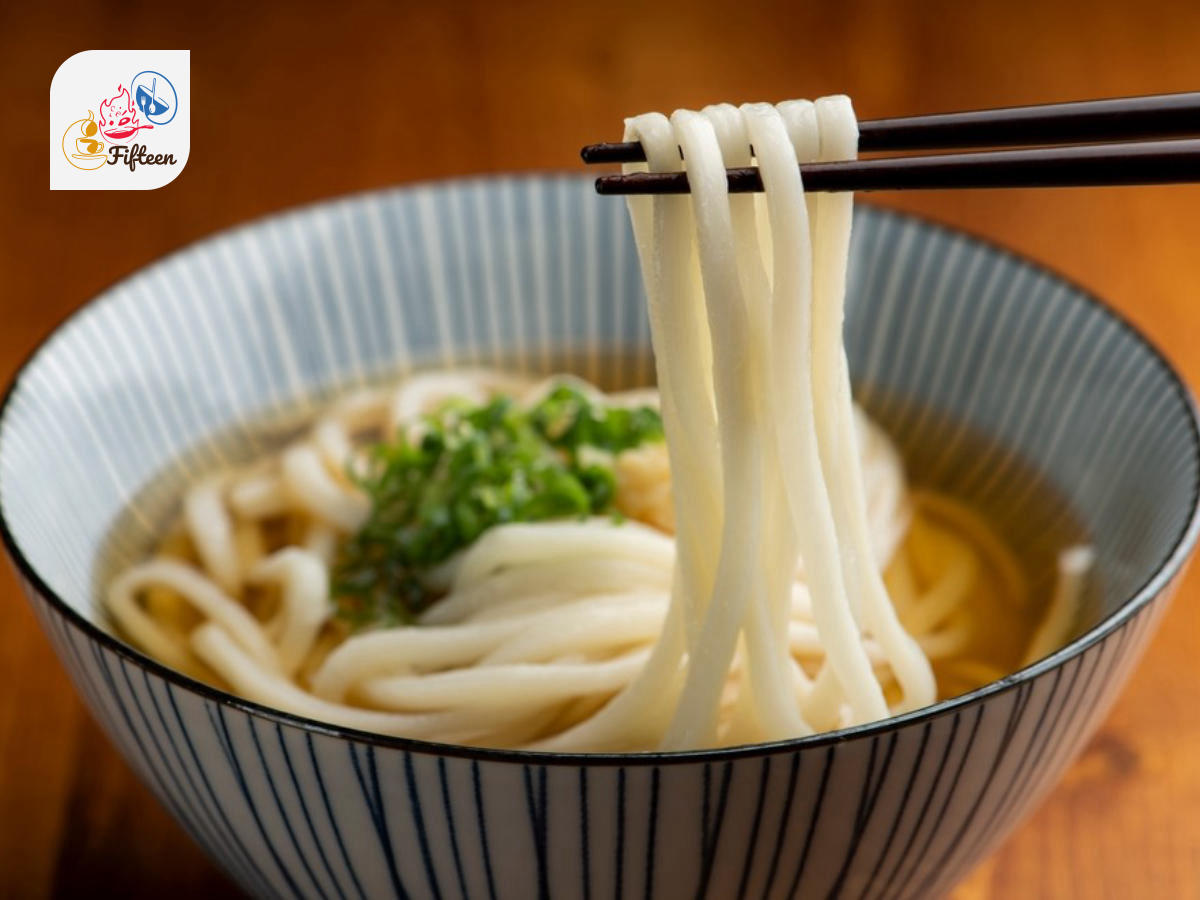
Noodle Soups
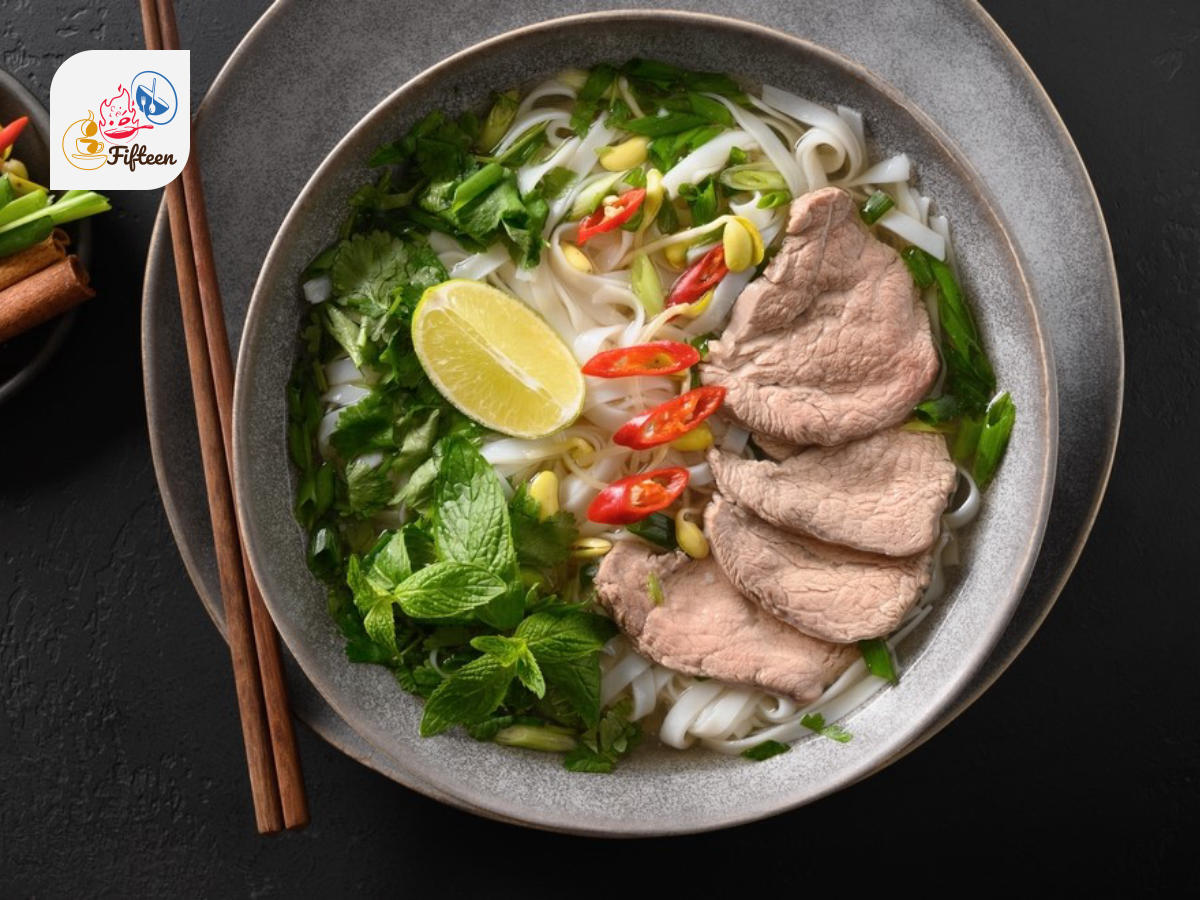
Asian noodle soups offer comforting warmth with broths ranging from rich and meaty to light and herbal.
The noodles vary in type. Meats and vegetables are two common accompaniments.
-
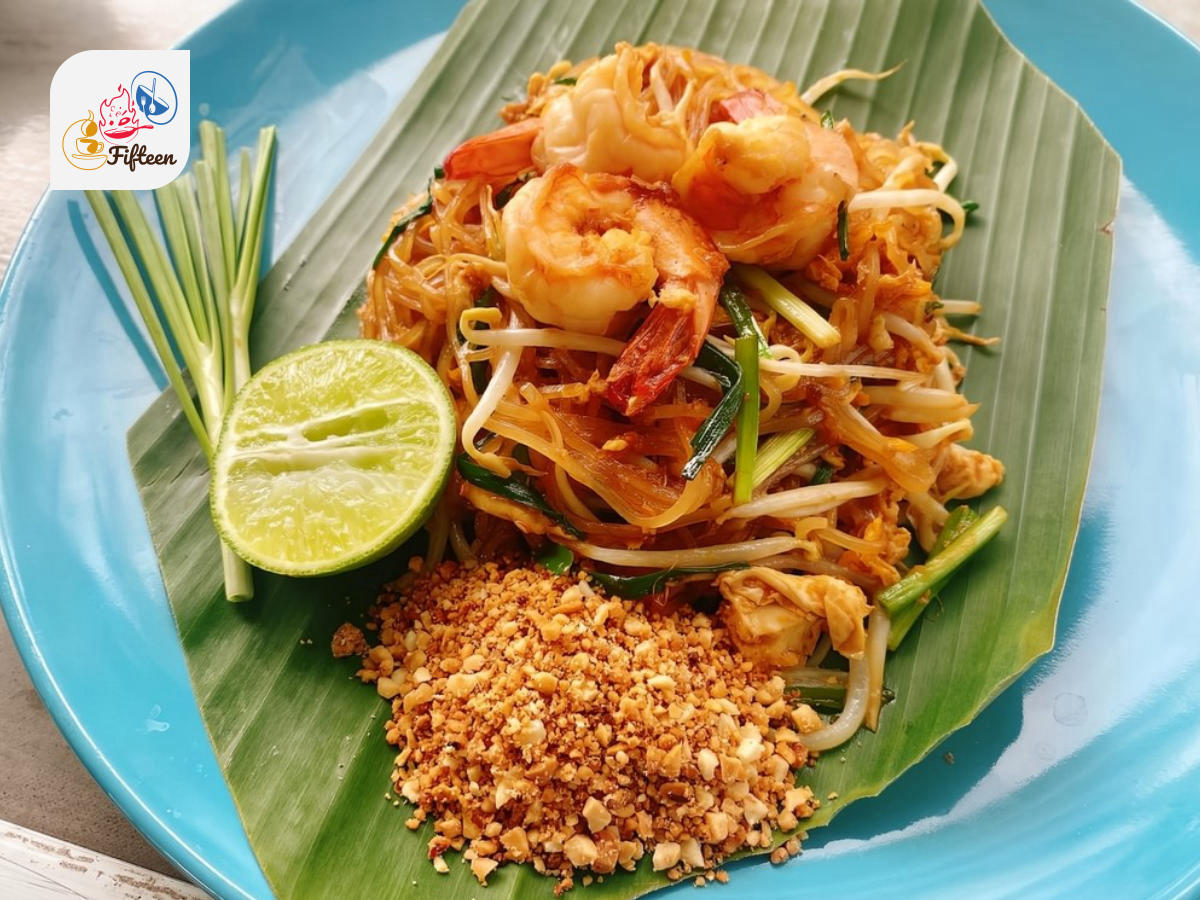
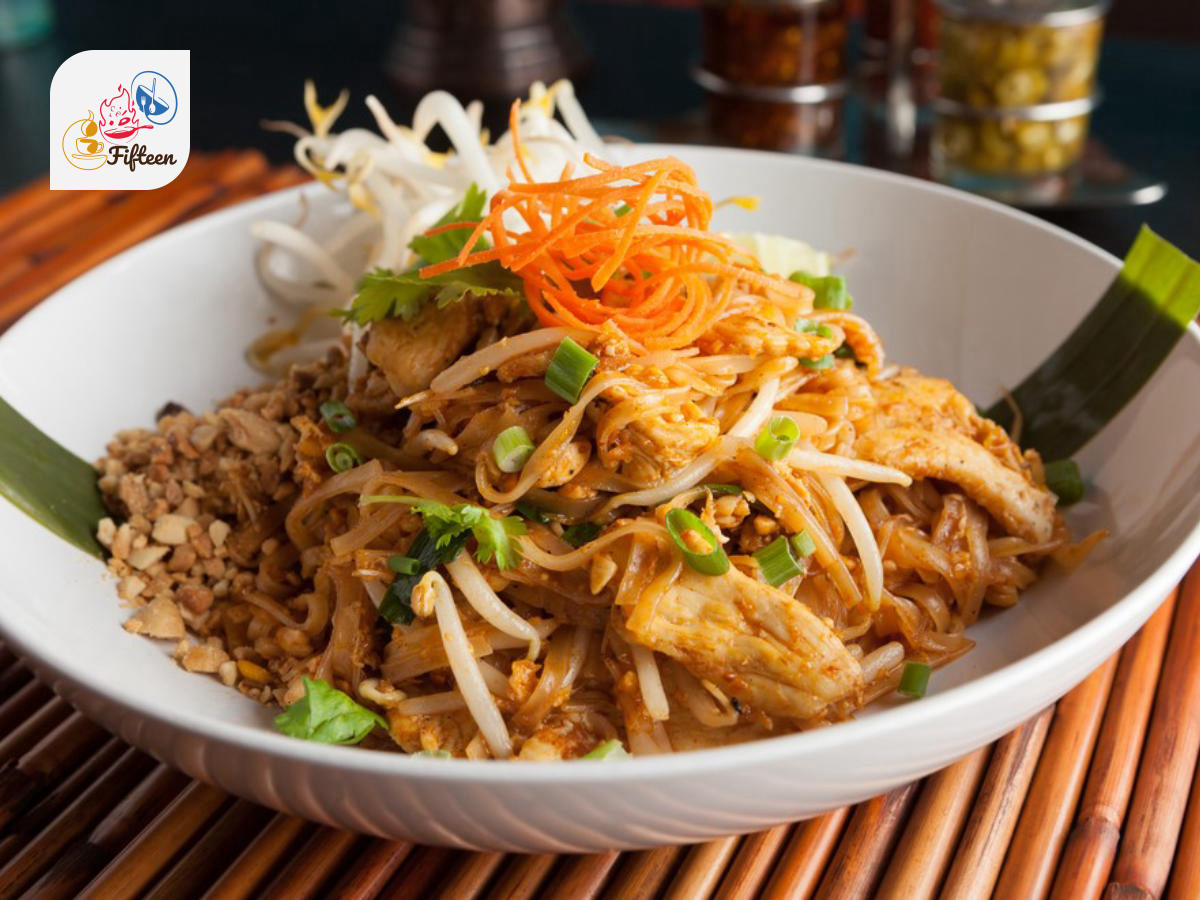
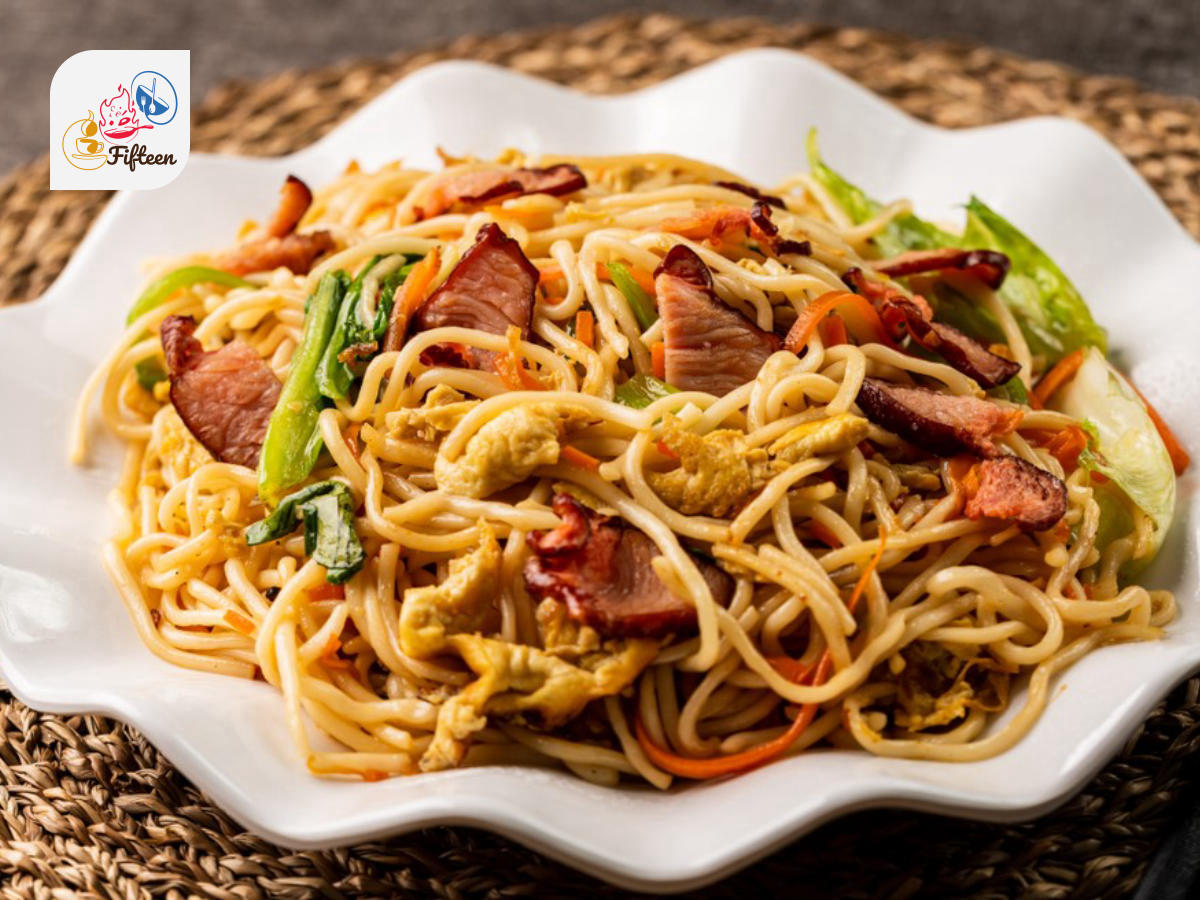
Dry Noodle Dishes
Dry noodle dishes in Asia are served without broth, often stir-fried or tossed with sauce, vegetables, and protein.
Flavors range from savory to spicy.
-
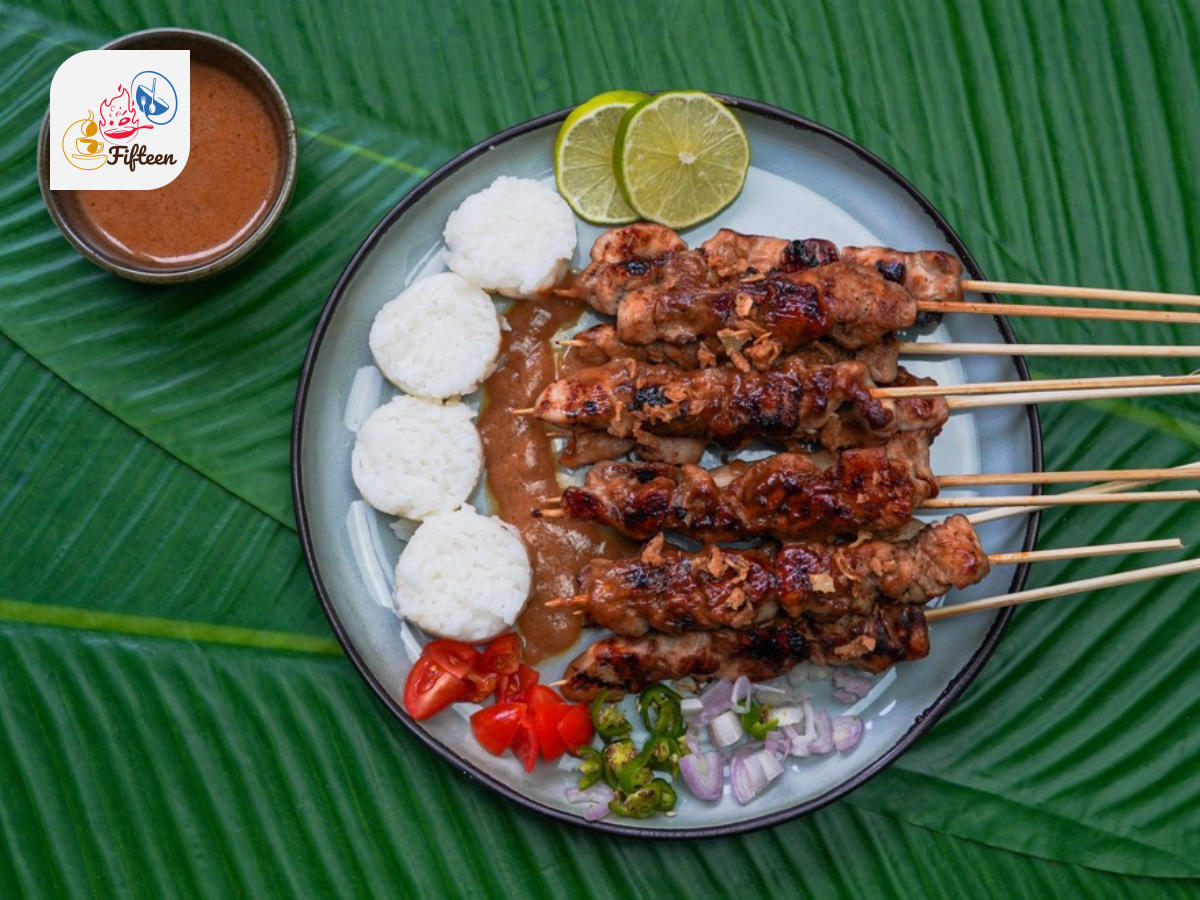
Grilled and Barbecued Dishes
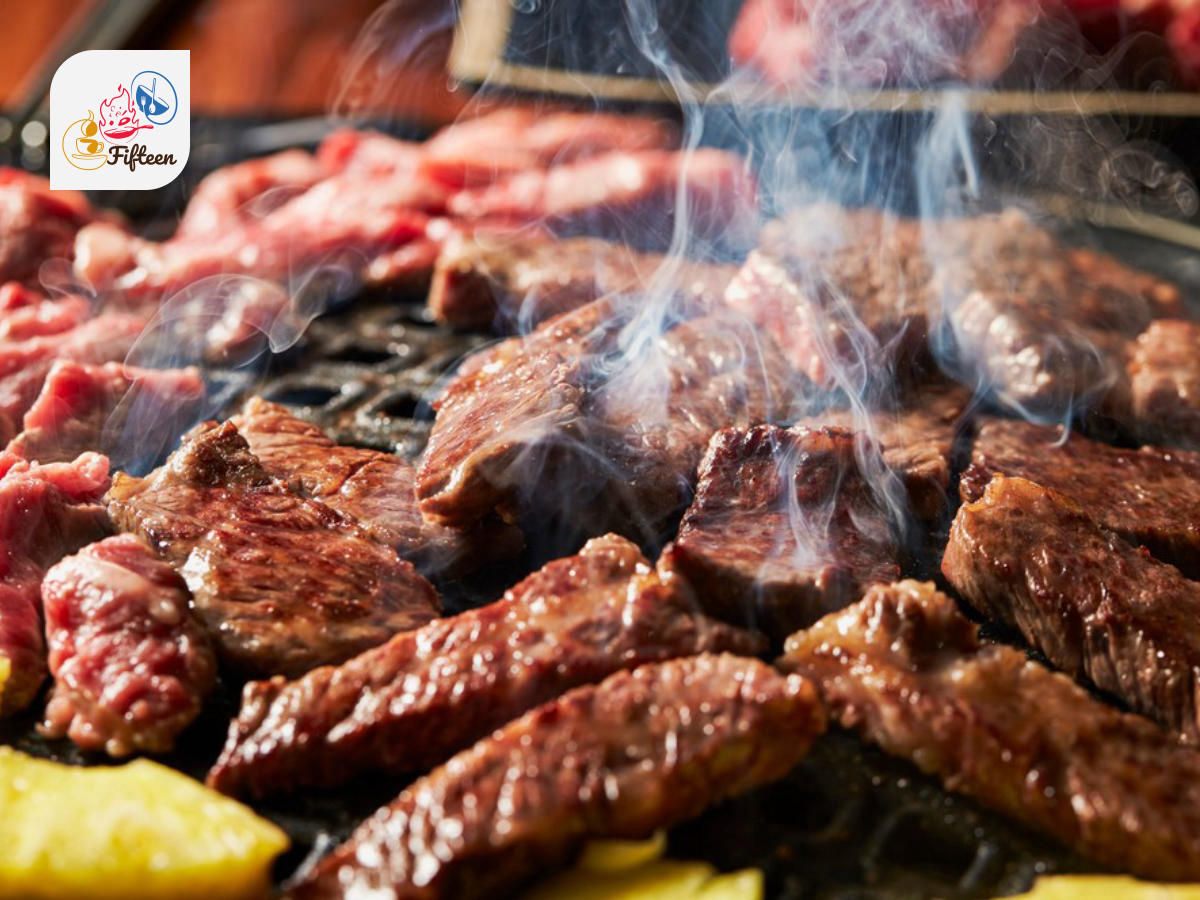
These Asian dishes use meats, seafood, or vegetables seasoned and cooked over an open flame.
That’s why they have a smoky flavor and are often served with dipping sauces.
-
Soups
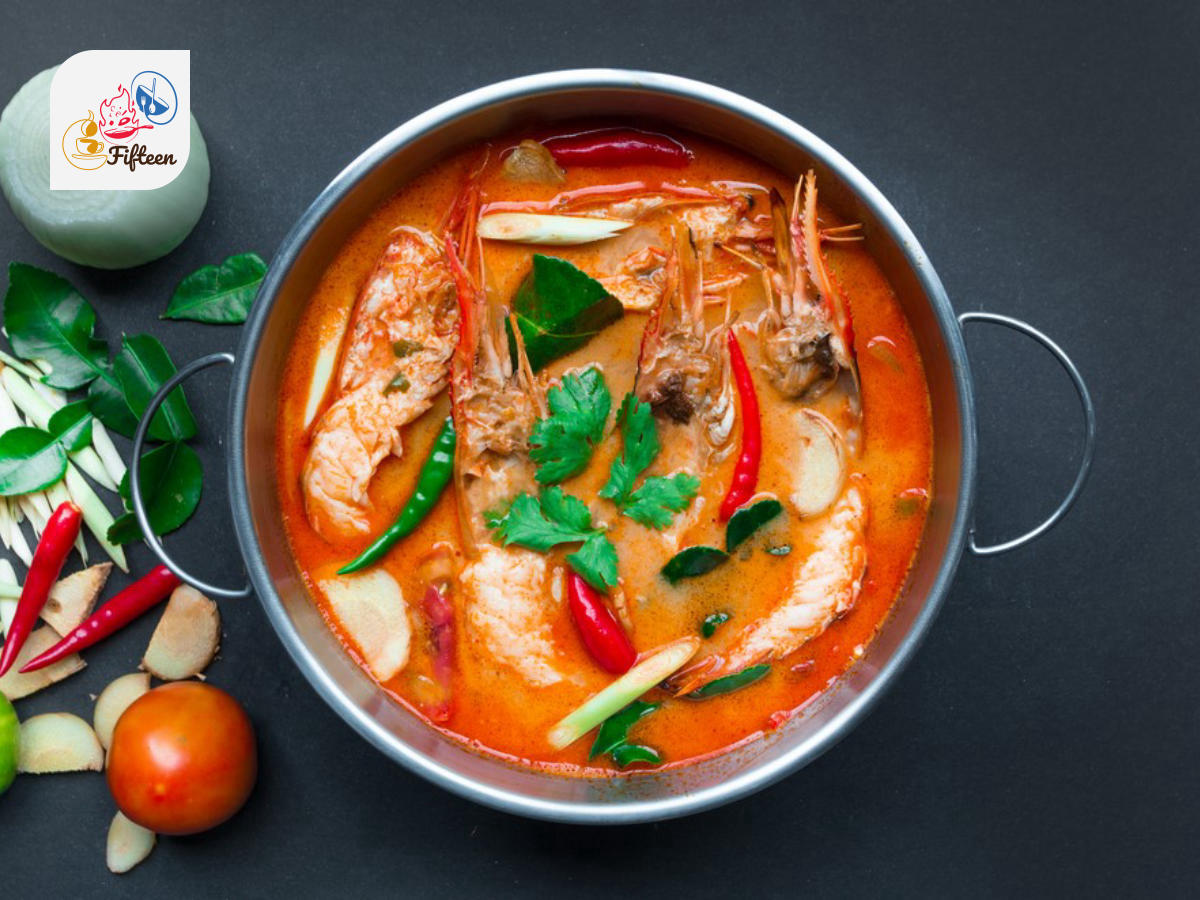
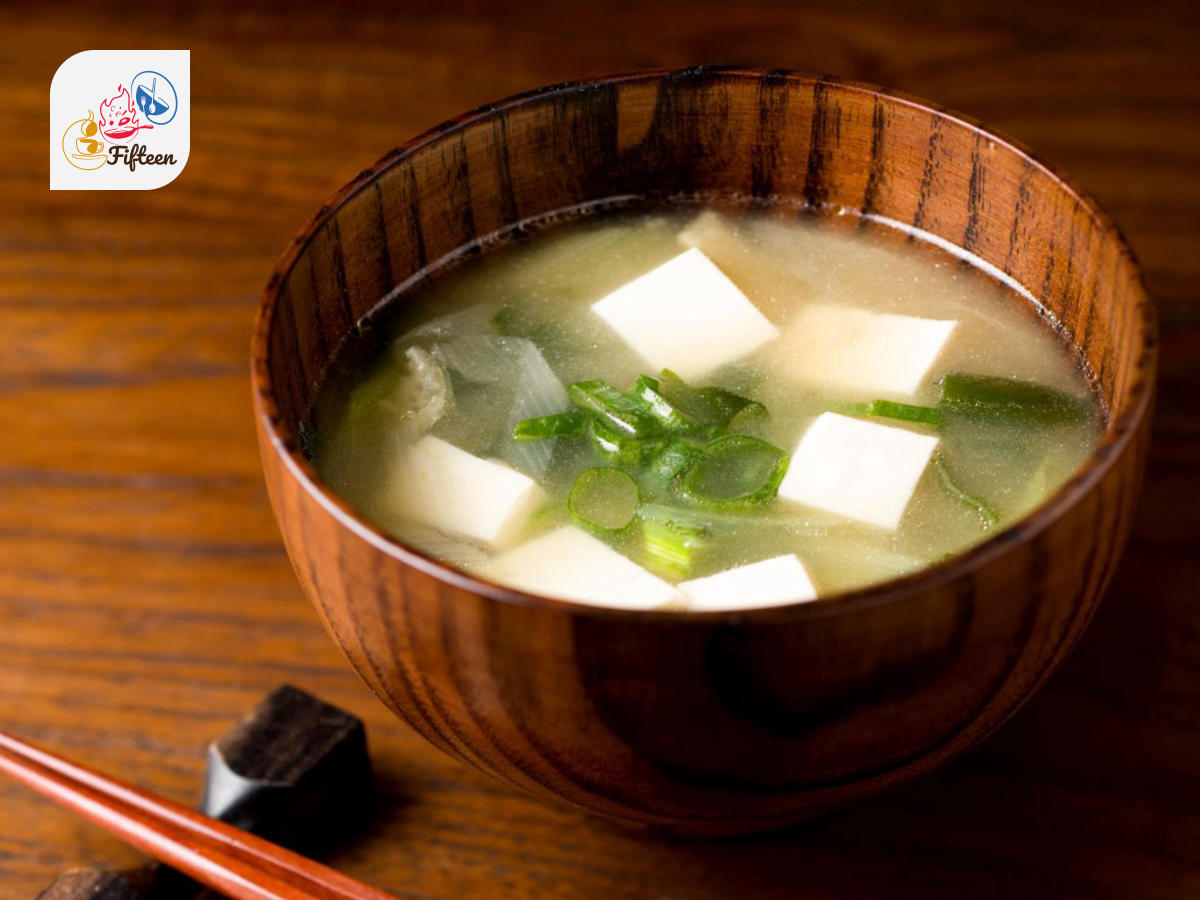
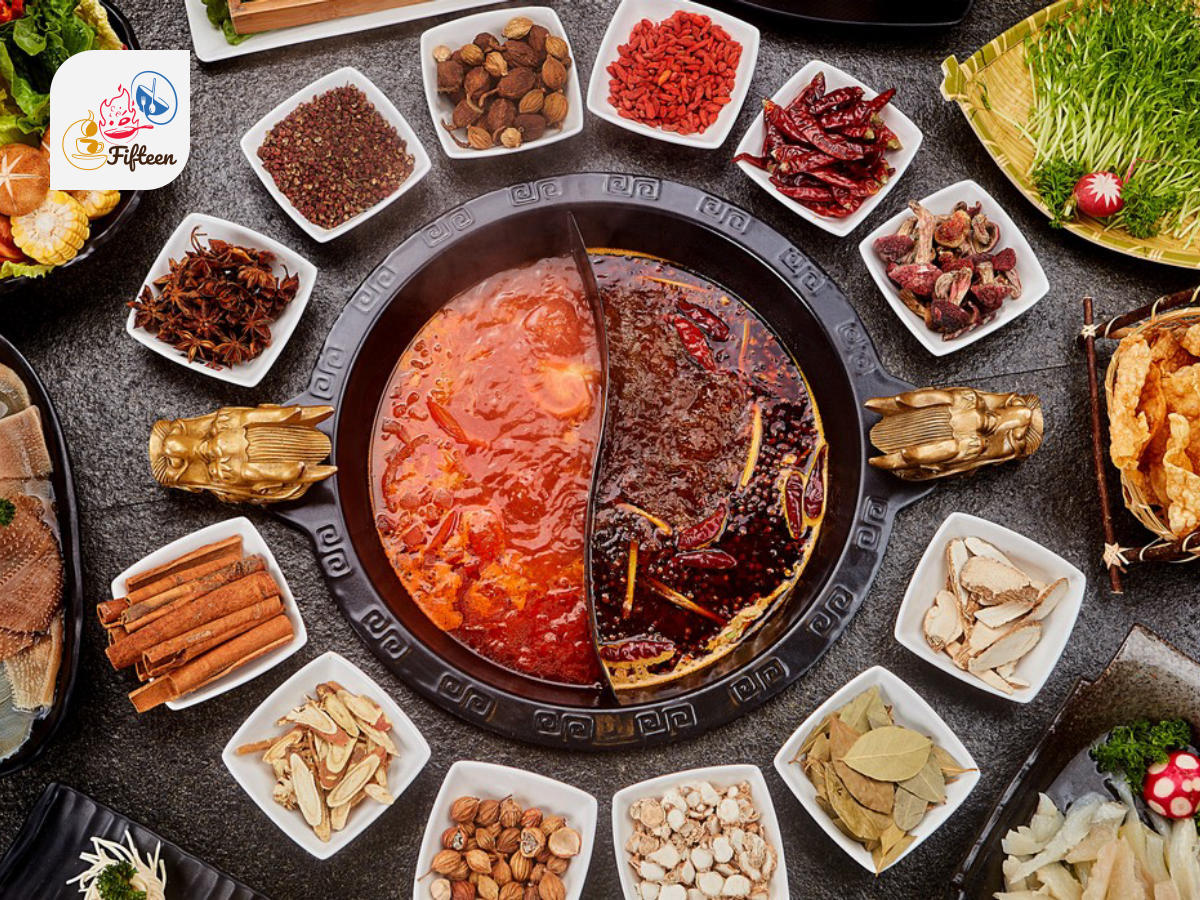
Asian soups can be clear, thickened, or full of various ingredients.
They can be hearty meat base to light, brothy soups with delicate flavors.
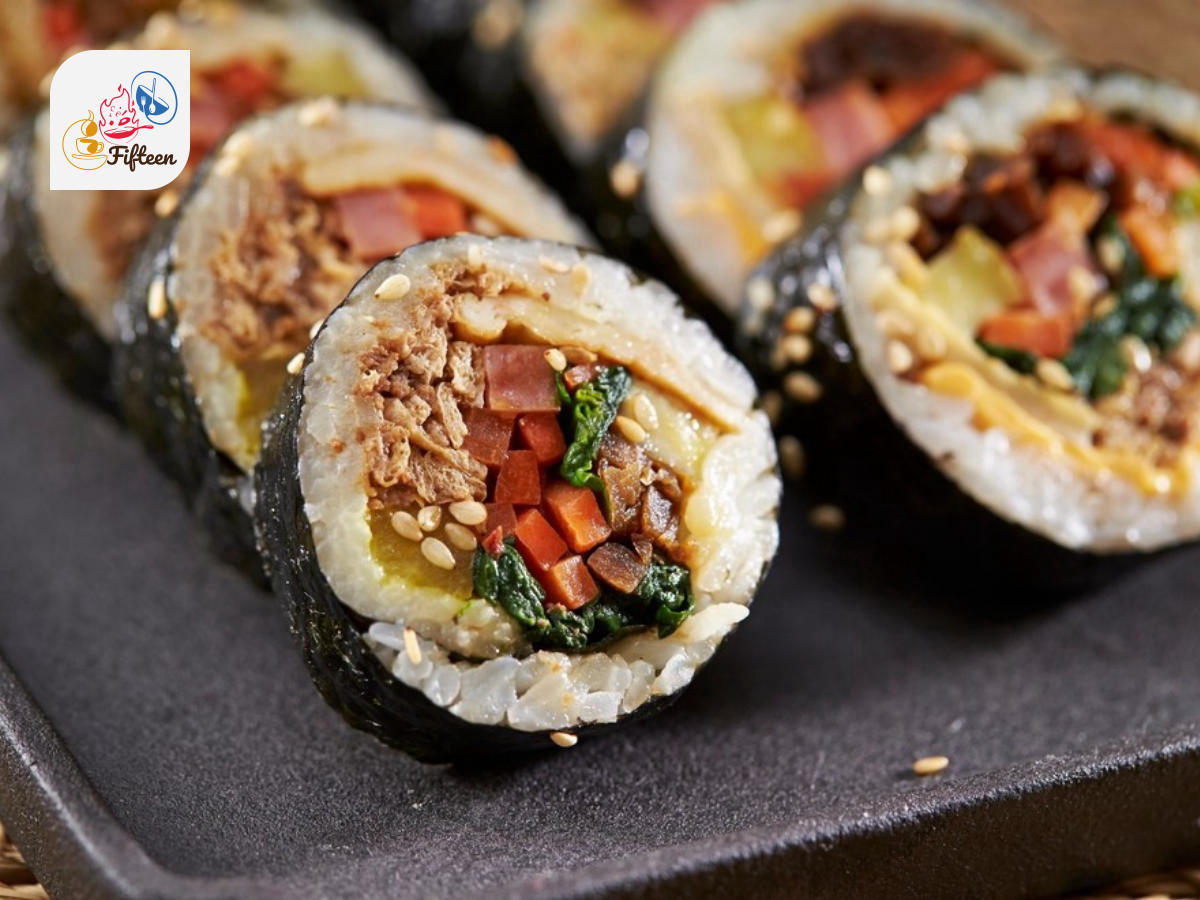
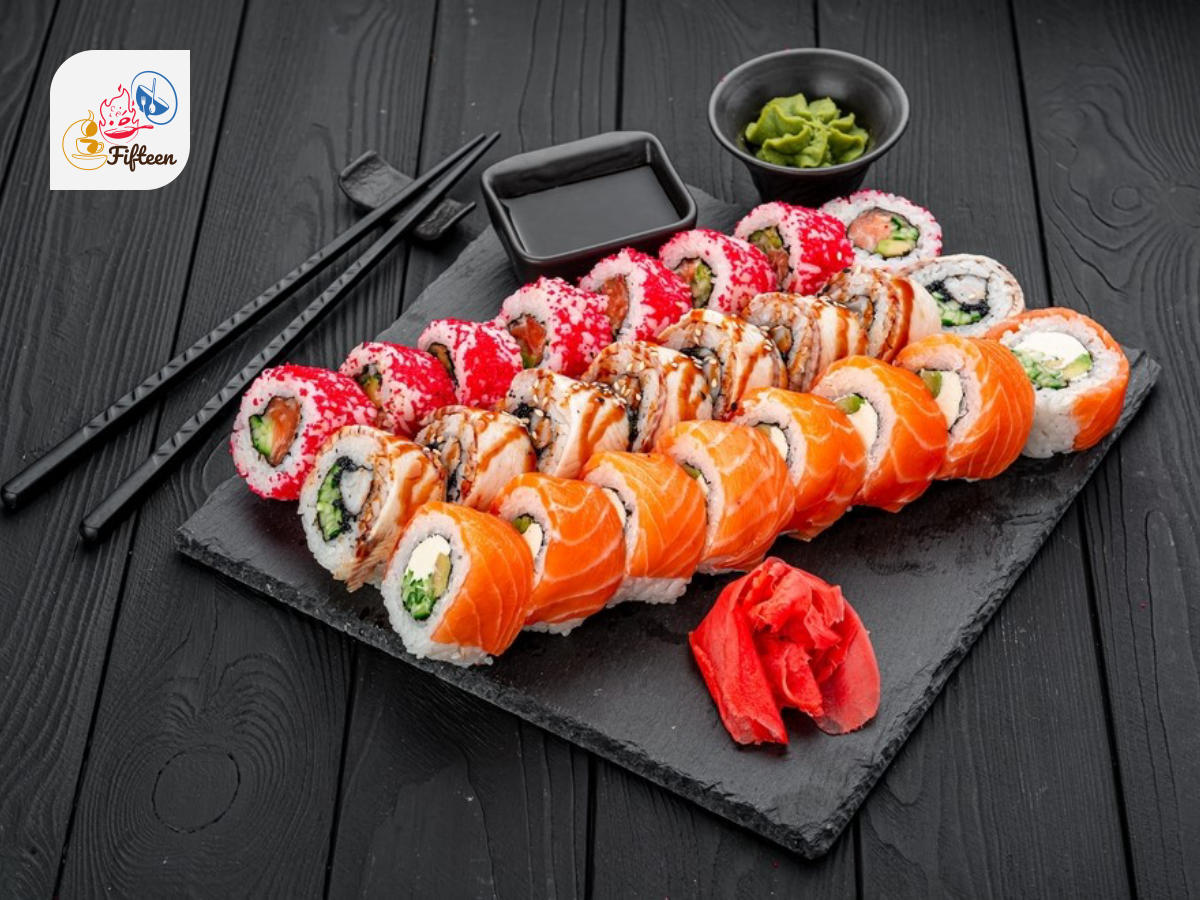
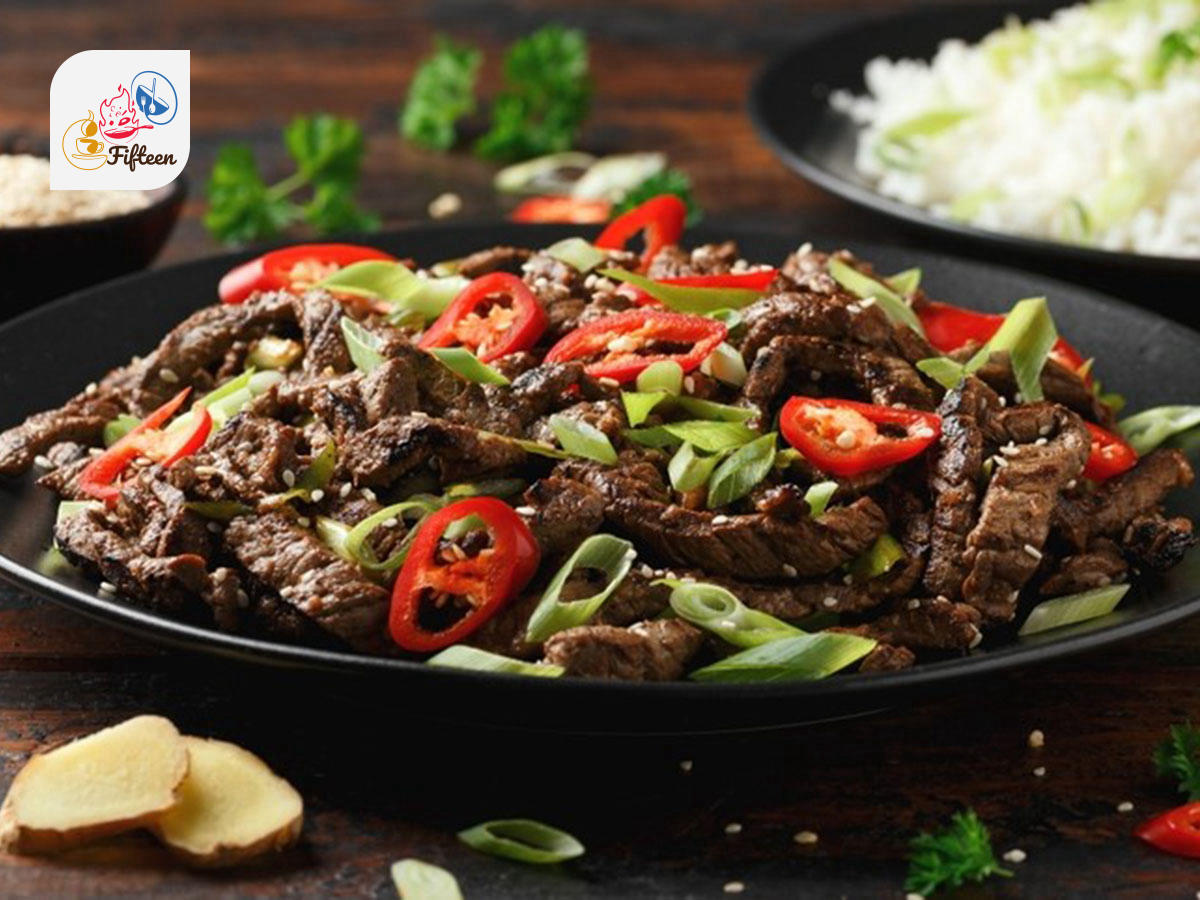
Asian dishes are from countries in Asia that have gained widespread recognition within and outside the continent.
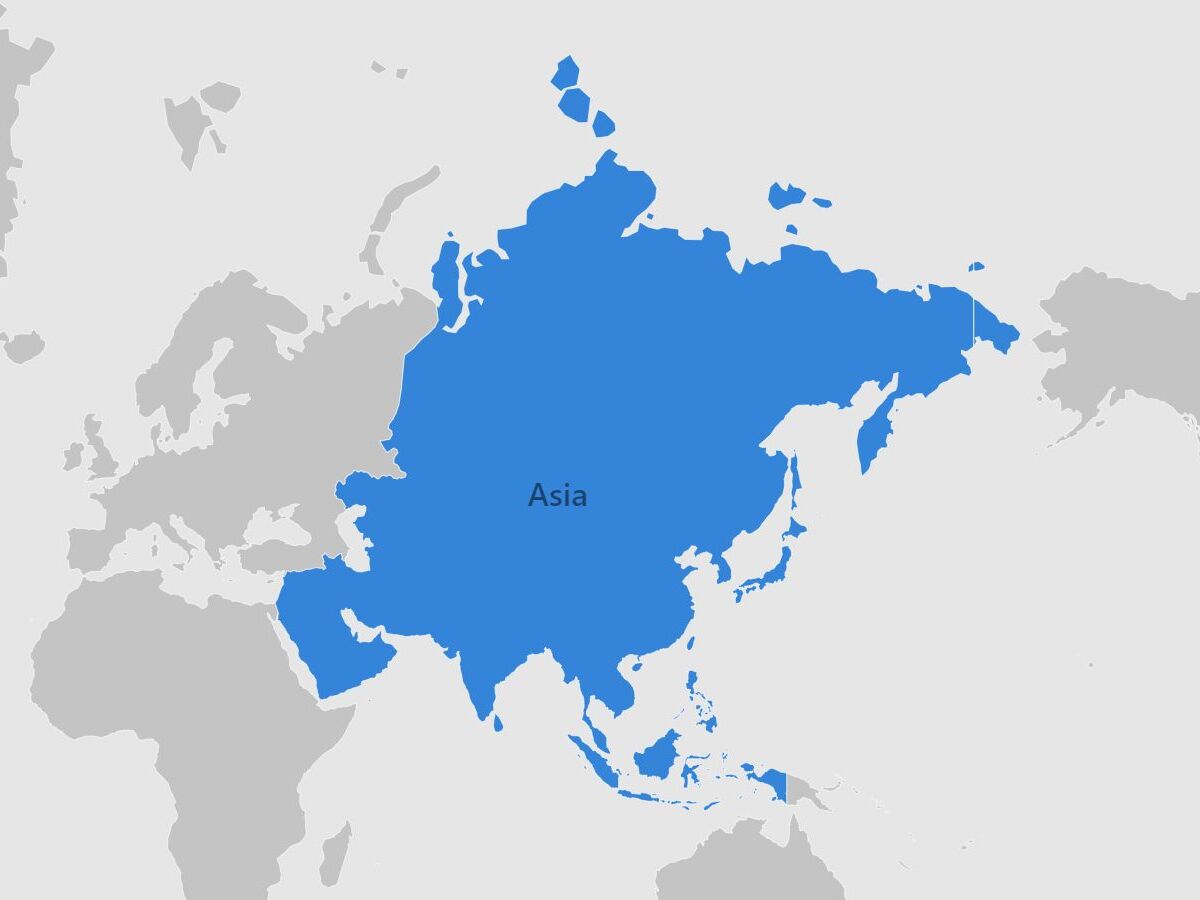
Given that Asia is the largest and most populous continent, Asian foods encompass various culinary traditions of six major regional cuisines, including Central Asian, East Asian, North Asian, South Asian, Southeast Asian, and West Asian.
Overall, Asian cuisine is shaped by diverse histories, traditions, and regions. Their common ingredients are rice, noodles, meat, seafood, a variety of vegetables, and more.
In addition to exploring well-loved Asian dishes, I delve into the traditional foods of Asia, their worldwide appeal, and the secrets behind their health benefits.
You’ll also discover insights into the distinct features of regional Asian cuisines, the top Asian countries for food, the best food cities across the continent, how these dishes play a role in celebrations and cultural traditions, and the must-have cooking tools and tableware.
Find out why spicy food is a staple in certain Asian countries, which ones are known for their heat, and what makes Asian street food so irresistible.
I’ll also look at which countries shine in the street food scene, and compare Asian dishes with Western and European gastronomy, and how to pair Asian dishes perfectly with beverages.
52 Popular Asian Dishes with Filters
Find your next culinary adventure with a list of the top 52 Asian dishes, arranged by their popularity. You can easily narrow down your choices with filters for ingredients, flavors, cooking methods, dish types, meal times, and their popularity around the globe.
Dive into a world of traditional recipes, nationwide favorites, innovative fusion dishes, beloved street food, and exotic delicacies to satisfy your taste buds.
List of Asian Dishes by Country
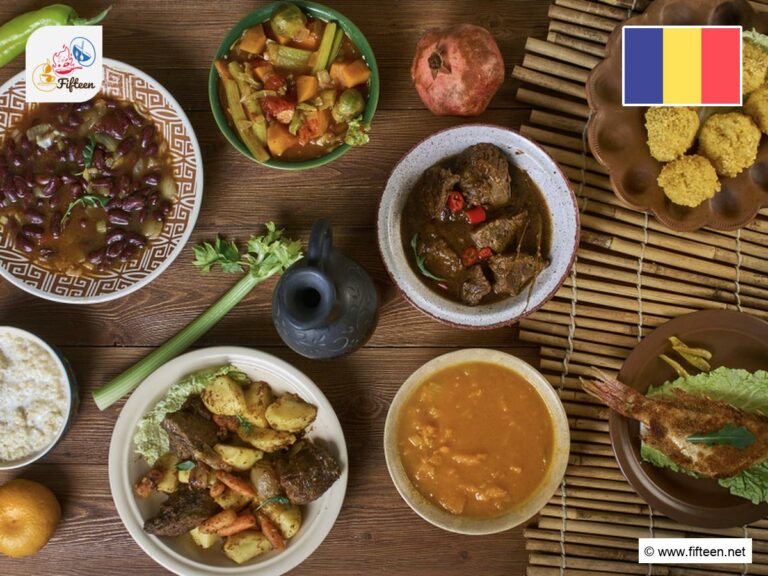
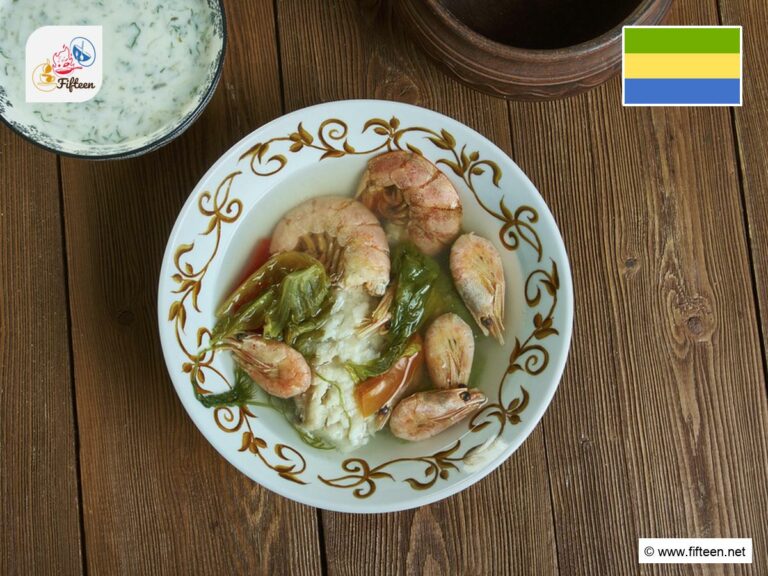
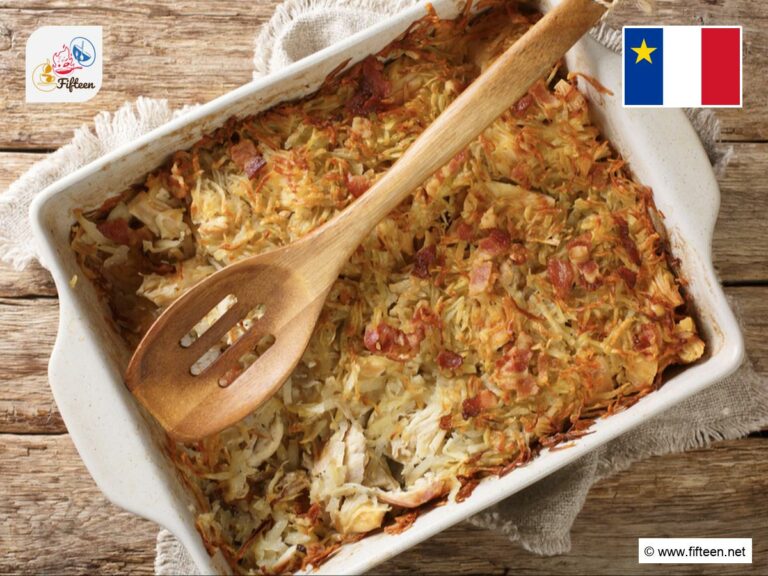
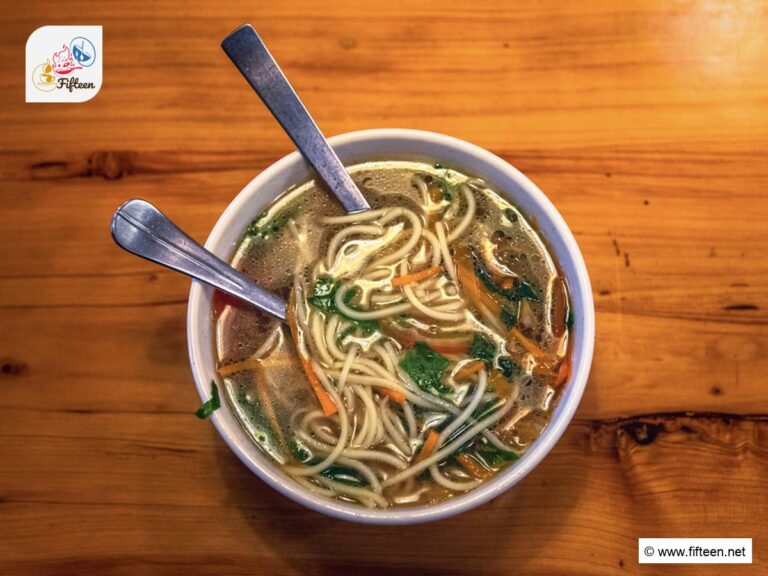
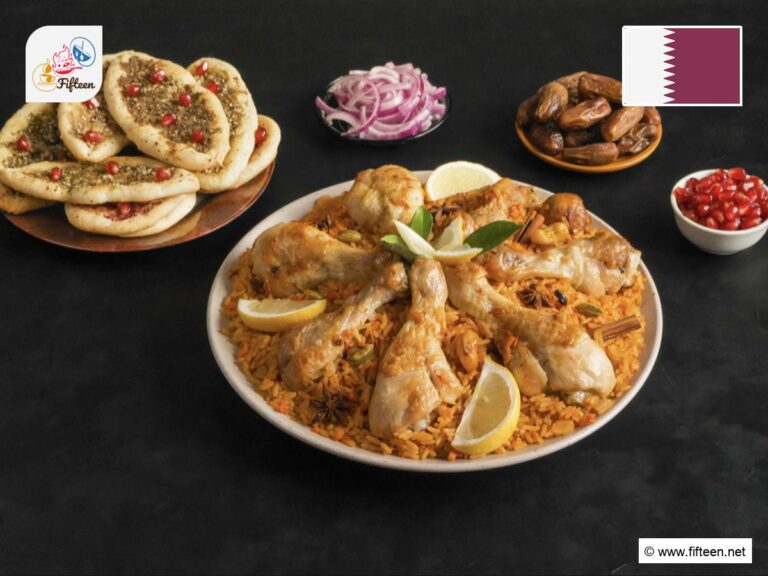
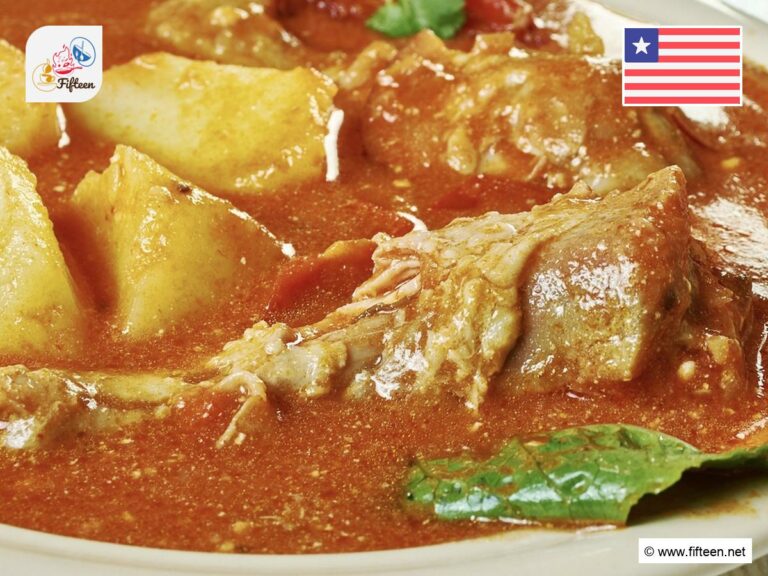
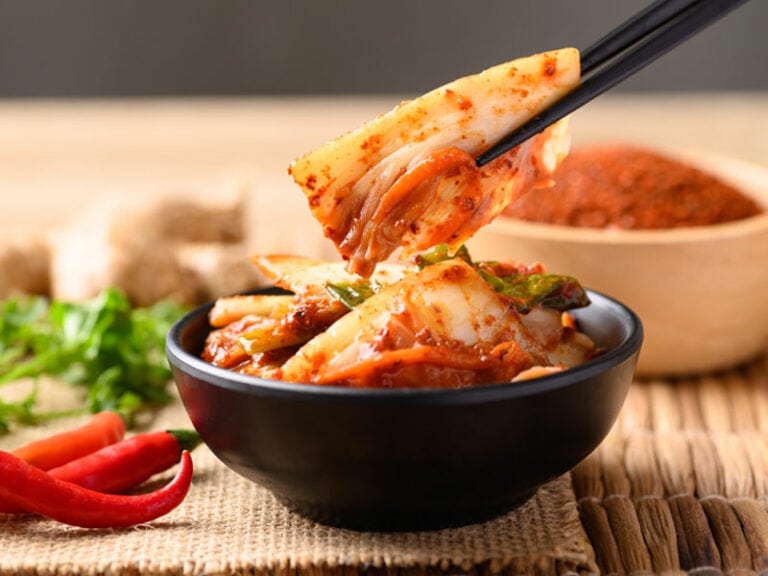
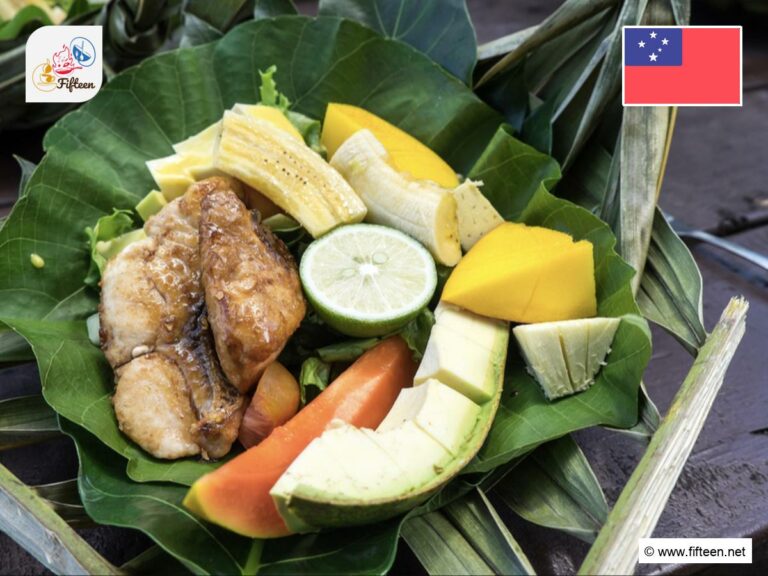
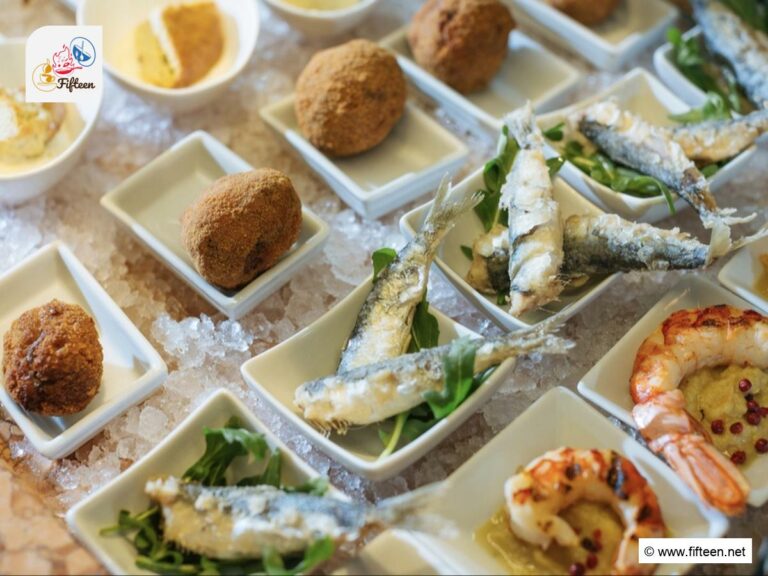
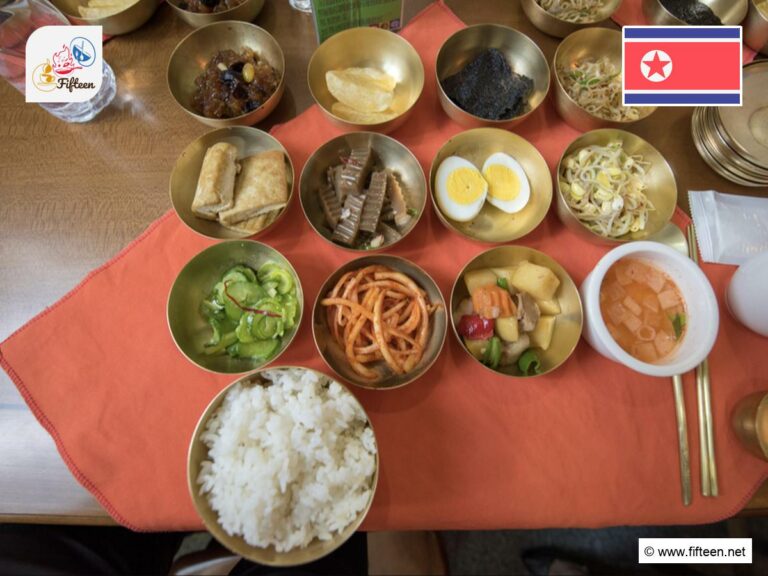
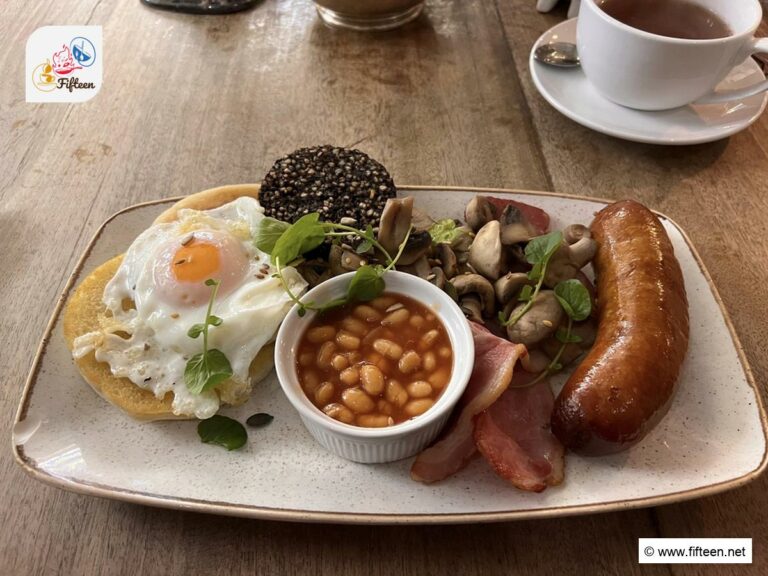
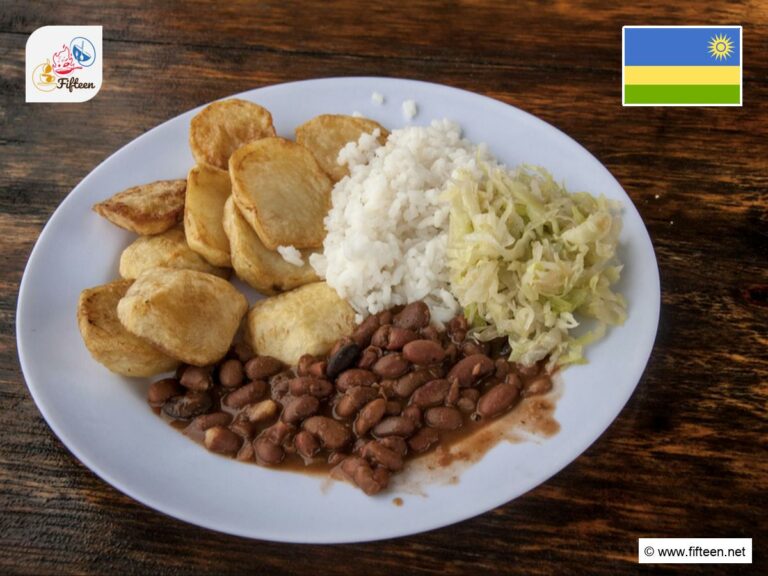
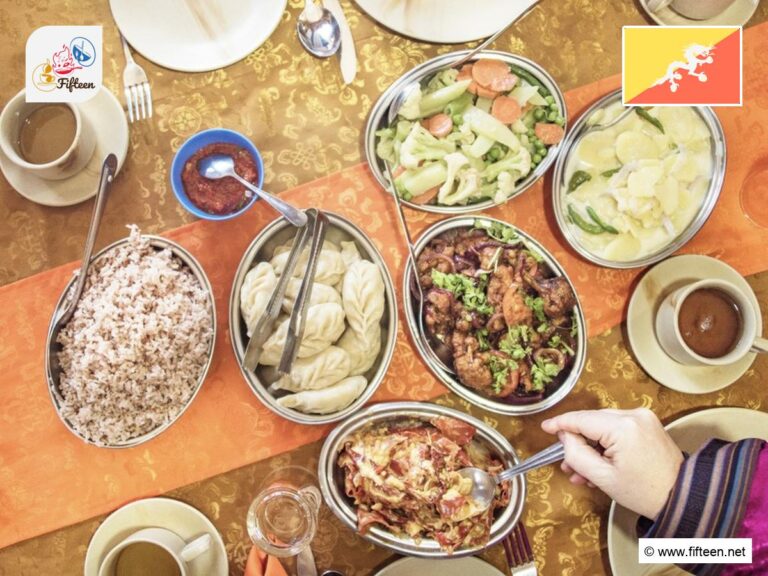
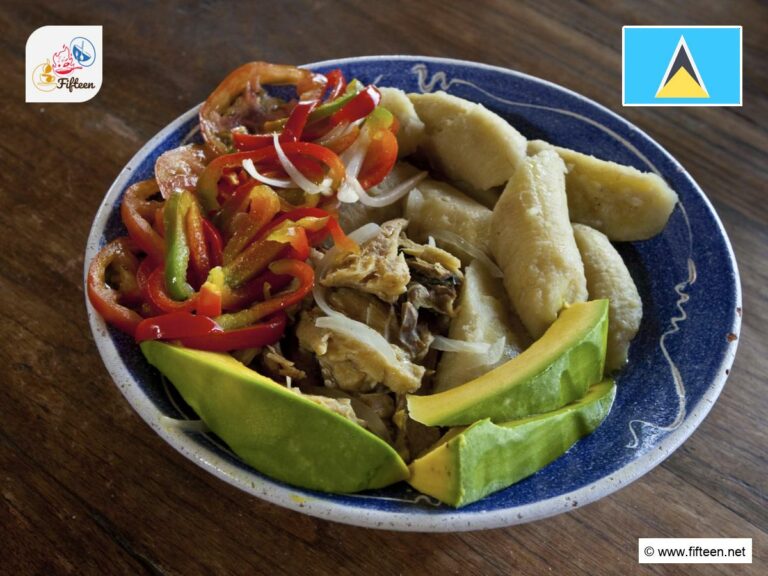
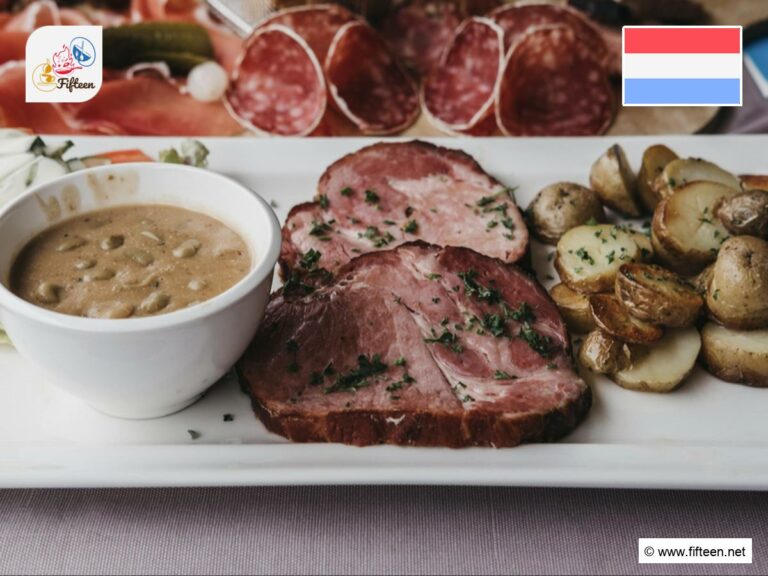
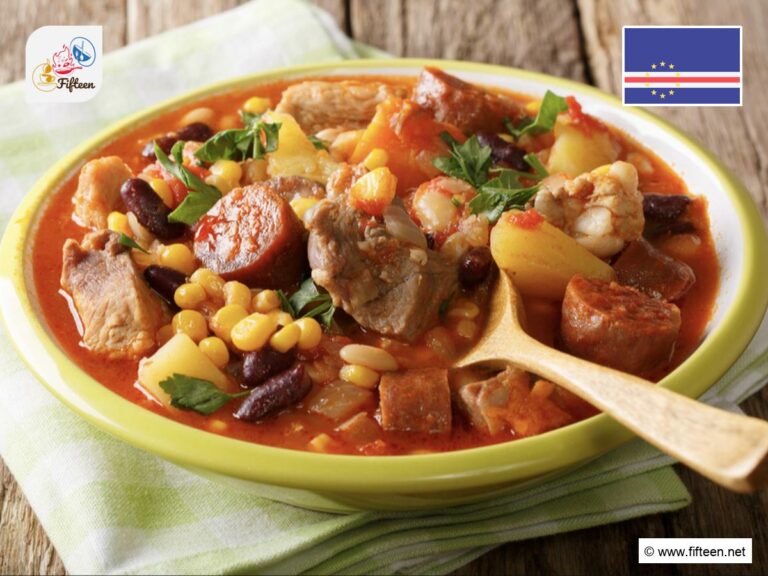
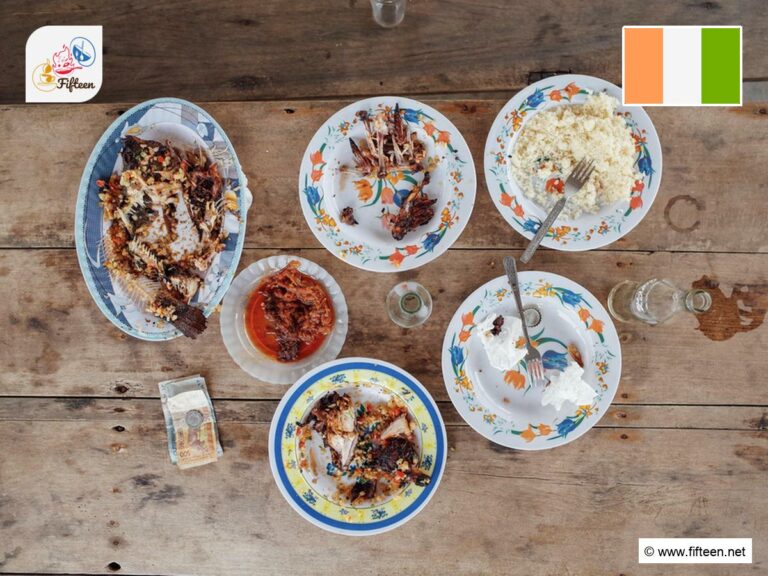
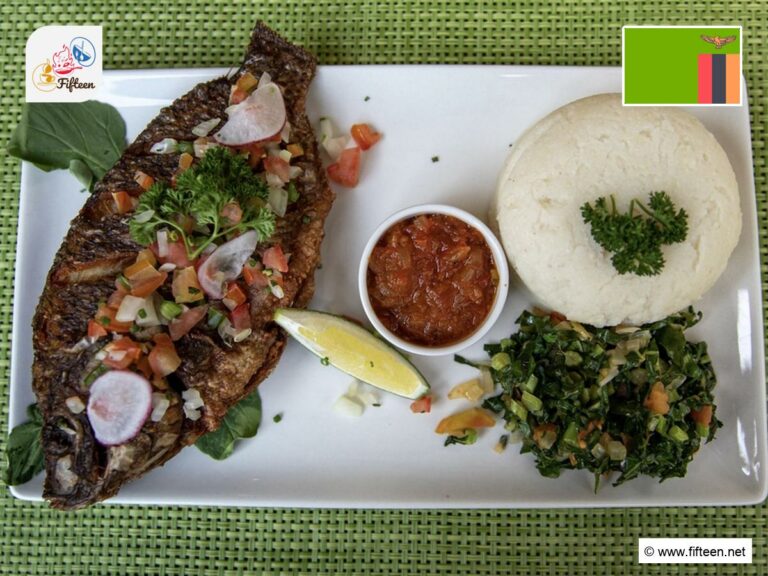
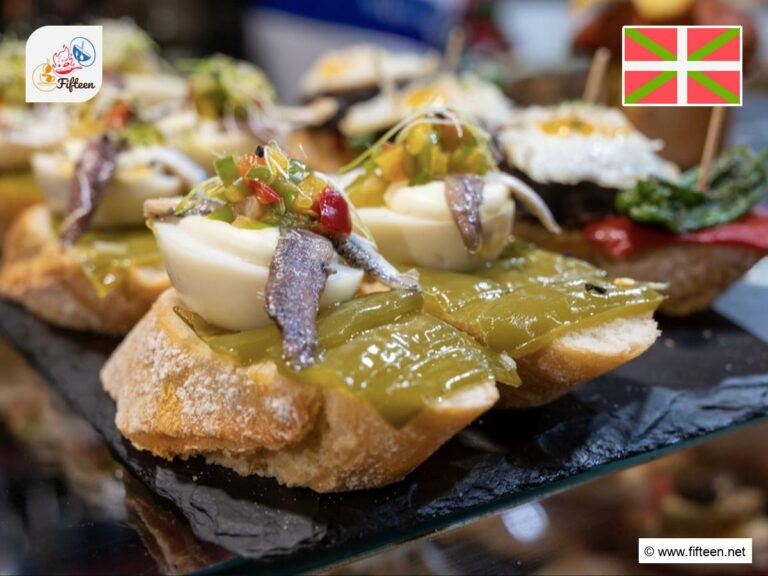
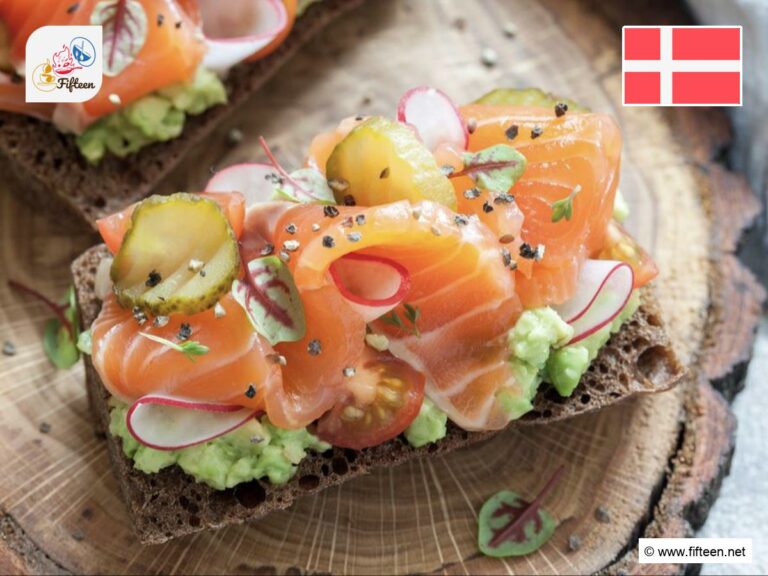
How Regional Cuisine Makes Asian Foods Famous?
Asian cuisine is vast and varied, with each region offering its unique flavors, ingredients, and cooking techniques. Here’s a breakdown of how regional cuisine makes Asian foods famous:
In the next part, let’s see which countries in Asia are mostly known for their food.
Which Asian Countries Have the Best Food?
Below are 6 Asian countries that are renowned for their rich culinary traditions and diverse flavors, making them popular among food enthusiasts worldwide.
It’s important to remember that this ranking is not definitive and can vary greatly depending on individual experiences and the cultural diversity of different regions. Moving on, let’s discover which cities are best known for food in Asia.
What Are the Most Famous Food Cities in Asia?
Asia offers a diverse palette of culinary experiences across various cities, each unique in its flavors and traditions. Here are 12 of the most popular food cities in Asia:
These food cities boast a multitude of dishes that are essential in festivals, serving as a testament to the pivotal role that cuisine plays in the celebration of cultural and traditional festivities across Asia.
How Do Asian Dishes Contribute to Festivals And Traditions?
In Asian festivals and traditions, dishes play a multifaceted role, deeply intertwined with cultural practices, regional diversity, and historical influences.
In many Asian cultures, specific dishes are prepared during festivals as they are believed to bring good luck, prosperity, and health. For example, during the Chinese New Year, dishes like dumplings (symbolizing wealth) and fish (representing abundance) are essential.
The preparation and sharing of meals during festivals foster a sense of community and belonging, strengthening family bonds and social ties.
For example: In Korea, during Chuseok (Korean Thanksgiving), families gather to prepare and share a feast that includes dishes like “songpyeon” (rice cakes) and “jeon” (Korean pancakes), paying respect to their ancestors and celebrating the harvest together.
Many dishes served during Asian festivals are loaded with symbolism. Ingredients, colors, and the way dishes are prepared and presented often have specific meanings, such as longevity, happiness, and unity.
During Chinese New Year, numerous dishes carry significant meanings. Dumplings, for example, are shaped like ancient Chinese silver ingots, symbolizing wealth and prosperity for the new year.
Festivals often coincide with agricultural cycles, and the dishes prepared reflect seasonal availability. This connection to the natural world underscores the importance of harmony and gratitude in Asian cultures.
For instance: Mooncakes are a staple food that symbolizes the Mid-Autumn Festival in China and Vietnam.
This rich tapestry of culinary traditions also highlights the indispensable role of essential Asian cooking utensils and tableware in preparing, serving, and enjoying these meaningful dishes.
What Are Essential Asian Cooking Utensils and Tableware?
Here are 6 key items for both food preparation and serving in Asia:
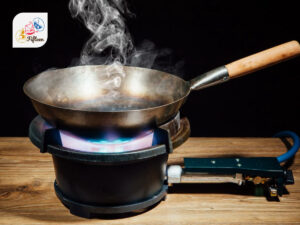
Wok
A versatile, round-bottomed pan used for various cooking methods such as stir-frying, steaming, and deep-frying.
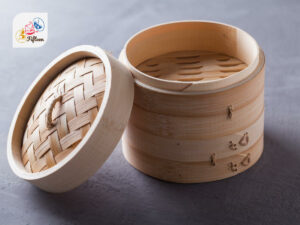
Steamer
Often made of bamboo, used for steaming dumplings, vegetables, and other dishes.
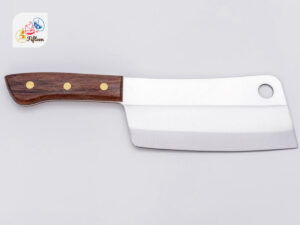
Cleaver
A multi-purpose knife for chopping meat and vegetables, and for tasks like crushing garlic.
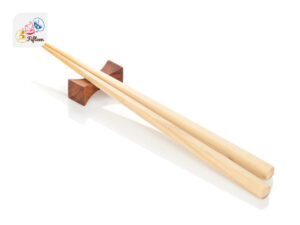
Chopsticks
The primary eating utensil for most Asian dishes, used for picking up food.
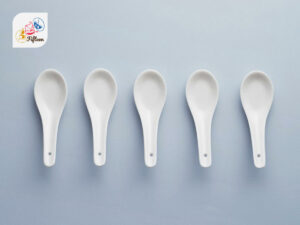
Spoons
Used alongside chopsticks for consuming soups and broths.
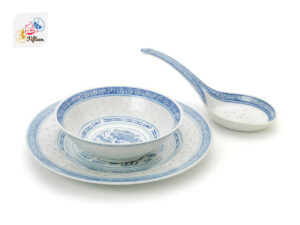
Bowls and Plates
Typically made from ceramic or porcelain, these are used for serving food and often feature intricate designs reflecting Asian aesthetics.
These items are not only crucial in the kitchen but also enhance the experience of enjoying Asian street food, where simplicity meets tradition.
What Makes Asian Street Foods So Popular?
Asian street foods have become popular for several reasons, as below.
This variety and cultural richness underline why certain Asian nations stand out as renowned destinations for street food enthusiasts seeking authentic and diverse culinary experiences.
Which Asian Countries Are Most Famous for Street Food?
Here’s a list of 10 Asian countries known for their street food, arranged in a general order of popularity based on their global recognition and the variety of street foods they offer:
- Thailand: Famous for its bustling street food scenes, especially in Bangkok, offering dishes like Pad Thai, Som Tam, and various skewered meats.
- Vietnam: Known for its Pho, Banh Mi, and various street food markets across cities like Hanoi and Ho Chi Minh City.
- India: Offers a vast array of street foods, from Chaat in the north to Dosa in the south, reflecting the country’s diverse culinary landscape.
- China: Offers a wide range of street foods, from dim sum in Hong Kong to spicy Sichuan skewers, reflecting its regional culinary diversity.
- Japan: Known for its street food delicacies like Takoyaki, Yakitori, and street food markets in cities like Osaka.
- South Korea: Famous for its street food, including Tteokbokki, Korean fried chicken, and night markets in Seoul.
- Malaysia: Offers a fusion of Malay, Chinese, and Indian street foods, with dishes like Laksa, Satay, and Nasi Lemak.
- Indonesia: Known for its diverse street food options, including Nasi Goreng, Satay, and Martabak, reflecting its rich culinary heritage.
- Philippines: Offers a unique range of street foods, from Balut to Adobo, reflecting its blend of indigenous and Spanish influences.
- Taiwan: Famous for its night markets and street foods like Bubble Tea, Gua Bao, and Stinky Tofu.
These rankings are not definitive and can vary based on individual experiences and changing food trends.
This diversity in street food offerings across Asia also showcases the widespread consumption of spicy food, which is a hallmark of many Asian cuisines, adding to their global appeal and uniqueness.
Why Do Asian Countries Eat Spicy Food?
The consumption of spicy food in Asian countries can be attributed to the following factors:
In the next section, you can uncover which nations in Asia consumed the spiciest food.
Which Asian Countries Have the Spiciest Food?
In Asia, several countries are renowned for their spicy cuisine, each with its unique flavors and ingredients that contribute to the heat level of their dishes. Here’s a brief overview:
This exploration of spicy foods in Asia versus the typically mild flavors found in Western cuisines underscores a fascinating comparison, revealing cultural preferences and the diverse approaches to seasoning and heat in culinary practices.
Asian Dishes Vs. Western Dishes
Asian and Western dishes offer a rich tapestry of flavors, ingredients, and cooking techniques that reflect their diverse cultural backgrounds, geographical locations, and historical influences.
Asian Dishes
Western Dishes
Asian Dishes Vs. European Dishes
Here’s a comparison of Asian and European dishes based on ingredients, flavors, cooking methods, staples, meal structure, and dietary focus:
Asian Dishes
European Dishes
Ultimately, both Asian and European culinary creations offer a rich tapestry of flavors, techniques, and traditions, reflecting the diverse cultures and histories from which they originate.
Moving on, it’s time to explore what beverages pair well with Asian flavors, offering a complete dining experience.
What Beverages Pair Well with Asian Dishes?
Asian cuisines offer a wide array of flavors, textures, and ingredients, and finding the right drinks to pair with these foods can enhance the overall dining experience. here are some drinks that pair well with Asian foods:
When pairing classic Asian beverages with dishes, consider the balance of flavors and how the beverage can complement or contrast with the food to enhance the overall dining experience.
Finally, let’s dive into these dishes and share your thoughts. Don’t forget to kike, share, and comment to connect with fellow food enthusiasts!
Jamie Scott
Editor in Chief, Senior Content Writer
Expertise
Home Cooking, Meal Planning, Recipe Development, Baking and Pastry, Food Editor, Cooking-video Maker, Western Food Evaluation Expert
Education
Le Cordon Bleu College of Culinary Arts
Local Community College, New York, NY
Jamie Scott is a skilled culinary expert and content creator specializing in Western cuisine. With over 15 years in the culinary field and formal training from Le Cordon Bleu, Paris, Jamie deeply understands how to blend nutrition with delicious flavors. His passion for cooking matches his commitment to making healthy eating accessible and enjoyable.
On Fifteen.net, Jamie brings a fresh perspective to classic dishes and beverages, offering readers insightful recipes, cooking tips, and a fresh view on meal planning that emphasizes taste, health, and simplicity.