

Mediterranean Beverages: Basic Overview
Common Ingredients
Common Preparing Methods
Key Taste
Drinking Etiquette
Culinary Festivals
Influence and Fusion
Mediterranean Beverages: Origin and Region
Cuisine
Cuisine’s Regions
Classifications of Mediterranean Beverages
-
Alcoholic Beverages
Mediterranean alcoholic beverages range from grape wines to spirits distilled from fruits and herbs.
These drinks are often enjoyed in social settings, celebrations, and as part of daily meals.
They represent the Mediterranean’s warm hospitality and love for communal dining.
-
Non-alcoholic Beverages
Non-alcoholic beverages in Mediterranean cuisine are characterized by their refreshing and health-oriented nature.
These include a variety of fruit juices made from the region’s abundant produce, traditional teas and coffees, and herbal infusions.
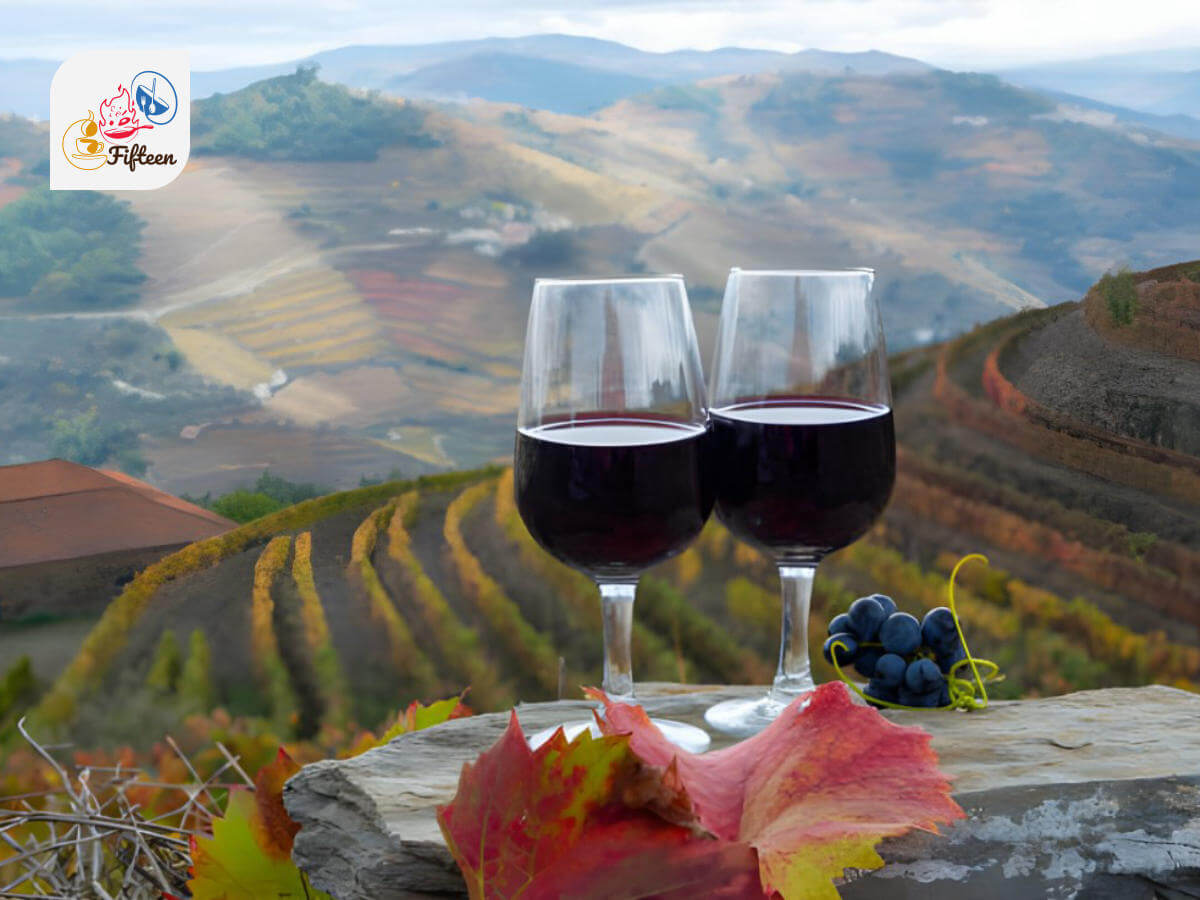
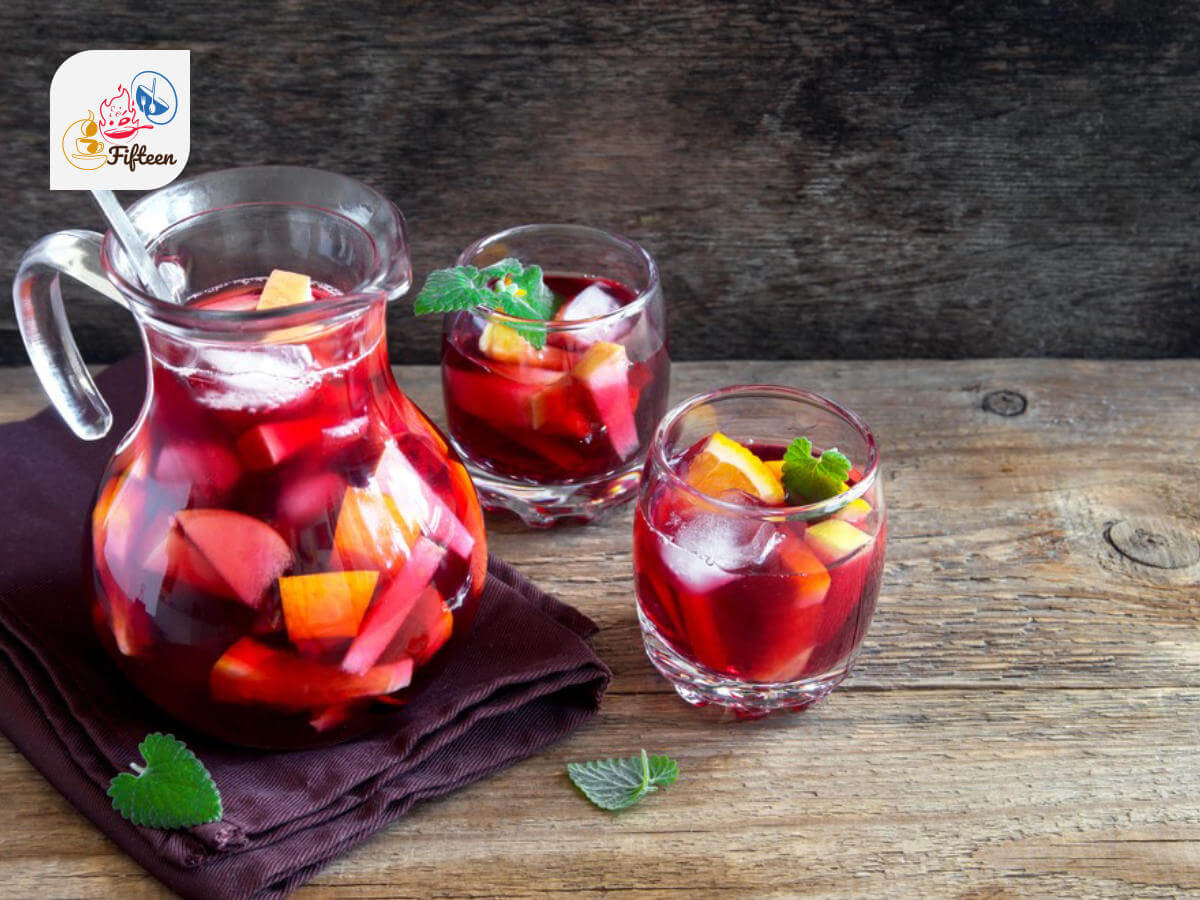
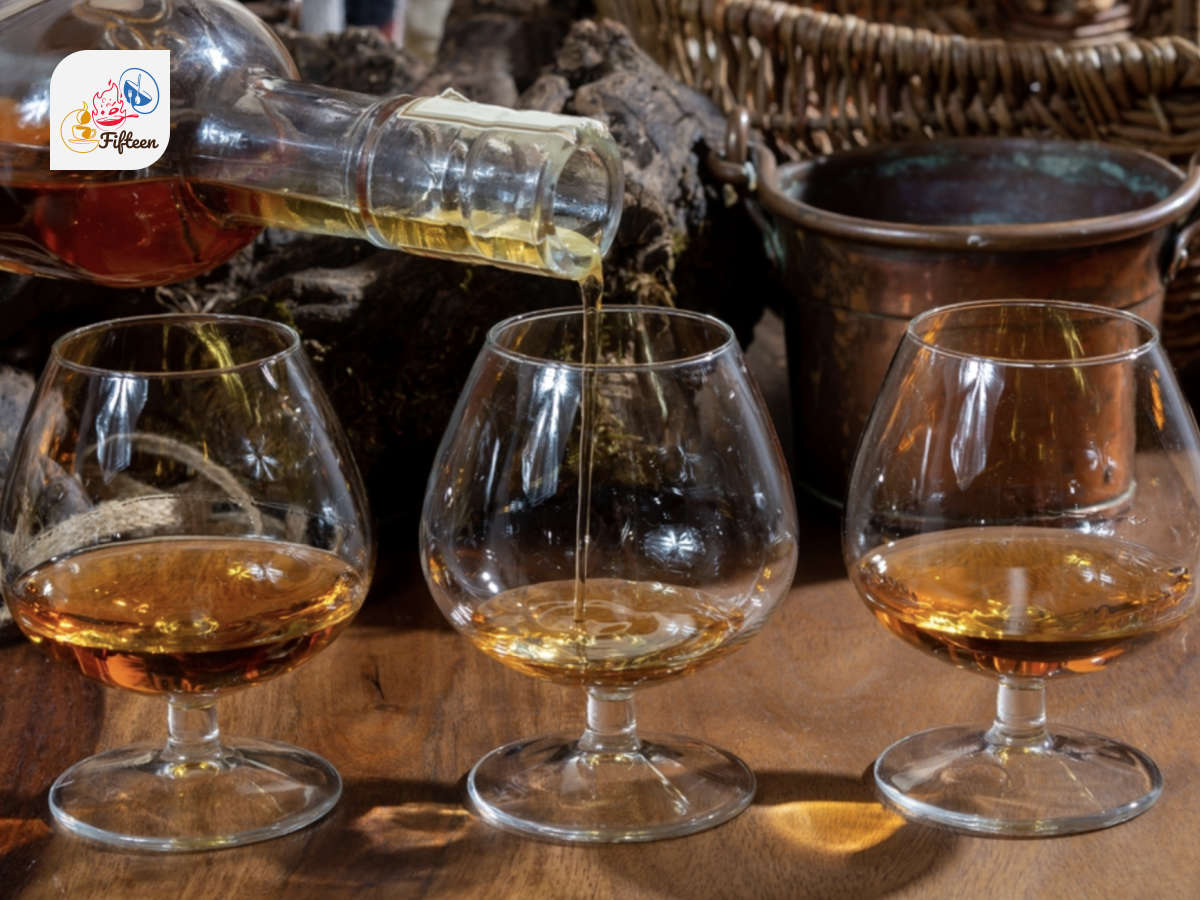
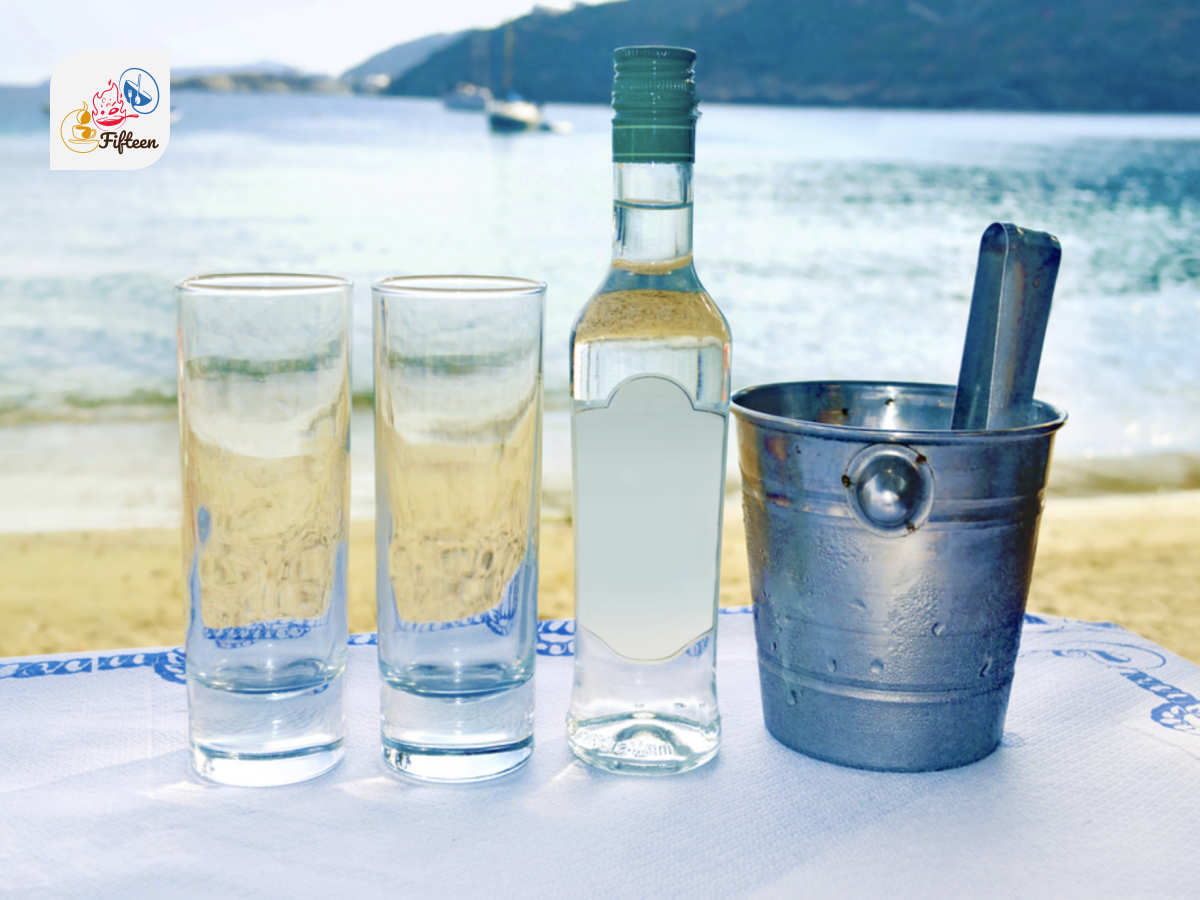
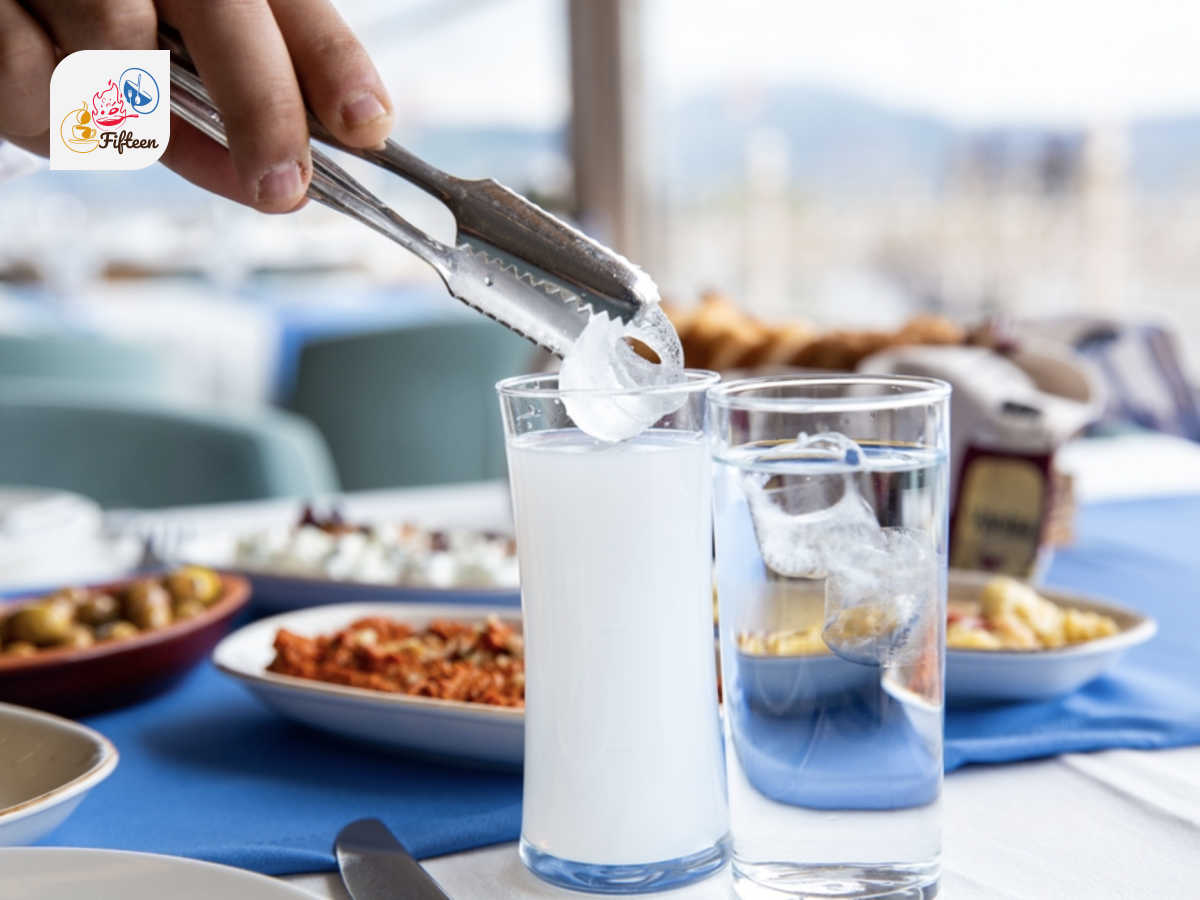
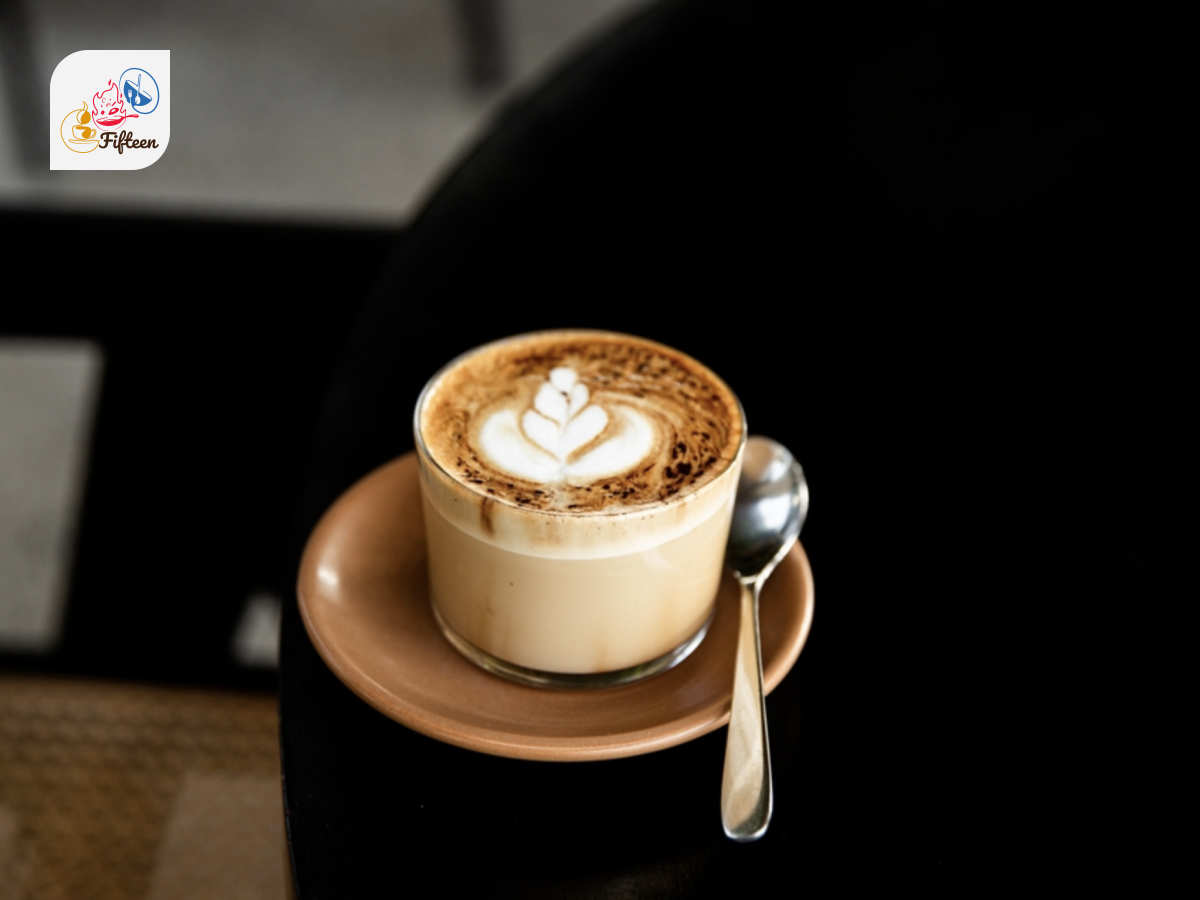
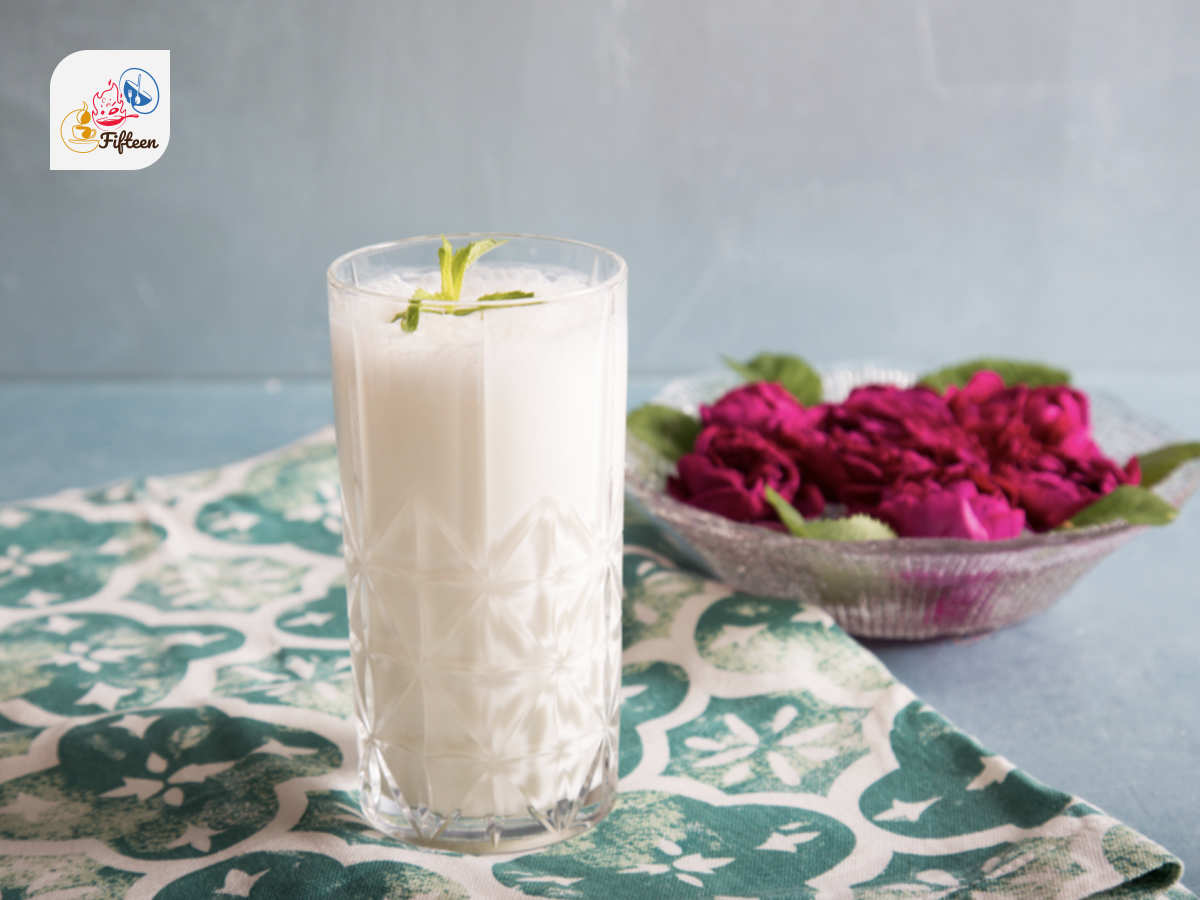
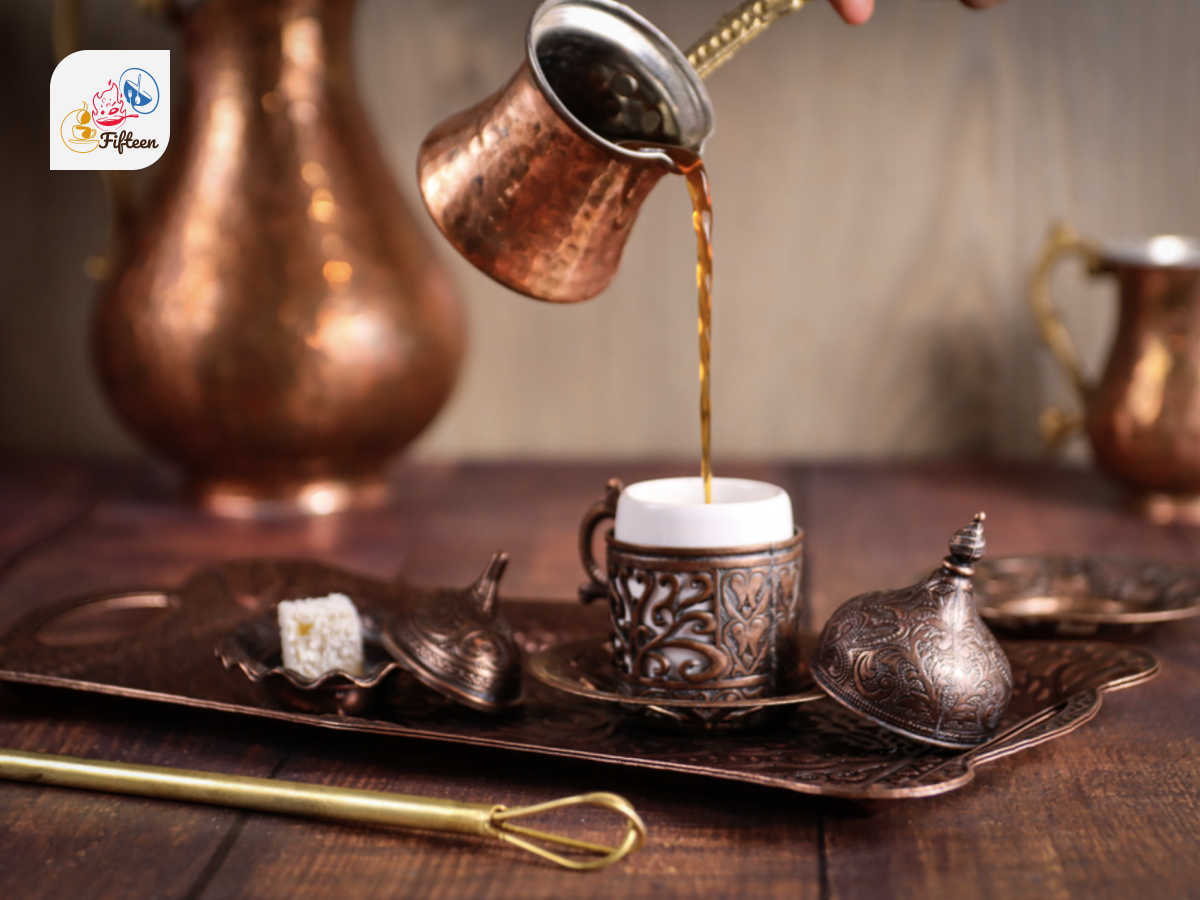
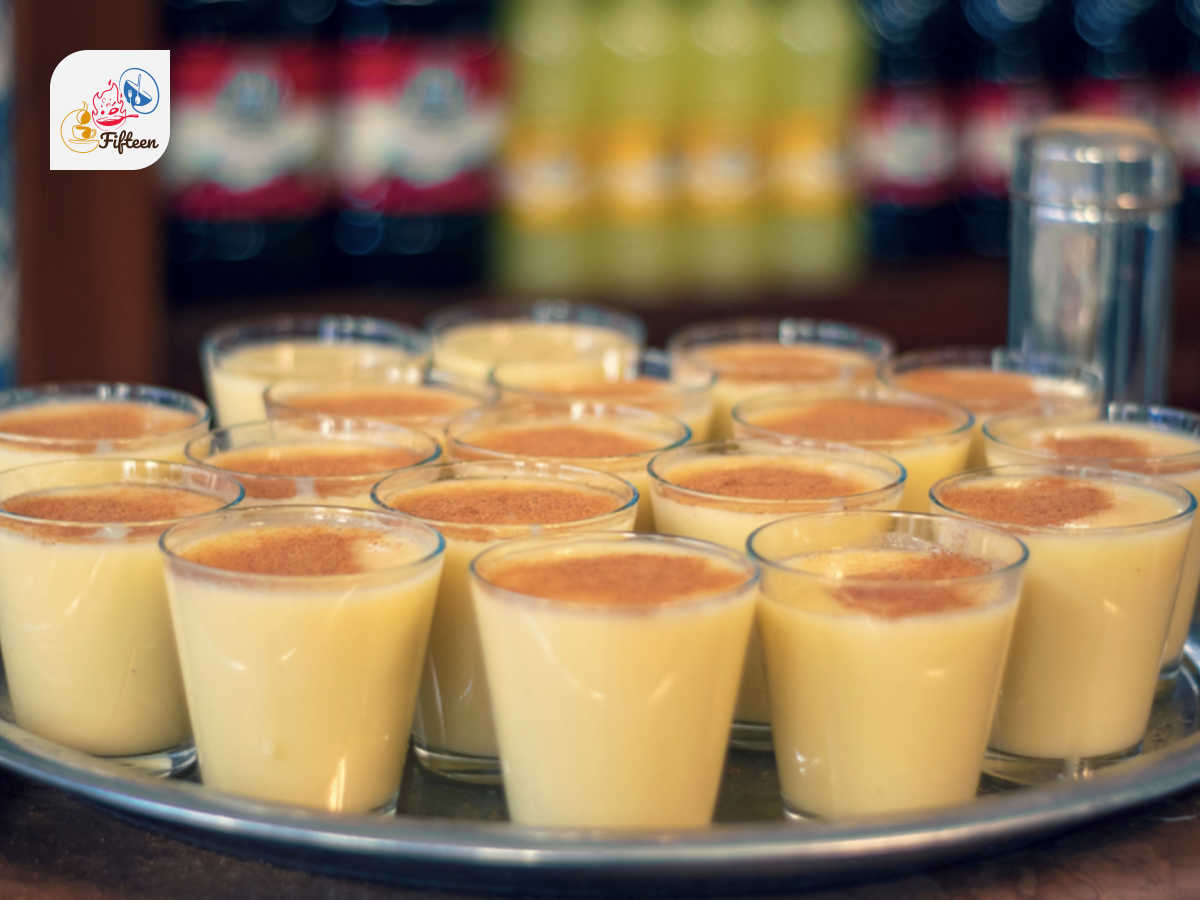
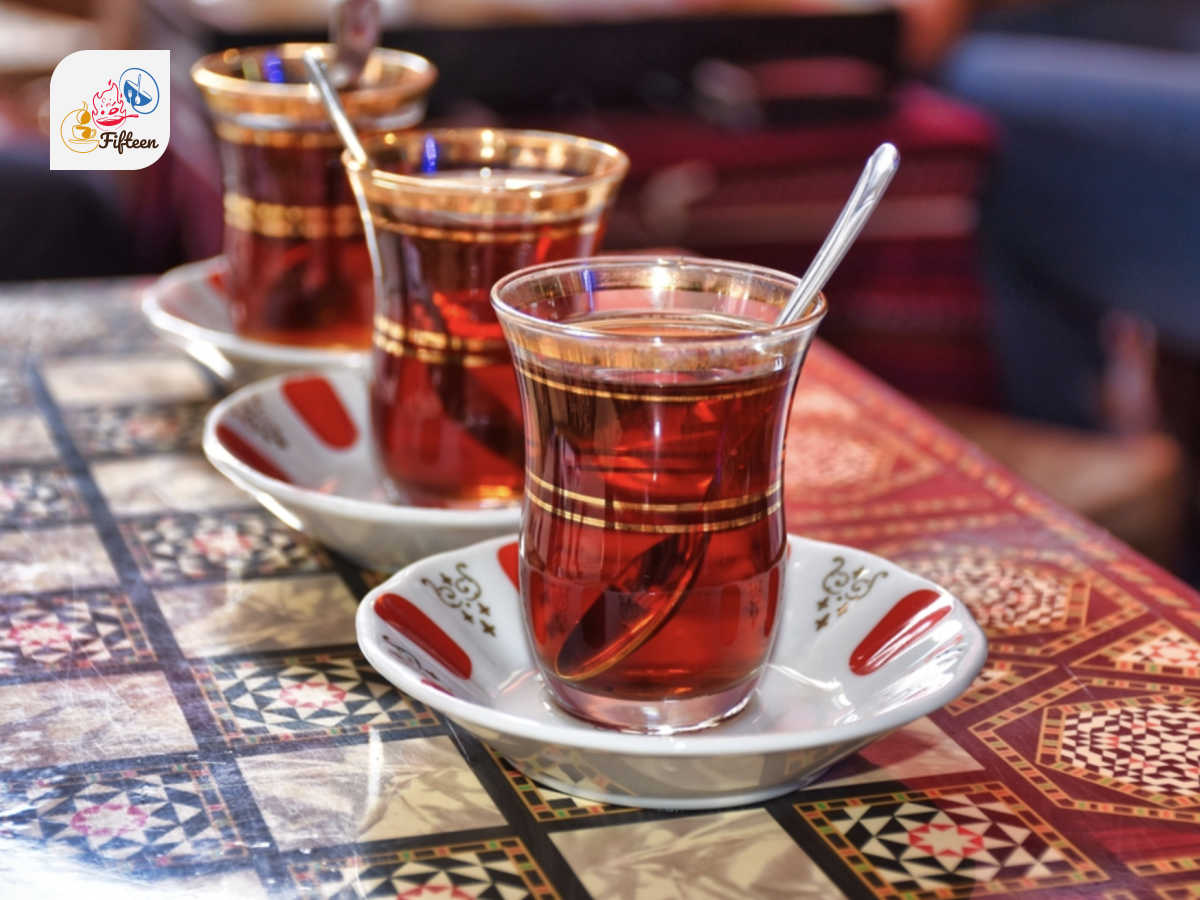
Mediterranean beverages are drinks commonly enjoyed in the Mediterranean. This region covers Southern Europe, North Africa, and parts of Western Asia.
Since the Mediterranean is a melting pot of cultures, local beverages draw culinary influences from the Asian drink collection, African drinks assortment, and drinks of Europe.
Mediterranean beverages are characterized by the predominance of certain ingredients like grapes (for wine), various herbs, and fresh fruits. Therefore, these drinks are aromatic and refreshing.
Common beverage types include wines, which are central to Mediterranean dining culture, especially in countries like Italy, Spain, and Greece.
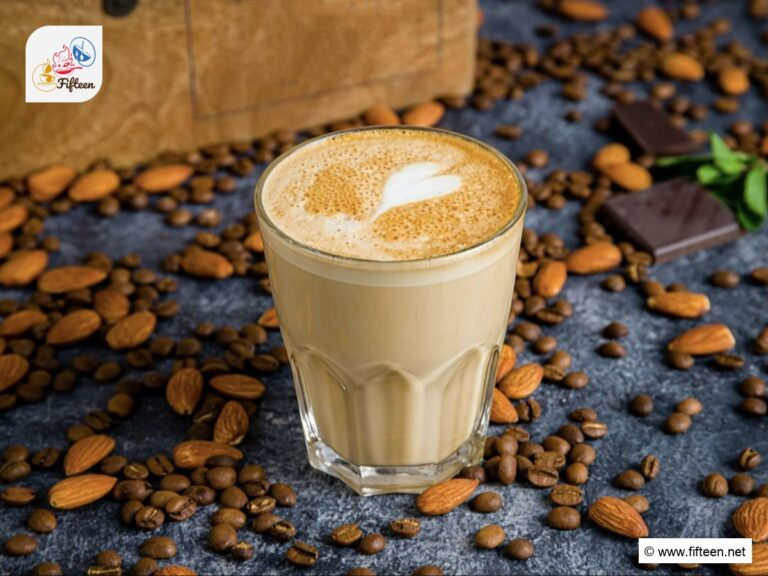
Herbal teas, such as mint tea, are well-known in North African countries like Morocco. Coffee also plays a significant role, particularly in countries like Italy and Turkey.
Fermentation is notable in wine production, while brewing and steeping are common for teas and coffees.
Apart from exploring the most popular Mediterranean beverages, I also delve into the traditional drinking culture, its global appeal, and the beverage traits found in each Mediterranean region.
Moreover, I uncover how beverages play a significant role in the cultural and social rituals of the Mediterranean, along with the region’s preferences for alcoholic and non-alcoholic drinks.
You’ll find out which countries top the charts in alcohol and beer consumption and which ones are renowned for their coffee and tea.
Lastly, I’ll guide you through the art of pairing dishes with beverages, offering tips on what to sip and skip when following a Mediterranean diet.
Let’s get started now!
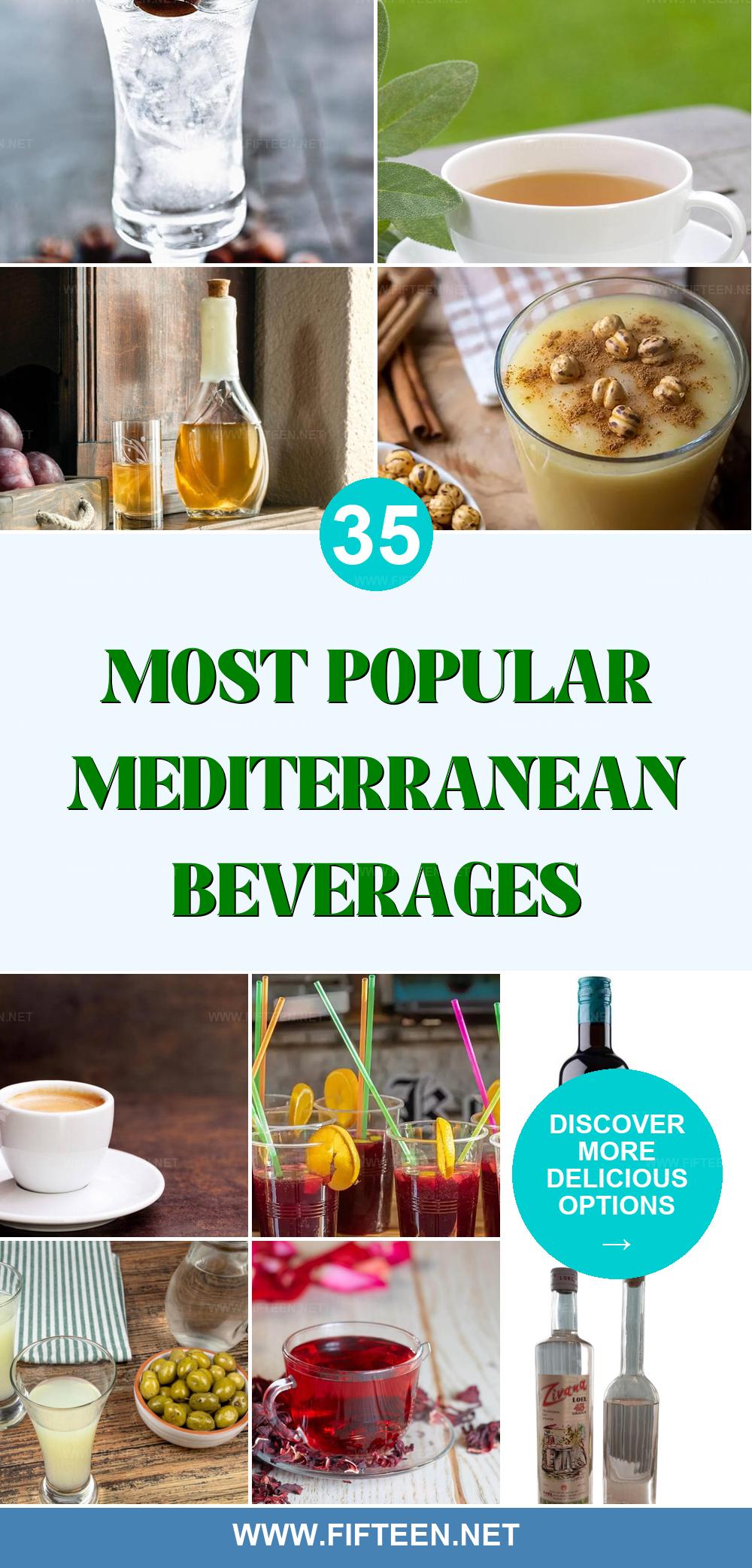
35 Best European Mediterranean with Filters
Here are the top 35 Mediterranean drinks sorted according to their popularity. This guide lets you easily find what you’re looking for by filtering based on popularity, ingredients, flavor profile, and preparation method.
Plus, you can narrow your search to traditional, national, fusion, exotic, or street-style drinks.
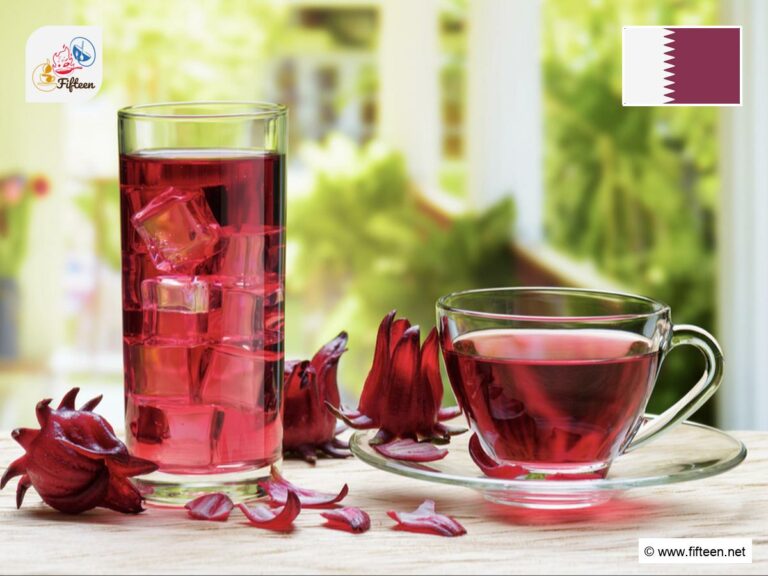
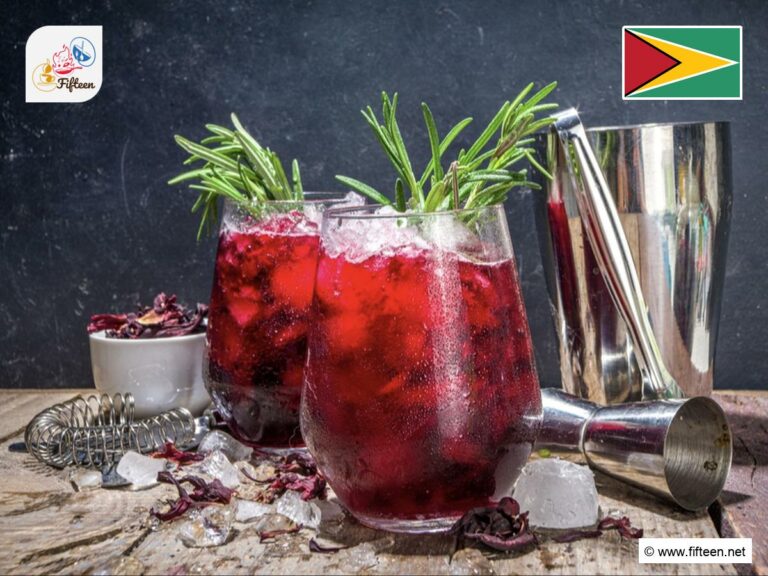
Hibiscus tea, or Karkade, is a common street beverage in parts of North Africa, especially Egypt, appreciated for its cooling, cranberry-like flavor on hot days.
These exotic drinks offer a taste of the region’s diverse flora and culinary creativity, providing a sensory experience that stands out for their distinct taste profiles and vibrant colors.
Limonana, a blend of lemon and mint, represents a modern fusion within Mediterranean drinks, merging traditional flavors into a refreshing lemonade, popular as a cooling summer treat.
List of Mediterranean Beverages
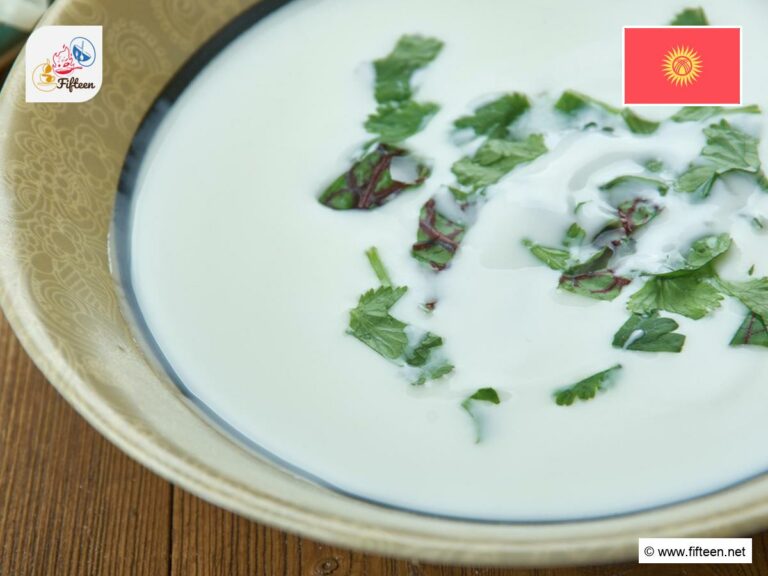
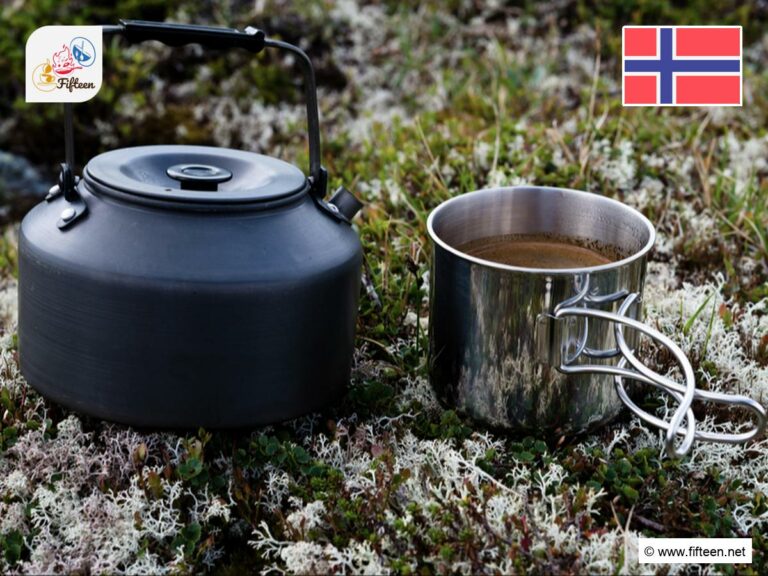
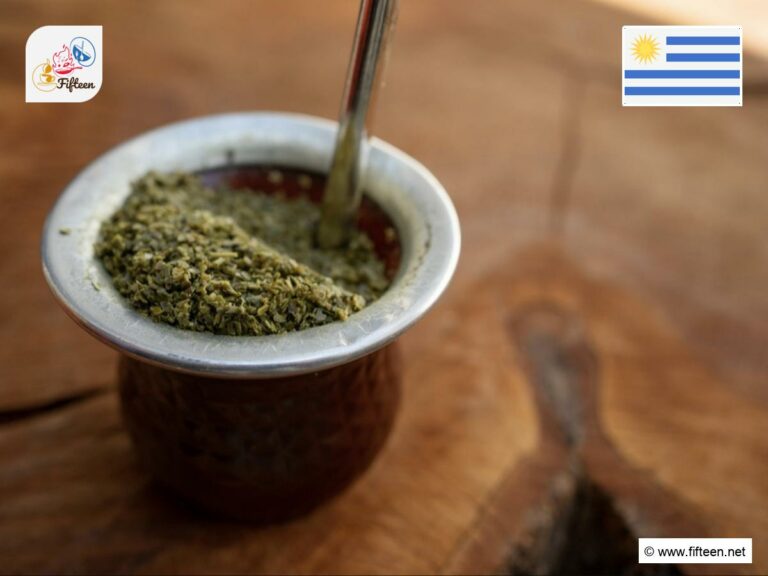
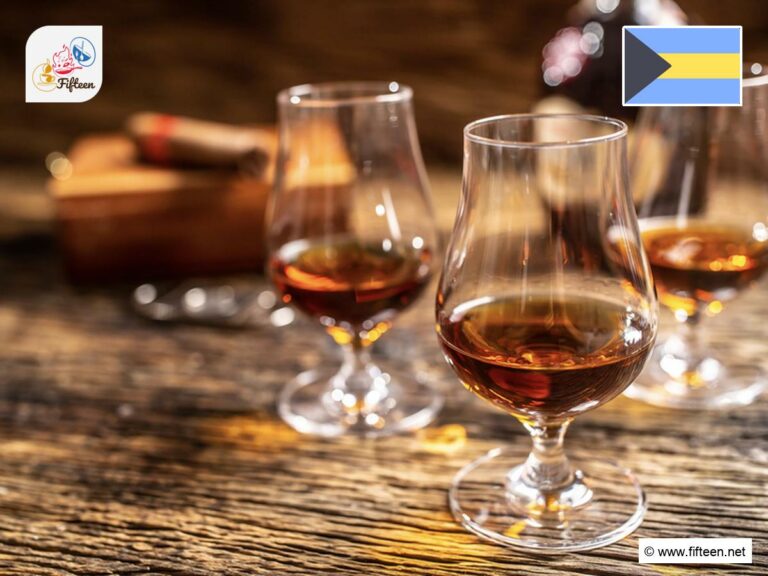
What Are The Characteristics of Beverages Across Mediterranean Regions?
Below is a brief overview of the critical features of Mediterranean beverages by region:
These distinctive beverages play a central role in social and cultural practices, serving not just as refreshments but as symbols of hospitality and community.
What Are The Roles of Beverages in Mediterranean Cultural and Social Practices?
In the Mediterranean, beverages like wine, coffee, and tea are central to the culture, playing a pivotal role in social life and traditions.
During celebrations and ceremonies, beverages gain particular significance. Wine toasts at weddings and gatherings express goodwill, while specific drinks during festivals and religious events highlight their cultural and spiritual importance.
Understanding these social roles helps us appreciate the varied alcoholic preferences that have developed in the region.
What Are Alcoholic Preferences in the Mediterranean?
Alcoholic preferences in the Mediterranean region are varied and deeply intertwined with the area’s history, culture, and geographical features. Here is a concise summary:
Examining these preferences further reveals interesting patterns in alcohol consumption across different Mediterranean countries.
Which Mediterranean Countries Drink the Most Alcohol?
Spain, Portugal, and Greece appear to be significant consumers of alcohol based on available data from the World Population Review for 2019. Spain’s alcohol consumption is notable, with individuals consuming an average of 12.67 liters of pure alcohol per year.
In contrast, Greece and Portugal also show significant consumption levels, with Greece at 10.50 liters and Portugal at 12.09 liters per year.
Source: World Population Review, 2019
Source: Eurostat Statistics, 2019
Furthermore, the drinking habits in these countries reveal exciting patterns. Eurostat Statistics Explained states that Portugal stands out with a high share of daily drinkers, reaching 20.7% of the population. Italy and Spain also have a notable percentage of everyday alcohol consumers, exceeding 12%.
These patterns indicate a cultural inclination towards regular, albeit moderate, alcohol consumption, often associated with meals.
While wine and spirits dominate in some areas, beer consumption is also significant in certain Mediterranean countries, highlighting diversity in drinking preferences.
Which Mediterranean Countries Drink the Most Beer?
Source: World Population Review, 2021
Regarding beer consumption among Mediterranean countries, Spain leads the way with a significant amount of beer consumed annually. According to the World Population Review Spain’s total beer consumption stood at 3,856 thousand kiloliters.
Following Spain, Portugal also has a notable beer consumption rate, with per capita consumption recorded at 52.29 liters. Greece, another Mediterranean country, shows a lower consumption level than Spain and Portugal, with a total of 314 thousand kiloliters.
Contrastingly, other nations in the region maintain a strong tradition of wine consumption, underscoring the historical significance of vineyards and winemaking.
Which Mediterranean Countries Drink the Most Wine?
In terms of wine consumption among Mediterranean countries, Portugal leads the way with an impressive per capita consumption. According to data from World Population Review for 2020:
Source: World Population Review, 2020
Aside from wine, there’s a wide array of non-alcoholic drinks that are equally savored across the Mediterranean, reflecting the region’s diverse tastes and lifestyles.
What Are Non-alcoholic Preferences in the Mediterranean?
In the Mediterranean region, non-alcoholic beverages are a reflection of its rich history, lifestyle, and natural abundance, offering a diverse array of flavors and traditions.
Among these non-alcoholic options, coffee stands out, especially in countries known for their special brewing methods and strong coffee culture.
Which Mediterranean Countries Have the Best Coffee?
The following countries of the Mediterranean stand out for their distinctive coffee traditions and contributions to global coffee culture:
While coffee holds a special place in many Mediterranean hearts, tea also plays a crucial role in the daily life and hospitality traditions of some countries in this region.
Which Mediterranean Countries Have the Best Tea?
Tea culture in Mediterranean countries is diverse, reflecting centuries of tradition, cultural exchanges, and unique preferences, contributing to the global tapestry of tea traditions.
The rich tapestry of Mediterranean beverages, be it tea, coffee, or others, pairs wonderfully with the region’s diverse cuisine, enhancing the dining experience.
Which Dishes Best Pair with Mediterranean Beverages?
Mediterranean beverages, known for their diverse range, including wines, aperitifs, and non-alcoholic options, pair well with the region’s cuisine, characterized by its use of fresh herbs, vegetables, and seafood. Here are some pairing suggestions:
When pairing signature Mediterranean delicacies with beverages, consider the balance of flavors, acidity, and sweetness to ensure they complement each other.
In the next part, let’s uncover which drinks to enjoy and which to limit when adopting a Mediterranean diet.
What to Drink and Not to Drink on a Mediterranean Diet?
Here is the summary about what you can and cannot drink when following a Mediterranean diet:
- Alcoholic: Red wine (limited consumption, ideally with meals due to its antioxidant properties).
- Non-Alcoholic
- Water (main beverage, essential for hydration).
- Tea, including herbal varieties (consumed regularly, offers health benefits due to polyphenol content).
- Coffee (in moderation, has health advantages but be cautious of caffeine content).
- Fruit juices (somewhat limited, due to high sugar content; small quantities and occasional consumption recommended).
- Smoothies (moderately, can be nutrient-rich; homemade preferred to control sugar/caloric content).
- Milk and dairy products, including alternatives like soy or almond milk (moderately, for their vitamins, minerals, and protein content).
- Alcoholic: Beer and other alcoholic drinks aside from red wine should be consumed sparingly.
- Non-Alcoholic
- Soft drinks and other sweetened beverages (high in added sugars, offer no nutritional value).
- Highly processed juices and beverages.
To conclude our journey through the vibrant realm of Mediterranean beverages, I invite you to join the conversation. Share your thoughts, experiences, and favorite recipes in the comments below. Don’t forget to like and share this article with fellow enthusiasts who crave a taste of the Mediterranean!
Jamie Scott
Editor in Chief, Senior Content Writer
Expertise
Home Cooking, Meal Planning, Recipe Development, Baking and Pastry, Food Editor, Cooking-video Maker, Western Food Evaluation Expert
Education
Le Cordon Bleu College of Culinary Arts
Local Community College, New York, NY
Jamie Scott is a skilled culinary expert and content creator specializing in Western cuisine. With over 15 years in the culinary field and formal training from Le Cordon Bleu, Paris, Jamie deeply understands how to blend nutrition with delicious flavors. His passion for cooking matches his commitment to making healthy eating accessible and enjoyable.
On Fifteen.net, Jamie brings a fresh perspective to classic dishes and beverages, offering readers insightful recipes, cooking tips, and a fresh view on meal planning that emphasizes taste, health, and simplicity.