

Filipino Food Dishes: Basic Overview
Common Ingredients
Common Cooking Methods
Courses
Meals
Key Taste
Eating Etiquette
Meal Presentation
Culinary Festivals
Influence and Fusion
Filipino Food Dishes: Origin and Region
Cuisine
Cuisine’s Geographical Territory
Country’s Region
Popular Types of Filipino Dishes
-
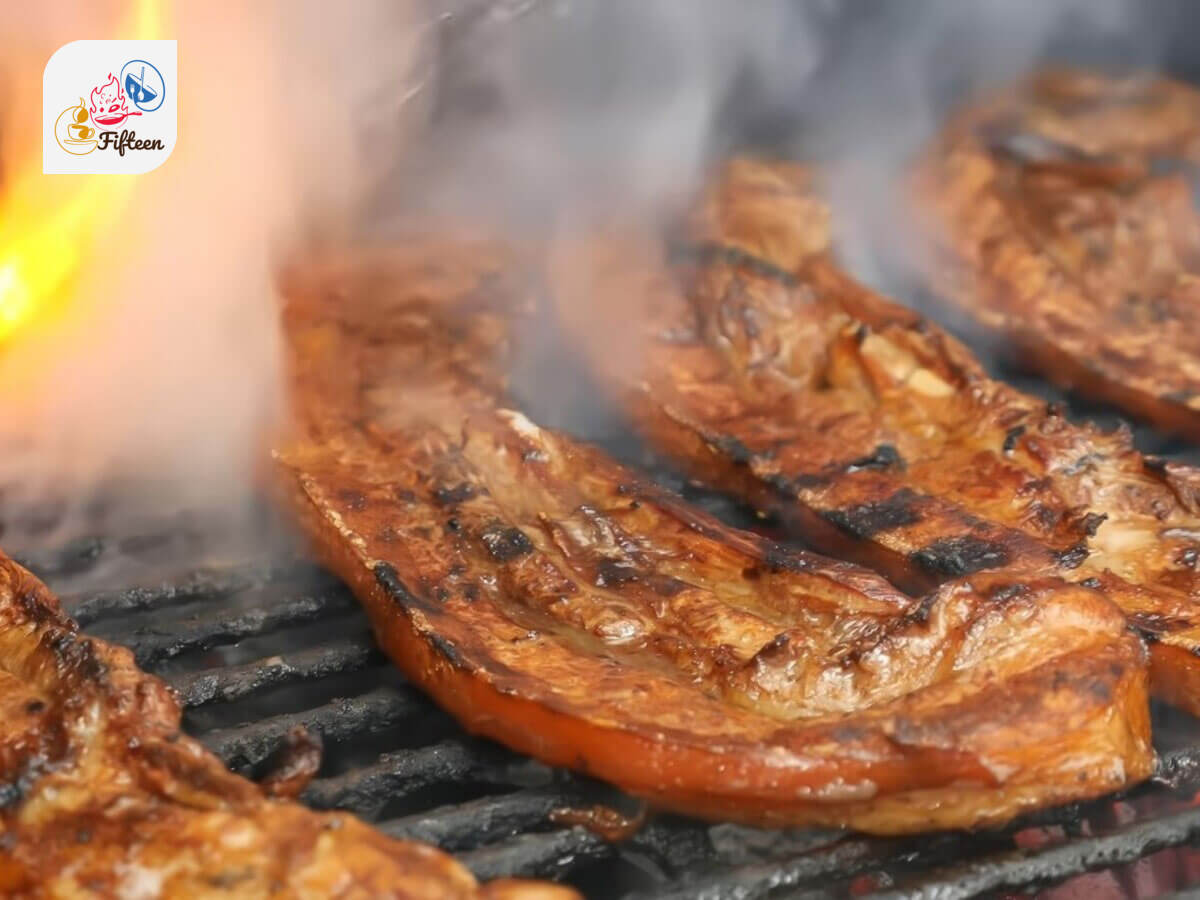
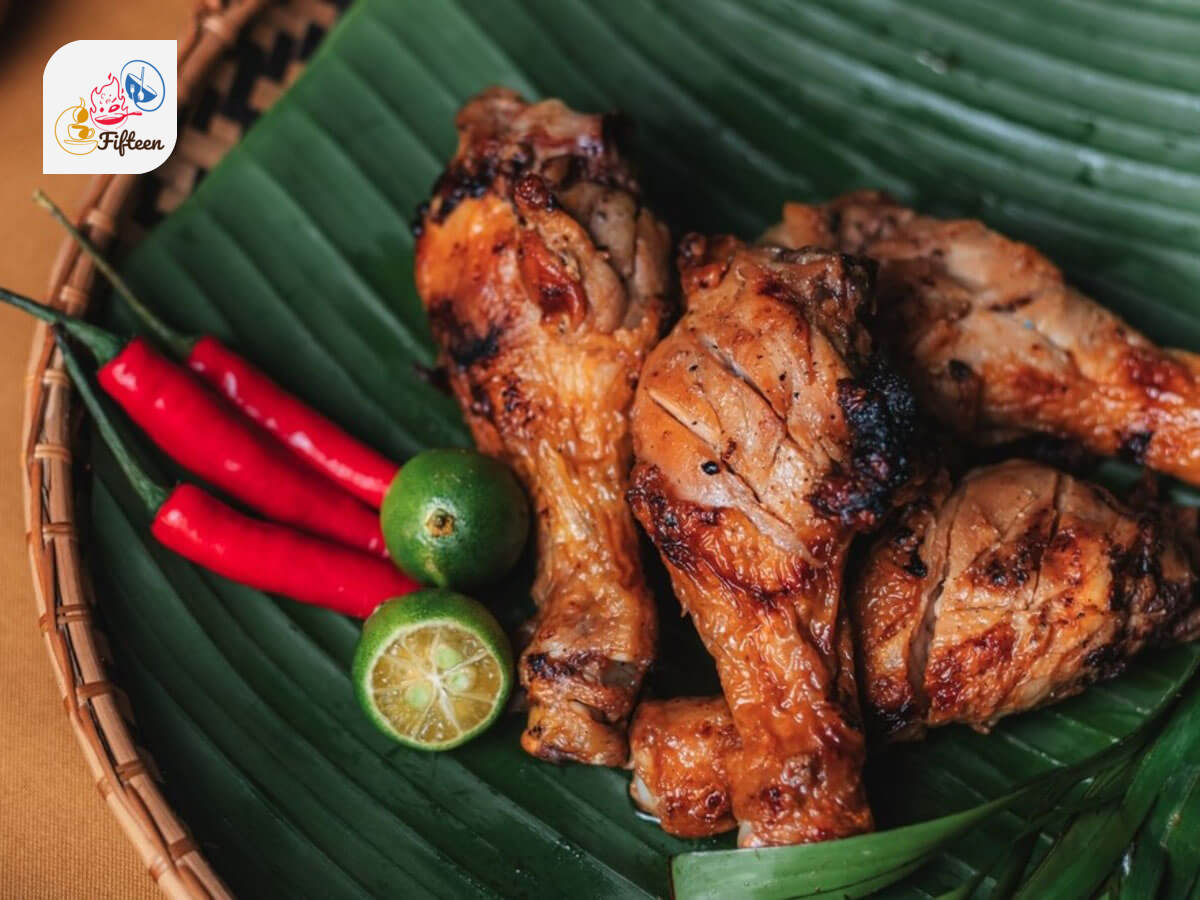
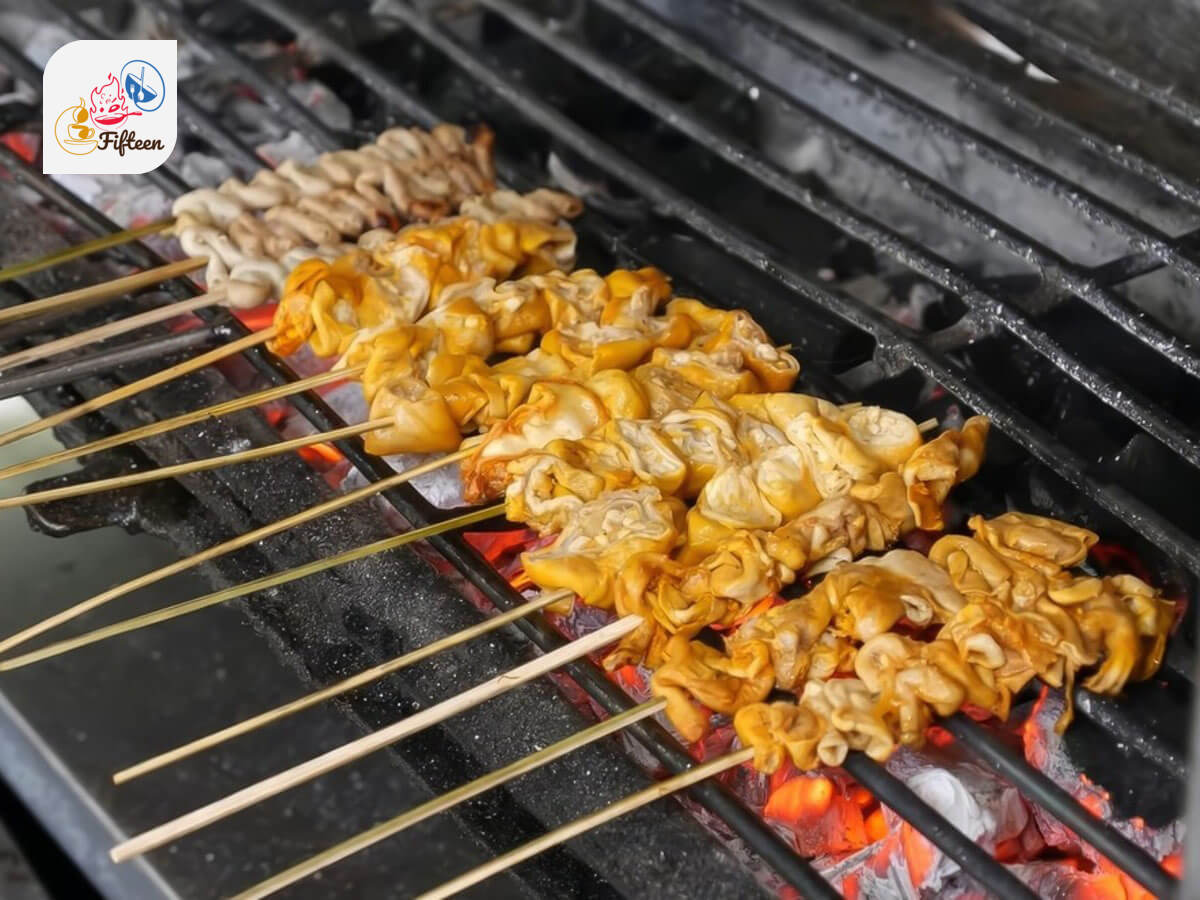
Grilled and Barbecued Dishes
Filipino grilled and barbecued dishes are characterized by their savory, smoky flavor and juicy texture.
They are usually marinated in a spiced mixture before being grilled or roasted.
These dishes can be skewered, spit-roasted, or grilled directly over an open flame.
Marinades often combine soy sauce, vinegar, calamansi, and local spices.
Popular meats include pork, chicken, and fish.
Some Filipino grilled and barbecued dishes are gluten-free.
-
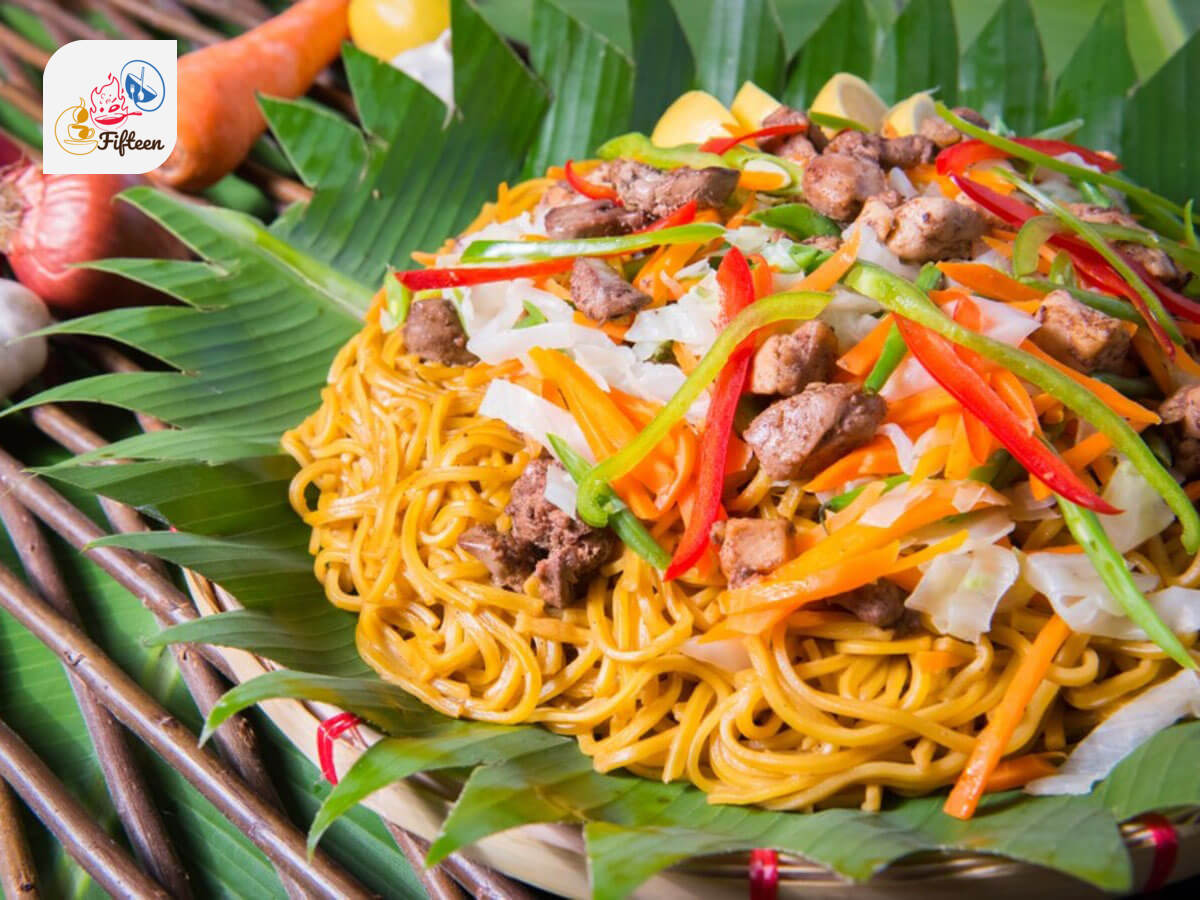
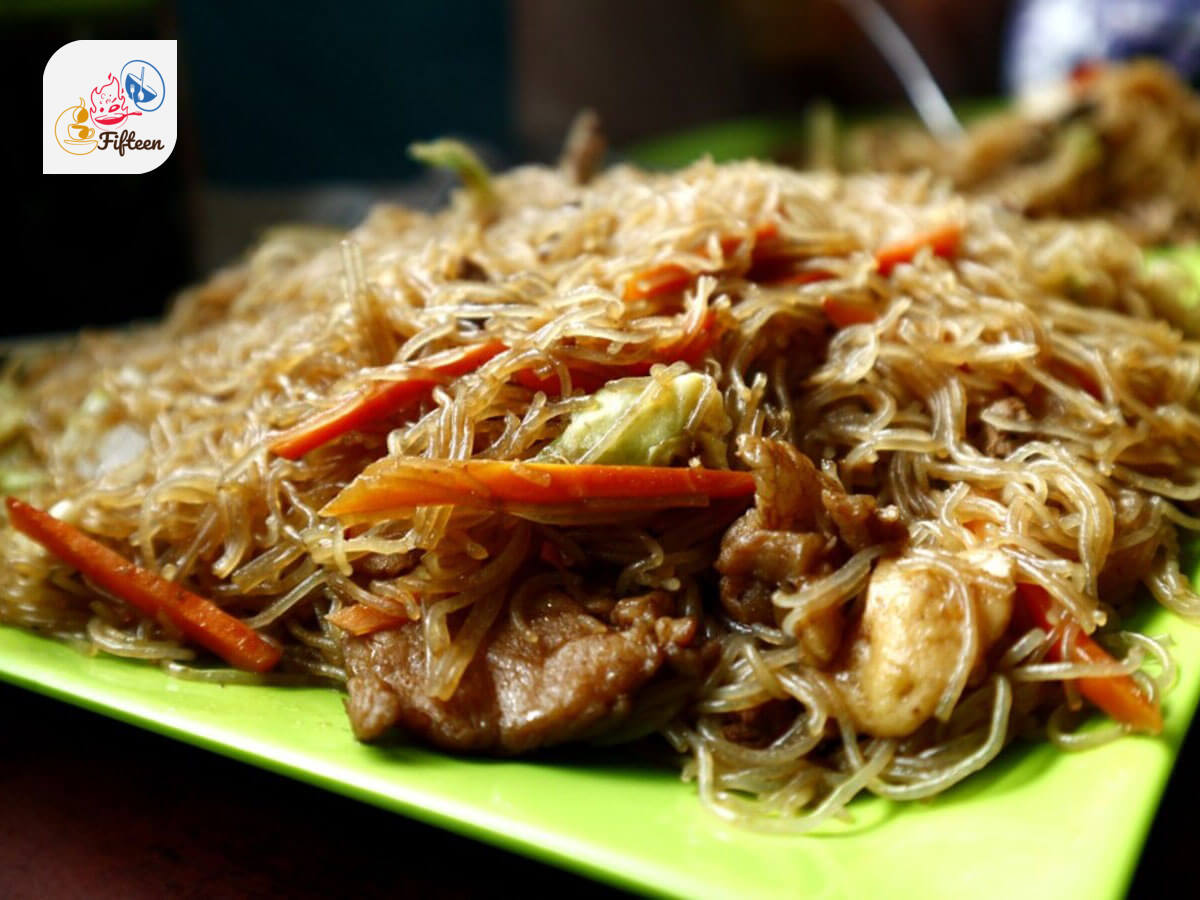
Dry Noodle Dishes
Filipino dry noodle dishes, many of which are known as pancit, are famous for their savory and sometimes slightly sweet flavor profiles.
They represent a mix of traditional and fusion dishes, inspired by Chinese cuisine.
They often feature a mix of stir-fried noodles with vegetables and meat or seafood.
Noodles are typically seasoned with soy sauce, garlic, and other local spices.
-
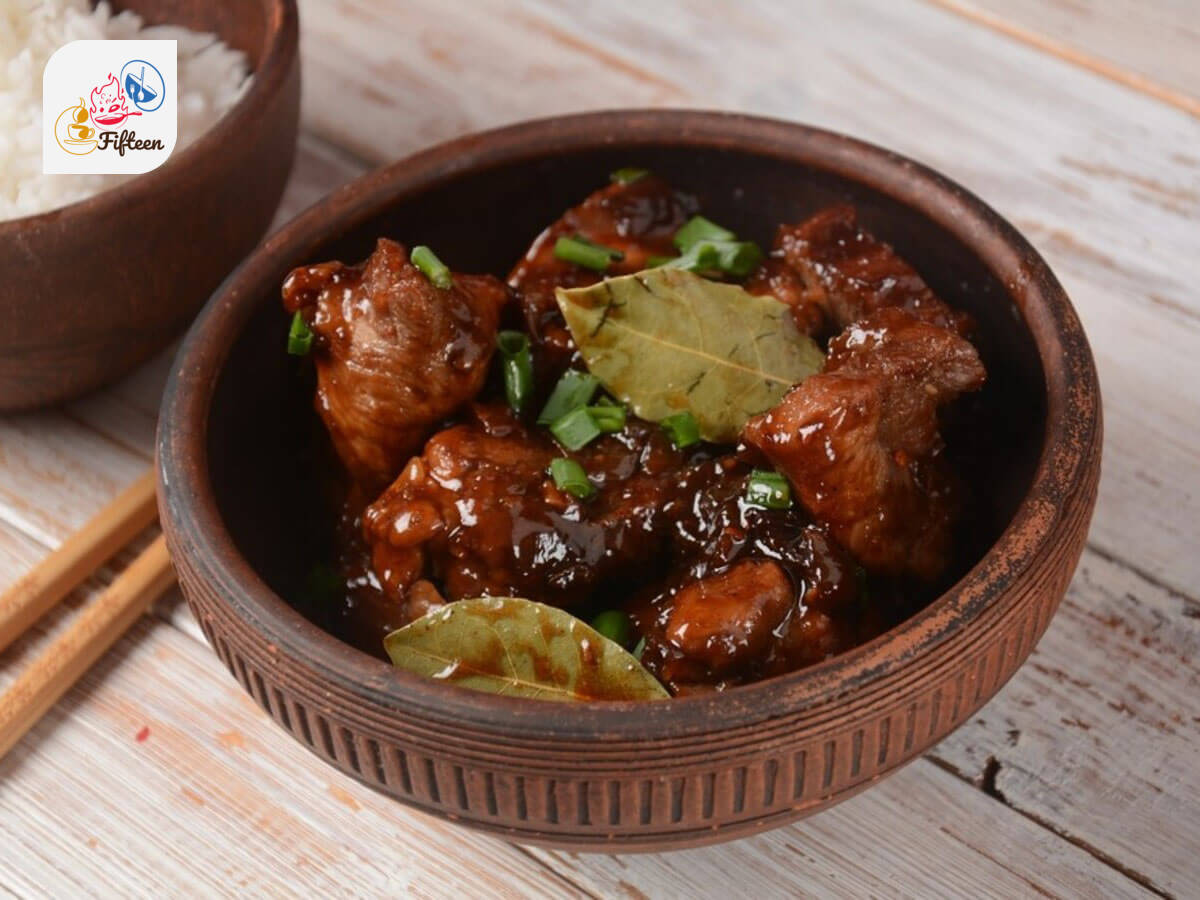
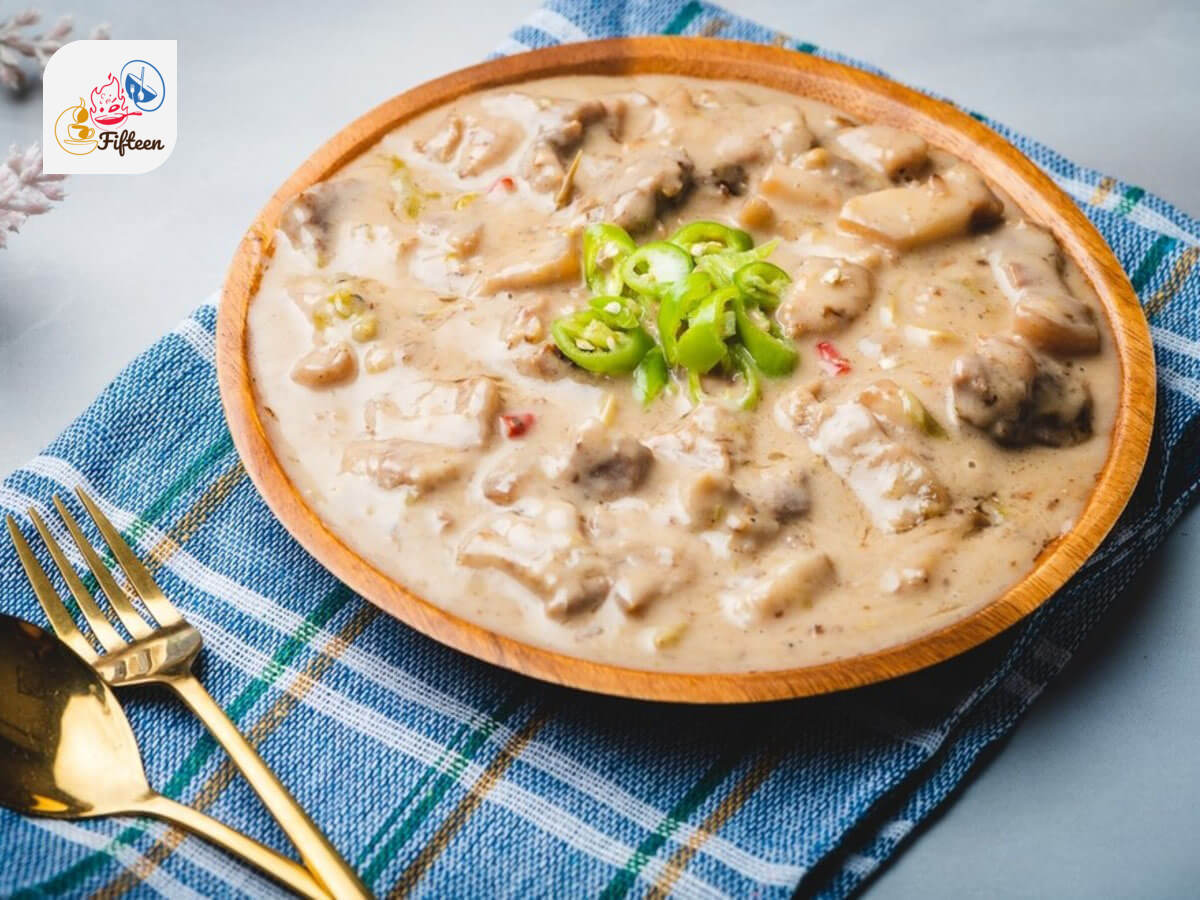
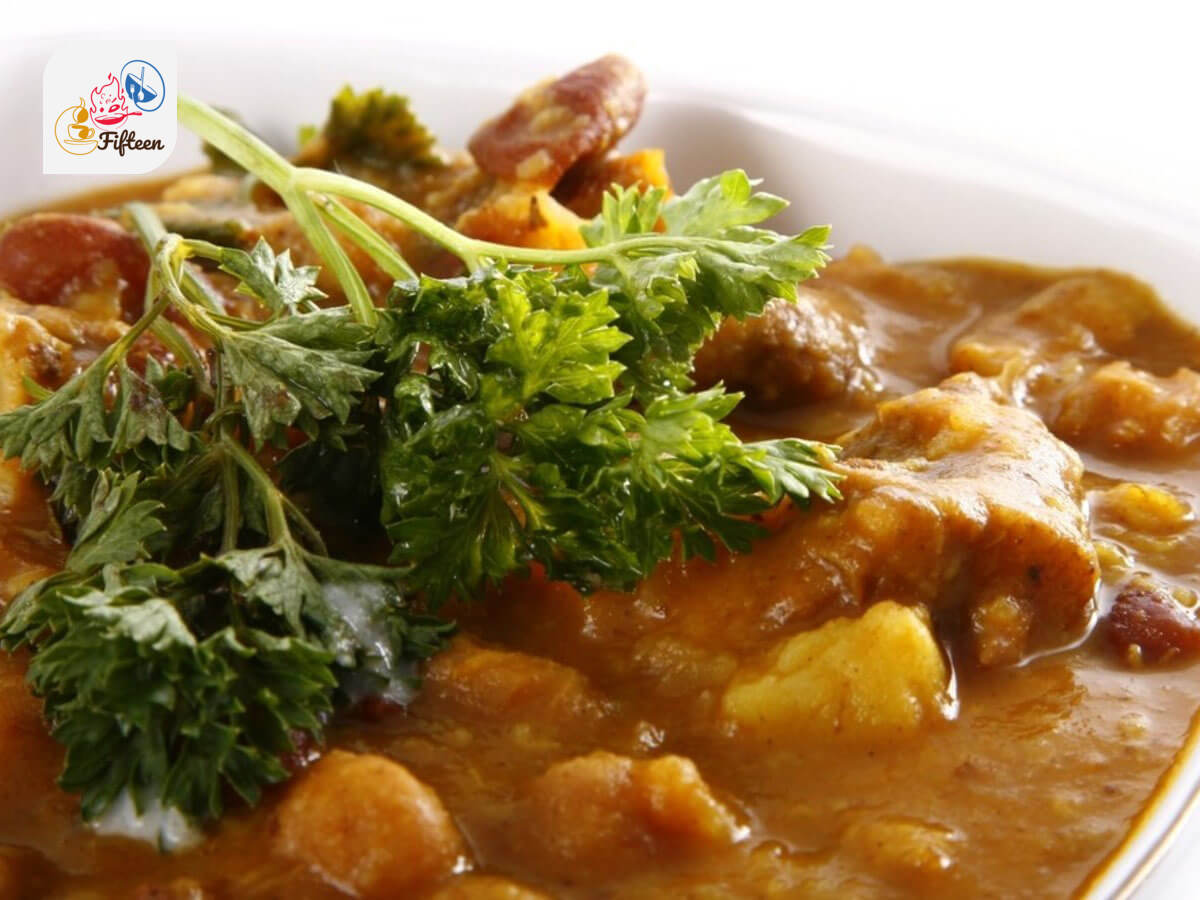
Stews
Filipino stews are very hearty and flavorful.
They are often cooked with a flavorful base of vinegar, soy sauce, fermented fish or shrimp paste, coconut milk, tomato sauce, or other condiments.
Typical ingredients include meat or seafood simmered in the sauce.
Certain Filipino stews are gluten-free if not made with traditional soy sauce.
-
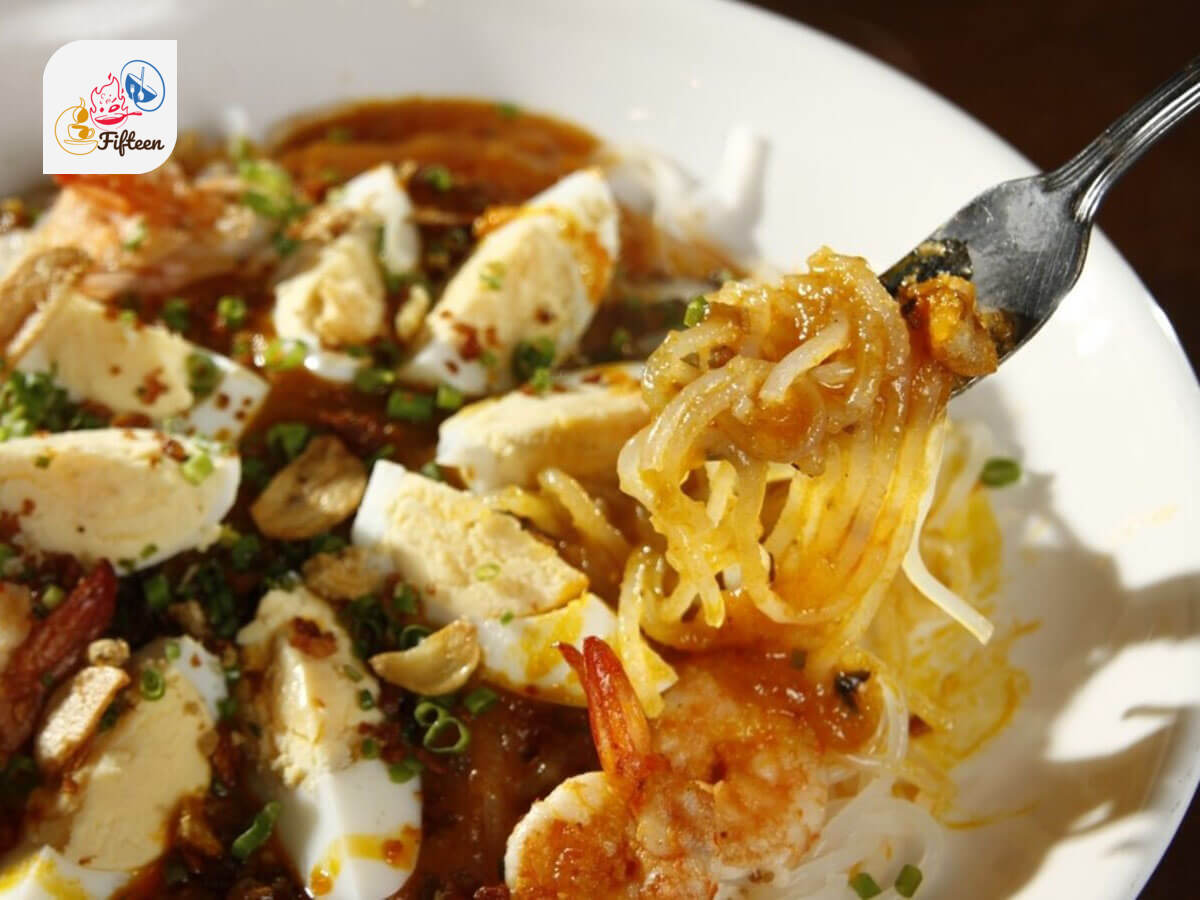
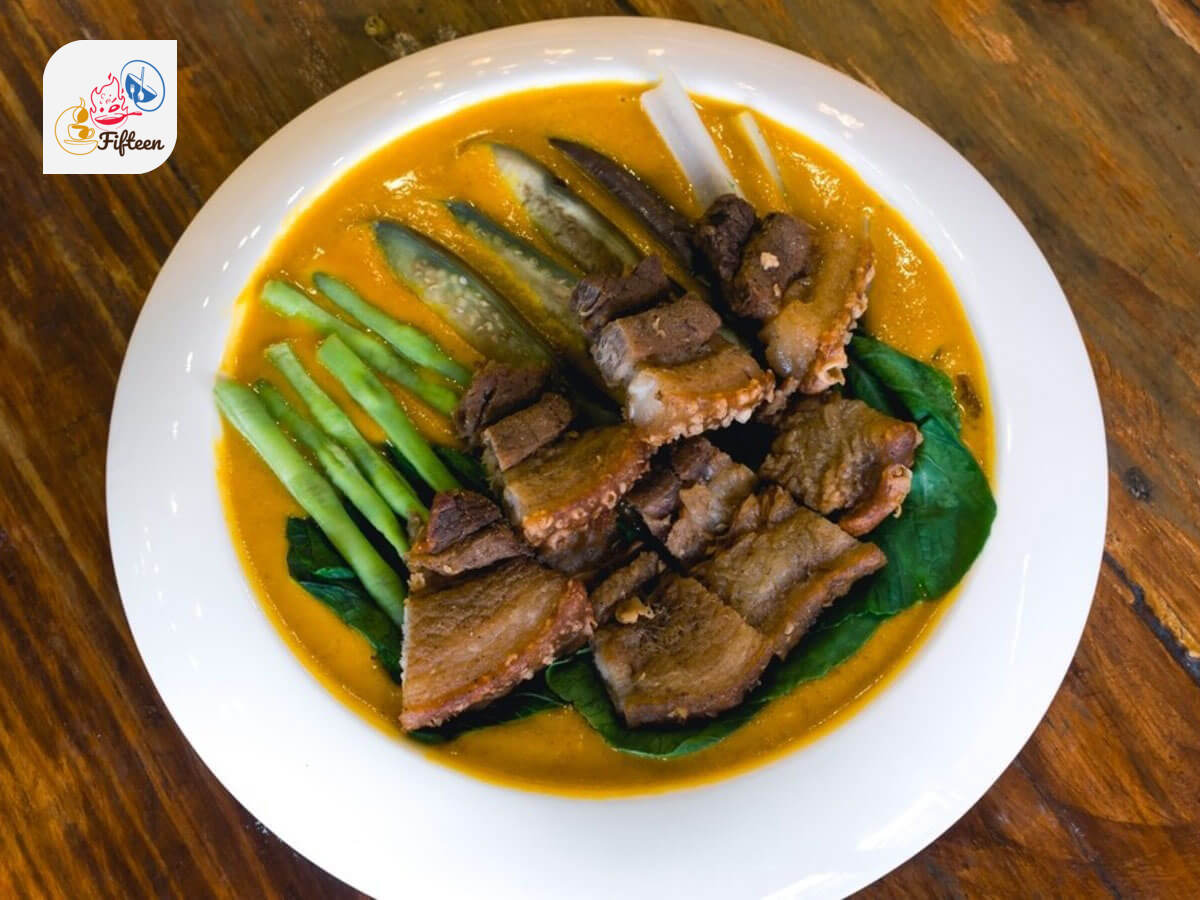
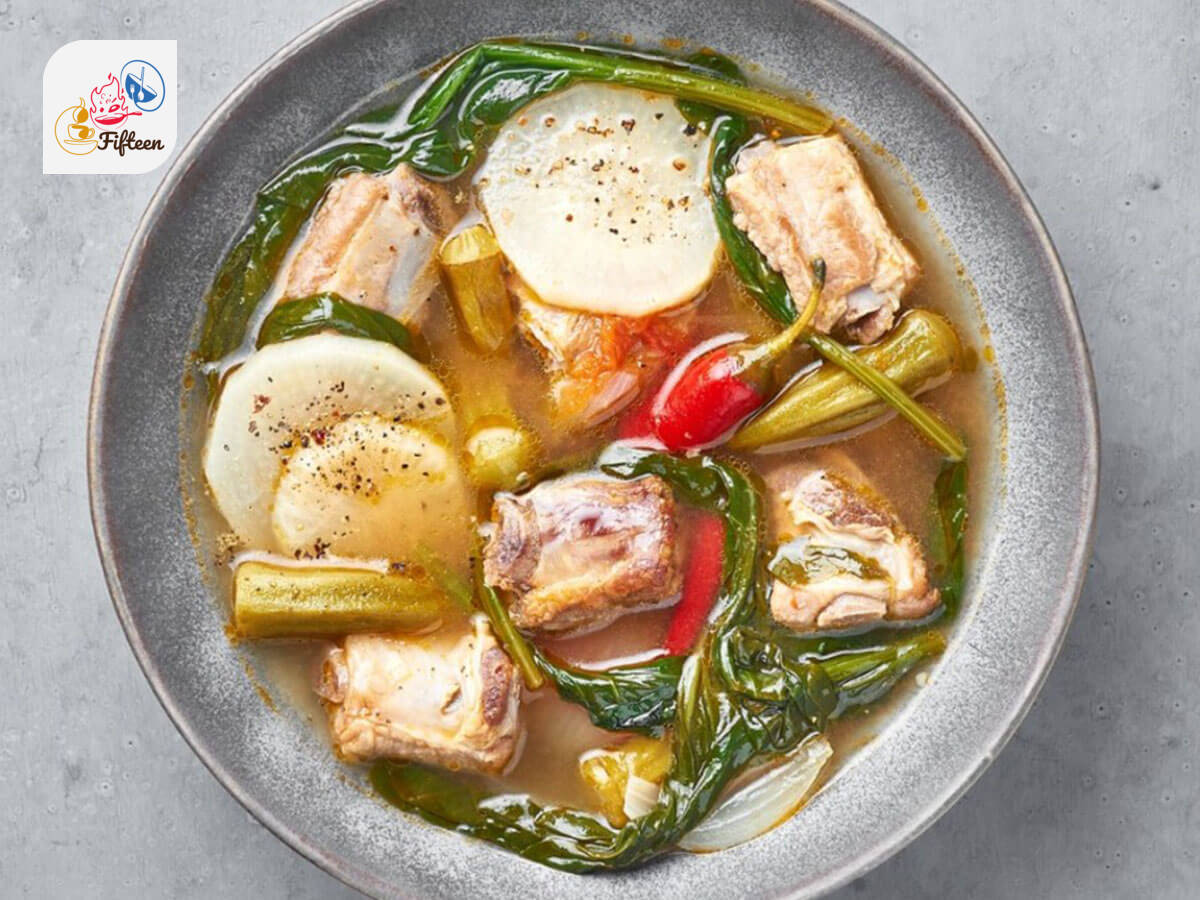
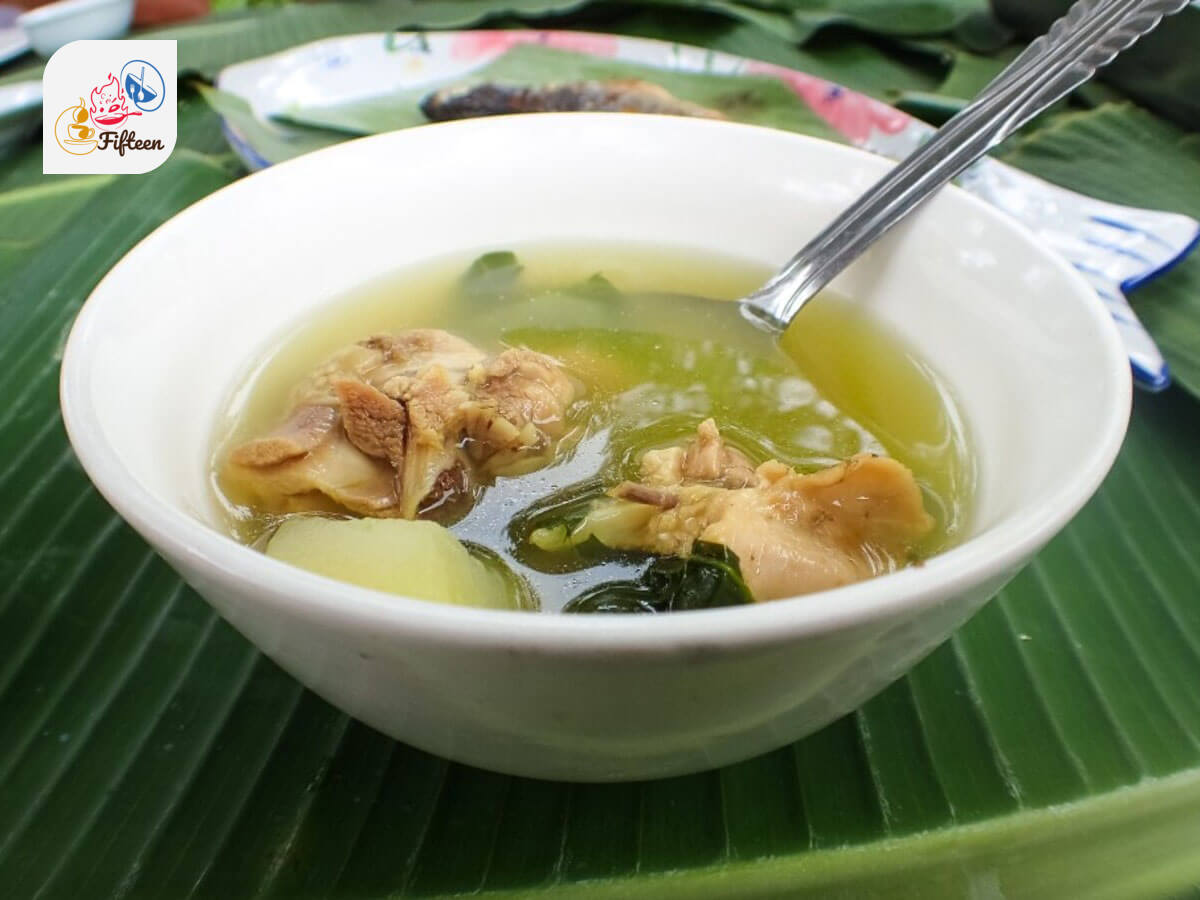
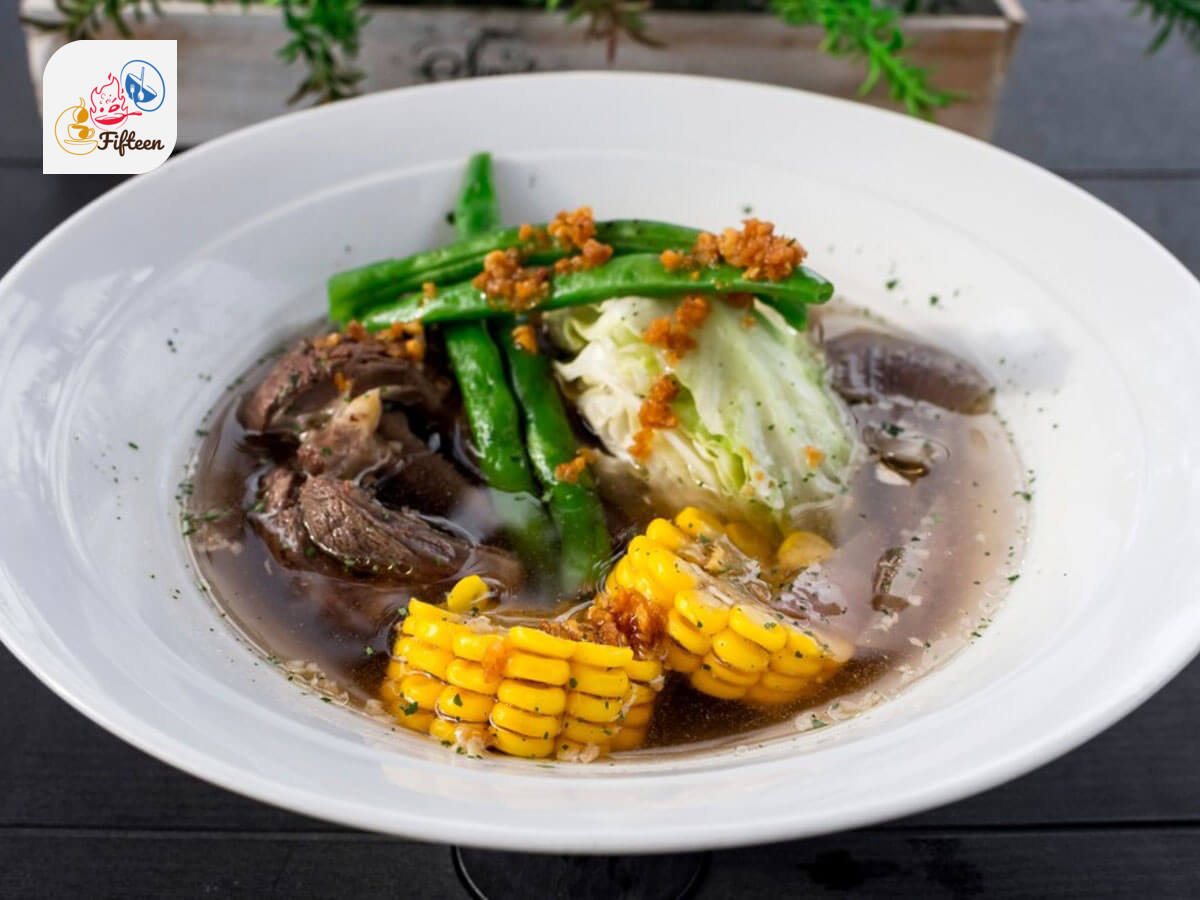
Soups
Filipino soups are usually flavorful entrees that can also be a hearty treat.
They often contain a clear or slightly thickened broth, with ingredients such as meat, seafood, noodles, and vegetables.
Certain Filipino soups are gluten-free or vegetarian-friendly.
-
Desserts
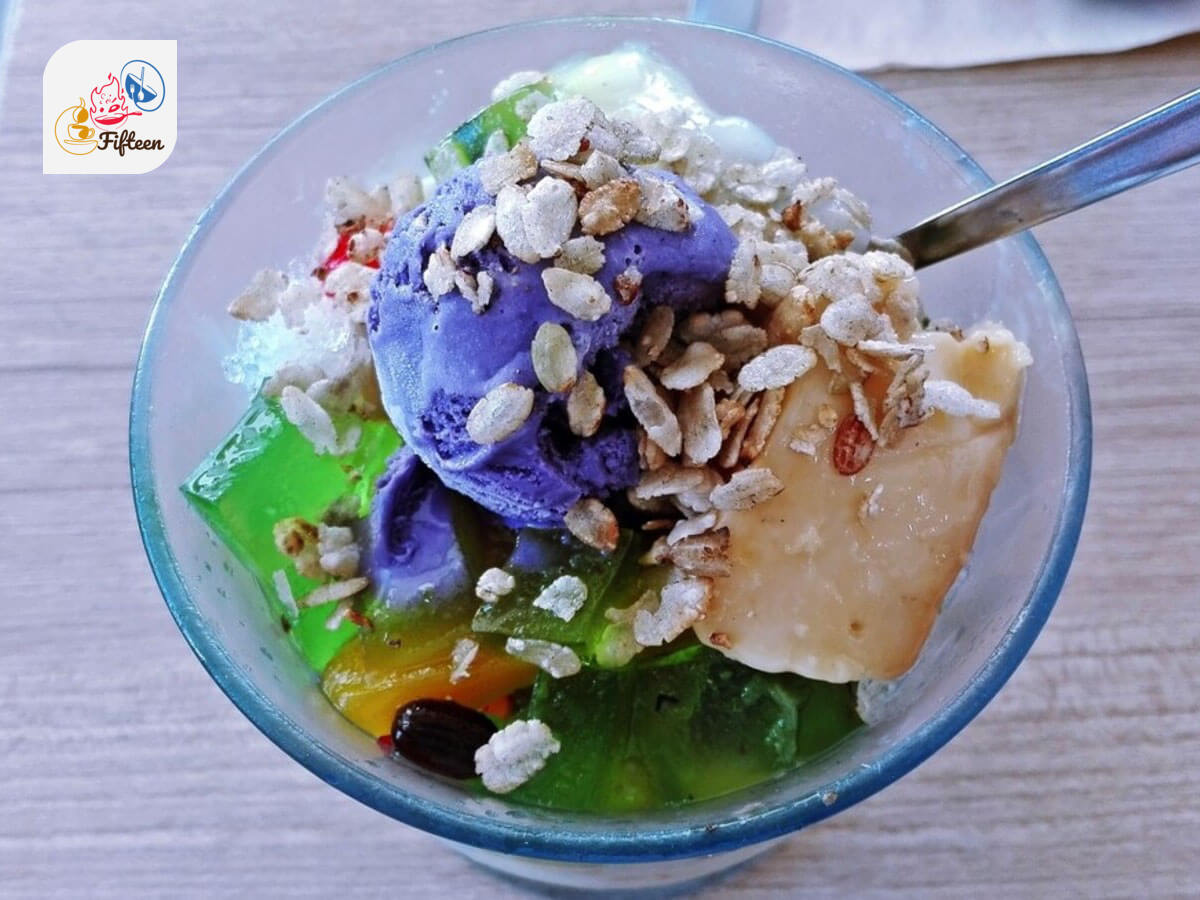
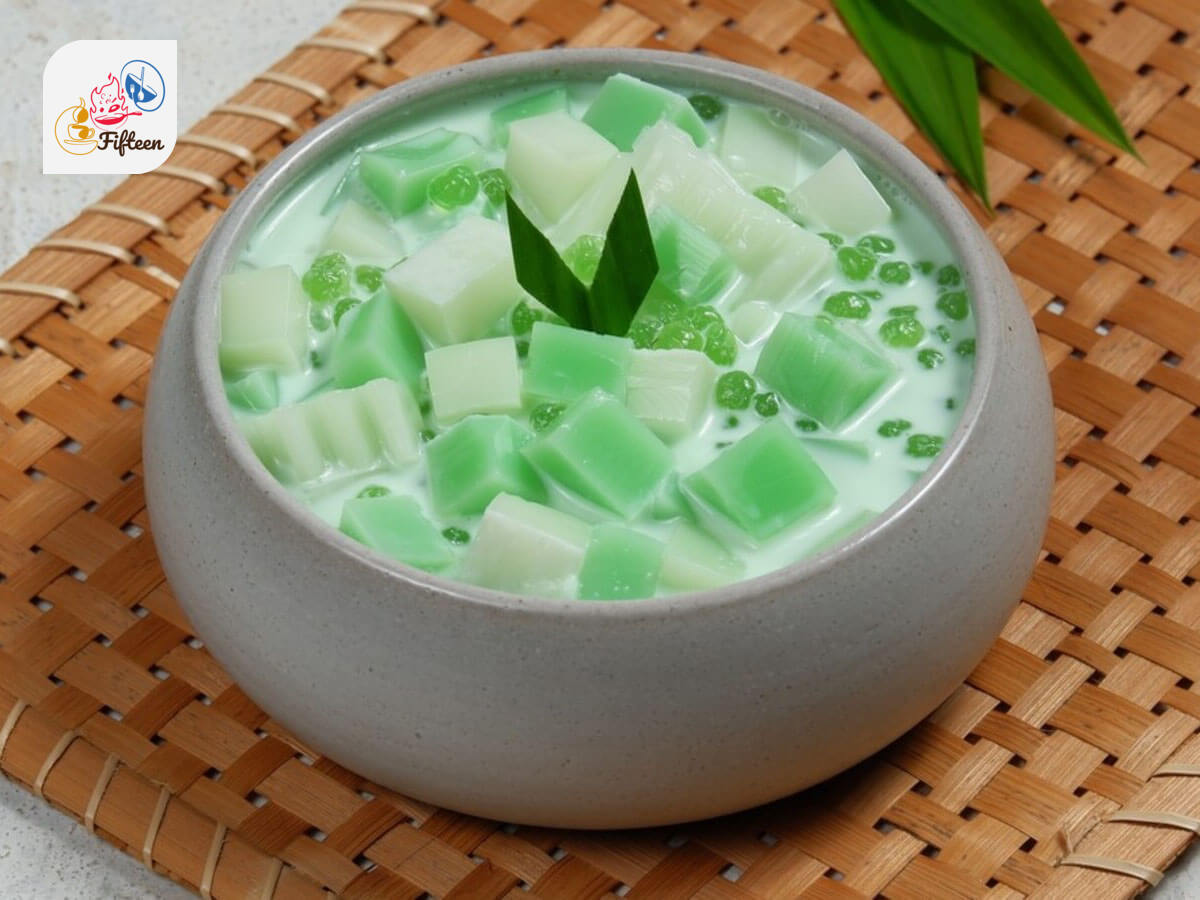
Filipino desserts are usually sweet and colorful, combining both local and Western cooking traditions.
Their main ingredients are rice, coconut, tropical fruits, beans, milk, ice cream, and many sweetened ingredients.
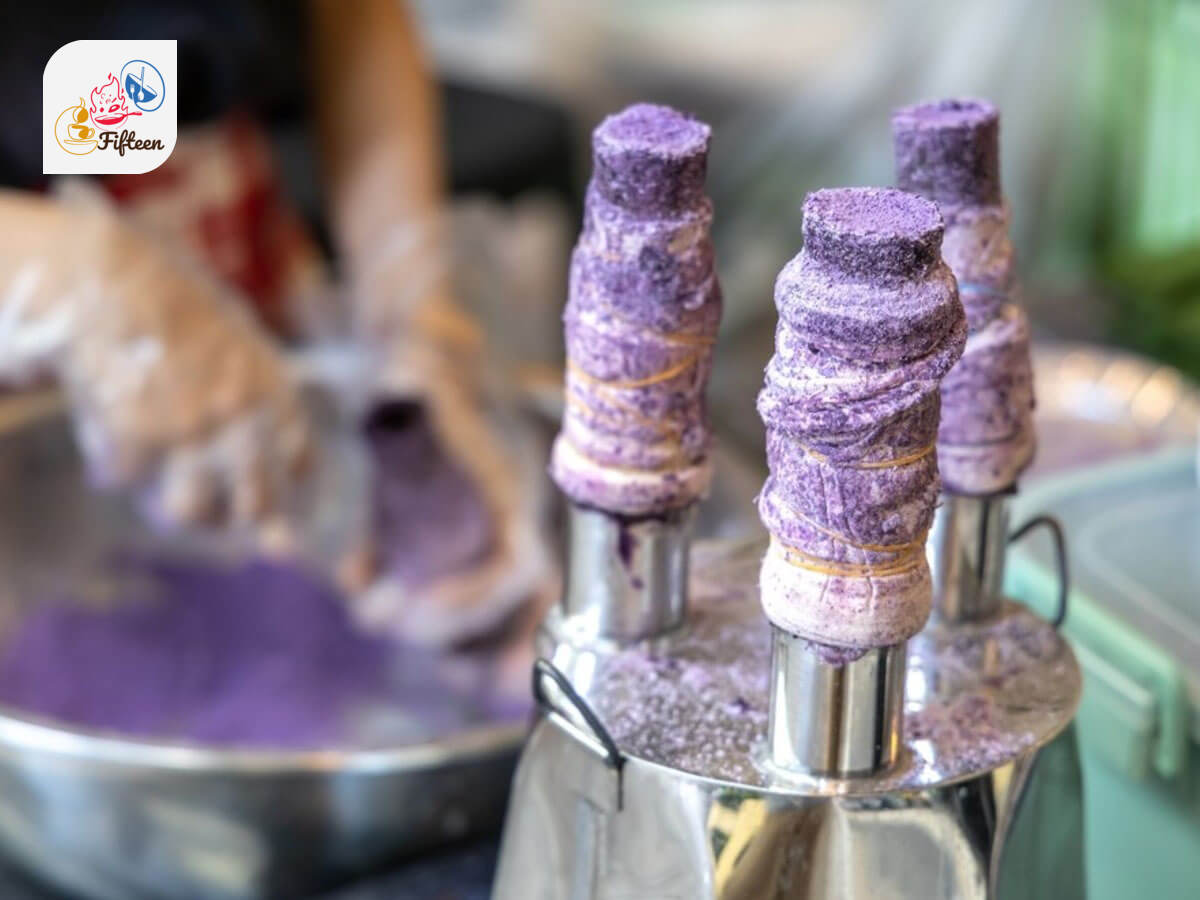
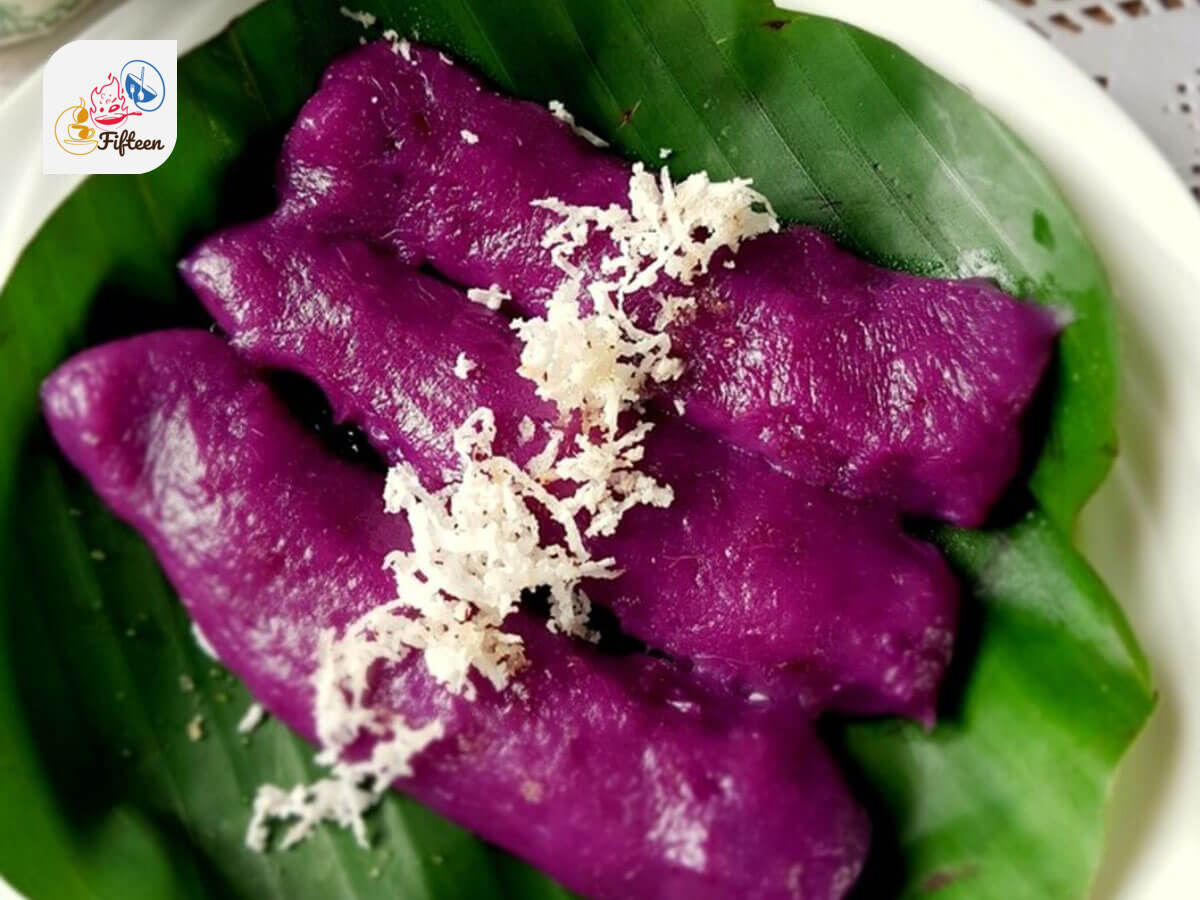
Filipino rice-based desserts are usually gluten-free and vegetarian-friendly.
-
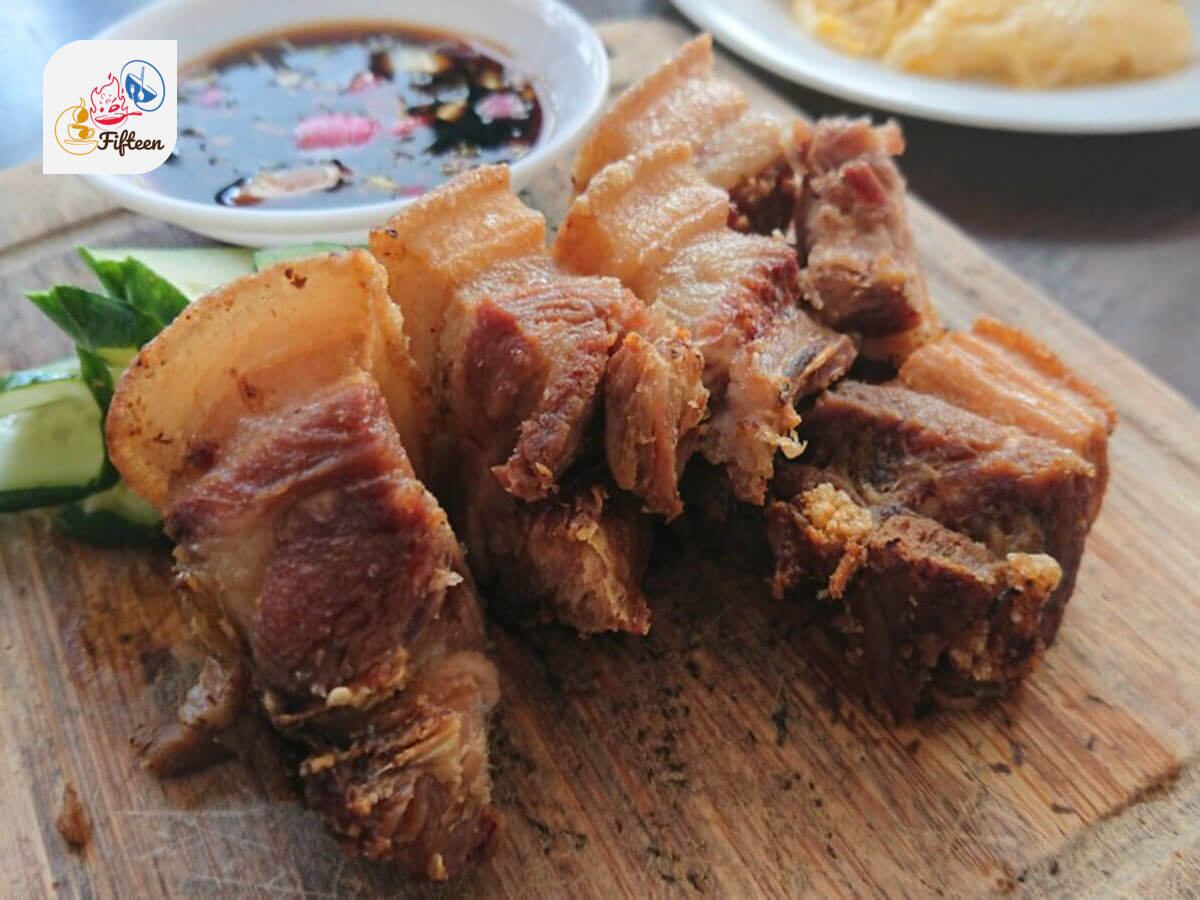
Fried Dishes
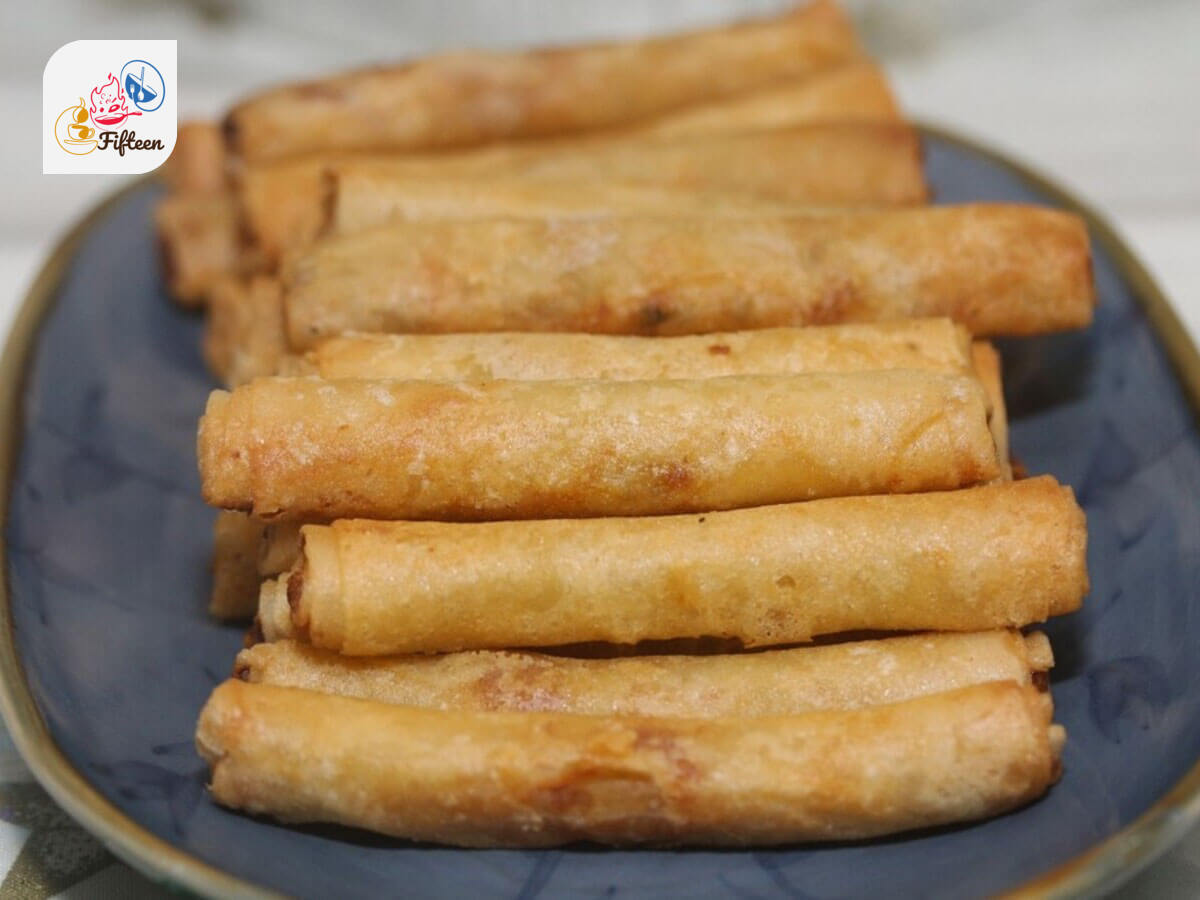
Filipino fried dishes are diverse, ranging from spring rolls to deep-fried meat or vegetables.
They can have indigenous or Chinese origins.
-
Snacks
Many Filipino snacks can serve as a full meal on their own.
They can be hand-held or served on a plate as a complete dish.
Morning and afternoon snacks are even considered essential meals in the Philippines.
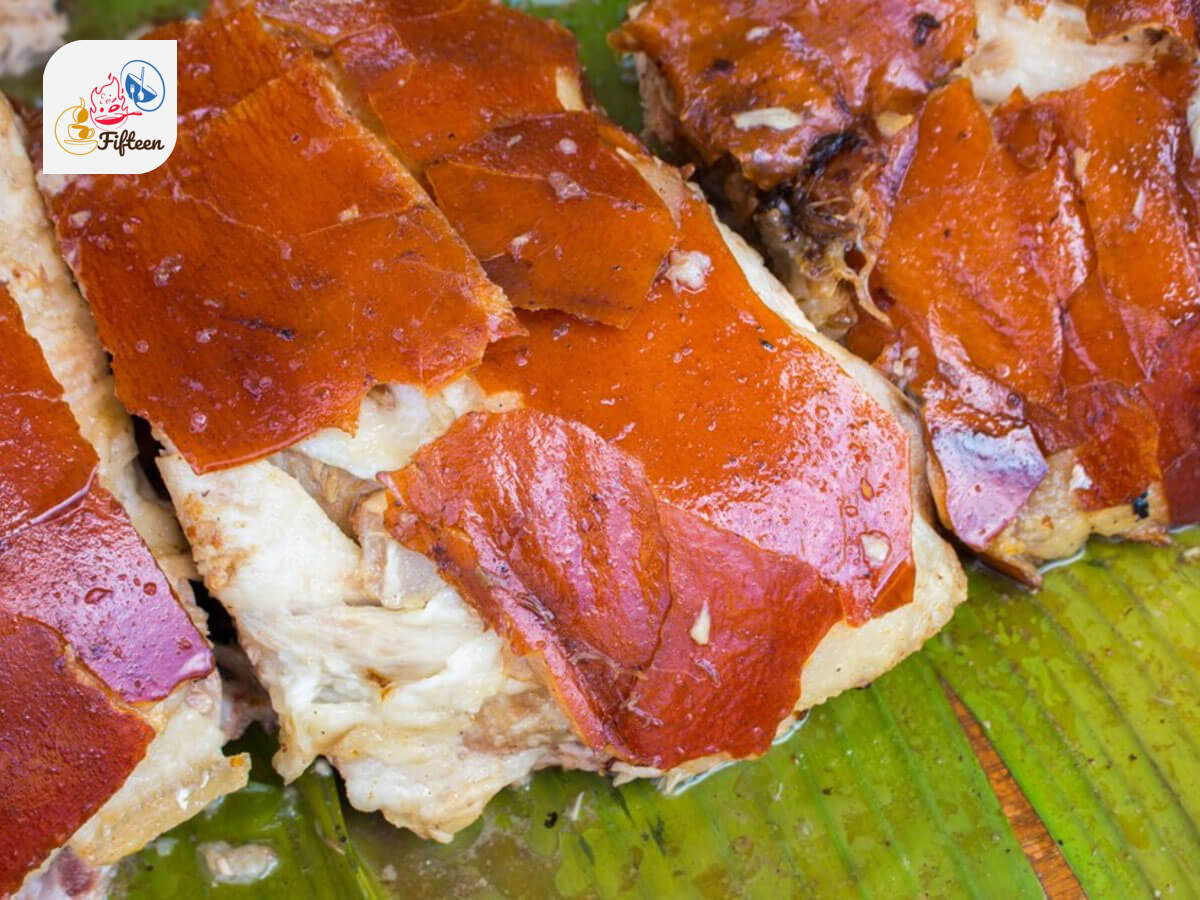
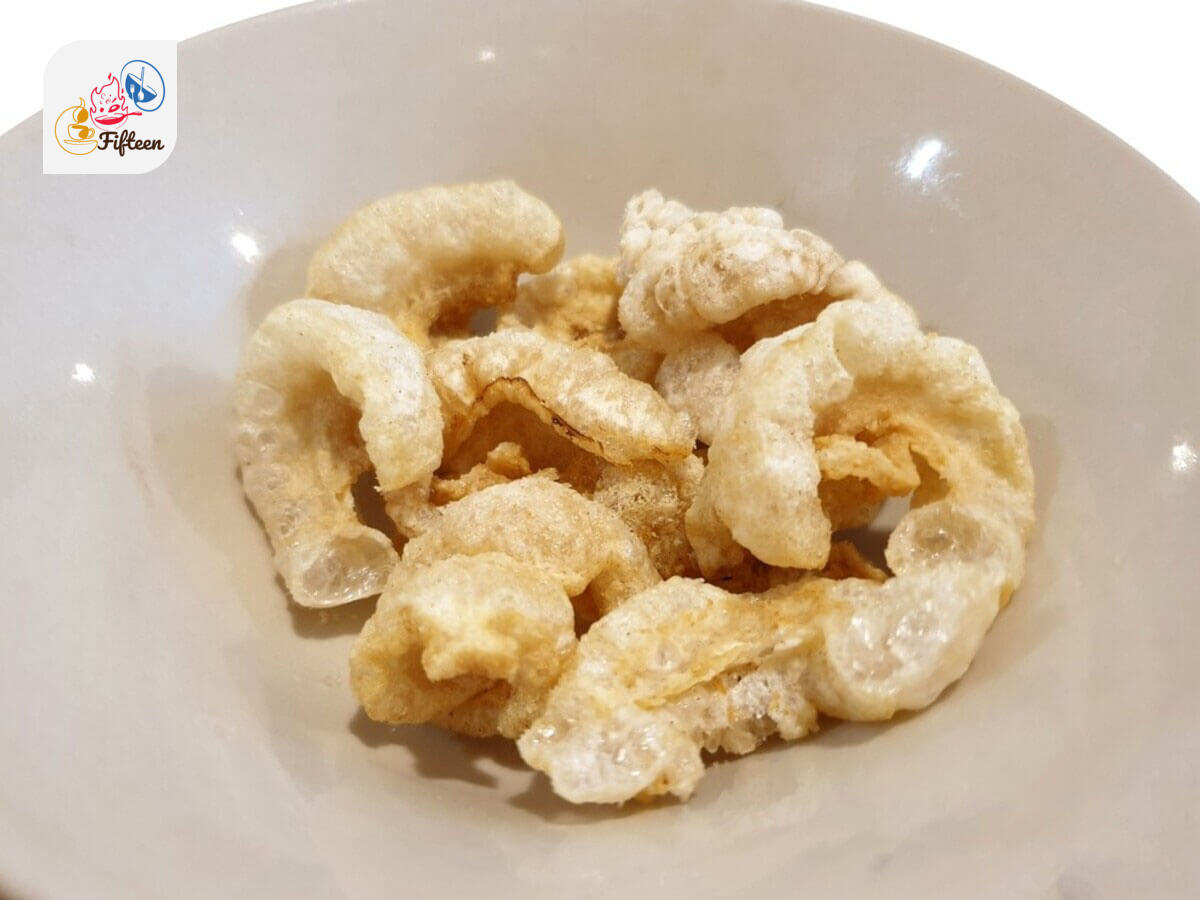
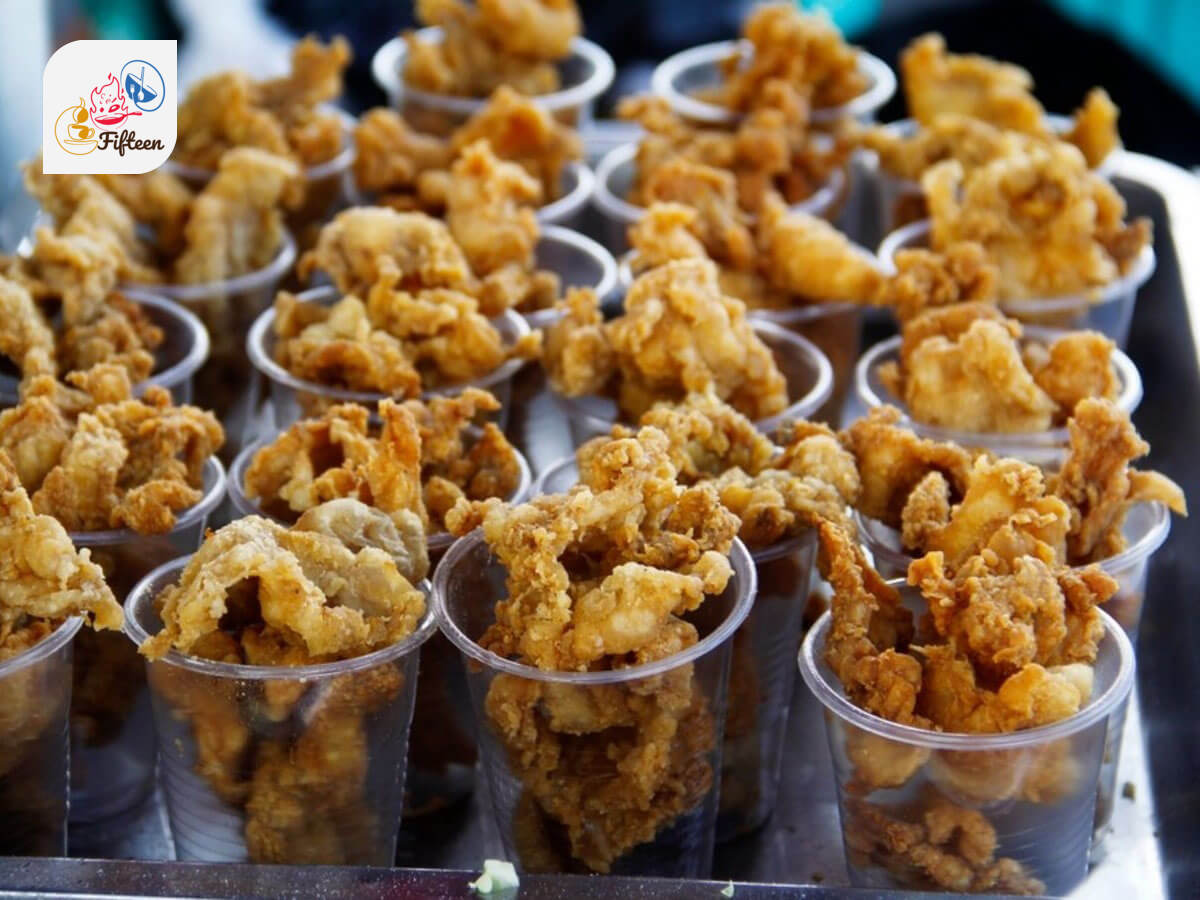
Filipino dishes refer to dishes prepared and enjoyed in the Philippines, one of the most famous cuisines in Southeast Asia. These dishes result from the interactions between ancient traditions and various major cuisines.
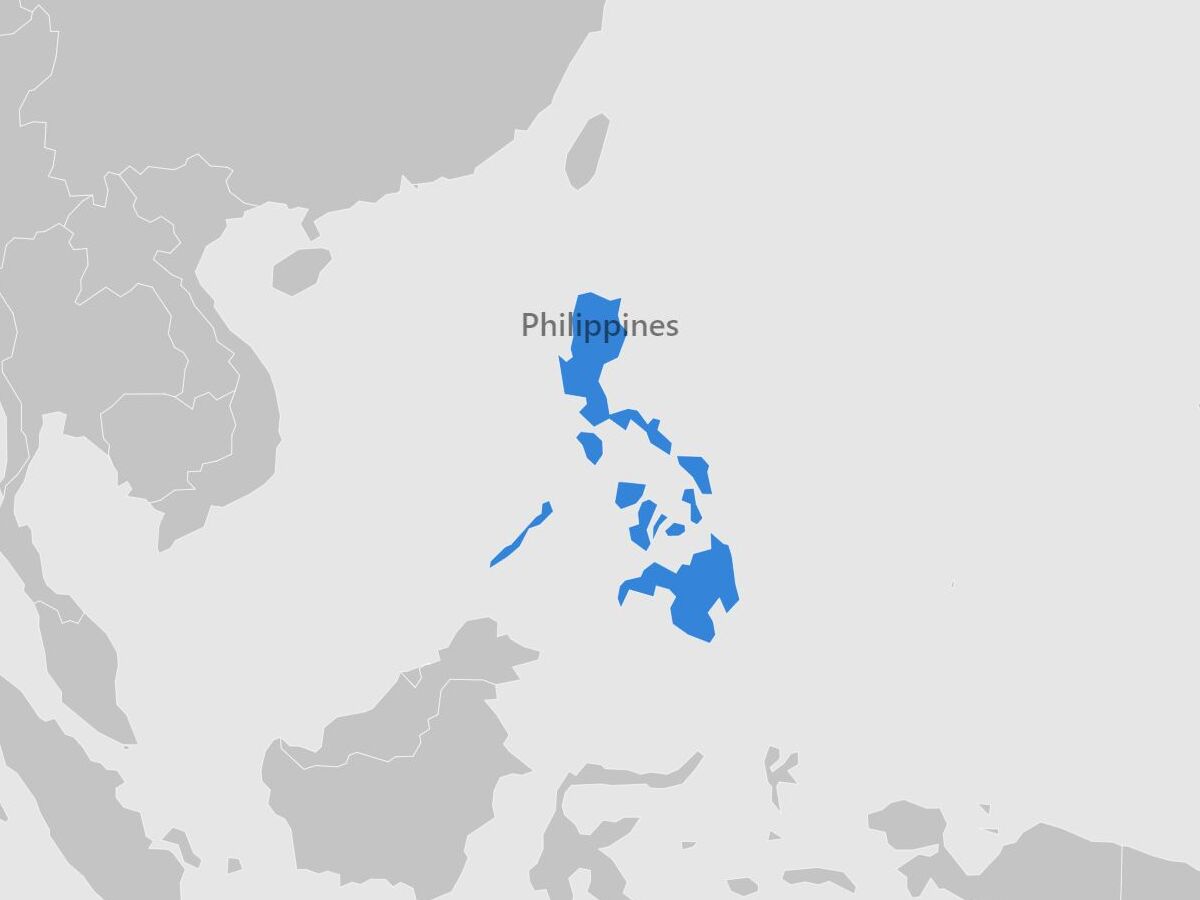
There are three main regional cuisines: Luzon (North), Visayas (Central), and Mindanao (South). The country has numerous ethnic minorities distributed over many islands, which contributes to the significant diversity of local dishes.
Spanish culinary traditions have a noticeable impact on Filipino cuisine, including the ingredients, flavors, and preparation methods. But there are other forces shaping how Filipinos prepare their food.
Therefore, let’s start by exploring the colorful history of Filipino dishes. The country’s street food scene is of sublime quality, so I will also look over this fascinating aspect.
Lastly, I will guide you through recommended drink choices to accompany popular Filipino dishes before going over a few rules of the table manner here.
Before you read, check out the filter or click on the dishes to make your experience smoother!
40 Fantastic Filipino Dishes
Discover the most well-known Filipino dishes listed by popularity below! You can navigate my recommended specialties more easily by using advanced filters, including alphabetical sorting, main ingredients, taste, cooking methods, dish types, courses, and global popularity.
In addition, feel free to filter the list based on specific culinary styles such as traditional, national, street food, fusion, and exotic dishes.
What Is the History of Filipino Dishes?
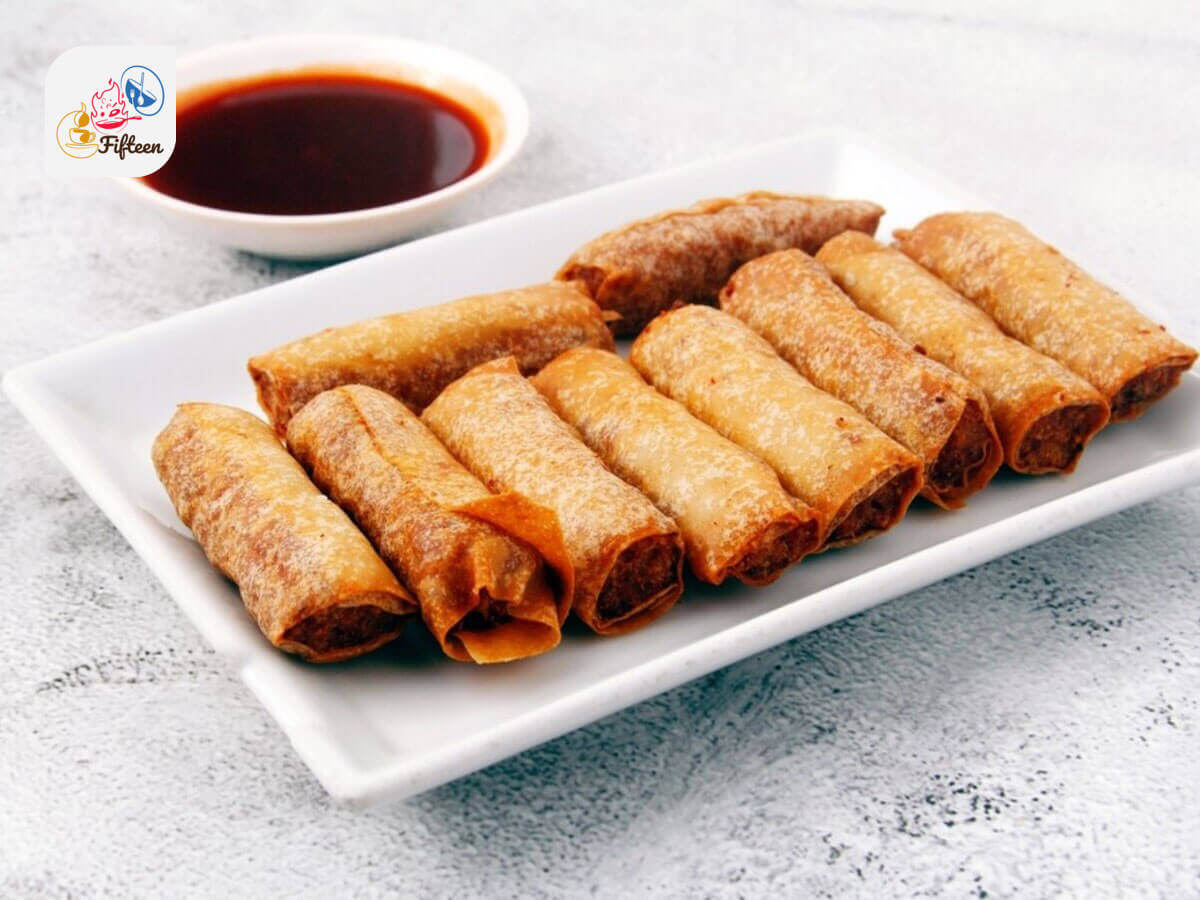
Filipino cuisine is a rich blend of how cultural interactions and influences that created one of the world’s most interesting cuisines. Here’s a brief overview of its historical development.
Pre-colonial Period
A variety of regional cuisines thrived in what is now the Philippines. The diet was primarily based on rice, fish, and tropical fruits, with vinegar and salt as popular condiments.
Traditional methods included grilling, boiling, and roasting. Many modern Filipino recipes have pre-colonial origins.
Chinese Influence
Chinese traders and immigrants played a significant role in influencing Filipino cuisine. They had been present even before the Spanish colonization.
Notable culinary elements of Chinese origin are noodles (pancit), soy sauce, popiah skin, and tofu. Some common cooking methods, like stir-frying and steaming, were adopted from Chinese cooking practices.
Spanish Influence
The Philippines was a Spanish colony for over 300 years, starting from the mid-16th century. This long period had a profound impact on Filipino food culture.
The Spaniards introduced ingredients like corn, potatoes, tomatoes, and bell peppers. Various staple dishes, like chicharon, afritada, and leche flan, are of Spanish origin.
American Influence
From the late 19th century, the Philippines came under American control. During this period, Filipinos adopted American dishes like hamburgers, fried chicken, hot dogs, and many types of canned foods.
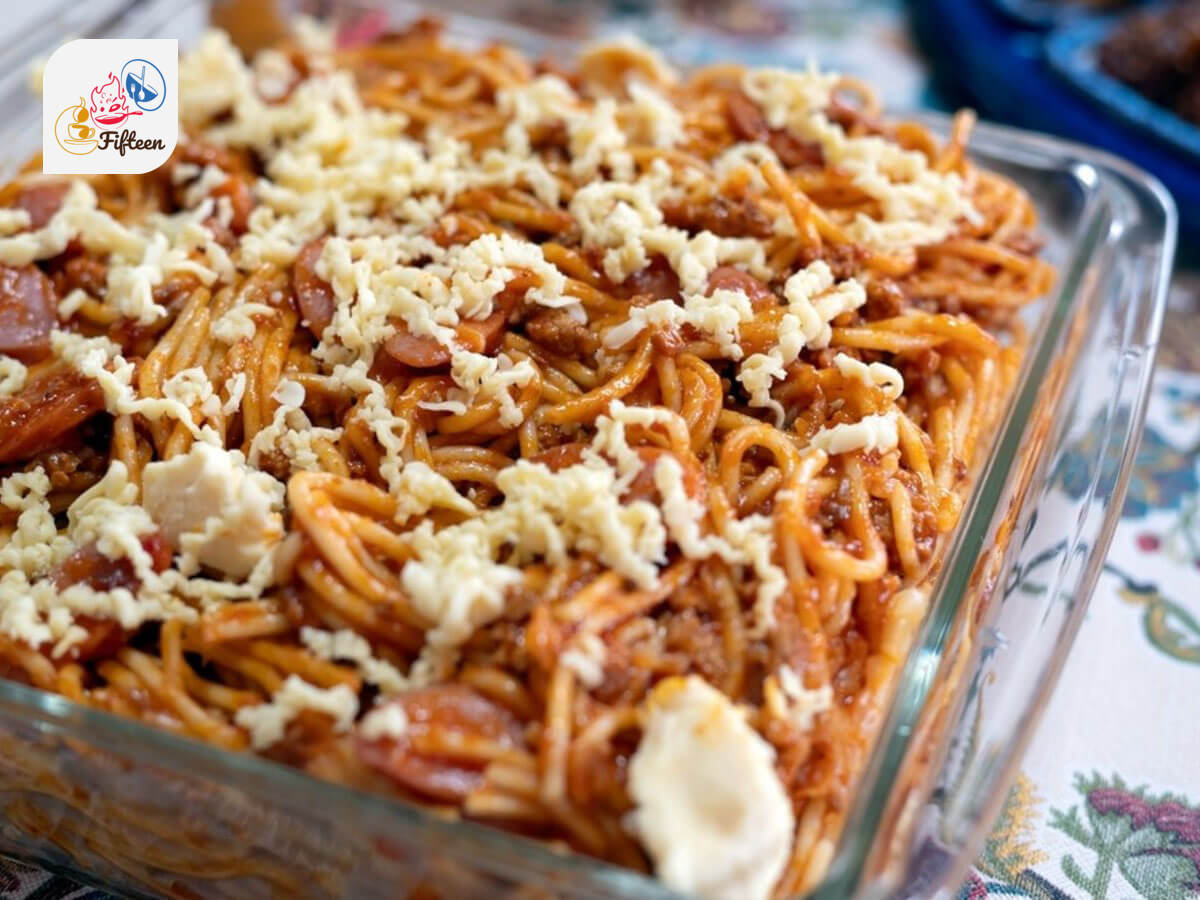
Many Filipino recipes, such as Filipino spaghetti, have American origin or were shaped by the American presence.
Southeast Asian Influence
In certain parts of the Philippines, especially the southern portion, the cooking traditions of Malaysia and Indonesia have a considerable effect on local foods.
Modern Period
Contemporary Filipino cuisine embraces a fusion of traditional and modern cooking styles. Chefs are reinterpreting traditional dishes with a modern twist, such as adapting balut for haute cuisine.
Filipino food has gained international recognition, with household names like adobo, lechón, and sinigang becoming popular worldwide.
Regional Variations
The culinary map of the Philippines can be divided into the following three main parts.
Now that you have a solid knowledge of the culinary development of the Philippines, I will turn to another important topic, which is about street food in the country.
What Is the Street Food Culture of the Philippines?
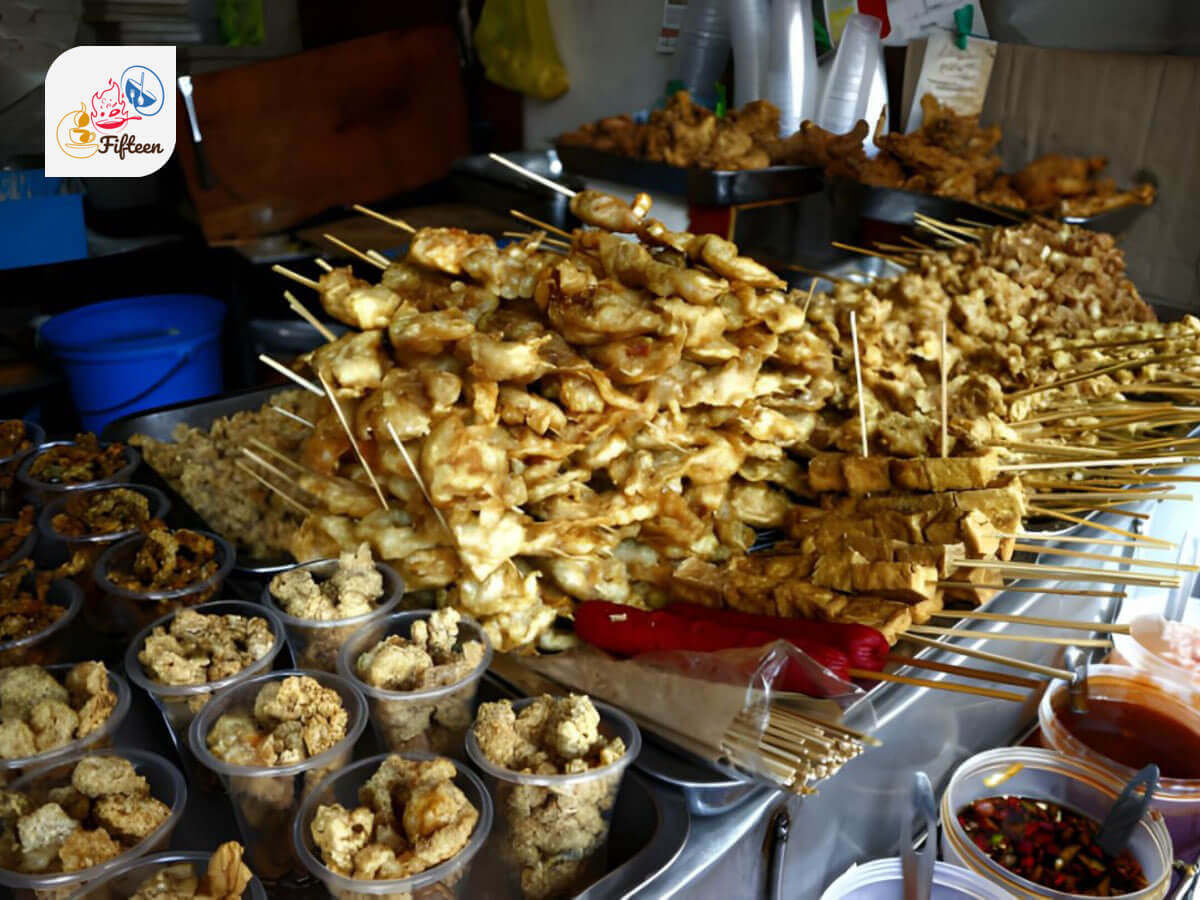
The street food culture in the Philippines is vibrant, diverse, and an integral part of Filipino life. I will show you its beauty by going over its five key aspects.
Variety
Filipino street food offers a wide range of options, from savory to sweet. Common items include grilled meats, fish balls, balut, shaved ice desserts, and fruit-based snacks.
Such dishes take advantage of the abundance of local ingredients and can suit various dietary preferences.
Accessibility
In the Philippines, most street food dishes are affordable and widely available at many street stalls and informal eateries, making them easily accessible to people from all walks of life.
Street food vendors can be found in various locations, from busy city streets to local markets and outside schools and offices.
Social Aspect
For Filipinos, eating street food is often a communal activity. Friends or families occasionally enjoy street food together, especially in the evenings or during festivals.
Influence of Regional Cuisines
The Philippines’ diversity of regional cuisines is reflected in its street food. Each region has its specialties and variations, adding to the rich tapestry of street food culture.
Night Markets and Food Parks
Organized street food markets and food parks are becoming more and more popular in the Philippines, especially in urban areas. These places offer many street food options in a more structured environment.
Having a good knowledge of street food is crucial, but learning about eating etiquette is even more important when exploring Filipino cuisine.
What is Filipino Eating Etiquette?
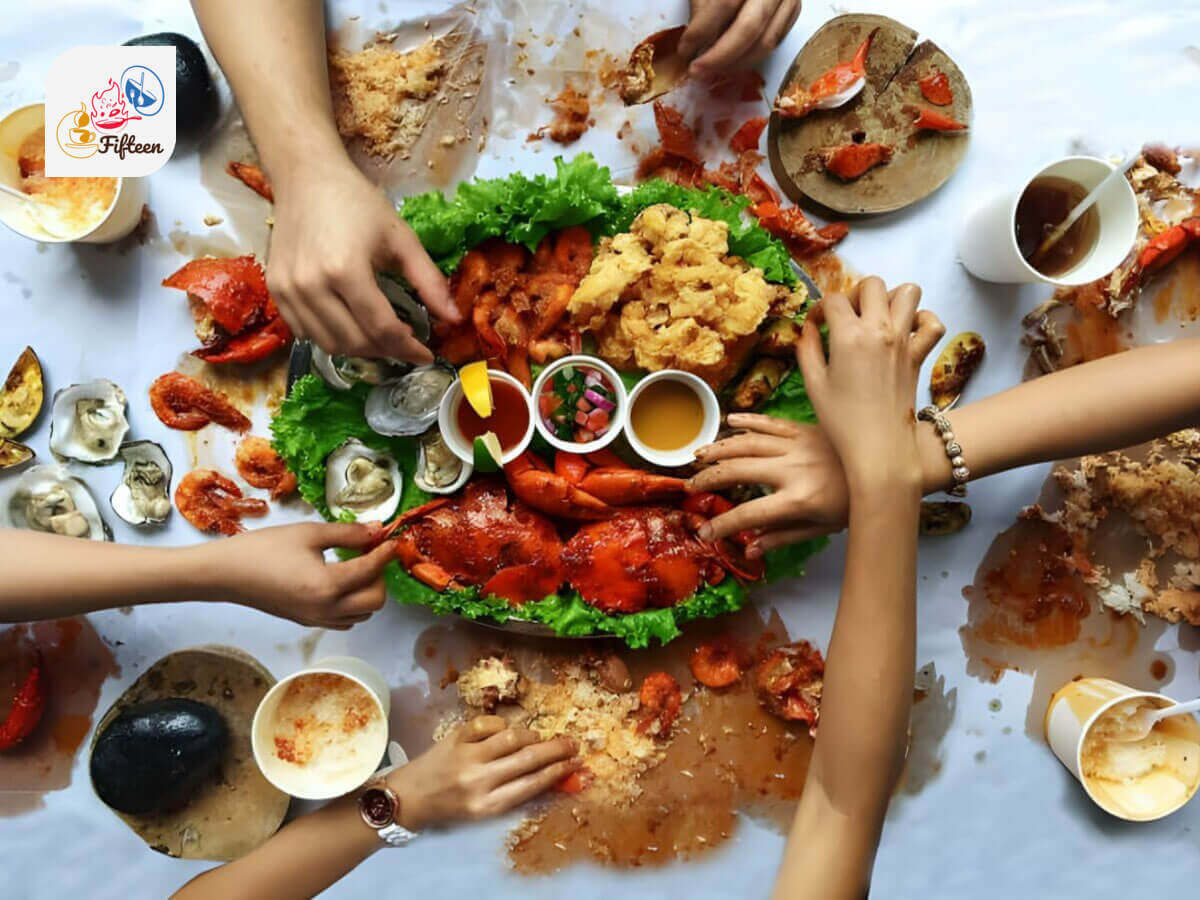
There are many rules of table manners concerning the use of utensils, hierarchy, small talk, hospitality, and so on in the Philippines. Here are the seven most important things to remember.
Utensils
Filipinos traditionally use spoons and forks, with the spoon held in the right hand and the fork in the left. Chinese chopsticks are used when enjoying pancit or other noodle dishes.
Eating With Hands
In many casual settings, it’s also common to eat with one’s hands, a practice known as kamayan. Washing your hands before the meal is essential.
Locals prefer to eat with the right hand since the left one is “considered unclean.”
Communal Serving Style
In a typical Filipino meal, dishes are placed in the center of the table for everyone to share. Rice is a staple and is usually served with every meal.
Elders and older families are often served first or given the seats of honor (usually at the head of the table).
Saying Grace
Many Filipinos say a prayer or grace before starting to eat, reflecting the country’s strong Catholic influence.
Conversation
Meals are a time for socializing and enjoying the company of others in the Philippines. Conversations are typically light and avoid controversial topics.
Invitations and Hospitality
If you’re invited to a meal, it’s polite to accept the invitation and to compliment the food. Bringing a small gift for the host, like sweets or pastries, is also recommended.
Additional Helpings
Filipino hosts typically insist their guests have more food. You can leave a small amount of food on your plate to show that you have had enough.
Keep on reading to explore the art of pairing Filipino dishes with the proper beverages in local cuisine.
How To Pair Dishes with Beverages in the Philippines?
I will show you the four popular types of beverages in Filipino cuisine to complement dishes as well as their common accompaniments.
Samalamig
Since samalamig is a category of sweet and chilled beverages, it goes best with snacks, desserts, or dishes with light flavors.
A few examples are halo-halo, puto, arroz caldo, and chicharon. Rice or lightly seasoned soups are other choices.
Kapeng Barako
To complement the bitter and robust flavor of kapeng barako, sweet treats like leche flan and halo-halo are ideal options. Alternatively, breakfast dishes like fried eggs and tocino also pair well with coffee.
Filipino Beer
Filipino beer is a versatile drink and can accompany a variety of savory dishes, especially grilled or fried dishes. Hearty foods with a balanced flavor, like noodle dishes or cured meat, are also ideal.
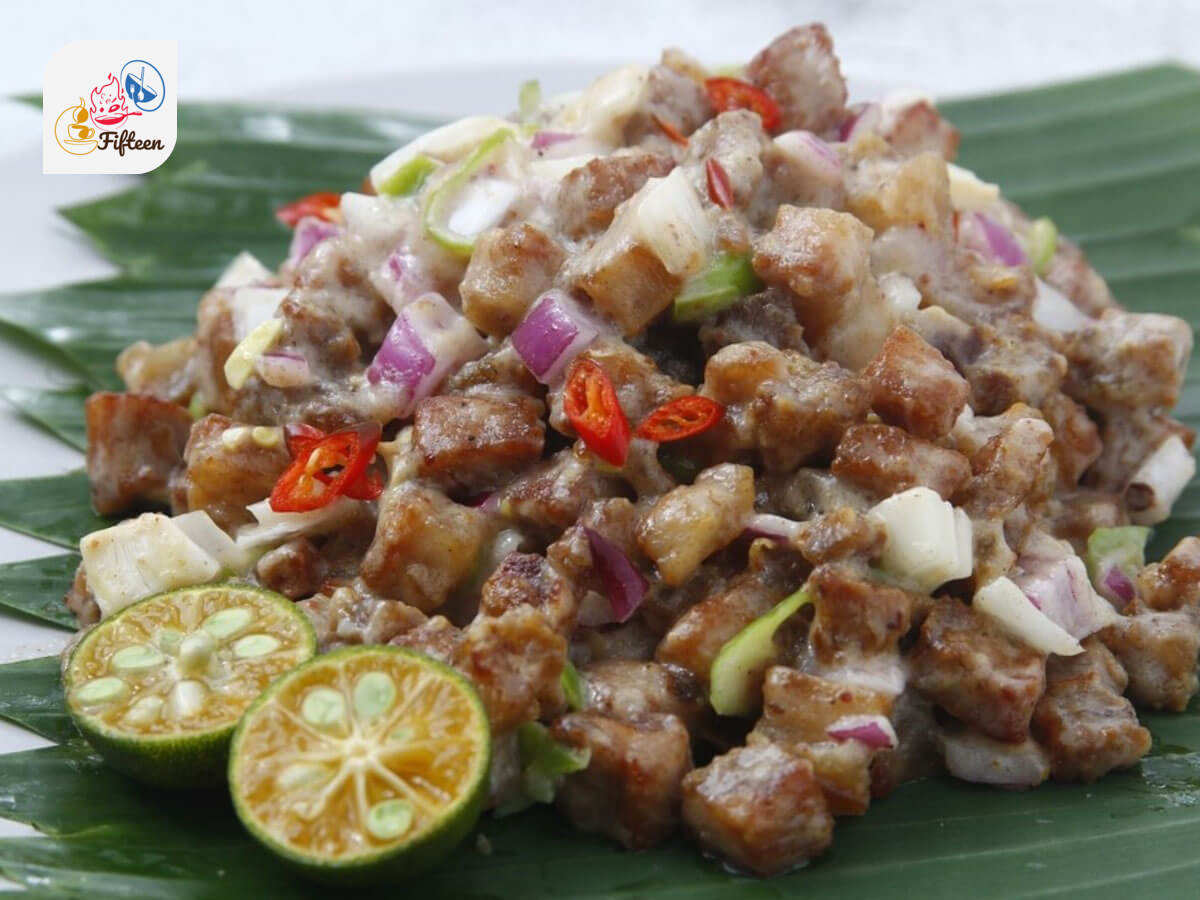
Enjoying a beer with inihaw items (like lechón and satti), sisig, pancit, balut, Filipino spaghetti, or tapa is an excellent experience.
Lambanog
As a palm liquor with high alcohol content and a distinctly sweet and bitter taste, lambanog is ideal for accompanying many types of savory Filipino foods, preferably those with bold or spicy flavors. Try pairing lambanog with adobo, kinilaw, sisig, or lechón.
Now you know everything about Filipino cuisine; I hope you find this read interesting and insightful. Let me know your feedback in the comment section, and don’t forget to share this post with your friends!
Jamie Scott
Editor in Chief, Senior Content Writer
Expertise
Home Cooking, Meal Planning, Recipe Development, Baking and Pastry, Food Editor, Cooking-video Maker, Western Food Evaluation Expert
Education
Le Cordon Bleu College of Culinary Arts
Local Community College, New York, NY
Jamie Scott is a skilled culinary expert and content creator specializing in Western cuisine. With over 15 years in the culinary field and formal training from Le Cordon Bleu, Paris, Jamie deeply understands how to blend nutrition with delicious flavors. His passion for cooking matches his commitment to making healthy eating accessible and enjoyable.
On Fifteen.net, Jamie brings a fresh perspective to classic dishes and beverages, offering readers insightful recipes, cooking tips, and a fresh view on meal planning that emphasizes taste, health, and simplicity.