In formal dining, use cutlery from the outside in, tear bread before buttering, and scoop soup away to prevent spills. Casual meals focus on shared enjoyment, but wait for all to be served before starting.
Meal Presentation
Traditional and hearty, focusing on showcasing the natural flavors and ingredients.
Culinary Festivals
St. Patrick’s Day, Christmas, Easter
Influence and Fusion
Influences from Irish, British culinary traditions, and Ulster Scots culture.
Northern Irish fried dishes are rich and hearty, often combining ingredients like eggs, sausages, and bacon in dishes like the Ulster fry, enjoyed any time of day.
Pasties, with their crispy exteriors and savory minced meat fillings, highlight the cuisine’s preference for deep flavors and varied textures.
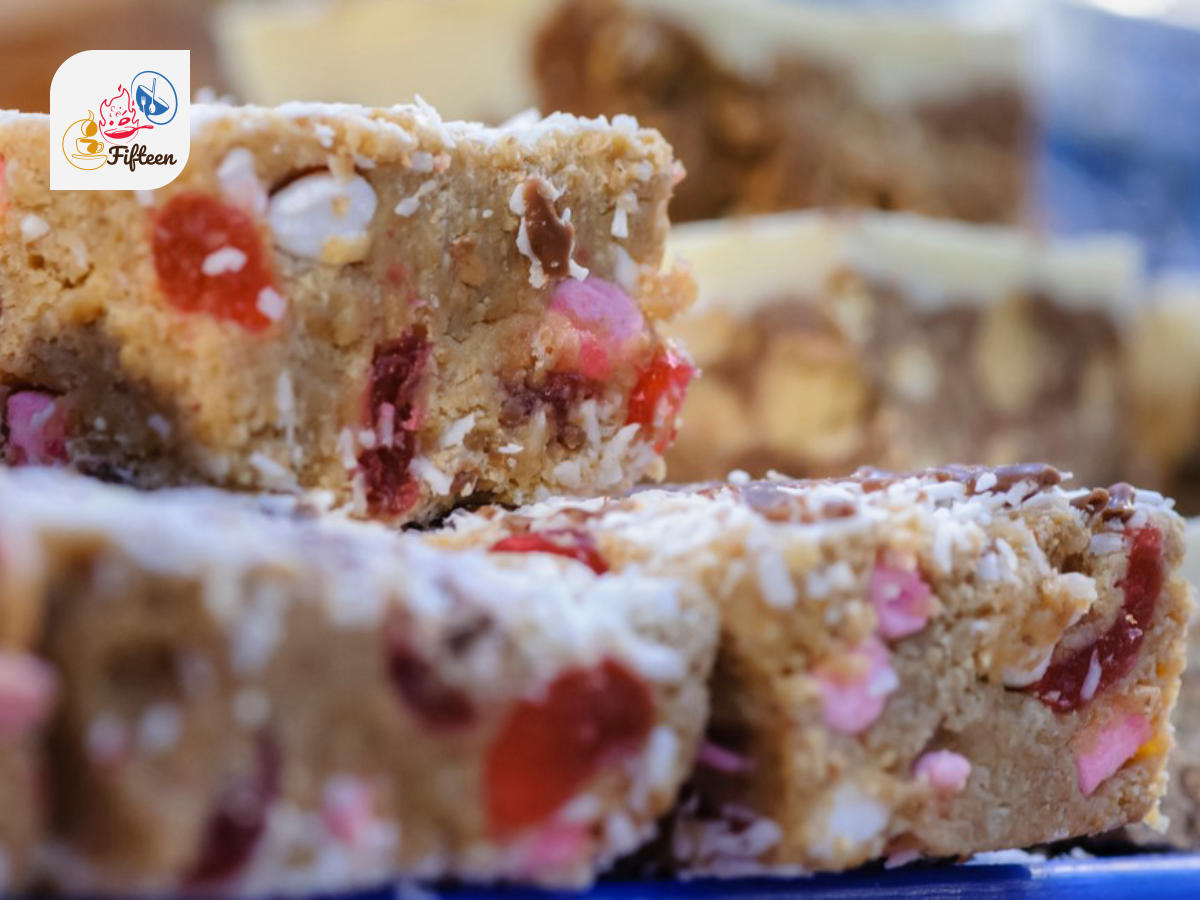
Northern Irish desserts, including the no-bake Fifteens and moist barmbrack, feature simple, local ingredients.
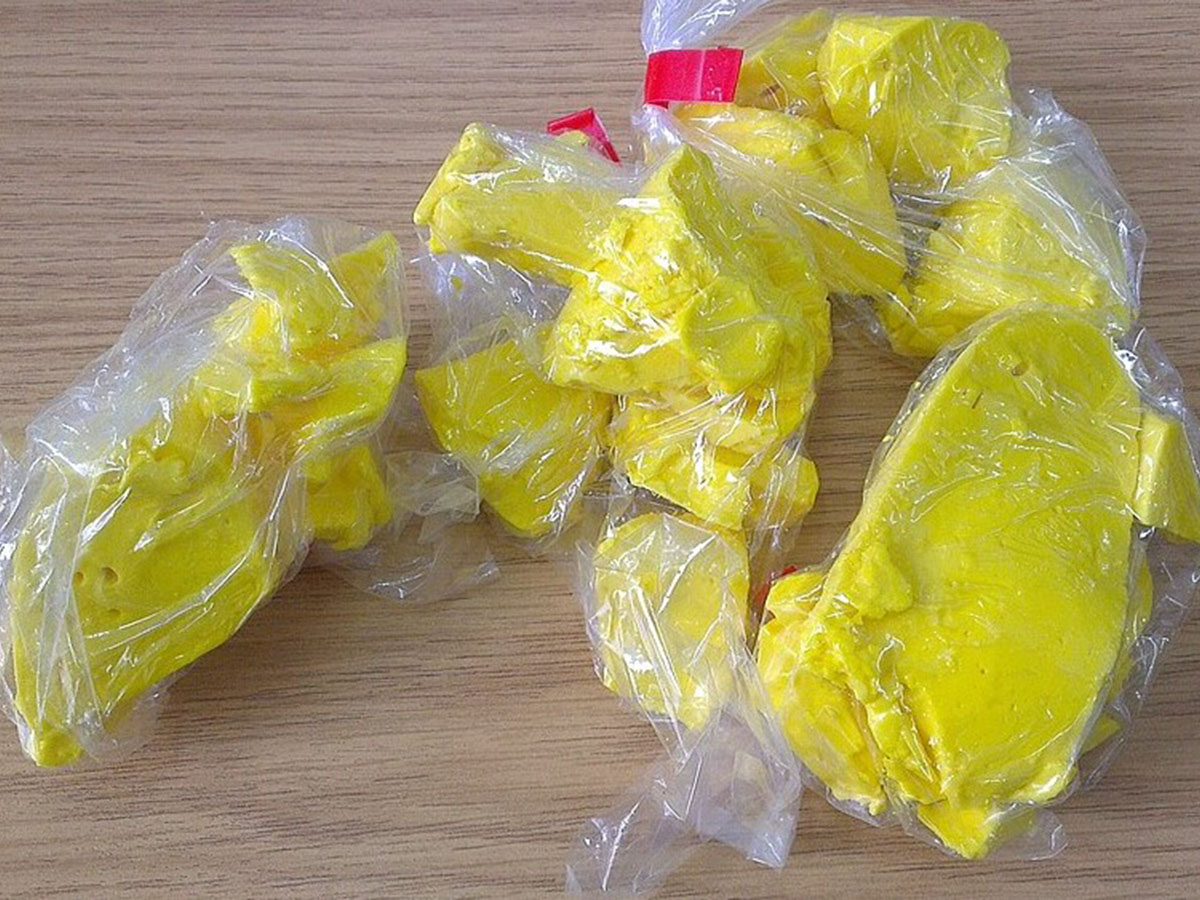
Traditional Yellowman candy offers a crunchy, sweet, and tangy option.
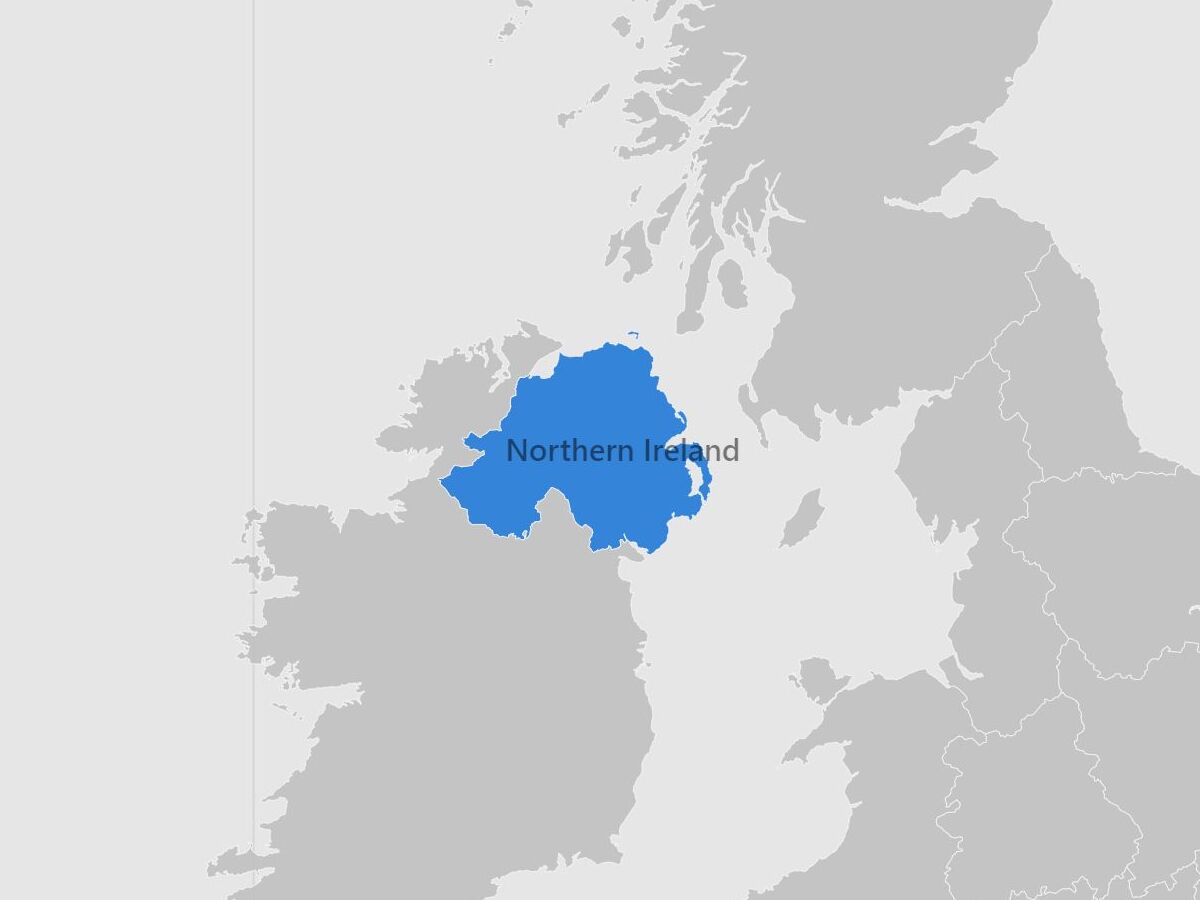
Northern Irish dishes are delicacies belonging to Northern Ireland, a country that forms part of the United Kingdom. Northern Irish food combines influences from Irish specialties, British culinary delights, and Ulster Scots culture.
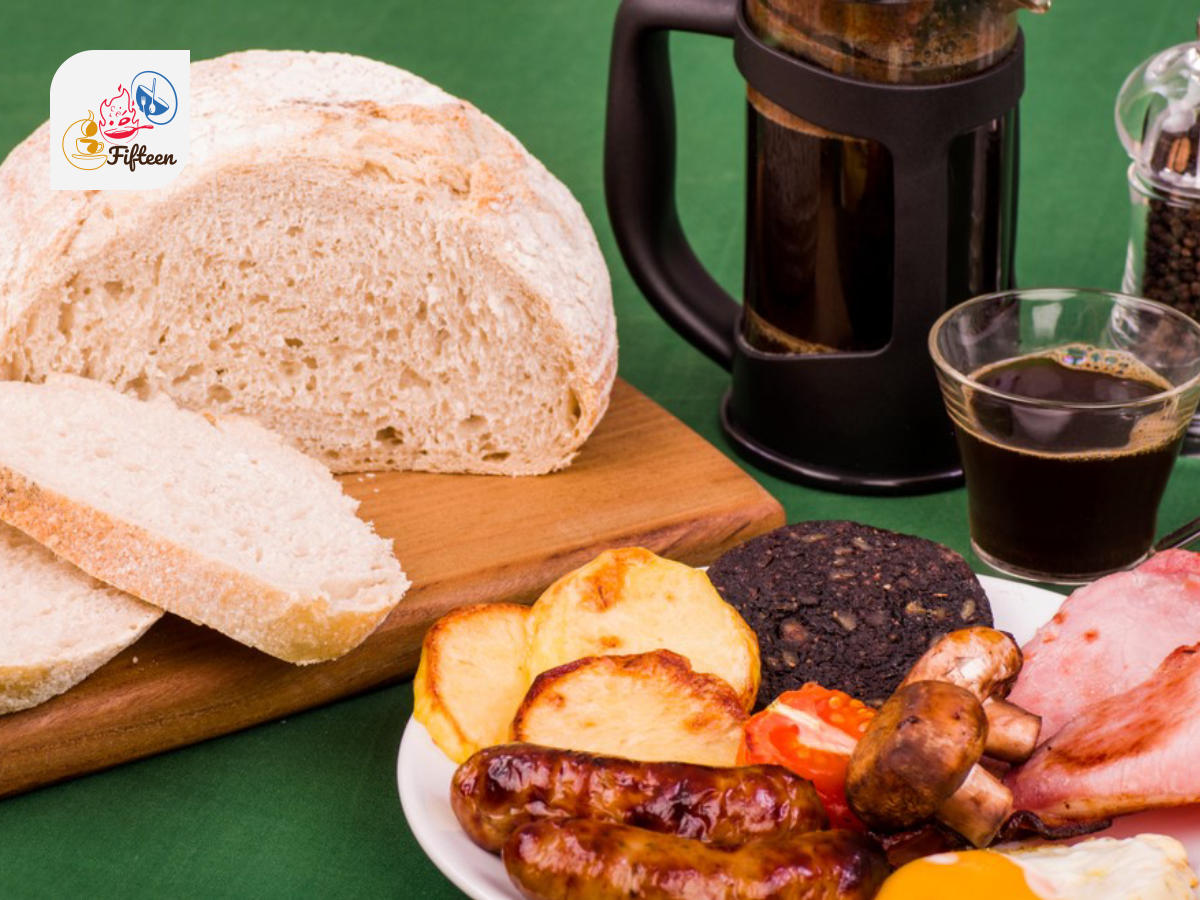
It mainly uses local ingredients like potatoes, vegetables, dairy, beef, lamb, pork, and seafood from its long coastline. The Ulster Fry is a well-known breakfast with bacon, sausages, black pudding, eggs, and soda bread.
Baking is an important part of this cuisine, with staples like soda bread, potato bread, and wheaten bread. The cooking often involves grilling, boiling, and baking, keeping the food’s natural taste.
More than just food; it’s about the community and sharing meals in local pubs and gatherings, which brings people together and celebrates their culture.
Let’s jump into the world of Northern Irish cuisine. I’ll cover the must-try dishes, what sets the food apart, why it’s winning hearts globally, and the health benefits it brings.
I’ll also touch on how folks in Northern Ireland enjoy their meals and some smart tips on combining food with the perfect drink.
So, are you ready to explore? Let’s get into it.
Here’s a closer look at what makes traditional Northern Irish food appealing:
Potatoes: They’re everywhere in Northern Irish meals, showing up boiled, mashed, or nestled into stews and soups.
Meat: Beef and lamb are the stars here, often slow-cooked to perfection in stews or pies. Lamb is especially popular, giving life to the beloved Irish stew, where it joins forces with potatoes, carrots, and onions for a truly warming dish.
Dairy: Think butter and cream, not just as add-ons but as key players that elevate the flavors of everything they touch. They bring a rich, comforting depth to dishes that’s hard to beat.
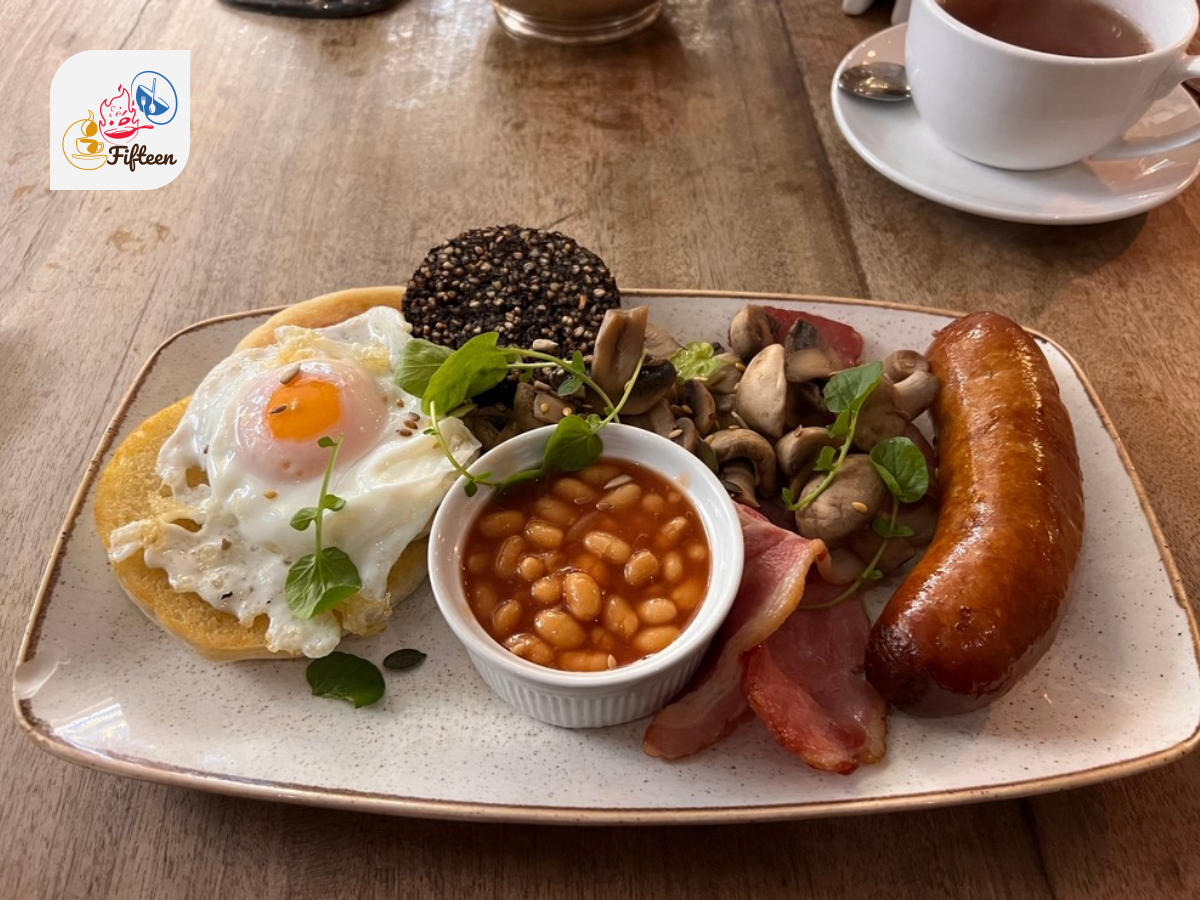
Ulster fry: This isn’t just breakfast; it showcases local goodness. Bacon, sausages, black pudding, eggs, and tomatoes come together, often accompanied by soda bread or potato bread – both Irish specialties.
Seafood: With the ocean so close, how could seafood not be a highlight? Fresh salmon, trout, and oysters are just a few local favorites, each adding a unique taste of the sea to the Northern Irish table.
Breads And Bakery Goods: Soda bread and potato bread are much more than sides; they’re essential pieces of the meal, perfect for sopping up stews or enjoying as a snack. These bread are also well-known worldwide.
Due to British culinary traditions, northern Irish food has a global influence, particularly in Commonwealth countries like Canada, Australia, and New Zealand.
It is also somewhat recognized in the United States and Europe, especially in areas with significant Northern Irish diaspora and during cultural events like St. Patrick’s Day.
Key Northern Irish products like beef, dairy, and whiskey are internationally appreciated for their quality and uniqueness.
Its growing fame brings to light the taste and wholesome nature of these traditional meals.
Northern Irish food features simple, hearty meals with fresh, local ingredients, emphasizing balance, variety, and the nutritional benefits of minimally processed foods. Key aspects include:
Fresh and Local Ingredients: Northern Ireland’s fertile lands produce an array of fresh produce, dairy, and meats, ensuring high nutritional value due to less transportation and processing.
Seafood: Abundant in omega-3s, proteins, vitamins, and minerals, seafood from Northern Ireland’s coast supports heart health, brain function, and overall well-being.
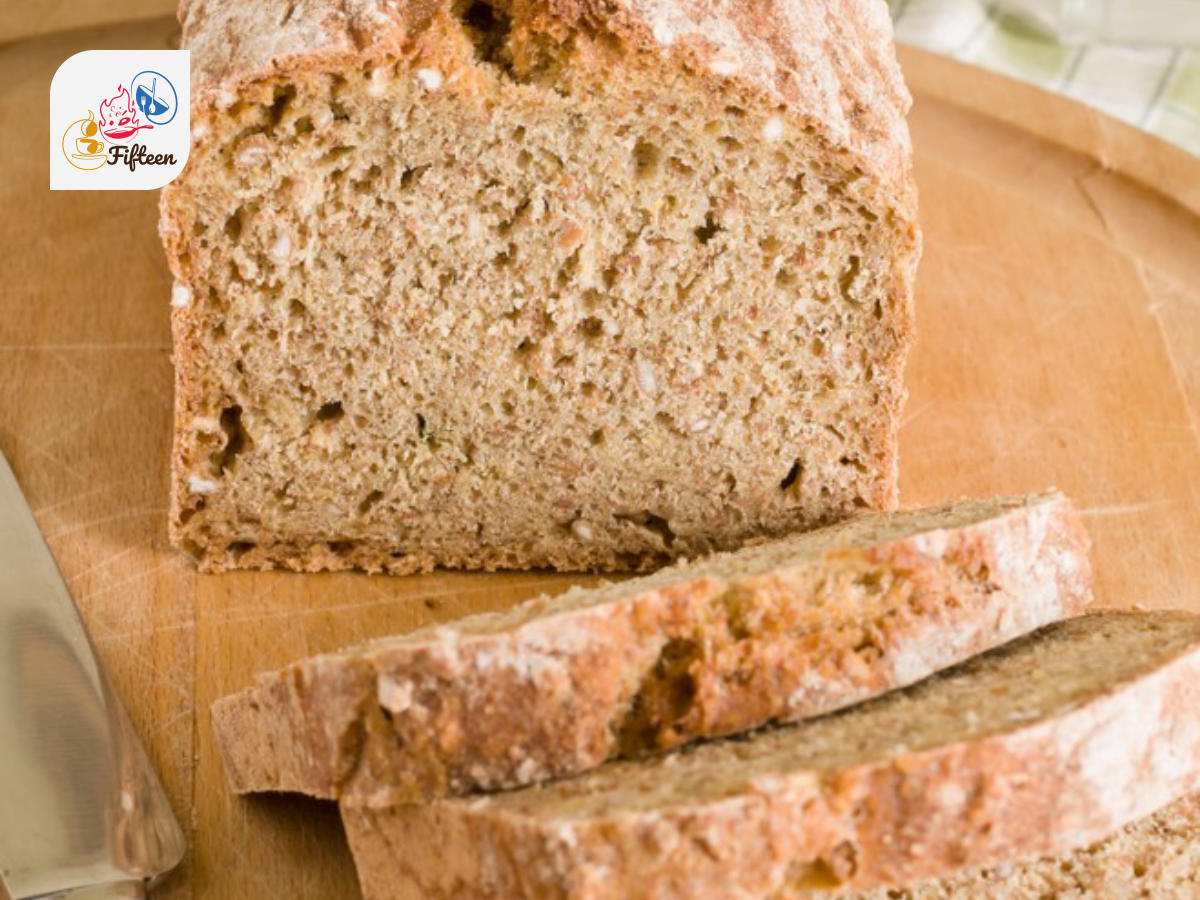
Whole Grains: Traditional breads like soda and wheaten bread, made from whole grains, offer fiber and nutrients essential for digestive health and disease prevention.
Moderate Meat Consumption: Meat, especially beef and lamb, is eaten in moderation and balanced with vegetables and grains to maintain essential nutrient intake and healthy fat levels.
Dairy Products: Local dairy, rich in calcium, protein, vitamins D and B12, supports bone health and provides crucial nutrients.
Potatoes and Vegetables: Potatoes, a dietary staple, and a variety of vegetables, contribute fiber, vitamins C and B6, potassium, and antioxidants, promoting overall health.
In the next part, you can explore the most well-liked Northern Irish dishes, from savory stews to sweet treats.
13 Popular Northern Irish Dishes with Filters
Here’s a list of the best 26 Northern Irish dishes, arranged by how well-known they are worldwide. You can easily search through them based on what they’re made of, how they taste, how they’re cooked, what kind of dish they are, and when they’re typically eaten.
Plus, you can narrow your search to include everything from national and traditional local eats to street snacks.
You’ll find these dishes at the heart of Northern Irish cuisine, loved by locals and admired by visitors.
They’re the kind of meals that bring comfort and joy, often found in homes, local eateries, and even abroad.
These dishes are like culinary ambassadors for Northern Ireland, showcasing the rich food heritage and local ingredients.
They’re the recipes passed down through generations, each bite telling a story of the land and its people.
These are the timeless classics of Northern Irish cuisine, deeply rooted in history and tradition.
They span from hearty breakfasts to satisfying main courses, each dish carrying the flavors and tales of the regions they come from, beloved across all of Northern Ireland.
This category is all about the bustling streets and local markets of Northern Ireland, where quick, delicious, and accessible eats are familiar.
It’s where tradition meets convenience, offering a taste of Northern Irish culture in every bite, perfect for on-the-go dining.
Irish Stew
Traditional
Irish stew is a traditional dish of Northern Ireland, enjoyed across the region. It is a comforting, one-pot meal, typically made with lamb or mutton, potatoes, onions, and carrots.
Irish stew is particularly savored during colder months and is often associated with St. Patrick’s Day celebrations.
Soda Bread
Traditional
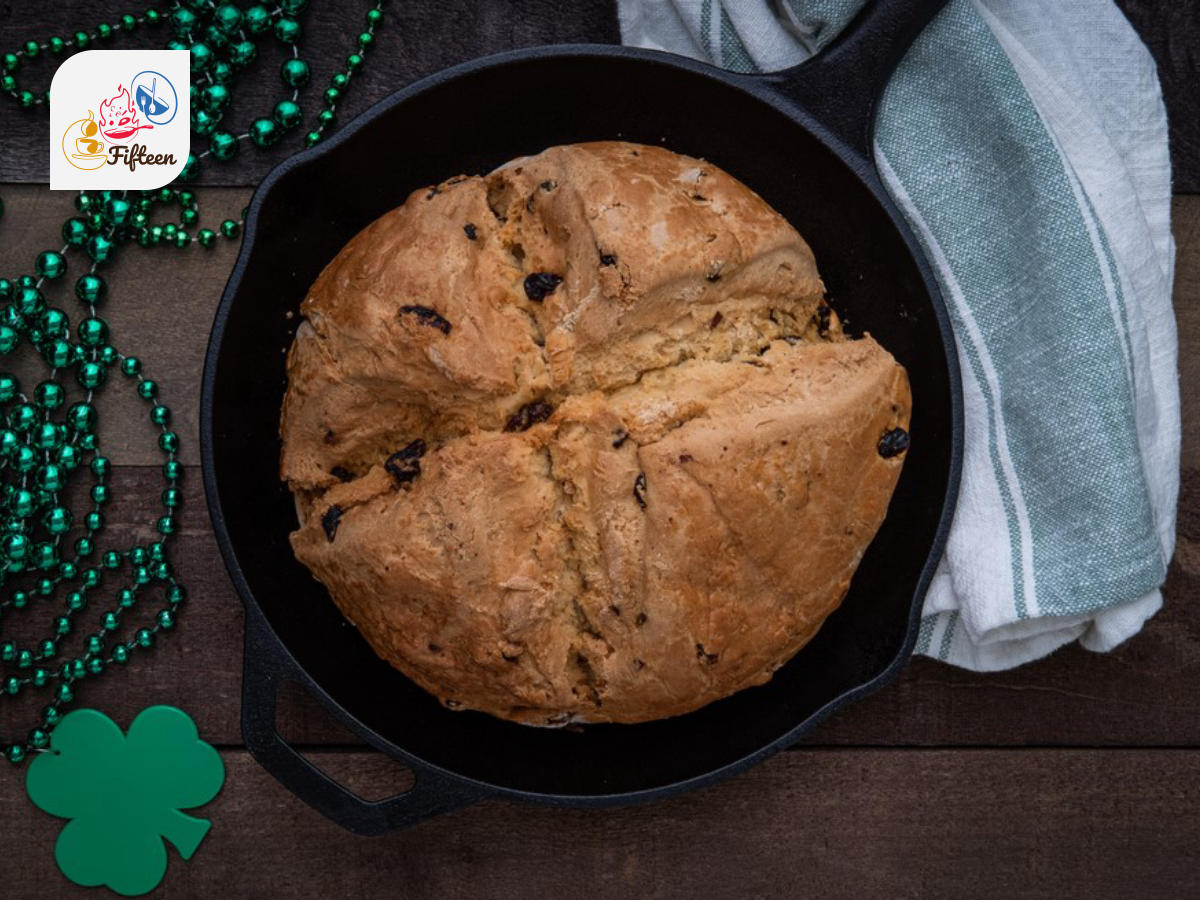
Soda bread, another staple of Northern Irish cuisine, is a variety of quick bread that’s incredibly easy to make and delicious. Unlike other bread, it’s leavened with baking soda instead of yeast, which gives it a distinctive texture and taste.
The classic version is plain, but you’ll find variations like adding caraway seeds or dried fruits for a sweet twist.
Its taste is unique – slightly tangy due to the buttermilk used in the dough, with a dense yet soft texture. Soda Bread is a go-to accompaniment for meals at any time of the day, particularly enjoyed with butter or jam, and even with soups and stews like the Irish Stew.
It’s a part of daily meals and festive occasions, especially during St. Patrick’s Day. Soda bread is popular beyond Northern Ireland, especially in the United States and other parts of the UK.
Ulster Fry
National
Street Food
Traditional
Ulster fry is a traditional breakfast dish famous in Northern Ireland. This full meal is an assembly of fried eggs, sausages, bacon, black pudding, white pudding, tomatoes, mushrooms, and, not to forget, soda bread or potato bread.
Ulster fry doesn’t just stick to breakfast tables; it’s enjoyed throughout the day, especially on weekends or during holiday mornings.
Boxty
Traditional
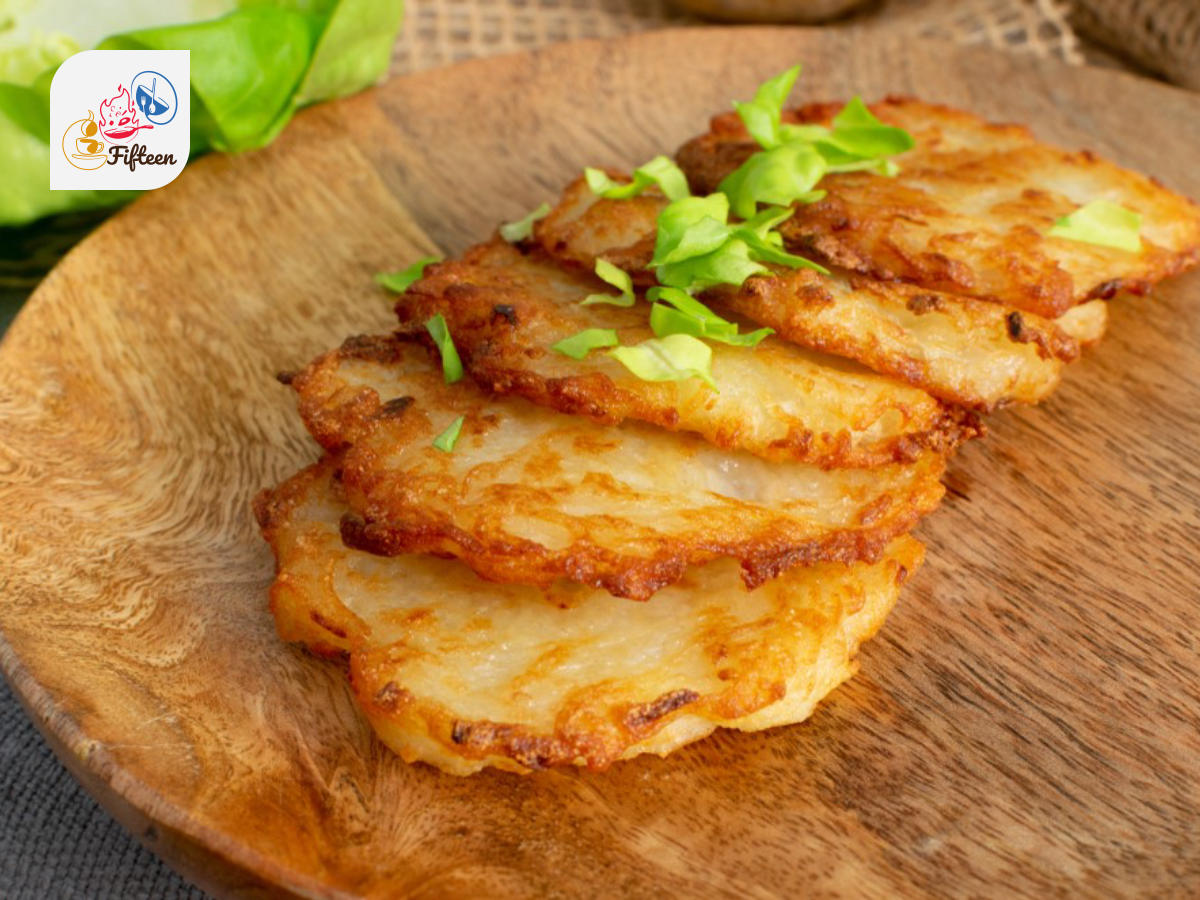
Boxty, also known as potato cake or potato bread, is a signature Irish dish with a special place in Northern Irish cuisine. This dish comes in a few variations, such as pan-fried boxty pancakes, boiled boxty dumplings, and baked boxty loaves.
Made primarily from grated potatoes mixed with flour, milk, and sometimes egg, boxty carries the comforting taste of potatoes with a slight tanginess, often served as a side dish with butter or used as a base for toppings.
It’s particularly popular during breakfast or as part of a main meal, especially during St. Patrick’s Day festivities.
Champ
Traditional
Champ is a time-honored Northern Irish dish consisting of creamy mashed potatoes mixed with scallions (spring onions), milk, and butter. The dish is known for its comforting, smooth texture and the mild, oniony flavor that the scallions bring.
It’s especially enjoyed during the colder months and can be found at family dinner tables and local pubs across Northern Ireland.
Belfast Bap
Street Food
Traditional
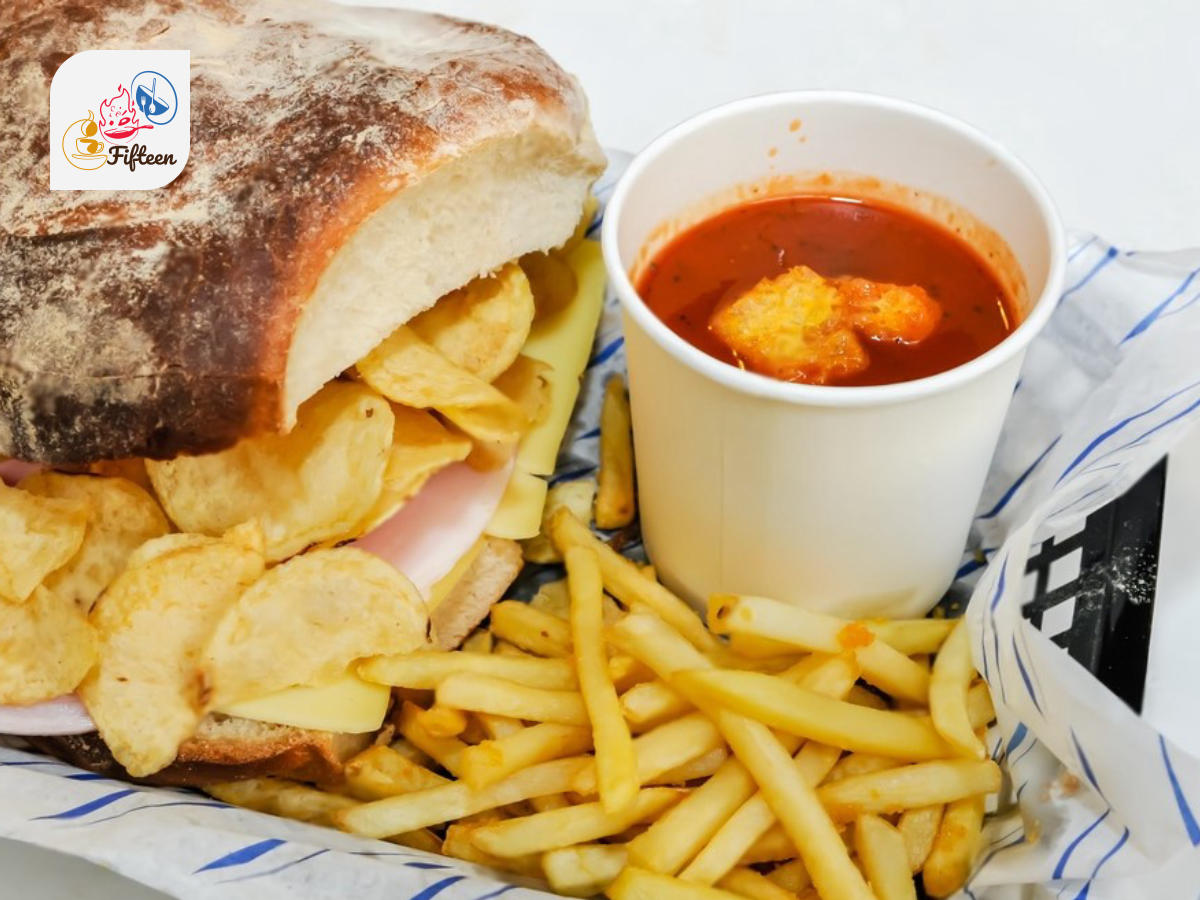
Belfast bap is a soft, round bread roll originating from Belfast, Northern Ireland. It’s distinguished by its size and fluffy texture, making it an ideal choice for sandwiches or as an accompaniment to soups and stews.
The Belfast bap is versatile and can be filled with everything from classic breakfast items like bacon and eggs to lunchtime fillings such as ham, cheese, or salad. It’s a common sight in bakeries and cafes across the country.
Wheaten Bread
Traditional
Wheaten bread is a wholemeal soda bread deeply rooted in Northern Irish cuisine. It’s a straightforward, no-fuss bread made with wholemeal wheat flour, baking soda, buttermilk, and often a touch of sugar and salt for flavor.
This bread is known for its dense yet soft texture and slightly sweet, nutty flavor, making it a perfect companion for butter, jam, or cheese.
Fifteens
Street Food
Traditional
Fifteens is a unique, no-bake treat popular in Northern Ireland. The name comes from the recipe’s basic formula: fifteen marshmallows, fifteen digestive biscuits, and fifteen glacé cherries, all bound together with condensed milk and then rolled in coconut.
Fifteens are a favorite at casual gatherings, picnics, and especially during Christmas and Easter.
Veda Bread
Traditional
Veda bread is a type of malted bread unique to Northern Ireland. It’s distinguished by its dark color, sweet flavor, and soft, dense texture. Typically sliced and toasted, veda bread is often enjoyed with butter or as the sandwich base.
Barmbrack
Traditional
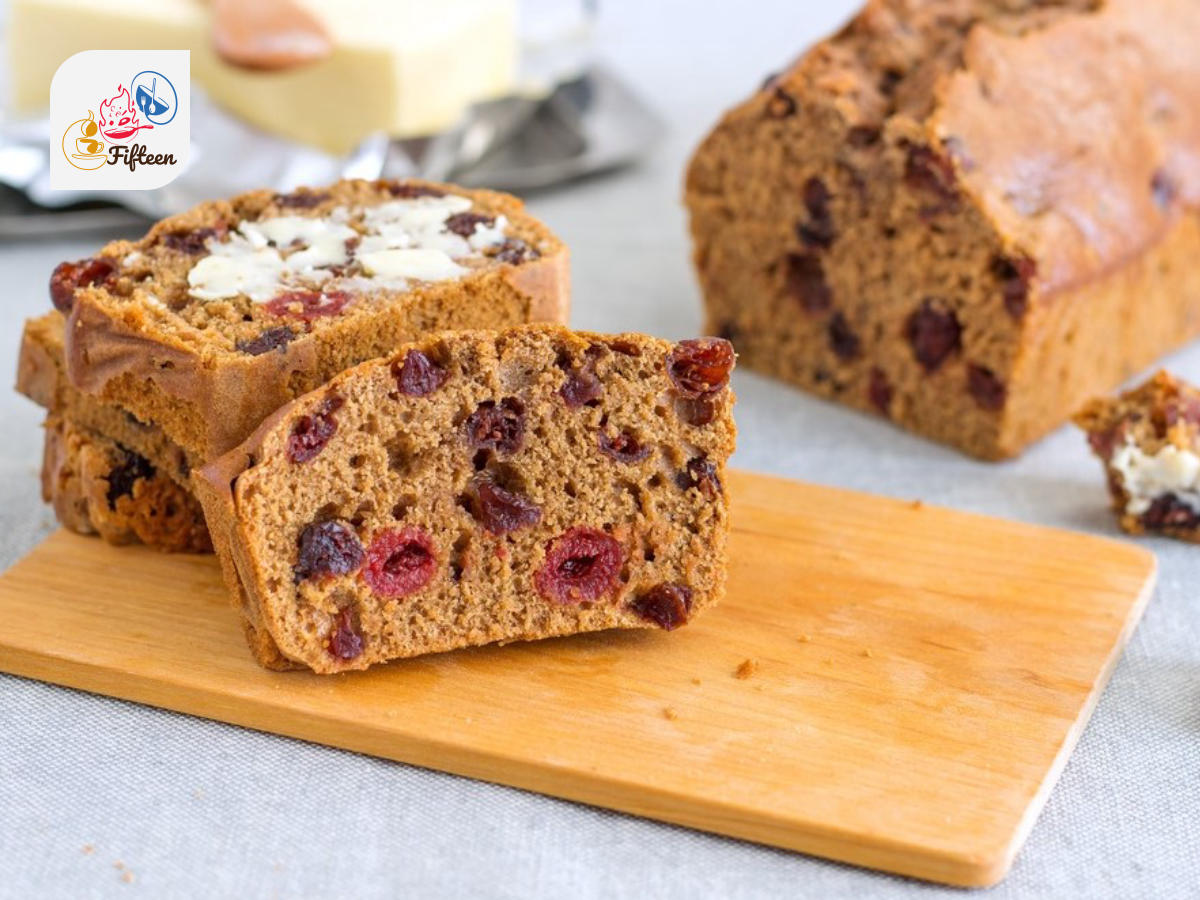
Barmbrack, also known simply as brack, is a traditional Irish bread that becomes especially popular around Halloween in Northern Ireland and the rest of Ireland.
This sweet, dense bread is dotted with dried fruits like raisins and sultanas, which have been soaked in tea overnight.
Often served sliced with butter, barmbrack has a rich, moist texture and a slightly spicy taste thanks to the addition of mixed spice. Traditionally, barmbrack comes with hidden items baked inside, such as a ring or a coin, which are said to predict the finder’s future.
Pasties
Street Food
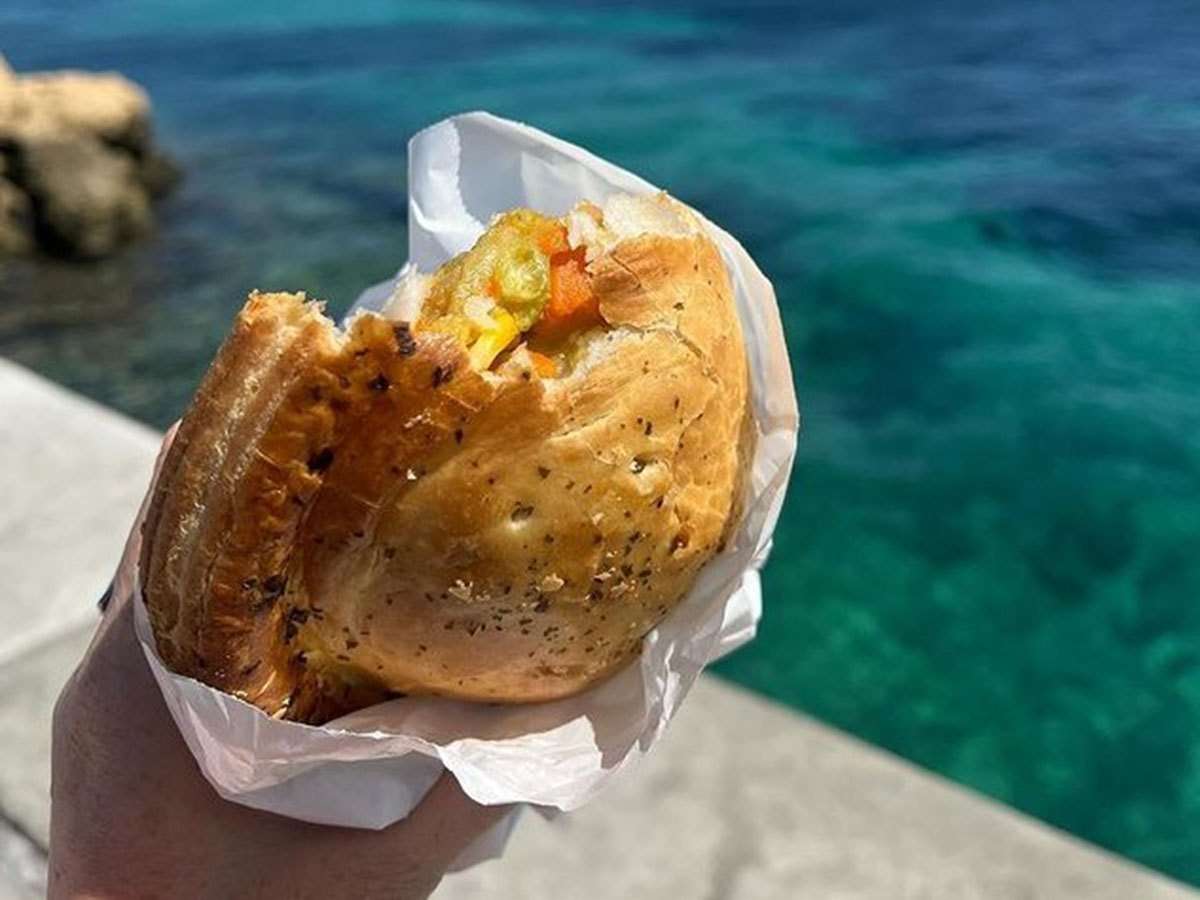
Northern Ireland’s pasties are a popular street food, made from minced meat, potatoes, and onions, formed into patties, coated in batter, and deep-fried, offering a crispy outside and a savory inside.
They can vary in seasonings and meats, commonly found in local chip shops. They differ from Cornwall’s pasties; Northern Irish pasties are deep-fried with a ground meat filling, while Cornwall’s pasties are baked turnovers with a chunky beef and vegetable filling.
Yellowman
Street Food
Traditional
Yellowman is a basic Northern Irish candy, bright yellow with a honeycomb texture, made from sugar, golden syrup, and vinegar. It’s hard toffee that’s sweet, tangy, and crunchy, mainly found at fairs and markets, particularly the Auld Lammas Fair in Ballycastle.
Dulse
Traditional
Dulse is a traditional Northern Irish seaweed, dried and eaten as a snack or used to flavor dishes with its salty, oceanic taste and chewy texture. It’s enjoyed both on its own and in soups, stews, or bread.
Appreciated worldwide, especially in coastal communities like Iceland and Canada, dulse is valued for its rich mineral content and unique sea flavor.
What Is Northern Irish Dining Etiquette?
Let’s look at how to enjoy a meal in Northern Ireland:
Arrival: Hang tight until someone shows you to your table. It’s all about starting things off smoothly.
Meal Start: Don’t dive into your dish the second it lands in front of you. Wait until everyone is served and you get the go-ahead from the host or a shared nod around the table.
Using Utensils: Keep it classy with the fork in your left hand and the knife in your right. When you’re taking a break or all done, just lay them on your plate to show you’re pausing or finished.
Chit-Chat: Keep the conversation easy and steer clear of touchy subjects. It’s all about enjoying the moment and the company.
Compliments And Cleanup: Saying nice things about the meal is a big thumbs up. If you’re feeling helpful, offer to clear up, but don’t sweat it if it’s a fancier setting.
Cutlery Etiquette: In fancier dinners, start with the outermost cutlery and work your way in as each course comes.
Bread And Soup: Tear your bread into bite-sized pieces before buttering, and when you’re having soup, scoop it away to avoid spills.
Tipping: A thank you in the form of a 10-15% tip is a nice touch in restaurants for good service, but don’t worry about it in pubs or if you’re just having a drink.
What Are The Ideal Drink Pairings For Northern Irish Dishes?
Here’s a look at some beverages that pair well with typical Northern Irish dishes:
Tea: A staple in Northern Irish households, tea is a versatile beverage that pairs well with everything from a full Ulster Fry to afternoon scones and cakes.
Stout: Stout, particularly those brewed locally in Northern Ireland, like Guinness, offers a deep, roasted malt flavor that complements the savory notes of dishes like Irish stew, bacon and cabbage, or boxty (potato pancakes).
Whiskey: Irish whiskey, known for its smooth and often slightly sweet character, can be an excellent accompaniment to Northern Irish cuisine. It pairs especially well with meaty dishes and can be a great way to end a meal, enjoyed alongside a cheese platter or a dessert.
Cider: For those who prefer a lighter, fruitier option, locally produced ciders are great. Cider’s crisp and refreshing nature can cut through the richness of dishes like pork sausages or black pudding, providing a nice balance.
Craft Beers: The craft beer scene in Northern Ireland has been flourishing, offering a wide range of beers that can complement various dishes.
Mineral Water or Sparkling Water: For a non-alcoholic option, mineral or sparkling water can help cleanse the palate between bites of rich and flavorful dishes, enhancing the overall dining experience.
Northern Irish dishes are all about tasty food that makes you feel good. Let’s hear if you liked reading about them and want to talk more or try some! Hit like, share this with your friends, and drop a comment below to show love for these awesome meals.
Home Cooking, Meal Planning, Recipe Development, Baking and Pastry, Food Editor, Cooking-video Maker, Western Food Evaluation Expert
Education
Le Cordon Bleu College of Culinary Arts
Program: Bachelor’s degree in Culinary Arts
Focus: Gained foundational knowledge in French and European culinary techniques. Participated in workshops and hands-on training sessions under the guidance of seasoned chefs.
Local Community College, New York, NY
Program: Associate’s Degree in Nutrition
Focus: Acquired basic understanding of nutrition principles, dietary needs, and the importance of balanced diets in daily life.
Jamie Scott is a skilled culinary expert and content creator specializing in Western cuisine. With over 15 years in the culinary field and formal training from Le Cordon Bleu, Paris, Jamie deeply understands how to blend nutrition with delicious flavors. His passion for cooking matches his commitment to making healthy eating accessible and enjoyable.
On Fifteen.net, Jamie brings a fresh perspective to classic dishes and beverages, offering readers insightful recipes, cooking tips, and a fresh view on meal planning that emphasizes taste, health, and simplicity.


Jamie Scott
Editor in Chief, Senior Content Writer
Expertise
Home Cooking, Meal Planning, Recipe Development, Baking and Pastry, Food Editor, Cooking-video Maker, Western Food Evaluation Expert
Education
Le Cordon Bleu College of Culinary Arts
Local Community College, New York, NY
Jamie Scott is a skilled culinary expert and content creator specializing in Western cuisine. With over 15 years in the culinary field and formal training from Le Cordon Bleu, Paris, Jamie deeply understands how to blend nutrition with delicious flavors. His passion for cooking matches his commitment to making healthy eating accessible and enjoyable.
On Fifteen.net, Jamie brings a fresh perspective to classic dishes and beverages, offering readers insightful recipes, cooking tips, and a fresh view on meal planning that emphasizes taste, health, and simplicity.