
Chinese Food Dishes: Basic Overview
Common Ingredients
Common Cooking Methods
Courses
Meals
Key Taste
Eating Etiquette
Meal Presentation
Culinary Festivals
Influence and Fusion
Chinese Food Dishes: Origin and Region
Cuisine
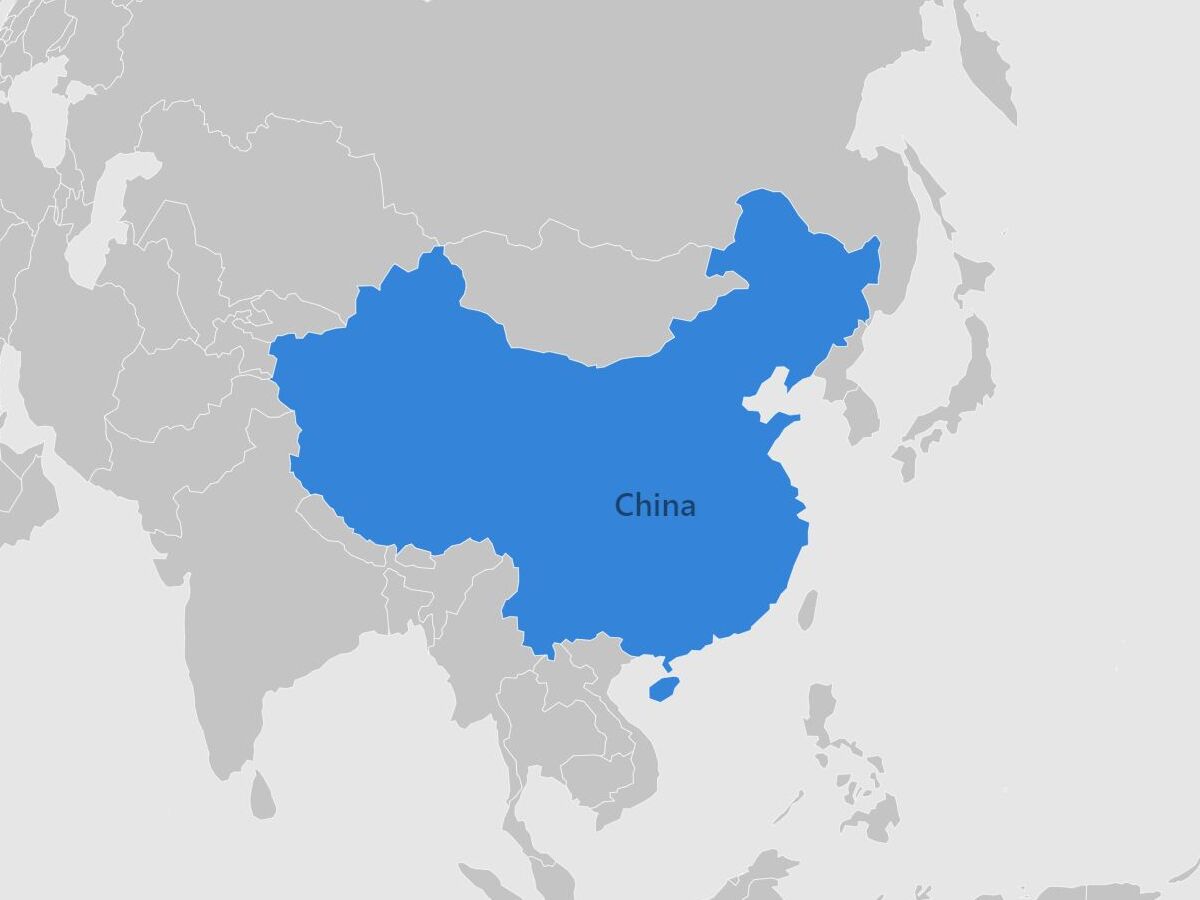
Cuisine’s Geographical Territory
Country’s Region
Popular Types of Chinese Dishes
-
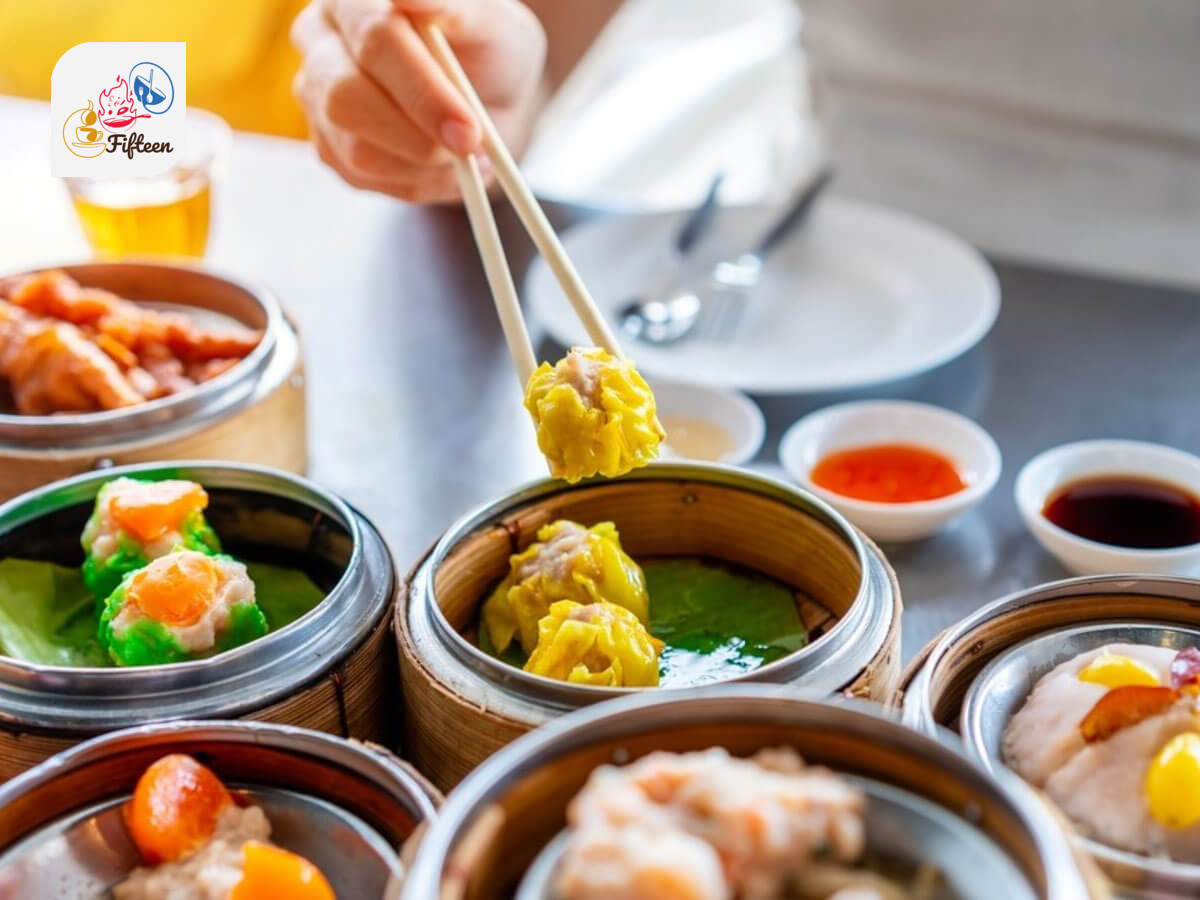
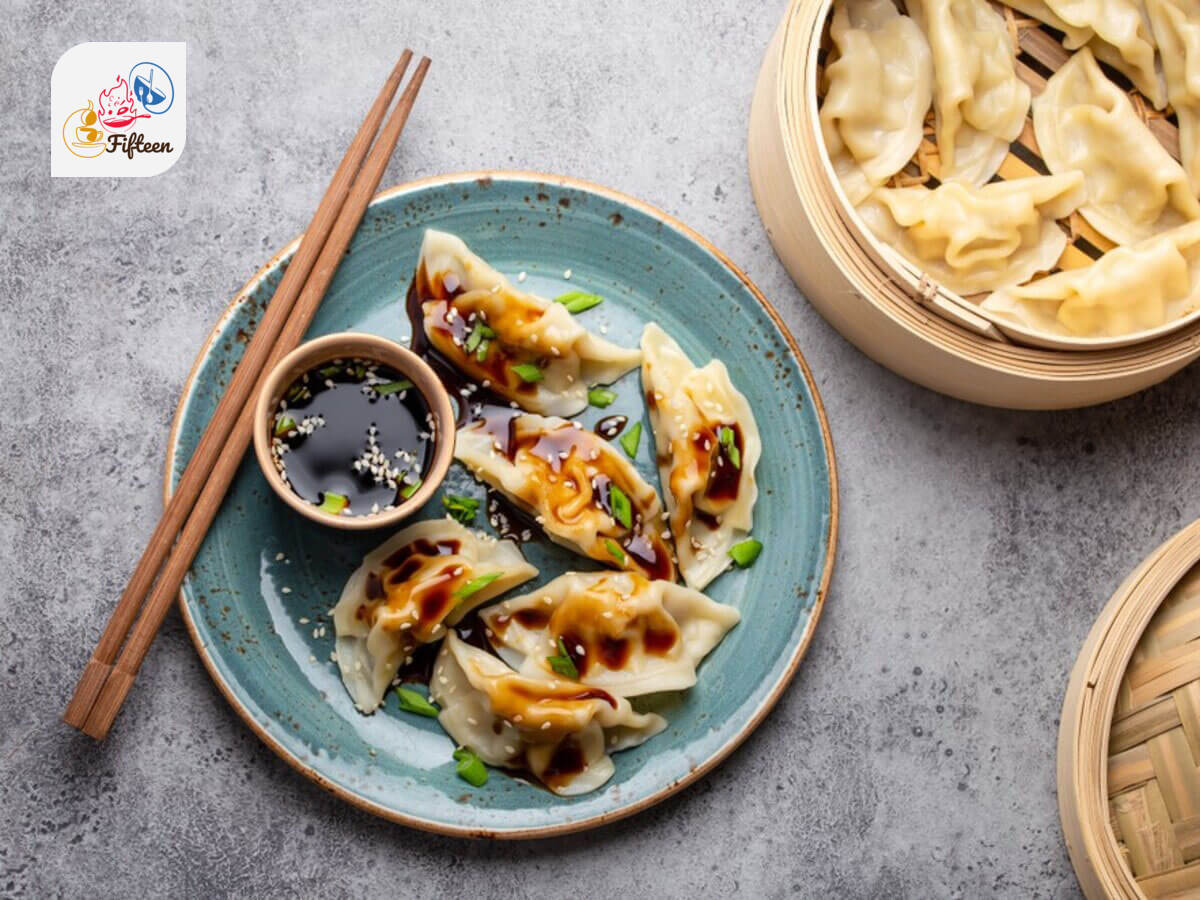
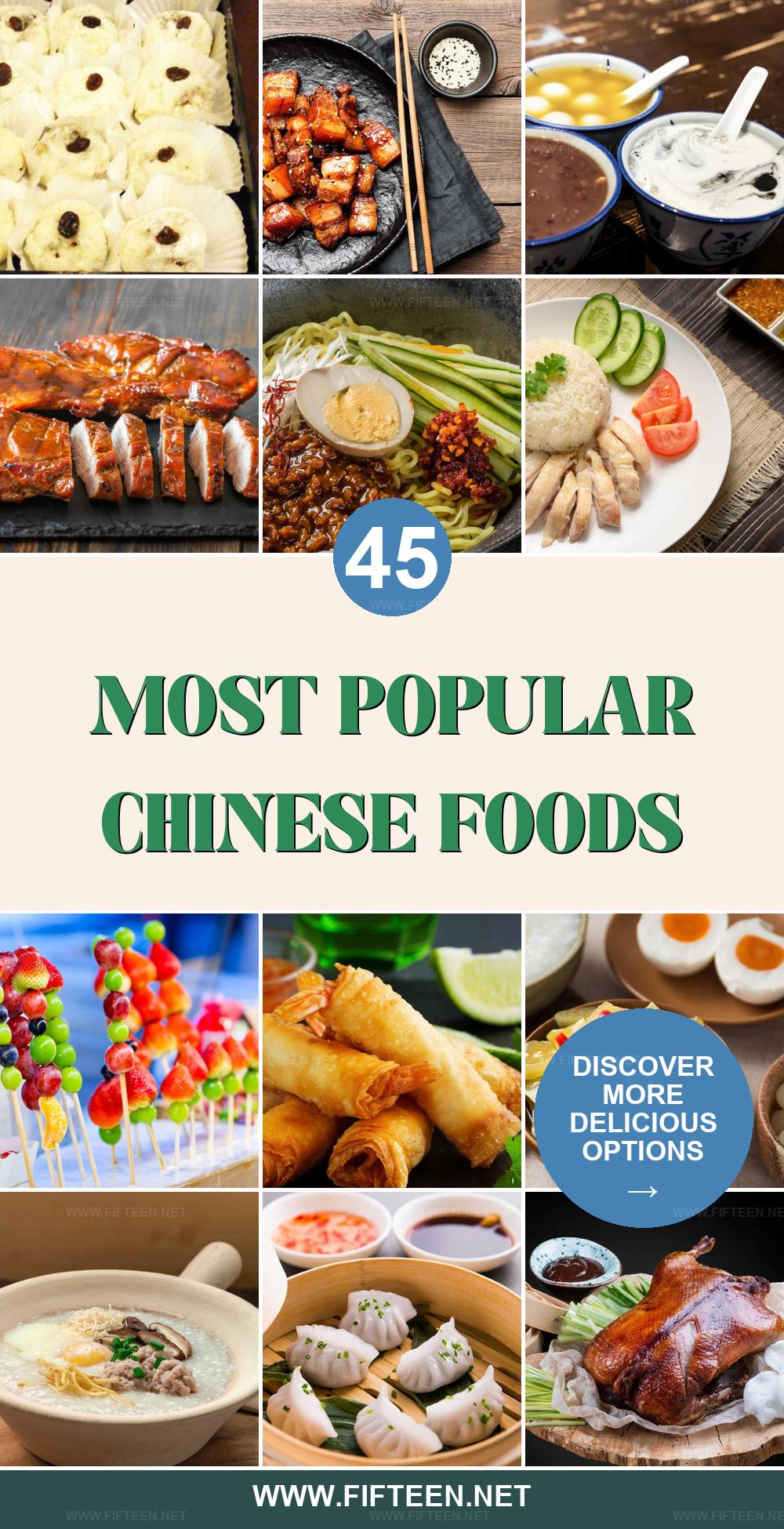
Dumplings
Chinese dumplings are usually steamed, though some varieties are boiled or fried.
There are filled and unfilled Chinese dumplings with wheat dough as the main ingredient.
Typical filling ingredients for Chinese dumplings include meat (especially pork), seafood, and shredded vegetables (like cabbage); the filling is usually spiced.
Chinese dumplings come in many shapes and sizes.
They can serve as dim sum dishes for breakfast, snacks, appetizers, and main dishes.
-
Snacks
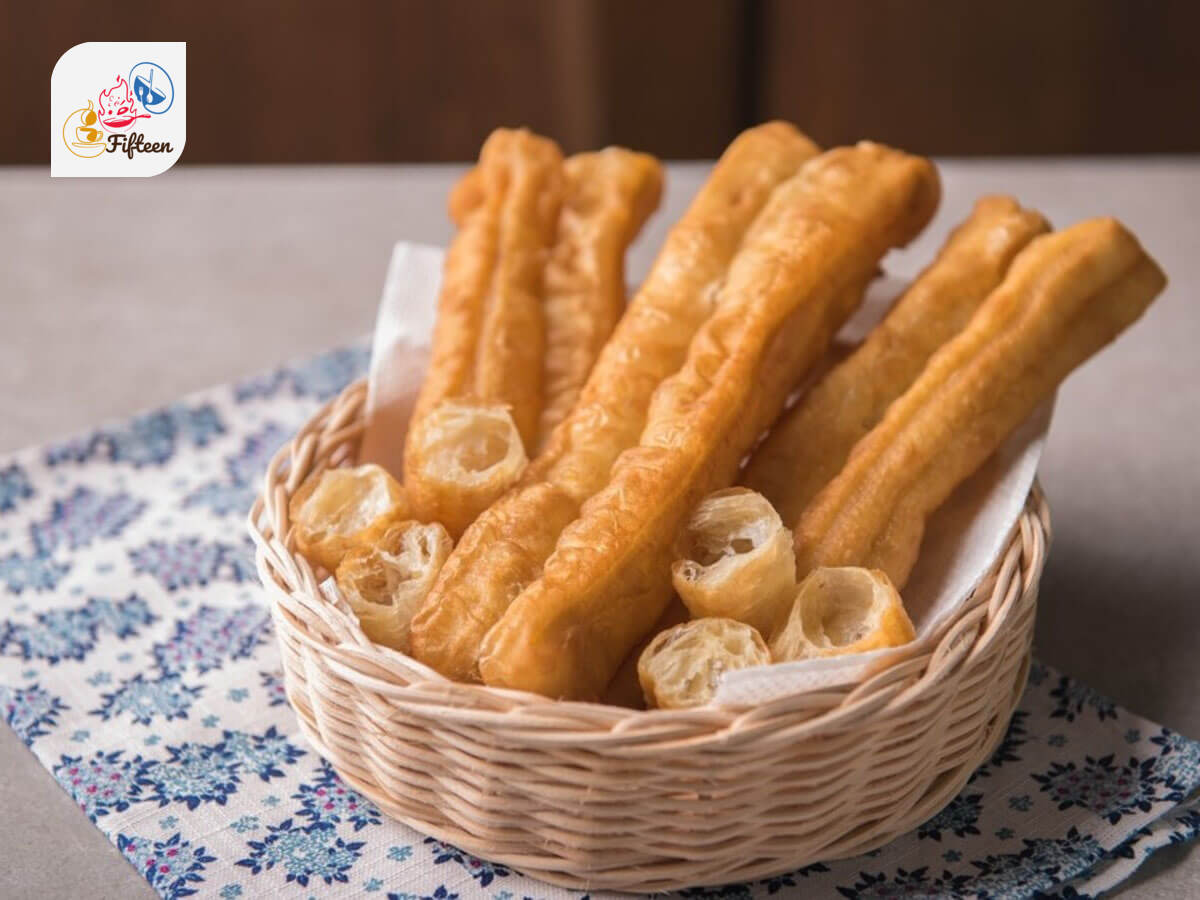
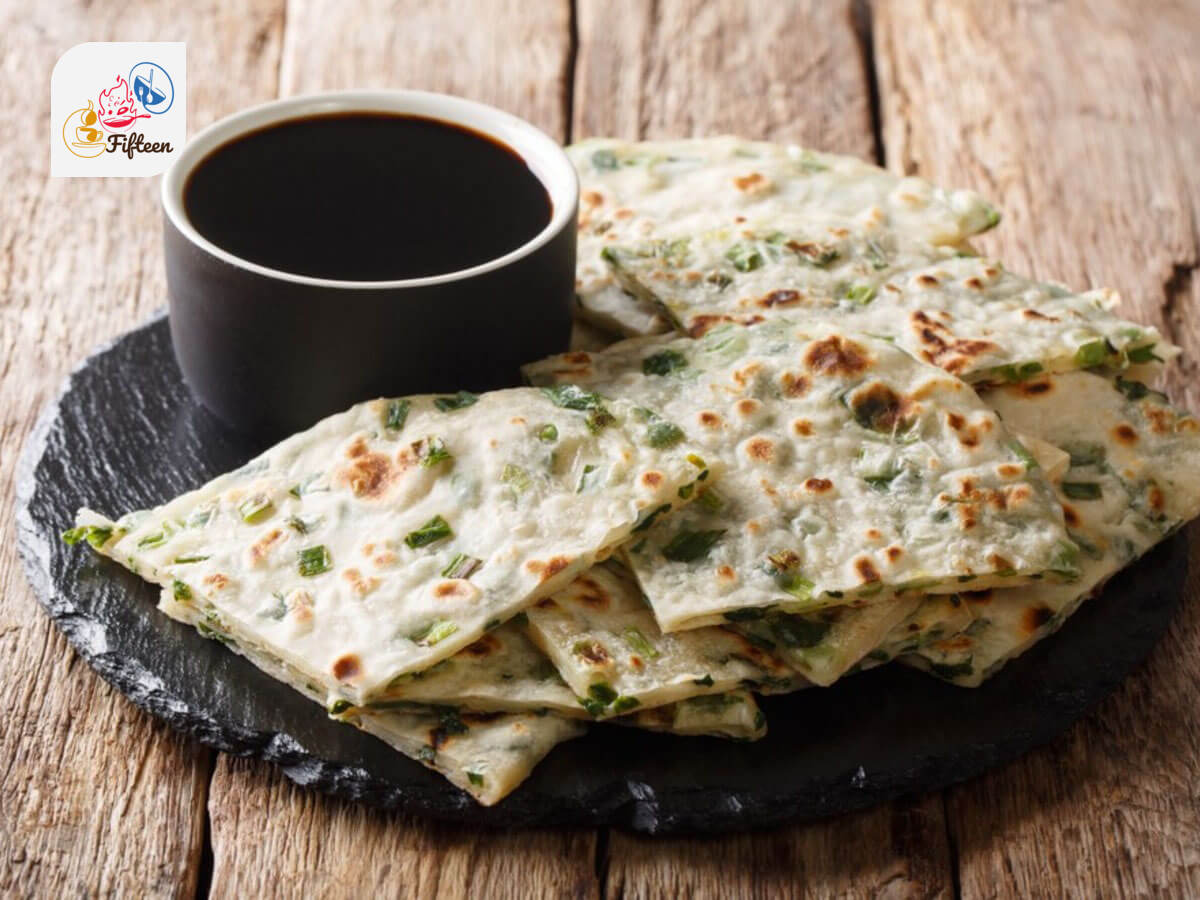
Chinese snacks are diverse in taste and textures.
Many of them are popular street food and breakfast delights.
Both sweet and savory snacks are widely available.
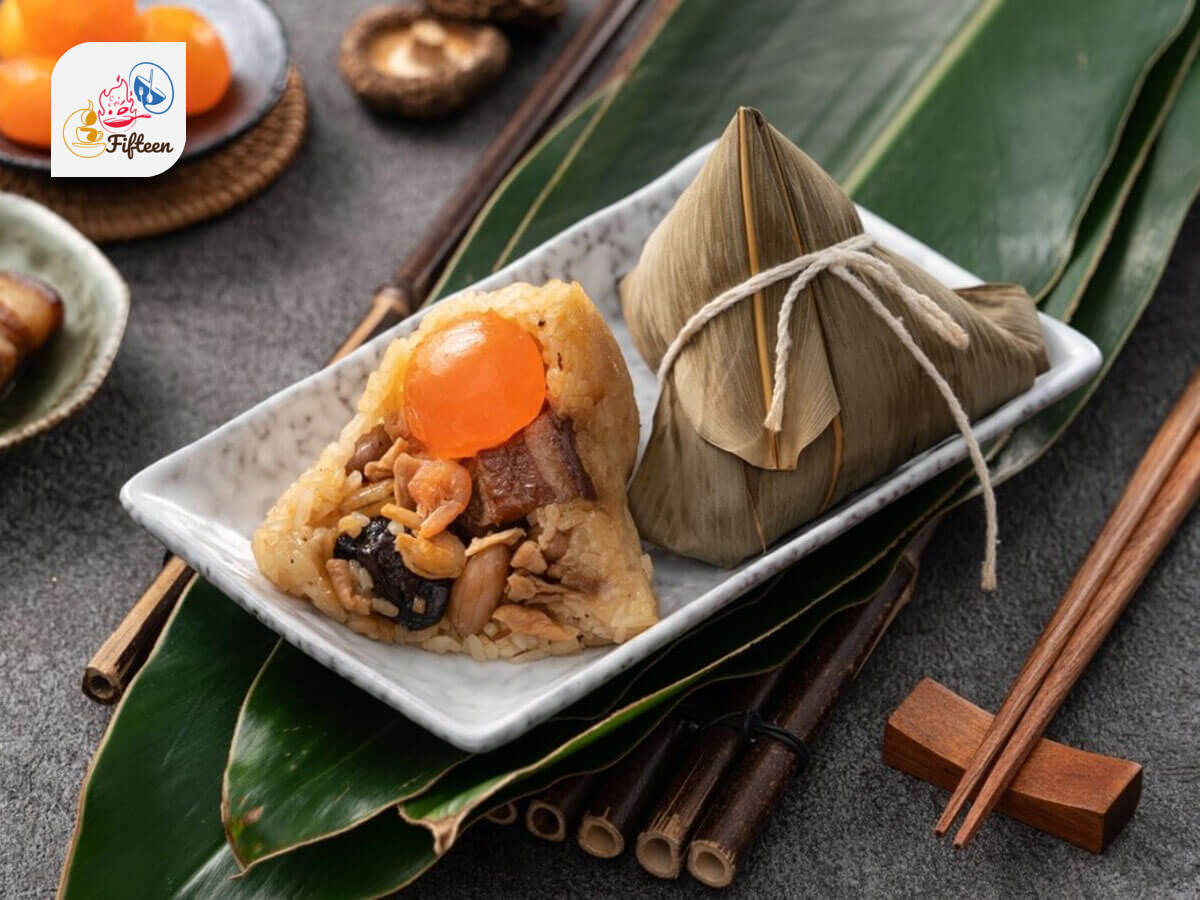
Certain Chinese snacks are associated with traditional holidays and festivals.
-
Rice Dishes
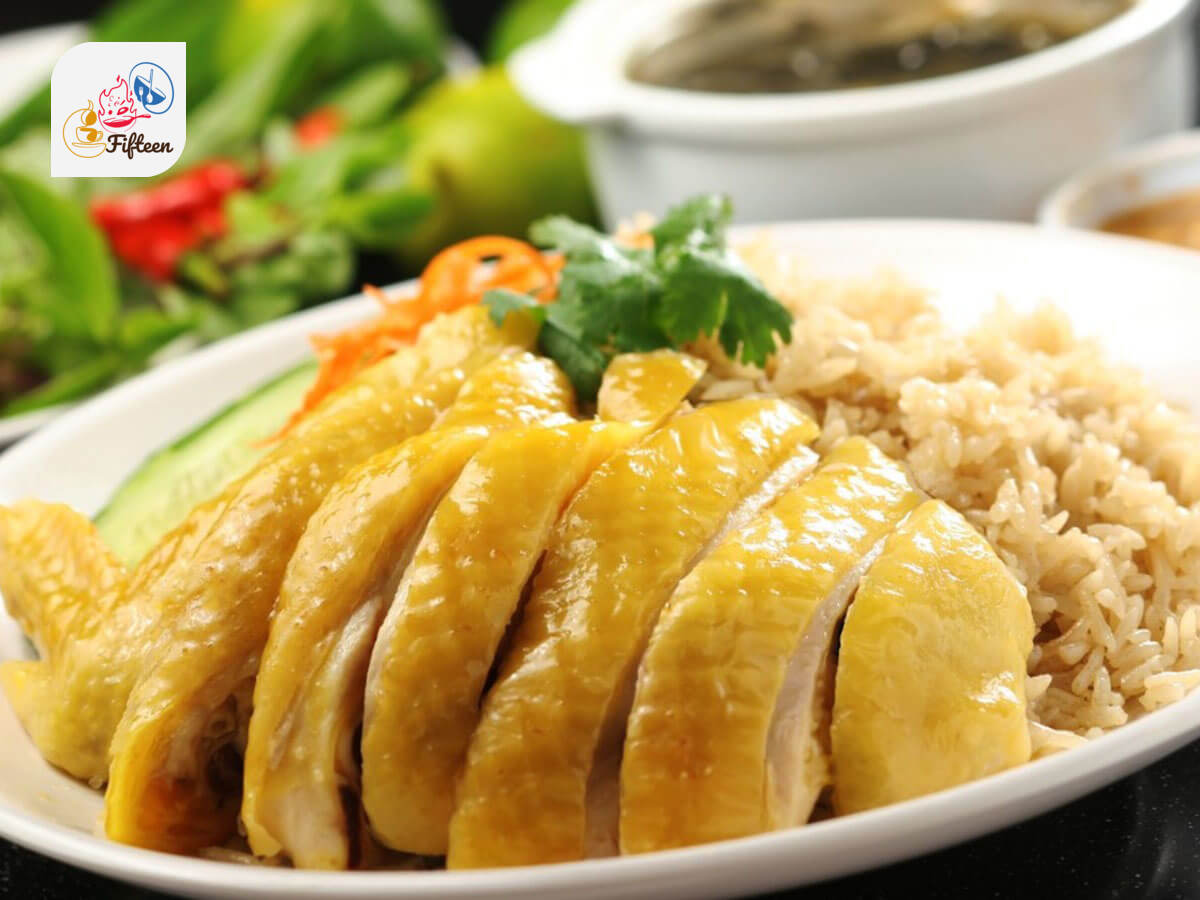
Steamed rice is a staple food and traditional side dish in China.
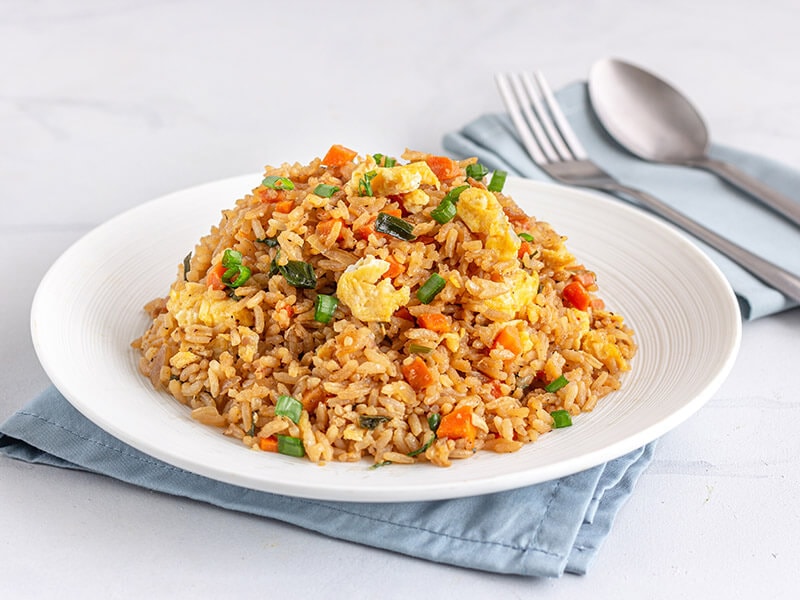
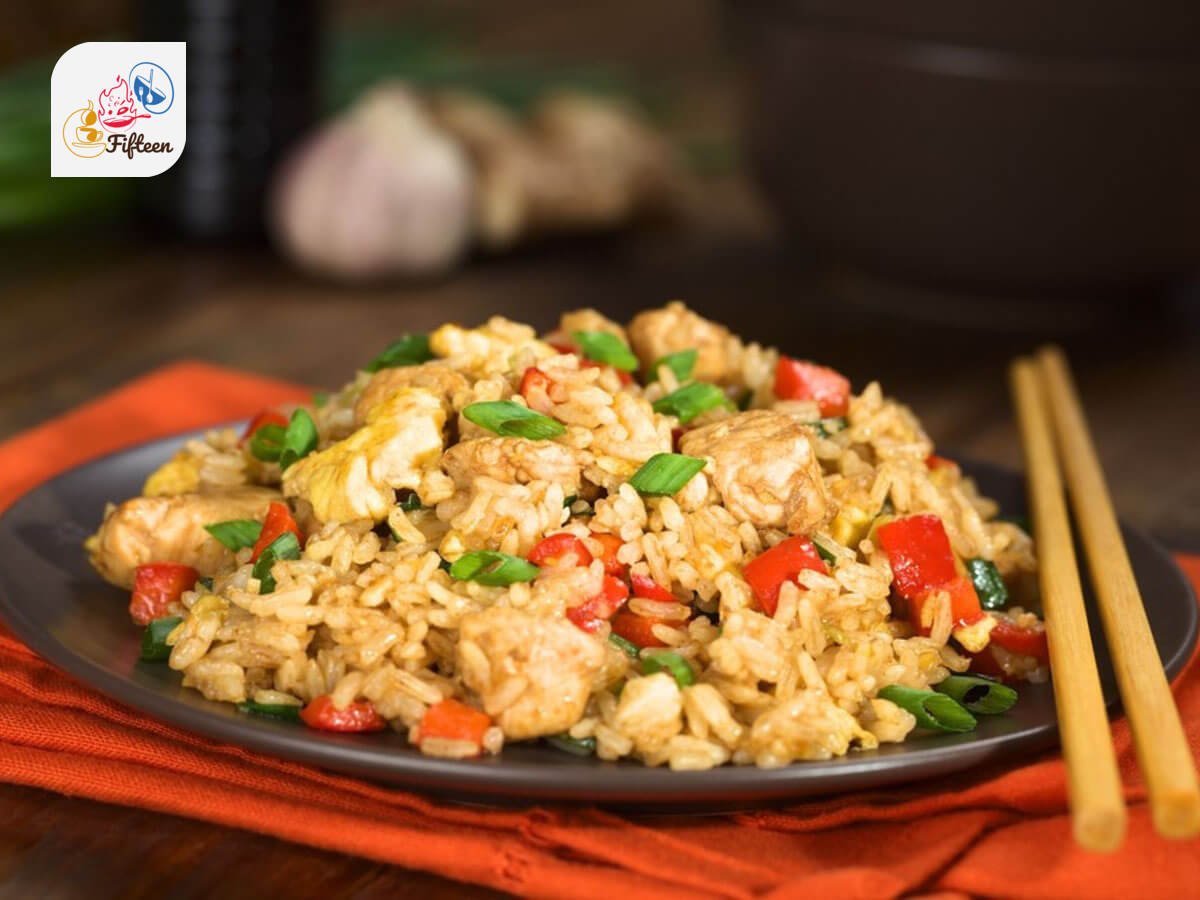
Fried rice is a popular Chinese main dish and street food item.
-
Stir-fries
Stir-fries are a dish type invented by the Chinese.
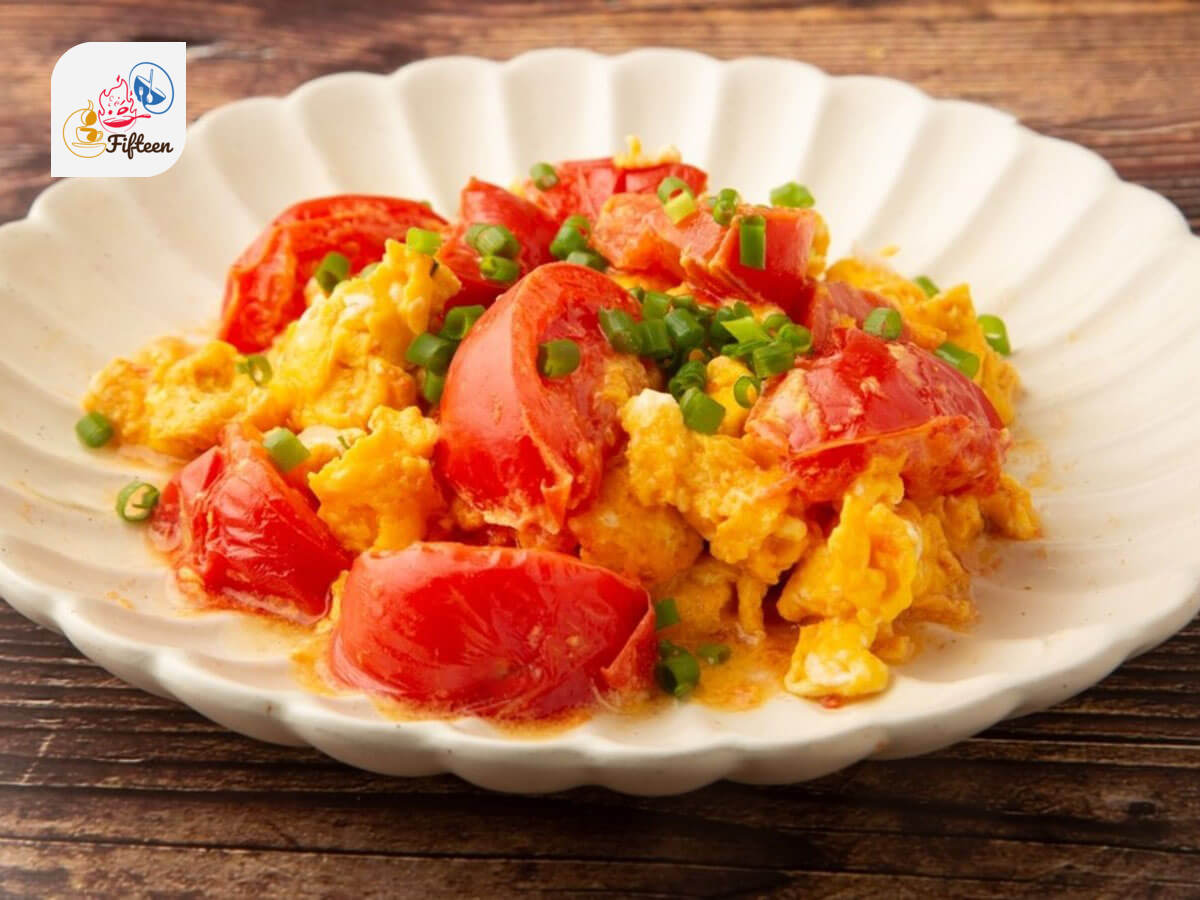
Chinese stir-fries are meat-based, vegetable-based, or noodle-based
Their flavors vary from dish to dish, from light to savory or spicy.
-
Dry Noodle Dishes
Chinese dry noodle dishes are usually made with wheat-based noodles.
These dishes can be stir-fried with various ingredients (such as meat and vegetables) or served in a sauce.
-
Noodle Soups
Chinese noodle soups feature chewy noodles, meat, and vegetables in a savory broth.
These dishes are usually served hot as comfort food.
-
Soups
Savory soups are popular main dishes in Chinese cuisine.
These soups are typically made with protein-rich ingredients, vegetables, and various spices.
Sweet soups, based on fruits or rice snacks, are well-known Chinese desserts.
-
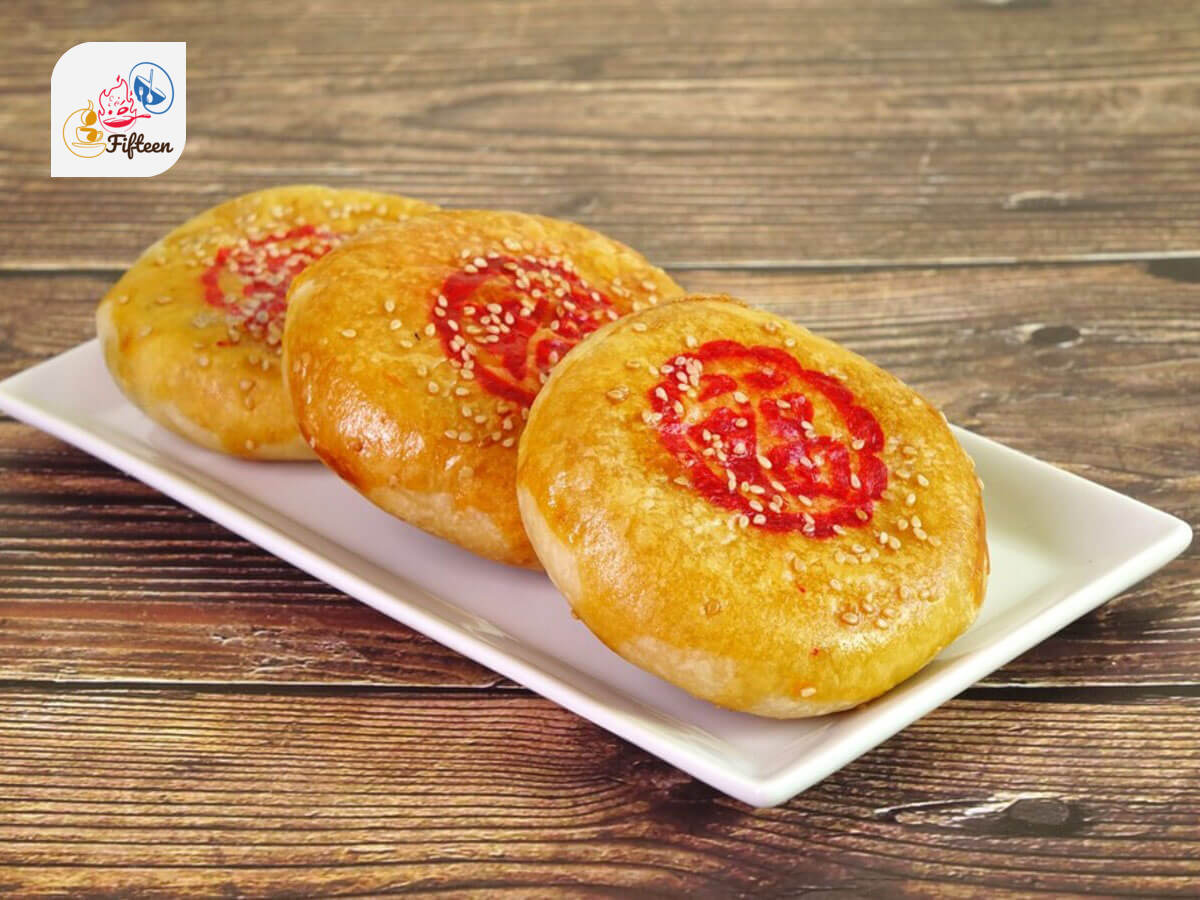
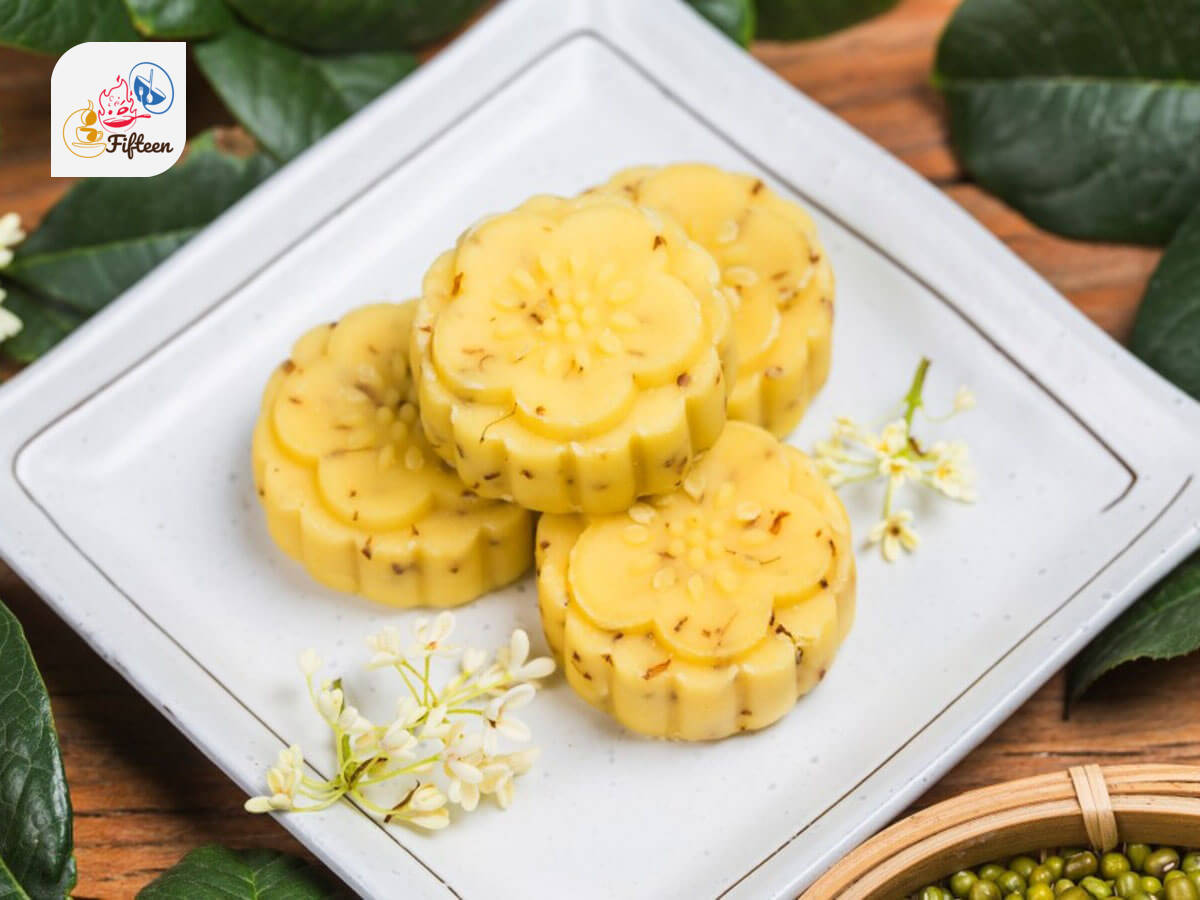
Cakes and Pastries
Chinese cakes and pastries include many types of baked goods that can serve as snacks and desserts.
Both Western-influenced and traditional pastries are popular in China.
-
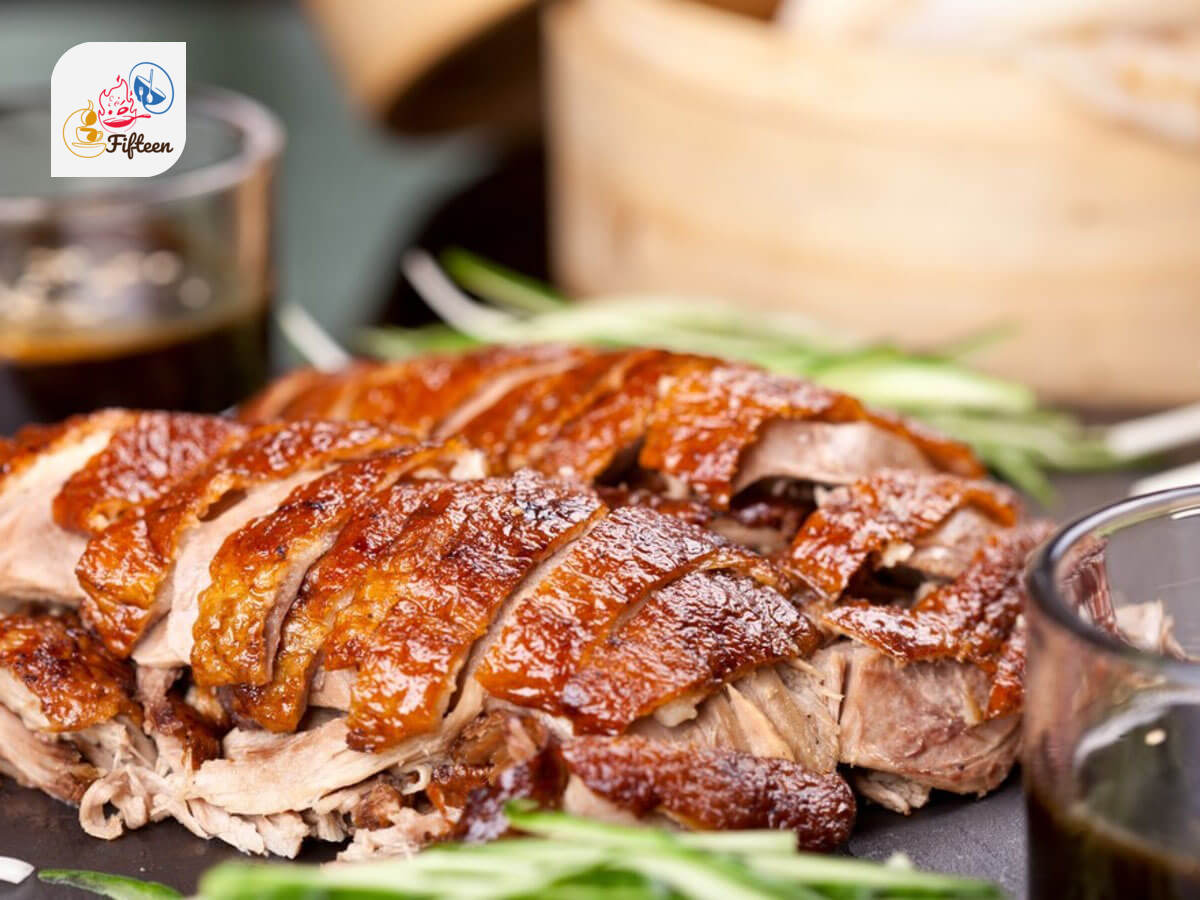
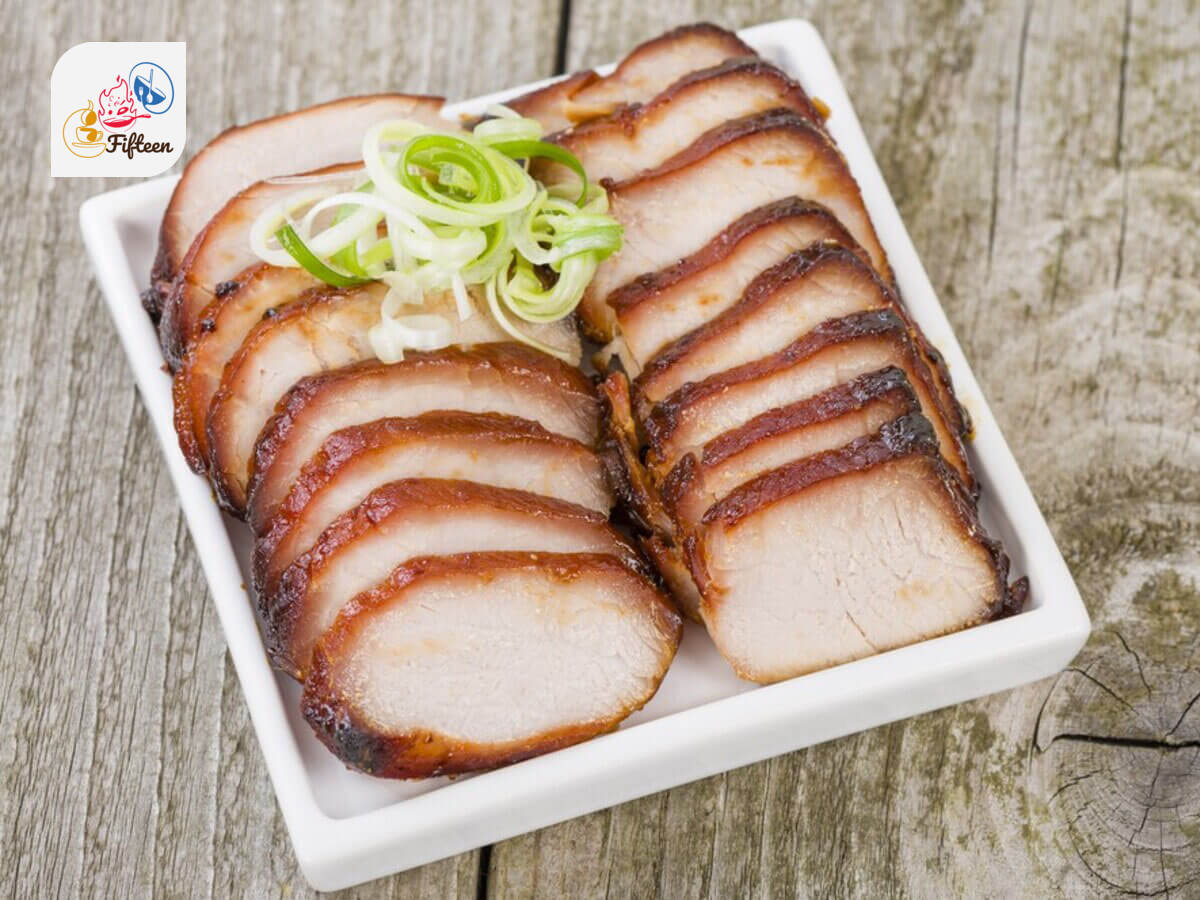
Grilled and Barbecued Dishes
Most Chinese grilled and barbecued dishes are based on pork and poultry.
The meat is typically marinated in an aromatic spice mixture.
Certain dishes have a long history and sophisticated serving etiquette.
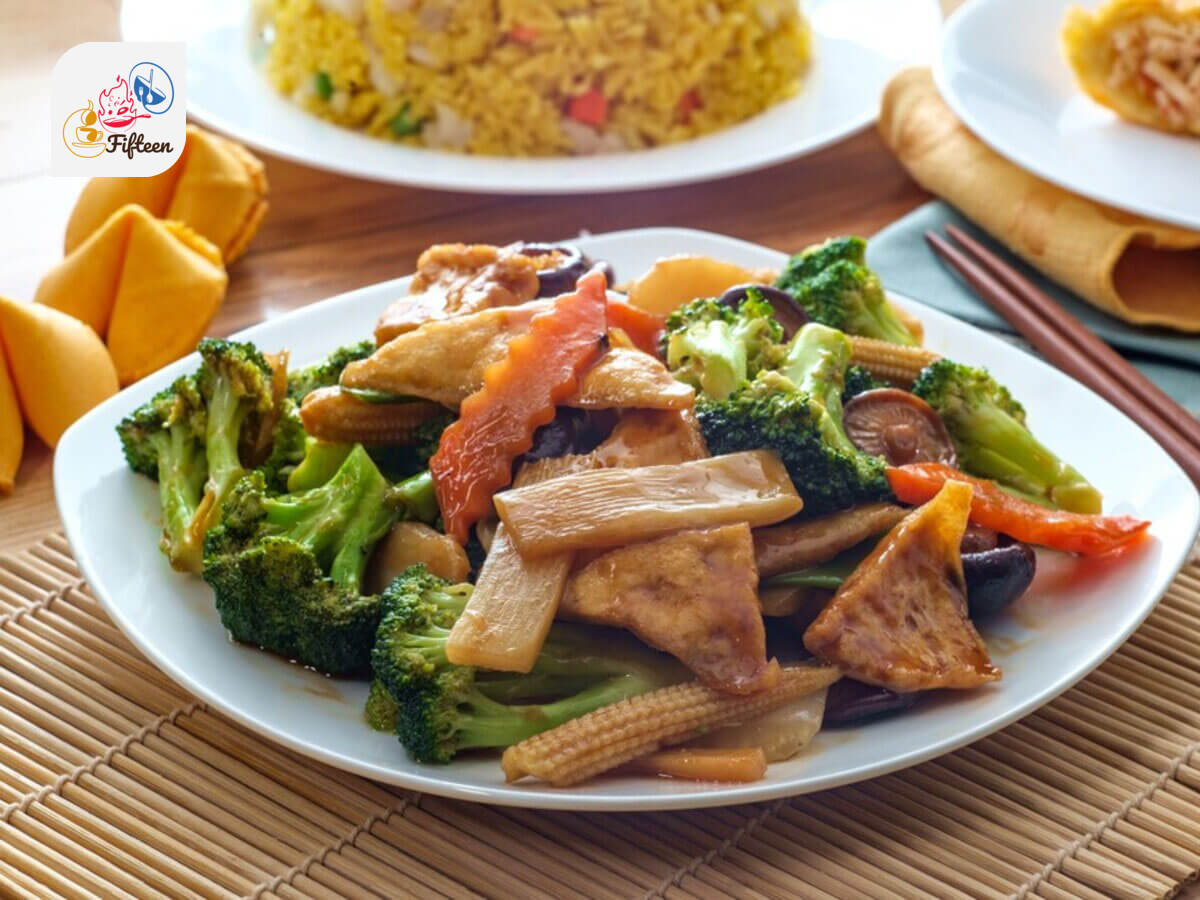
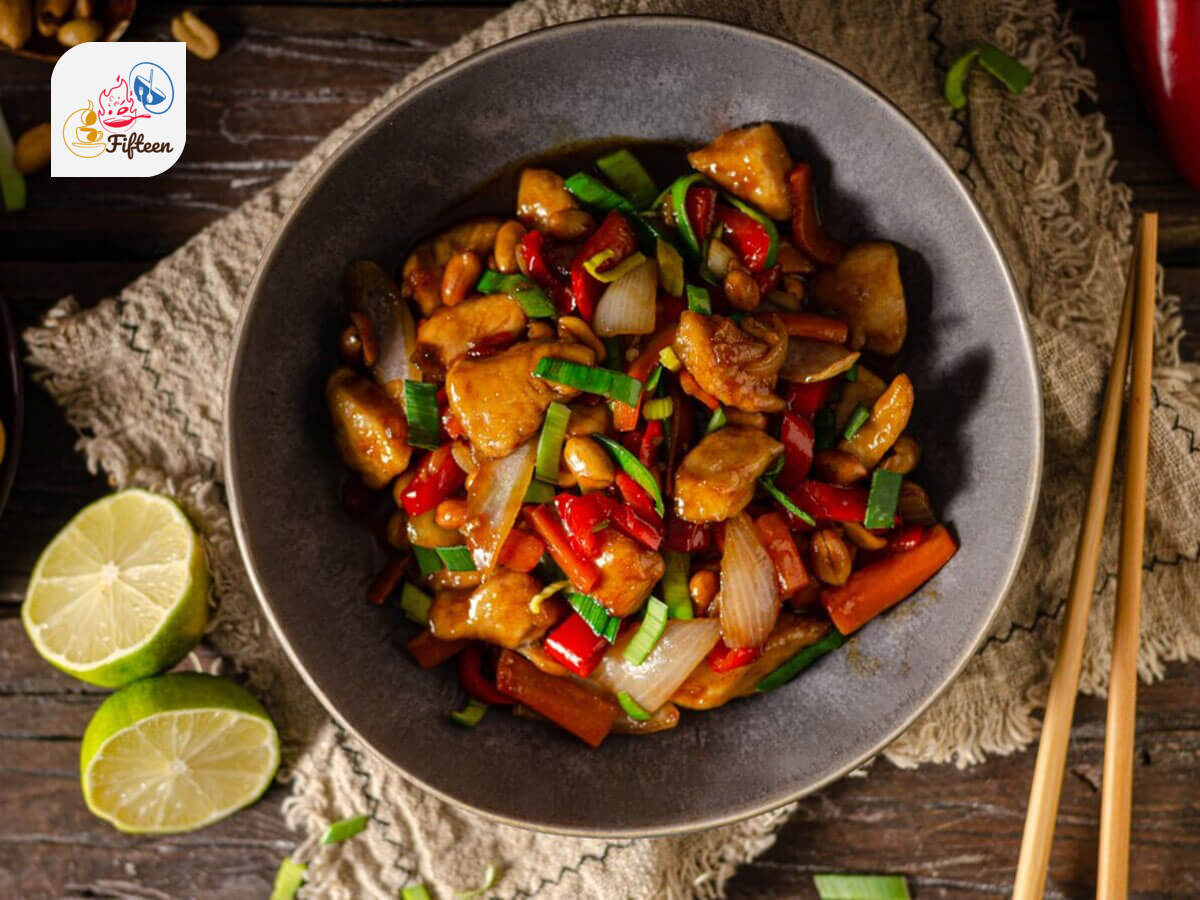
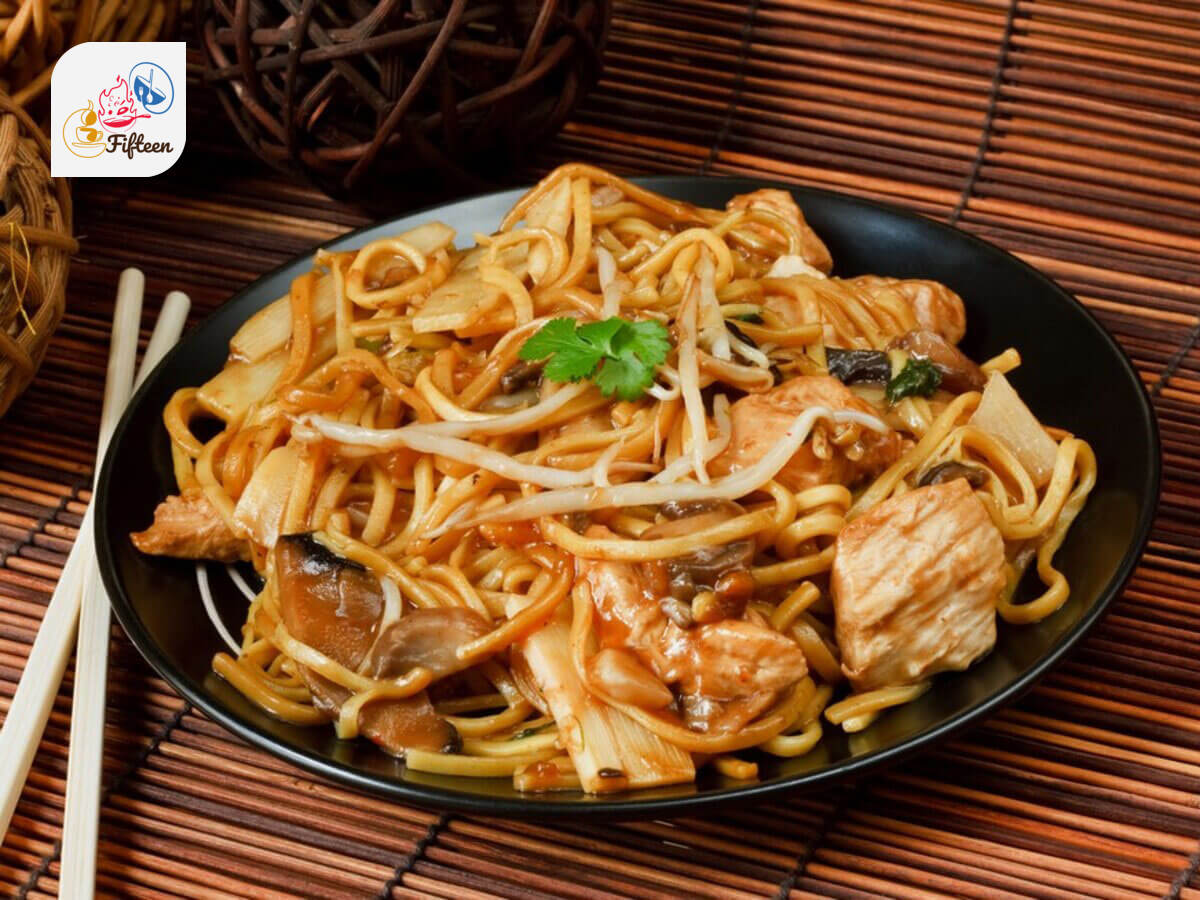
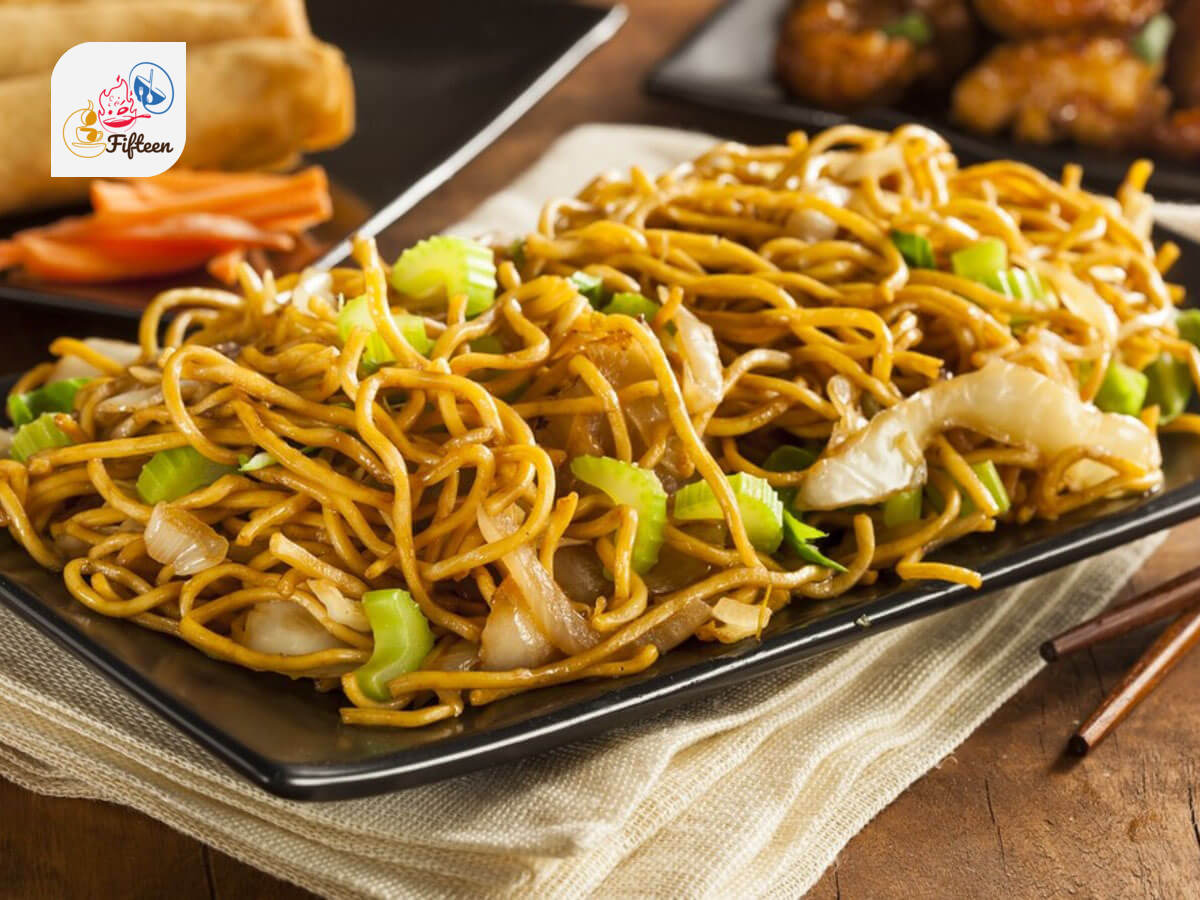
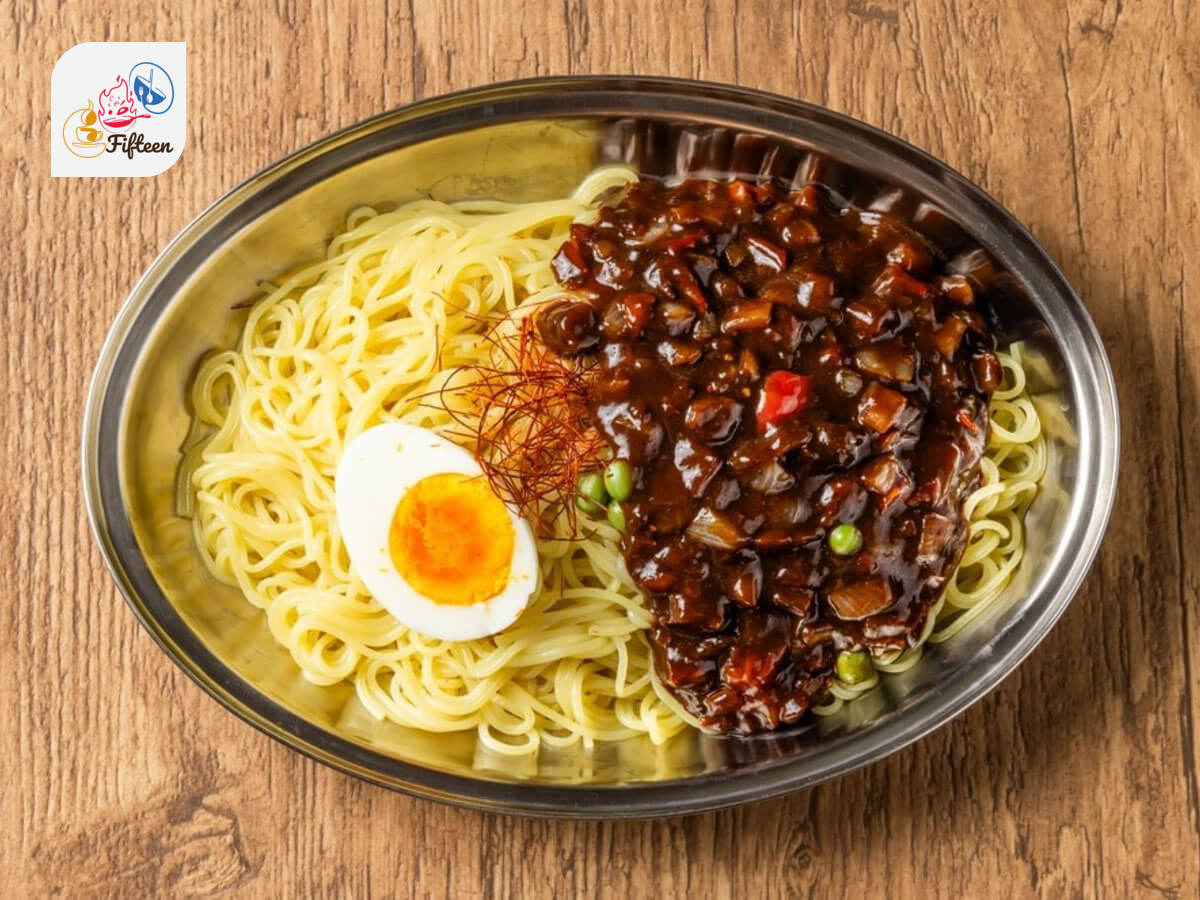
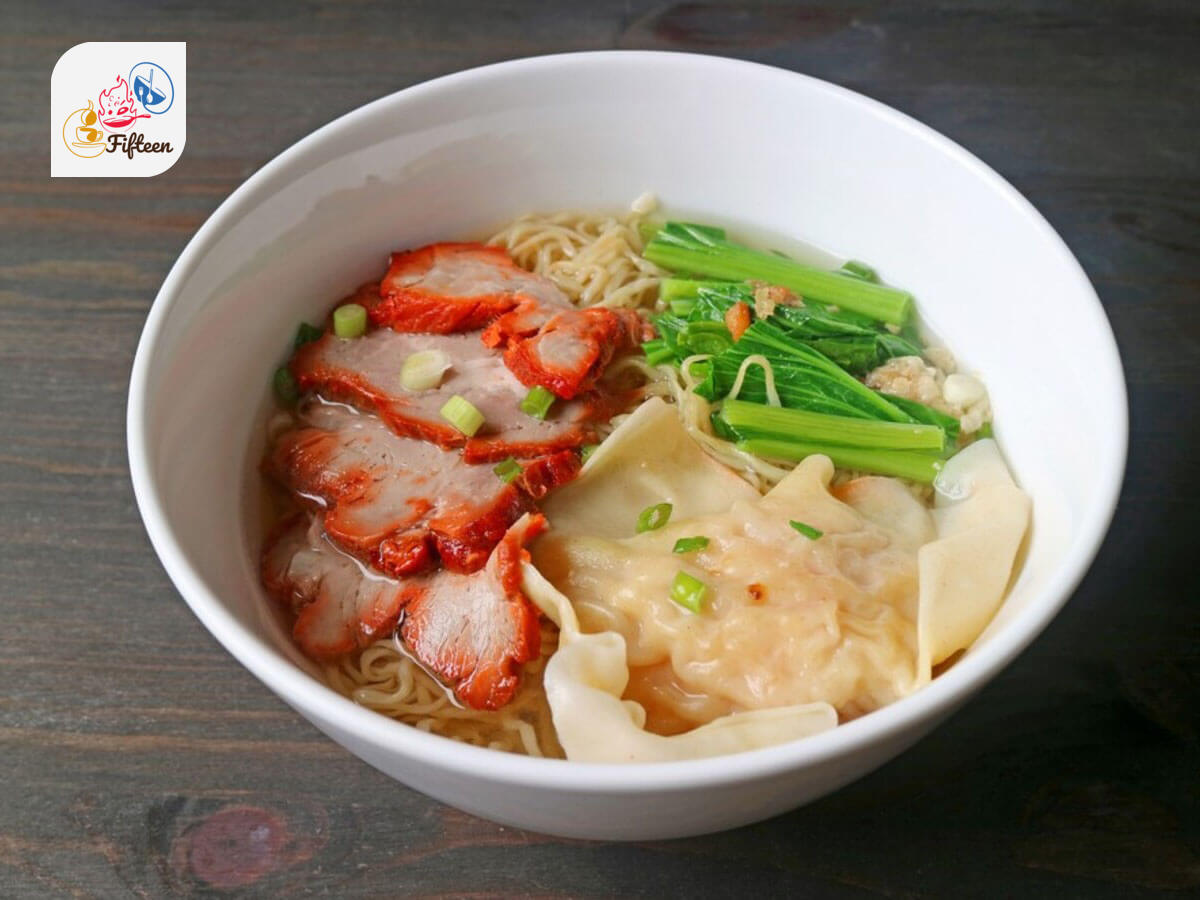
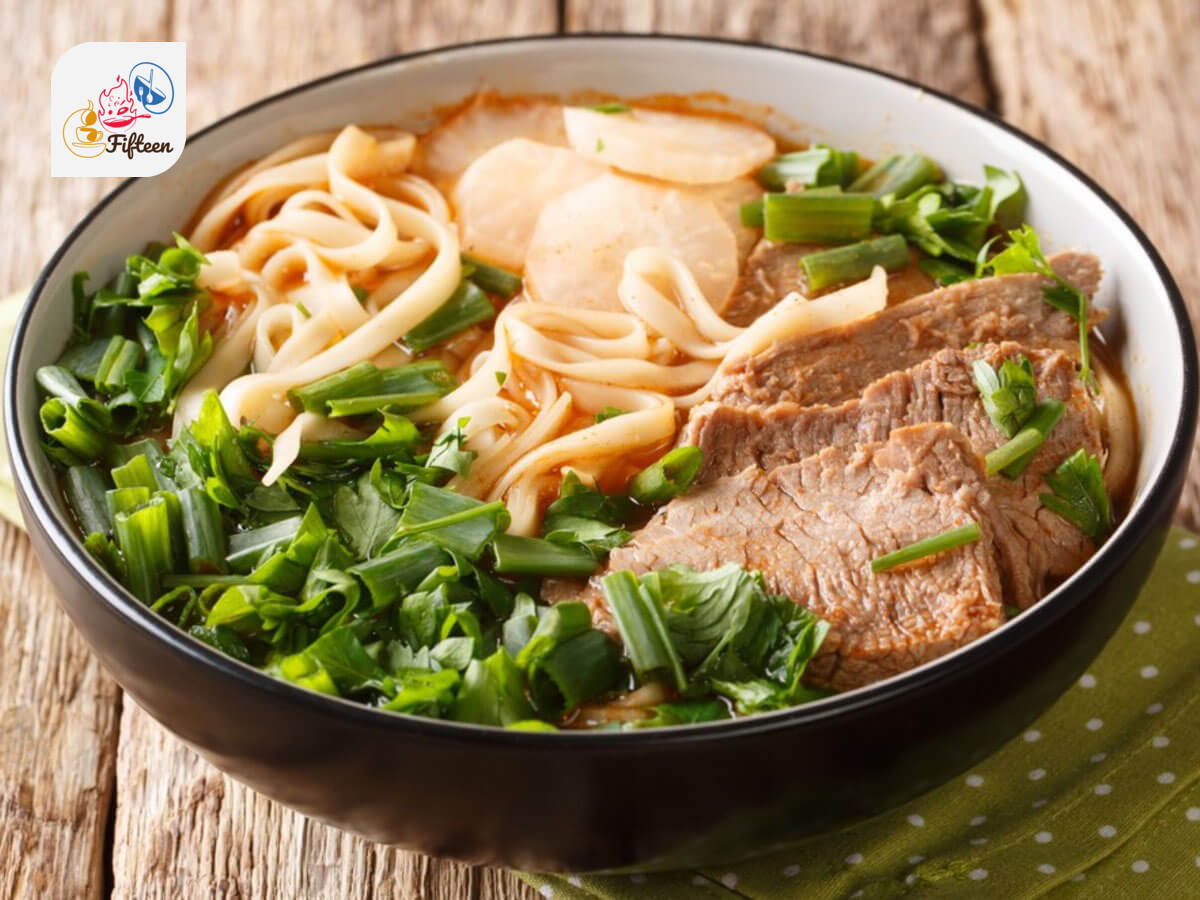
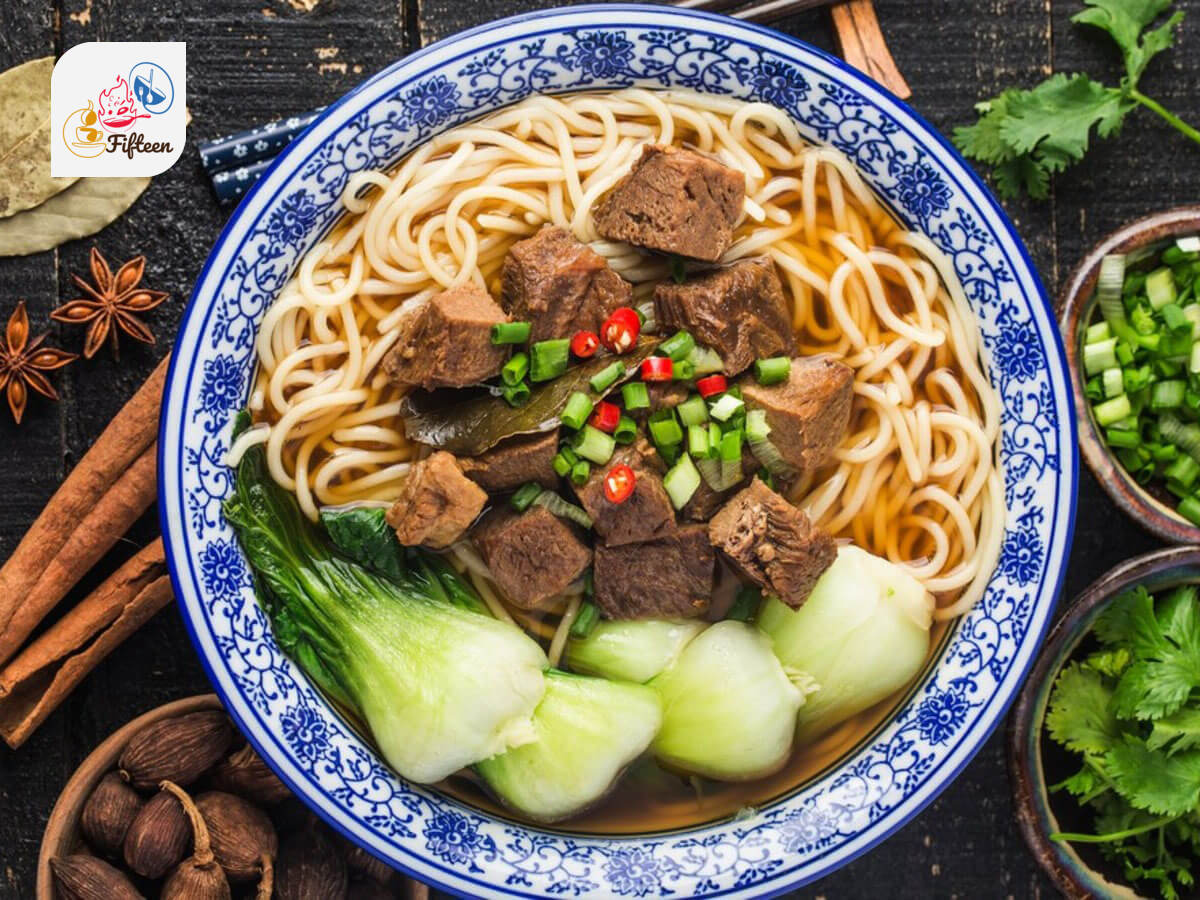
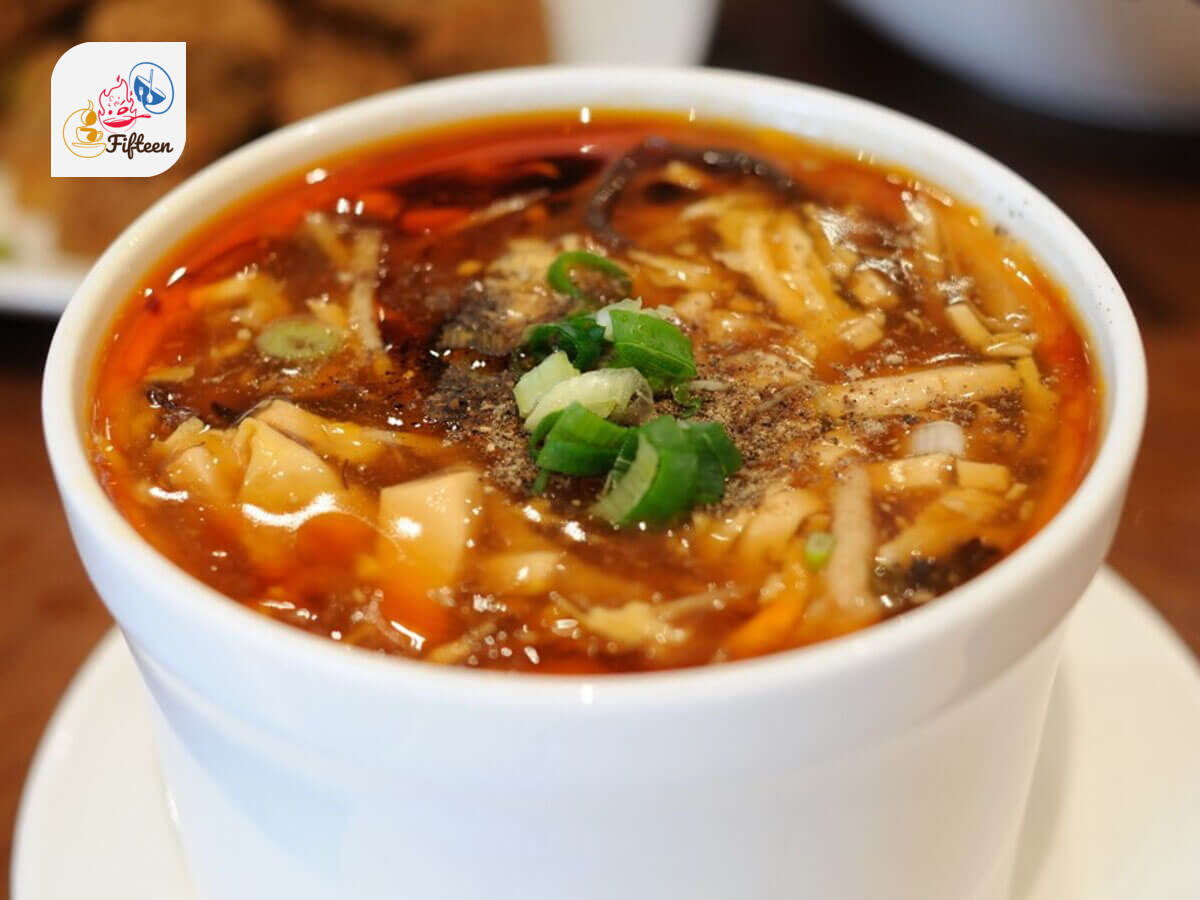
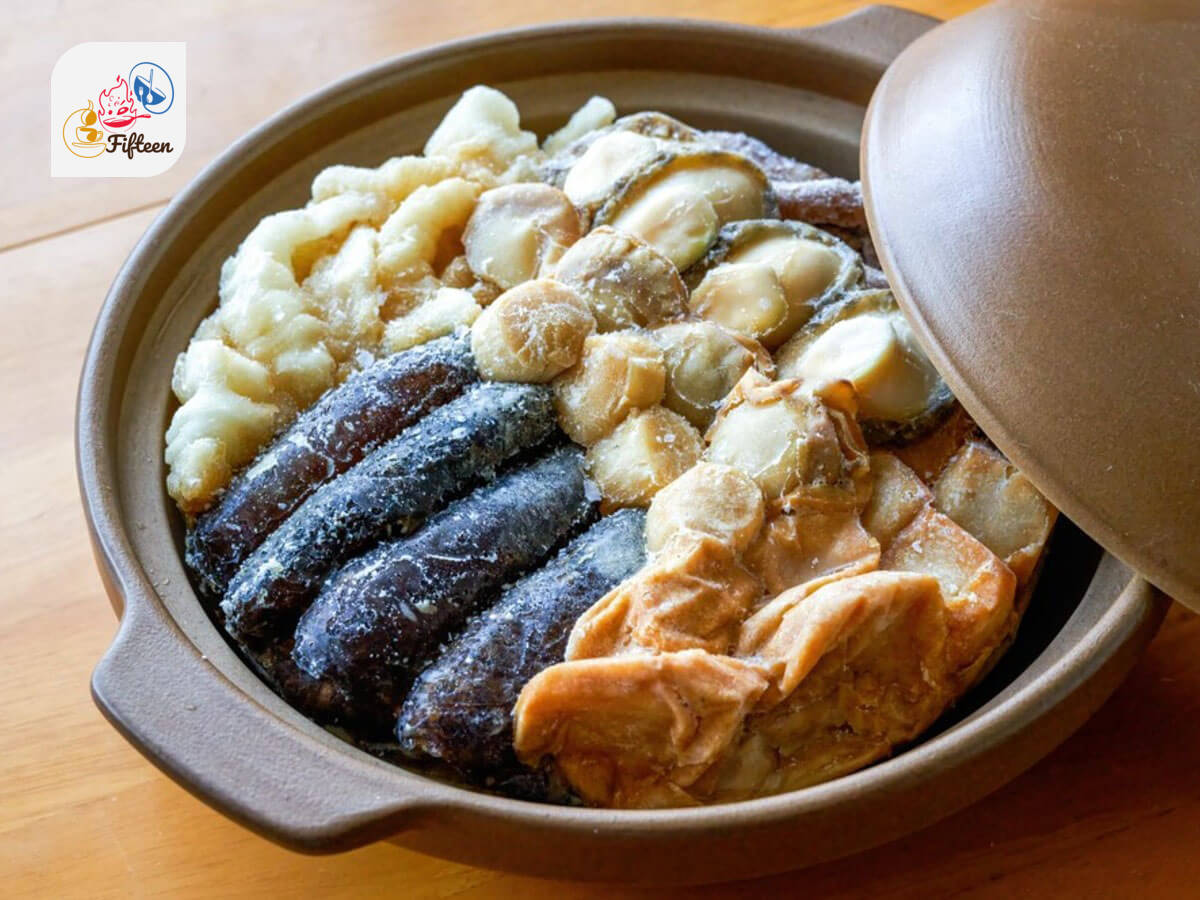
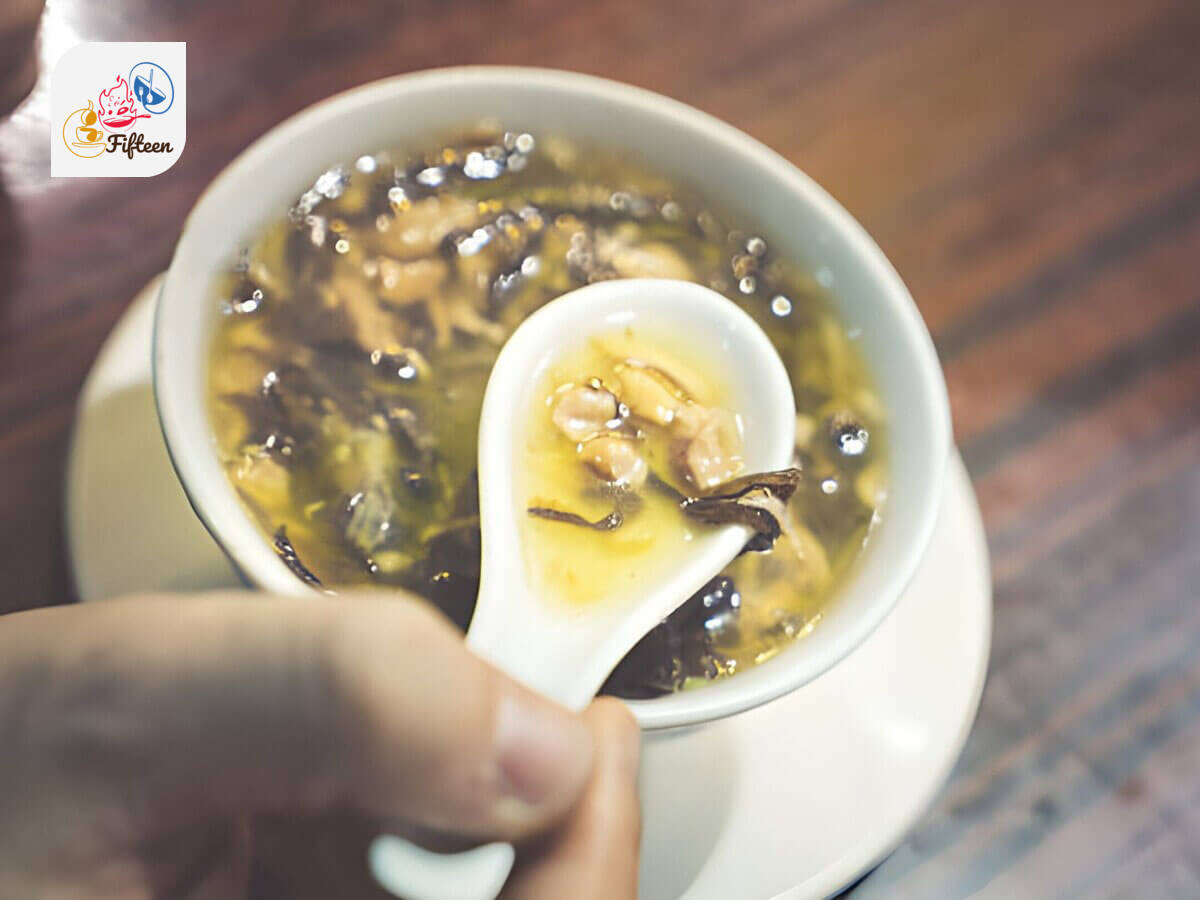
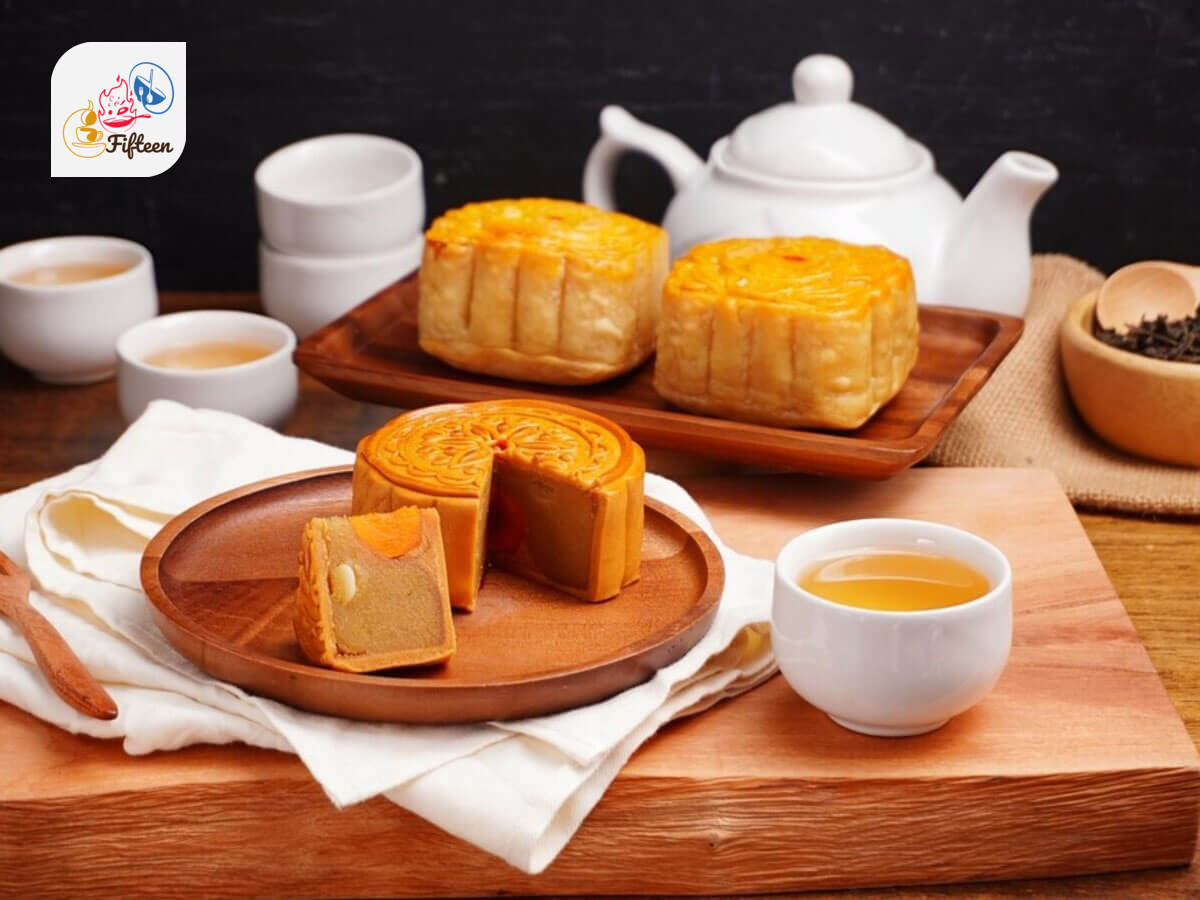
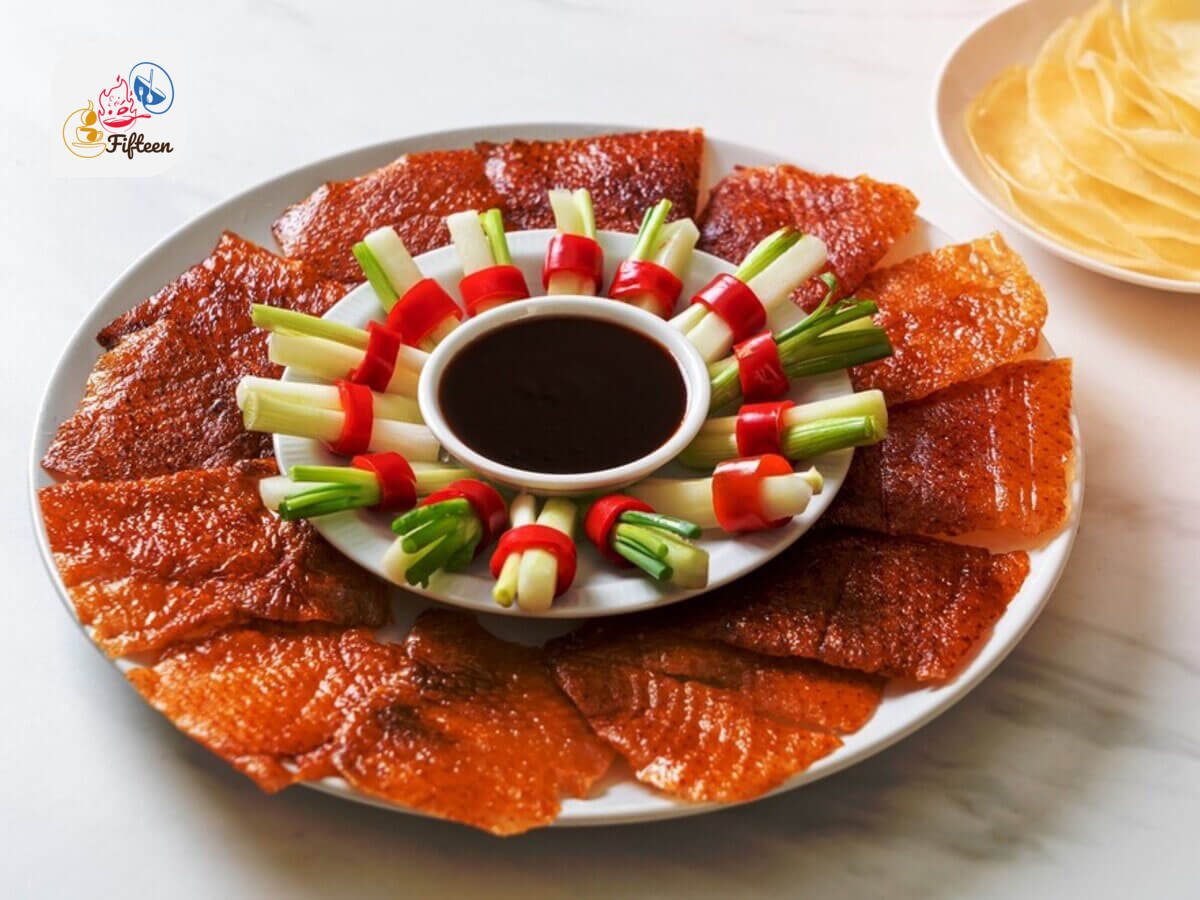
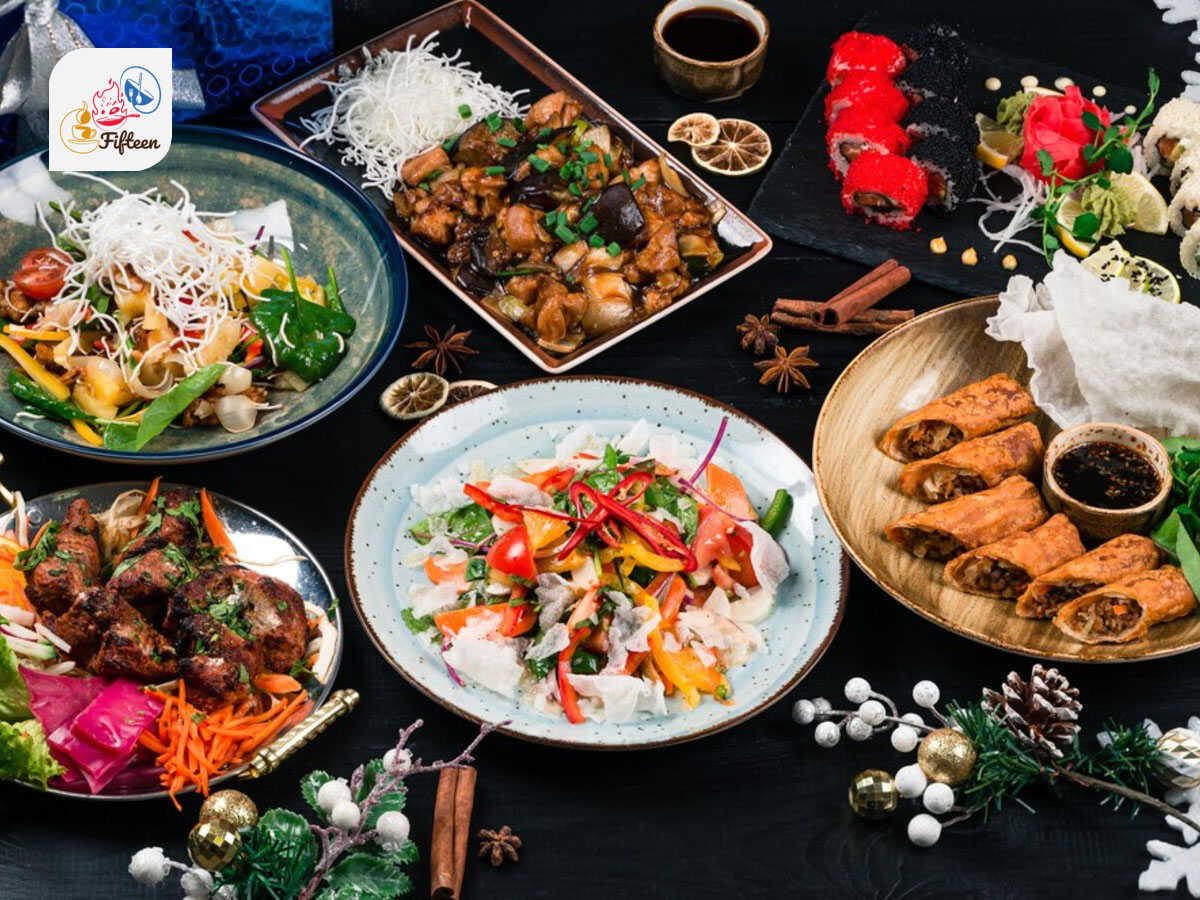
Chinese dishes are dishes that originated from China and have great significance in the country as well as overseas Chinese communities. Many of these dishes have a lengthy history and are vital to China’s social and cultural life.
Chinese cuisine is particularly fond of ingredients like rice, noodles, pork, soy sauce, and chili oil. Stir-frying, done with a wok and chopsticks, is among its most well-known cooking techniques.
The regionality in Chinese cooking is another noteworthy feature, with many local cooking traditions showcasing distinct qualities.
Interestingly, most Chinese dishes originated within the country, and foreign cuisines exercise no notable influence on local offerings.
Timeless Chinese dishes have influenced the global kitchen in many ways, like inspiring various renowned dishes in East Asia. They also create fusion cuisines in the Western world or introduce classic cooking ingredients and techniques to the rest of the world.
Read on, and I will introduce you to the basic features of traditional Chinese food, including its international fame and healthy aspects.
Then, you will discover 45 popular dishes in China. For each entry, I will describe important features like origin, ingredients, its role in a meal, serving suggestions, and, sometimes, the flavor profile of these delicacies.
Next, I will cover information about Chinese cuisine: the factors that make Chinese delights popular, its major regional cuisines, and local utensils.
Finally, I will mention suggestions for Chinese drink pairings, key points on the global influence of Chinese dishes, and must-known rules about how to enjoy dishes in China.
Here are 45 iconic Chinese dishes you need to know:
45 Most Popular Chinese Dishes with Filters
Scroll down and discover the best 45 dishes the rich cuisine of China has to offer. You can also filter my list according to alphabetical sorting, main ingredients, taste, cooking methods, dish types, courses, and global popularity.
The filter also helps you discover everything from cherished traditional meals and national favorites to exotic dishes and street eats.
List of Chinese Dishes
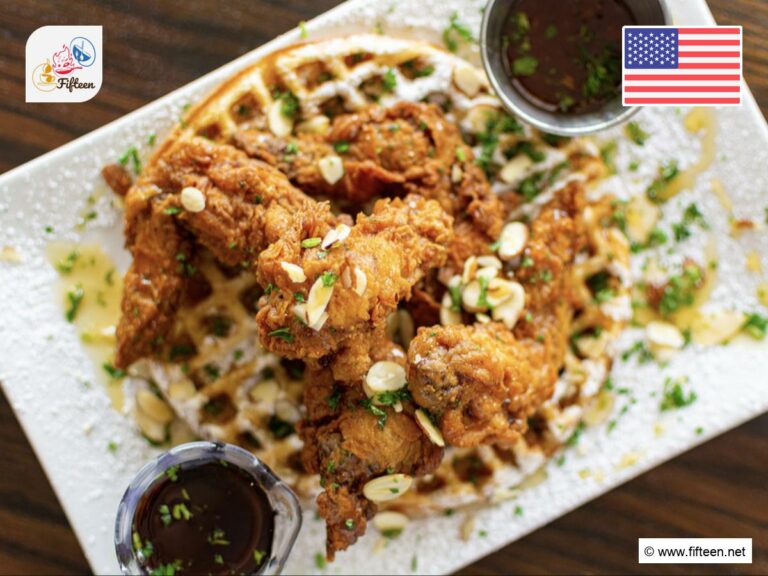
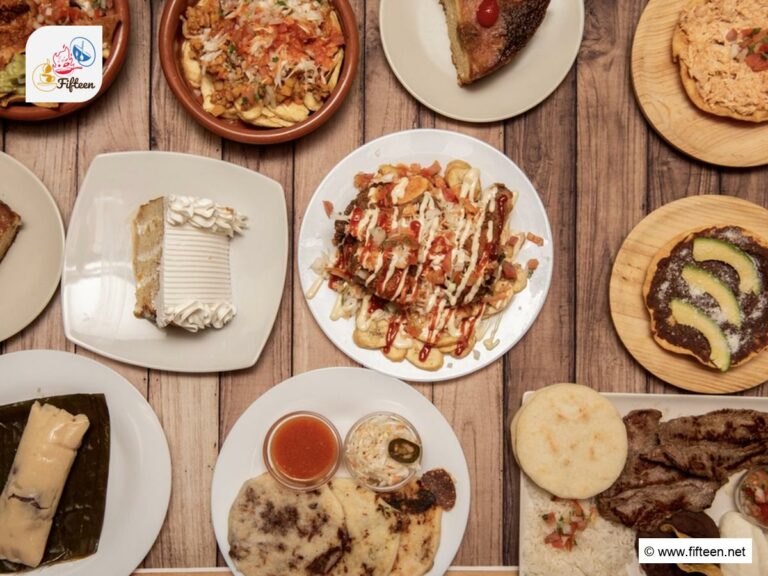
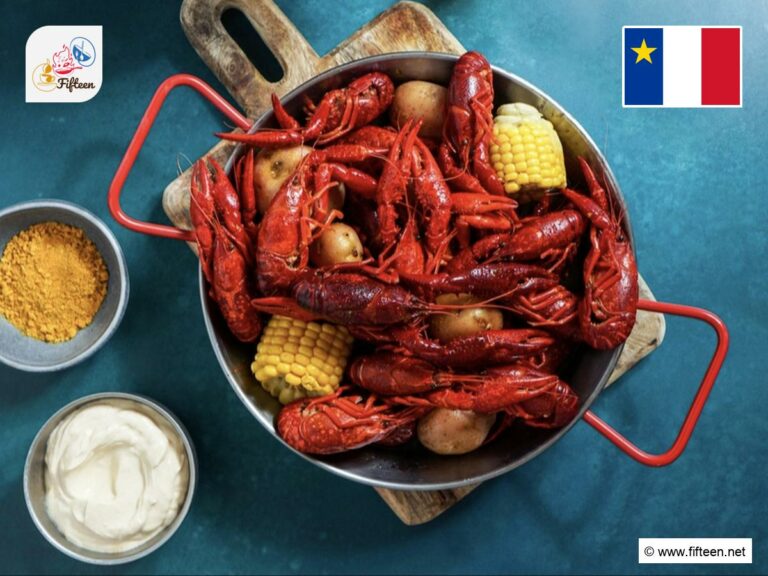
What Makes Chinese Dishes Popular?
Rich History
Chinese cuisine underwent great changes under the two Han dynasties (206 BC-220 AD). Many Chinese cultural foods, like dumplings and various noodle dishes, were created during the period.
Another important event was the arrival of New World food ingredients in the 16th and 17th centuries. That was as impactful as how modern times have brought global influences to Chinese cuisine.
To sum up, Chinese dishes result from various historical and cultural trends. The latter is evident in the relationships between time-honored Chinese dishes and festivals.
Associations With Traditional Festivals
Chinese dishes are a must at various local festivals because of the roles they play in these festivals due to their long history and cultural relevance. Many age-old festivals in China require the preparation of classic dishes with symbolic meanings.
For example, mooncakes are served at the Mid-Autumn Festival reunion and togetherness, while dumplings are a must-have Chinese dish at the Lunar New Year since they stand for wealth and prosperity.
Street Food Scene
Chinese street food dishes are a beloved facet of Chinese cuisine because of their deep historical roots, affordability, convenience, and diversity of flavors.
Since the Tang dynasty (618 – 906), inexpensive and convenient street food has entertained countless generations of China. Mainstream street foods in China are available in many flavors, from sweet and savory to spicy and greasy.
Like the main dishes, street food dishes are influenced by Chinese regional cuisines, so try them if you want an easy way to dig deeper into the regionality of this country’s cooking.
What Is The Influence of Chinese Regional Cuisines on Chinese Dishes?
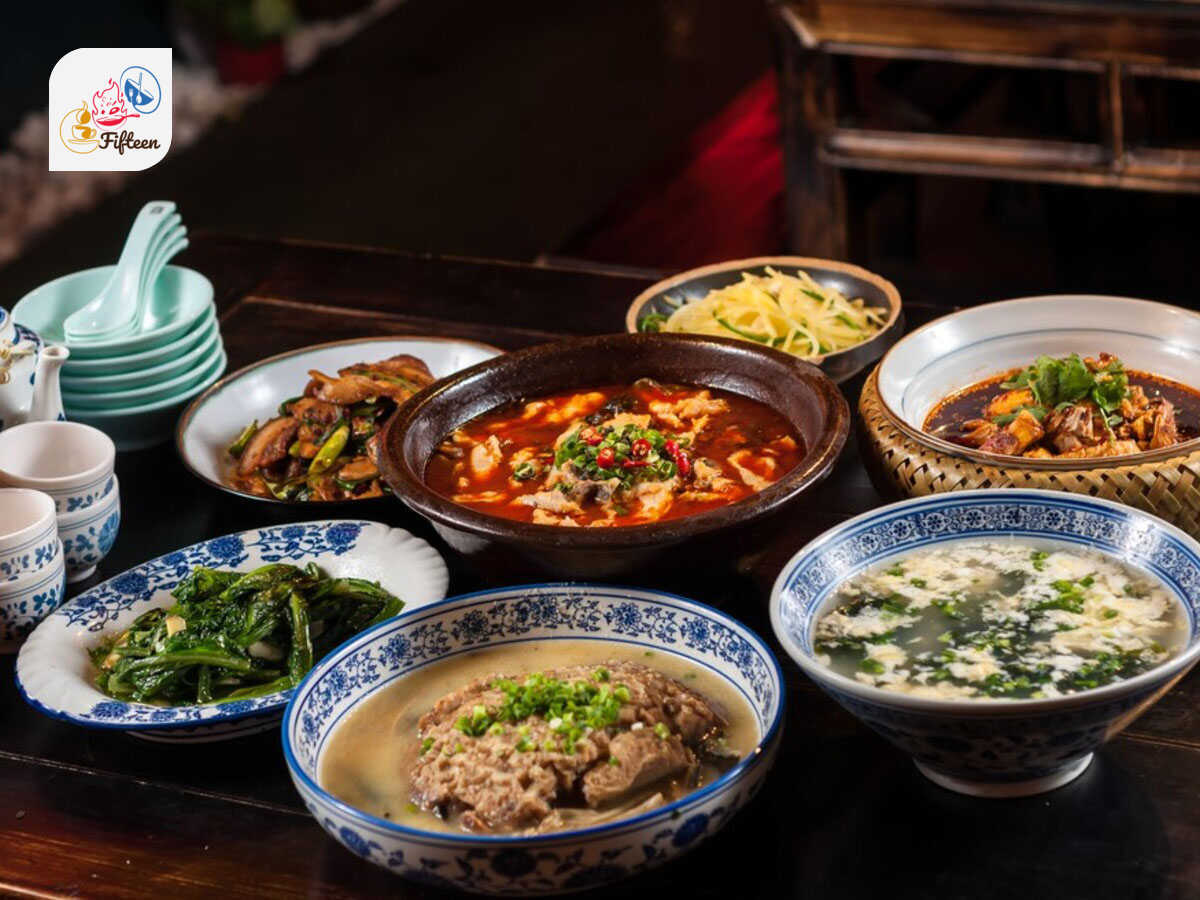
Chinese regional cuisines, which are the local cuisines of China’s different provinces and prefectures, dictate the main features of classic Chinese dishes: flavors, preparation manner, main ingredients, food presentation, etc.
The 4 major Chinese regional cuisines are Sichuan, Shandong, Huaiyang (Jiangsu), and Guangdong cuisines. There are 4 other influential regional cuisines: Zhejiang, Fujian, Anhui, and Hunan cuisines.
These 8 regional cuisines have an overwhelming effect on other regional cuisines as well as all Chinese dishes. As a result, there aren’t many fusion dishes or dishes of foreign origin in China.
Below is an overview of the 8 most important Chinese regional cuisines.
When experiencing these regional cuisines, you can find many exquisite Chinese dishes prepared with staple Chinese dishes.
Next, let’s look at how Chinese people use different utensils in preparing their popular dishes.
What Are The Most Common Cooking Utensils for Dishes In China?
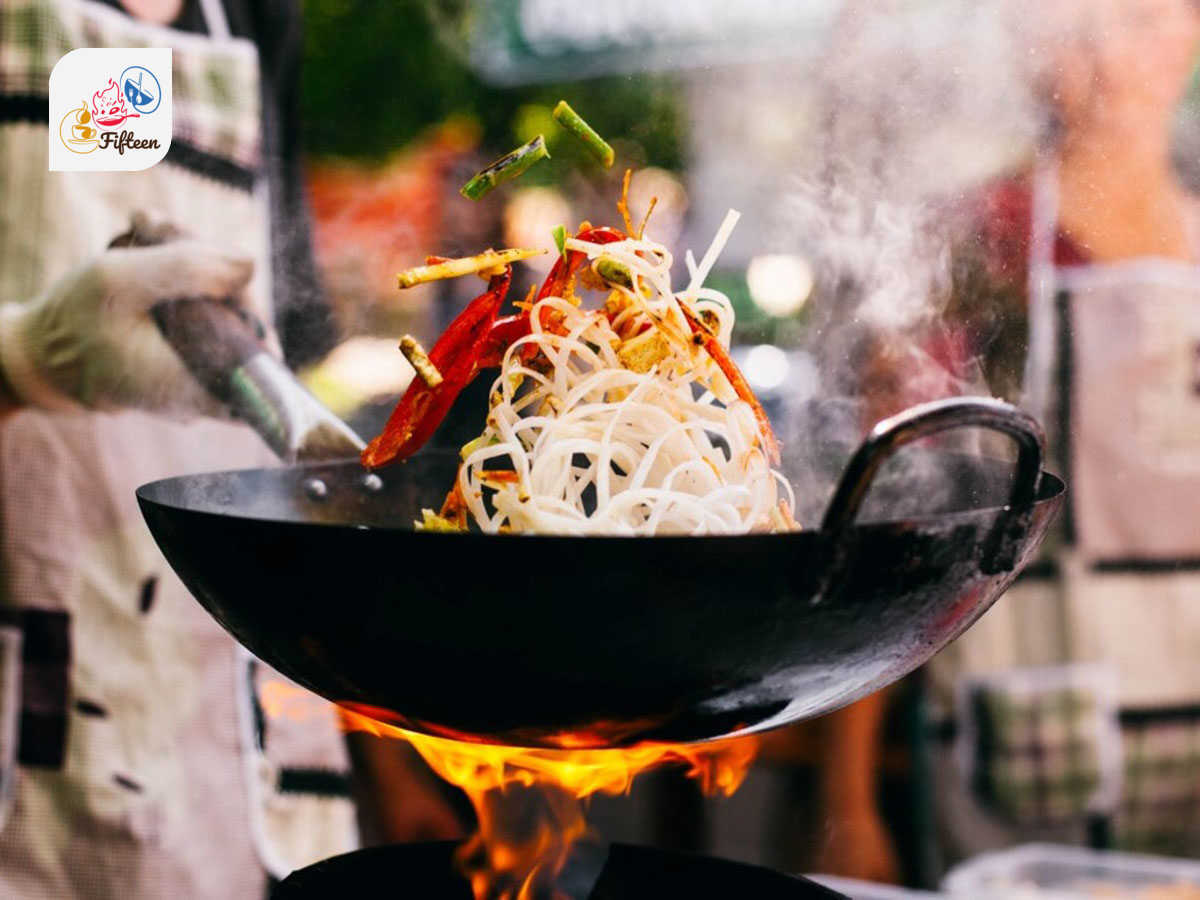
Below are 8 typical cooking utensils that Chinese people use to prepare dishes for everyday meals.
What Drinks to Pair With Chinese Dishes?
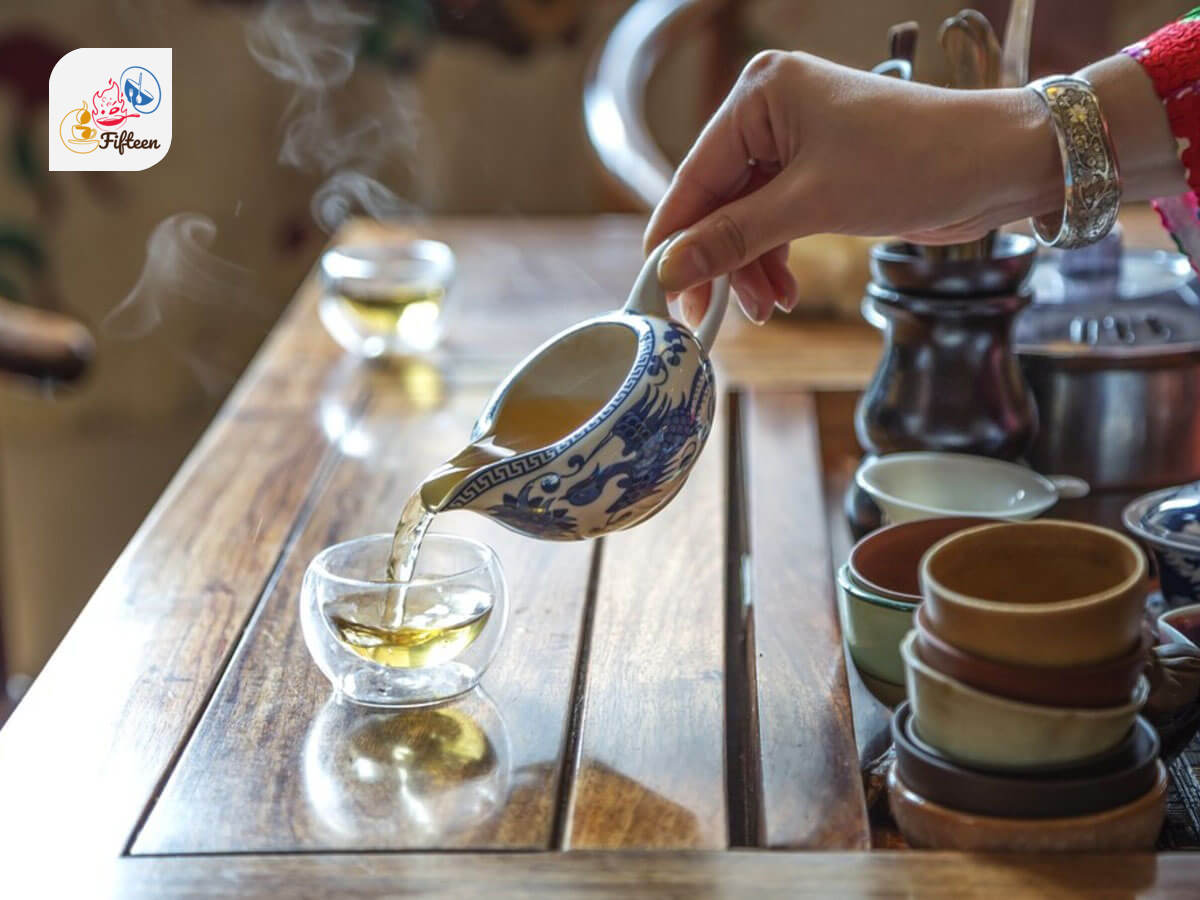
Among the many Chinese beverage options that can accompany dishes, Chinese tea stands out, though other drinks are also suitable. Below are 7 spectacular Chinese beverages to pair with Chinese dishes:
How Do Chinese Dishes Affect Global Cuisine?
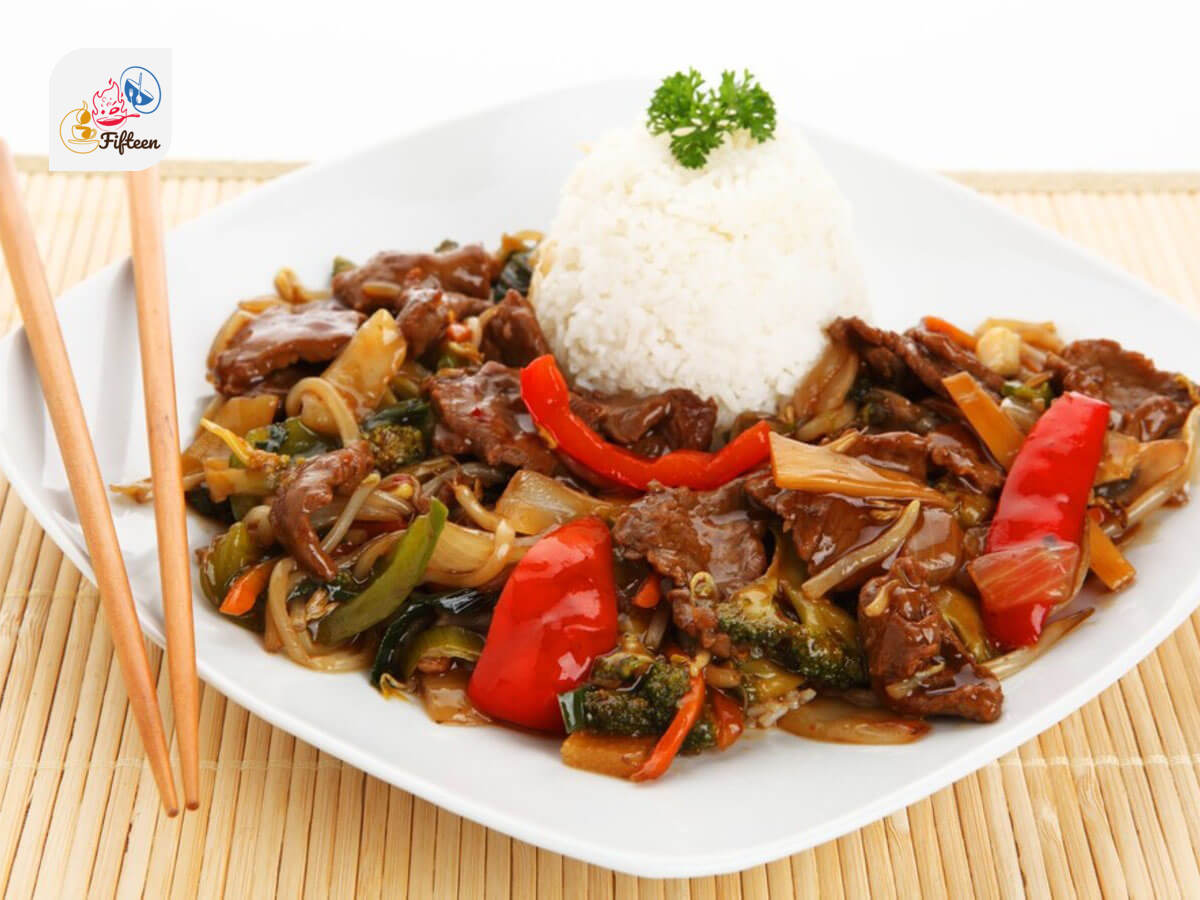
The ingredients, cooking techniques, and recipes of Chinese dishes exert an enormous effect on global cuisine, from Western to Asian countries.
Influence on Western Cuisines
The influence of Chinese dishes on Western dishes is substantial, both in the delicacies of the Americas and European gastronomic delights. Many hybrid cuisines are born from Chinese inspirations.
Some examples are American Chinese cuisine, Caribbean Chinese cuisine, and British Chinese cuisine. However, the effects of Chinese dishes on Asian cuisine are even stronger.
Influence on Asian Cuisines
Chinese dishes have long had a significant impact on the cooking traditions of many Asian countries.
Culinary knowledge from China has defined dishes in Asia, especially Southeast Asia (like Vietnam, Thailand, Singapore, the Philippines, etc.), Korea, and even Japan.
To enjoy Chinese dishes properly, understanding the do’s and don’t is important. Check out the next part to learn the most helpful facts.
What is Chinese Eating Etiquette?
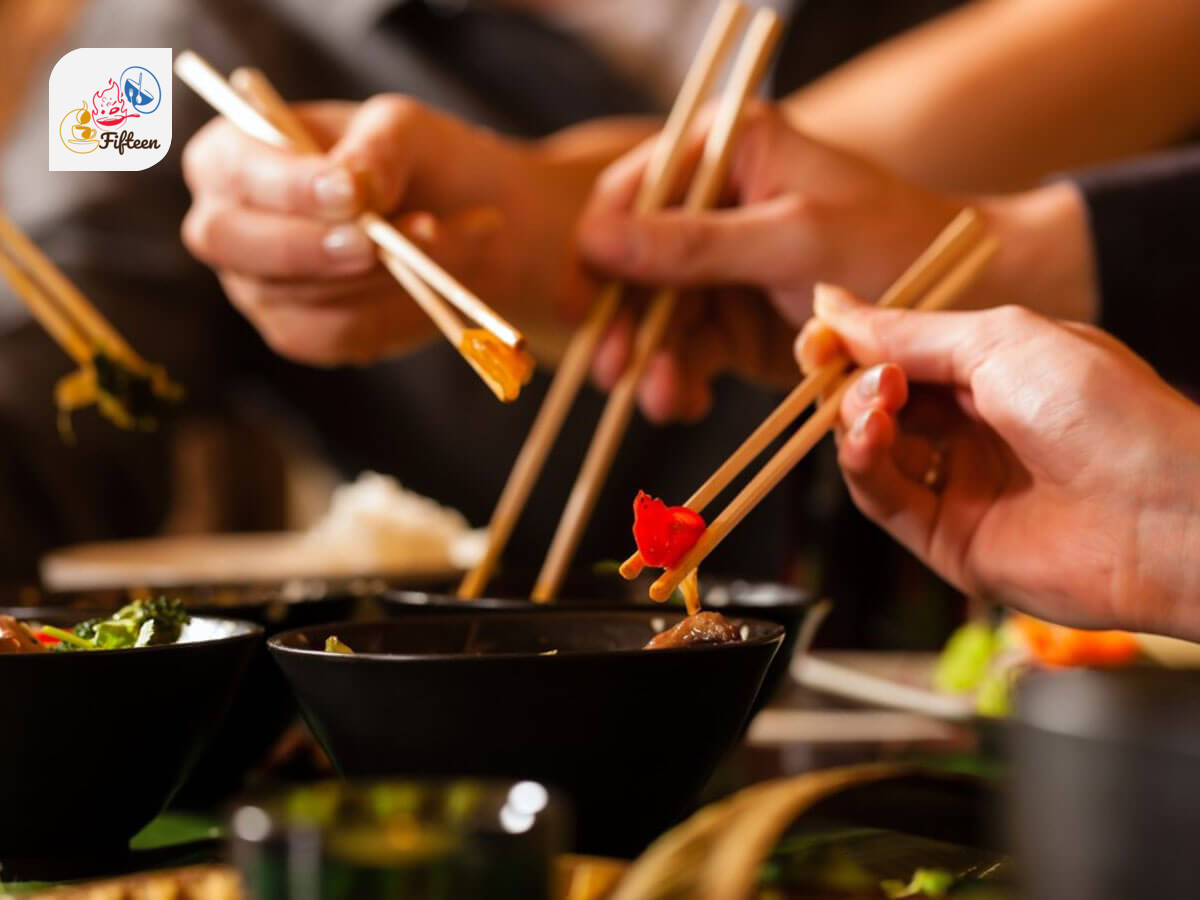
In Chinese culture, essential table manners consist of the following rules.
Seating and Serving Arrangement
The most honored position typically faces the door and is reserved for the eldest or most distinguished guest. The host usually sits opposite the honored guest. The eldest or honored members are also served first.
Using Chopsticks
Chopsticks are the primary utensils in China. There are many taboos with this utensil, such as pointing and piercing food with chopsticks, sticking chopsticks upright in a bowl of rice, or passing food between chopsticks.
Communal Dining
Chinese meals are often communal, with shared dishes placed in the center of the table. It’s polite to take food from the dishes nearest to you and avoid reaching across the table.
People often serve other people before themselves. In more formal settings, the host may serve guests.
Noise Level
Unlike in some cultures, making noise while eating, like slurping soup, is often acceptable in China, showing signs that you are enjoying the meal.
Finishing Food
Leaving a little food on your plate indicates that you are satisfied and that the host has provided enough food. However, in some settings, finishing all your food shows appreciation for the meal.
Paying the Bill
The host or inviter typically pays for the meal, though offering to pay or share the cost is a polite gesture.
Do you find this post on Chinese dishes informative? If so, like and share it with your friends!
Jamie Scott
Editor in Chief, Senior Content Writer
Expertise
Home Cooking, Meal Planning, Recipe Development, Baking and Pastry, Food Editor, Cooking-video Maker, Western Food Evaluation Expert
Education
Le Cordon Bleu College of Culinary Arts
Local Community College, New York, NY
Jamie Scott is a skilled culinary expert and content creator specializing in Western cuisine. With over 15 years in the culinary field and formal training from Le Cordon Bleu, Paris, Jamie deeply understands how to blend nutrition with delicious flavors. His passion for cooking matches his commitment to making healthy eating accessible and enjoyable.
On Fifteen.net, Jamie brings a fresh perspective to classic dishes and beverages, offering readers insightful recipes, cooking tips, and a fresh view on meal planning that emphasizes taste, health, and simplicity.