
Japanese Food Dishes: Basic Overview
Common Ingredients
Common Cooking Methods
Courses
Meals
Key Taste
Eating Etiquette
Meal Presentation
Culinary Festivals
Influence and Fusion
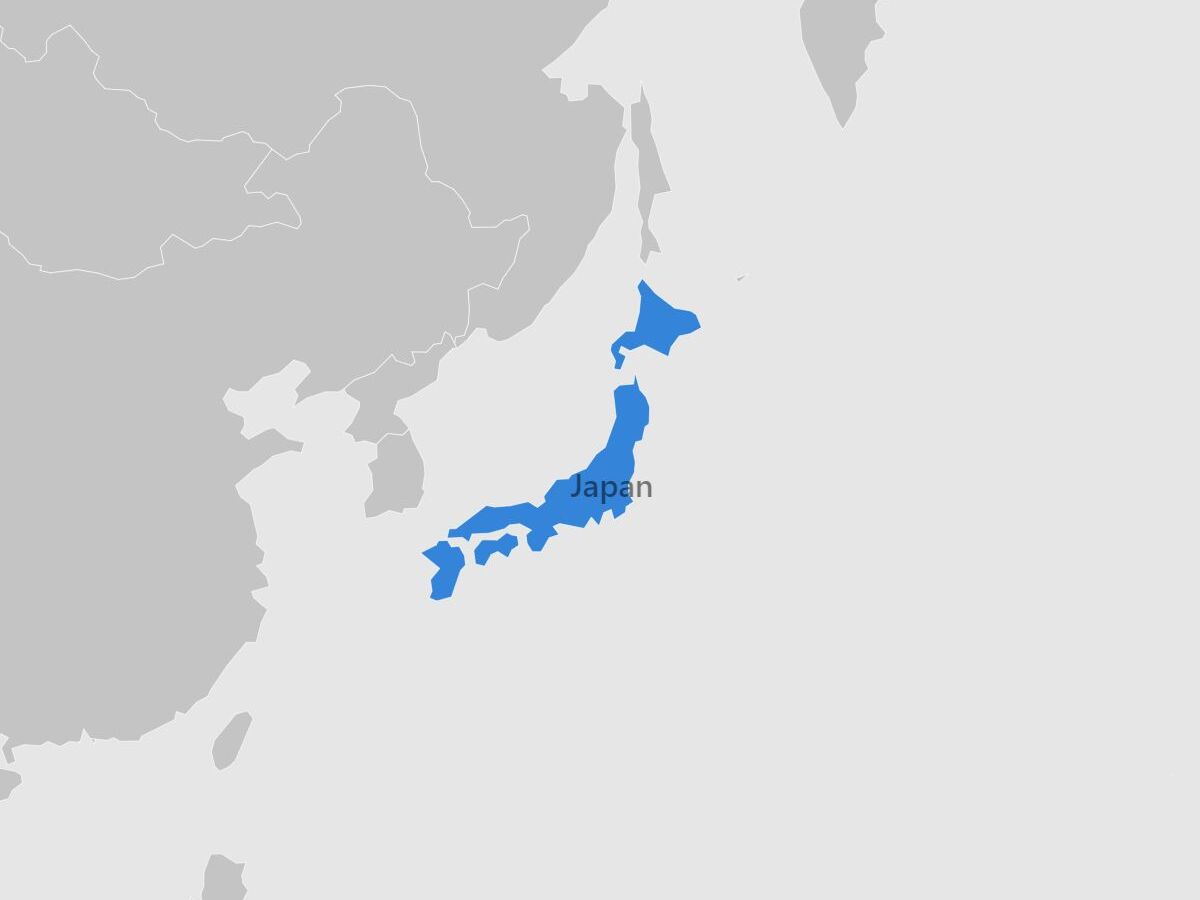
Japanese Food Dishes: Origin and Region
Cuisine
Cuisine’s Geographical Territory
Country’s Region
Popular Types of Japanese Dishes
-
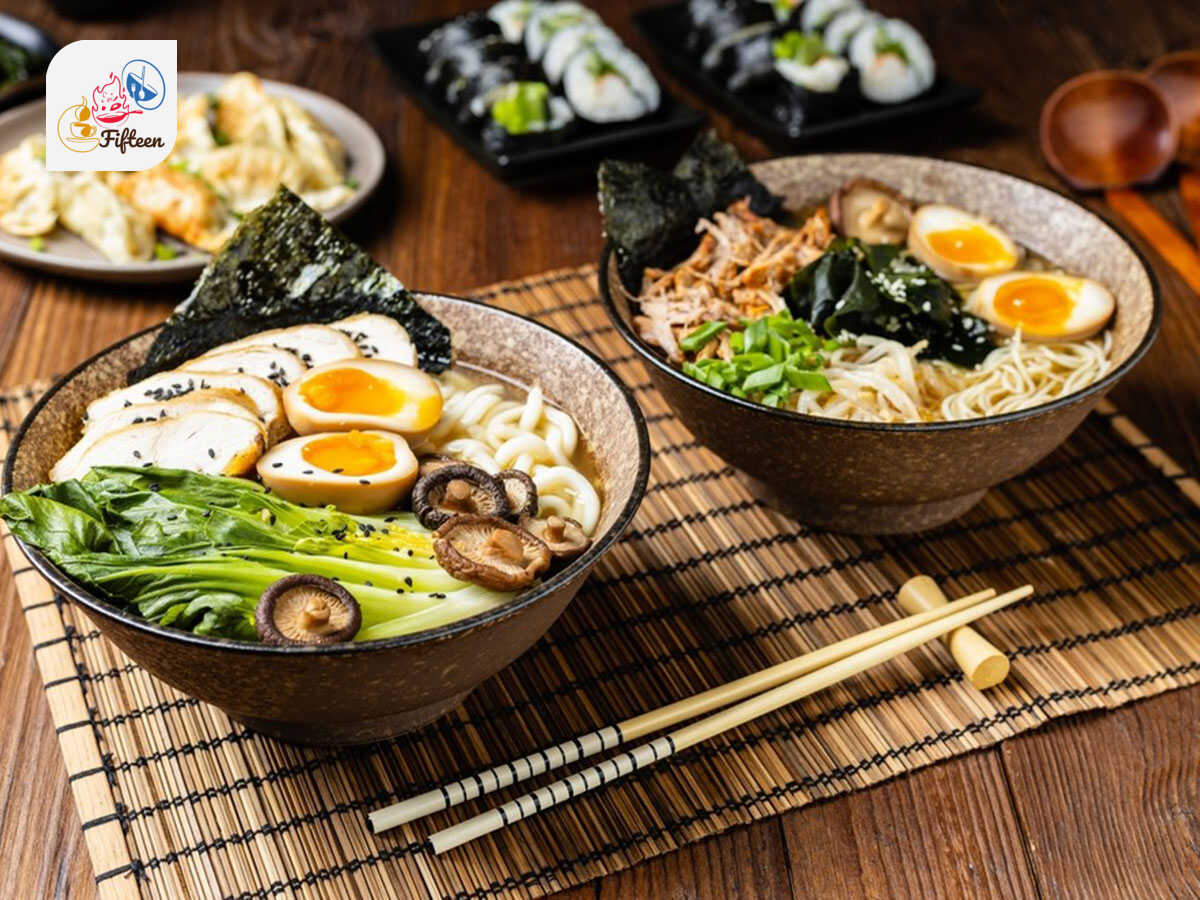
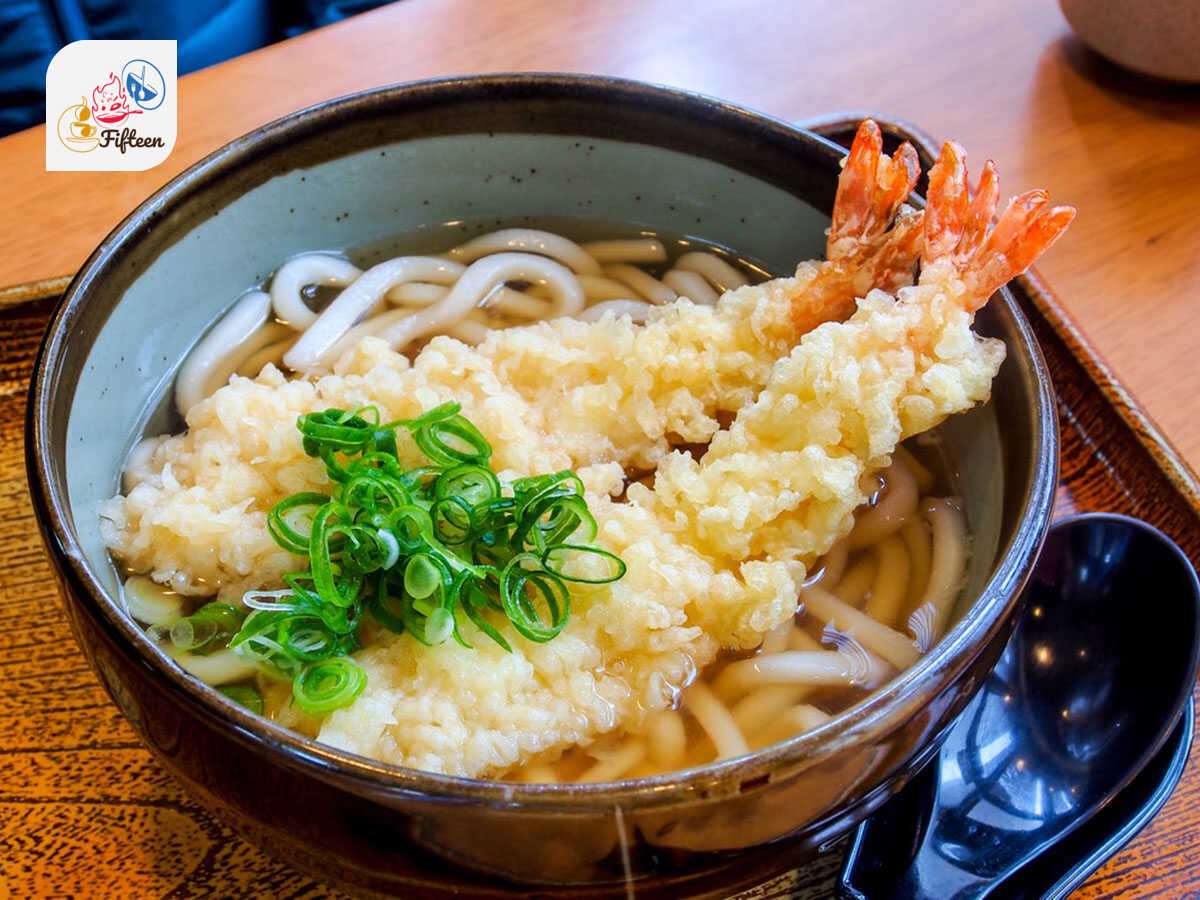
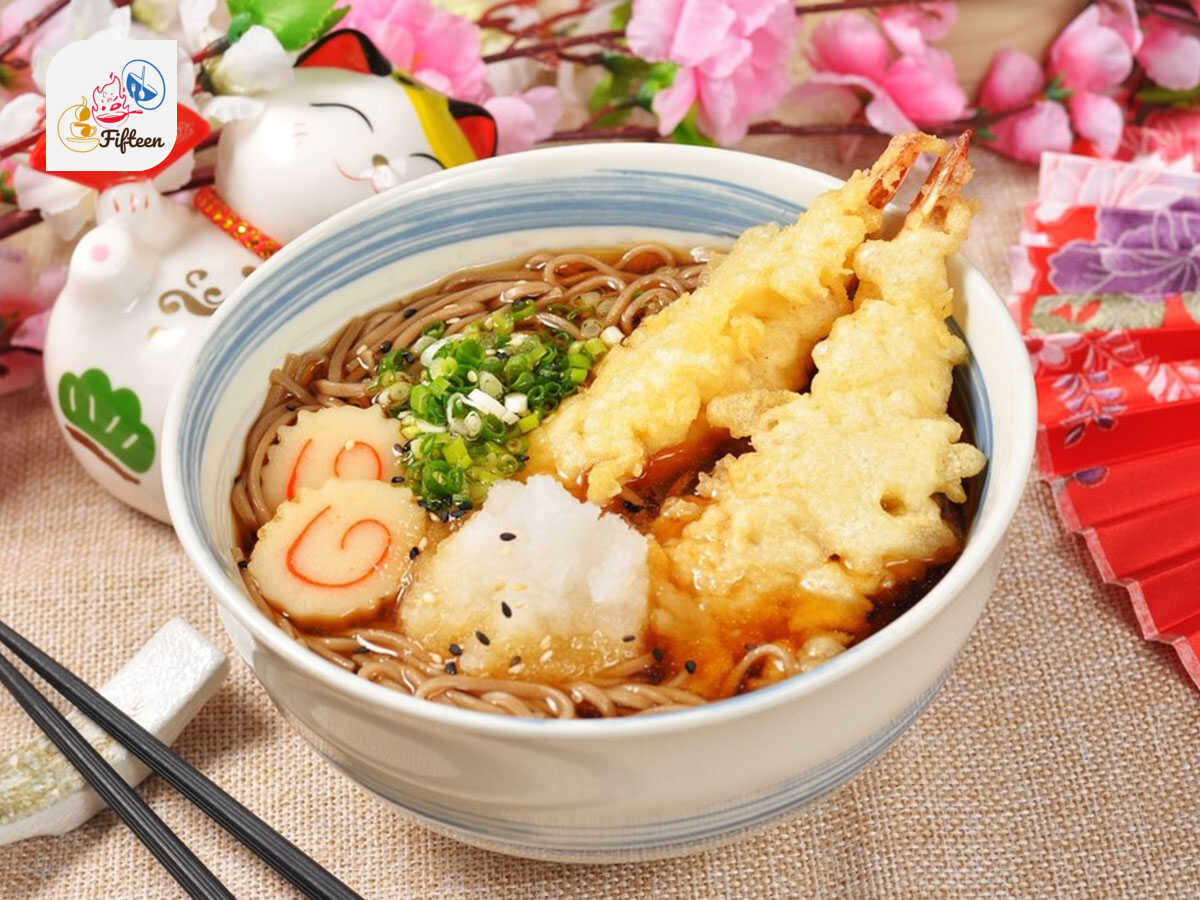
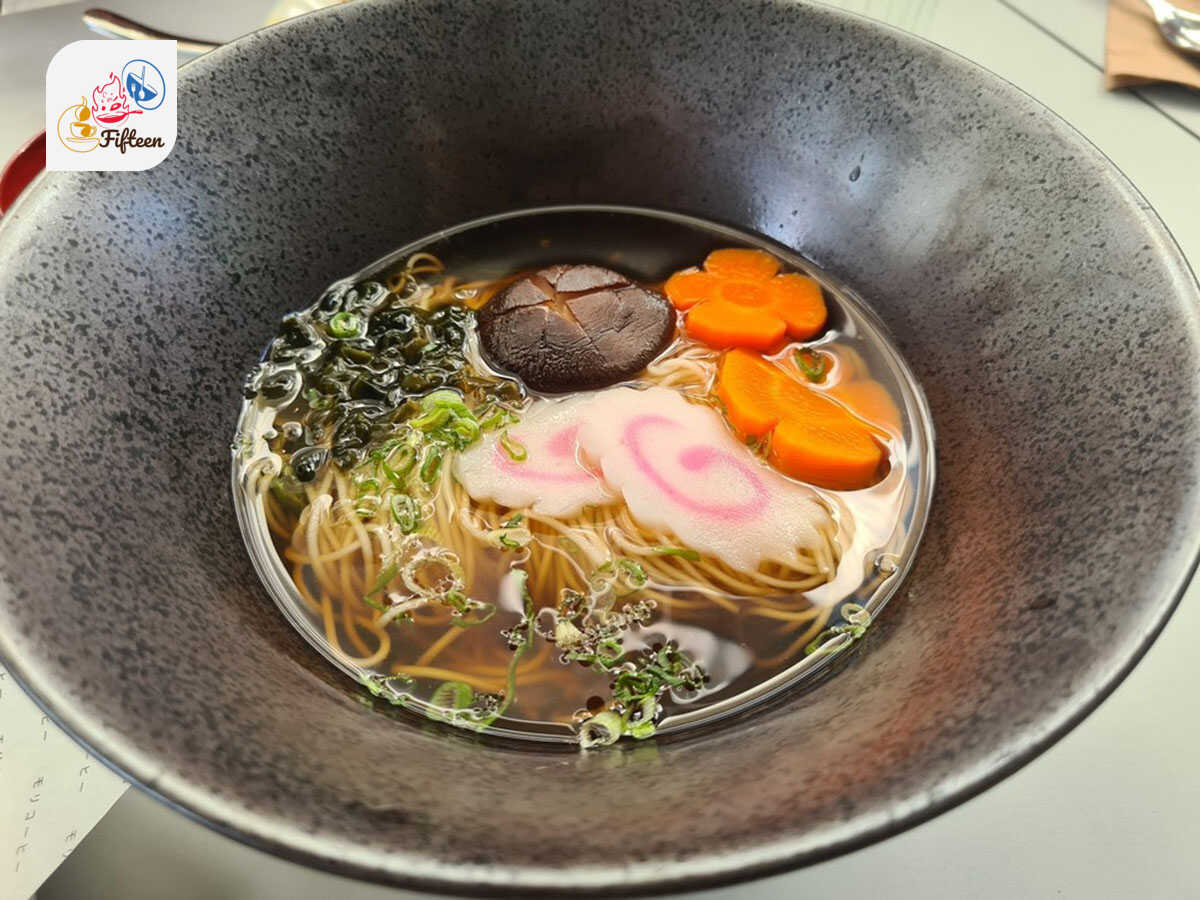
Noodle Soups
Japanese noodle soups are renowned for their rich and diverse flavors.
Key ingredients include various types of noodles like udon, soba, and ramen, accompanied by a wide array of toppings such as meats, vegetables, and eggs.
These soups are known for their balance of flavors and are a staple in Japanese cuisine.
-
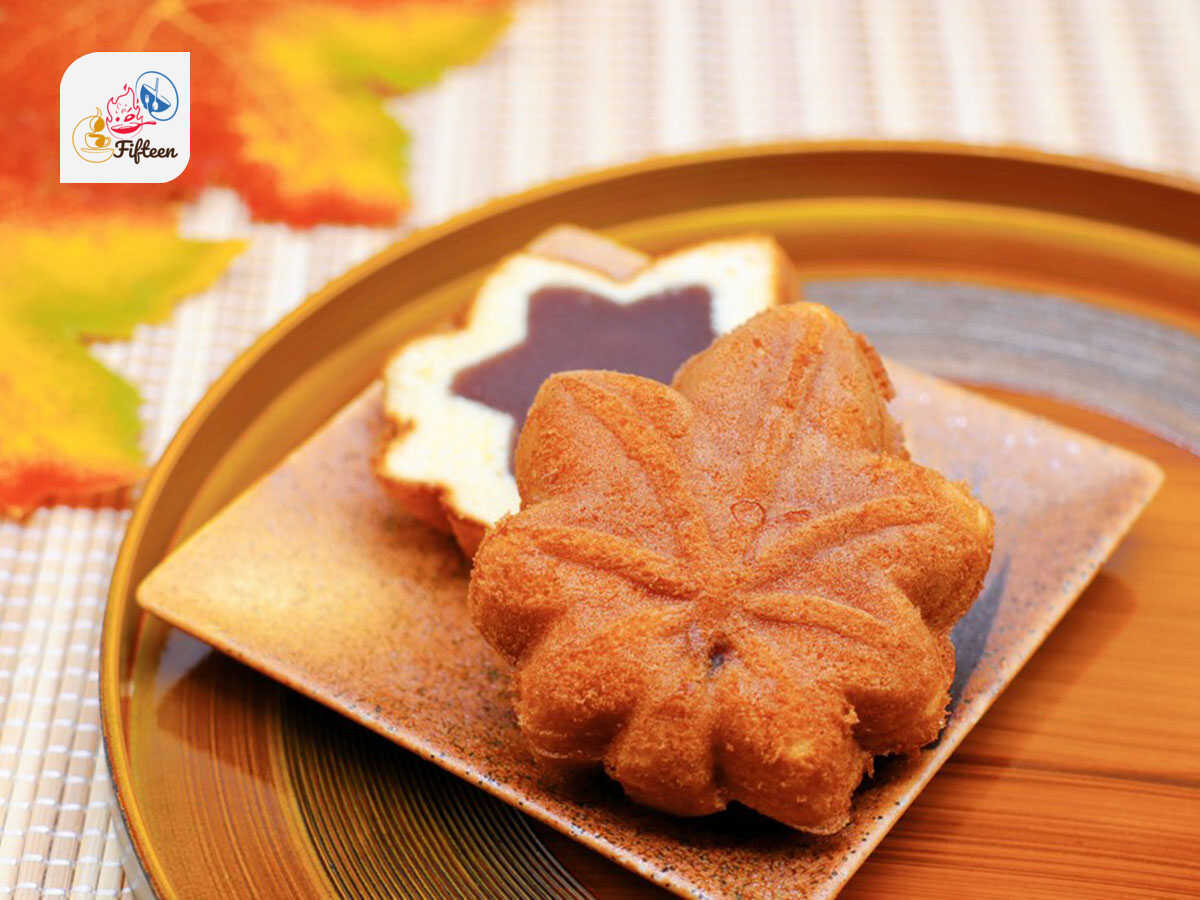
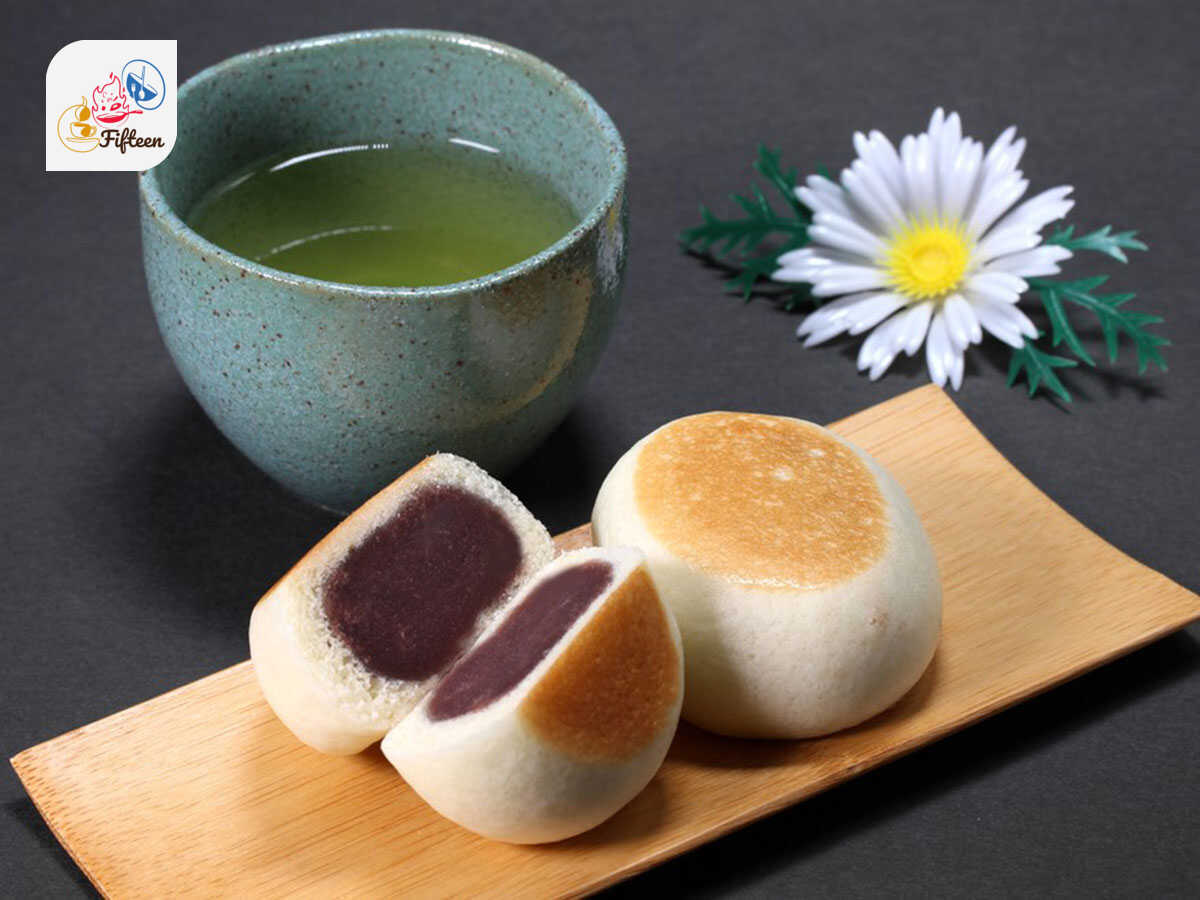
Cakes and Pastries
Japanese cakes and pastries are typically lighter and less sweet compared to their Western counterparts.
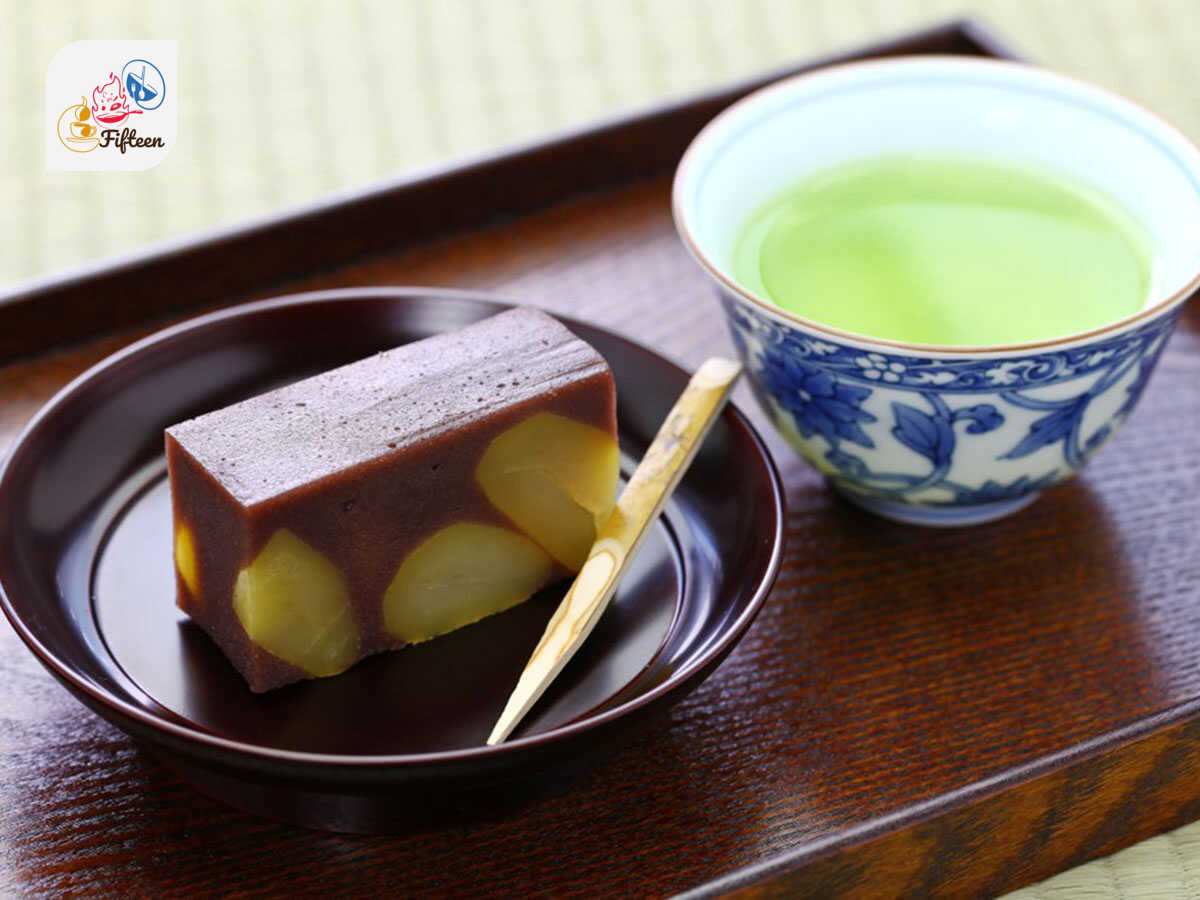
They often incorporate ingredients like sweet red bean paste, matcha (green tea powder), and rice flour.
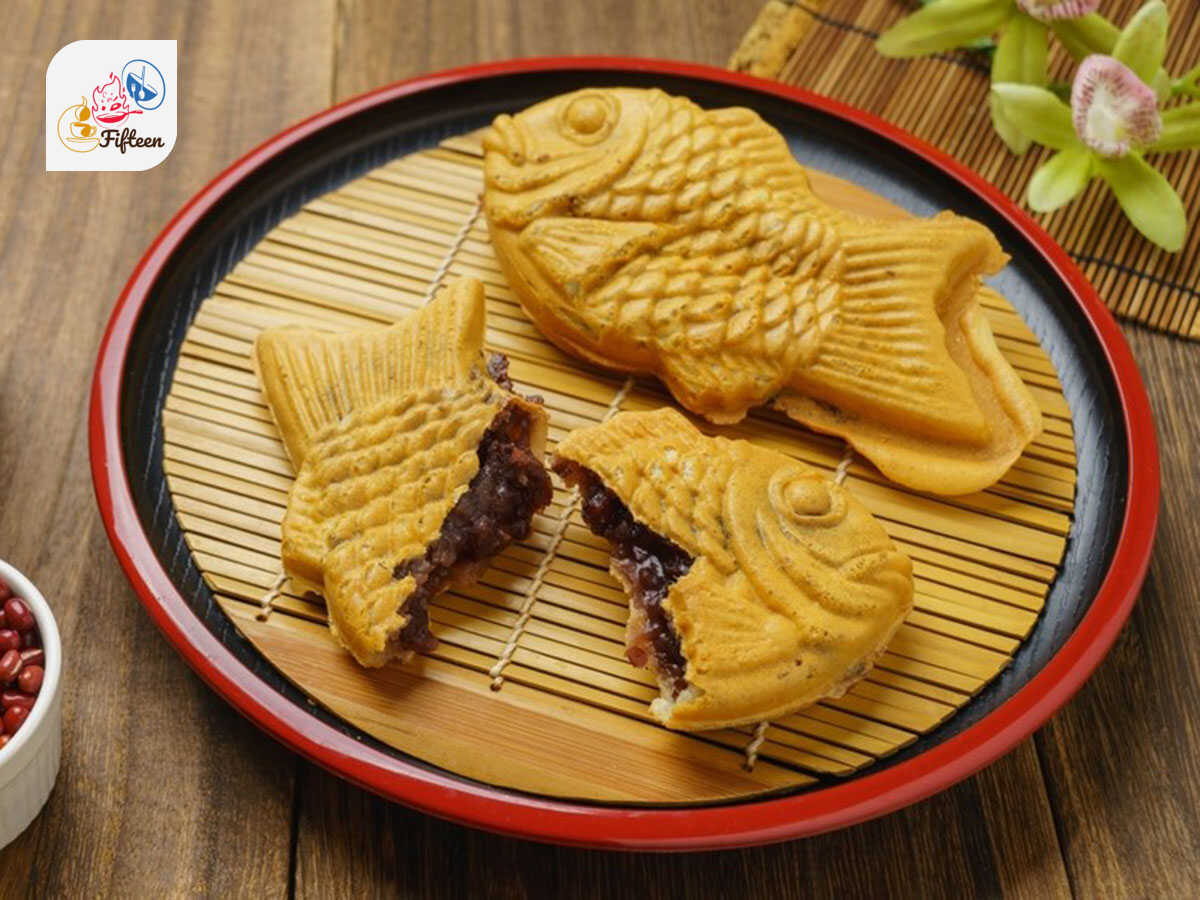
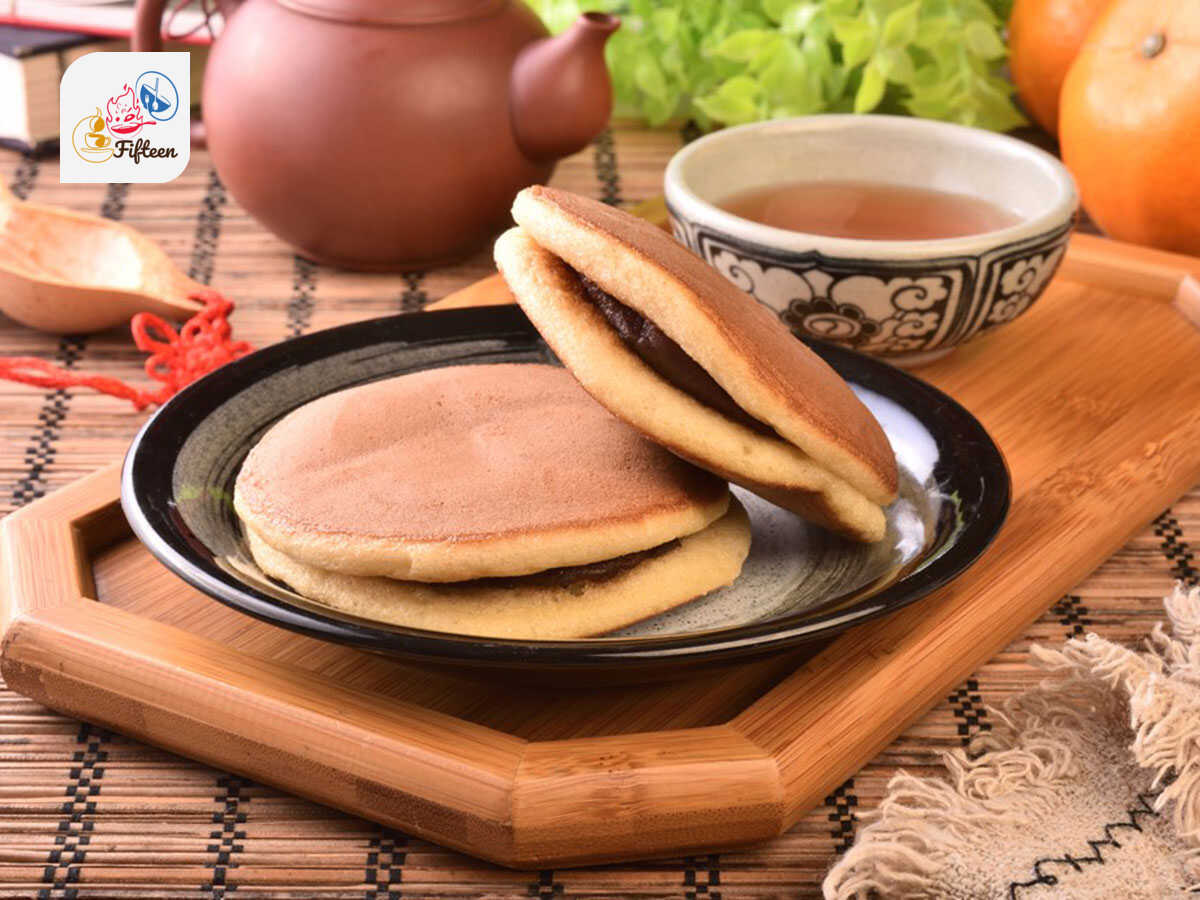
Traditional pastries like dorayaki and taiyaki are popular treats, often enjoyed during tea time or as desserts.
-
Pancakes
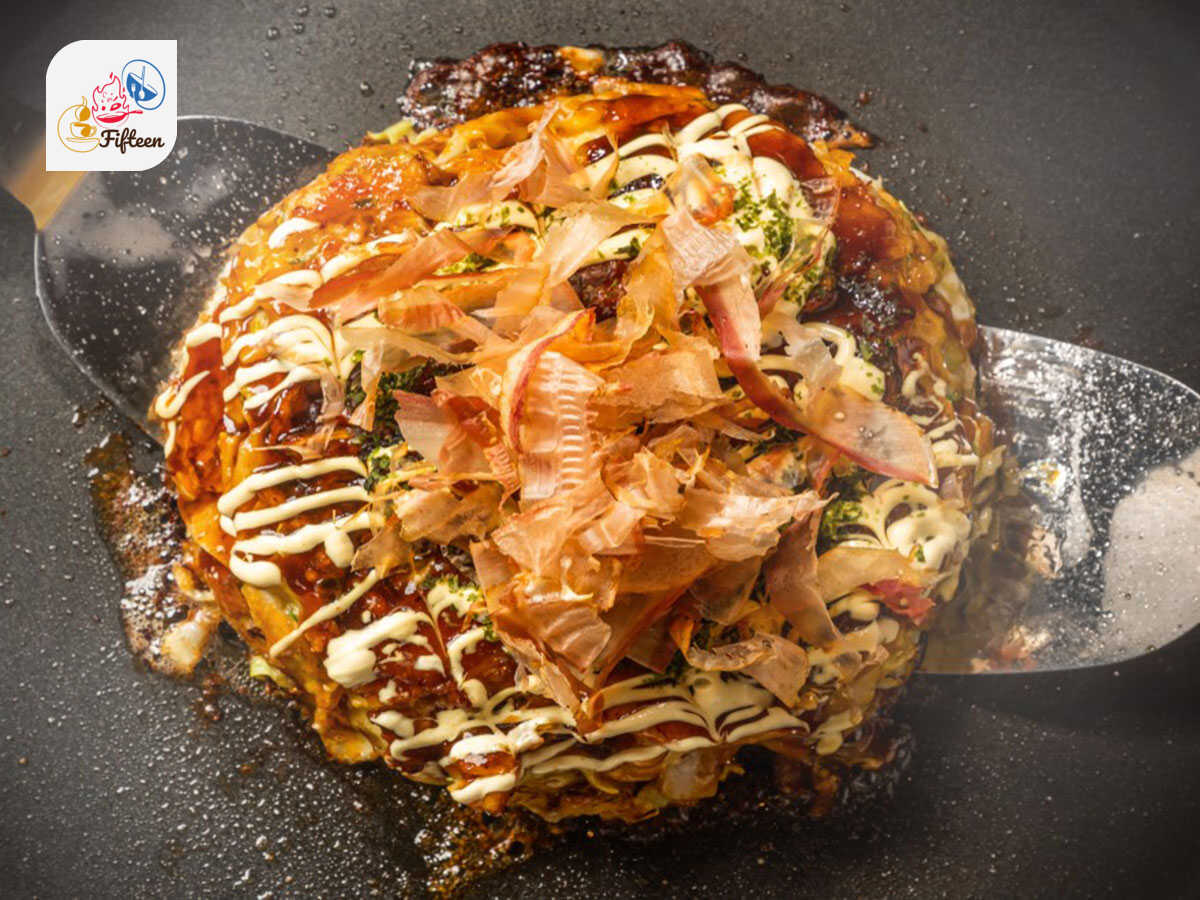
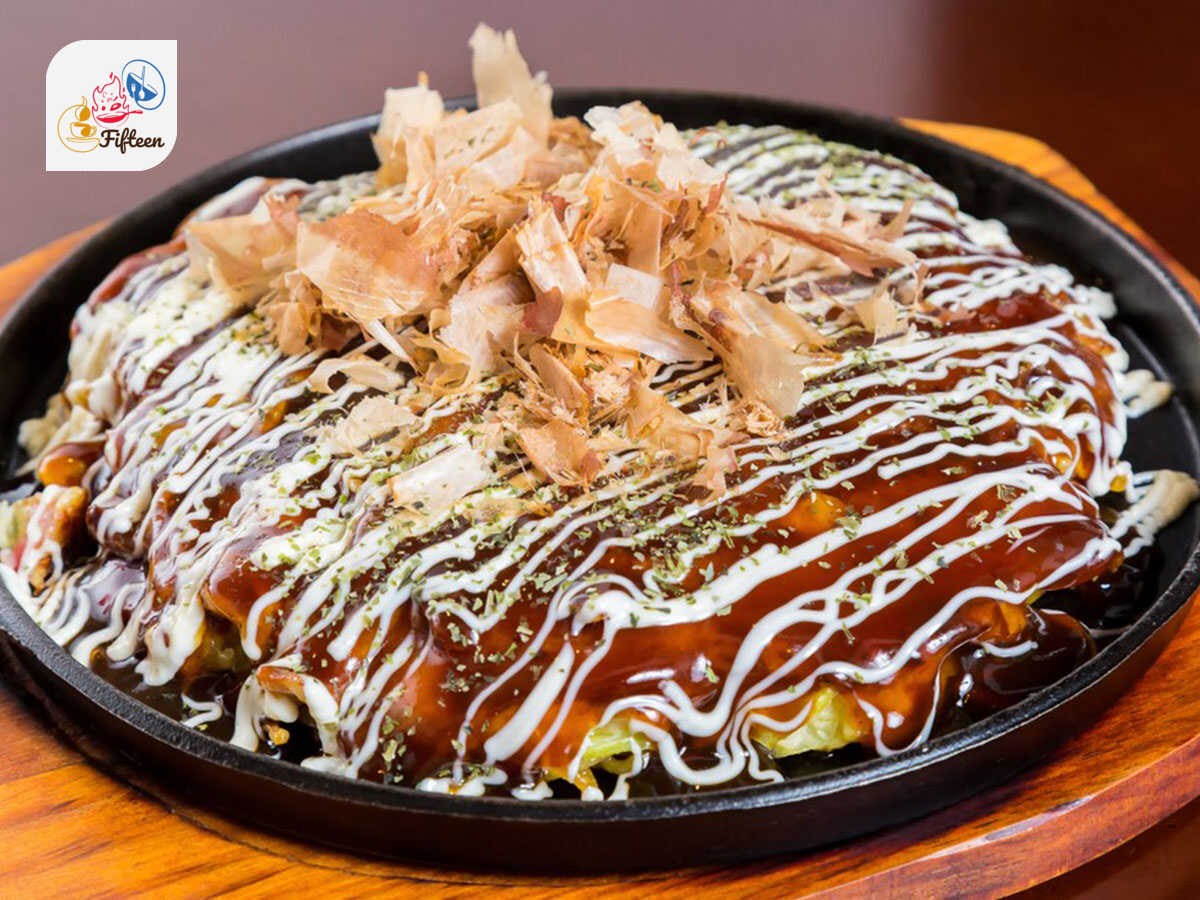
Japanese pancakes showcase a diverse range, from the savory to the sweet option.
These pancakes represent the versatility of Japanese cuisine, offering a contrast between savory and sweet flavors.
-
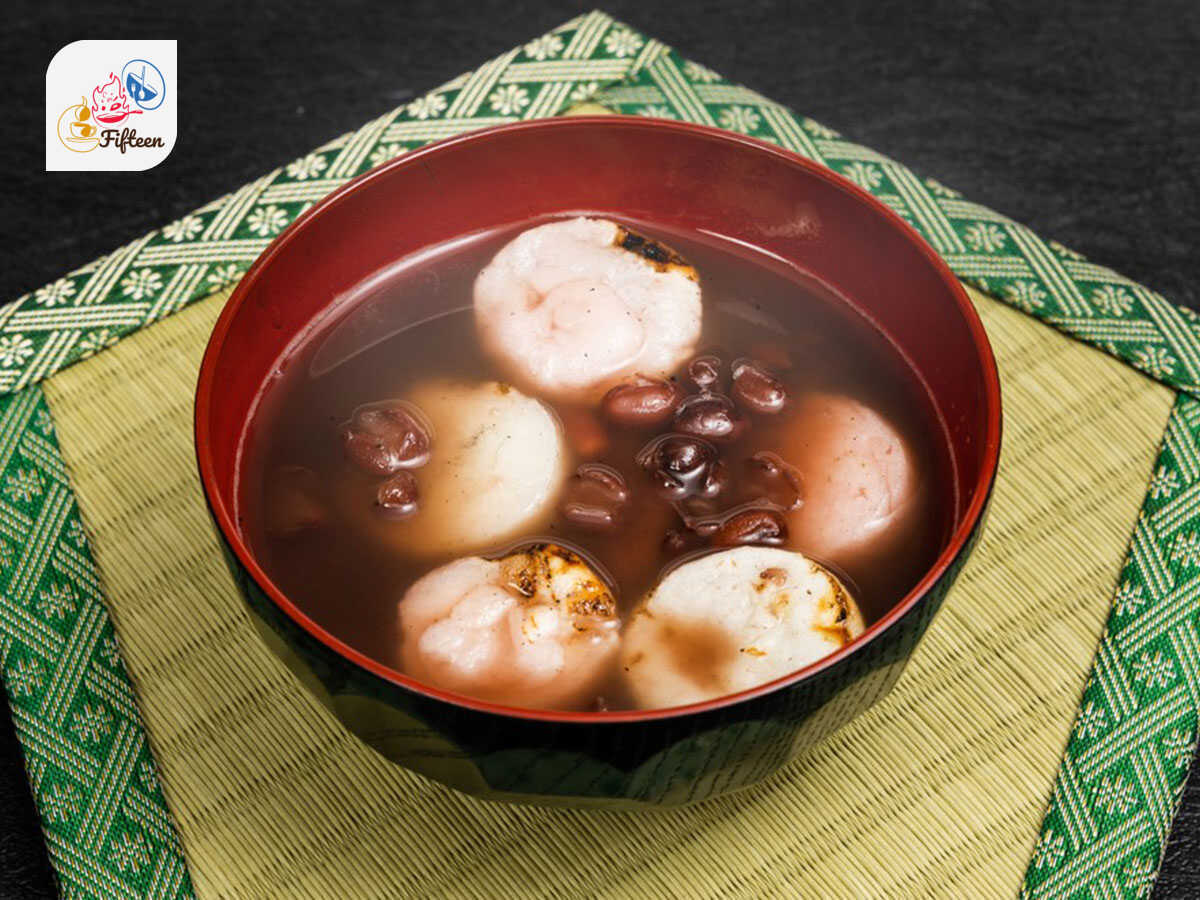
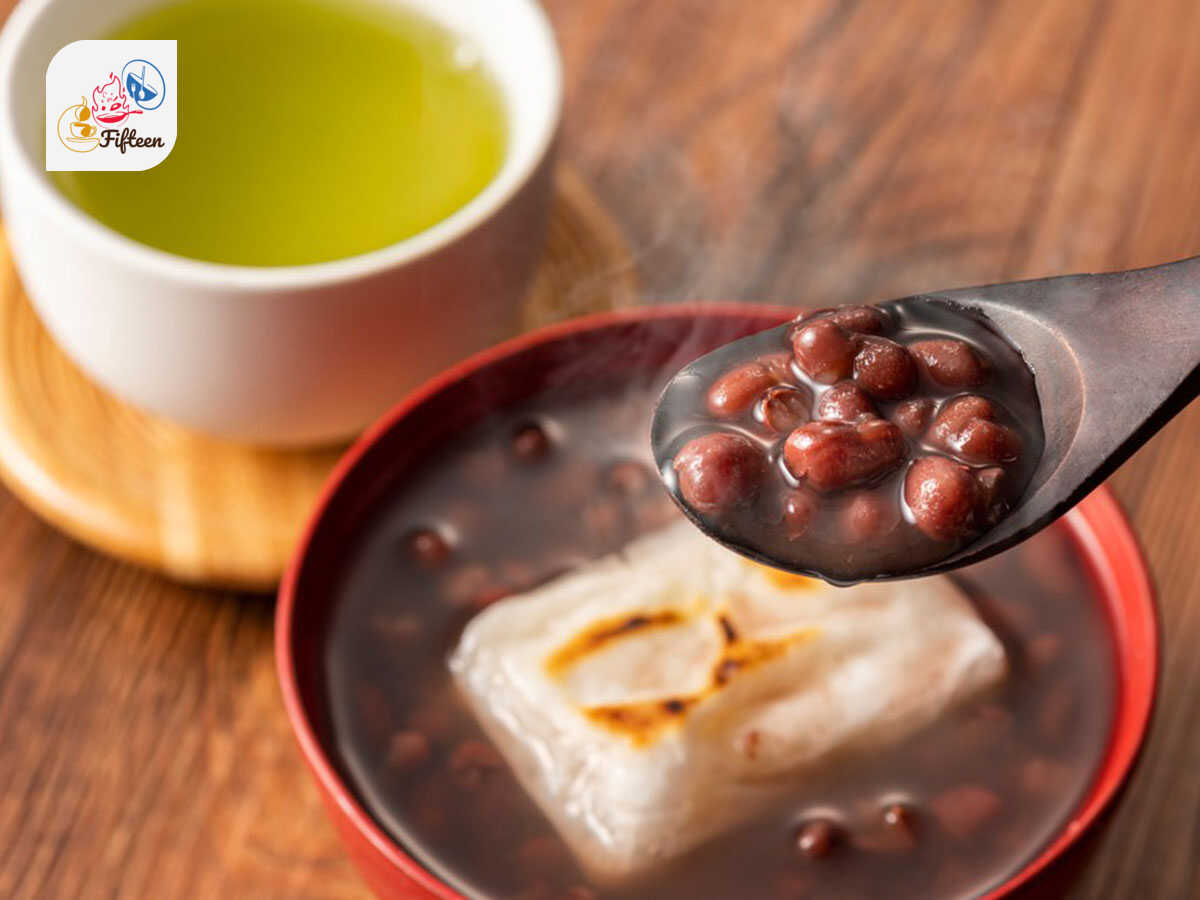
Desserts
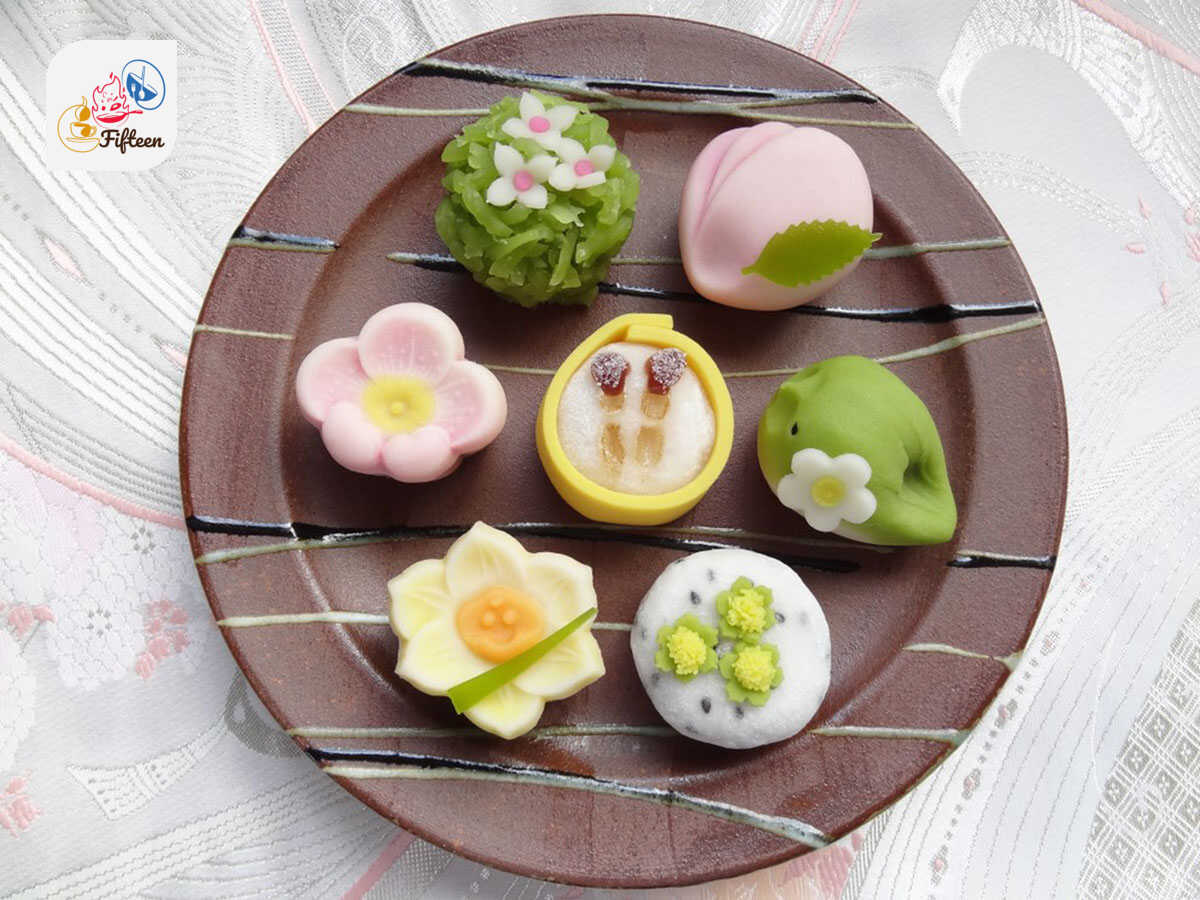
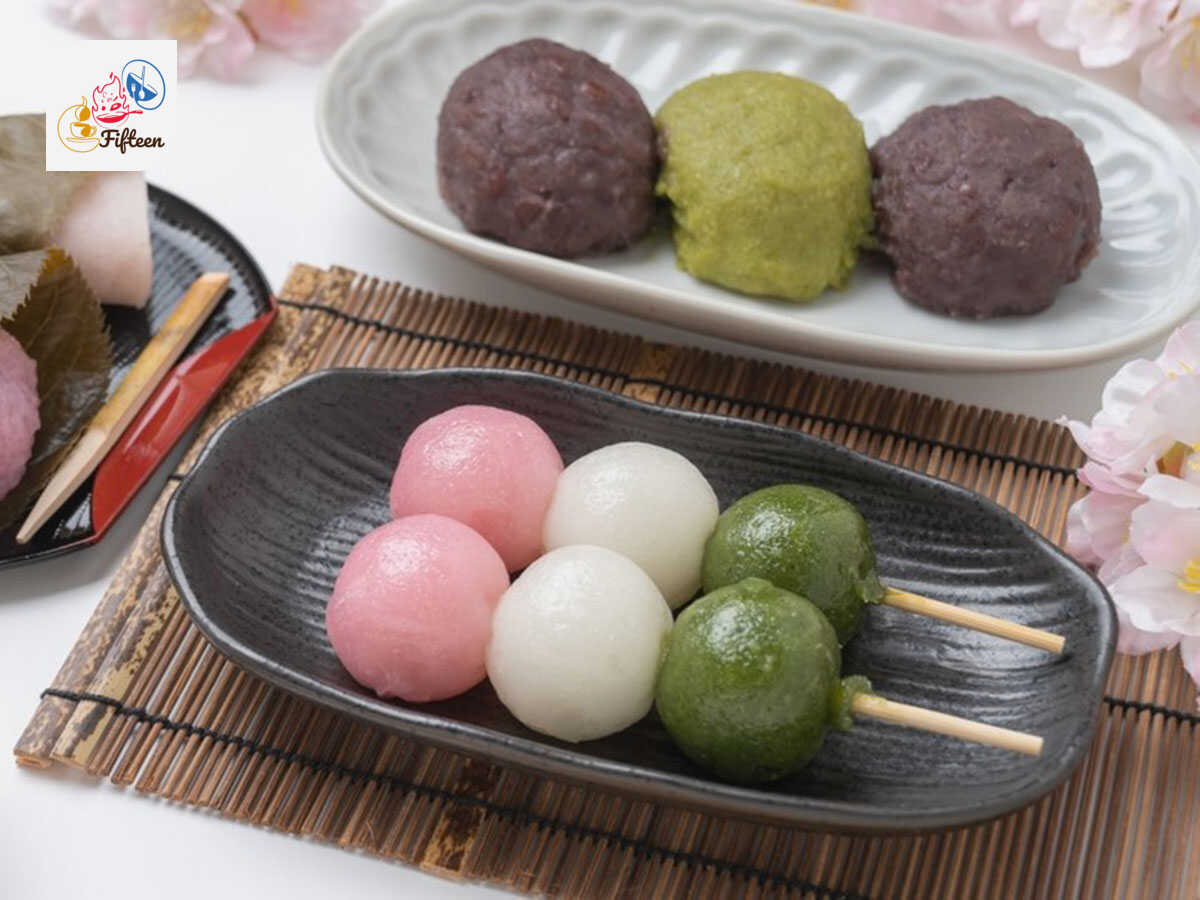
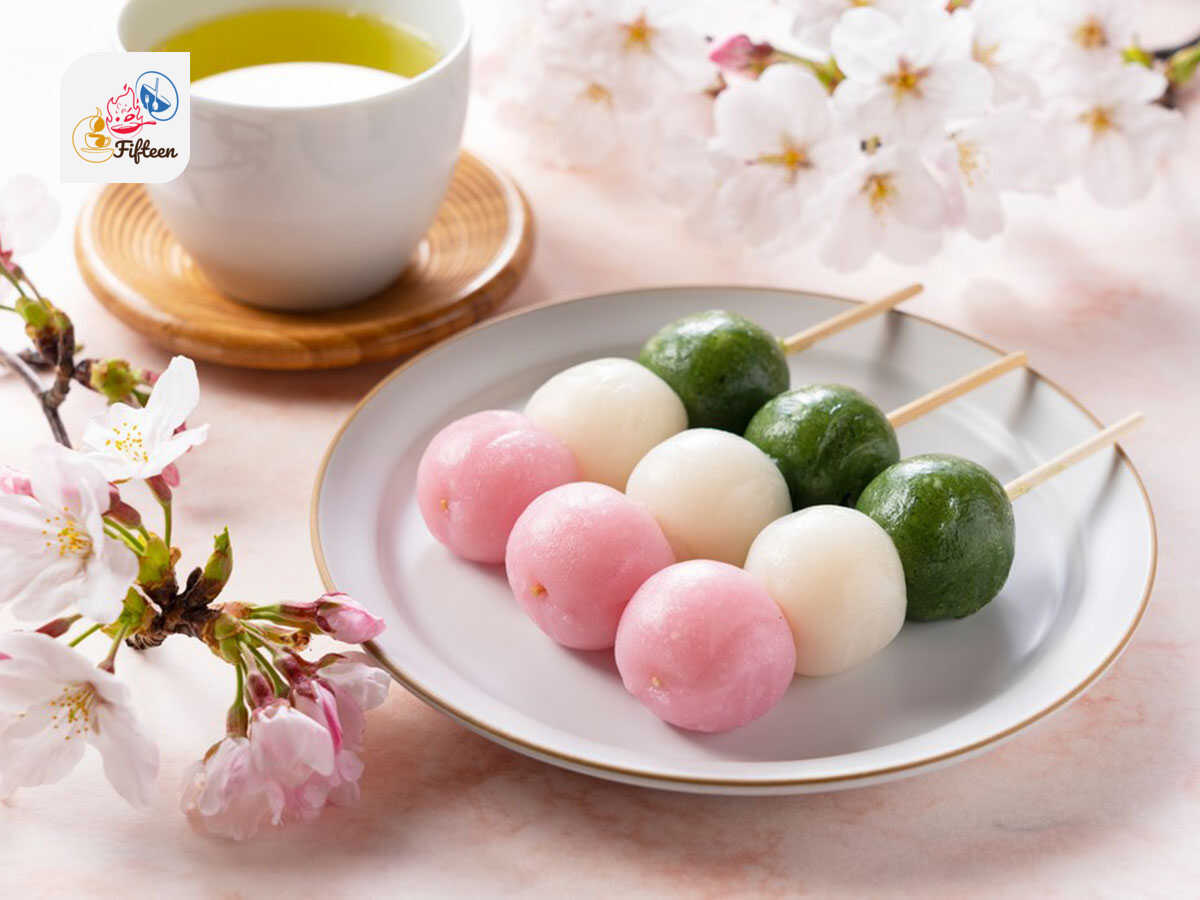
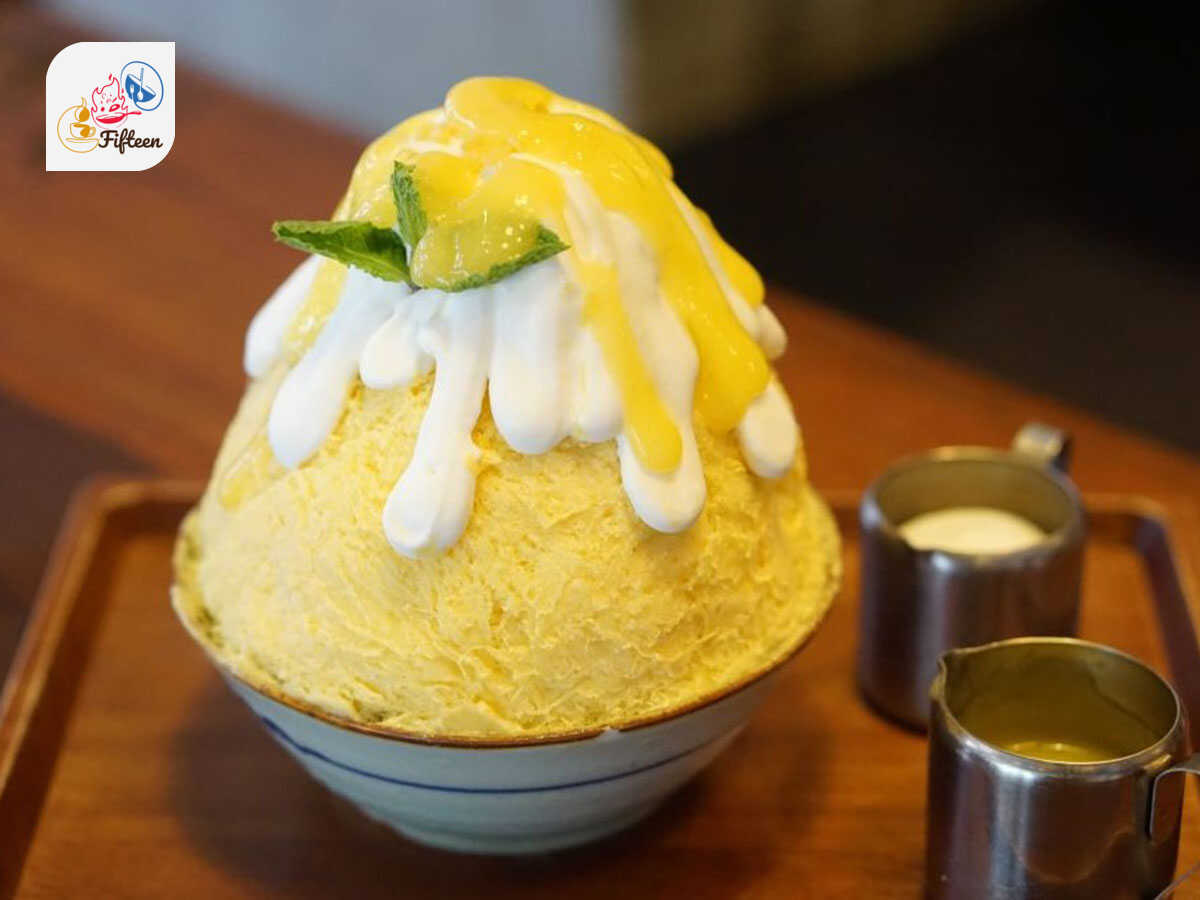
Japanese desserts are diverse, ranging from traditional sweets like mochi and wagashi to more modern creations.
These desserts are often subtly sweet and aesthetically pleasing, frequently using ingredients like azuki beans, rice flour, and matcha.
Seasonal fruits also play a significant role in Japanese desserts.
-
Fermented Dishes
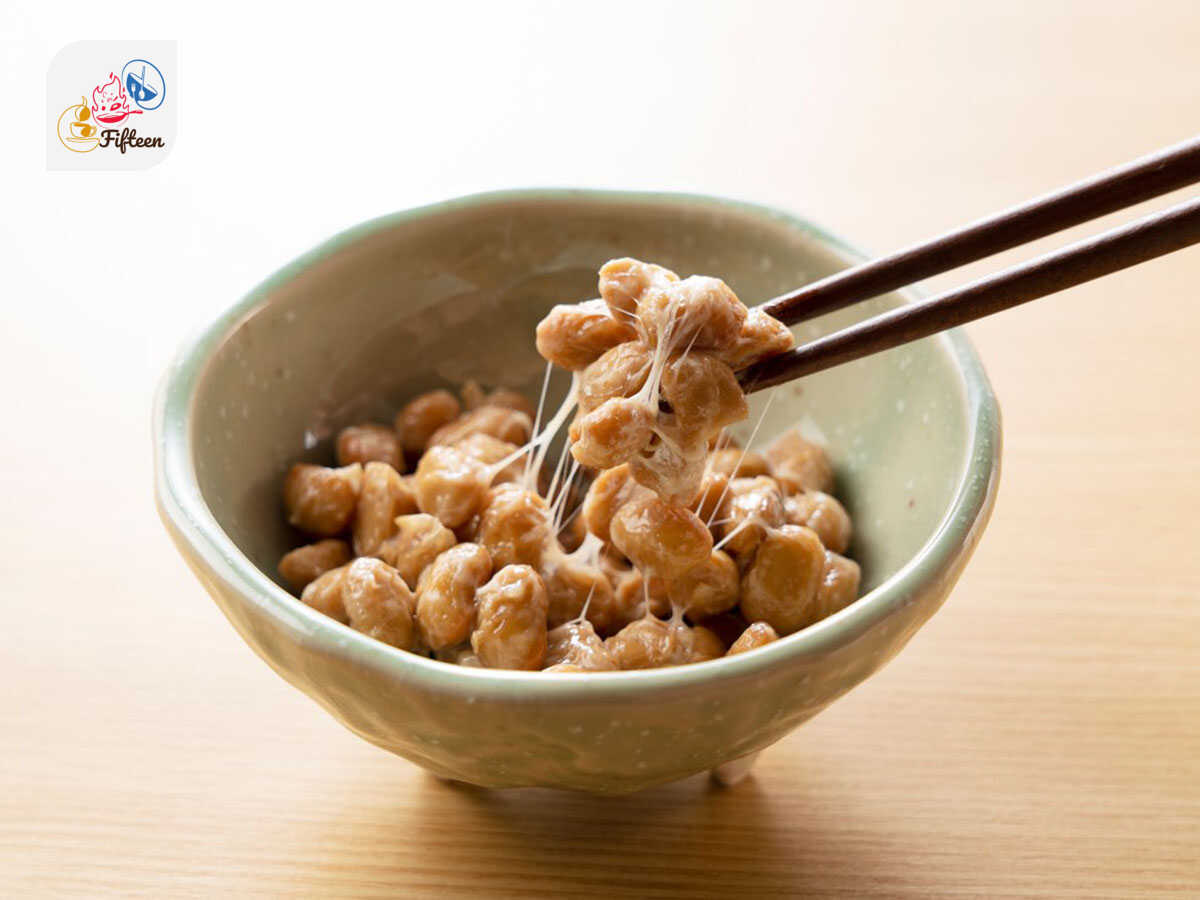
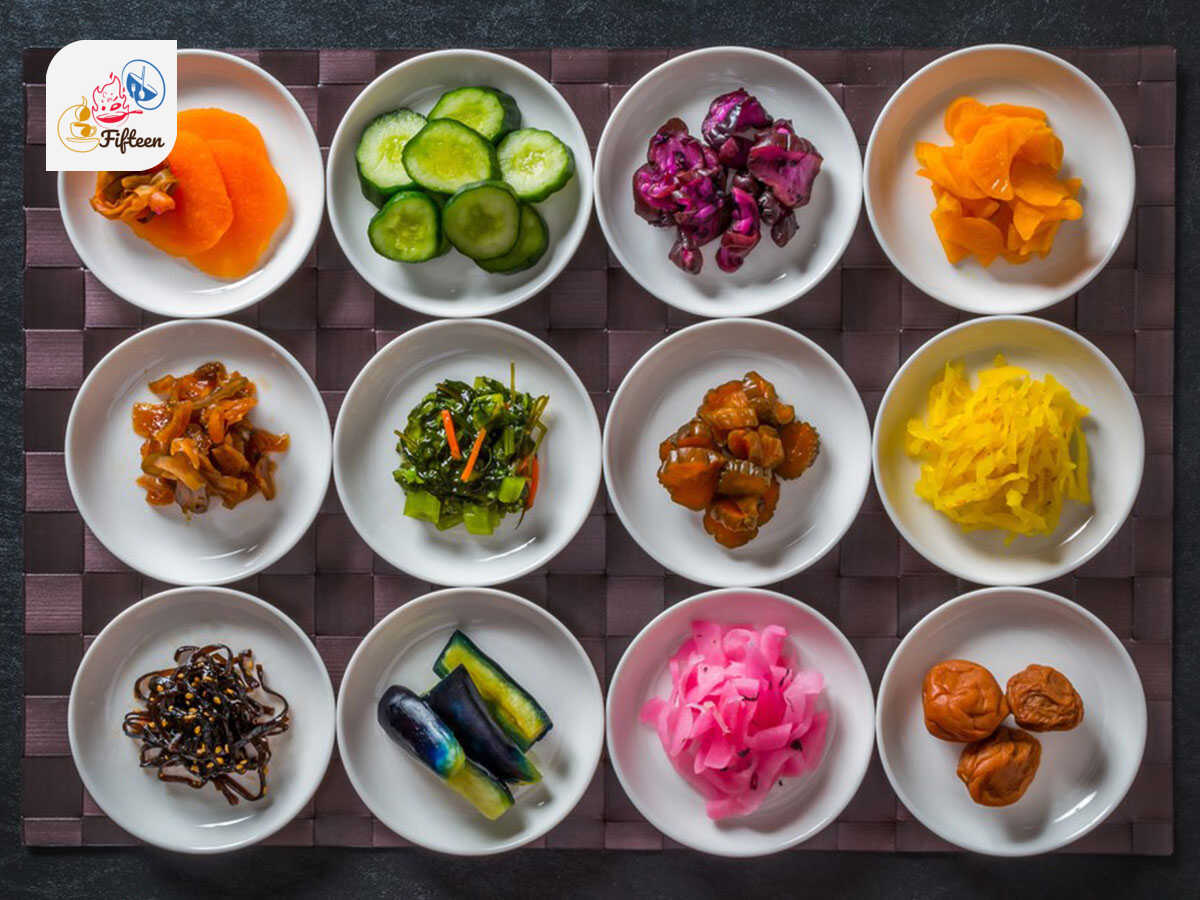
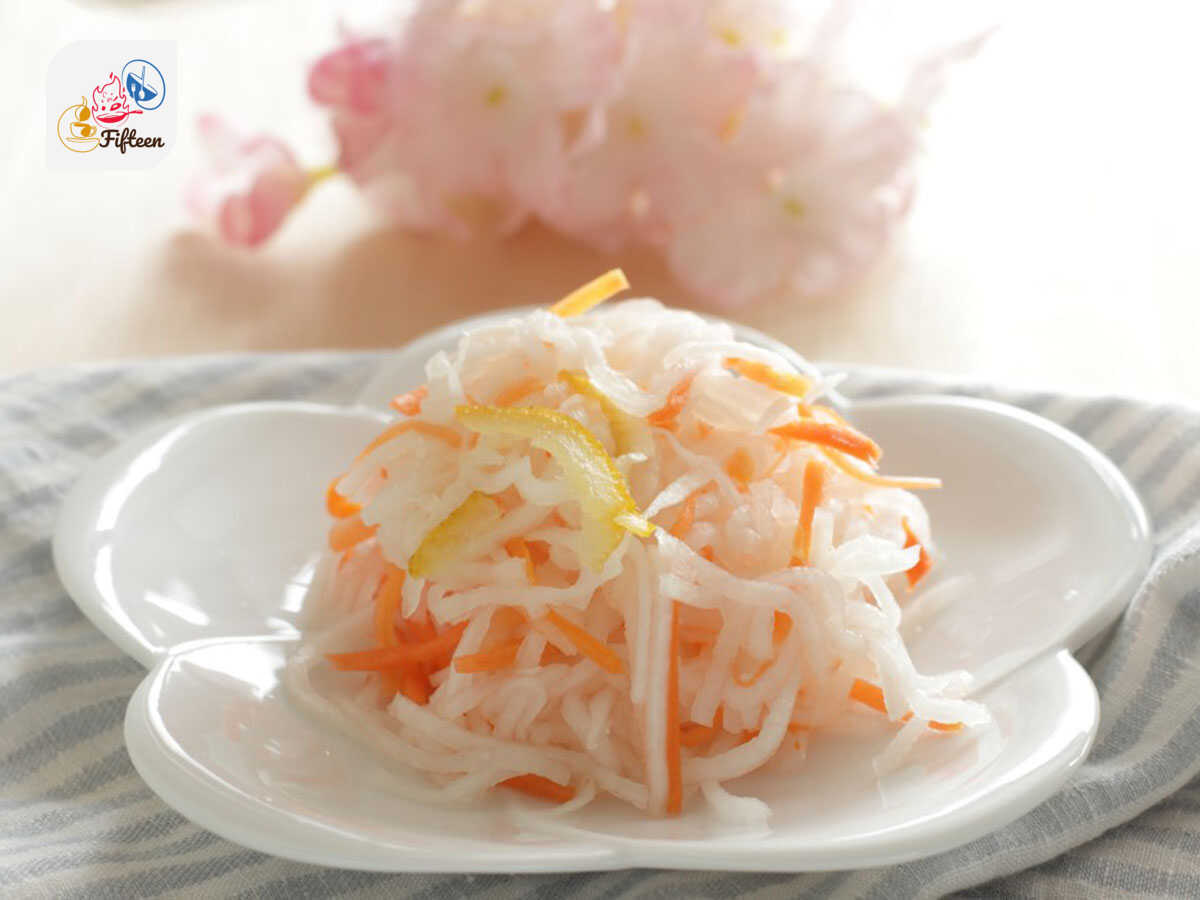
Fermentation is an essential part of Japanese cuisine, with dishes like natto (fermented soybeans) and various pickles (tsukemono) being popular.
These dishes are valued for their umami flavor, often served as side dishes or as part of a traditional Japanese meal.
-
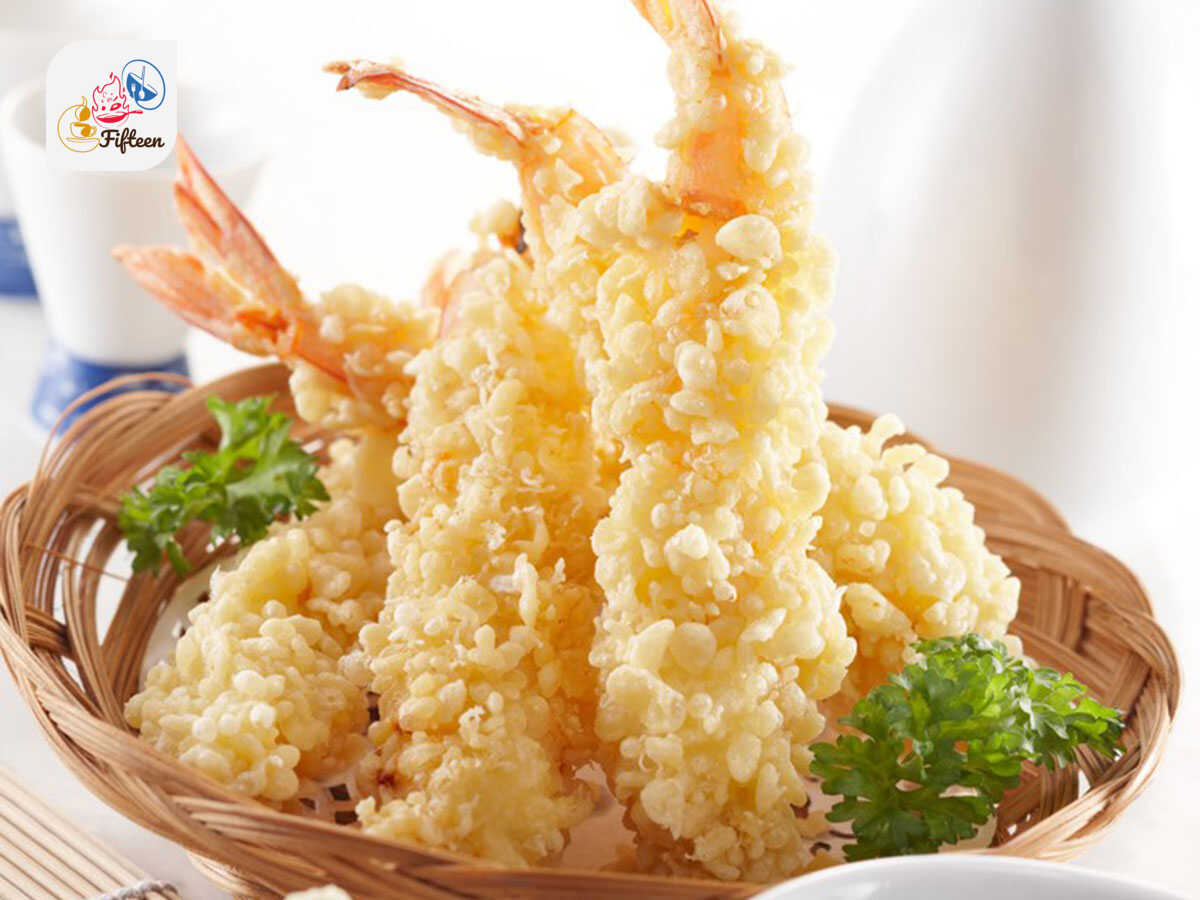
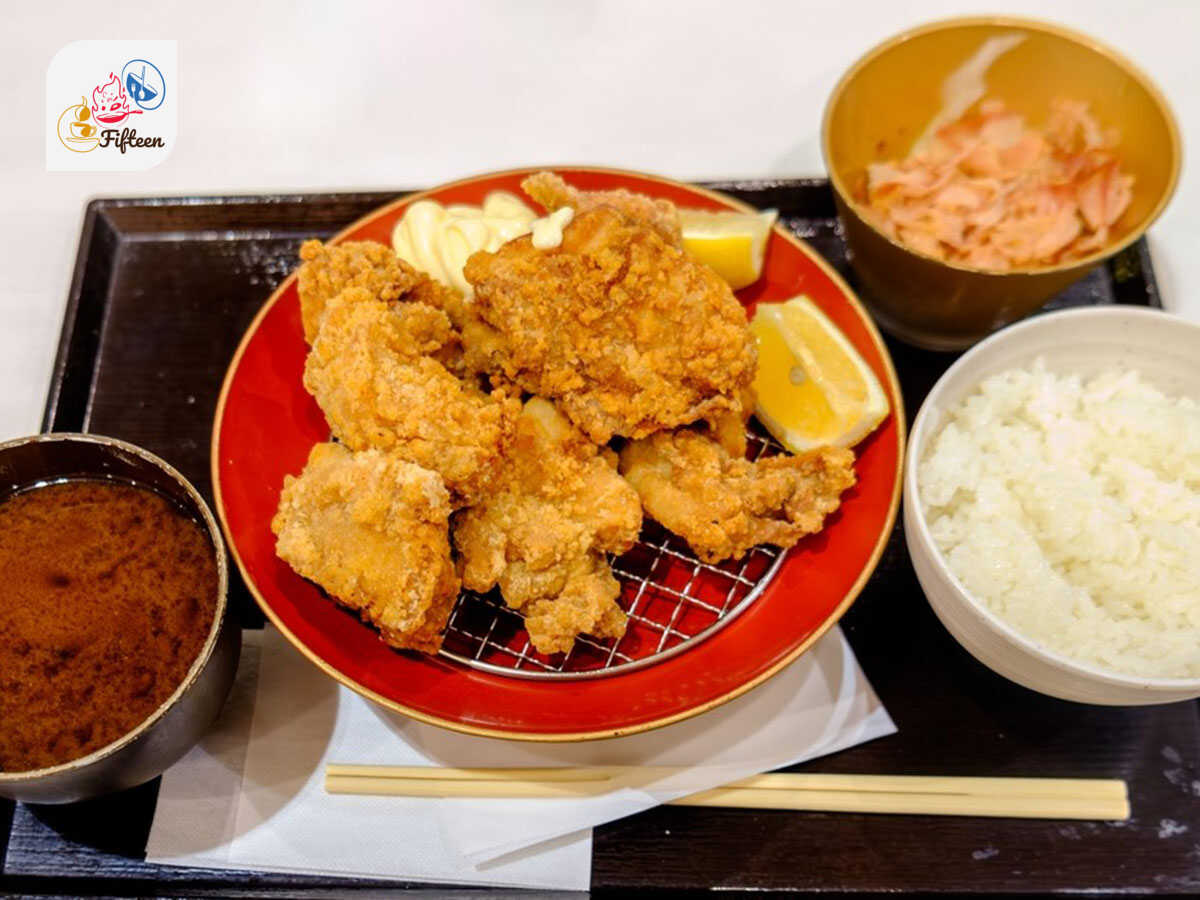
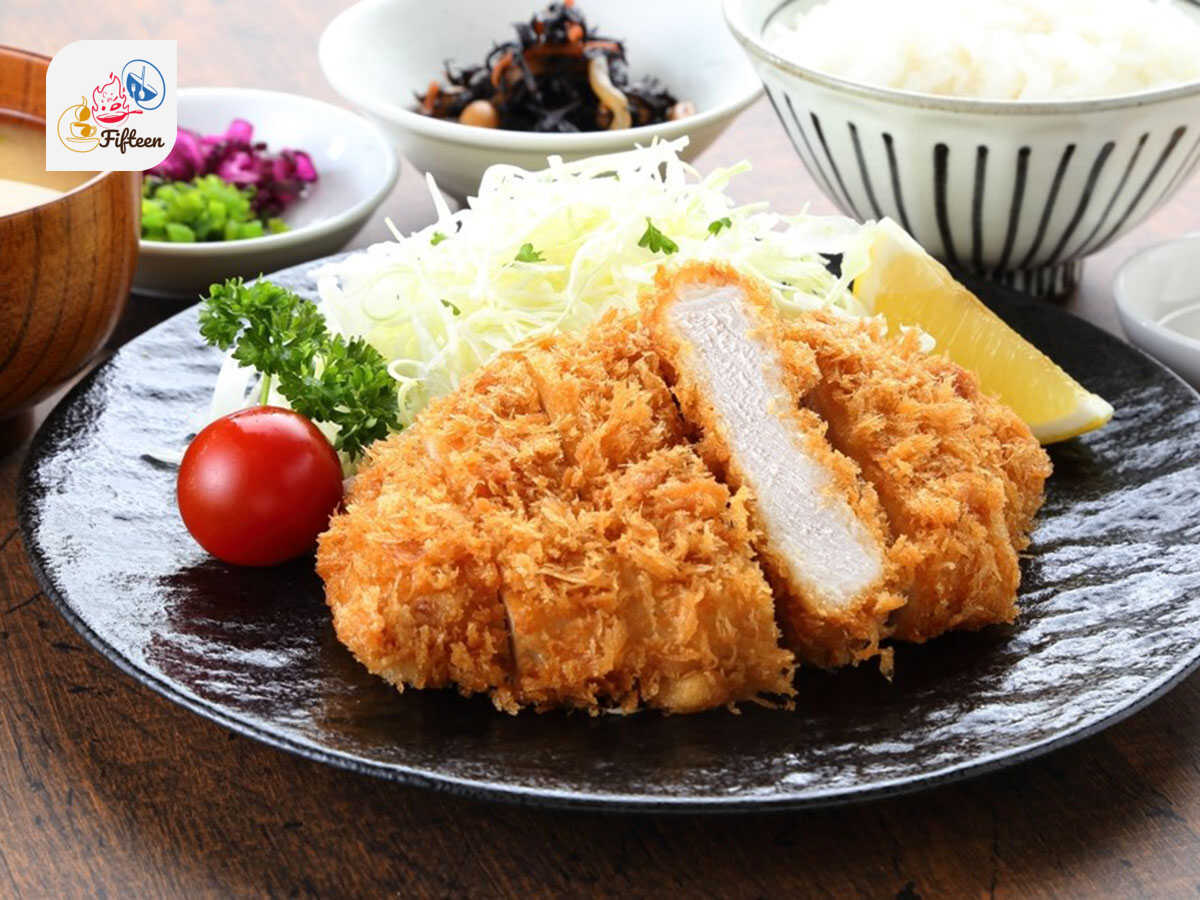
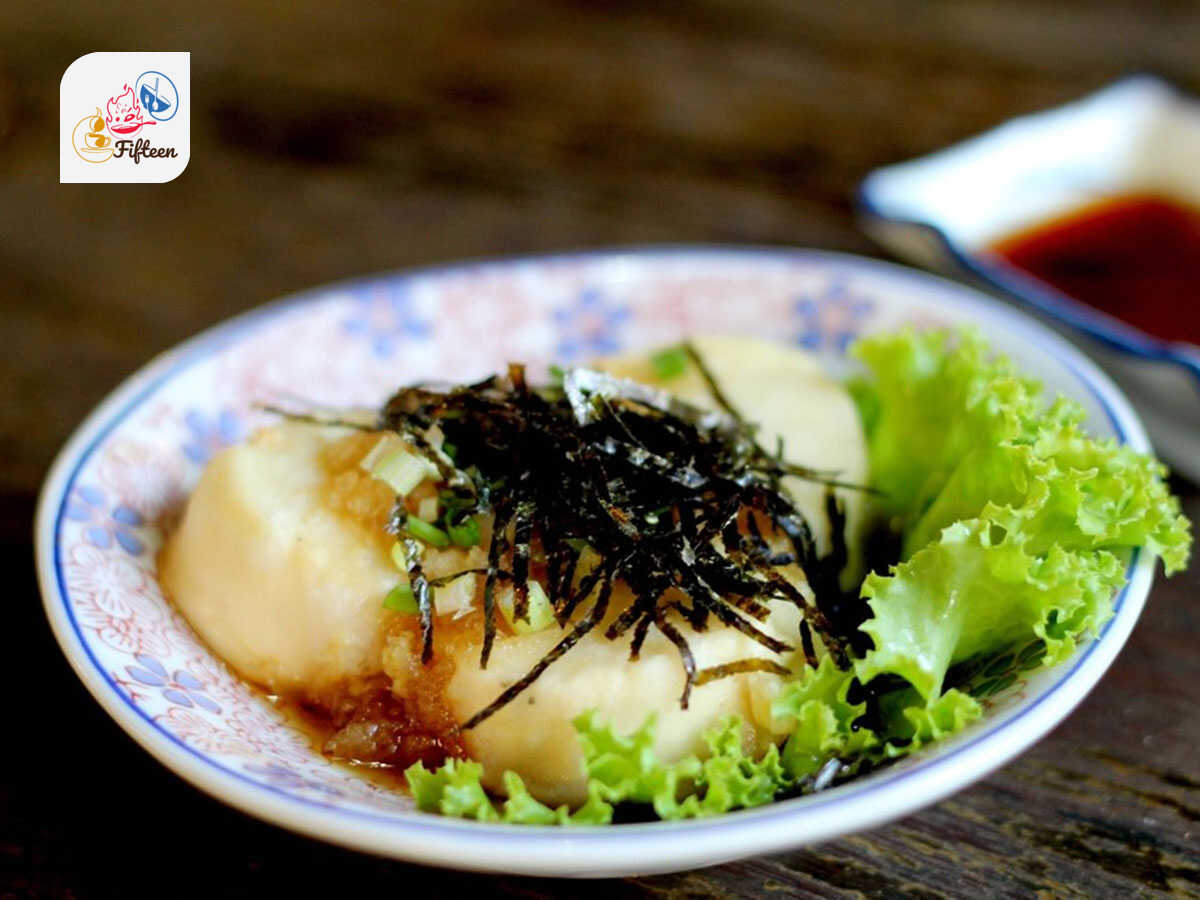
Fried Dishes
Japanese fried dishes are known for their light, crispy batter and the skillful technique with which they are prepared.
These dishes often feature seafood or vegetables in tempura, and marinated chicken in karaage, showcasing a perfect balance of crunch and flavor.
-
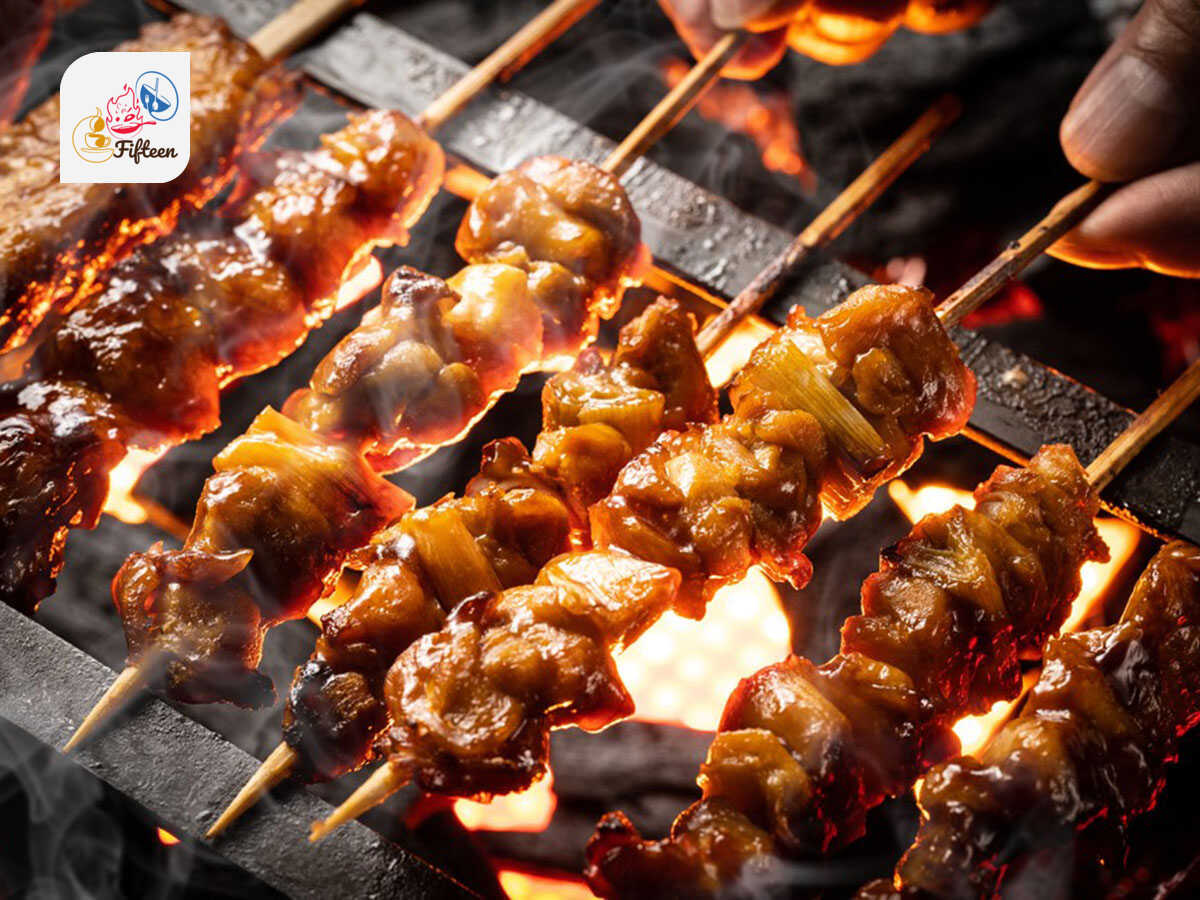
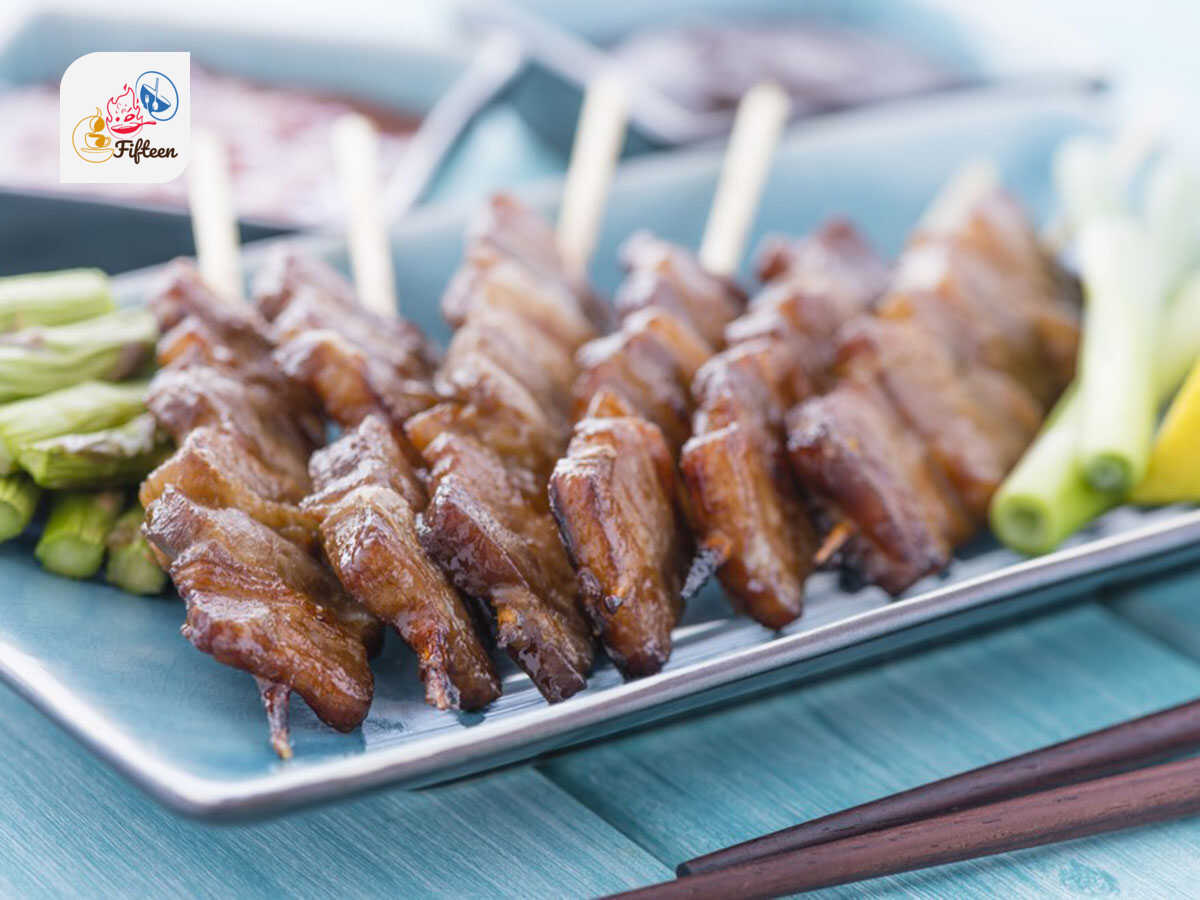
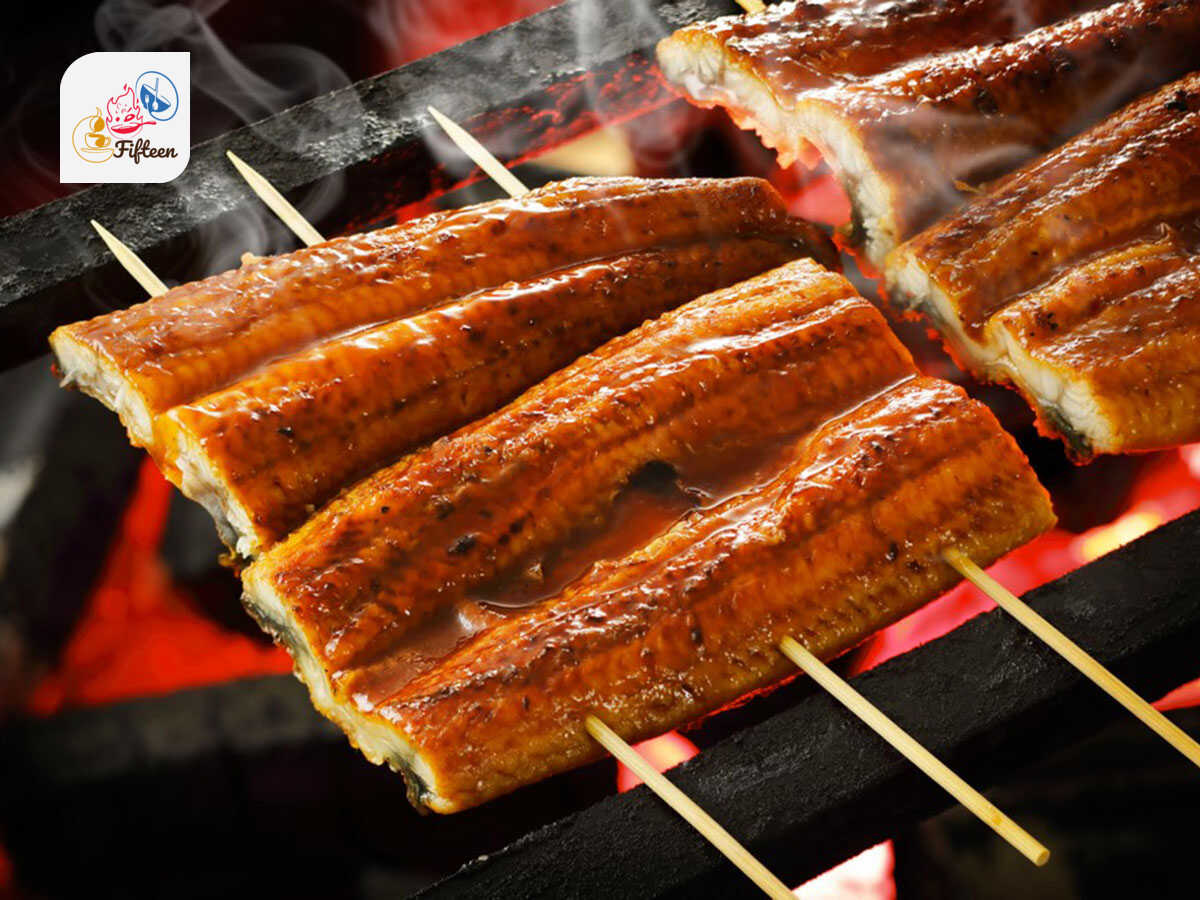
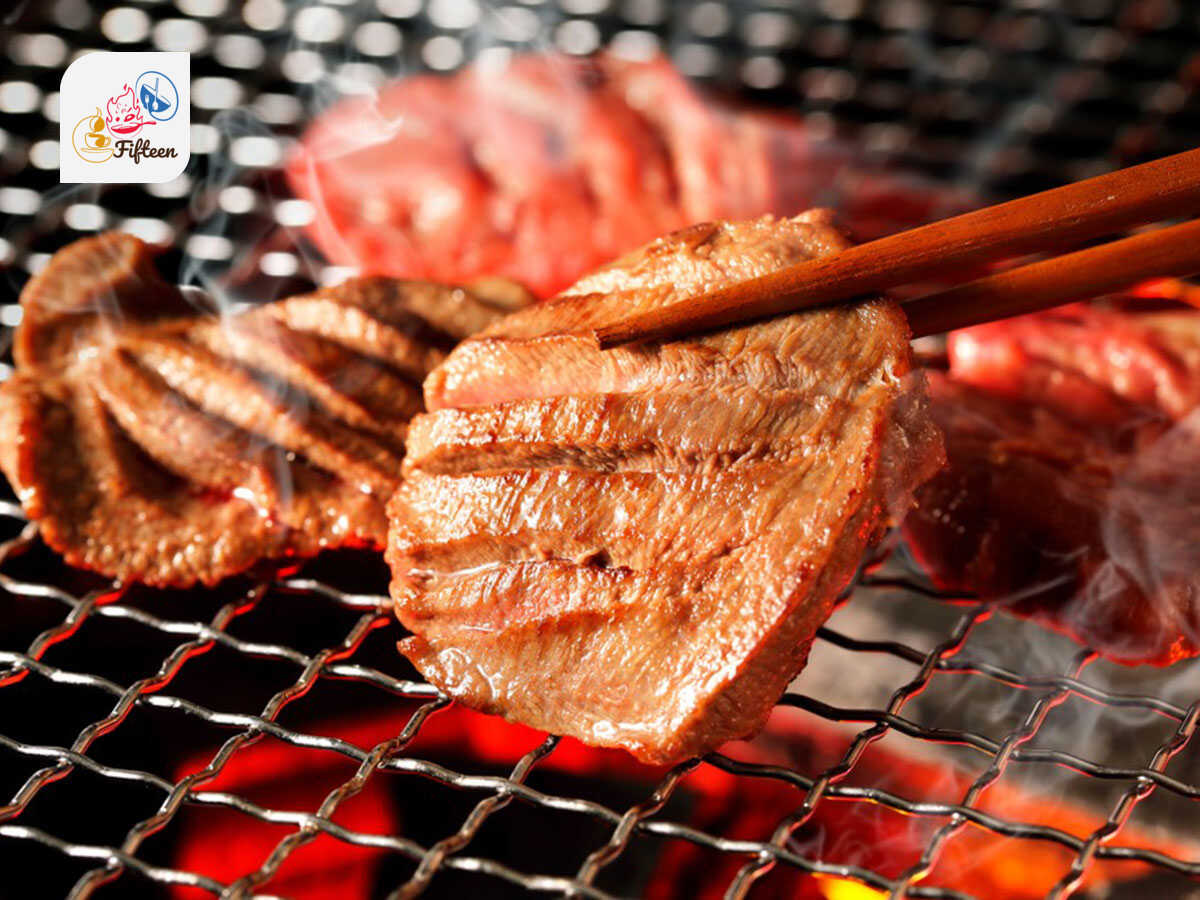
Grilled and Barbecued Dishes
Grilled dishes are popular in Japanese cuisine. These dishes are often seasoned with a blend of soy sauce, mirin, and sugar.
They provide a distinctive sweet and savory flavor, and are typically enjoyed with a bowl of rice or as part of a larger meal.
-
Raw dishes
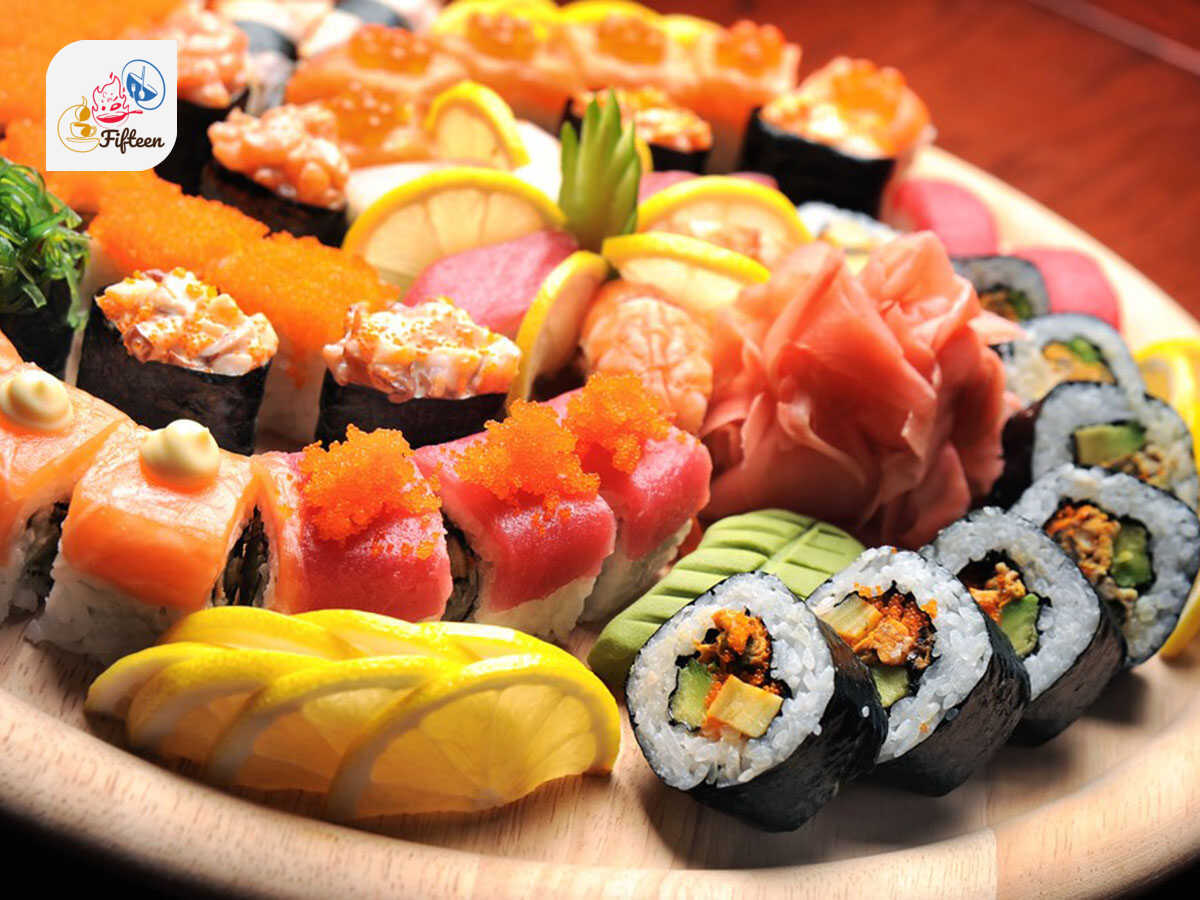
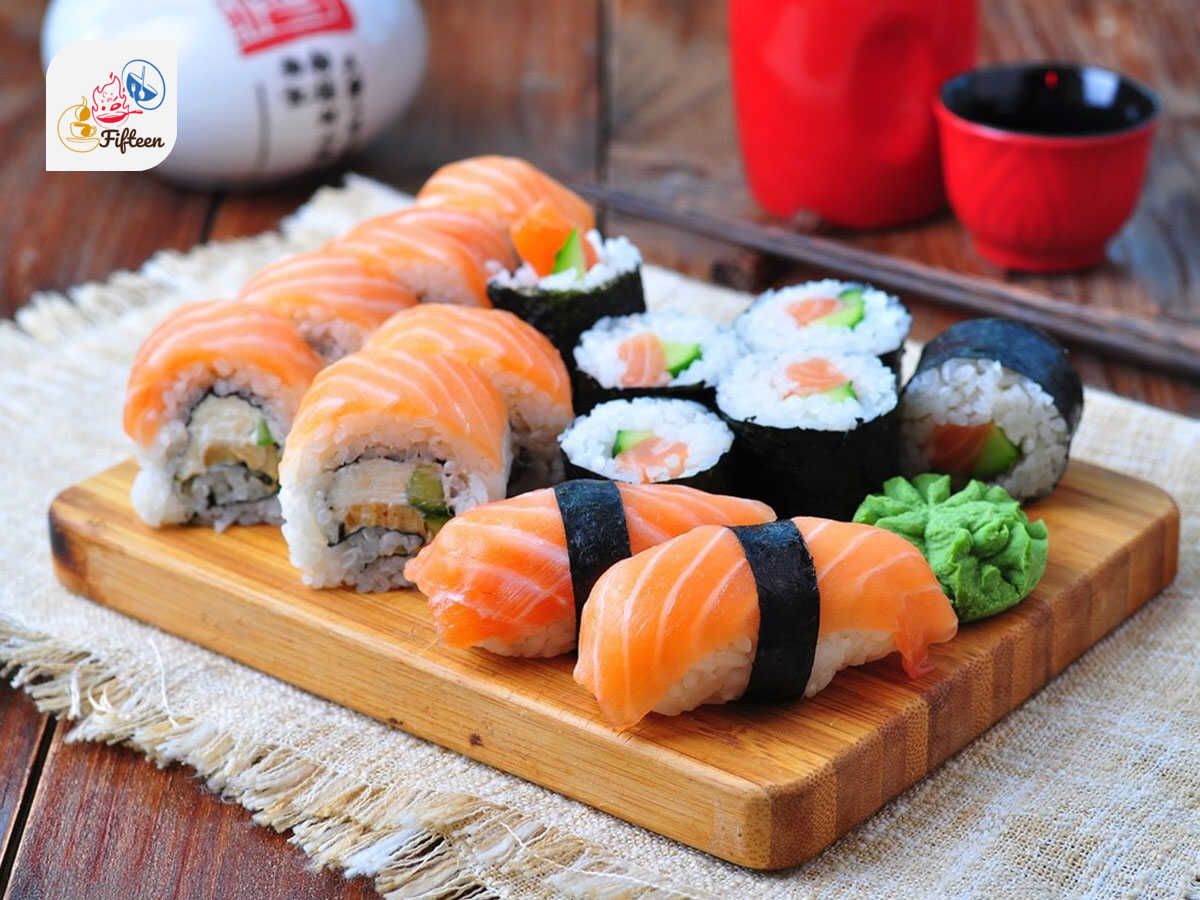
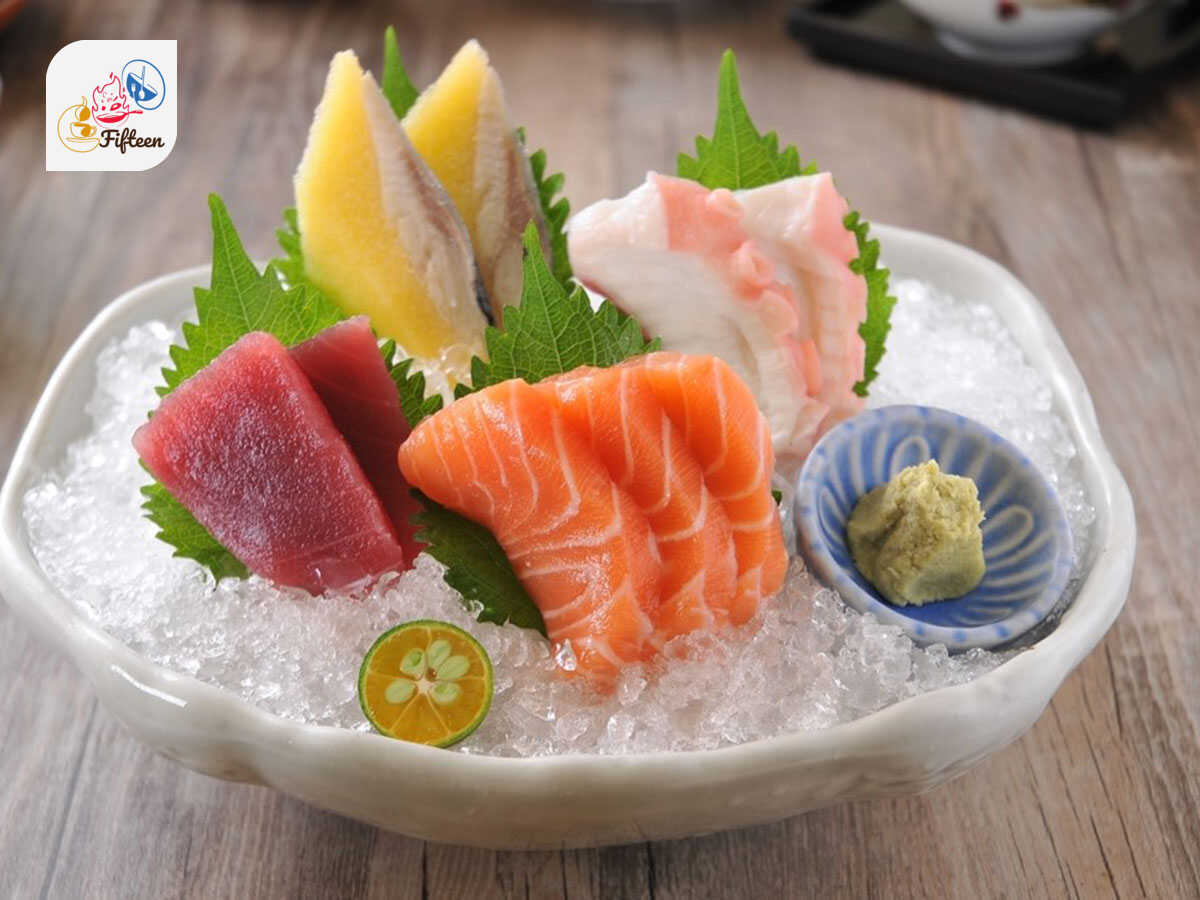
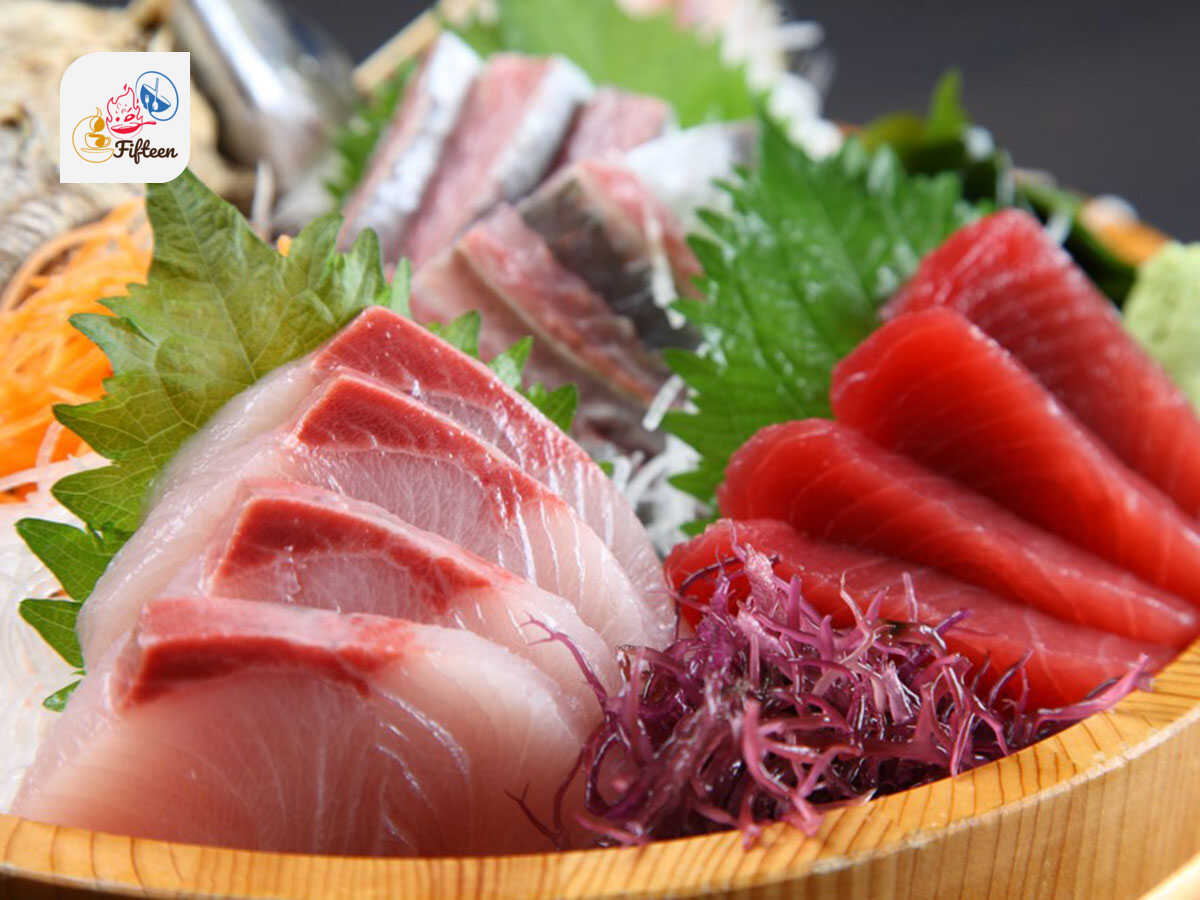
Raw dishes such as sushi and sashimi are iconic in Japanese cuisine.
These dishes celebrate the freshness and quality of ingredients, particularly seafood.
Expertly sliced and presented, they are often enjoyed with soy sauce, wasabi, and pickled ginger.
-
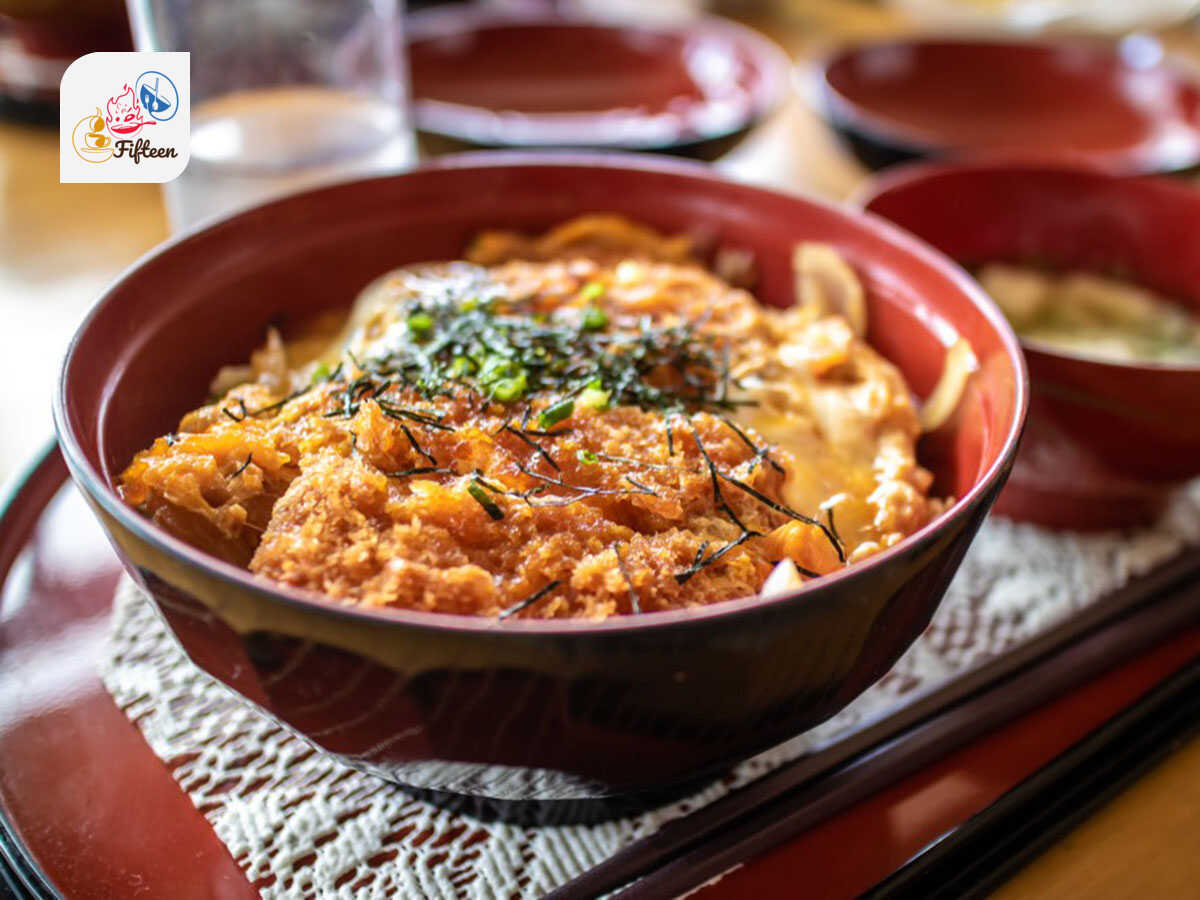
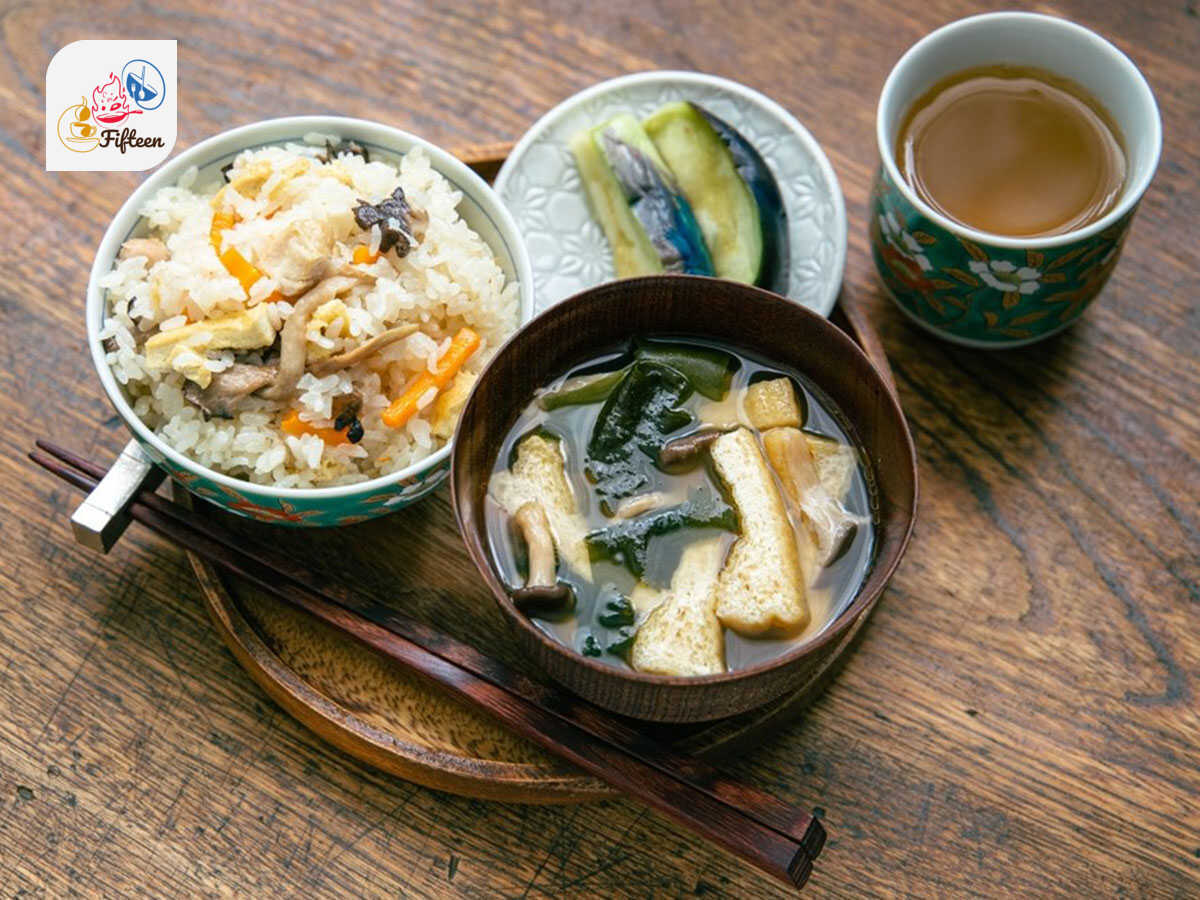
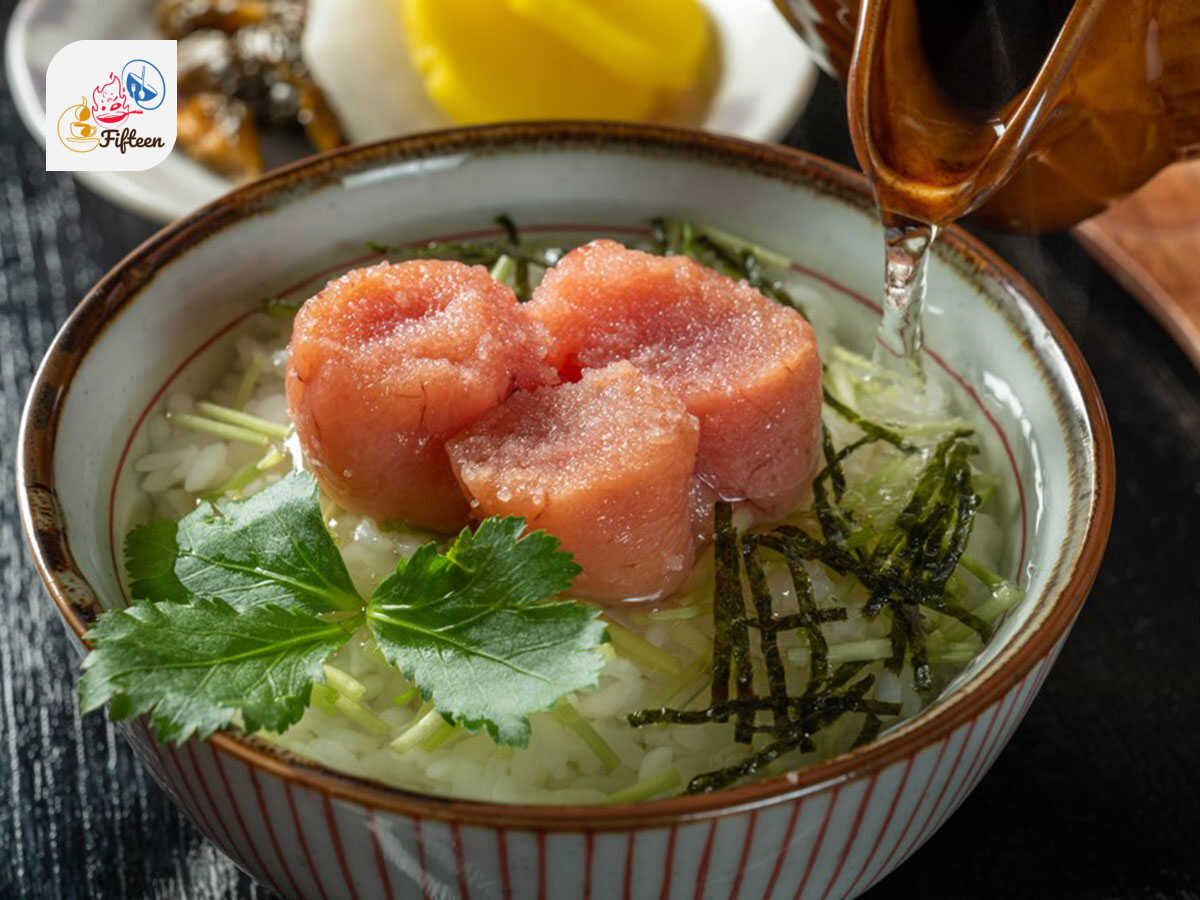
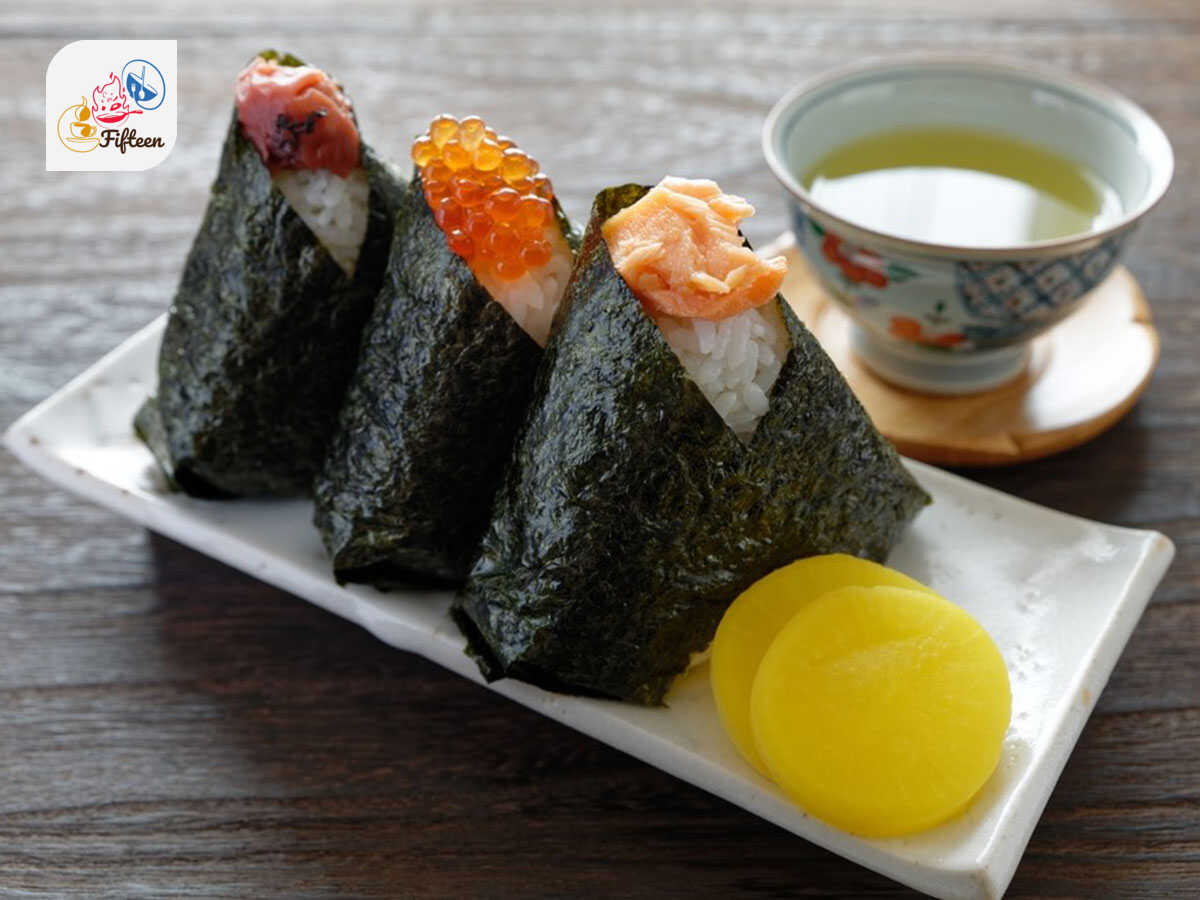
Rice Dishes
Rice is a staple in Japanese cuisine, with dishes like donburi (rice bowl) and sushi being central to everyday eating.
These dishes can range from simple steamed rice to more complex preparations featuring a variety of toppings and flavors.
They are often accompanied by pickles or soup.
-
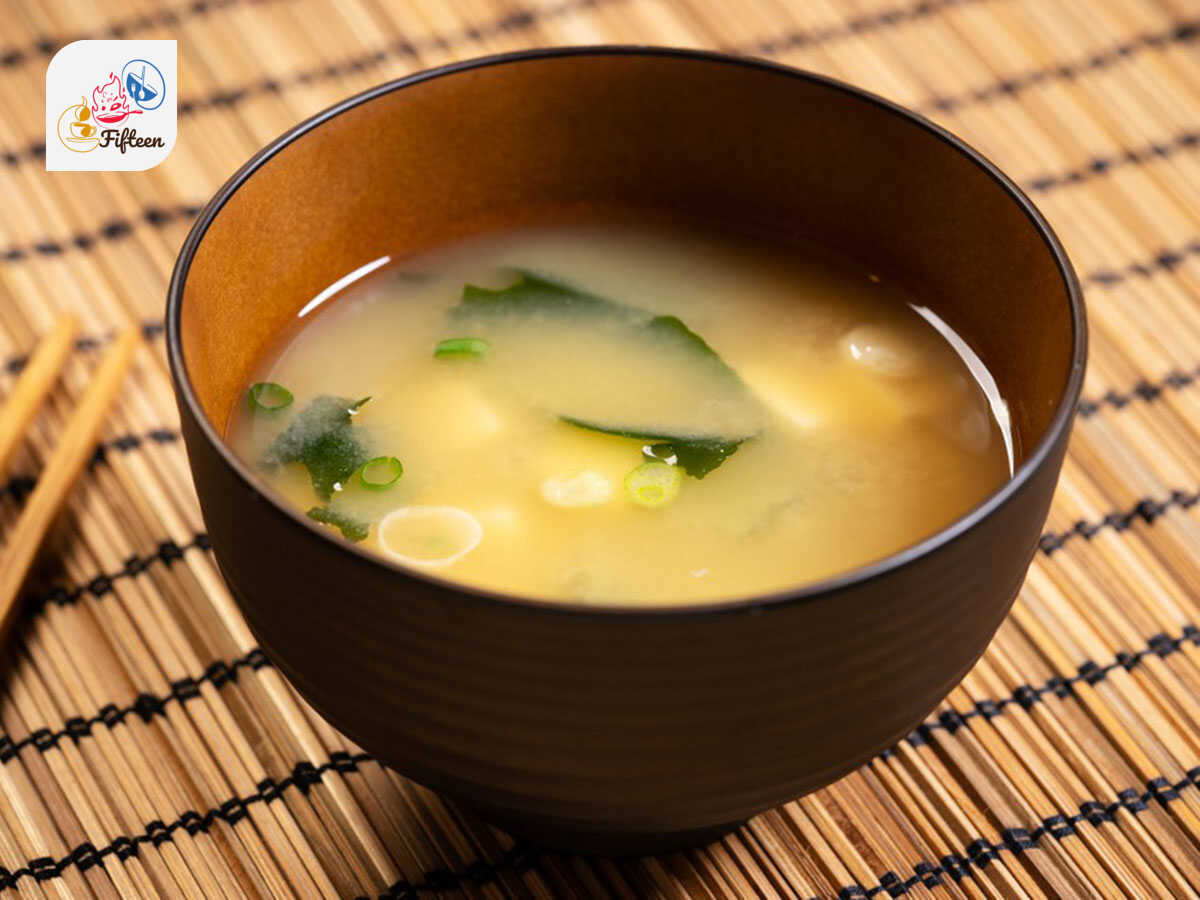
Soups
Japanese soups are integral to a traditional meal.
These soups vary from light and brothy to more substantial and hearty, often containing ingredients like tofu, seaweed, and vegetables.
-
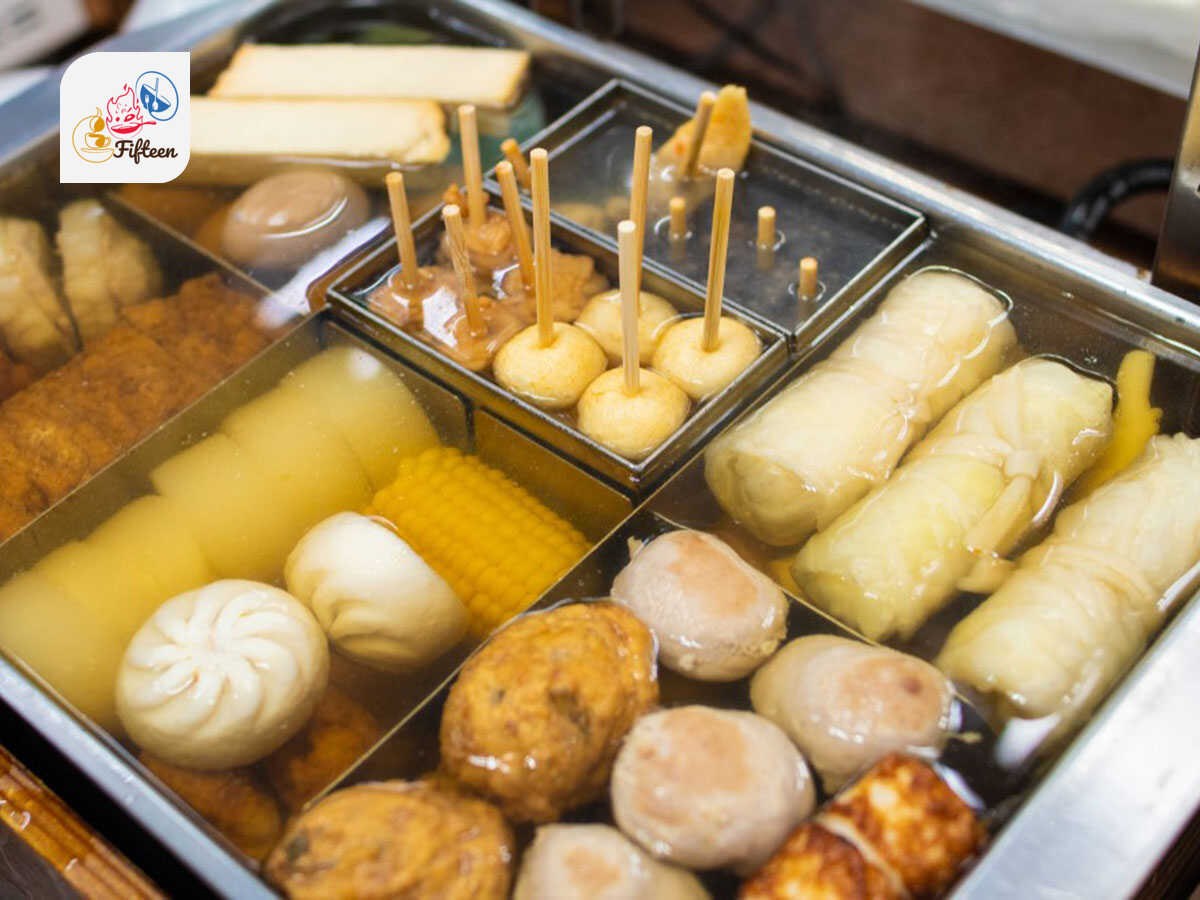
Boiled Dishes
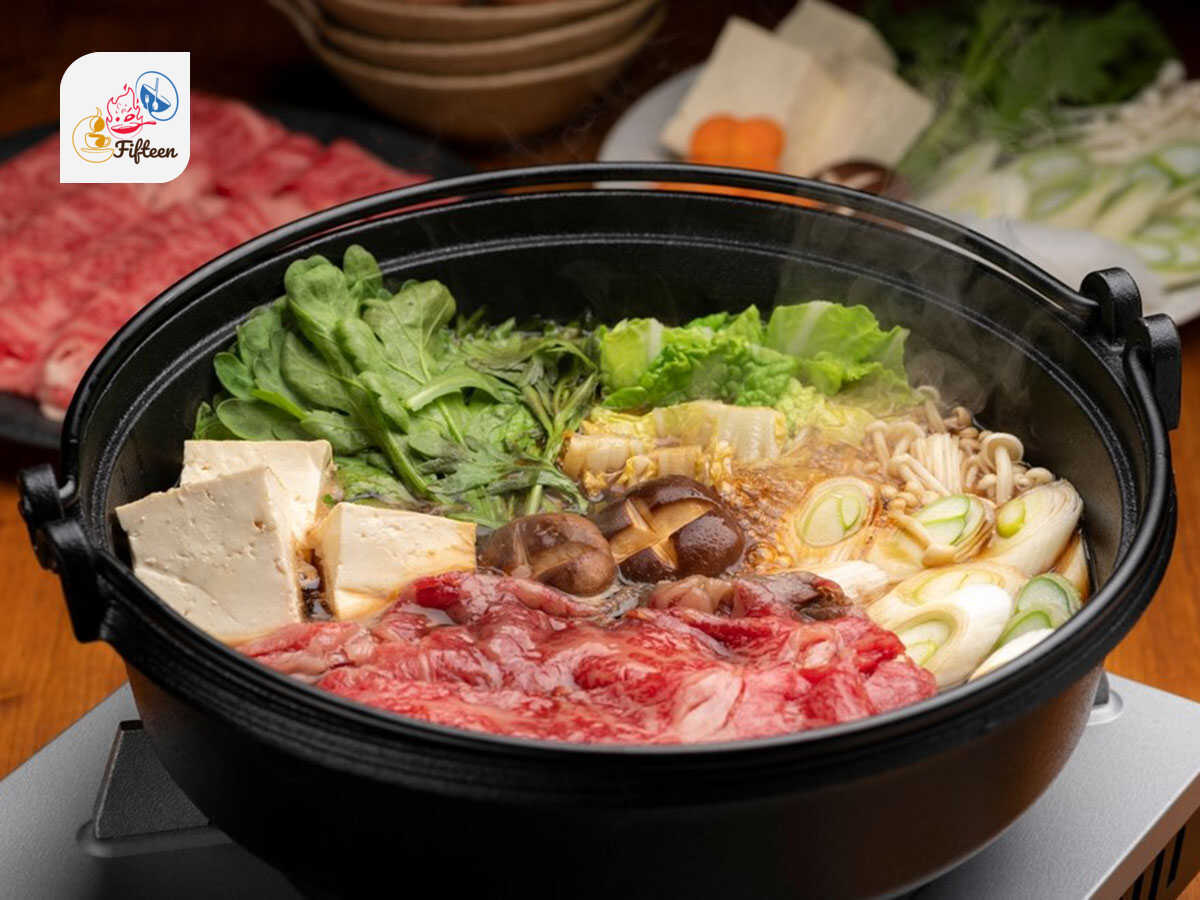
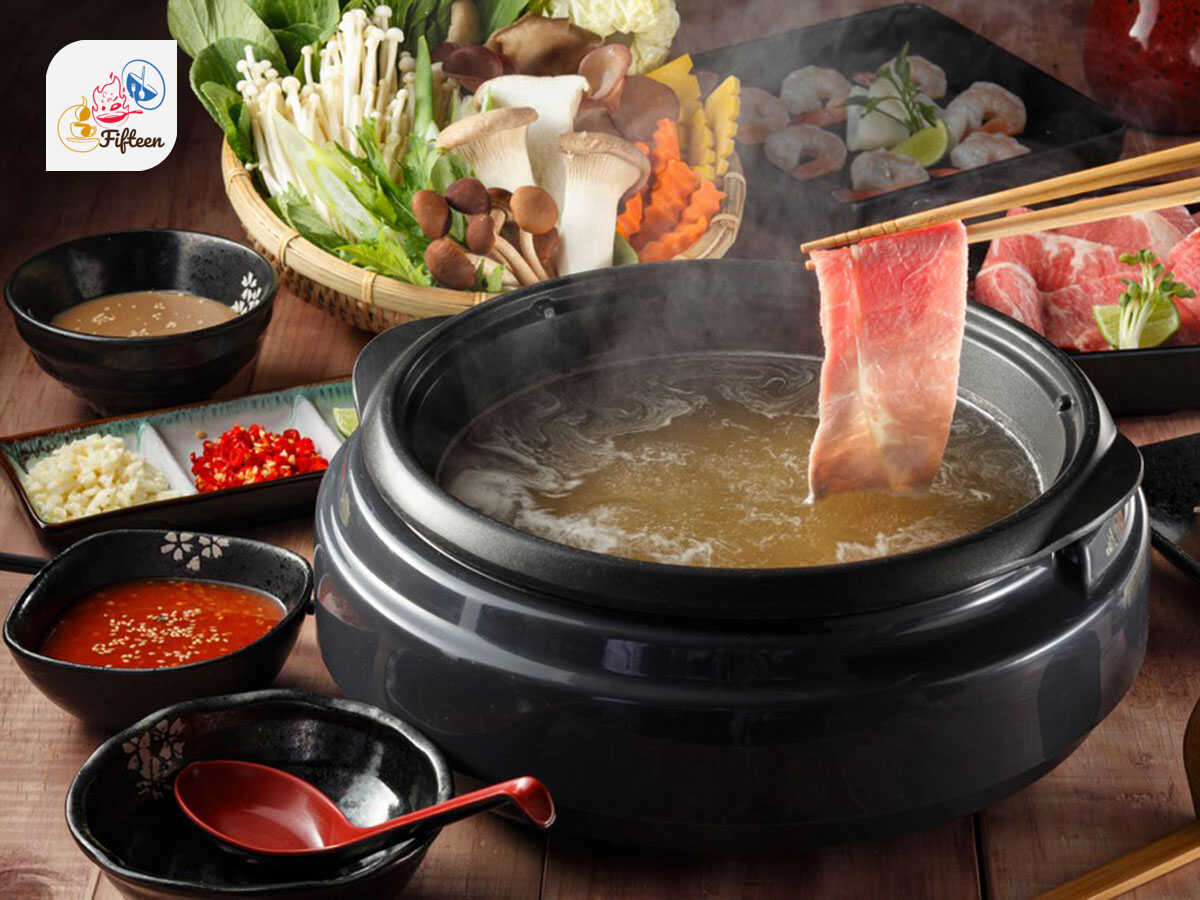
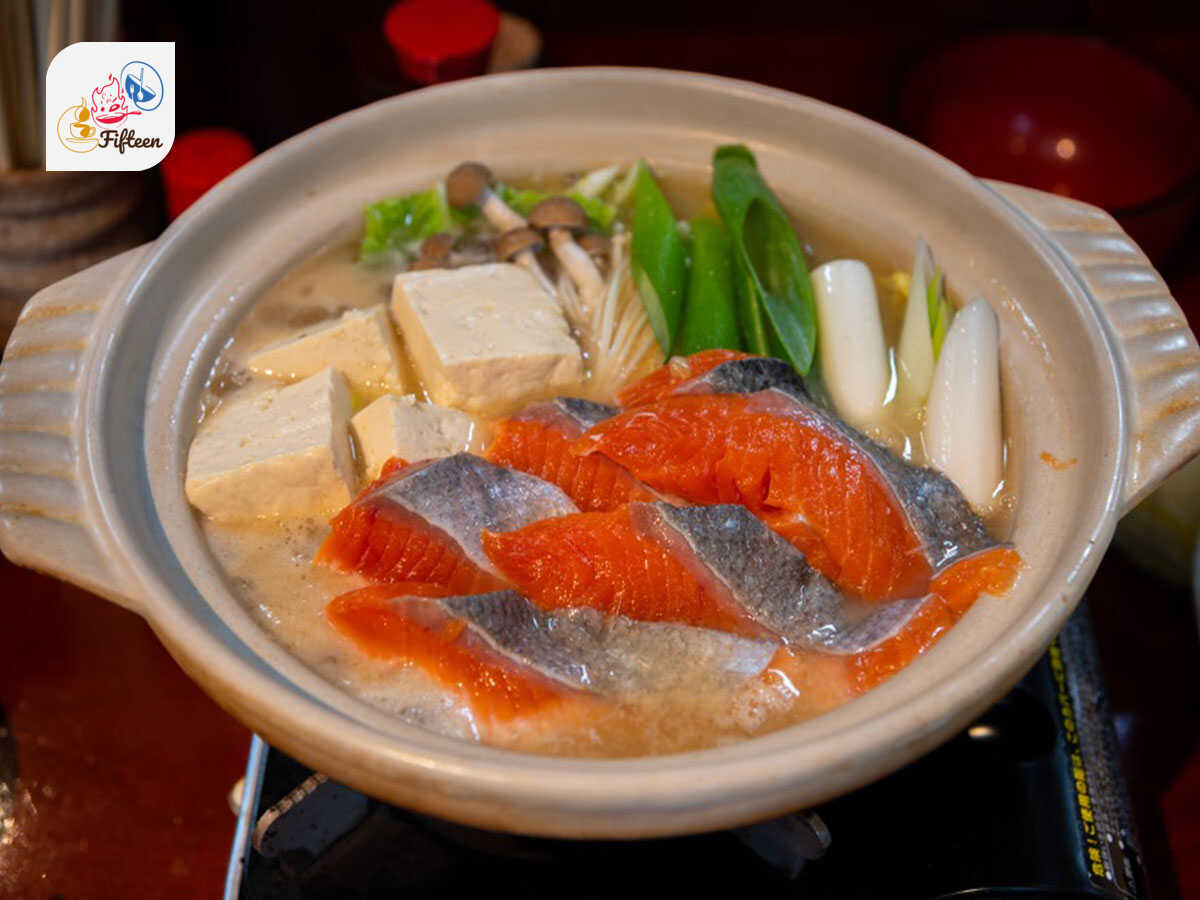
Boiled dishes such as oden (a winter stew) and sukiyaki are comforting and rich in flavor.
These dishes often include a variety of ingredients like fish cakes, tofu, and vegetables.
These dishes are usually simmered in a tasty broth, perfect for sharing and enjoyed during colder months.
-
Steamed Dishes
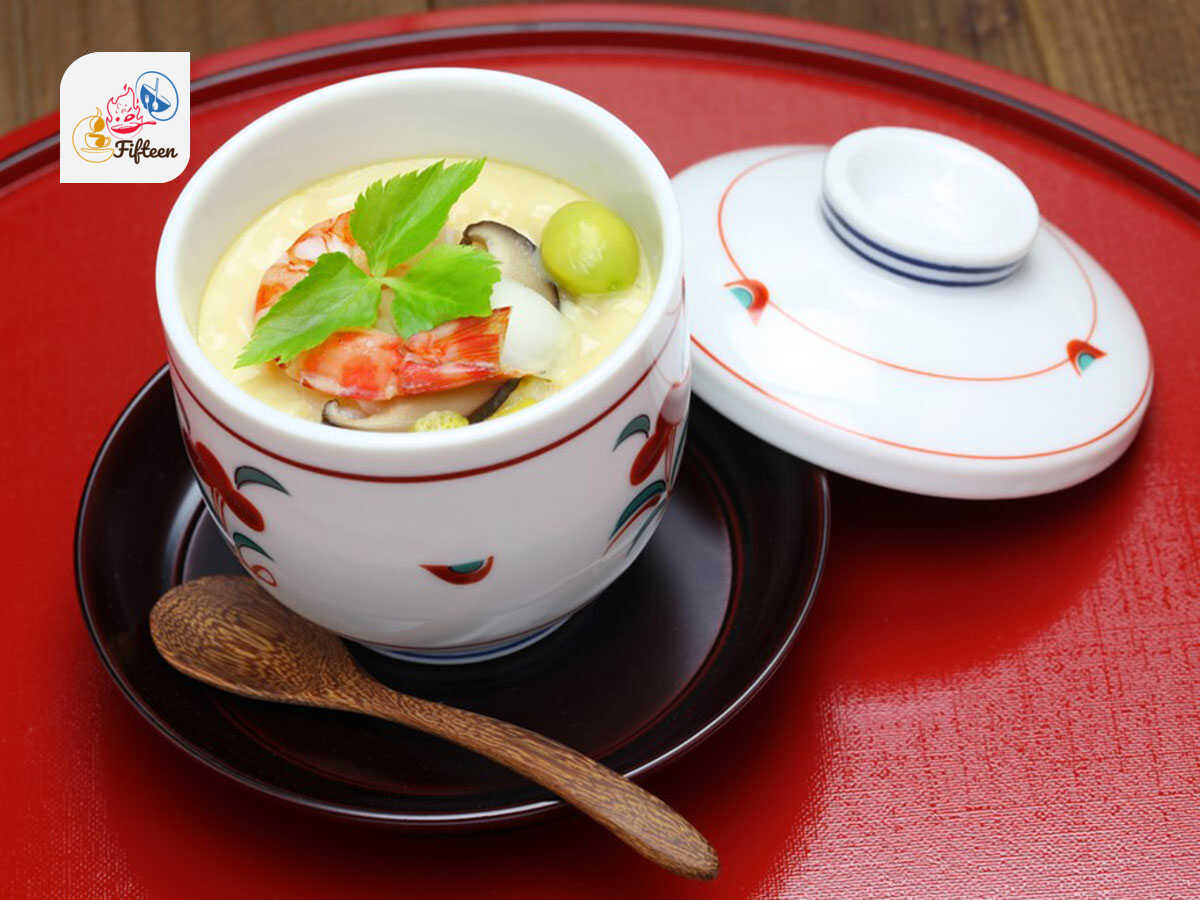
Steaming is a popular cooking method in Japanese cuisine, resulting in dishes that are healthy and flavorful.
Steamed dishes like chawanmushi and various dumplings are delicate and often served as appetizers or part of a multi-course meal.
-
Snacks
Japanese snacks range from savory to sweet, often reflecting local ingredients and flavors.
These snacks are widely enjoyed for their convenience and diverse flavors.
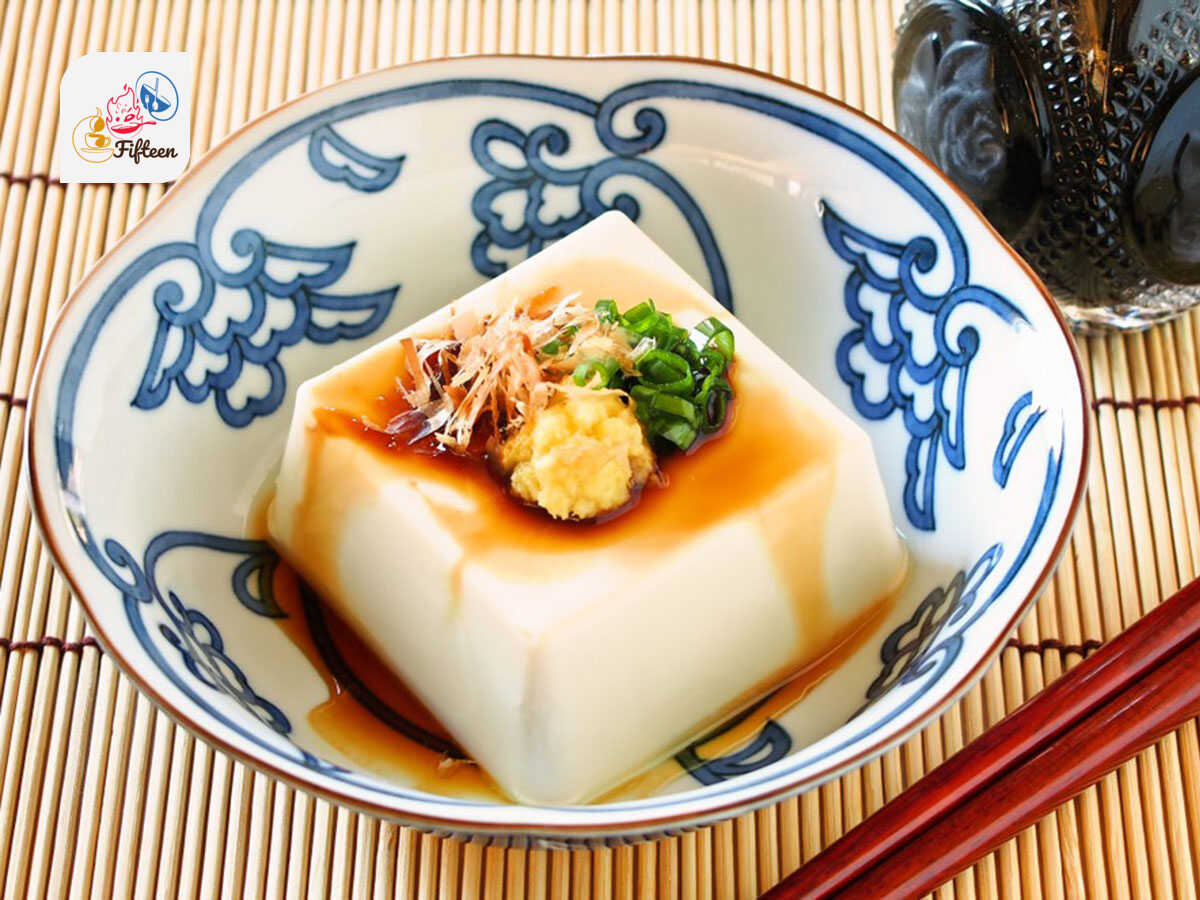
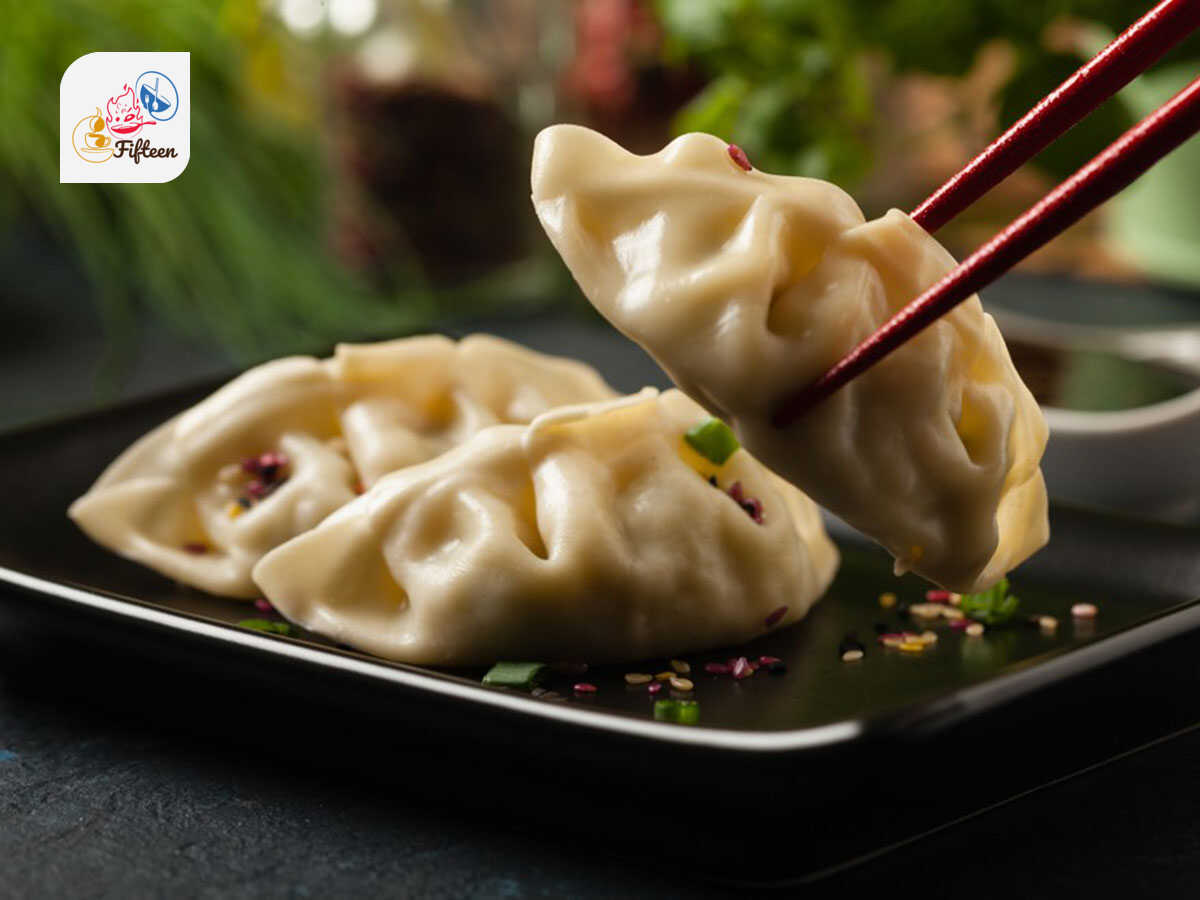
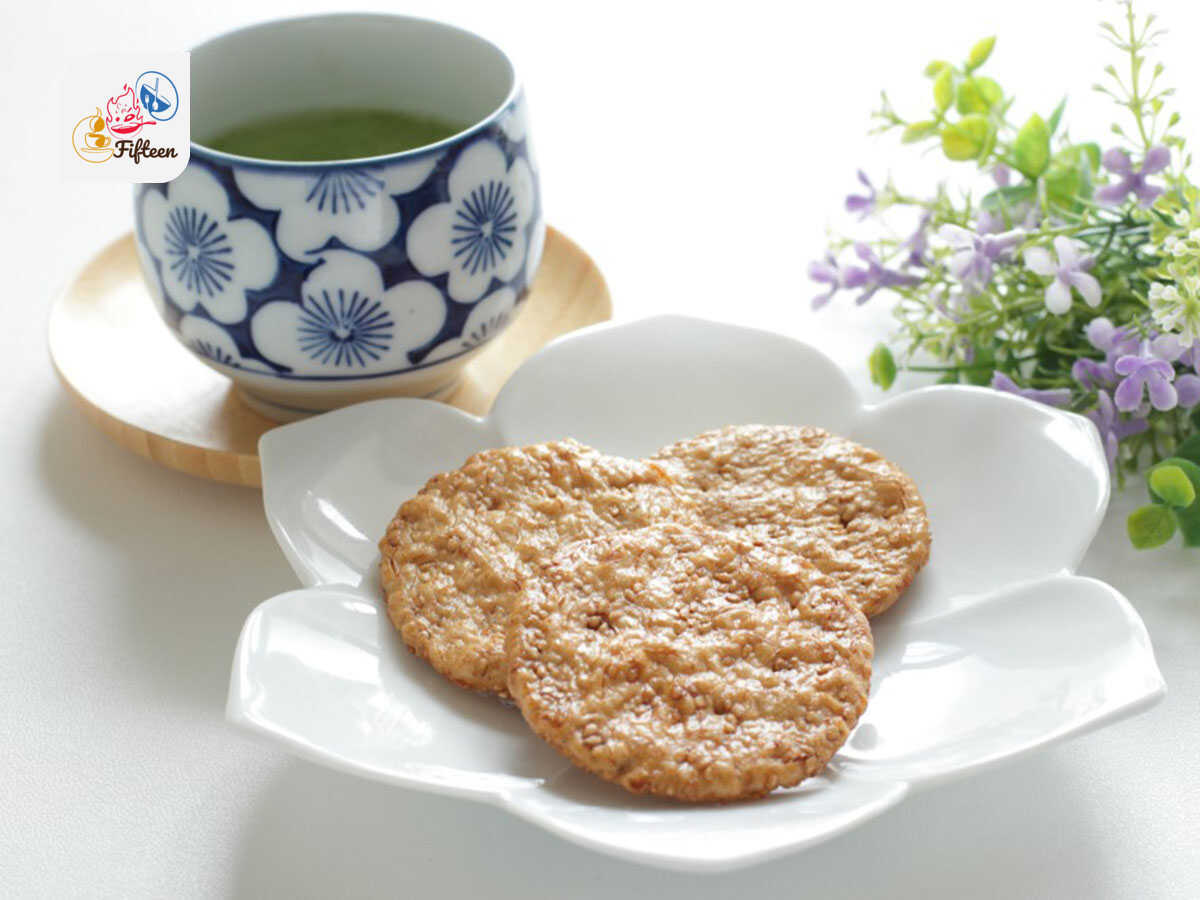
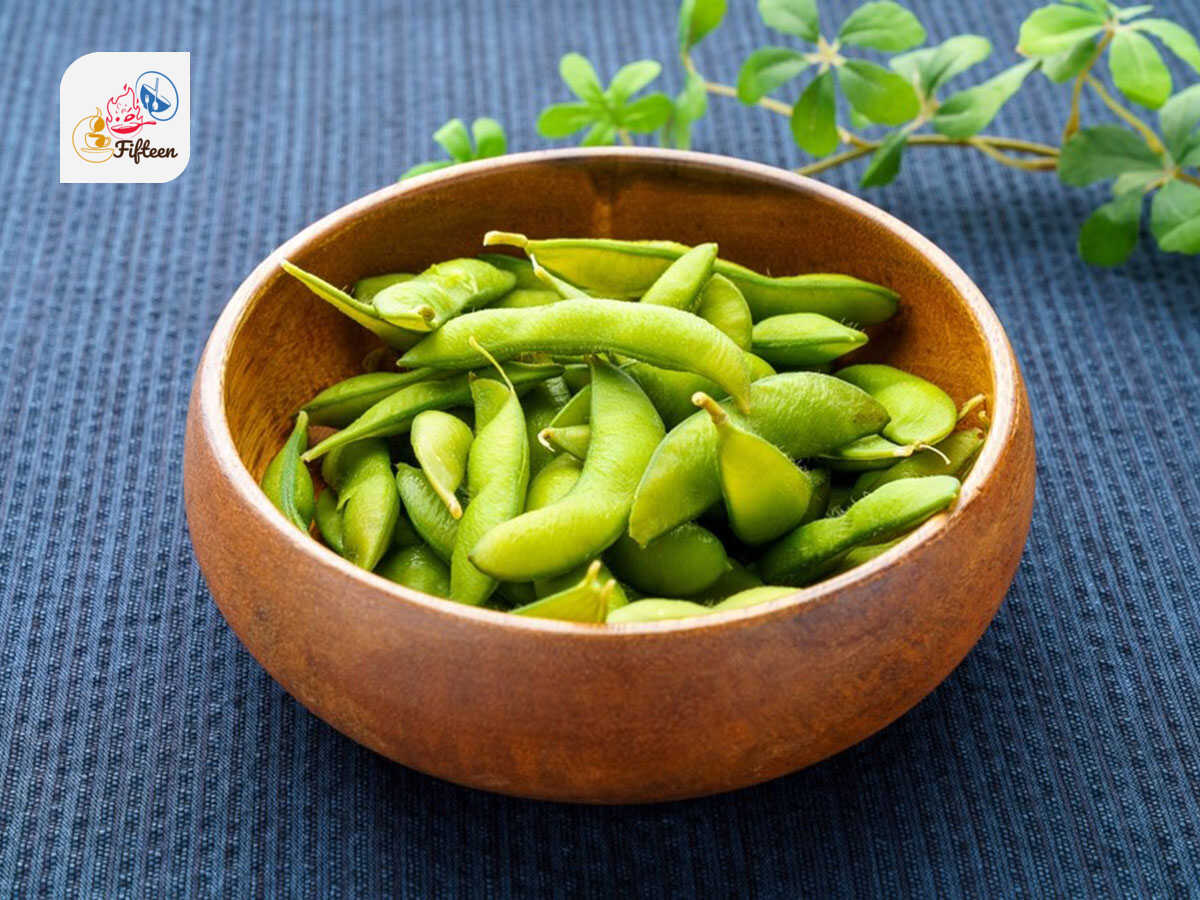
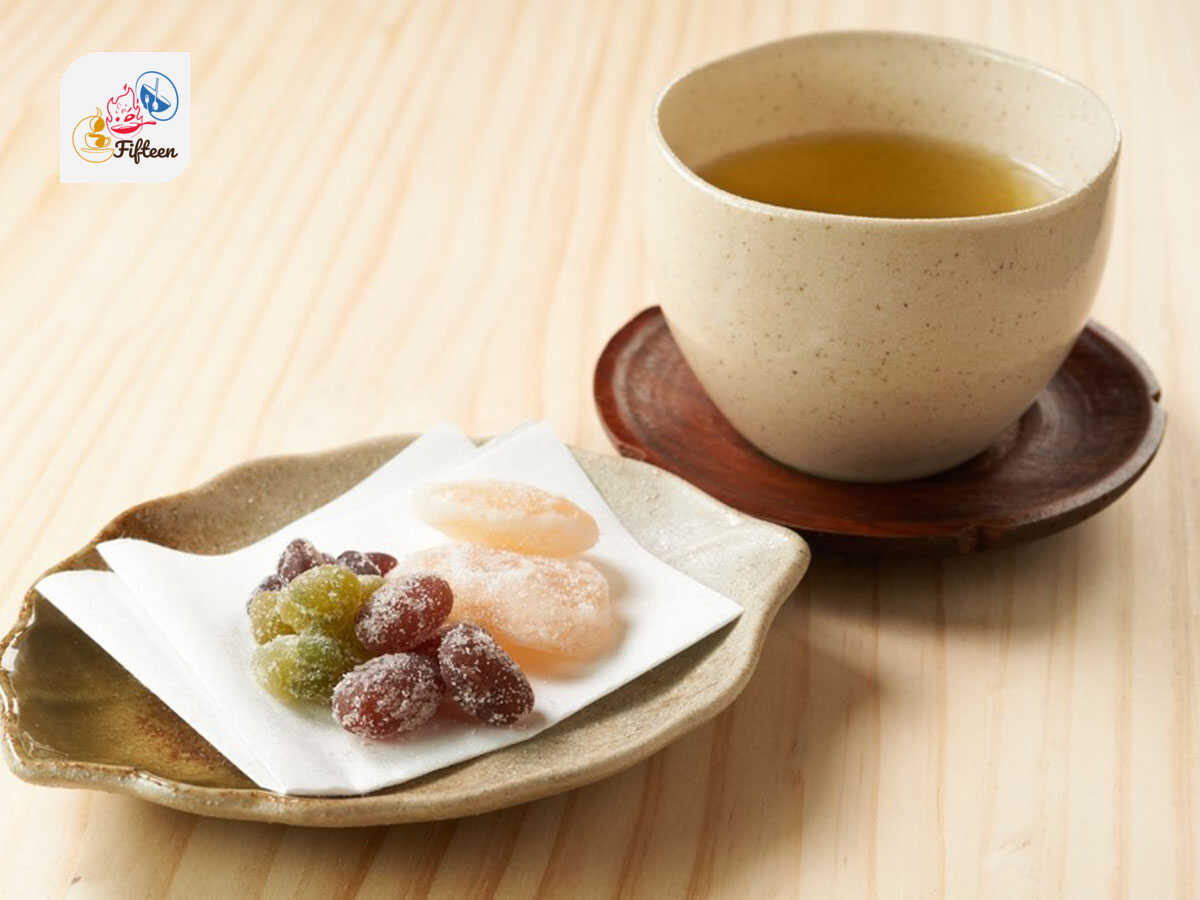
Japanese dishes are common dishes that are widely savored in Japan, an island country in East Asia.
Most of these dishes developed through years of political, economic, and social changes. Some have been around for centuries, while others appeared later, from the 1800-1900s.
However, these late-born dishes, such as karaage, have been widely recognized and enjoyed throughout Japan. Given their widespread popularity, many have agreed these late-comers are part of Japanese cuisine.
Still, no matter coming sooner or later, these dishes have helped create “washoku”, the traditional Japanese cooking. Washoku often comes with a base of cooked rice, miso soup, and other dishes made with seasonal ingredients.
Within each dish in this comprehensive list, you’ll discover its main ingredients, cooking methods, and varieties.
Besides, I’ve also answered many questions, like how traditional cuisine of this East Asian country became famous and which dishes the locals eat on New Year.
Afterward is a list of famous drinks to pair with these Japanese dishes. Next, I’ll walk you through the global influence of Japanese cuisine, especially in China and Korea. When finished, you’ll get to know which food is avoided in this island nation.
52 Most Popular Japanese Dishes with Filters
Discover the top 52 Japanese dishes listed by popularity below. Feel free to use advanced filters like alphabetical sorting, main ingredients, taste, cooking methods, dish types, courses, and global prevalence for easy navigation.
Moreover, for a more customized search, you have the option to filter the list based on specific culinary styles such as the most popular, national, traditional, street food, exotic and fusion options.
What Makes Japanese Dishes Special?
The uniqueness of Japanese dishes can be attributed to its rich history, seasonal ingredients, regional specialties, cooking techniques, aesthetic presentation, deep-rooted dining etiquettes, and special celebration dishes.
For example, they have kaiseki (a Japanese multi-course meal) for celebrations. Or there is osechi or osechi-ryori, a term referring to all traditional Japanese foods during the New Year holiday.
Which Dishes Do Japanese Eat on New Year’s?
Here are 3 traditional foods consumed during the New Year celebration in Japan:
Besides creating a wonderful New Year’s feast, these different kinds of dishes often pair with beverages to create an ultimate dining experience.
Which Japanese Beverages to Pair with Japanese Dishes?
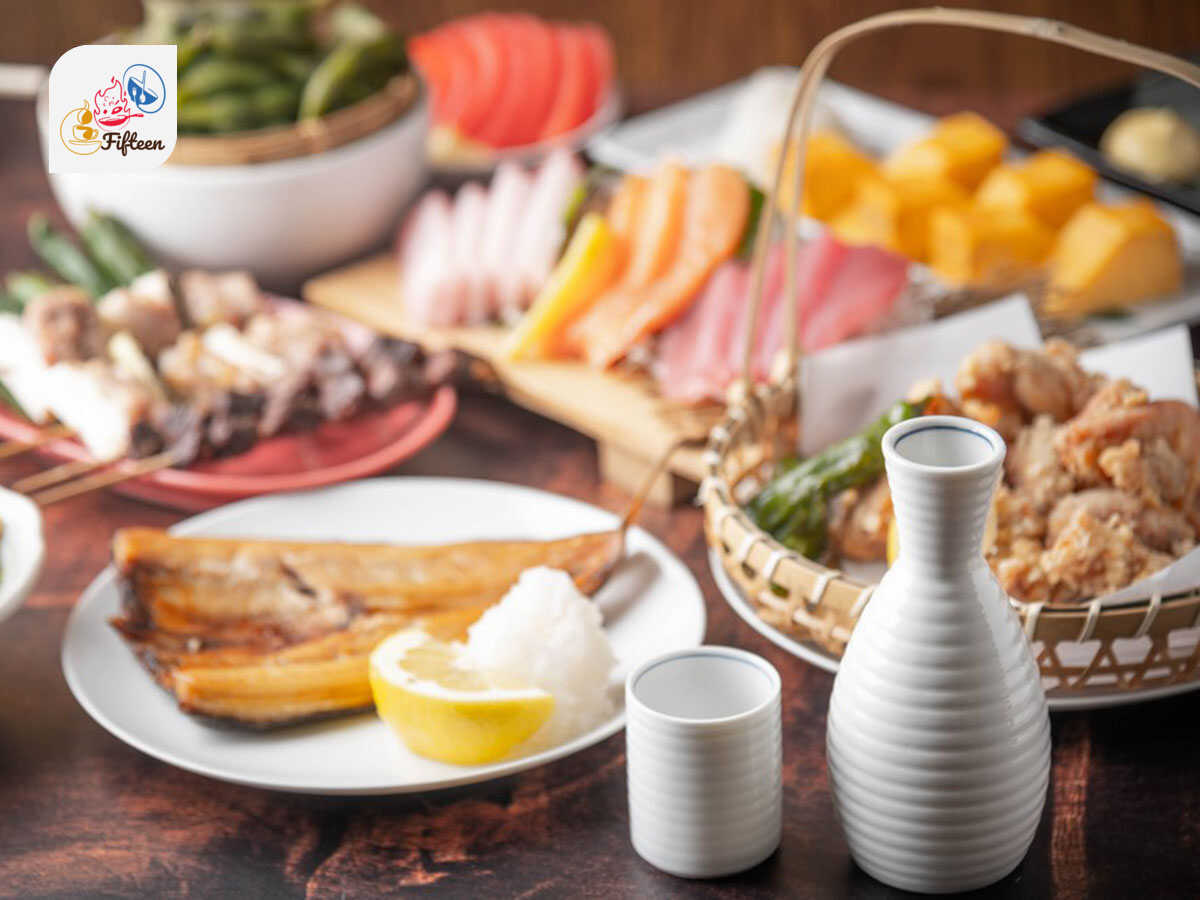
In Japan, there are various beverages to enjoy with Japanese dishes. And here are the most common beverages:
Today, these flavorful Japanese drinks are also well-loved in other countries, reflecting the effect of traditional Japanese dishes on global cuisine, especially China.
How Do Traditional Japanese and Chinese Cuisine Influence Each Other?
Chinese culture significantly influenced early Japanese cuisine, introducing rice to Japan around 300 BC and impacting eating habits through Chinese Buddhism.
Over time, this influence became reciprocal, with Japanese innovations like sushi, particularly makizushi, being adopted in Chinese dim sum restaurants and Japan’s unique ramen cooking methods influencing Chinese noodle dishes in terms of broth flavors and toppings.
While the discussion between the collection of Chinese dishes and Japanese foods is the most well-known, China isn’t the only country affected by Japanese cuisine. Other Asian countries, like Korea, also have the same experience.
How Do Traditional Japanese and Korean Cuisine Influence Each Other?
Japanese influences are evident in Korean cuisine, particularly in seafood, rice dishes, and pickles, with similar practices observed in both cultures due to their coastal geographies.
Common techniques include fermenting, pickling, and grilling. Japan’s sushi and sashimi find a parallel in Korea’s hoe (raw fish).
Rice dishes also show similarities, with Japan’s makizushi mirrored by Korea’s kimbap, and Japan’s donburi resembling Korea’s bibimbap. Moreover, since Japan and Korea both experience cold winters, pickling is their favorite method to preserve food.
The battle between tsukemono and kimchi also reflects the similarities and differences between Japanese and Korean signature dishes.
And while Koreans avoid eating some foods like dog meat, the same applies to Japanese people.
What Foods Do Japanese People Not Eat?
Here are foods that Japanese people refrain from eating and the reasons:
While pure traditional Japanese cuisine usually stays away from these ingredients, they are now a part of Japanese meals in fusion forms.
With this Japanese journey, I hope you’ve better understood the essence of traditional Japanese cuisine. As always, I’m eager to hear your thoughts and suggestions on improving my content to provide other exceptional reading experiences.
So, feel free to drop your comments below about Japanese cuisine. Then, like and share this detailed post with other Japanese food lovers.