
Iranian Food Dishes: Basic Overview
Common Ingredients
Common Cooking Methods
Courses
Meals
Key Taste
Eating Etiquette
Meal Presentation
Culinary Festivals
Influence and Fusion
Iranian Food Dishes: Origin and Region
Cuisine
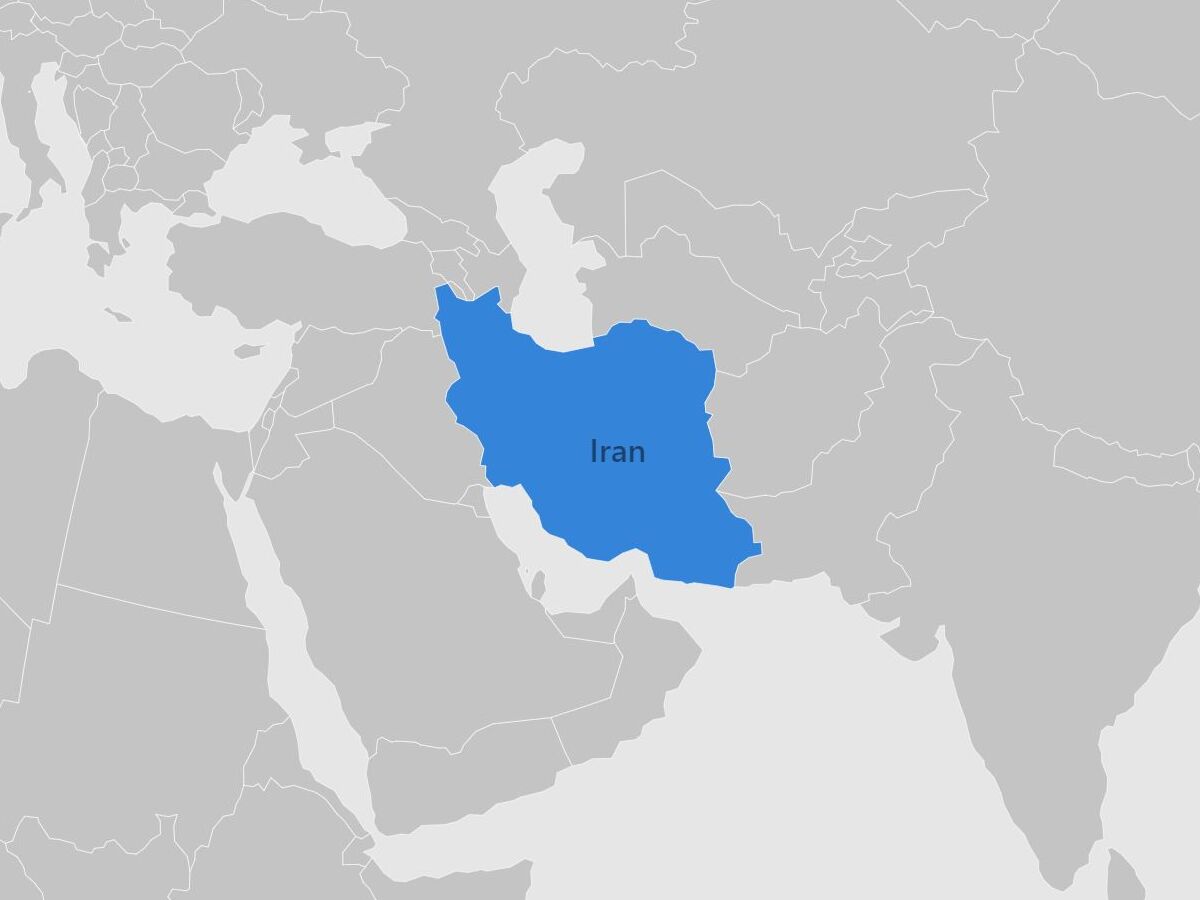
Cuisine’s Geographical Territory
Country’s Region
- Northern Iran (Caspian Region)
- Central Iran (Tehran and Isfahan)
- Southern Iran (Persian Gulf Region)
- Eastern Iran
- Western Iran
Popular Types of Iranian Dishes
-
Rice Dishes
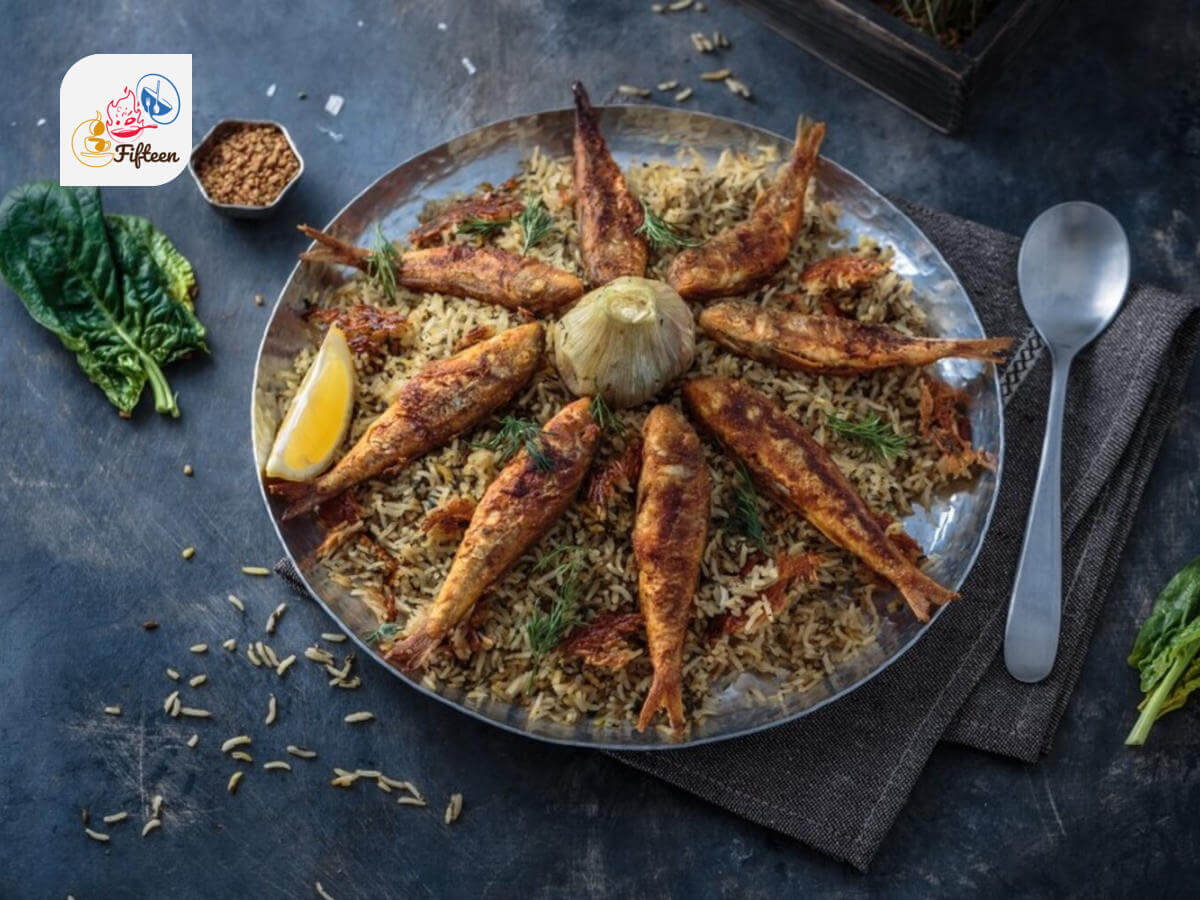
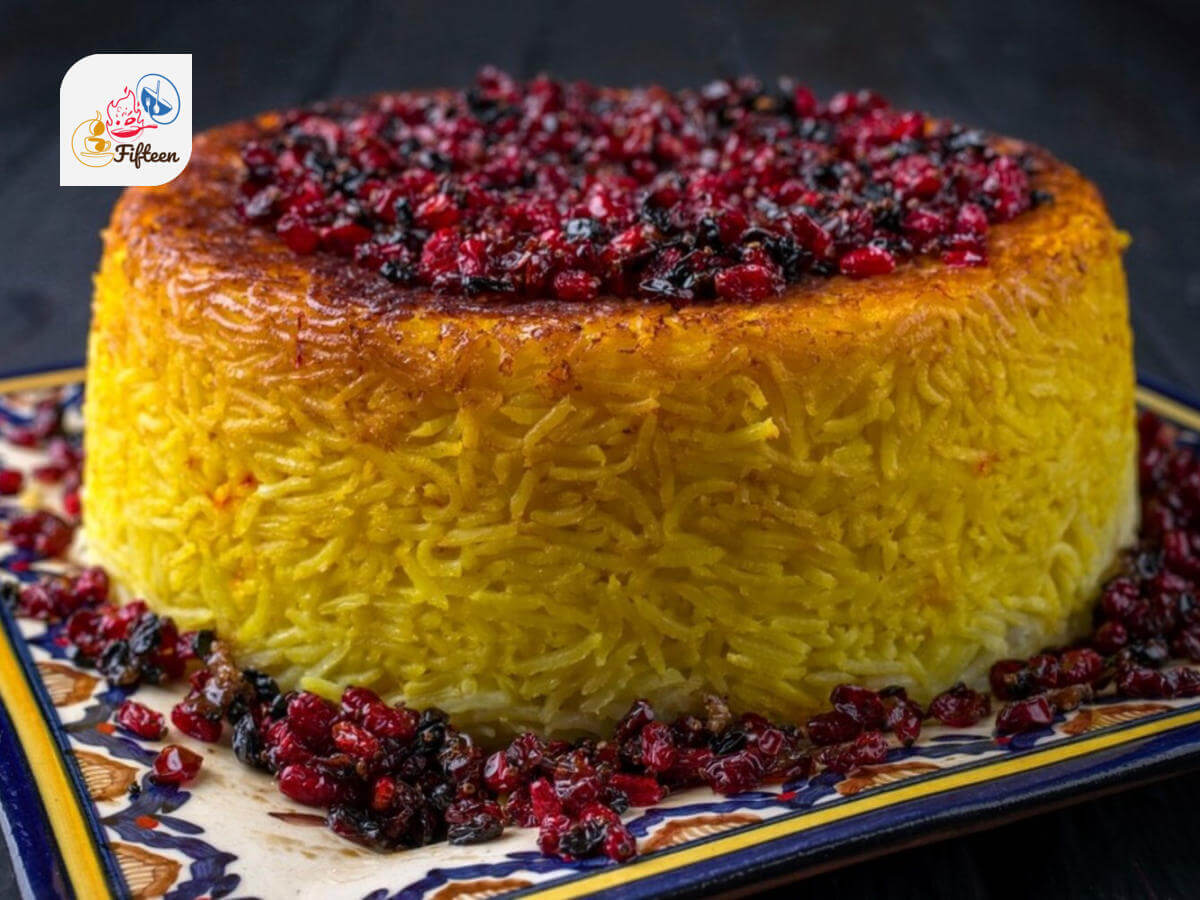
Rice dishes are a staple in traditional Iranian cuisine and come in many different varieties.
These dishes are made with fragrant rice, herbs, fruits, and meat or poultry.
The northern region of Iran, particularly Mazandaran and Gilan provinces, produces some of the best rice varieties in the country.
-
Stews
Iranians relish a range of stews made with meat and vegetables.
These stews are usually savory, but they can have extra flavors, such as sweetness and sourness, depending on the additional ingredients.
Herbs, spices, and even fruits are commonly used to enhance the flavors of Iranian stews.
-
Desserts
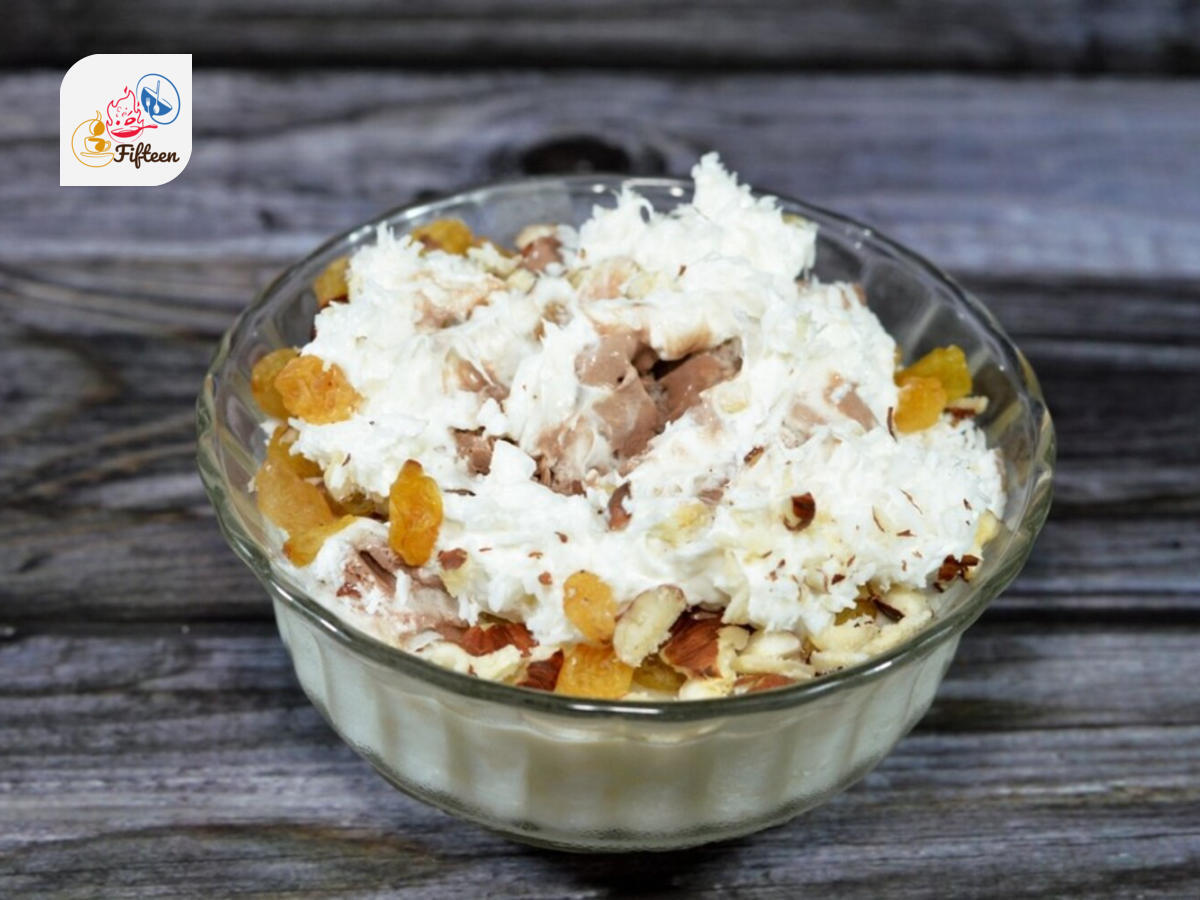
Iranian cuisine boasts a rich array of desserts, from pastries to ice creams and traditional sweets.
Iranian desserts are usually sweet, creamy, and fragrant, featuring fruits, nuts, dairy products, and spices.
Many desserts are also served as snacks in Iran.
Iranian holidays and celebrations usually come with beautifully decorated desserts.
-
Bread and Doughs
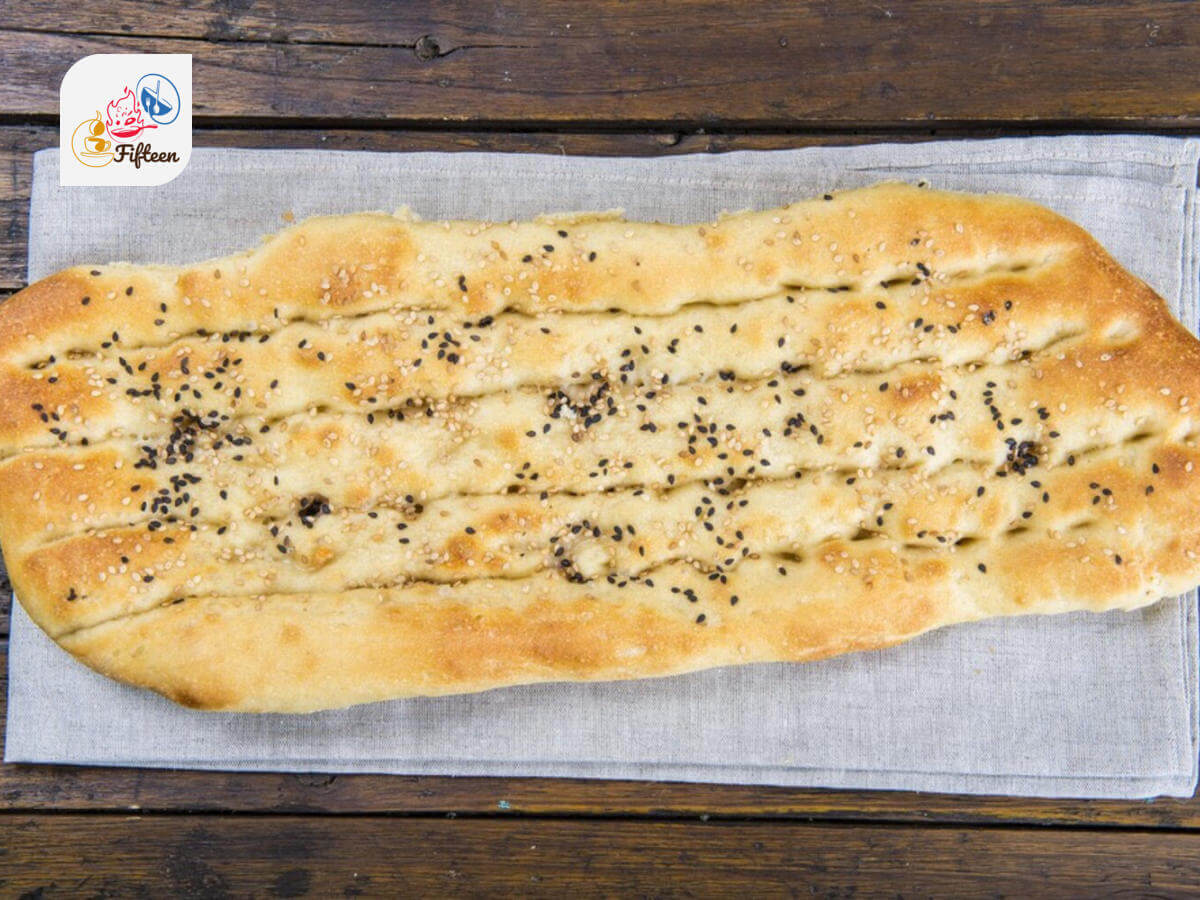
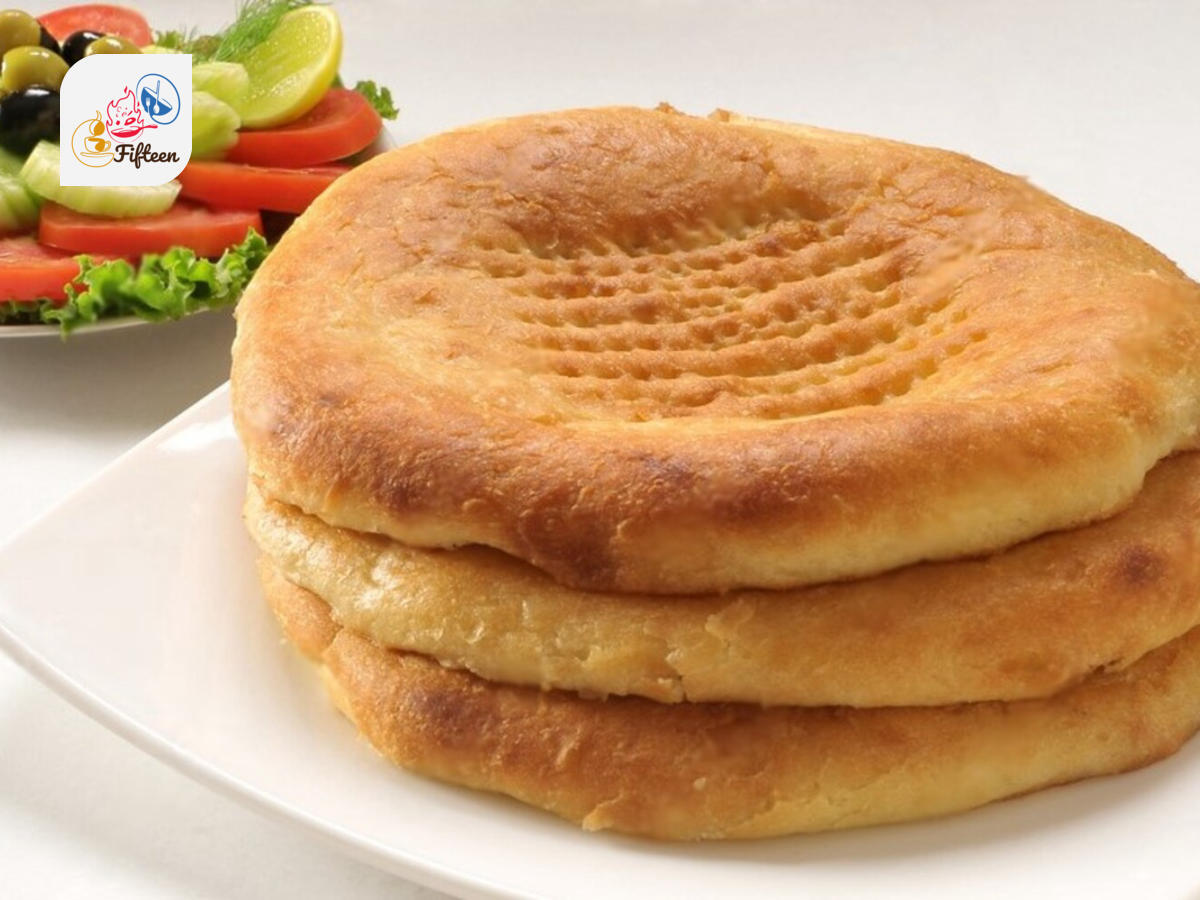
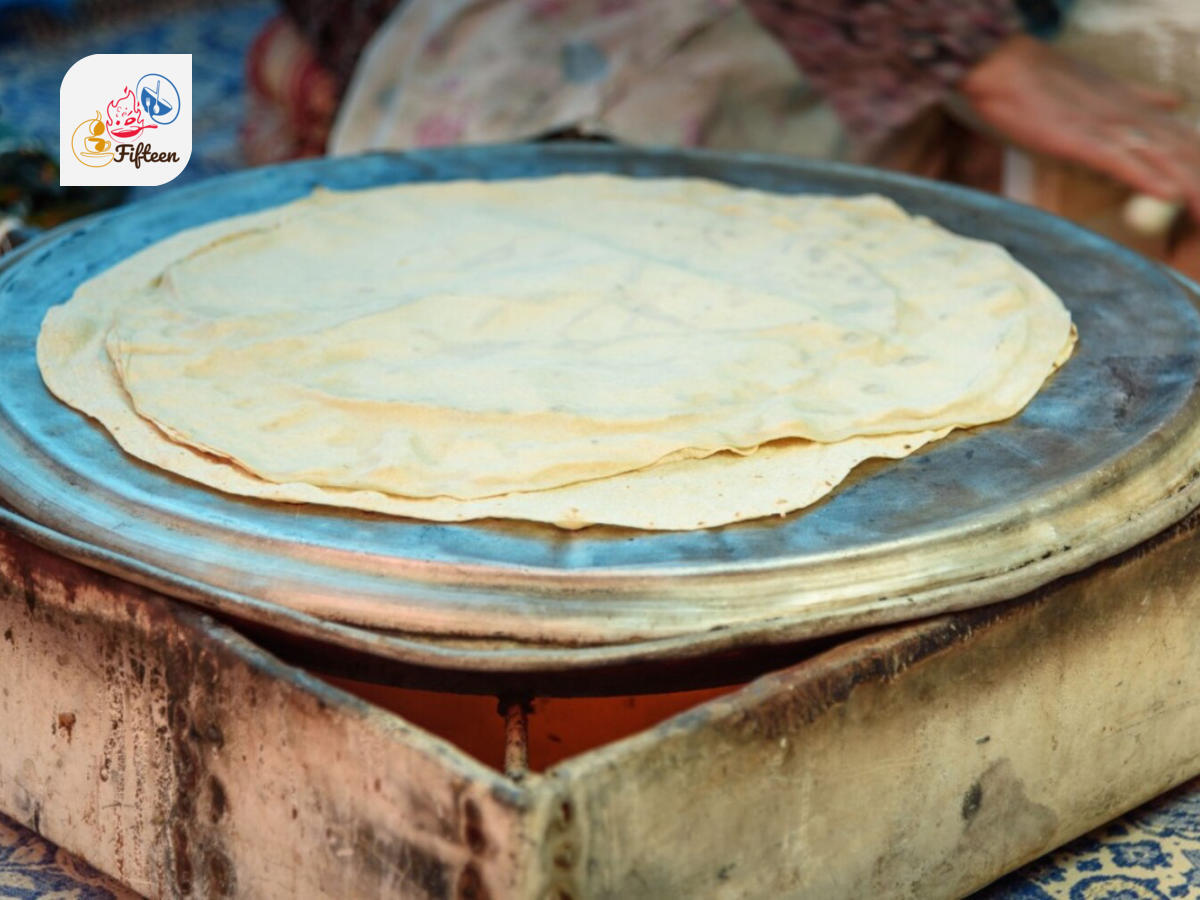
There are many types of bread in Iran, especially flatbread and leavened bread.
Iranians enjoy bread as a traditional side dish for many types of dishes.
These bread varieties can have a neutral taste or be flavored with spices and dairy products.
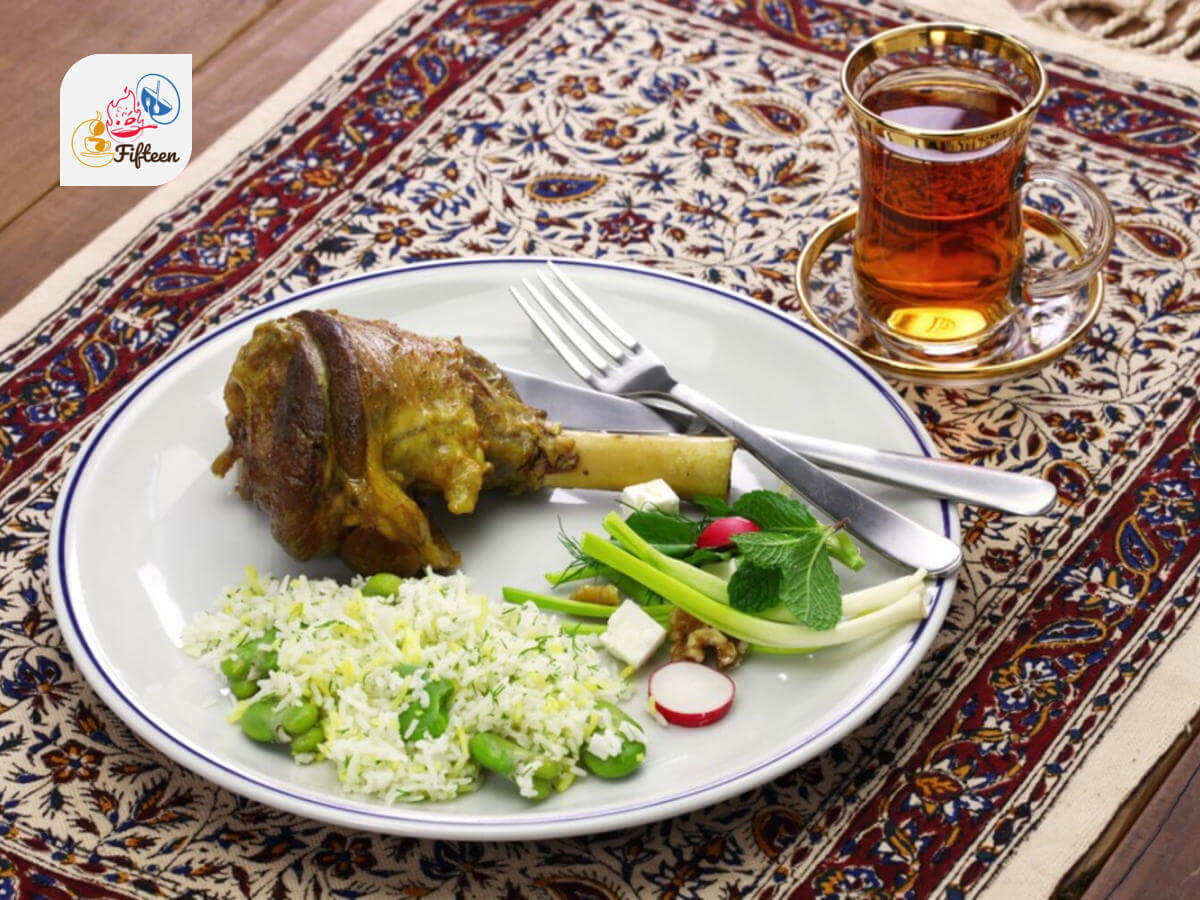
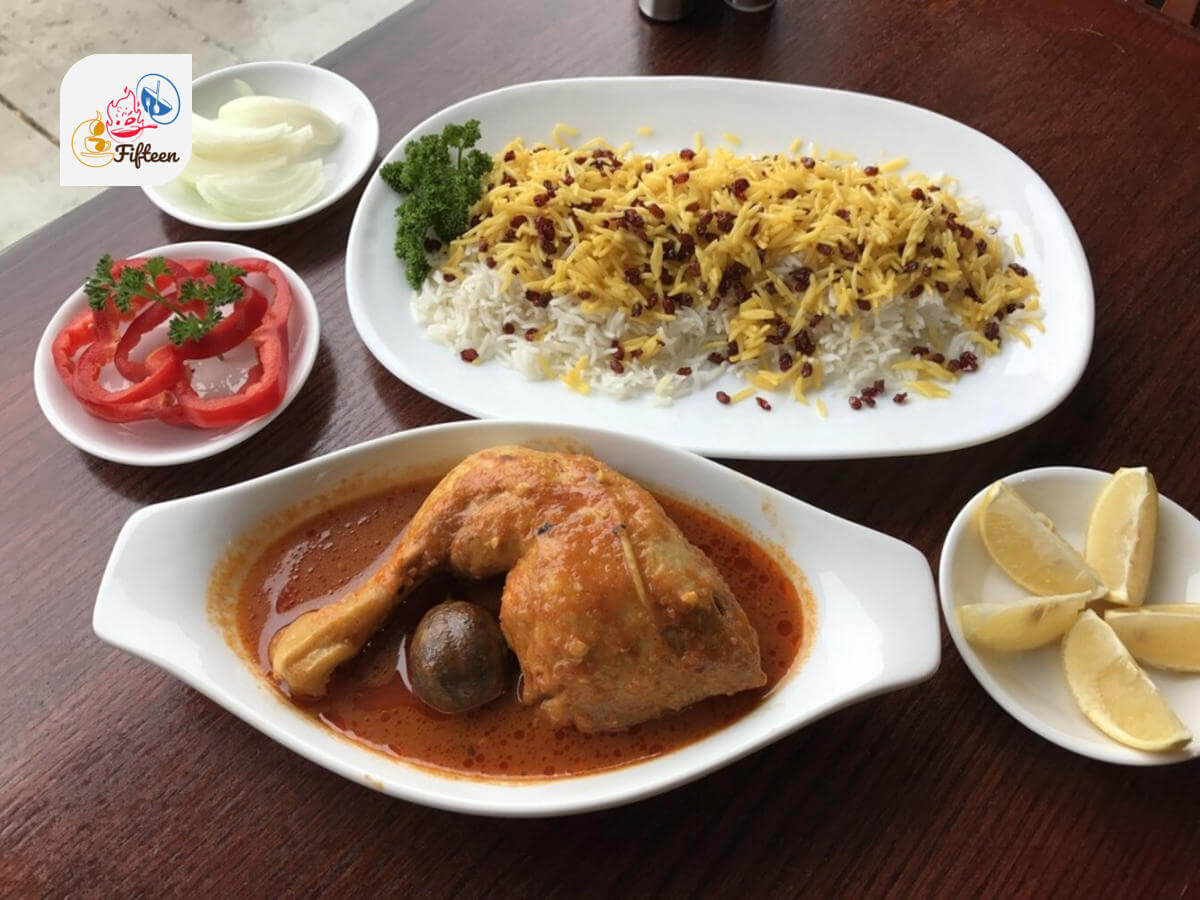
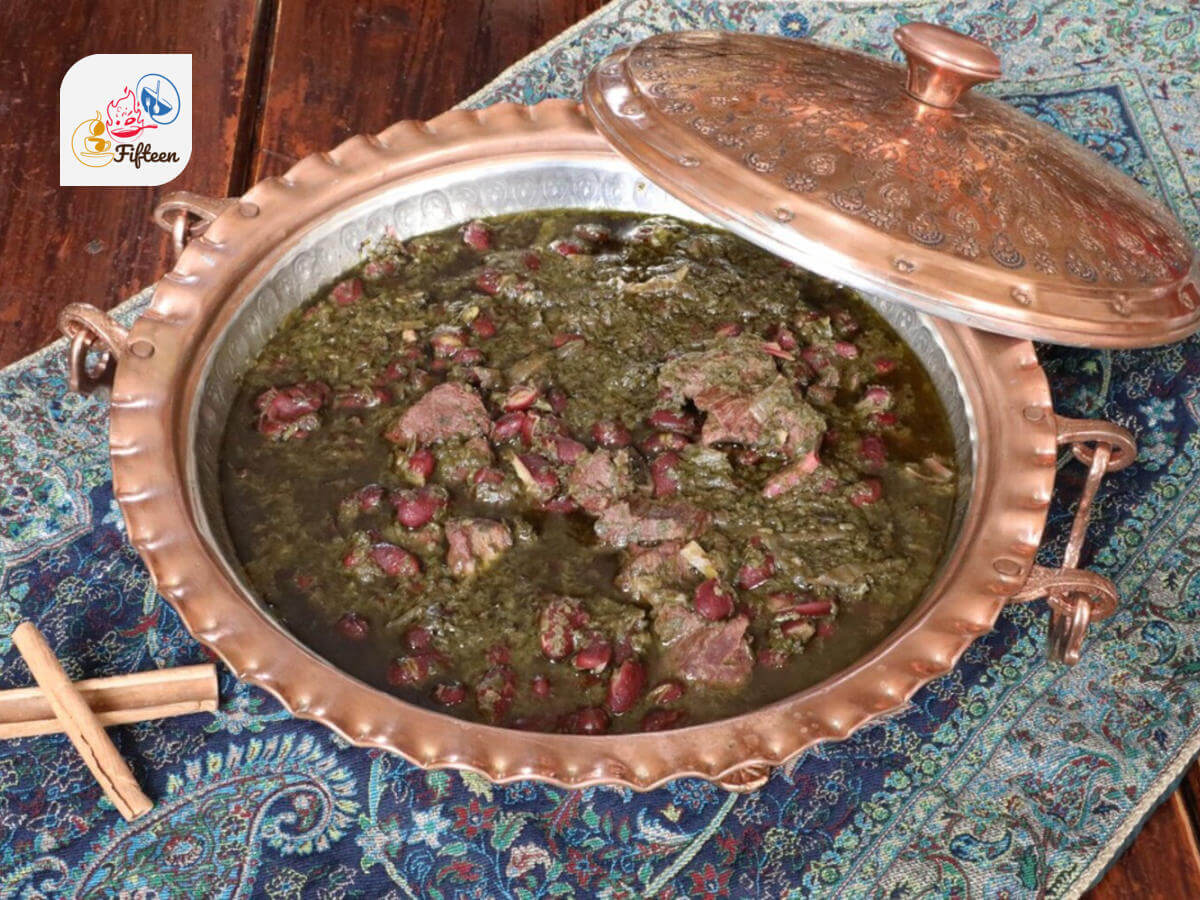
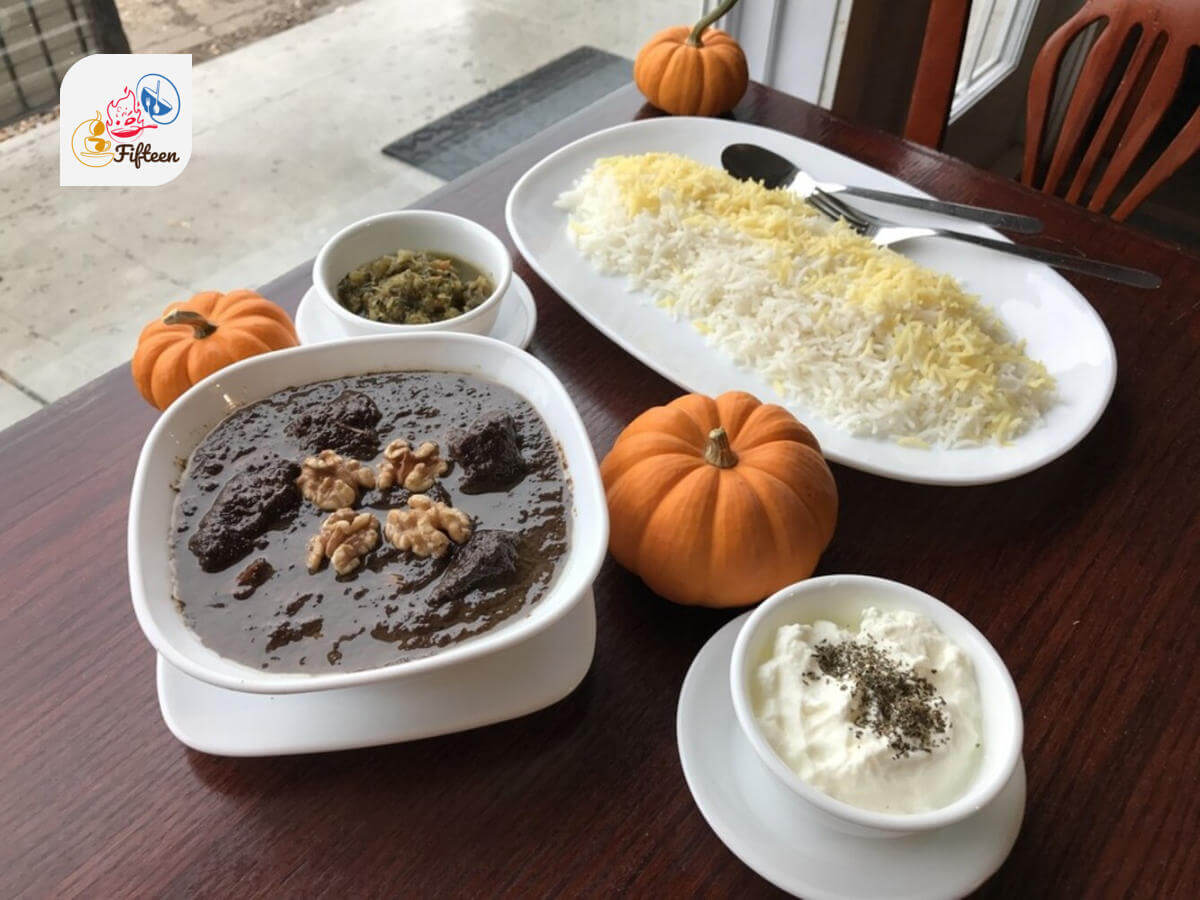
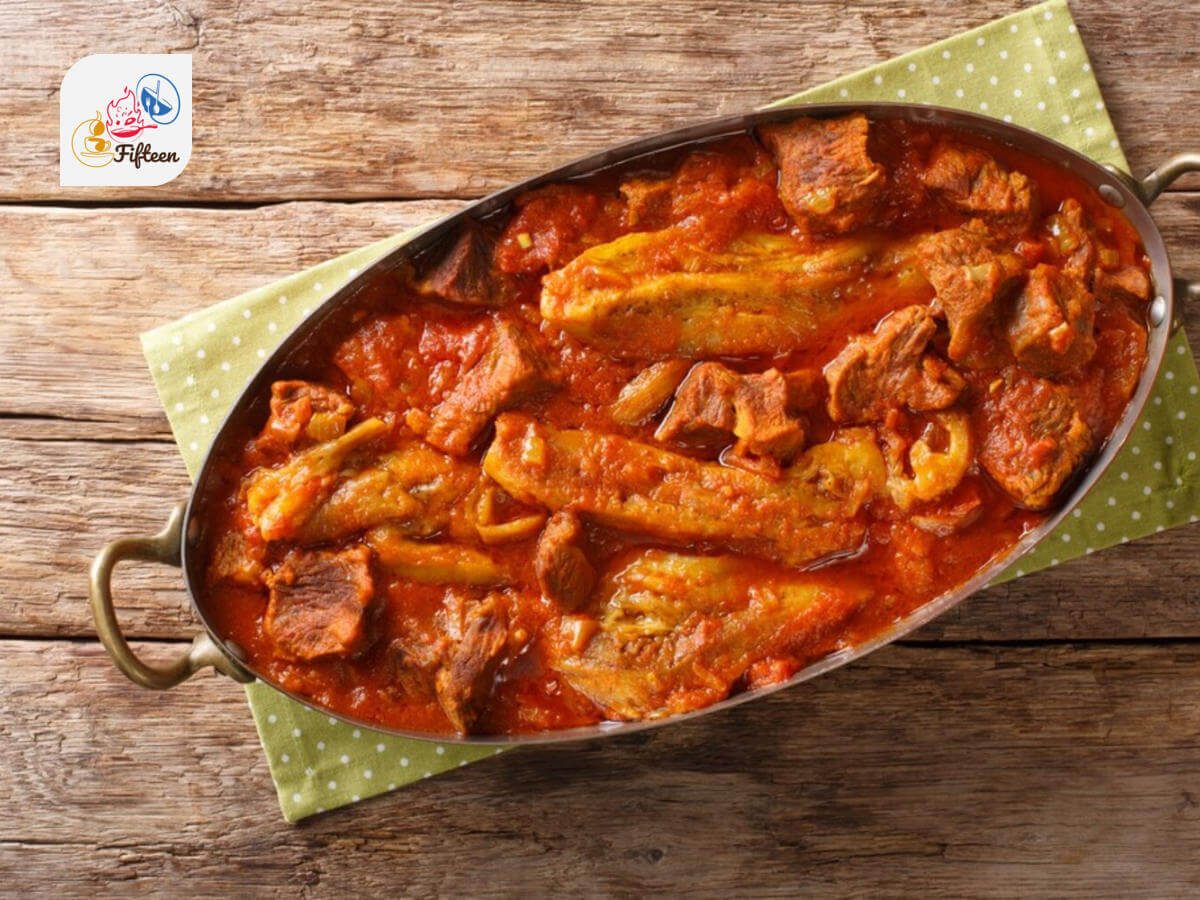
Iranian dishes are delicacies encompassing the culinary tradition of Iran, which was historically known as Persia. Although the Persians are only one of the ethnic groups in Iran, their cooking substantially influences the country’s history.
The cuisine of Iran has been influenced by and made extensive contact with many neighboring countries in West Asia. Its dishes also adopt traits of Caucasian, Central Asian, Mesopotamian, and Turkish cuisines.
Many Iranian dishes use rice as the main staple to combine with meat, vegetables, and nuts. Plus, herbs and fruits are used to diversify Iranian delights.
More information about traditional Iranian food will be revealed next, including its main characteristics, global relevance, and healthy aspects. Next, I will look into the most amazing 36 dishes Iran has to offer.
My entries on these Iranian dishes will cover the ingredients and accompaniments of these food offerings. Plus, you get the chance to explore how the locals enjoy these specialties.
I suggest sticking around to find out all the reasons that make Iranian dishes popular. Then, uncover more about the recommended beverages for pairing with dishes and must-know etiquette rules in Iran.
36 Most Popular Iranian Dishes with Filters
Keep scrolling to explore the most well-known 36 dishes hailing from the thousand-year-old Iranian cuisine. Explore these dishes with my advanced filters for alphabetical sorting, main ingredients, taste, cooking methods, dish types, and courses.
My interactive filter also helps you to discover everything from cherished traditional meals and national favorites to popular specialties and street eats.
Why Are Iranian Dishes Well-known?
The popularity of Iranian dishes comes from the following four factors: historical depth, culinary influences, diverse ingredients, cultural significance, and culinary artistry.
Since ancient times, Iranian (or Persian) cuisine has been well-known for its complex flavors and artful food presentation. Iranian culinary traditions have strongly influenced many features of Indian and Pakistani cuisines.
Iranian dishes are incredibly diverse thanks to their interactions with many cuisines, such as the Middle East, the Caucasus, the Mediterranean, and Central Asia. Russia, Greece, Turkey, and Iraq play a role in shaping certain dishes and flavors of Iran.
Iran’s varied climate and geography contribute to a wide range of culinary ingredients. Many famous dishes in Iran revolve around rice or bread, meats, vegetables, and nuts. The north favors rice delights, while other regions prefer bread.
Spices and herbs are widely used in Iranian cuisine to create satisfying flavor and aroma profiles, demonstrating the Iranian fondness for aromatic ingredients.
Food plays a significant role in Iranian culture since many dishes are tied to festivals, celebrations, and religious holidays.
The art of food preparation and presentation holds significant importance in Iranian cuisine. Dishes are often elaborately decorated and garnished with premium ingredients.
To elevate your Iranian food experience, I will recommend a few local beverages you should try.
What Beverages Are Ideal for Pairing With Iranian Dishes?
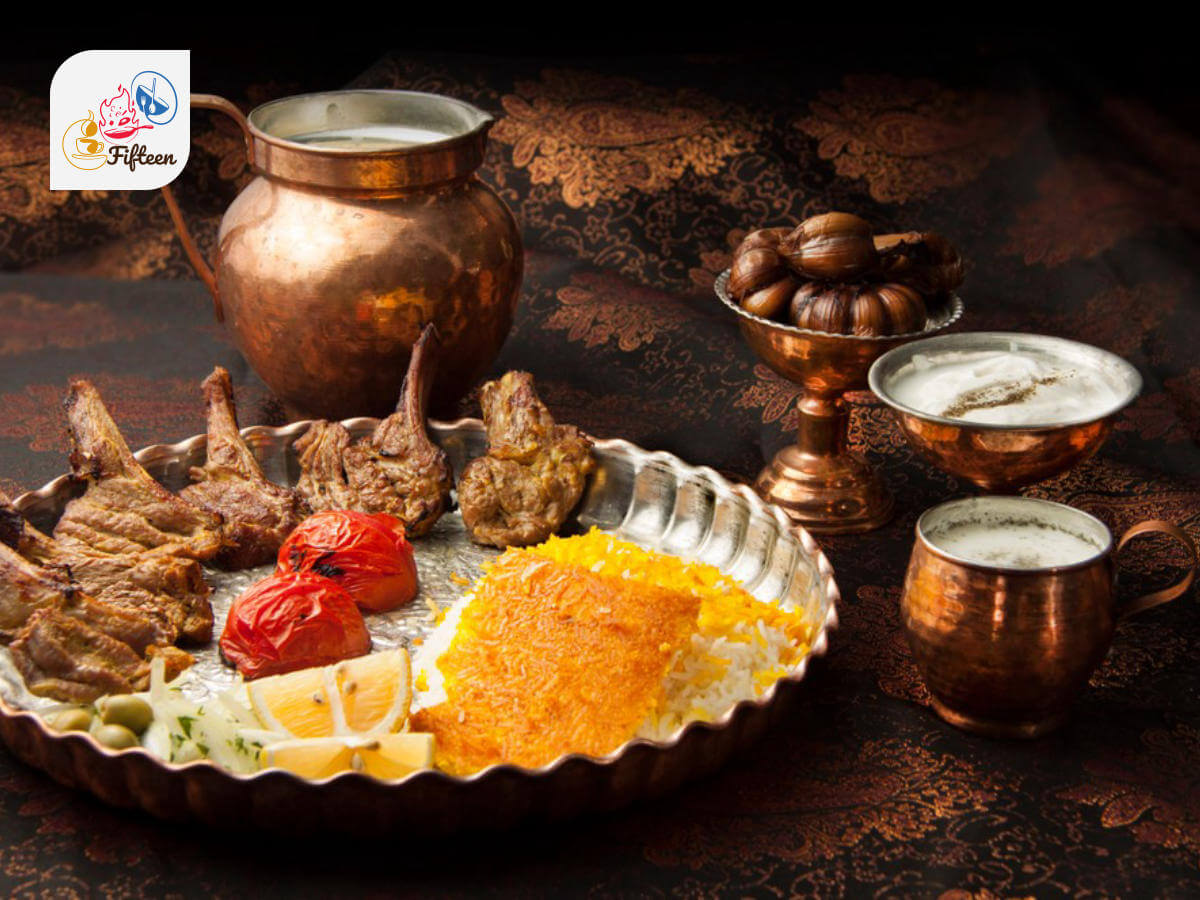
Below are some of the most popular beverages in Iran, and locals extensively pair them with their favorite dishes.
Doogh
As a savory yogurt-based beverage, doogh is a perfect match for hearty, rich dishes, such as grilled meat (kabab koobideh), stews, rice dishes, and even snacks like tahdig.
Tea
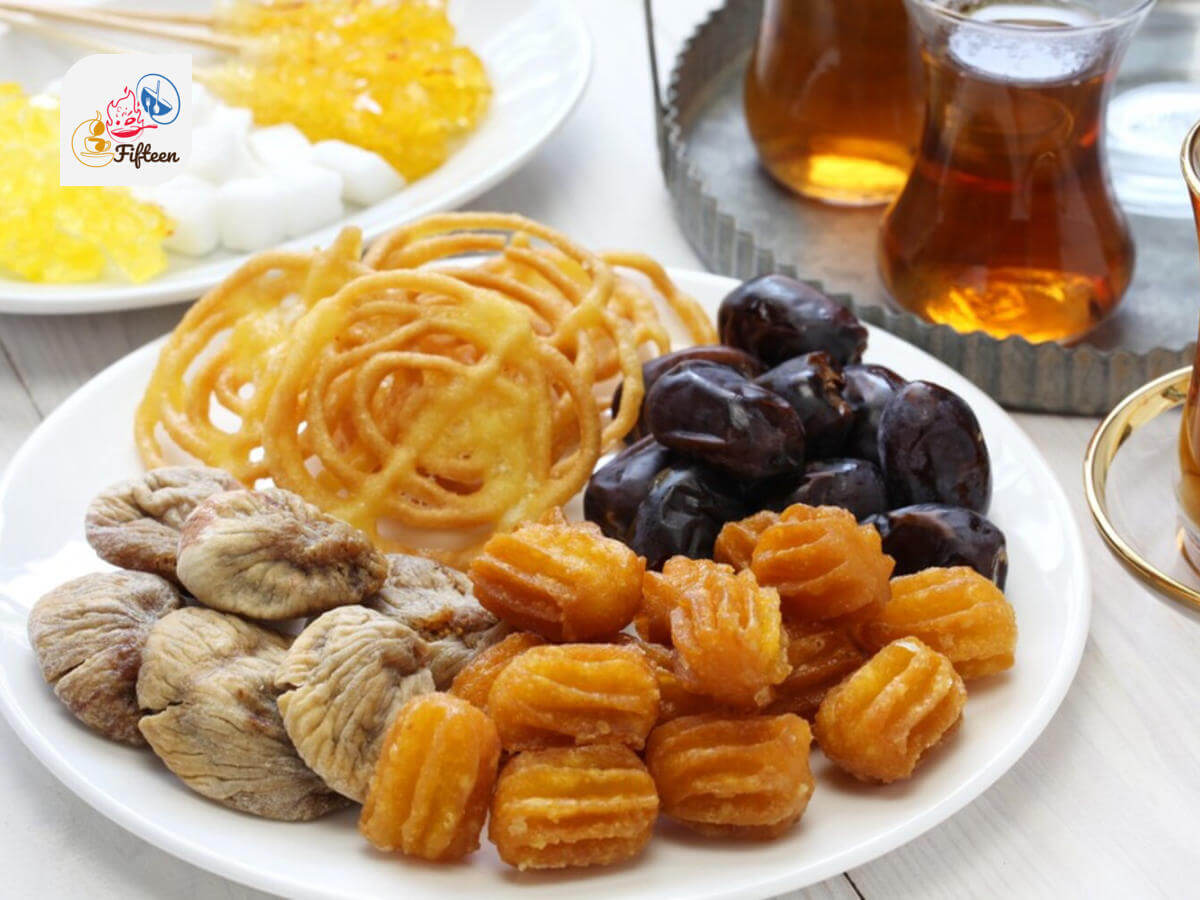
Black tea and herbal tea are widely enjoyed in Iran. Both sweet and savory dishes go well with them, especially snacks and desserts like nan-e berenji, halva, pashmak, and zoolbia.
Fruit Juices
Iranians enjoy many types of fresh fruit juices, especially pomegranate, cherry, and melon juices. These beverages can accompany lightly flavored dishes or snacks, such as kuku, salads, and qottab.
Sherbet
In Iran, sherbet is a sweet and floral beverage made from various ingredients, usually fruits. With this in mind, pair sherbet with salads, sweet pastries, and creamy desserts.
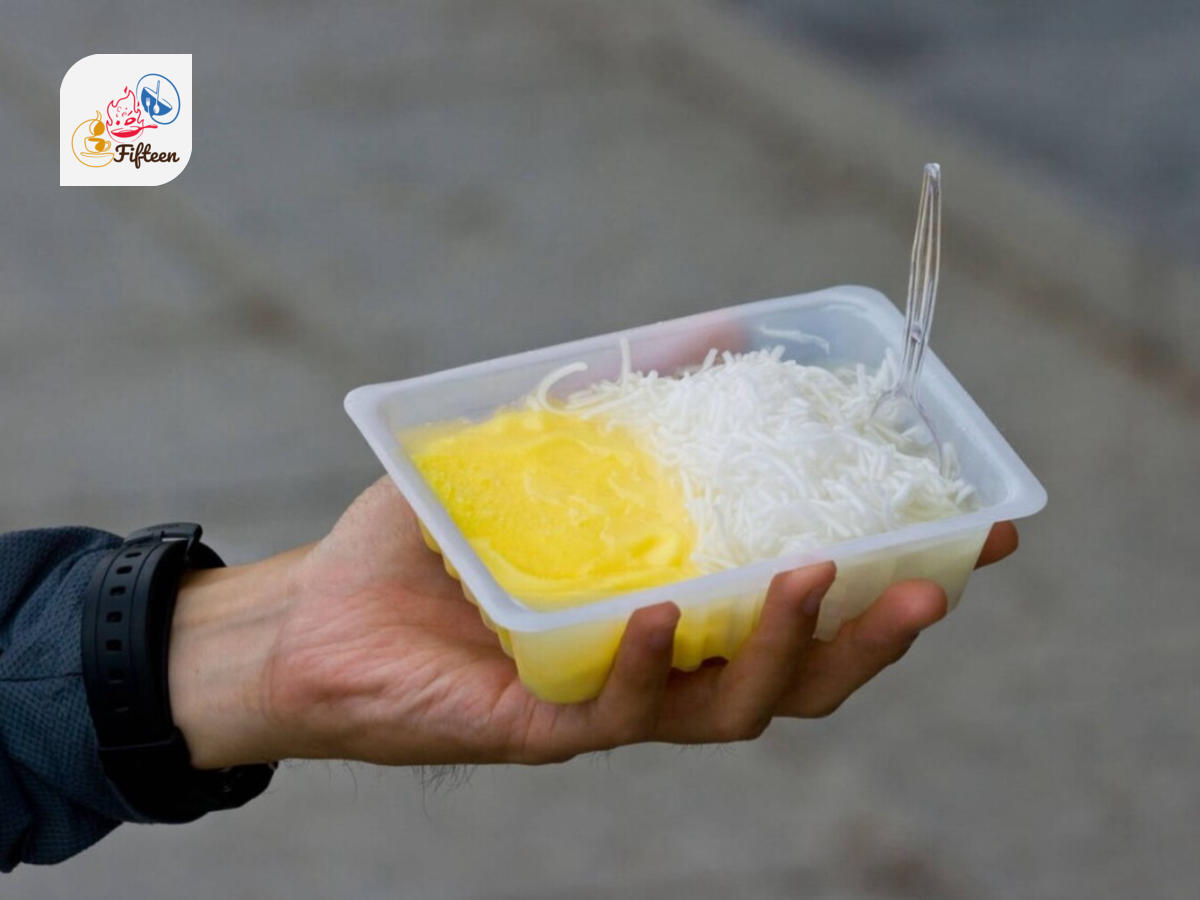
Wonderful accompaniments for sherbet are faloodeh, bastani, and kolompeh.
To enhance your appreciation of Iranian dishes, read on to discover the basics of local table manners.
What Is Eating Etiquette in Iran?
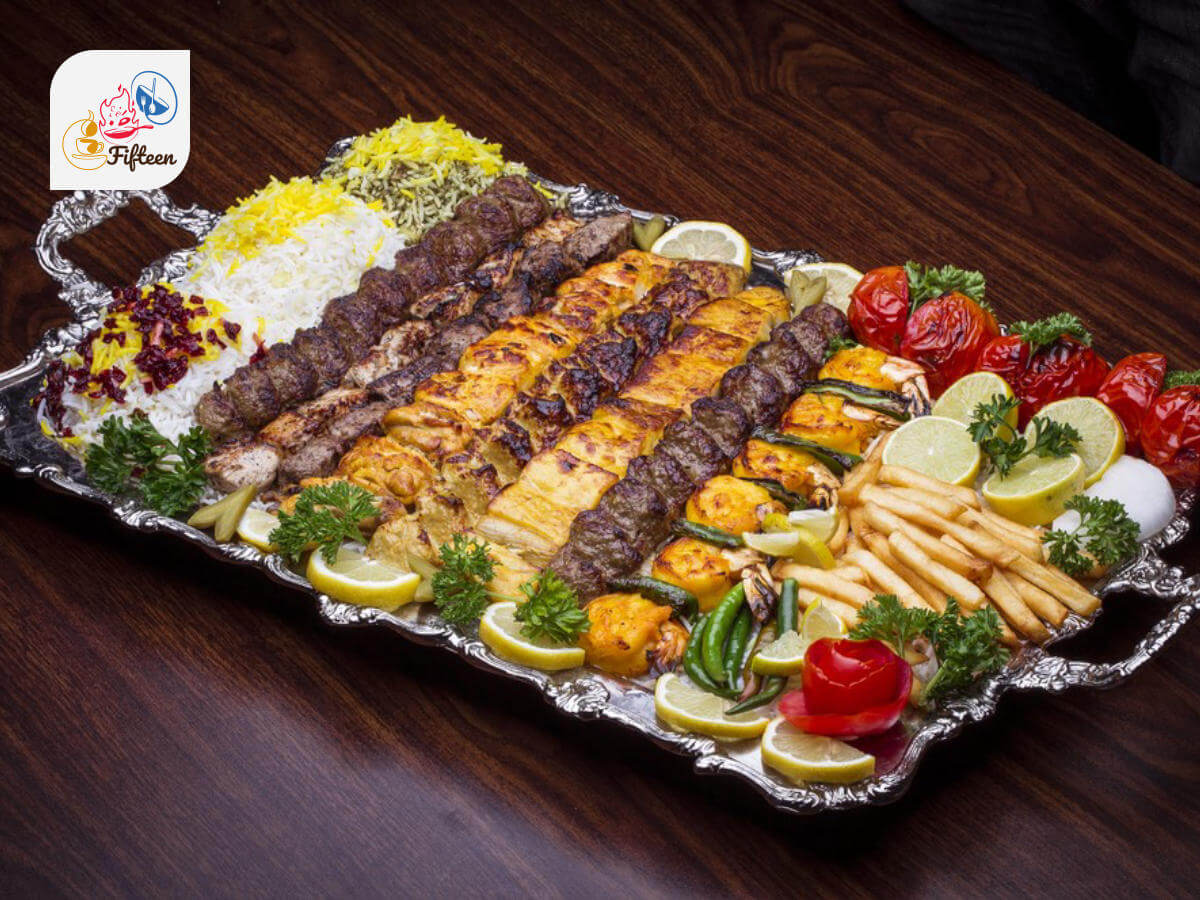
The cultural practice of taarof is a cornerstone of Iranian eating etiquette. I will cover this concept and other important dining rules in Iran.
Taarof
Taarof is a complex system of politeness that emphasizes deference and social rank while promoting equality and the value of friendship.
Taarof influences all aspects of Iranian social life, especially in dining.
Offering and Refusing
A common form of taarof is that one person makes an offer while the other refuses. This back-and-forth goes on until both sides agree on whether the offer is genuine or just a gesture of politeness.
Additional Helpings
An Iranian host usually insists that guests have more food, while guests are expected to refuse out of politeness. However, the guests usually end up agreeing to eat more.
Helping with Meals
Guests might offer to help set the table or clean up after the meal as a form of taarof, though the host might initially refuse the guest’s help.
Payment for Meals
In situations like dining out, there might be a polite dispute over who pays the bill, with each party insisting on covering the cost.
Compliments
Complimenting the host on the meal and the hospitality is an important part of dining etiquette in Iran.
Utensils
Iranians usually enjoy food with knives and forks, though certain traditional dishes are eaten with hands.
Communal Dining
Serving food in large platters is a common feature of Iranian cuisine. People can easily share their favorite dishes with other people.
Which Iranian dishes do you like most? Comment down below your top picks and let me know. Please leave a comment if you enjoy these tasty delicacies!
Jamie Scott
Editor in Chief, Senior Content Writer
Expertise
Home Cooking, Meal Planning, Recipe Development, Baking and Pastry, Food Editor, Cooking-video Maker, Western Food Evaluation Expert
Education
Le Cordon Bleu College of Culinary Arts
Local Community College, New York, NY
Jamie Scott is a skilled culinary expert and content creator specializing in Western cuisine. With over 15 years in the culinary field and formal training from Le Cordon Bleu, Paris, Jamie deeply understands how to blend nutrition with delicious flavors. His passion for cooking matches his commitment to making healthy eating accessible and enjoyable.
On Fifteen.net, Jamie brings a fresh perspective to classic dishes and beverages, offering readers insightful recipes, cooking tips, and a fresh view on meal planning that emphasizes taste, health, and simplicity.