

Thai Food Dishes: Basic Overview
Common Ingredients
Common Cooking Methods
Courses
Meals
Key Taste
Eating Etiquette
Meal Presentation
Culinary Festivals
Influence and Fusion
Thai Food Dishes: Origin and Region
Cuisine
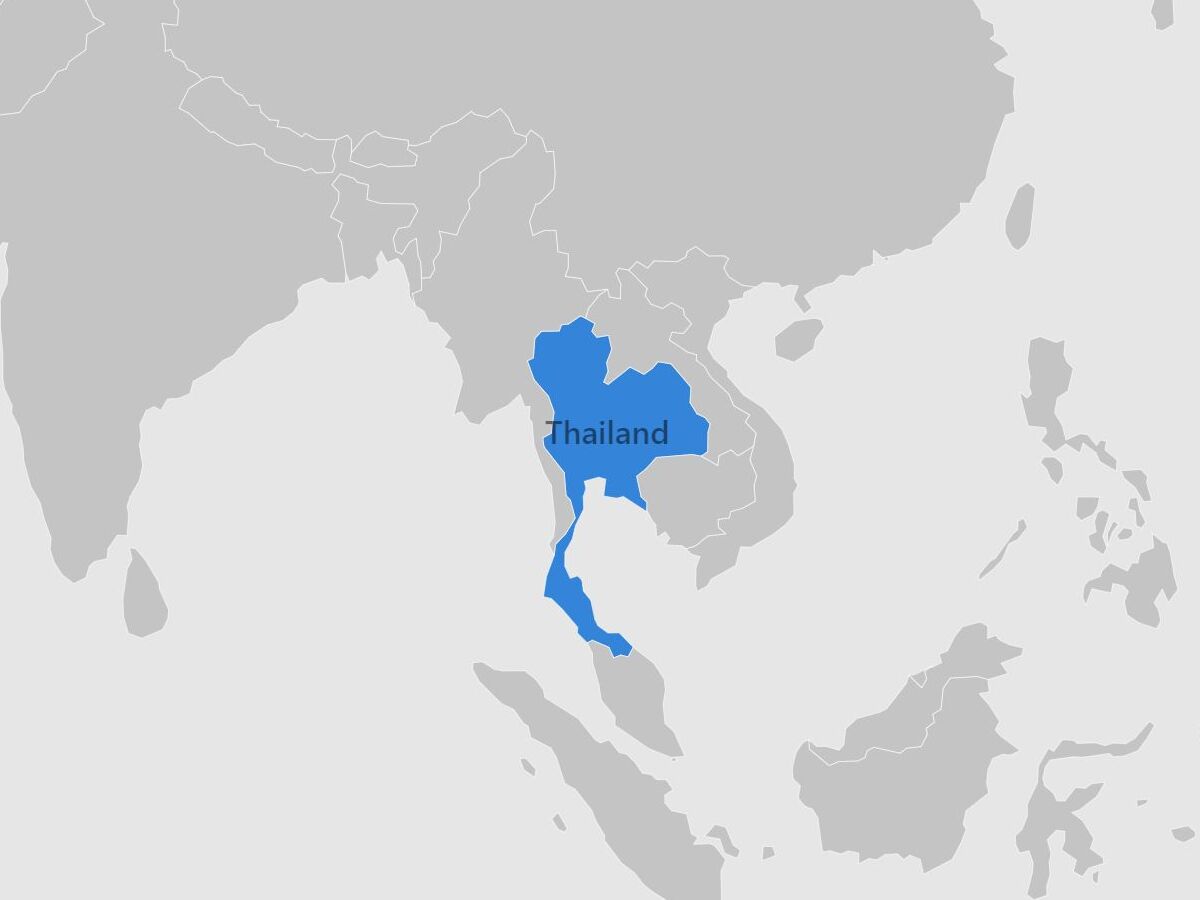
Cuisine’s Geographical Territory
Country’s Region
- Northern Thailand (Lanna)
- Northeastern Thailand (Isan)
- Central Thailand
- Southern Thailand
Popular Types of Thai Dishes
-
Rice Dishes
There are many rice dishes in Thai cuisine, including both sweet and savory varieties.
Rice is typically cooked with meat, vegetables, and various condiments.
Thai rice dishes have a great depth of flavor and serve as the main course of a sit-down meal or street food.
-
Stir-fries
Thai stir-fries are significantly influenced by Chinese cooking traditions.
Stir-fried noodles account for a large proportion of Thai stir-fries.
Most stir-fried dishes feature vegetables and protein-rich ingredients like tofu, meat, or seafood.
-
Curries
Thai curries have many delicious varieties, which are influenced by both Indian cooking and local traditions.
Most curries use curry pastes and feature numerous spices and fresh herbs.
Meat or seafood, vegetables, and coconut milk are common ingredients in Thai curries.
Compared to curries from other countries, the Thai version is typically spicier and has a more soup-like consistency.
-
Soups
Soups are among the most important dish categories in Thai cuisine.
Thai soups usually come with bold tones of sweetness, sourness, spiciness, and umami.
Most Thai soups have a liquid consistency and go well with rice.
Common ingredients for soups in Thailand are meat or seafood, leafy vegetables, herbs, and local condiments like fish sauce.
-
Salads
Thai salads have strong flavors and often serve as the main course.
Many salads feature savory meat and crunchy vegetables, such as green papayas.
Spices, fresh herbs, and savory condiments appear in many Thai salad recipes.
-
Snacks
Thai snacks include many types of hand-held dish types, such as bite-sized fried dishes and rolls.
These snacks are mostly based on protein-rich ingredients and dough.
-
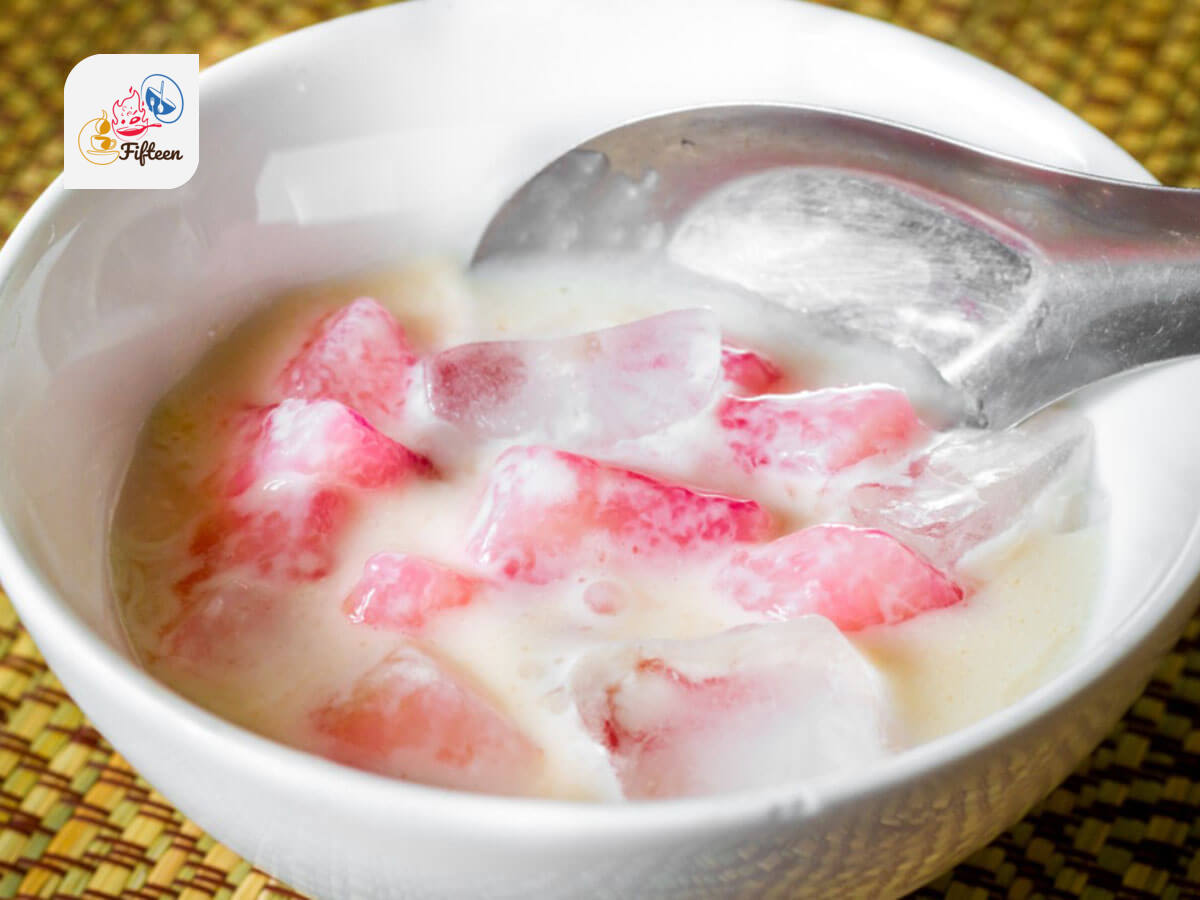
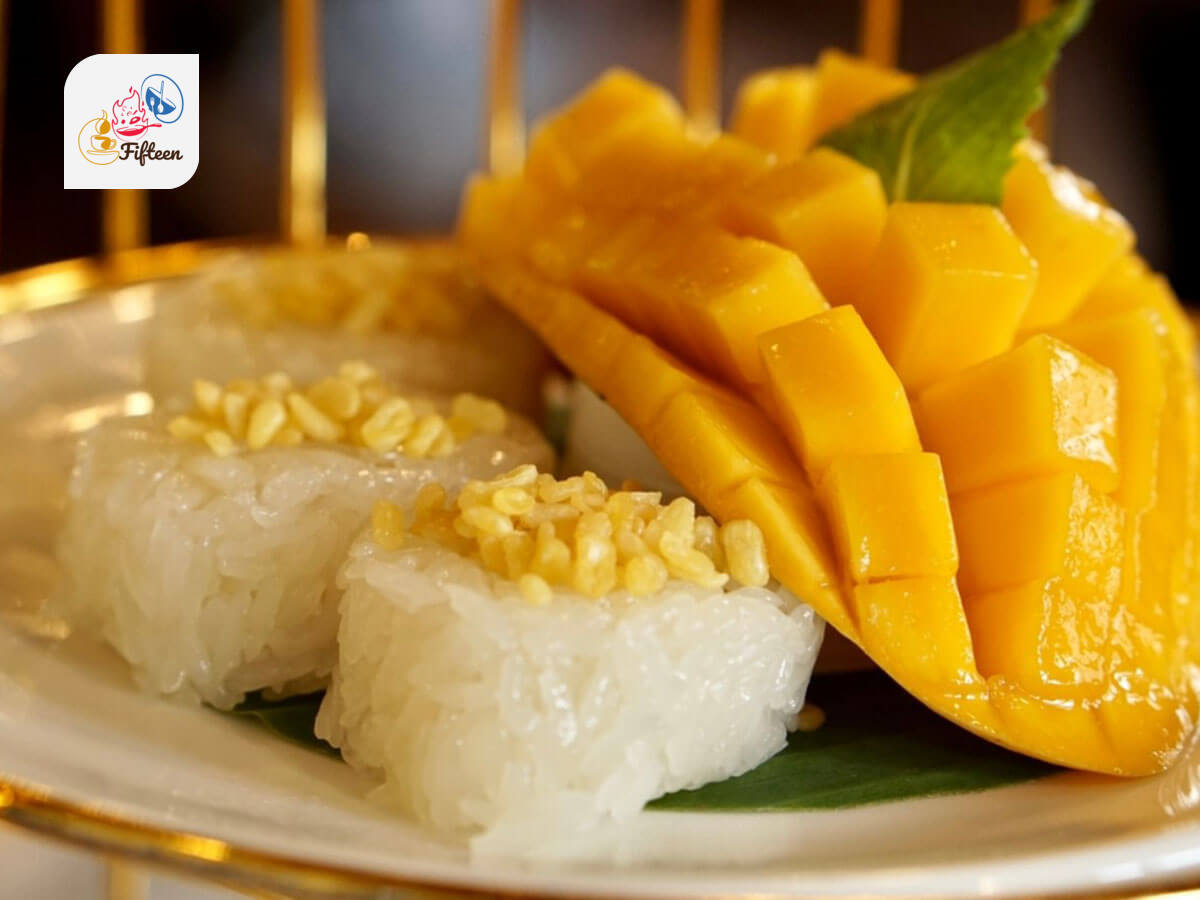
Desserts
Thai desserts come in various forms, from hand-held specialties to dishes served on plates.
These desserts are often sweetened with sugar and enriched with coconut milk.
Seasonal fruits are popular ingredients for Thai desserts.
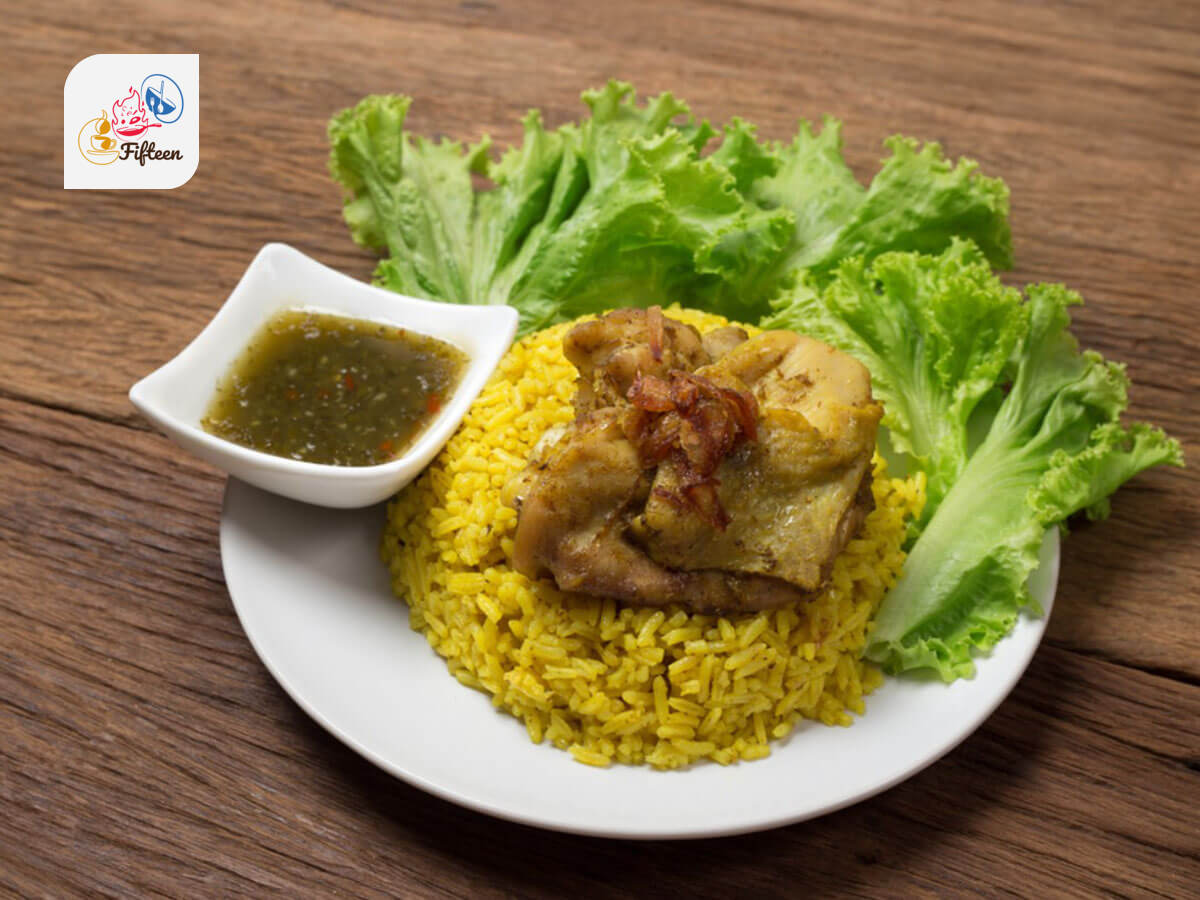
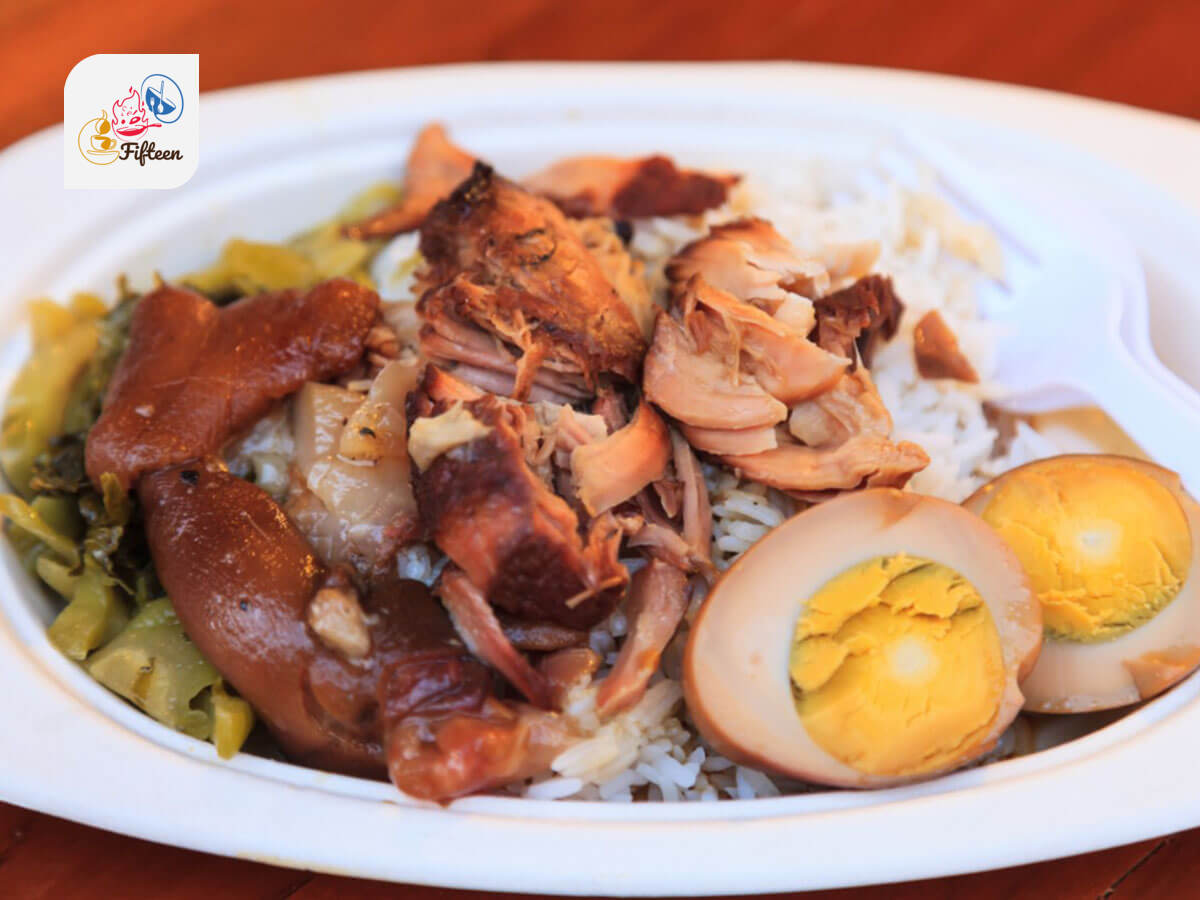
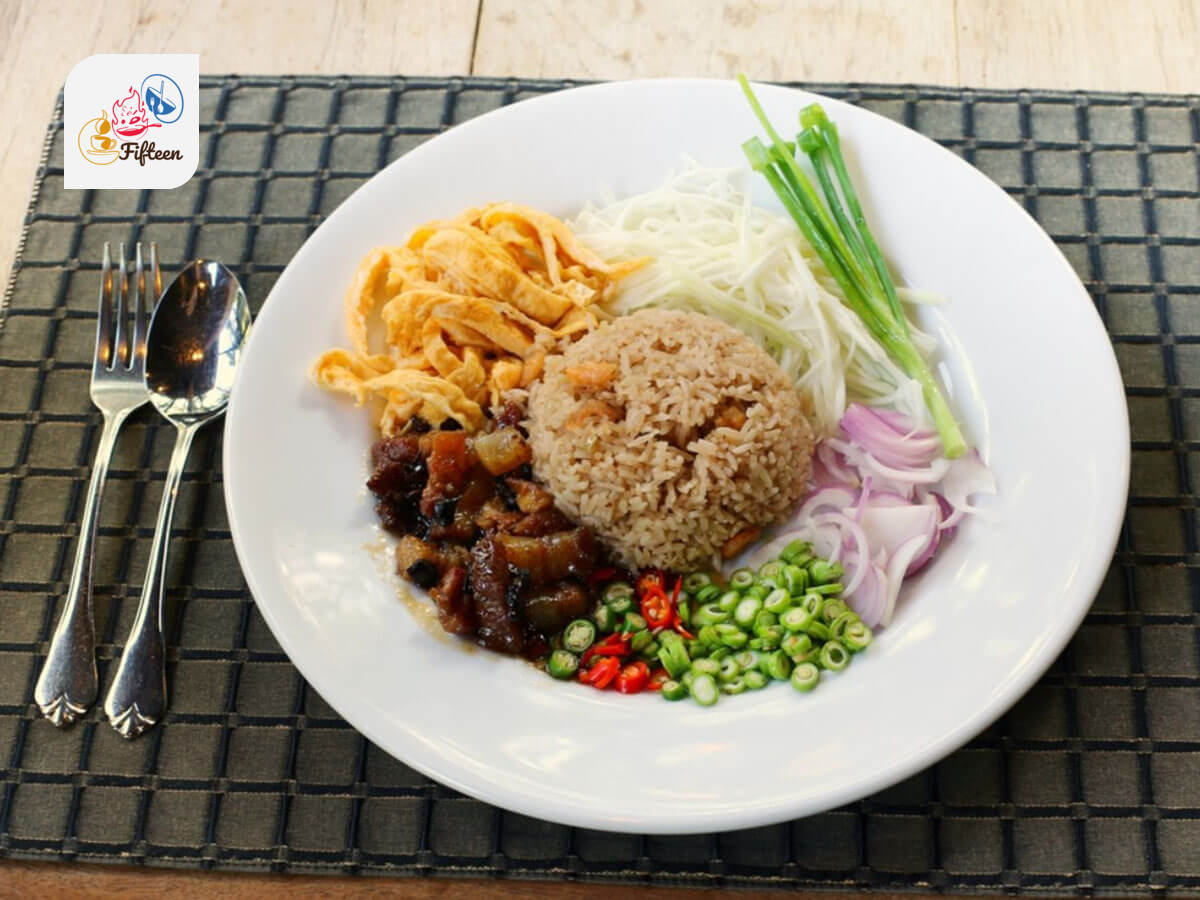
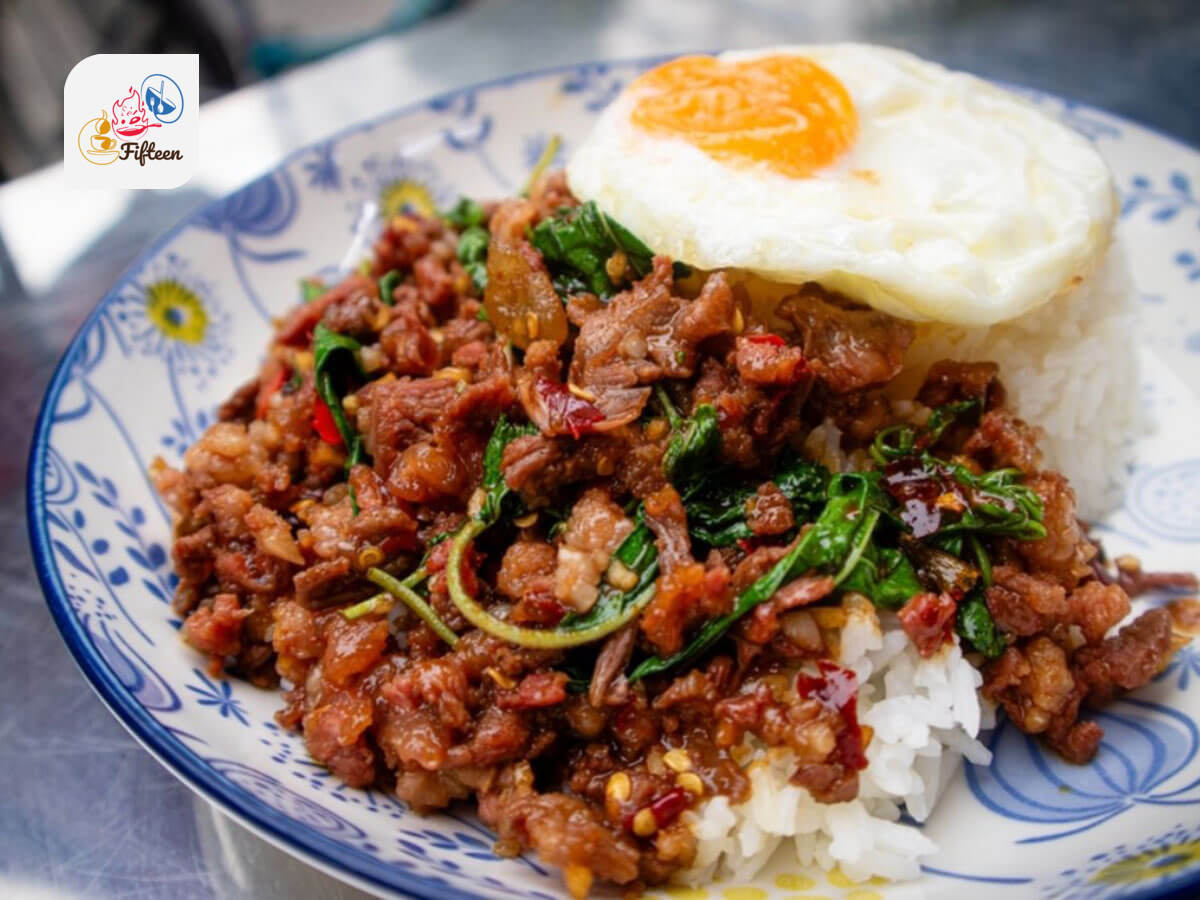
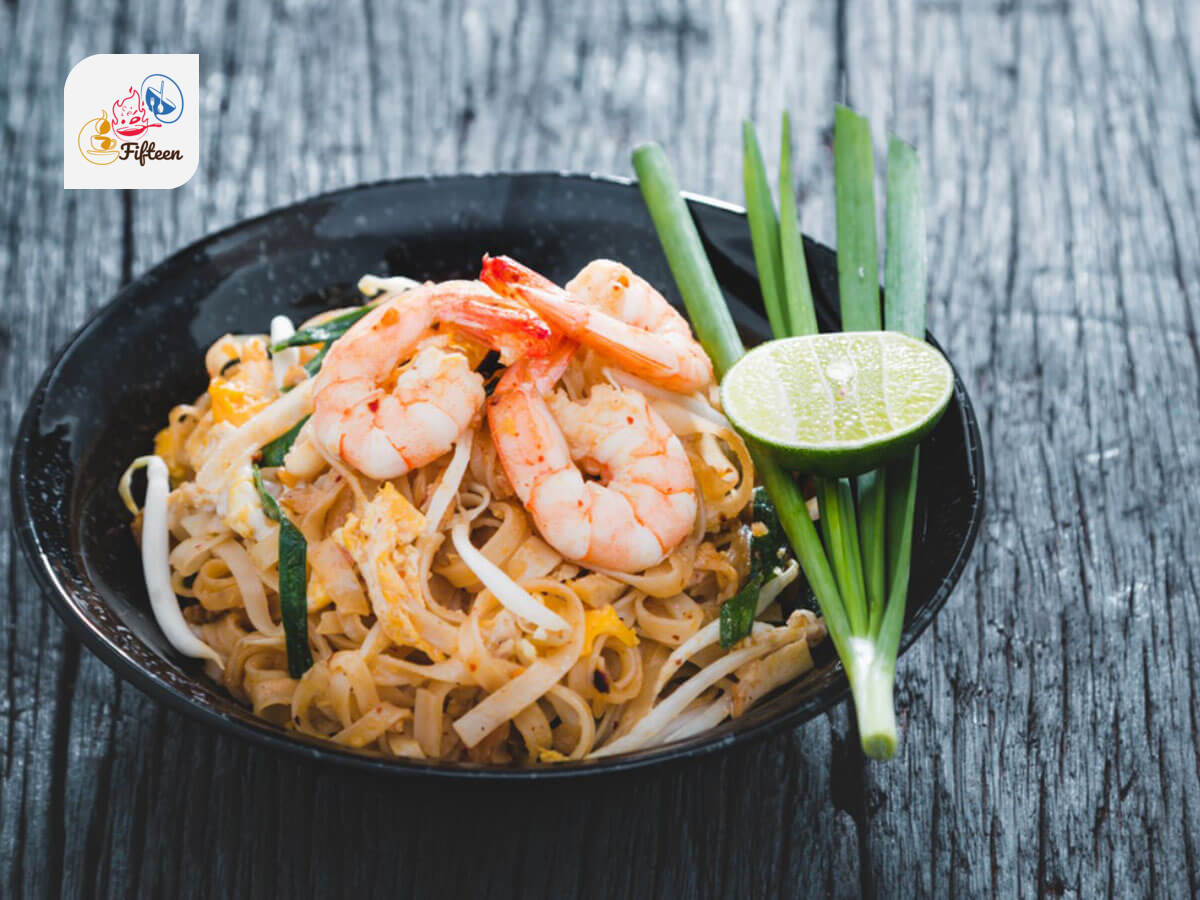
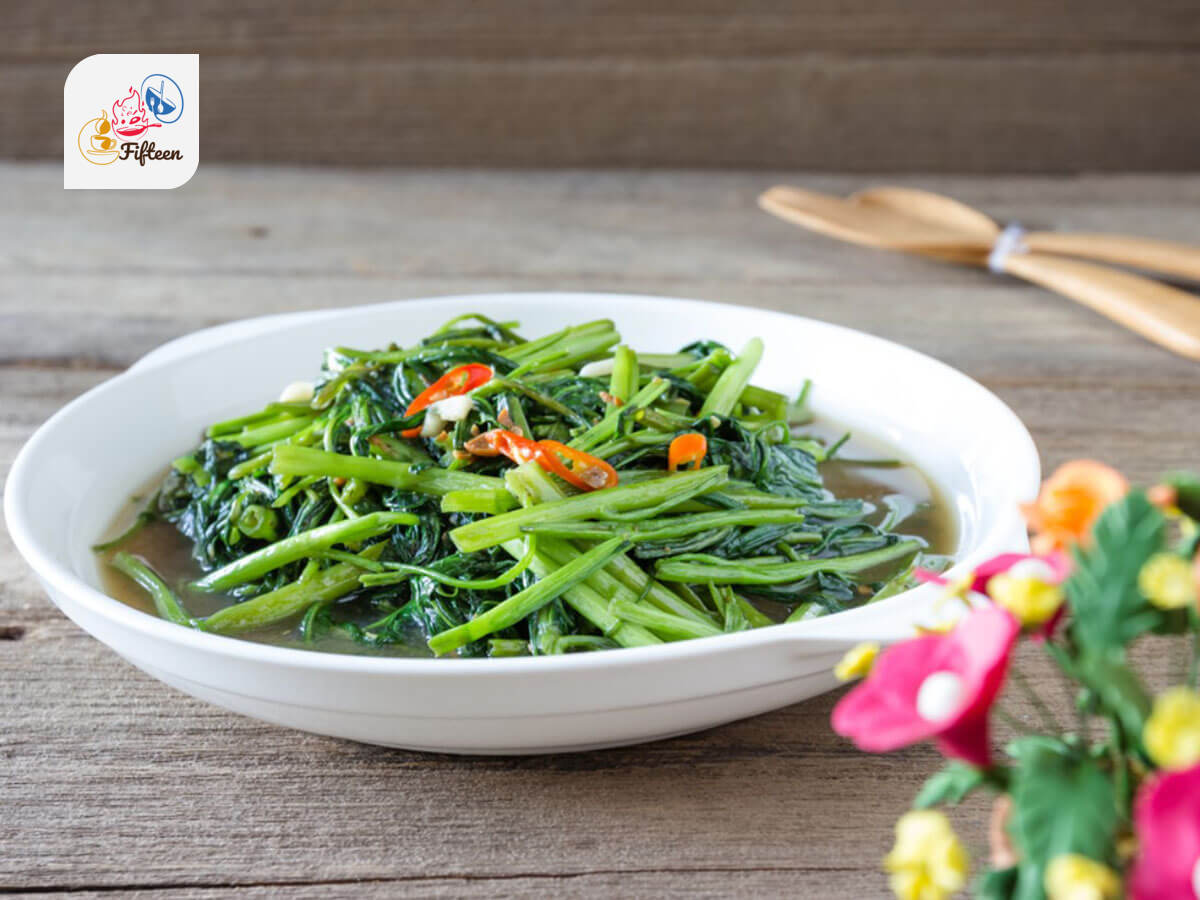
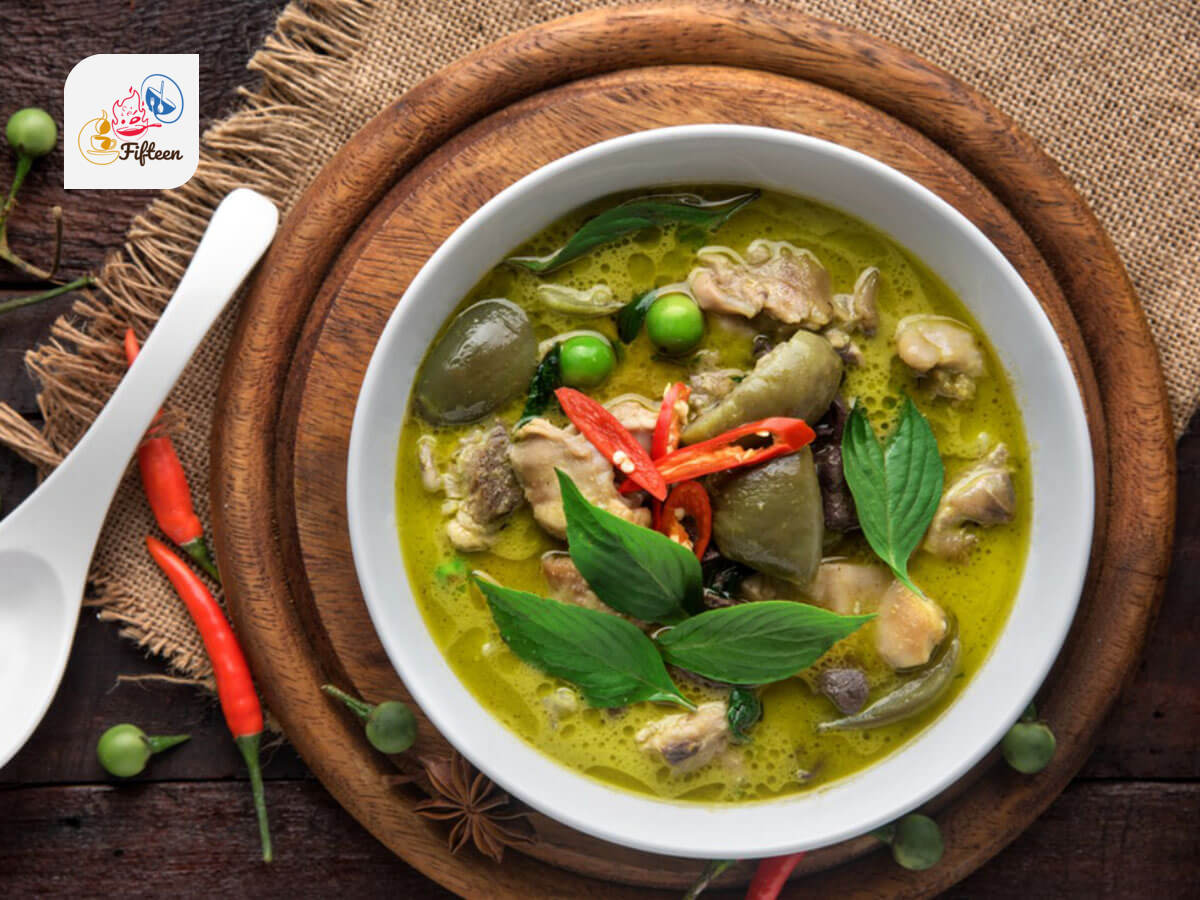
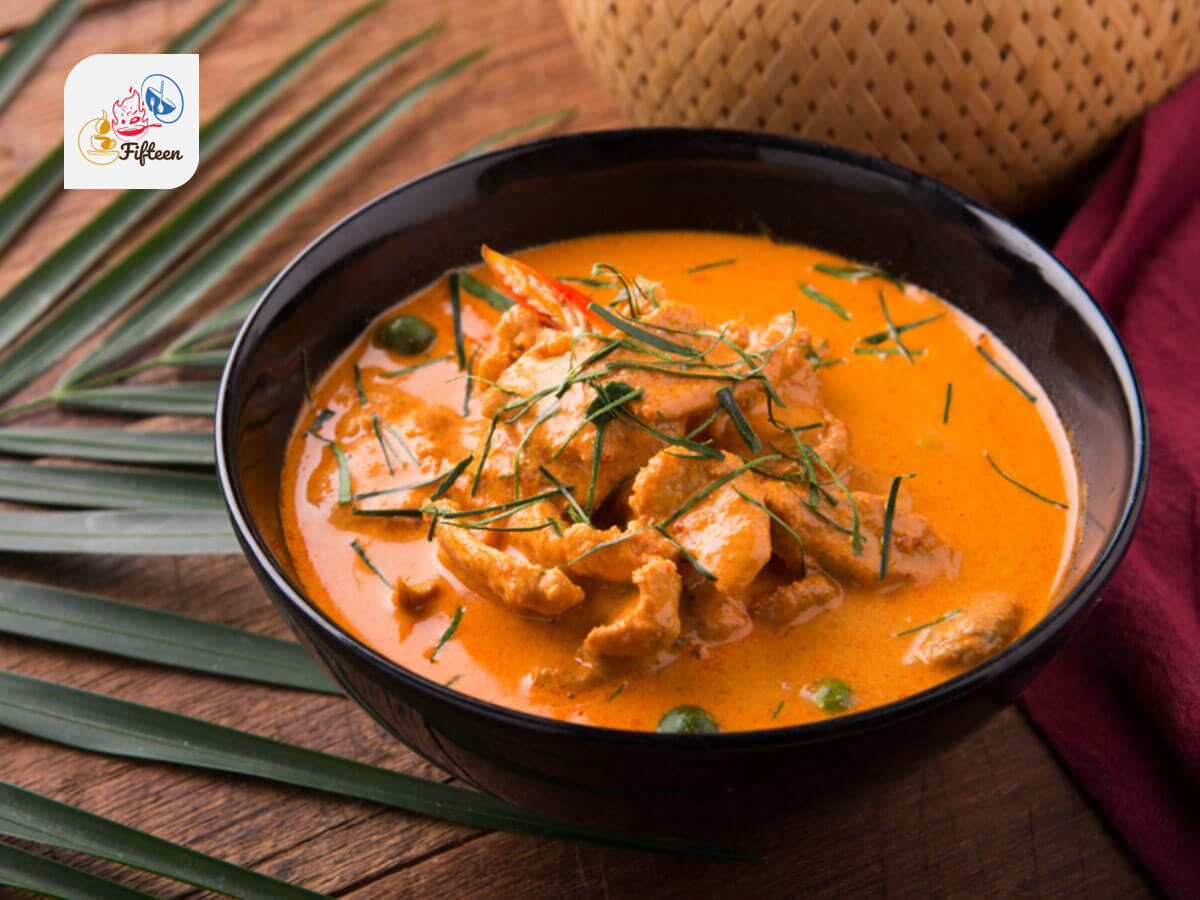
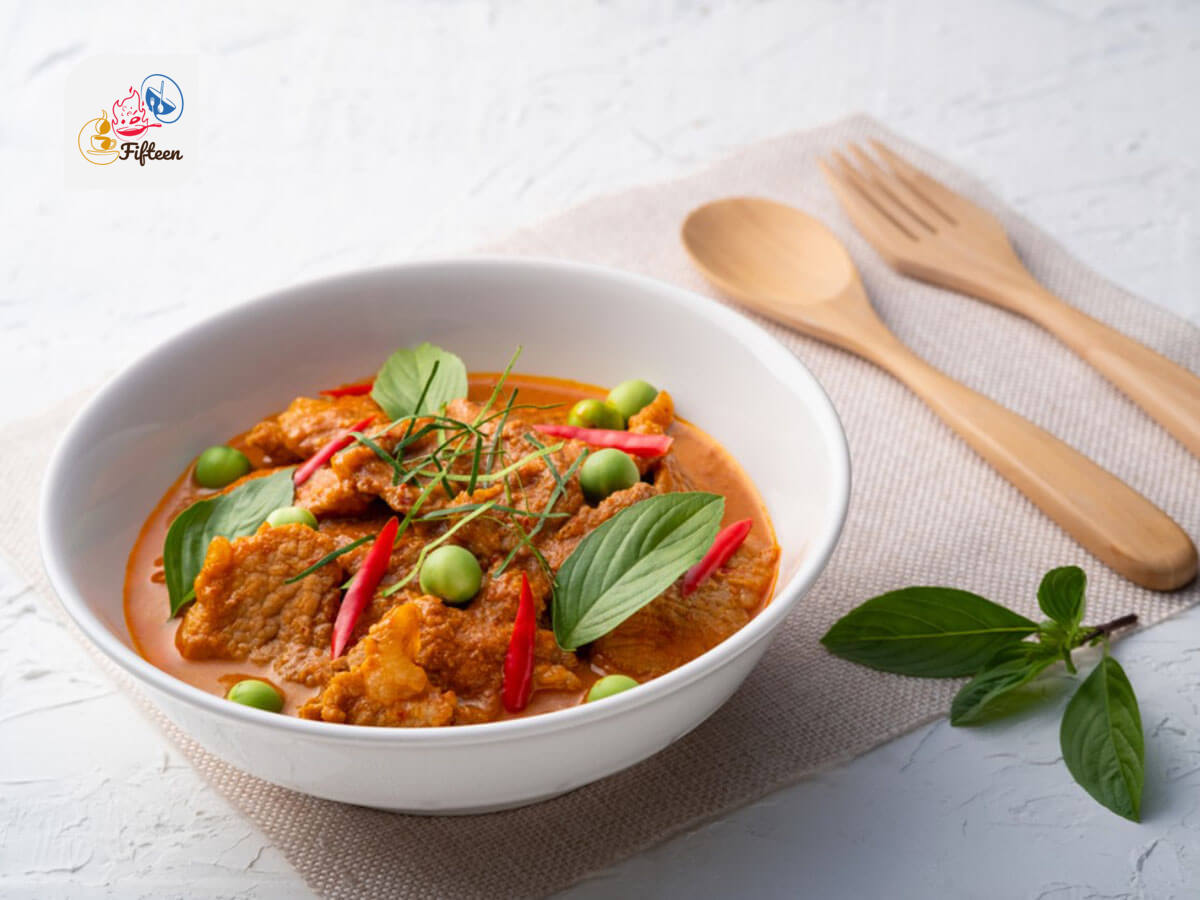
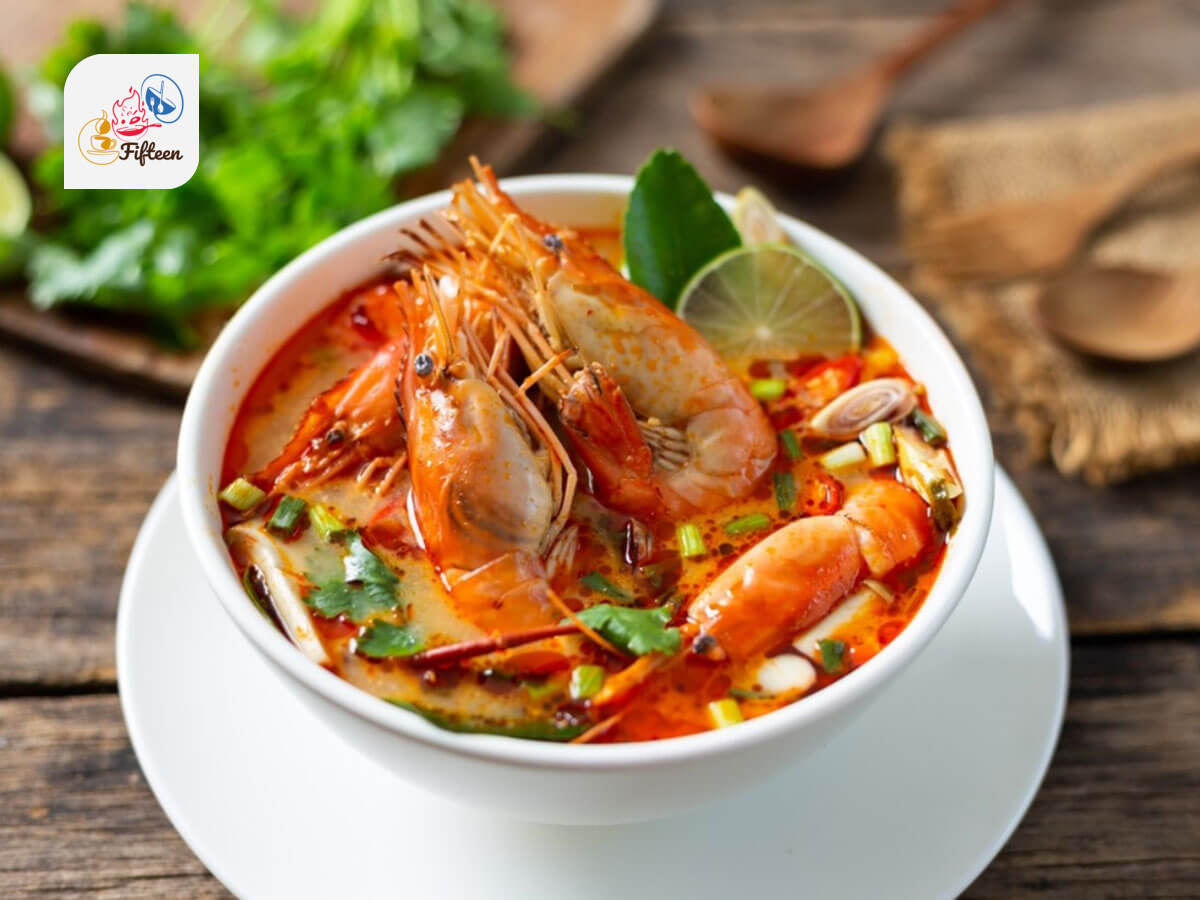
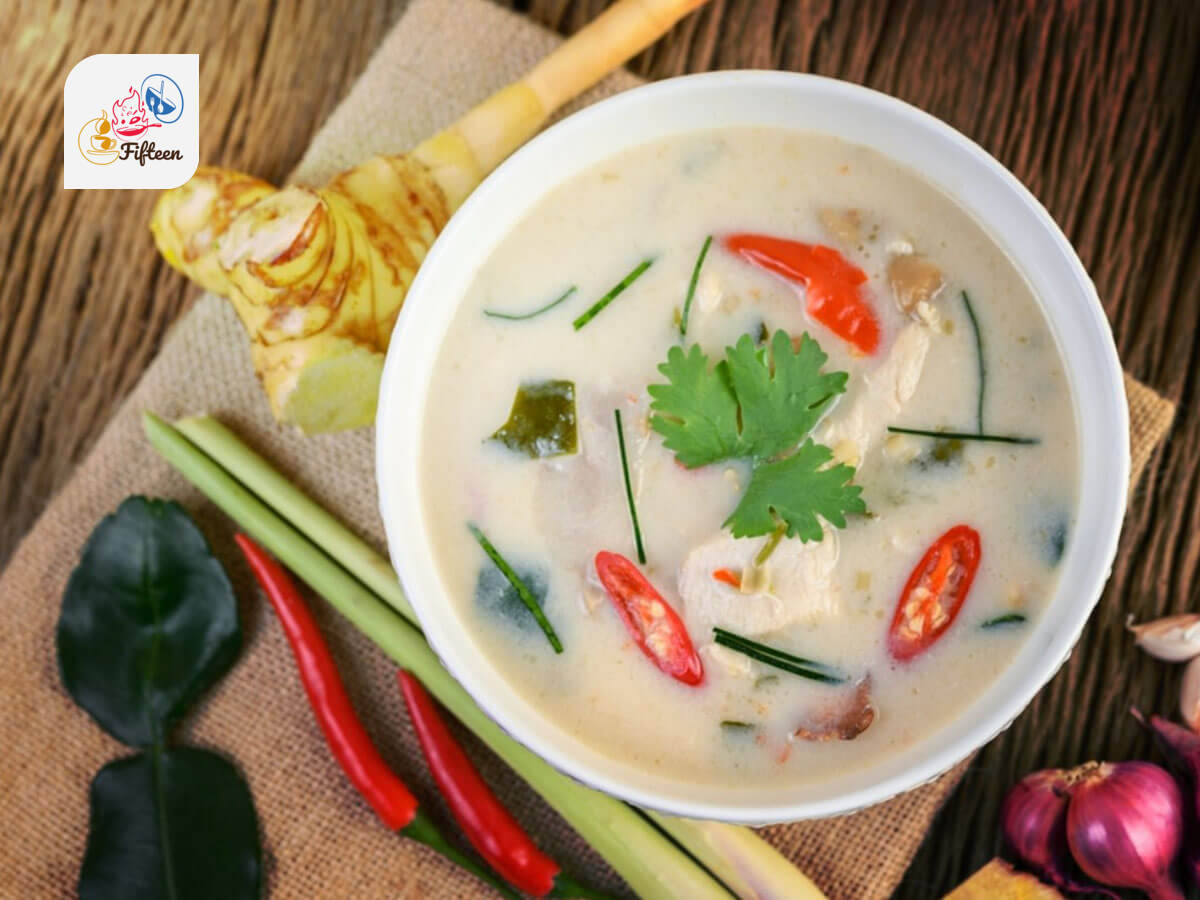
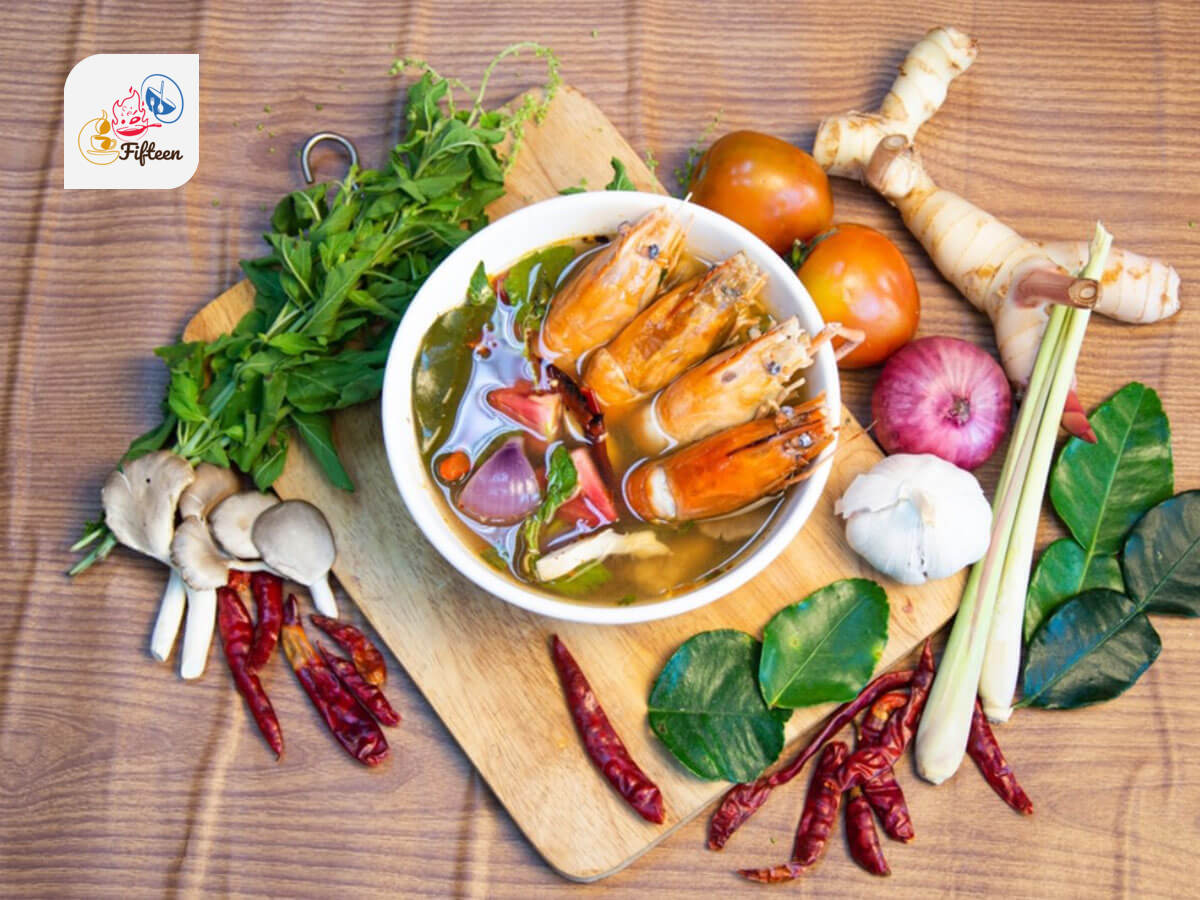
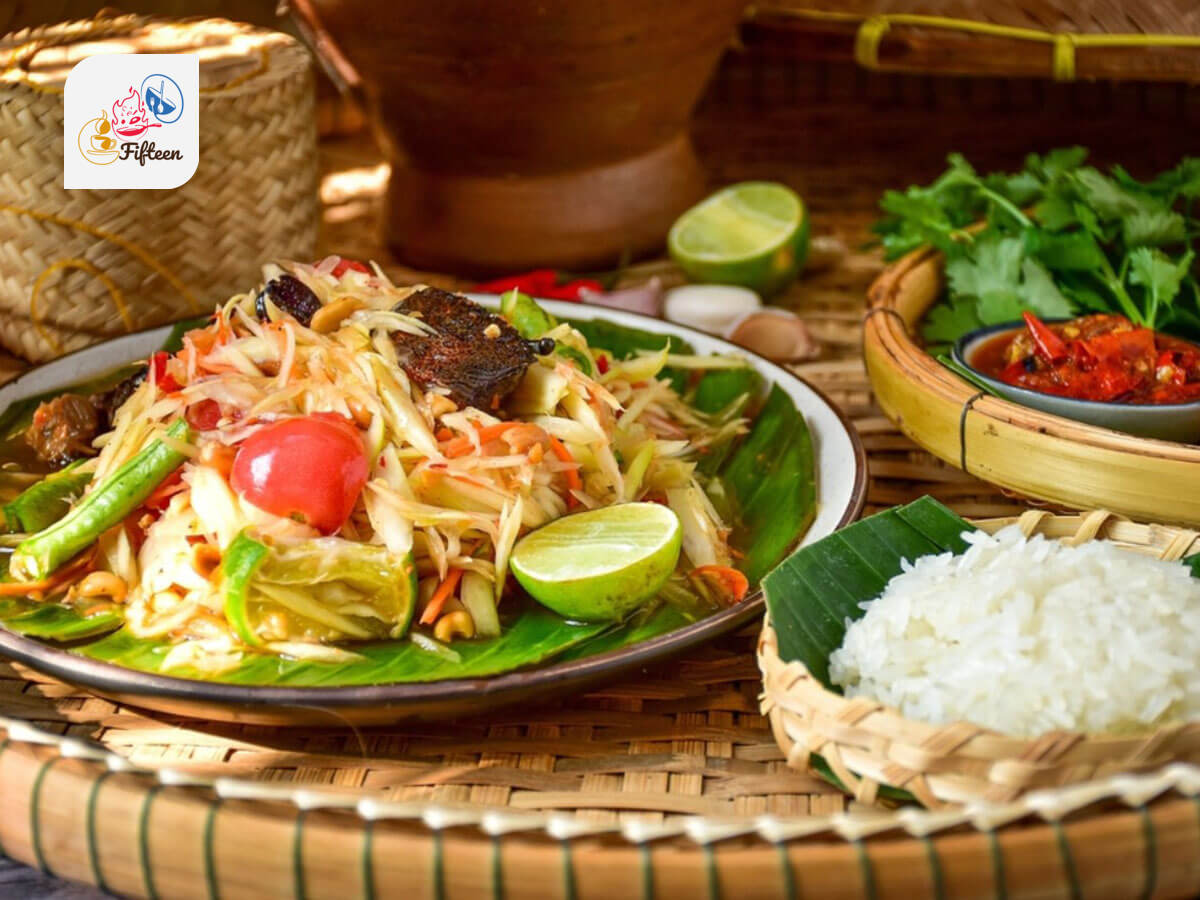
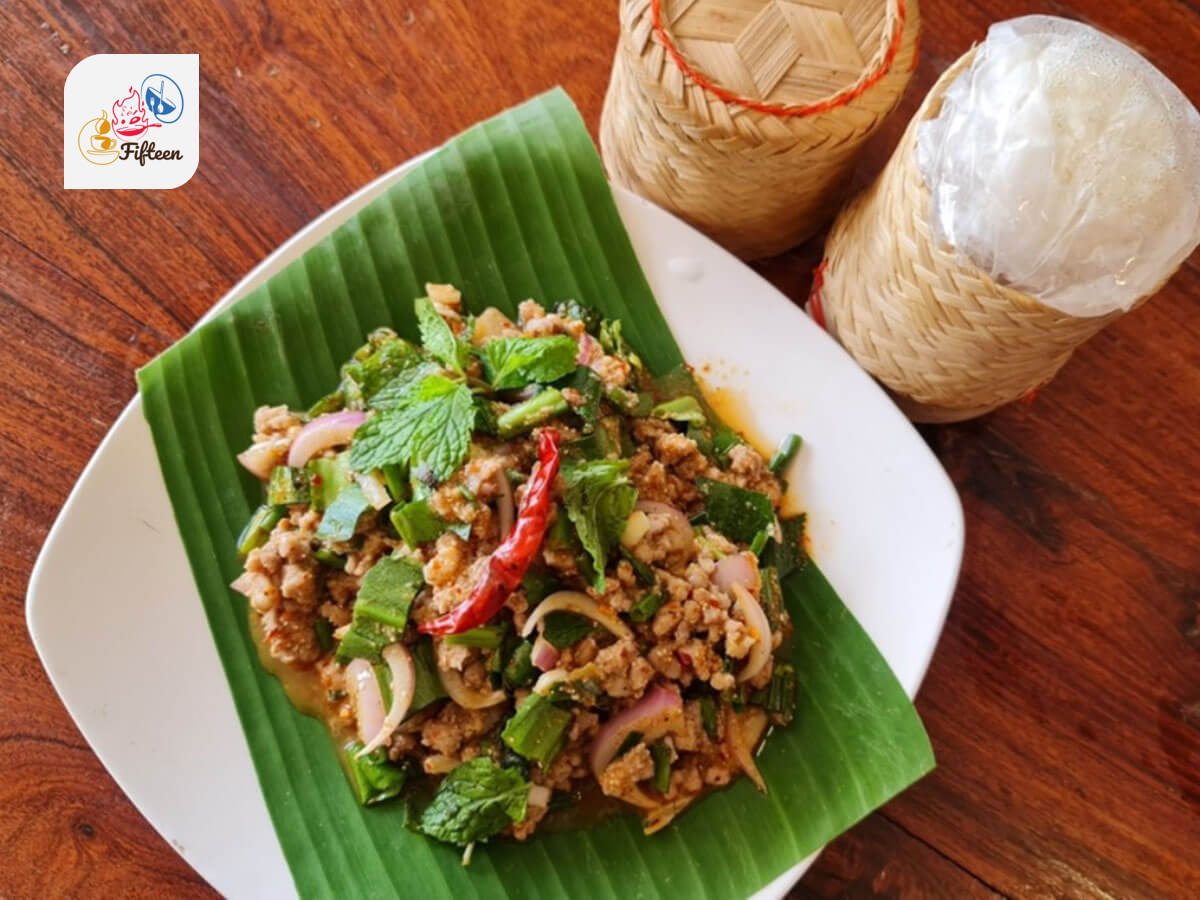
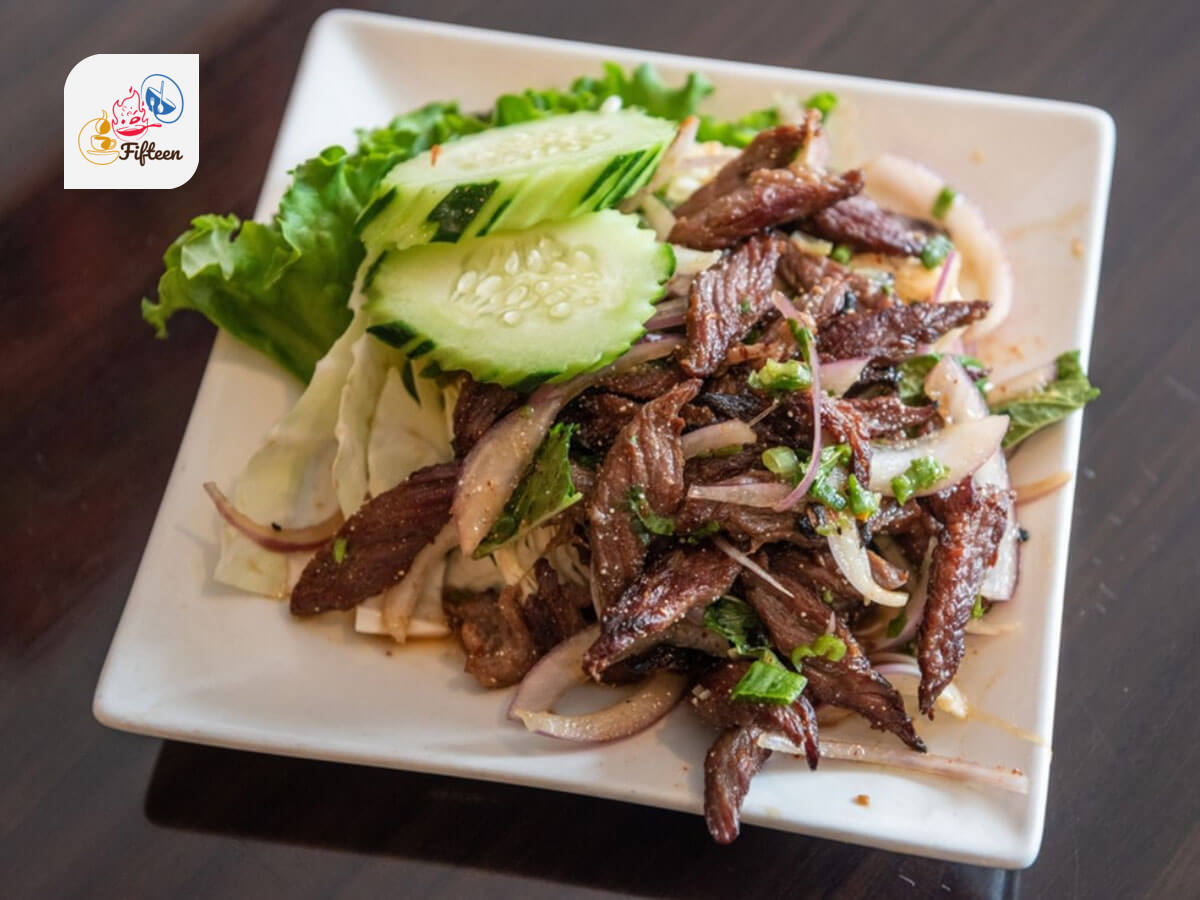
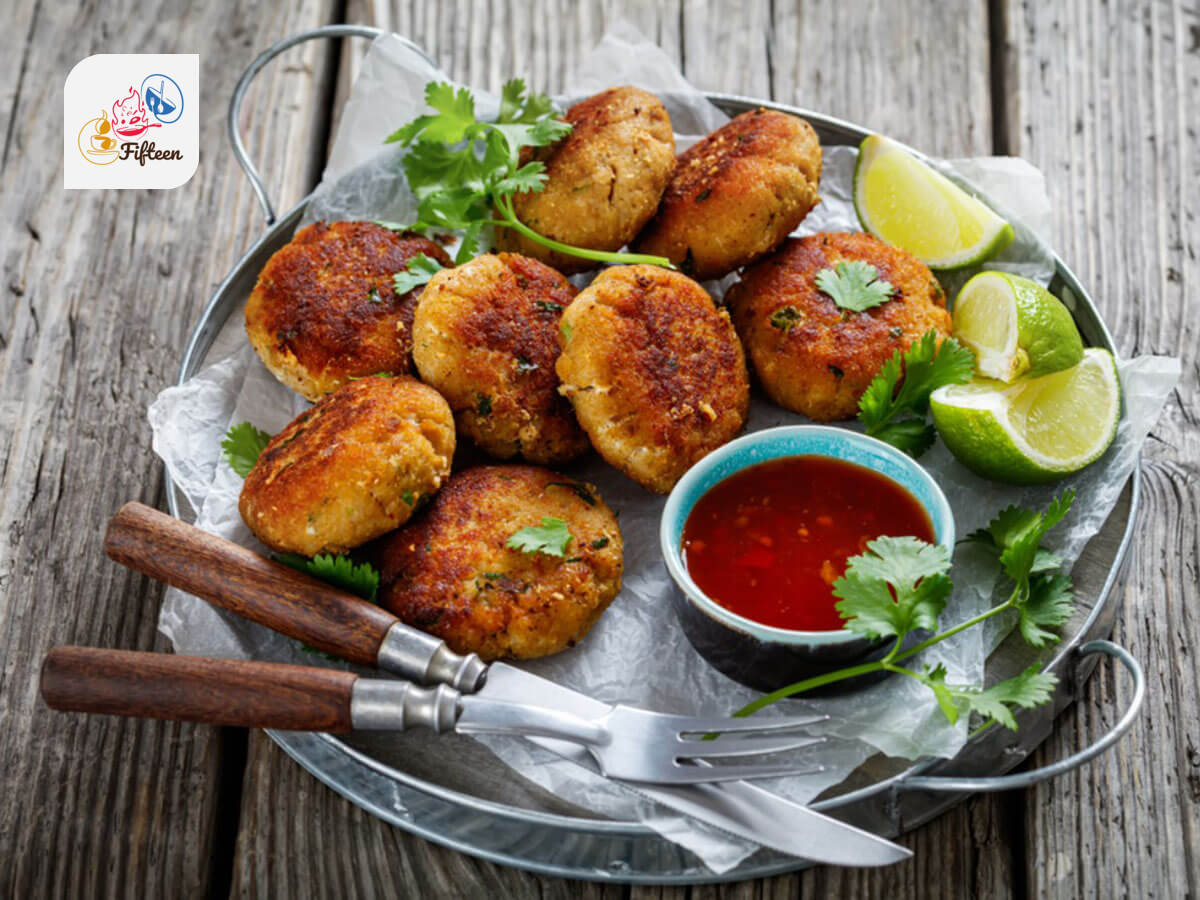
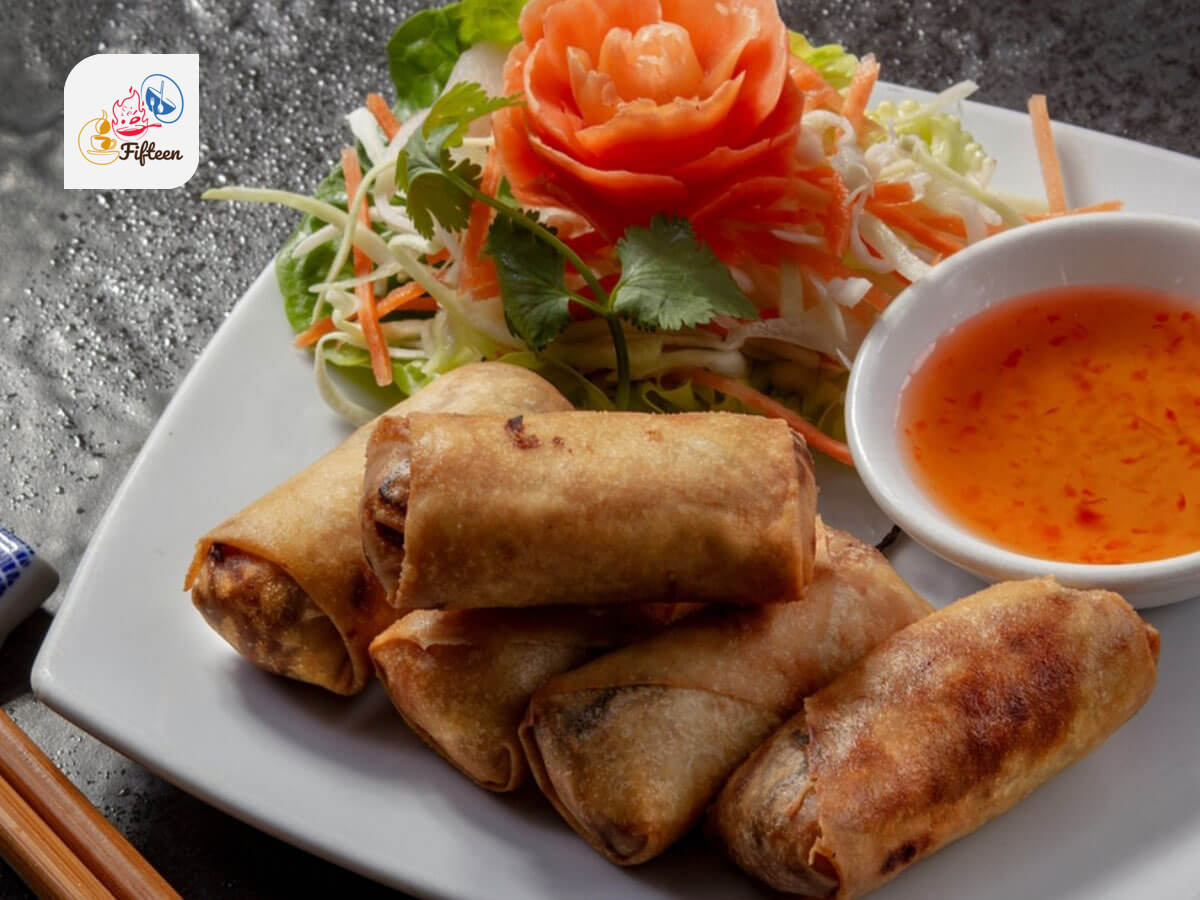
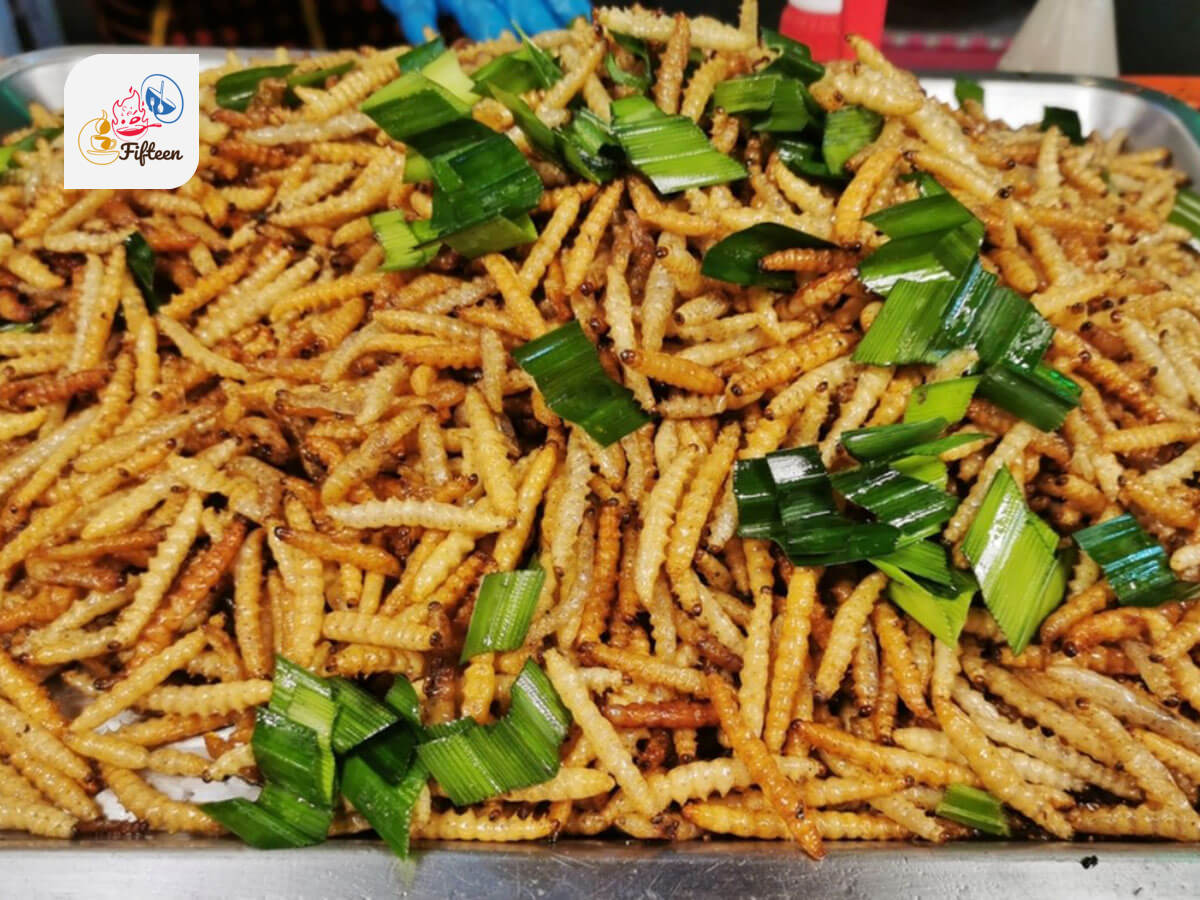
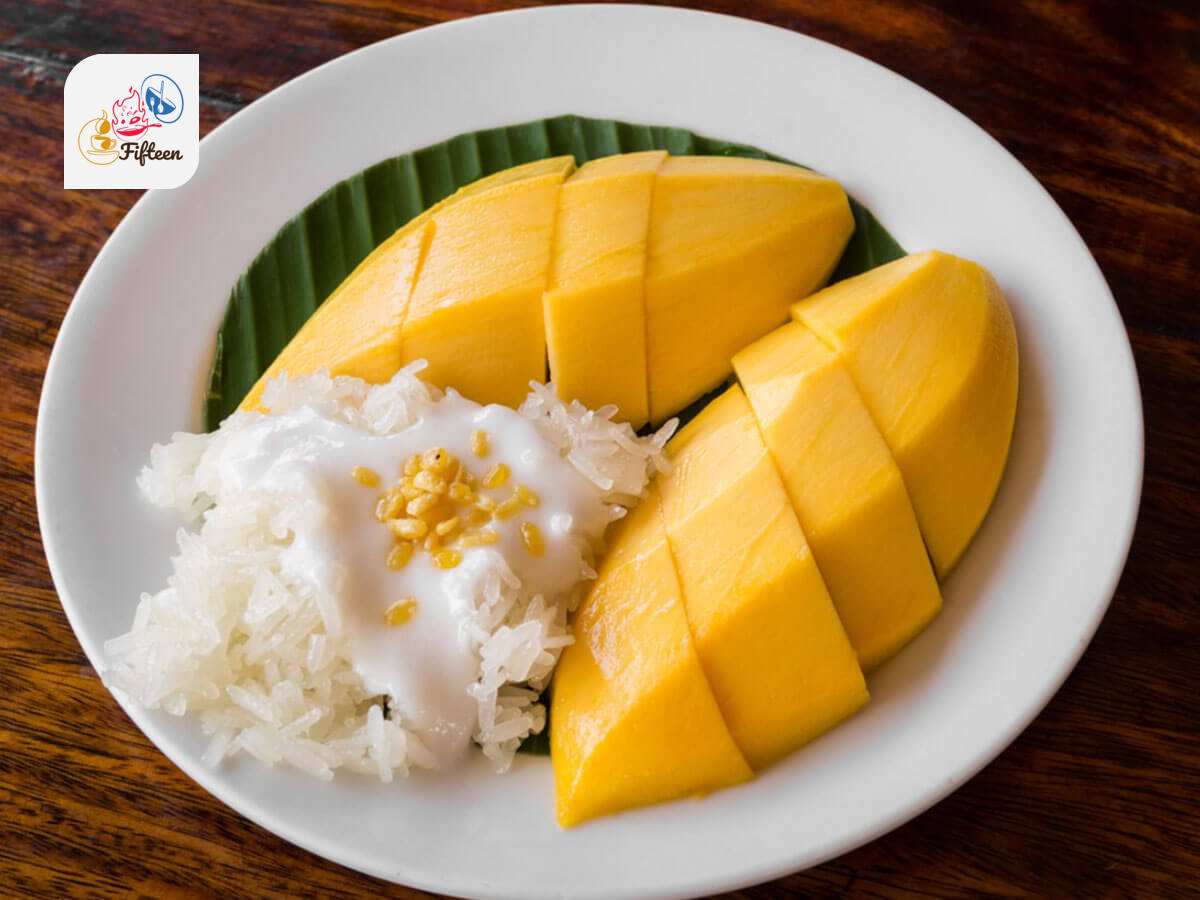
Thai dishes are a rich tapestry of flavors and ingredients characterized by their use of aromatic herbs, spices, and proteins.
Many dishes in this Southeast Asian nation often incorporate curry pastes made from chilis, garlic, shrimp paste, and coconut milk, though some regional variations are different.
Thai food delicacies include tom (boiled delights), yam (spicy salads), tam (pounded dishes), kaeng (curries) and stir-fries. There are four fundamental flavors in these dishes: sweet, spicy, sour, and salty.
Many Thai dishes are shaped by interactions with Chinese specialties, while neighboring cuisines, such as food offerings from Cambodia, also influence the development of Thai gastronomy.
Begin the journey by learning about traditional Thai food and what it entails, such as its core attributes, global popularity, and healthy aspects.
I will introduce 37 popular dishes of Thailand and go over each one’s ingredients, flavor, texture, history, and other facts.
In addition, you’ll also learn some factors that make up the appeal of Thai dishes, Thai street food culture, popular beverages for pairing local dishes, and the basics of Thai table manners.
Let’s get started with 37 famous Thai dishes below:
37 Most Popular Thai Dishes with Filters
There are 37 mouth-watering Thai dishes worth discovering. I will help you explore them with my interactive filters; there are options regarding alphabetical sorting, main ingredients, taste, cooking methods, dish types, courses, and global popularity.
For more information, use the additional filters based on specific culinary styles, such as traditional, national, street food, and exotic options.
What Factors Influence Thai Dishes?
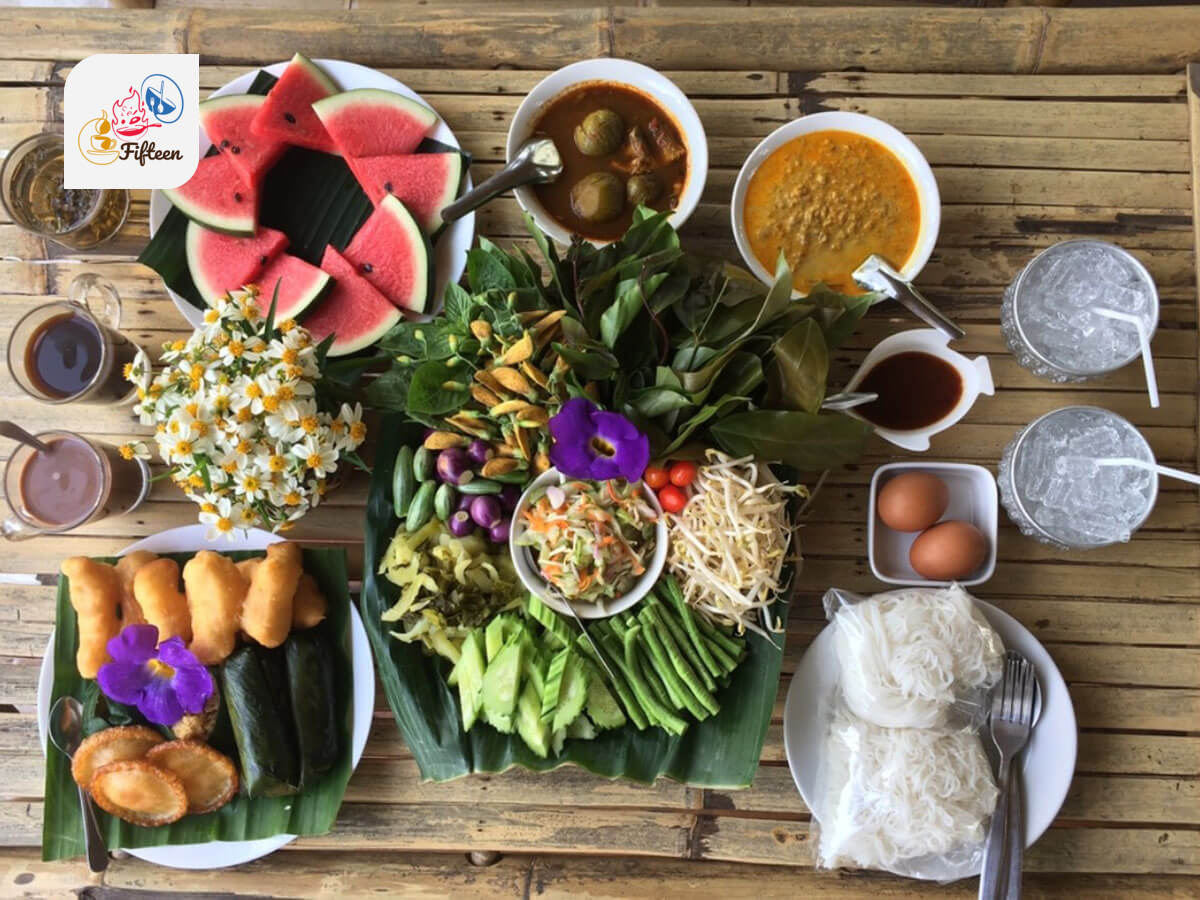
The following six key factors significantly shape Thai dishes: geography, culinary influences, religious and ethical beliefs, local ingredients, traditional dish categories, and flavor composition.
Thailand’s extensive coastline has influenced its cuisine, particularly in the form of seafood. The four main regional cuisines, including Northern, Central, Southern, and Northeastern Thailand, offer unique dishes and cooking styles.
Northern and Southern Thai dishes are among the most popular food offerings in Thailand. Northern Thai dishes heavily feature herbs, spices, pork, and sticky rice. Meanwhile, Southern Thai specialties are spicy and frequently use coconut milk and seafood.
Thai cuisine also showcases diverse culinary inputs from many countries. The most influential ones are China, India, Laos, Myanmar, and Cambodia.
Some Southeast Asian countries, like Malaysia and Indonesia, and European ones, like Portugal, also play a role in diversifying Thai dishes.
Since Buddhism is a predominant religion, vegetarianism is a prevalent concept in locals’ diets. Halal dishes conforming with Islamic dietary laws are popular in some regions with Muslim populations.
Many Thai dishes are brimming with the essence of native herbs and spices, such as lemongrass, galangal, and kaffir lime leaves.
Various sauces and pastes, such as fish sauce, oyster sauce, and curry paste, are used extensively in many Thai food offerings.
Fruits and vegetables are also prominent in many culinary delights, either in the North or the South.
Many traditional Thai dishes can be categorized into four main types: yam (spicy salads), tam (pounded dishes), kaeng (curries), and tom (boiled dishes).
Thai dishes are known for their balance of tastes: sweet, sour, salty, spicy, and umami. However, many specialties boast a spicy edge due to the liberal use of chili peppers or similar spices.
The rich and robust flavors contribute greatly to the renown of the Thai street food scene.
What Are the Factors Behind the Popularity of Thai Street Food?
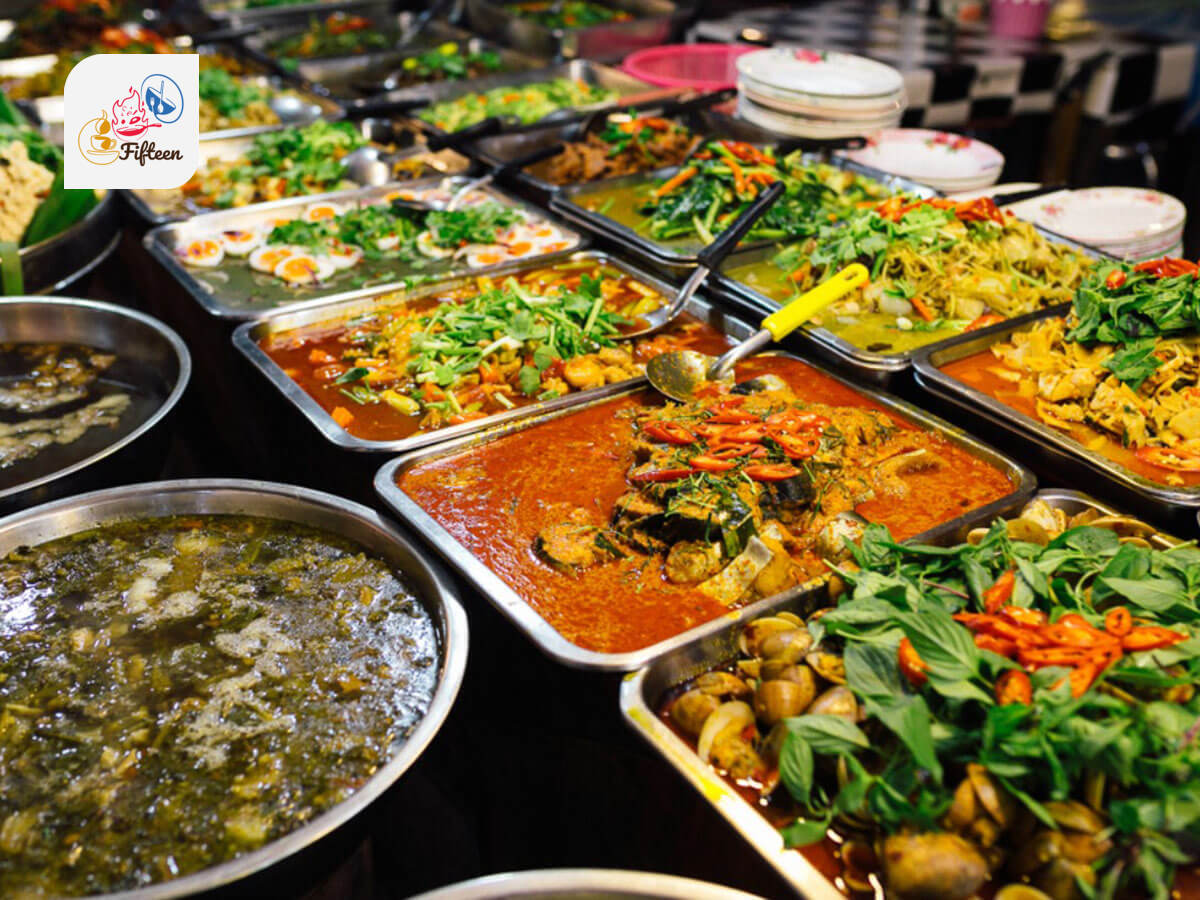
Thai street food is immensely popular, both in Thailand and internationally. The popularity can be attributed to the four factors below:
Affordability
These specialties are cheaper alternatives to restaurant meals, making them accessible to both locals and tourists.
Accessibility
Thai street food is readily available in various settings, from bustling city streets to small towns. The food is often prepared quickly and is ready for immediate consumption.
Tourism
The rise of this nation’s tourism industry has also contributed to the popularity of many Thai-style street food dishes.
Variety
The variety of dishes available is staggering, from skewers of grilled meat and bowls of spicy noodle soup to drinks or desserts.
To enhance your experience with Thai street food, make sure you serve your fare with the right beverages.
What Are Popular Beverages for Accompanying Thai Dishes?
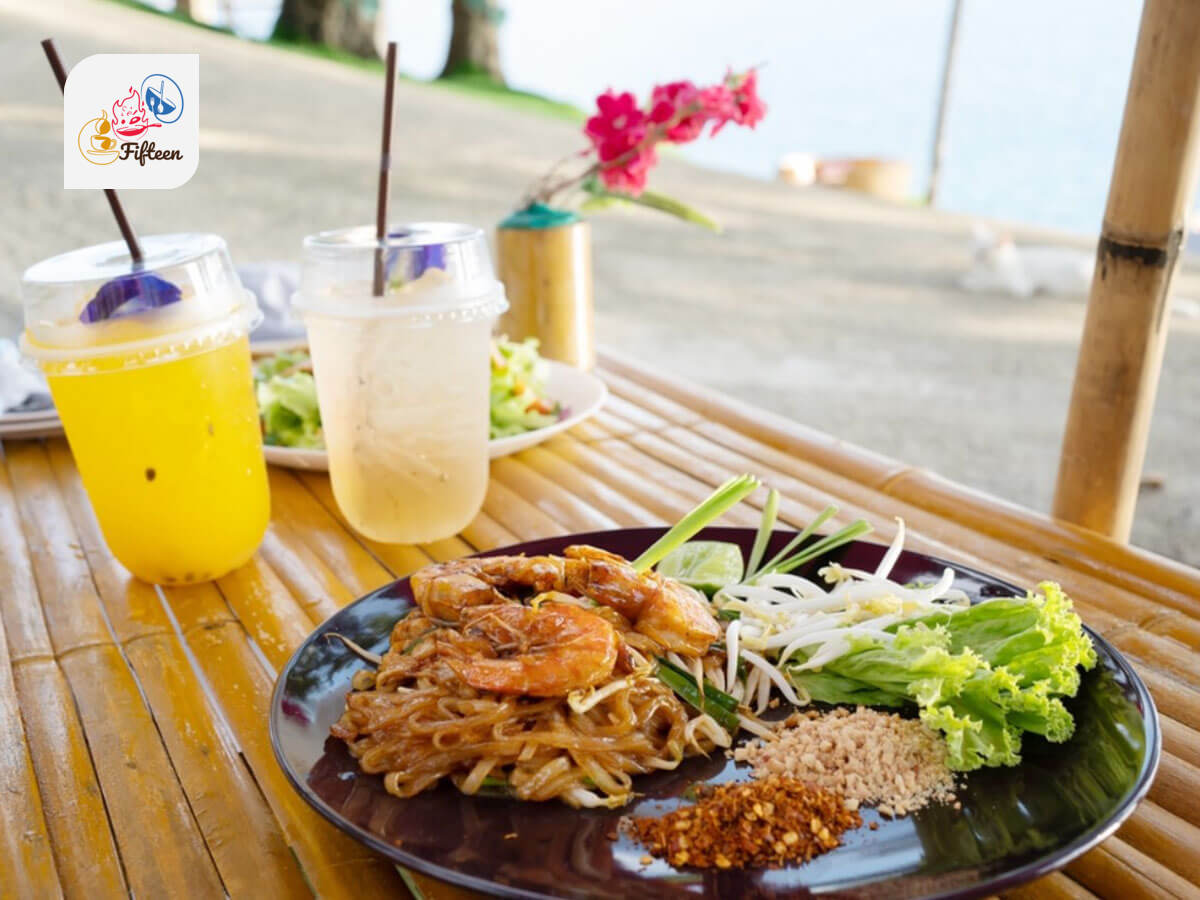
To enjoy the best pleasures Thai cuisine has to offer, pair your favorite dishes with the following beverages.
Cha Yen
This sweet and creamy iced tea drink pairs well with many dishes, especially spicy curries and savory stir-fries.
Nom Yen
A sweet, milky drink like nom yen can be a nice contrast to both savory dishes and sweet snacks or desserts.
Oliang
A Thai iced coffee drink, oliang is excellent for accompanying snacks, desserts, and main dishes with not too much seasoning.
Nam Maphrao
Nam maphrao, or coconut water, works well with salads and light snacks, though other types of dishes are also wonderful accompaniments.
Nam Oy
The Thai version of sugarcane juice, nam oy is an ideal choice for complementing snacks, desserts, and many dishes with mild flavors.
Sato
This type of Thai rice wine is a match made in heaven for spicy curries, stir-fries, and savory soups.
Singha
Singha, or Thai beer, can balance out spicy and rich flavors of savory snacks, grilled dishes, curries, and many meat-based or noodle-based stir-fries.
The next time you eat out at a Thai restaurant or visit Thailand, remember to elevate your food experience with these refreshing Thai beverages. Next, it’s time to explore the basic rules of table manners in Thailand.
What Is Thai Dining Etiquette?
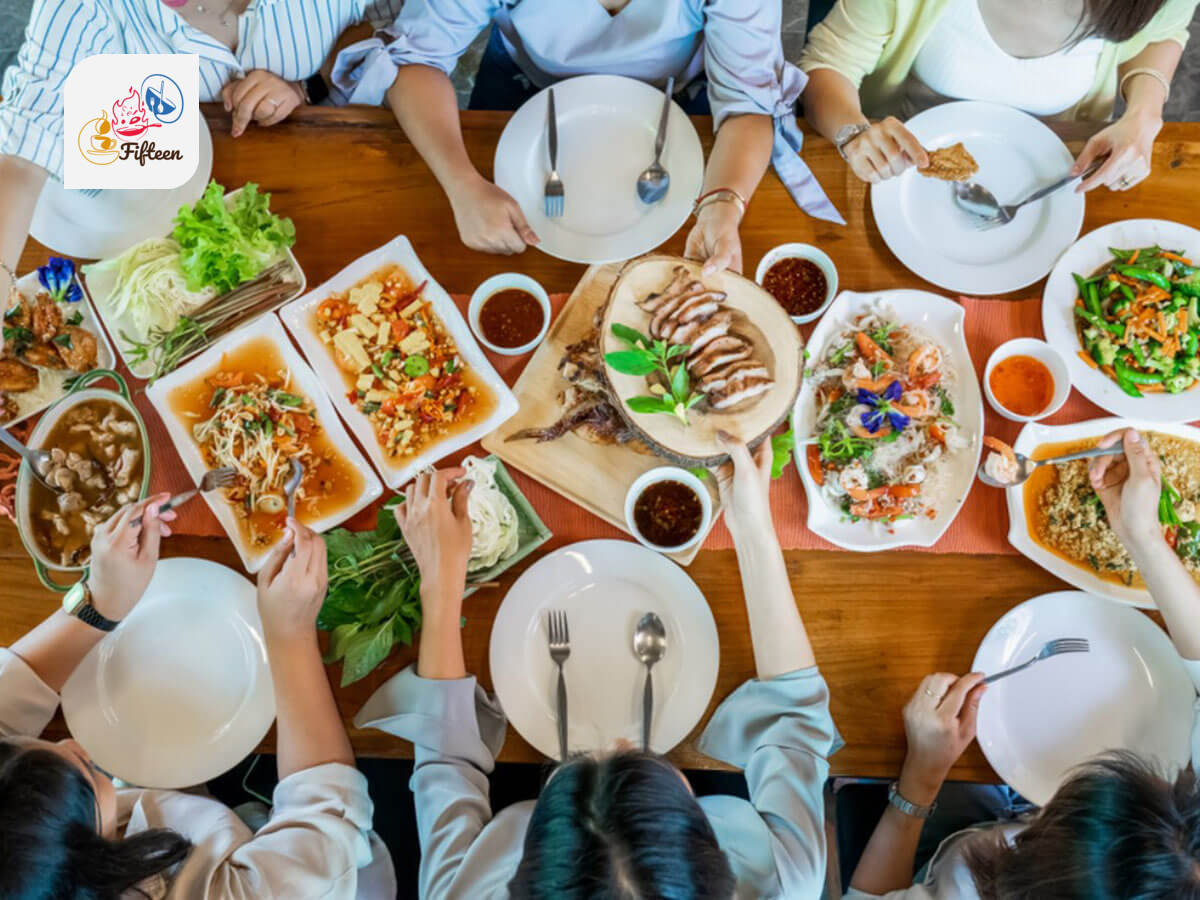
Paying attention to the following rules will help you appreciate the beauty of Thai dishes more easily.
Use of Utensils
Most Thai people eat with a spoon in the right hand and a fork in the left. The fork is used to push food onto the spoon, which is then brought to the mouth.
Locals only use chopsticks for noodle dishes. Certain specialties, such as sticky rice, should be eaten with one’s hands.
Communal Dining
Thai meals are often served family-style, with all participants sharing several dishes. Take small portions at a time during a meal to ensure that everyone gets a share.
Showing Politeness and Respect
Wait until the host or the eldest members start eating. Eat slowly and avoid reaching over someone to grab food or utensils.
In addition, it is impolite to blow your nose at the table, so try to wipe a runny nose quietly after having spicy food.
Finishing The Food
Leaving a little bit of food on your plate can indicate that you are full and that you have been given more than enough to eat. However, wasting rice is frowned upon.
Paying the Bill
In a group setting, it’s common for one person to pay for the whole table, especially if they are the host, the eldest, or the person who orders the dishes.
Do you like trying Thai dishes? Give this post a like and share it with your friends to spread the love for Thai cuisine!
Jamie Scott
Editor in Chief, Senior Content Writer
Expertise
Home Cooking, Meal Planning, Recipe Development, Baking and Pastry, Food Editor, Cooking-video Maker, Western Food Evaluation Expert
Education
Le Cordon Bleu College of Culinary Arts
Local Community College, New York, NY
Jamie Scott is a skilled culinary expert and content creator specializing in Western cuisine. With over 15 years in the culinary field and formal training from Le Cordon Bleu, Paris, Jamie deeply understands how to blend nutrition with delicious flavors. His passion for cooking matches his commitment to making healthy eating accessible and enjoyable.
On Fifteen.net, Jamie brings a fresh perspective to classic dishes and beverages, offering readers insightful recipes, cooking tips, and a fresh view on meal planning that emphasizes taste, health, and simplicity.