

Fruits are the mature ovary of flowering plants, typically containing seeds. Interestingly, nuts and grains are also classified as fruits botanically.
In a culinary context, they are usually sweet or tart in taste and are often eaten in their raw state. Fruits are celebrated for their juice, flavor, and ability to be used in desserts, snacks, and smoothies.
Each country worldwide has a unique geographical condition and climate, making fruits vary differently. Additionally, people are one of the main factors that affect fruits in terms of species, cooking recipes, and flavors.
In this guide, I’ll explore everything about fruits. I’ll start with a rundown of the 100 most popular fruits globally and break them down by continent, region, and country.
Then, I’ll dive into the main types of fruits, their primary uses, and how they’re used in cooking, including specific dishes and drinks.
I’ll also look into some interesting comparisons: fruits that aren’t round, native versus non-native fruits, and the differences between fruits and seeds, as well as fruits and vegetables. Plus, I’ll discuss fruits that have seeds and those that don’t.
To wrap up, I’ll share insights on which fruits are actually considered vegetables, which countries are top fruit producers, and various lists of fruits sorted by alphabetical order, color, and type.
Let’s start now!
100 Most Popular Fruits Around the World
Below are 100 famous fruits worldwide, organized by how popular they are. You can use the filter function to find specific national fruit of a country, identify those that double as vegetables, or discover exotic varieties.
This list also helps you explore which fruits are commonly used in dishes, drinks, or as garnish.
Bridging the gap between the general and the specific, let’s transition to detailed lists of fruits by continent, region, or country
List of Fruits by Continent, Region, Country
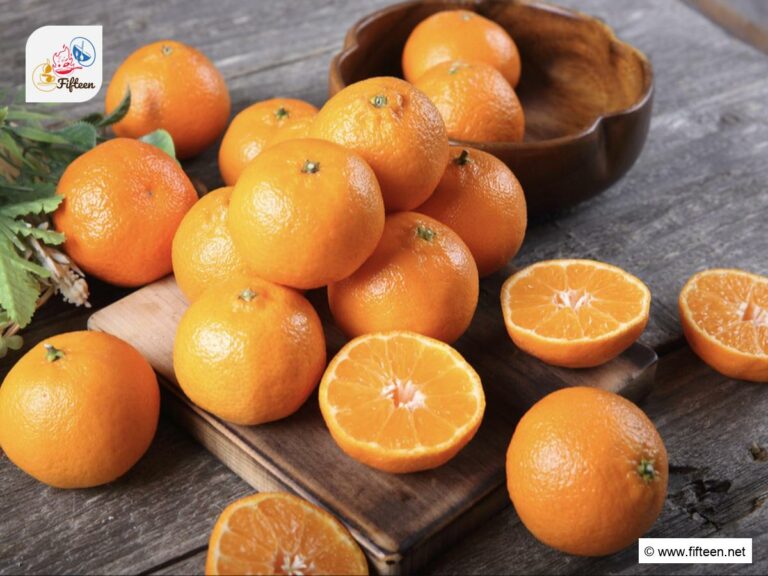
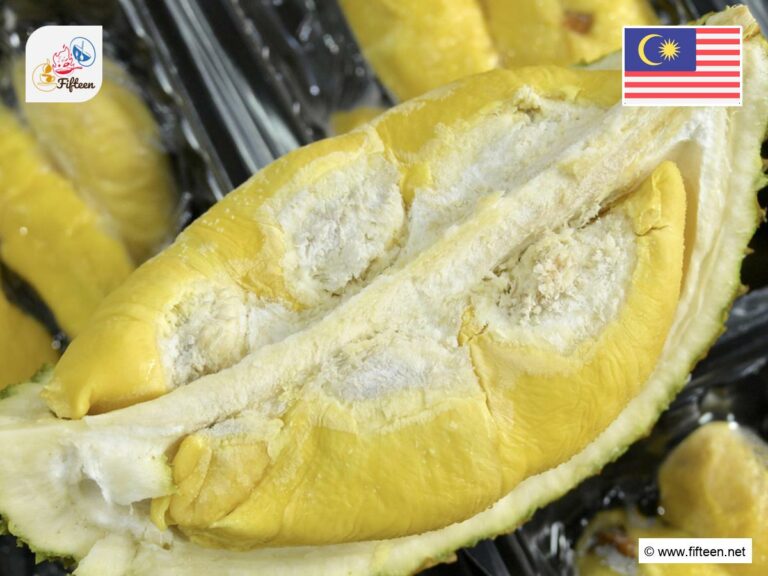
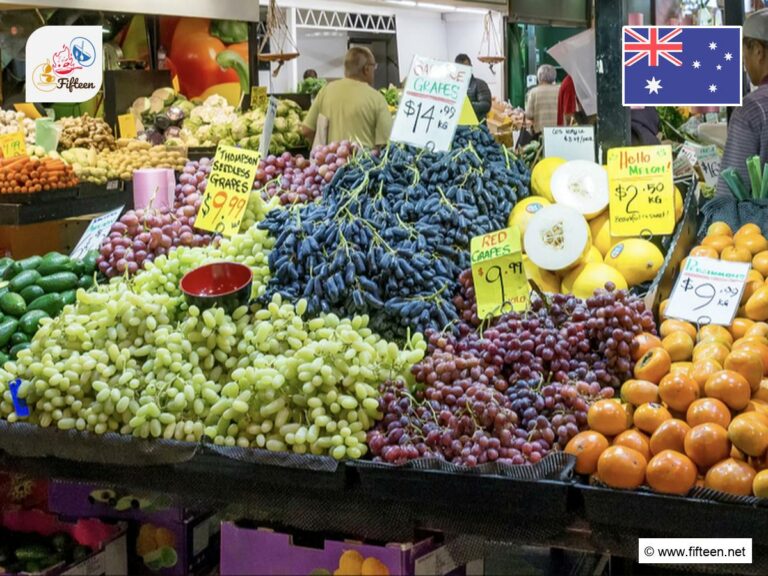
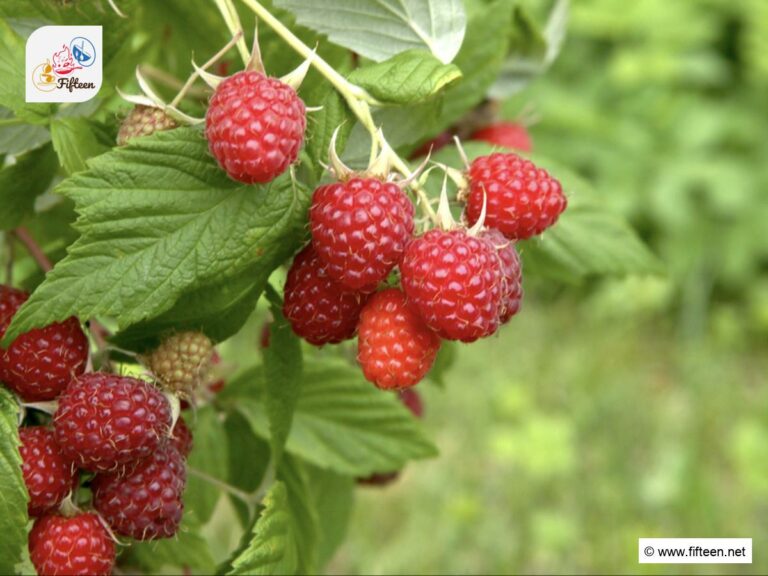
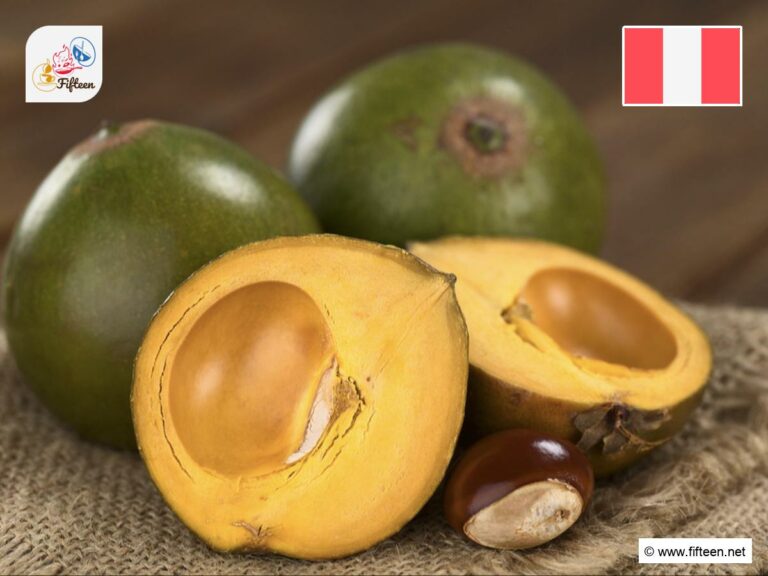
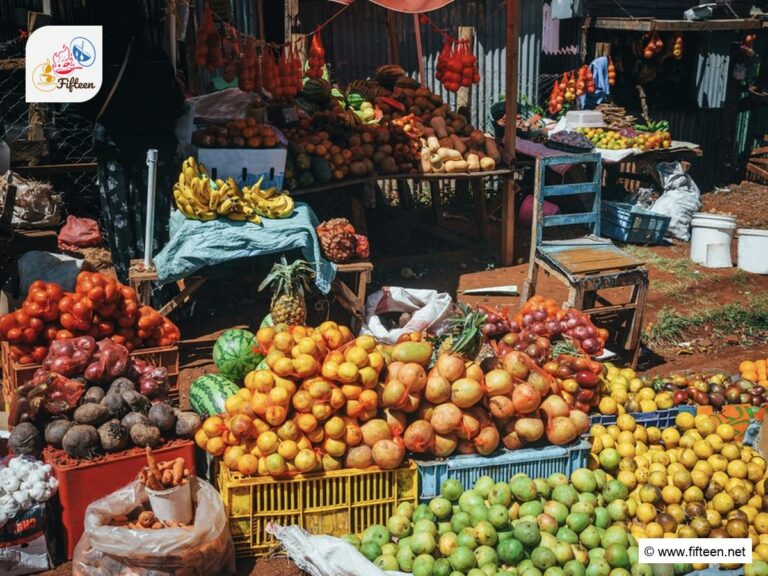
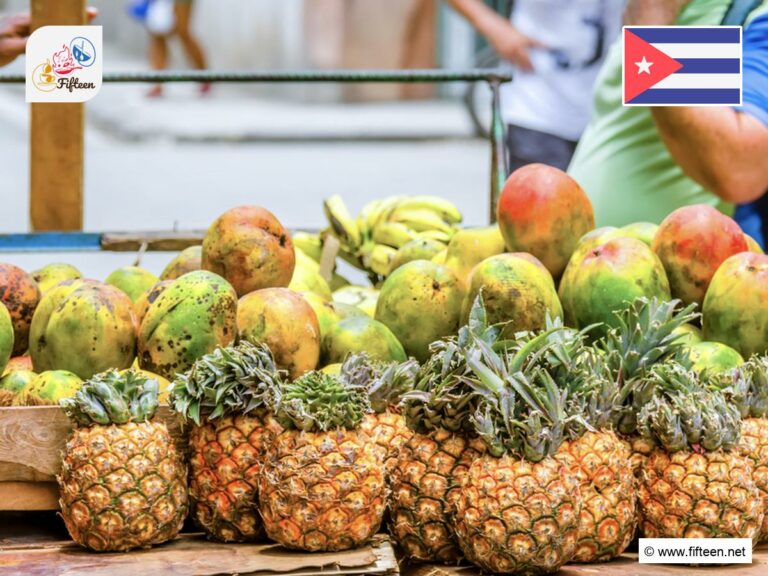
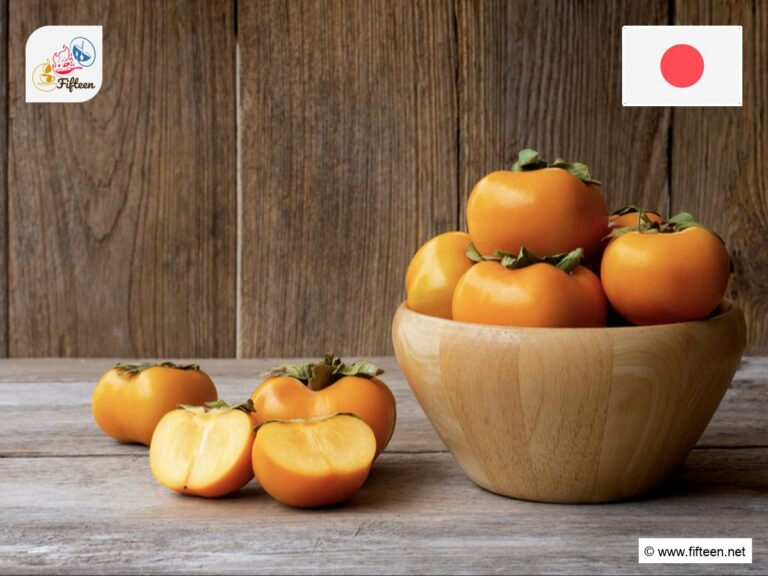
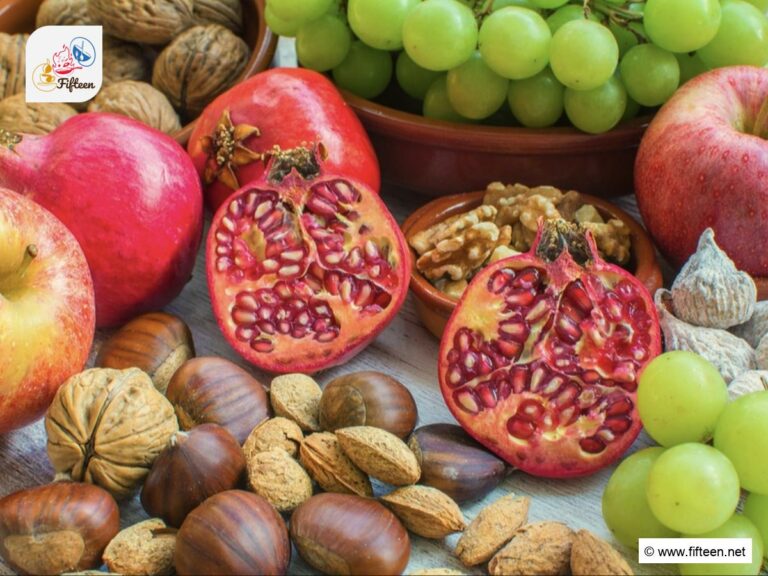
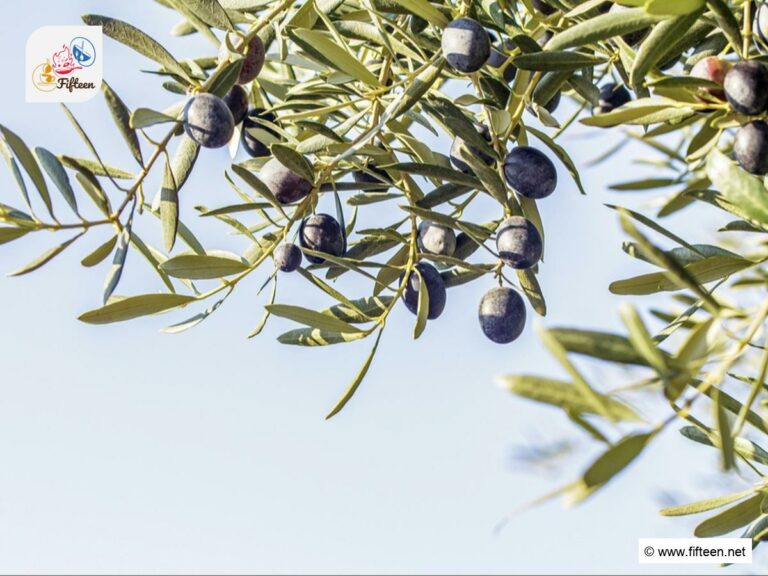
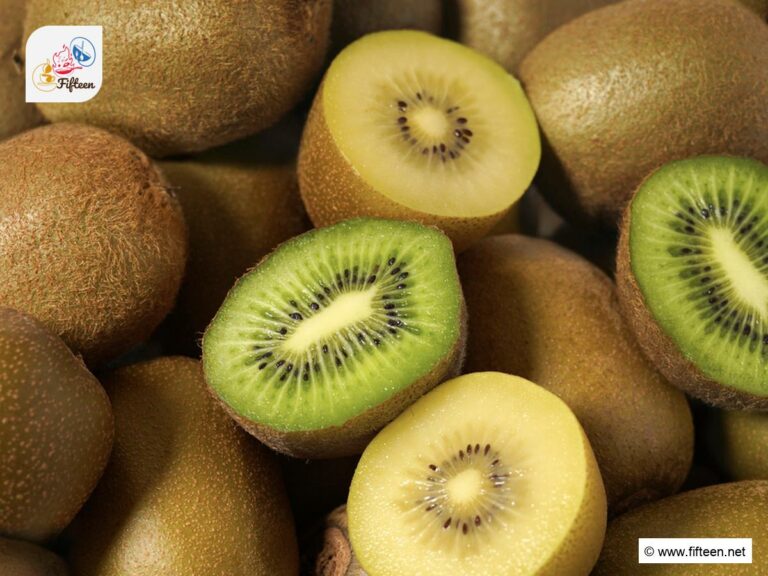
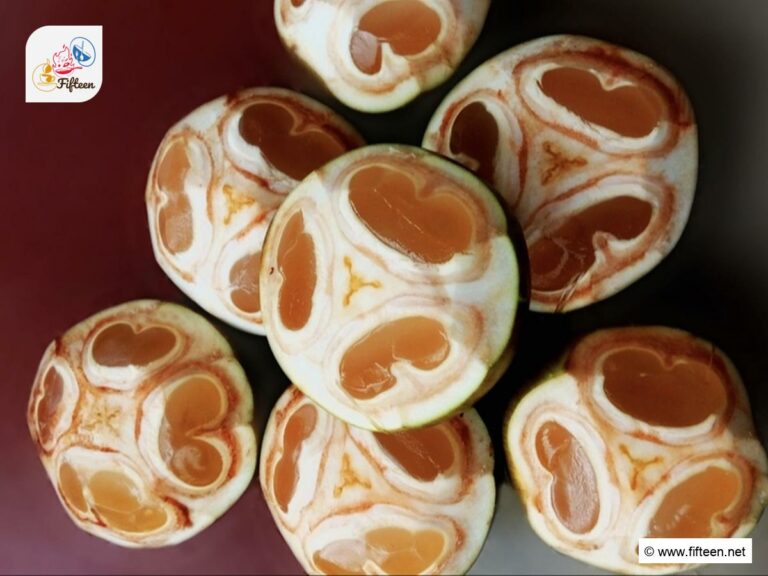
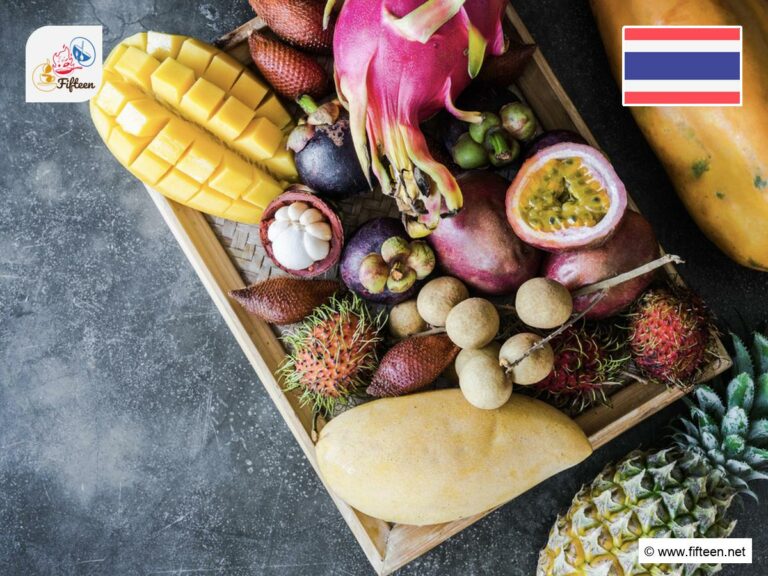
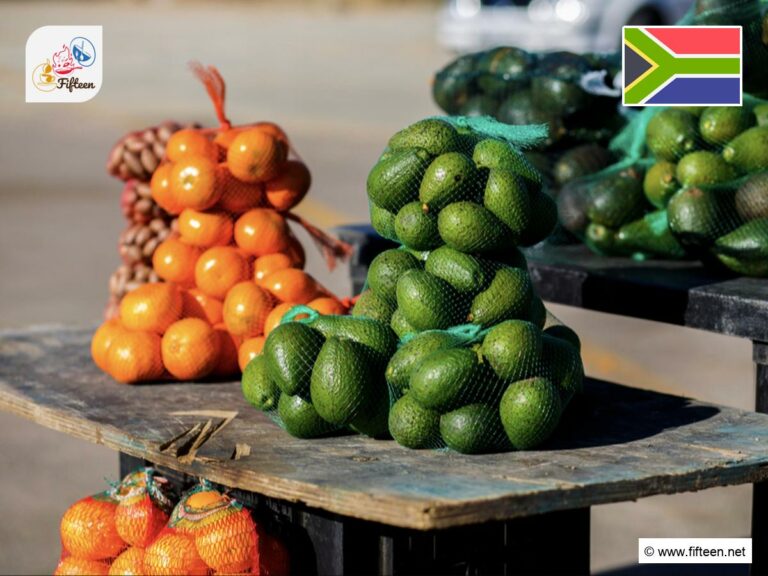
Fruits vary differently in terms of color, textures, and flavors around the world, with some nations even having national fruits that represent their culture. For that, you shouldn’t miss the chance to uncover the unique features of fruits in each country:
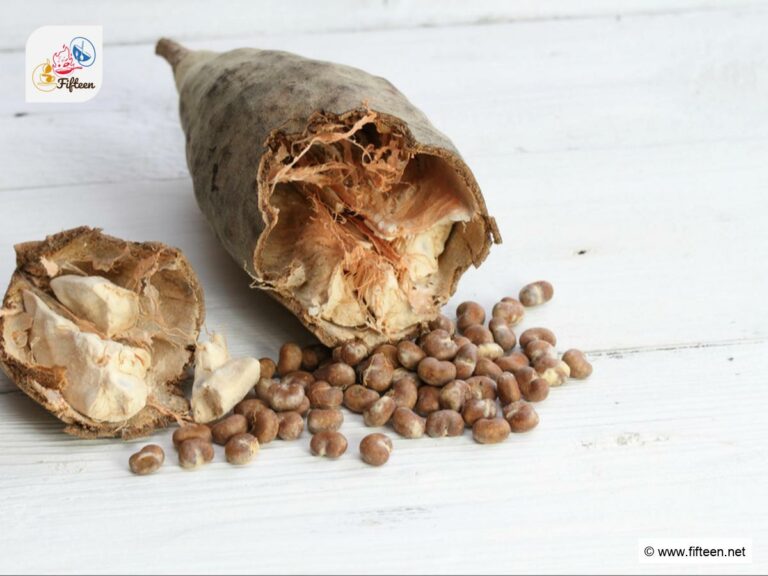
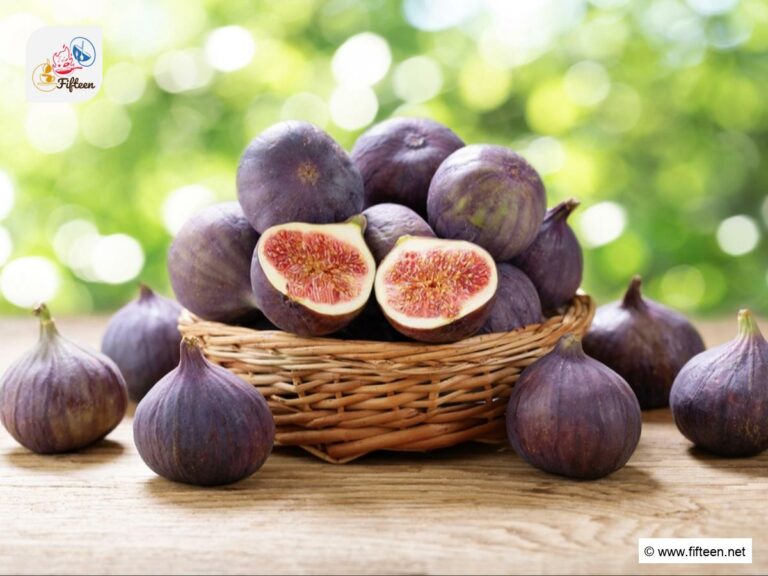
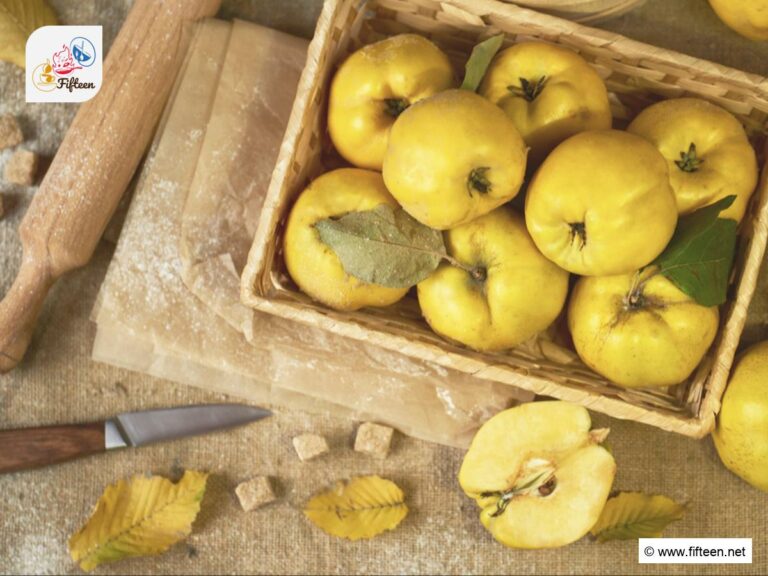
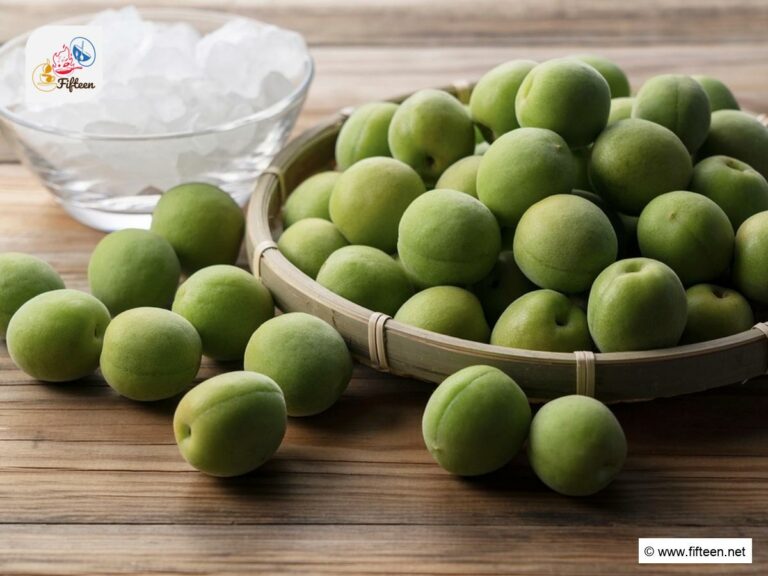
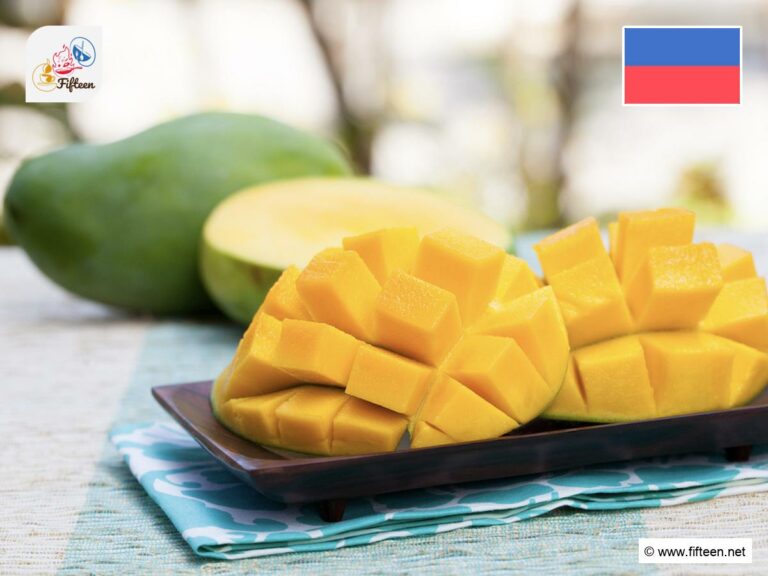
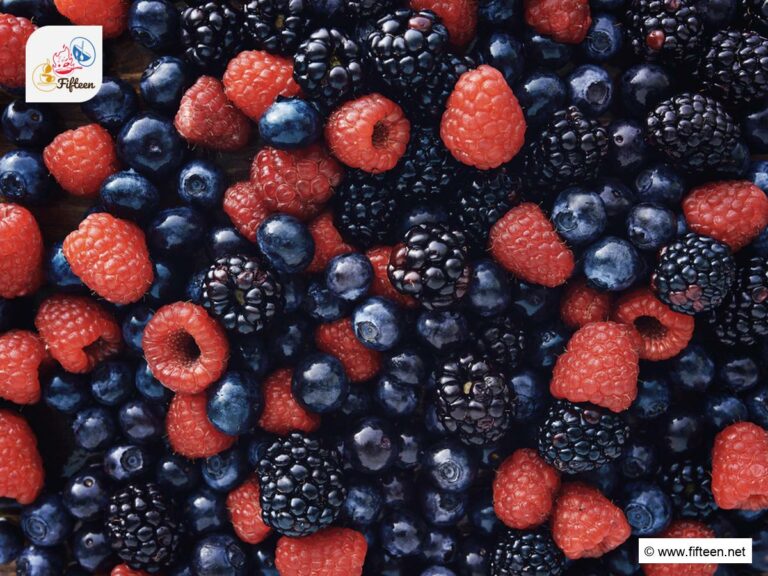
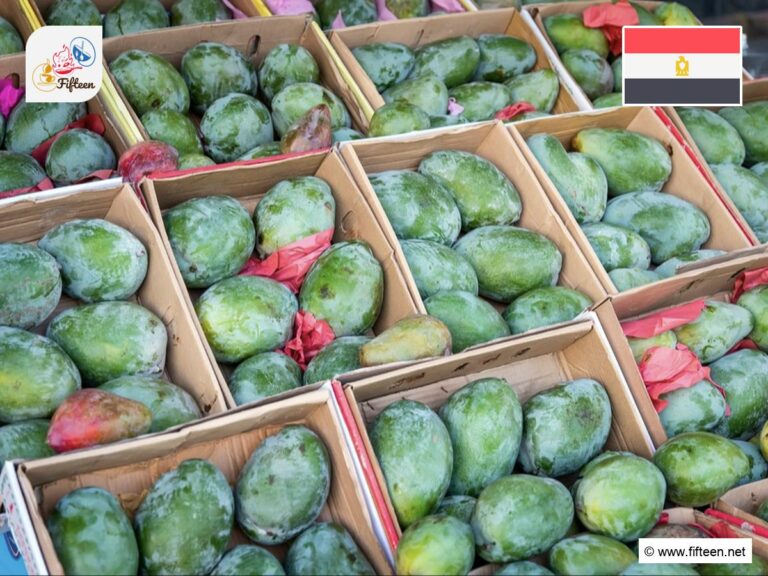
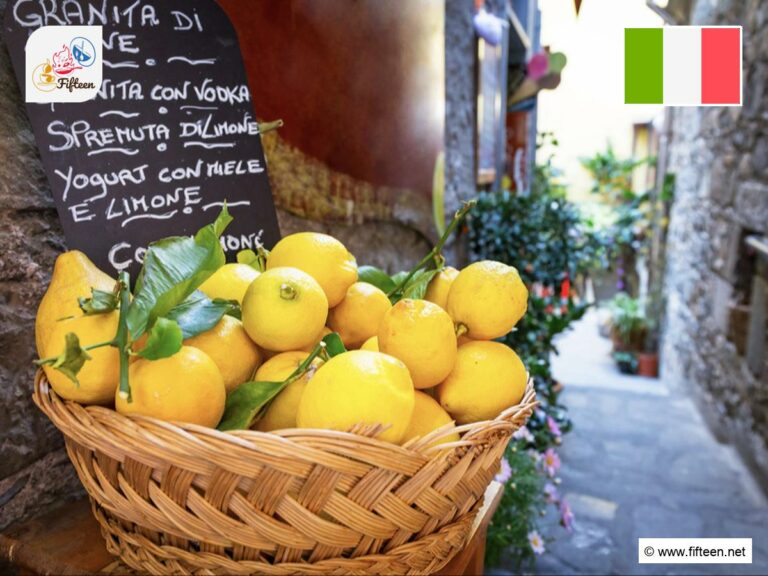
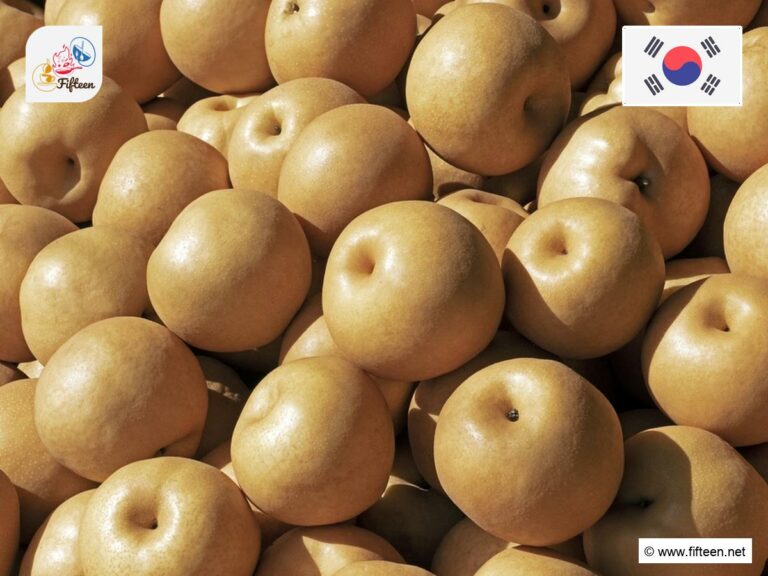
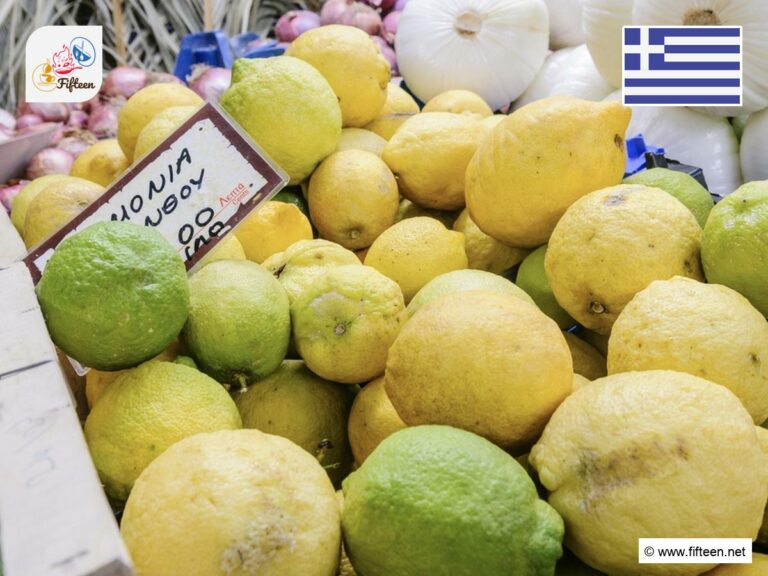
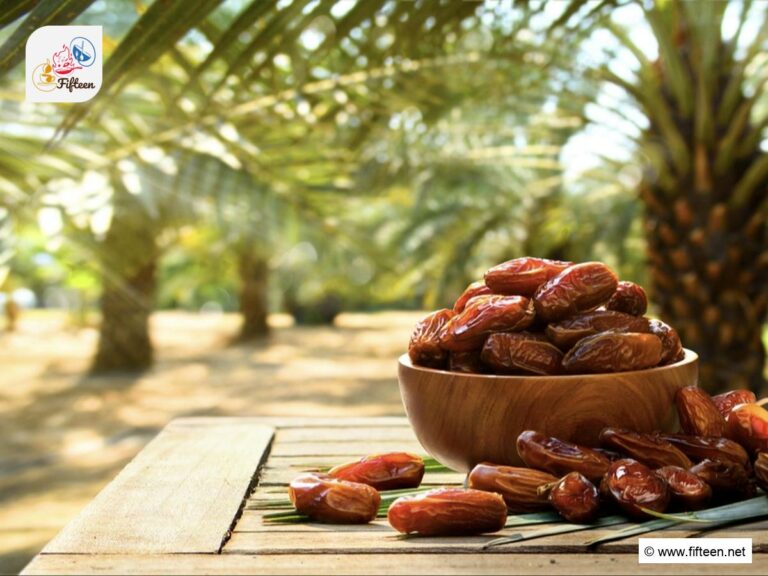
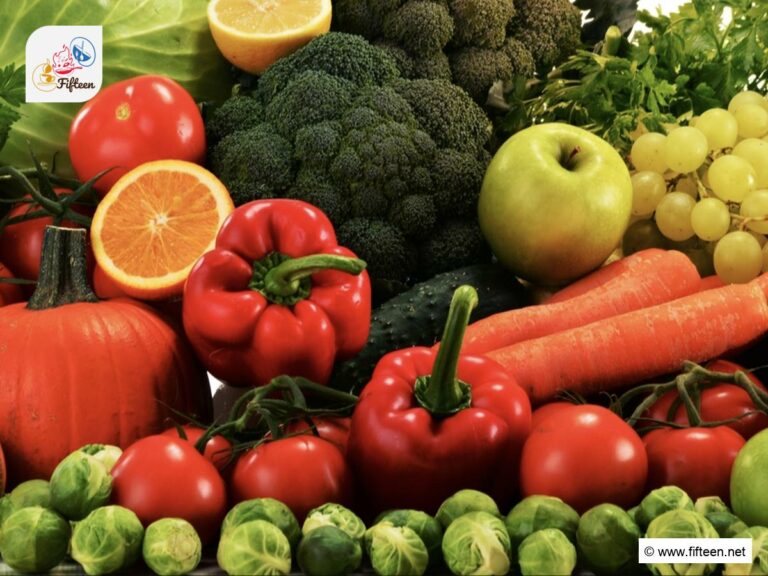
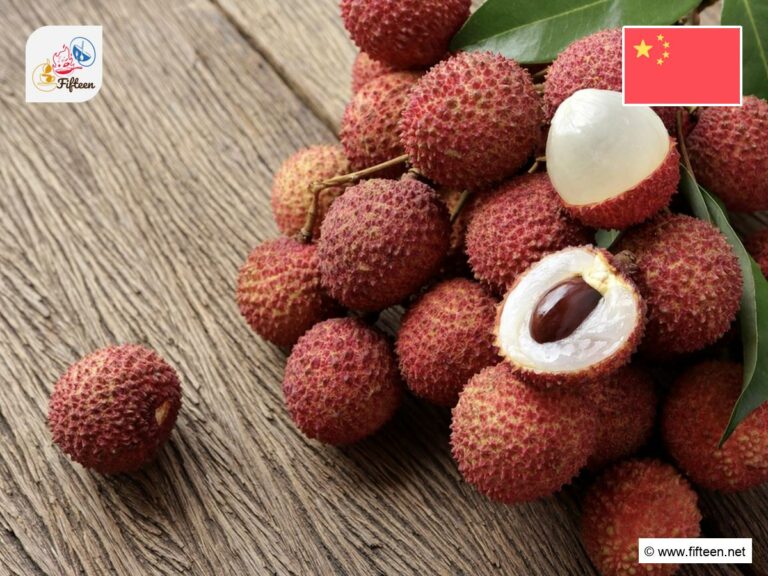
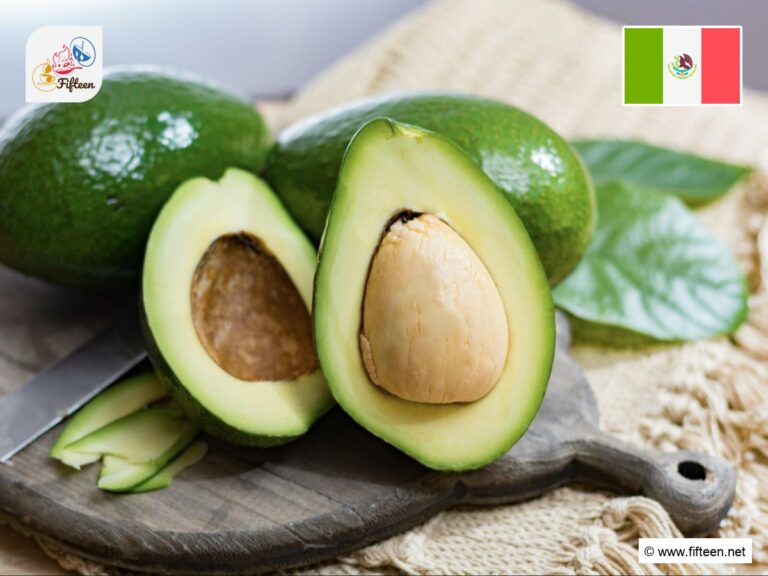
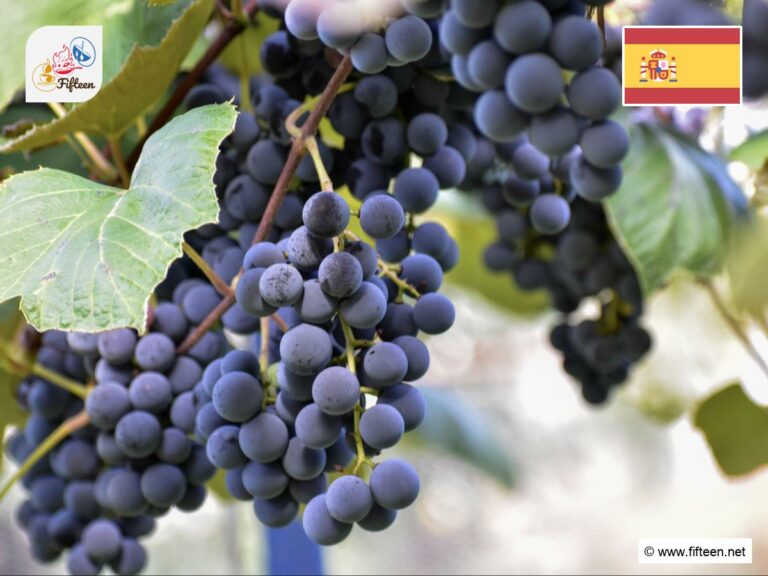
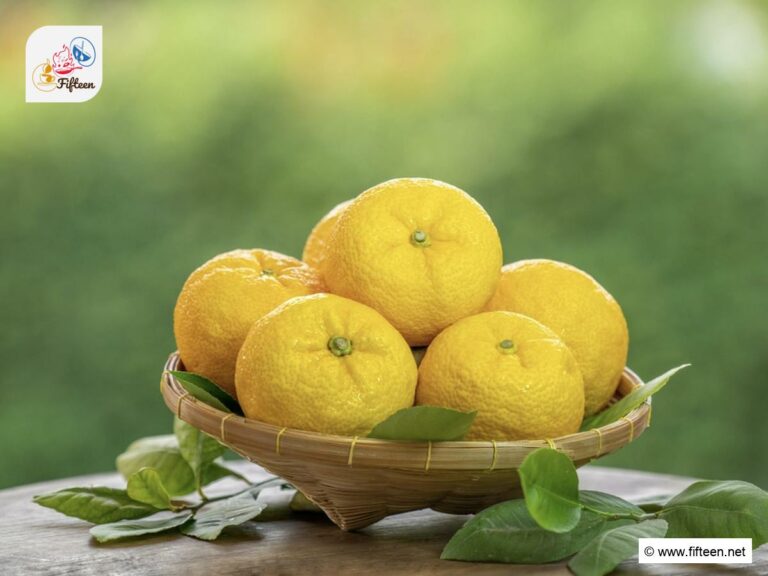
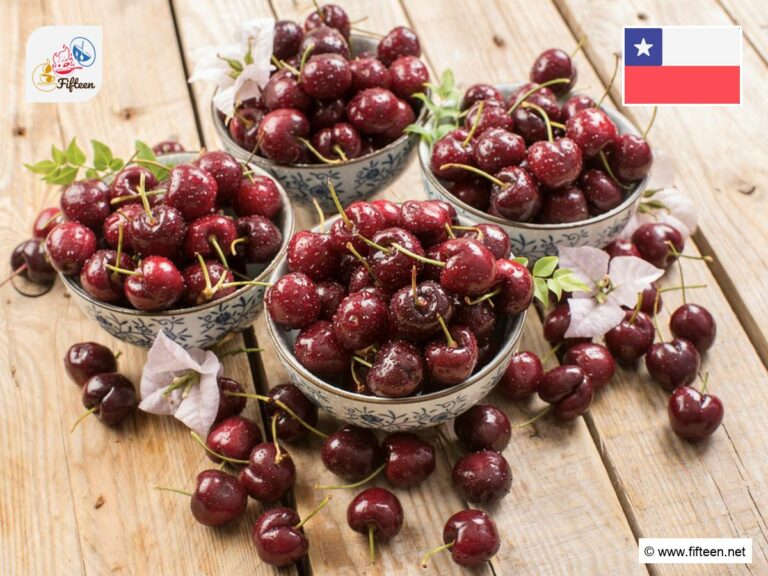
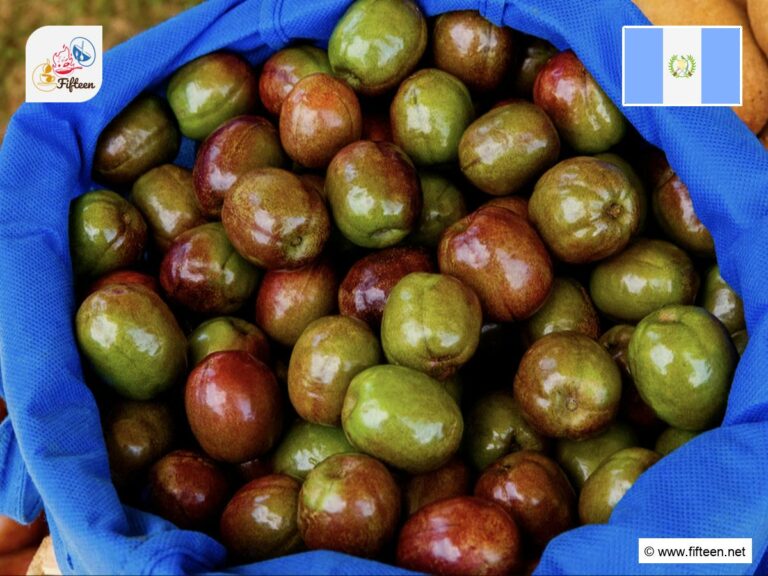
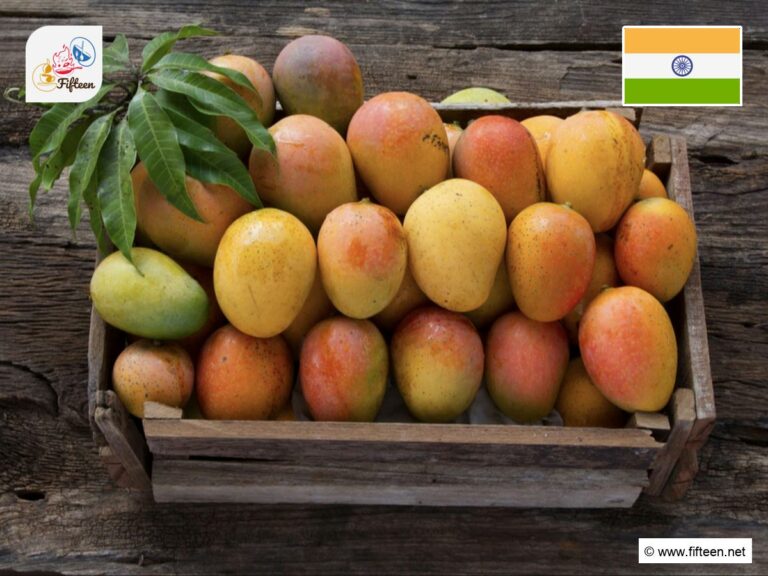
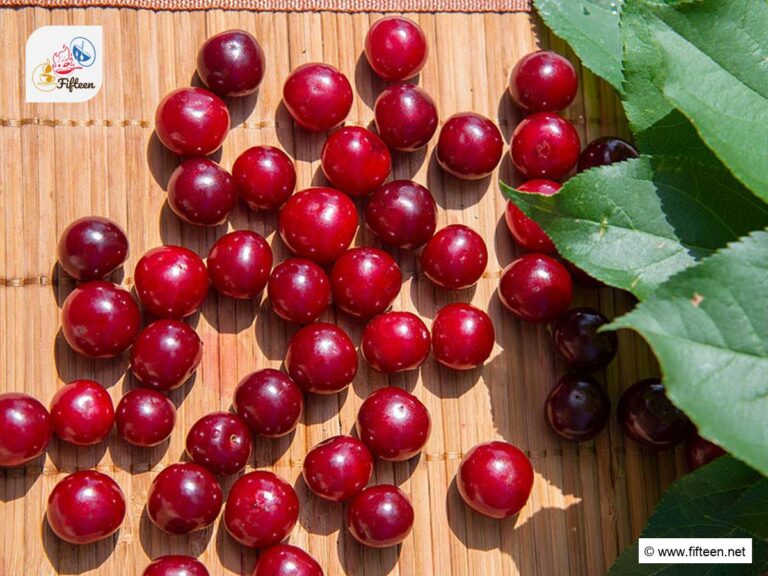
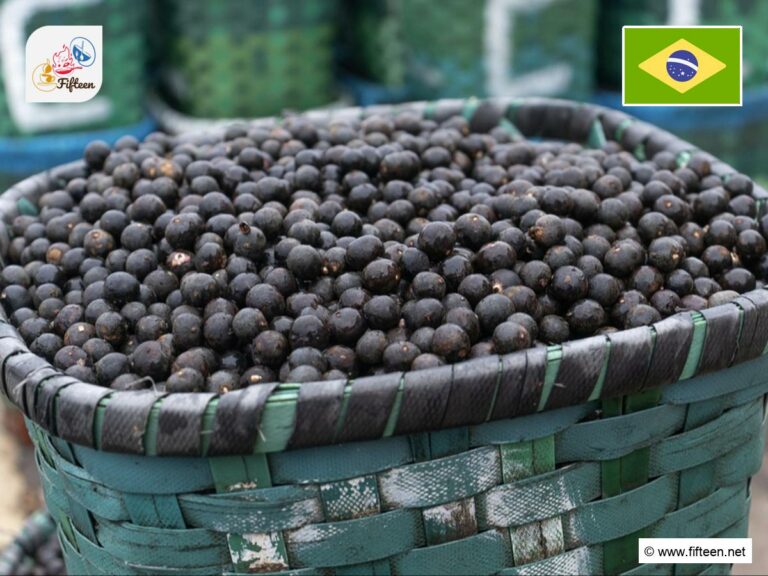
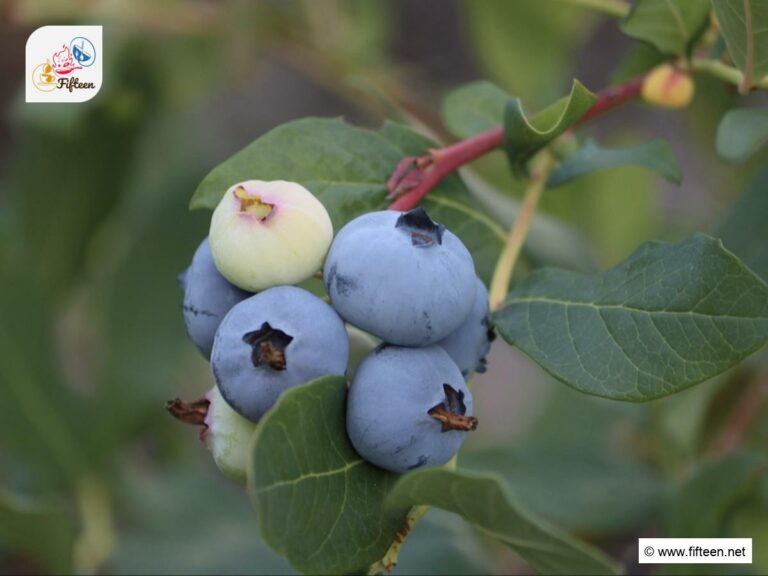
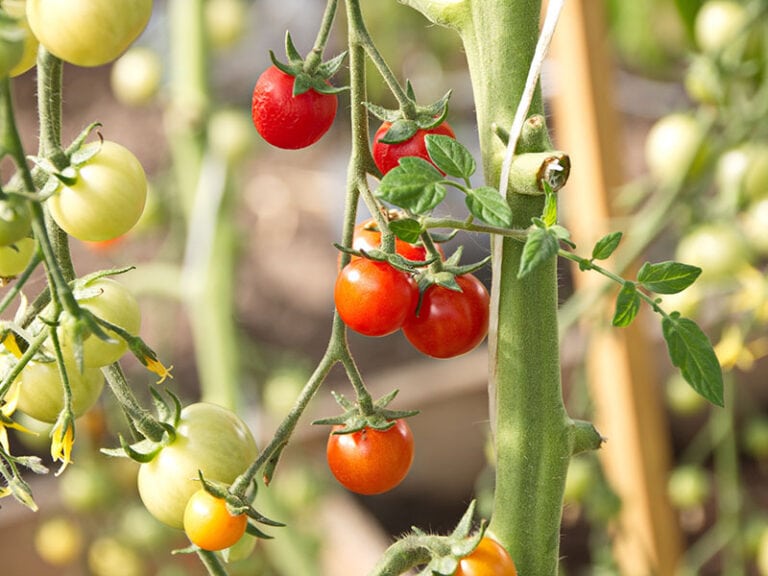
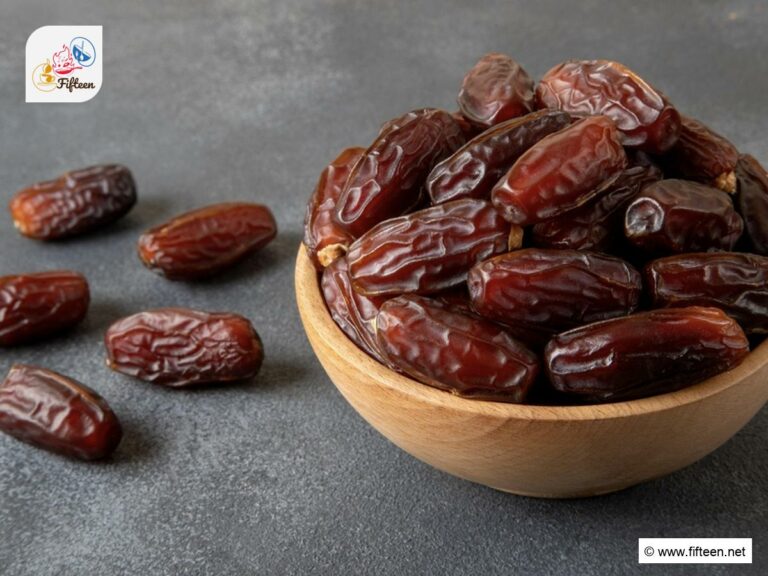
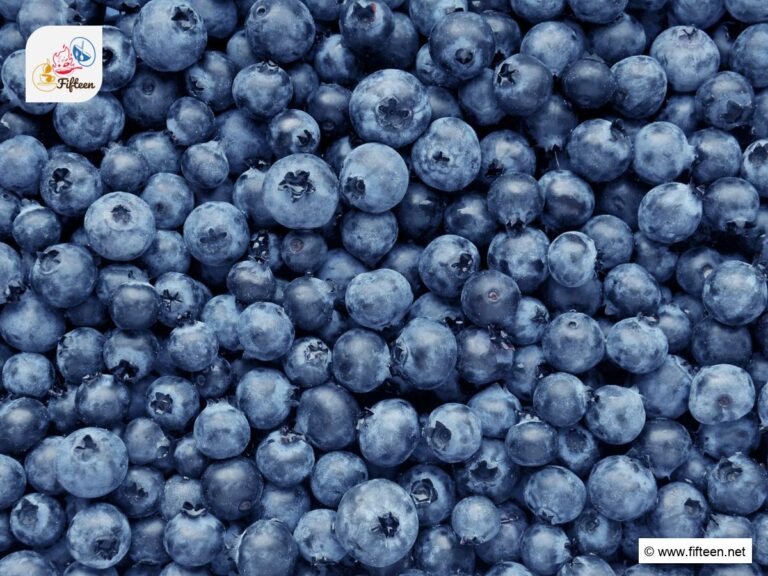
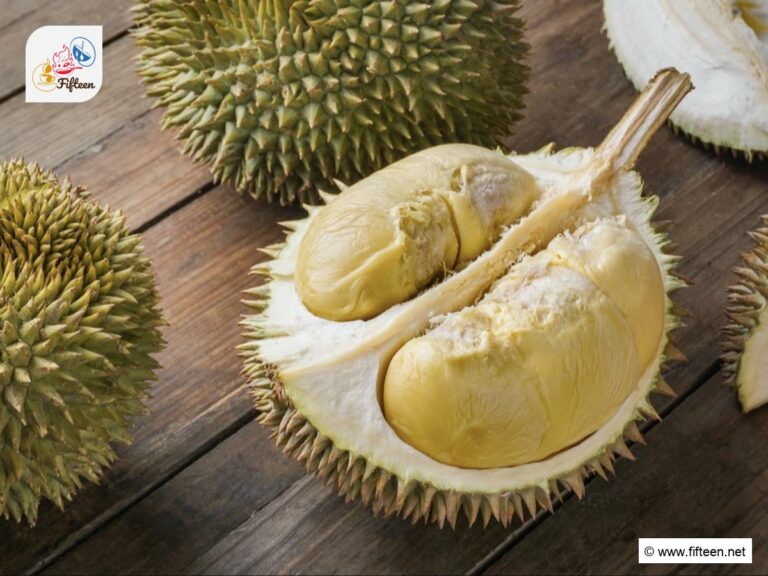
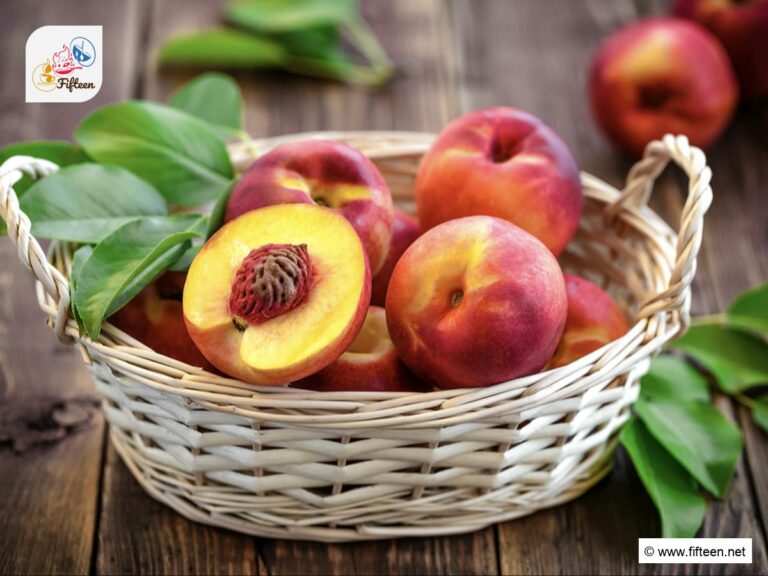
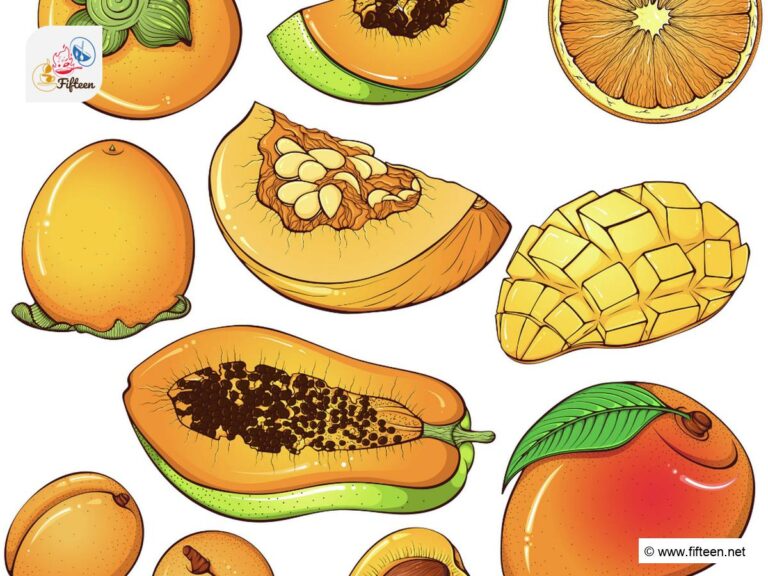
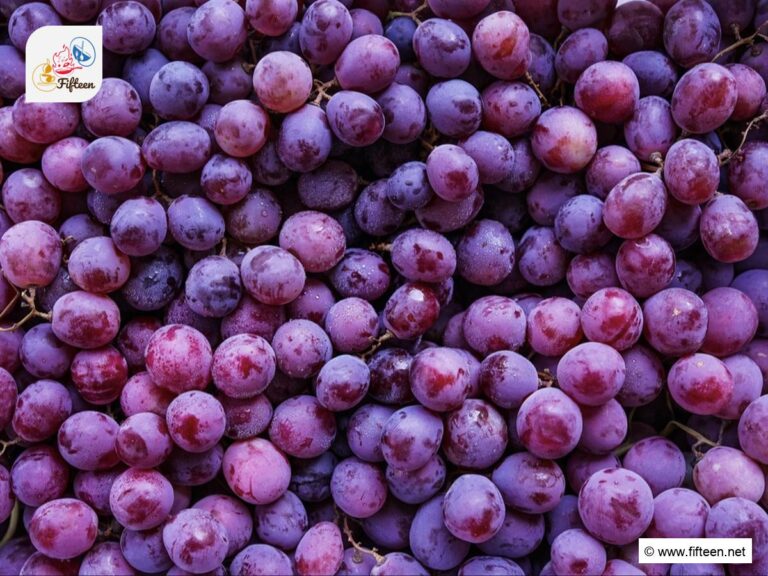
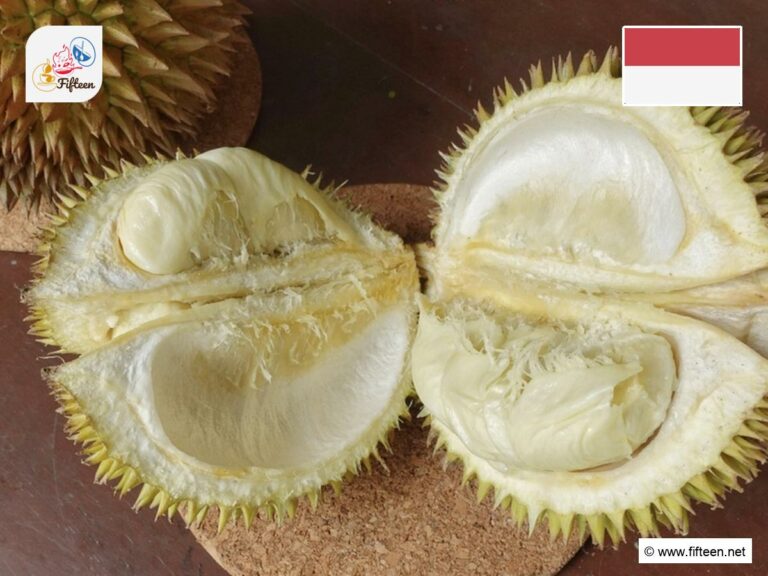
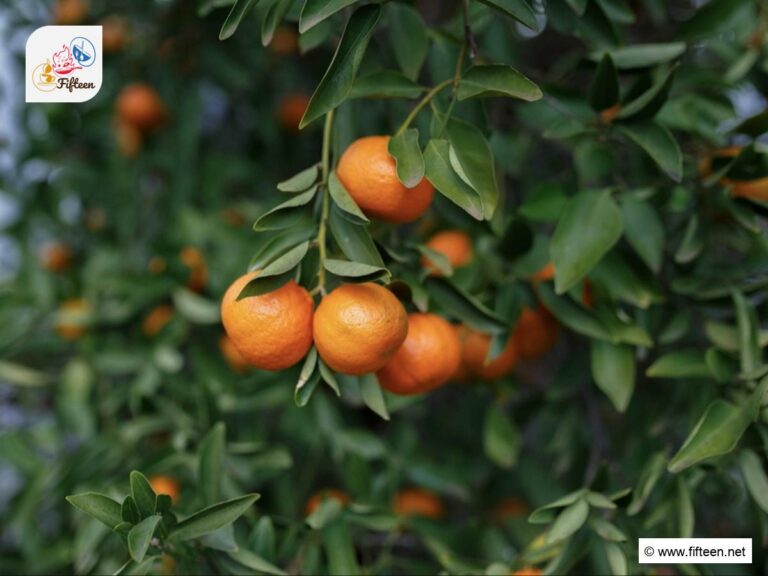
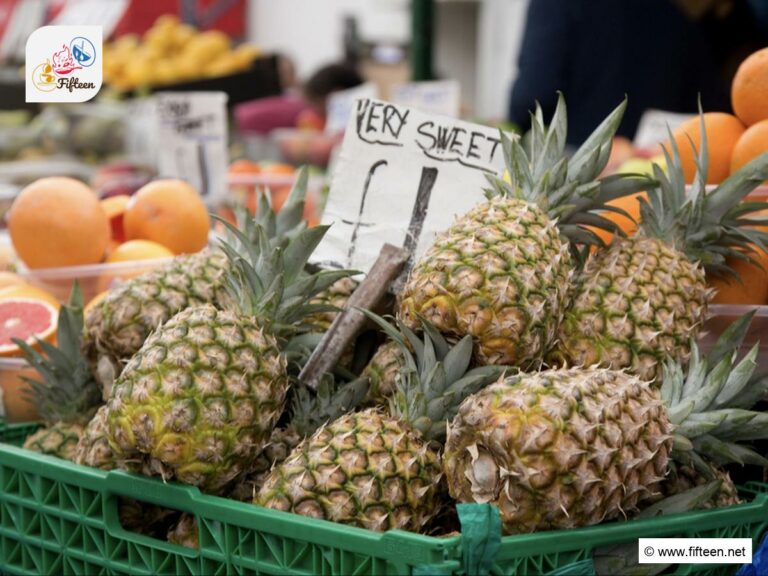
Afterward, it’s time for you to uncover the common types of fruits.
What Are the Classifications of Fruits?
When it comes to fruits, they have 4 main variants that you need to know:

Simple Fruits
Develop from a single ovary with a single flower.
Classified based on their texture at maturity into dry (which may release seeds) and fleshy (do not split open).
Aggregate Fruits
Form from a single flower with multiple pistils.
Each pistil forms a fruitlet, combining into the aggregate fruit.
Multiple (Composite) Fruits
Originates from a cluster of flowers.
Each flower in the cluster produces a fruitlet, which merge into a single mass as they develop.
Accessory Fruits
Include tissues from parts of the flower other than the ovary.
They can be found in simple, aggregate, and multiple fruit classifications.
Remember, these variants of fruits are essential for you to know before diving deeper into more information relating to the topic.
Besides these common variants, humans also influence these fruit types, creating many hybrid versions of fruits and even veggies to adapt to people’s needs. Some of the most common hybrid creations include ugli fruits, celtuce, brocolini, etc.
Also, you shouldn’t miss the various uses of these fruits in the culinary world.
What Are the Uses of Fruits?
Using fruits varies differently across the world, depending on many factors and elements. However, these are the common 7 ways that fruits are consumed:
Eating Fresh
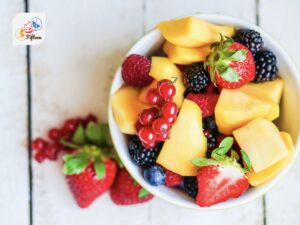
Many fruits like apples, oranges, and bananas are eaten fresh. They are good for our health.

Making Food
Fruits can be made into jams or jellies to spread on bread. They are also used in cakes, cookies, and desserts to make them tasty.

Making Drinks
People make juices and smoothies from fruits. Some fruits are even used to make alcohol like wine and brandy.

Cooking
Some fruits, like tomatoes and peppers, are used in cooking. They might seem like vegetables, but they are actually fruits.
Oils
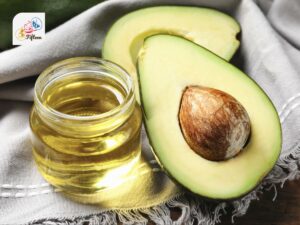
Fruits, like olives, are pressed to get oil, which is used in cooking and making things like soap.

Spices
Some spices come from fruits, like vanilla from vanilla pods and black pepper from pepper plants.
Gifts
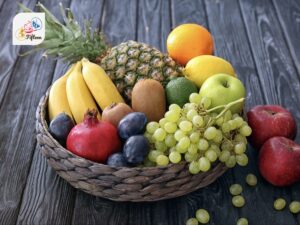
Fruits are also used as gifts, often presented in baskets to friends or family.
Knowing the uses of fruits is only a small part of the world of this food source , as you need to know more about how they are utilized in the culinary world.
How Fruits Are Implemented in the Culinary World?
Fruits play a crucial role in the culinary world, their versatility allowing for a wide range of applications across various dishes and cuisines:
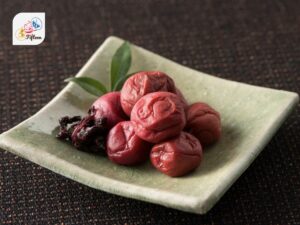
As Main Ingredients
Fruits are often used in dishes in their raw form to make use of their natural flavors and textures. Many dishes often revolve around vegetables as a main ingredient, followed by various spices or sides to complement the veggie flavors.

For Garnish
People around the world utilize fruits differently, and garnishing is one of the most popular choices for decorating dishes. A slice of lemon on a seafood plate or a cherry atop a cocktail not only elevates the presentation but can also complement or contrast the flavors of the dish or drink.
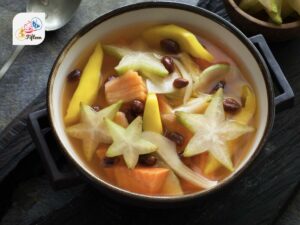
For Flavoring
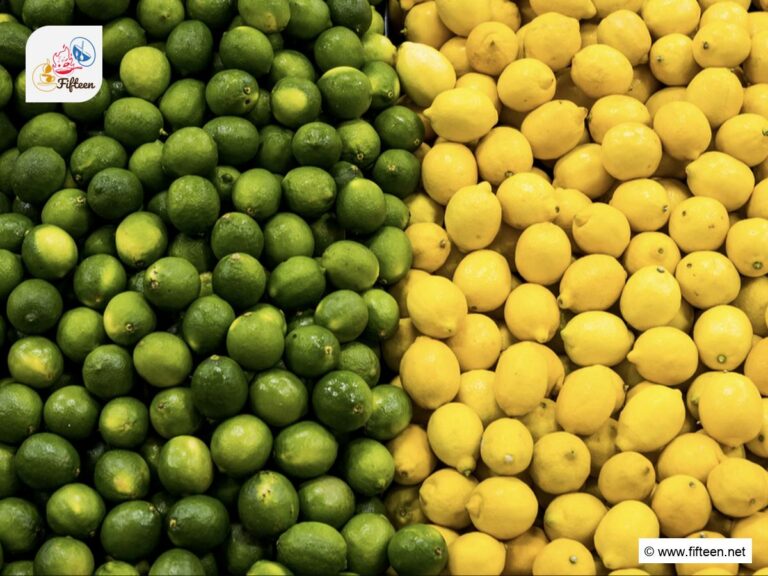
Fruits add unique flavors to dishes, both sweet and savory. Citrus fruits, like lemons and limes, can provide a refreshing acidity to balance a dish, while apples or pears can introduce a subtle sweetness to savory recipes.

In Baking
Fruits are fundamental to baking, contributing moisture, sweetness, and flavor to cakes, pies, and pastries.
Apples, berries, and citrus fruits are commonly incorporated into desserts. Fruits can be used fresh, canned, or dried, depending on the recipe and desired outcome.

In Preserves and Jams
Fruits like dates, bananas, and figs can act as natural sweeteners in recipes, offering a healthier alternative to processed sugars. They’re particularly popular in natural and health-conscious cooking and used in baking or smoothies for their sweetness and nutritional benefits.

As Sweeteners
Fruits like dates, bananas, and figs can act as natural sweeteners in recipes, offering a healthier alternative to processed sugars. They’re particularly popular in natural and health-conscious cooking and used in baking or smoothies for their sweetness and nutritional benefits.

In Fermentation
Fruits are used in the fermentation process to produce alcoholic beverages like wines and ciders. The natural sugars in fruits ferment into alcohol, creating a wide variety of drinks and dishes based on the fruit used.
Fruits have proven essential in the culinary world due to their versatility, enabling their use in various recipes, from simple to complex, across diverse dishes and beverages.
What Dishes Use Fruits?
Fruits are a common addition to elevate the flavors of numerous dishes, adding depth, delicacy, and complexity to the culinary experience. Therefore, you should find out some fruits used in dishes to try out during your free time:
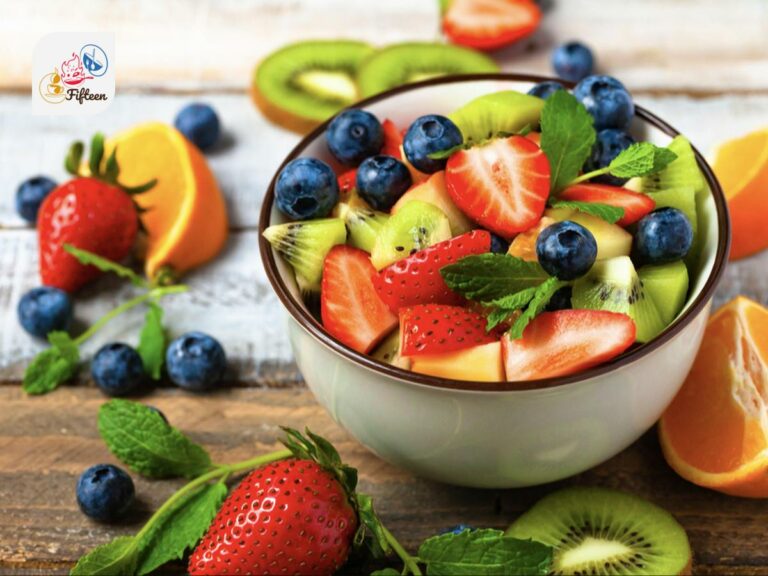
Fruit Salad
A refreshing mix of various fruits, often dressed with a light syrup or citrus juice.

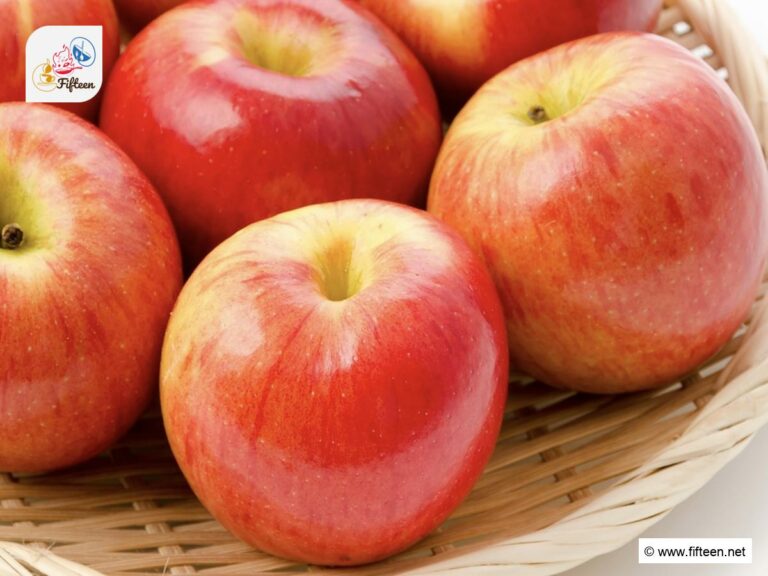
Apple Pie
A traditional American dessert featuring a spiced apple filling encased in a flaky pastry crust.

Banana Bread
A moist, cake-like bread that incorporates mashed bananas for sweetness and flavor.
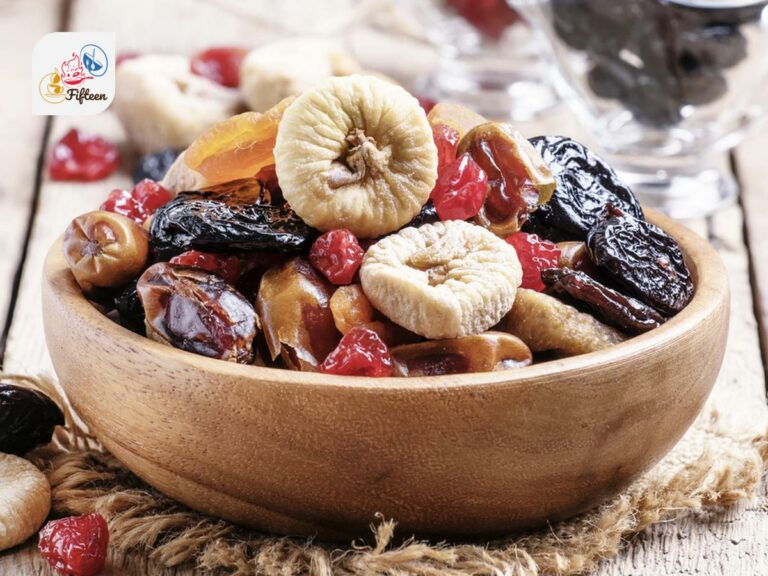
Dried Fruit
Fruits like apples, apricots, and dates are dried and consumed as a sweet, chewy snack.
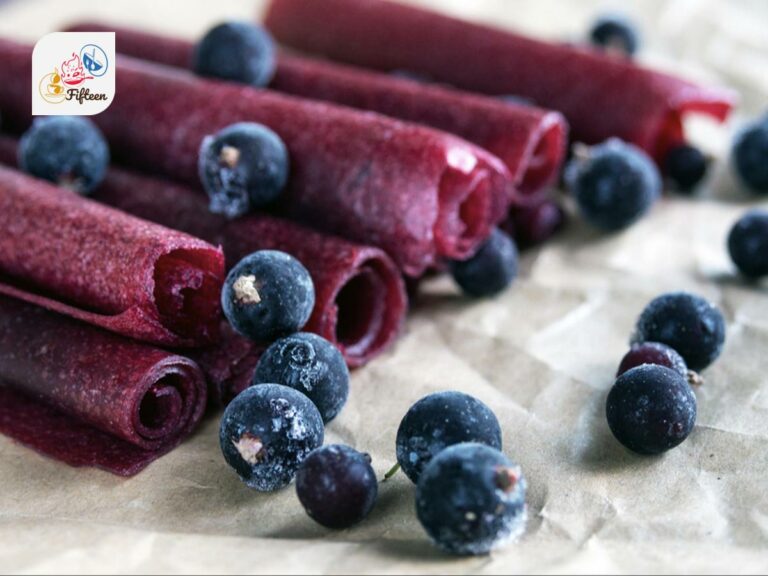
Fruit Leathers
Pureed fruit dried into thin sheets, offering a healthy alternative to candy.
Aside from the culinary creations that utilize fruits, refreshments are an interesting aspect that even employs more choices for you to explore.
What Are Drinks Made Using Fruits?
Compared with dishes, fruits play a more crucial role in creating the appeal and richness of beverages when they become the main ingredient in many drinks. These are 5 refreshment options that people often make using fruits:

Wine
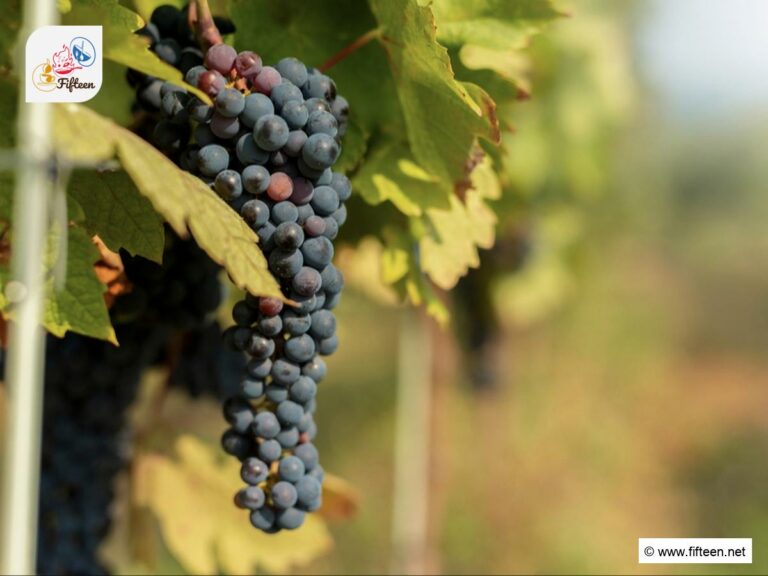
Wine is a product of fermented grape juice, with varieties ranging from sweet to dry, still to sparkling. Fruits like berries, peaches, or plums can also be used to make fruit wines.
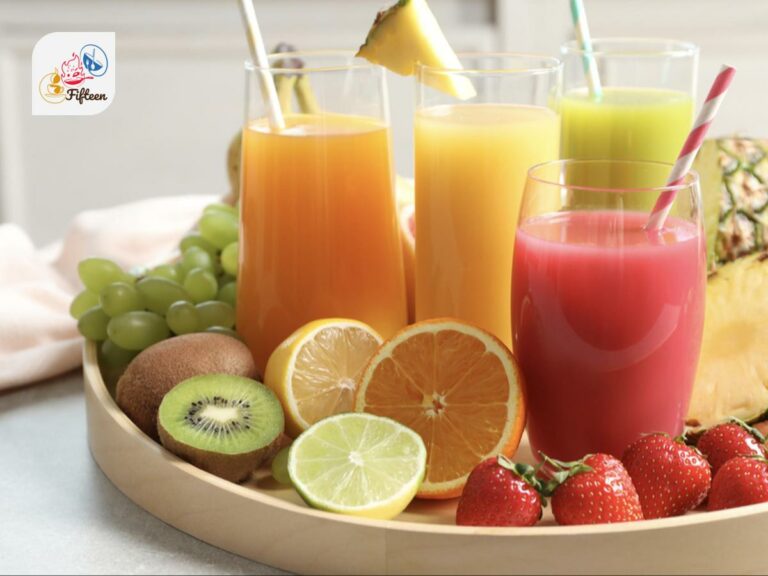
Fruit Juices
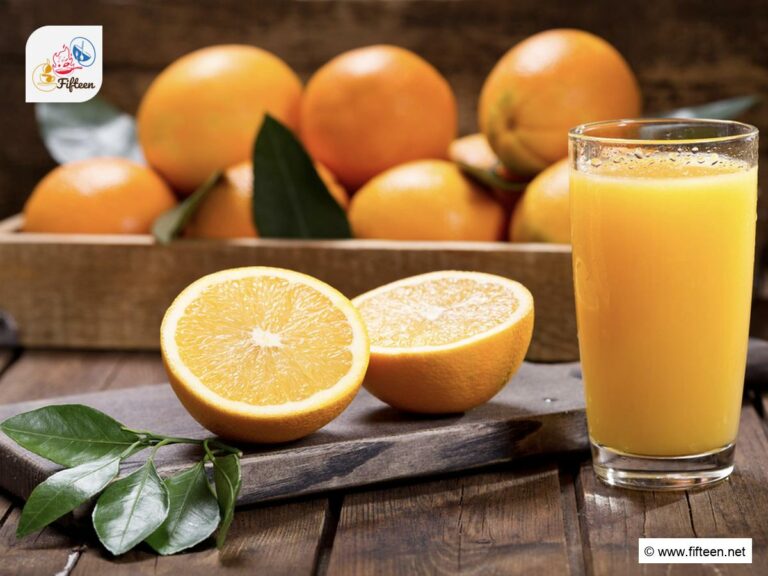
Fruit juices are pure juices from fruits like oranges, apples, and grapes that are consumed worldwide for their refreshing taste and nutritional benefits.

Cider
Cider is an alcoholic beverage made from the fermented juice of apples. Pear cider, also known as perry, is another popular variant.
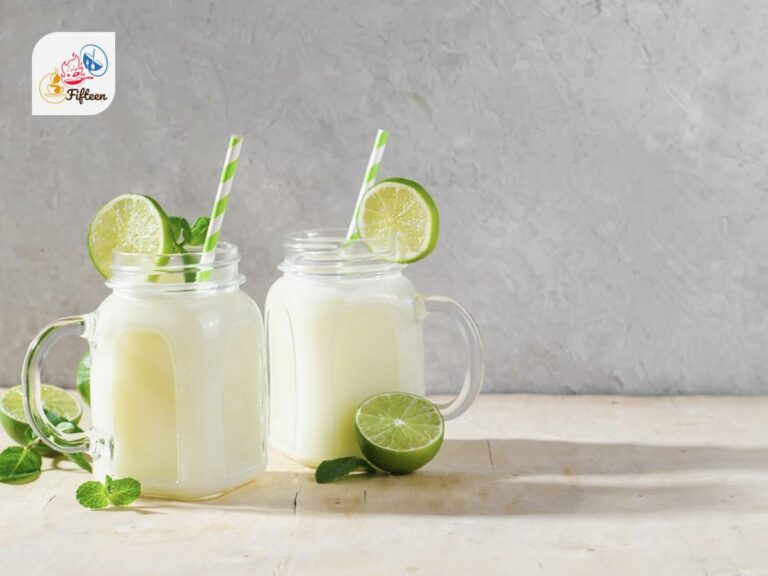
Lemonade
Lemonade is a classic beverage made from lemon juice, water, and sugar, known for its refreshing qualities.
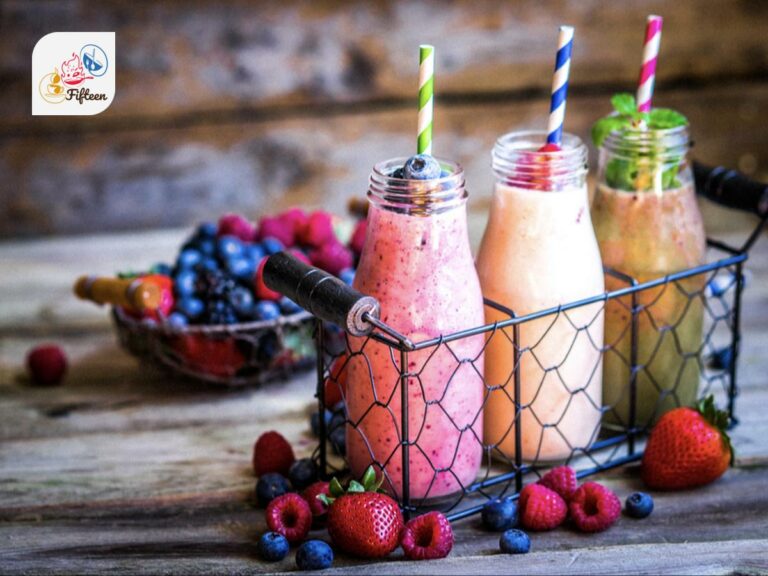
Smoothies
Smoothies are a blended mix of fruits, often with yogurt or milk, offering a nutritious and refreshing drink option.
Next, you should learn about some fruit items that do not come with round shapes.
What Are Fruits That Are Not Round?
Aside from the signature round shape, many fruits break out from this common form to have unique appearances. Here are some iconic representatives:
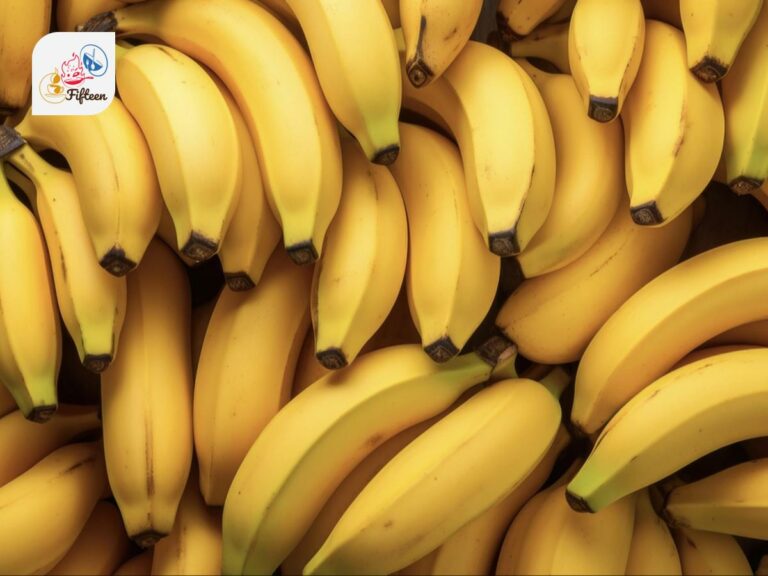
Banana
Banana is a long and curved fruit with yellow skin when ripe. Some shorter banana varieties can even have simply a straight elongated shape.
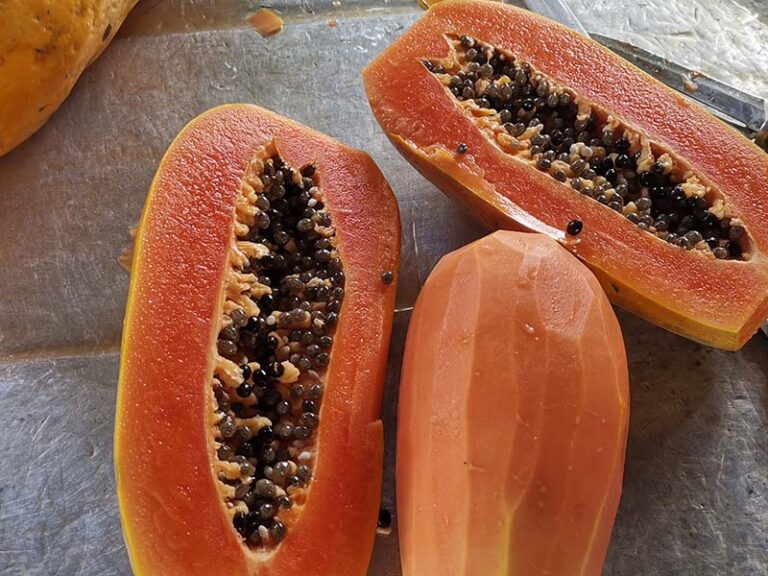
Papaya
Papaya is a large, oval fruit with green to yellow-orange skin and contains many black seeds inside.
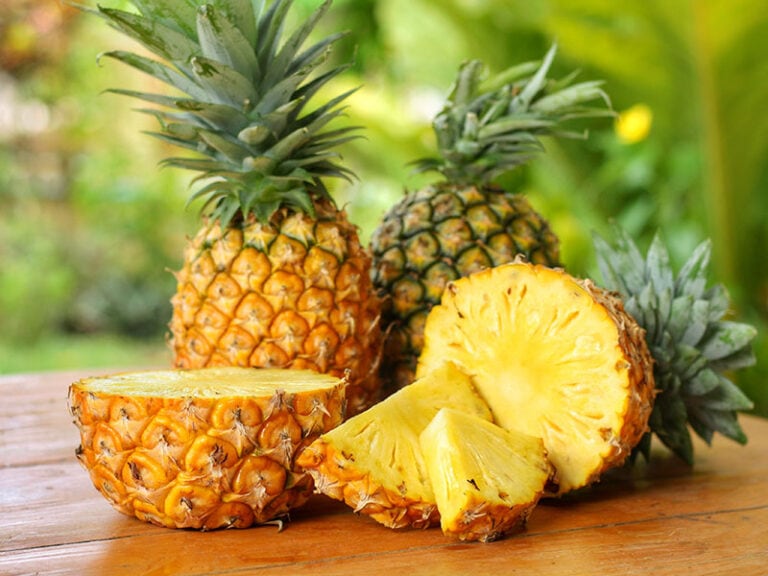
Pineapple
Pineapple is a large, spiky fruit with tough, hexagonal-patterned skin and a cylindrical shape.
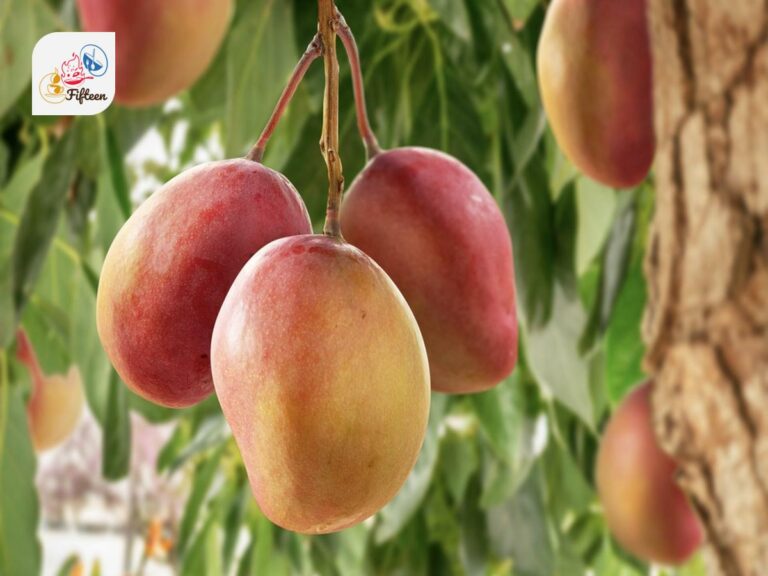
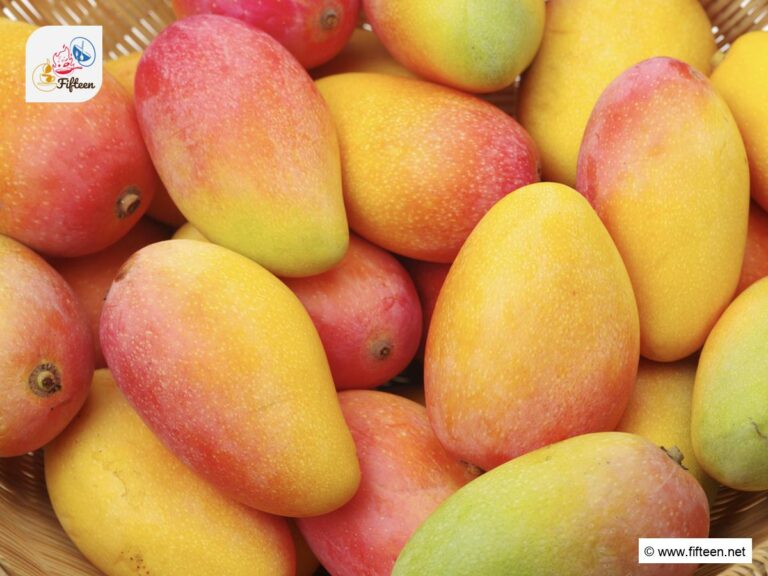
Mango
Mango is an oval to kidney-shaped fruit with smooth, green to yellow-red skin when ripe.
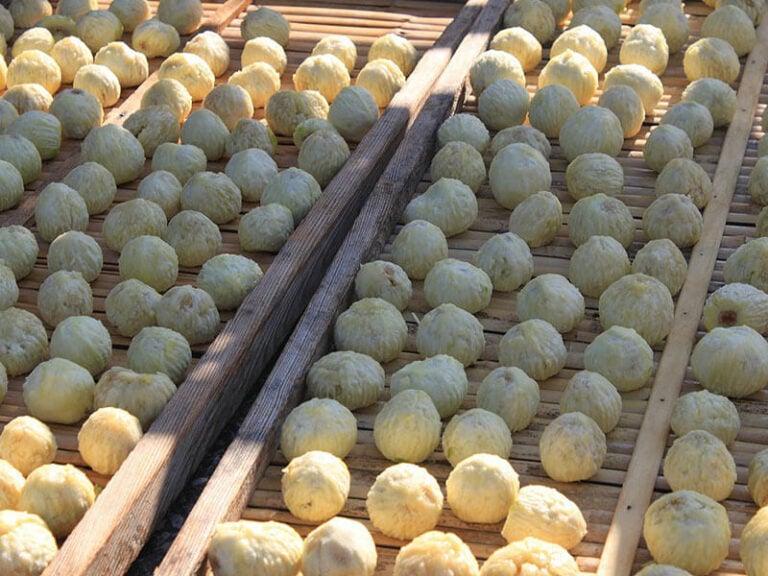
Fig
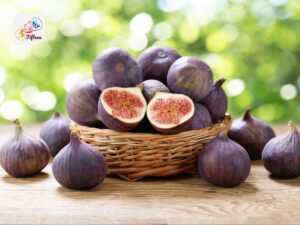
Fig is a small, teardrop-shaped fruit with purple or green skin and soft, red flesh inside.
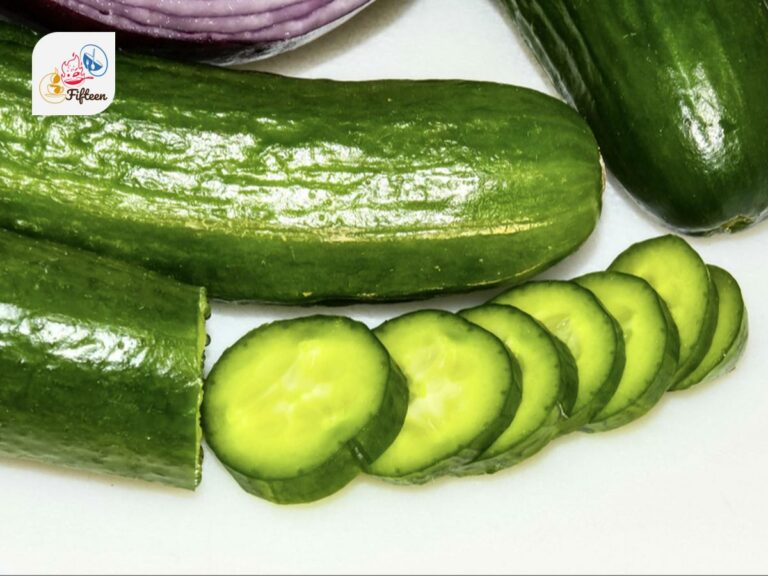
Cucumber
Cucumber is a long, cylindrical fruit with green skin, often eaten as a vegetable.
Cucumber is a long, cylindrical fruit with green skin, often eaten as a vegetable.
Aside from the natural elements, human intervention is one of the common reasons for creating not-so-round fruits making the produce more appealing to consumers on the market.
With that said, I suggest looking into the native and non-native features of fruits.
How Different Are Native and Non-native Fruits?
To learn about the features that distinct native and non-native fruits, these are the factors to uncover:
Native Fruits
Non-native Fruits
Don’t forget to uncover features that set fruits and seeds differently.
What Makes Fruits and Seeds Different?
While fruits and seeds are easily to differentiate visually, you should look into the concepts that keep these two categories apart:
Fruits
Seeds
Seeds aside, vegetables are another thing that you should know to tell the differences between them against fruits.
What Are the Differences Between Fruits and Vegetables?
To know the true differences of fruits and vegetables, you should know the defining features of these two terms:
Fruits
Vegetables
Now, let’s look at the differences between fruits that have seeds and ones that don’t.
What Are the Differences Between Fruits with Seeds and Fruits without Seeds?
When it comes to fruits, many aspects give them various categorizations. Aside from common fruits with seeds. there are even fruits with no seeds, which you should know how they are different from the seed varieties:
Fruits with Seeds
Fruits without Seeds
After learning everything about fruits, let me suggest a few options that are often used as vegetables by many.
What Fruits Are Considered Vegetables?
Fruits encompass a wide variety of options around the world, with many often used as veggies in cooking. Here are some common options that you should know:
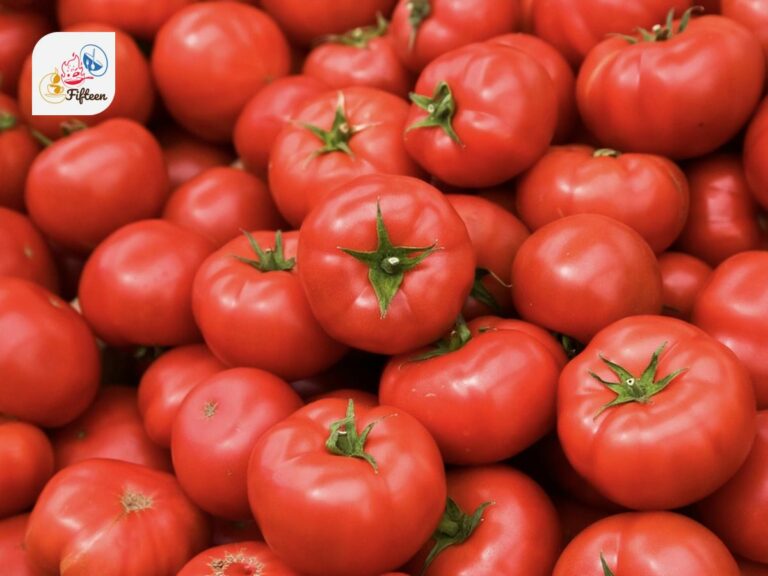
Tomatoes
Tomatoes are botanically fruits because they develop from the ovary of a flower and contain seeds. However, their savory taste leads to their classification as a vegetable in culinary contexts.
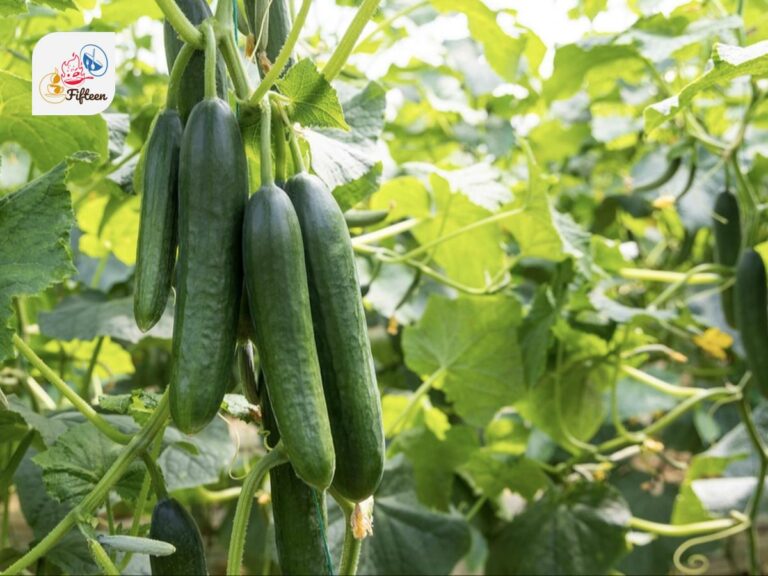
Cucumbers
In the kitchen, though, cucumber’s cool and crisp texture categorizes them as vegetables.
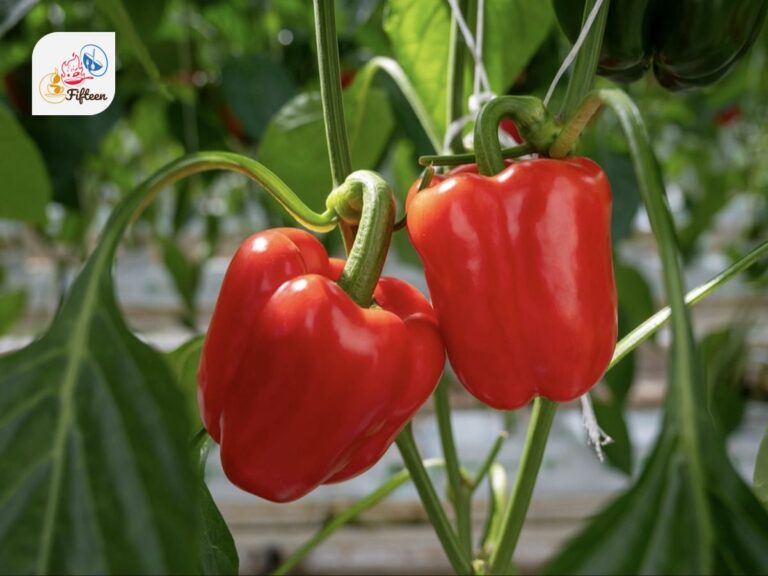
Peppers
All varieties of peppers, from sweet bell peppers to hot chilis, are technically fruits but used as vegetables in cooking.
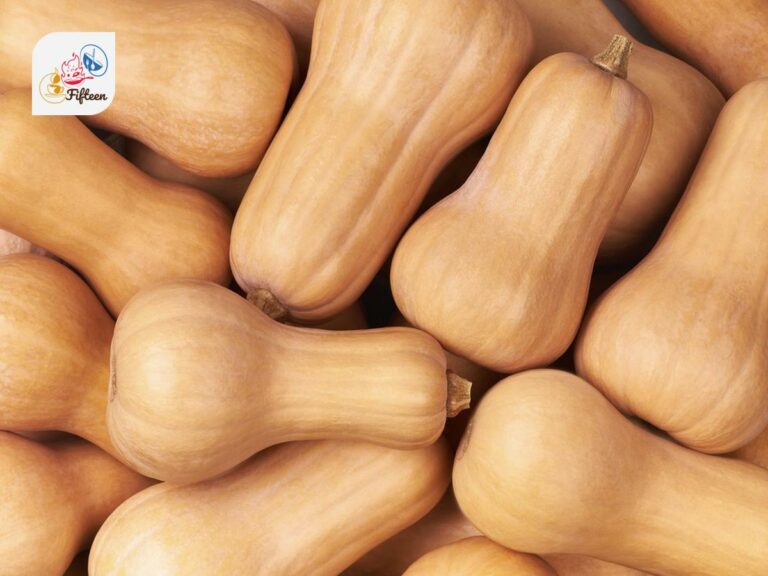
Squashes and Pumpkins
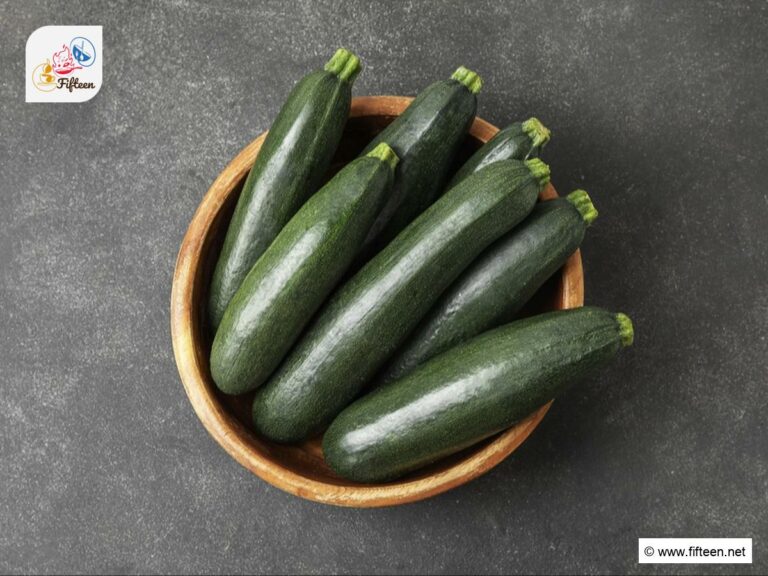
This category includes zucchini, acorn squash, butternut squash, and pumpkins, often treated as vegetables because of their savory flavors and textures.
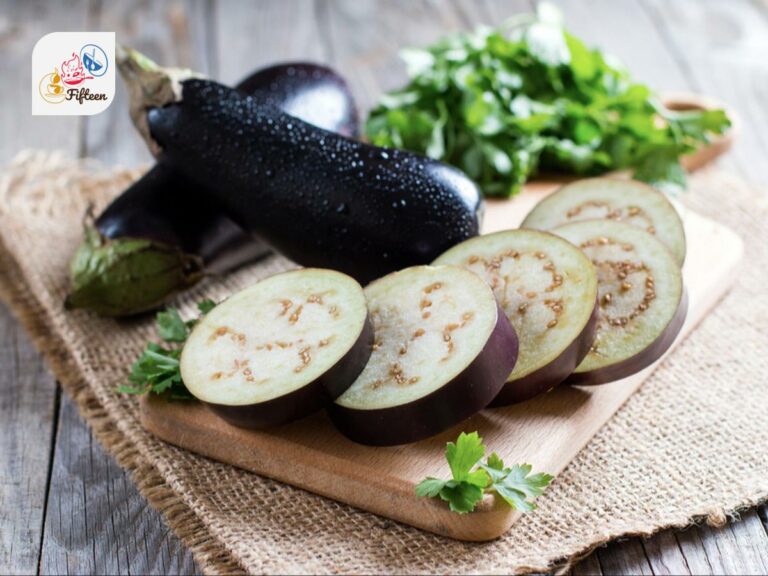
Eggplants
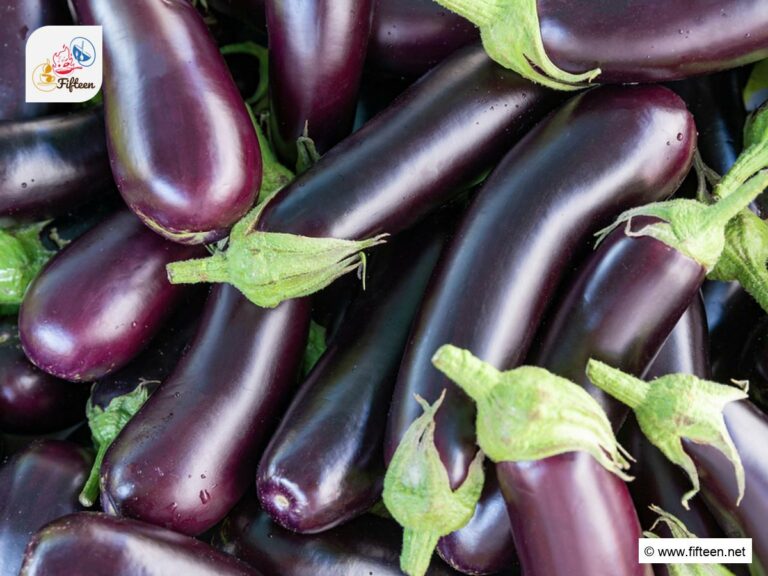
Known in many parts of the world as aubergines, eggplants are used in cooking because of their meaty texture.
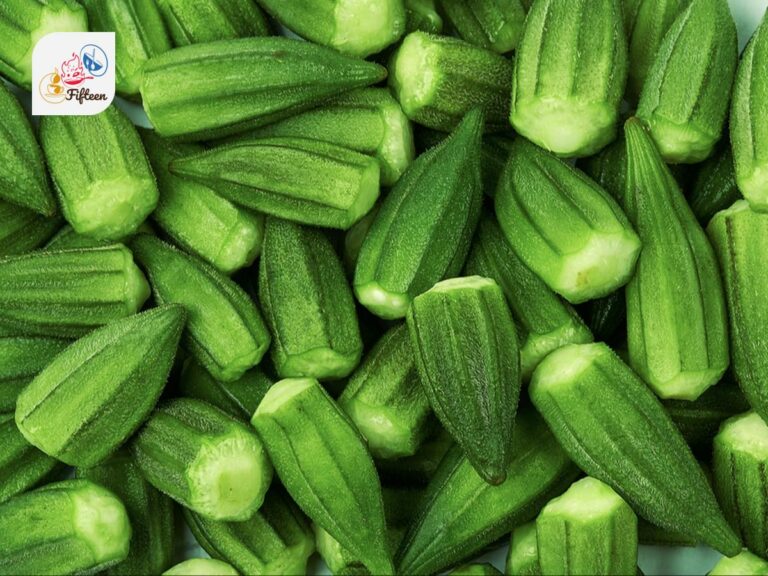
Okra
Often called “lady’s fingers,” okra pods are fruits commonly used as a vegetable, especially in stews and soups.
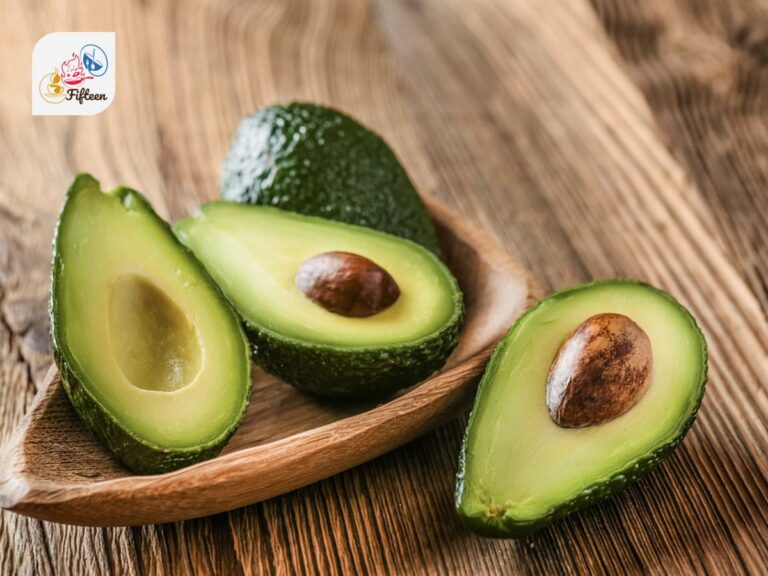
Avocados
While avocados are technically fruits, their creamy texture and mild flavor allow them to be used in various savory dishes.
Remember, these are only a few prime examples of fruits considered to be veggies, as each region has a different way of utilizing these produce.
Which Countries Produce the Most Fruits?
According to the Food and Agriculture Organization Corporate Statistical Database, these are the top 10 fruit-producing countries in 2020:
Next, let me divert your attention to fruits arranged in alphabetical order.
List of Fruits by Alphabetical Order
Below are comprehensive lists of fruits organized from A to Z for easy reference:
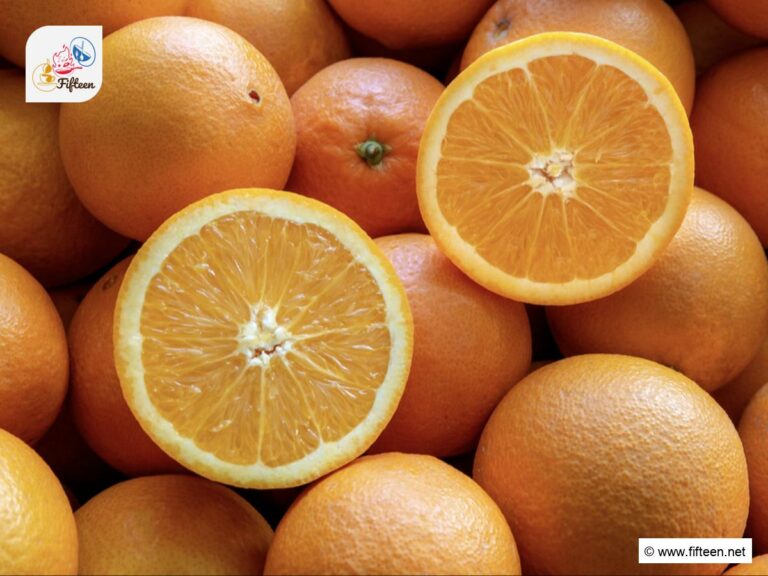
The next section will categorize fruits by their vibrant colors, offering a new perspective on selection based on visual appeal.
List of Fruits by Color
Discover lists of fruits categorized by their vibrant colors, helping you identify them based on visual characteristics:
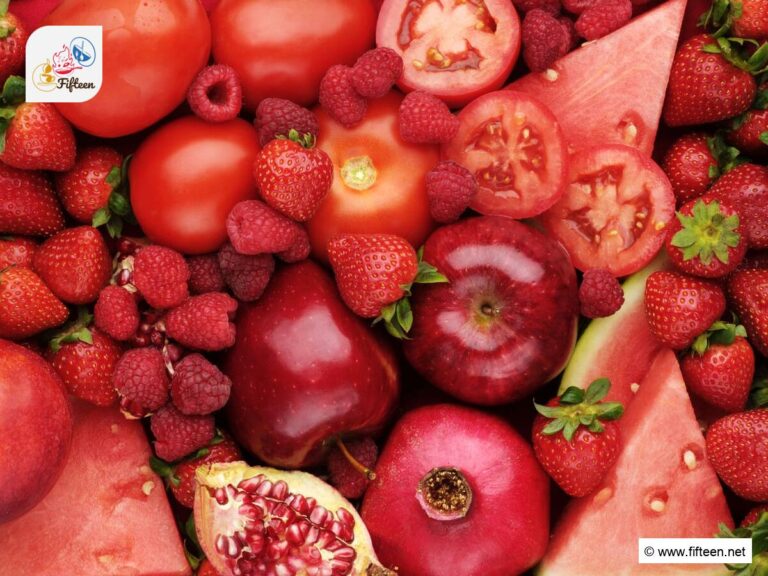
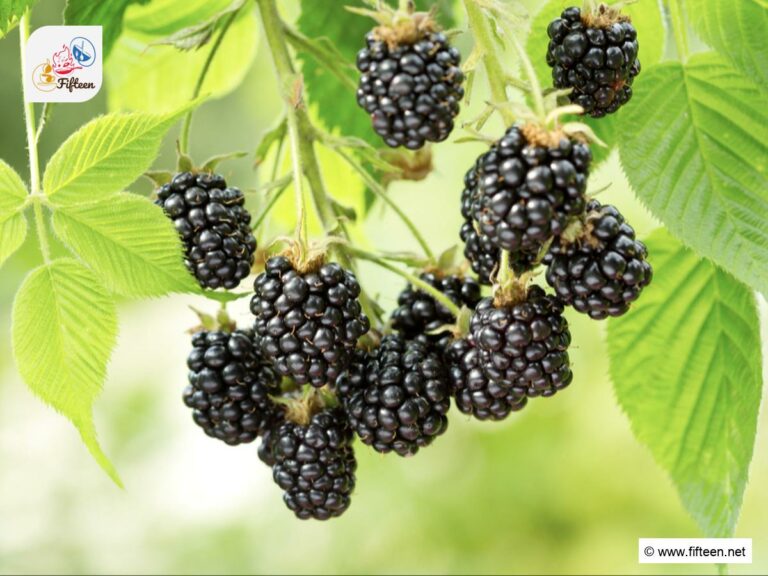
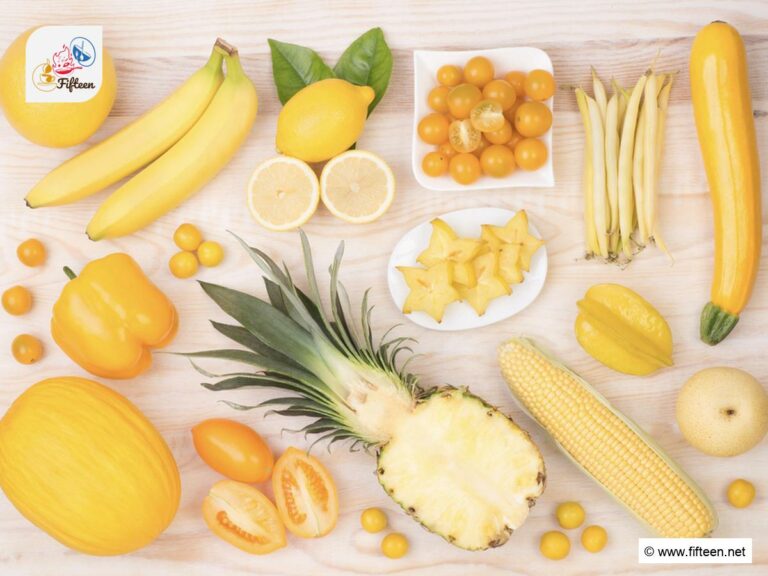
Let’s consider the lists of fruit classifications in the next section.
List of Fruits by Type
Here are lists of different fruits arranged by category:
I hope you enjoyed our fresh overview of fruits! If you found it helpful, please like, share, and leave a comment below to let me know. Thank you for reading, and here’s to enjoying nature’s sweetest gifts!
Jamie Scott
Editor in Chief, Senior Content Writer
Expertise
Home Cooking, Meal Planning, Recipe Development, Baking and Pastry, Food Editor, Cooking-video Maker, Western Food Evaluation Expert
Education
Le Cordon Bleu College of Culinary Arts
Local Community College, New York, NY
Jamie Scott is a skilled culinary expert and content creator specializing in Western cuisine. With over 15 years in the culinary field and formal training from Le Cordon Bleu, Paris, Jamie deeply understands how to blend nutrition with delicious flavors. His passion for cooking matches his commitment to making healthy eating accessible and enjoyable.
On Fifteen.net, Jamie brings a fresh perspective to classic dishes and beverages, offering readers insightful recipes, cooking tips, and a fresh view on meal planning that emphasizes taste, health, and simplicity.