
Tibetan Food Dishes: Basic Overview
Common Ingredients
Common Cooking Methods
Courses
Meals
Key Taste
Eating Etiquette
Meal Presentation
Culinary Festivals
Influence and Fusion
Tibetan Food Dishes: Origin and Region
Cuisine
Cuisine’s Geographical Territory

Popular Types of Tibetan Dishes
-
Bread and doughs
Many types of Tibetan bread and dough-based food are made with barley flour.
Frying and steaming are the preferred methods of preparing bread.
Tibetan bread is a universal side dish to pair with many savory dishes in local cuisine.
-
Cakes and Pastries
Tibetan pastries often feature rich ingredients like butter and cheese.
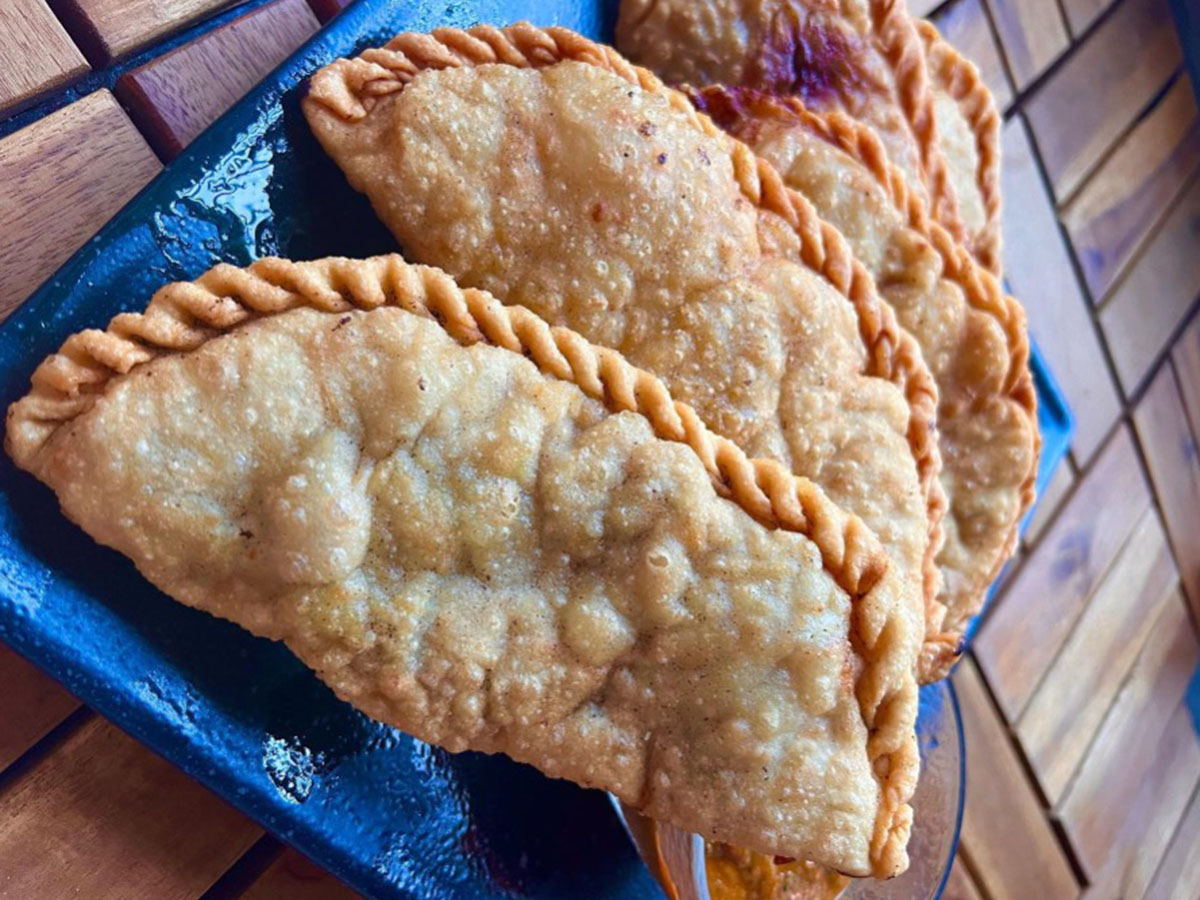
Pastry dishes stuffed with savory ingredients are popular in Tibet.
Sweet cakes and pastries are staple food offerings for many Tibetan festivals, like Losar and Saka Dawa.
-
Snacks
Popular snack categories in Tibet include dumplings and fried pastries.
Certain Tibetan snacks are both sweet and savory due to having yak butter and cheese.
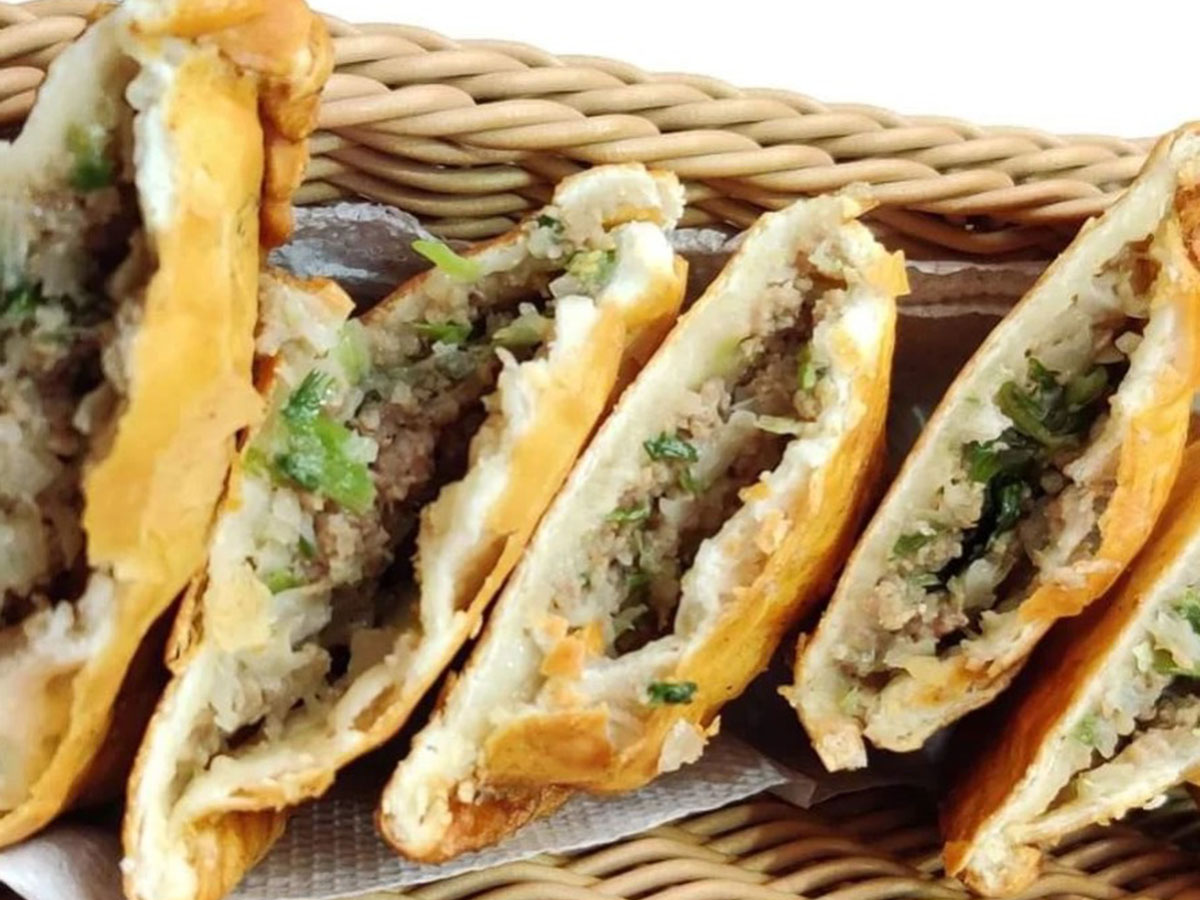
Many snacks include a dough-based exterior and a savory filling made of meat and vegetables.
Several Tibetan snacks are well-known street food dishes and desserts.
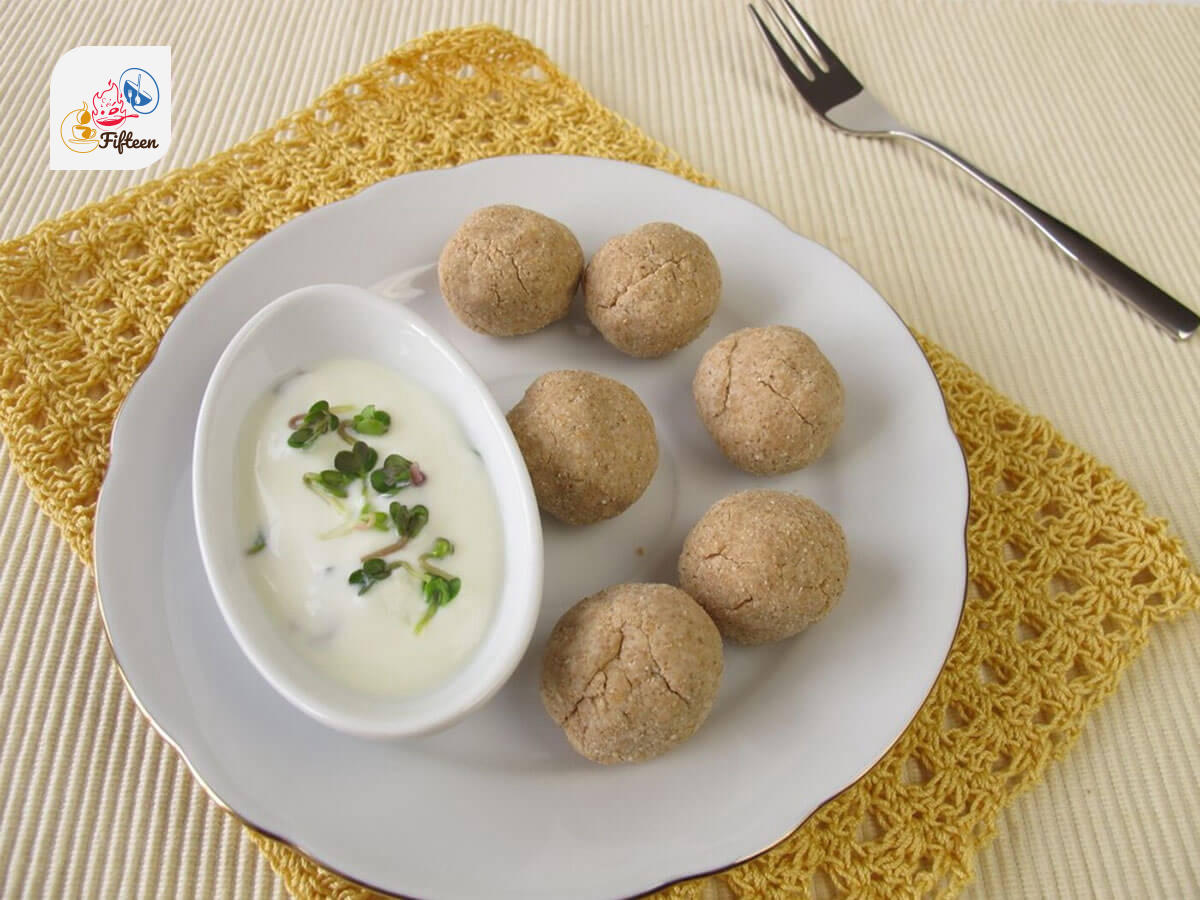
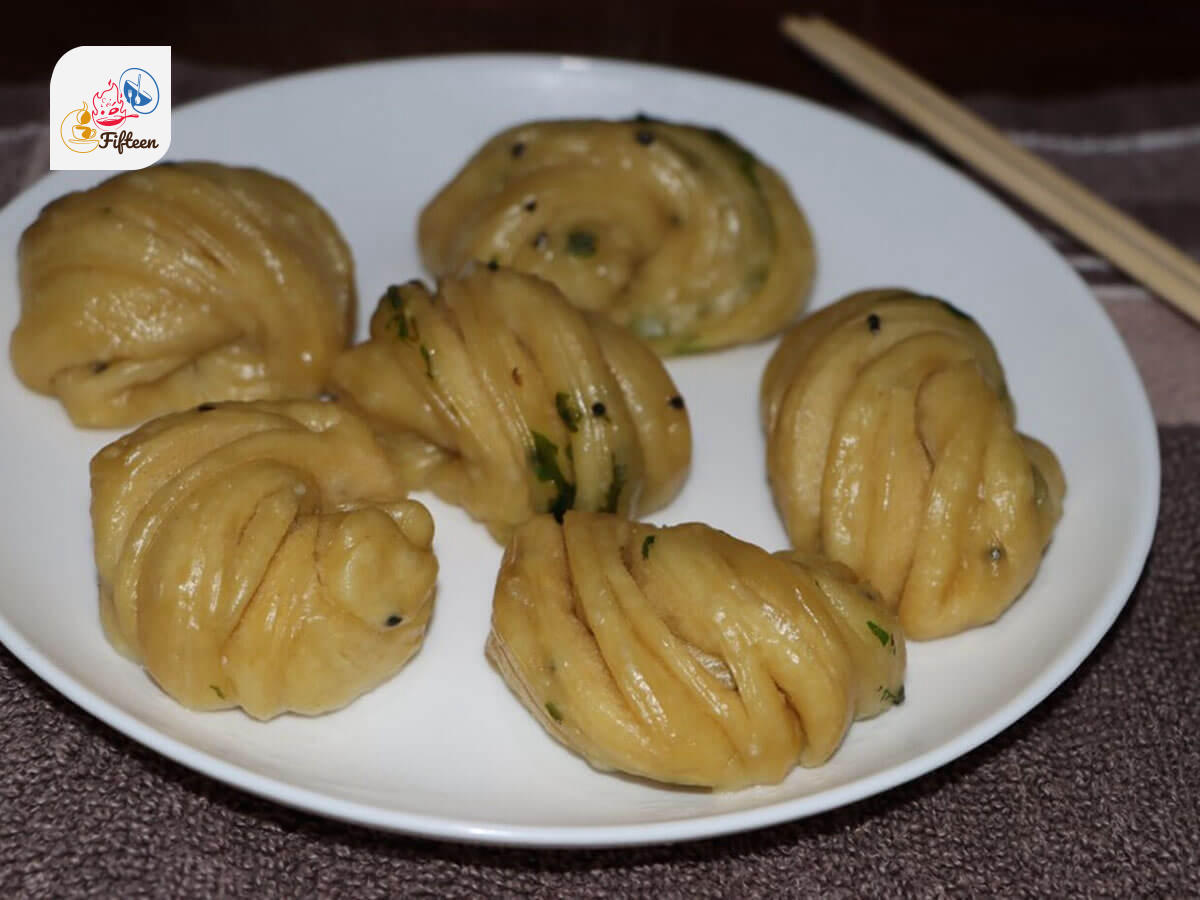
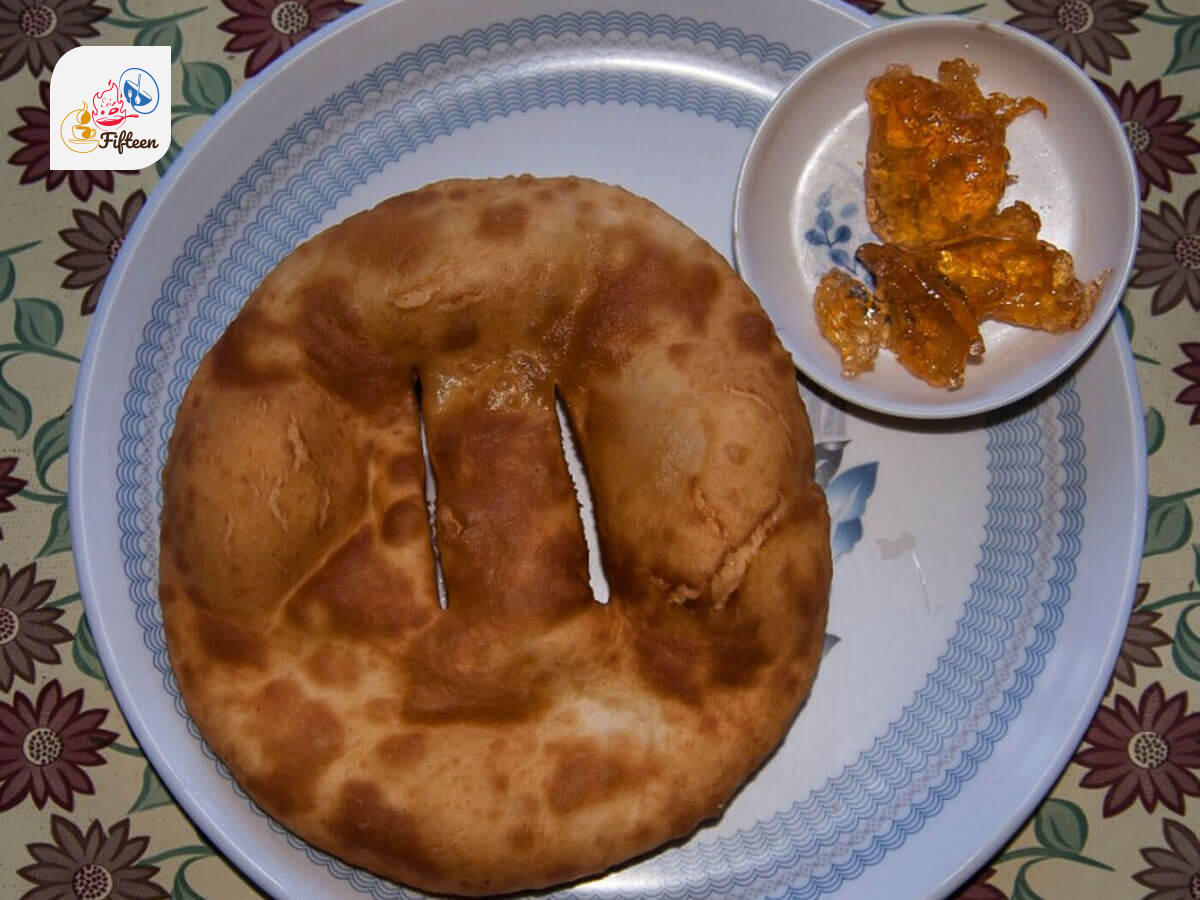
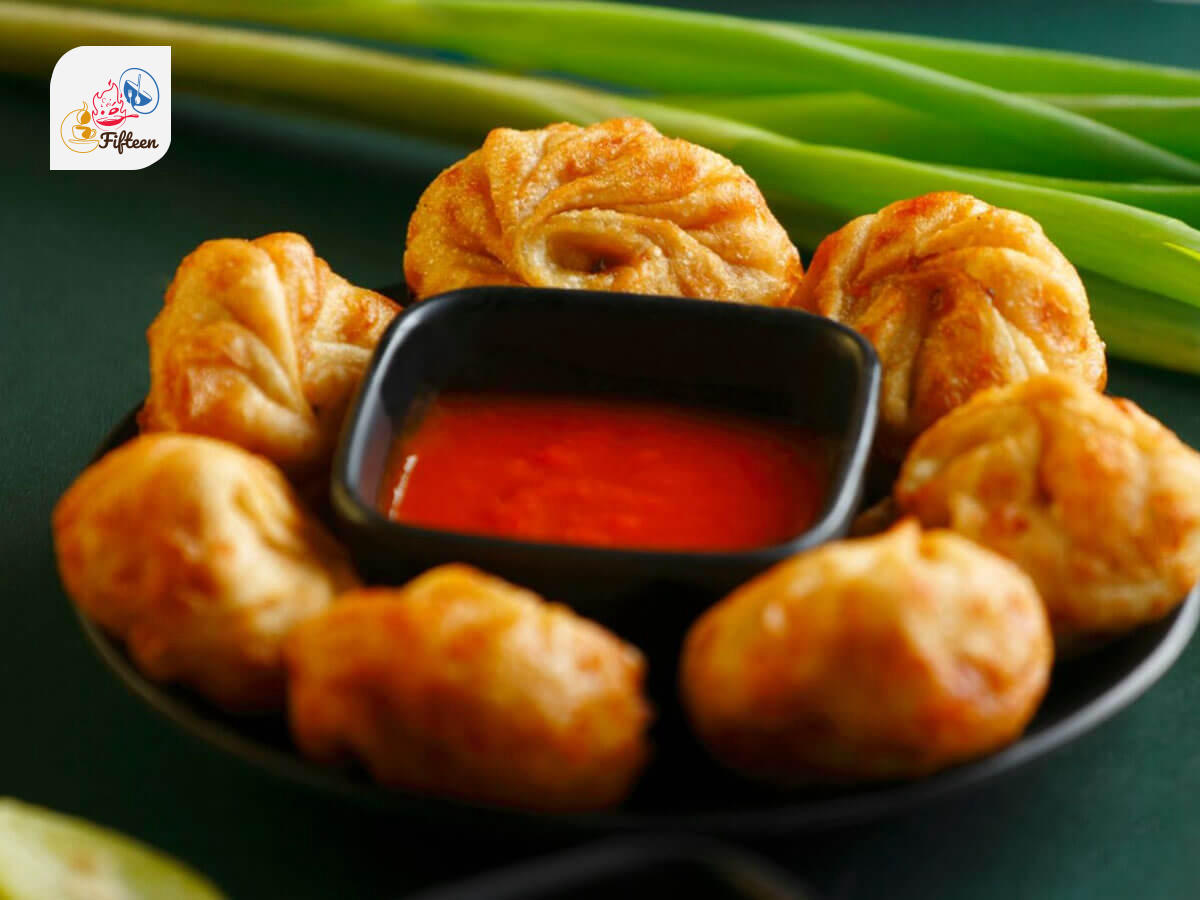
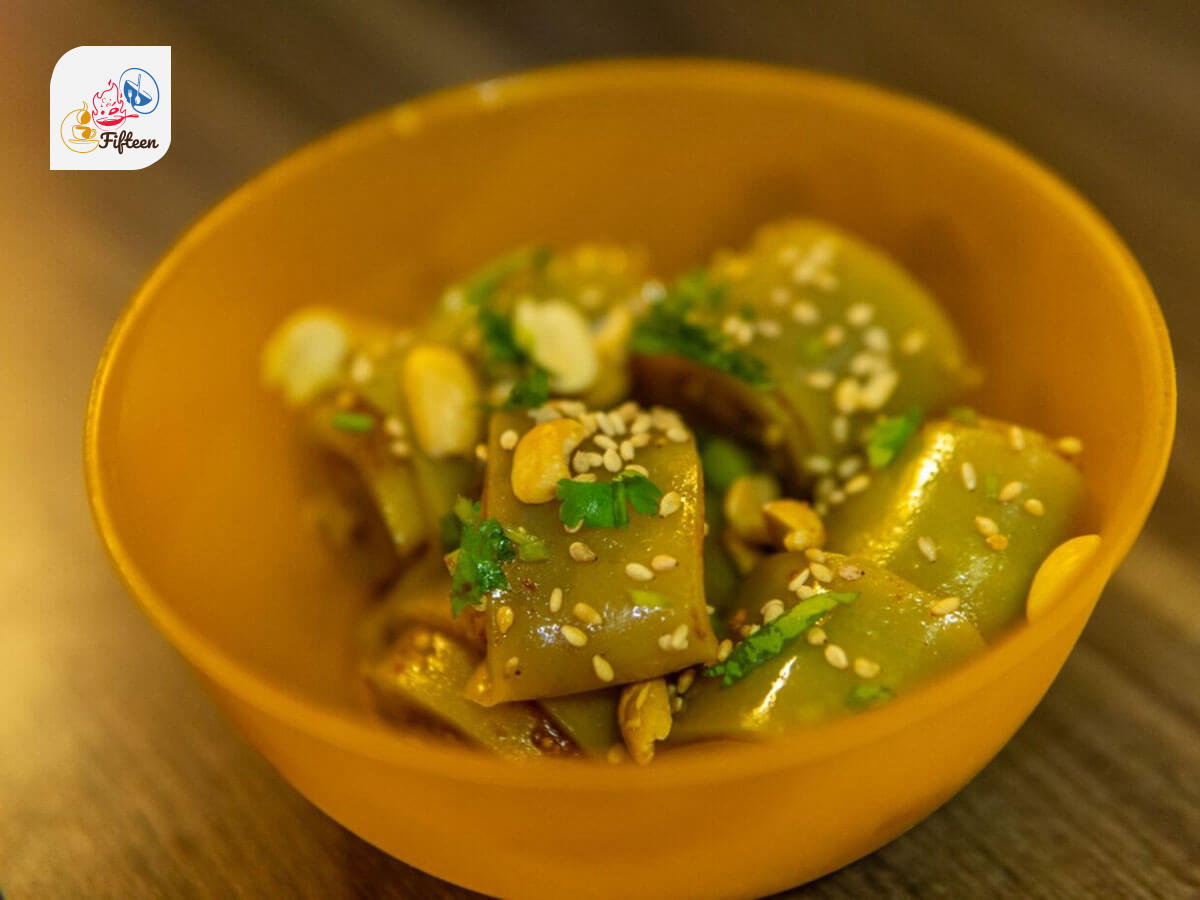
Tibetan dishes have been enjoyed and passed down over many generations by the people of Tibet, a Himalayan region belonging to China. Many of these dishes have been integrated into the large family of Chinese delicacies.
Tibetan cuisine shares similarities with Nepalese specialties and Indian specialties, but it has also developed many distinct traits. Due to geographical and cultural factors, local food offerings are usually rich and hearty.
Staple ingredients are meat (especially yak meat, mutton, beef, and goat meat), dairy products made from yak or goat milk (like butter, cheese, and yogurt), and grains (like rice and barley).
While vegetables and vegetarianism have a limited presence in Tibet, many dishes have meat-free varieties.
Tibetan Buddhism significantly affects how locals prepare food, with many special dishes reserved for Buddhist holidays. For more information, check out the basic features of traditional Tibetan food, including its global popularity and healthy aspects.
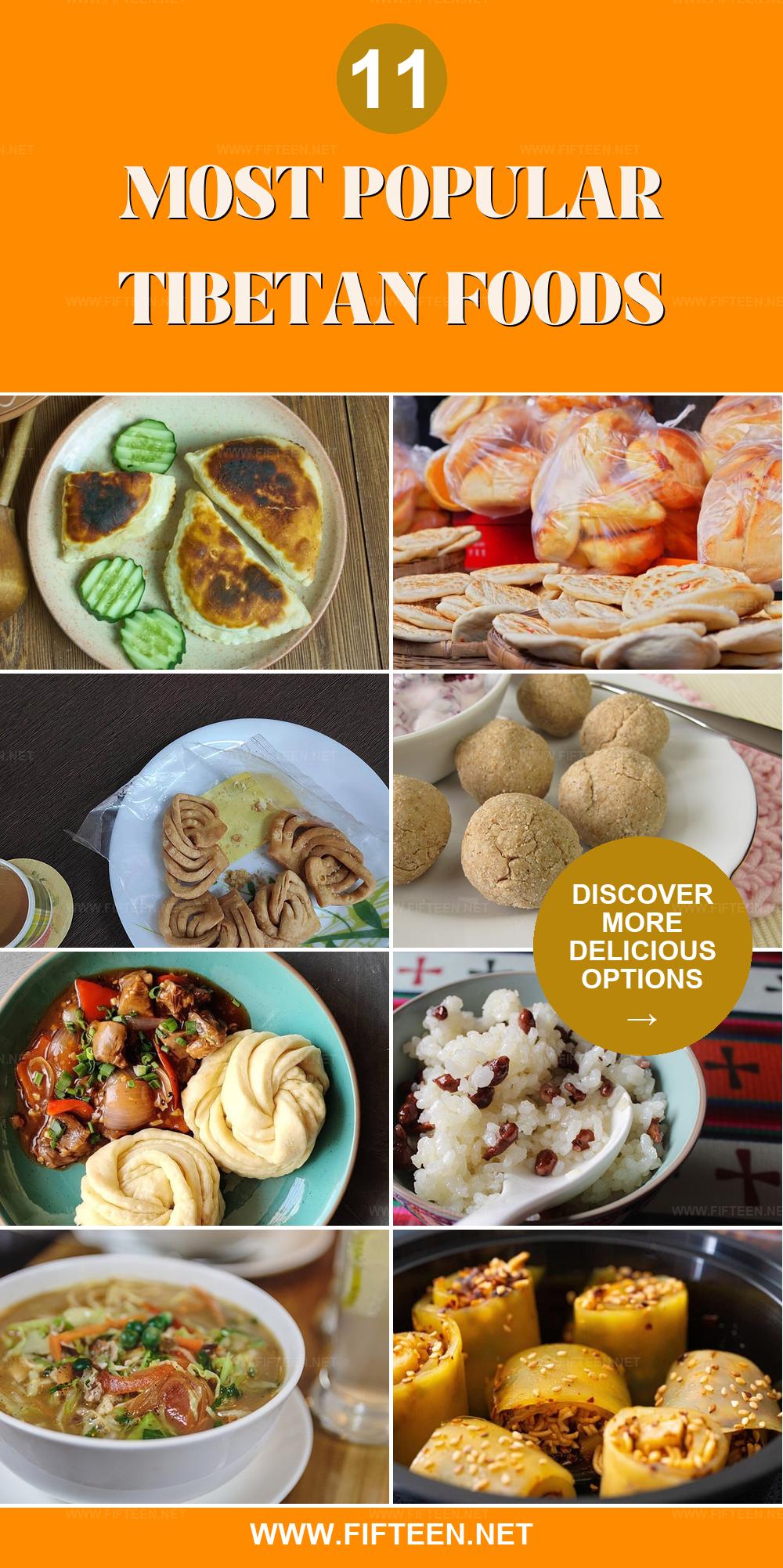
Next, I will go over the 11 well-known Tibetan dishes that define local cuisine, from noodles to soups and sweet dishes.
For each entry, you will learn about its origin, main ingredients, associated holidays, varieties, where it is also popular, and other useful facts, such as its history and English names.
Moreover, you will learn about the defining features of Tibetan cuisine, popular beverages for pairing with dishes, and traditional Tibetan food customs and eating habits.
Below are the 11 Tibetan dishes worth discovering:
11 Most Popular Tibetan Dishes with Filters
Tibetan cuisine offers 11 dishes that will surely capture your imagination. Use advanced filters to navigate this content more easily, with options like alphabetical sorting, main ingredients, taste, cooking methods, dish types, courses, and global popularity.
Next, check out the additional filters based on specific culinary styles, such as traditional, street food, and exotic options.
What Defines Classic Tibetan Dishes?
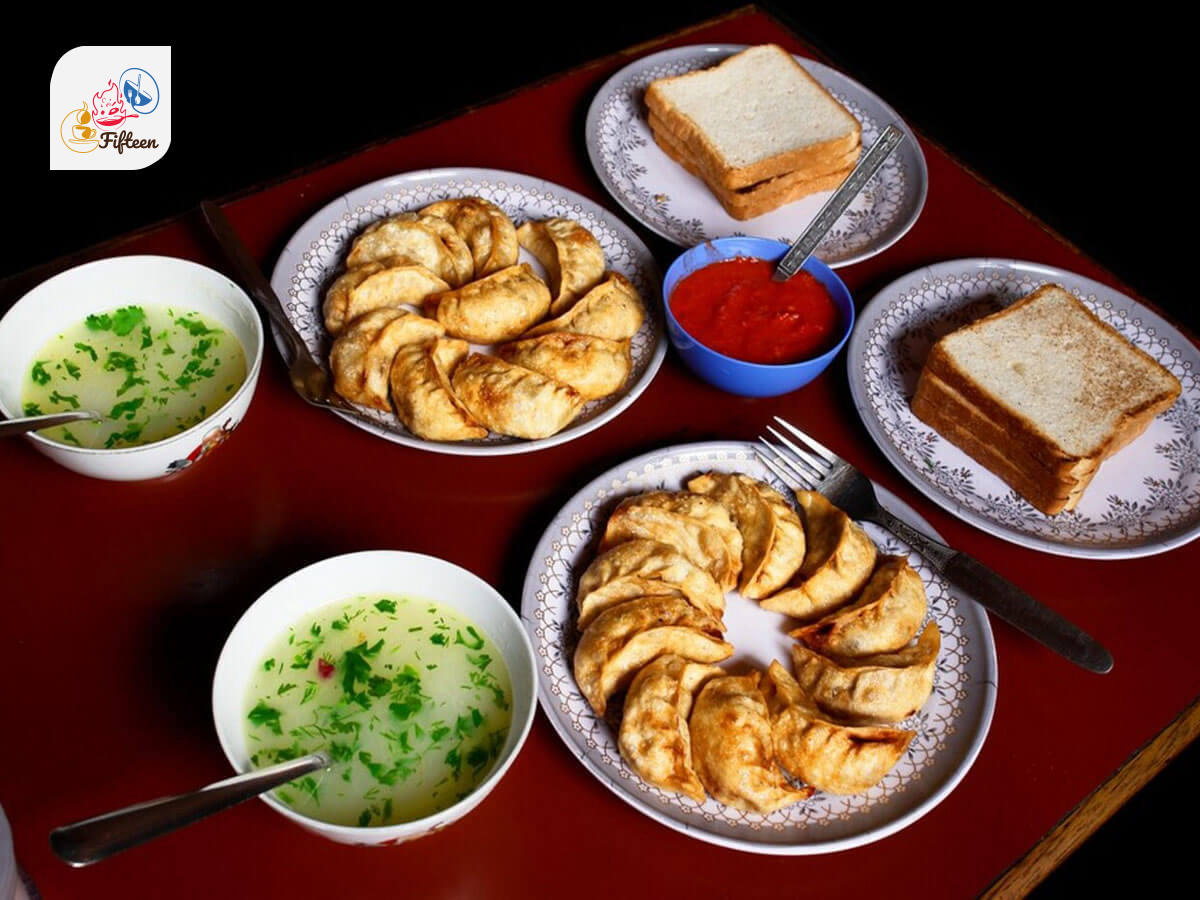
Dishes in Tibet are influenced by geography and climate, religious influence (notably Tibetan Buddhism), and culinary exchanges with other regions.
Geography and Climate
With high mountains and plateaus and a harsh climate, Tibet is unsuitable for widespread vegetable cultivation.
Therefore, locals have to rely on meat, dairy products, and select crops (especially barley). Hearty and energy-rich foods are local staples.
Tibetan Buddhism
Many local dishes have ties with Buddhist monasteries and holidays. Another Buddhist influence is that Tibetans don’t eat fish because of religious teachings.
However, vegetarianism isn’t popular in Tibet due to the scarcity of vegetables and the need for energy-rich foods.
Culinary Exchange
Tibetan cuisine has close relations with neighboring Himalayan and South Asian cuisines, especially Nepal, India, and Bhutan. Chinese dishes, especially from Sichuan cuisine, are also influential.
Next, let’s look at the top beverage recommendations for accompanying Tibetan dishes.
What Are Popular Beverages for Pairing With Tibetan Dishes?
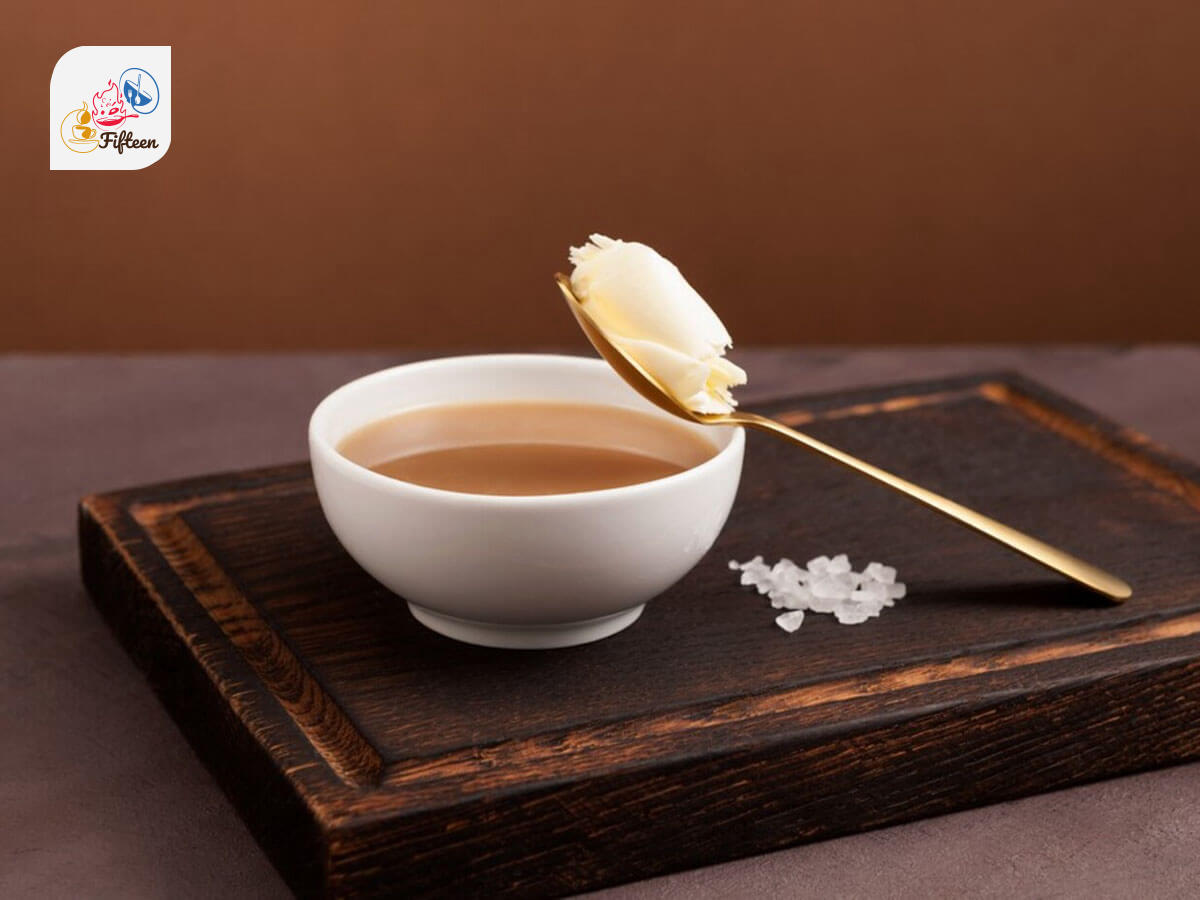
There are three must-try Tibetan beverages in traditional cuisine: butter tea, barley beer, and sweet tea.
Butter Tea
The uniquely savory flavor of butter tea goes well with starchy foods and snacks like tsampa, balep korkun, tingmo, and khapse.
Barley Beer
Many savory dishes in Tibetan cuisine, like momos, sha phaley, thukpa, and yak meat, taste better when served with barley beer.
Sweet Tea
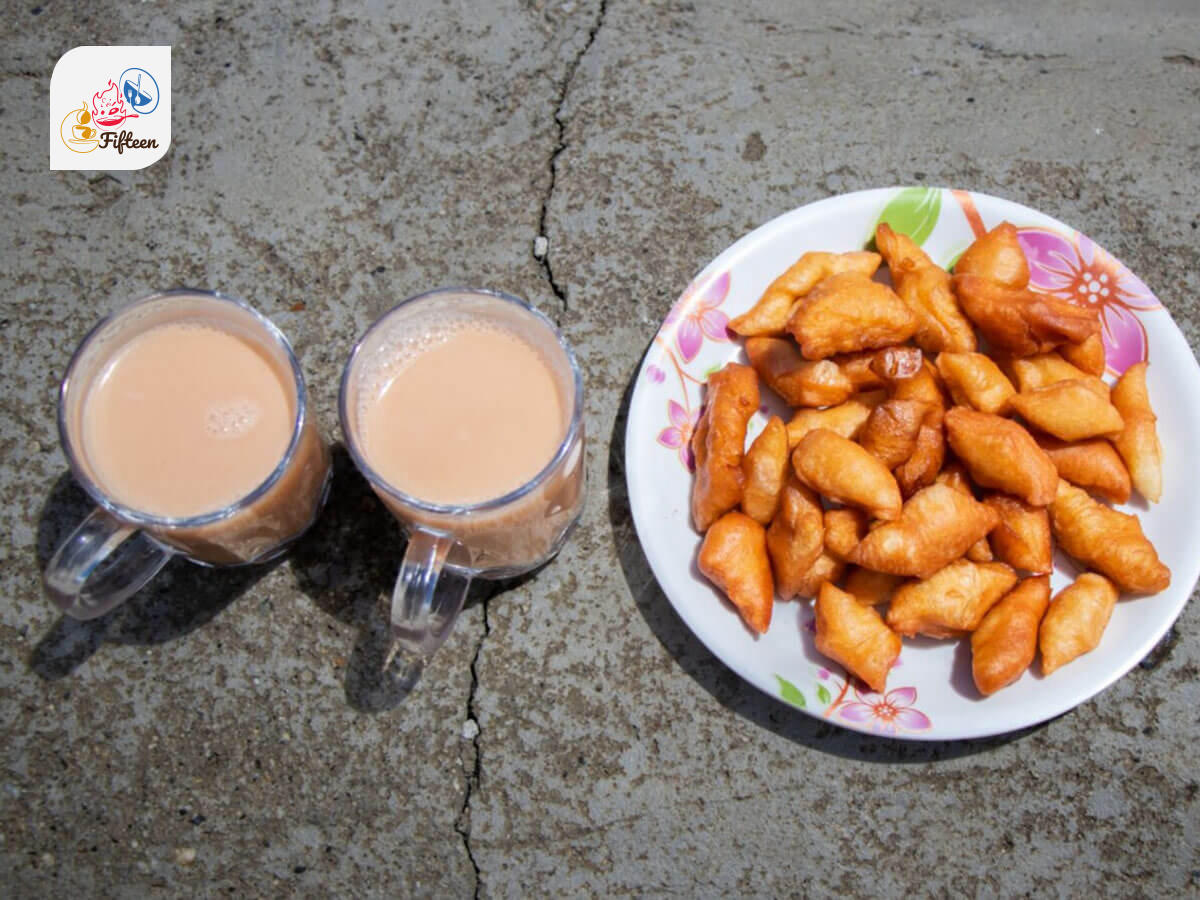
Tibetan sweet tea is excellent at accompanying savory snacks like khapse and sha phaley. While sweet tea is more drinkable than butter tea, the latter is more important to Tibetan food customs and etiquette.
What Are Traditional Tibetan Food Customs and Eating Habits?
Below are the 6 traditional food customs and eating habits that will help you understand the local cuisine better.
Having Three Meals a Day
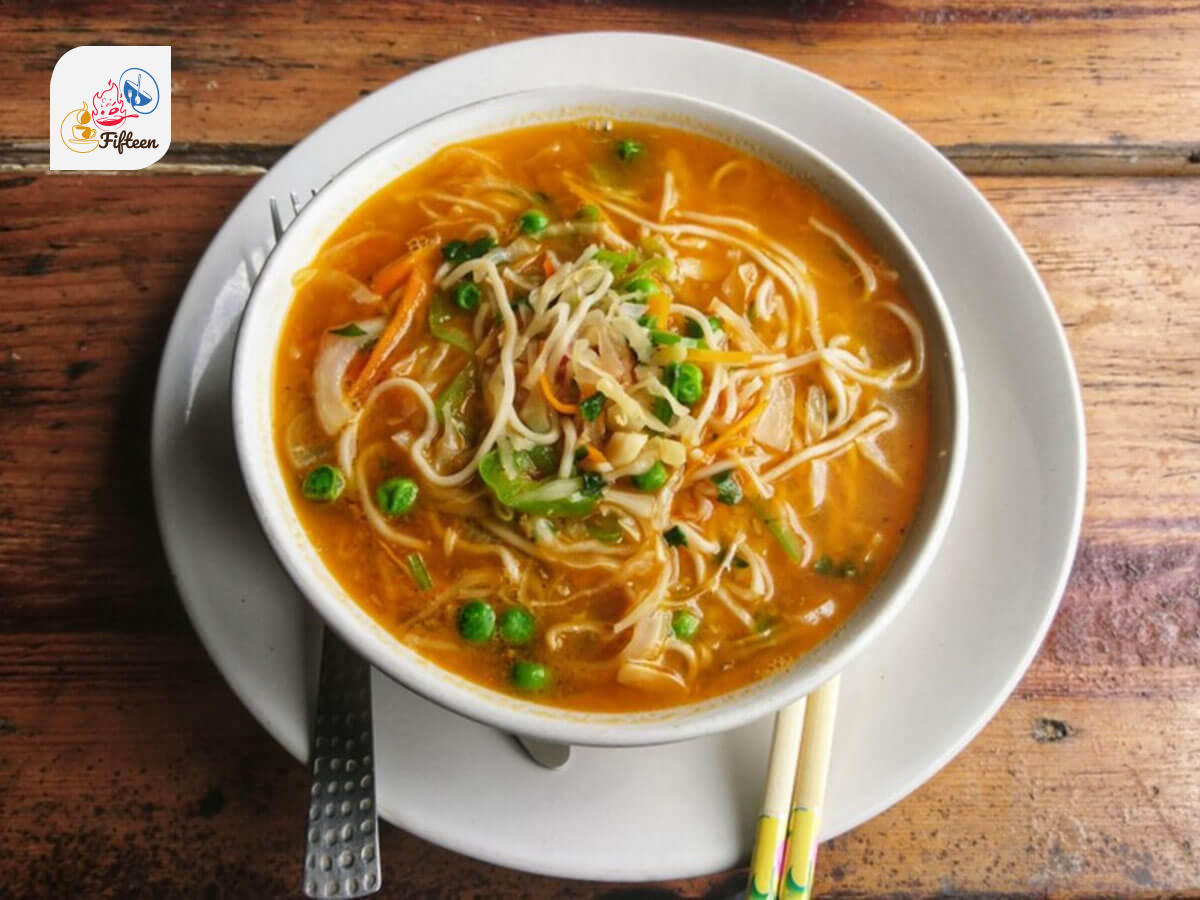
Tibetans usually consume three meals: Tsampa is the staple breakfast dish, while pastries (like Sha Phaley) and soups (like Thukpa) are for lunch and dinner.
Using Chopsticks
Unlike people in other Himalayan cultures, Tibetans use bamboo chopsticks to pick up food and always use the right hand.
Gifting
If you have a meal with a Tibetan household, bring a small gift, such as butter tea and barley beer, for the host and present it with both hands.
Showing Respect
When dining with Tibetans, wait for everyone to be served before digging in, respect the elders, and keep your feet facing away from the group.
Additional Helpings
During the meal, Tibetans continually offer food to their guests as a gesture of generosity. Once you are full, gently decline them by bowing and pressing your palms together.
While these rules are simple and easy to follow, they will significantly help you gain a better understanding of Tibetan cuisine and culture.
Now that you have read this post, please like and share it with your friends if you find it helpful. I’d love to hear your feedback!
Jamie Scott
Editor in Chief, Senior Content Writer
Expertise
Home Cooking, Meal Planning, Recipe Development, Baking and Pastry, Food Editor, Cooking-video Maker, Western Food Evaluation Expert
Education
Le Cordon Bleu College of Culinary Arts
Local Community College, New York, NY
Jamie Scott is a skilled culinary expert and content creator specializing in Western cuisine. With over 15 years in the culinary field and formal training from Le Cordon Bleu, Paris, Jamie deeply understands how to blend nutrition with delicious flavors. His passion for cooking matches his commitment to making healthy eating accessible and enjoyable.
On Fifteen.net, Jamie brings a fresh perspective to classic dishes and beverages, offering readers insightful recipes, cooking tips, and a fresh view on meal planning that emphasizes taste, health, and simplicity.