

Italian Food Dishes: Basic Overview
Common Ingredients
Common Cooking Methods
Courses
Meals
Key Taste
Eating Etiquette
Meal Presentation
Culinary Festivals
Influence and Fusion
Italian Food Dishes: Origin and Region
Cuisine
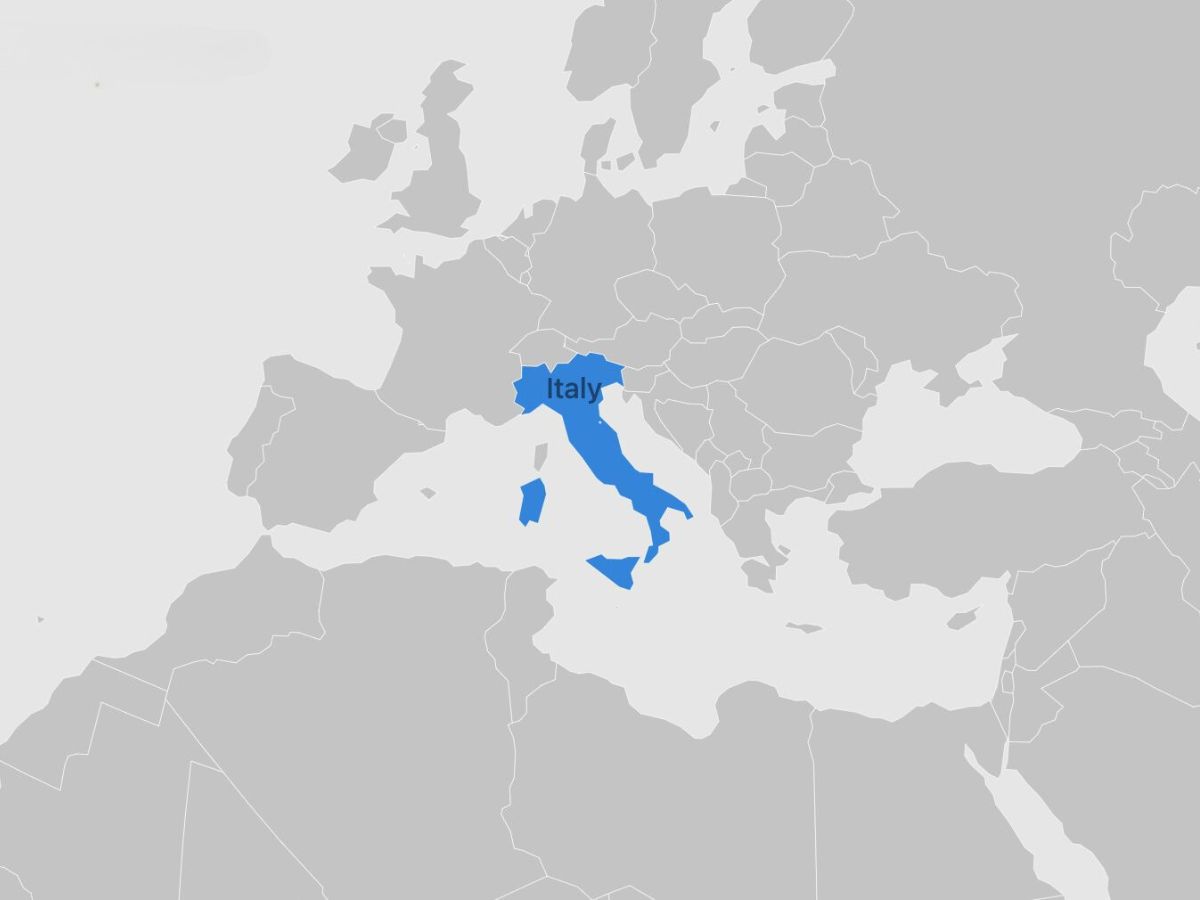
Cuisine’s Geographical Territory
Country’s Region
Popular Types of Italian Dishes
-
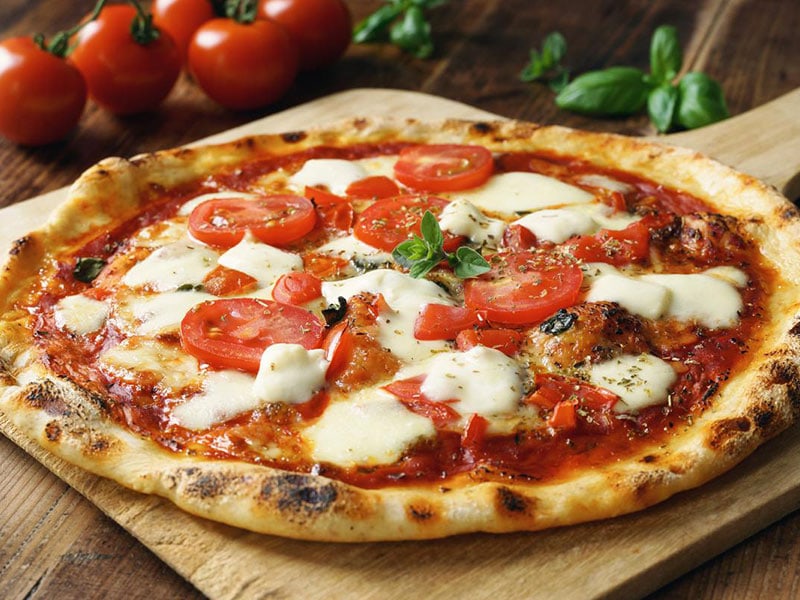
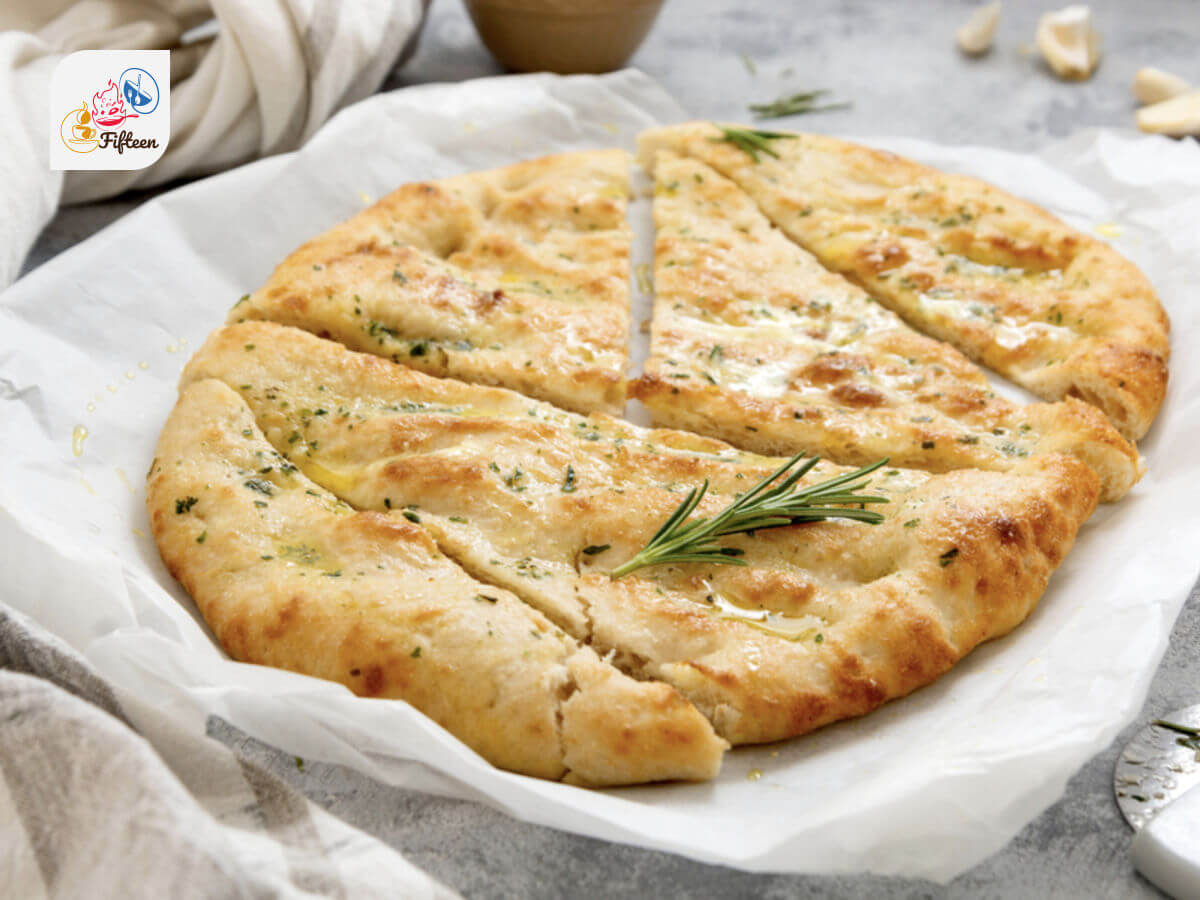
Bread and Doughs
There are many types of baked bread and dough-based dishes in Italy.
These dishes are usually made with dough and savory ingredients, such as cold cuts and vegetables, though sweet bread is also popular.
Olive oil is used in various Italian breads for added moisture.
-
Dry Noodle Dishes
Pasta made from durum wheat dough is a popular dish in Italy.
Italians usually cook pasta in water until al dente and serve it in a sauce or with savory food ingredients, especially meat, mushrooms, and grated cheese.
Pasta can also be used to prepare other dishes, such as baked specialties.
-
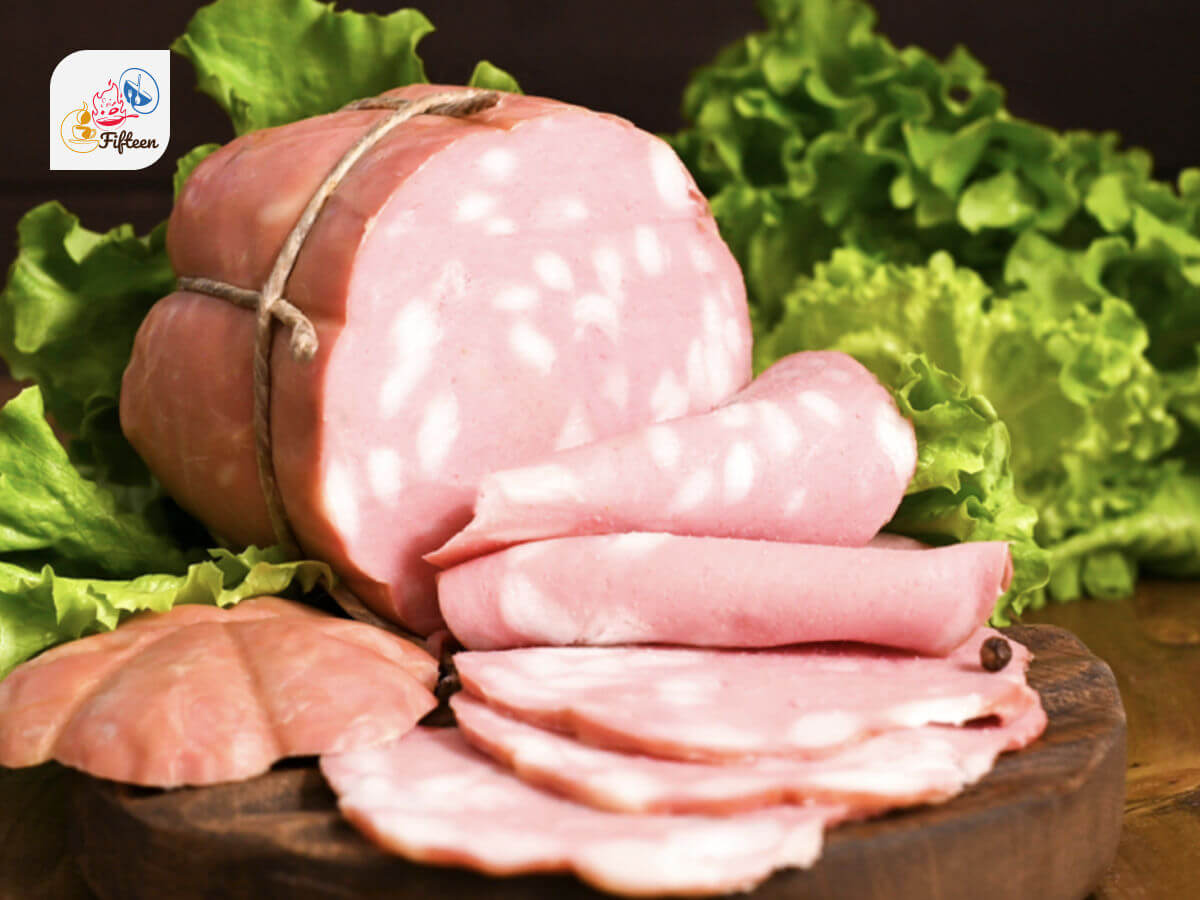
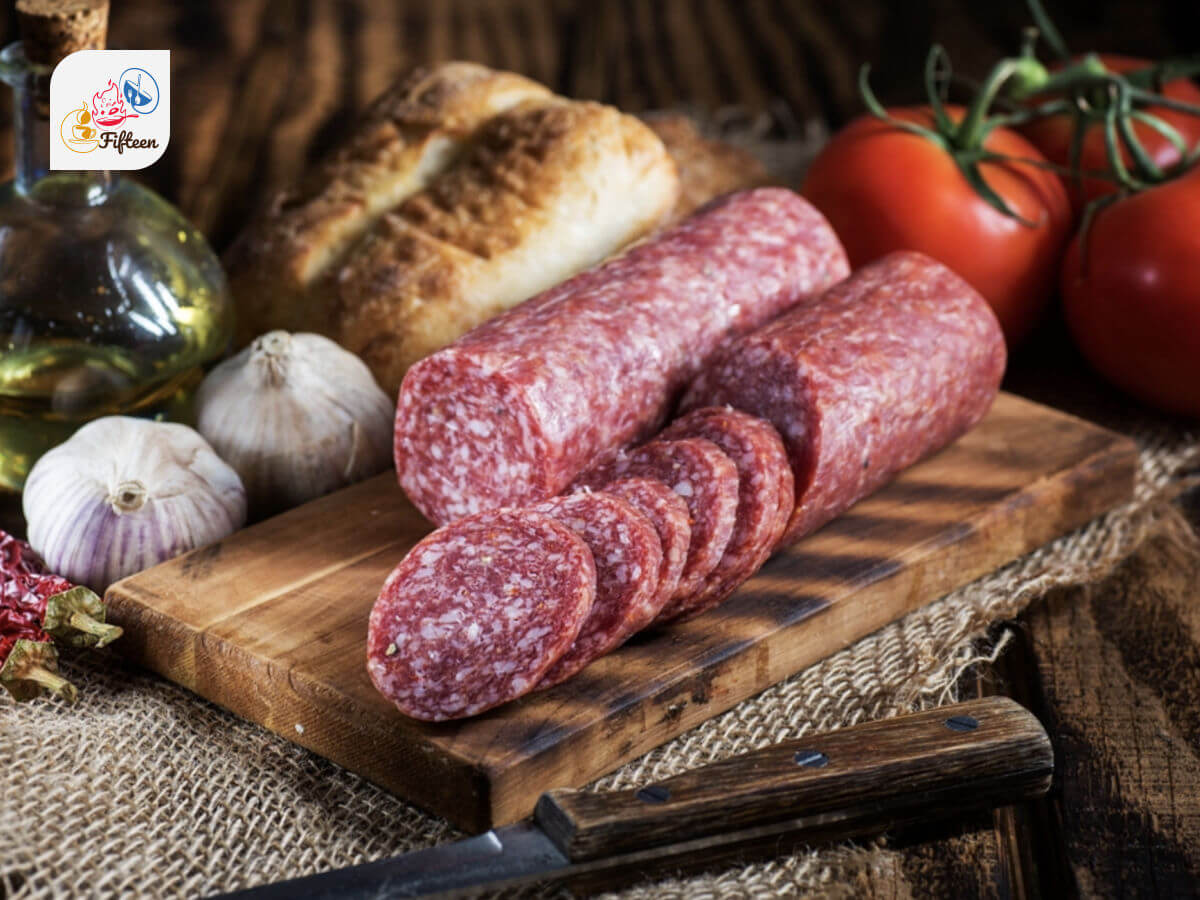
Charcuterie and Cheese Boards
Italy offers many famous types of cold cuts, sausage, and cheese.
Elegant platters of cold cuts and cheese are suitable starters for many Italian meals.
Pork is a popular ingredient for making charcuterie products in Italy.
Various Italian ham, sausage, and other meat products are internationally popular.
-
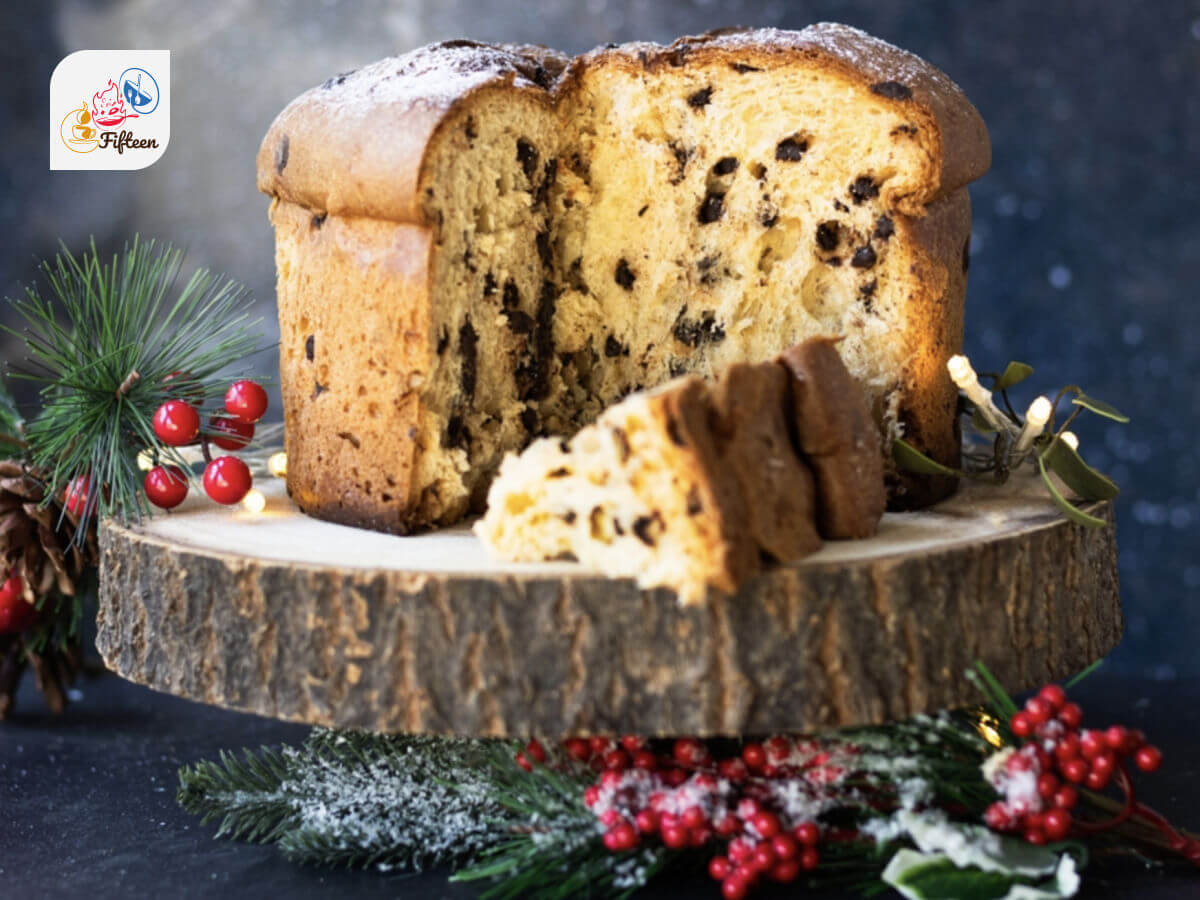
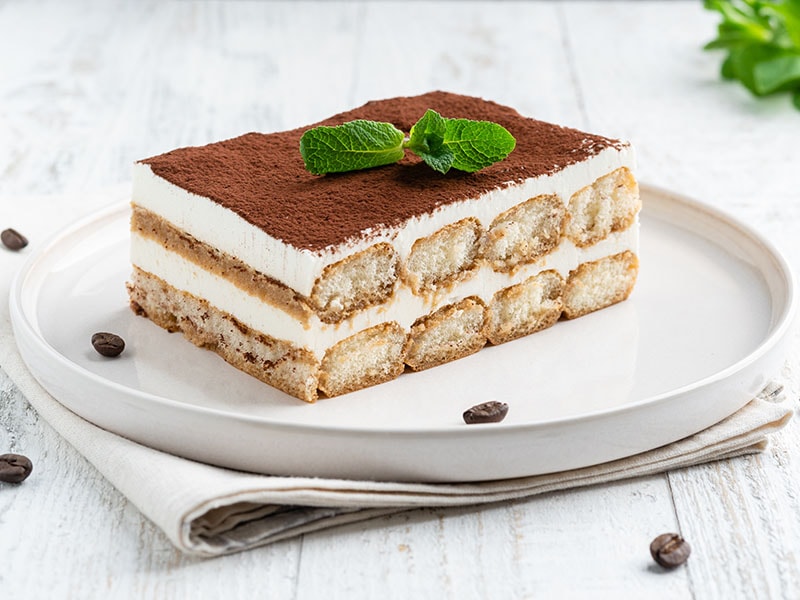
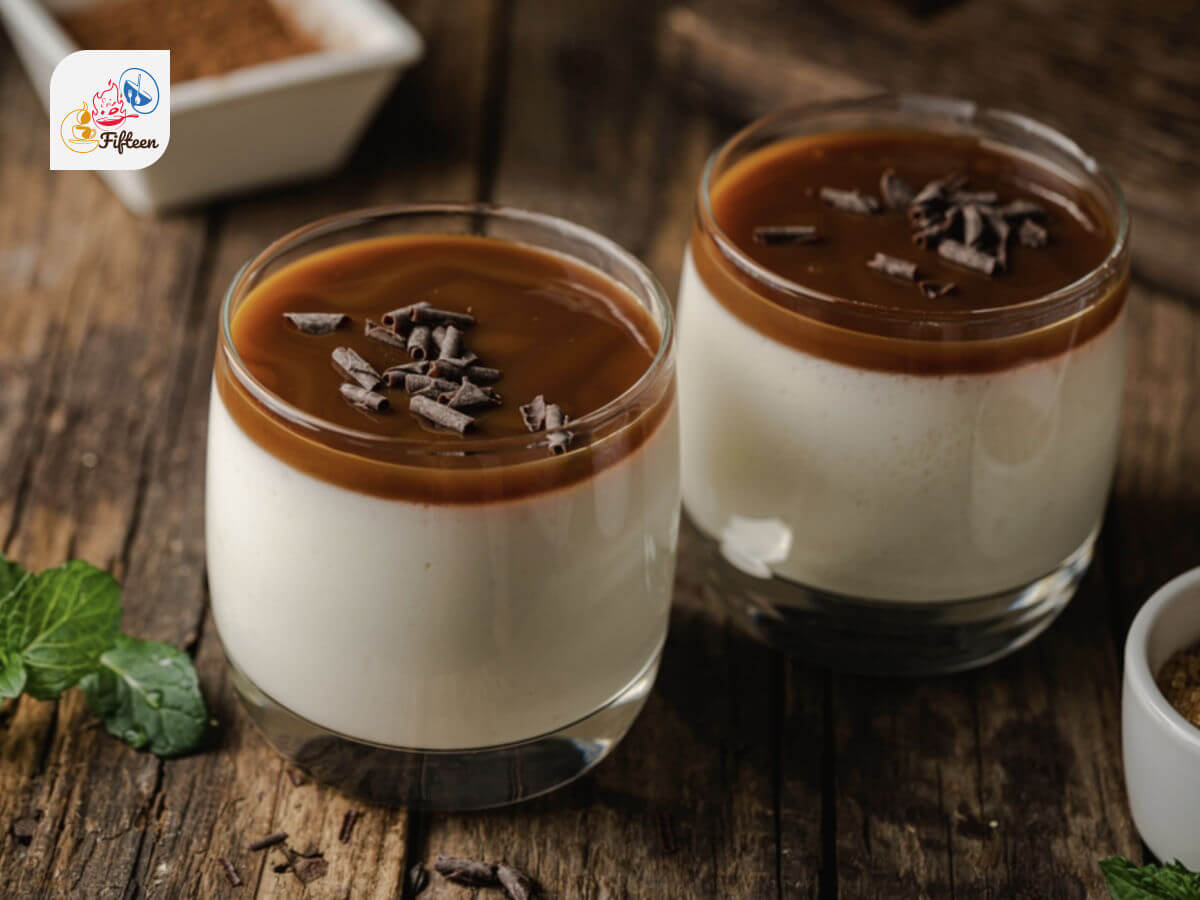
Desserts
Italian cuisine is full of rich, creamy, and indulgent desserts.
These dishes belong to many categories, namely cakes and frozen desserts.
Many sweet desserts are served at the end of traditional Italian meals.
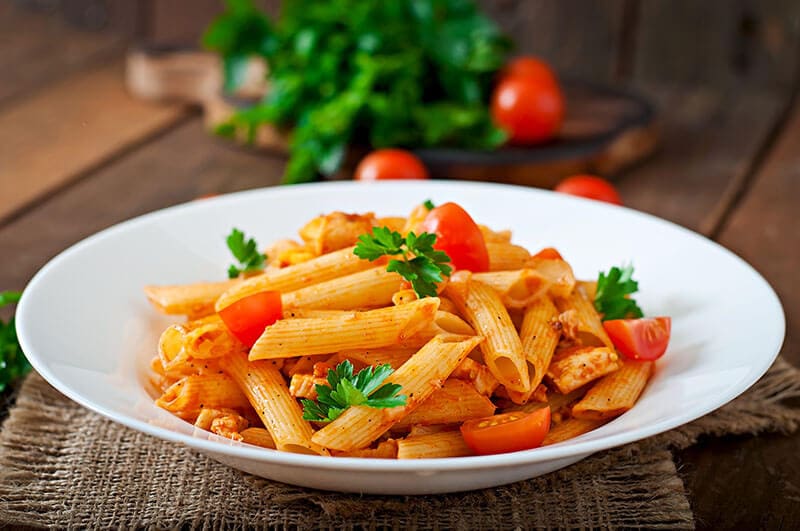
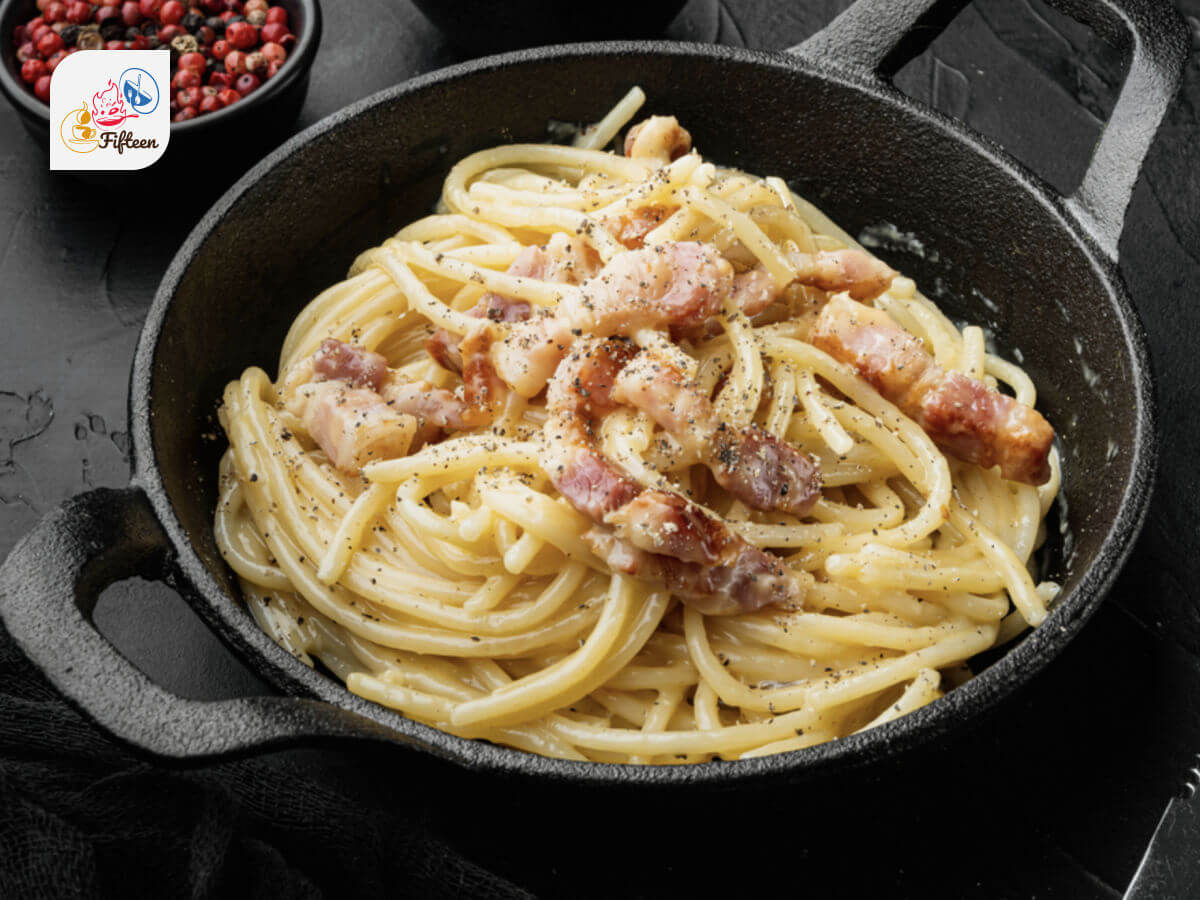
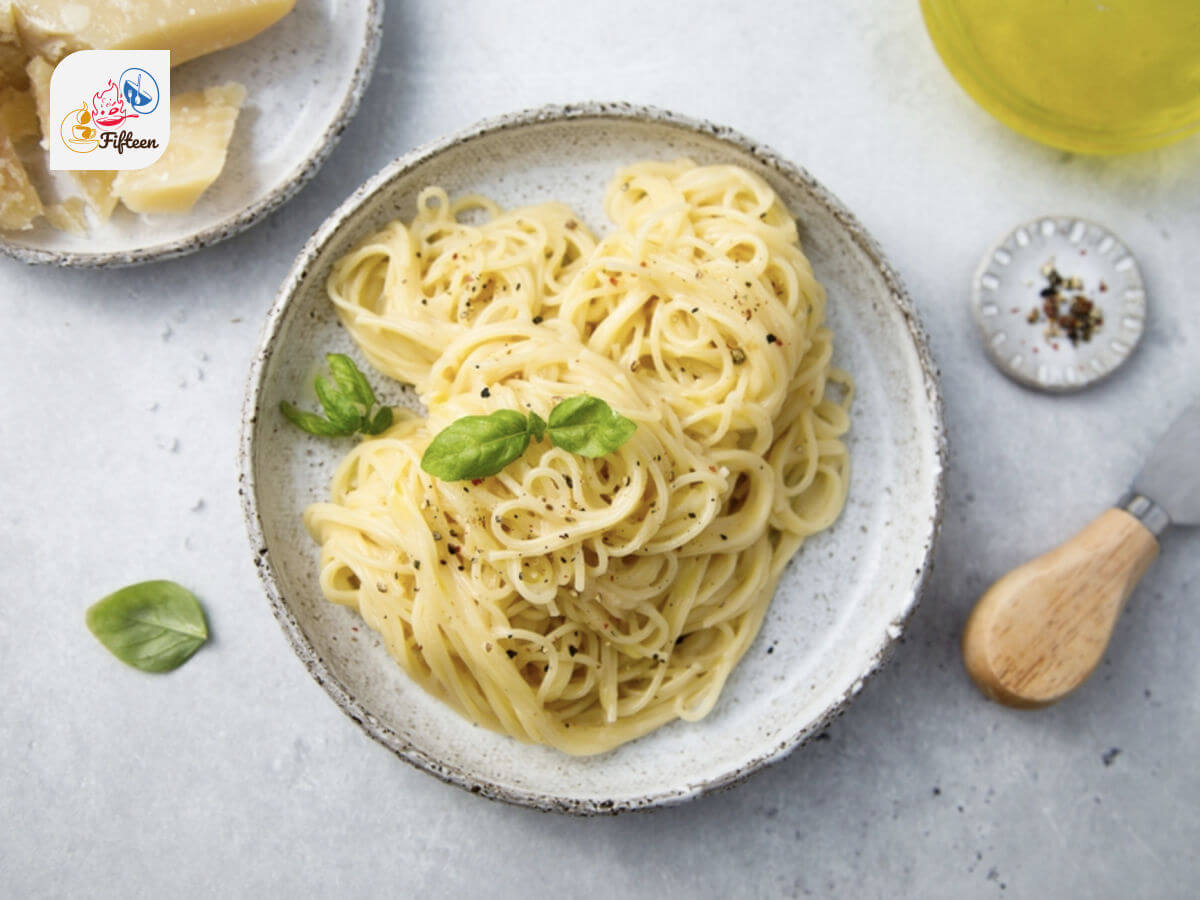
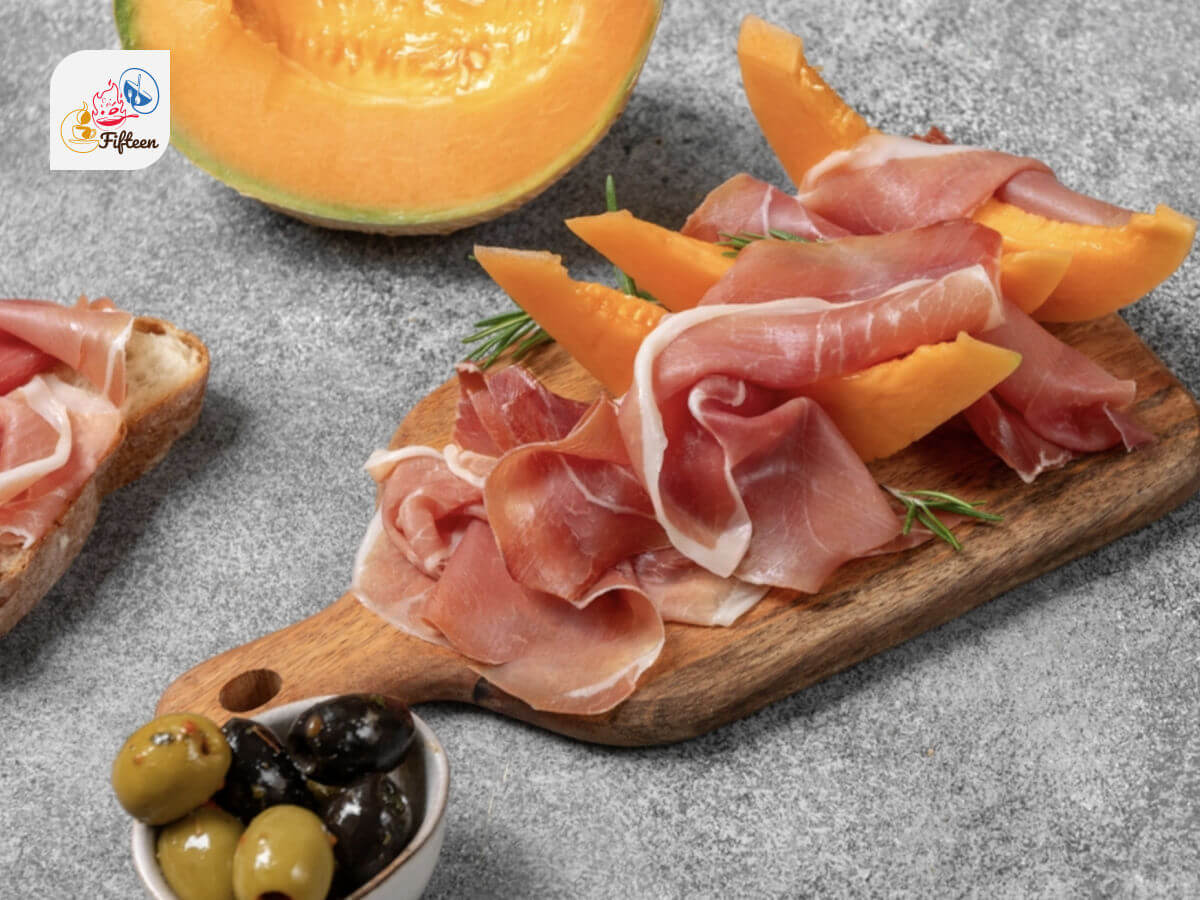
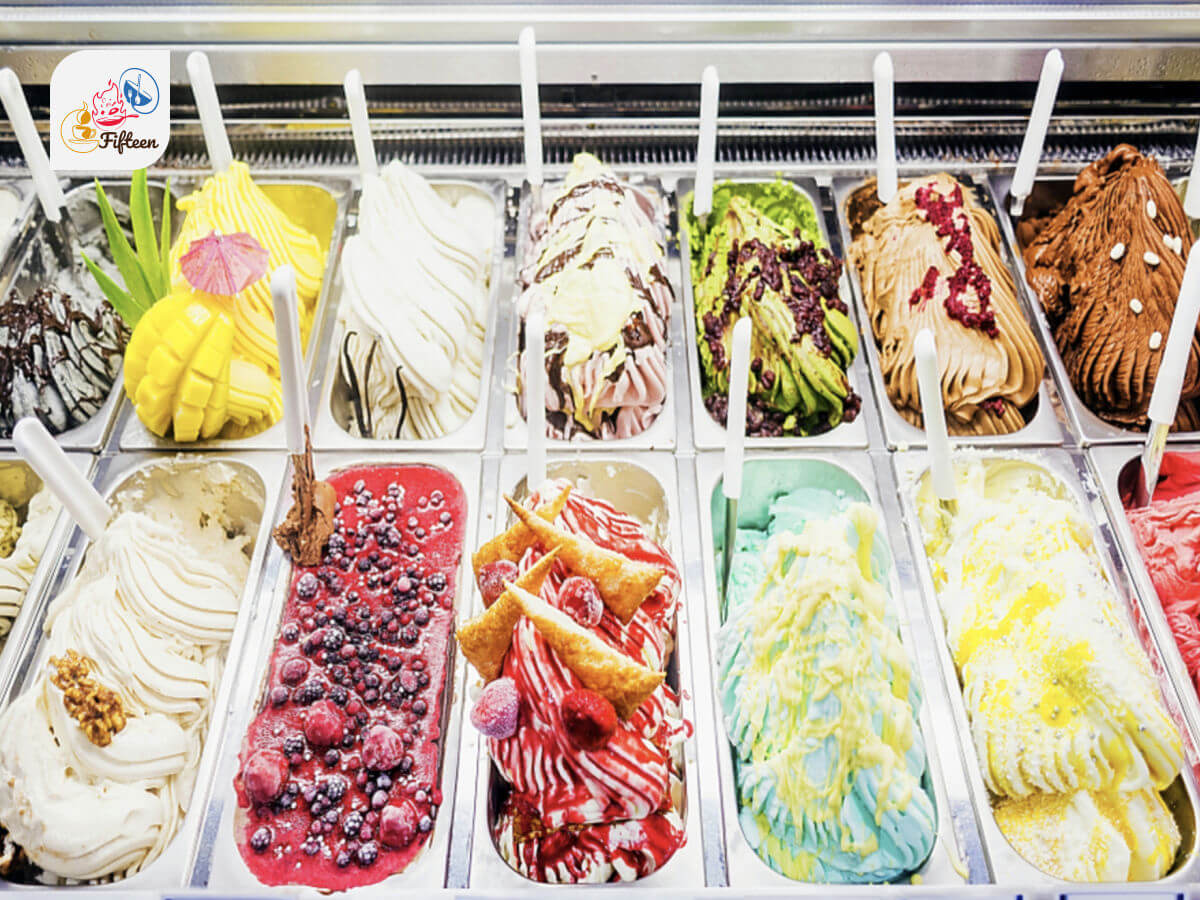
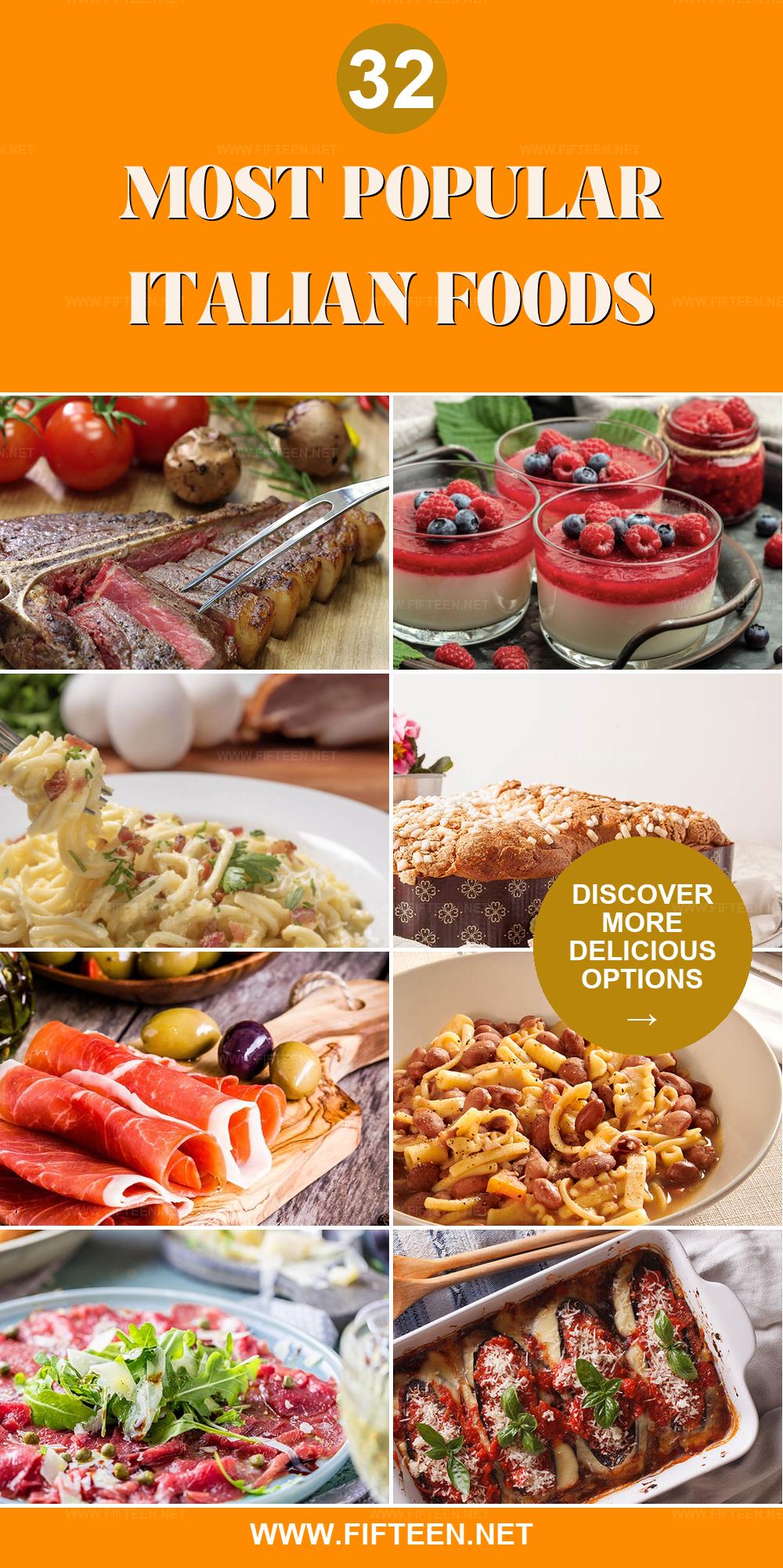
Italian dishes are the specialties that the people of Italy have long prepared and cherished. These dishes come in numerous varieties, from appetizers to main dishes and desserts.
As Italy is situated in the Mediterranean, it heavily features many regional staples in its food offerings, such as fish, olive oil, herbs, fruits, and vegetables.
Italian dishes are a balance between simplicity and sophistication, prioritizing the use of fresh and high-quality ingredients. Food presentation also receives a lot of attention here.
While you probably know about Italian icons like pizza and pasta, there are more local dishes that deserve your attention, and I will tell you about the most popular names.
But first, let’s have an overview of what traditional Italian food is like. I will tell you about its core attributes, global popularity, and healthy aspects.
Then, continue reading to discover the best 32 dishes in Italy. For each entry, I will cover the origin, main ingredients, cooking technique, and flavor profile of each dish, plus some interesting facts like its history and accompaniments.
Next, I will turn to the essential characteristics of Italian cuisine and suggest a few common beverages for pairing with local dishes.
32 Most Popular Italian Dishes with Filters
Are you ready to explore 32 world-renowned dishes from Italy? I have ranked these options in order of popularity, so as you scroll down, you will discover more and more exciting options.
But you can also filter my list to find your favorite dishes; the interactive filters are related to alphabetical sorting, main ingredients, taste, cooking methods, dish types, courses, and global popularity.
Next, look up the dishes based on popular, traditional, national, and street food labels. From national dishes to traditional specialties and street food delights, my advanced filters will help you learn about them all!
List of Italian Dishes
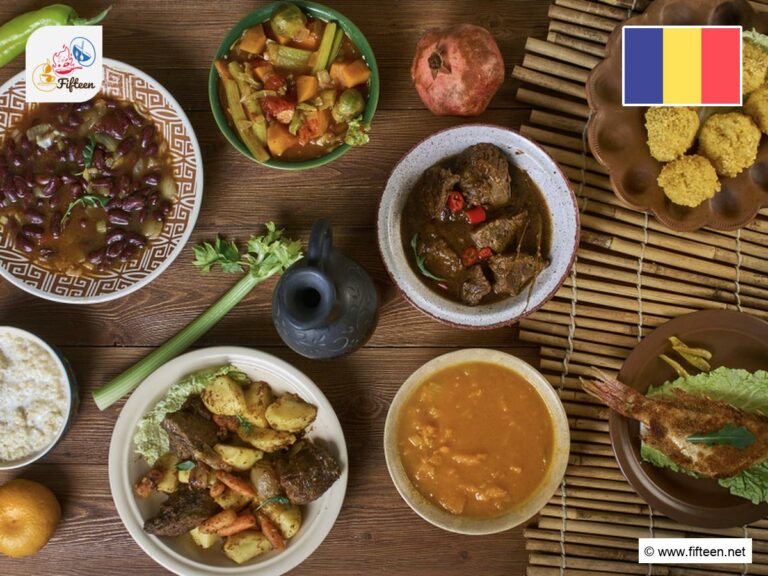
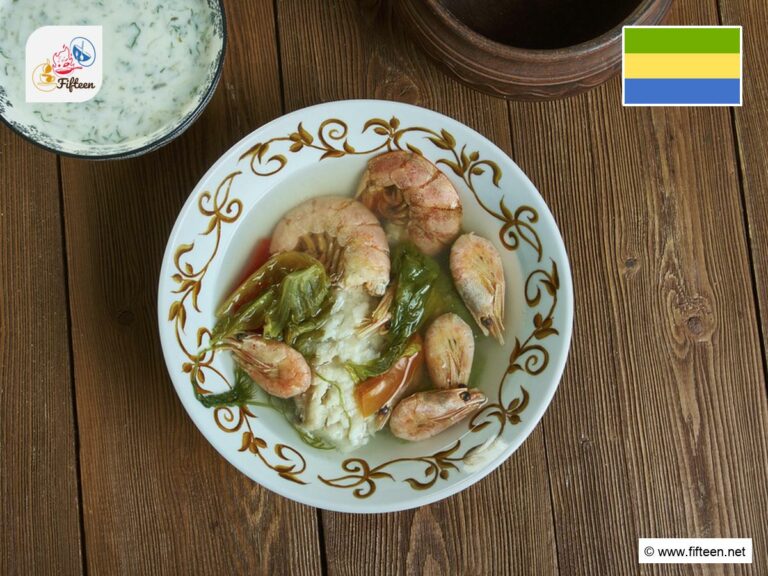
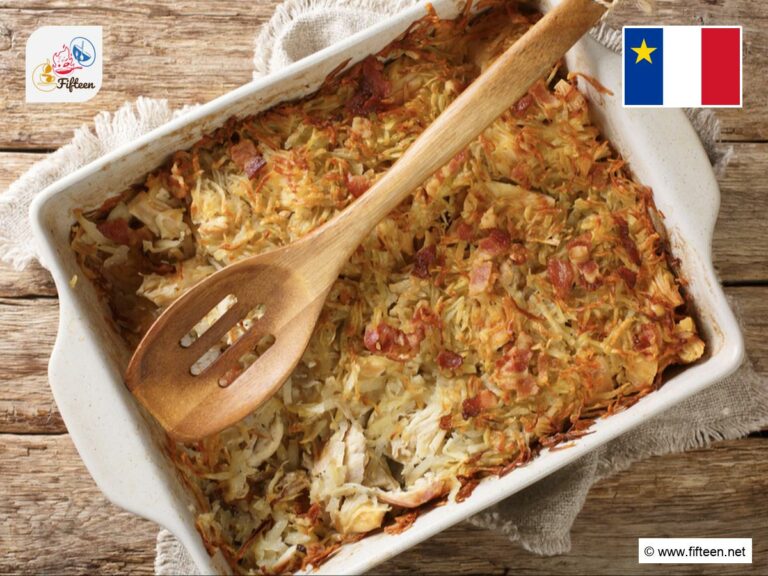
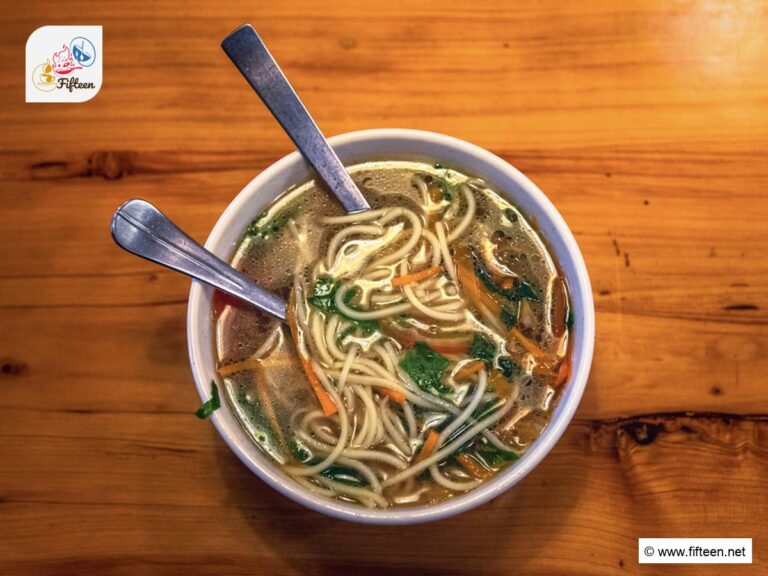
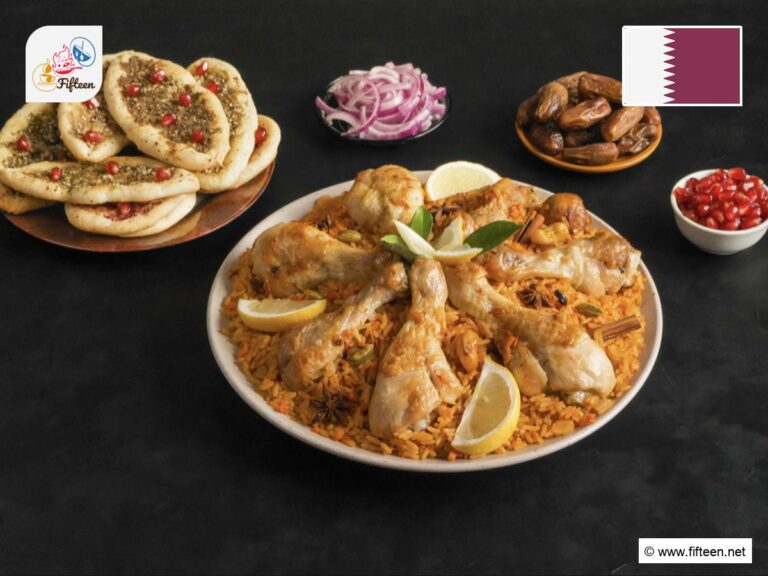
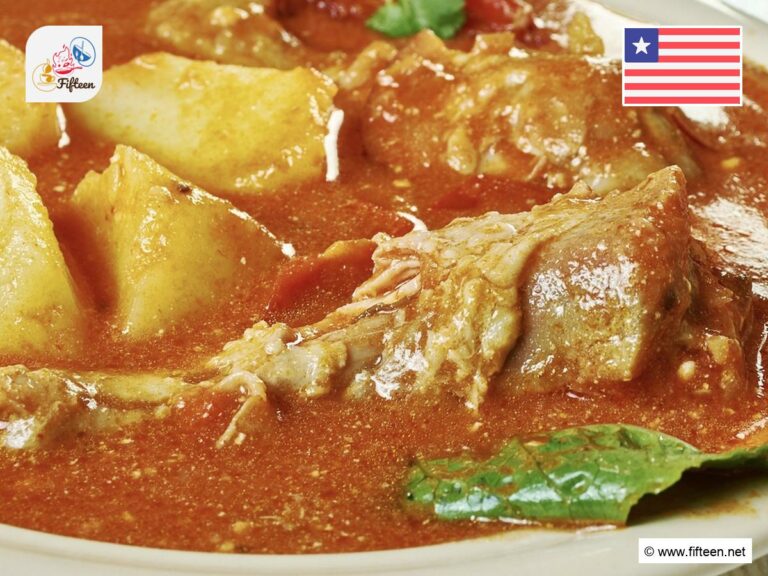
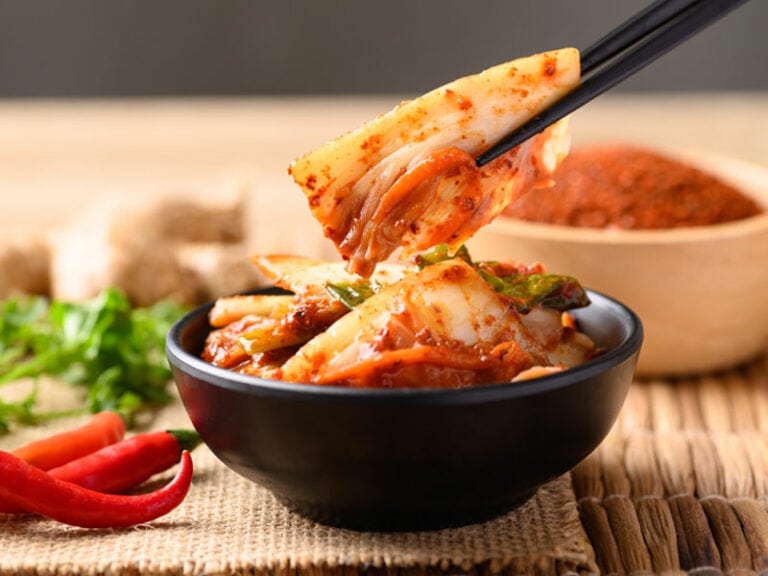
What Is Special About the Italian Gastronomic Scene?
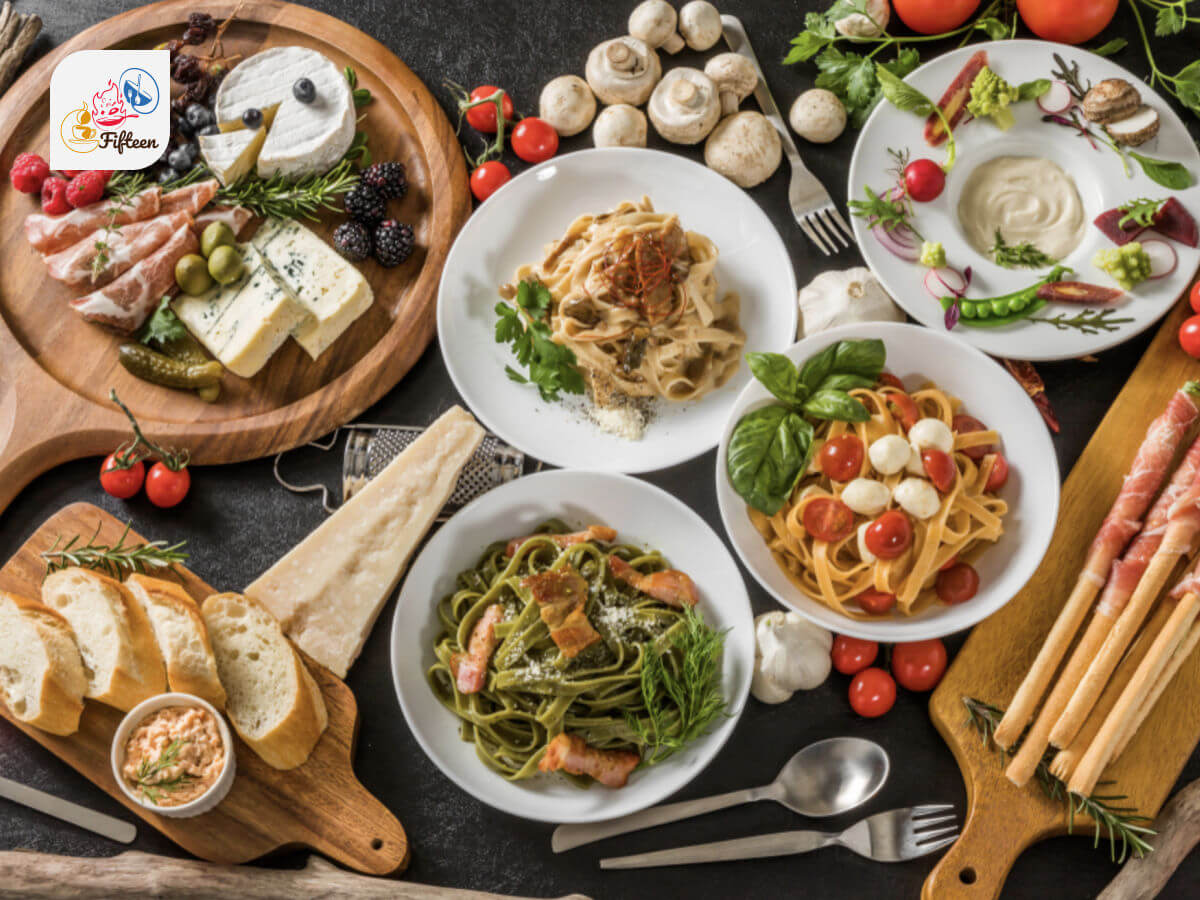
Here are five aspects you should know to make sense of Italian cuisine: culinary influences, fresh ingredients, traditional Italian meal structure, regional diversity, and eating etiquette.
Culinary Influences
Historically, Italy’s culinary tradition has been shaped by numerous foreign influences. The country was a crossroad for different cultures and civilizations, namely the native Etruscans and Romans.
Mediterranean countries like Spain, France, and Greece influence Italian cooking in many ways. In addition, Central European and Arabic cuisines also have a noticeable effect on how Italians prepare food.
Fresh Ingredients
Using high-quality and fresh ingredients is Italians’ priority in cooking. Among the most popular ingredients, grains, herbs, spices, olive oil, and fish are especially widespread and contribute to the freshness of local food.
Traditional Italian Meal Structure
Below is a breakdown of an authentic Italian meal.
| Course | Description |
|---|---|
| Aperitivo | Pre-meal beverages. |
| Primi Piatti | First course. Includes pasta, risotto, soup, or polenta. |
| Secondi Piatti | Heavier than the first course. Consists of meat or fish-based dishes. |
| Contorni | Side dishes served alongside secondi piatti. Includes salads or vegetable dishes. |
| Dolce | Sweet treats and desserts. |
Regional Diversity
Italy’s cuisine varies greatly from region to region, reflecting the local history, culture, and climate. Well-known regional cuisines in this country are as follows:
Eating Etiquette
Italians typically eat later than in many other countries, with lunch around 1:00 PM and dinner often around 8:00 PM or later. Eating pasta by twirling the pasta against the plate is common.
Finishing everything on your plate is a sign of appreciation for the meal. In addition, it is polite to wait for everyone to start, greet staff and other diners with simple greetings, and say farewell at the end of meals.
Next, I will cover common beverages Italians usually enjoy with their dishes.
What Beverages to Pair With Italian Dishes?

Italy offers many fantastic beverages to serve alongside local dishes; below are my recommendations for the best pairings.
Wine (Prosecco, Chianti, Vermouth)
There are many world-famous wine varieties in Italy. Red wines pair well with meat-based dishes like bistecca alla Fiorentina, ragù alla Bolognese, or prosciutto, white wines for seafood and pasta delights, and sparkling wines for appetizers and light dishes of any kind.
Coffee
While Italian coffee is typically enjoyed on its own and as an after-meal digestif, there are some light bites and sweets that go well with it, such as tiramisu, panna cotta, and colomba di pasqua.
Cocktails (Negroni, Bellini, Americano)
Italian cocktails, such as Negroni, Bellini, and Americano, are often enjoyed as aperitifs. They go well with appetizers and light dishes, including Caprese salad, bruschetta, or carpaccio.
Liqueurs (Limoncello, Campari, cappuccino
In Italy, liqueurs are typically served as digestifs after meals. Pasta, pizza, and gnocchi are versatile dishes that go well with liqueurs.
Have you been enchanted by the beauty of Italian dishes? Tell me what you think in the comment section, and feel free to add more recommendations. Before you go, please share this list of Italian specialties with your friends!
Jamie Scott
Editor in Chief, Senior Content Writer
Expertise
Home Cooking, Meal Planning, Recipe Development, Baking and Pastry, Food Editor, Cooking-video Maker, Western Food Evaluation Expert
Education
Le Cordon Bleu College of Culinary Arts
Local Community College, New York, NY
Jamie Scott is a skilled culinary expert and content creator specializing in Western cuisine. With over 15 years in the culinary field and formal training from Le Cordon Bleu, Paris, Jamie deeply understands how to blend nutrition with delicious flavors. His passion for cooking matches his commitment to making healthy eating accessible and enjoyable.
On Fifteen.net, Jamie brings a fresh perspective to classic dishes and beverages, offering readers insightful recipes, cooking tips, and a fresh view on meal planning that emphasizes taste, health, and simplicity.