

Cantonese Food Dishes: Basic Overview
Common Ingredients
Common Cooking Methods
Courses
Meals
Key Taste
Eating Etiquette
Meal Presentation
Culinary Festivals
Influence and Fusion
Cantonese Food Dishes: Origin and Region
Cuisine
Cuisine’s Geographical Territory
Country’s Region
Popular Types of Cantonese Dishes
-
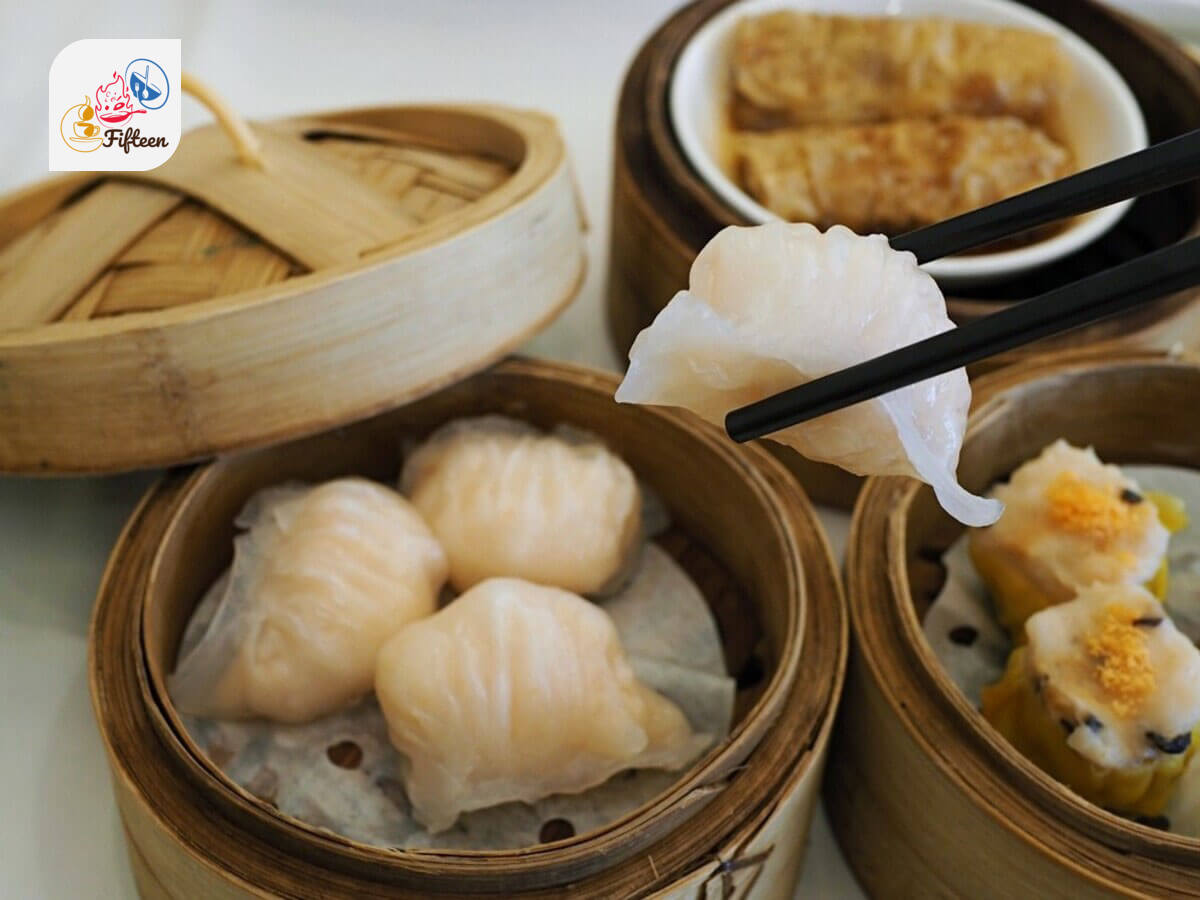
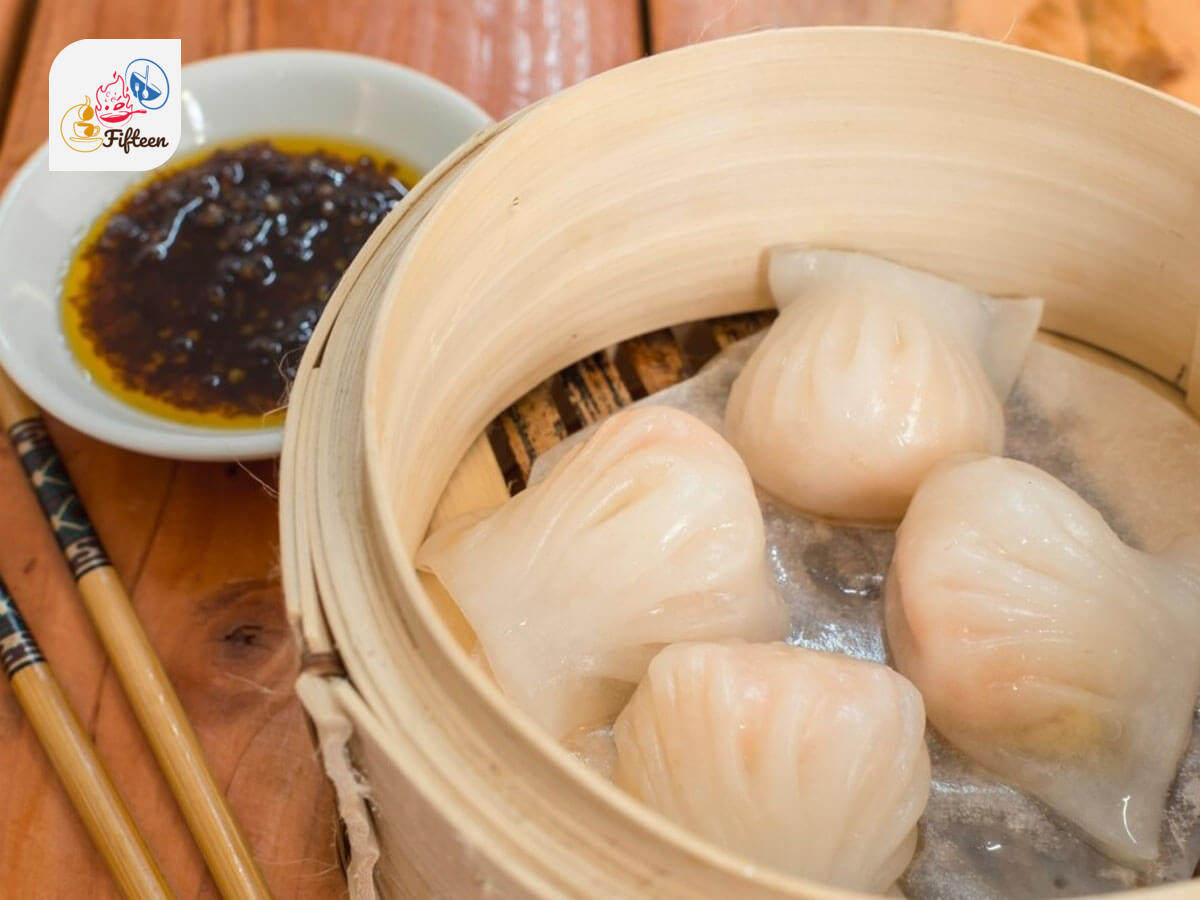
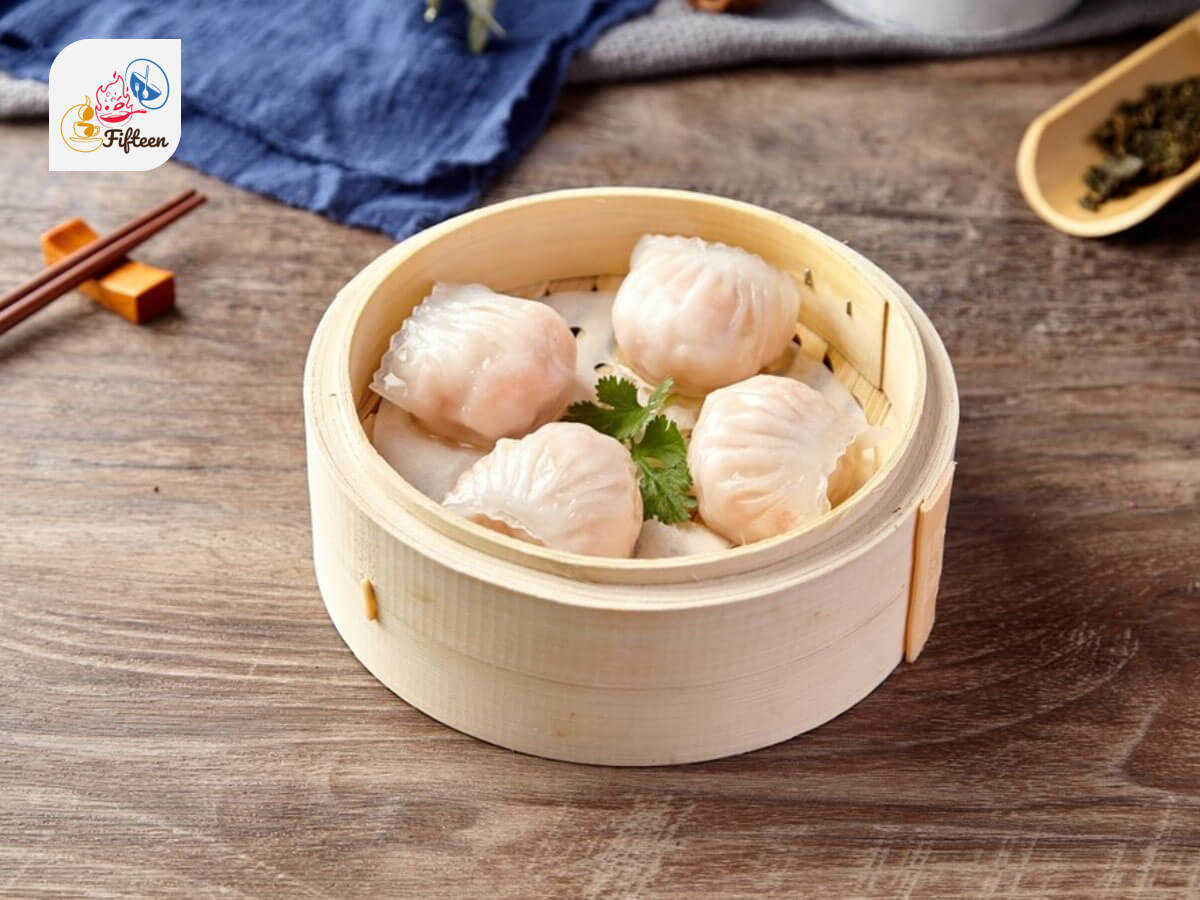
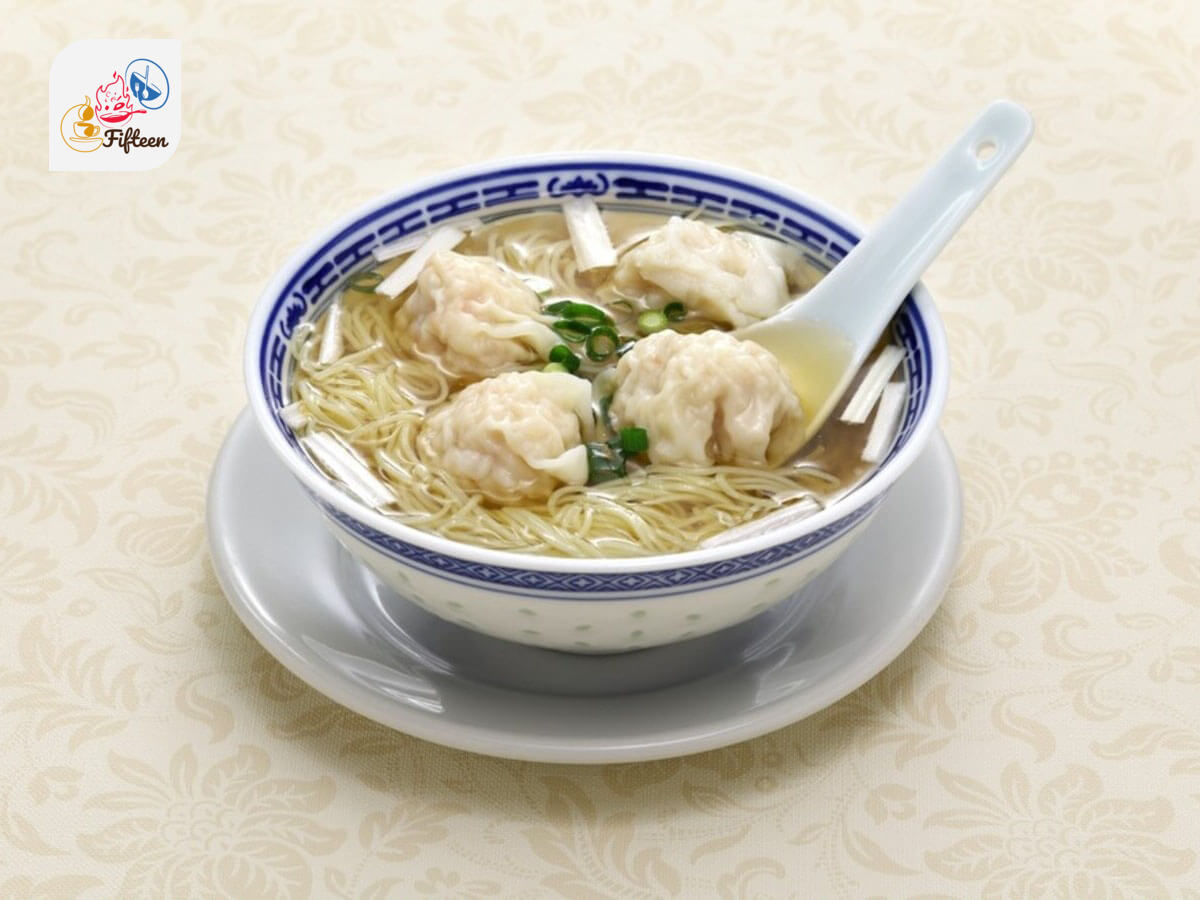
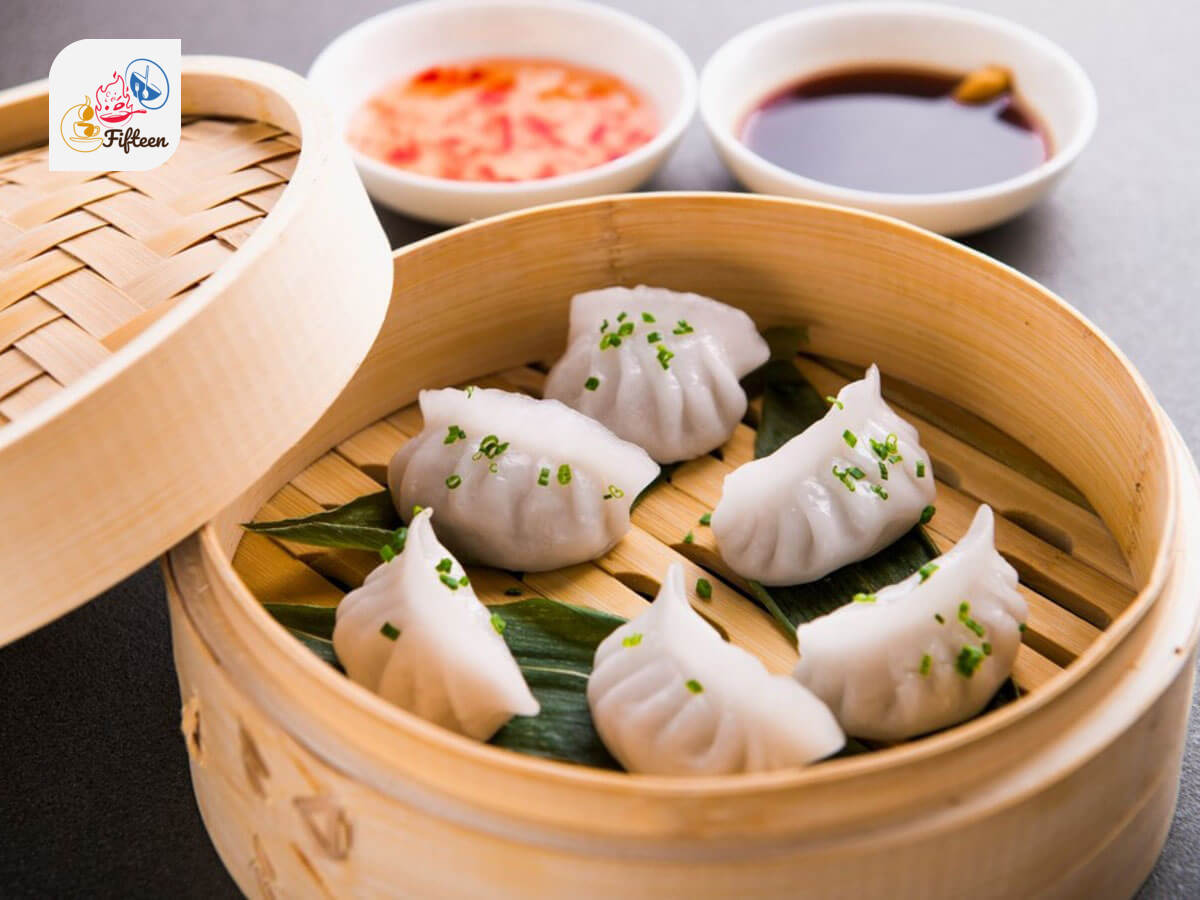
Dumplings
They are small dough parcels filled with meat, seafood, or vegetables.
Cantonese commonly steam or fry these dumplings.
-
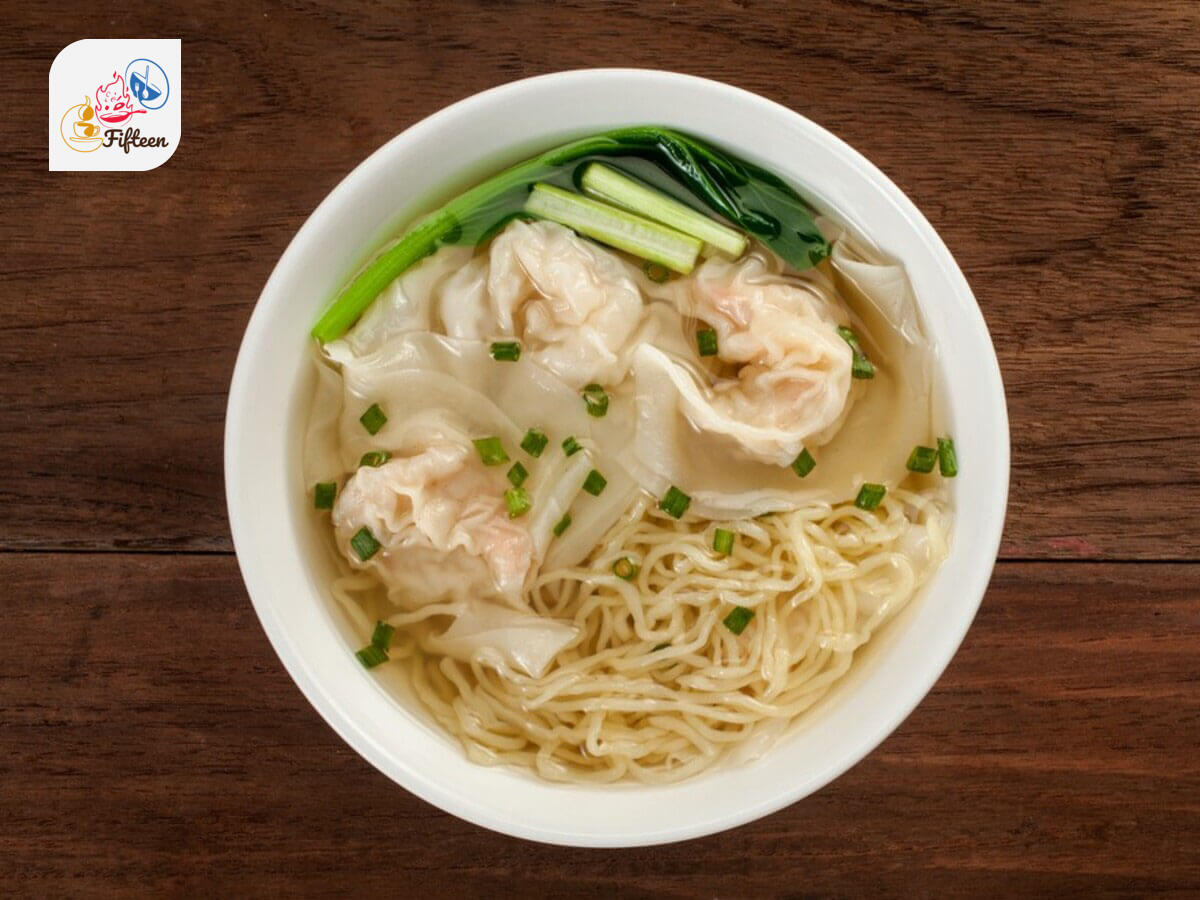
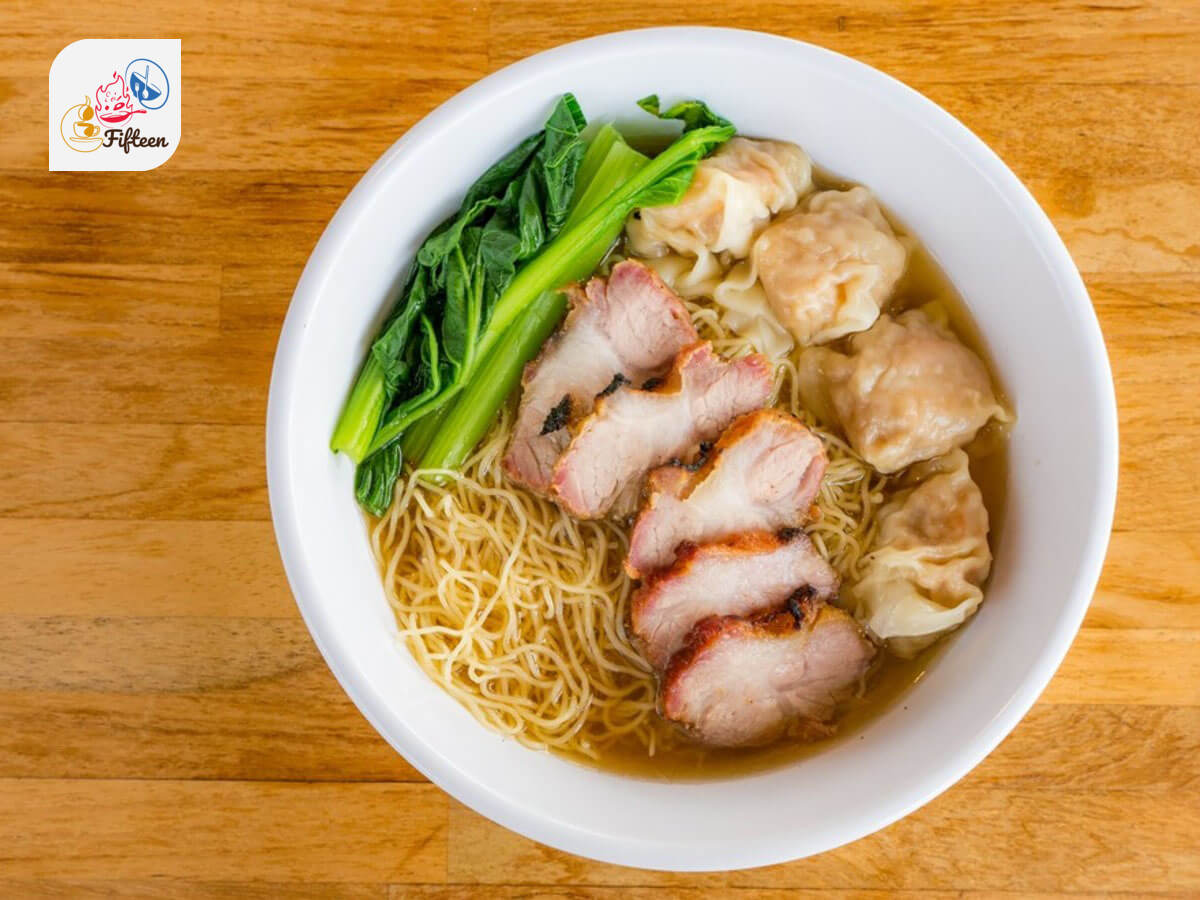
Noodle Soups
These dishes are broth-based soups with various types of noodles.
They are often accompanied by meats or vegetables.
-
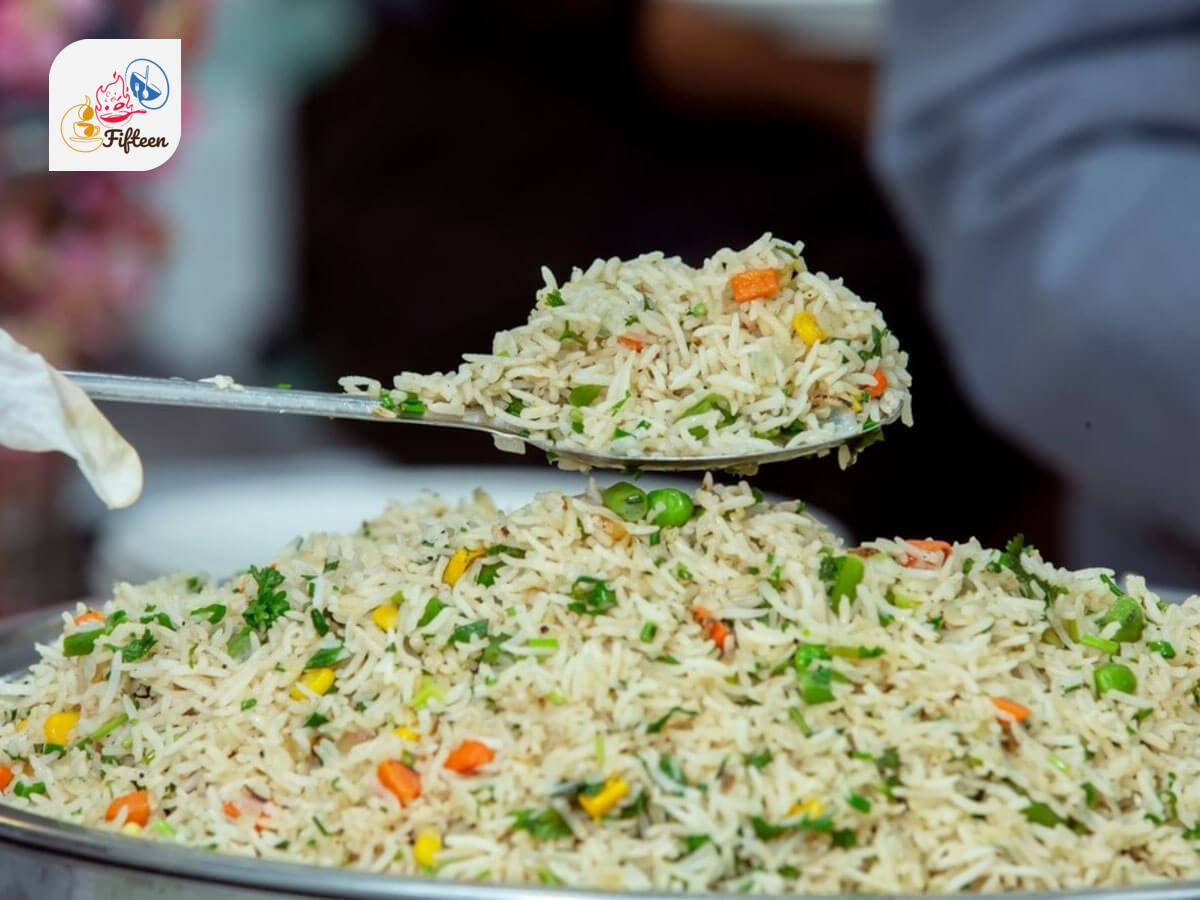
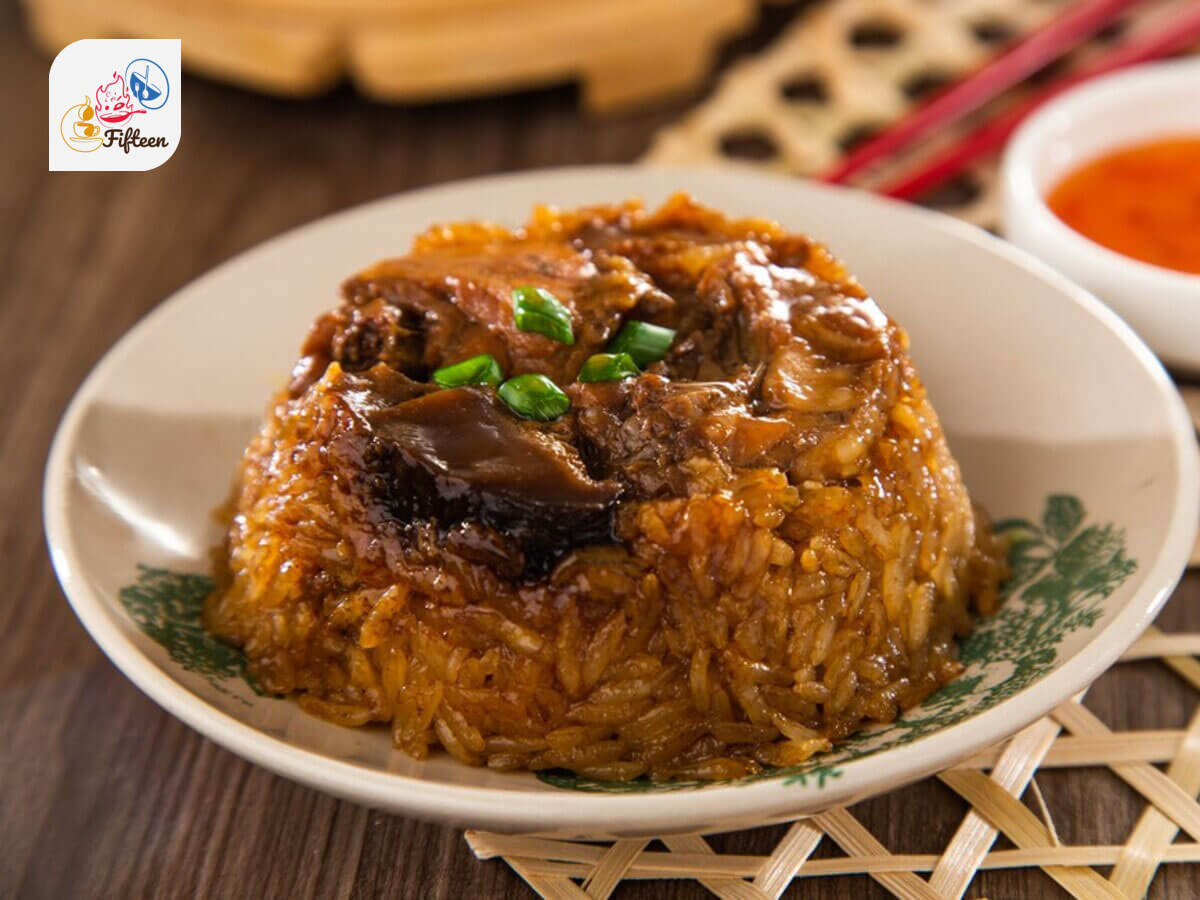
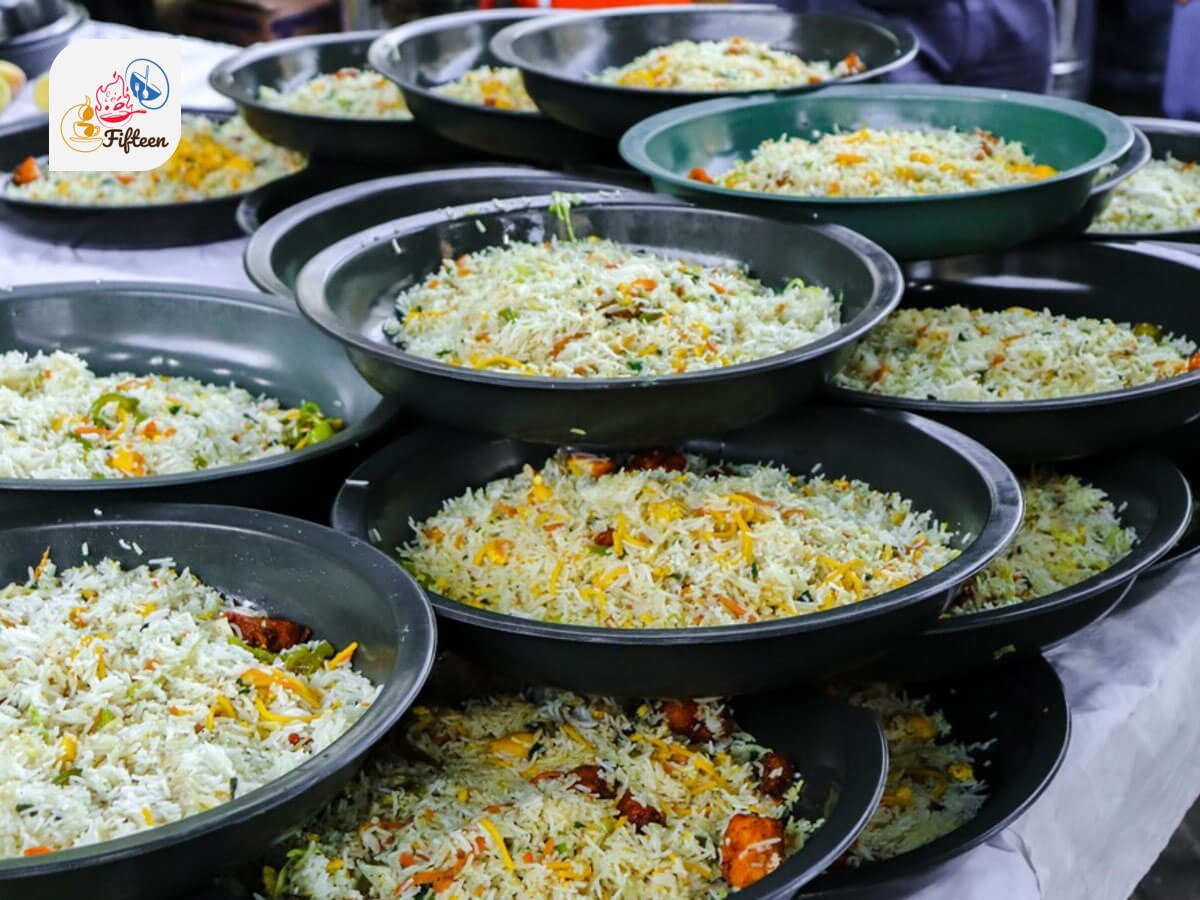
Rice Dishes
These specialties centered around rice, including fried rice and rice served with various toppings.
-
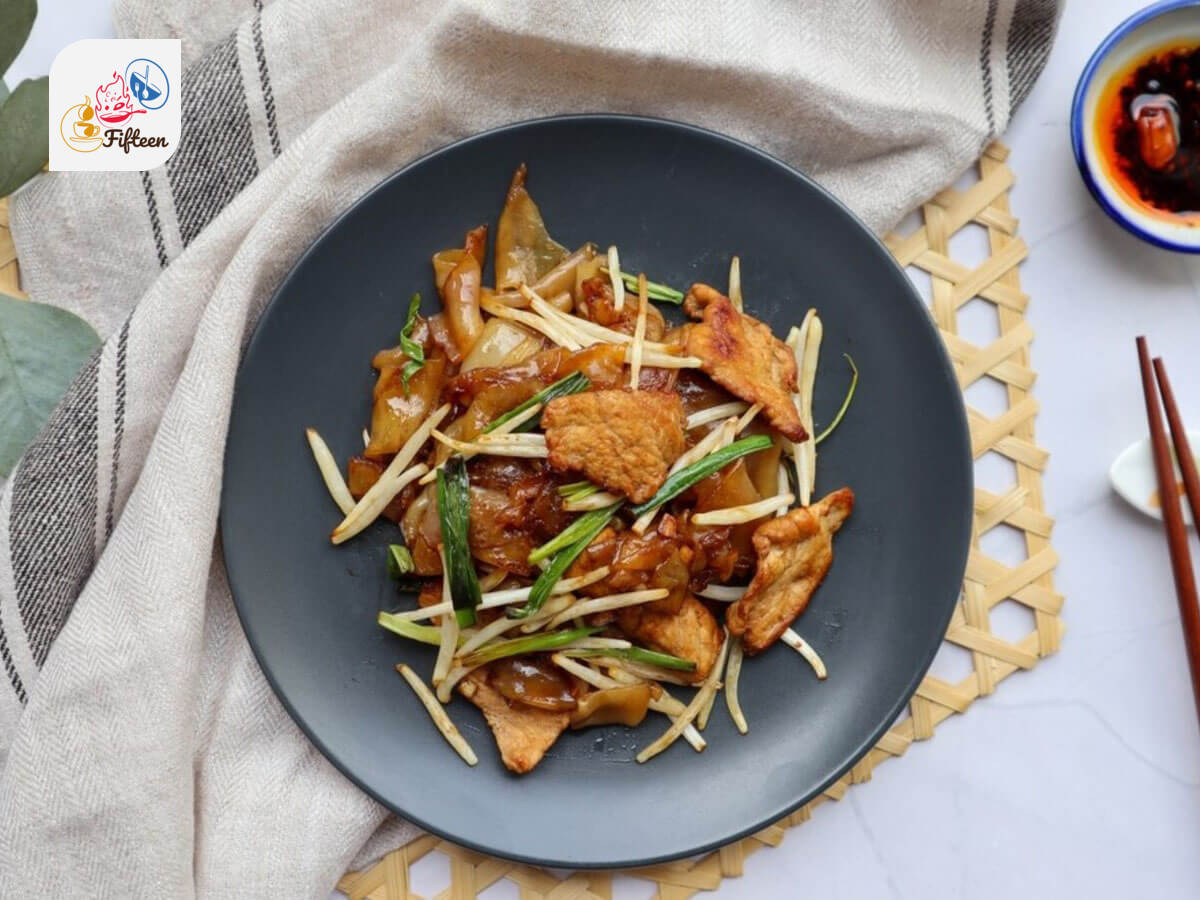
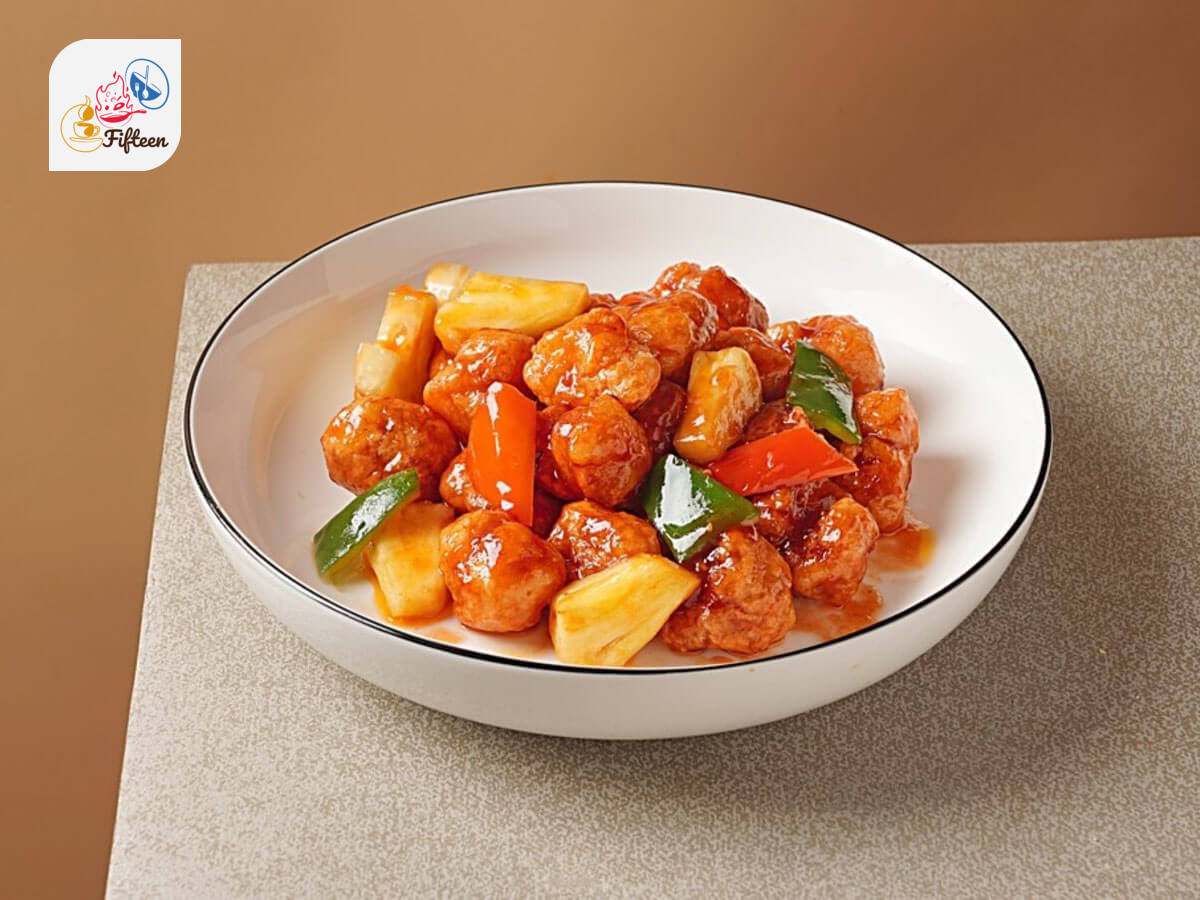
Stir-fries
Quick-cooked dishes with a mix of ingredients such as meats, seafood, and vegetables, flavored with sauces.
-
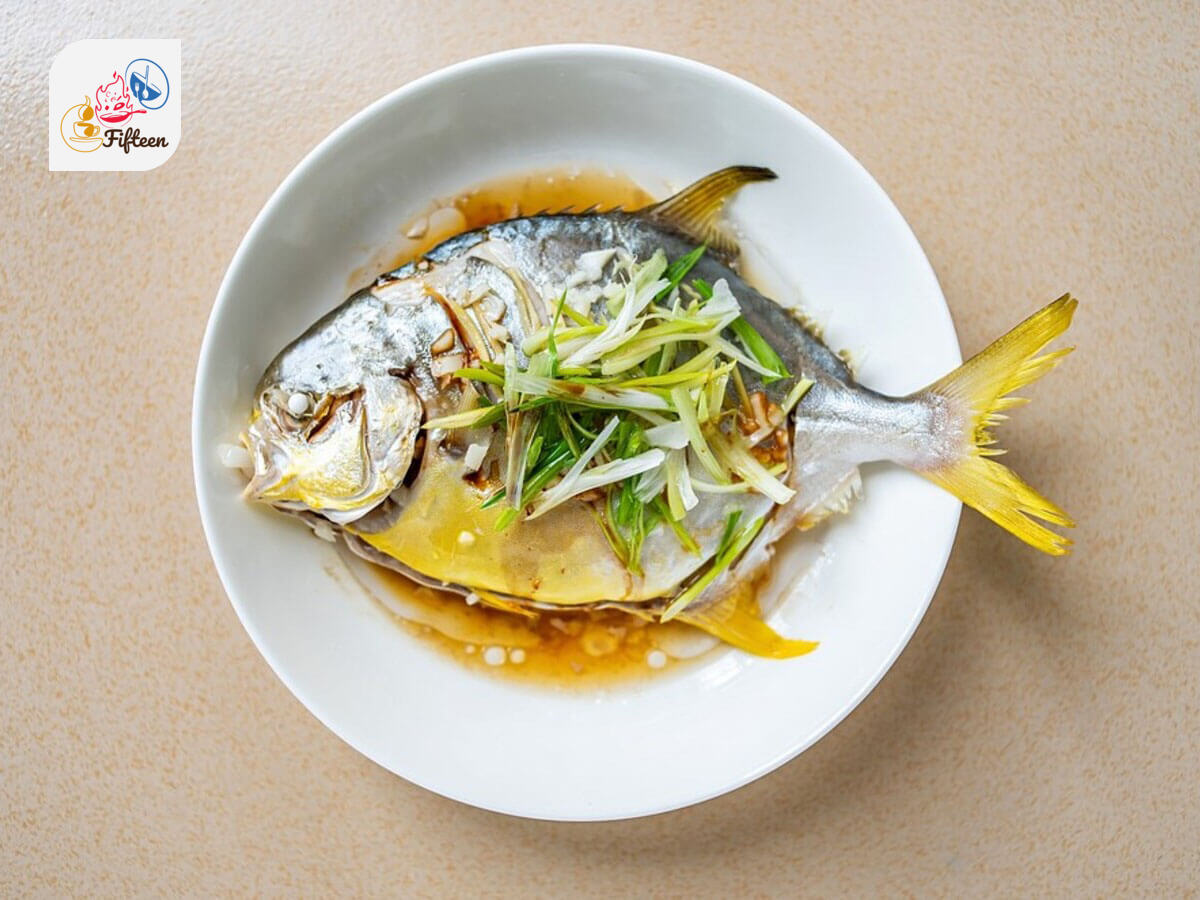
Steamed Dishes
Steam offerings are a variety of meats, seafood, and vegetables, cooked using steam.
This cooking technique helps preserve flavor and nutrients.
-
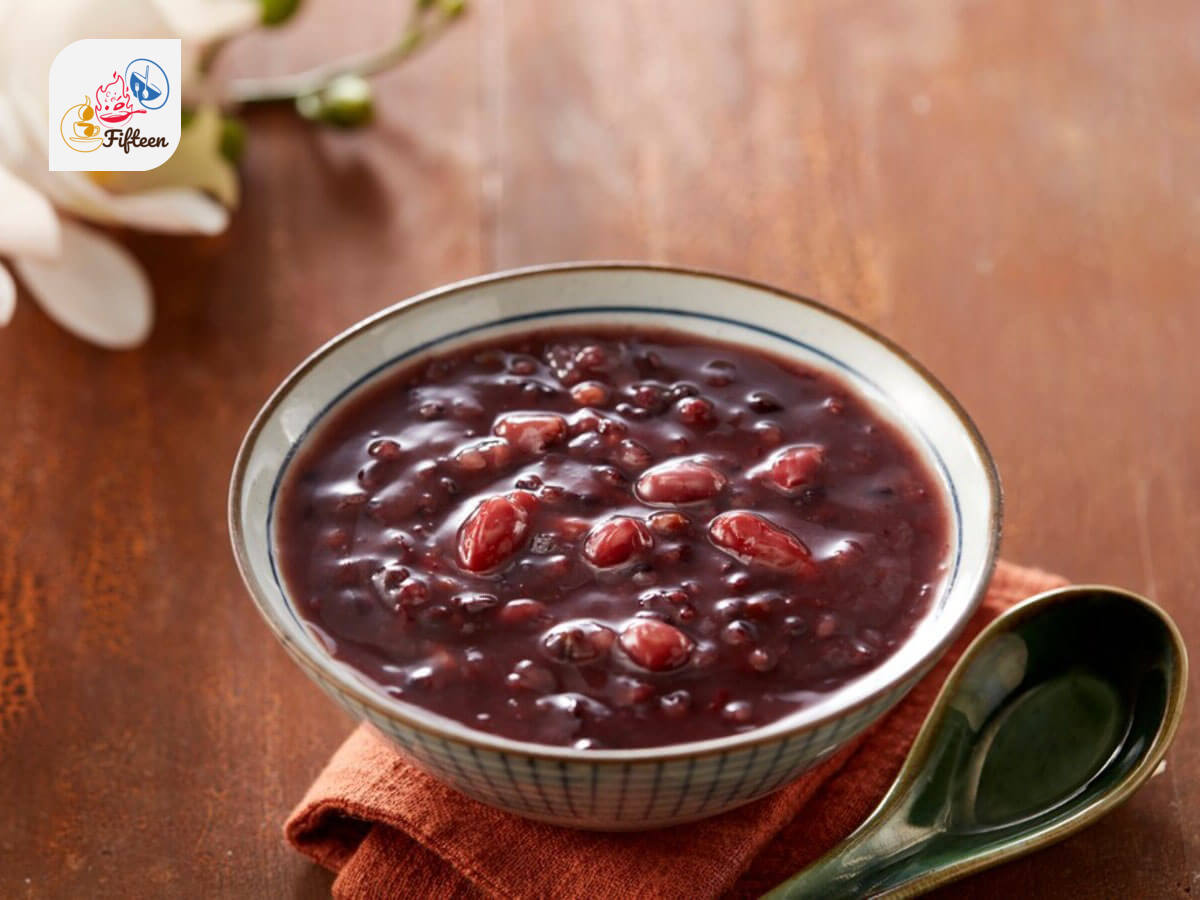
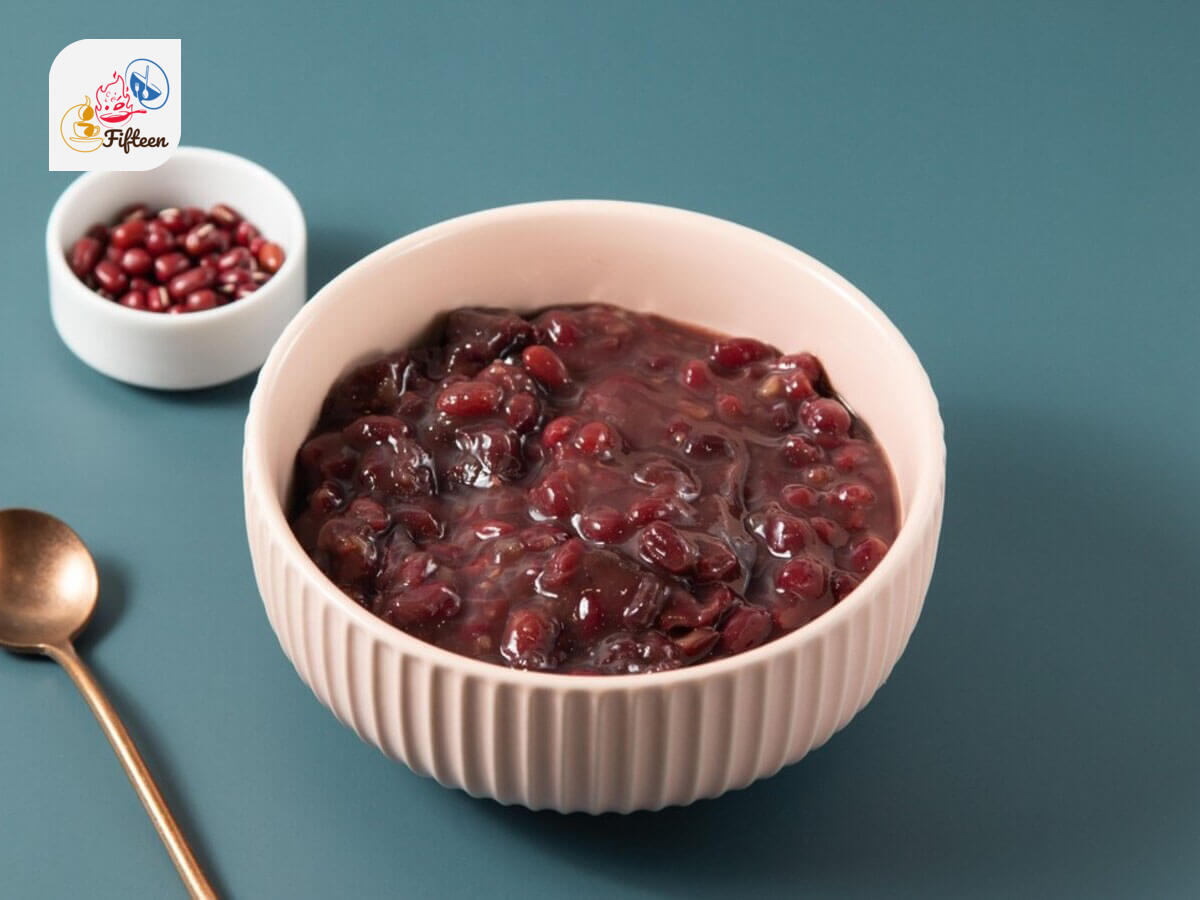
Desserts
They are sweet offerings, often incorporating ingredients like beans, fruits, and glutinous rice.
-
Soups
Ranging from light broths to hearty stews, often with medicinal herbs and ingredients.
-
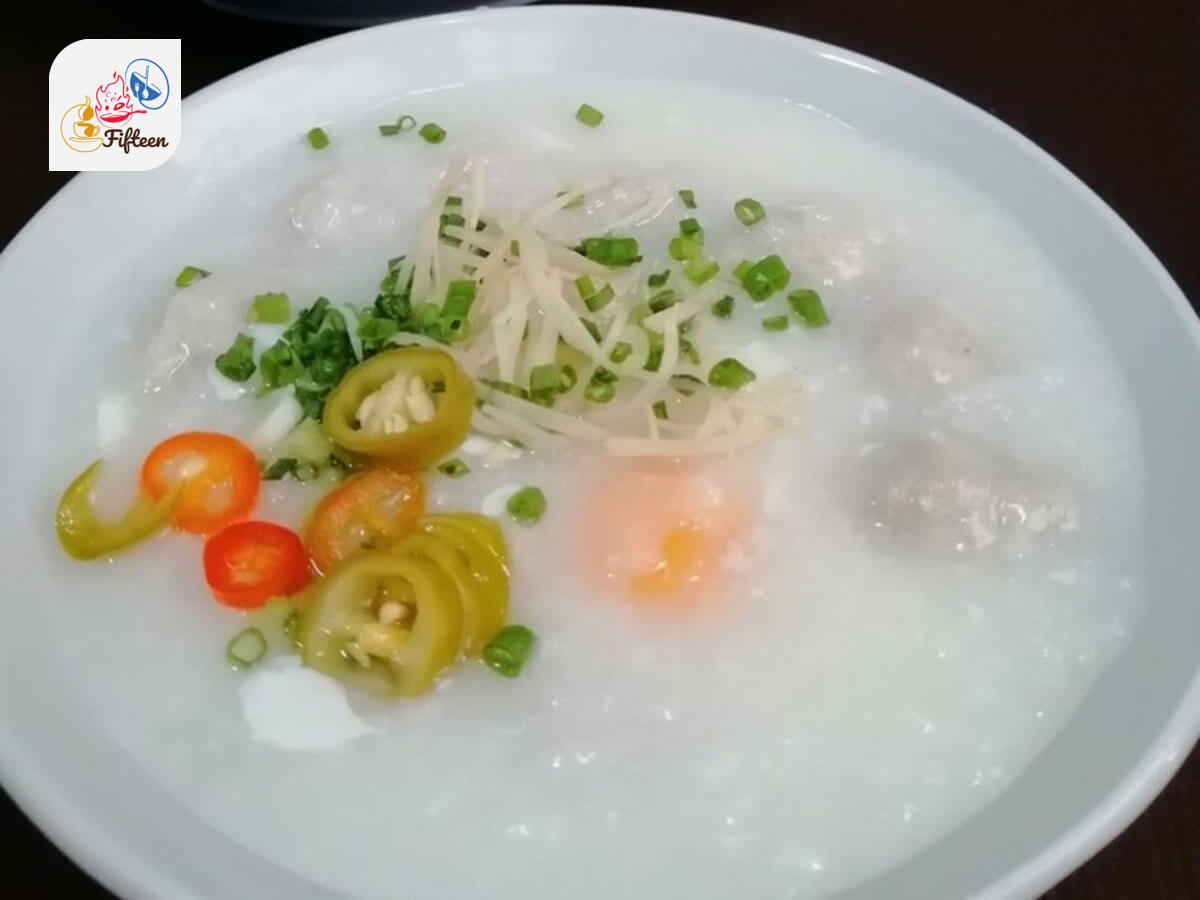
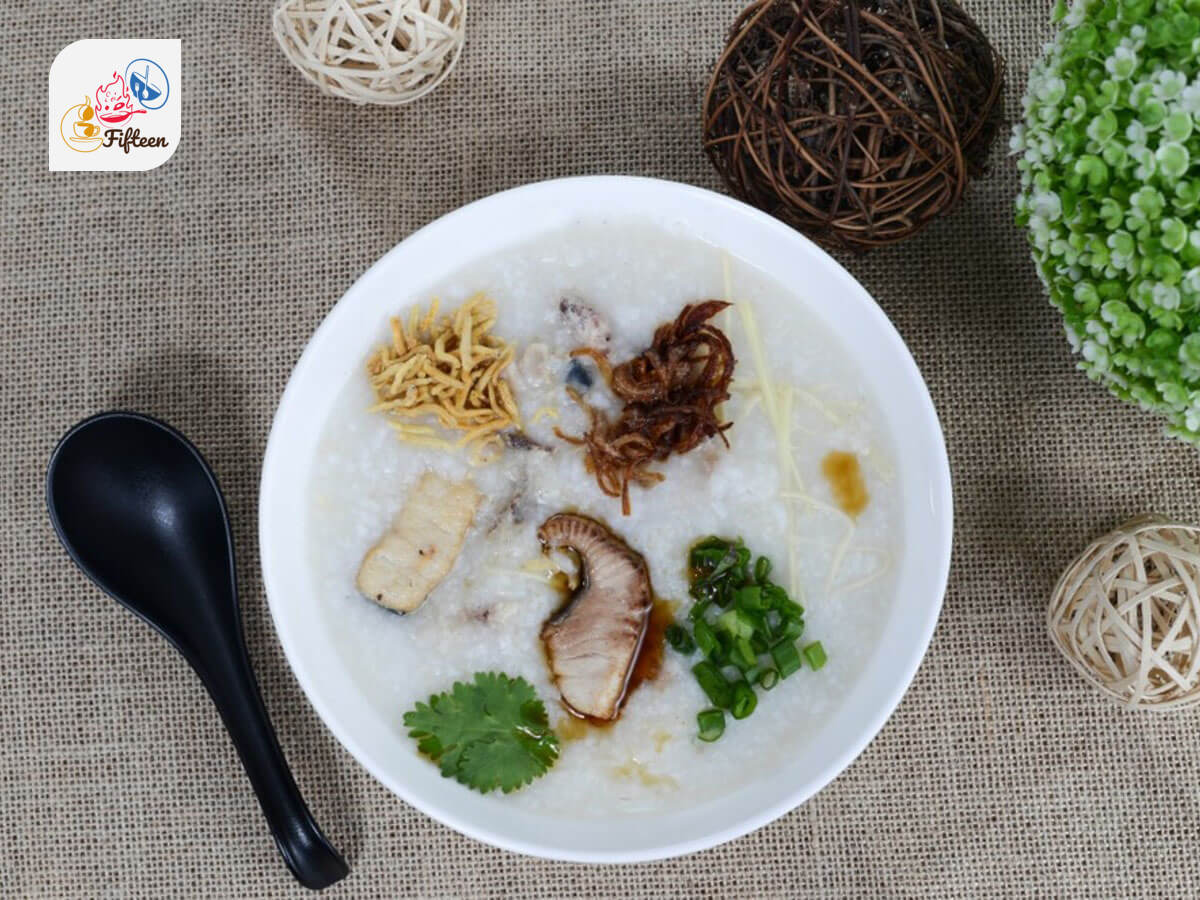
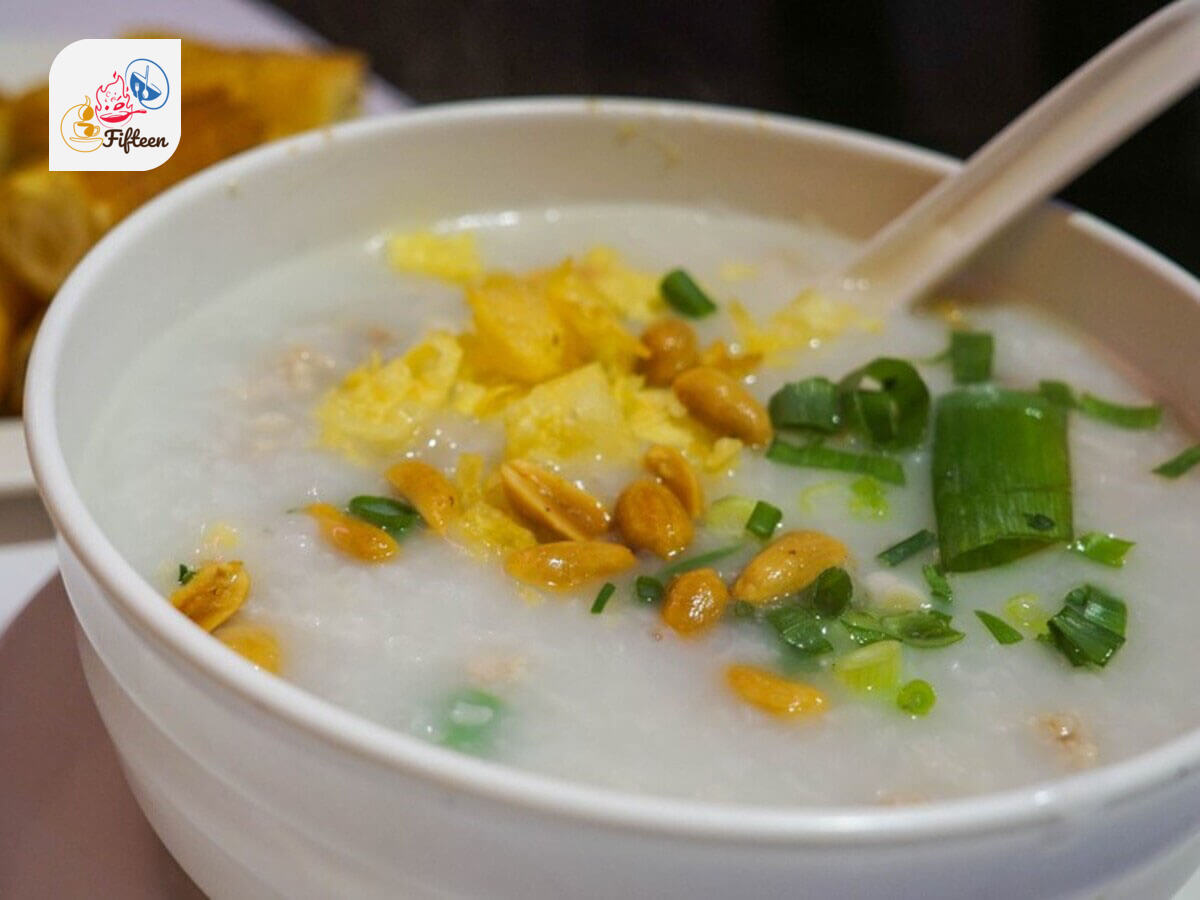
Porridge
Soft, rice-based porridge, often served with savory accompaniments.
-
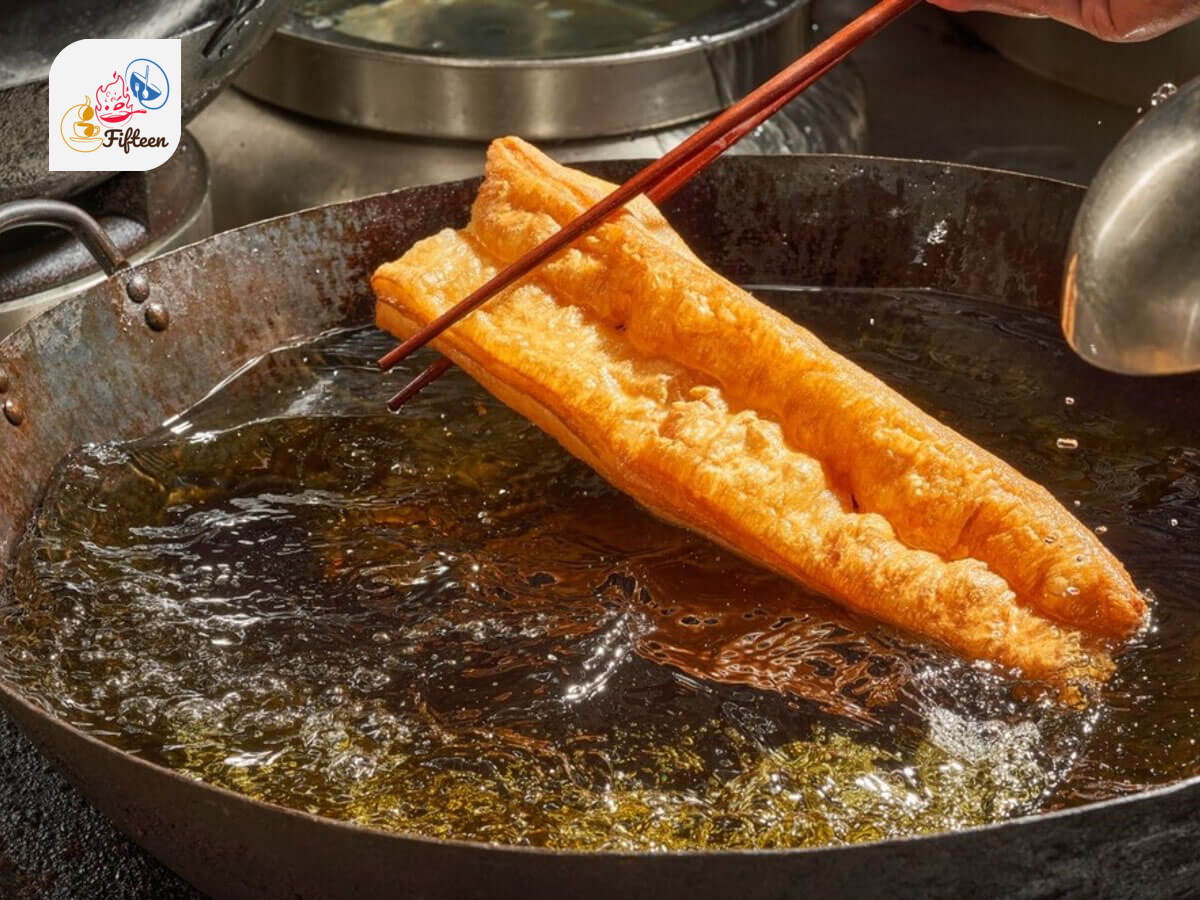
Fried Dishes
These are various ingredients like meats, seafood, or vegetables, fried for a crispy texture.
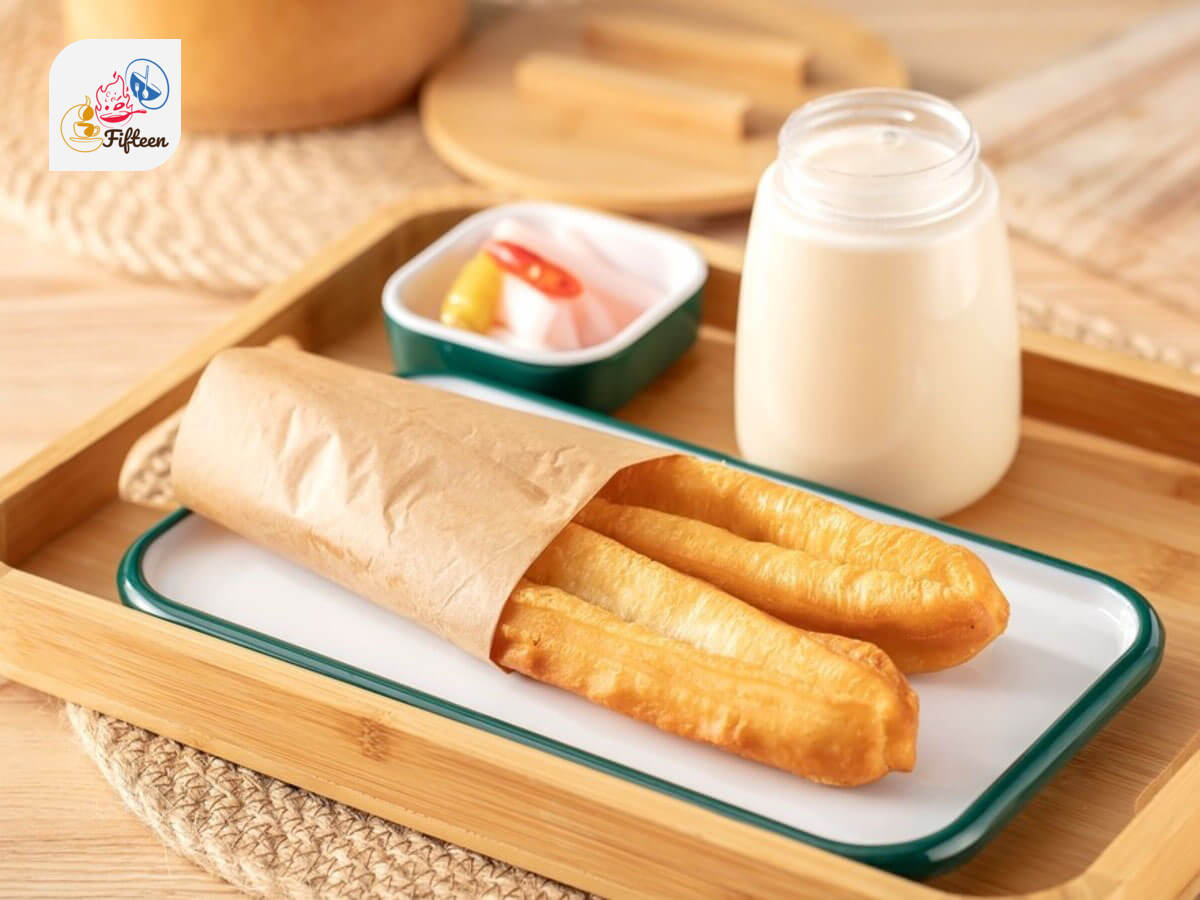
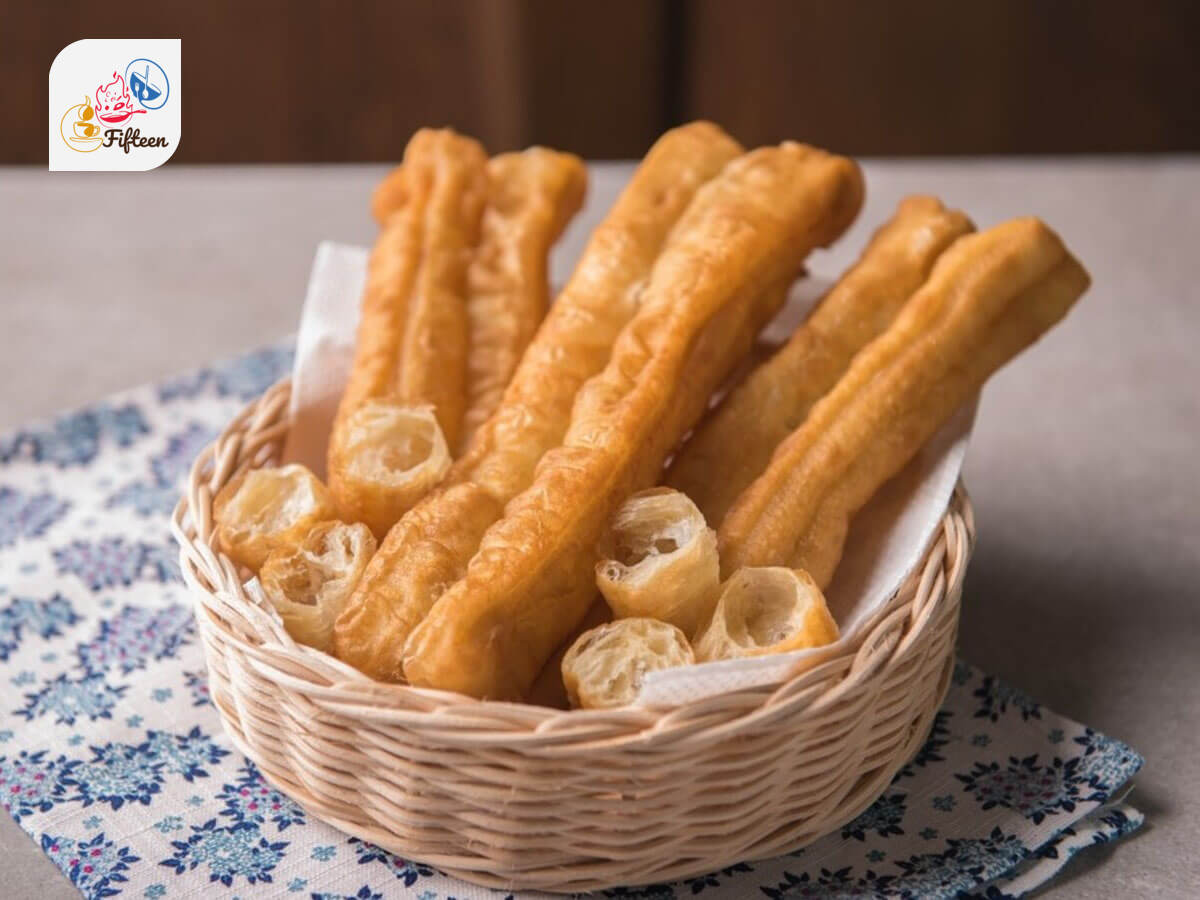
Even dough is fried for a crispy layer.
-
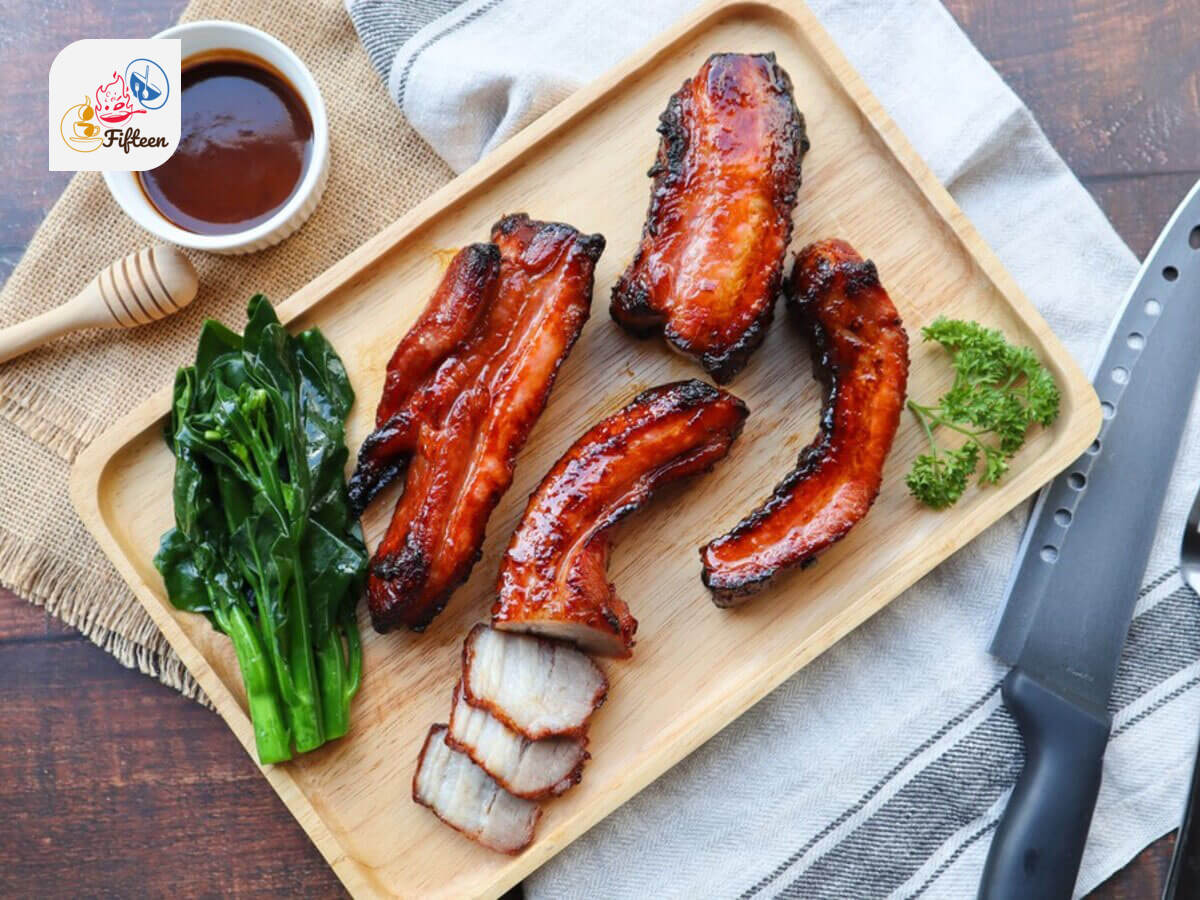
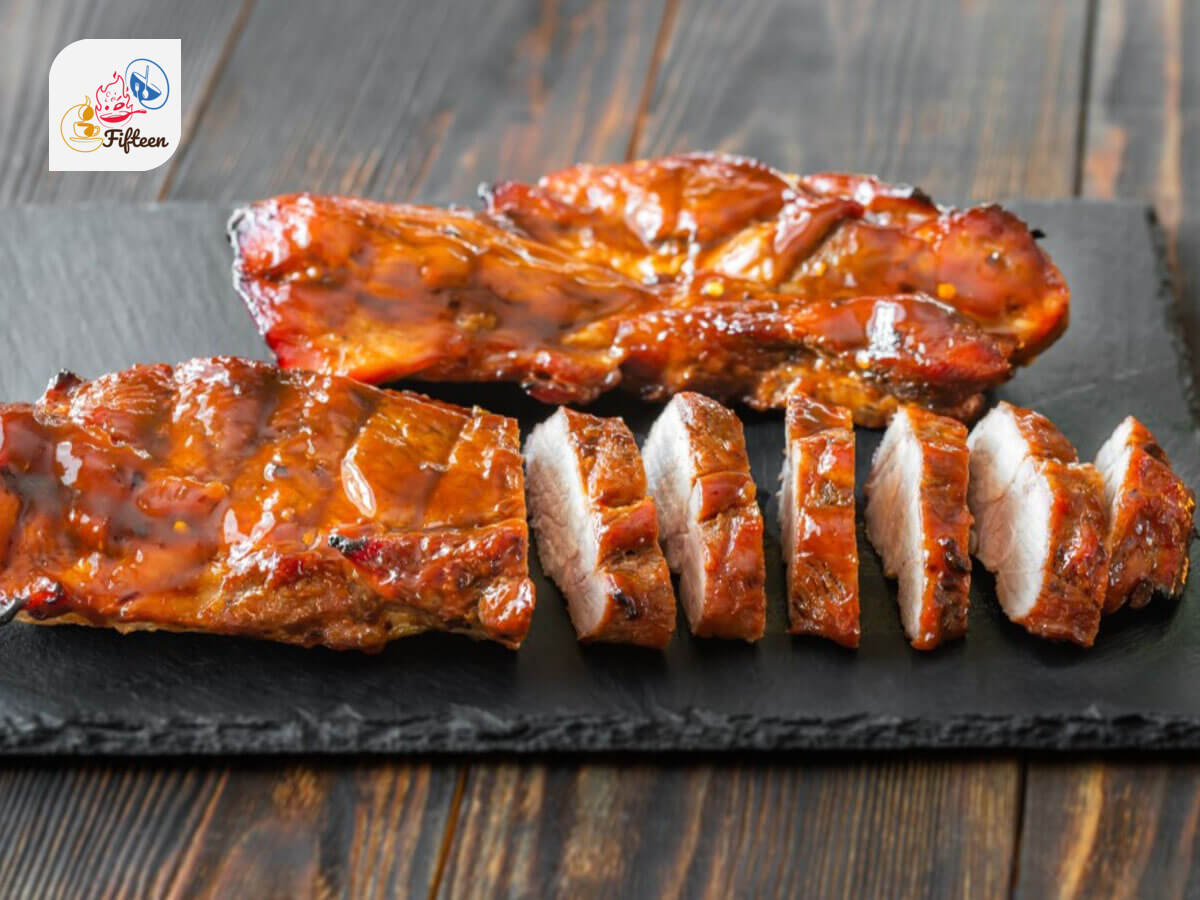
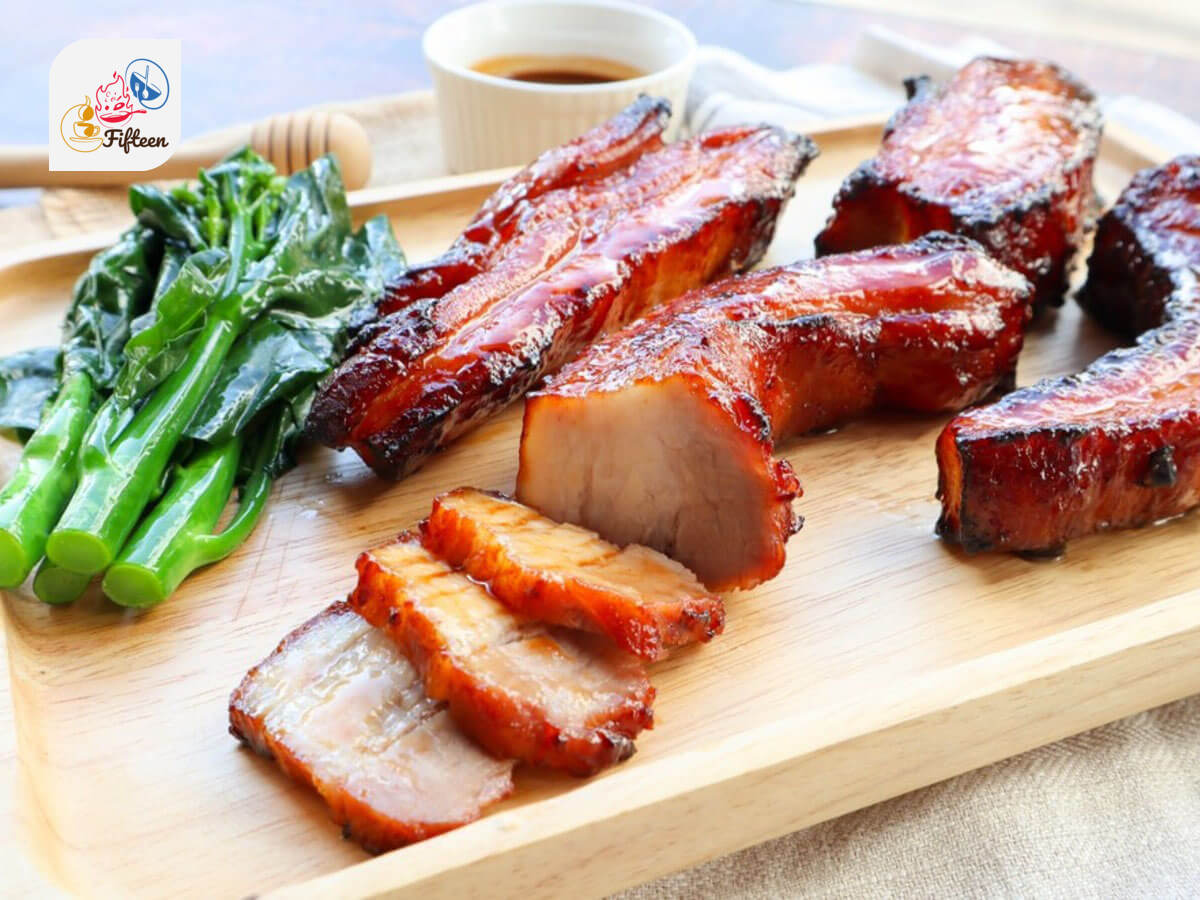
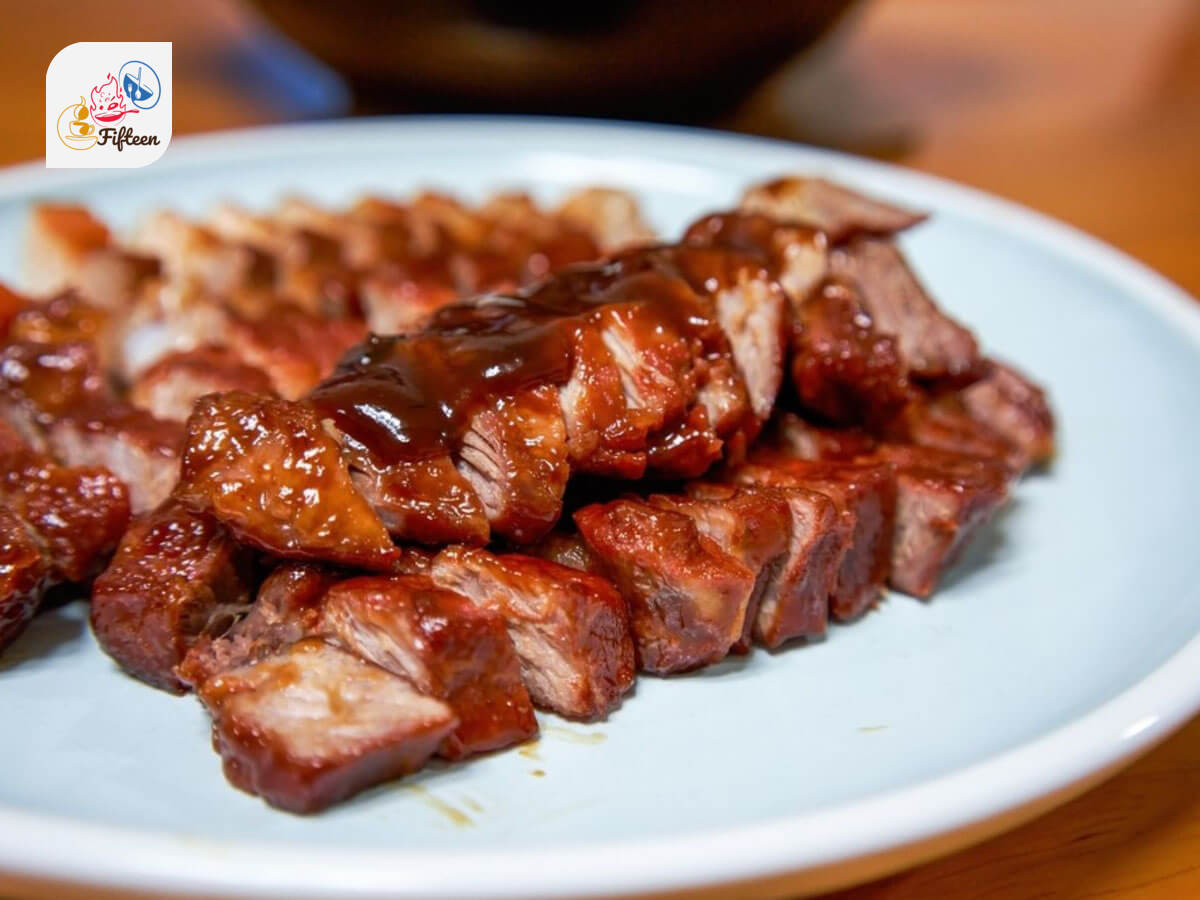
Grilled and Barbecued Dishes
Meats and seafood grilled or barbecued, often with a sweet and savory glaze.
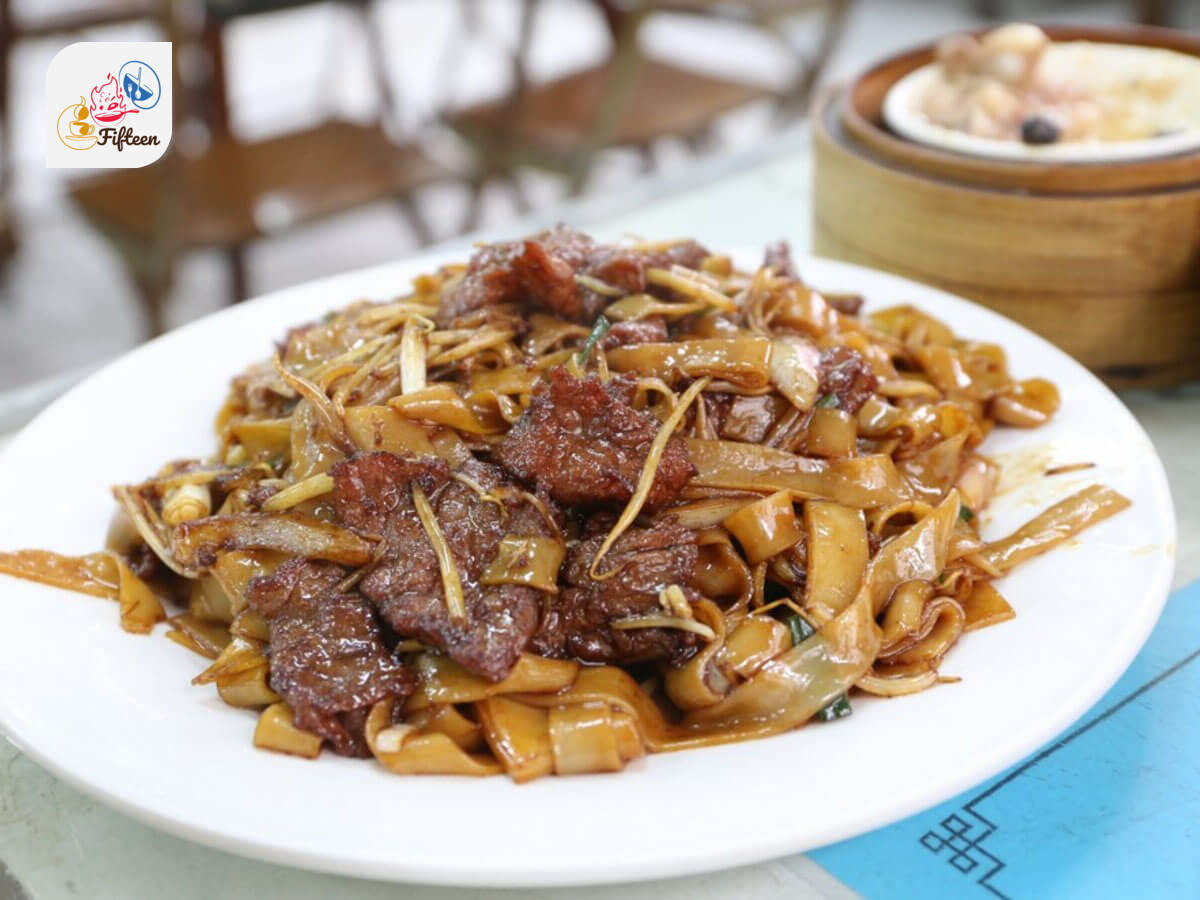
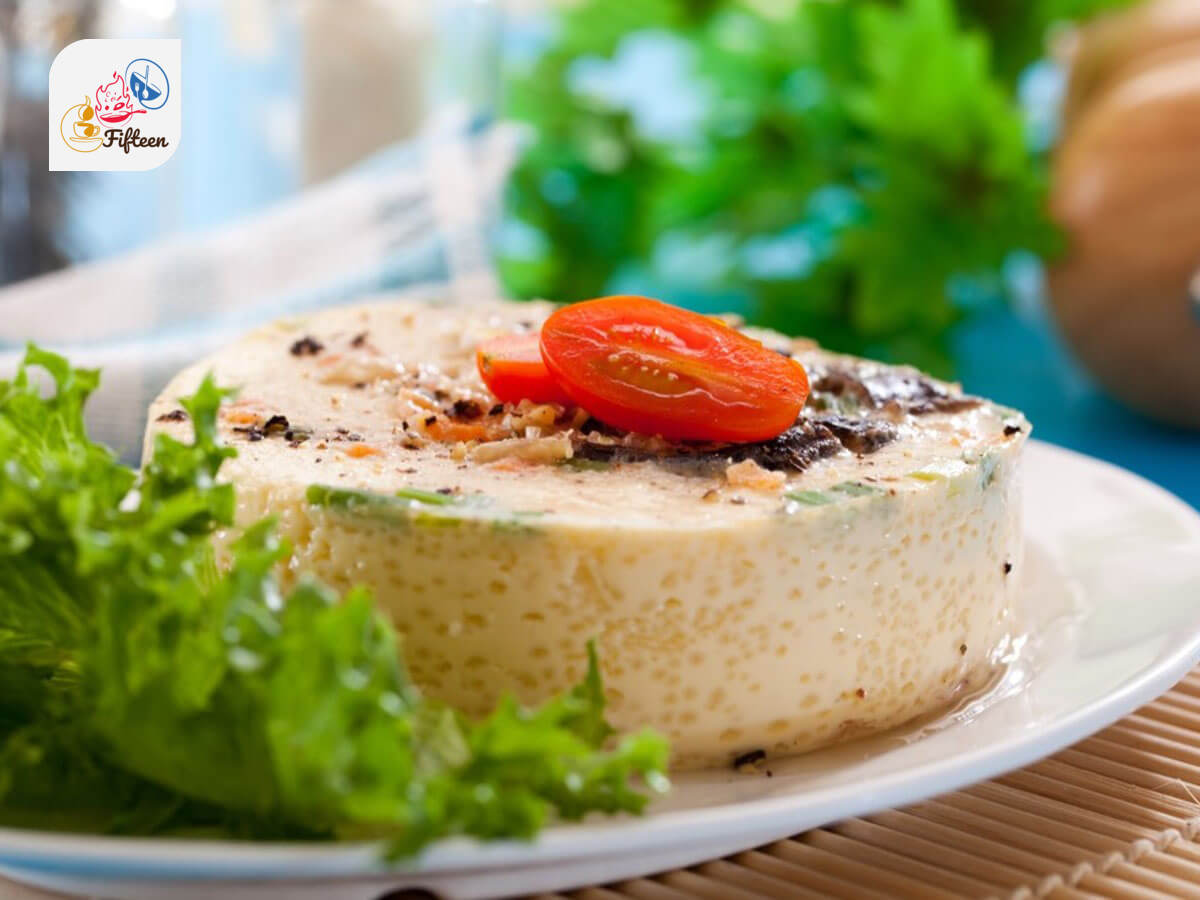
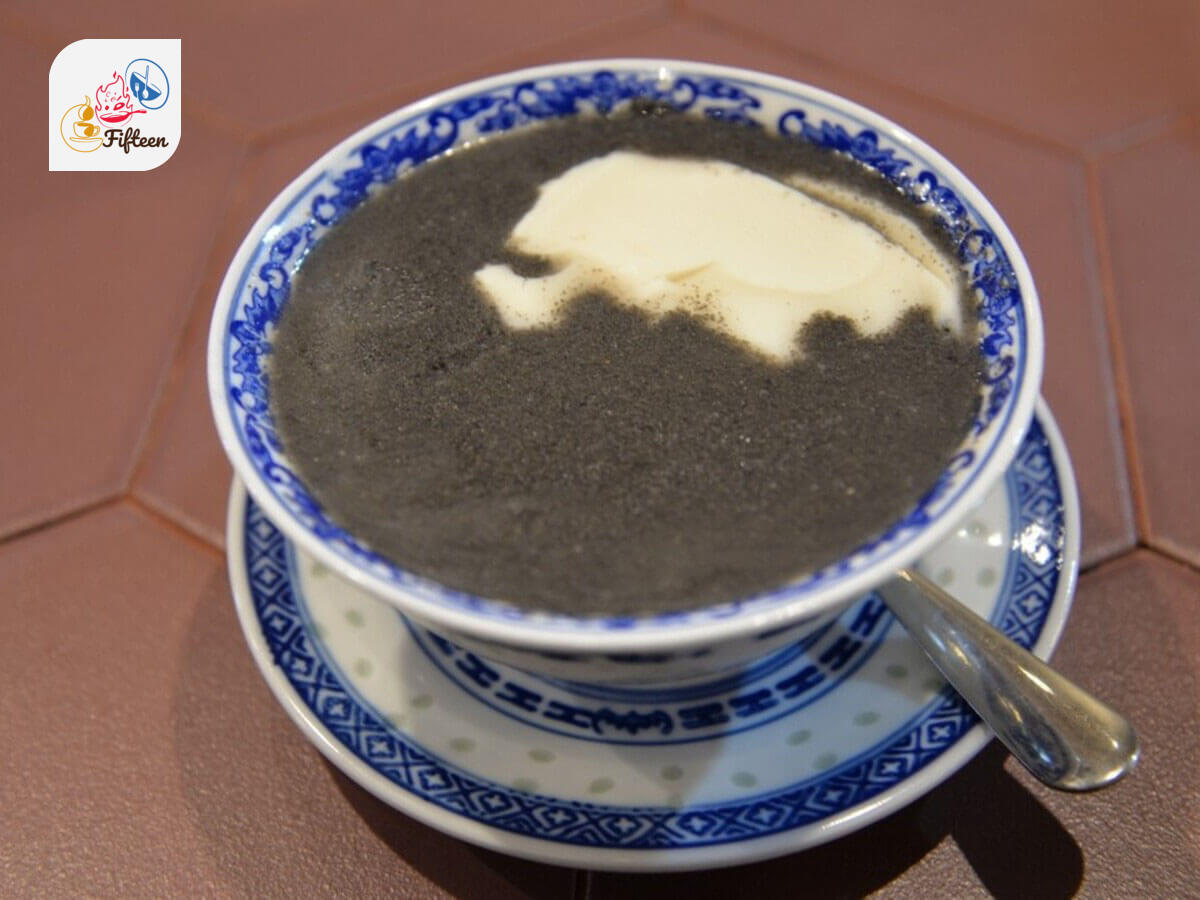
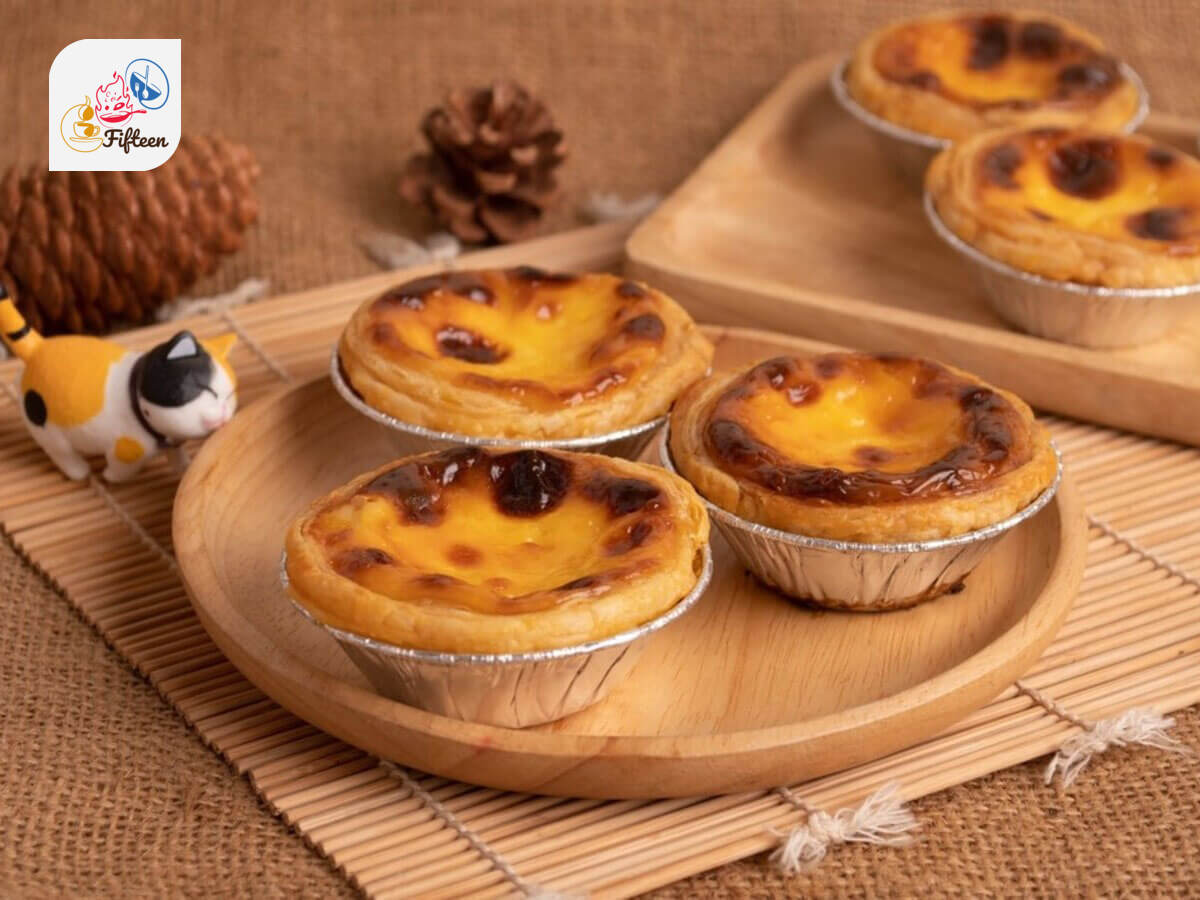
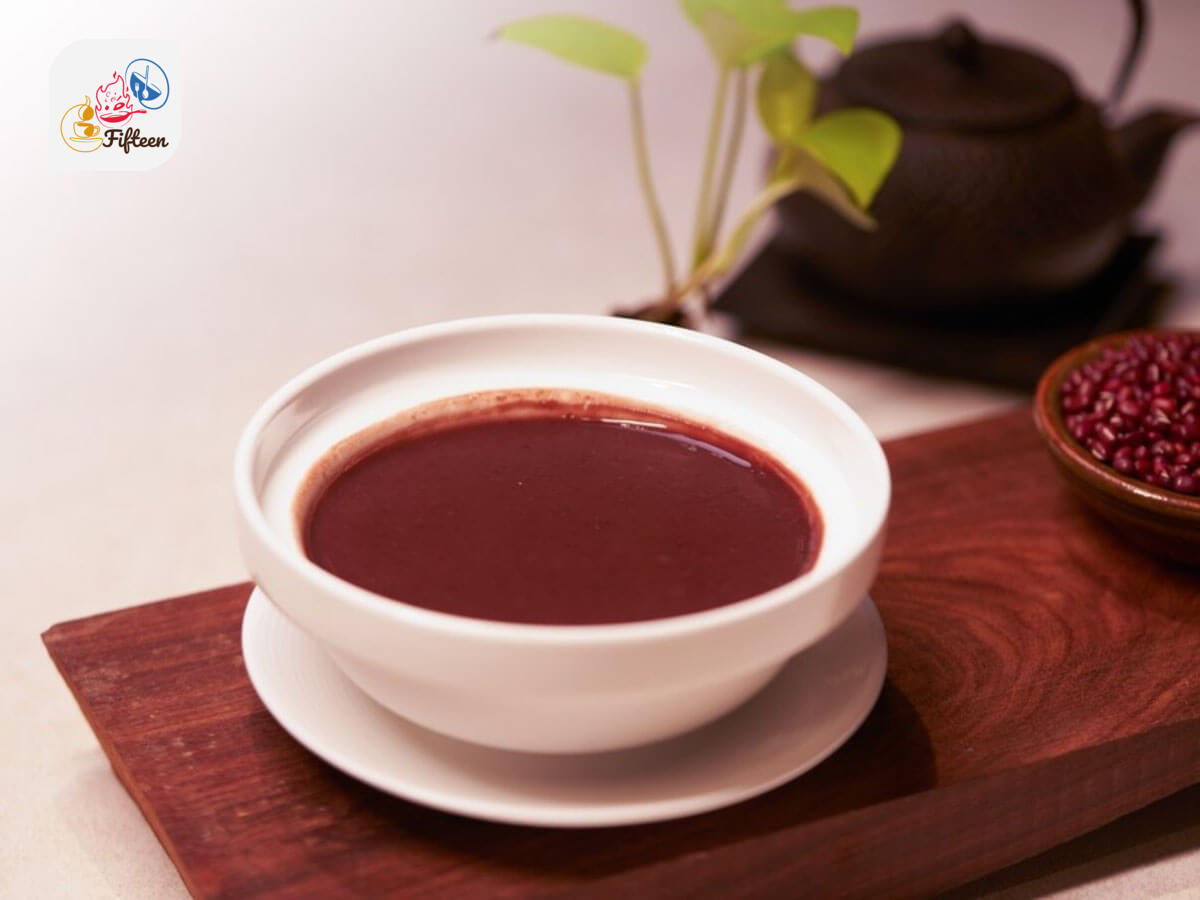
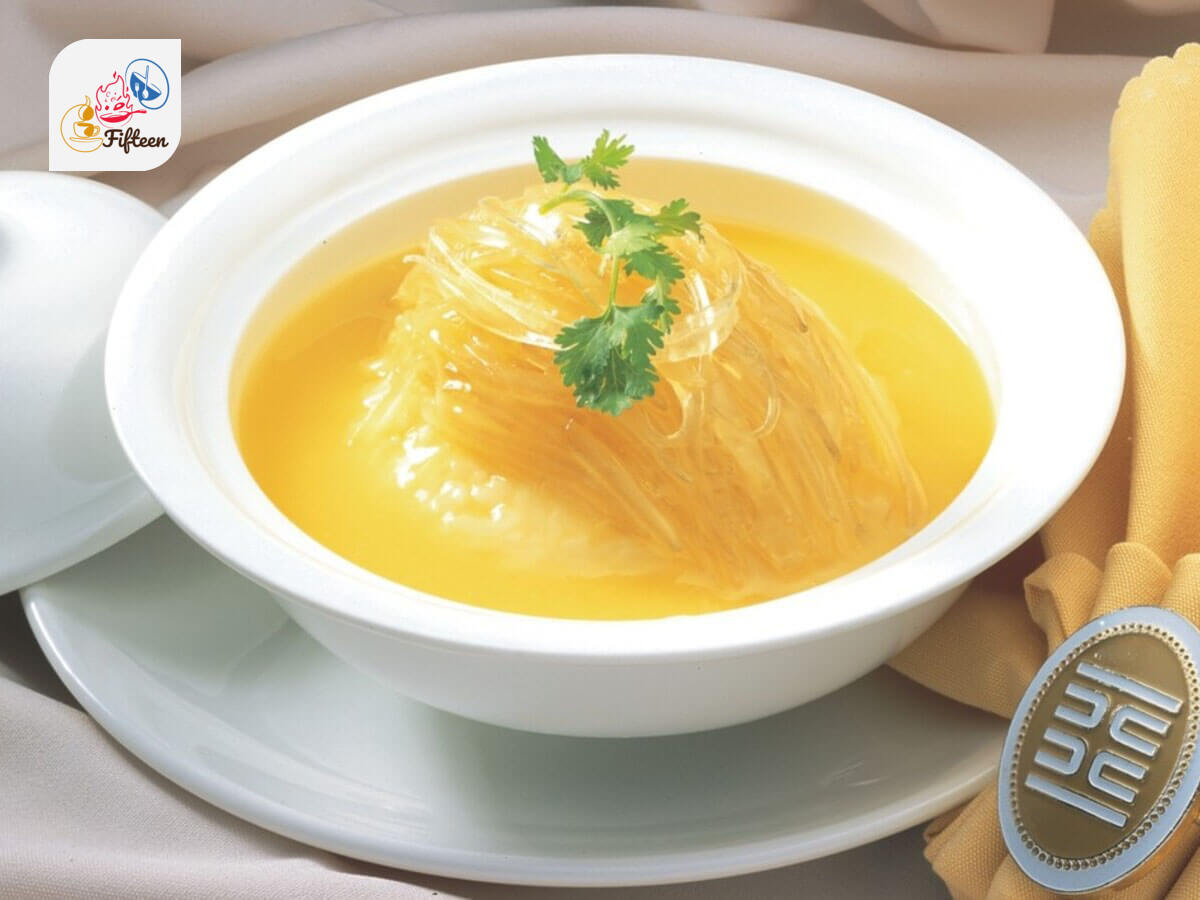
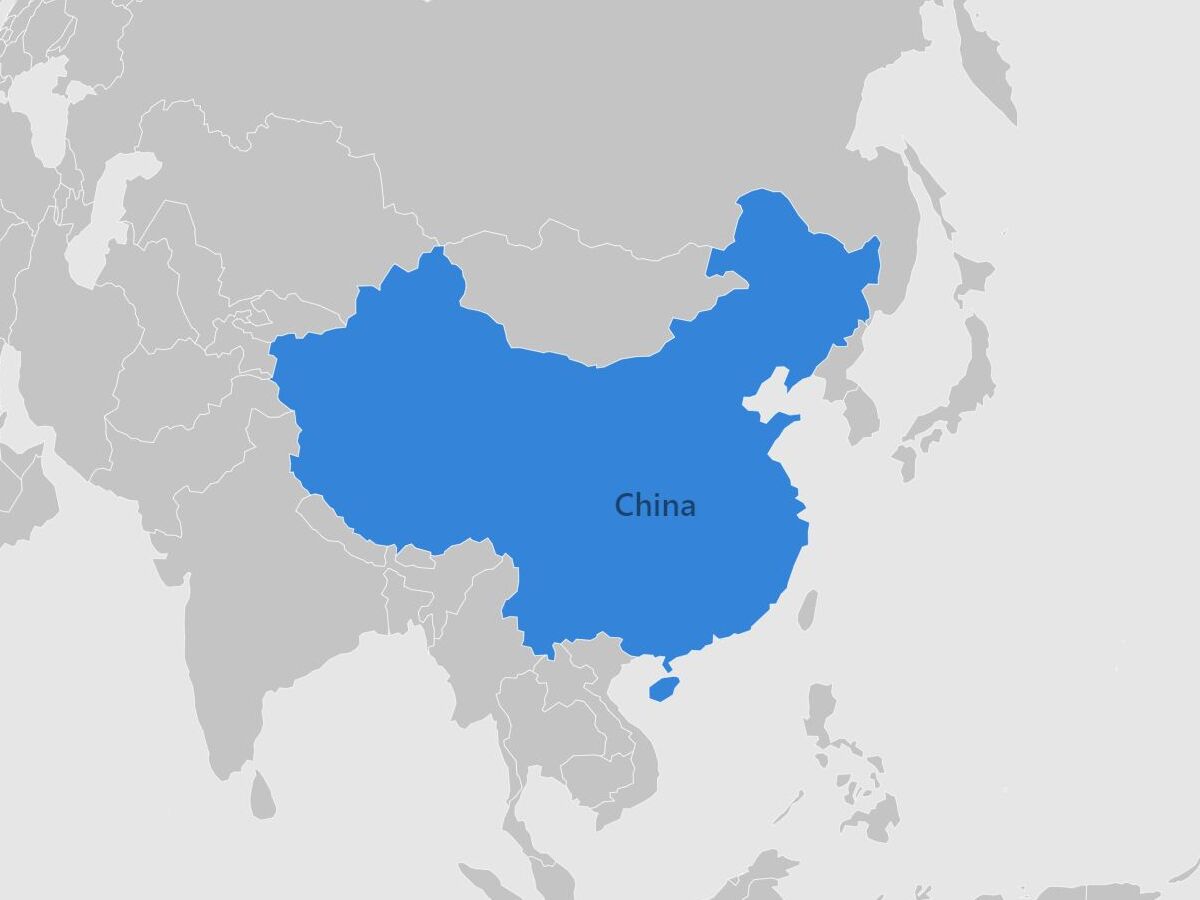
Cantonese dishes are those from the Guangdong Province in China. Cantonese cuisine (also known as Yue or Guangdong cuisine) includes the Guizhou capital along with the regions around the Pearl River Delta of Hong Kong and Macau.
Traditional Cantonese dishes play a major role as one of the Eight Great Traditions of Chinese cuisine. However, many traditional offerings have a balanced profile compared to other Chinese delicacies.
Furthermore, these specialties also spread in areas with a population of Cantonese people and Yue speakers. Cantonese specialties feature fresh ingredients that range from meat to various vegetables.
Commonly, scholars place Guangdong cuisine into 3 categories based on the dialect, including the Cantonese, Chaozhou, and Hakka cuisines. Furthermore, the Teochew and Hakka cuisines are considered to be their own styles.
Aside from these delicacies, allow me to provide you with more information relating to the special characteristics of this cuisine, types of Cantonese delights that employ dried and preserved elements, and the pairing options with drinks.
Each dish will also contain information about its origin, taste, and ingredients. Also, some of these items come with fascinating features that make them stand out from the rest.
21 Popular Cantonese Dishes with Filters
White at it, make sure to use the filter system that grants you the power to see these dishes in alphabetical order, key ingredients, tastes, cooking techniques, dish types, and global popularity.
Plus, let me guide you through some fascinating categories of Cantonese specialties that you need to know:
What are The Characteristics of Traditional Cantonese Foods?
Traditional Cantonese foods are popular worldwide with 4 main features including geography, cooking methods, flavors, and regional variations of Cantonese delicacies.
Foods of Cantonese are one of the Eight Great Traditions of Chinese cuisine featuring dishes from the Guangdong Province of China. Also known as Guangdong cuisine, Cantonese dishes also encompass Guangzhou, the capital city of Guangdong.
Also, Cantonese cooking techniques have developed over an impressive 2,000-year history in China. Traces of its recipes date back as far as the Han (206 BC-220 AD), Wei, and South and North dynasties (220-587).
This culinary tradition gained widespread recognition both domestically and internationally at the dawn of the 20th century.
In terms of flavor, Guangdong cuisine comes with a balanced profile and is not greasy. Furthermore, traditional Cantonese dishes often prefer ingredients at their peak freshness to provide the best experience
Cantonese culinary experts favor methods such as stir-frying, boiling, steaming, braising, sauteing, deep frying, simmering, and baking.
These techniques and dining etiquettes at the table primarily maintain the authentic and unadulterated taste of the ingredients.
These characteristics of Cantonese dishes are what set the cuisine apart with various specialties utilizing various ingredients. Furthermore, Cantonese foods also adore the usage of dried and preserved components.
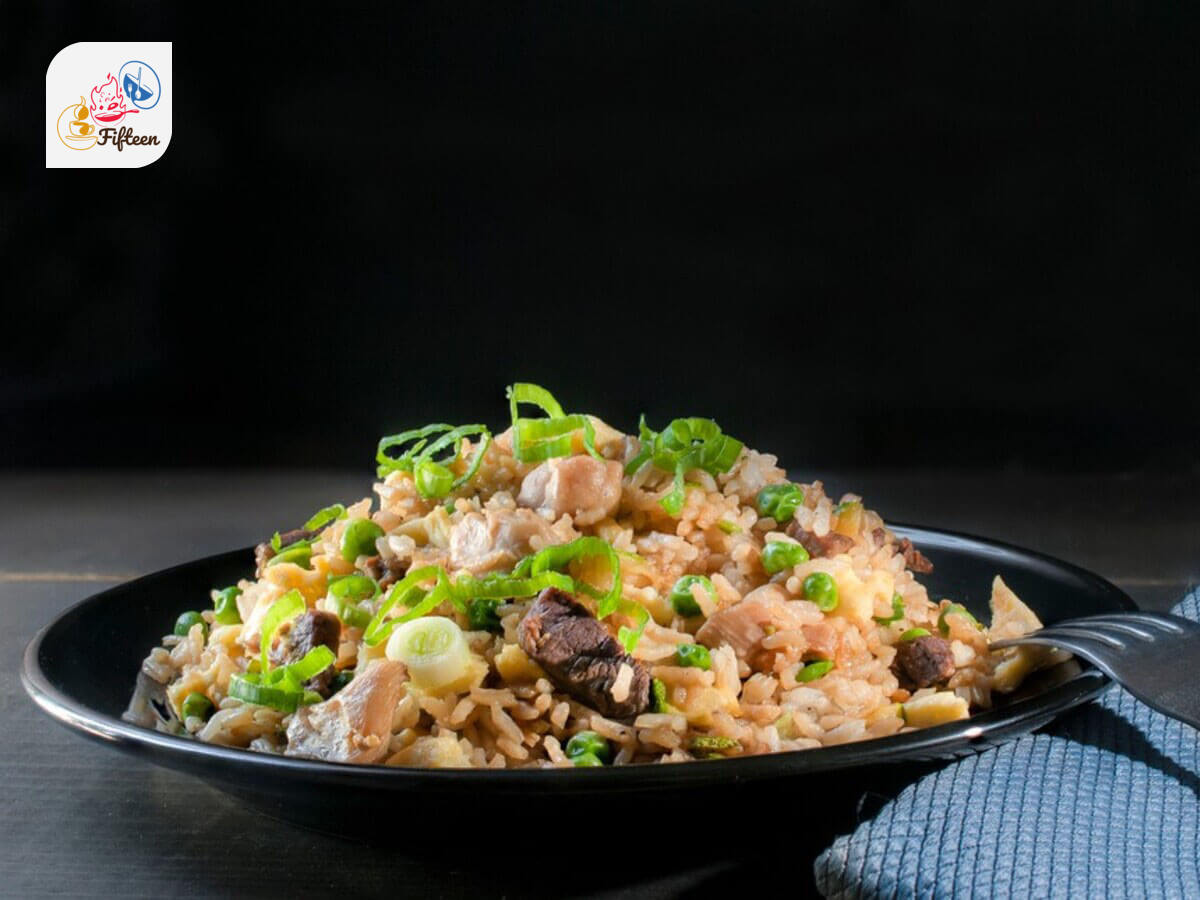
What Types of Traditional Cantonese Foods Use Dried And Preserved Ingredients?
Dried and preserved ingredients are fundamental in many types of traditional Cantonese dishes. Here are the specific categories that are most likely to utilize dried and preserved ingredients in their preparation:
| Dish Type | Features |
|---|---|
| Soups | Traditional Cantonese soups often use dried scallops, goji berries, dried tangerine peel, and dried seafood to enhance broth flavor. |
| Noodle Dishes | Incorporate dried shrimp, dried mushrooms, and preserved vegetables as primary ingredients or flavor enhancers. |
| Siu Laap | Features preserved sausages and air-dried salted meats. |
| Lou Mei | The braising sauce includes preserved elements like fermented tofu and preserved bean curd for flavor enhancement. |
| Little Pot Rice | Toppings such as Chinese sausages, dried mushrooms, and other preserved vegetables are key preserved ingredients. |
| Desserts | Cantonese desserts like “tong sui” might use dried ingredients such as dried longan or red dates. |
The influence of Hakka cuisine on Cantonese cuisine potentially contributed to the extensive use of preserved ingredients, as the Hakkas were once a dominant group in regions like imperial Hong Kong.
Once you’ve gone through some exciting Cantonese dishes, you should spend some time to find your favorite pairings of dishes and drinks from Cantonese cuisine.
What Cantonese Dishes to Pair with Beverages?
Here are some common Cantonese refreshments that complement the flavors of Cantonese dishes:
Before you go, make sure to spread these dishes with others and leave a comment sharing your thoughts on Cantonese dishes.
Jamie Scott
Editor in Chief, Senior Content Writer
Expertise
Home Cooking, Meal Planning, Recipe Development, Baking and Pastry, Food Editor, Cooking-video Maker, Western Food Evaluation Expert
Education
Le Cordon Bleu College of Culinary Arts
Local Community College, New York, NY
Jamie Scott is a skilled culinary expert and content creator specializing in Western cuisine. With over 15 years in the culinary field and formal training from Le Cordon Bleu, Paris, Jamie deeply understands how to blend nutrition with delicious flavors. His passion for cooking matches his commitment to making healthy eating accessible and enjoyable.
On Fifteen.net, Jamie brings a fresh perspective to classic dishes and beverages, offering readers insightful recipes, cooking tips, and a fresh view on meal planning that emphasizes taste, health, and simplicity.