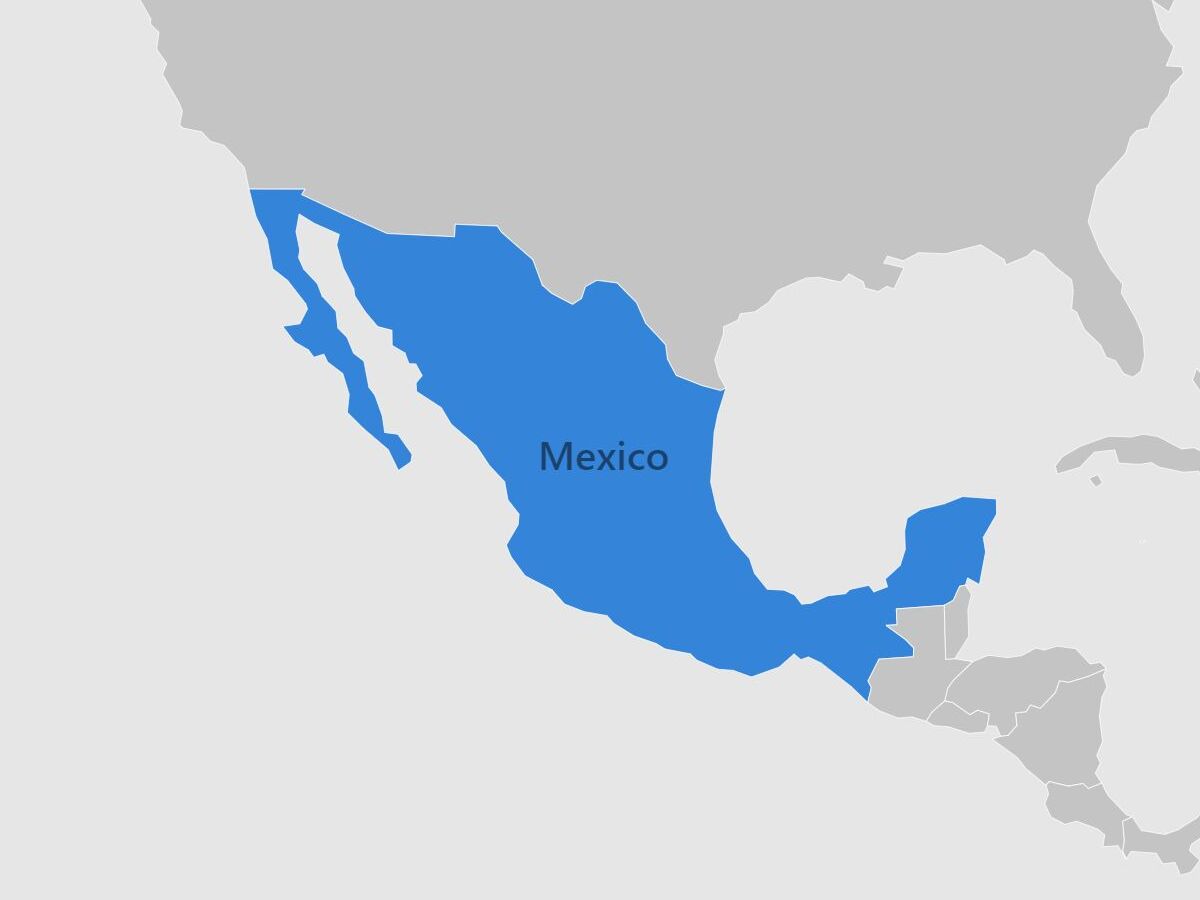
Mexican eating embraces communal and family-style dining, with an emphasis on sharing dishes and enjoying meals together.
Meal Presentation
Mexican cuisine values vibrant colors and rich textures, often presenting meals with a variety of fresh ingredients. Dishes are garnished with fresh herbs, lime, and sauces to add layers of flavor and visual appeal.
Culinary Festivals
Dia de los Muertos, La Feria Nacional del Mole, Guelaguetza.
In Mexico, sandwiches, known as “tortas,” are hearty and flavorful, filled with ingredients like avocado, meat, and beans, often enjoyed as a quick meal or snack.
These dishes in Mexico are often heavily seasoned to bring out more flavor when cooked on high heat.
Mexican dishes are culinary creations that reflect the history and cultural fusion of Mexico. It has its roots in Mesoamerican cuisine, with early influences from the Olmec, Maya, and later from various Mesoamerican groups such as the Aztecs.
These dishes are known for using a diverse source of native ingredients, usually corn, beans, or avocado. Plus, Mexican dishes vary widely across the country, leading to distinct regional cuisines such as Baja Med, Chiapas, Veracruz, and Oaxacan.
Aside from maize being the main crop, other produce like tropical fruits, insects, and vegetables are also enjoyed by Mexicans.
Also, the street food of Mexico uses various spices and herbs, such as chili peppers, cilantro, and garlic, which not only enhance flavor without adding calories but also provide anti-inflammatory and metabolic benefits.
To know more about Mexican dishes, you should not miss these culinary suggestions that go deep into their components and history. Then, let your curiosity run free through some interesting combinations of these Mexican specialties with beverage options.
Traditional Mexican food is a vibrant and diverse culinary tradition blending indigenous Mesoamerican cooking with European (especially Spanish) elements.
Key characteristics of traditional Mexican food include its emphasis on corn, used primarily in the form of masa (corn dough) to make tortillas, tamales, and other dishes. Beans, squashes, avocados, tomatoes, and chili peppers also form the backbone of many recipes.
Here are some of the key features that define the popular food of Mexico:
Rich Use of Spices and Herbs: Utilizes cilantro, oregano, cumin, and chili powder for distinctive flavors.
Importance of Sauces: Features sauces like mole and salsa, varying in flavor and heat, integral to many dishes.
Variety of Meats and Toppings: Includes meats (beef, pork, chicken, seafood) often marinated and cooked, served with cheese and sour cream as common toppings.
Thanks to a wide range of ingredients, Mexican dishes are well-known across the world, with many countries even adopting them into their cuisines.
Mexican cuisine has become a global staple, celebrated for its rich flavors and diverse ingredients. Originating from a blend of ancient traditions and international influences, it has found its way into the hearts of food lovers around the world.
From street food to fine dining, dishes like tacos, enchiladas, and tamales have been adapted to suit local tastes while still preserving their Mexican essence.
Cities across continents, from Los Angeles to Tokyo, host vibrant Mexican restaurants that not only serve traditional dishes but also innovative fusion cuisine, showcasing the versatility and universal appeal of Mexican food.
After getting to know about the globally popular dishes of Mexico, you should not miss out on the health aspect of these specialties.
Mexican food can be both nutritious and balanced, depending on the ingredients and preparation methods used. Here are some features that contribute to its healthiness:
High in Fiber: Thanks to the use of beans, whole grains (like corn), and vegetables, many Mexican dishes are rich in fiber.
Good Source of Proteins: Offers lean protein options through beans, legumes, fish, and poultry. According to WebMD, Mexicans often have seafood, lean meat, and poultry.
Fresh Ingredients: Utilizes a variety of fresh vegetables and fruits, providing essential vitamins and minerals. According to WebMD, dishes packed with fresh veggies are full of tomatoes, lettuce, and salsa sauce.
Healthy Fats: Avocado, a staple in Mexican cuisine, offers healthy monounsaturated fats.
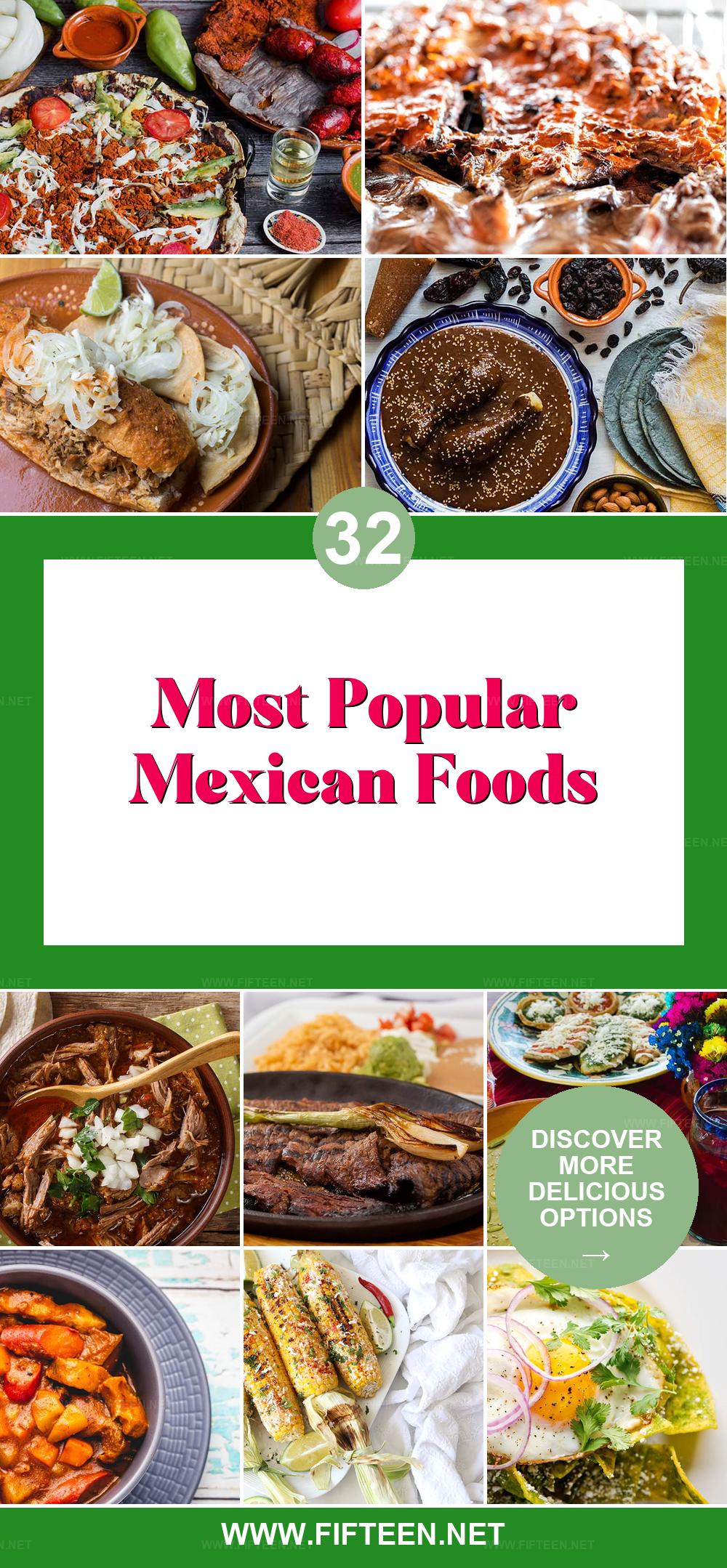
Make sure not to miss the 32 popular dishes of Mexico to know more about the culinary options of this country.
List of 32 Popular Mexican Dishes with Filters
These are the 32 popular specialties of Mexico just for you to explore according to their popularity.
Also, you can uncover the dishes in a manner that includes ordering by alphabet, primary components, flavor profiles, culinary techniques, varieties of dishes, meal categories, and worldwide distribution.
Plus, you should make full use of the interactive filter system to have a fun time going through these dishes, including traditional, national, street food, and exotic options.
The most popular Mexican dishes are renowned both domestically and internationally, embodying the essence of Mexican culinary culture.
These dishes are widely available and beloved by people of all ages, reflecting the universal appeal of Mexican cuisine.
They include a variety of flavors and ingredients, showcasing the rich diversity and accessibility of Mexican food.
National dishes of Mexico represent the essence of the country’s culinary identity, enjoyed and celebrated across the nation.
They are a source of national pride, often associated with historical events and cultural traditions.
These dishes are recognized both within Mexico and internationally, symbolizing the unity and cultural heritage of the Mexican people.
Traditional Mexican dishes are celebrated for their depth of flavor and historical significance.
These recipes have been passed down through generations, embodying the diverse culinary landscape of Mexico.
They are characterized by their use of indigenous ingredients and complex preparation methods.
Street food in Mexico is an integral part of the country’s culinary culture, offering a wide array of flavors accessible to everyone.
It reflects the everyday life of Mexicans, showcasing the country’s vibrant and dynamic food scene.
This category includes a variety of quick and flavorful dishes that are deeply rooted in Mexico’s urban and rural life.
Exotic Mexican dishes feature unique ingredients and cooking techniques that may be unfamiliar to the international palate.
These dishes highlight the adventurous spirit of Mexican cuisine, utilizing ingredients that are indigenous to the country.
They offer a glimpse into the rich biodiversity of Mexico.
Tacos
Street Food
Traditional
Tacos are a type of Mexican food of a corn or wheat tortilla folded or rolled around a filling. This mix of fillings features different kinds of meat, such as beef, pork, or chicken, or other ingredients, such as beans, cheese, or vegetables.
These wrapped tortillas are a common street food in Mexico, dating back to before the Spanish colonization of Mexico, when the indigenous people used tortillas to wrap meat and fish.
In addition, the population pairs tacos with salsa, guacamole, sour cream, lettuce, onion, tomatoes, or chiles. Furthermore, the tortilla shells for tacos even come in hard or soft varieties.
Guacamole con Chapulines
Exotic
Traditional
Guacamole con chapulines is a Mexican mix of guacamole, made using avocado, and fried grasshoppers called chapulines.
It’s a traditional dish in the state of Oaxaca, a region known for its abundance of grasshoppers. Guacamole con chapulines are often added to tortillas, tacos, and many dishes for an additional crunchy profile.
Burrito
Street Food
Traditional
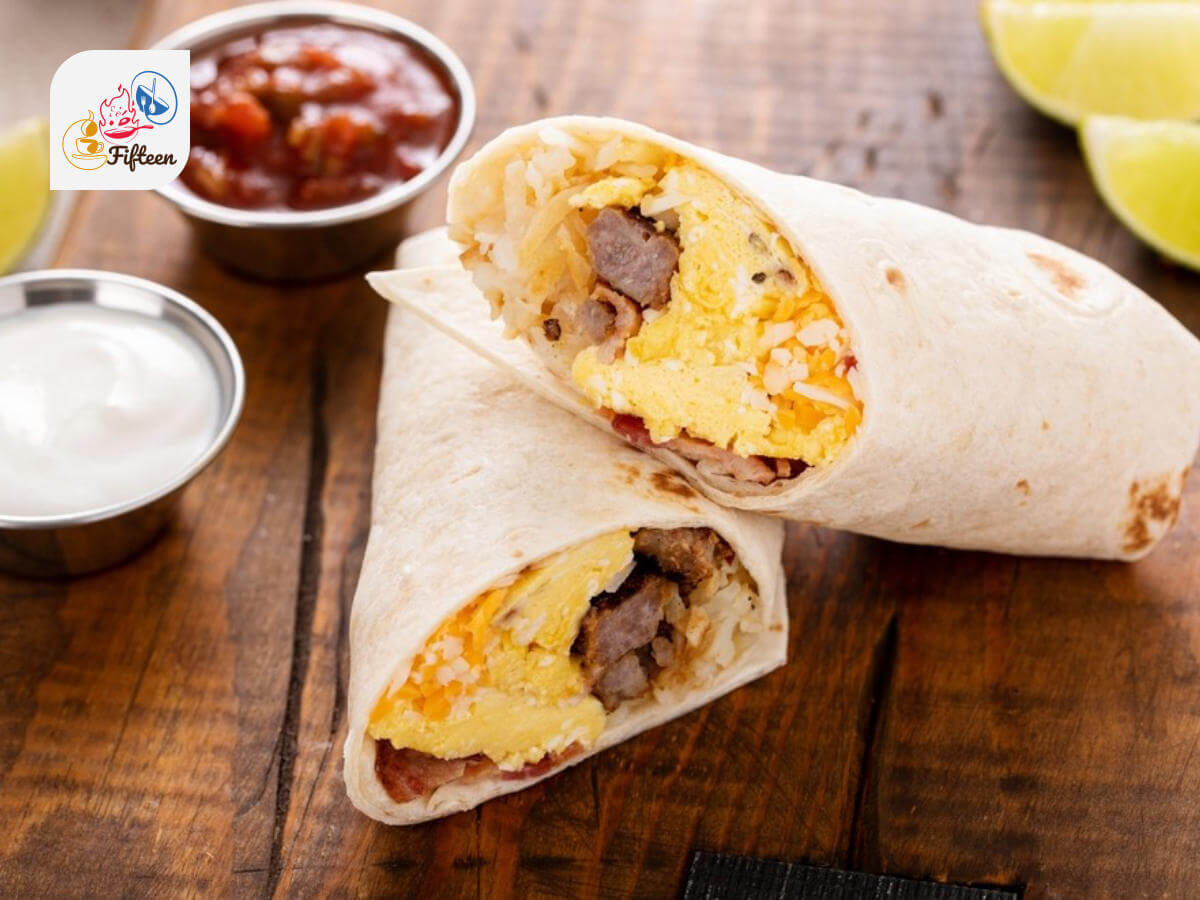
A burrito is a type of Mexican specialty featuring a wheat flour tortilla wrapped around a filling of various ingredients. The filling can include meat, fish, cheese, beans, rice, vegetables, and sauces.
For a burrito, the tortilla is usually sealed and sometimes grilled or steamed. Burritos are a common street food in northern Mexico, especially in Ciudad Juárez, where they originated.
As for serving, people serve burritos dry or wet and eat them by hand or with utensils.
Quesadilla
Traditional
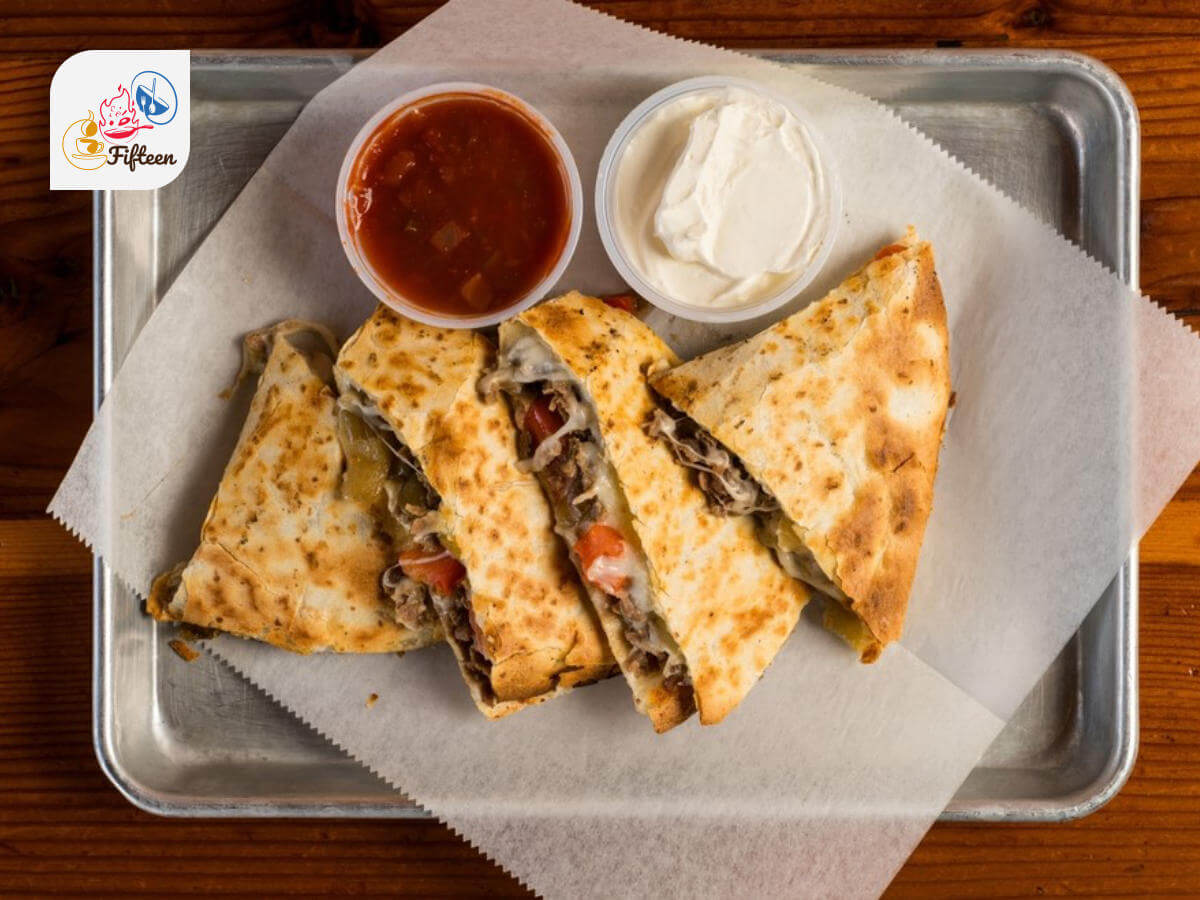
Quesadillas were first created in the 16th century in Northern and Central Mexico using corn tortillas. However, they often made quesadillas by stuffing them with pumpkin and squash during this period.
Like other wrapped dishes in Mexico, today’s quesadilla include meat, fish, cheese, beans, rice, vegetables, and sauces. Also, the tortilla is often grilled on a griddle or stove for a crunchy texture.
These Mexican specialties are usually folded in half and eaten by hand, or cut into wedges and served with sauces or toppings.
Enchiladas
Traditional
Enchiladas are a special dish in Mexico that has corn tortillas with fillings covered in sauce for baking. It had appeared in meals since the time of the Aztecs when they wrapped various foods in tortillas.
When served, enchiladas go well with different toppings, such as sour cream, lettuce, tomato, guacamole, or cilantro.
Chilaquiles
Traditional
Chilaquiles is a dish commonly served in many restaurants in Mexico, combining triangular fried corn tortillas with various ingredients.
In Mexico, these crunchy tortillas are a favorite breakfast or brunch item that makes use of leftover tortillas and salsa sauce. Some versions even customize them with cheese or other meat varieties.
Pozole
National
Traditional
Pozole is a traditional Mexican soup that has existed since pre-Hispanic times. It was initially used in Mexican ritual sacrifices.
There are different versions of pozole, made using chicken, pork, or vegetables. Additionally, the soup is often garnished with cabbage and shredded lettuce.
On New Year’s Eve, pozole is a favorite soup of many Mexicans. The flavorful soup is also an important part of celebrating many Hispanic holidays and events.
Mole
Traditional
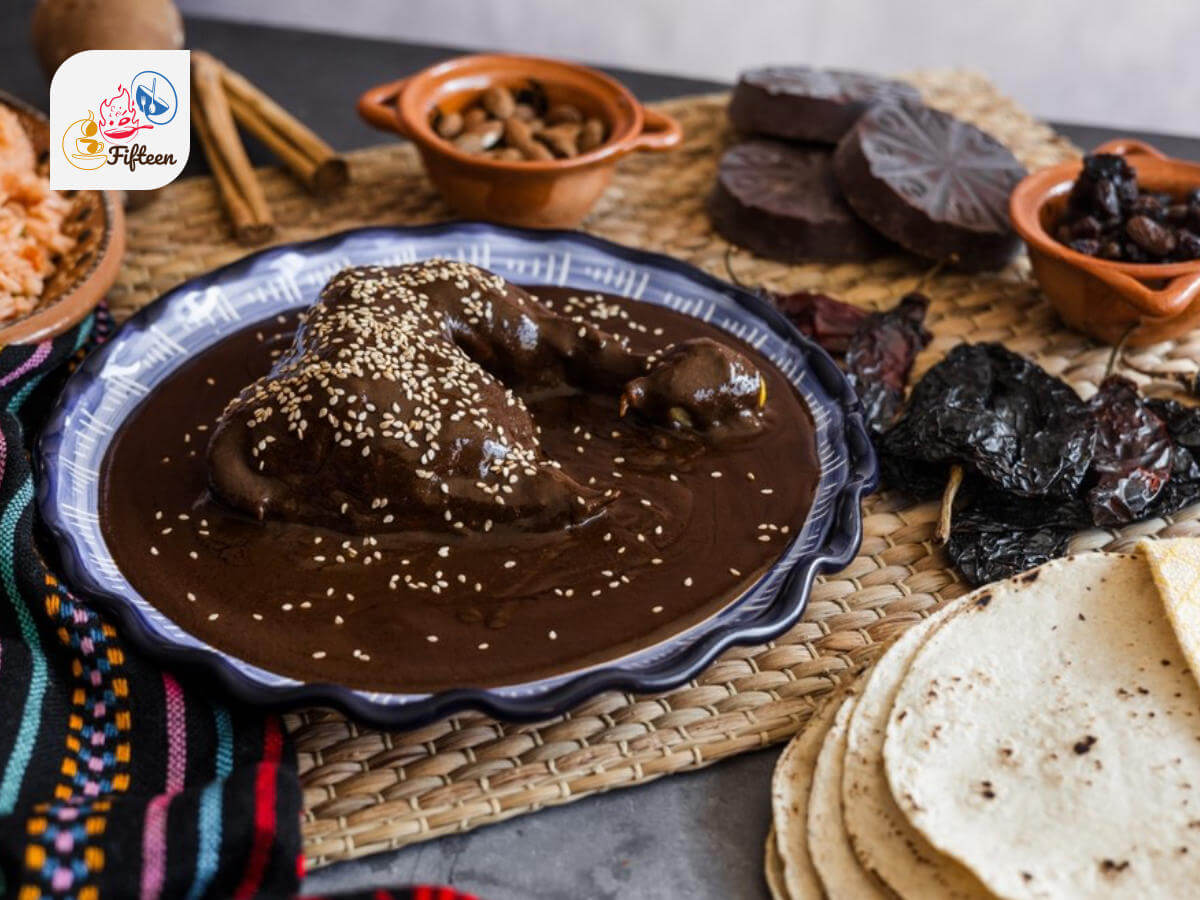
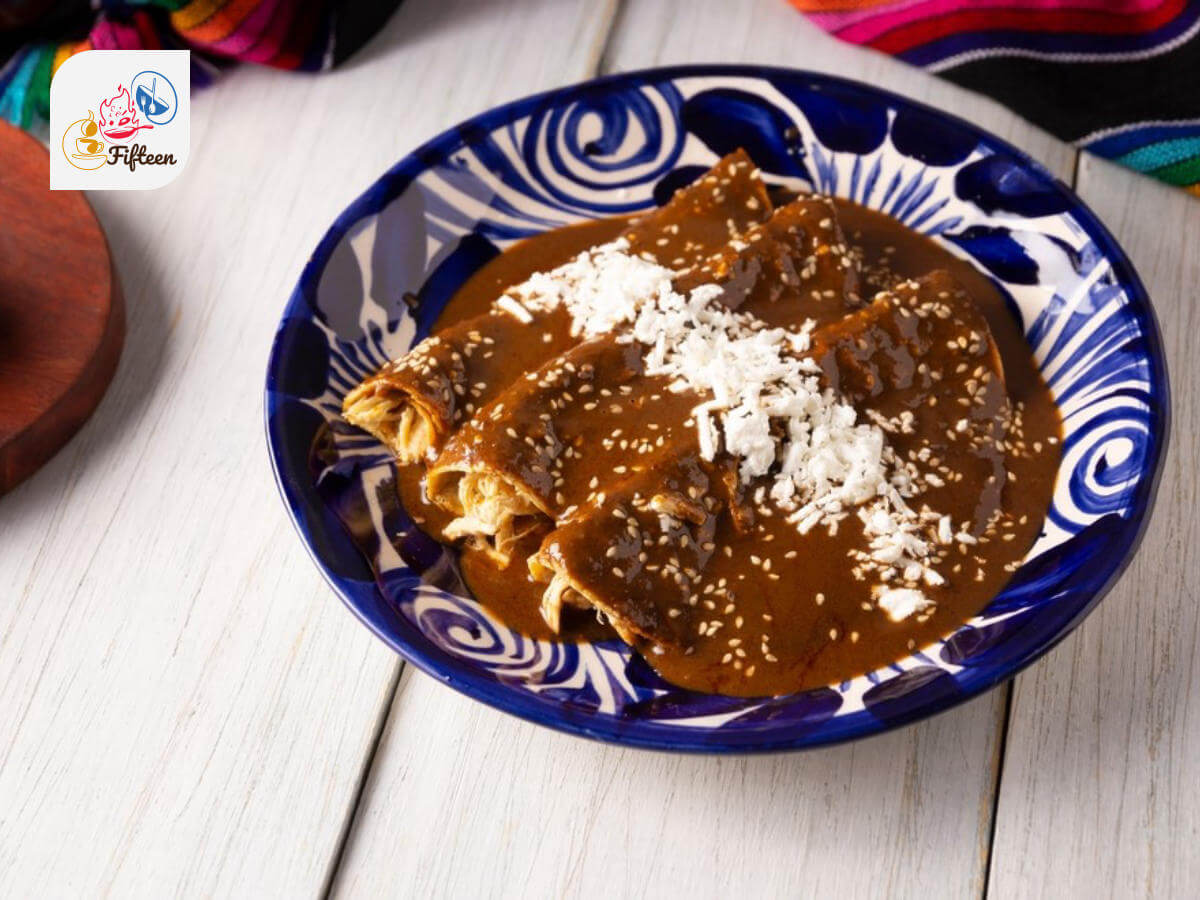
Mole is a famous sauce in traditional Mexican cuisine, blending slightly rich flavors of nuts with spices and chili. However, chocolate is the main ingredient to provide the main color and flavor of this sauce.
It was first made in pre-Hispanic Mexico, with some have suggested that it was invented by a nun in Puebla.
In Mexico, there are about 7 types of mole sauce with small tweaks. During the cooking process, people add Mexican mole to create a thick sauce that coats the ingredients.
Carnitas
Street Food
Traditional
Carnitas is a Mexican specialty of slow-cooked pork or chicken until the meat is completely tenderized.
This Mexican meat dish is then either shredded or chopped and often served with a spread of fresh cilantro, onions, salsa, guacamole, alongside tortillas and beans.
As a dish of Michoacán, the locals often simmer the carnitas meat in large copper pots with lard and a pinch of salt. Carnitas is a common dish for many festive events in Mexico.
Tostadas
Street Food
Traditional
Tostadas are corn tortillas deep-fried in hot oil before topping them with a few slices of cheese, meat, or seafood in Mexico.
The tortillas for making tostadas can be flat or curved, and made of corn or wheat. Ideally, tostadas are made using stale tortillas, with toasting being another option to make them crunchy aside from deep-frying.
Elote
Street Food
Traditional
Elote is simply Mexican corn on the cob but with various spices. After grilling until it’s perfectly golden and aromatic, the corn is slathered in mayonnaise or sour cream to make it extra creamy.
Then, it’s sprinkled with spicy chili powder and a squeeze of tangy lime juice to enhance the flavor. Elote is a perfect side for complex dishes like enchiladas.
Huevos Rancheros
Traditional
Huevos rancheros are a Mexican dish featuring fried eggs on tortillas, topped with spicy salsa. Originating in rural Mexico as a meal for farm workers, this dish includes a salsa made from tomatoes, chili peppers, onions, and more, with either corn or wheat tortillas.
Commonly enjoyed for breakfast or brunch, this hearty serving sometimes comes with beans, rice, guacamole, avocado, and cilantro.
In other regions of Mexico, huevos rancheros offer different sauces, cheese, sour cream, lettuce, meat, or even poached eggs instead of fried.
Taquitos
Street Food
Traditional
Taquitos are Mexican dishes featuring fried or baked tortillas rolled around fillings like meat, cheese, or chicken. Typically served with toppings or sides like sour cream, guacamole, salsa, and cheese, taquitos offer a crispy experience.
Created in Mexico and popularized by Mexican immigrants, these crispy treats are also known as flautas, tacos dorados, or rolled tacos in different areas depending on their sizes.
Chiles en Nogada
National
Traditional
Chiles en nogada is a Mexican combination of local fruits, ground meat, or spices stuffed inside poblano pepper. Also, the dish has a layer of walnut cream sauce that comes in a white color.
The stuffed dish was first created in Puebla when nuns made it to give to Agustin de Iturbide, who was a Mexican Army General and played an essential role in the war of Mexican independence.
Authentic chiles en nogada boasts the three colors of the Mexican flags; red, green, and white. These colors come from pomegranate seeds, the poblano peppers, and the walnut cream sauce, respectively.
Cochinita Pibil
Traditional
Cochinita pibil is a shredded pork stew from Mexico marinated with various flavors and wrapped in banana leaves when cooked. This dish is also well-loved in Belizean gastronomy.
Thanks to the special marinade mixture, the pork of cochinita pibil is tender while providing an appealing orange color. In Yucatec Mayan communities, the shredded pork stew is a traditional creation for serving with corn tortillas.
Machaca
Traditional
Machaca is a Mexican dish made from shredded beef or pork cooked until tender. Seasoned with an array of spices, it can be enjoyed in flautas, tacos, burritos, or with eggs, onions, peppers, and tortillas.
Originating from northern Mexico, where ranchers and cowboys preserved meat by drying it with spices, machaca has also gained popularity in the southwestern US, where it’s known as machacado or carne seca. Often, the meat requires drying, and then rehydrating for cooking.
Torta Ahogada
Street Food
Traditional
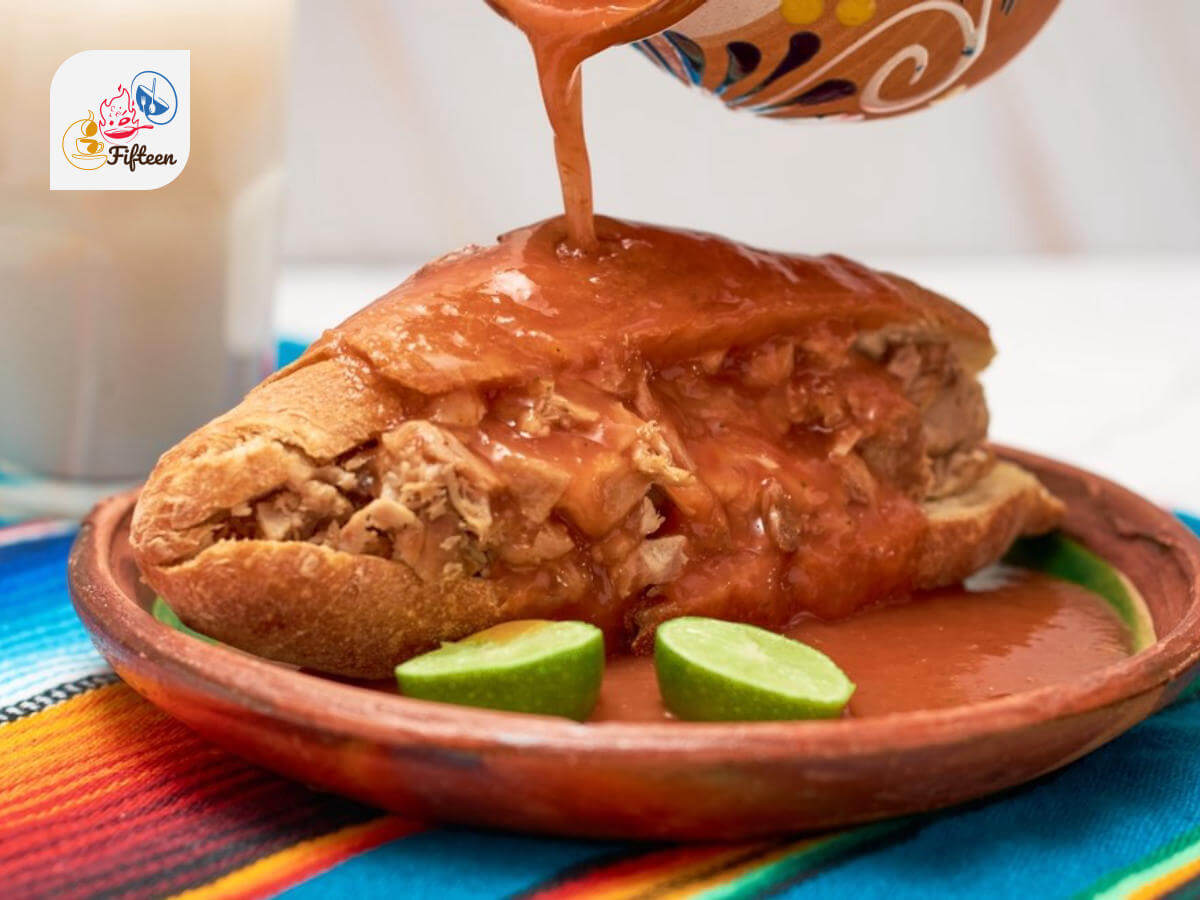
Torta ahogada is a Mexican sandwich from the streets of Guadalajara, Jalisco, featuring salty, crunchy bread filled with pork, beans, and onions. Plus, the sandwich has a spicy or mild sauce to enhance the flavor.
Interestingly, the creation of torta ahogada was an accident when a vendor dropped a sandwich into salsa. Typically eaten with hands, it’s served with onion rings, radishes, avocados, and chili peppers.
Birria de Chivo
National
Traditional
Birria de chivo is a goat stew of the Jalisco state in Mexico, also known as Chivos.
According to the story, the goats severely damaged the crops, so they were given to the natives for breeding by the Spaniards. Thus, locals use goat meat to make this stew.
Today, Mexicans opt for other proteins like pork, chicken, beef, or fish to bring new flavors to the recipe. Originally, the meat was put in maguey pencas for cooking, but it is replaced by the pot today.
Nowadays, the remarkable stew is a part of many special occasions like weddings, Christmas, and Easter. The stew even has a baked version called tatemadas.
Tamale
National
Traditional
Tamale is a traditional Mexican delicacy of corn dough, filled with sweet or savory ingredients, and wrapped in a leaf for steaming. The dough requires a thorough soaking and cooking in an alkaline solution before encasing meats, cheeses, fruits, vegetables, herbs, or chilies.
Commonly, locals wrap tamales in either corn husks, banana, or plantain leaves. These steamed treats are enjoyed for breakfast, dinner, or special occasions.
Interestingly, making and cooking tamales is a custom in Mexico that mainly features women.
Pipián
Traditional
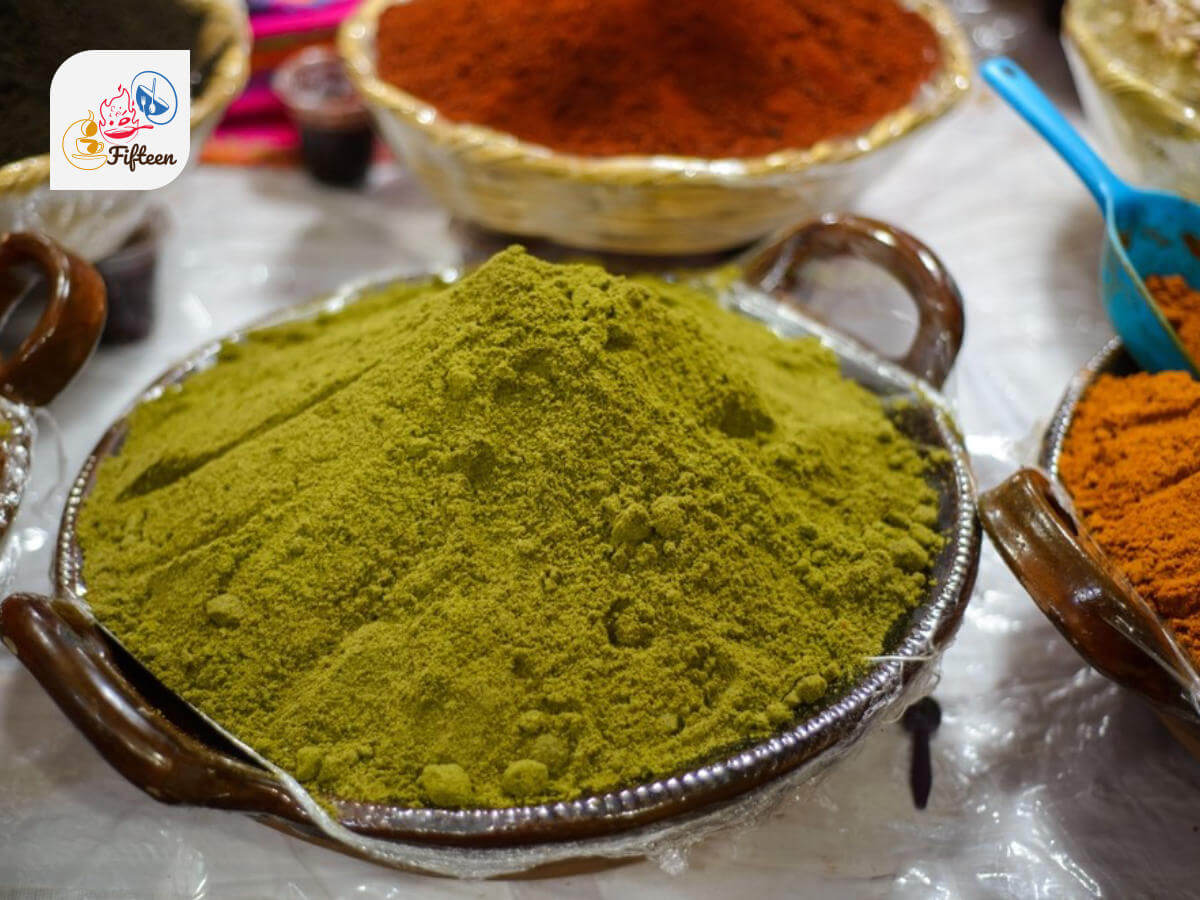
Papian is a Mexican sauce with a distinctive green color from the tomatillos. Additionally, the dish’s complexion is enhanced with puréed green and some ground pumpkin seeds to thicken the mix.
For serving, pipián sauce makes for a great pick with carnitas, roast vegetables, or poultry.
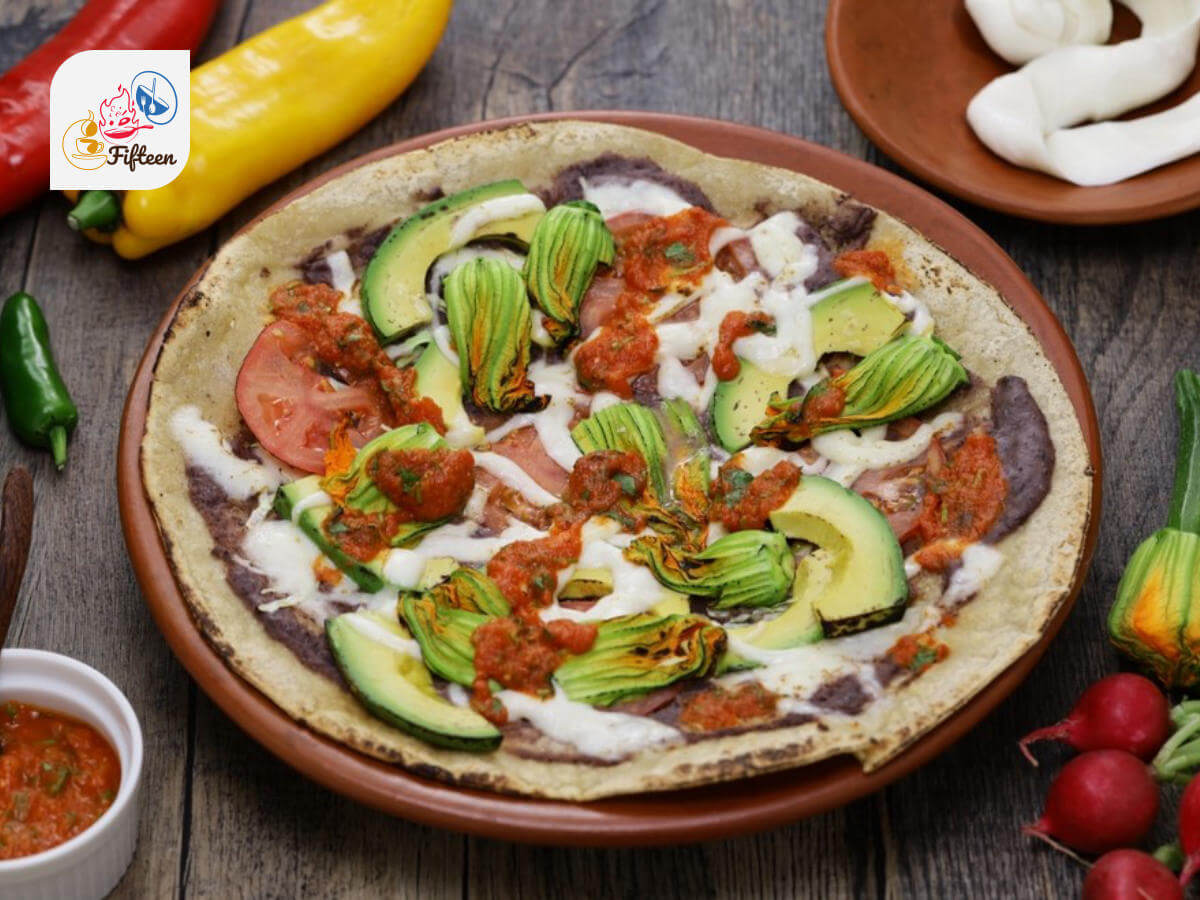
Tlayuda
Street Food
Traditional
Tlayuda is a traditional Oaxacan offering in Mexico that has a large, thin, tortilla topped with beans, lard, cheese, meat, and salsa. Used as a base for tlayuda, the tortilla is cooked on a clay griddle until slightly hard and stored in a palm leaf basket.
In terms of toppings, they vary by region and preference, often including tasajo (Oaxacan beef), chorizo (spicy sausage), or cecina enchilada (chili-powdered pork). Often served open-faced or folded, it’s a popular street food in Oaxaca and regions like Mexico City, Puebla, and Guadalajara.
Aguachile
Exotic
Traditional
Aguachile is a traditional dish from Sinaloa consisting of shrimp and fish marinated in a spicy and sour liquid of chiltepin peppers, lime juice, salt, and water.
The seafood creation is served with cucumber and onion slices, and sometimes avocado or cilantro.
Aztec Soup
Traditional
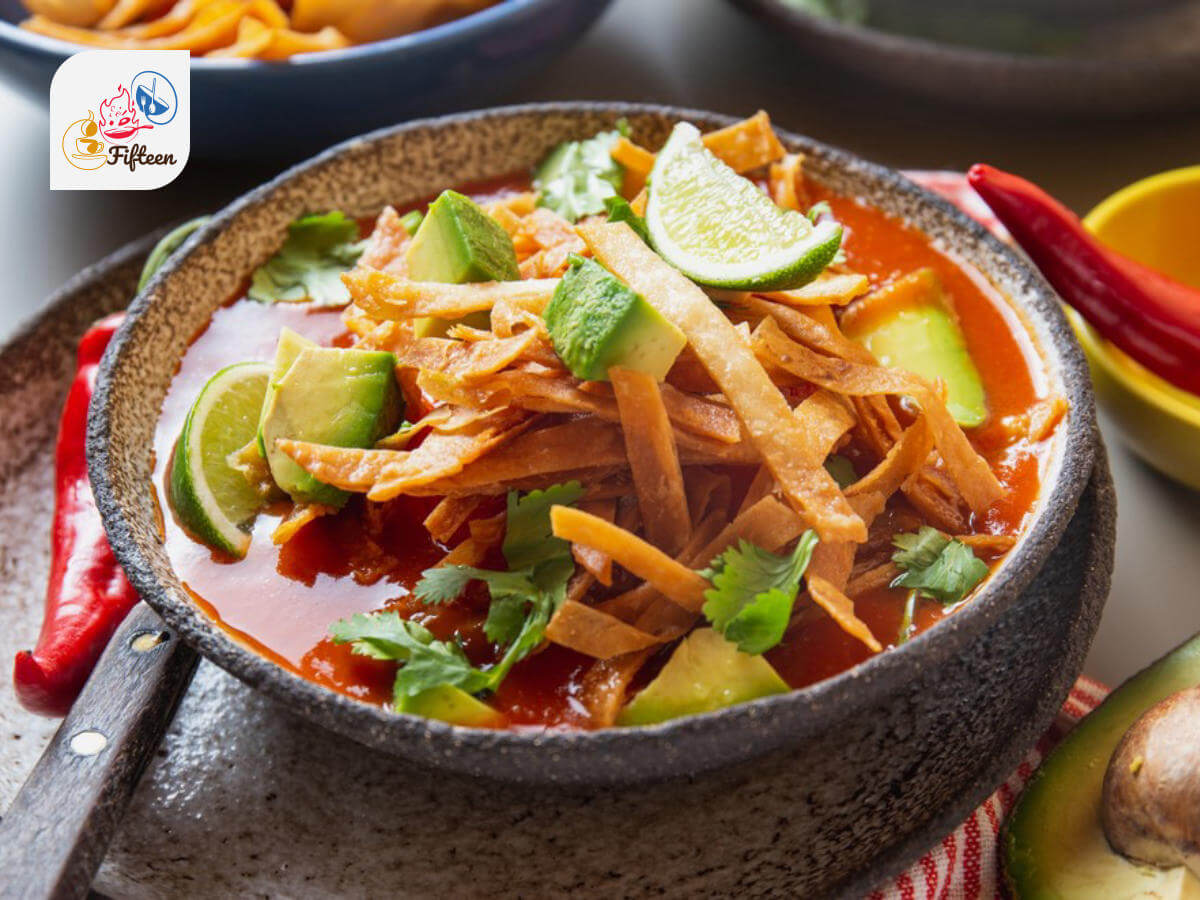
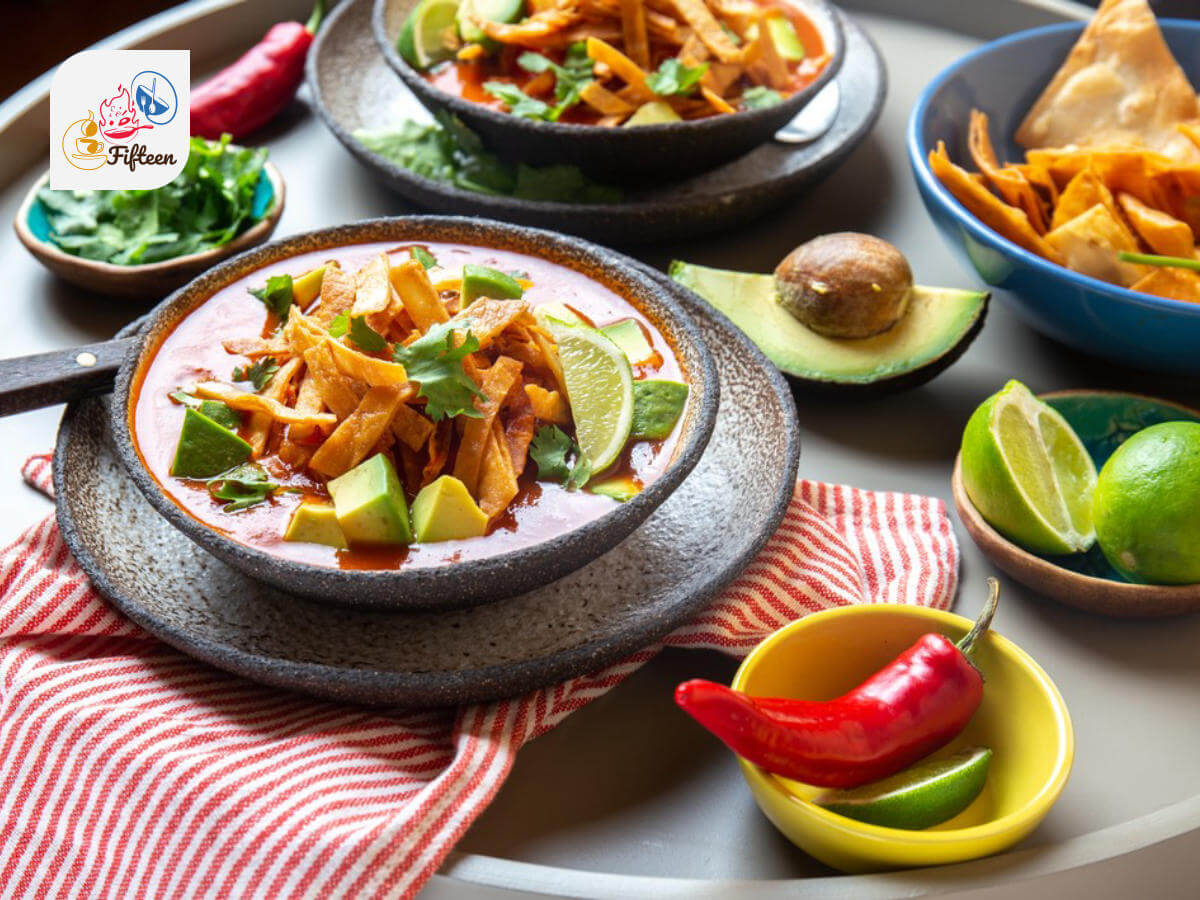
Aztec soup, also known as sopa azteca, or sopa de tortilla, is a traditional Mexican soup coming from the ancient Aztec civilization.
It is made with a tomato-based broth flavored with dried pasilla or ancho chilies, garlic, onion, and oregano. The soup is served hot over crispy fried tortilla strips and topped with avocado, cheese, sour cream, cilantro, and sometimes chicken.
Gorditas De Nata
Street Food
Traditional
Gorditas de nata are a type of fried pastry coming from the state of Hidalgo, Mexico. They are made with a dough filled with sweet or savory ingredients.
These pastries are traditionally eaten on December 12, the day of the Virgin of Guadalupe, as an offering to the ancient goddess Tonantzin. They are also a popular street food and snack in Mexico.
Gorditas de nata are usually served with coffee, tea, or hot chocolate. Furthermore, these pastries are a special treat at churches on Sundays.
Discada
Street Food
Traditional
Discada is a hearty meat and vegetable dish from the Northern states of Mexico cooked on a metal disc over an open fire. Interestingly, farmers in the region prepare discada using plow discs.
The meats, including beef, bacon, ham, sausage, and chorizo, come together with vegetables in a spice mixture that sometimes comes with beer or cola.
Discada can be eaten as tacos with tortillas or as a main course with rice, beans, guacamole, and salsa.
Pescado Zarandeado
Street Food
Traditional
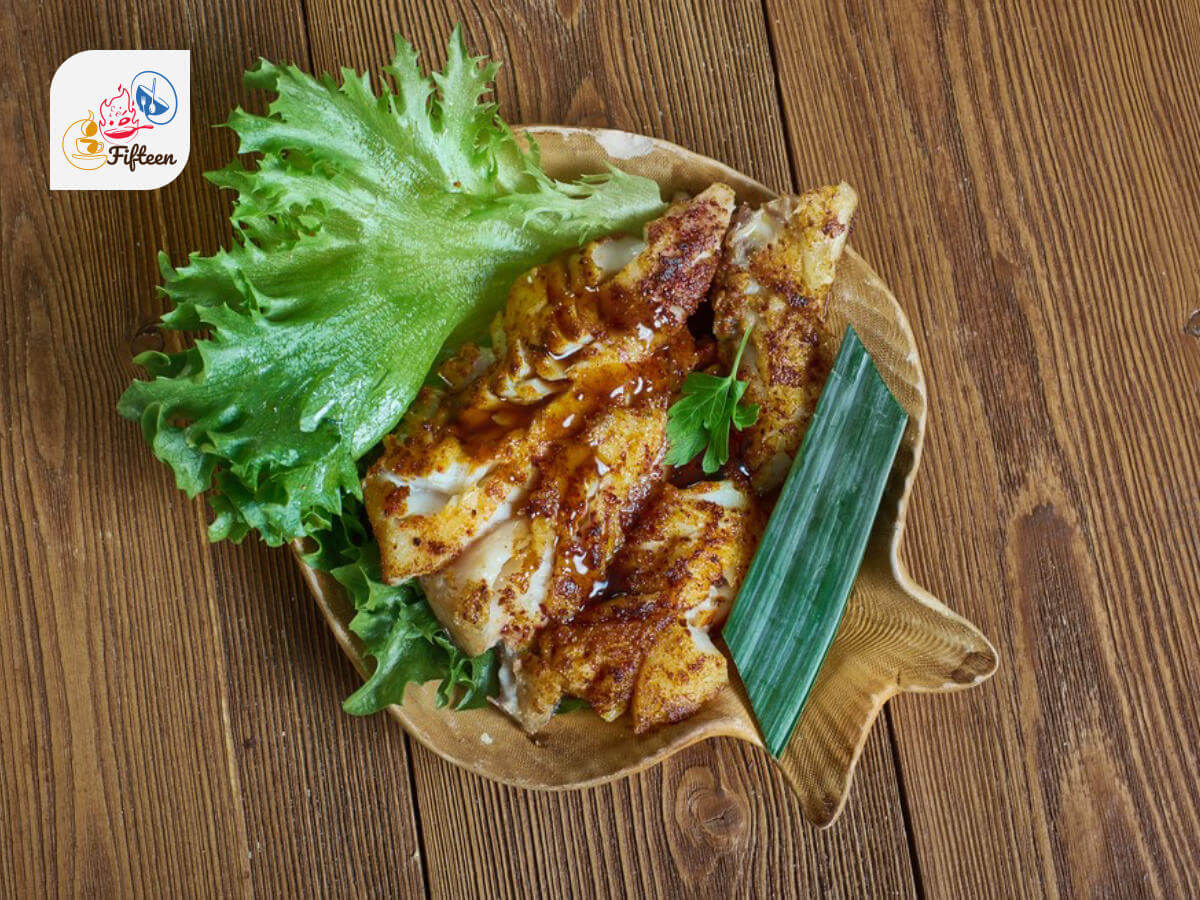
Pescado zarandeado is a popular grilled fish specialty in the coastal area of Mexico Known as stirred fish, its name zarandeado means to move or shake a lot.
Furthermore, Mexicans used a wooden grill called the Zaranda to grill fish in the past. However, they have replaced it with metal grills to make it easier today.
Camarones a la Diabla
Traditional
Camarones a la Diabla is a shrimp dish that means “shrimp of the devil” in Mexico. Locals materialize the dish by incorporating shrimp in a fiery red sauce made from chili peppers, tomatoes, garlic, onion, and oil.
The sauce’s heat varies with the type and quantity of peppers used. Aside from bread or tortillas to absorb the sauce, Mexicans enjoy the fiery shrimp dish with rice, beans, guacamole, and salsa.
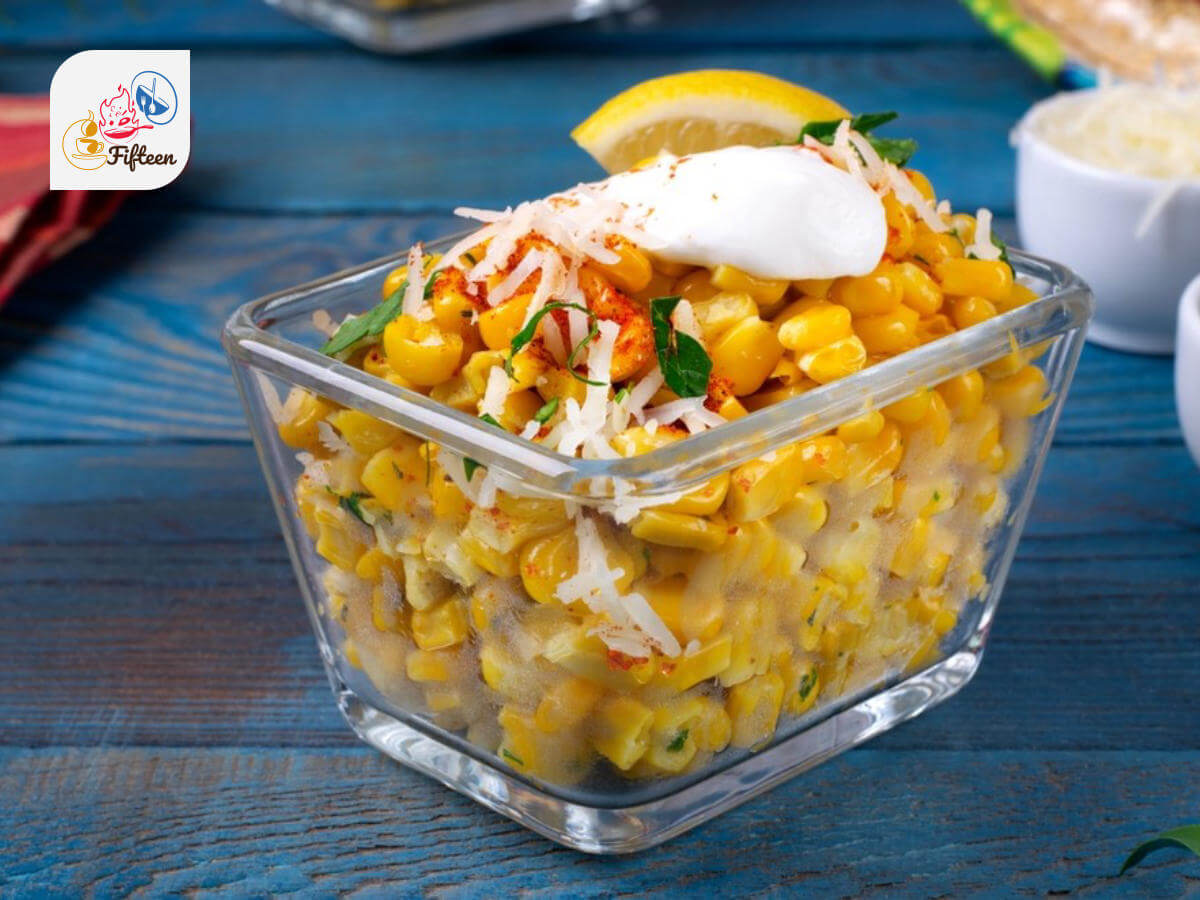
Esquites
Street Food
Traditional
Esquites are a type of Mexican street food of cooked corn kernels served in a cup or a corn husk. They are seasoned with various ingredients, such as lime juice, chili powder, cheese, and mayonnaise.
This creamy combination is often eaten as a snack or an appetizer accompanied by different toppings and variations.
Alegría
Traditional
Alegría is a candy in Mexico that uses puffed amaranth seeds and honey or sugar. The sweet is a traditional candy in Mexico City named after the Spanish word for joy.
It’s often shaped into colorful bars or figures. Additionally, alegría also includes nuts, seeds, or dried fruits for extra flavor and texture.
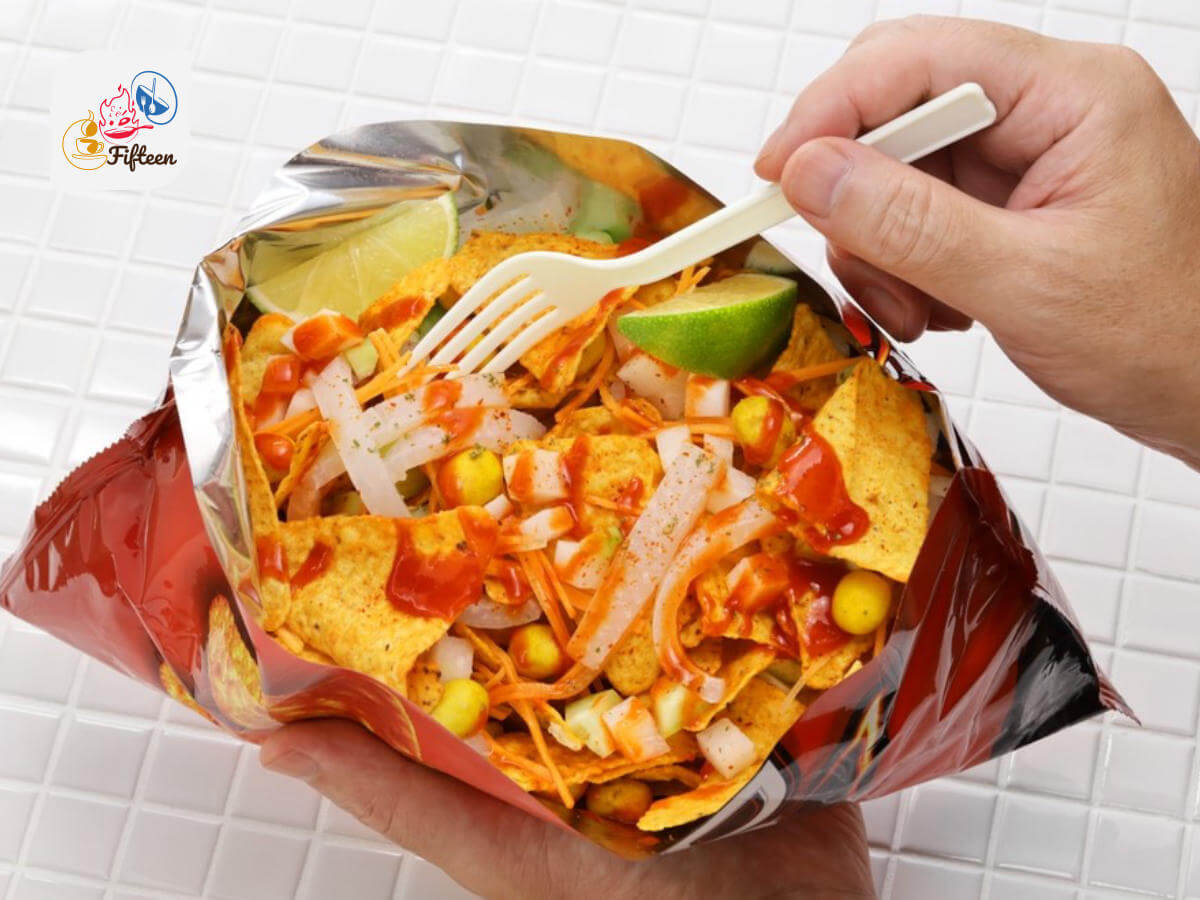
Dorilocos
Street Food
Dorilocos is a Mexican snack first sold on Antojito street in the 1990s. Today, it is common on many streets of Mexico.
These are servings of chip bags filled with hot sauce, cream, vegetables, and chips to give a wonderful fusion of flavors. Since it is a side dish and street food, it is prepared pretty liberally.
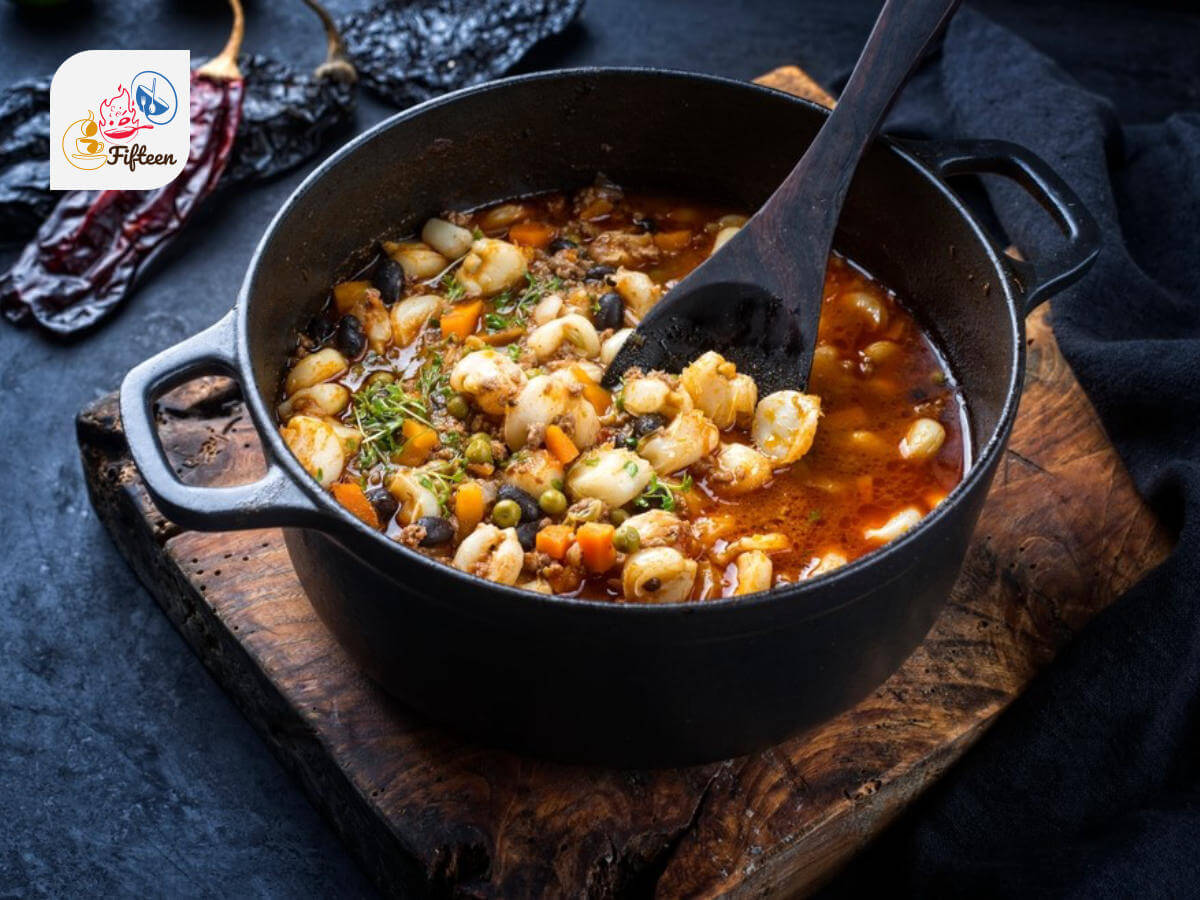
Menudo
National
Traditional
Menudo is a thick Mexican stew of cow’s stomach (tripe) in a broth with a red chili pepper base. It is cooked for several hours until the tripe becomes tender and gelatinous.
Made using hominy, a type of corn that has been soaked and cooked in an alkaline solution, the stew is served with tortillas and various condiments, such as salsa, cheese, and avocado.
Menudo is a dish that is enjoyed by families and friends, especially as a hangover remedy. It has two main variations of menudo rojo, which is common in northern Mexico and has a red color from the chili peppers, and menudo blanco, popular in central Mexico and does not include chili peppers.
Carne Asada
Street Food
Traditional
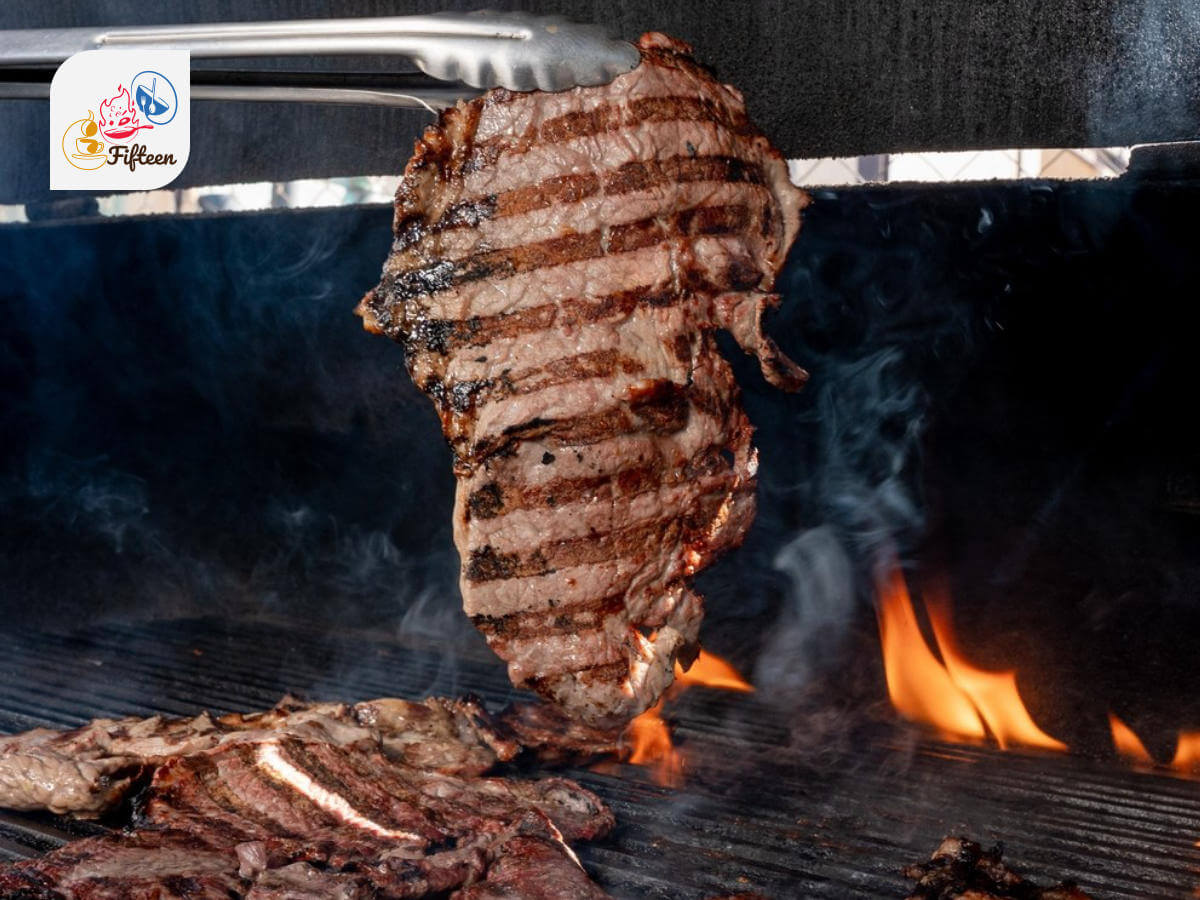
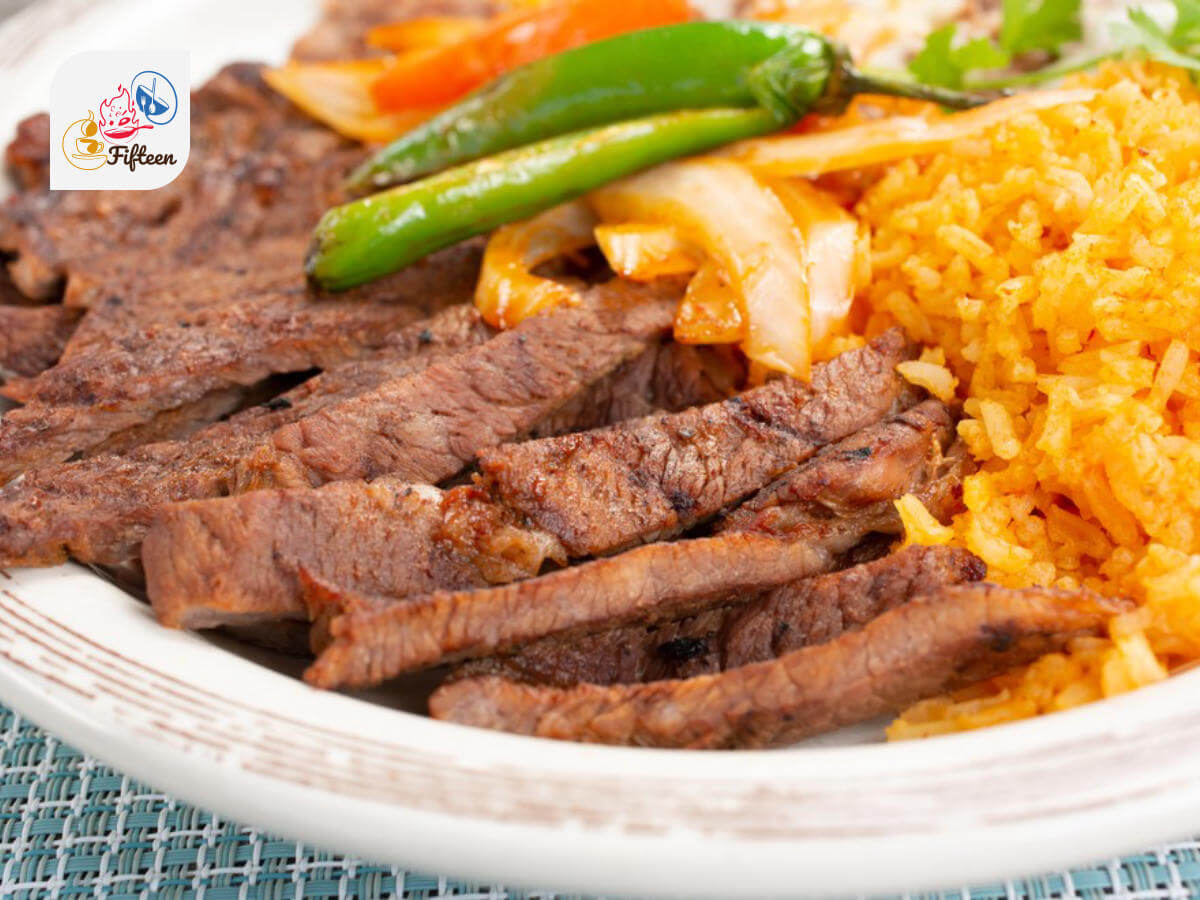
Carne asada is a Mexican meat dish featuring thin slices of beef marinated and grilled over an open fire. It is a popular dish in Mexico and the southwestern United States, where it is often served with tortillas, salsa, guacamole, and other toppings.
The marinade usually contains lime juice, salt, and spices, but varies depending on the region and personal preference. The term carne asada means “grilled meat” in Spanish.
What Mexican Dishes to Pair with Drinks?
Discover some of the amazing pairings of dishes with drinks in Mexico to improve your meal experience:
Tacos: Best enjoyed with a variety of beers, from light lagers to robust ales, each type complementing the rich and varied fillings of tacos.
Pozole: This rich, hearty soup pairs wonderfully with agave spirits like Tequila or Mezcal, whose smoky or floral notes can enhance the soup’s deep flavors.
Carnitas: The succulent and flavorful carnitas are perfectly balanced by the bright, acidic notes of citrus-based cocktails, such as margaritas or palomas.
Enchiladas: A versatile dish that goes well with a range of wines; a light white can refresh the palate, while a medium-bodied red can stand up to the bold sauces.
Chilaquiles: Ideal with savory cocktails, like a bloody mary, which can complement the dish’s spicy and tangy flavors with its own complex profile.
Please share these dishes with your friends. I am happy to check out other fantastic Mexican foods you know in the comments. Thanks for your time!
Home Cooking, Meal Planning, Recipe Development, Baking and Pastry, Food Editor, Cooking-video Maker, Western Food Evaluation Expert
Education
Le Cordon Bleu College of Culinary Arts
Program: Bachelor’s degree in Culinary Arts
Focus: Gained foundational knowledge in French and European culinary techniques. Participated in workshops and hands-on training sessions under the guidance of seasoned chefs.
Local Community College, New York, NY
Program: Associate’s Degree in Nutrition
Focus: Acquired basic understanding of nutrition principles, dietary needs, and the importance of balanced diets in daily life.
Jamie Scott is a skilled culinary expert and content creator specializing in Western cuisine. With over 15 years in the culinary field and formal training from Le Cordon Bleu, Paris, Jamie deeply understands how to blend nutrition with delicious flavors. His passion for cooking matches his commitment to making healthy eating accessible and enjoyable.
On Fifteen.net, Jamie brings a fresh perspective to classic dishes and beverages, offering readers insightful recipes, cooking tips, and a fresh view on meal planning that emphasizes taste, health, and simplicity.


Jamie Scott
Editor in Chief, Senior Content Writer
Expertise
Home Cooking, Meal Planning, Recipe Development, Baking and Pastry, Food Editor, Cooking-video Maker, Western Food Evaluation Expert
Education
Le Cordon Bleu College of Culinary Arts
Local Community College, New York, NY
Jamie Scott is a skilled culinary expert and content creator specializing in Western cuisine. With over 15 years in the culinary field and formal training from Le Cordon Bleu, Paris, Jamie deeply understands how to blend nutrition with delicious flavors. His passion for cooking matches his commitment to making healthy eating accessible and enjoyable.
On Fifteen.net, Jamie brings a fresh perspective to classic dishes and beverages, offering readers insightful recipes, cooking tips, and a fresh view on meal planning that emphasizes taste, health, and simplicity.