

Beverages are liquids that humans consume to satisfy their thirst, stay hydrated, absorb energy and nutrients, and promote pleasure. Beverages also play other important roles, such as fostering social interactions and complementing meals.
Drinks and beverages often overlap significantly, so they are often interchangeable in most contexts. Basically, beverages are any drinks other than drinking water, but there are still some subtle differences between the two.
Continue reading to discover many fascinating facts about beverages, starting with the 100 most popular beverages in the world. Next, I will provide you with interactive filters to help you navigate the content about beverages on my website more easily.
After that, you will learn about the characteristics of beverages in general, followed by two major categories of beverages and how they are organized into sub-categories.
Then, I will show you an overview of countries with the highest beer, wine, and coffee consumption per person rates in the world.
If you are wondering about how beverages really differ from drinks, I will talk about this topic next. Stay tuned for information about the roles of fruits in beverage preparations.
I will also cover how vegetables are used in making beverages. Lastly, you will learn about the basics of pairing dishes with suitable beverages.
100 Most Popular Beverages Around The World
Here’s a list of the top 100 most popular beverages from around the world. You can sort these drinks by their popularity in different regions, how they’re made, their flavors, types of beverages, and key ingredients.
Additionally, the filter can help you pick out national drinks by country, and choose between alcoholic and non-alcoholic options. You can also explore traditional, street, fusion, and exotic beverages.
List of Beverages by Continent, Region, Country
Presented here are beverages from across the globe. You can use the filter option to browse the top countries that are most famous for drinks worldwide, or sort the beverages by country, region, or continent. Moreover, the search bar allows you to search for beverages from any country of your interest.
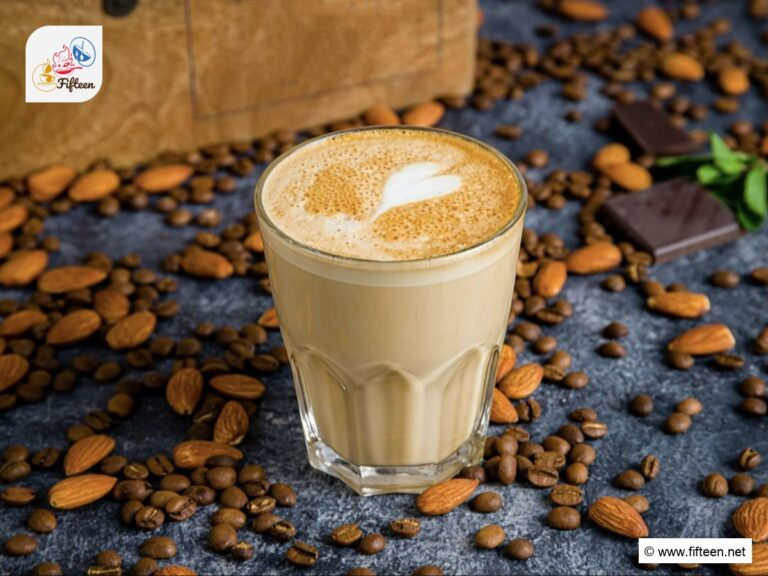
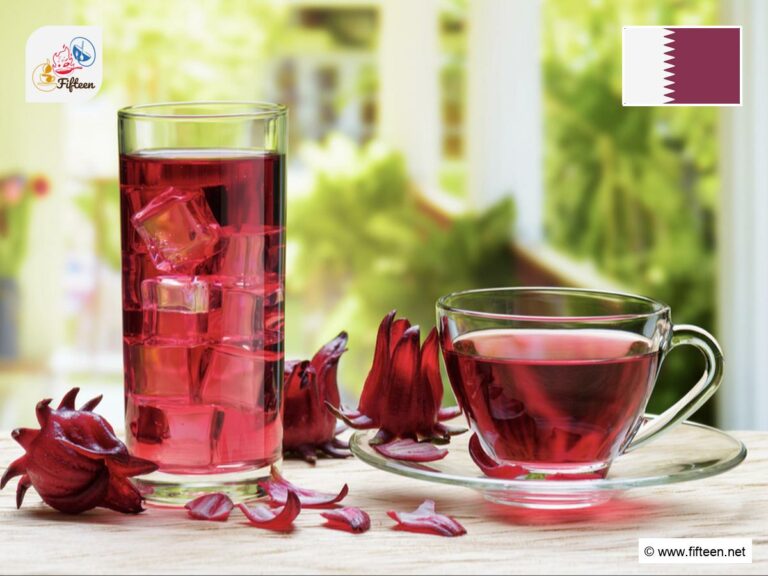
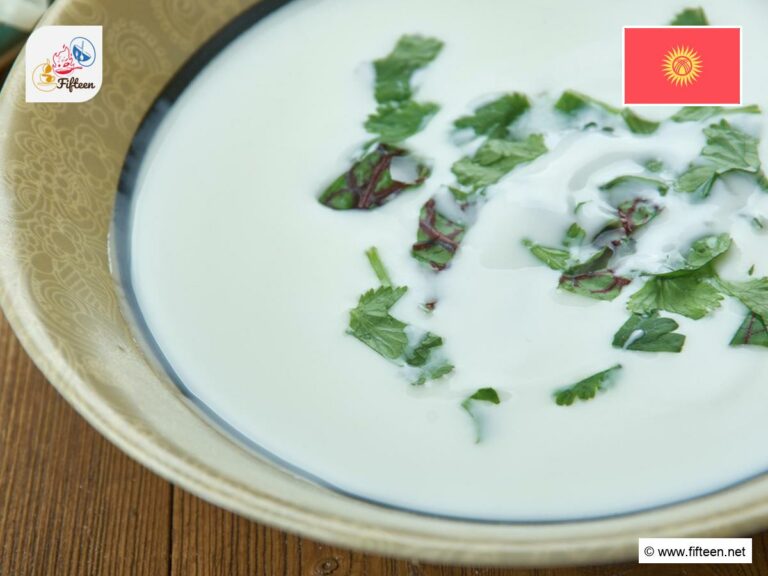
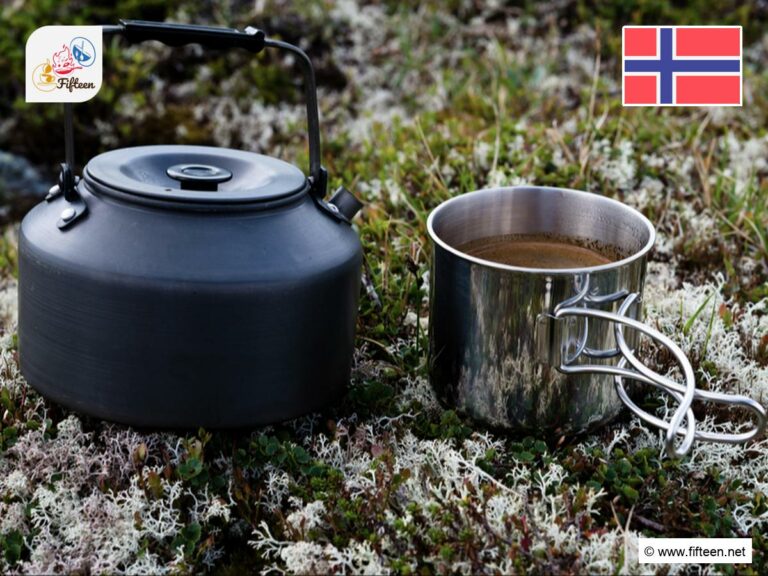
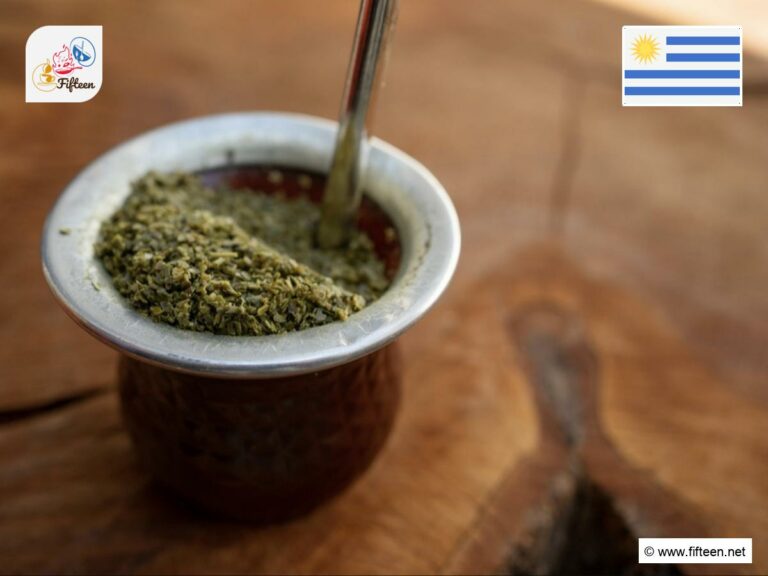
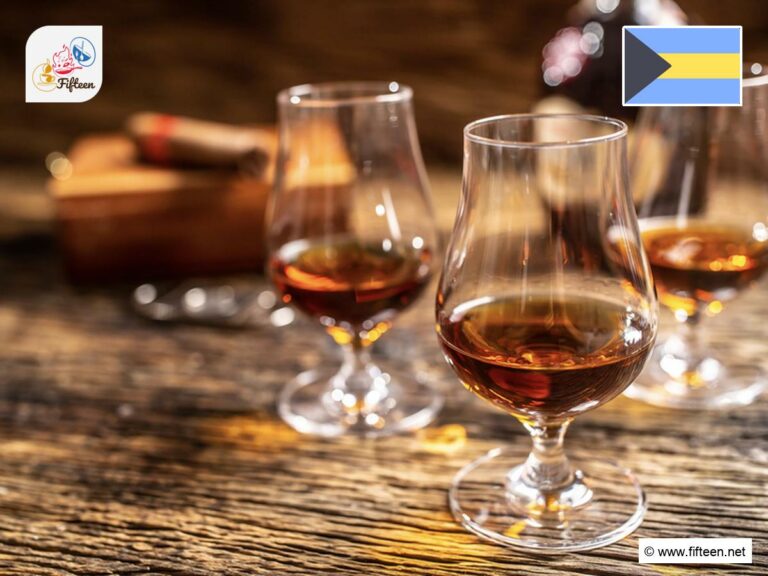
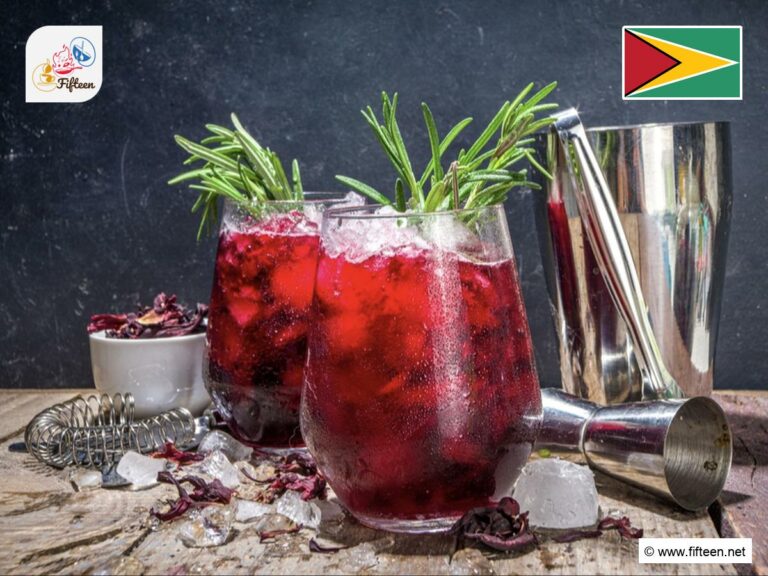
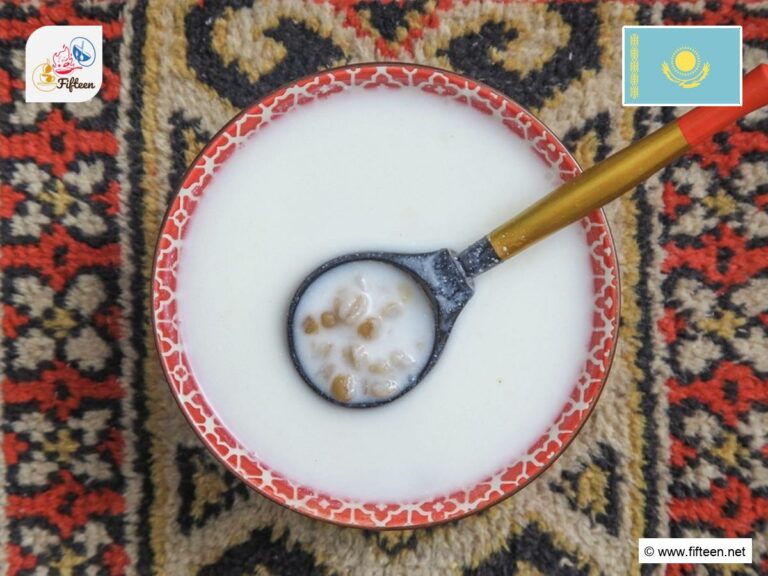
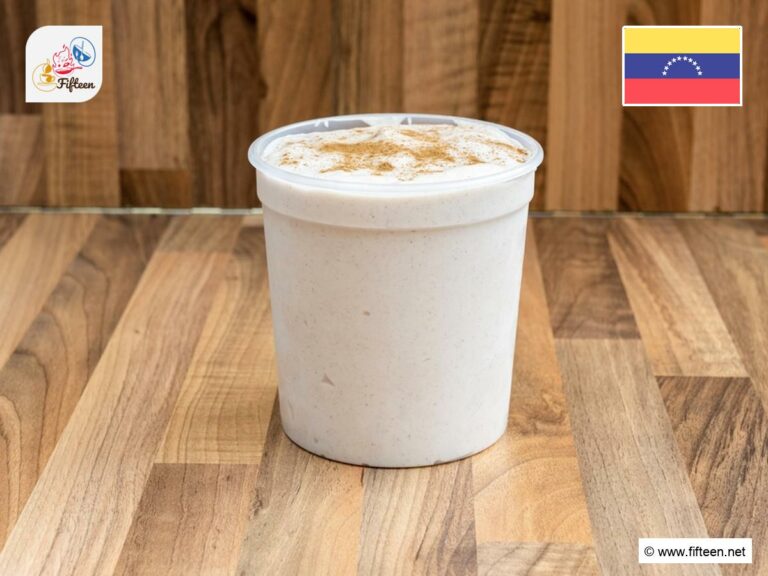
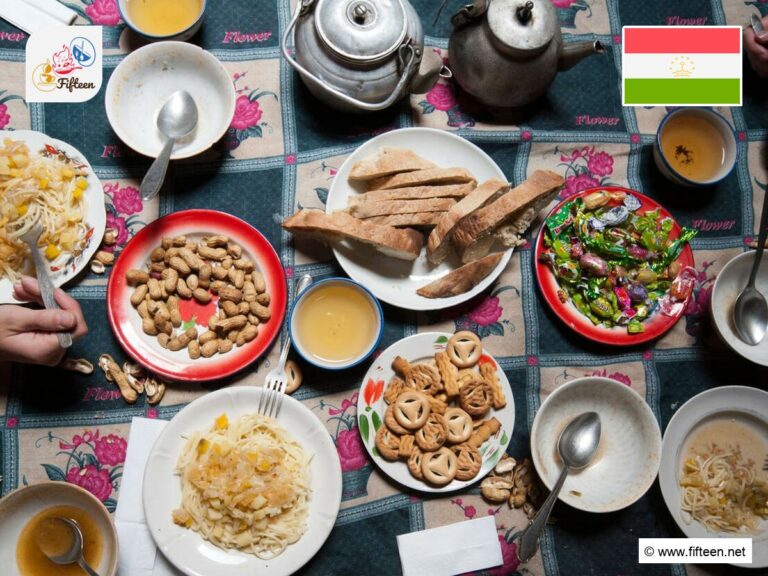
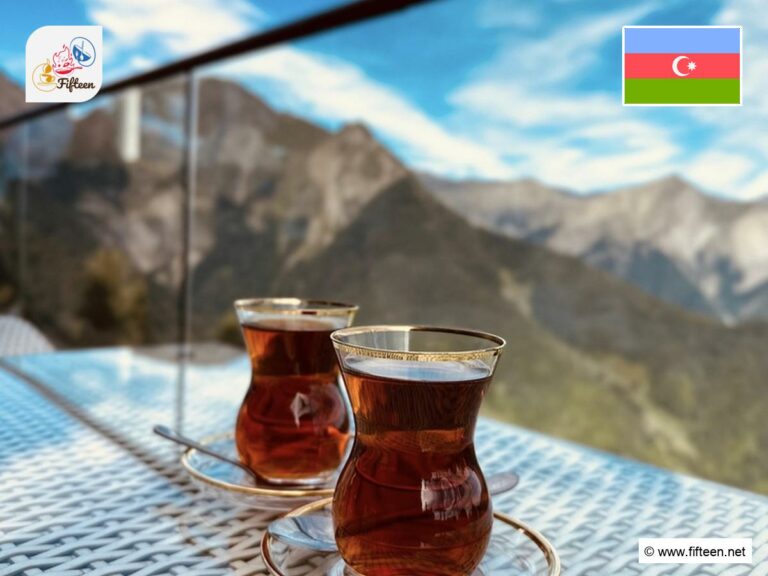
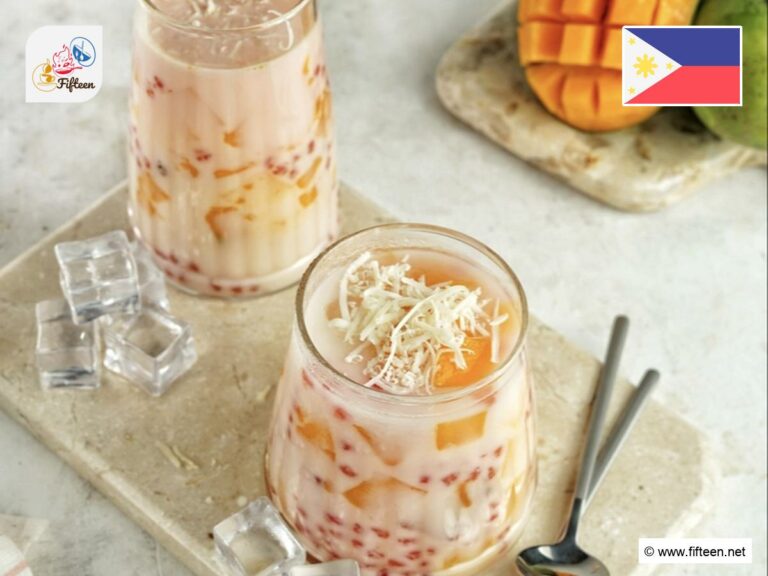
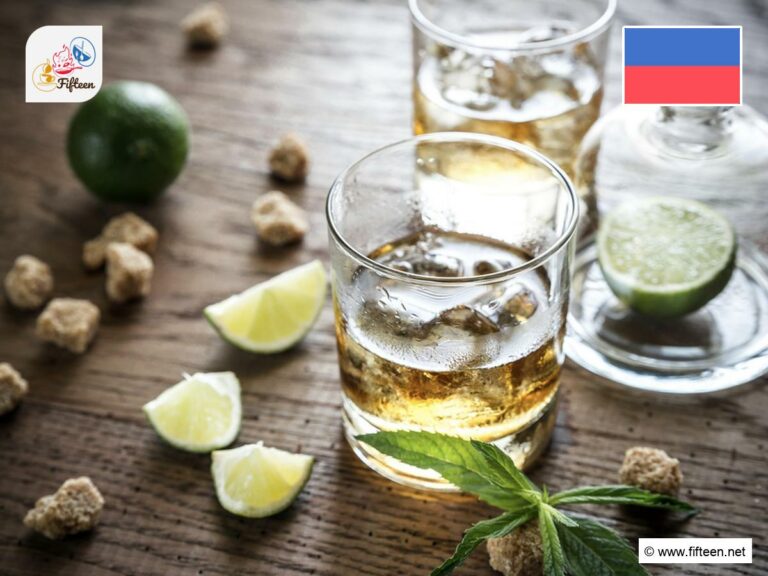
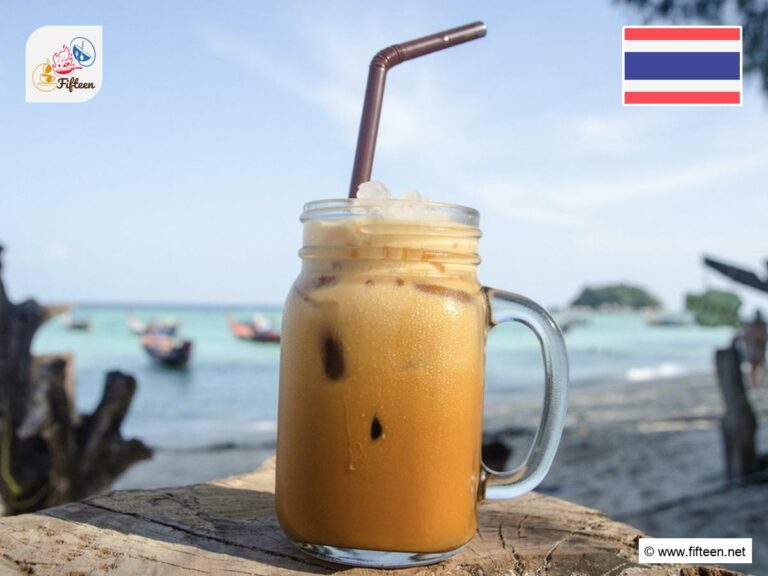
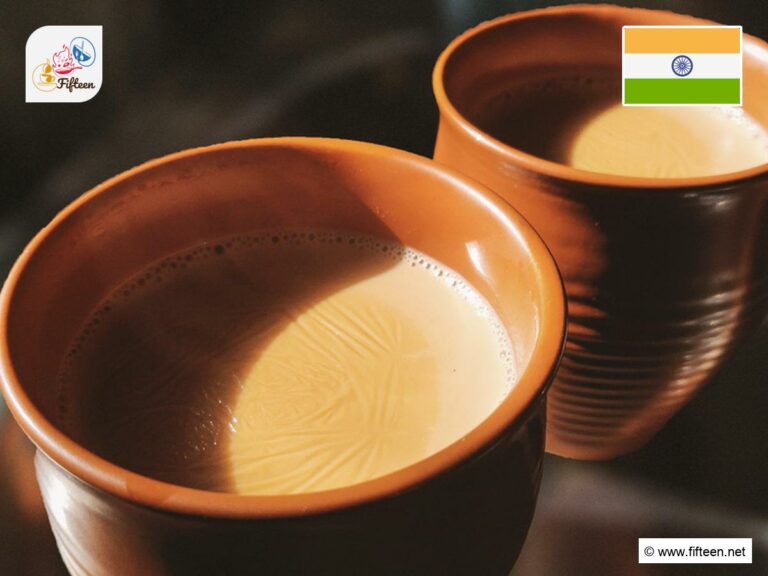
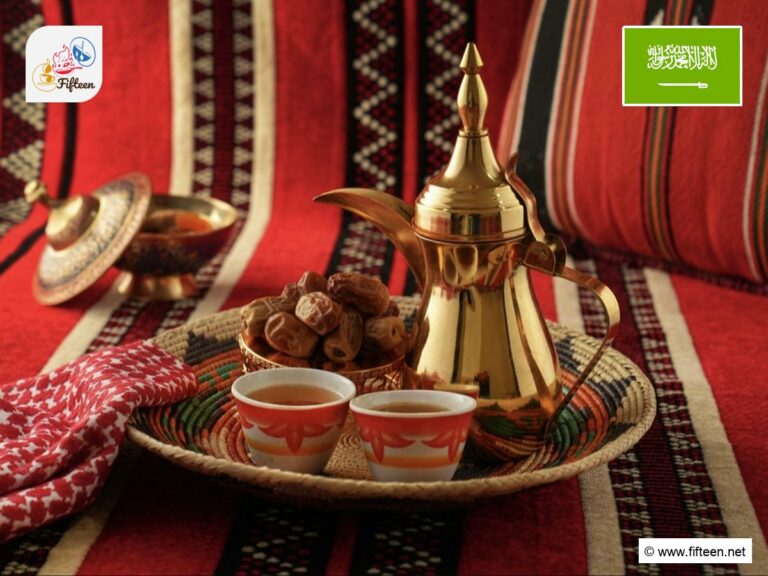
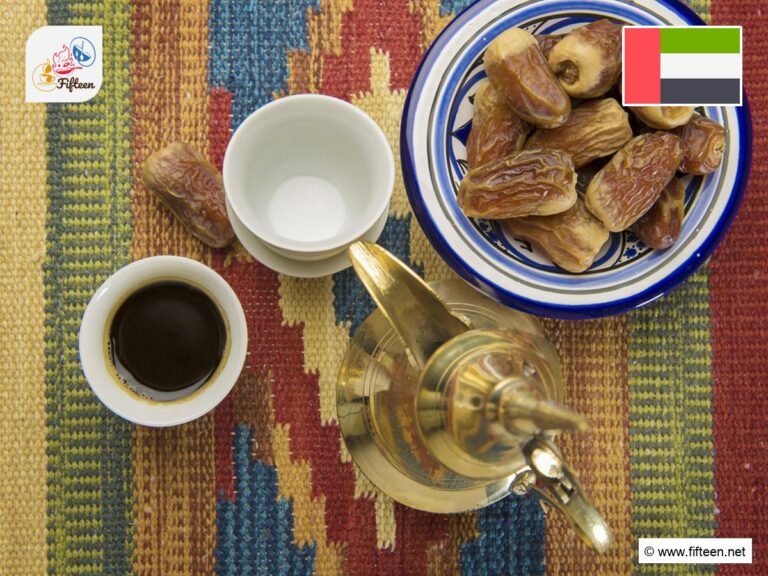
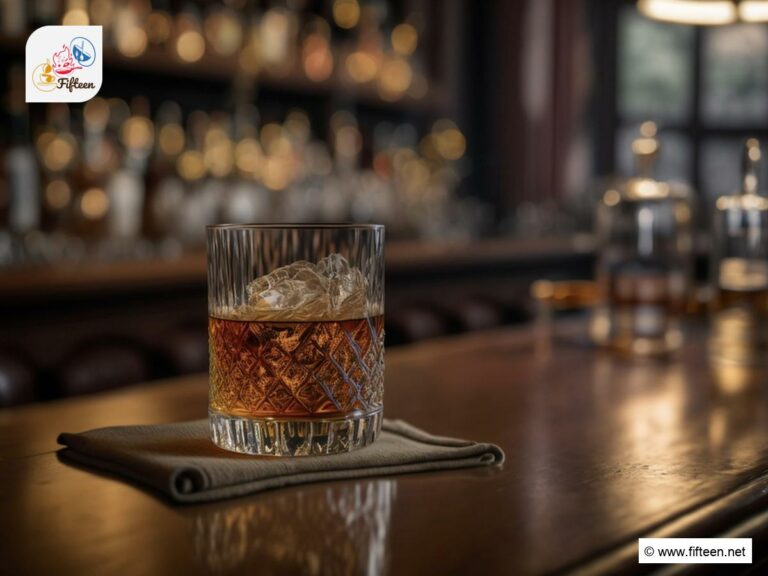
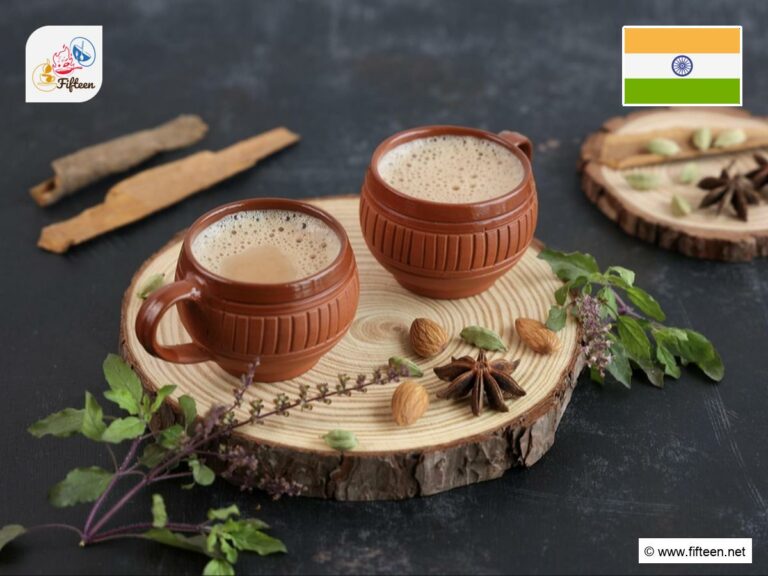
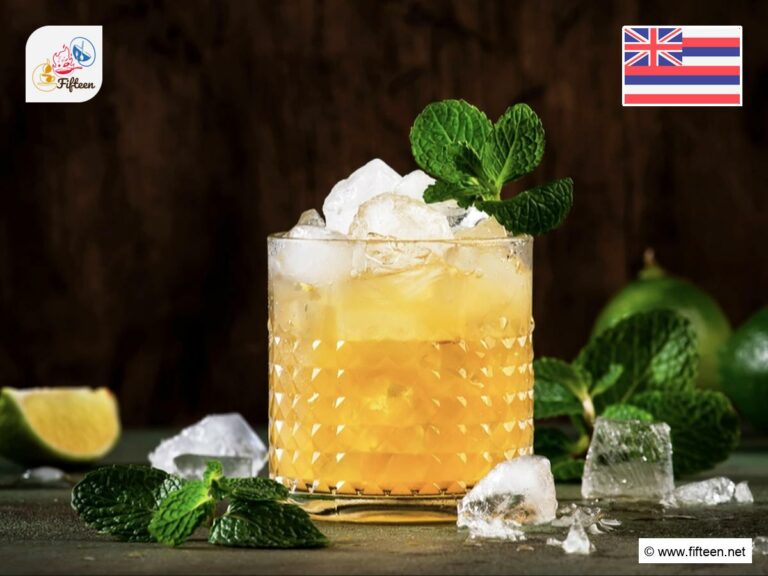
Beverages by Labels
Below is a breakdown of beverages according to their labels, including popular, national, traditional, exotic, street, and fusion beverages.
What Are the Characteristics of Beverages?
Below are the most notable features of beverages that you should know about.
Ingredients
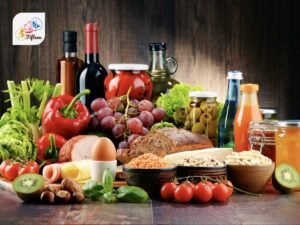
Beverages consist of water and various optional ingredients, such as sweeteners, alcohol, caffeine, nutrients, etc. Therefore, most beverages count toward fluid intake as long as they don’t contain alcohol.
Since water is a fundamental component of all beverages, there are no beverages that don’t contain water.

Beverages and Fasting
Beverages aren’t considered food, but many options can be quite high in calories. In terms of fasting, people often only allow beverages with few calories, such as unsweetened drinks.
American Beverages
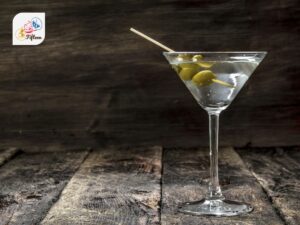
Many world-famous beverages, especially soft drinks and soda, were invented by Americans. Examples include Coca-Cola, Pepsi, old fashioned, and martini.
Gluten Content
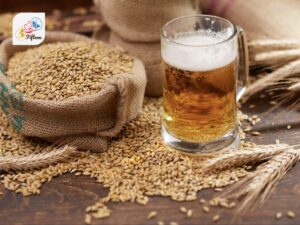
Most beverages are inherently gluten-free, even alcoholic beverages brewed or distilled from cereal grains. However, these beverages may get contaminated with gluten, so careful research and discretion are still necessary.

Pet Suitability
Most pets can’t consume beverages since added sugar, salt, and flavorings can wreak havoc with their digestive systems; water and, in some cases, milk are the only suitable drinks for them.
Along with the variety of foods, beverages add to the culinary richness with their distinctive characteristics. These features also form the basis for categorizing different types of beverages. Next, I will tell you about the most universal categories and types of beverages to expect.
What Are Common Types of Beverages?
Beverages come in two major categories: alcoholic and non-alcoholic beverages. Each category can be further divided into more specific types of beverages.
I will give you an overview of the prominent features of those two categories.
What Are Alcoholic Beverages?
Alcoholic beverages, also known as adult beverages or strong drinks, are drinks that contain a considerable amount of ethanol (a type of alcohol).
The percentage of ethanol varies from place to place due to legal or cultural reasons, but a minimum of 3% ethanol by volume is a common threshold in many contexts.
In most countries, there are strict rules regarding the sales and consumption of alcoholic beverages. Only adults are allowed to drink alcoholic beverages, and excessive drinking can lead to dire health complications.
Below are popular types of alcoholic beverages around the world.
Beer
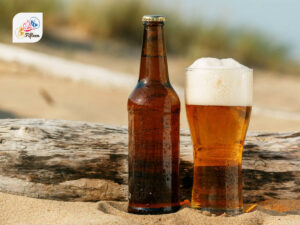
Beer is made by fermenting malt (partially cereal grains), brewing it, and flavoring it with hops. There are two main categories of beer: lagers and ales.

Wine
Wine is produced by fermenting grapes or other fruits.
Spirit
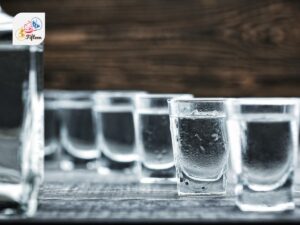
Spirits are distilled alcoholic beverages that contain a higher alcohol content than beer or wine. They are often synonymous with liquors.
A shot, alternatively known as a shooter, is a small serving of a spirit or a mixed drink that somebody drinks in one gulp.

Liqueur
Liqueurs are a sweeter and more aromatic version of spirits. They are made by adding sugar or syrup, herbs, fruits, and essential oils to distilled liquors.
Bitters
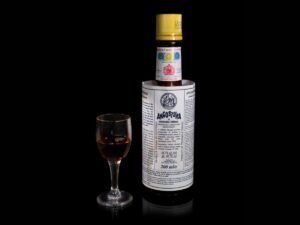
Bitters are alcoholic beverages made of spirits, spices, herbs, roots, and other types of botanical matter. They have a bitter or bittersweet taste and are often used in flavoring cocktails.
Cocktail
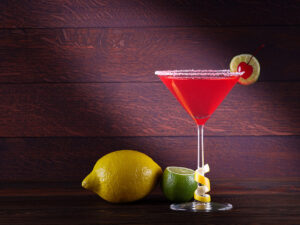
Cocktails are mixed alcoholic drinks that combine spirits with other beverages and optional solid ingredients.
Cider
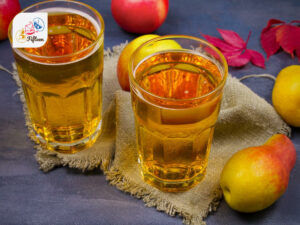
Cider is an alcoholic beverage made from the fermented juice of apples.
Punch
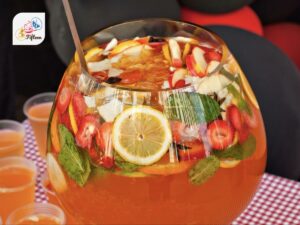
Punch is a beverage consisting of fruit juices, fruit pieces (optional), spices, carbonated beverages, and spirits. Punch is often classified as a type of mixed drink, and non-alcoholic beverages are also very popular.
What Are Non-alcoholic Beverages?
Alcoholic beverages, also known as adult beverages or strong drinks, are drinks that contain a considerable amount of ethanol (a type of alcohol).
The percentage of ethanol varies from place to place due to legal or cultural reasons, but a minimum of 3% ethanol by volume is a common threshold in many contexts.
In most countries, there are strict rules regarding the sales and consumption of alcoholic beverages. Only adults are allowed to drink alcoholic beverages, and excessive drinking can lead to dire health complications.
Below are popular types of alcoholic beverages around the world.
Soft Drink
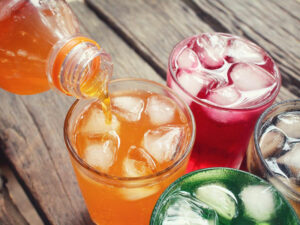
Soft drinks are an umbrella term for any flavored non-alcoholic beverages. However, they often stand for carbonated beverages.
Carbonated Beverages
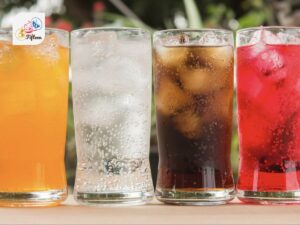
Carbonated beverages have carbon dioxide dissolved in the liquid to give them bubbles and a fizzy taste. They have many alternative names, such as fizzy drinks and sodas.
Juice
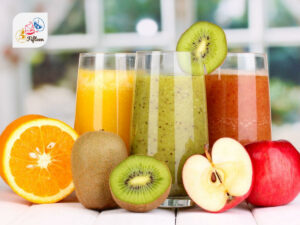
Juices are prepared by extracting or pressing the liquid inside fruits or vegetables.
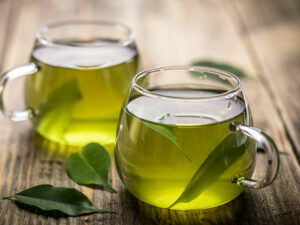
Tea
Tea is made by steeping fresh or dried leaves harvested from the tea plant (Camellia sinensis) in hot water.
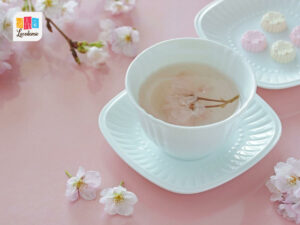
Herbal Tea
Herbal tea is prepared in the same manner as tea, but its ingredients include many types of plants and herbs.

Coffee
Coffee is brewed from the roasted and ground coffee beans.
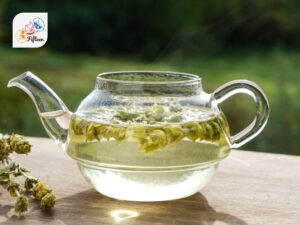
Infusion
Infusions are beverages made by soaking plants, herbs, or fruits in hot or cold water to extract their flavor.

Sports Drink
Sports drinks are beverages rich in electrolytes and minerals. They are designed for athletes and those engaging in physical activity.
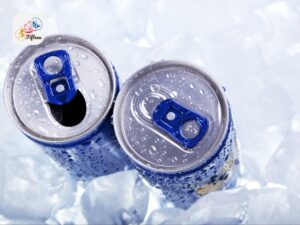
Energy Drink
Energy drinks are beverages rich in caffeine, vitamins, and minerals. They are mainly consumed for a quick energy boost.
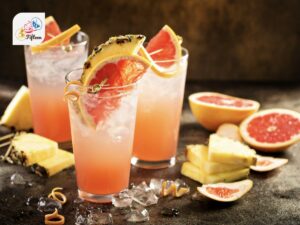
Mocktail
Mocktails are non-alcoholic versions of popular cocktails.
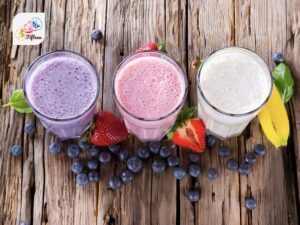
Smoothie
Smoothies are beverages made by blending fresh fruits and vegetables with extra ingredients, such as dairy.
Many alcoholic and non-alcoholic beverages listed above are the most common types of drinks that people enjoy around the world. Some cuisines are more into beer and wine, while others prefer soft drinks and similar alcohol-free beverages.
Let’s consider the case of beer. In the next section, I will look at the countries that consume the most beer per head.
Which Countries Consume the Most Beer Per Capita?
In 2022, the Kirin Holdings Company conducted a poll about the volumes of beer consumed worldwide. In terms of beer consumption per capita, the following 10 countries ranked at the top.
Next, let’s consider the similar ranking for wine consumption.
Which Countries Consume the Most Wine Per Capita?
According to a report by World Population Review, which is based on data from 2020, here are the 6 countries that consumed the most wine per person.
Continue reading to discover the figures about coffee consumption worldwide.
Which Countries Consume the Most Coffee Per Capita?
A 2020 article on WorldAtlas identified the 10 countries below as the world’s heaviest coffee drinkers on a per-person basis.
Have you ever asked yourself what makes beverages different from drinks? Wonder no more because the answer is coming up next.
Beverages vs. Drinks: What Are the Differences?
In short, a beverage is a drink, but a drink isn’t necessarily a beverage. The table below will show you the distinctions between these two concepts in terms of definition, types, context, varieties, and association with meals.
Beverage
Drink
As you can see, beverages are usually a more sophisticated version of drinks, with more complicated preparation techniques and ingredients. Fruits appear in many beverages, so let’s learn more about them.
What Are Popular Fruits for Preparing Beverages?
You’re about to discover fruits with the most widespread applications in beverage preparation worldwide. These options are wonderful for making smoothies, juices, cocktails, and more.
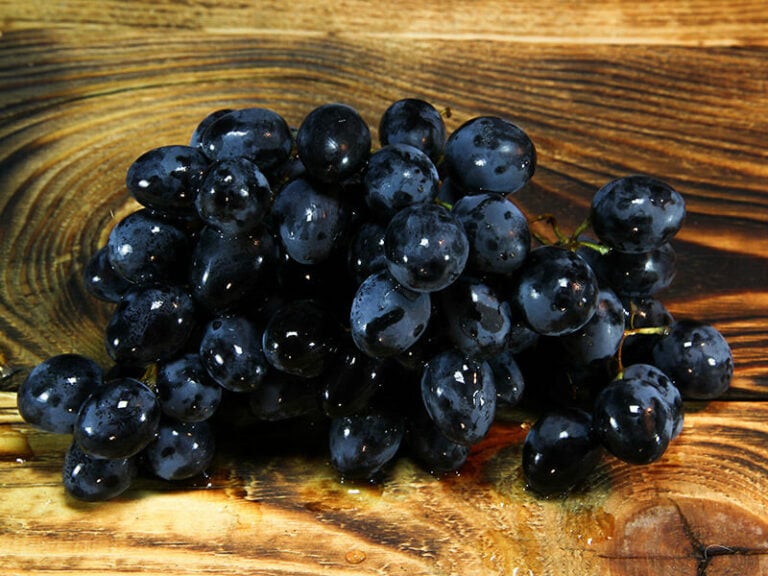
Grape
Besides being an essential ingredient in wines, grapes are also great for making cocktails and various alcohol-free drinks.
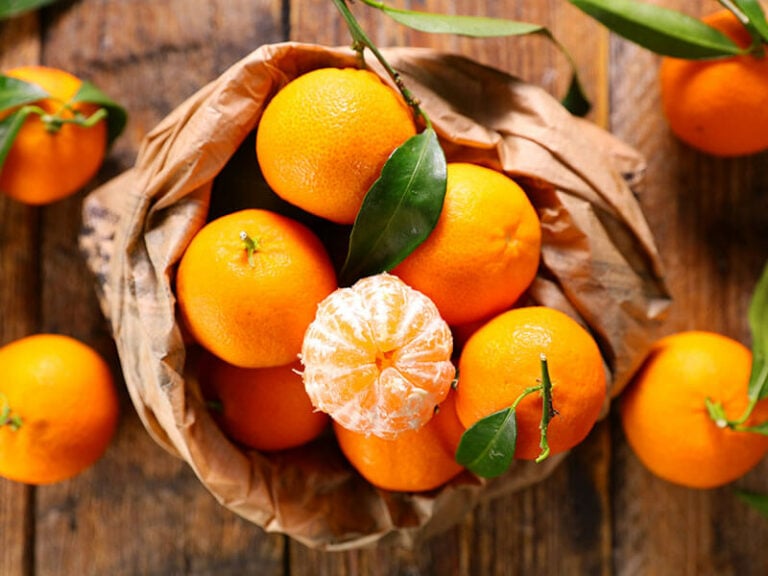
Citrus Fruit
Lemons, limes, oranges, and grapefruits are classic choices for beverages due to their vibrant flavors. They are commonly used in smoothies, juices, cocktails, and mocktails.
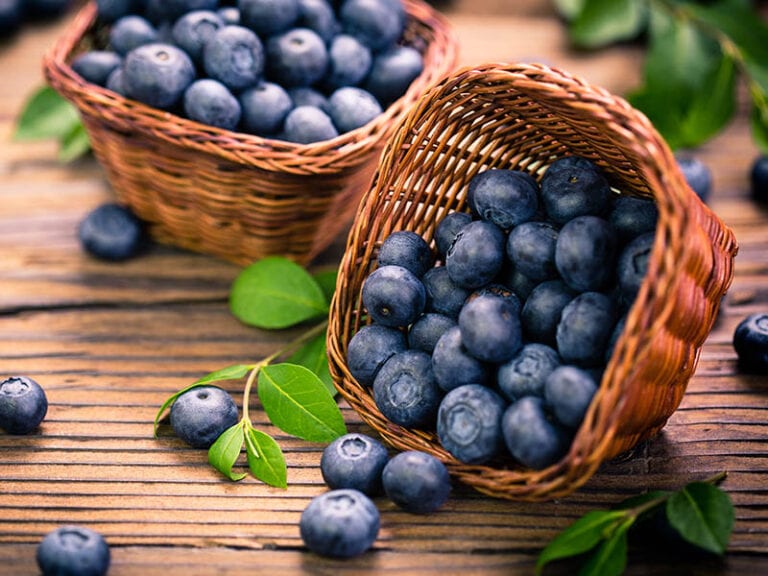
Berry
Strawberries, blueberries, raspberries, and blackberries add vibrant colors and rich flavors to drinks, from smoothies to punches and cocktails.
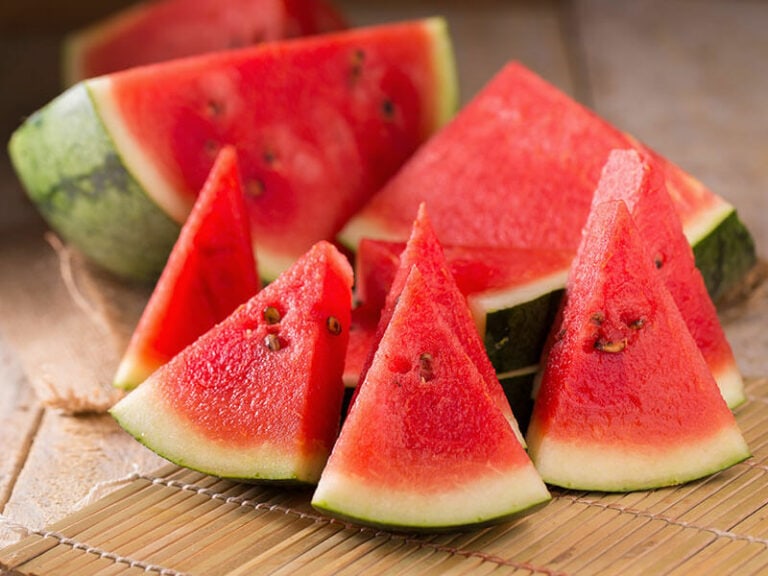
Watermelon
With a high water content and sweet, refreshing taste, watermelons are excellent for making hydrating summer drinks.
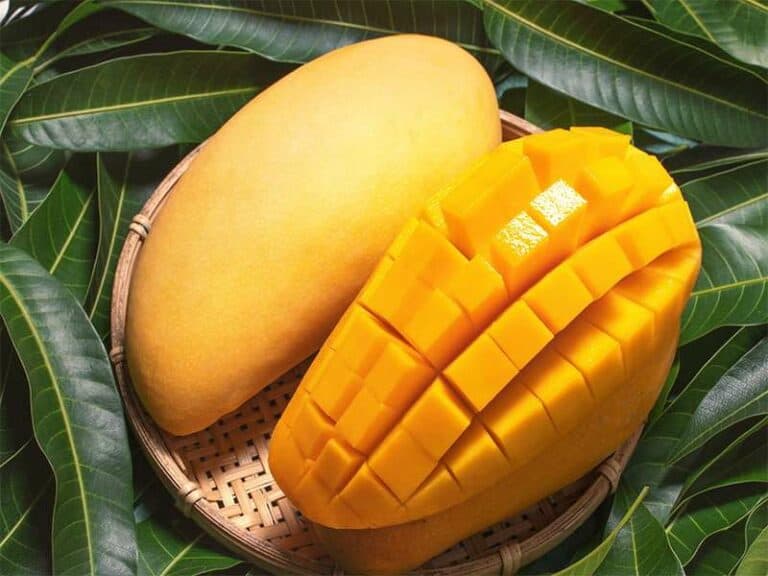
Mango
Like pineapples, sweet and creamy mangoes are a common sight in tropical drink delights.
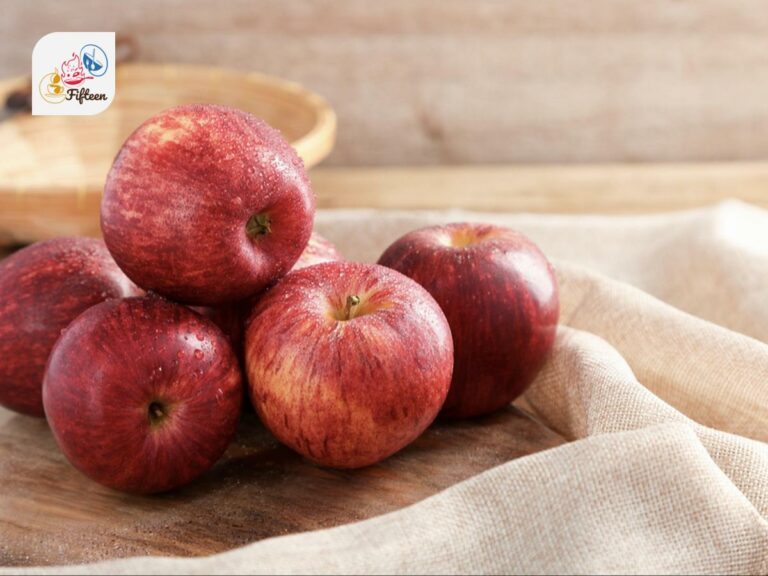
Apple
Apples offer a range of sweet and tart flavors, making them essential for juices, ciders, and cocktails.
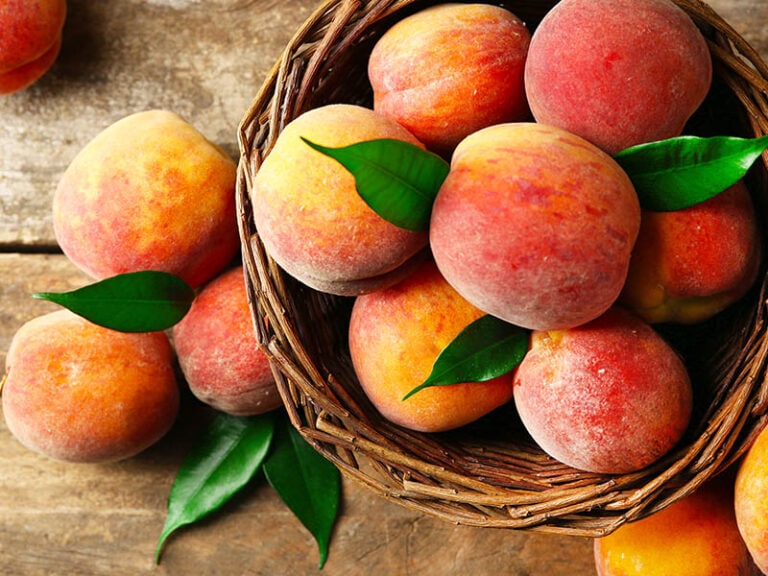
Peach and Nectarine
Offering sweet and floral notes, peaches and nectarines are excellent in iced teas and other light beverages.
In the next section, I will cover how vegetables are used in making beverages around the world.
What Is the Importance of Vegetables in Beverages?
When it comes to making beverages, vegetables play several prominent roles, which will be discussed right away.
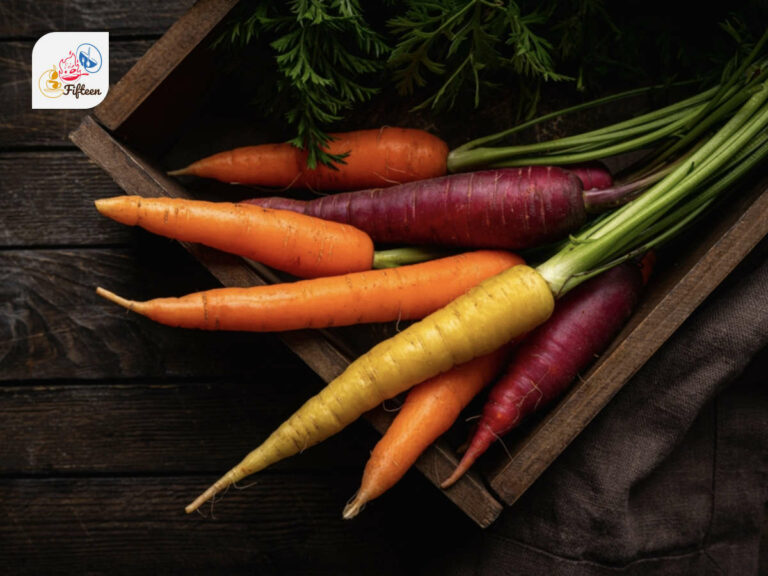
Vegetable Juice
One of the most straightforward uses of vegetables in beverages is making juices. Carrots, beets, celery, tomatoes, and spinach are popular choices.
These vegetable juices can be consumed on their own or mixed with fruits to enhance flavor and nutritional value.
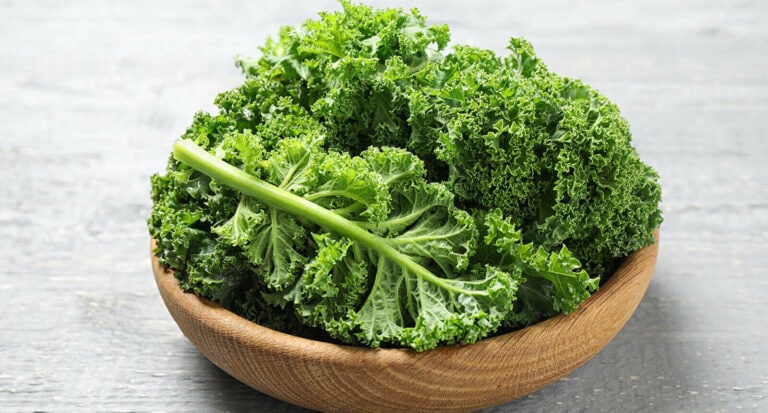
Smoothie
Vegetables are a key ingredient in many smoothie recipes. Leafy greens like kale and spinach are perfect for this type of drink, though other vegetable types also make excellent options.
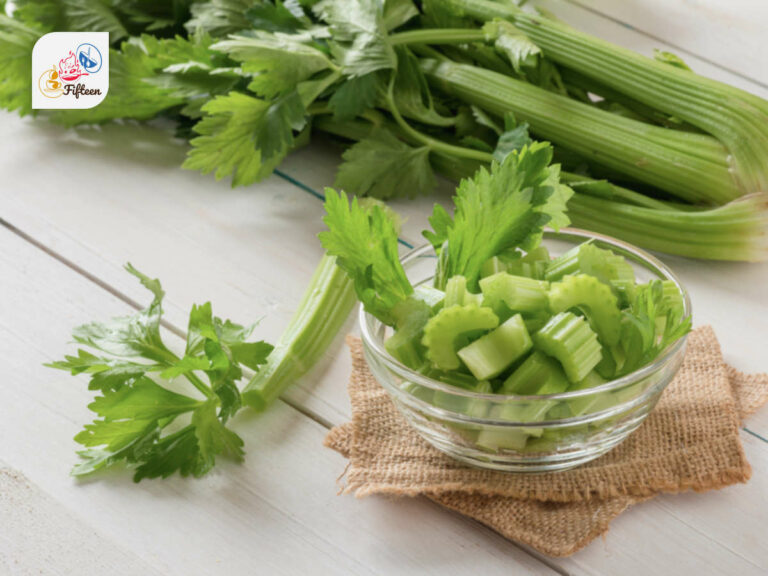
Infusion
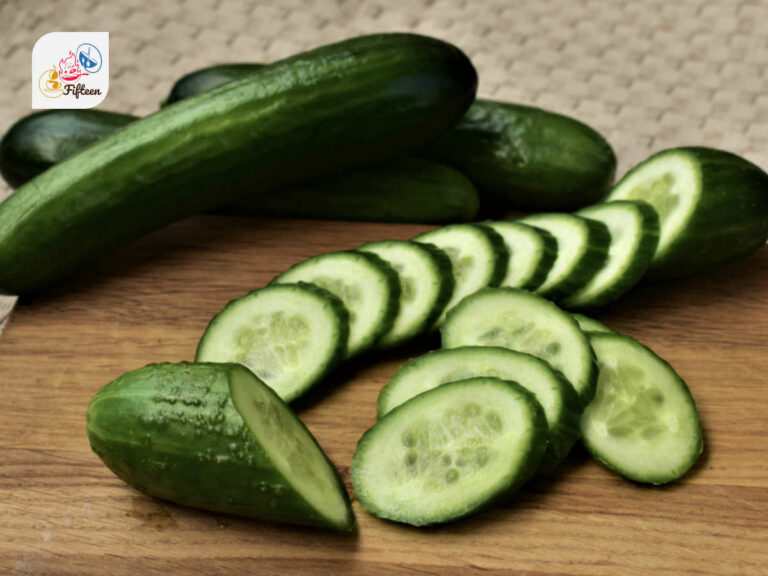
Cucumbers and celery are common vegetables used to infuse water, adding a refreshing taste. Many similar detoxing beverages also feature vegetables.
Cocktail and Mocktail
In modern mixology, ingredients like cucumbers, bell peppers, and even chili peppers have found their way into unique cocktails and mocktails.
Many preparation methods have been developed and utilized to turn vegetables, fruits, and other ingredients into delicious beverages. The next section will look at the most popular techniques.
What Are Popular Ways to Prepare Beverages?
Below is a list of the most common preparation methods to create various recipes of beverages worldwide, complete with definitions and the types of beverages best suited for each technique.
Brewing
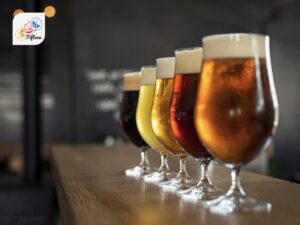
Brewing is a process primarily used for making beer, tea, and coffee. It involves extracting the flavors and active compounds from ingredients by soaking them in water.
Beer brewing includes the fermentation of grains, whereas tea and coffee brewing is about steeping the leaves or grounds in hot water.
Blending
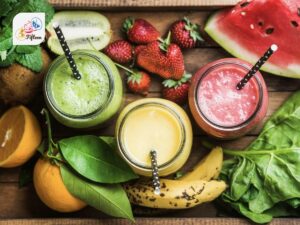
Blending involves mixing various ingredients, such as juices, fruits, dairy products, or liquids, to create smoothies, cocktails, or other mixed drinks. People often use a blender or food processor for this task.
Steeping
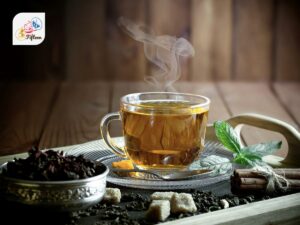
Steeping is commonly used for making tea, herbal infusions, and coffee. People soak solid ingredients, such as tea leaves, herbs, or ground coffee, in hot water without boiling and remove the solids after a certain period.
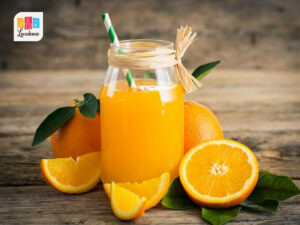
Juicing
Juicing means extracting the liquid content from fruits and vegetables manually or with the help of a juicer.
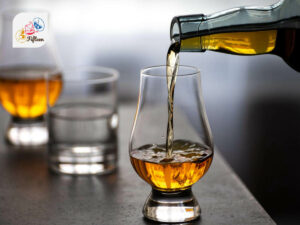
Distilling
Distilling is an important part of the production of alcoholic spirits like whiskey, rum, and vodka. The process starts with heating a liquid to create vapor before cooling the vapor to produce a liquid with a higher alcohol concentration.
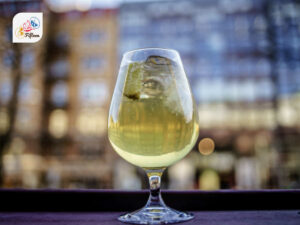
Fermenting
Fermentation produces chemical changes in organic substrates through the action of enzymes. This technique is essential in making various alcoholic beverages (such as beer, wine, and cider) and certain fermented non-alcoholic drinks.
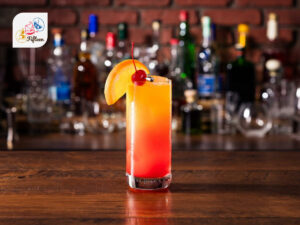
Assembling
Assembling refers to the process of mixing two or more ingredients to create a drink. This concept includes many other techniques, such as stirring, shaking, layering, and muddling (crushing).
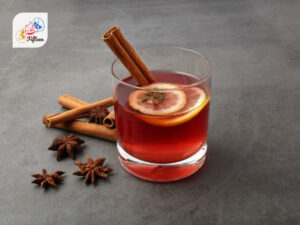
Boiling
Many beverages require the boiling of the ingredients in water or other liquids. Some examples are soy milk (in which soybeans are boiled in water) and mulled wine (in which spices are boiled or simmered in wine).
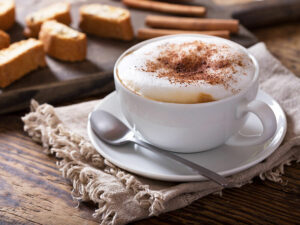
Steaming
Steaming is often used to heat or froth milk for coffee drinks like lattes and cappuccinos.
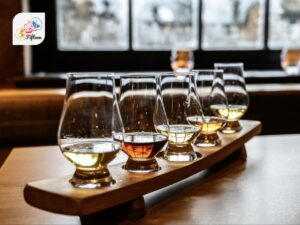
Curing
In beverage preparation, curing sometimes refers to the aging process of aged liquors and flavored spirits.
Next, I will look at the roles beverages play in cultural, economic, religious, and other aspects of human life.
What Is the Significance of Beverages?
Here is an overview of the most important roles of beverages in all aspects of life.
Health and Well-being
Beverages are crucial for maintaining hydration and ensuring the normal functions of the body. Nutritious beverages, such as milk and fruit juices, are reliable sources of vitamins, minerals, and other nutrients.
Moreover, many cultures attribute medicinal and healing properties to specific beverages, especially traditional drinks made with herbs or botanicals like herbal tea and herbal liqueurs.
Social Connection and Hospitality
Beverages like tea, coffee, and alcohol serve as central elements in social gatherings in many countries. They symbolize hospitality, facilitate conversation, and strengthen connections between friends, family members, neighbors, and even strangers.
Rituals and Ceremonies
From wine in Christian communions to tea in traditional Chinese tea ceremonies, many traditional beverages are integral to both religious ceremonies and secular celebrations.
Cultural Identity and Heritage
Many countries have iconic or national beverages that embody their cultural identity and heritage. Such beverages reflect a country’s history, geography, and culinary influences.
Economic and Social Status
The choice of beverage can signify economic or social status. For instance, the consumption of expensive or imported beverages, such as fine wine, symbolizes the wealth and high status of their owners in many social settings.
Now that you know so much about beverages, let’s seek the best food and drink pairings in the next section.
What Are the Tips for Pairing Beverages and Dishes?
Food and drink pairings play a significant role in improving the sensory experience of both components. Suitable beverages can enhance or balance the flavors, textures, and aromas of a dish.
This task requires certain know-how. Accompanying beverages with the right dishes is an art, and I will show you everything you need to know to have the best pairings.
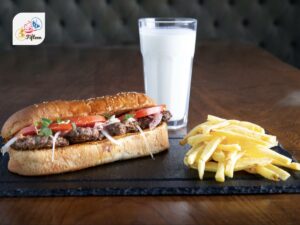
Tastes and Textures
Identify the dominant taste and texture in your dish and choose a drink that pairs well with that particular element. For instance, creamy dishes might pair well with a creamy drink.
You can also use contrasting flavors to create a balance, such as pairing a spicy dish with a sweet wine or a creamy yogurt-based beverage to tame the heat.
However, bear in mind that your choice of dish and beverage shouldn’t overpower each other.
Weight
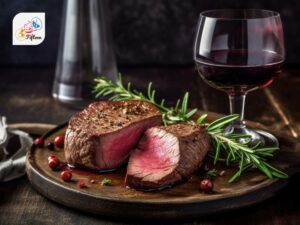
“Weight” refers to the “body,” meaning the richness, texture, and viscosity of alcoholic beverages (especially wine), and how it feels in your mouth.
Matching the weight of the wine with the weight of the dish is the key to perfect pairings. For example, you should serve heavier, richer dishes, like steak or stew, with full-bodied red wines or dark beers and vice versa.

Acidity
High-acid wines or tangy beverages pair well with rich and savory dishes since the acidity in the drink can cut through the richness of the food and cleanse the palate.
Regional Pairings
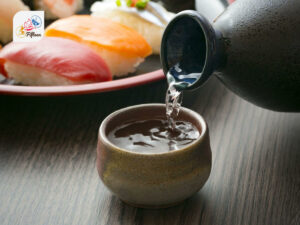
When in doubt, pair food with drinks from the same region or culture. These options have evolved together over centuries and are bound to result in perfect matches.
Street Beverage Pairings
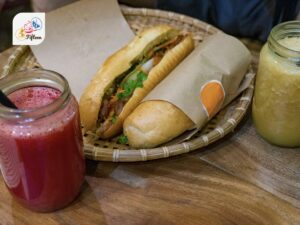
If you enjoy street food, remember to explore nearby vendors for the best street drinks. These food and drink pairings often complement each other perfectly.

Dessert Pairings
People usually enjoy desserts with sweet beverages, from wine to soda and fruit juices.
Do you find this guide on beverages informative? Tell me what you think in the comment section; I highly value your feedback. And don’t forget to share this post with your friends!
Jamie Scott
Editor in Chief, Senior Content Writer
Expertise
Home Cooking, Meal Planning, Recipe Development, Baking and Pastry, Food Editor, Cooking-video Maker, Western Food Evaluation Expert
Education
Le Cordon Bleu College of Culinary Arts
Local Community College, New York, NY
Jamie Scott is a skilled culinary expert and content creator specializing in Western cuisine. With over 15 years in the culinary field and formal training from Le Cordon Bleu, Paris, Jamie deeply understands how to blend nutrition with delicious flavors. His passion for cooking matches his commitment to making healthy eating accessible and enjoyable.
On Fifteen.net, Jamie brings a fresh perspective to classic dishes and beverages, offering readers insightful recipes, cooking tips, and a fresh view on meal planning that emphasizes taste, health, and simplicity.