

Syrian Food Dishes: Basic Overview
Common Ingredients
Common Cooking Methods
Courses
Meals
Key Taste
Eating Etiquette
Meal Presentation
Culinary Festivals
Influence and Fusion
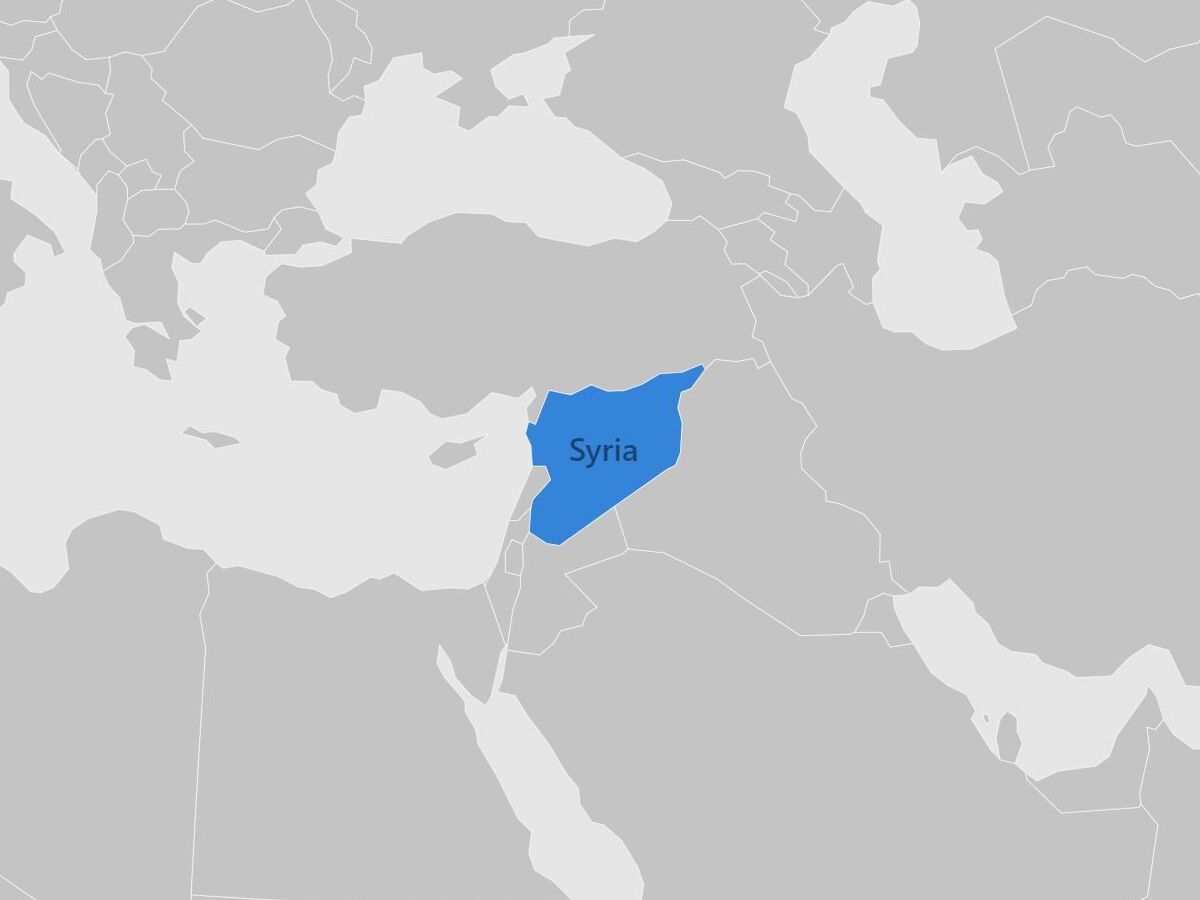
Syrian Food Dishes: Origin and Region
Cuisine
Cuisine’s Geographical Territory
Country’s Region
- Northern Syria
- Central Syria
- Southern Syria
- Eastern Syria
Popular Types of Syrian Dishes
-
Fried Dishes
Syrian fried dishes come in many shapes and forms, with meat, grains, and vegetables as the main ingredients.
Certain dishes are vegan- and vegetarian-friendly.
Fried dishes mainly serve as entrees, snacks, appetizers, and street food dishes.
-
Salads
Salads in Syria often feature various vegetables, bread, spices, and local condiments.
These dishes have a refreshing flavor and a colorful appearance.
Locals mainly serve them as appetizers or meze items.
-
Condiments and Sauces
Syrian cuisine features various sauces and condiments used as dipping sauces or food ingredients.
These condiments and sauces are often savory or spicy, depending on the main ingredients.
Many meze platters rely heavily on this dish category.
-
Snacks
There are many forms of snacks in Syria, such as fried dough, dumplings, fritters, etc.
Syrian snacks can be sweet or savory, depending on the main ingredients.
Certain snacks are also appetizers, meze items, and entrees.
-
Desserts
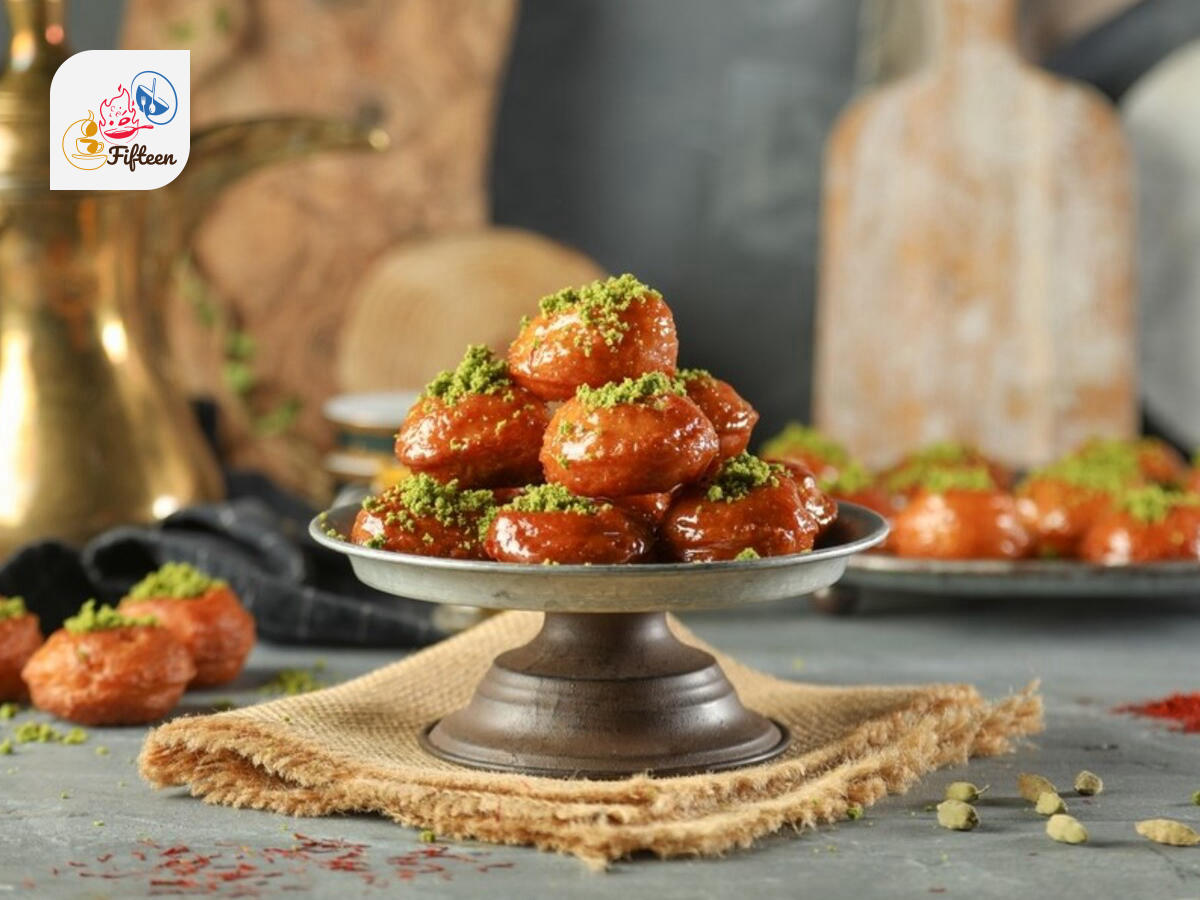
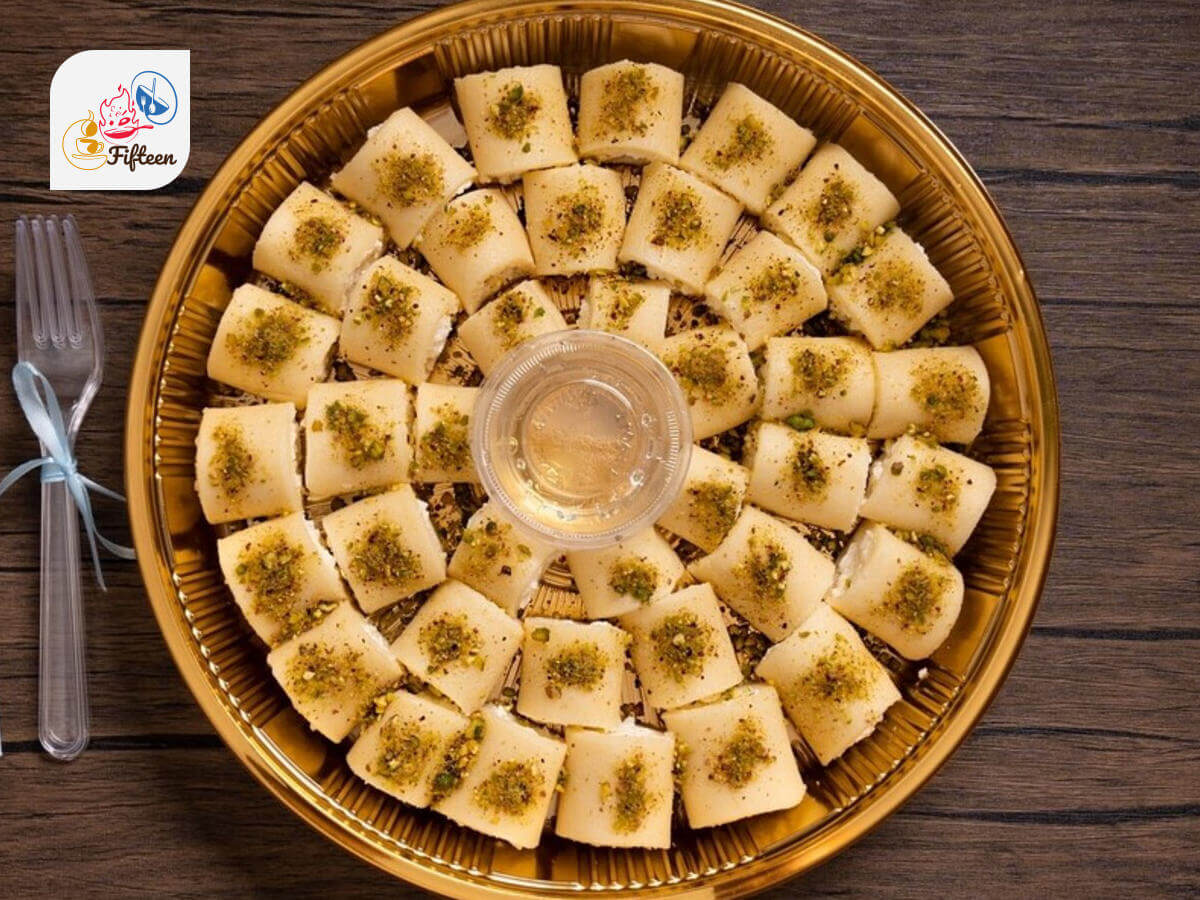
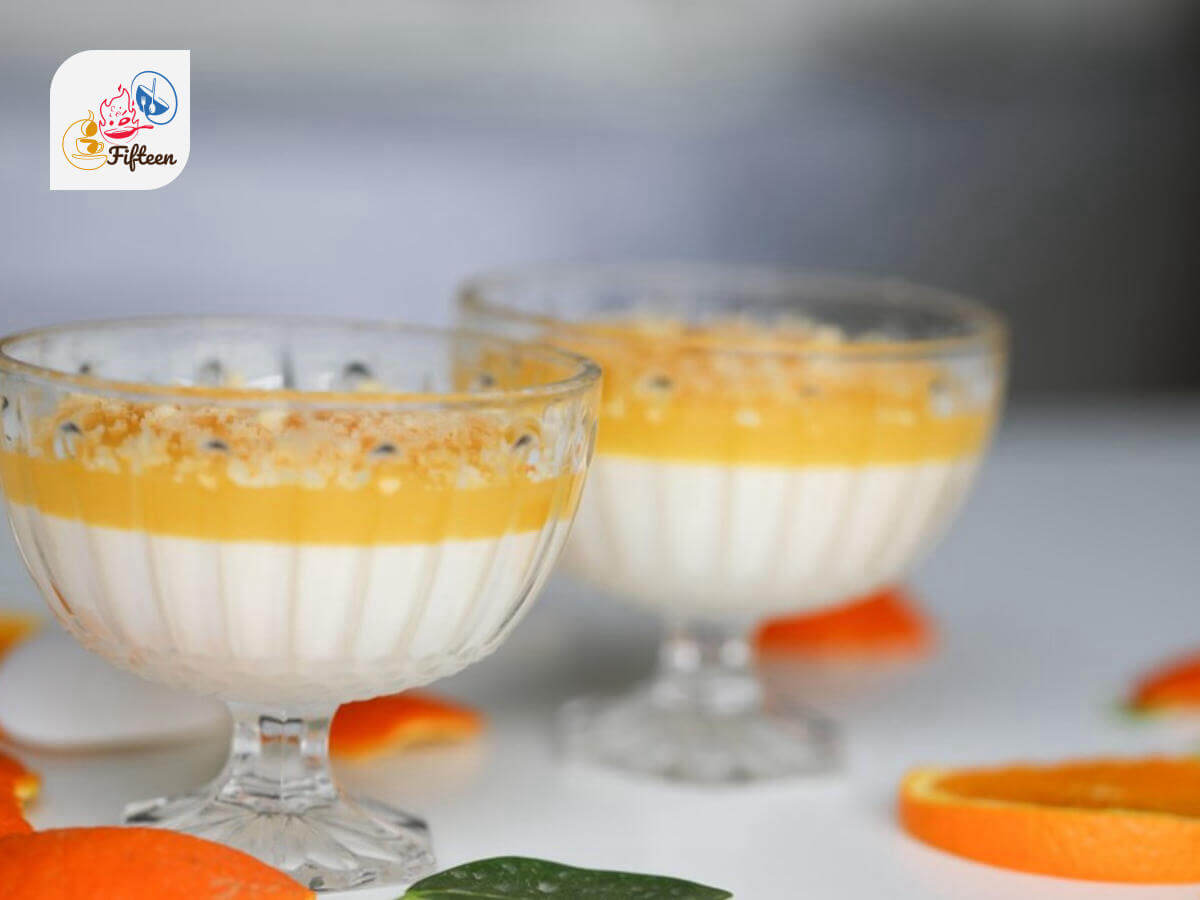
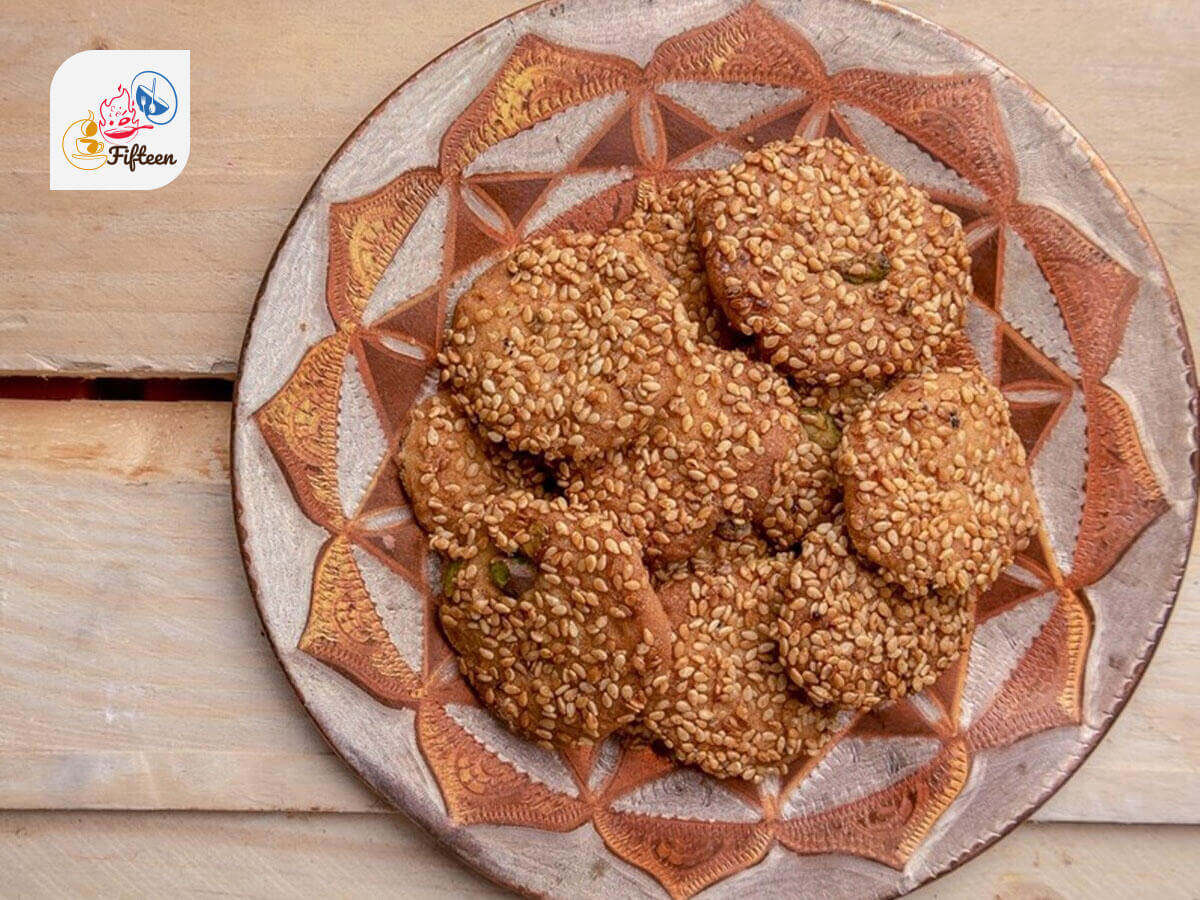
Syria offers many types of desserts, such as puddings, cookies, and confectioneries.
Syrian desserts are usually sweet and flavored with spices and aromatic ingredients.
Delicious sweets are an integral part of Syrian holidays.
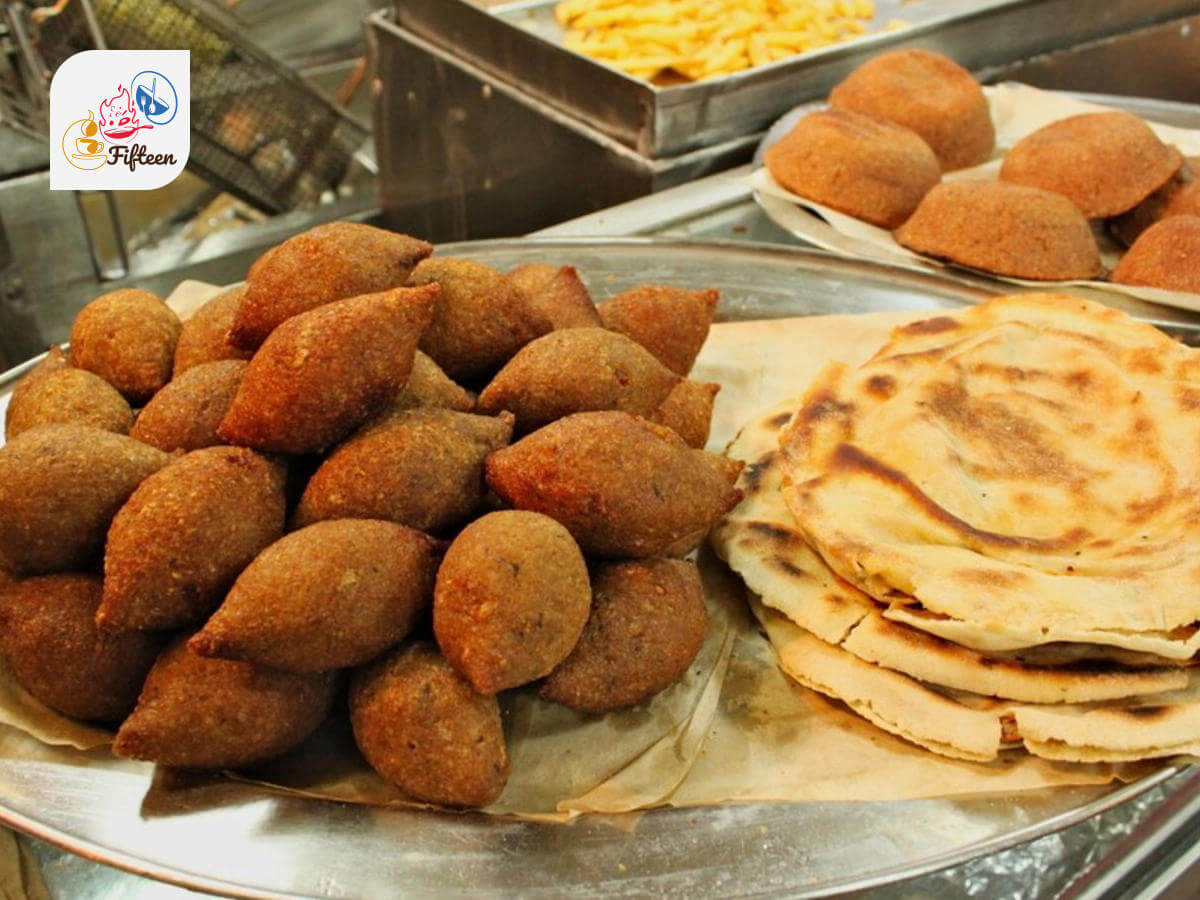
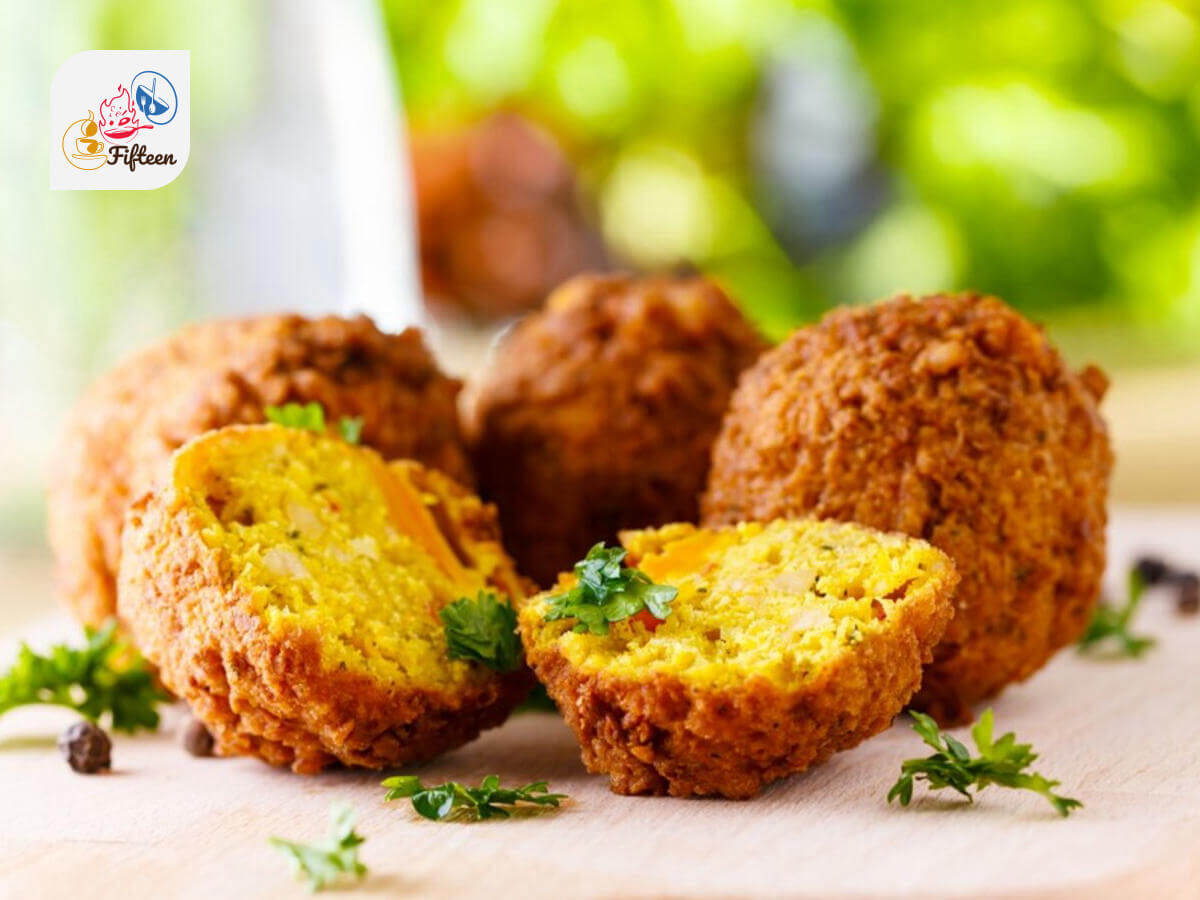
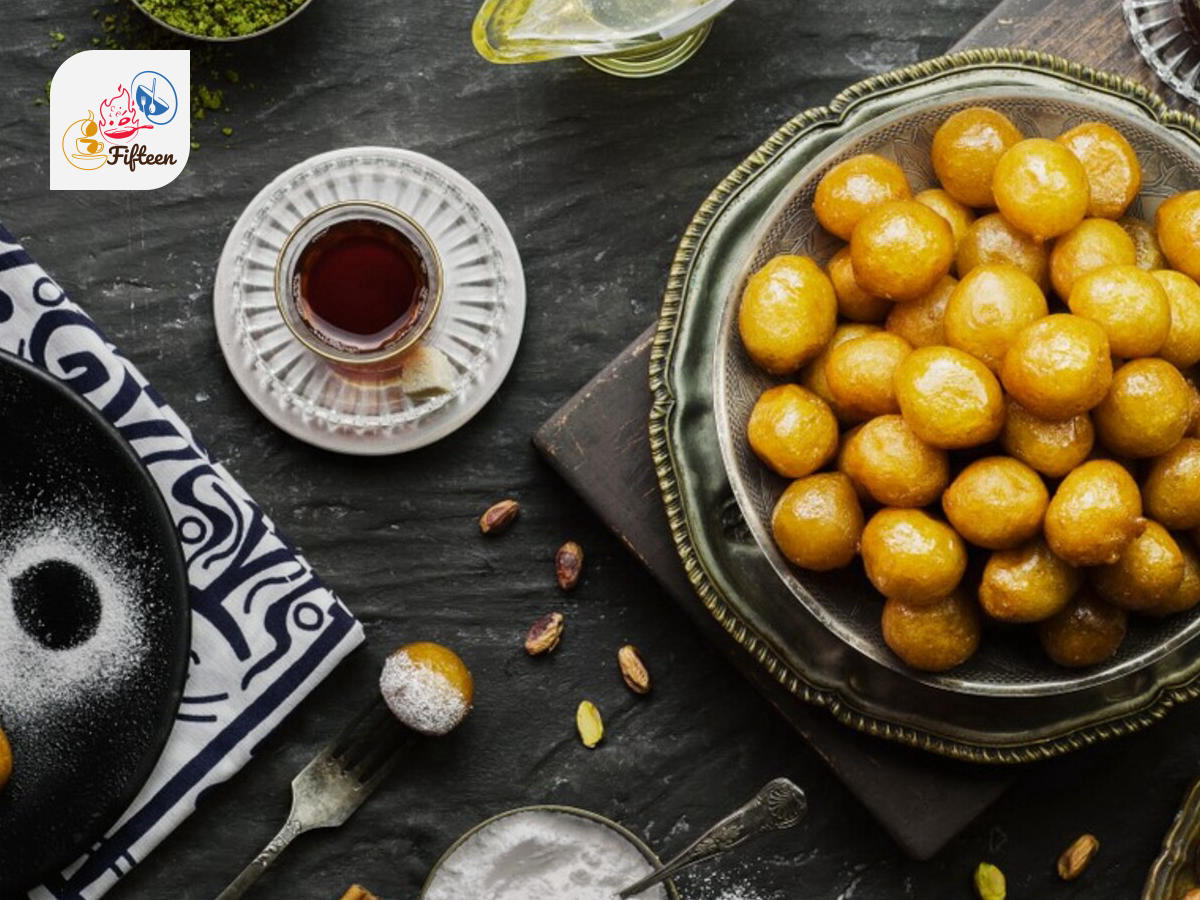
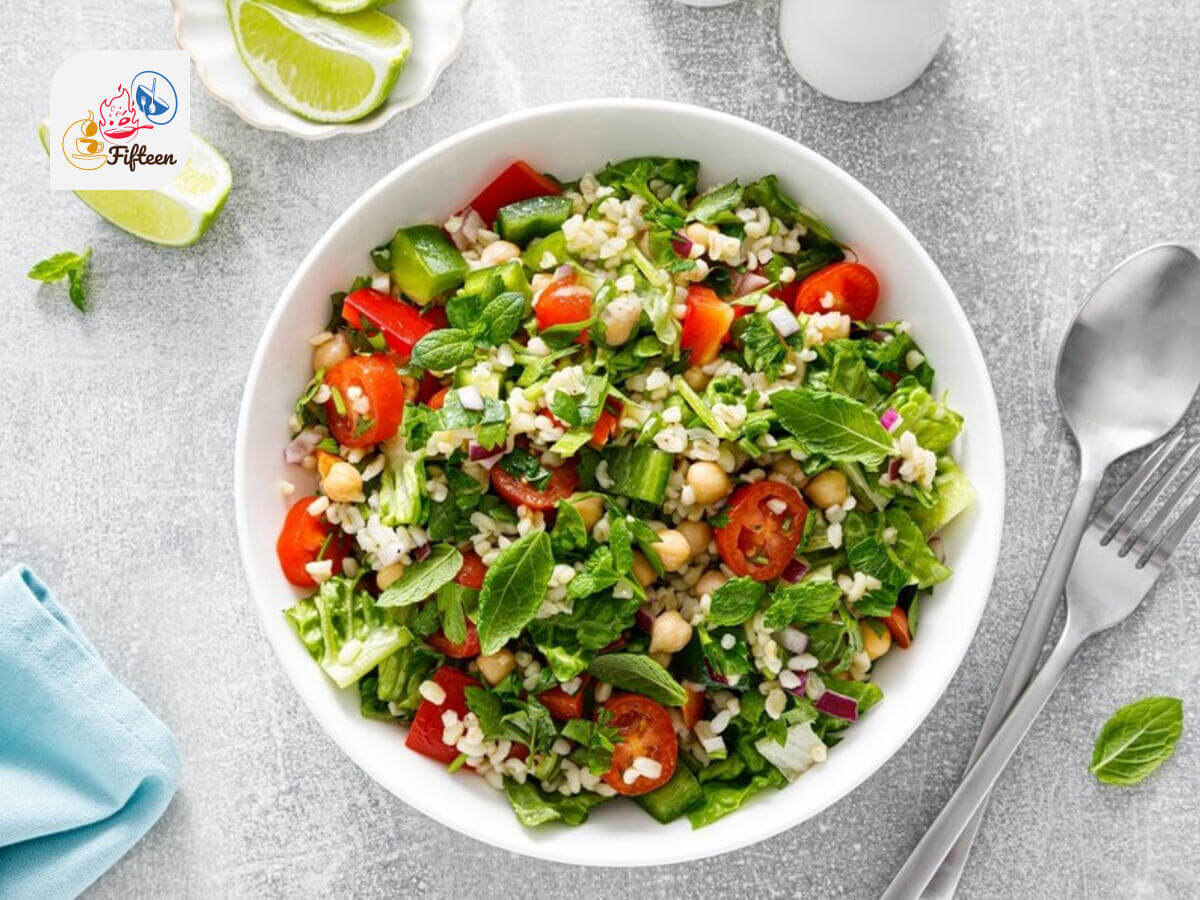
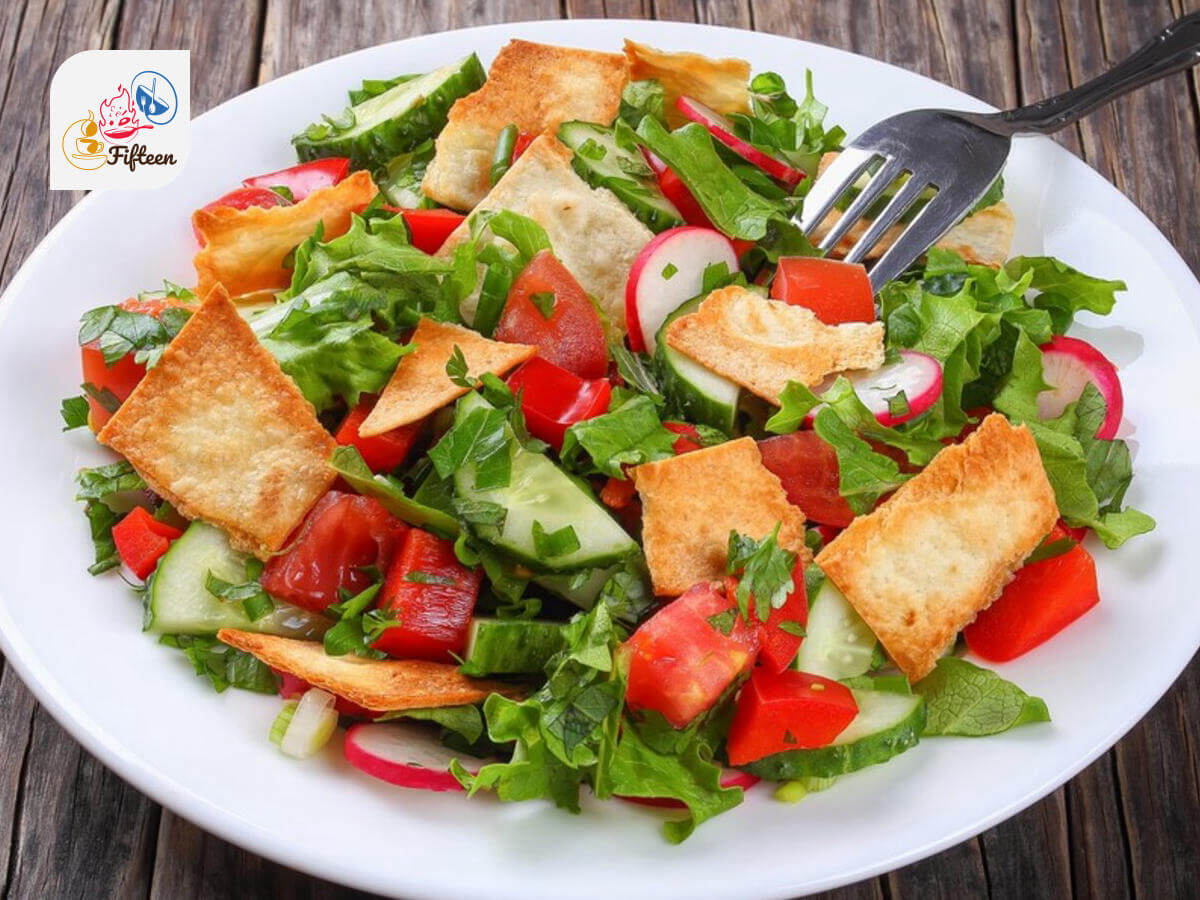
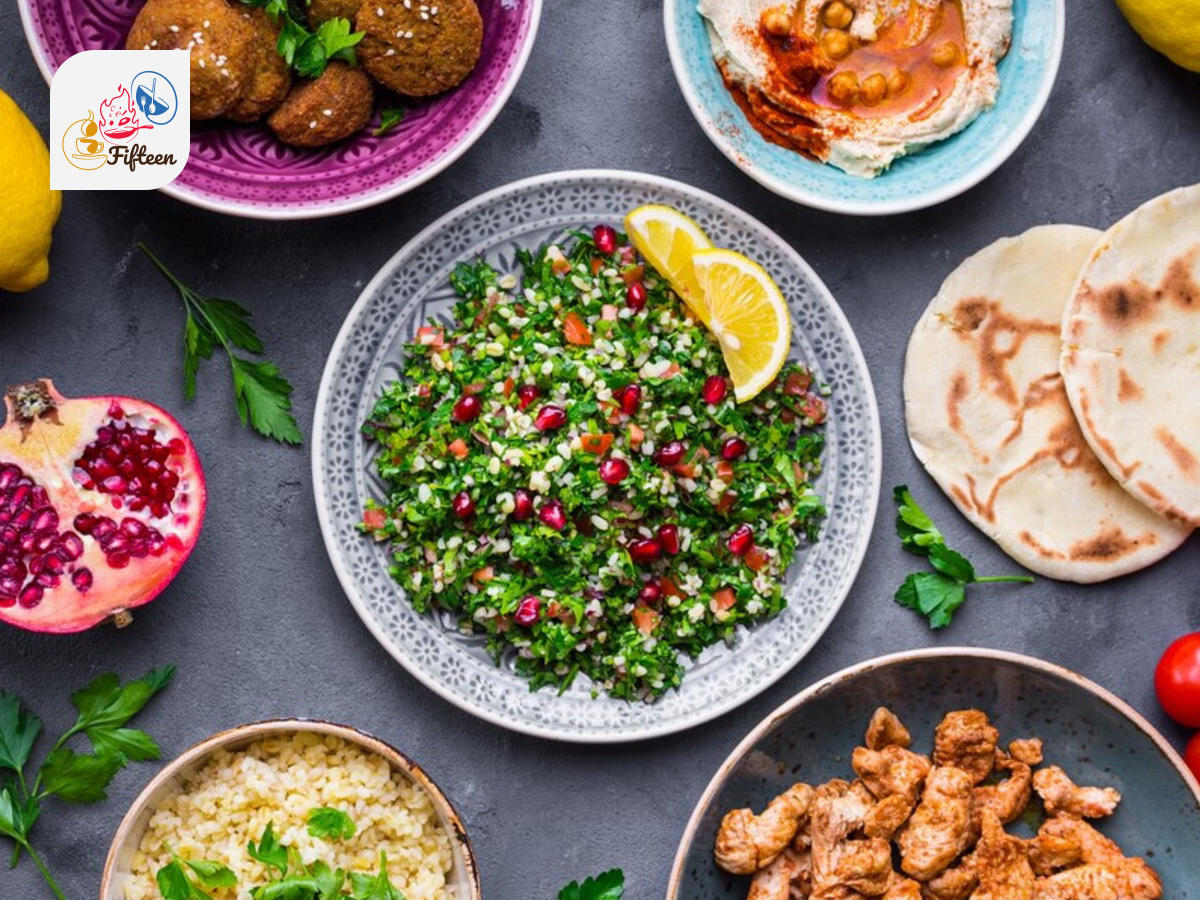
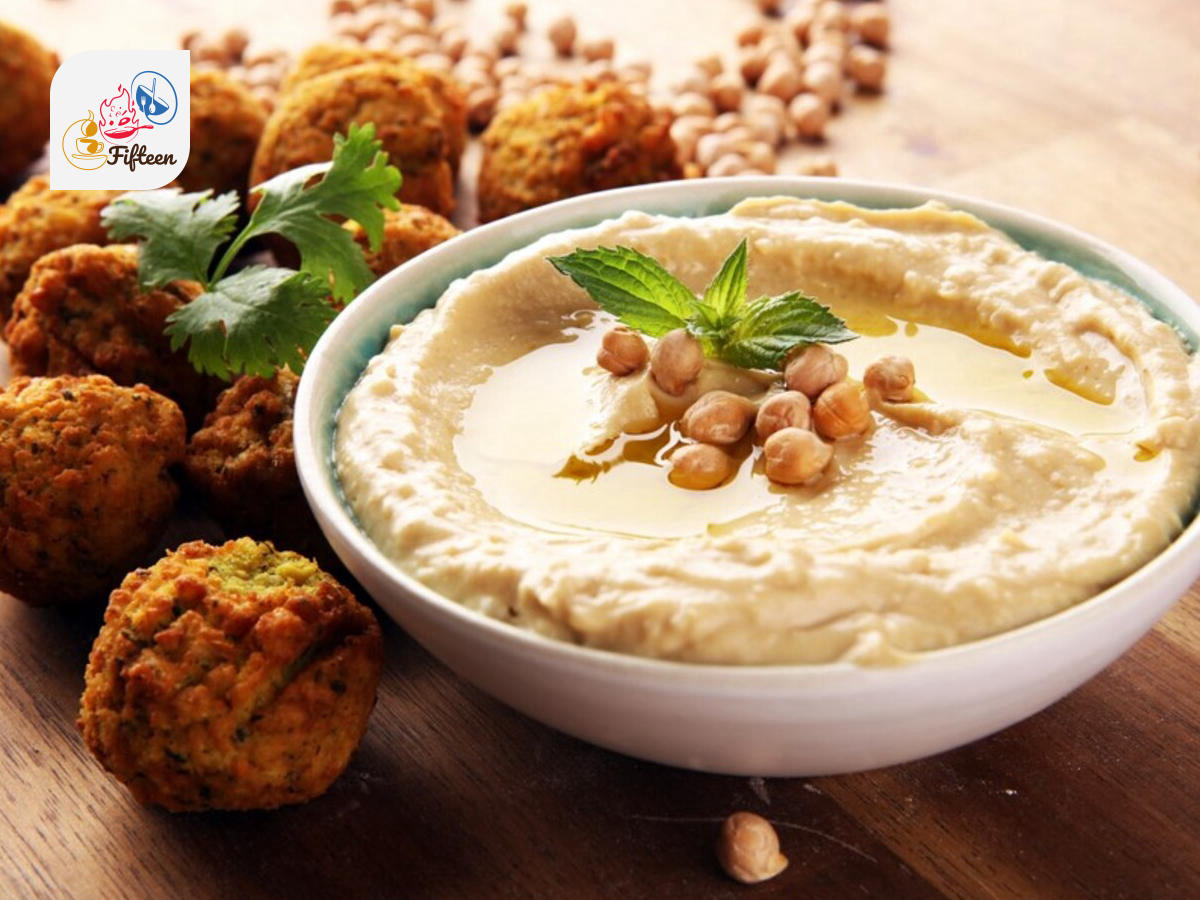
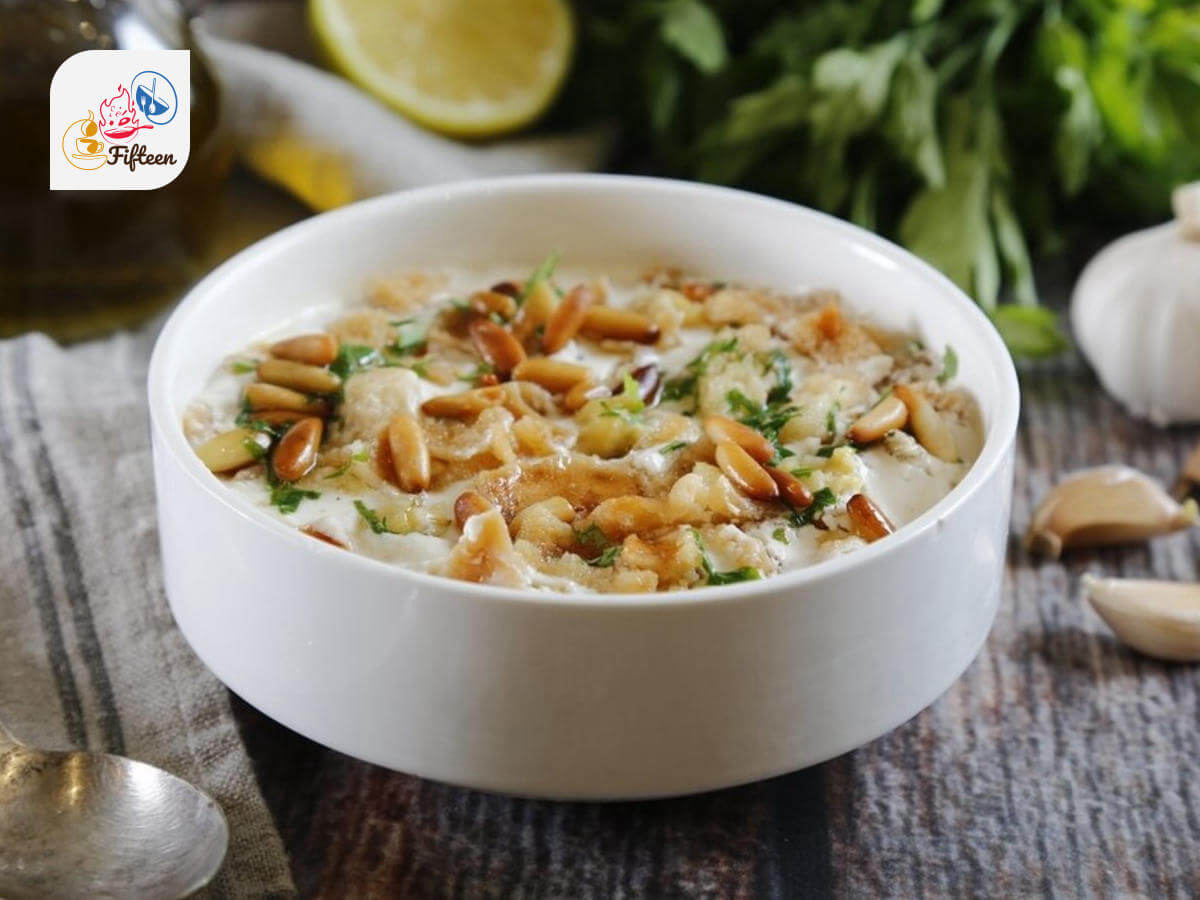
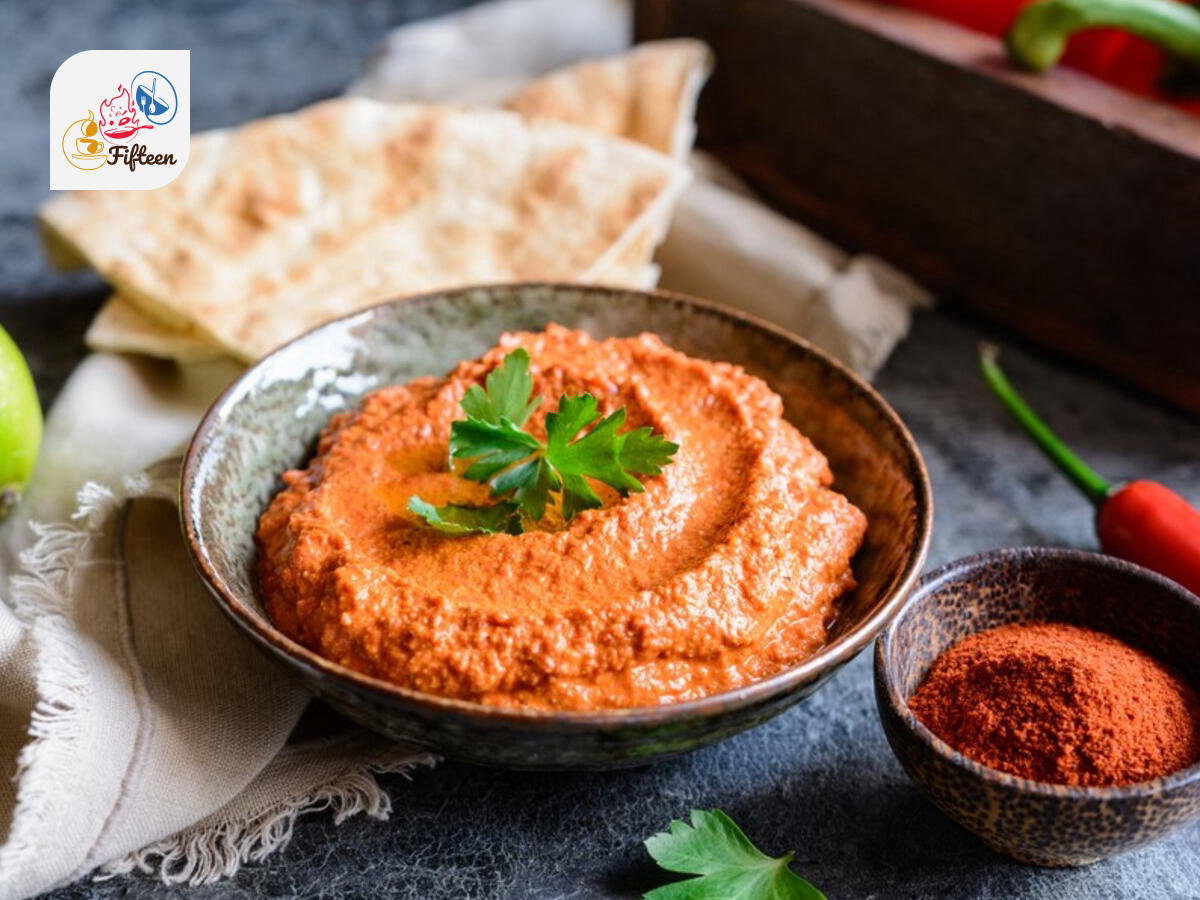
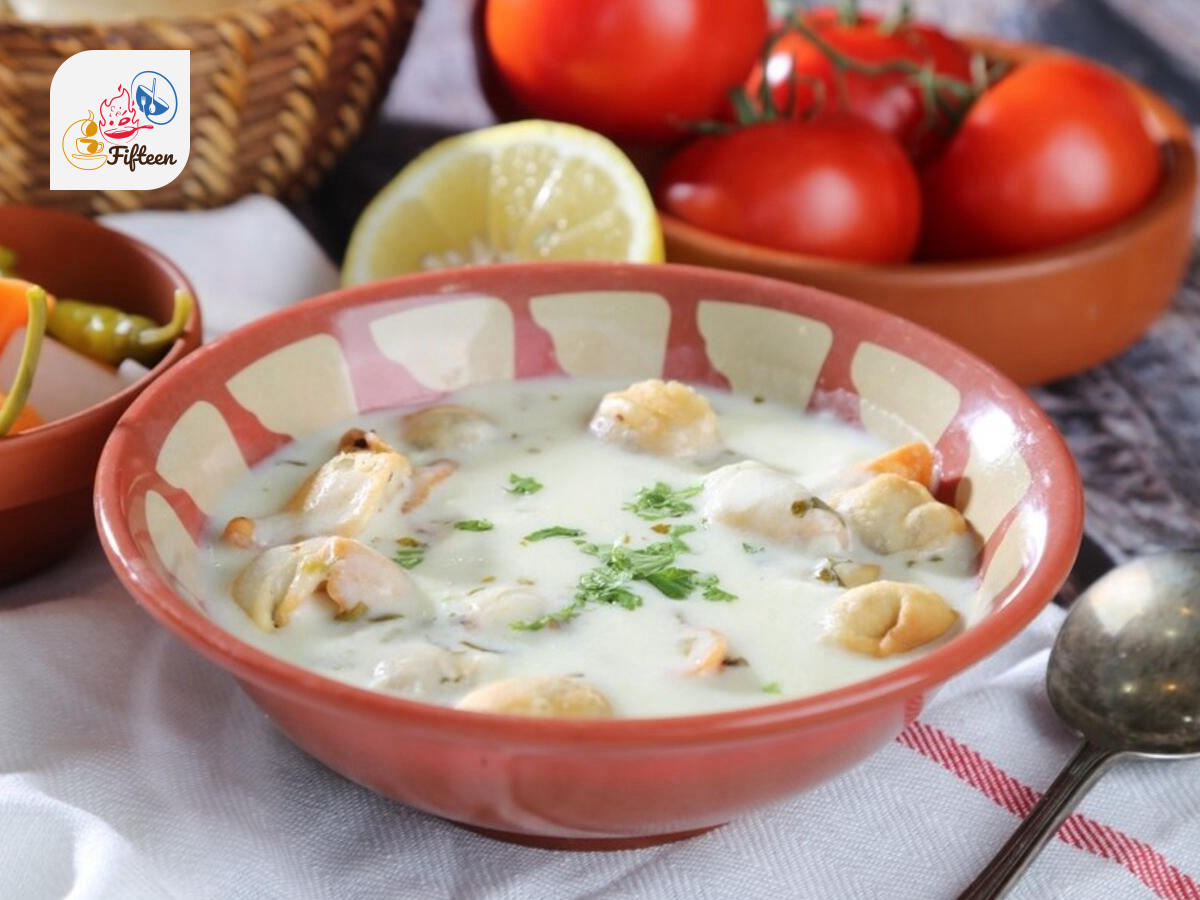
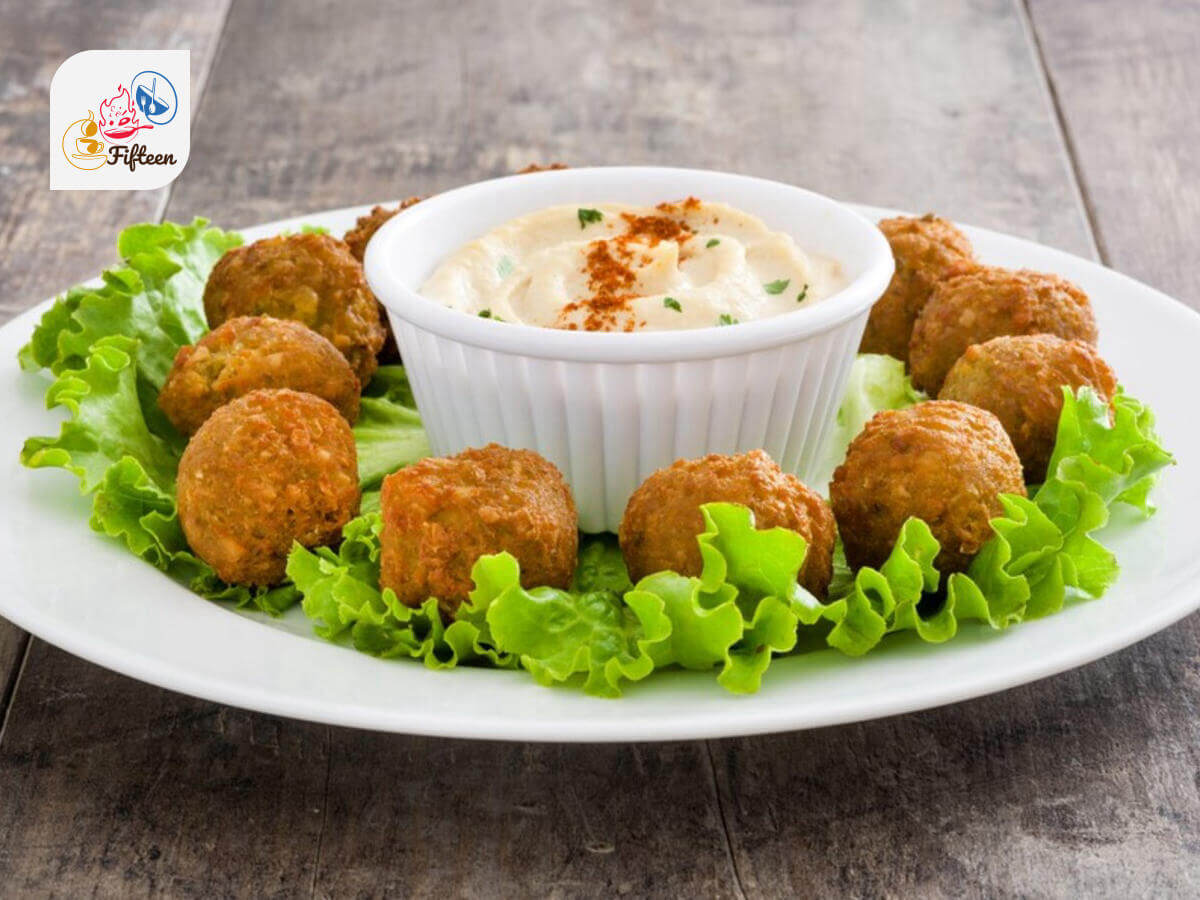
Popular Syrian dishes are widely cooked and eaten in modern Syria, a West Asian country in the Levant and the Mediterranean. As a cornerstone of Middle Eastern dishes, these food offerings have evolved over time to meet the residents’ eating habits.
Syrian dishes include a wide range of types, from meze (small dishes served as starters or snacks) to street food and desserts. Such dishes are known for their rich flavors, thanks to various ingredients like chicken, lamb, and rice.
I will delve into the common features of traditional Syrian dishes before addressing how popular these dishes are in other countries and how healthy they are. Then, I will provide you with a list of the best 22 dishes in Syria.
This detailed list of Syrian dishes will let you know more about each dish, including its origin, main ingredients, cooking methods, varieties, and serving suggestions.
Next comes the reason for Syrian cuisine’s popularity and recommended beverages for pairing with local dishes. Lastly, I’ll explain how Syrian dishes differ from Lebanese dishes.
22 Most Popular Syrian Dishes with Filters
The 22 dishes you’re going to learn about represent the best of Syrian cuisine. Use advanced filters before or after reading this content to make your experience smoother.
There are many options for you to choose from, such as alphabetical sorting, main ingredients, taste, cooking methods, dish types, courses, and global popularity.
Next, check out additional filters based on specific culinary styles, such as traditional, national, and street food options.
What Features Make Syrian Dishes Famous?
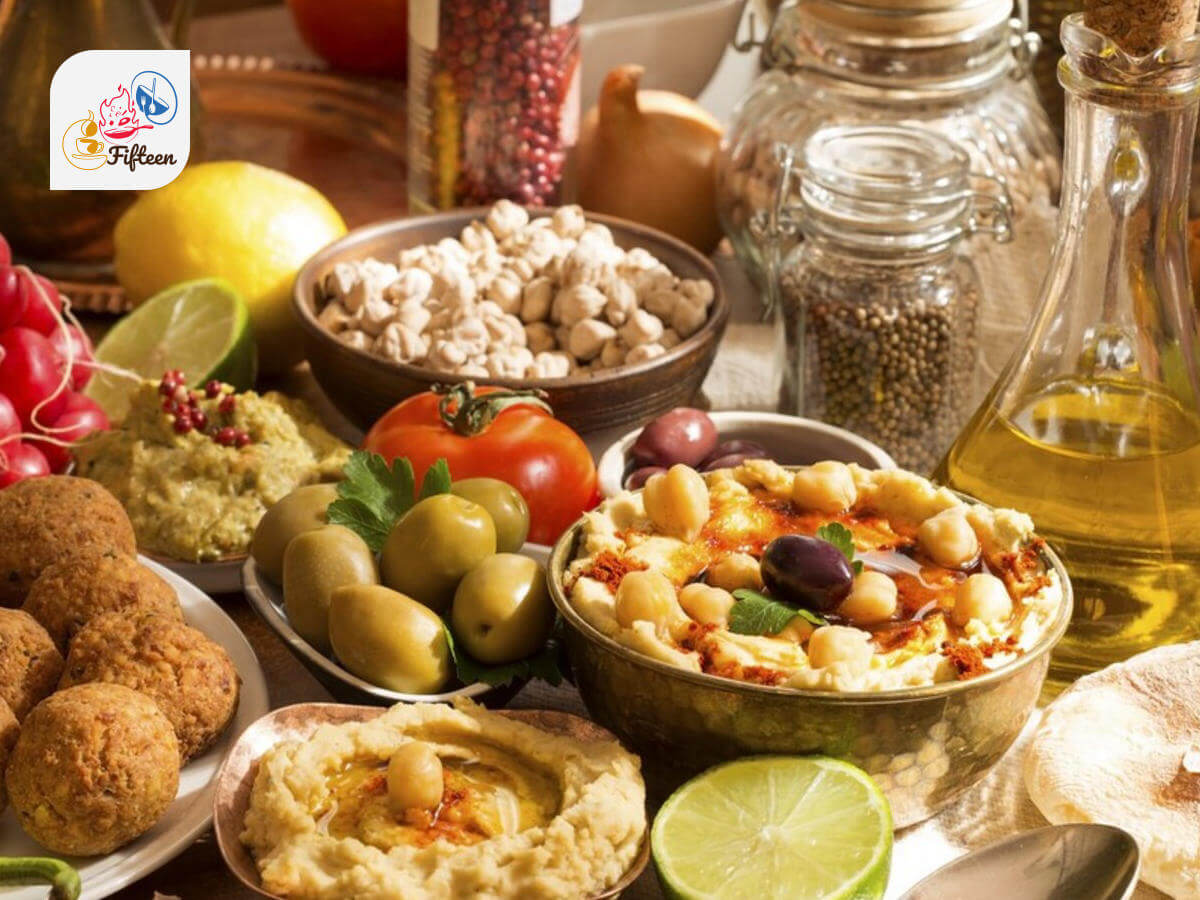
The fame of Syrian dishes comes from the following six factors: culinary influences, diverse ingredients, meze, street food scene, community and hospitality, and eating with hands.
Culinary Influences
Syrian cuisine dates back to ancient times, as this country is a crossroads for various civilizations, like the Assyrians, Babylonians, Greeks, and Romans.
Another fascinating aspect is the influence of the Jewish community, particularly in Aleppo.
In addition, Syrian dishes have absorbed elements from neighboring countries like Turkey, Lebanon, and Iraq, alongside far-off lands like the Ottomans, due to trade routes and historical conquests.
Religious Practices
Islamic dietary laws and holidays play a significant role in the development of Syrian cuisine. For example, Syrians avoid consuming pork, meat that is not halal, certain types of seafood besides fish, and any form of blood for religious reasons.
Diverse Ingredients
Syria’s varied climate allows many fruits, vegetables, legumes, and grains to grow. Chicken and lamb are also common ingredients. Cheese is another key ingredient. Spices and herbs are used extensively.
Meze
Meze is a fantastic feature that showcases the richness of Syrian cuisine. The numerous meze items are typically shared among everyone at the table, offering a communal experience.
Street Food
From shawarma wraps to falafel, Syrian street foods are diverse and delicious. These quick and affordable meals offer authentic Syrian flavors, making them famous among locals and visitors.
Community and Hospitality
Local meals are often communal affairs, with food served in large platters for everyone to share.
Hosts often encourage guests to eat more as a sign of hospitality and generosity. You should accept the offer at least once and politely decline additional helpings.
Eating With Hands
Syrians enjoy many types of food with their right hand. Therefore, many local dishes are prepared to be bite-sized or easy to hold. It is customary to wash hands before and after a meal.
Next, I will introduce you to the most widely enjoyed beverages in Syria and the dishes that pair best with them
What Beverages to Pair With Syrian Dishes?
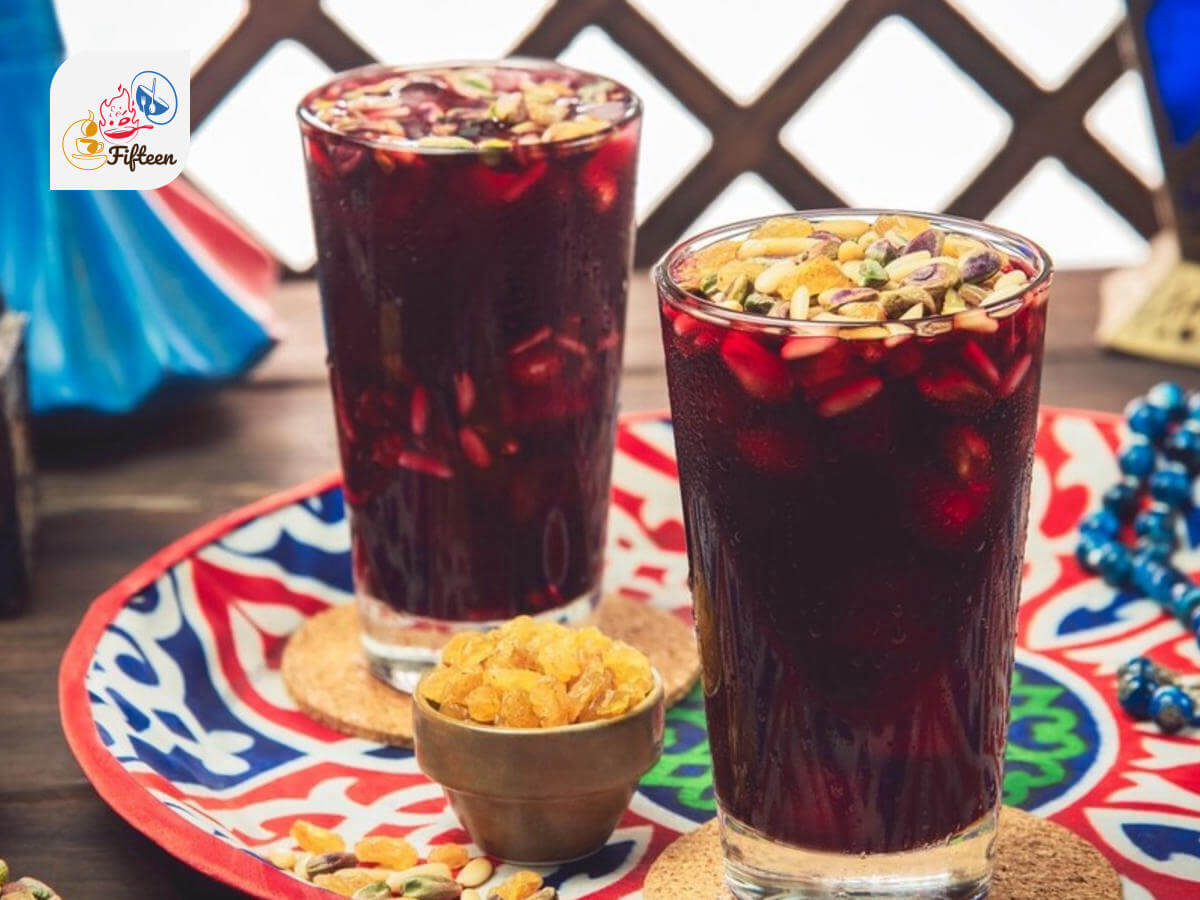
Here is a concise guide to pairing popular Syrian beverages with the right types of dishes.
Fruit Juices
Sweet Syrian fruit juices, such as pomegranate juice, go well with lightly seasoned dishes of all kinds, such as salads, pastries, and cookies.
Tea
Tea in Syria is often served as a robust black brew, so it pairs well with sweet pastries and savory dishes like kibbeh or shishbarak.
Coffee
Most Syrians enjoy coffee hot with a touch of cardamom, making it a perfect accompaniment for breakfast dishes, pastries, and various sweets.
Arak
Arak is a popular anise-flavored spirit in Syria. This beverage is a traditional choice for meze items, such as hummus, kibbeh, and tabbouleh.
To help you complete your understanding of Syrian cuisine, I will address the differences between Syrian and Lebanese dishes in the next section.
How Do Syrian And Lebanese Dishes Differ?
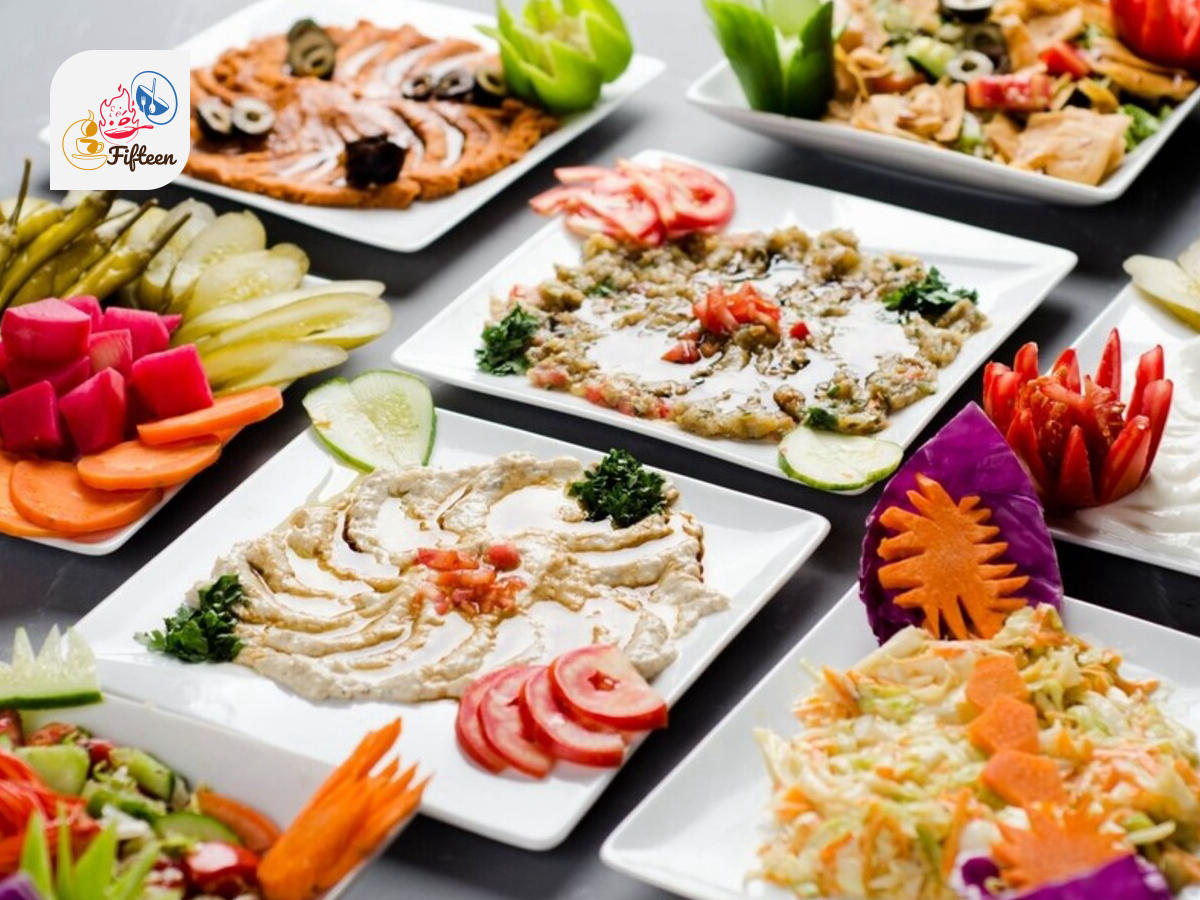
While Lebanese cuisine greatly influences Syrian dishes, these two culinary worlds still have a large gap between them.
The table below showcases all these differences, including staple ingredients, spices, and regional influences:
Syrian Cuisine
Lebanese Cuisine
As demonstrated in the table above, there are subtle yet significant differences between Syrian and Lebanese delicacies. They complement and contrast one another, contributing to the diversity of Middle Eastern cuisine.
Please let me know your thoughts about Syrian dishes via the comment box. Like and share this Syrian specialty list with your friends to spread the word about this amazing cuisine.
Jamie Scott
Editor in Chief, Senior Content Writer
Expertise
Home Cooking, Meal Planning, Recipe Development, Baking and Pastry, Food Editor, Cooking-video Maker, Western Food Evaluation Expert
Education
Le Cordon Bleu College of Culinary Arts
Local Community College, New York, NY
Jamie Scott is a skilled culinary expert and content creator specializing in Western cuisine. With over 15 years in the culinary field and formal training from Le Cordon Bleu, Paris, Jamie deeply understands how to blend nutrition with delicious flavors. His passion for cooking matches his commitment to making healthy eating accessible and enjoyable.
On Fifteen.net, Jamie brings a fresh perspective to classic dishes and beverages, offering readers insightful recipes, cooking tips, and a fresh view on meal planning that emphasizes taste, health, and simplicity.