
Moroccan Food Dishes: Basic Overview
Common Ingredients
Common Cooking Methods
Courses
Meals
Key Taste
Eating Etiquette
Meal Presentation
Culinary Festivals
Influence and Fusion
Moroccan Food Dishes: Origin and Region
Cuisine
Cuisine’s Geographical Territory
Country’s Region
- North Morocco
- Central Morocco
- South Morocco
- East Morocco
Popular Types of Moroccan Dishes
-
Stews
Moroccan stews are often cooked with meat, such as beef, lamb, or poultry.
Vegetables and dried fruits appear in certain stew recipes.
Moroccans often use traditional earthenware pots to prepare stews.
These dishes are usually seasoned with a lot of fragrant spices and herbs.
-
Soups
Soups in Morocco have diverse ingredients, such as meat, legumes, or vegetables.
These soups are ideal dishes for special occasions, especially Ramadan.
Moroccan soups are often thick, flavorful, and can be an appetizer or a meal in themselves.
-
Breads and doughs
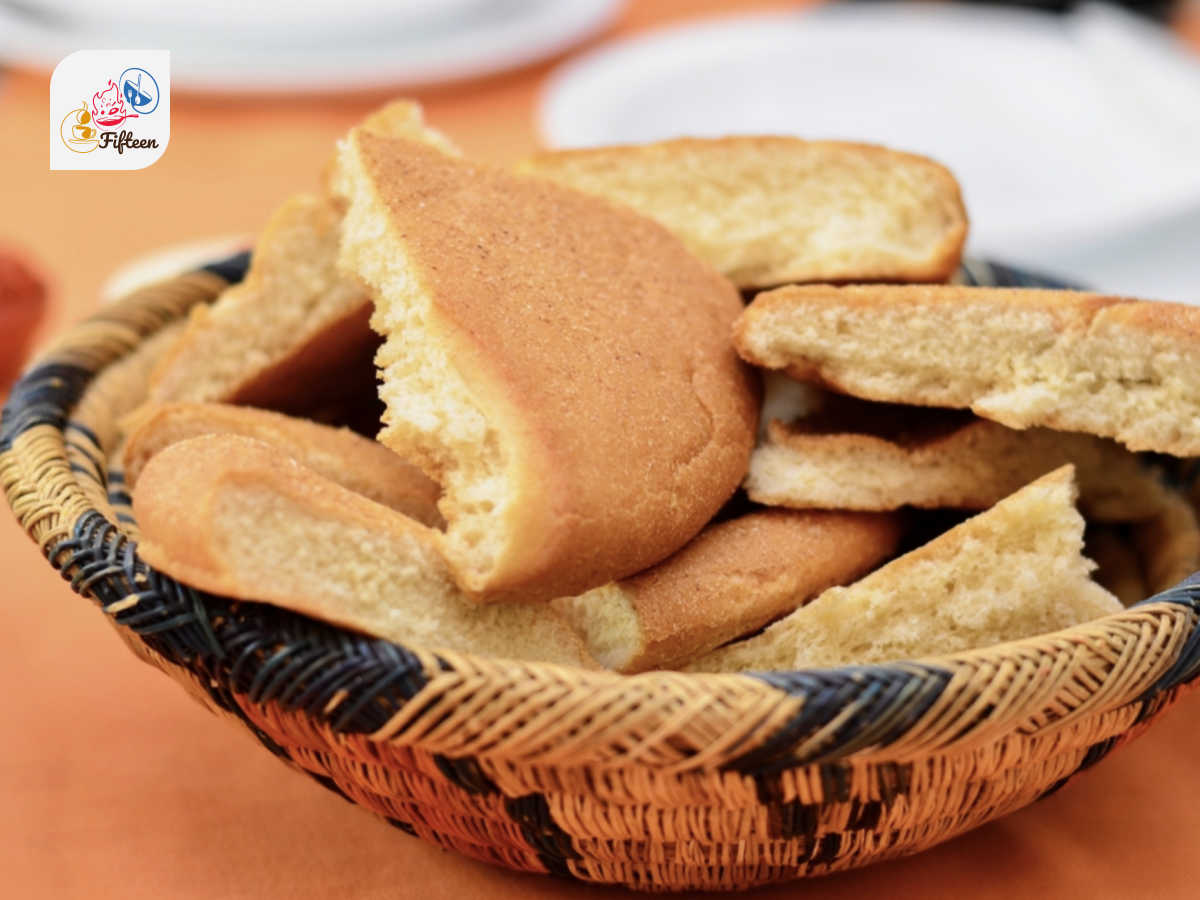
Bread is the cornerstone of Moroccan cuisine and is present at almost every meal.
Moroccan flatbread is a popular side dish that often serves as a utensil for scooping up food.
Baking and pan-frying are popular ways of preparing bread in Morocco.
-
Desserts
Many Moroccan desserts are pastries infused with spices, aromatic water, or honey.
These desserts usually have a crispy or flaky texture.
Nuts and dried fruits are popular ingredients for making sweet desserts in Morocco.
Desserts are an important part of celebrations in Morocco.
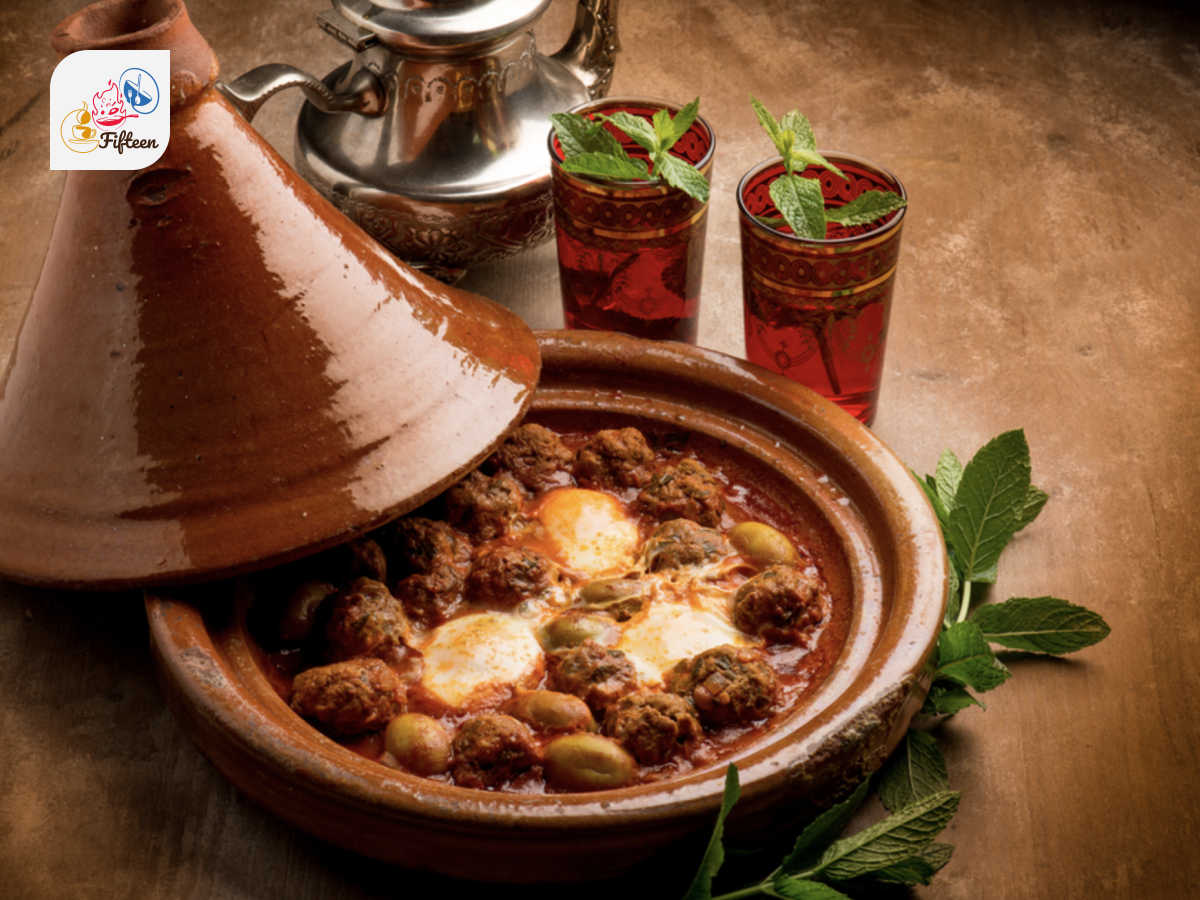
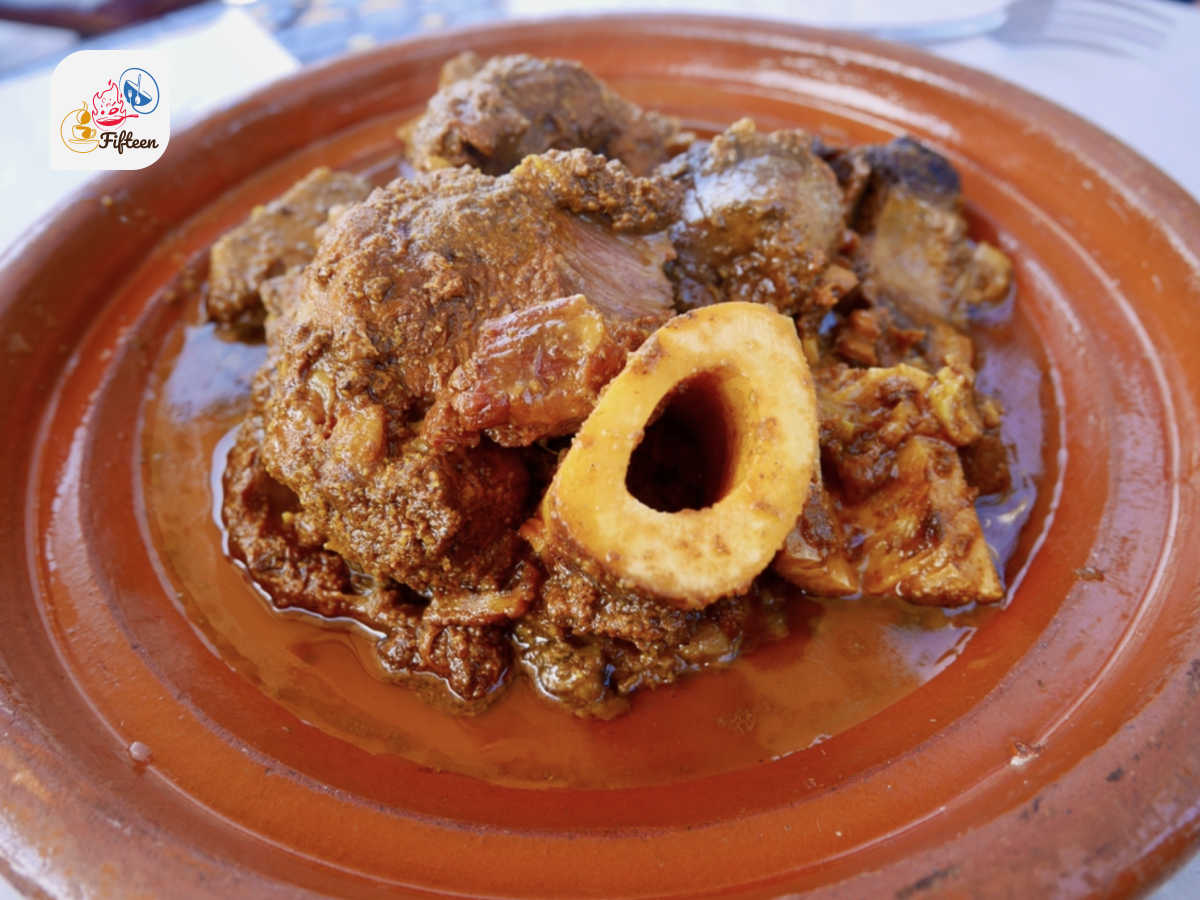
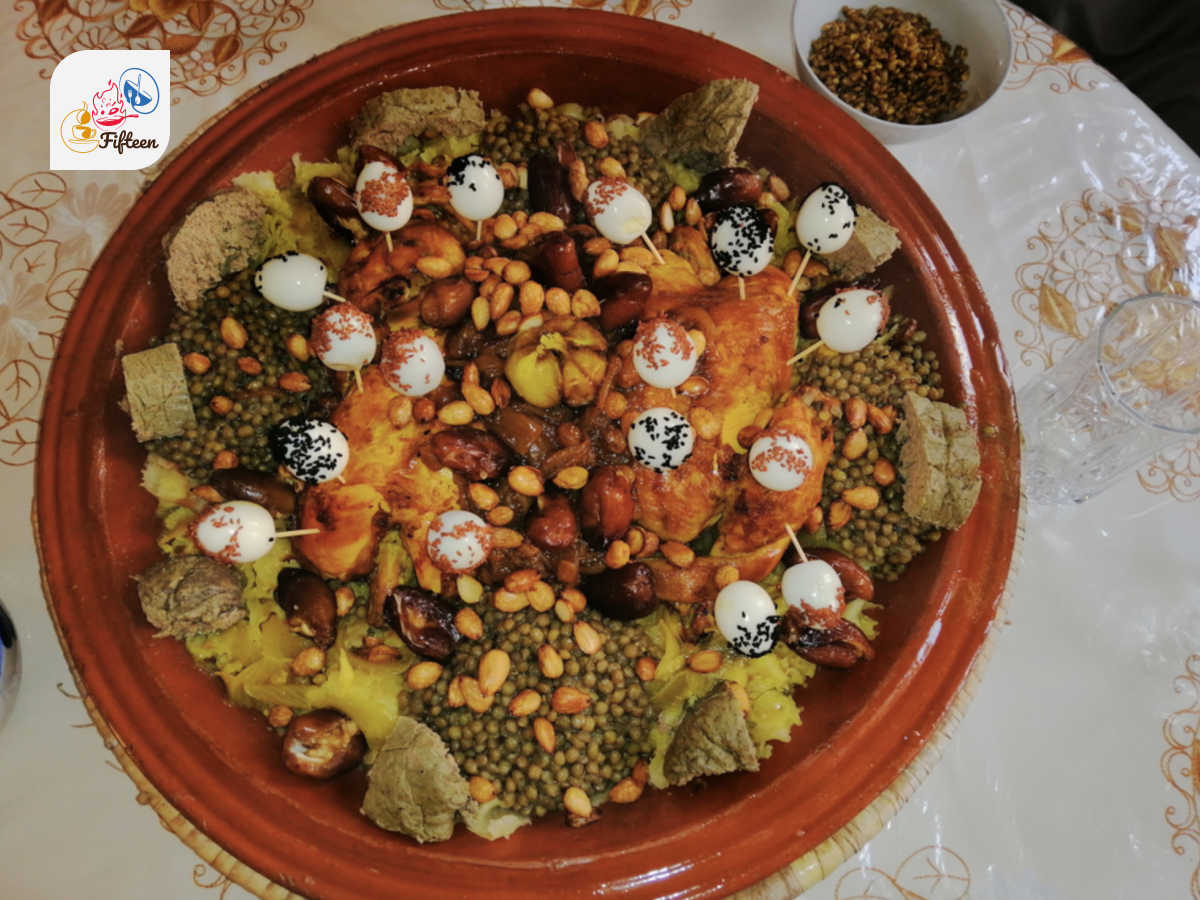
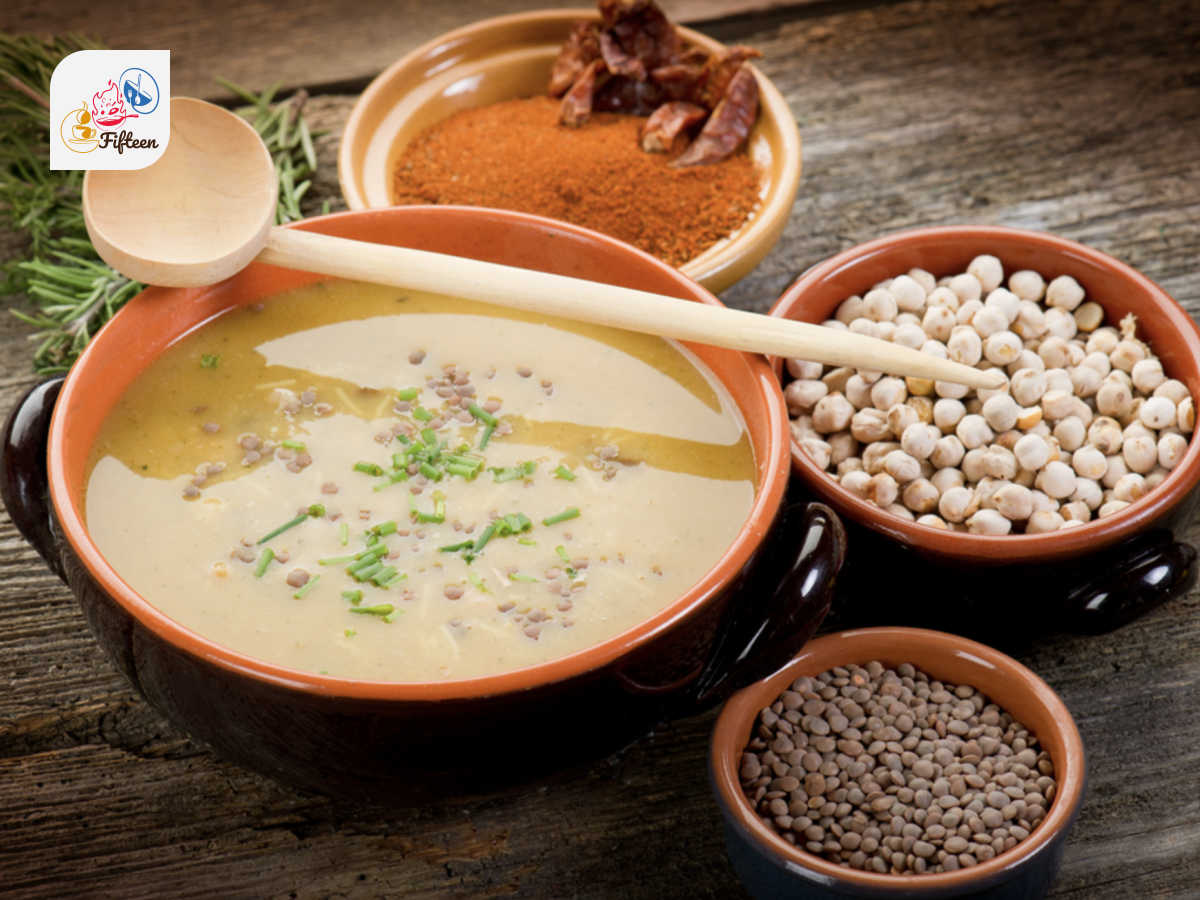
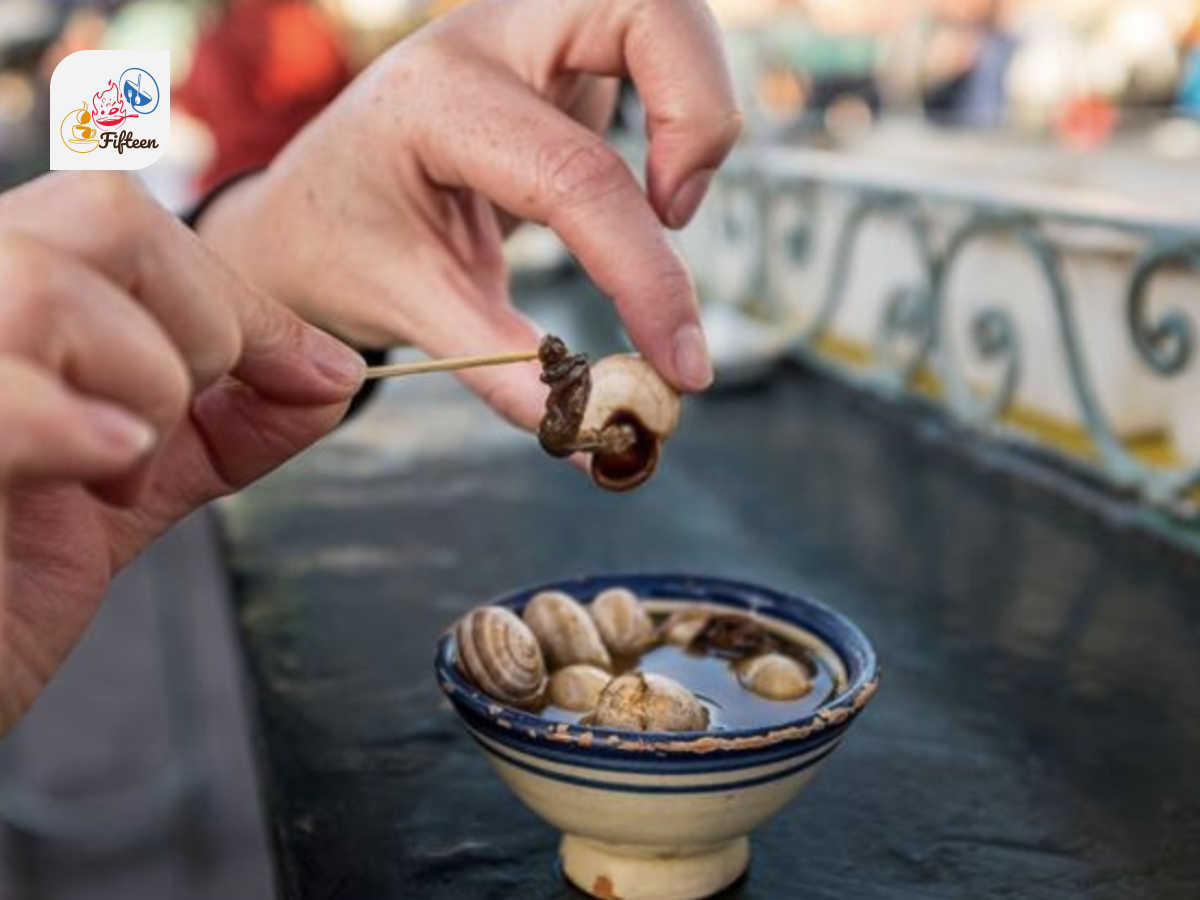
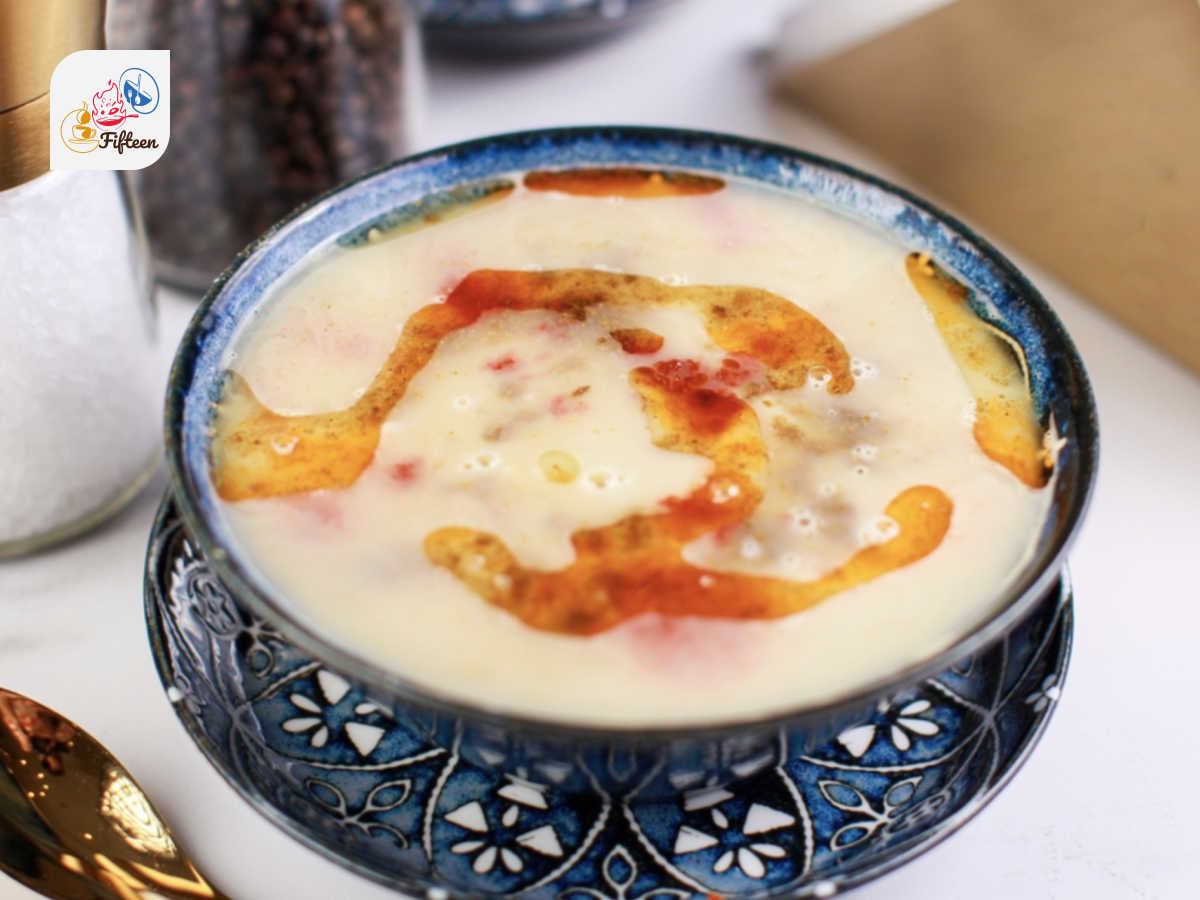
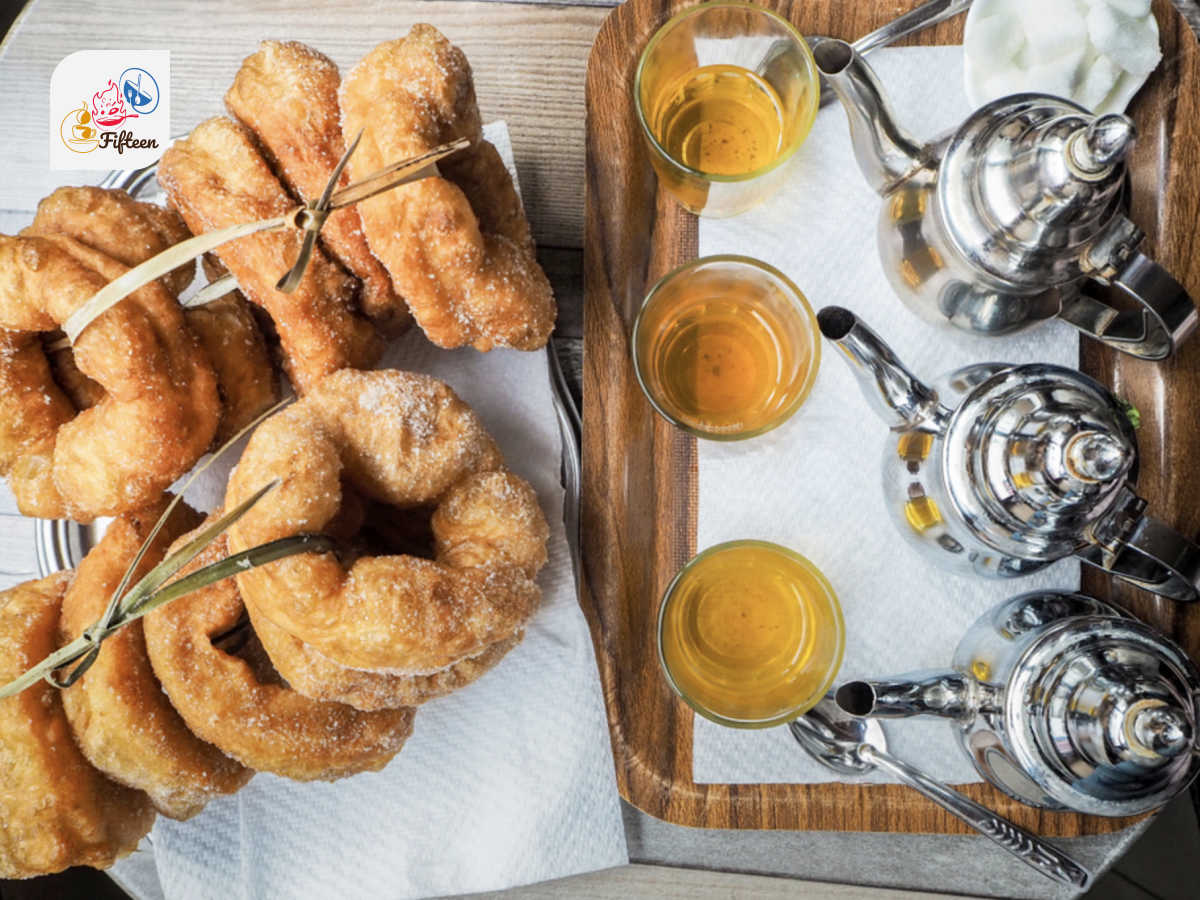
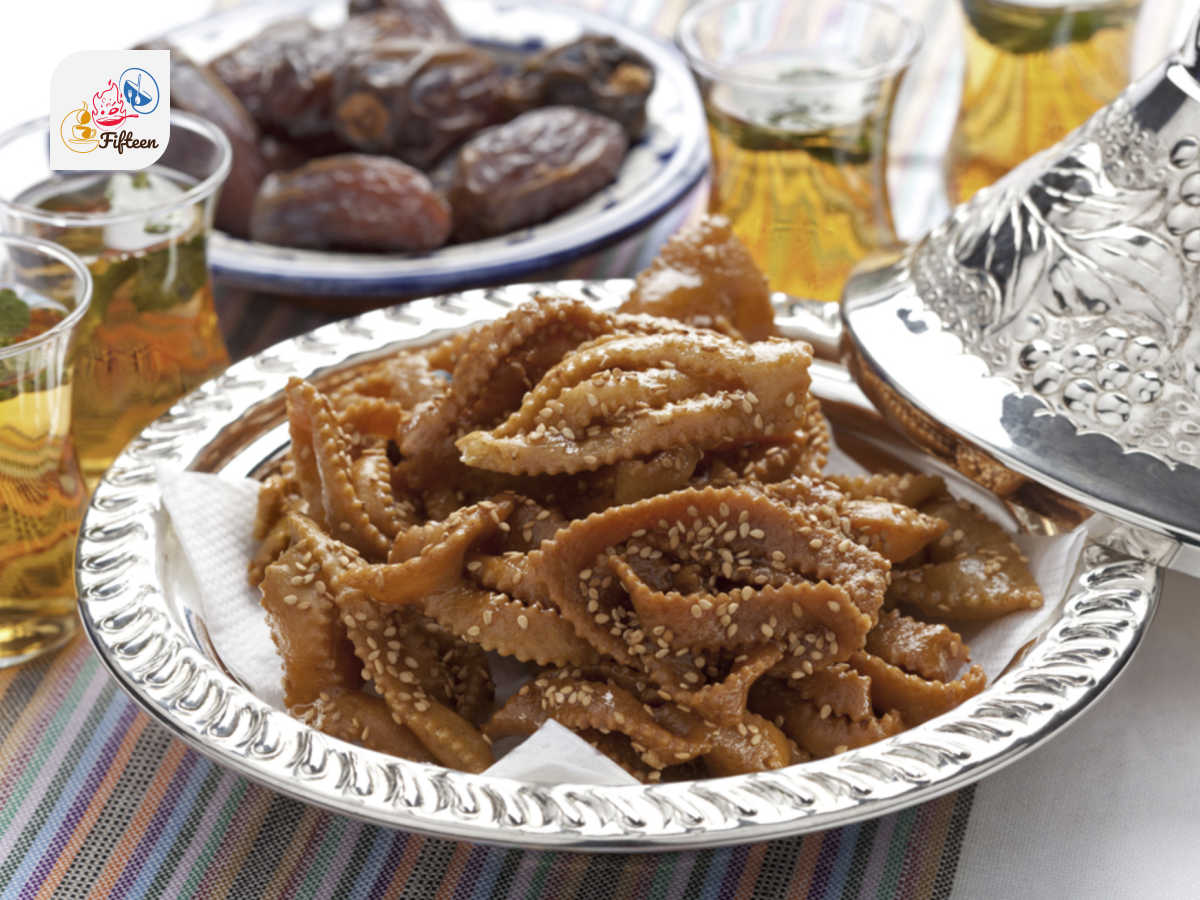
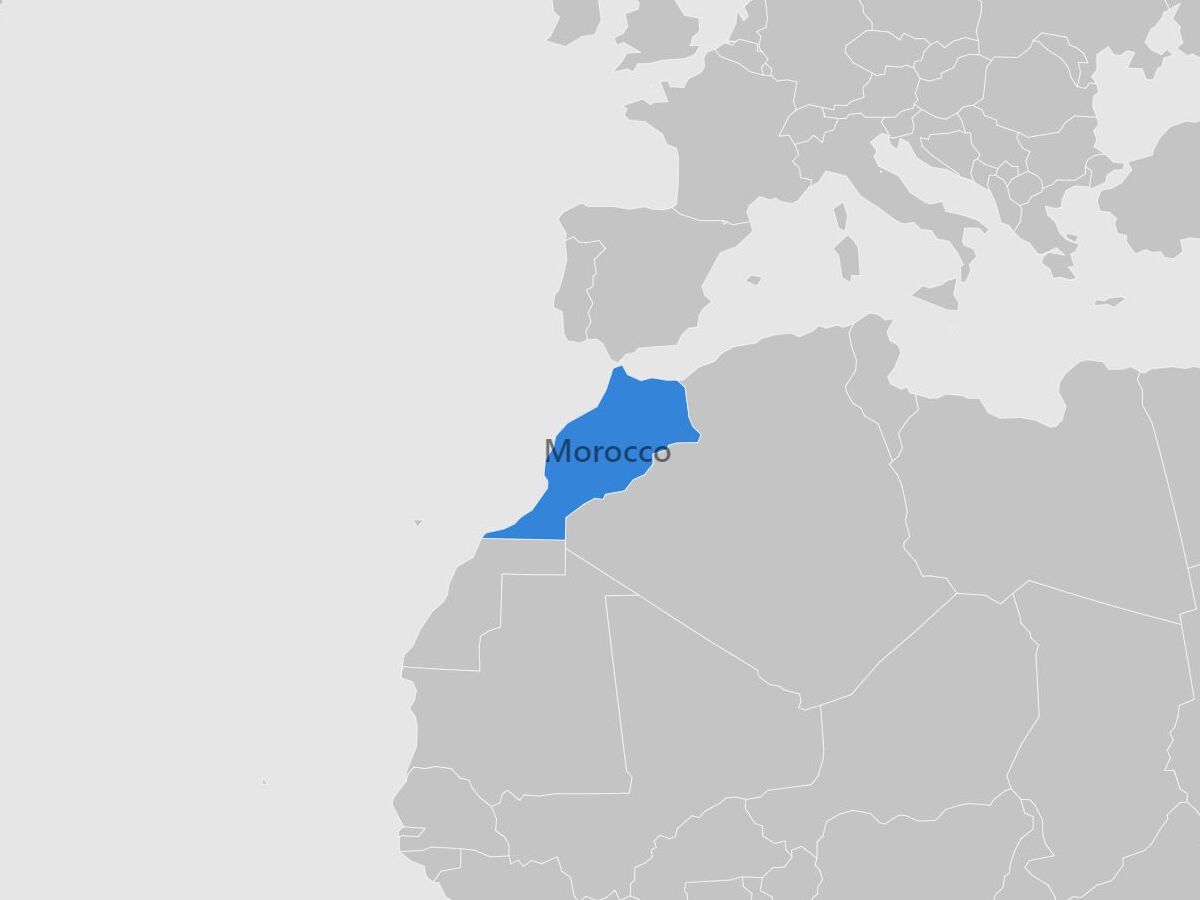
Moroccan dishes are specialties prepared and enjoyed by the people of Morocco, a country in North Africa. These dishes are part of Maghreb cuisine, which also covers the culinary traditions of Algeria, Libya, Mauritania, and Tunisia.
Moroccan dishes are celebrated for their delicious flavors and alluring aromas. These qualities result from the various fragrant spices and herbs that locals use extensively in their food.
Other important ingredients in Moroccan cuisine are lean protein, legumes, and vegetables. These components are often prepared in traditional clay cookware into healthy and tasty dishes.
Continue reading to discover the 26 most well-known dishes in Moroccan cuisine. To help you understand more about traditional Moroccan food, I will go over its main characteristics, global popularity, and healthy aspects.
After introducing you to the recommended dishes, I will cover factors that define Moroccan dishes, ideal food and drink pairings, and table manners in Morocco.
Are you ready to discover the wonders of Moroccan dishes?
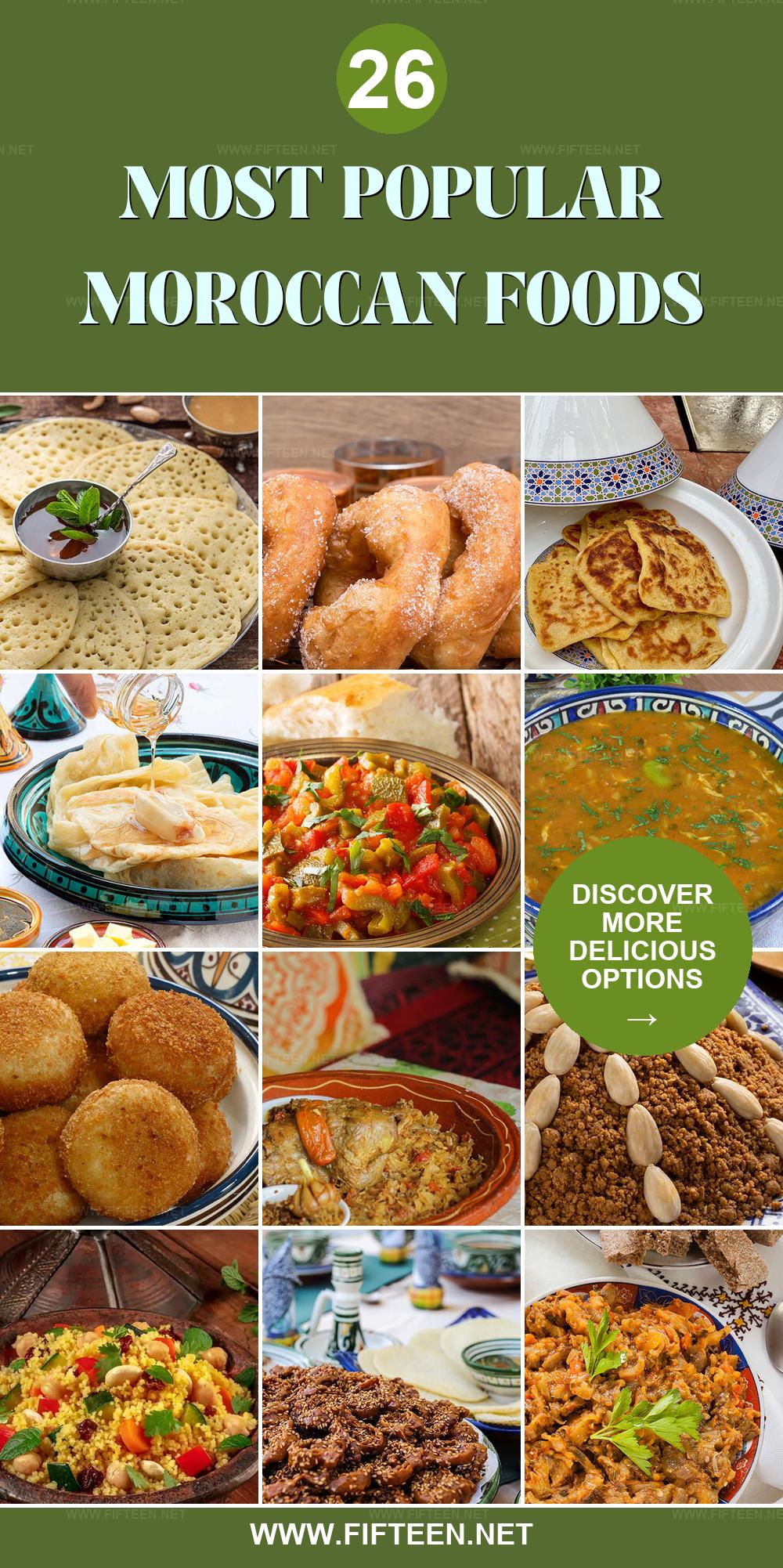
26 Most Popular Moroccan Dishes
Discover the top 26 Moroccan dishes listed by popularity below. You can navigate this content more easily by using advanced filters like alphabetical sorting, main ingredients, taste, cooking methods, dish types, courses, and global popularity.
Also, you have the option to filter the list based on specific culinary styles such as traditional, national, street food, fusion, exotic, and vegetarian options.
What Are the Main Features of Moroccan Cuisine?
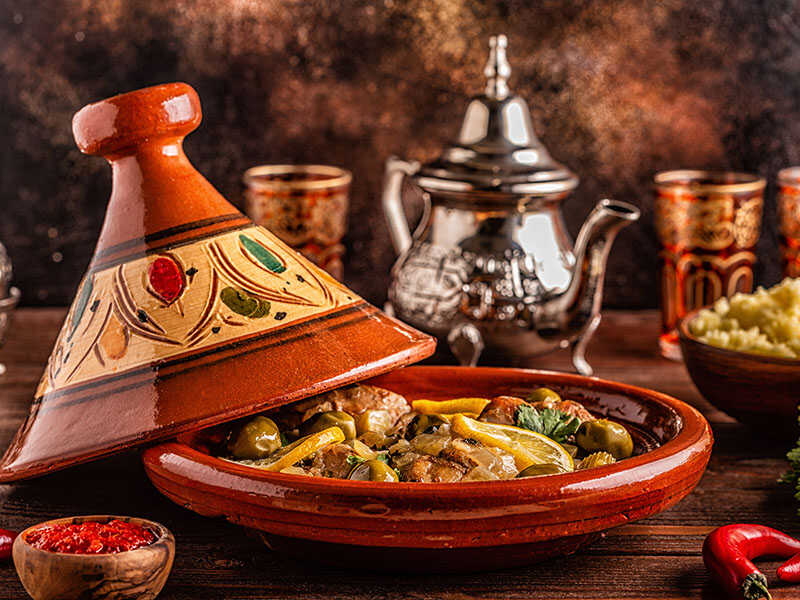
To understand Moroccan culinary traditions, you should learn about the following four aspects: culinary influences, herbs and spices, religious influences, and the importance of bread.
Moroccan food is a delicious fusion of Berber, Arab, Andalusian, and Mediterranean influences.
The native Berbers utilized local ingredients, such as olives, figs, and dates. Arab invaders brought with them new spices like saffron, cinnamon, and ginger, as well as new cooking techniques such as slow-cooking in tagines.
Andalusian Moors, fleeing from Spain, introduced additional ingredients like citrus fruits and almonds, while Ottoman Turks contributed to the use of pastries in the Moroccan culinary repertoire.
Finally, Spanish exchange and French colonization added a touch of European refinement to Moroccan dishes.
Spices play a central role in Moroccan cuisine, while fresh herbs add depth and freshness to Moroccan dishes. The careful balance of spices and herbs creates exquisite flavors that set Moroccan cuisine apart from other culinary traditions.
As Islam, Morocco’s dominant religion, forbids the consumption of pork, locals don’t consume this type of meat.
Ramadan, the Islamic month of fasting, is an important time for Moroccan Muslims. During this period, they prepare many special dishes for the iftar meal after sunset.
Another significant religious occasion is Eid al-Adha, the Festival of Sacrifice, during which families gather to share a special meal featuring lamb, often cooked in a tagine or roasted.
Bread has a near-sacred status in Moroccan consciousness and is served as an essential side dish at all meals. People use it as a utensil for scooping up food.
Wasting bread is severely frowned upon in Morocco. Stale or unused bread is incorporated into other dishes rather than being thrown away.
If a loaf of bread drops to the floor, Moroccans always pick it up immediately; some people even kiss it.
In the next section, I will introduce you to common beverages for complementing dishes in Moroccan cuisine.
What Beverages to Pair With Moroccan Dishes?
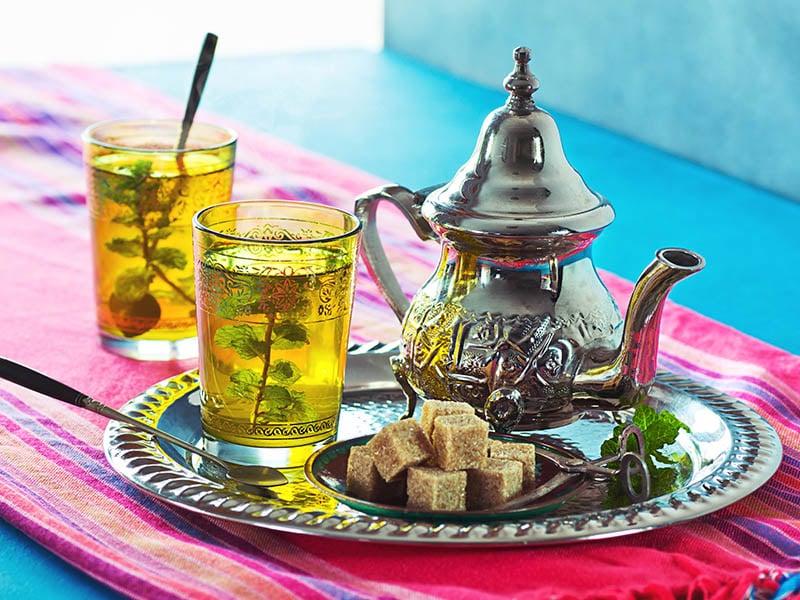
Below are the three most well-known beverages in Morocco that you can enjoy with various local specialties.
Mint Tea
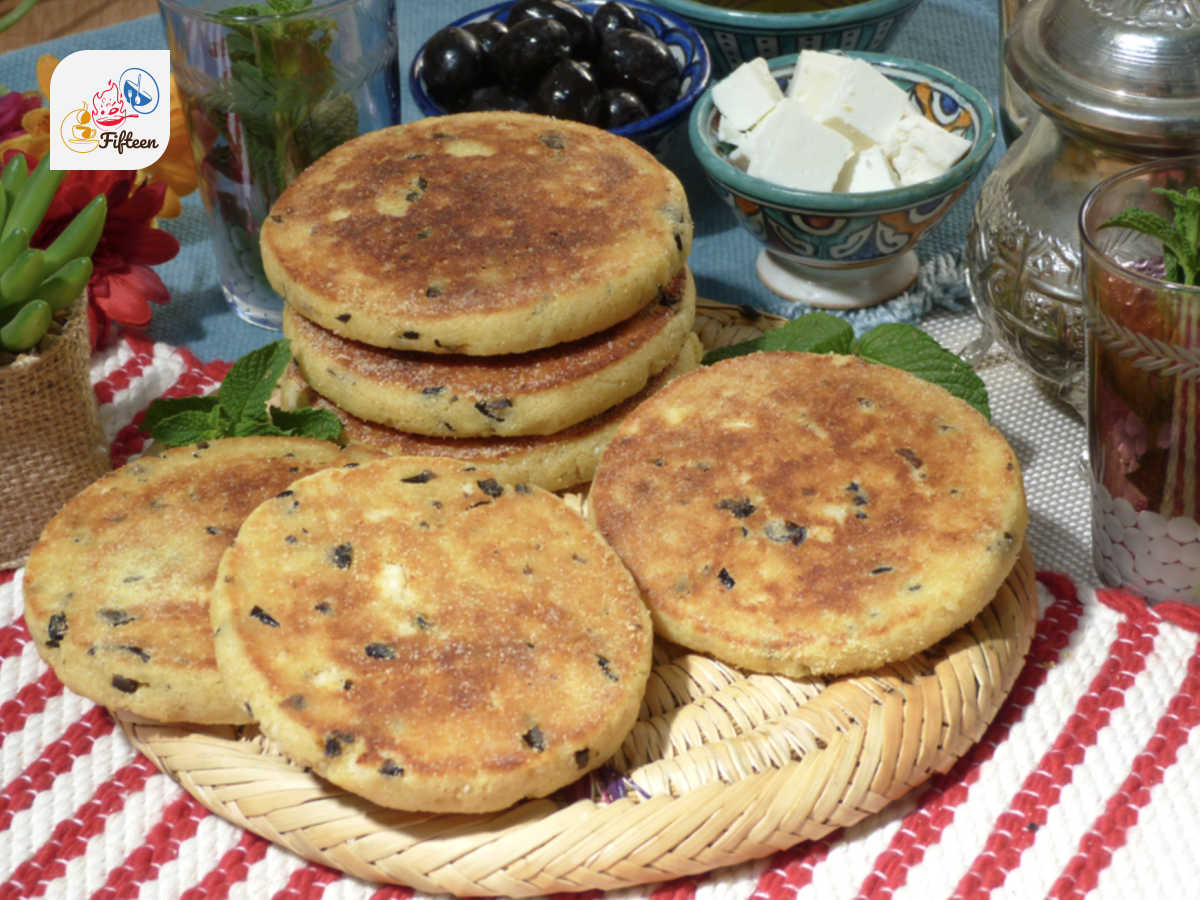
Mint tea is a highly versatile Moroccan beverage that can pair with a wide range of dishes, though light dishes and snacks are more suitable for it. Recommended accompaniments are chebakia, msemmen, and harcha.
Coffee
Coffee in Morocco is typically strong and can be served either black or with milk; the latter is called nous nous. With its bitter taste, this beverage goes well with robust dishes and sweets, such as qrashel, kaab el ghazal, and baghrir.
Fruit Juices
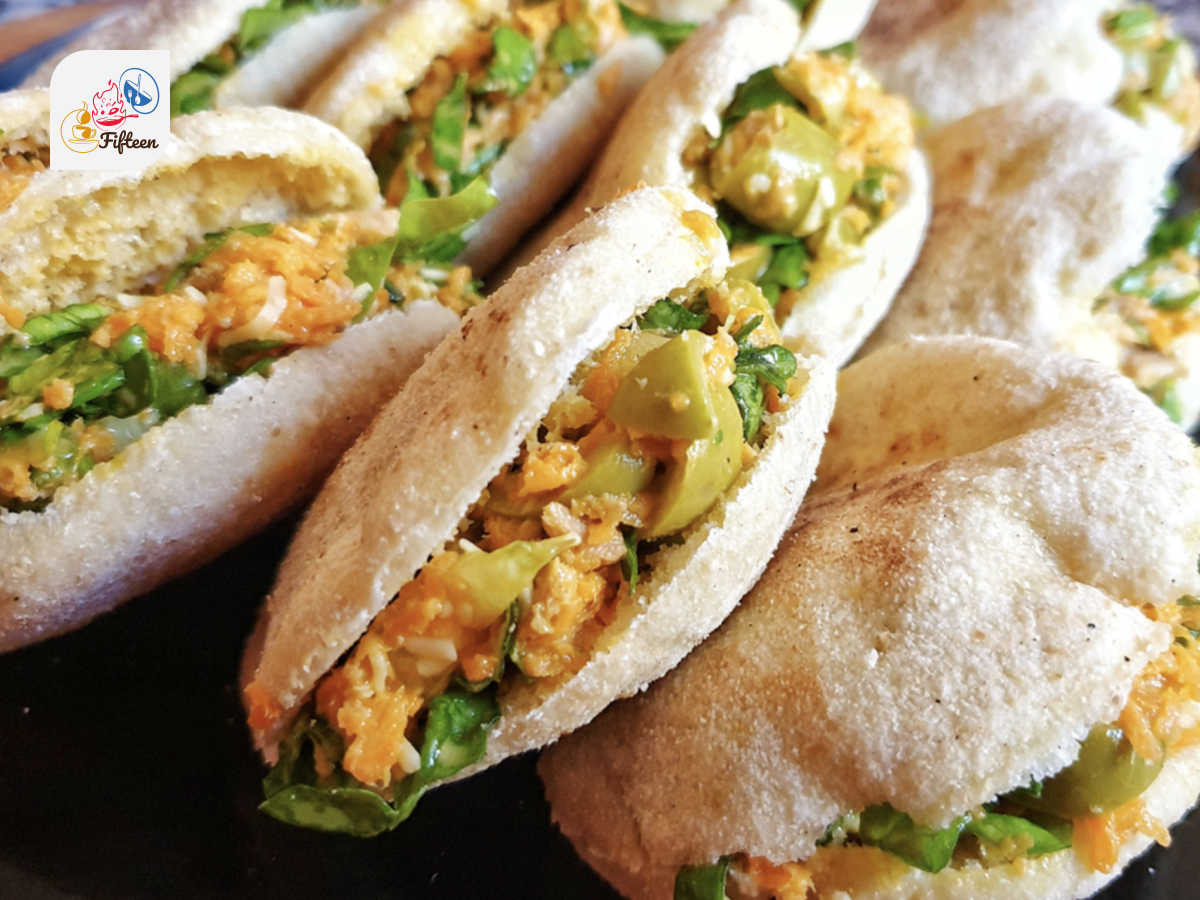
Moroccans enjoy various types of fruit juices, especially orange juice. These beverages can accompany light dishes like salads (zaalouk and taktouka), briouats, and batbout.
Next, I will cover some basic rules of table manners in Morocco.
What Is Eating Etiquette in Morocco?
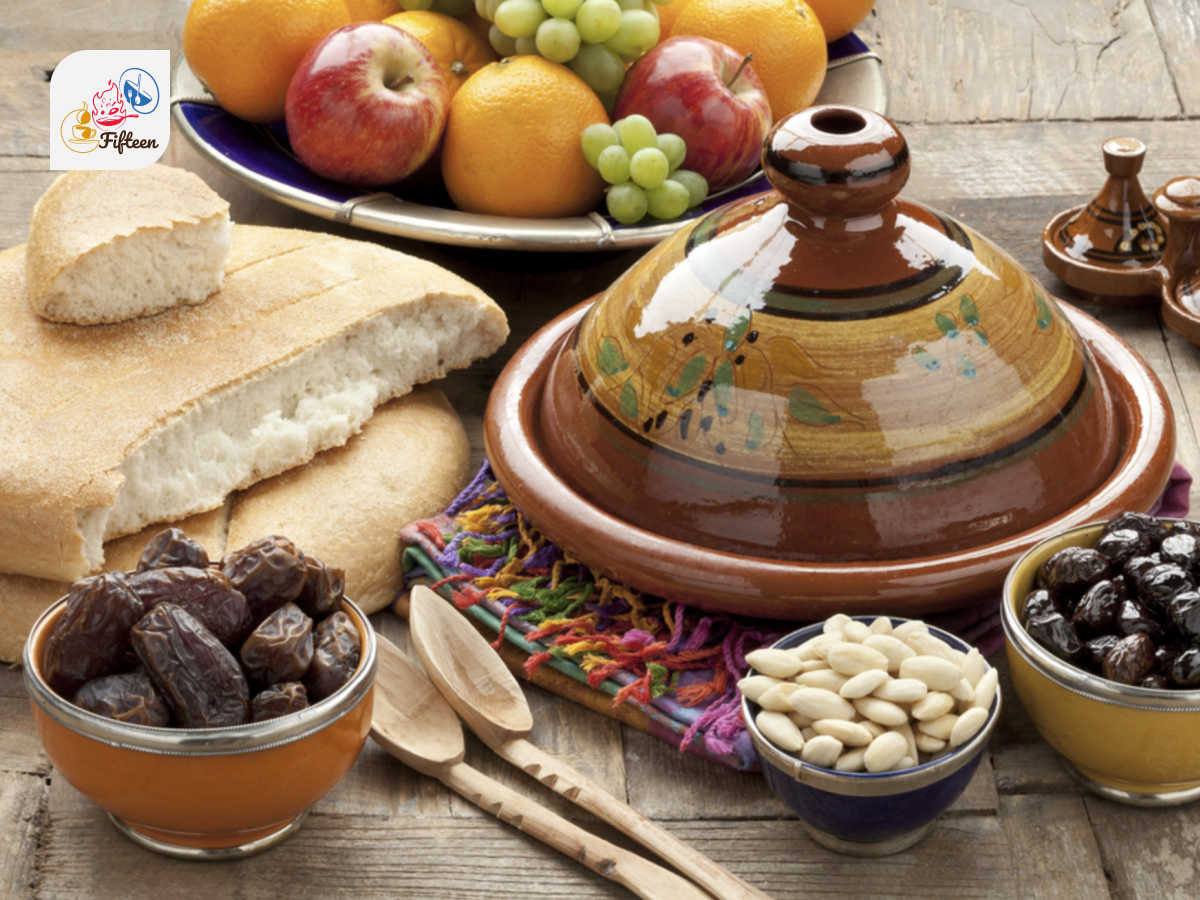
To enjoy Moroccan dishes like a local, you should follow the rules and customs of dining below.
Communal Dining
Communal dining is an important part of Moroccan culture, with family and friends often gathering to share meals together.
Eating with the right hand is customary, and diners take turns scooping up food from a shared platter, usually starting with the person closest to the dish and moving clockwise.
Importance of Hospitality
Hospitality is a central tenet of Moroccan culture, and hosts take great pride in welcoming guests and ensuring their comfort.
Offering food and drink is a common way to demonstrate hospitality, with guests often being greeted with a glass of refreshing mint tea and a platter of cookies or pastries.
It is considered impolite to refuse food when offered, as it may be seen as a rejection of the host’s generosity.
Pre-meal Rituals
Before a meal, Moroccans wash their hands, typically using rose or orange-scented water. Dining with a family commences once the host proclaims “Bismillah” (“in the name of Allah”), and everyone else repeats the phrase.
I hope my dish recommendations have shown you the culinary wonder of Morocco. Don’t forget to share this list of Moroccan dishes with your friends.
Also, would love to hear your opinion or experience with the suggested dishes, so go ahead and write it down in the comment section!
Jamie Scott
Editor in Chief, Senior Content Writer
Expertise
Home Cooking, Meal Planning, Recipe Development, Baking and Pastry, Food Editor, Cooking-video Maker, Western Food Evaluation Expert
Education
Le Cordon Bleu College of Culinary Arts
Local Community College, New York, NY
Jamie Scott is a skilled culinary expert and content creator specializing in Western cuisine. With over 15 years in the culinary field and formal training from Le Cordon Bleu, Paris, Jamie deeply understands how to blend nutrition with delicious flavors. His passion for cooking matches his commitment to making healthy eating accessible and enjoyable.
On Fifteen.net, Jamie brings a fresh perspective to classic dishes and beverages, offering readers insightful recipes, cooking tips, and a fresh view on meal planning that emphasizes taste, health, and simplicity.