

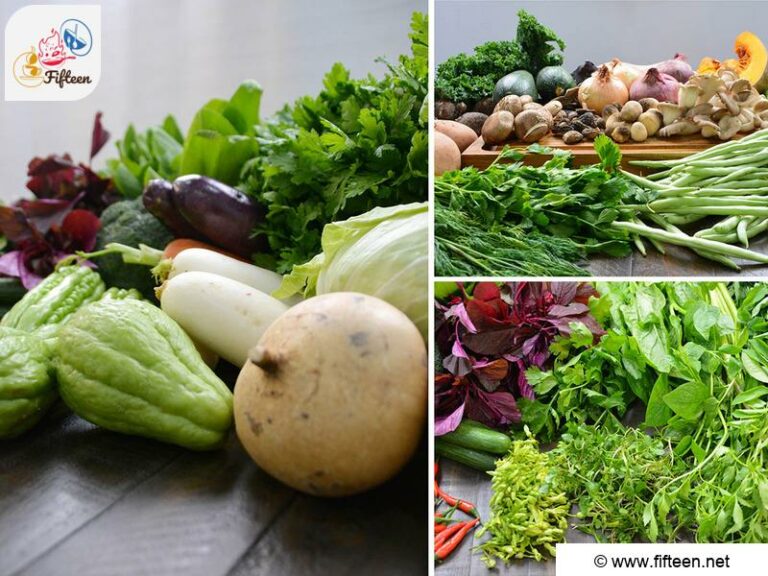
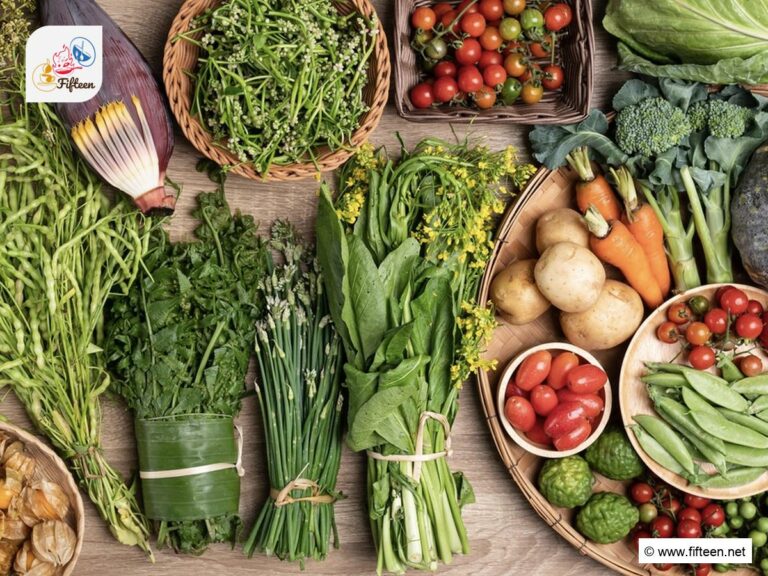
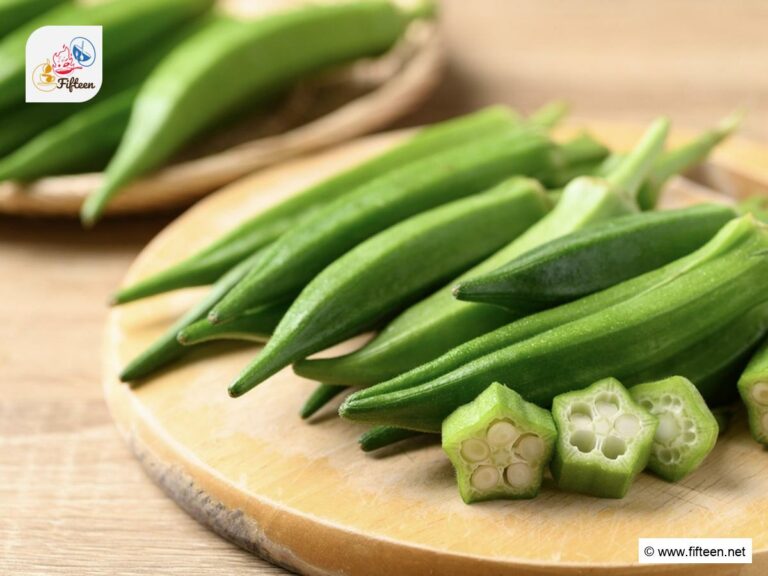
Vegetables are a diverse group of plants consumed by humans and other animals for their nutritional value. Primarily, these foods are part of the edible portions of flora, including leaves, roots, tubers, stems, and sometimes flowers.
Vegetables are crucial in the human diet, known for being rich sources of vitamins, minerals, dietary fiber, and phytochemicals, which contribute to a balanced diet and support overall health.
They vary greatly in shape, color, and flavor, reflecting a wide range of botanical families. This diversity allows for a multitude of uses in cooking, from main dishes and sides to salads and soups.
Unlike fruits, which are often sweet, vegetables tend to have a milder or more savory taste and are usually cooked or eaten raw as part of savory dishes.
This guide has everything you need to know about vegetables. There is a roundup of the 100 most loved vegetables worldwide, and a list of vegetables by continent, region, or country.
This read also explores how they’ve changed over time, different kinds, and incorporation into various dishes and drinks. It also covers the countries that produce the most vegetables.
You’ll then find out about the top 10 vegetable dishes and beverages, how native and non-native vegetables differ, and the differences between invasive and non-invasive vegetables.
In the end, I will reveal the fascinating comparison between vegetables and fruits and a handy A-Z list of vegetables.
Start reading now!
100 Most Popular Vegetables Around the World
Here are 100 well-known vegetables from around the globe, arranged by their popularity. You can use the filter function to pick out exotic vegetables, fruit vegetables, and vegetables that are used for dishes, beverages, and garnish.
Let’s now explore the diverse world of vegetables through the lens of geography, focusing on the unique produce of each continent, region, and country.
List of Vegetables by Continent, Region, or Country
Here are collections of the most iconic vegetables from various countries, regions, or continents:

In the following section, explore how vegetables have changed through the ages.
How Vegetables Evolve Overtime?
Vegetables have a long story of changing and growing, just like the saying by Heraclitus about change being constant. They’ve been around for a very long time, adapting to new climates, soil types, and interactions with animals and people.
Here’s a quick journey through the history of veggies:
What Are Different Types of Vegetables?
Vegetables can be classified into several categories based on their nutritional content, taste, texture, and the part of the plant they come from. Let’s explore these different types:
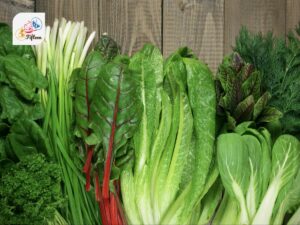
Leafy Greens
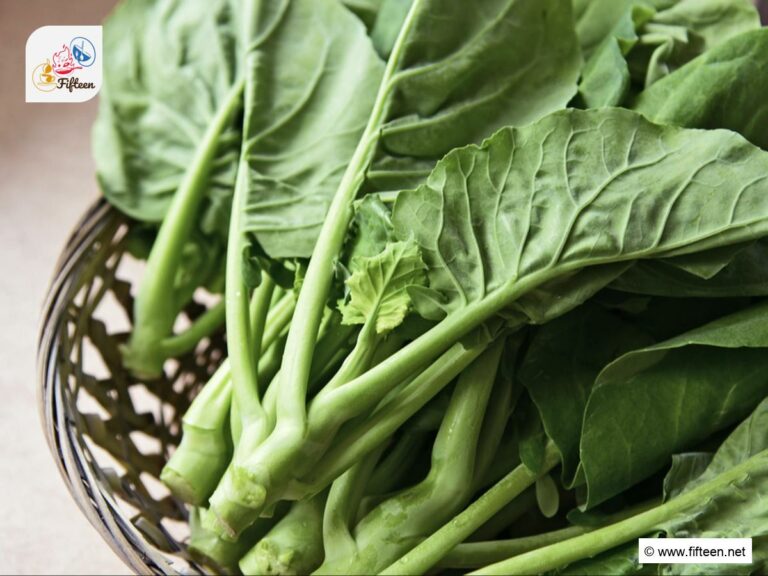
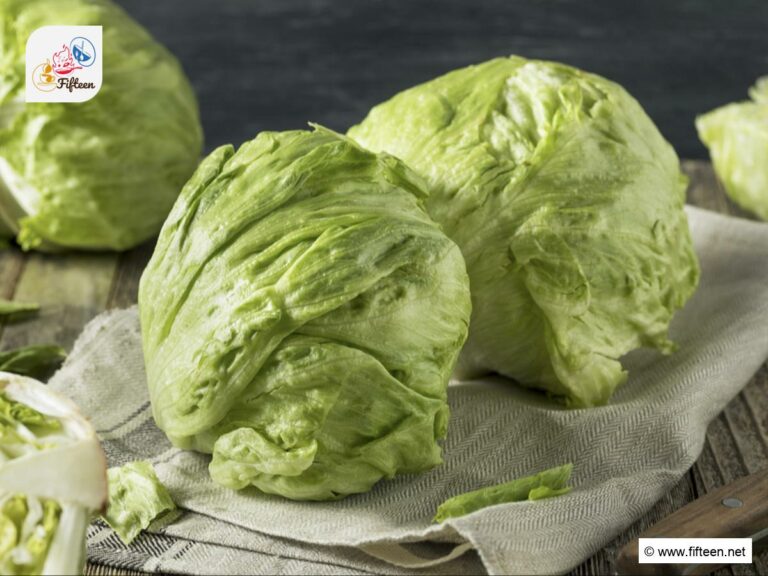
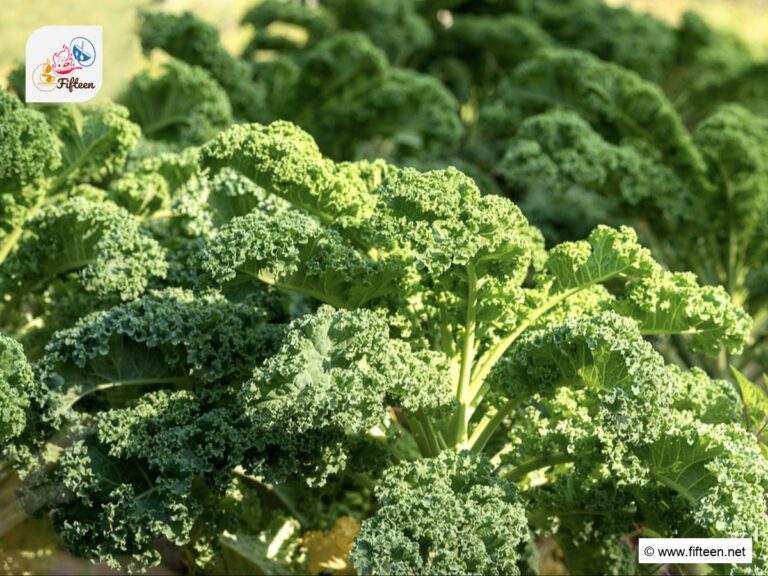
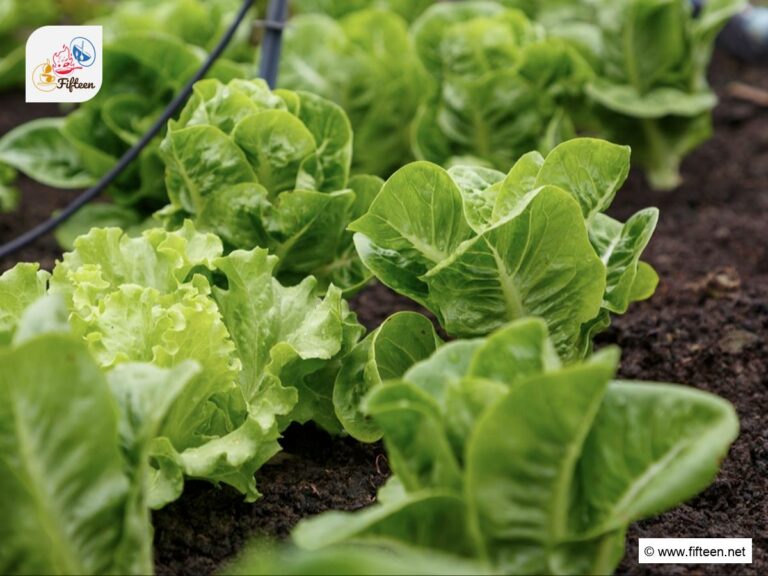
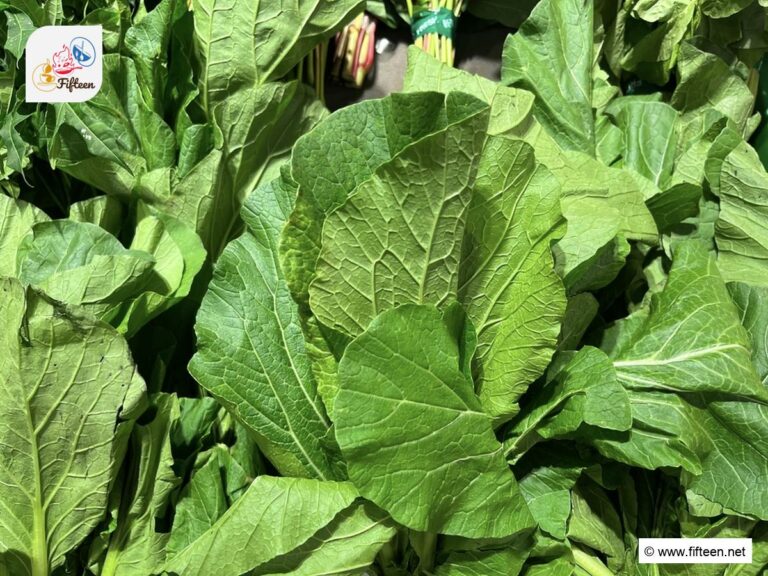
This category includes vegetables whose leaves are eaten as food. Examples are spinach, kale, lettuce, and various celery types.
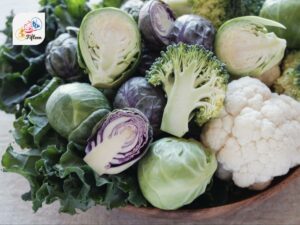
Cruciferous Vegetables
These vegetables are known for their cross-shaped flowers and include broccoli, cauliflower, brussels sprouts, and cabbage.
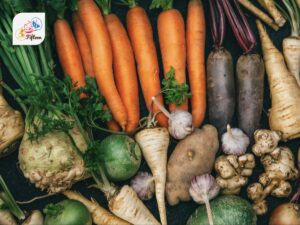
Root Vegetables
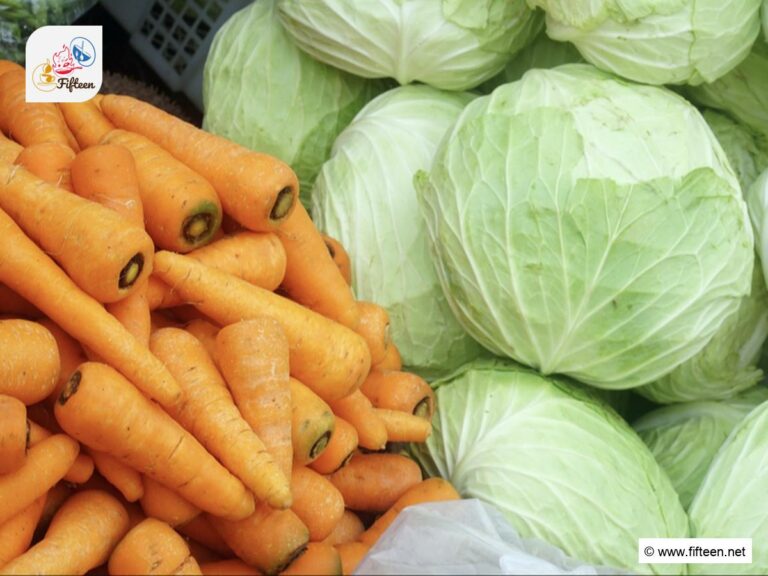
Root vegetables grow underground and absorb nutrients from the soil. Carrots, beets, and turnips are part of this group.
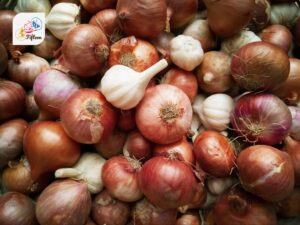
Alliums
This category includes garlic, onions, leeks, and shallots, which are known for their pungent flavors and are often used as a base for cooking.
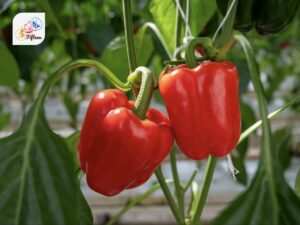
Fruit Vegetables
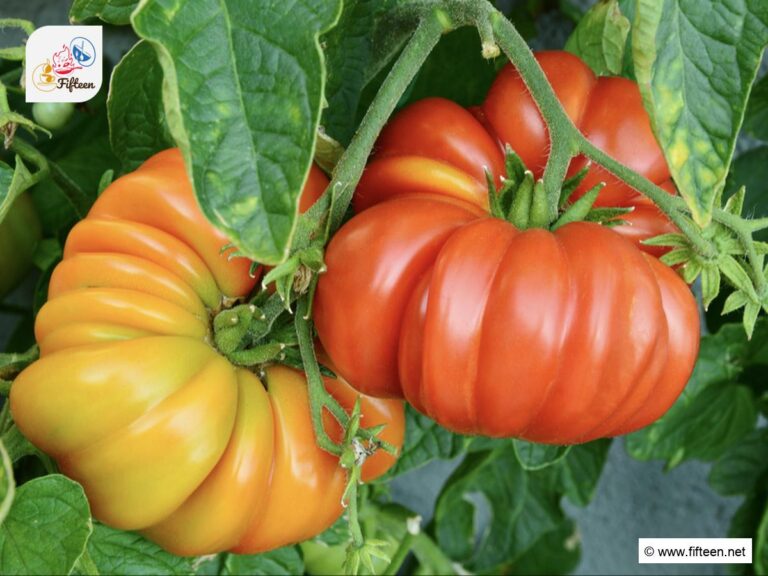
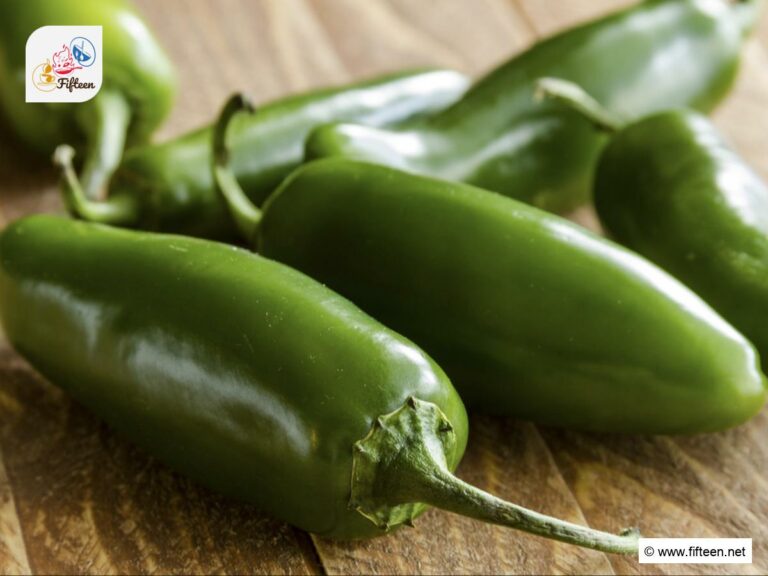
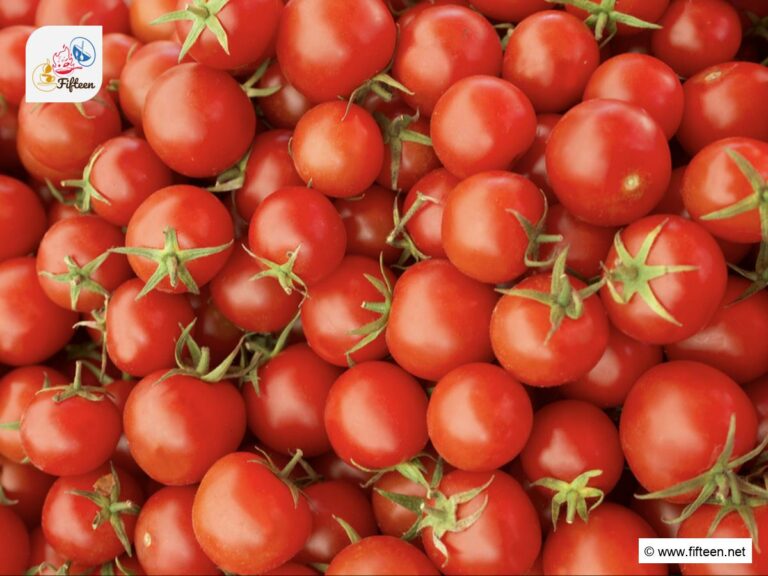
Tomatoes, cucumbers, squash, avocados, and chili pepper varieties are technically fruits but are commonly used as vegetables in cooking.
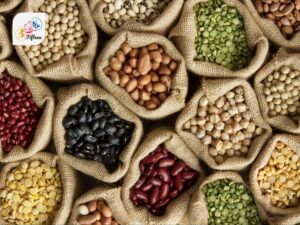
Legumes
Beans, lentils, and peas fall under this category. Although often considered a separate food group due to their high protein content, they are technically a type of vegetable.

Tubers
Similar to root vegetables but specifically adapted for storage and energy provision, tubers include potatoes and sweet potatoes.

Squashes and Gourds
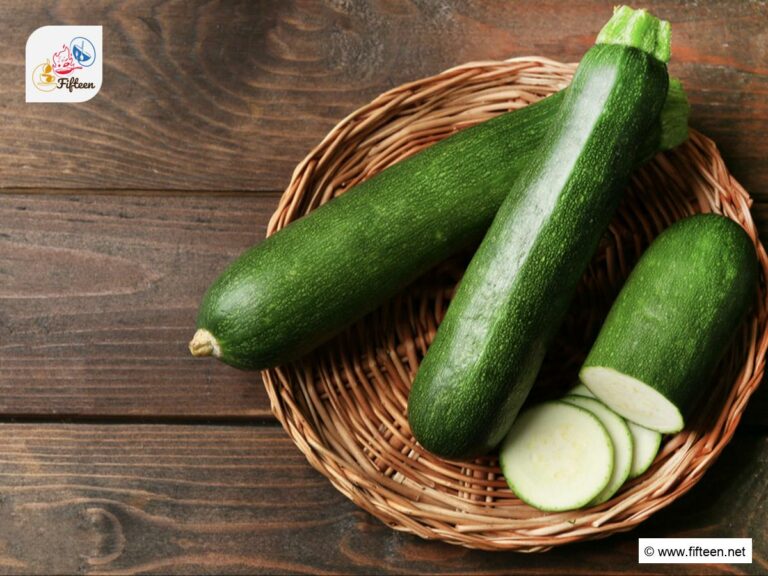
This group includes vegetables like zucchini, pumpkin, and butternut squash.
This is just a brief overview of vegetable varieties; many more fascinating types of vegetables are found in countries worldwide.
Which Countries Produce the Most Vegetables?
According to the latest 2024 data from the World Population Review report, these are the top 10 countries leading the world in vegetable production:
In these countries, chefs and home cooks make a collection of dishes and drinks from veggies that people from all over love to eat.
How Are Vegetables Utilized in Dishes and Beverages?
Vegetables serve as an indispensable component of our diet, offering versatility in meals and beverages in several impactful ways.

Foundation of Many Dishes
They’re often the main ingredient in a variety of recipes, such as salads, soups, and stir-fries, where they add flavor, color, and nutrients.

Sauces and Purees
Vegetables can also be turned into sauces or purees, serving as a base or complement to other dishes. For example, tomato sauce is a staple in many pasta dishes.

Garnish
Vegetables also excel as a great type of garnish. They enhance the presentation and introduce an additional layer of flavor to dishes and drinks, such as a simple sprig of parsley atop spaghetti to a slice of cucumber adorning a cocktail.
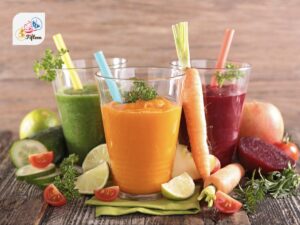
Beverage Ingredient
Vegetables have made their way into the beverage world too. They can be juiced, alone or with fruits, to create healthy drinks packed with vitamins.
Some cocktails and mocktails also use vegetable juices or purees to add an unexpected twist of flavor.
Next, let’s find out 10 of the most common dishes incorporating vegetables globally.
Top 10 Most Popular Vegetable Dishes
Here’s an overview of 10 of the most beloved vegetable dishes from around the world:
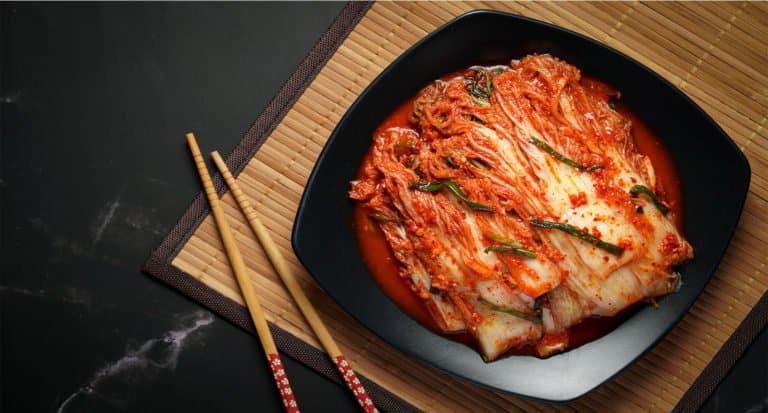
Kimchi
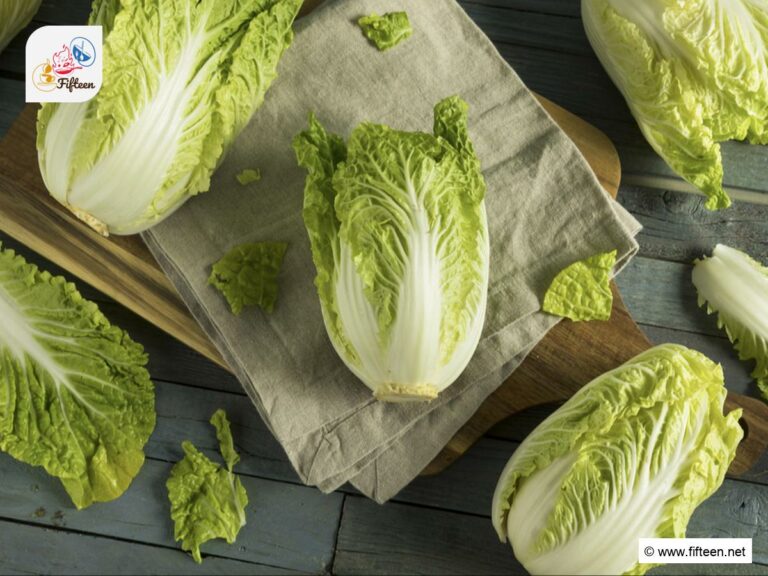
Kimchi is a traditional Korean dish made from salted and fermented vegetables, primarily napa cabbage and Korean radishes, with a variety of seasonings including chili powder, garlic, ginger, and scallions.

Hummus
Hummus is a Middle Eastern spread or dip made from cooked, mashed chickpeas blended with tahini, lemon juice, and garlic.

Falafel
Falafel is a deep-fried ball or patty made from ground chickpeas, fava beans, or both, seasoned with herbs and spices, commonly served in pita bread with salad, pickled vegetables, and tahini-based sauces.

Guacamole
Guacamole is a Mexican avocado-based dip, spread, or salad, including mashed avocado mixed with lime juice, salt, and various seasonings such as onions, cilantro, tomatoes, and garlic.
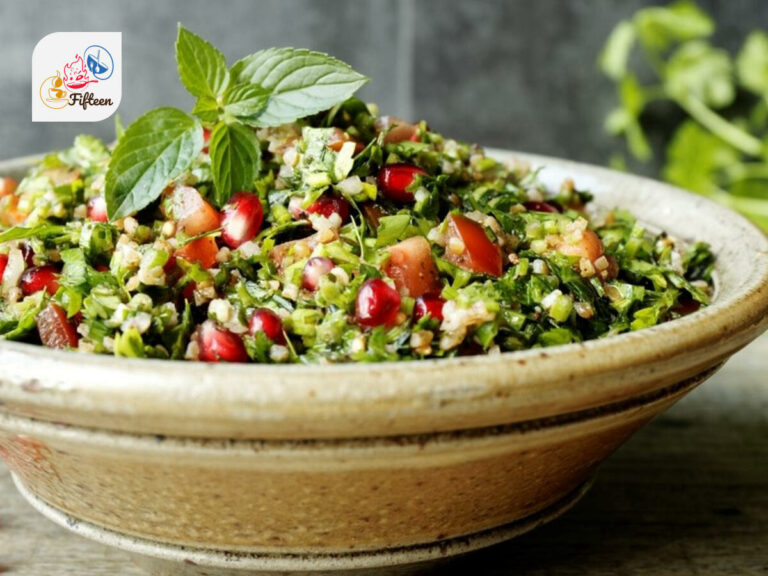
Tabbouleh
Tabbouleh is a Levantine vegetarian salad made of finely chopped parsley, tomatoes, mint, onion, bulgur (cracked wheat), and seasoned with olive oil, lemon juice, salt, and pepper.
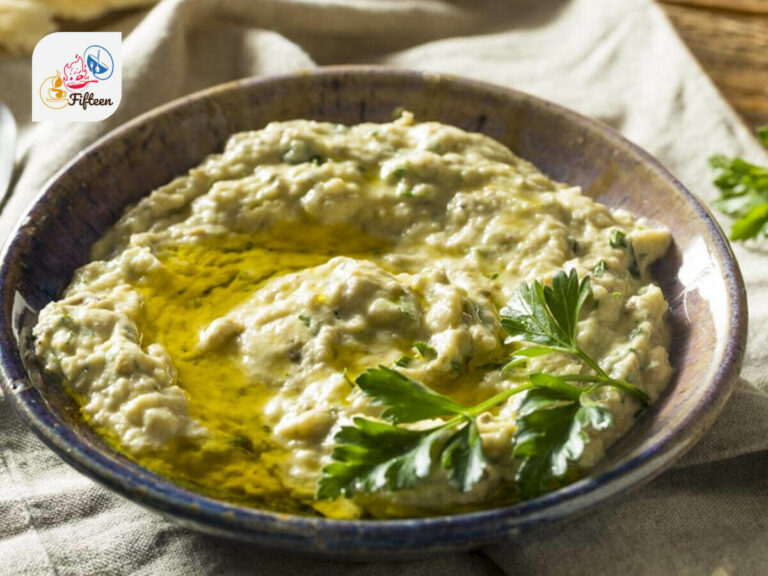
Baba Ganoush
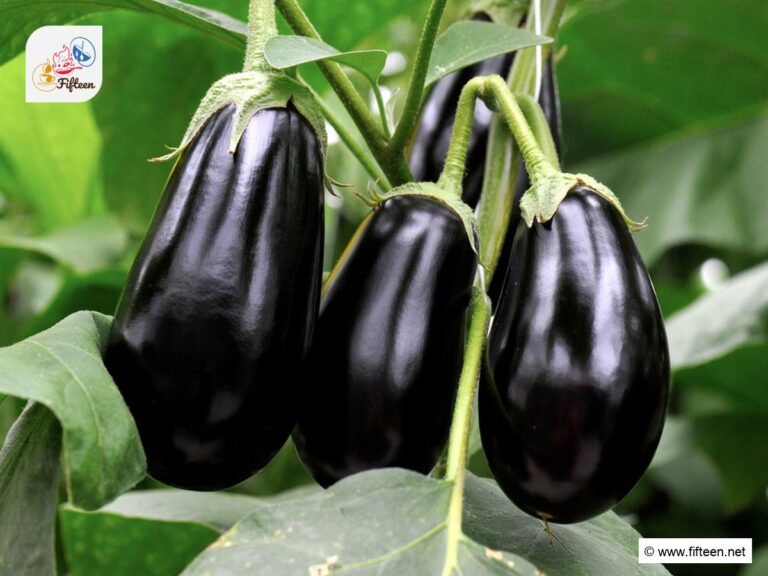
Baba ganoush is a Levantine appetizer consisting of mashed cooked eggplant mixed with tahini, olive oil, possibly lemon juice, and various seasonings.
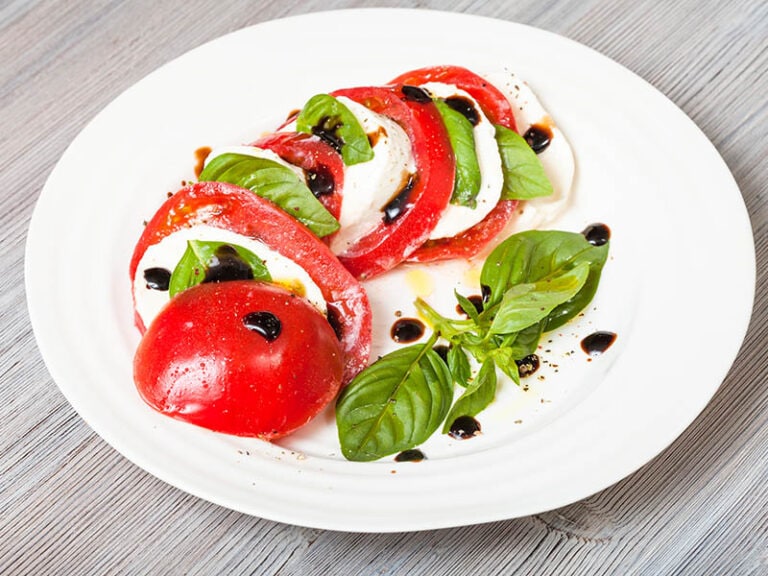
Caprese Salad
Caprese salad is a simple Italian salad, made of sliced fresh mozzarella, tomatoes, and sweet basil, seasoned with salt and olive oil, often presented in the colors of the Italian flag.
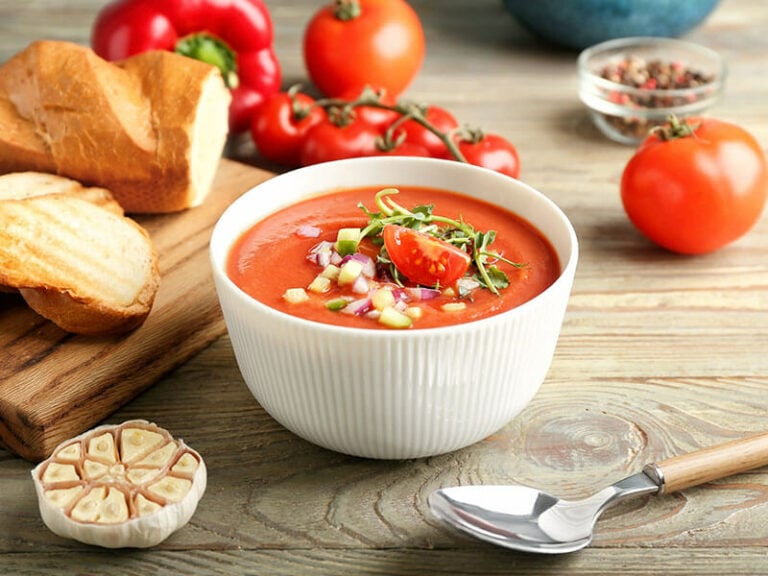
Gazpacho
Gazpacho is a Spanish cold soup made of raw, blended vegetables, traditionally including tomatoes, cucumbers, bell peppers, onions, and garlic, seasoned with olive oil, vinegar, and sometimes bread for thickness.

Ratatouille
Ratatouille is a French Provençal stewed vegetable dish, originating in Nice, consisting of zucchini, eggplants, bell peppers, onions, tomatoes, and seasoned with herbs and olive oil.
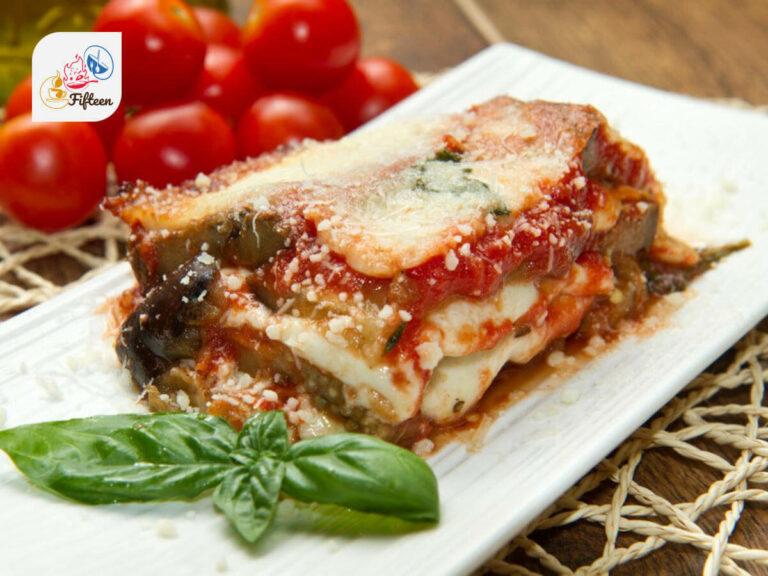
Parmigiana
Parmigiana is an Italian dish made with a shallow or deep-fried sliced eggplant layering with cheese and tomato sauce, then baked.
And it’s not just food; veggies are also turned into drinks that are both tasty and good for you.
10 Most Common Beverages Featuring Vegetables
Let’s explore 10 of the most beloved drinks with vegetables as ingredients:
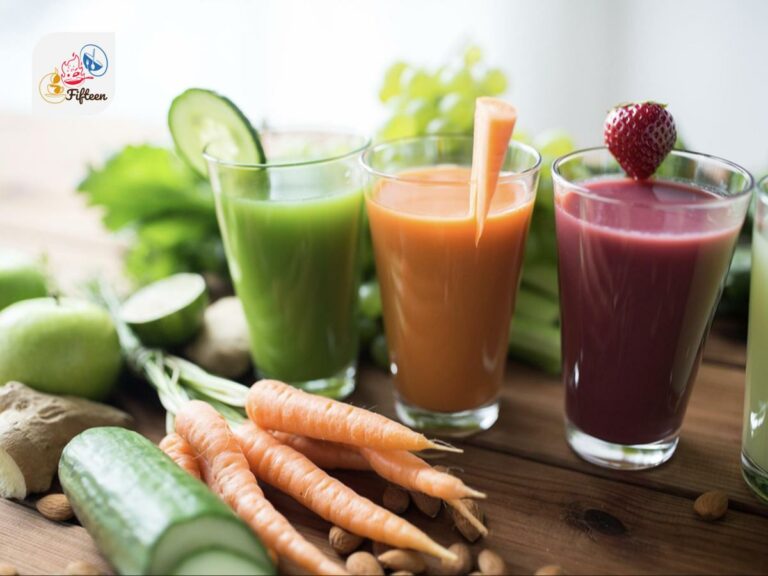
Vegetable Juice
Vegetable juice is a liquid concoction made by blending or juicing various vegetables. Common variations include carrot juice, beet juice, and green juices that often combine leafy greens with other vegetables for added flavor and nutrition.
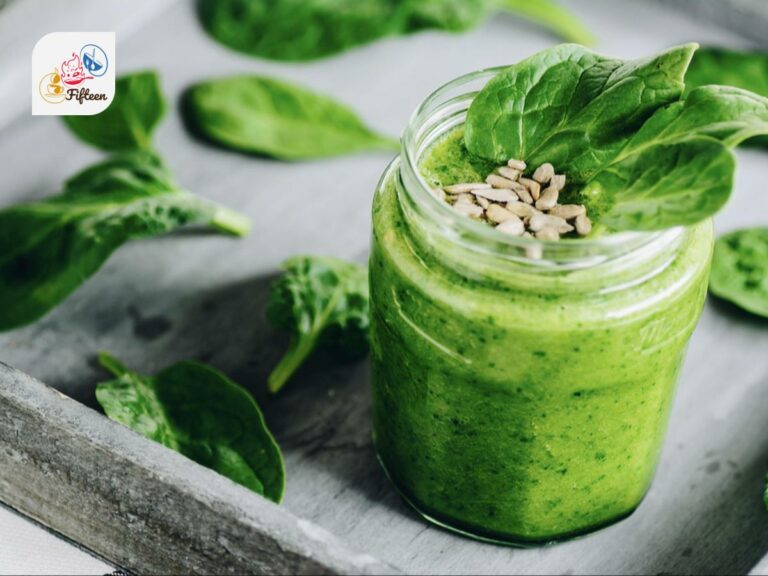
Vegetable Smoothie
Vegetable smoothie is a thicker, blended beverage that combines vegetables with fruits, liquids (such as water, milk, or juice). Popular variations include spinach and kale smoothies mixed with ingredients like banana or apple to improve taste.
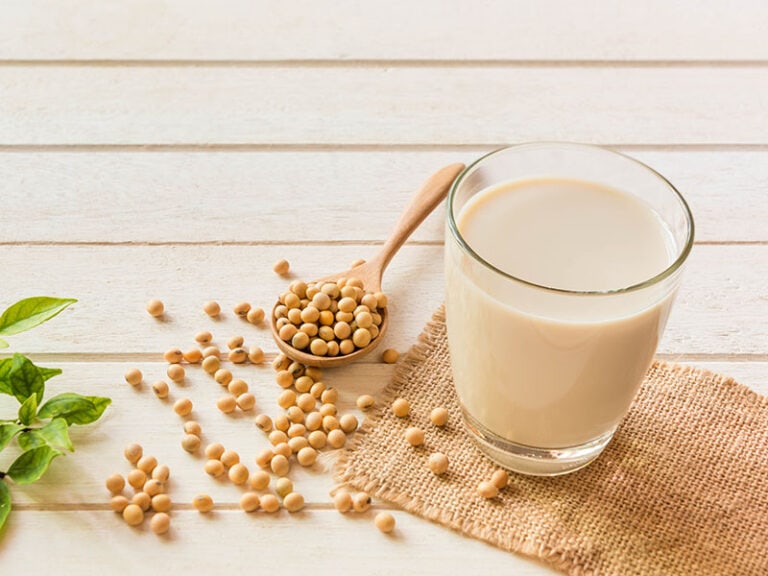
Vegetable Milk
Vegetable milk is a plant-based beverage derived from vegetables or legumes, offering an alternative to traditional dairy milk. Soy milk, pumpkin seed milk, and zucchini milk are popular examples, each with a distinct taste and nutritional profile.

Vegetable Tea
Vegetable tea involves infusing water with vegetables, herbs, or plant materials, creating a savory or subtly flavored drink. Varieties include teas made from dried carrots, fennel, and beetroot, often blended with spices or other botanicals for enhanced flavor.

Bloody Mary
Bloody mary is a cocktail containing vodka with tomato juice and various spices and flavorings including Worcestershire sauce, hot sauces, horseradish, herbs, garlic, black pepper, lemon juice, lime juice, celery, olives, and salt or celery salt.
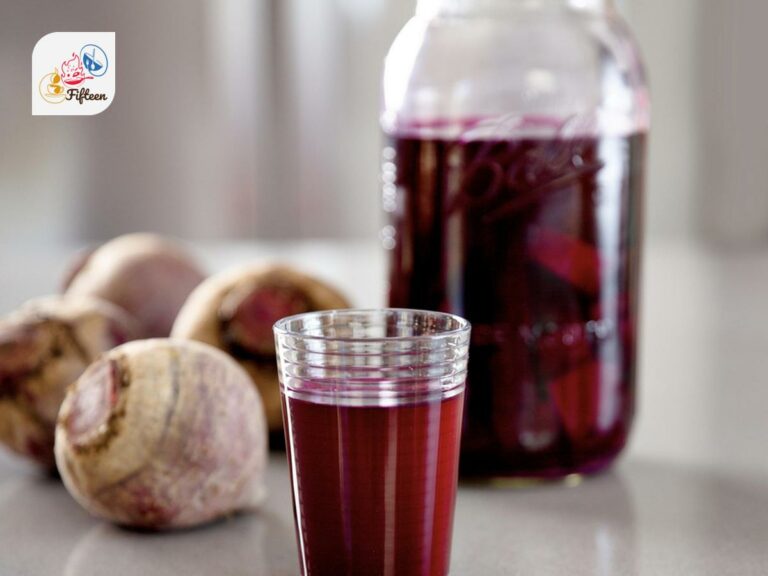
Beet Kvass
Beet kvass is a fermented beverage made from beets, water, and salt, often flavored with herbs or other vegetables, originating from Eastern Europe.

Cucumber Water
Cucumber water is a refreshing drink made by infusing water with cucumber slices, often garnished with herbs like mint for additional flavor.

Celery Soda
Celery soda is a fizzy drink made by blending carbonated water with flavored syrup derived from celery seed and sugar.

Michelada
Michelada is a Mexican drink made from blending beer with lime juice, assorted sauces (often chili-based), spices, tomato juice, and chili peppers.
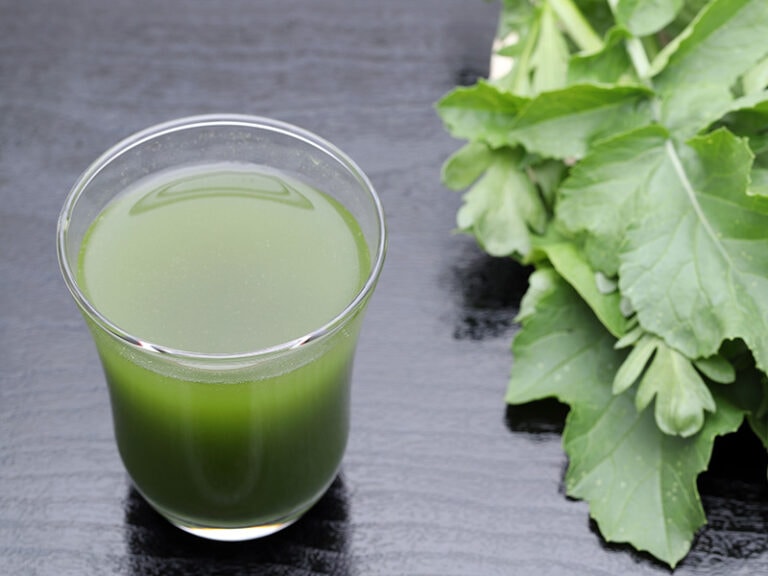
Aojiru
Aojiru is a Japanese green juice made primarily from green leafy vegetables, such as kale or young barley grass.
And it’s not just food; veggies are also turned into many beverage options that are both tasty and good for you.
What Are the Differences Between Native and Non-native Vegetables?
Native and non-native vegetables possess the following differences:
Native Vegetables
Non-native Vegetables
While it’s cool to have these new vegetables in our gardens, it’s crucial to know the differences between non-native and invasive vegetables.
Non-native vs. Invasive Vegetables: How Do They Differ?
Below is a summary between the contrasts between non-native and invasive vegetables:
Non-native Vegetables
Invasive Vegetables
Just as we keep an eye on these pushy plants, it’s also fun to explore the mix-up between vegetables and the world of fruits, which often comes down to taste and seeds.
What Are the Differences Between Vegetables and Fruits?
Here’s a breakdown of the differences between vegetables and fruits:
Vegetables
Fruits
Next, let’s proceed to examine the list of vegetables arranged in alphabetical order.
List of Vegetables by Alphabetical Order
Here is an alphabetical listing of vegetables:
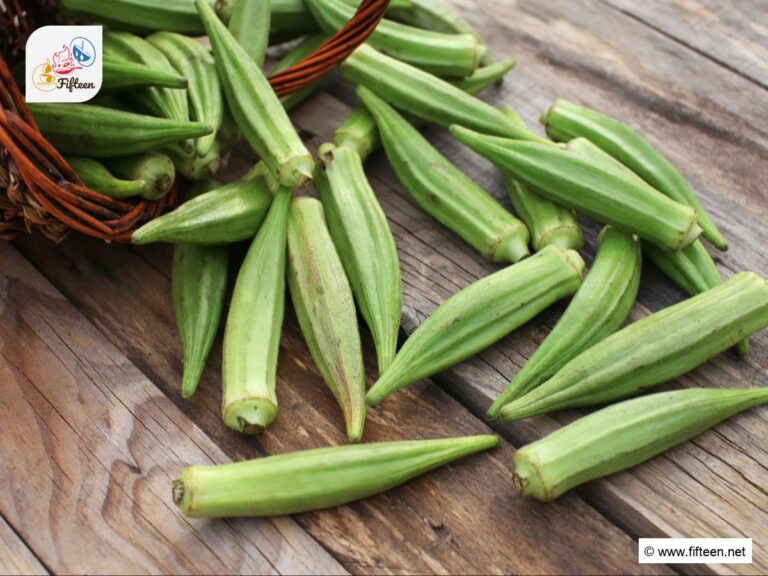
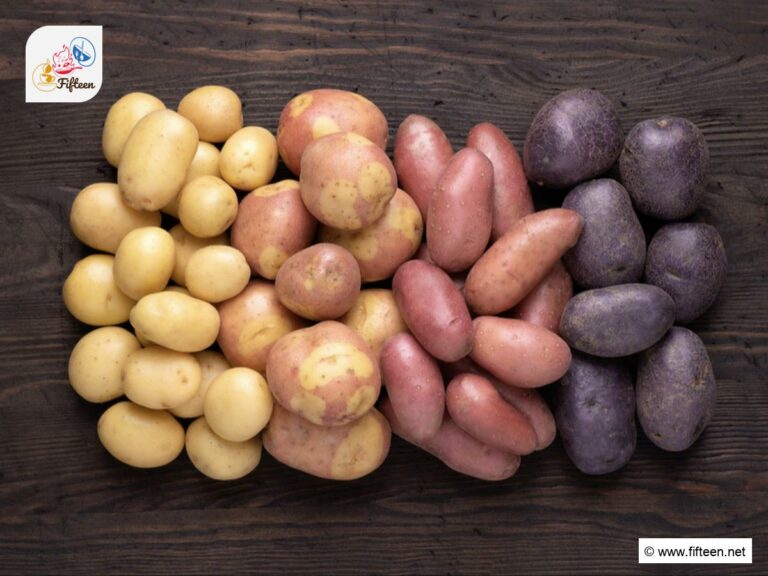

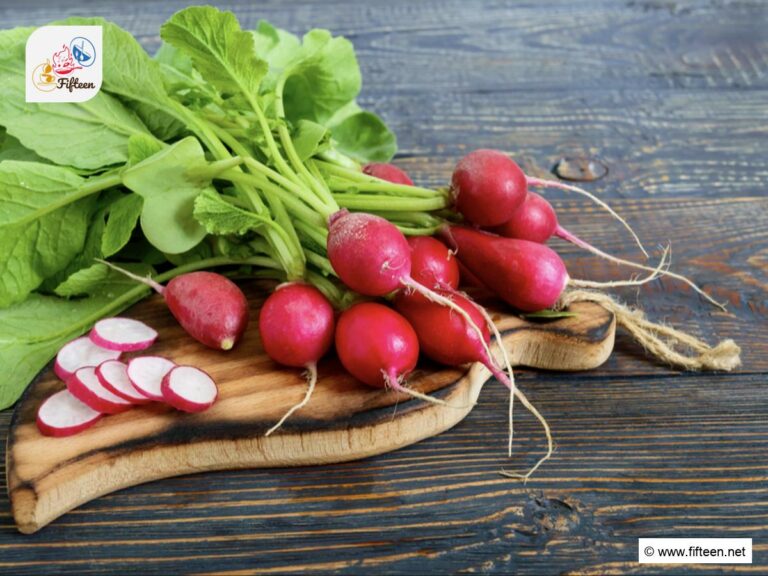
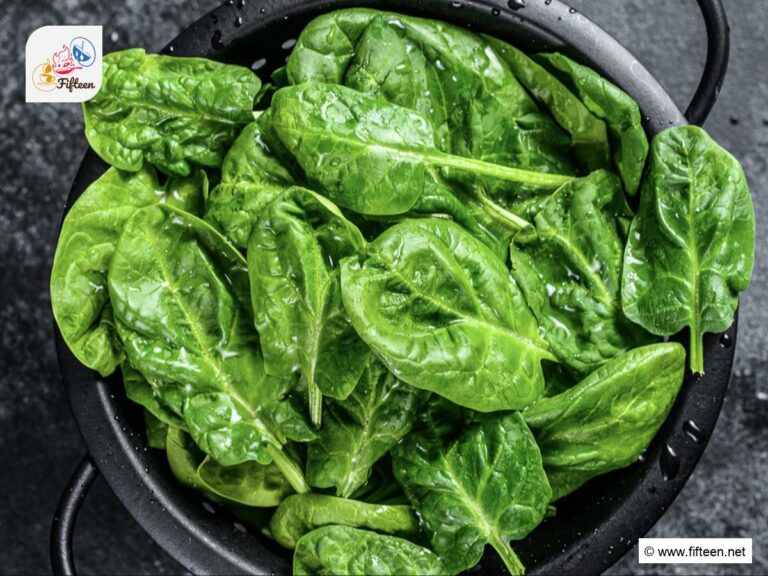



Loved what you read about veggies? Why not spread the word? Give it a thumbs up, chat with us in the comments about your go-to veggie dishes, and share it with your circle. Thank you, and have a great day!
Jamie Scott
Editor in Chief, Senior Content Writer
Expertise
Home Cooking, Meal Planning, Recipe Development, Baking and Pastry, Food Editor, Cooking-video Maker, Western Food Evaluation Expert
Education
Le Cordon Bleu College of Culinary Arts
Local Community College, New York, NY
Jamie Scott is a skilled culinary expert and content creator specializing in Western cuisine. With over 15 years in the culinary field and formal training from Le Cordon Bleu, Paris, Jamie deeply understands how to blend nutrition with delicious flavors. His passion for cooking matches his commitment to making healthy eating accessible and enjoyable.
On Fifteen.net, Jamie brings a fresh perspective to classic dishes and beverages, offering readers insightful recipes, cooking tips, and a fresh view on meal planning that emphasizes taste, health, and simplicity.