

Filipino Beverages: Basic Overview
Common Ingredients
Common Preparing Methods
Key Taste
Drinking Etiquette
Culinary Festivals
Influence and Fusion
Filipino Beverages: Origin and Region
Cuisine
Culinary Region
Country’s Region
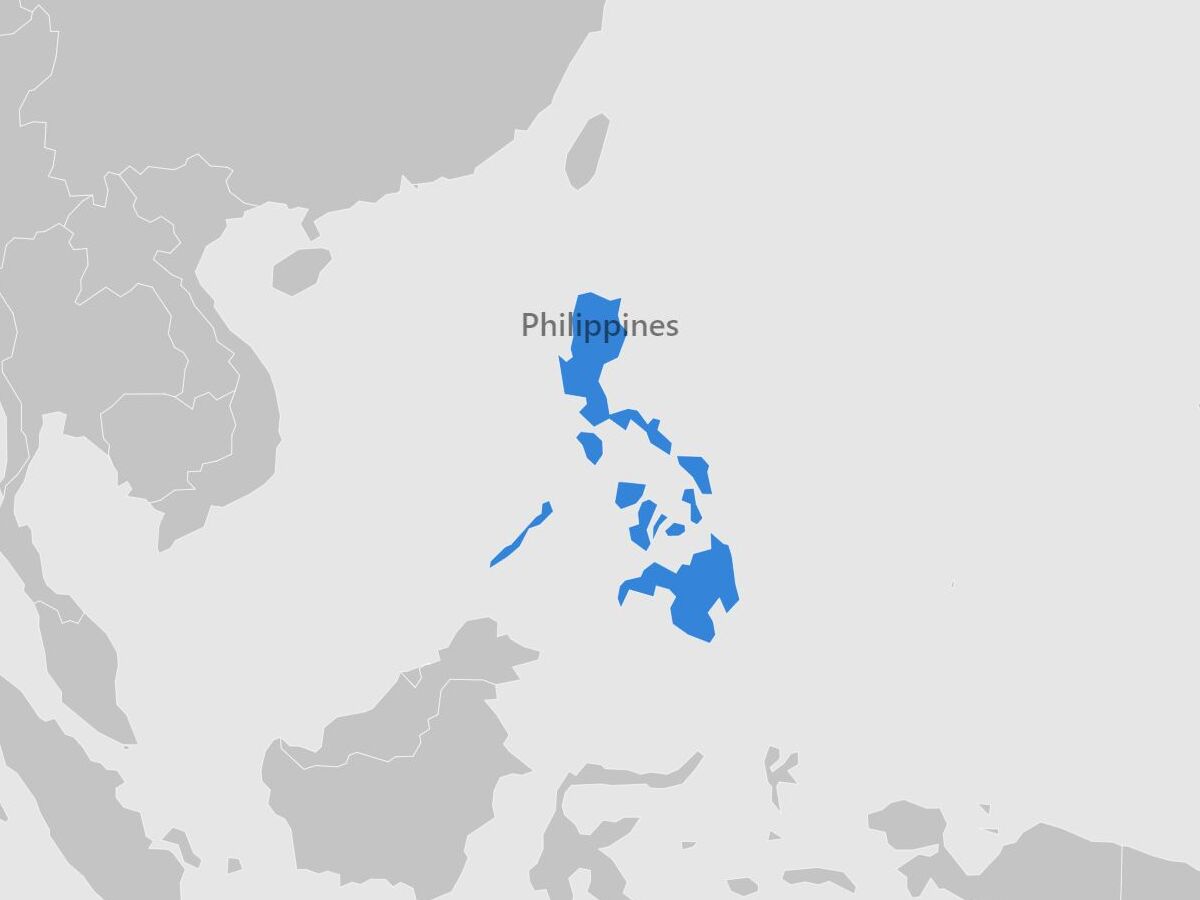
Classifications of Filipino Beverages
-
Non-alcoholic beverages
These are beverages made with no alcohol content, ofte using local fruits in the Philippines.
Fruits include citric options (calamansi), coconut, etc.
It is very popular across the country due to the hot climate.
-
Alcoholic Beverages
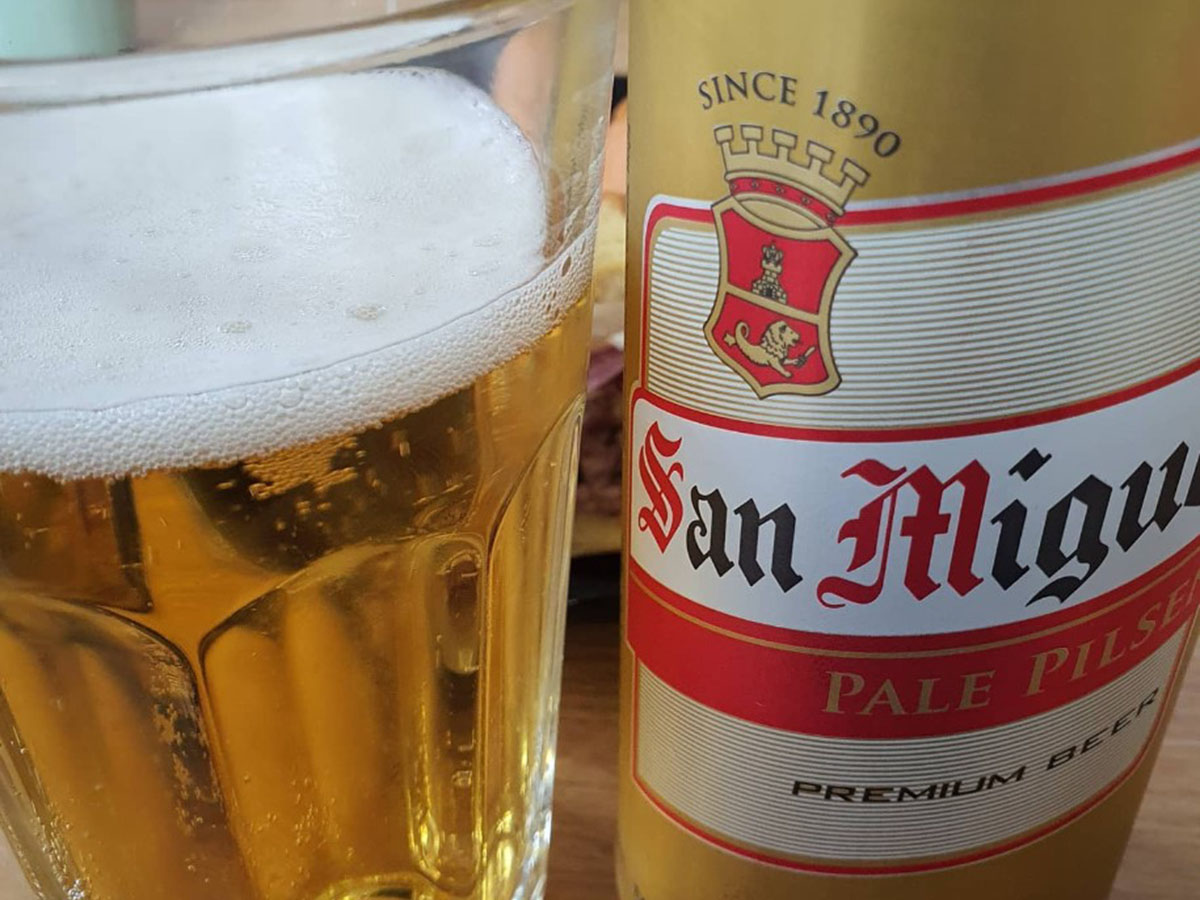
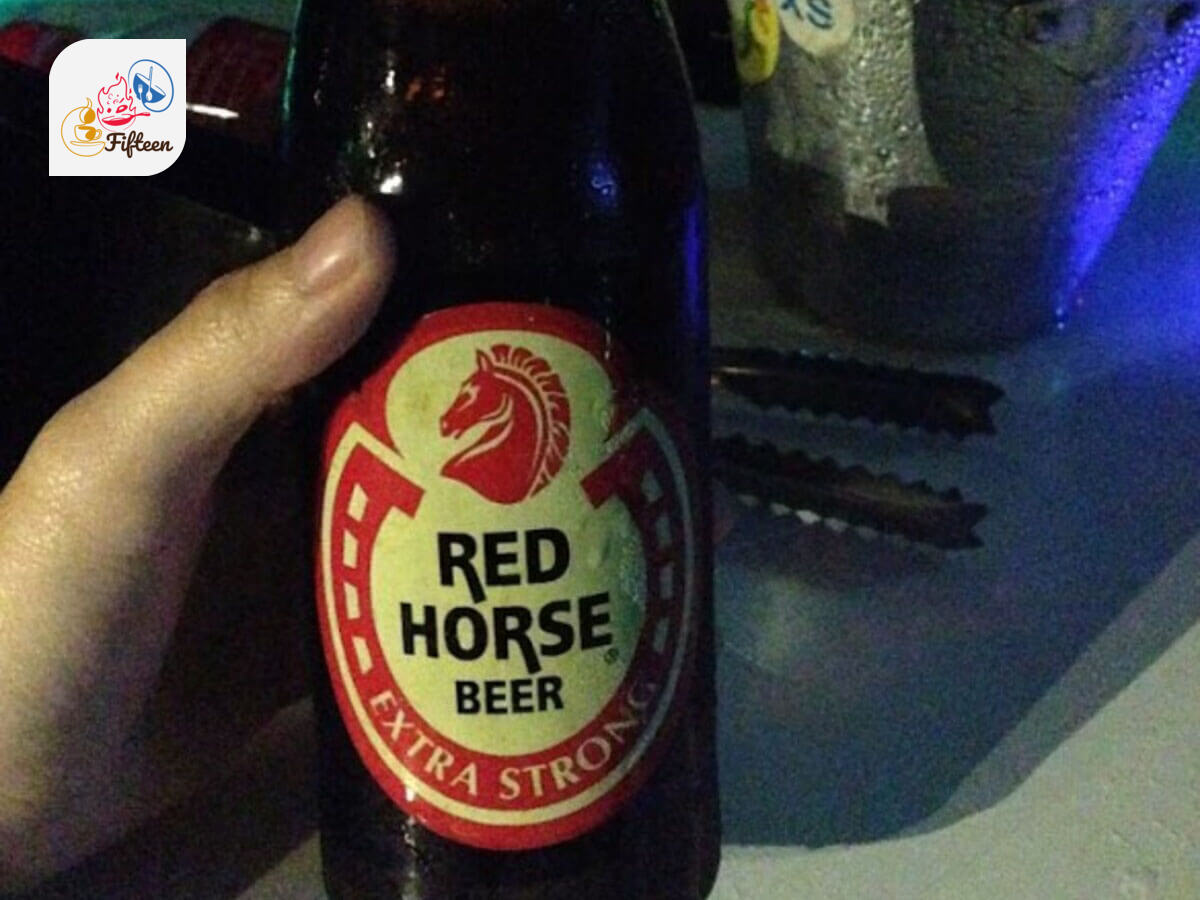
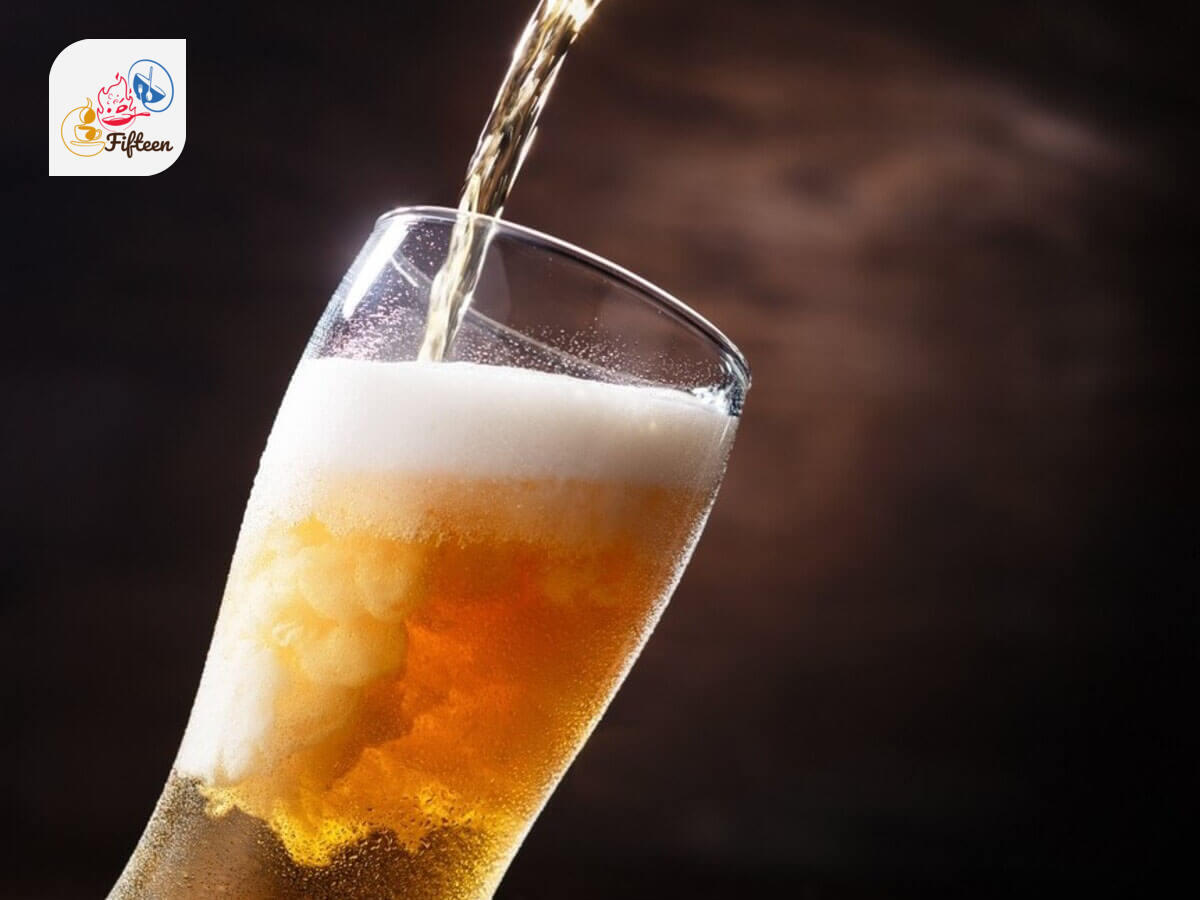
Beer is the most popular option in the Philippines, made from fermented grains, malt barley, or hops.
Also, spirits made from palm sap are popular choices of many Filipinos.
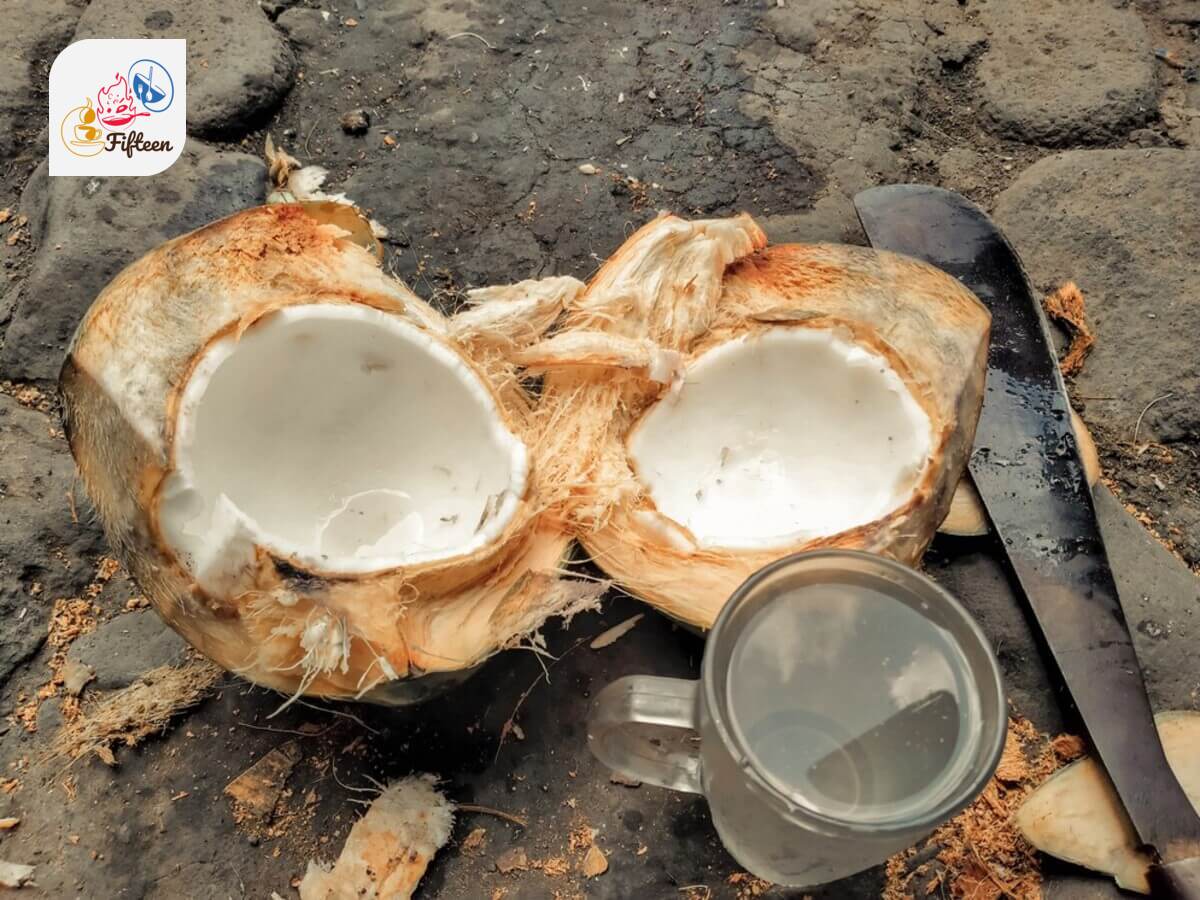
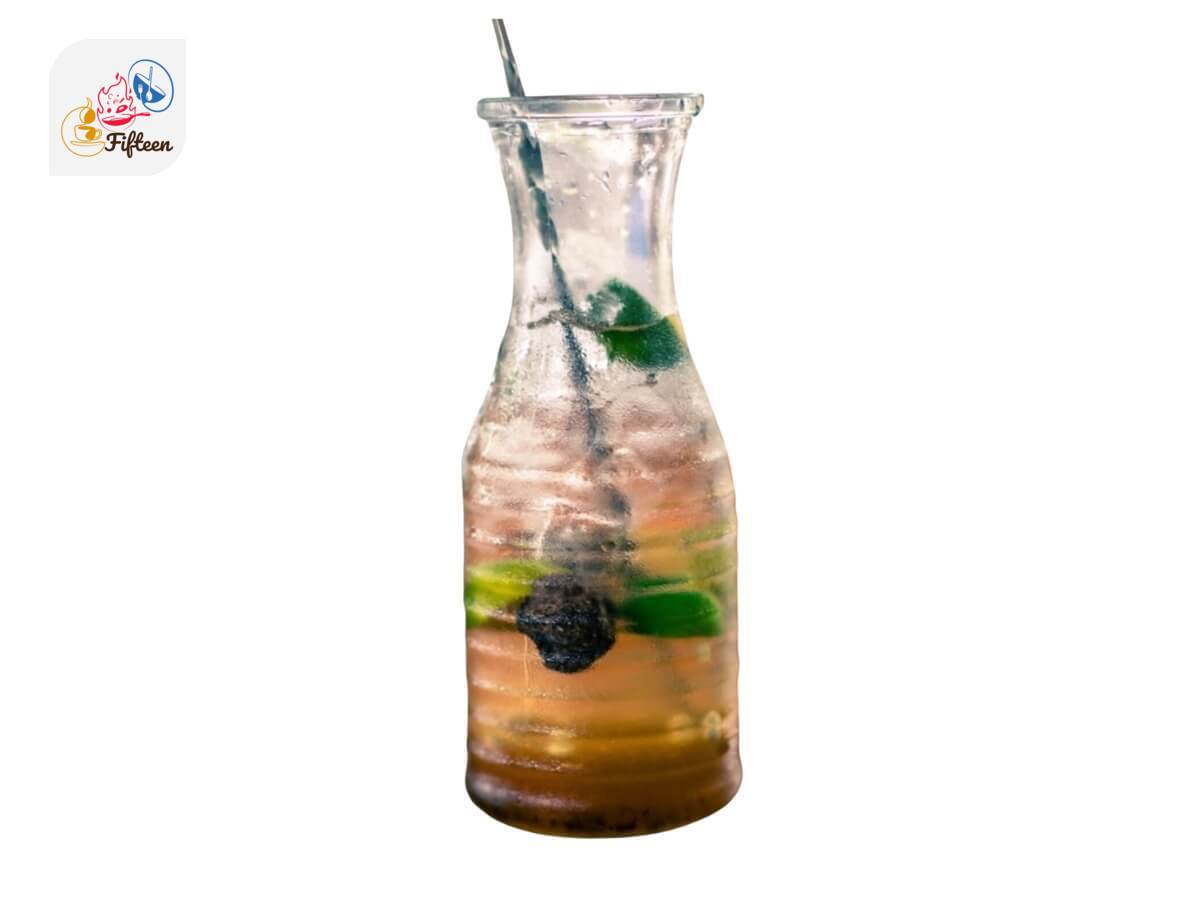
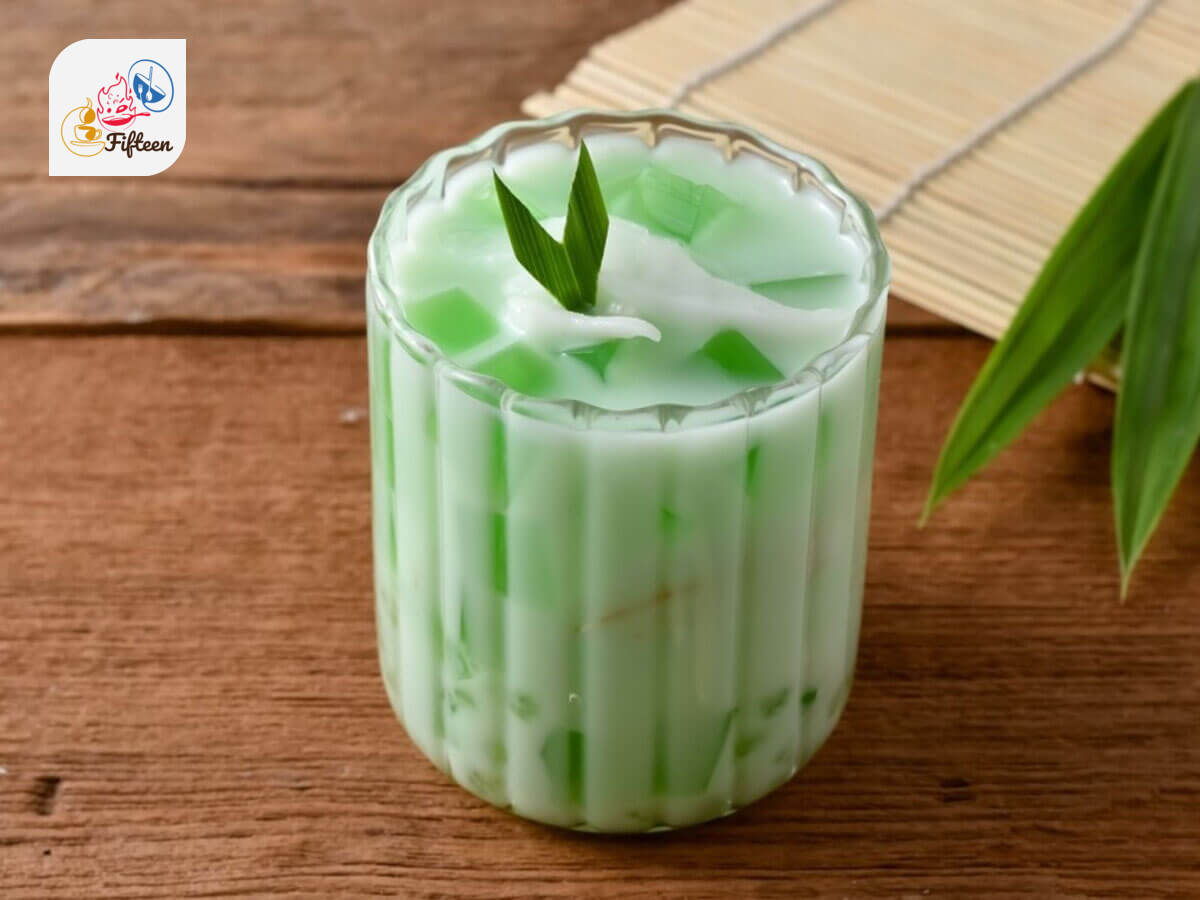
Filipino beverages are drinks native or popular in the Philippines that tend to offer a refreshing or fruity touch. As a tropical country, the country’s population favors chilled drinks for a cooling effect.
Usually, many drinks utilize various fruits with the addition of condensed or evaporated milk to sweeten the mixture. To add to that, calamansi juice, honey, or sugar are common picks to adjust the flavor.
As for alcoholic options, beer, which is the most popular alcoholic drink, and palm sap wine, like tubâ and lambanog.
To get a better understanding of Filipino drinks, allow me to guide you through the elements that impact Filipino beverages along with their importance in the country’s culture.
Next, uncover the drinking culture and some ways to enjoy beverages just like a local. Also, let me guide you through some inquiries relating to Filipino drinks.
Scroll through and explore more about Filipino beverages using the filter system to aid you in the process of gaining more knowledge.
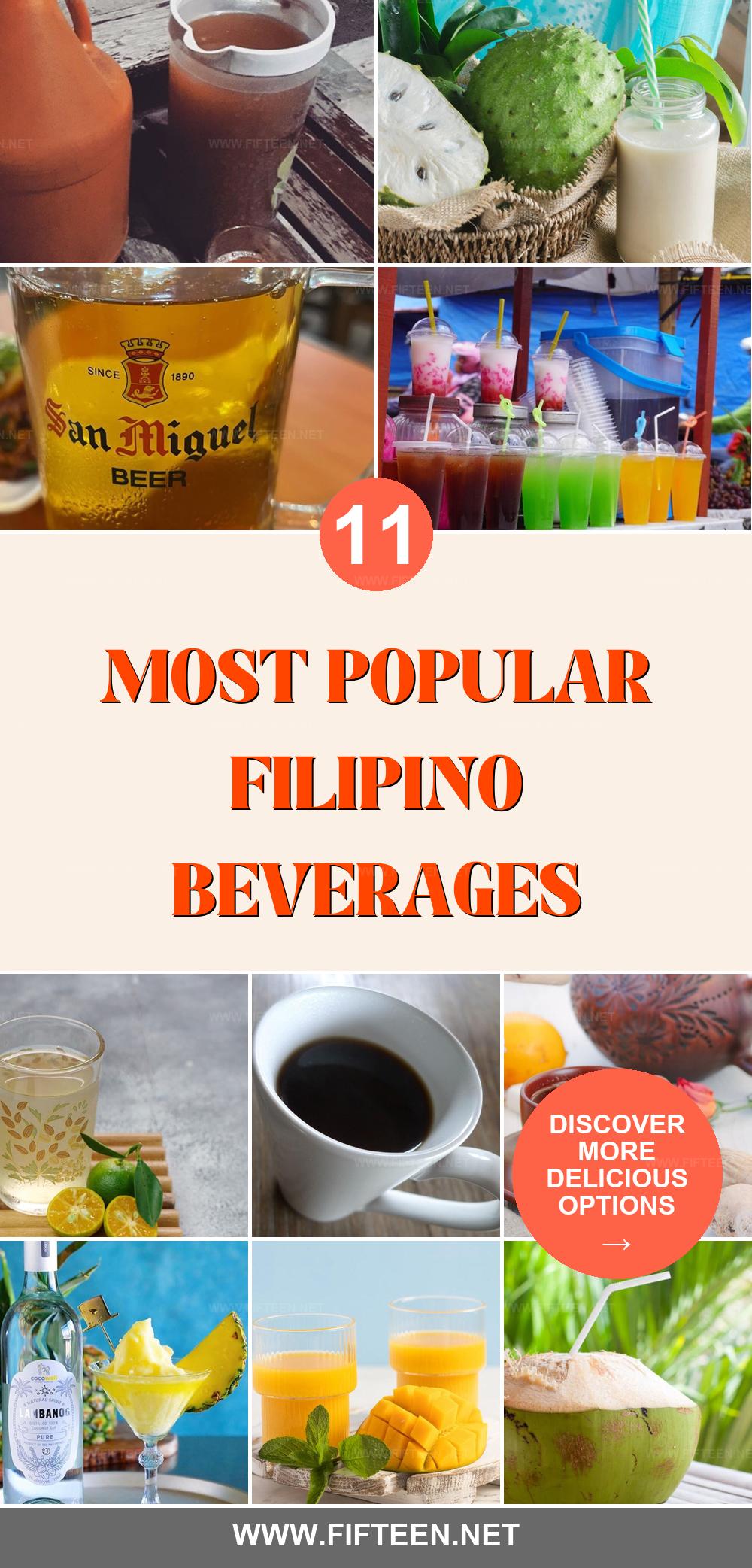
11 Popular Filipino Beverages
Get to know the drinks of the Philippines through the following list. Use the handy filter system to go through exciting categories like alphabetical order, ingredients, taste, preparation methods, drink types, courses, and global popularity.
Also, I suggest checking out some of the categories like the most popular, national, traditional, and even street beverages of the Philippines:
To fuel your journey, let’s uncover the key roles of Filipino drinks in the country’s culture.
What Factors Influence Filipino Beverages?
As a country that has many island regions, the Philippines has many features that affect Filipino beverages:
Afterward, you should find out how these types of drinks are categorized to have a better overview of them.
What Is the Importance of Filipino Beverages In Culture?
In Filipino culture, drinking is a key part of their traditions and way of life. At celebrations, funerals, or just casual meet-ups, alcohol often plays a big role.
The special custom of “tagay” is about sharing a single glass among a group that represents Filipino values of togetherness, friendship, and welcoming others.
This shows how important drinks are in bringing people together and celebrating Filipino culture. Typically, these events have a long history in the Philippines, with alcohol being an essential part of it.
What Is the Role of Alcoholic Drinks in The Philippines’ History?
Before Spanish colonization, indigenous Filipinos had mastered brewing. The Spanish introduced new distillation methods and sugarcane, creating new Filipino spirits.
These spirits later on symbolized hope and resilience under colonial rule. They were a way for Filipinos to maintain their identity and resist foreign dominance.
Today, these traditional alcoholic beverages hold significant cultural importance. They are used in various rituals, ceremonies, and social gatherings, reflecting the rich Filipino heritage.
Lambanog, a coconut wine, is known for bringing good luck and blessings. It’s often used in weddings, symbolizing purity and prosperity.
Each alcoholic drink in the Philippines, in many regions of the country, comes with various ingredients and even alcoholic contents.
What Are the Alcoholic Levels of Drink in The Philippines?
The Philippines has a wide range of alcoholic options that come with different flavors. Therefore, drinks often range from light to mild and even hard in terms of alcoholic content:
Light and flavored drinks are perfect for those new to alcohol or who prefer a softer touch. These include refreshing options like flavored beers.
Mild alcoholic drinks balance flavor and strength. For instance, tubâ is a palm wine, mildly sweet and yeasty when fresh. The drink has more flavor than light drinks but has moderate alcohol content.
For those who like strong spirits, the Philippines has plenty, lambanog, a coconut sap vodka, is known for its high alcohol content and clear taste. Hard liquors represent the bold side of Filipino spirits, offering an intense experience.
In case you’re looking to immerse yourself in Filipino culture, it’s also important to know how to drink like a local before hitting the beverage scene in the Philippines.
How Do You Enjoy Filipino Beverages Like Locals?
Become a pro when you want to quench your thirst in the Philippines by learning about how to enjoy drinks like a local:
Explore more about Filipino beverages through flavorful picks that go well with the country’s delicious food.
What Filipino Drinks to Pair with Dishes from the Country?
To have a full experience of Filipino cuisine, you need to combine their dishes and drinks to create an attractive flavor:
Each drink offers a unique touch when accompanied with the right dishes coming from the Philippines, giving you the fullest experience of how local dine.
After knowing about Filipino beverages, you should share these fascinating facts with others and leave a comment sharing your thoughts about related topics.
Jamie Scott
Editor in Chief, Senior Content Writer
Expertise
Home Cooking, Meal Planning, Recipe Development, Baking and Pastry, Food Editor, Cooking-video Maker, Western Food Evaluation Expert
Education
Le Cordon Bleu College of Culinary Arts
Local Community College, New York, NY
Jamie Scott is a skilled culinary expert and content creator specializing in Western cuisine. With over 15 years in the culinary field and formal training from Le Cordon Bleu, Paris, Jamie deeply understands how to blend nutrition with delicious flavors. His passion for cooking matches his commitment to making healthy eating accessible and enjoyable.
On Fifteen.net, Jamie brings a fresh perspective to classic dishes and beverages, offering readers insightful recipes, cooking tips, and a fresh view on meal planning that emphasizes taste, health, and simplicity.