

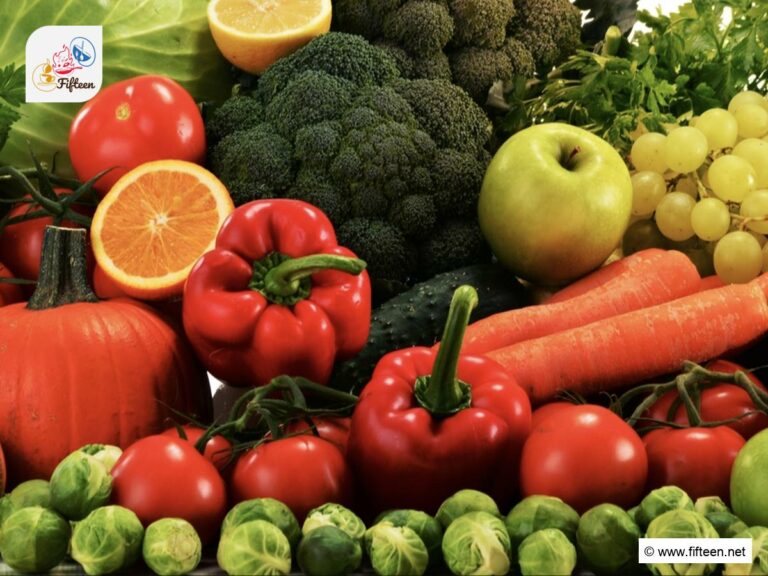
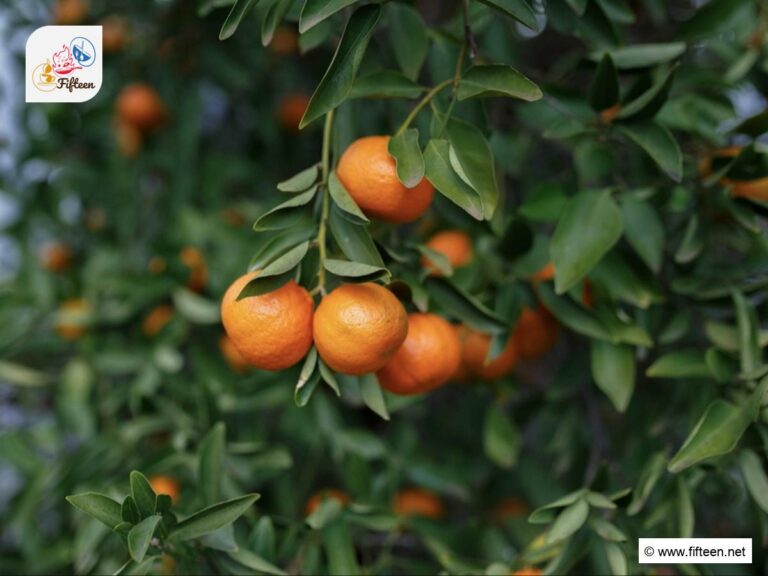
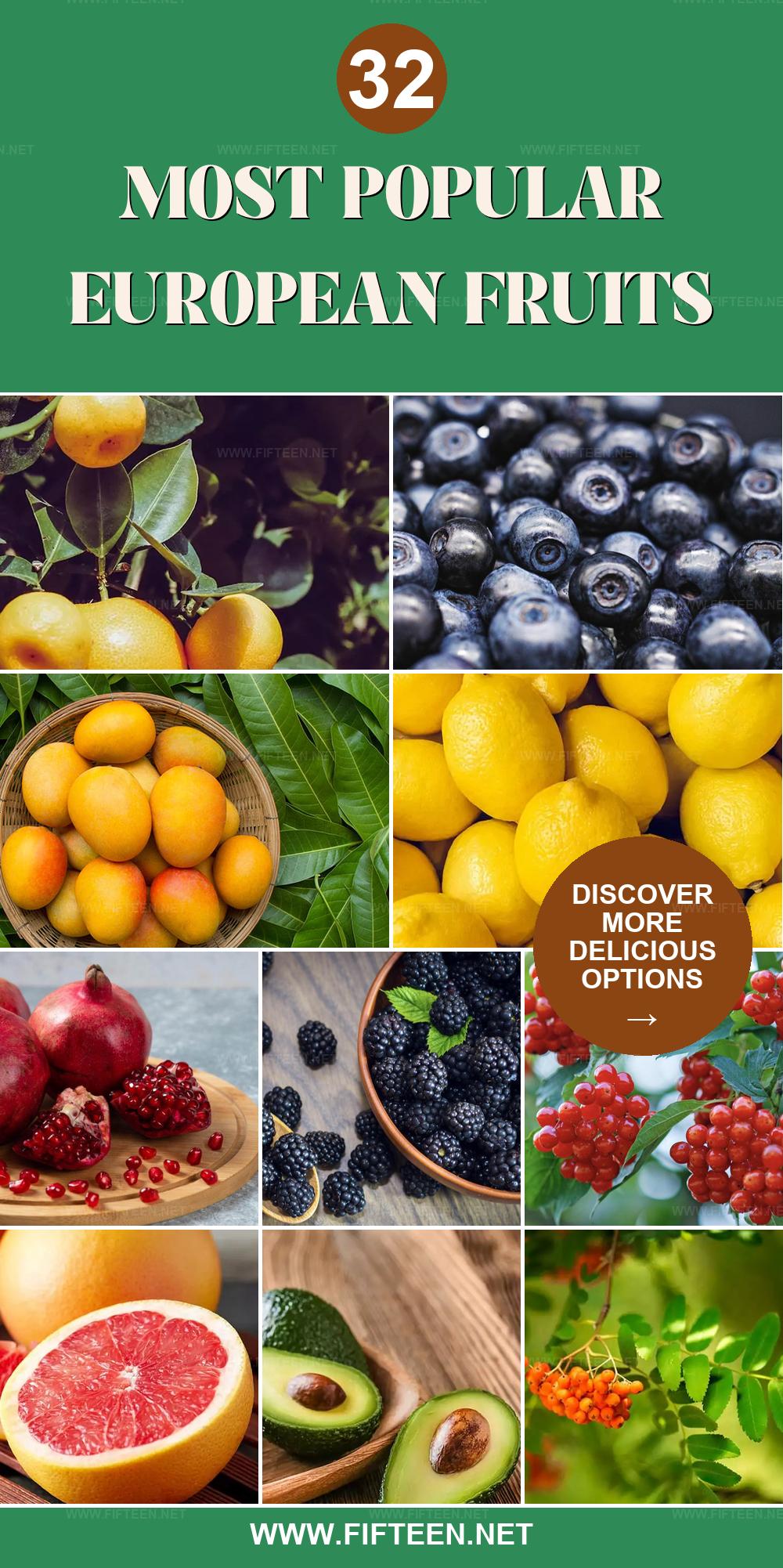
European fruits are a mix of native varieties like apples, pears, cherries, and berries, and non-native fruits introduced through migration and trade.
There are three main categories: stone fruits (cherries, plums), known for their juiciness and sweetness; pome fruits (apples, pears), versatile for cooking and raw consumption; and soft fruits (berries, grapes), prized for their antioxidants and used in jams, desserts, and as snacks.
Beyond nutrition, European fruits carry cultural significance, embodying heritage, seasonality, and festivity. Apples and grapes, for instance, are rooted in mythology, tradition, and the wine industry.
I’m excited to share with you everything I found out about the top 39 fruits in Europe. You will look at what makes each region’s fruits special, figure out which countries are the big players in fruit production, and talk about some popular fruit dishes and drinks.
Moreover, I also discover some of the most favored vegetables in Europe.
Let’s get started!
32 Popular European Fruits with Filters
Here are 32 well-loved European fruits, organized by how much people enjoy them. You can play around with a filter to see which ones are native, non-native, national, fruit vegetables, or exotic, or which ones are used for dishes, beverages, or garnish.
List of European Fruits by Country
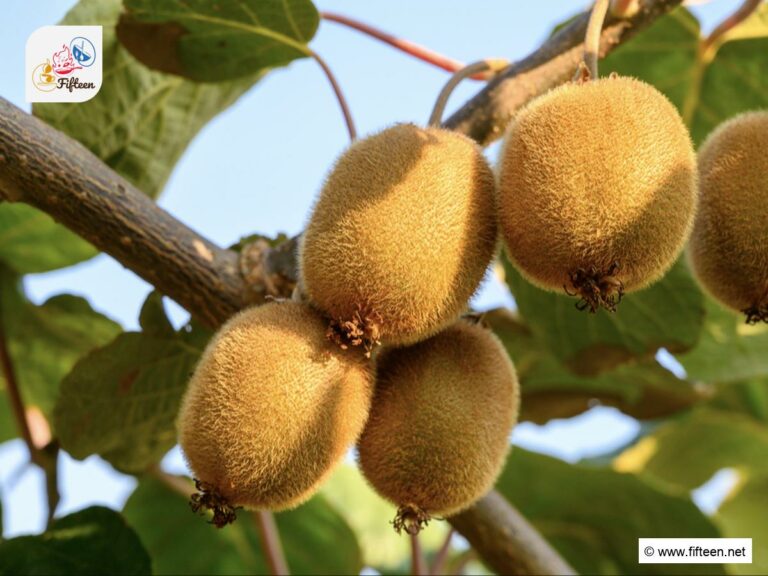
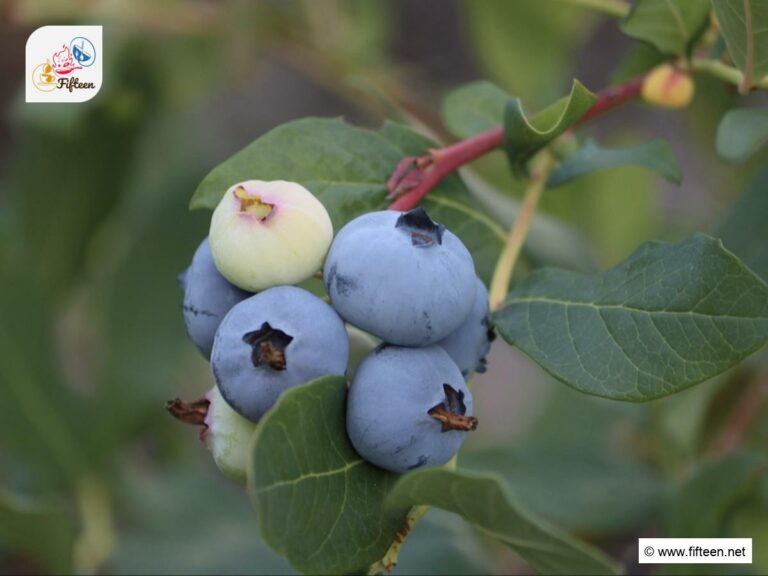
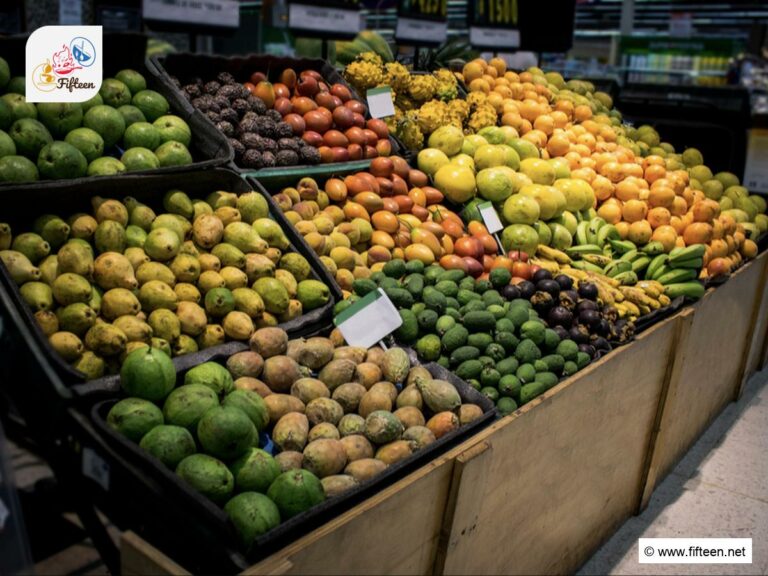
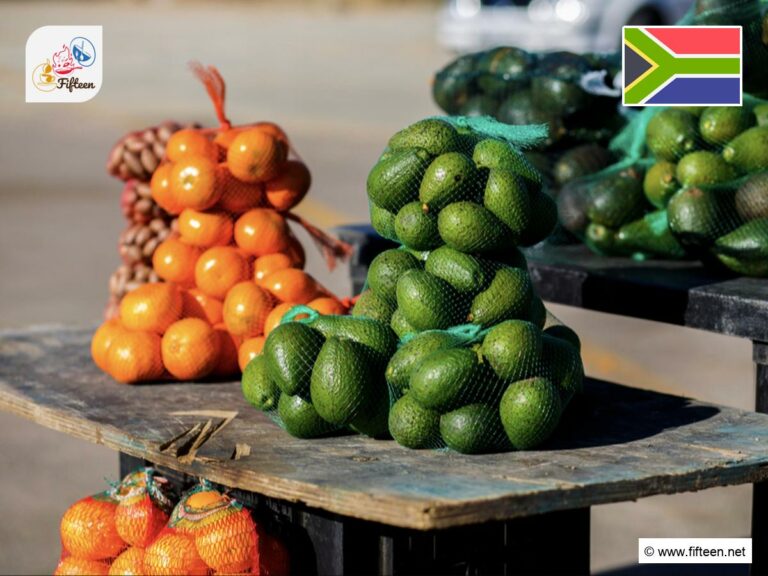
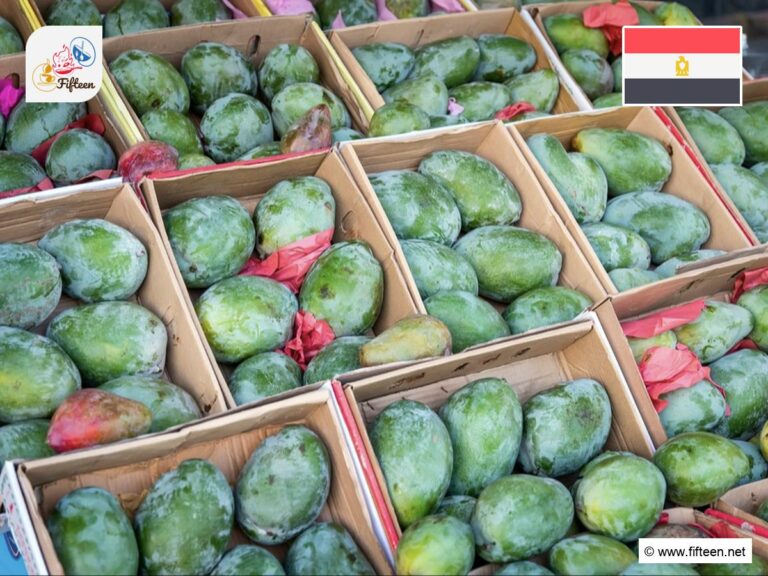
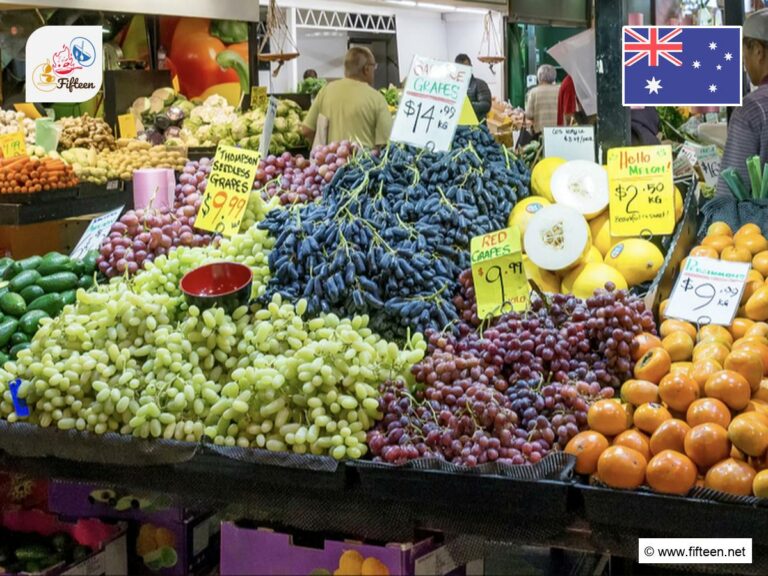
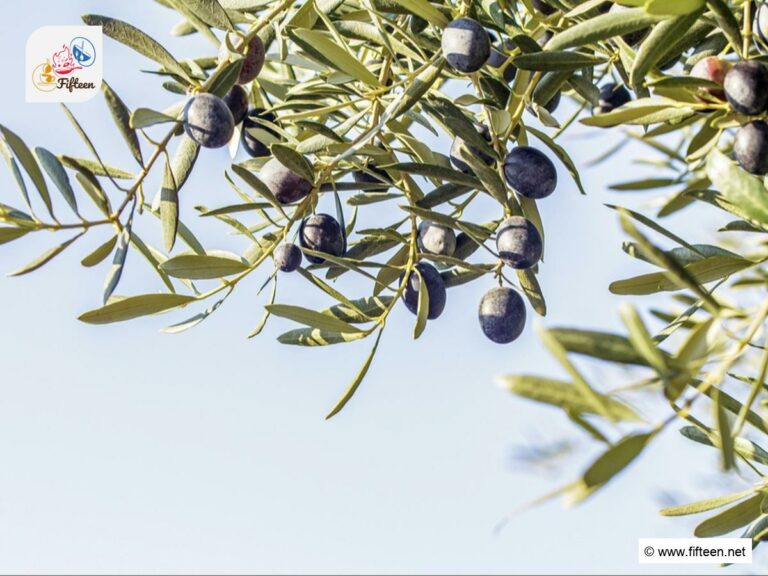
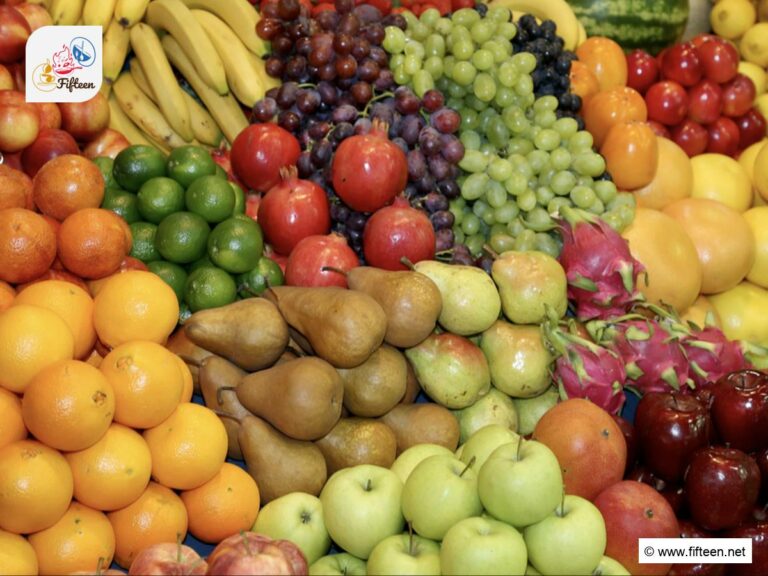
What Are the Features of European Fruits by Region?
Here is the summary of the characteristics of European fruits by region:
Leading Producers
Common Fruits: Apples, pears, plums, cherries, berries (strawberries, raspberries, blackcurrants).
Leading Producers
Common Fruits: Apples, pears, grapes, cherries, strawberries.
Leading Producers
Common Fruits: Oranges, lemons, olives, grapes, figs, peaches, apricots.
Leading Producers
Common Fruits: Apples, pears, cherries, plums, berries.
Leading Producers
Common Fruits: Apples, pears, plums, grapes, cherries.
Moving on, let’s find out how certain European countries excel in fruit production, with climates playing a crucial role in determining the leading producers.
Which European Countries Produce the Most Fruits?
Based on the 2022 data from Eurostat, here are the major European countries’ contributions to the production of different types of fruits:
The richness of Europe’s fruit production is mirrored in its cuisine, giving rise to iconic fruit-based dishes celebrated worldwide.
What Fruit-Based Dishes from Europe Are Renowned?
The 5 most famous European dishes that include fruits as ingredients are described below:
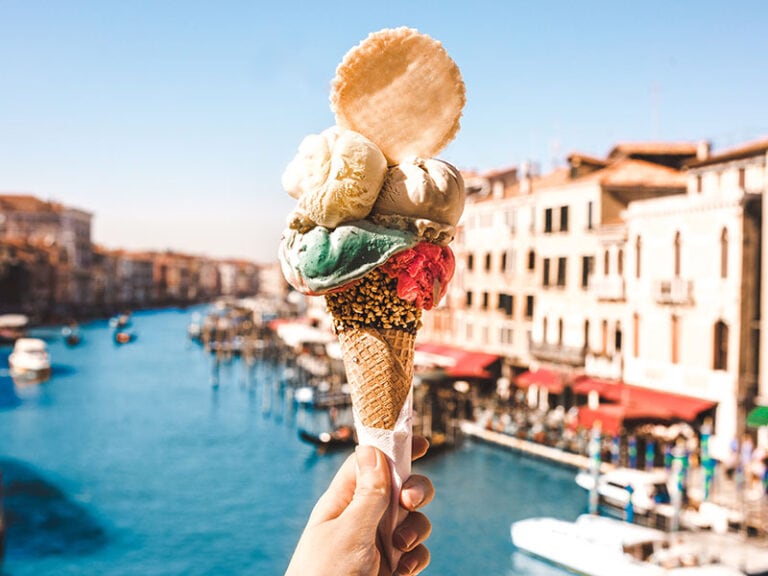
Gelato
Gelato is an Italian-style ice cream known for its rich texture and intense flavors, often featuring fruit such as strawberry, lemon, or mango.
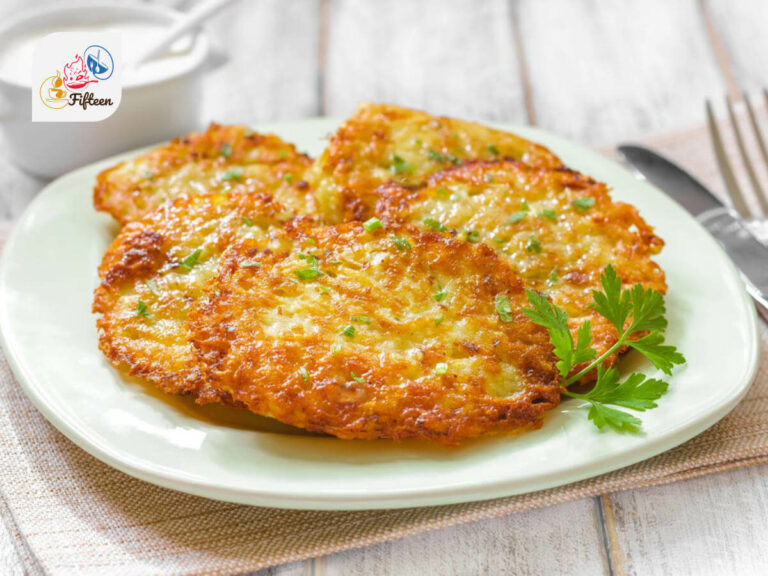
Pancakes
Pancakes are versatile flat cakes that, while not inherently fruity, are frequently topped or filled with berries, bananas, and other fruits for sweetness and variety.
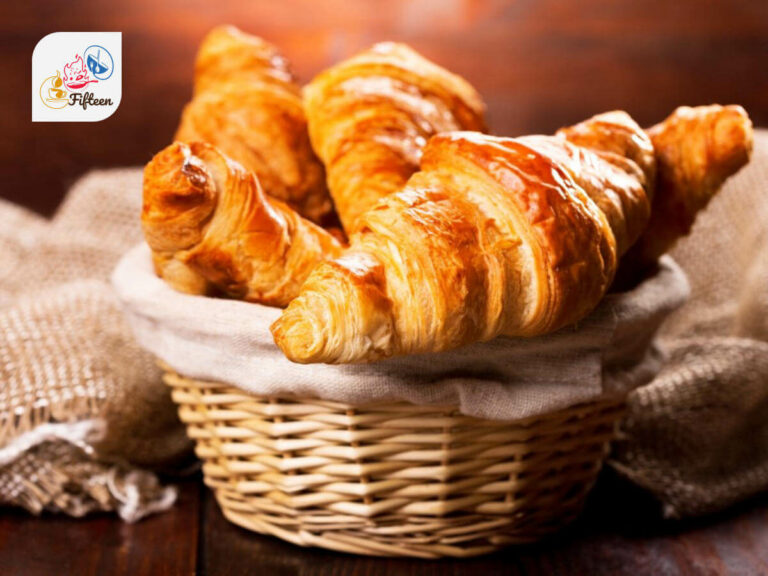
Croissants
Croissants can be transformed into sweet pastries like Pain aux raisins and Pain aux fraises, incorporating raisins and strawberries into the flaky, buttery dough.
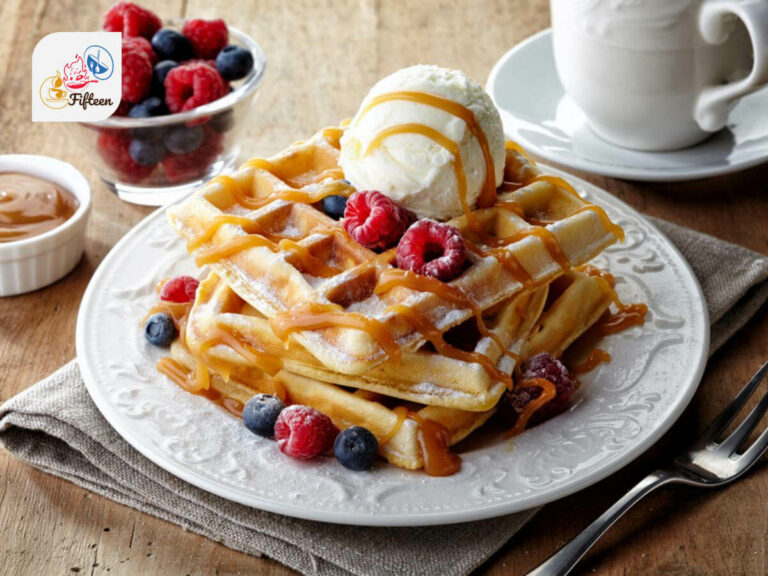
Waffles
Waffles are a European breakfast staple that achieves perfection when adorned with berries, sliced bananas, or apple compote.
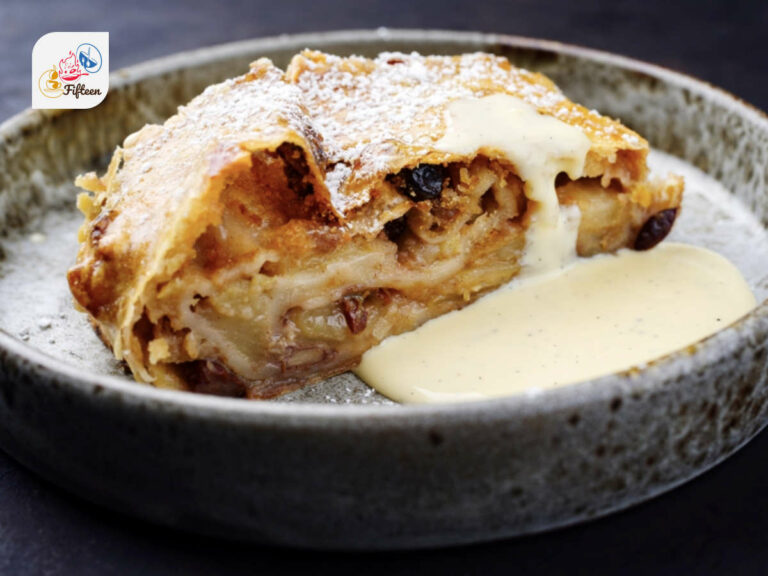
Strudel
Strudel is a layered pastry from Austria, celebrated for its sweet fillings, particularly the apple strudel, which showcases thinly sliced apples spiced with cinnamon.
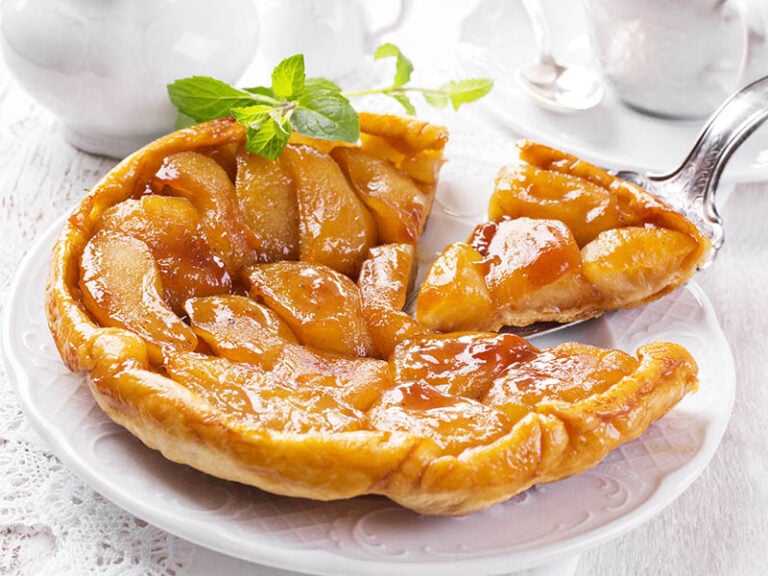
Tarte Tatin
Tarte Tatin is a French upside-down pastry where caramelized apples create a tender and flavorful filling beneath a buttery crust.
Don’t sweat it if you haven’t spotted your go-to dishes yet! There are a whole bunch more European dishes to offer.
Why not check out some European drinks made with fruits while you’re exploring? They’re a hit too!
Which European Fruit Beverages Are Must-Tries?
Presenting below are the 5 best-loved fruit beverages from Europe:
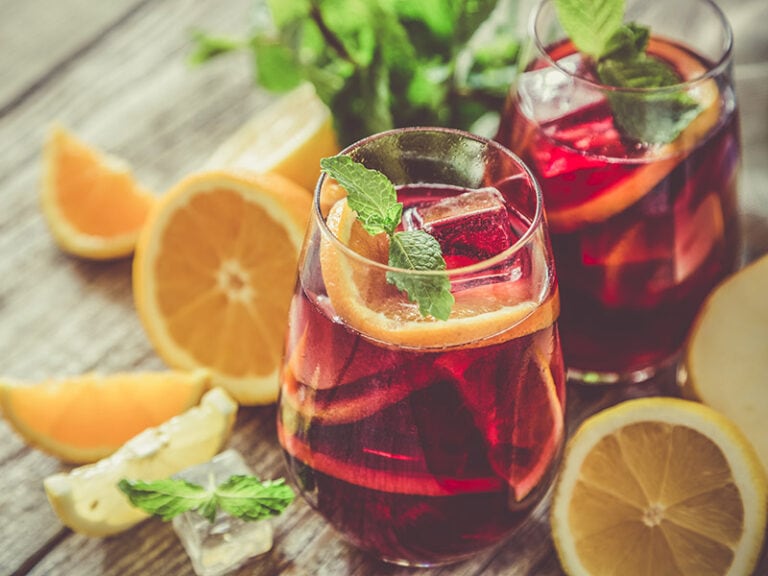
Sangria
Sangria is a festive Spanish drink blending red wine with assorted fruits, commonly apples, oranges, and lemons, for a refreshing punch.

Rakia
Rakia is a cherished Eastern European brandy distilled from grapes, plums, or apricots, embodying the essence of local fruit traditions.
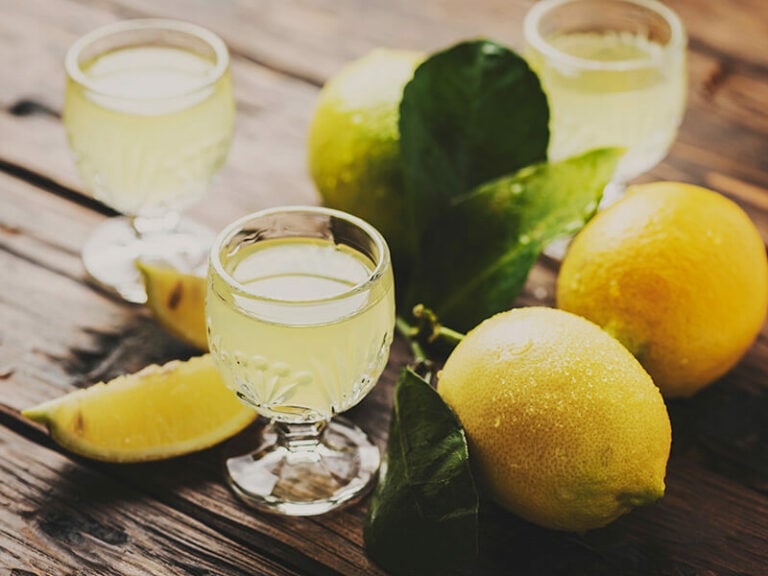
Limoncello
Limoncello is an Italian liqueur celebrated for its intense lemon zest flavor, capturing the sunny spirit of the Amalfi Coast.

Cointreau
Cointreau stands out as a sophisticated French liqueur made from a blend of sweet and bitter orange peels.
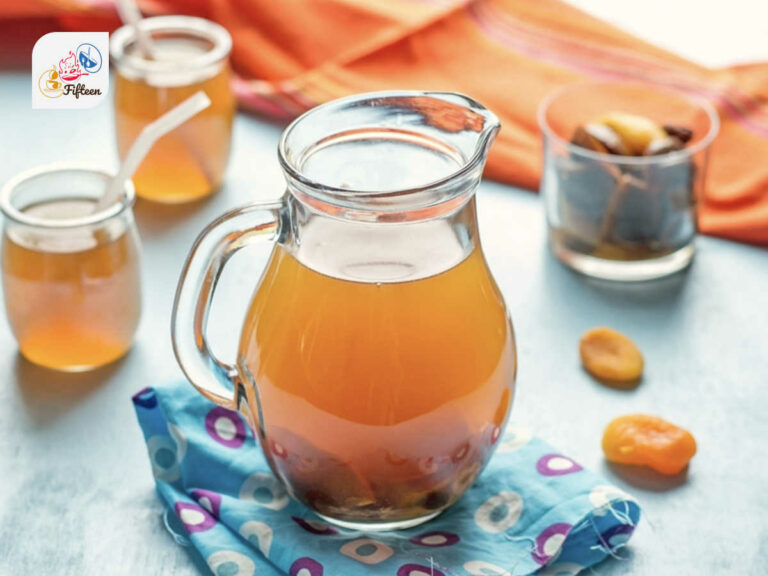
Kompot
Kompot is a comforting Eastern European beverage that gently cooks apples, pears, cherries, and other berries in sugared water.
Haven’t found your go-to dishes yet? No worries, Europe has tons more delicious drinks to check out.
And while you’re exploring, why not dive into the world of European vegetables? There’s a lot to discover!
Which Are the Most Famous European Vegetables?
Showcasing right below are the most well-known vegetable selections from Europe:
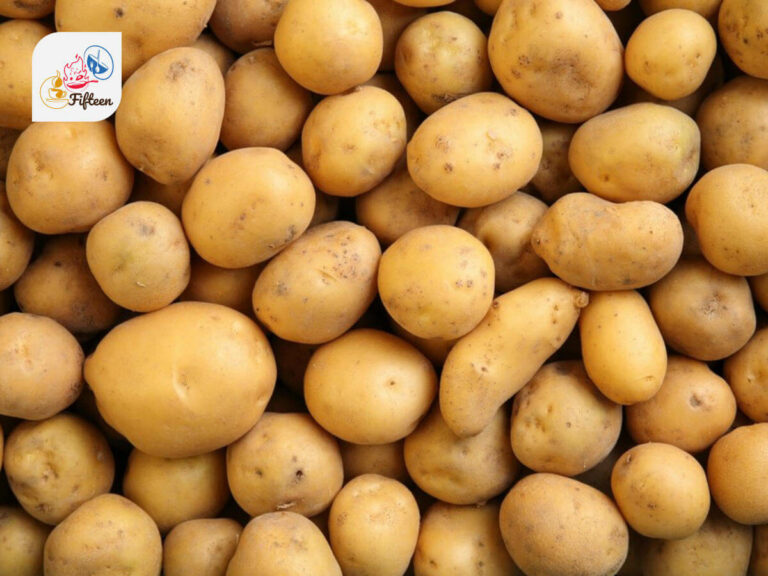
Potato
Potatoes are a versatile staple in European cuisine, featured in everything from hearty stews to baked goods.
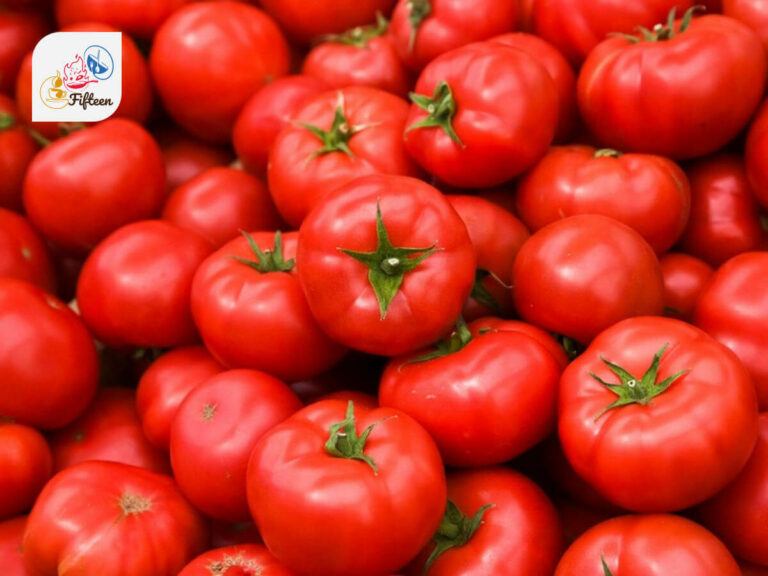
Tomato
Tomatoes are central to Mediterranean dishes, lending acidity and color to sauces, salads, and soups.
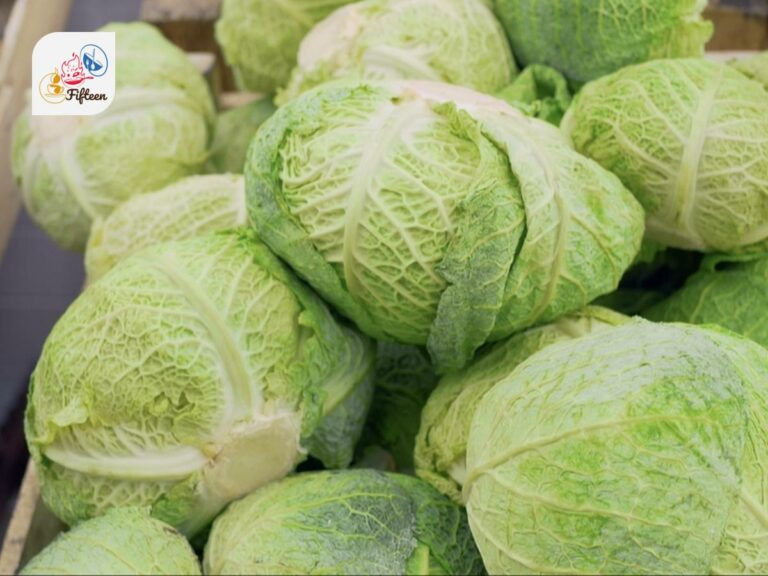
Cabbage
Cabbage is a cruciferous vegetable that appears in a variety of European dishes, from fermented sauerkraut in Germany to hearty soups in Eastern Europe.
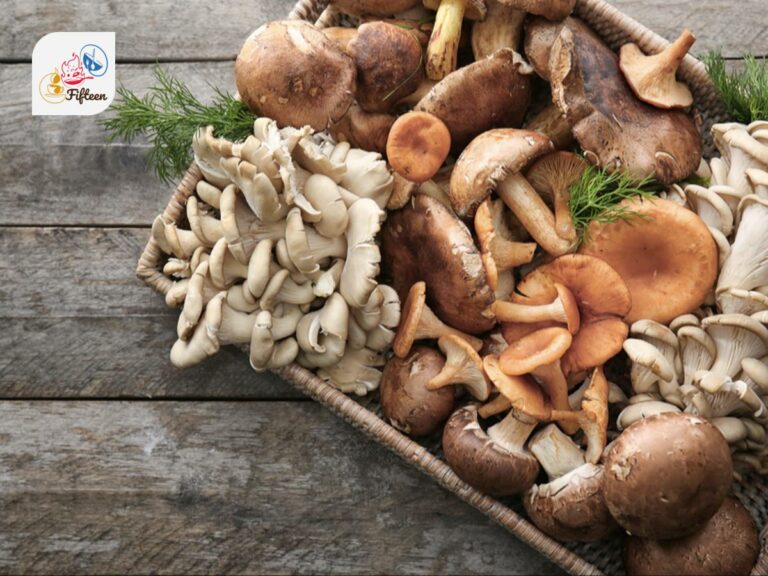
Mushroom
Mushrooms enhance European dishes with their earthy flavors, featured in foraged meals, stews, and as a complement to meats.
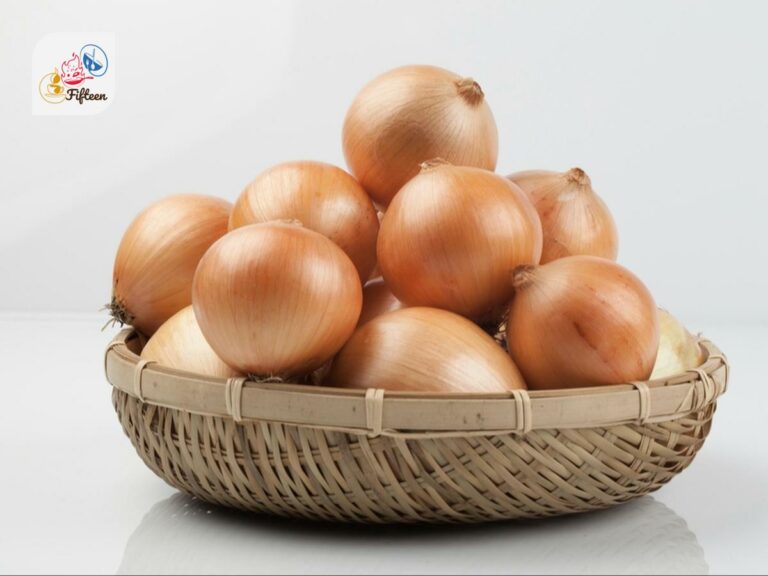
Onion
Onions serve as a foundational ingredient in European cooking, providing depth and sweetness to a wide range of dishes, from soups to sautés.
Through this exploration, you have become enamored with the luscious landscape of European fruits. These tantalizing fruits tell the rich, varied story of Europe’s heritage while serving as a testament to the continent’s fertile soils.
I encourage you to engage further with this topic. Spread the charm of these fruits by liking and sharing this article, and let’s deepen the dialogue by commenting on your favorites. See you in future posts!
Jamie Scott
Editor in Chief, Senior Content Writer
Expertise
Home Cooking, Meal Planning, Recipe Development, Baking and Pastry, Food Editor, Cooking-video Maker, Western Food Evaluation Expert
Education
Le Cordon Bleu College of Culinary Arts
Local Community College, New York, NY
Jamie Scott is a skilled culinary expert and content creator specializing in Western cuisine. With over 15 years in the culinary field and formal training from Le Cordon Bleu, Paris, Jamie deeply understands how to blend nutrition with delicious flavors. His passion for cooking matches his commitment to making healthy eating accessible and enjoyable.
On Fifteen.net, Jamie brings a fresh perspective to classic dishes and beverages, offering readers insightful recipes, cooking tips, and a fresh view on meal planning that emphasizes taste, health, and simplicity.