

Japanese fruits are diverse produce that range from familiar varieties like apples and grapes to distinctively Japanese fruits such as persimmons (kaki), Nashi pears, and yuzu. Japan is famous for its meticulous cultivation techniques, which produce exceptional quality and flavorful fruits.
Seasonality plays a significant role in Japanese fruit consumption, with certain fruits like cherries and peaches eagerly anticipated and enjoyed during their peak seasons. Luxury fruit gifting is a common practice, where perfectly cultivated fruits are presented as gifts in elegant packaging.
Discover more about Japanese fruits along with some dishes and drinks that utilize their natural flavors. While at it, let me introduce you to some well-known veggies in Japan.
Afterward, let’s uncover the factors that make Japanese fruit stand out, such as their high quality and some regions in the country that are popularized for cultivating fruits.
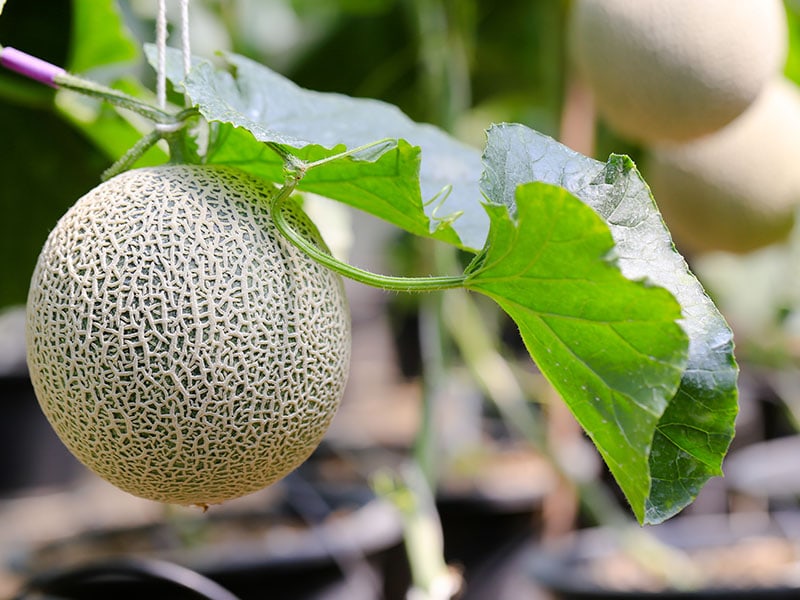
22 Popular Japanese Fruits with Filters
I’m going to show you 22 fruits that are characteristic of Japan’s fruit scene. These options are arranged according to how popular they are in the country.
Utilize my interactive filters to get a smoother reading experience. There are options for national fruits, native fruits, fruits of foreign origins, exotic fruits, fruits for cooking, fruits for making beverages, and fruits for garnishing foods and drinks.
What Dishes Use Japanese Fruits?
In Japanese cooking, fruits are made into various culinary creations to bring the flavors to another level/ These are some options to try out:
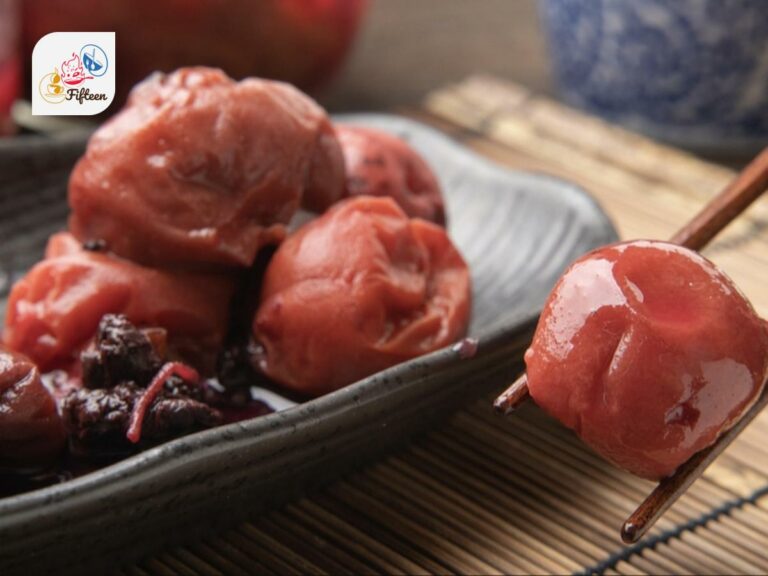
Umeboshi
Umeboshi are pickled Japanese plums with a sour and salty taste. They are commonly eaten with rice, added to bento boxes, or used as an ingredient in various Japanese dishes to add flavor.

Japanese Fruit Sandwich
A Japanese fruit sandwich is a sweet sandwich filled with fresh fruits like strawberries, kiwi, peaches, and whipped cream, between two slices of soft white bread. It’s a popular dessert or snack in Japan, known for its beautiful appearance and refreshing taste.
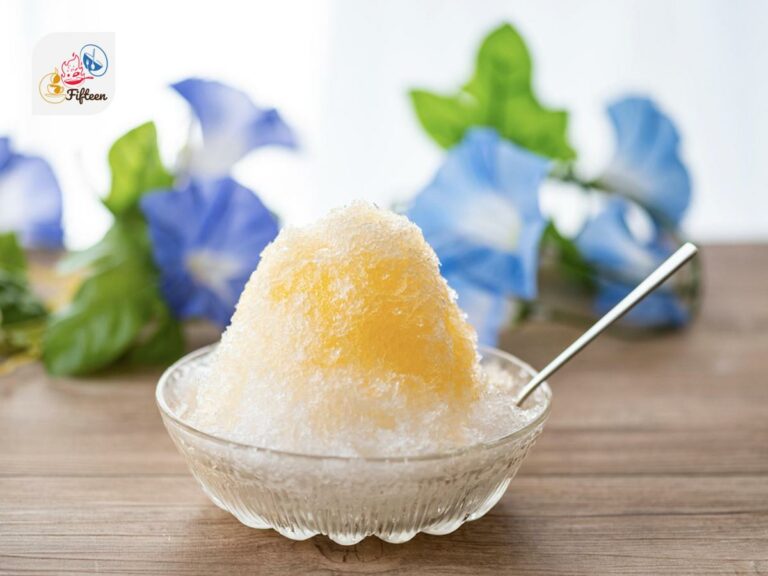
Kakigori
Kakigori is a Japanese shaved ice dessert flavored with syrup and often condensed milk. It’s especially popular during the hot summer months, offering a variety of flavors ranging from traditional matcha to fruity options like strawberry, kiwi, and melon.
Don’t stop at only knowing about the specialties of Japan, as these fruits are also suitable for whipping up flavorful drinks.
What Are Some Japanese Fruit-based Beverages?
Thanks to the high quality of fruits, Japanese drinks are greatly enhanced by them, incorporating the best flavor of nature:
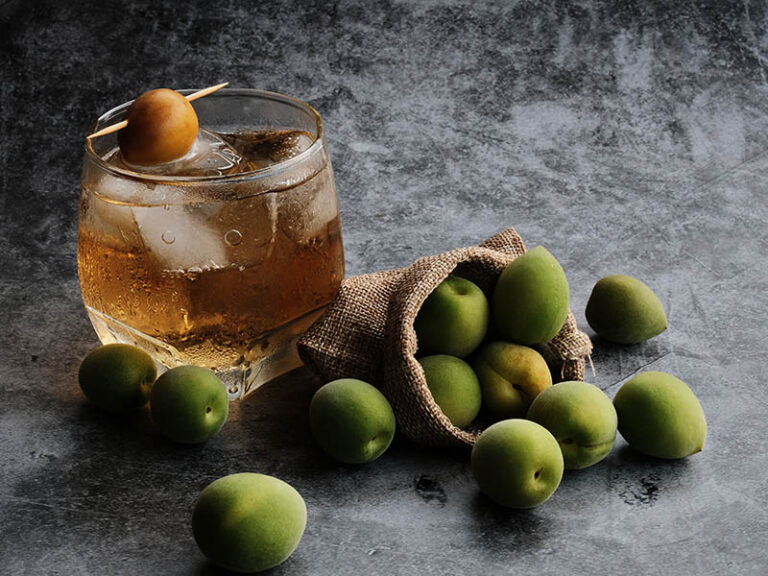
Umeshu
Umeshu is a sweet Japanese liqueur made from ume plums steeped in alcohol and sugar. It has a unique balance of sweetness and acidity, making it a popular choice for sipping after meals or as a cocktail base.
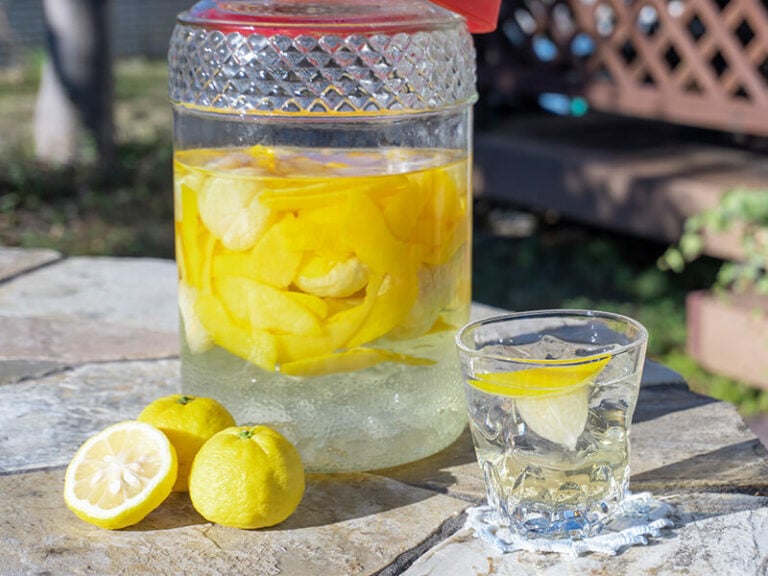
Yuzushu
Yuzushu is a Japanese citrus liqueur made by infusing yuzu fruit in alcohol, often with added sugar. It has the distinct, aromatic flavor of yuzu, offering a refreshing and slightly tart taste.
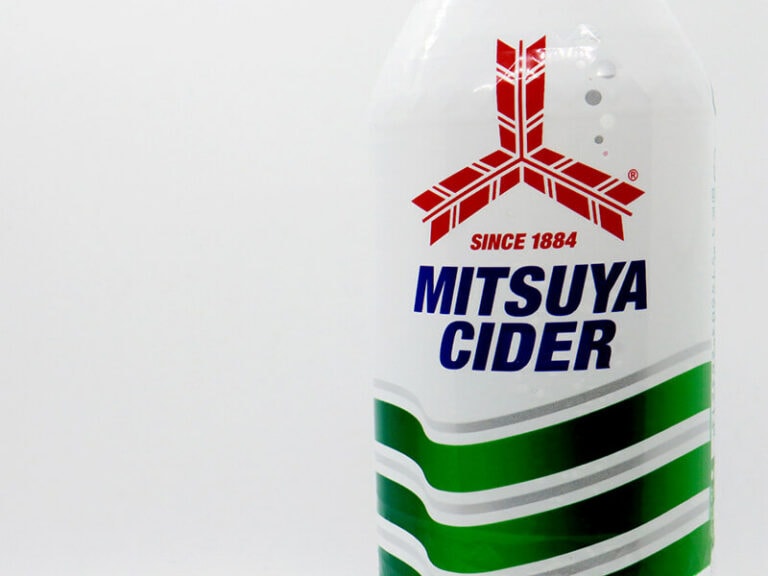
Mitsuya Cider
Mitsuya Cider is a popular Japanese carbonated soft drink that resembles the taste of a sweetened soda, often flavored with fruits like lemon, mikan, grape, and white peach. Despite its name, it doesn’t contain alcohol and is known for its refreshing and crisp taste.
Those are only a few examples of how people use fruits to flavor Japanese refreshments, as there are endless ways to do so. With that said, allow me to divert your attention to some veggies in Japan.
What Are Japanese Vegetables?
As an island nation, Japan boasts some of the unique vegetables with a one-of-a-kind flavor. Here are some suggestions for Japanese vegetables:
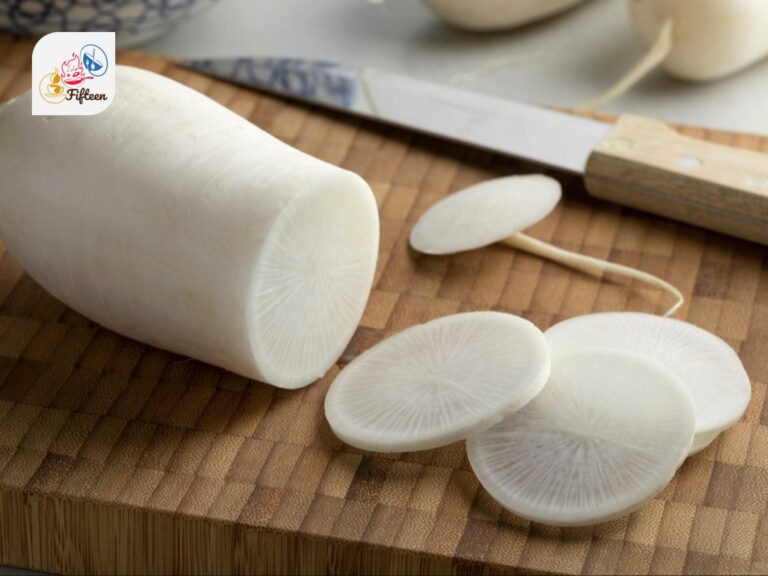
Daikon
Daikon is a large white radish with a crisp texture and a mild flavor. It is often eaten raw, pickled, or added to soups and stews in Japanese cuisine.
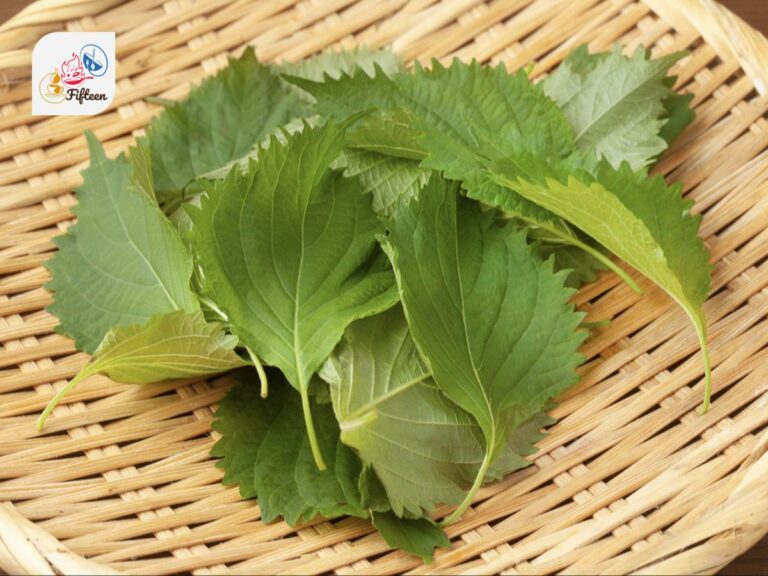
Shiso
Shiso is a leafy herb with green or purple leaves, known for its fresh, aromatic flavor. It is used as a garnish, in salads, and as a flavor enhancer in sushi and other dishes.
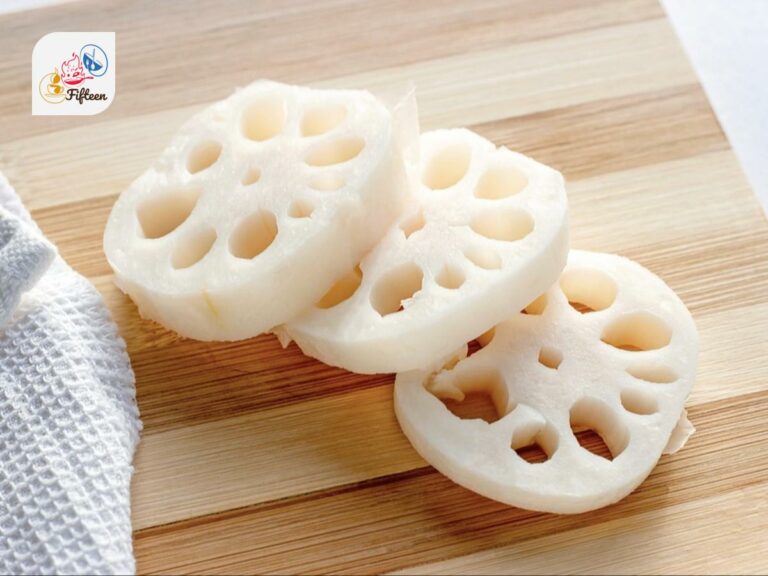
Renkon
Renkon is the root of the lotus plant, recognized for its unique appearance with holes throughout. It has a crunchy texture and is used in salads, stir-fries, and as a decorative ingredient in many Japanese dishes.
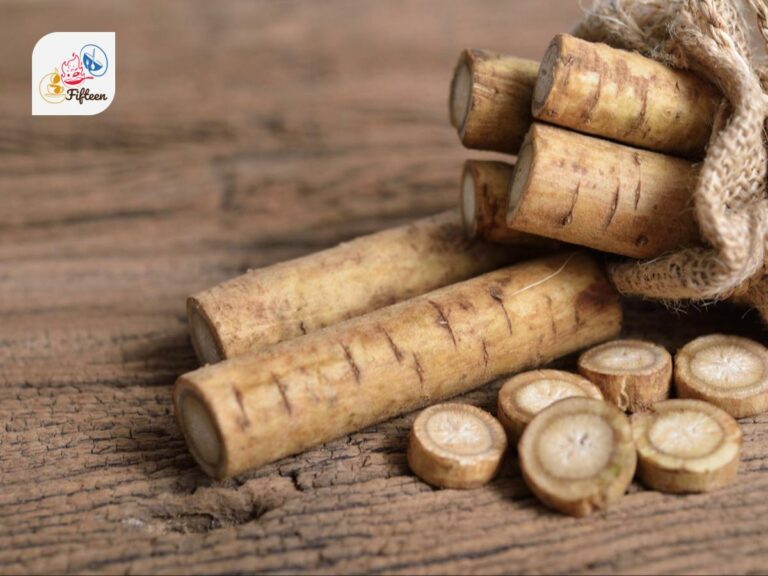
Gobo
Gobo is the root of the burdock plant, and it is appreciated for its earthy taste and fibrous texture. It is commonly used in stir-fries, soups, and as a pickled condiment.

Nasu
Nasu is a Japanese eggplant, smaller and thinner than its Western counterparts, with a tender texture and sweet flavor. It is versatile in cooking, often grilled, baked, or used in stews.
Afterward, you shouldn’t miss the chance to look into the reasons that make Japanese fruits a high-quality item in the global market.
What Factors Contribute to the High Quality of Japanese Fruits?
In Japan, the land is only one of the features that make the fruits here peak in quality. Here are other reasons that help achieve the high-quality status:
Next, let’s go deeper into Japanese fruits with some regions in Japan that offer the best produce.
What Are the Regions Known for Fruits in Japan?
These are a few areas in Japan that have the best fruit quality:
Mountainous terrain and cool climate, ideal for stone fruits and grapes; large temperature differences between day and night enhance fruit sweetness.
Cold winters and cool summers provide optimal conditions for growing crisp and sweet apples.
High altitude and clean water sources contribute to the cultivation of high-quality apples and grapes.
Mild climate and abundant sunshine support the growth of sweet peaches and grapes; known as the “Fruit Kingdom” for its variety of fruit production.
Warm, temperate climate along the Seto Inland Sea perfect for citrus fruits; large sunny days with moderate rainfall.
Warm coastal climate favors the cultivation of sweet citrus fruits and persimmons; known as Japan’s top producer of ume.
Mild climate with rich, fertile soil ideal for strawberries; the region’s technical innovations in strawberry farming lead to high-quality production.
Have you found your favorite Japanese fruit yet? Make sure to share with me in the comment section and spread these fruity options with others around you.
Jamie Scott
Editor in Chief, Senior Content Writer
Expertise
Home Cooking, Meal Planning, Recipe Development, Baking and Pastry, Food Editor, Cooking-video Maker, Western Food Evaluation Expert
Education
Le Cordon Bleu College of Culinary Arts
Local Community College, New York, NY
Jamie Scott is a skilled culinary expert and content creator specializing in Western cuisine. With over 15 years in the culinary field and formal training from Le Cordon Bleu, Paris, Jamie deeply understands how to blend nutrition with delicious flavors. His passion for cooking matches his commitment to making healthy eating accessible and enjoyable.
On Fifteen.net, Jamie brings a fresh perspective to classic dishes and beverages, offering readers insightful recipes, cooking tips, and a fresh view on meal planning that emphasizes taste, health, and simplicity.