

European Beverages: Basic Overview
Common Ingredients
Common Preparing Methods
Key Taste
Drinking Etiquette
Culinary Festivals
Influence and Fusion
European Beverages: Origin and Region
Cuisine
Continent’s Region
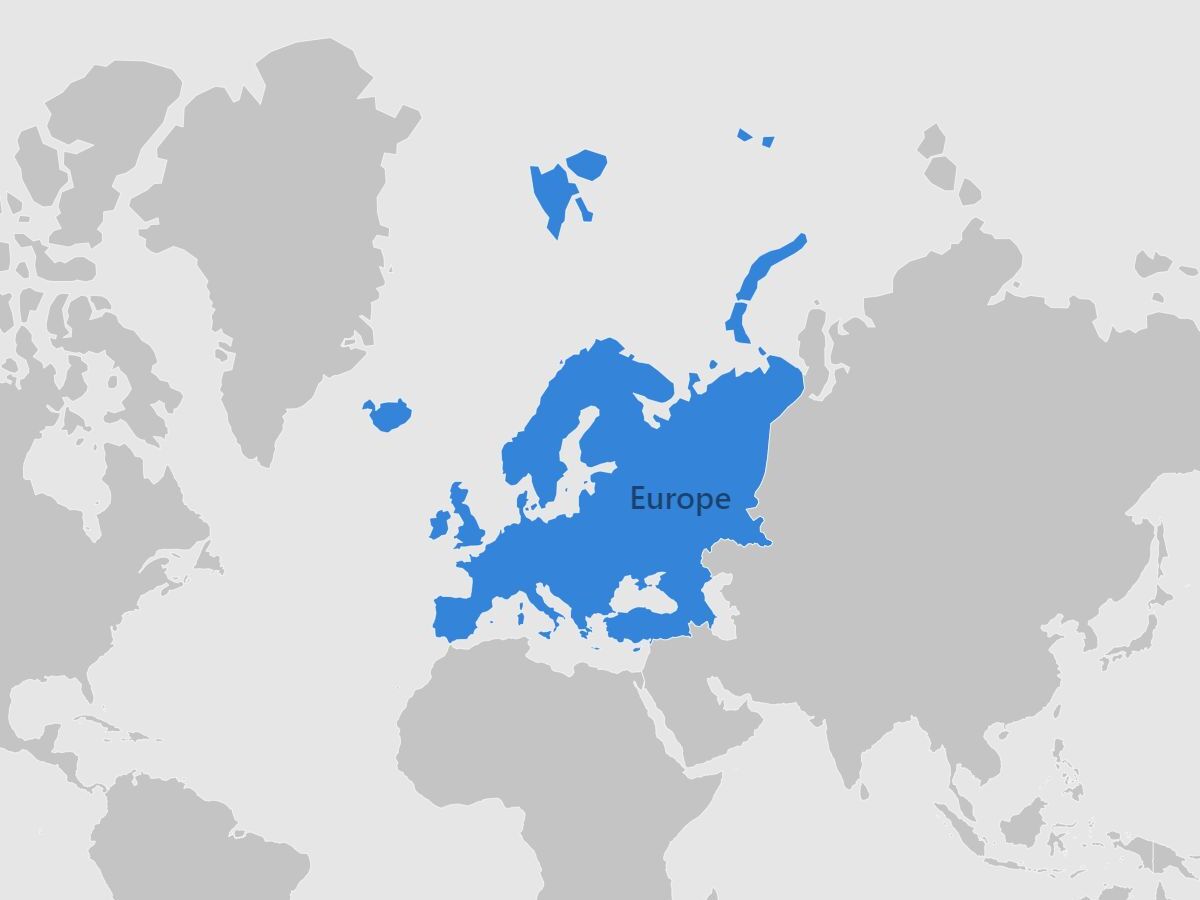
Classifications of European Beverages
-
Alcoholic Beverages
European alcoholic beverages boast a rich tapestry of flavors and traditions, drawing from a variety of ingredients, including grains, fruits, and botanicals.
These drinks range from the deep and complex profiles of aged spirits and wines to the refreshing simplicity of beers and ciders.
Many of these beverages carry a strong cultural significance, often linked to regional identities, historical practices, and social rituals.
-
Non-alcoholic Beverages
Spanning from the invigorating bitterness of herbal tonics to the comforting warmth of traditional hot drinks, these beverages are deeply woven into the fabric of European daily life.
Ingredients like coffee beans, cocoa, and a wide array of fruits and spices play central roles in these drinks.
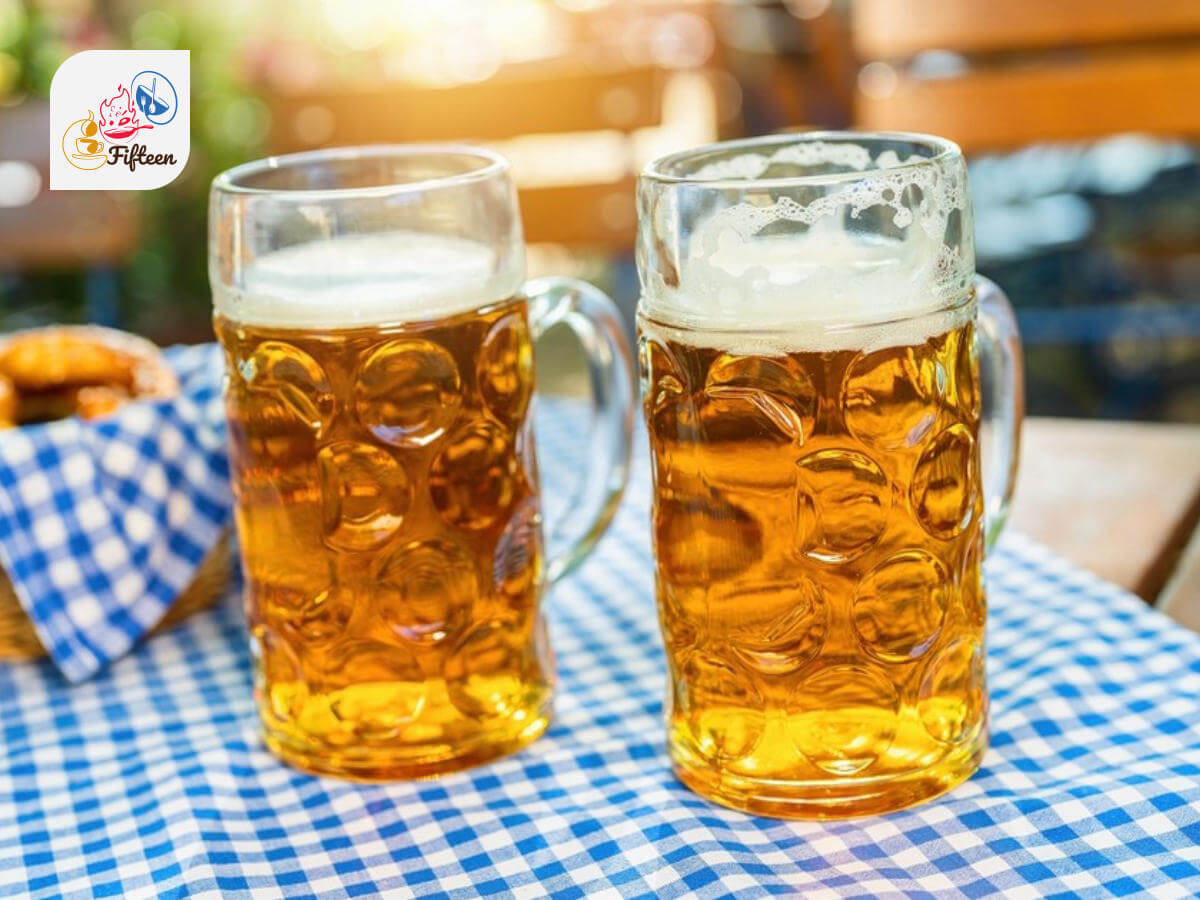
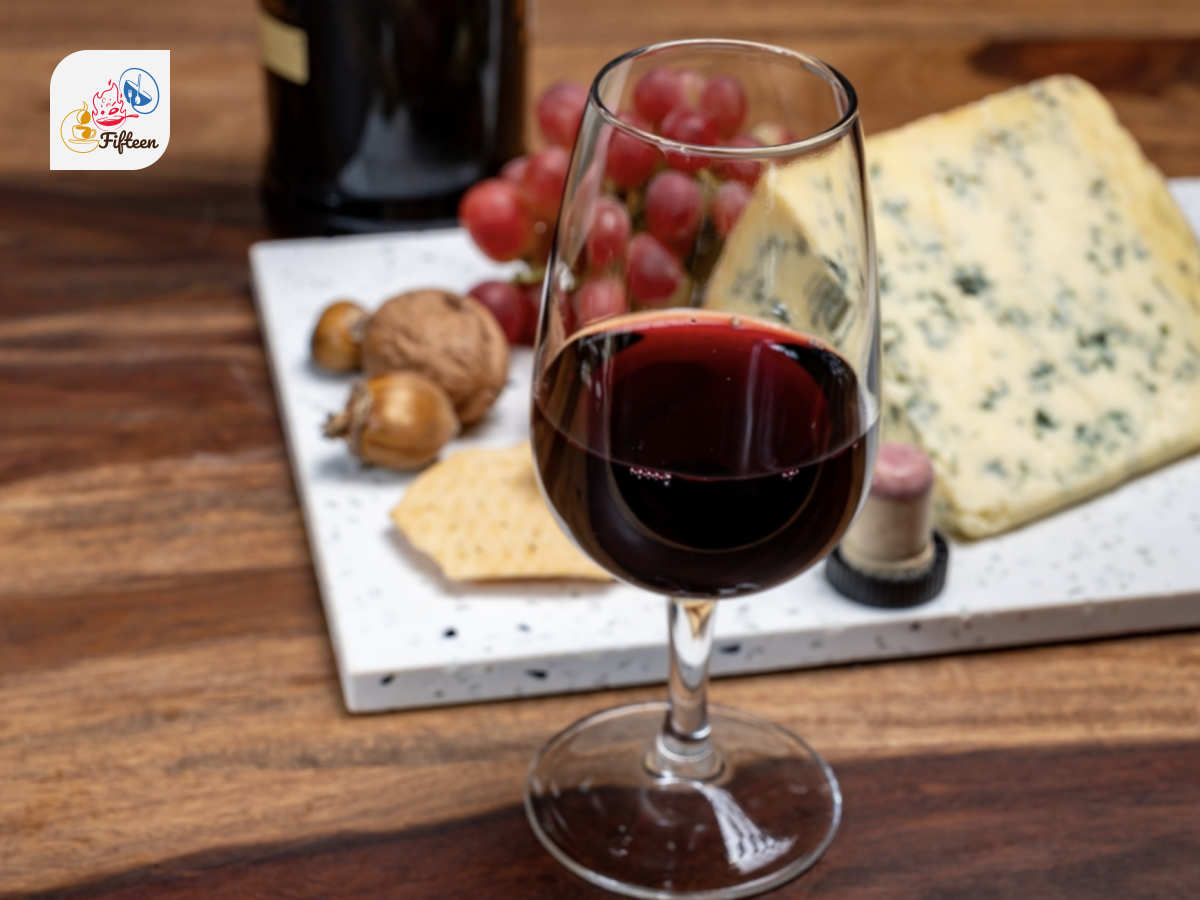
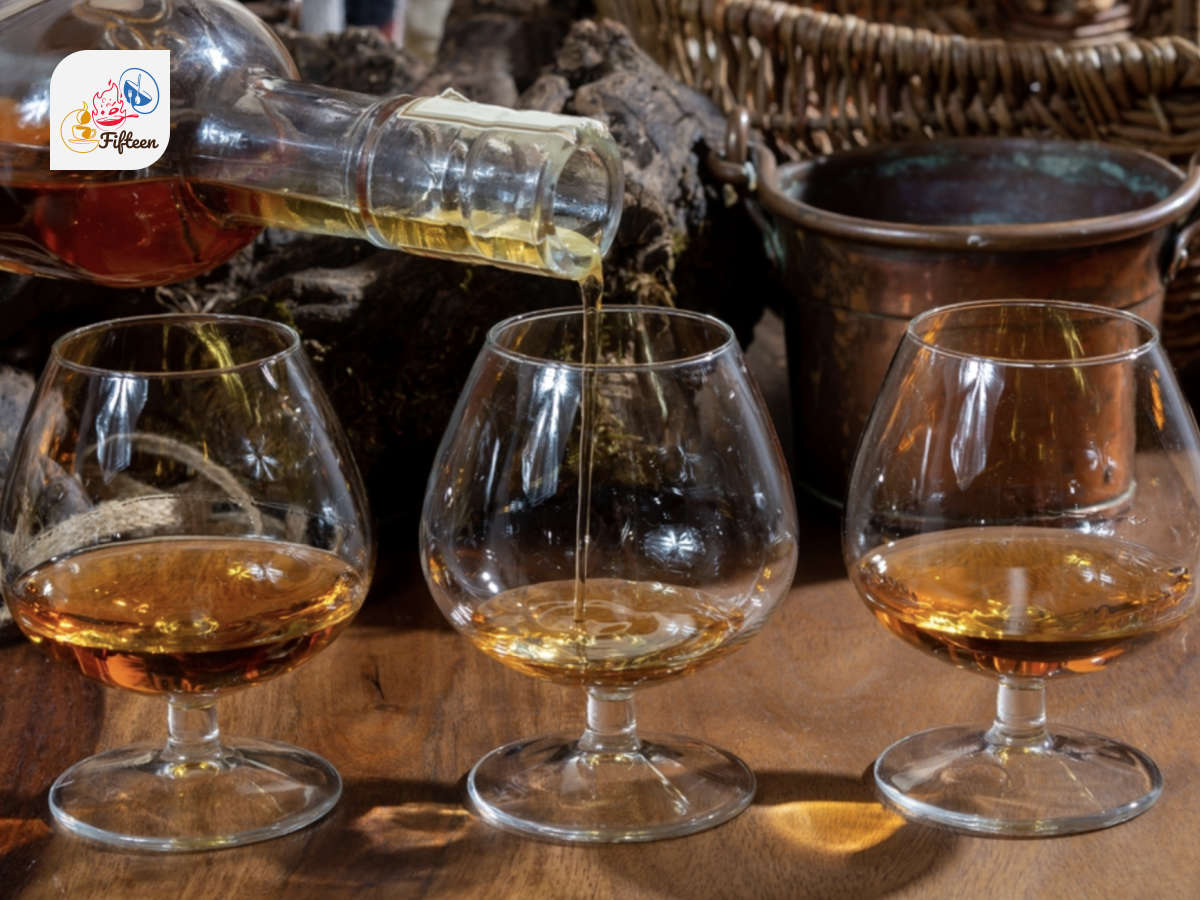
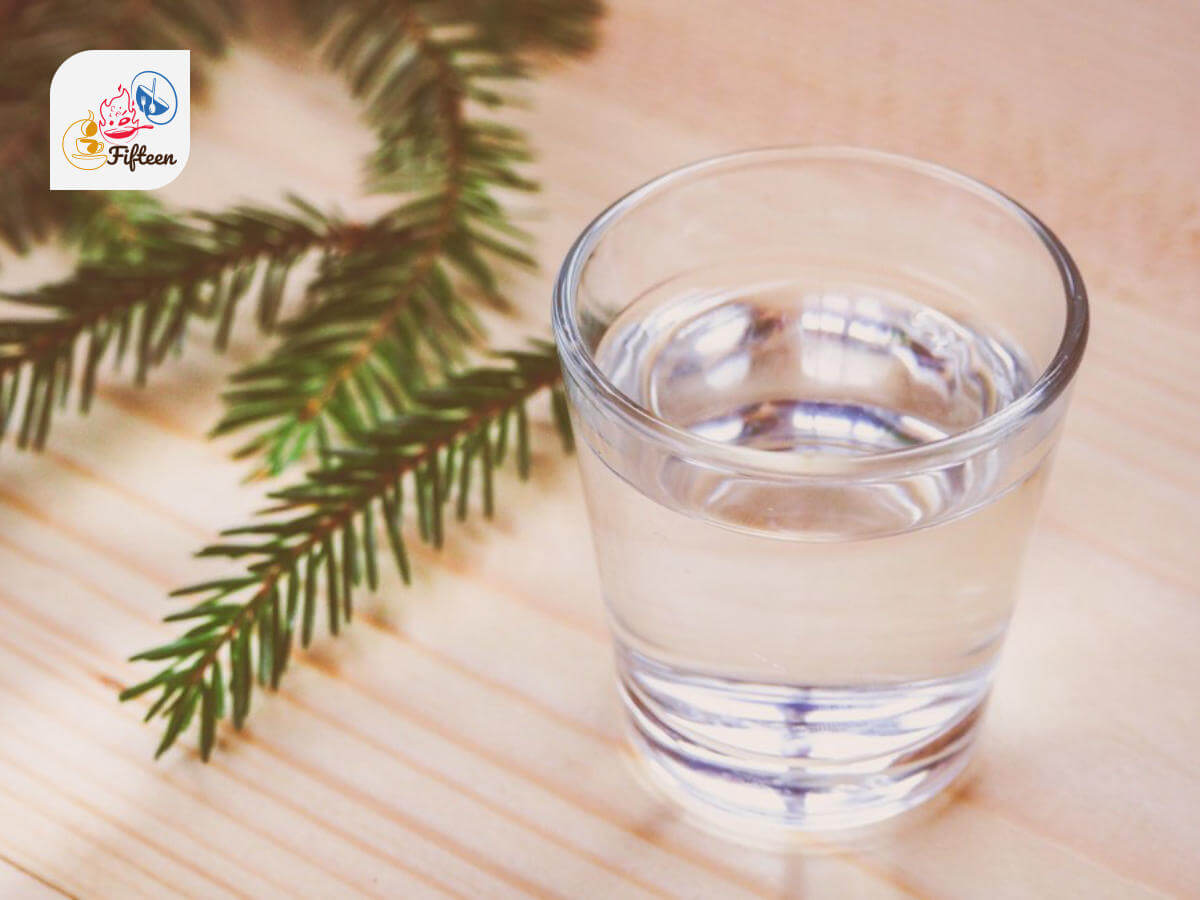
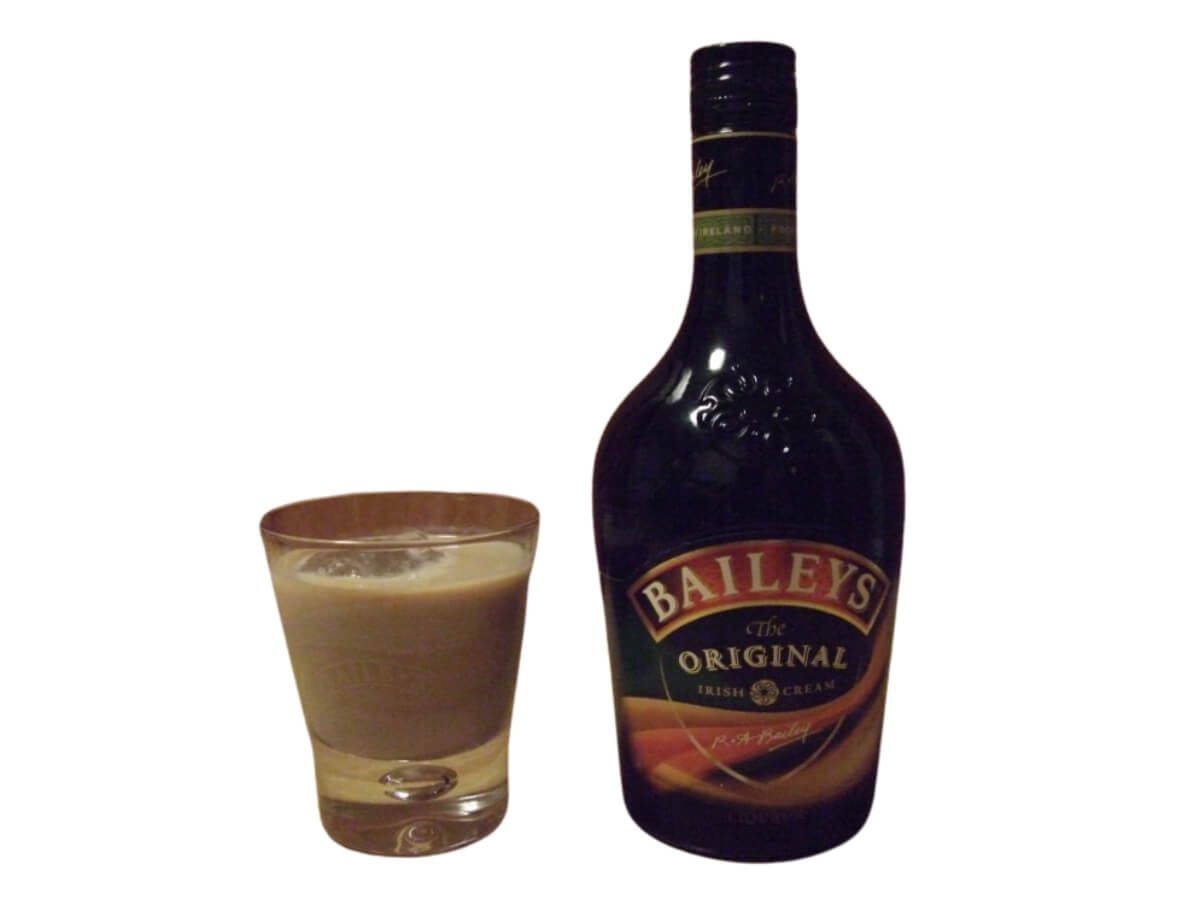
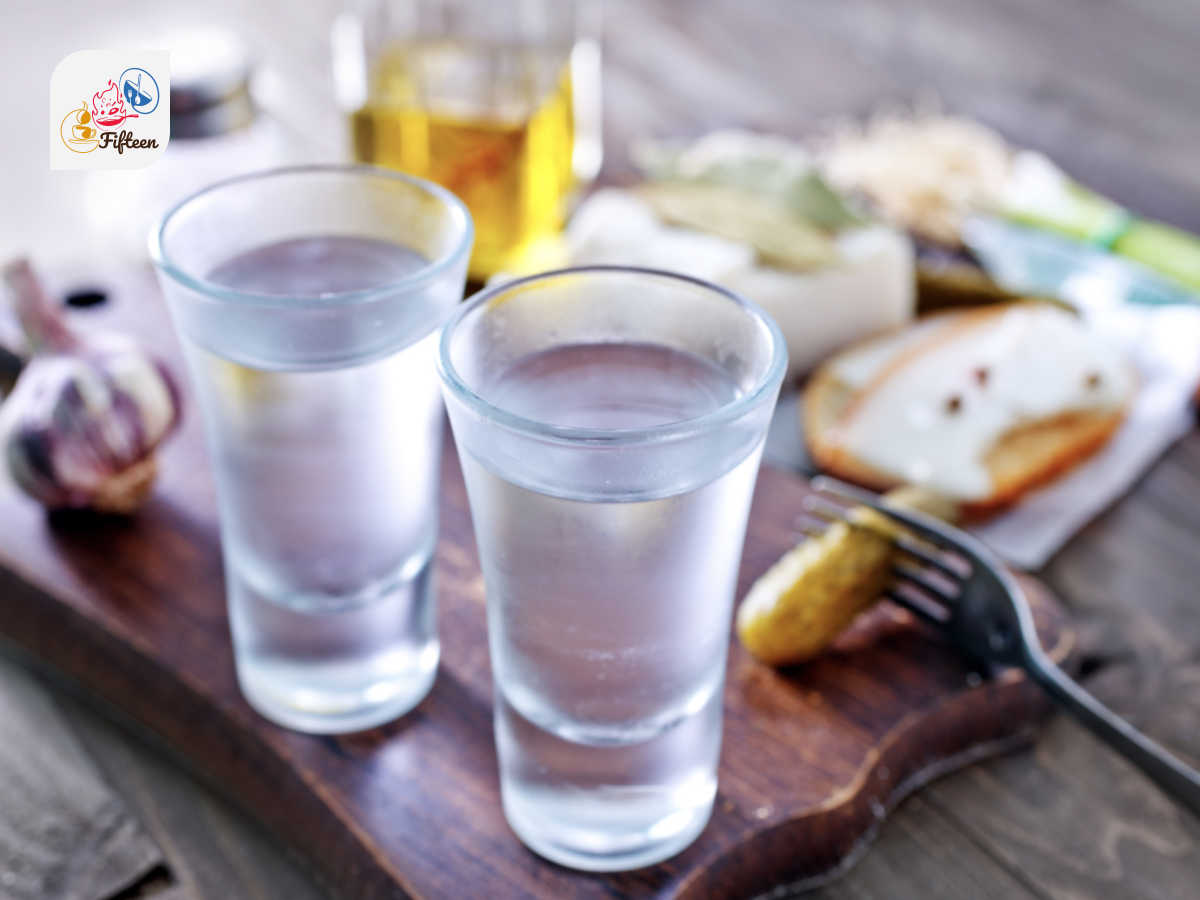
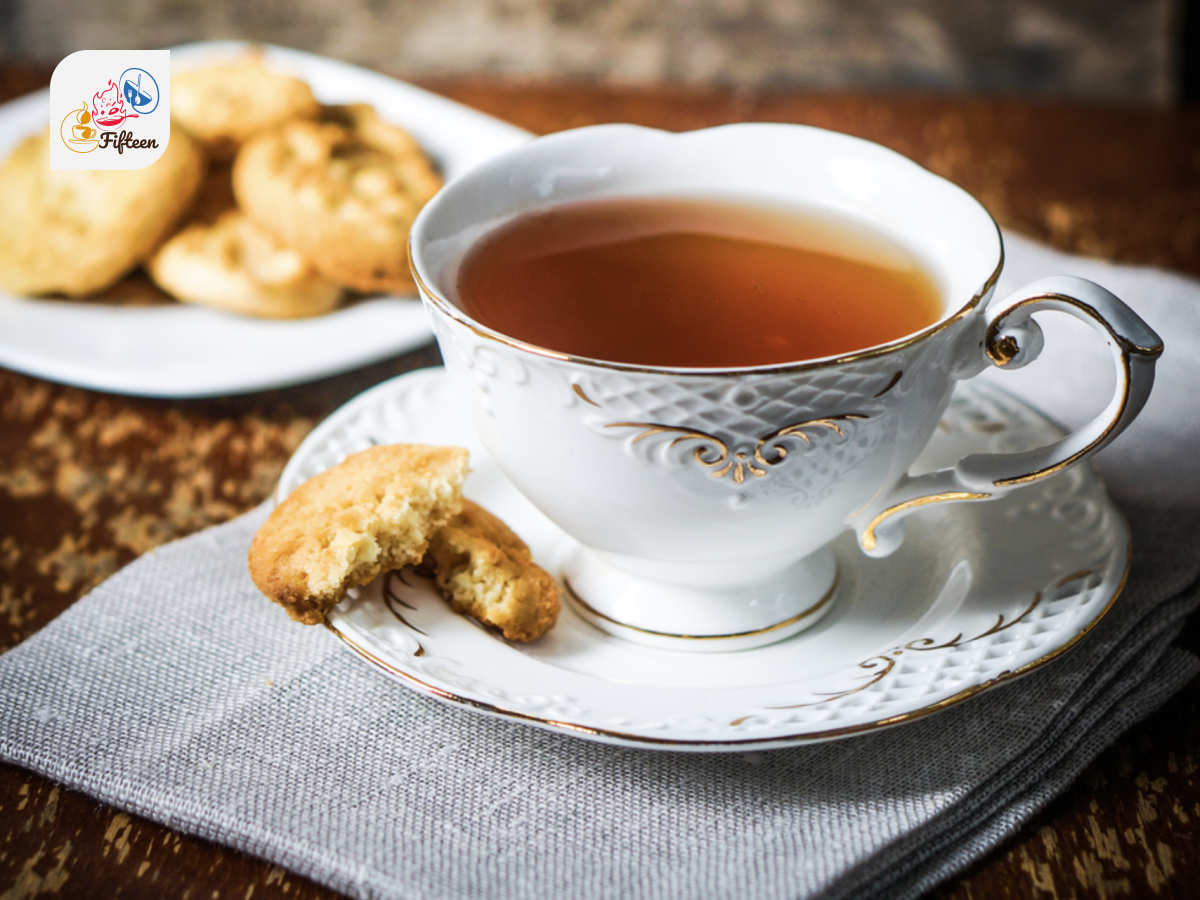
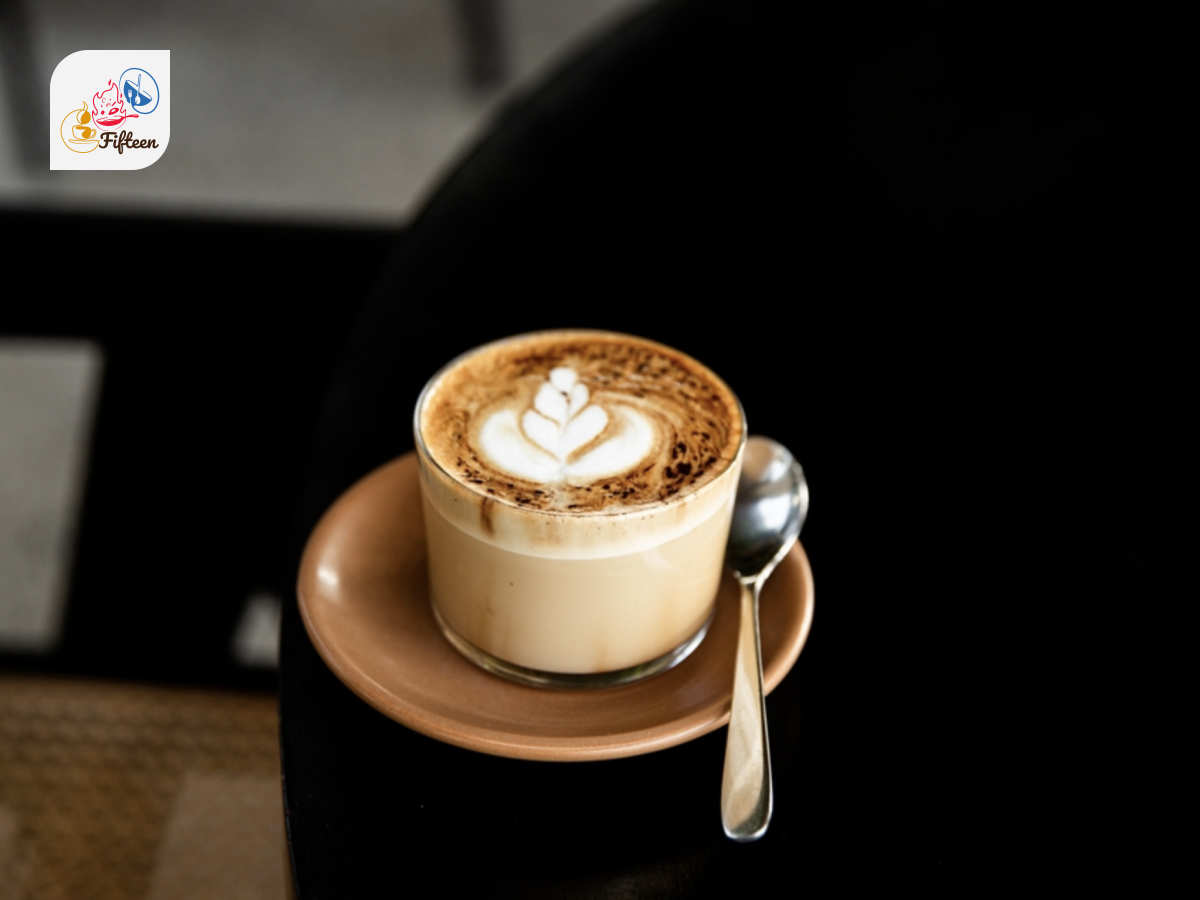
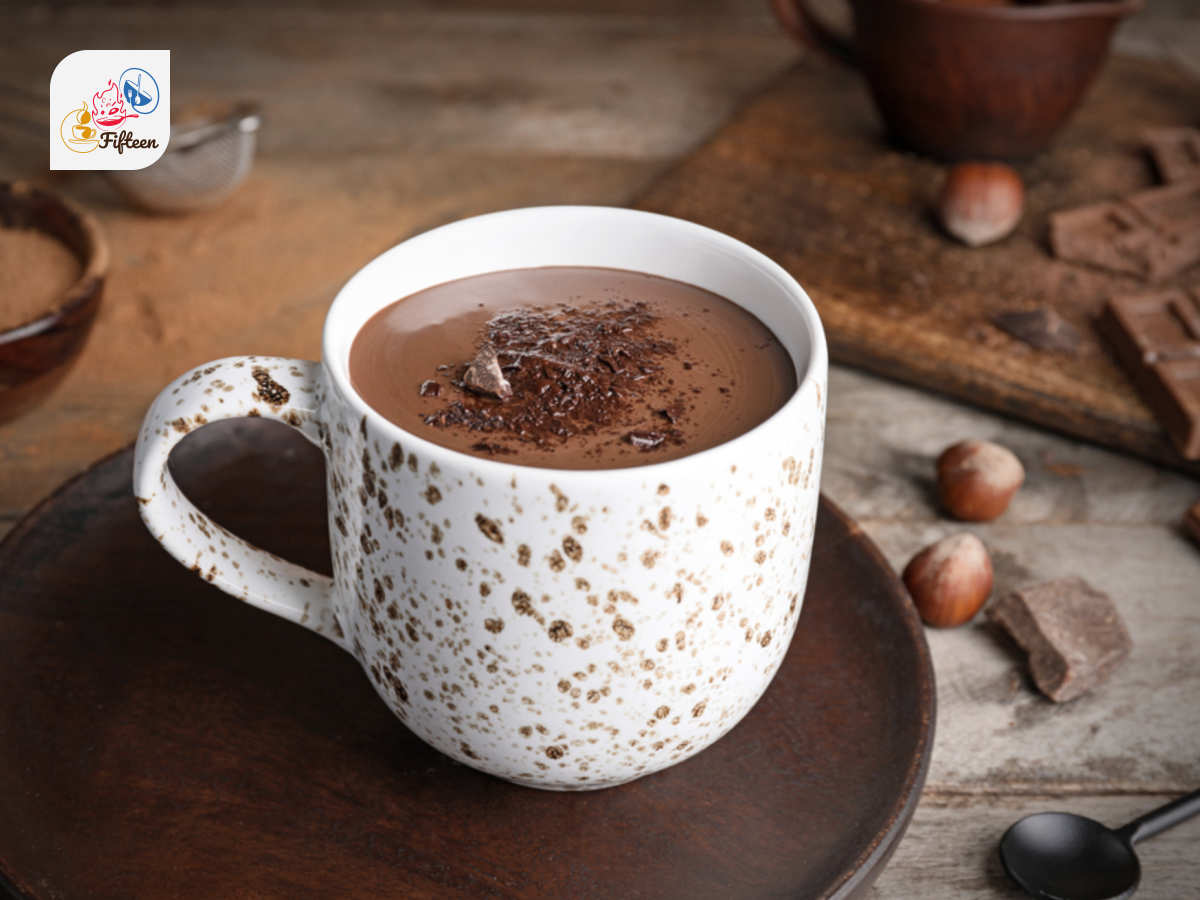
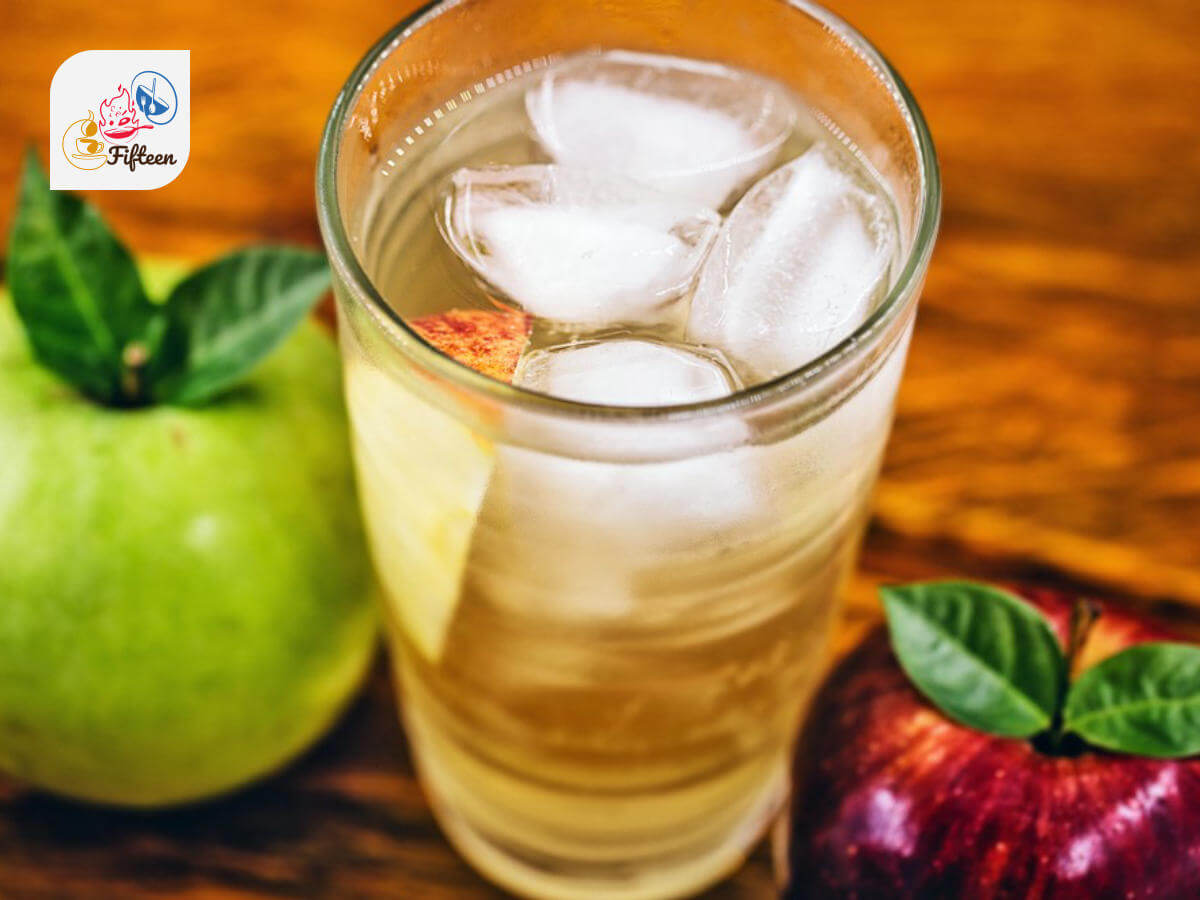
European beverages, essential to the continent’s diverse culture, range from ancient traditions to modern innovations. Influenced by Europe’s varied climate and historical trade, these drinks include wines, beers, spirits, and non-alcoholic options like teas and mineral waters.
Key regions like France and Italy are known for wines, while the UK and Germany excel in beer production, and Russia is famous for vodka.
The flavors of European beverages vary widely, from the hearty German beers and Scottish whiskies to the delicate French wines and Italian espressos, reflecting the continent’s diverse climates and tastes.
Production methods differ by drink, with wine-making involving grape selection, fermentation, and aging. Beer brewing uses water, malt, hops, and yeast, leading to numerous styles. Spirits are made through fermentation and distillation, enhancing alcohol content and purity.
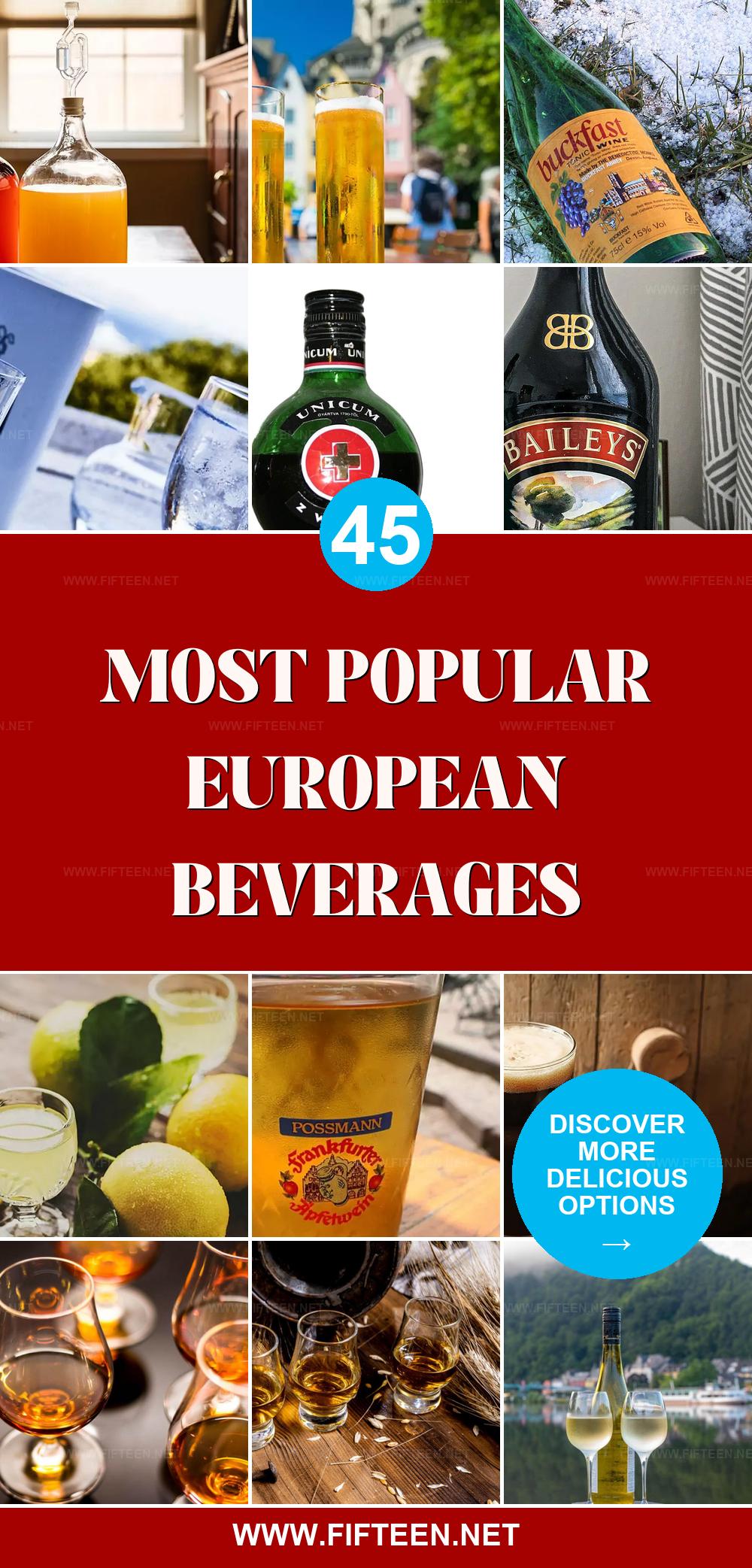
I take you on a journey through Europe’s beloved drinks and the traditions behind their global fame. Discover the unique characteristics of beverages from various European regions, understand their cultural significance, and find out which countries consume the most and least alcohol.
Next, I also dive into Europe’s alcohol preferences, identifying top consumers of wine, spirits, and beer. Plus, you can look into non-alcoholic favorites, spotlighting countries known for their excellent coffee and tea. To wrap it up, I’ll share some great dish and drink pairings.
45 Best European Beverages with Filters
Dive into Europe’s top 45 drinks with this straightforward guide, sorted by their popularity. It’s equipped with unique search features, allowing you to filter drinks by their popularity, ingredients, taste, and how they’re made.
Whether you’re into traditional, national, fusion, exotic, or street drinks, this guide’s got you covered.
List of European Beverages by Country
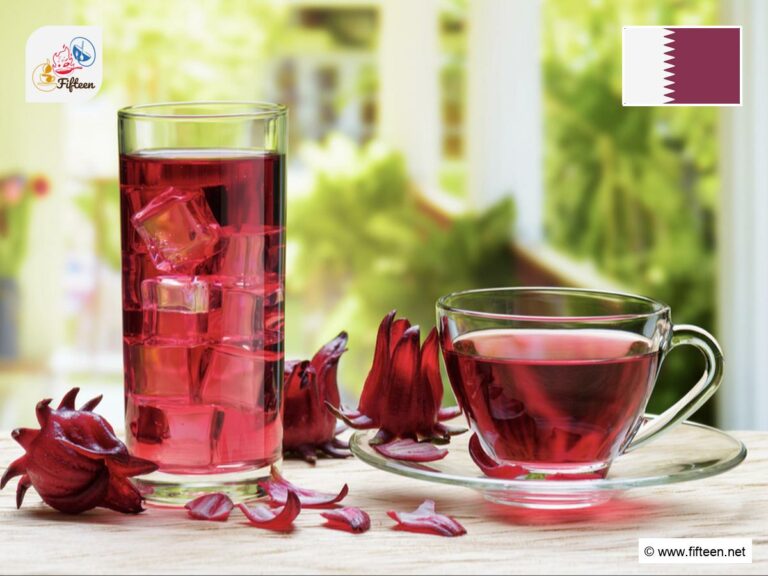
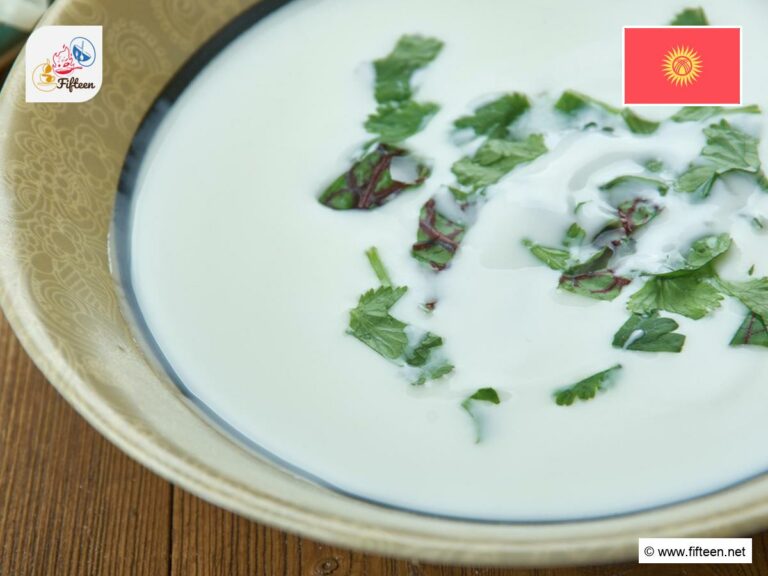
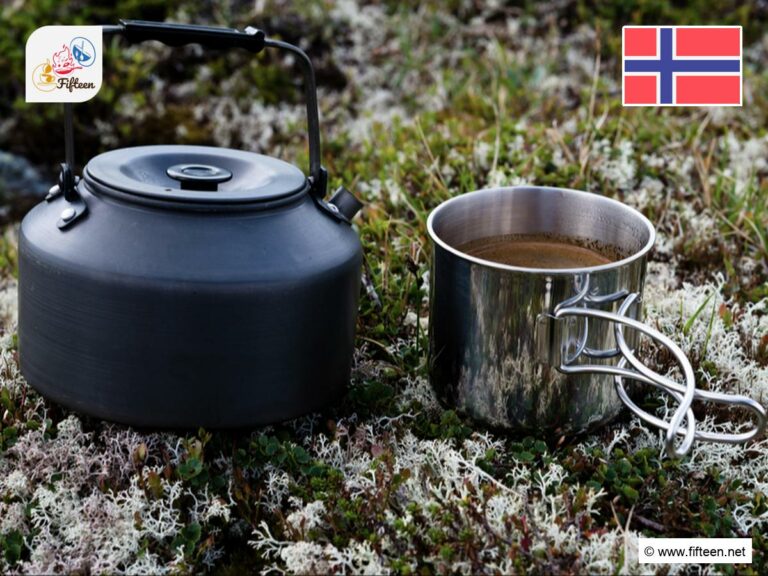
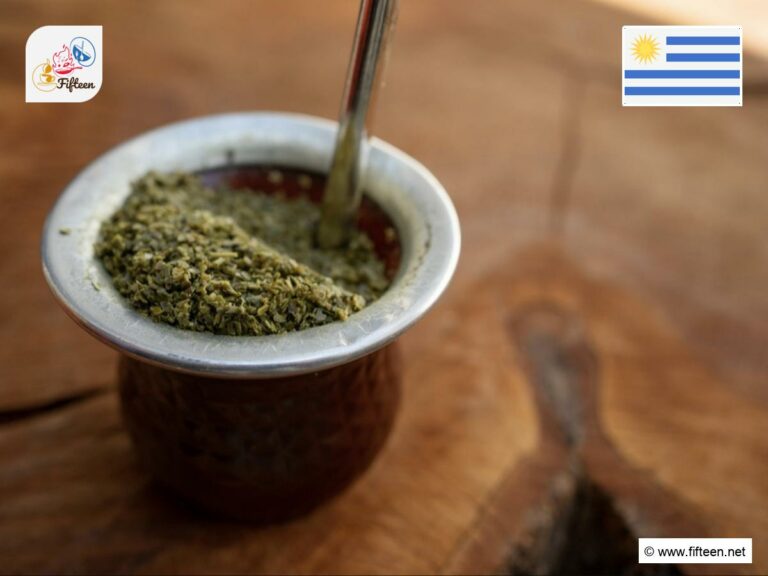
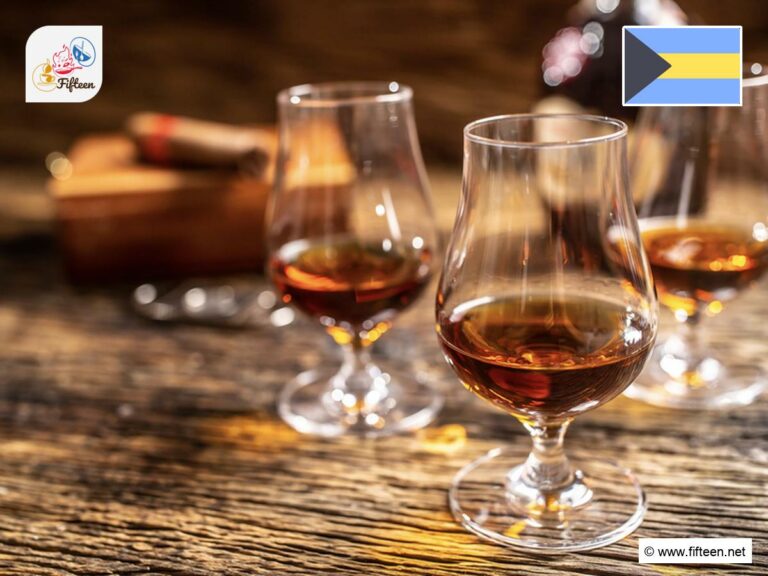
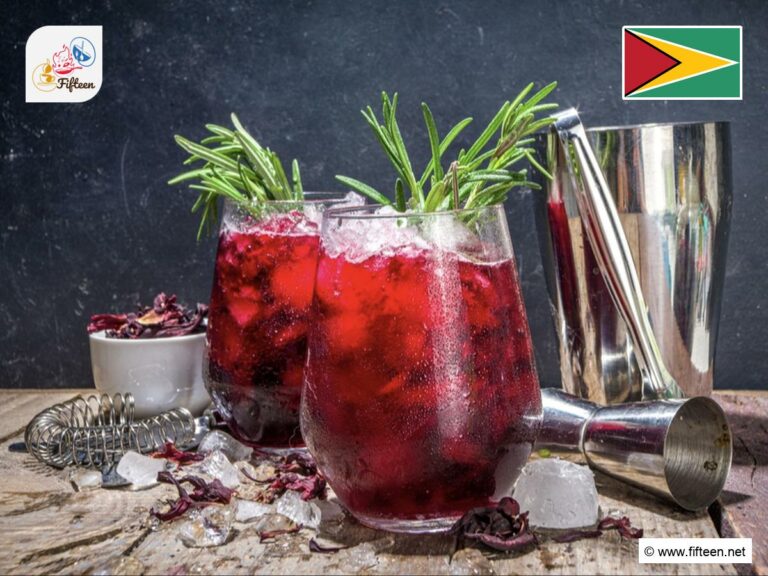
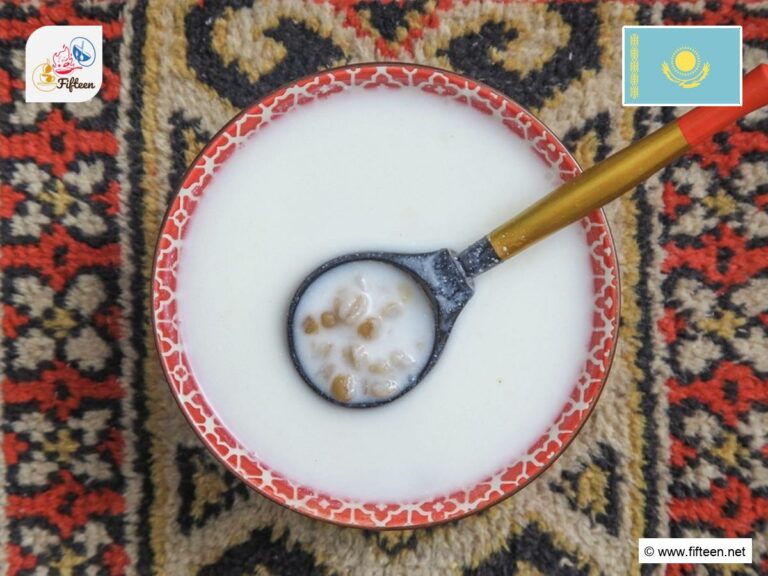
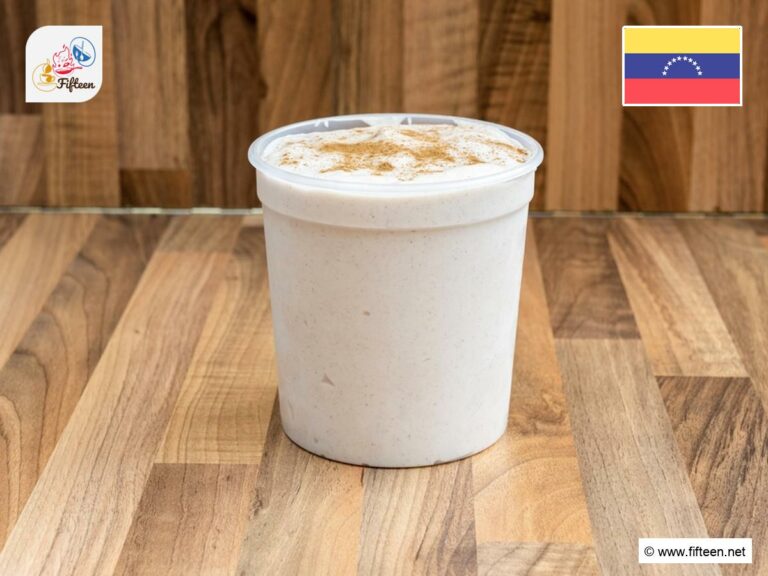
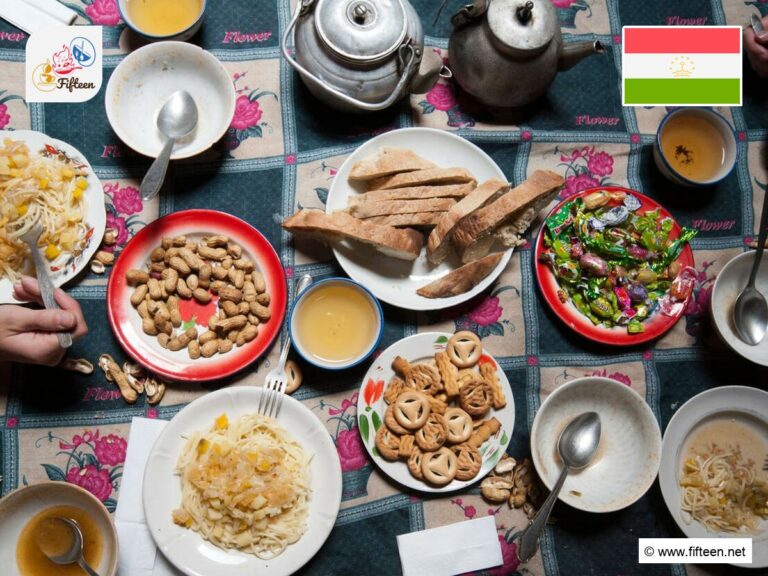
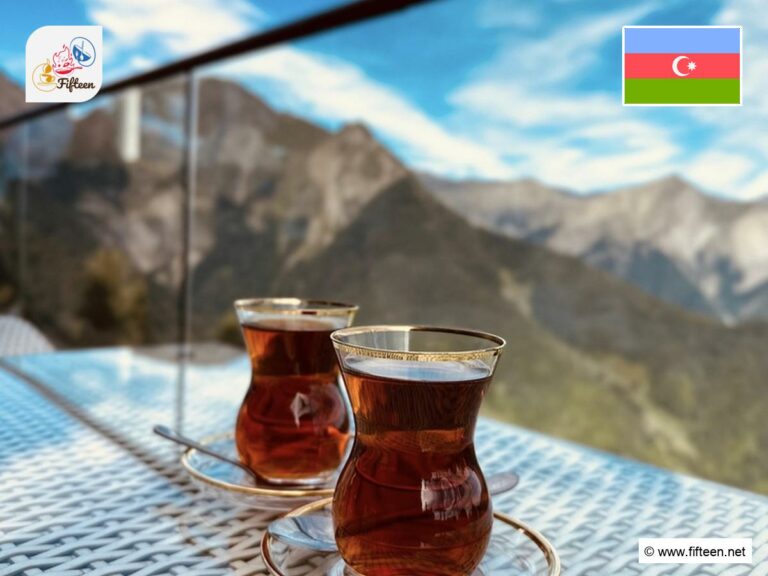
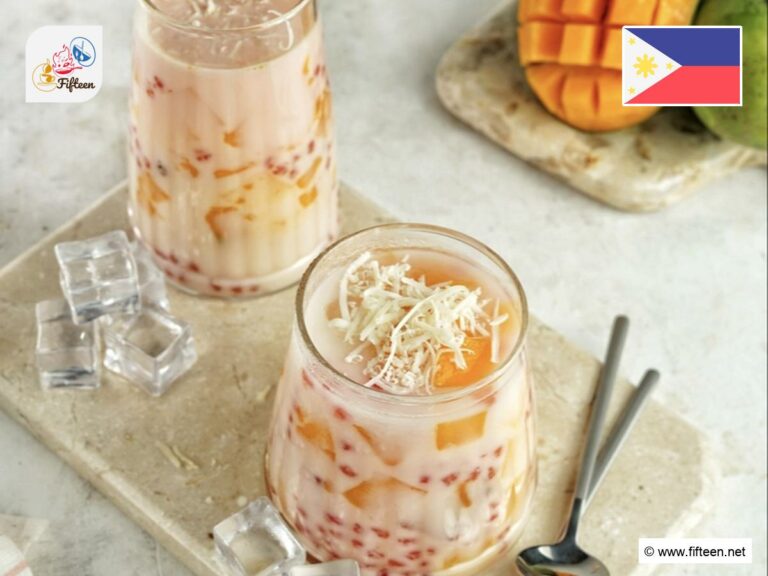
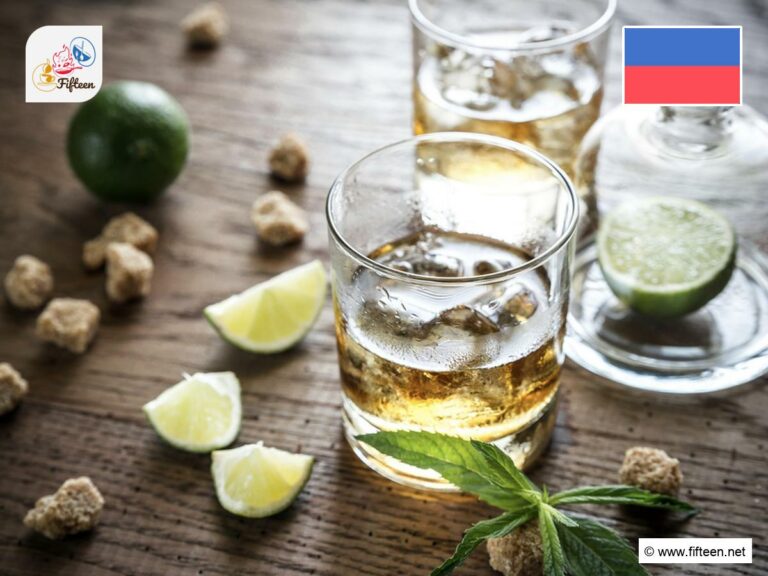
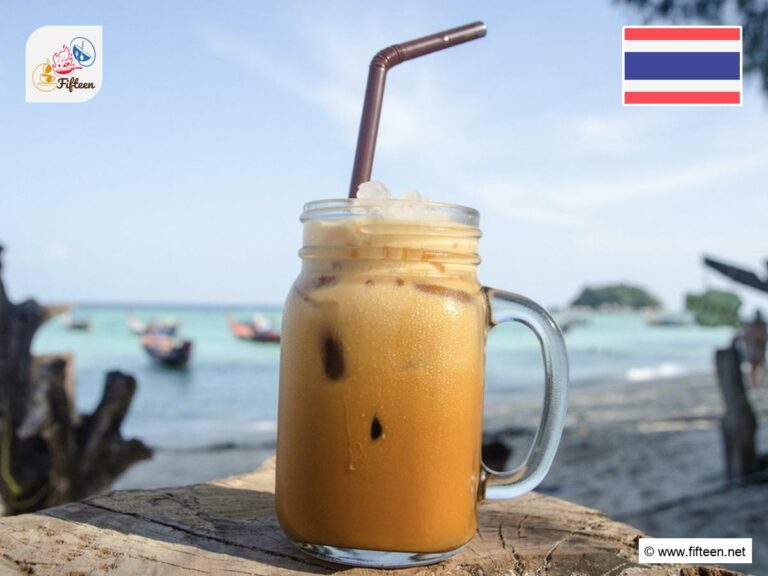
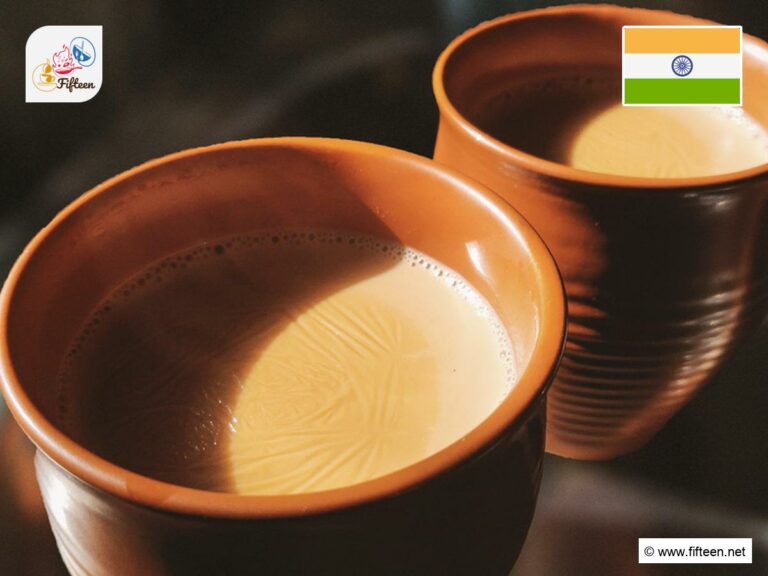
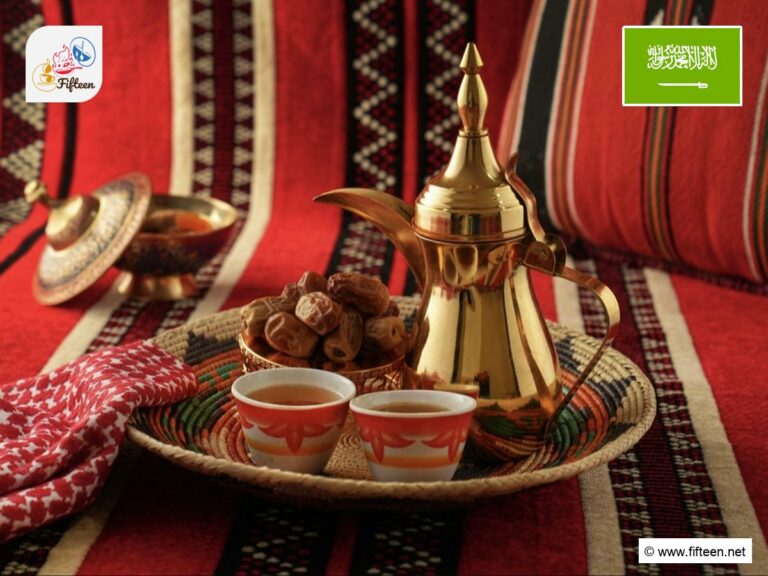
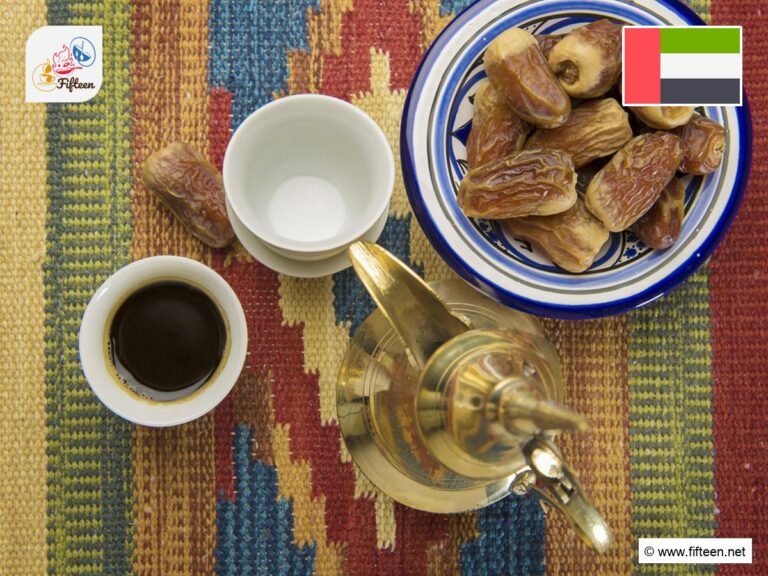
What Are The Characteristics of Beverages Across European Regions?
Beverages across European regions exhibit distinct characteristics reflective of their historical, cultural, and geographical diversities, as described below:
These unique characteristics play a pivotal role in European celebrations, where beverages are more than just drinks; they’re an integral part of the festivities.
What Are The Roles of Beverages in Important European Celebrations?
Beverages hold a significant place in European celebrations, serving various roles that go beyond mere refreshment.
Interestingly, the consumption patterns during these celebrations contribute to the data showing which European countries drink the most alcohol.
Which European Countries Drink The Most Alcohol?
According to the World Population Review, European countries with the highest per capita alcohol consumption include:
On the flip side, there are countries within the same continent where alcohol consumption is notably lower, showcasing the diversity in drinking habits across Europe.
Which European Country Drinks The Least Alcohol?
Turkey appears to be the European country with the lowest alcohol consumption. According to a Eurostat report, Turkey had the highest proportion of individuals consuming no alcohol, with 85.1% of the population not drinking at all within the twelve months prior to the survey.
This diversity in consumption rates paves the way to understanding the varied alcoholic beverage preferences across the continent.
What Are the Alcoholic Beverage Preferences Across Europe?
Europe’s alcoholic beverage preferences are as varied as its cultural tapestry, shaped by historical, agricultural, and social influences. Here’s a streamlined summary:
This love for diverse flavors is especially seen in the country that enjoys wine the most, standing out for its deep appreciation of vineyard-crafted beverages.
Which European Country Drinks The Most Wine?
According to the World Population Review, Portugal leads Europe in per capita wine consumption, with individuals consuming an impressive 51.9 liters annually as of the most recent data. Italy, France, Switzerland and Austria follow closely, with 46.6, 46.0, 35.7 and 29.9 liters per person per year, respectively.
Similarly, when it comes to spirits, there are specific countries where these strong drinks are more popular.
Which European Countries Drink The Most Spirits?
According to data from the World Health Organization’s Global Health Observatory, the European countries with the highest spirits consumption include Andorra, Estonia, France, Moldova, Luxembourg, Poland, Ireland, Lithuania, Bulgaria, and Austria.
These countries have been identified based on their per capita consumption of pure alcohol for individuals aged 15 and over.
Meanwhile, beer has its own set of champion countries in Europe, where it’s not just a drink but a symbol of camaraderie and craft.
Which European Countries Drink The Most Beer?
According to the World Population Review, The Czech Republic leads European countries in beer consumption, with an impressive per capita rate of 140.12 liters, followed by Austria and Germany with 110.52 and 103.92 liters per capita, respectively.
Moving away from alcohol, Europe also has a rich culture of non-alcoholic drinks, showcasing a different side of European beverage culture that’s equally cherished.
What Defines Non-alcoholic Drink Culture In Europe?
Across Europe, non-alcoholic beverage preferences vary significantly, influenced by cultural traditions, climate, and individual tastes.
In Europe, non-alcoholic drinks are a big deal, with lots of choices like coffee, tea, and soft drinks that fit into all kinds of daily moments and special times. This love for good coffee is really clear in some countries that are known for making some of the best cups you can find.
Which European Countries Have The Best Coffee?
Determining the “best” coffee in Europe is subjective, but several countries are renowned for their coffee cultures:
Some places in Europe stand out for their tea, like coffee, offering unique blends and traditions that tea lovers would not want to miss.
Which European Countries Have The Best Tea?
Below are the European countries that are most well-known for tea:
And when it comes to enjoying these drinks, there’s nothing like pairing them with the perfect European dish to enhance the experience.
Which European Dishes to Pair with Beverages?
When pairing European dishes with beverages, it’s essential to consider the flavors and textures to enhance the dining experience. Here are some suggestions:
Each pairing aims to either complement or contrast the flavors and textures of the dish from Europe, creating a balanced and enjoyable dining experience.
European drinks, for me, are like turning pages of an enticing book, each drink revealing a new chapter of the region’s diverse culture and rich history. From French wines to hearty German beers, each sip is a story waiting to be discovered.
I encourage you to dive into this fascinating world. Share your thoughts and favorite European beverages in the comments. If you find this article helpful, spread it to everyone you know so they can enrich their favorite beverages.
Jamie Scott
Editor in Chief, Senior Content Writer
Expertise
Home Cooking, Meal Planning, Recipe Development, Baking and Pastry, Food Editor, Cooking-video Maker, Western Food Evaluation Expert
Education
Le Cordon Bleu College of Culinary Arts
Local Community College, New York, NY
Jamie Scott is a skilled culinary expert and content creator specializing in Western cuisine. With over 15 years in the culinary field and formal training from Le Cordon Bleu, Paris, Jamie deeply understands how to blend nutrition with delicious flavors. His passion for cooking matches his commitment to making healthy eating accessible and enjoyable.
On Fifteen.net, Jamie brings a fresh perspective to classic dishes and beverages, offering readers insightful recipes, cooking tips, and a fresh view on meal planning that emphasizes taste, health, and simplicity.