

Fruits used as vegetables are botanically classified based on their seed-bearing structure. These foods are commonly prepared and enjoyed as vegetables in various dishes. This characteristic allows them to bring both the sweetness of fruits and the versatility of vegetables to your meals.
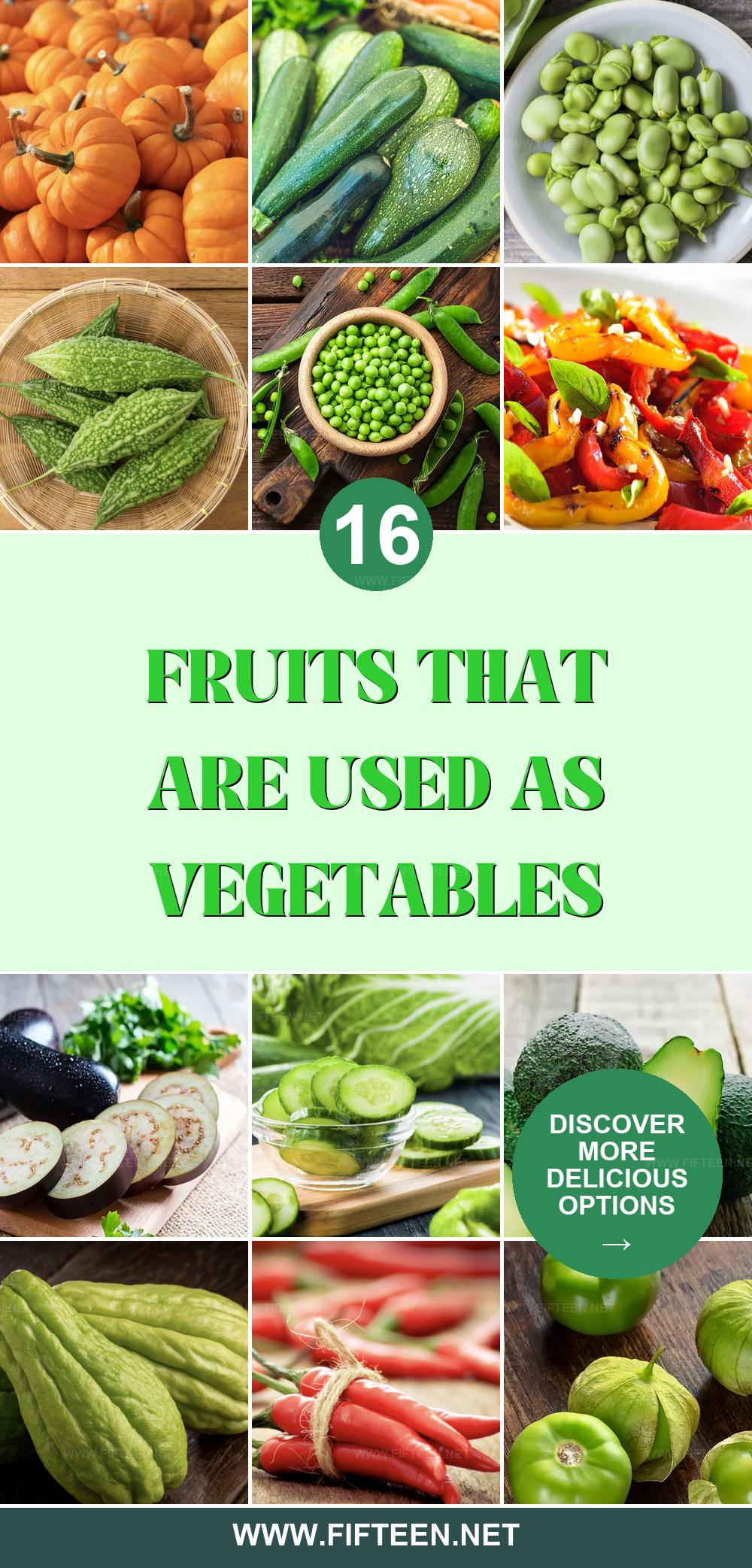
Here, you’ll explore 16 fascinating fruits that are eaten as vegetables around the globe. The most popular are tomato, bell pepper, avocado, and more, perfect for savory and sweet delicacies.
Each fruit, with different tastes and textures, allows you to create numerous recipes in your kitchen. They are also a healthy packet to improve the nutrition in your meals.
In the last part, you’ll discover the similarities between fruits and vegetables to expand your knowledge about these natural foods.
Fruits used as vegetables are botanically classified based on their seed-bearing structure. These foods are commonly prepared and enjoyed as vegetables in various dishes. This characteristic allows them to bring both the sweetness of fruits and the versatility of vegetables to your meals.
Here, you’ll explore 16 fascinating fruits that are eaten as vegetables around the globe. The most popular are tomato, bell pepper, avocado, and more, perfect for savory and sweet delicacies.
Each fruit, with different tastes and textures, allows you to create numerous recipes in your kitchen. They are also a healthy packet to improve the nutrition in your meals.
In the last part, you’ll discover the similarities between fruits and vegetables to expand your knowledge about these natural foods.
16 Popular Fruits Served as Vegetables
Explore the diversity of fruit vegetables with the 16 options below. Each will surely add a twist to your dishes with its delightful flavors and nutritional perks.
How Are Fruits and Vegetables Similar?
Fruits and vegetables share 7 key similarities such as:
Nutrient Density
Most kinds of fruits and vegetables contain essential vitamins, minerals, and antioxidants. They offer vitamins C, A, potassium, and folate, which are vital for good health.
Fiber Content
Both are excellent sources of dietary fiber. Fiber aids digestion, regulates blood sugar levels, and supports heart health.
Low in Calories
Many fruit and vegetable varieties are low in calories and fat. This makes them ideal for weight management.
Hydration
High water content in fruits and vegetables helps with hydration and maintains bodily functions and skin health.
Plant-Based
Both come from plants. Fruits develop from flowers and contain seeds, while vegetables come from roots, stems, leaves, and flowers.
Versatility
They can be eaten raw, cooked, juiced, or dried. They are versatile ingredients in many dishes.
Natural Sweetness and Flavor
Many have natural sweetness and unique flavors, enhancing the taste of various foods.
To learn the difference between fruits and vegetables, check the table below for more details.
| Aspect | Fruits | Vegetables |
|---|---|---|
| Botanical Definition | The mature ovary of a flowering plant typically contains seeds. | Edible parts of plants, including roots, stems, leaves, and flowers. |
| Taste | Usually sweet or tart | Usually savory or bitter |
| Common Uses | Eaten raw as snacks, used in desserts, juices, jams | Typically used in main courses and side dishes |
Fruits doubling as vegetables offer a delightful combination of flavors and versatility to your recipes. Have you explored all 16 varieties and discovered their benefits?
Share your experiences in the comment section and click like if this post is helpful. Thank you!
Jamie Scott
Editor in Chief, Senior Content Writer
Expertise
Home Cooking, Meal Planning, Recipe Development, Baking and Pastry, Food Editor, Cooking-video Maker, Western Food Evaluation Expert
Education
Le Cordon Bleu College of Culinary Arts
Local Community College, New York, NY
Jamie Scott is a skilled culinary expert and content creator specializing in Western cuisine. With over 15 years in the culinary field and formal training from Le Cordon Bleu, Paris, Jamie deeply understands how to blend nutrition with delicious flavors. His passion for cooking matches his commitment to making healthy eating accessible and enjoyable.
On Fifteen.net, Jamie brings a fresh perspective to classic dishes and beverages, offering readers insightful recipes, cooking tips, and a fresh view on meal planning that emphasizes taste, health, and simplicity.