

Asian fruits are a category of fruits throughout the continent, including native and non-native species. The main types of Asian fruits can be categorized into tropical and subtropical varieties, including stone, citrus, berries, and exotic selections.
The main tastes range from the sweetness of ripe mangoes and bananas to the sour tang of tamarind and the complex flavor profile of durian. Textures vary from the creamy custard-like durian to the crisp and refreshing watermelon.
Appearance-wise, these fruits span from the bright yellow and spiky exterior of the starfruit to the green and spiky durian rind or the smooth, round shape of the lychee.
Asian fruits are utilized in various ways: eaten fresh, used in cooking (sweet and savory dishes), blended into smoothies, made into desserts, or used as garnishes.
Culturally, fruits are deeply symbolic in Asian cultures, representing luck, prosperity, or fertility. They’re used in religious ceremonies and as gifts during festivals. For instance, pomelos signify good fortune in China’s Mid-Autumn Festival, and persimmons symbolize good luck in Japan.
Apart from the most famous Asian fruits, I also give you a list of fruits from different Asian countries, explain what most Asian fruits are like, tell you about the top 5 fruit-producing places in Asia, and even touch on some dishes and drinks that use these fruits.
And, I don’t forget to explore some popular Asian vegetables.
Ready to get started?
39 Asian Fruits with Filters
Take a look at these 39 renowned fruits from Asia that are sorted by their popularity. There’s a handy filter you can use to see which fruits are native or come from elsewhere, which are national, exotic or fruit vegetables and which ones are commonly used in dishes, drinks, or just to add a bit of decoration.
List of Asian Fruits by Country
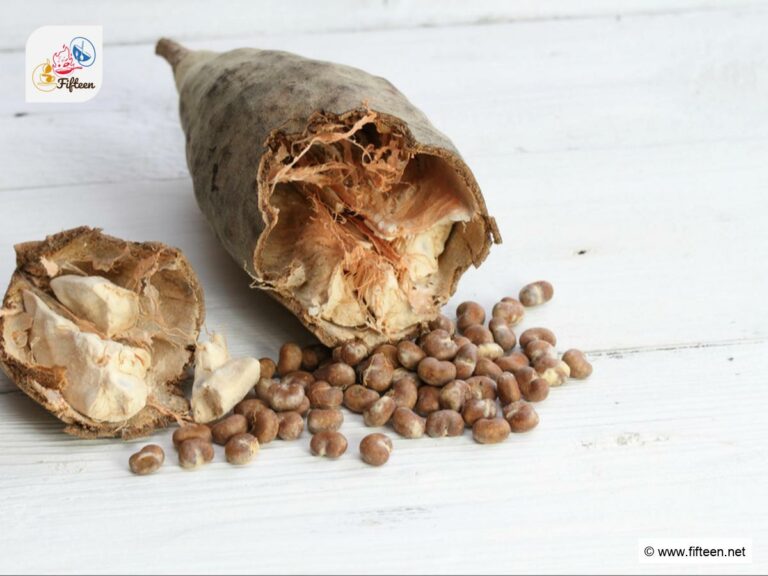
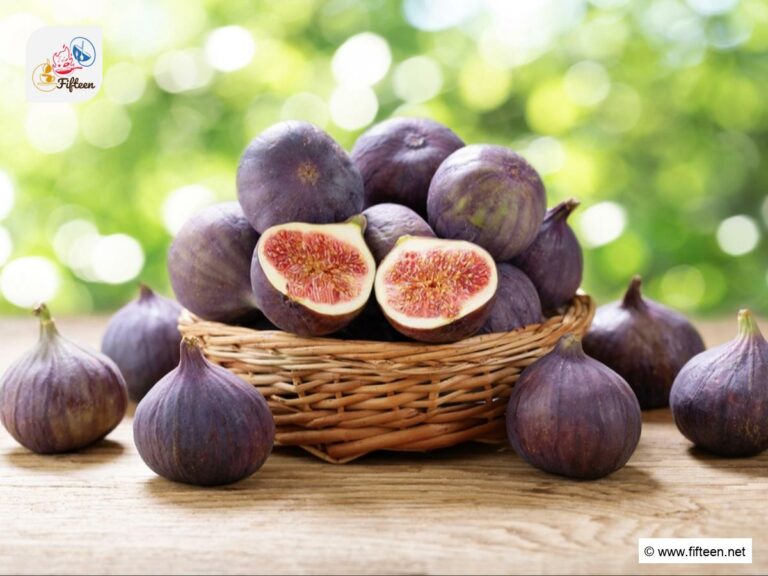
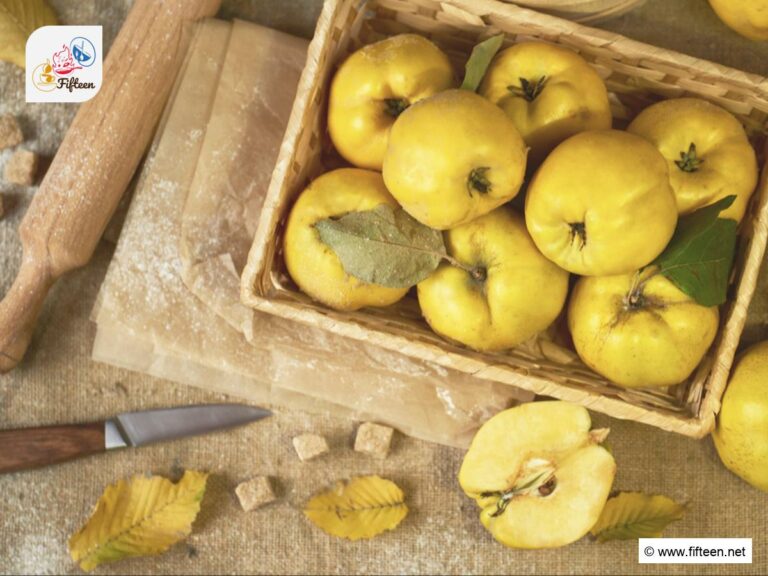
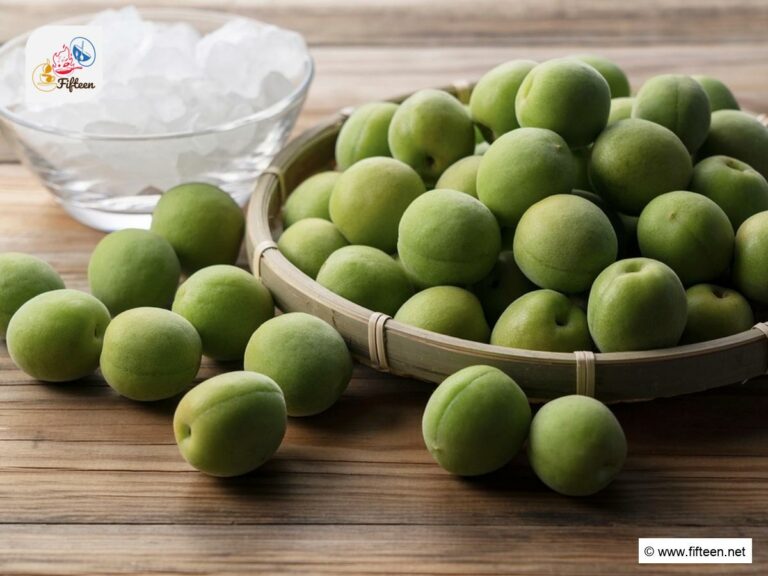
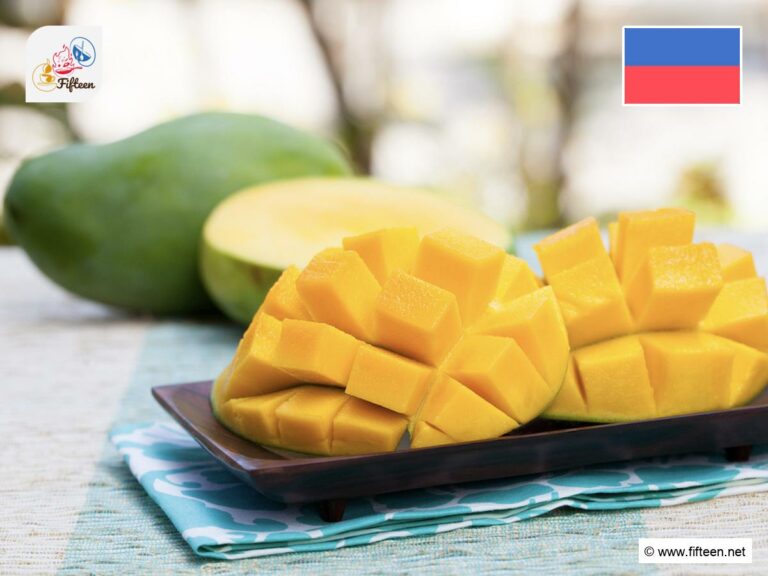
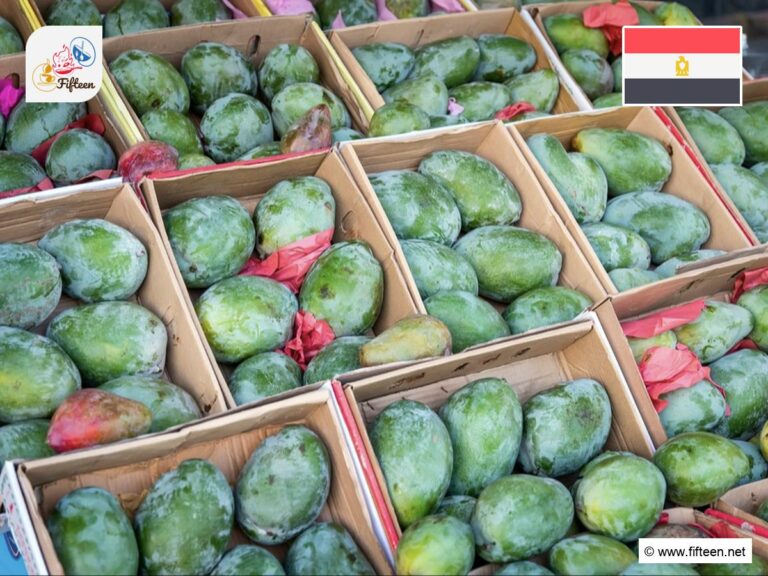
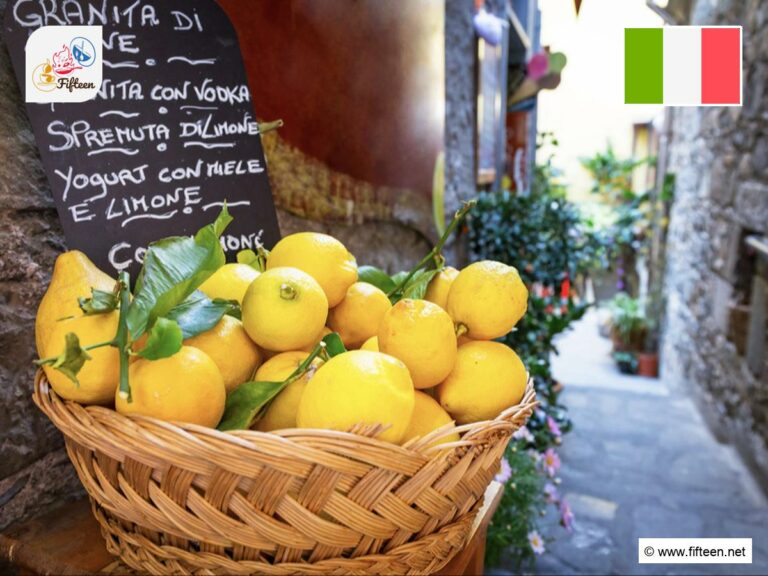
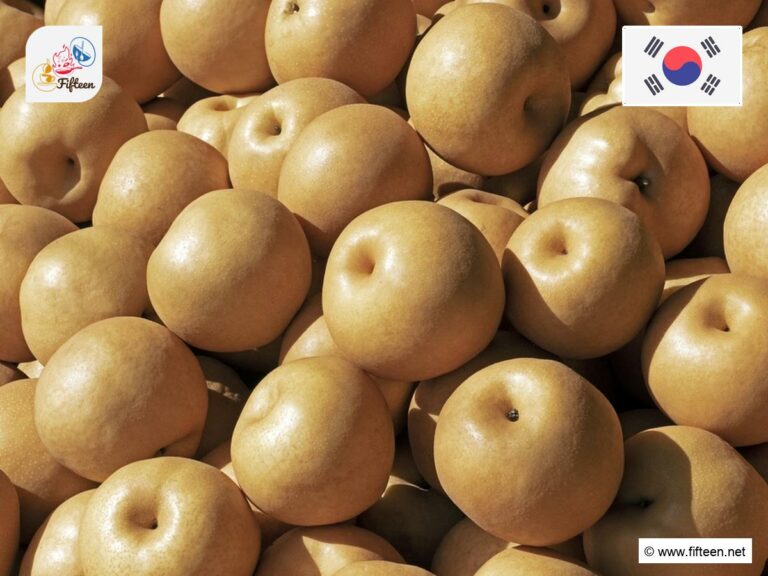
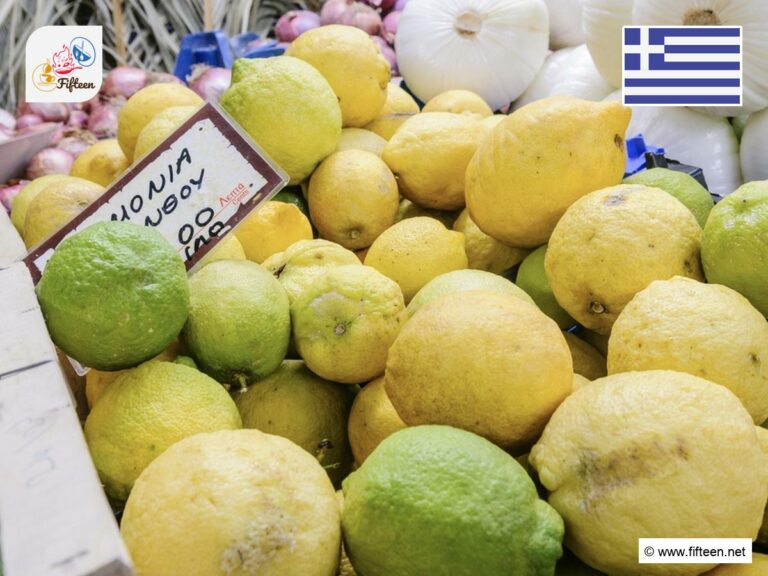
What Are the Features of Asian Fruits by Region?
Here’s a broad overview of the characteristics of Asian fruits by region, highlighting the common fruits found in each area:
The fruits from this region often balance sweetness and tartness, reflecting the temperate and subtropical climates of the area. Many fruits are seasonal, with specific harvest times.
Common Fruits: Persimmon, Asian pear, lychee, longan, and dragon fruit.
Tropical climate fruits from this region are known for their vibrant colors, intense flavors, and high moisture content. Many of these fruits are unique to the region and are consumed fresh and in various local dishes.
Common Fruits: Durian, mango, rambutan, jackfruit, and papaya.
South Asian fruits are flavorful and aromatic, reflecting the region’s hot and humid climate. These fruits are often integral to the local cuisine, and used in savory and sweet dishes.
Common Fruits: Mango (with numerous varieties), banana, guava, coconut, and pomegranate.
The fruits from Central Asia are often hardy and able to withstand cooler temperatures. They are typically sweet and have a long shelf life, making them suitable for storage and transport.
Common Fruits: Melons (including unique varieties), apricots, plums, and grapes.
West Asian fruits often have a rich flavor and are highly nutritious, reflecting the arid and semi-arid climates of the region. Many of these fruits have been cultivated for thousands of years and are deeply ingrained in the local culture and cuisine.
Common Fruits: Dates, figs, pomegranates, and citrus fruits (such as oranges).
Now that you’ve explored the rich diversity of Asian fruits, let’s take a look at which countries are at the forefront of producing these delicious treats.
Which Asian Countries Produce the Most Fruits?
According to the FAO CSD’s 2020 report, below are the top 5 fruit-producing countries in Asia:
The abundance of fruit in these countries has given rise to an array of fruit-based dishes, from sweet to savory, that are cherished globally.
What Fruit-Based Dishes from Asia Are Renowned?
Here are the top 5 celebrated Asian dishes featuring fruit as ingredients.
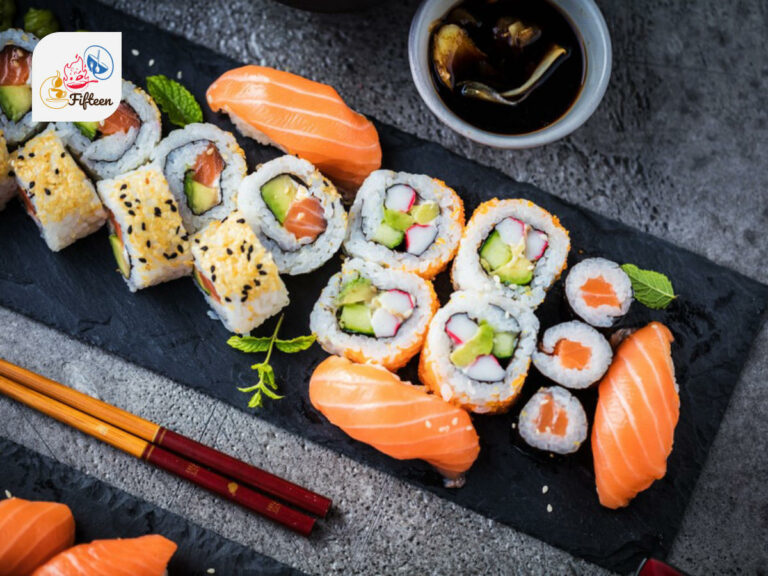
Sushi
Sushi is a Japanese dish featuring specially prepared vinegared rice and various ingredients like seafood, vegetables, and sometimes tropical fruits like avocado.
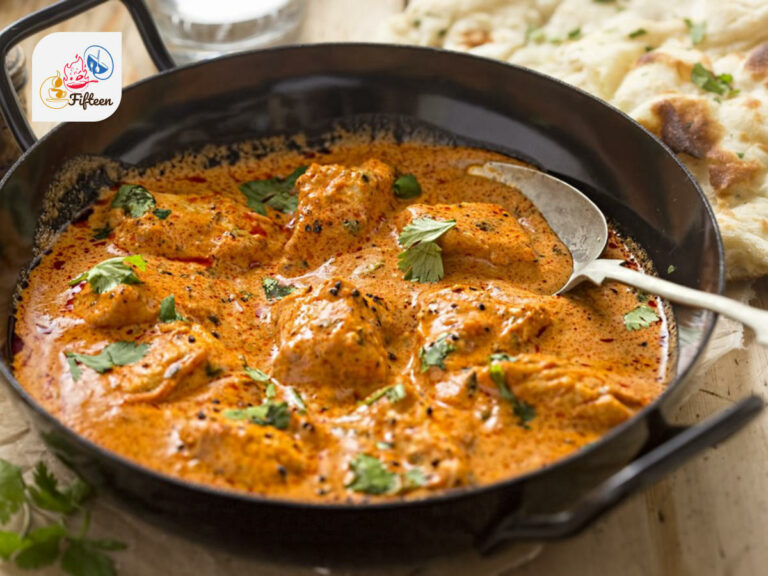
Curry
Curry is a savory dish that varies greatly by region but generally consists of meat or vegetables cooked in a sauce of spices and herbs, with some versions including coconut milk for a creamy texture.
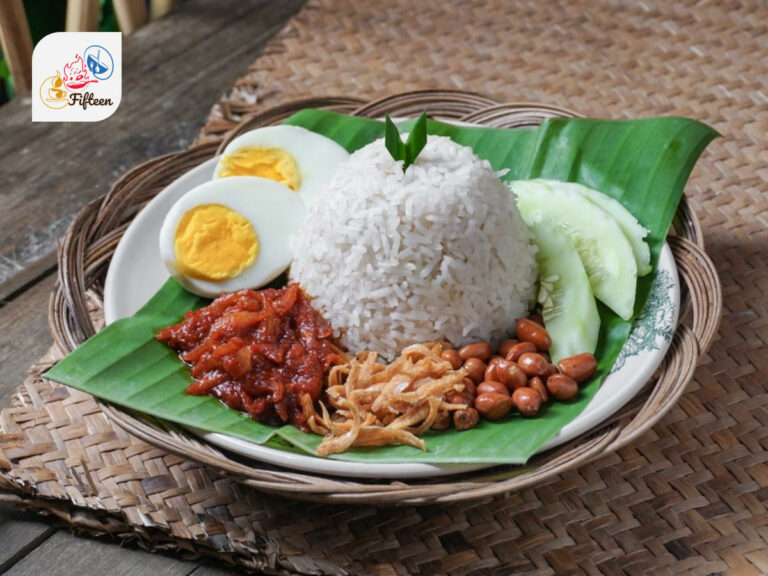
Nasi Lemak
Nasi lemak is a Malay rice dish cooked in coconut milk and pandan leaf, traditionally served with fried crispy anchovies, peanuts, eggs, cucumber, and spicy sambal.
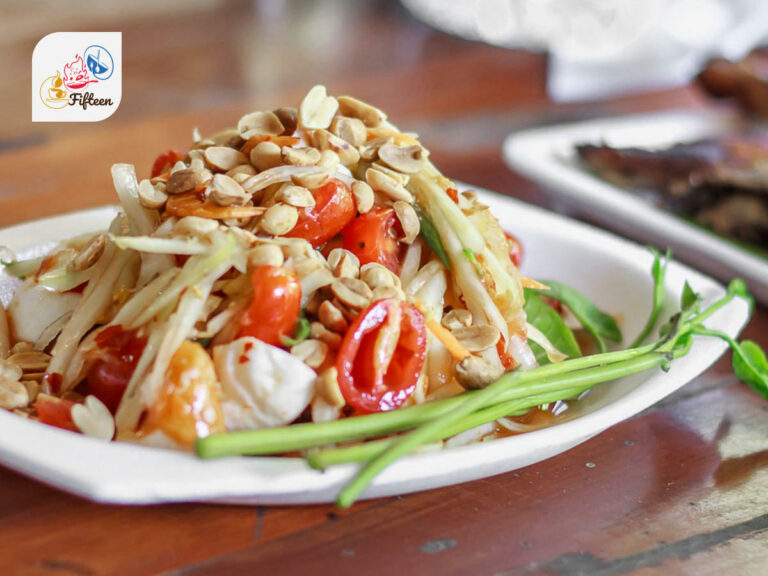
Green Papaya Salad
Green papaya salad is a spicy salad made from shredded unripe papaya, tomatoes, green beans, peanuts, lime juice, fish sauce, and chili peppers, popular in Southeast Asia.
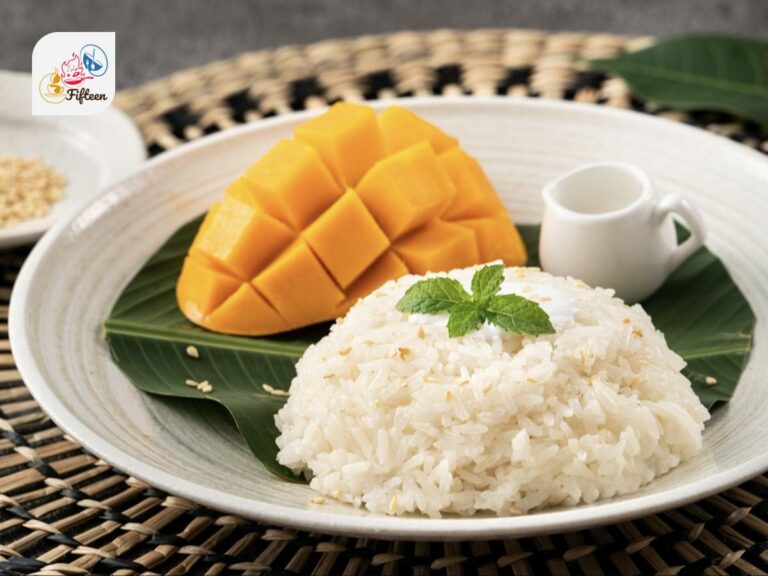
Mango Sticky Rice
Mango sticky rice is a traditional Thai dessert made from glutinous rice, coconut milk, and ripe mangoes. This dish is often sprinkled with toasted sesame seeds or mung beans.
Mango sticky rice is a traditional Thai dessert made from glutinous rice, coconut milk, and ripe mangoes. This dish is often sprinkled with toasted sesame seeds or mung beans.
If your favorite dishes aren’t listed, don’t worry! There are lots of Asian dishes for you to check out.
Also, take a chance to explore Asian drinks made with fruits while you’re here!
Which Asian Fruit Beverages Are Must-Tries?
Highlighting Asia’s most famous 5 beloved beverages crafted with fruit:

Coconut Water
Coconut water is the clear, refreshing liquid inside young coconuts, often enjoyed for its sweet, nutty taste and hydrating properties.
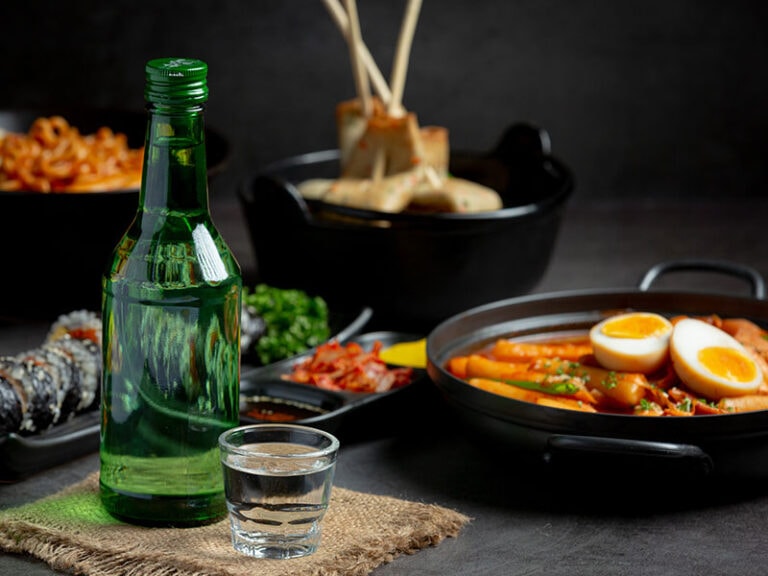
Soju
Soju is a smooth, clear Korean liquor, sometimes infused with fruit flavors like peach, grapefruit, or green apple for a sweet twist.
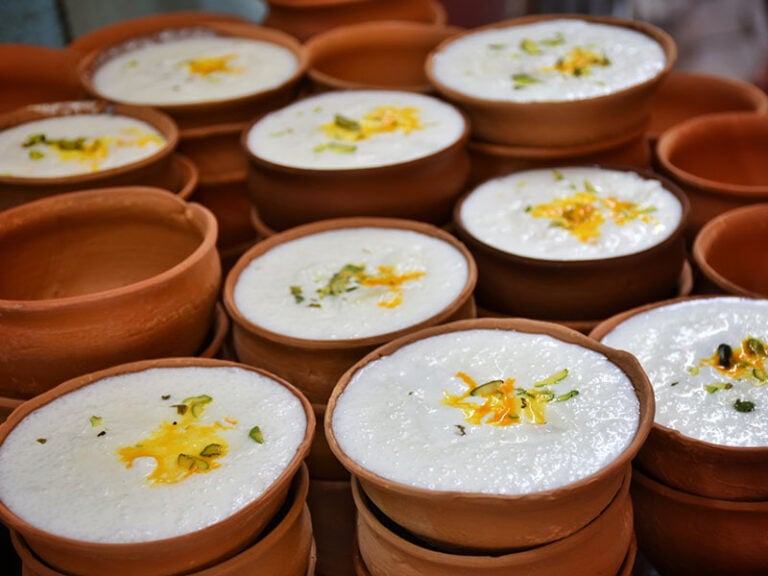
Lassi
Lassi is a creamy, yogurt-based drink from the Indian subcontinent, available in sweet or salty flavors and often flavored with fruit like mangoes or spices.

Ramune
Ramune is a fizzy Japanese soda with a quirky bottle and a marble stopper. It is available in flavors like strawberry, melon, and original lemon-lime.
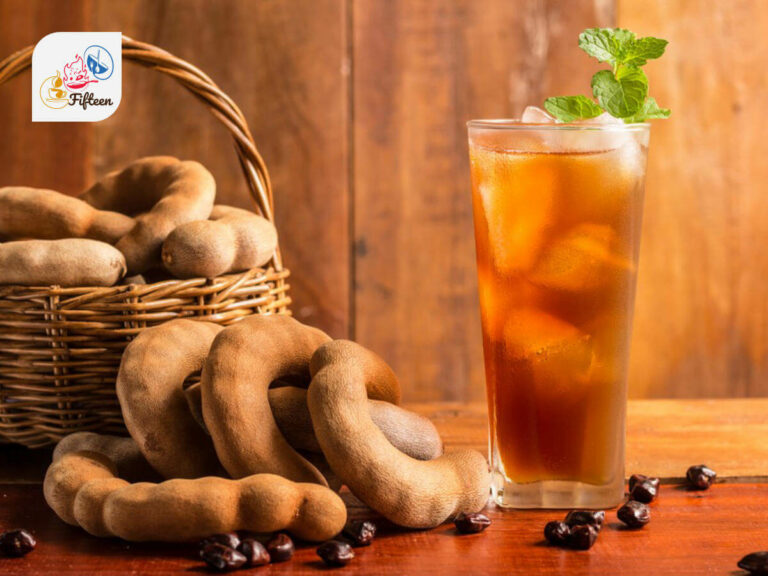
Tamarind Juice
Tamarind juice is a tangy, sweet beverage made from the pulp of the tamarind fruit, enjoyed for its unique flavor and cooling effect in hot weather.
If you didn’t find your preferred drinks here, no problem! I’ve got a bunch more Asian drinks you can discover.
And while you’re here, why not explore some popular Asian vegetables?
Which Are the Most Famous Asian Vegetables?
Below are 5 most renowned vegetables in Asian cooking:
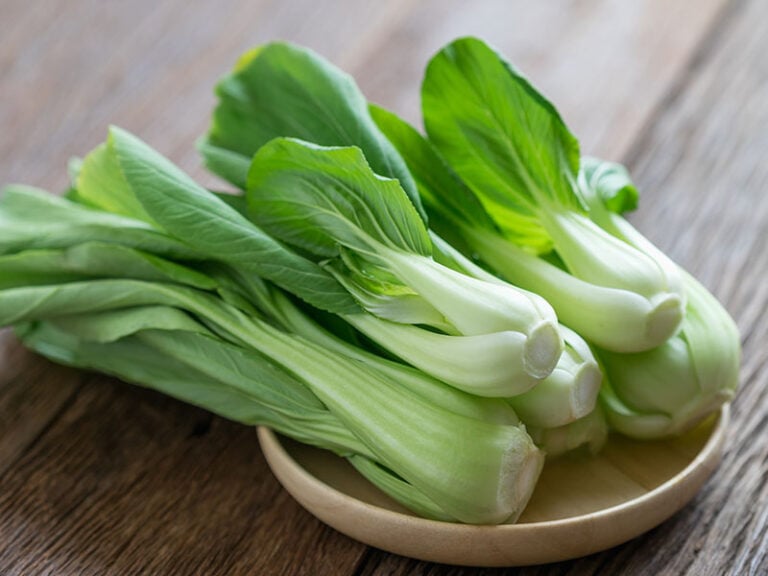
Bok Choy
Bok choy, a type of Chinese cabbage, is famed for its crisp leaves and a fresh, slightly peppery flavor. It’s a staple in Asian cooking, often stir-fried, steamed, or added to soups.
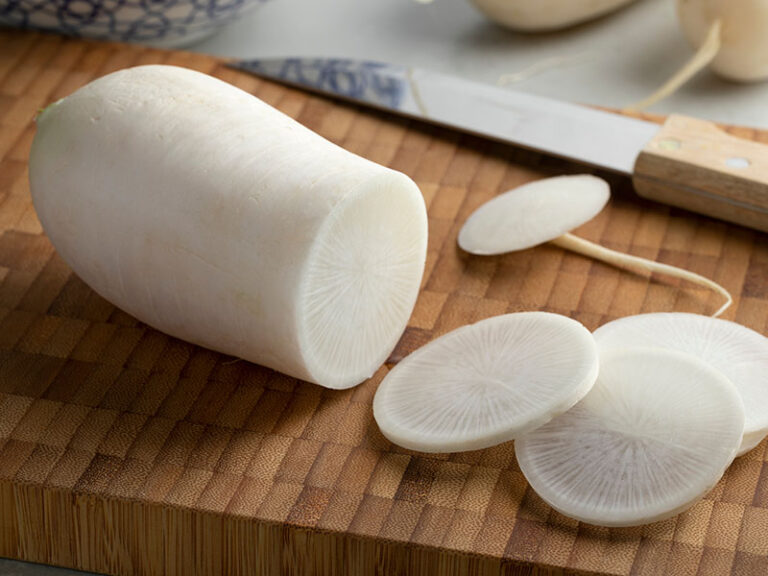
Daikon
Daikon is a large, white radish with a mild flavor and is commonly used in salads, as a crunchy garnish, or pickled. Daikon is also integral to many Japanese and Korean dishes.
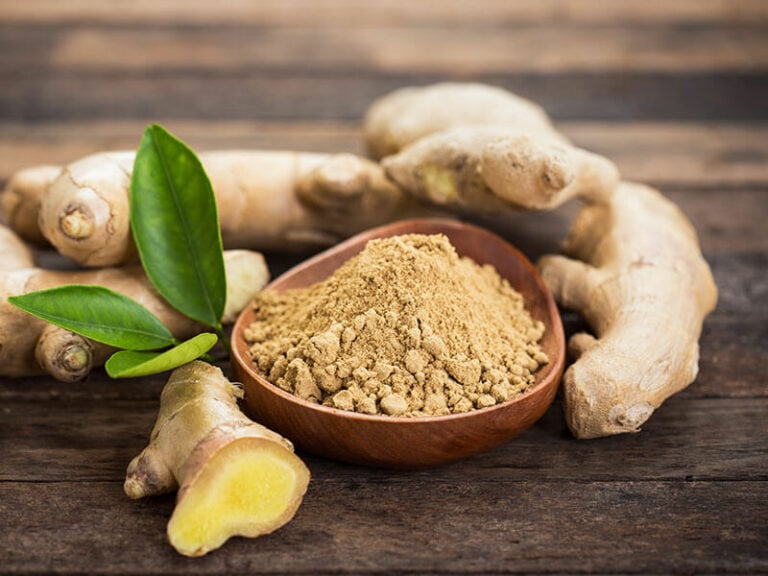
Ginger
Ginger is a rhizome featuring a pungent and spicy flavor. It is essential in nearly all Asian cuisines, used both fresh and dried for its aromatic, spicy flavor.
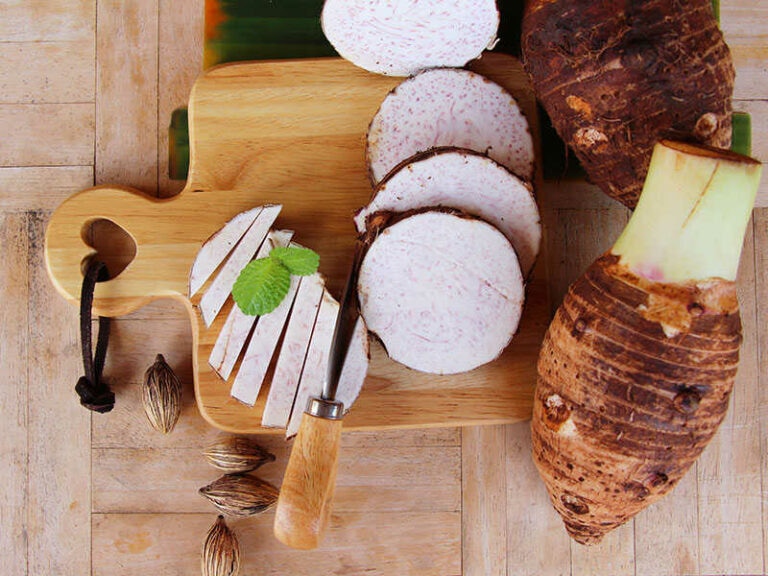
Taro Root
Taro is a starchy root vegetable that plays a crucial role in many Asian cuisines with nutty flavor. It can be boiled, steamed, or fried and is often used in savory and sweet dishes.
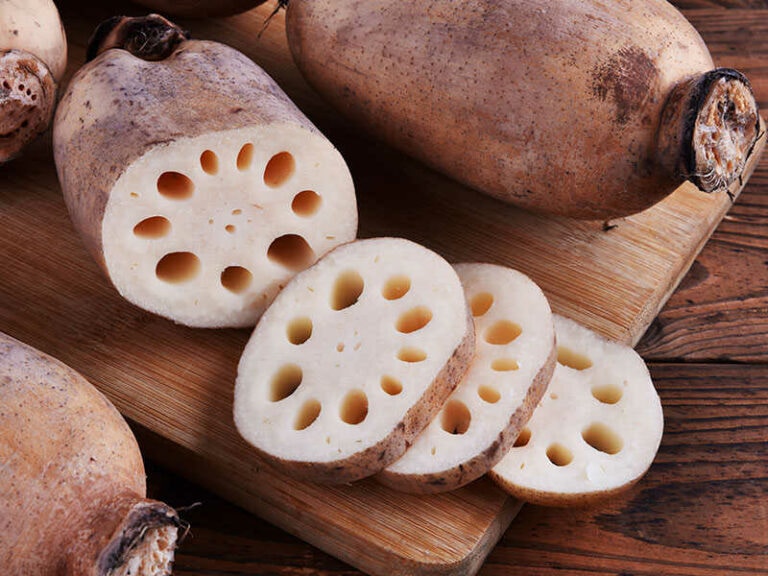
Lotus Root
The lotus root is the edible rhizome of the lotus plant. It has a crisp, slightly sweet taste and is often used in salads, stir-fries, and soups.
Plus, there’s always room to uncover more about the vast array of vegetables belonging to Asia. Let’s dive in and find some hidden gems together!
Did you enjoy the journey? If you loved discovering these exotic treasures, click that like button, share the sweetness with your friends, and drop us a comment about your favorite fruit adventure. Let’s spread the taste of Asia far and wide together!
Jamie Scott
Editor in Chief, Senior Content Writer
Expertise
Home Cooking, Meal Planning, Recipe Development, Baking and Pastry, Food Editor, Cooking-video Maker, Western Food Evaluation Expert
Education
Le Cordon Bleu College of Culinary Arts
Local Community College, New York, NY
Jamie Scott is a skilled culinary expert and content creator specializing in Western cuisine. With over 15 years in the culinary field and formal training from Le Cordon Bleu, Paris, Jamie deeply understands how to blend nutrition with delicious flavors. His passion for cooking matches his commitment to making healthy eating accessible and enjoyable.
On Fifteen.net, Jamie brings a fresh perspective to classic dishes and beverages, offering readers insightful recipes, cooking tips, and a fresh view on meal planning that emphasizes taste, health, and simplicity.