

Middle Eastern fruits are those that are widely grown and consumed in the Middle East, which generally includes West Asia (including Iran and Turkey) and Egypt.
While North Africa is distinct from the Middle East, it shares many culinary and cultural ties with this region, so I also include North African fruits in this guide.
Fruits in the Middle East are perfect for raw consumption, cooking, and making beverages. For example, dried dates and cured olives are part of any meal, while pomegranate juice is a universally beloved beverage.
Fruits hold an essential role in Islamic celebrations and events, particularly during the Muslim holy month of Ramadan. Since daytime fasting is a mandatory practice during this period, nutrient-rich fruits serve as convenient snacks at night.
Read on, and you will get to learn about the most well-known 15 Middle Eastern fruits, which span from Mediterranean to tropical fruits. Discover their rich history, culinary applications, and other facts.
Next, I will give you an overview of fruits in the Middle East and provide information on the numerous local dishes and beverages made with fruits. Lastly, I will delve into some popular vegetables in the region.
15 Amazing Middle Eastern Fruits with Filters
Below is a compilation of 15 prominent fruits in the Middle East. I have ranked them in terms of popularity in the region.
With the following filters, you can categorize the fruits according to your preferences. There are labels for native fruits, non-native fruits, national fruits, fruit vegetables, fruits for making dishes, fruits for making beverages, and fruits best for culinary decorations.
I have just gone through the most well-known fruits in the Middle East. What do you think they have in common? Read on to discover the answer!
What Makes Middle Eastern Fruits Special?
Below are the main factors that shape and define fruits in the Middle East.
Diverse Climate
The Middle East spans a vast area with climates ranging from the fertile lands of the Levant to the arid deserts of the Arabian Peninsula and the sunny Mediterranean coast.
This diversity allows for a wide variety of fruits to be grown, from citrus fruits and olives in the Mediterranean areas to dates and pomegranates in the more arid zones.
Nevertheless, fruit crops that tolerate droughts and hot, arid environments are still the most suitable options, hence the popularity of dates and figs.
Cultural Significance
Many fruits have deep-rooted cultural and religious significance in the Middle East. They were mentioned in Islamic texts and are often associated with Muslims and Ramadan celebrations.
Culinary Uses
In the Middle East, fruits are not only consumed fresh but are also used extensively in cooking, baking, making desserts, and, most importantly, beverages.
Due to the limited number of alcoholic beverages, fruit-based alcoholic-free drinks are highly sought-after in the region.
Due to the seasonality of many fruits and the hot climate, Middle Eastern cultures have developed various preservation techniques, especially drying.
Are you interested in the culinary applications of Middle Eastern fruits? The next section will tell you more about this topic.
What Are the Middle Eastern Dishes That Utilize Fruits?
Among the many dishes available in the rich cooking tradition of the Middle East, the following options are those prepared with fruits.
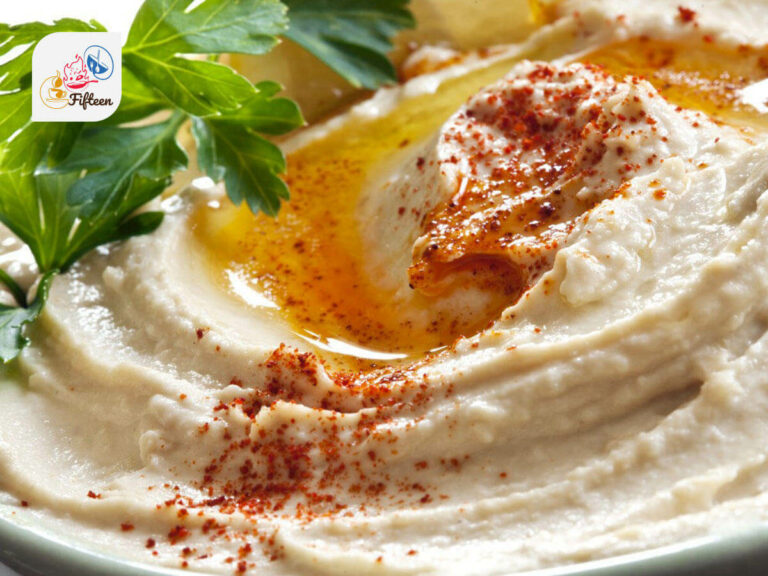
Hummus
Hummus is a creamy Middle Eastern spread or dip made from mashed chickpeas, tahini (sesame paste), lemon juice, garlic, and olive oil.
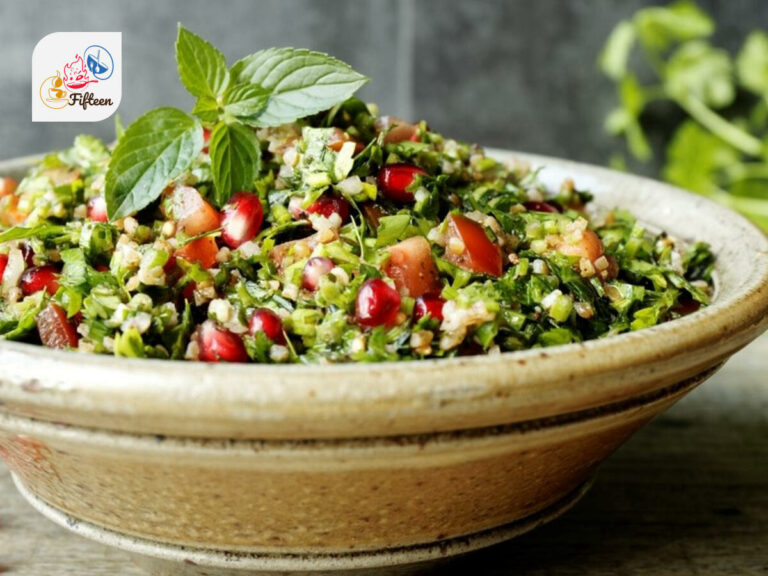
Tabbouleh
Tabbouleh is a Middle Eastern vegetarian salad consisting of finely chopped parsley, mint, tomatoes, onions, and bulgur (cracked wheat), all dressed in a mixture of olive oil and lemon juice.
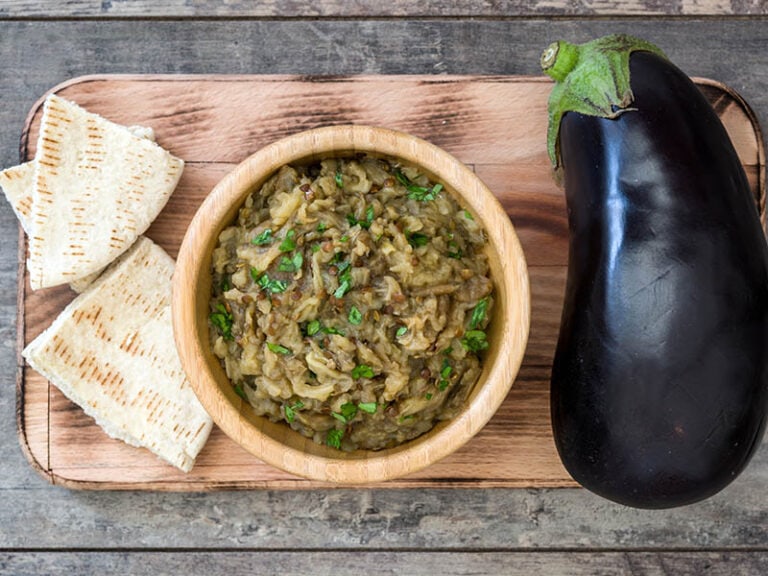
Baba Ghanoush
Baba ghanoush is a traditional appetizer made from roasted eggplant, tahini, olive oil, lemon juice, and various seasonings in many Middle Eastern countries.
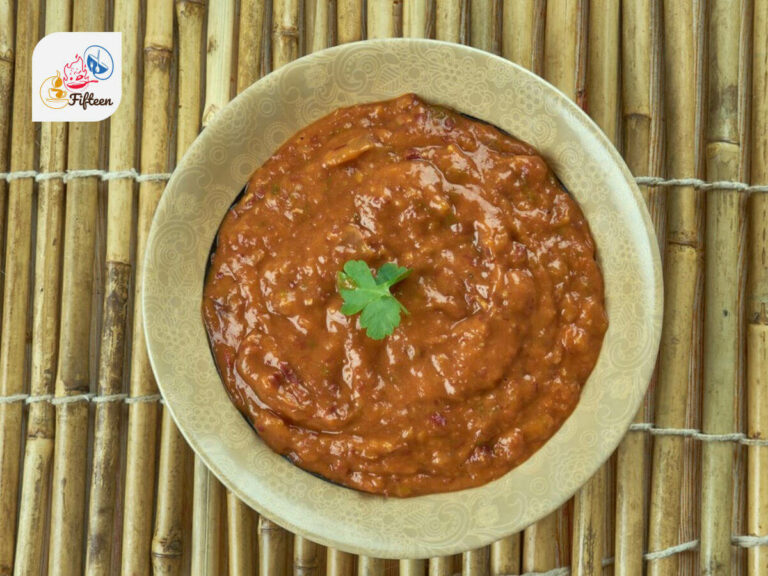
Ful Medames
Ful medames is an Egyptian dish of cooked and mashed fava beans seasoned with olive oil, lemon juice, and various herbs and spices.
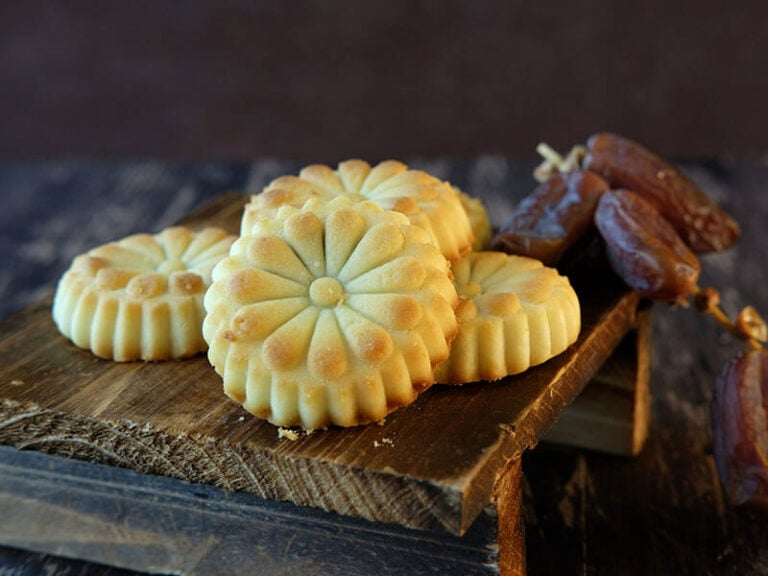
Ma’amoul
Ma’amoul are traditional Middle Eastern butter cookies filled with a sweet paste made from dates, pistachios, or walnuts.
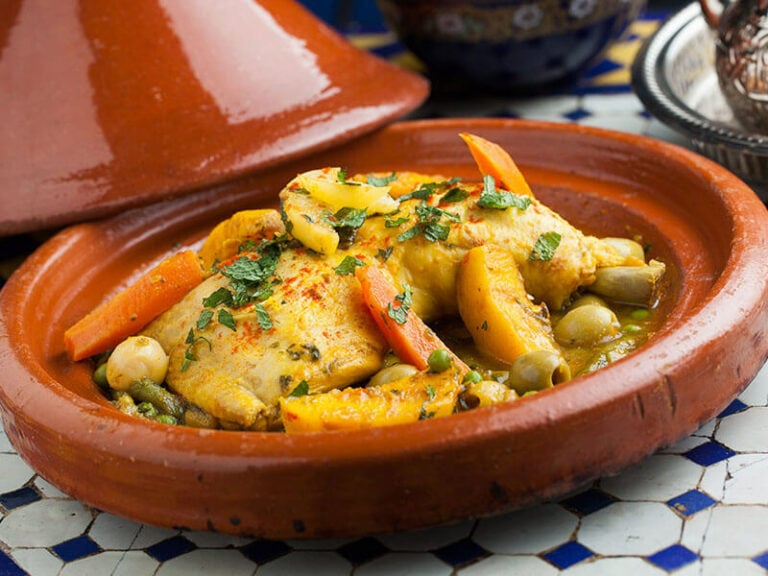
Tajine
Tajine, also known as tagine, is a classic North African stew prepared with meat, vegetables, and fruits, namely olives, apricots, and prunes (dried plums).
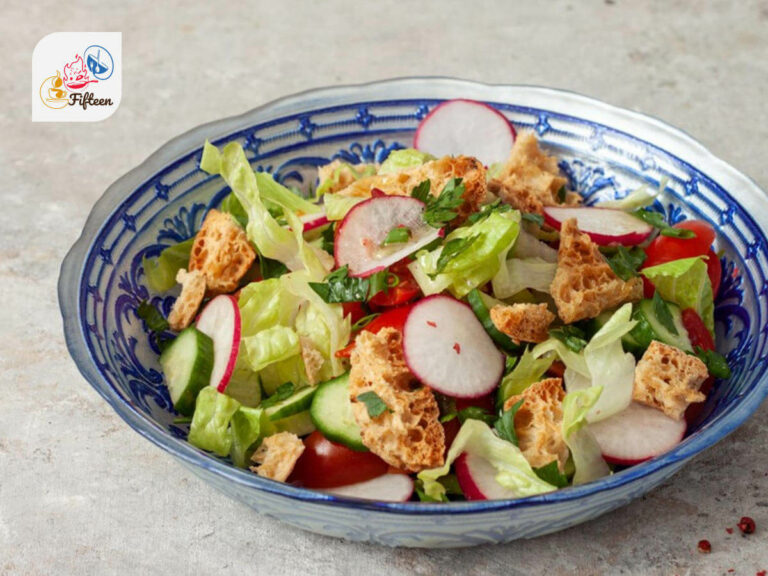
Fattoush
Fattoush is a Levantine salad that combines toasted or fried Arabic flatbread with a mix of fresh greens, vegetables, spices, and sometimes pomegranate molasses.
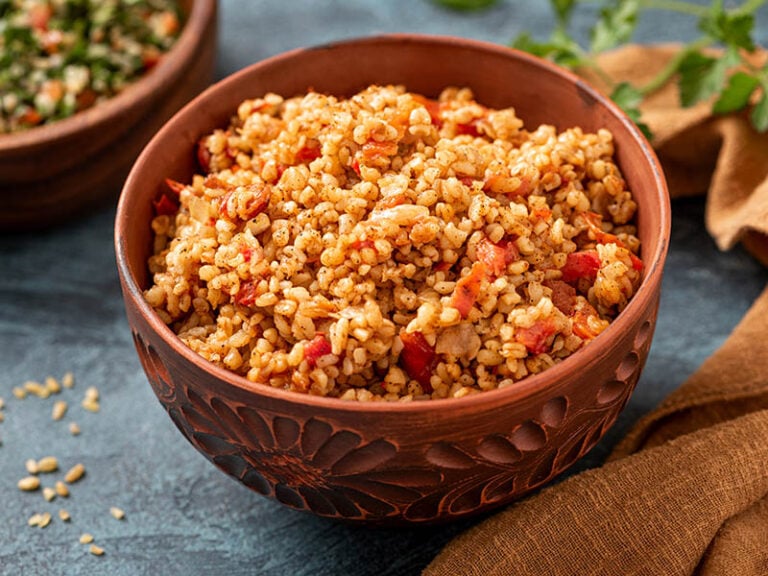
Pilaf
Pilaf, also known as polao, pulao, or pilau, is a well-known Middle Eastern rice dish prepared by cooking rice in a seasoned broth with spices, meat, and vegetables or dried fruits, like raisins, dates, apricots, or figs.
Explore the beauty of these amazing Middle Eastern delicacies, and you will beg for more!
As mentioned above, fruit-based beverages are quite plentiful in the Middle East. You’re going to discover the best of them soon!
Which Middle Eastern Beverages Make Use of Fruits?
Here is a comprehensive list of the best beverages made with fruits in the Middle East.
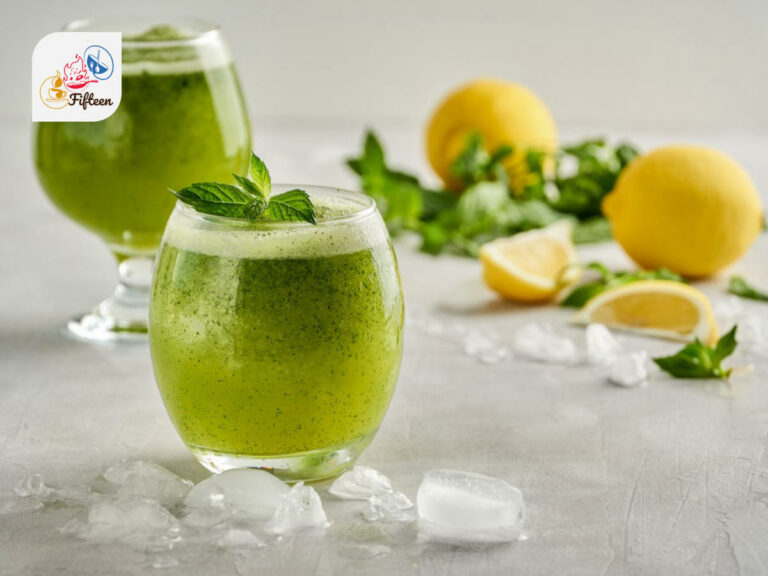
Limonana
Limonana is a type of Middle Eastern lemonade prepared with mint leaves or mint syrup. Its Egyptian variation, known as limoon, is highly famous.
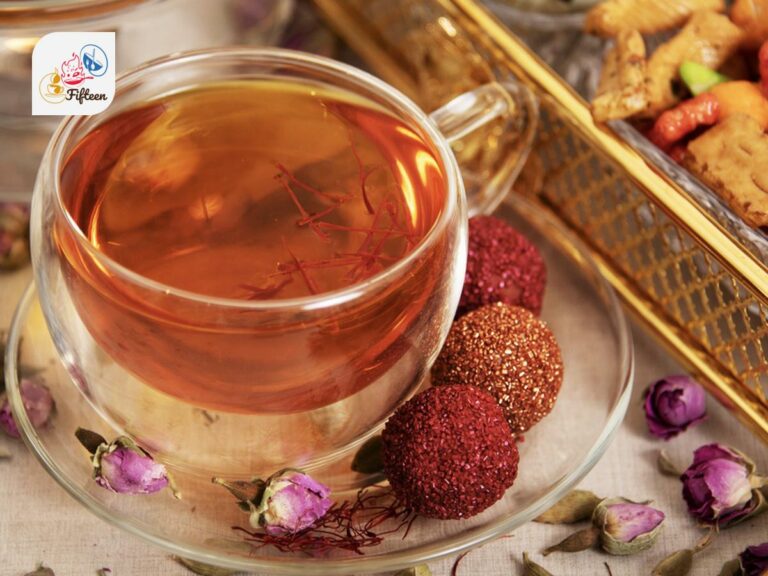
Damnoosh
Damnoosh refers to an array of herbal teas in Iran, which are often flavored with lemon juice and honey.
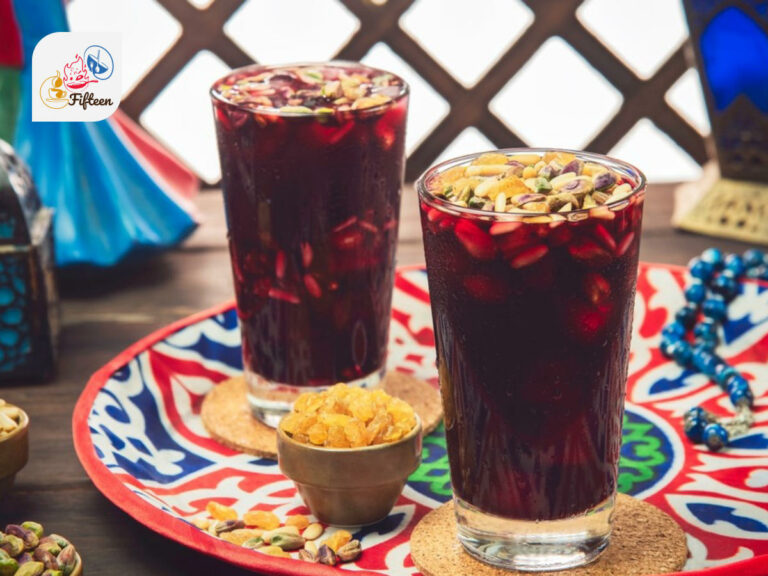
Jallab
Jallab is a distinct Middle Eastern beverage made from date juice, grape molasses, carob (a native plant with a taste similar to chocolate), and rose water syrup.
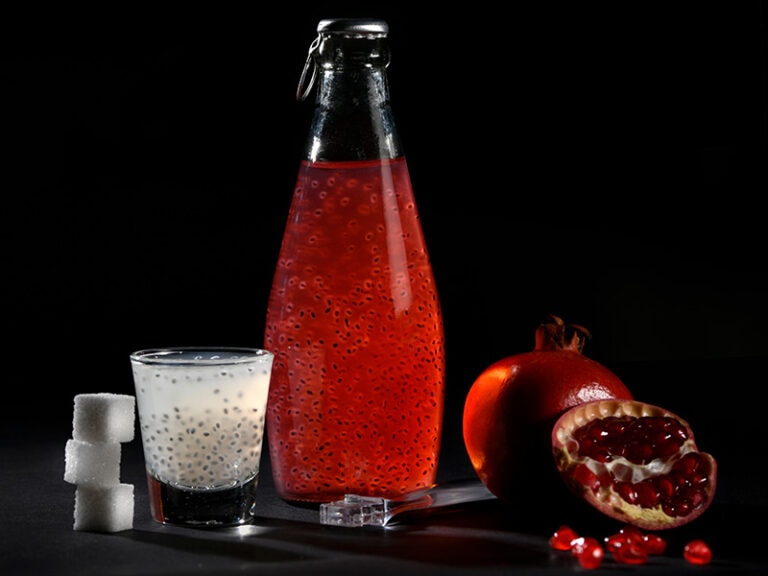
Pomegranate Juice
Pomegranate Juice is a renowned beverage in many Middle Eastern countries, such as Turkey, Israel, Iraq, and Syria.
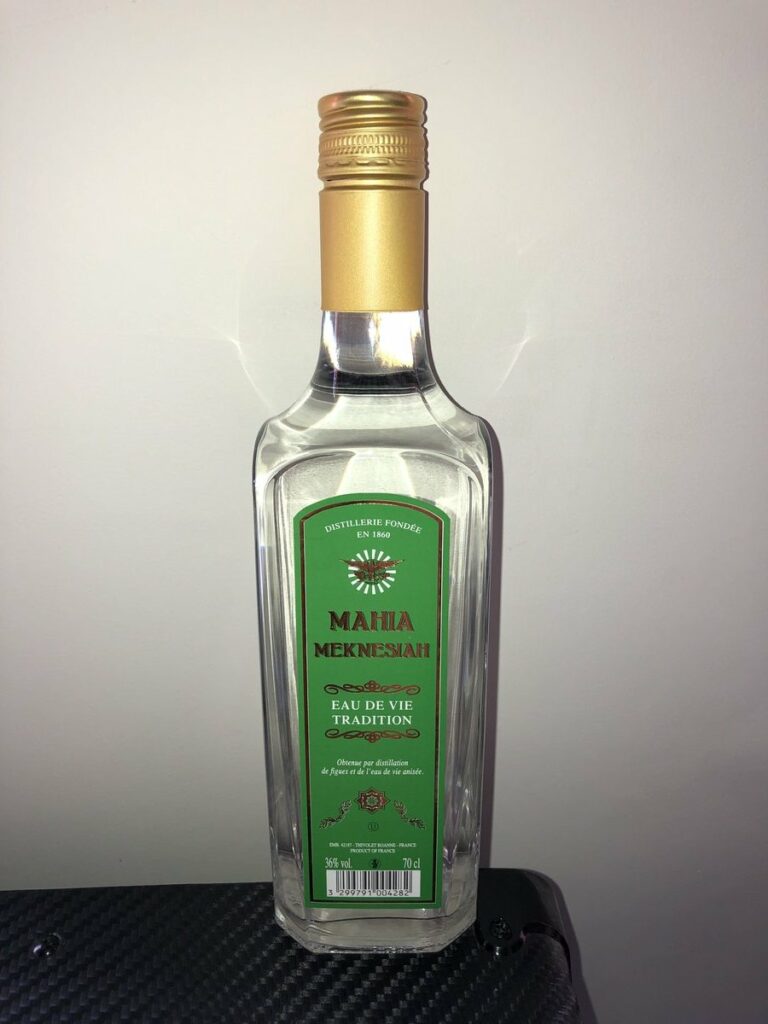
Mahia
Mahia is an affordable alcoholic beverage rooted deep in Moroccan Jewish culture, combining dates or figs with pomegranate juice and other aromatic ingredients.
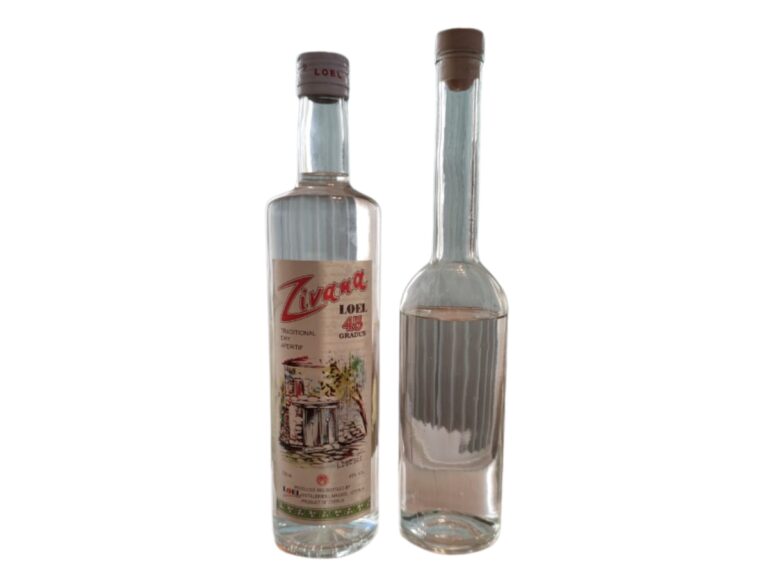
Zivania
Zivania is a colorless brandy from Cyprus that is made from dry wine and pomace, which is the pulpy residue left over after grapes are crushed.

Commandaria
Commandaria is an ancient sweet dessert wine from Cyprus, with sun-dried Cypriot grapes as the main ingredient.

Oghi
Oghi is an Armenian fruit spirit that can include plums, grapes, and other types of fruits. Its flavorings also have orange peel, herbs, and spices.
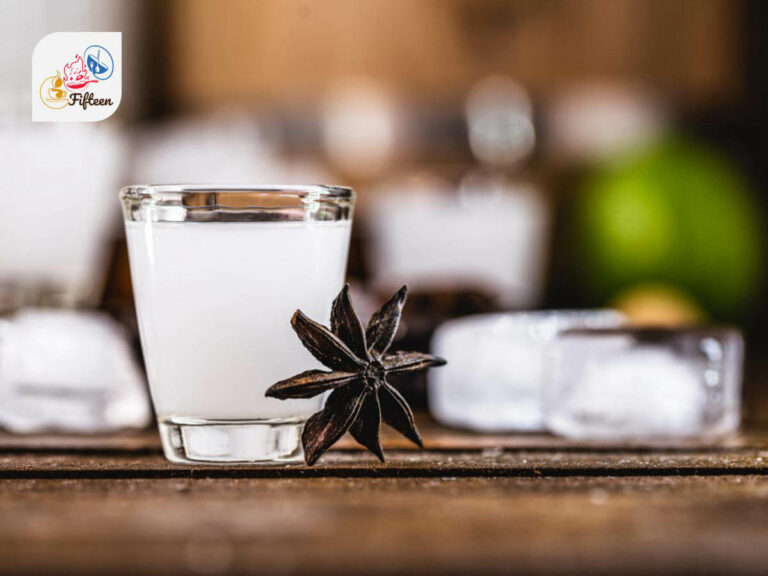
Arak
Arak is a Middle Eastern spirit made with grapes and flavored with aniseed oil.
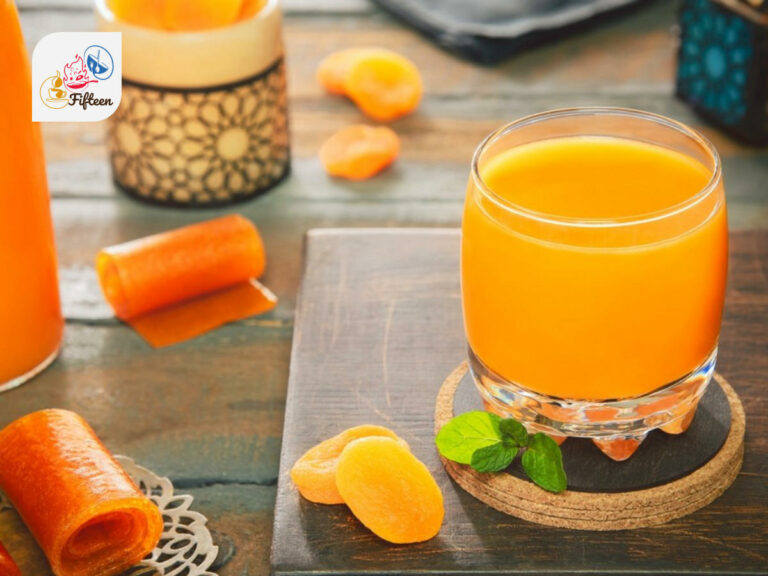
Qamar al-Din
Qamar al-Din is a traditional Middle Eastern non-alcoholic beverage made with apricot leather. It is a must-have drink for Ramadan.
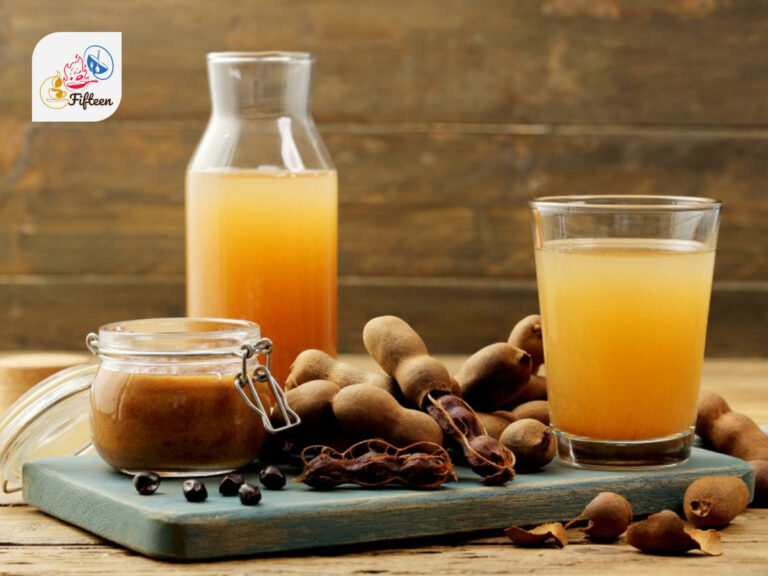
Tamer Hindi
Tamer Hindi is a sweet and sour Middle Eastern beverage made from tamarind paste, sugar, and water.
These options aren’t the only drinks available in the region. There are many other Middle Eastern beverages worth discovering.
Since many people search for both Middle Eastern fruits and vegetables, I will include an extra section on the most beloved vegetables in the region.
What Are the Most Popular Vegetables in Middle Eastern Cuisine?
Scroll down to explore the most widely used vegetables in the Middle East.
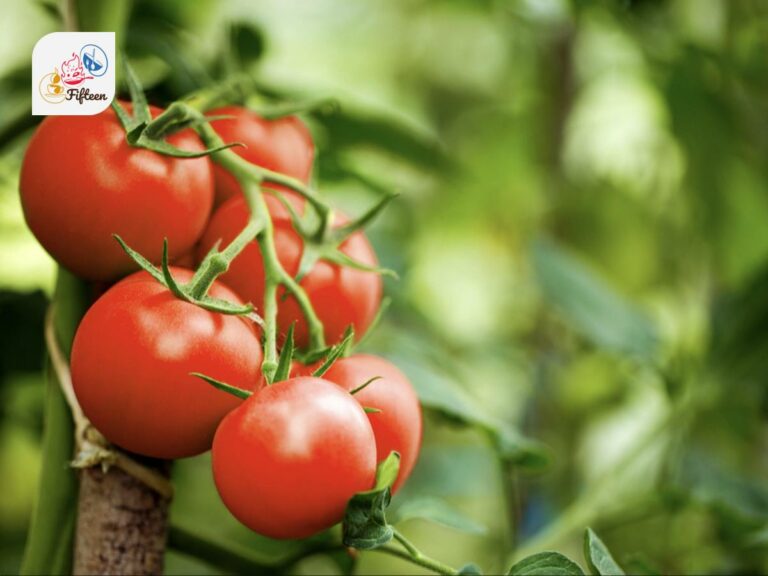
Tomato
Tomato is a staple vegetable used in many Middle Eastern salads, sauces, and stews because of its juicy and sweet-acidic flavor profile.
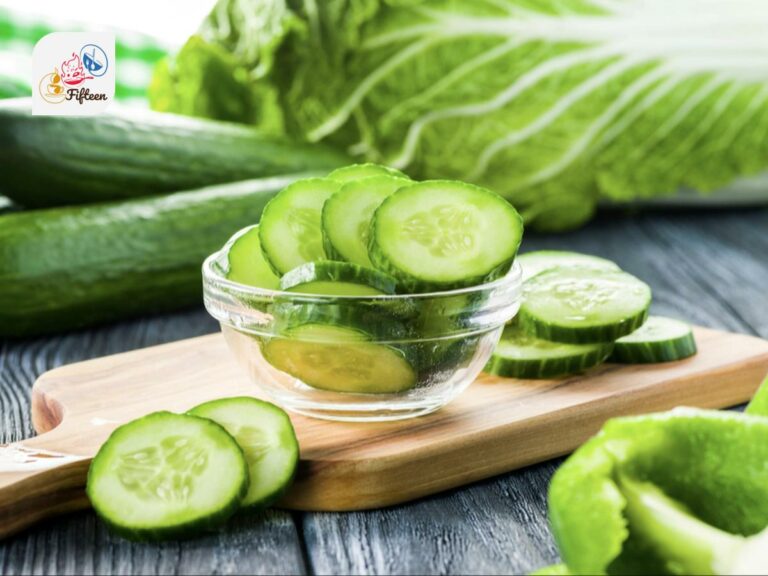
Cucumber
Cucumber is a crisp, refreshing vegetable used in salads and as a garnish for various meals throughout the Middle East.
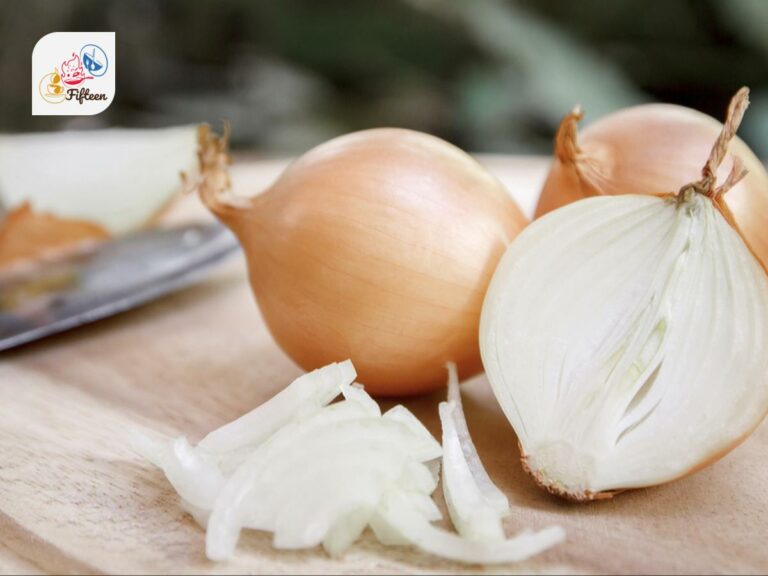
Onion
Onion is an indispensable vegetable in Middle Eastern cooking, providing a flavor base to various dishes, from stews and soups to grilled meats and salads.
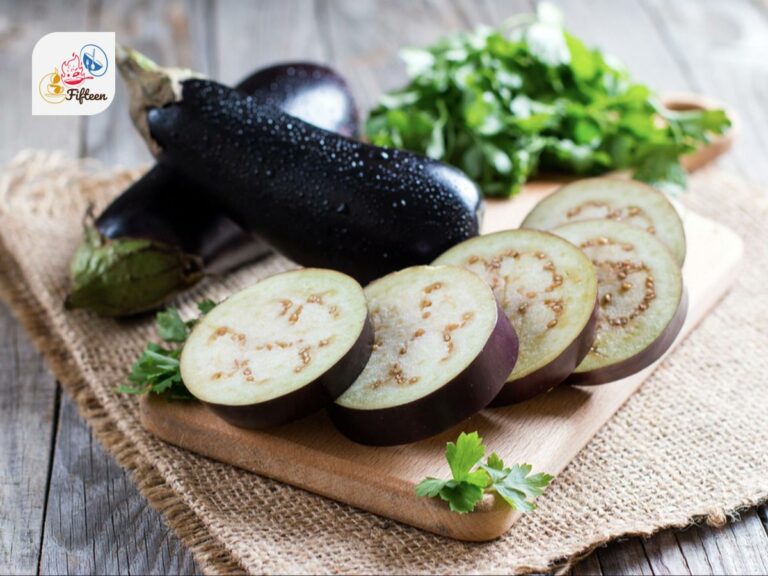
Eggplant
Eggplant is a versatile vegetable in Middle Eastern cuisine, starring in baked and grilled dishes for its meaty texture and ability to absorb flavors.
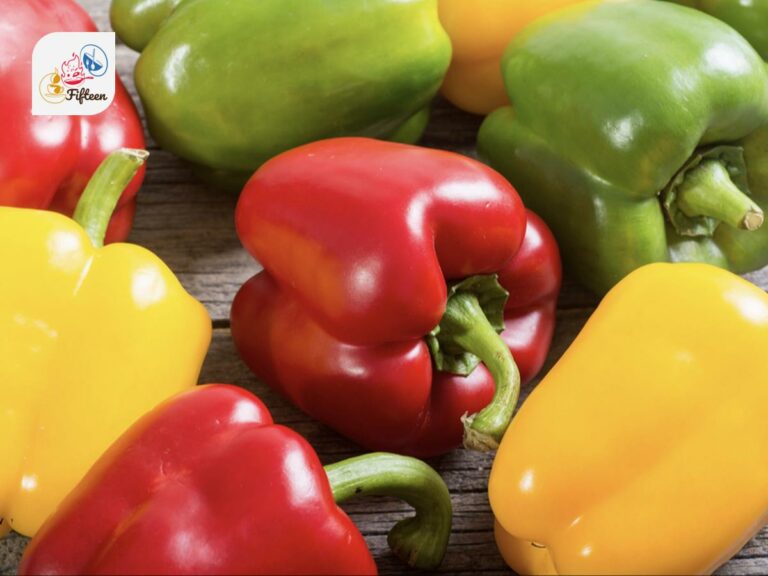
Bell Pepper
Bell pepper, with its sweet and mildly grassy taste, is a colorful addition to Middle Eastern salads and stuffed dishes.
To discover more options that locals use in their cooking, check out these Middle Eastern vegetables. You won’t be disappointed!
Let me know what you think about my fruit suggestions in the comment section. If you want to recommend more fruits, be my guest! Before you leave, please share this list of Middle Eastern fruits with your friends.
Jamie Scott
Editor in Chief, Senior Content Writer
Expertise
Home Cooking, Meal Planning, Recipe Development, Baking and Pastry, Food Editor, Cooking-video Maker, Western Food Evaluation Expert
Education
Le Cordon Bleu College of Culinary Arts
Local Community College, New York, NY
Jamie Scott is a skilled culinary expert and content creator specializing in Western cuisine. With over 15 years in the culinary field and formal training from Le Cordon Bleu, Paris, Jamie deeply understands how to blend nutrition with delicious flavors. His passion for cooking matches his commitment to making healthy eating accessible and enjoyable.
On Fifteen.net, Jamie brings a fresh perspective to classic dishes and beverages, offering readers insightful recipes, cooking tips, and a fresh view on meal planning that emphasizes taste, health, and simplicity.