

Vietnamese fruits showcase the country’s diverse tropical and subtropical climates through a wide array of flavorful produce.
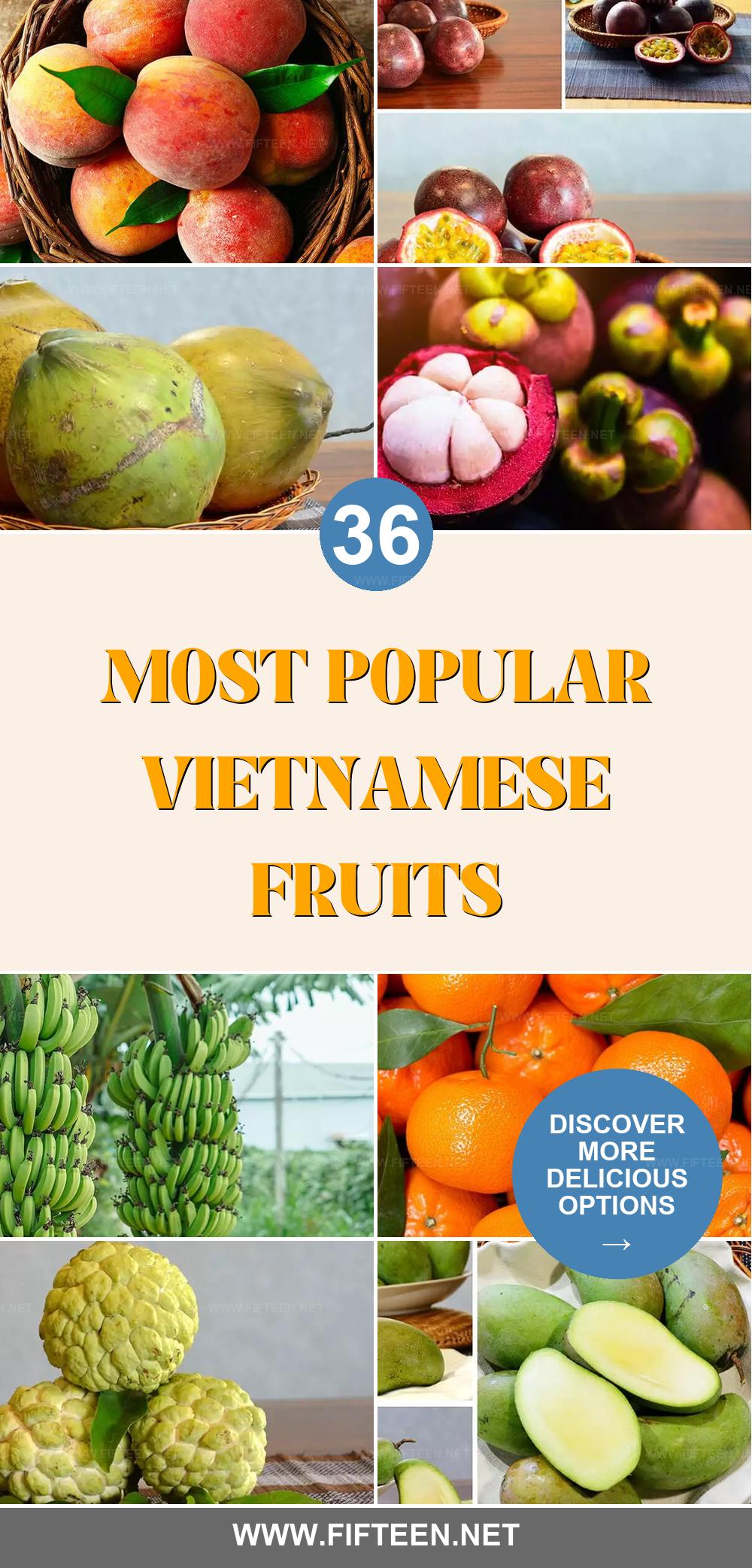
Tropical fruits, thriving in the hot and humid conditions of the southern regions, include dragon fruit, mango, papaya, durian, lychee, and rambutan. Subtropical fruits, found in the cooler, temperate climate of the northern highlands, encompass plums, peaches, and persimmons.
These fruits vary greatly in taste, from the intense sweetness of lychees and mangoes, the complex flavor of durian, to the refreshing bitterness of pomelo, and the tartness of green mangoes and tamarind.
Fresh fruits are commonly consumed as snacks or desserts, often simply sliced and served with chili salt. Many fruits are also used in salads, smoothies, and traditional dishes like “chè” (a sweet soup or pudding) and “gỏi” (a type of salad).
Fruits play a crucial role in Vietnamese culture, particularly during Tết celebrations with the traditional five-fruit tray (Mâm Ngũ Quả).
I will take a closer look at Vietnam’s favorite fruits and the roles of fruits in Vietnamese culture. I’ll also dive into the tradition of the Five-Fruit Tray for the Vietnamese New Year, spotlight the top fruit-based dishes and drinks, as well as touch on some common Vietnamese veggies.
Ready to explore? Let’s go!
36 Delicious Vietnamese Fruits with Filters
Check out these 36 popular fruits from Vietnam. You can use the filter to quickly find which ones are native, non-native, national, exotic or fruit vegetables, and which ones you’ll often see in dishes, drinks, or garnish.
What Are the Roles of Fruits in Vietnamese Culture?
Fruits are integral to Vietnamese culture, underscoring its agricultural diversity and climatic variety. They’re key in cuisine, festivals, and traditional medicine and carry rich symbolic meanings.
What Defines the Five-Fruit Tray for the Vietnamese New Year?
The five-fruit tray (Mâm Ngũ Quả) holds significant symbolic importance in the Vietnamese Lunar New Year (Tet) celebrations, embodying respect and gratitude towards Heaven, Earth, and ancestors. Here is a concise overview:
Regional Variations The composition of the Five-fruit tray varies by region and is influenced by local climate, fruit availability, and customs.
Each fruit on the tray represents various blessings, such as protection, fertility, wealth, prosperity, and ancestral blessings.
For example, bananas and finger citrons symbolize protection and blessings, while watermelons and pomelos represent fertility and abundance.
Moreover, each fruit reflects the five elements of life (Metal, Wood, Water, Fire, and Earth), promoting harmony between the earth and the cosmos.
Fruits are meticulously selected, cleaned, and arranged in a harmonious, eye-catching manner, often in a pyramid shape to represent ambitions for a prosperous year.
This tradition of carefully choosing fruits extends beyond the New Year, influencing the variety of fruit dishes celebrated throughout Vietnamese cuisine.
What Are the Most Popular Fruit Dishes in Vietnamese Cuisine?
Below are the most popular fruit-inspired culinary creations in Vietnam:
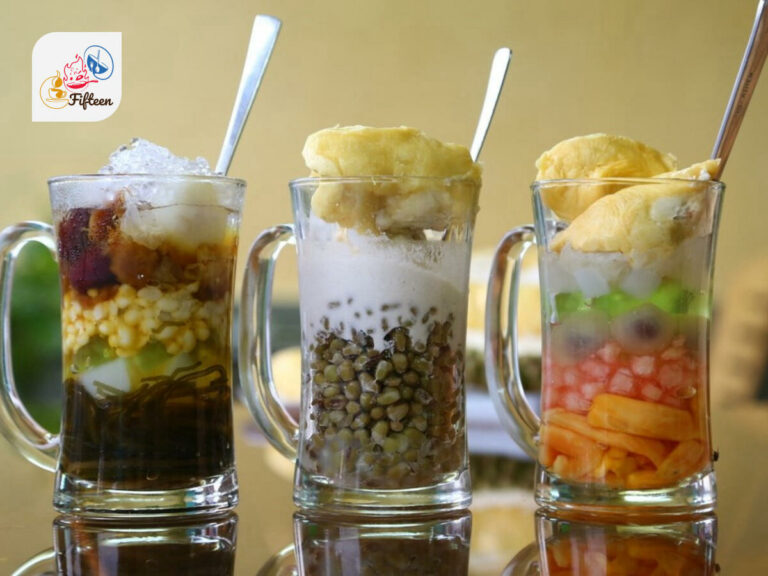
Chè
Chè is a Vietnamese dessert soup or pudding category that often incorporates fruits like bananas (chè chuối), lychee (in chè khúc bạch), and pomelo (chè bưởi), among others.
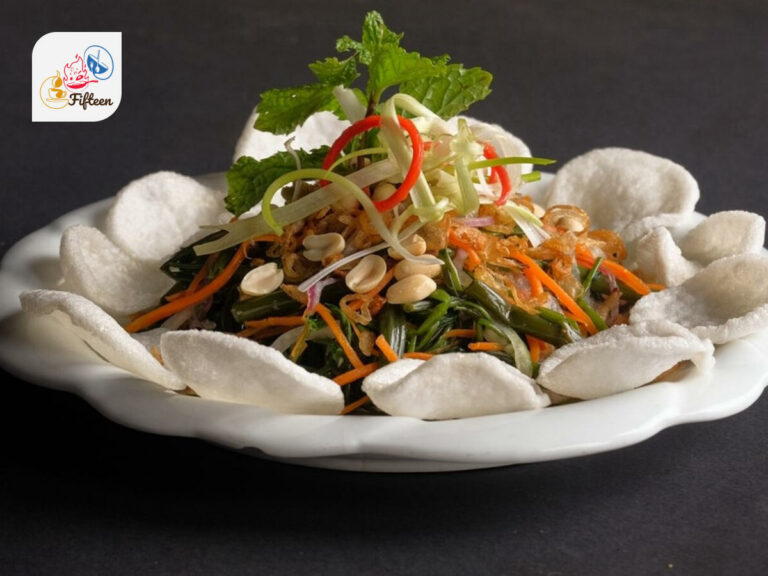
Gỏi
Gỏi is a type of Vietnamese salad with fresh and vibrant flavors, typically incorporating a mix of fruits, vegetables, and sometimes meat or seafood, dressed with lime juice and herbs. Many variations of Gỏi include fruits such as green papaya and mango.
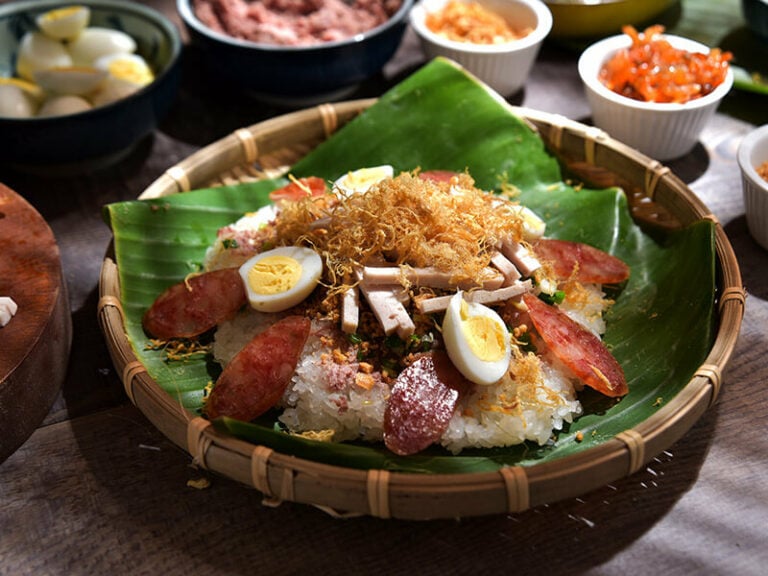
Xôi
Xôi is a sticky rice dish that can be sweet and savory, often colored and flavored with pandan leaves or mung beans. A notable version is xôi gấc, which gains its distinctive color and flavor from the addition of gấc fruit.
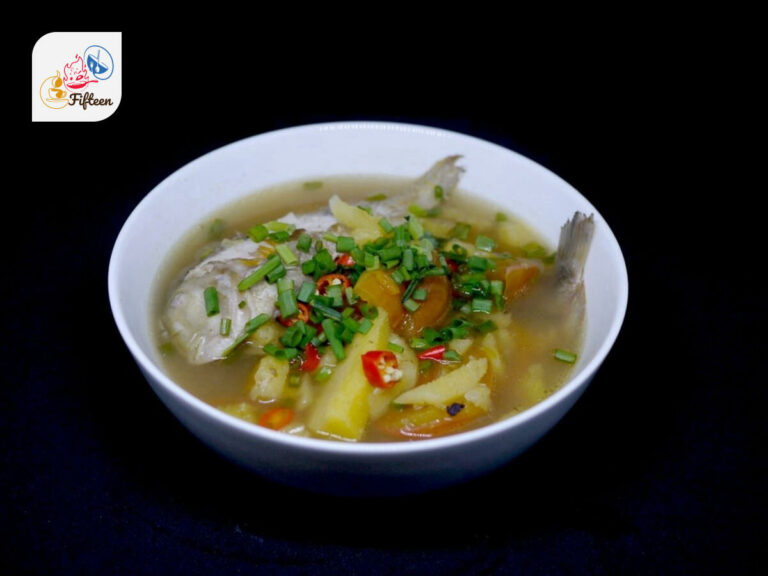
Canh Chua
Canh chua is a tangy soup that often includes pineapple, whose sweetness contributes to the soup’s distinct sour flavor.
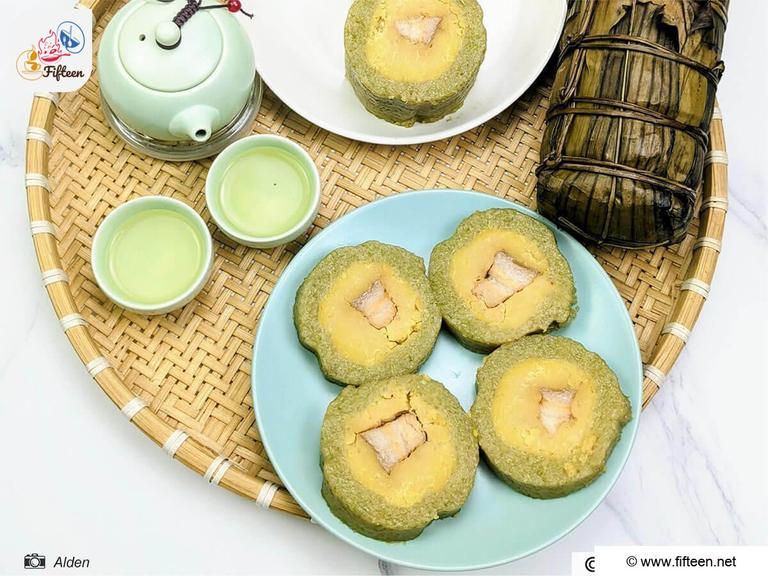
Bánh Tét
Bánh tét is a traditional Vietnamese rice cake, tightly wrapped in a banana leaf and placed into a cylindrical shape, filled with mung bean paste and pork or banana.
If your favorites didn’t make the list, no worries – there’s a vast array of Vietnamese dishes are waiting for you.
And while you’re at it, why not try some Vietnamese fruit drinks?
Which Fruit Beverages Are Common in Vietnam?
Here are the most famous fruit-infused beverages frequently enjoyed in Vietnam:
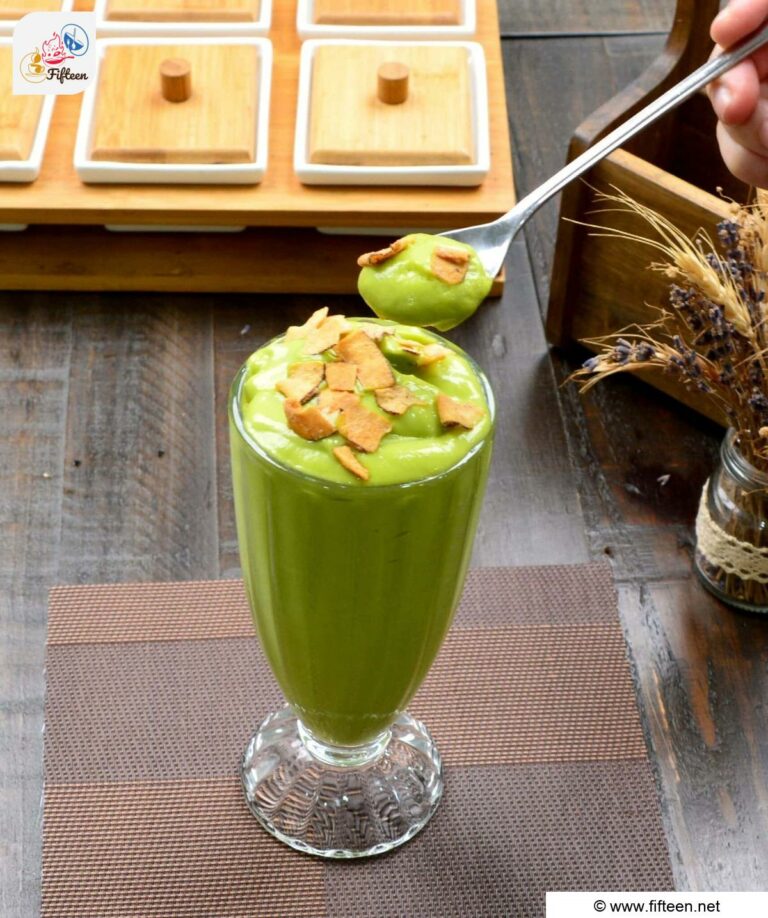
Sinh Tố
Sinh tố is a Vietnamese smoothie that blends fresh fruits with ice, and often sweetened condensed milk or sugar. It highlights a variety of local fruits like mango, banana, papaya, avocado, etc.
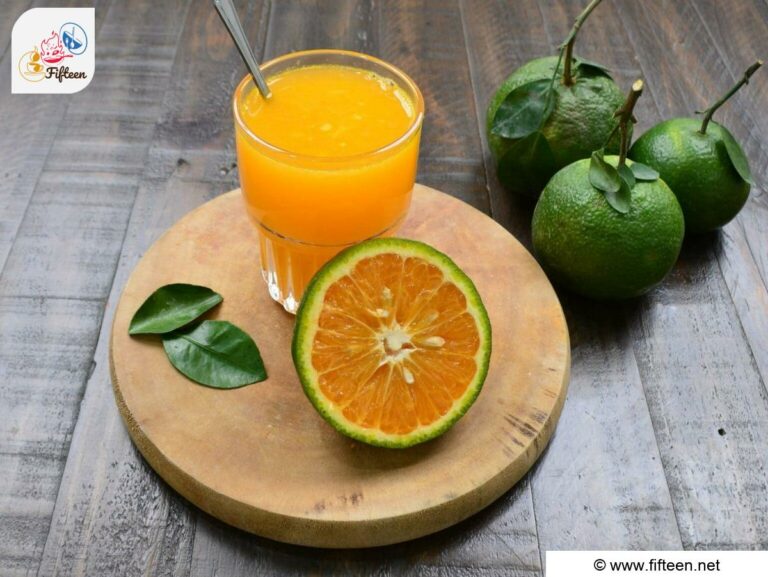
Cam Vắt
Cam vắt is a Vietnamese drink made from freshly squeezed orange juice, known for its refreshing and tangy flavor.
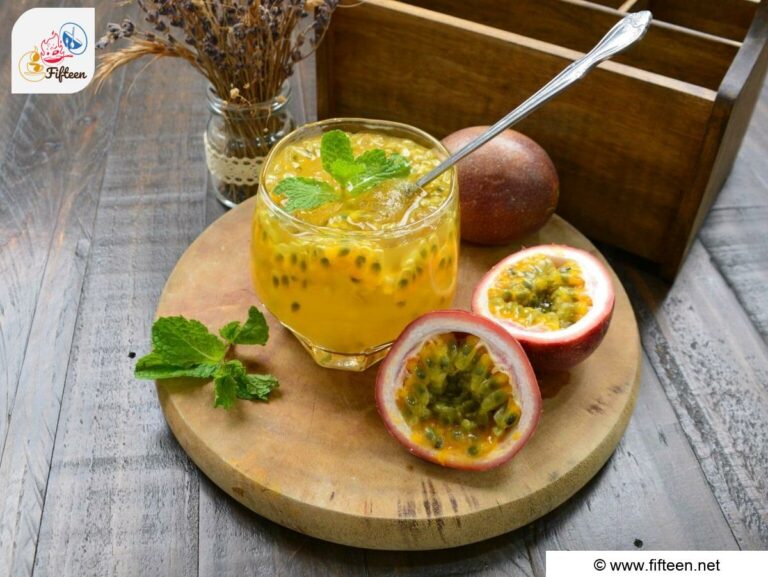
Nước Chanh Dây
Nước chanh dây is a refreshing drink made from passion fruit, water, and sugar, often served cold with ice.
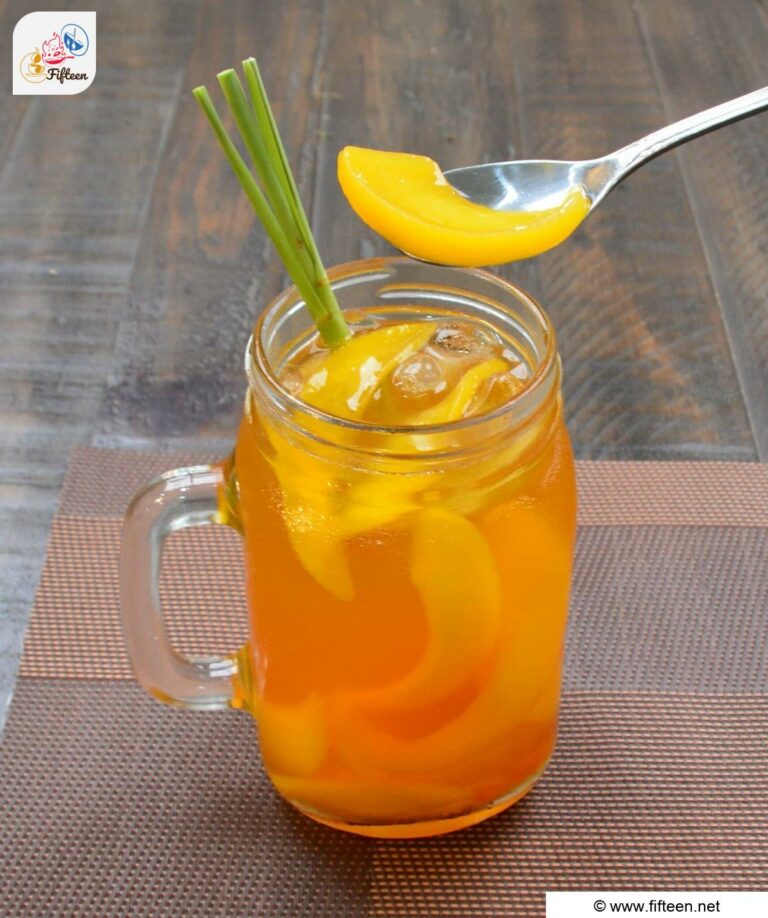
Trà Đào
Trà đào is a peach-flavored tea that combines brewed tea with peaches’ sweet and aromatic essence, often served cold and sold by street vendors or local cafes and tea houses.
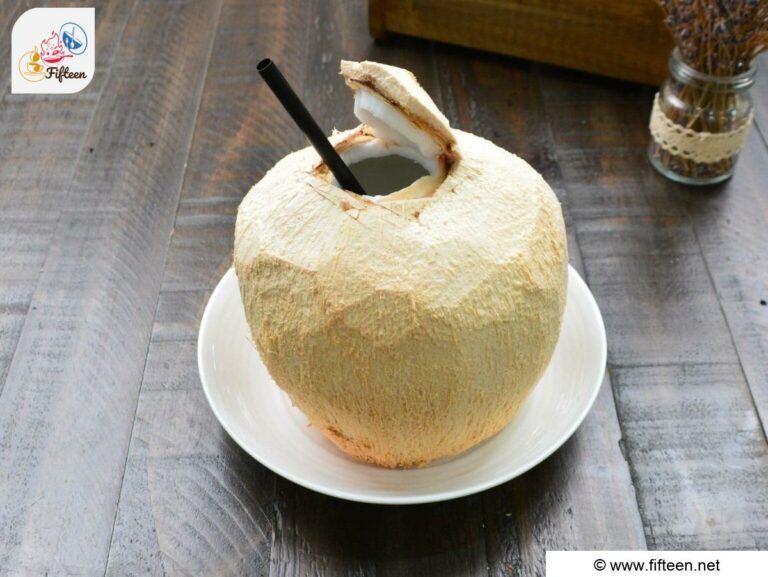
Nước Dừa
Nước dừa is coconut water in Vietnamese cuisine, a hydrating drink often consumed straight from the coconut.
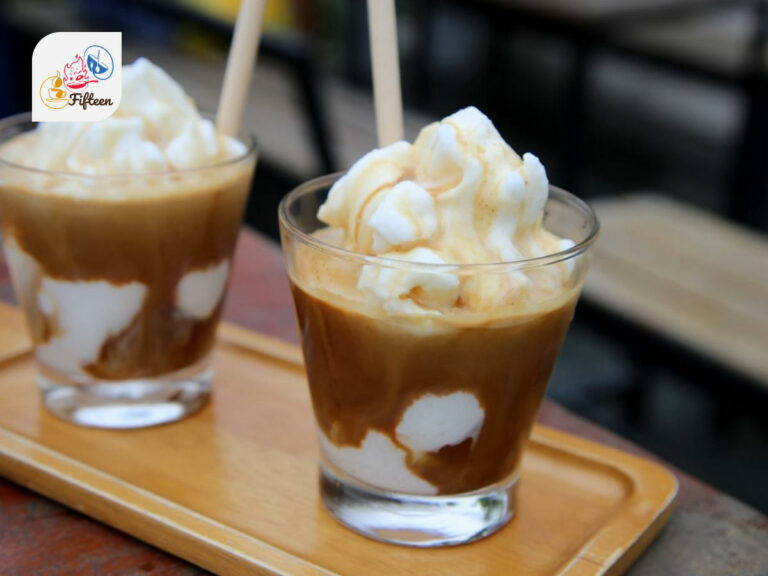
Cà Phê Cốt Dừa
Cà phê cốt dừa is a Vietnamese coconut coffee that blends rich coffee with creamy coconut milk.
This section only covers a handful of options; there’s a whole world of refreshing Vietnamese beverages for you to explore.
Next up, I’ll dive into some well-known Vietnamese vegetables.
Which Vegetables Are Common in Vietnamese Cuisine?
Following is a list of the most beloved vegetables in Vietnam:
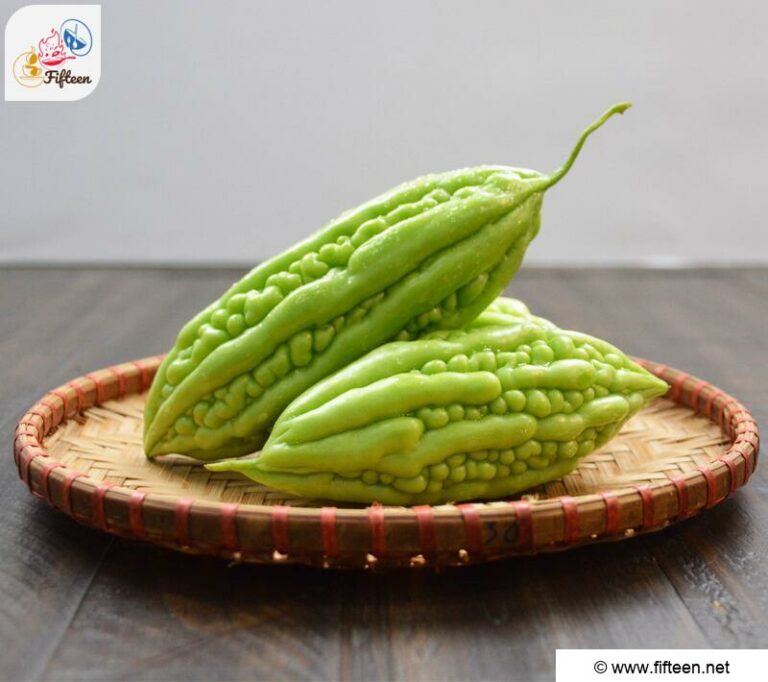
Bitter Melon
Bitter melon (khổ qua) is a tropical vine vegetable featuring distinctive bitter flavor, commonly used in Vietnamese soups and stir-fries to add depth and complexity.
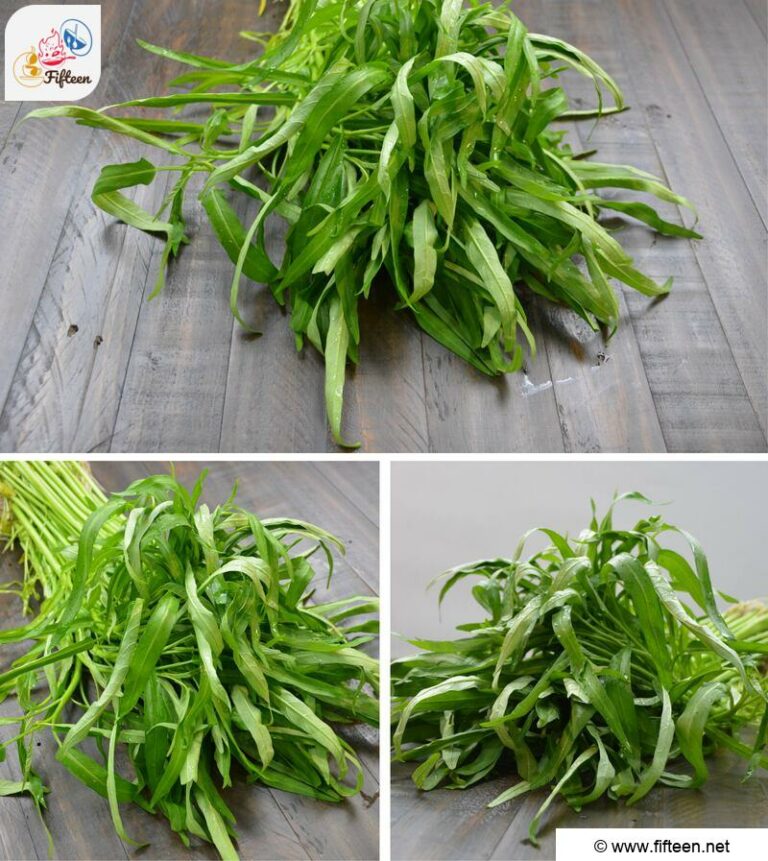
Water Spinach
Water spinach (rau muống) is a leafy green vegetable that thrives in water or moist soils, characterized by its long, hollow stems and tender leaves, often stir-fried or boiled in Vietnamese cuisine.
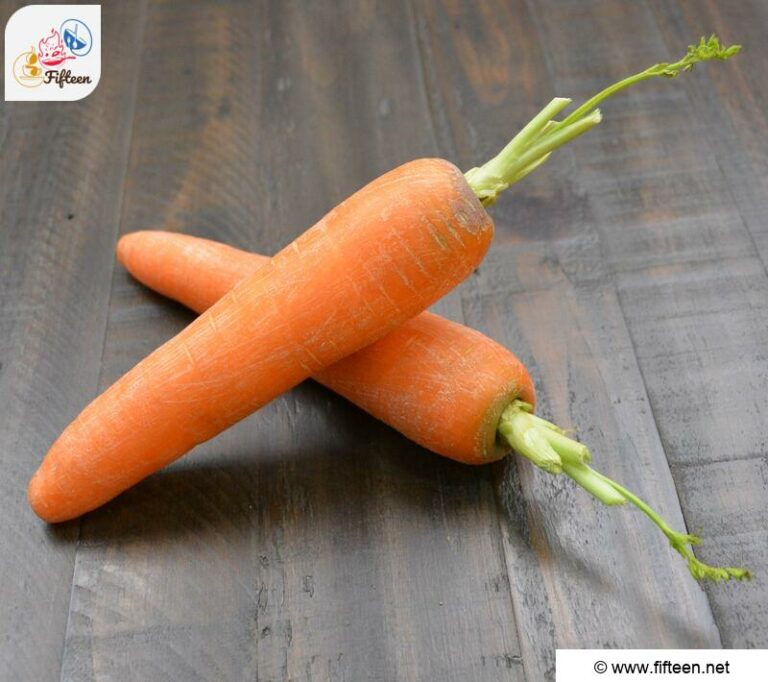
Carrot
Carrot (cà rốt) is a crunchy, sweet root vegetable, commonly added to Vietnamese salads, stir-fries, soups, and broths.
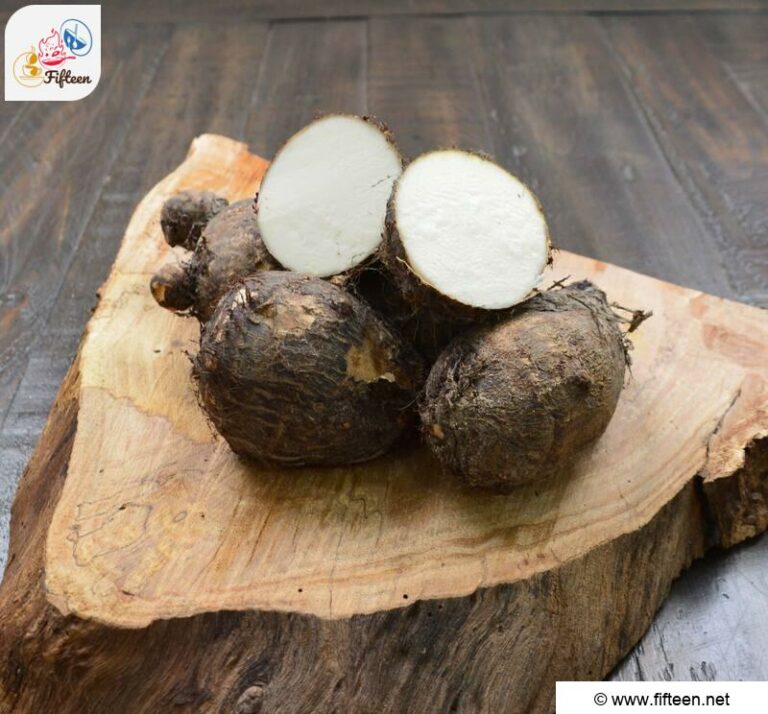
Taro
Taro (khoai môn) is a starchy root vegetable with a nutty flavor. It is used in Vietnamese cuisine in various dishes, including desserts, savory soups, and stir-fried meals.
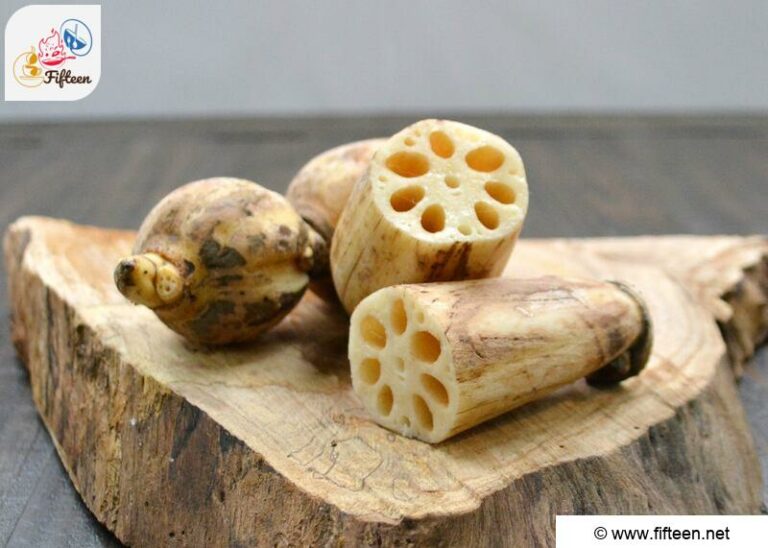
Lotus Root
Lotus root (củ sen) is the long, edible rhizome of the lotus plant, appreciated for its crunchy texture and slightly sweet taste. It is often used in salads, soups, and as a garnished dish in Vietnamese meals.
This selection highlights only a few prominent choices; numerous other celebrated Vietnamese vegetables await your discovery.
Did you fall in love with the world of Vietnamese fruits? Hit that like button, share the fruity goodness with your friends, and don’t be shy—drop us a comment with your favorite fruit or any juicy story! Thank you for reading!
Jamie Scott
Editor in Chief, Senior Content Writer
Expertise
Home Cooking, Meal Planning, Recipe Development, Baking and Pastry, Food Editor, Cooking-video Maker, Western Food Evaluation Expert
Education
Le Cordon Bleu College of Culinary Arts
Local Community College, New York, NY
Jamie Scott is a skilled culinary expert and content creator specializing in Western cuisine. With over 15 years in the culinary field and formal training from Le Cordon Bleu, Paris, Jamie deeply understands how to blend nutrition with delicious flavors. His passion for cooking matches his commitment to making healthy eating accessible and enjoyable.
On Fifteen.net, Jamie brings a fresh perspective to classic dishes and beverages, offering readers insightful recipes, cooking tips, and a fresh view on meal planning that emphasizes taste, health, and simplicity.