

Spanish fruits are fruits that are widely grown and consumed in Spain. Many of these options have been part of Spanish cuisine and culture for thousands of years, whereas others have a shorter history with the land.
Fruits in Spain are plentiful and vary significantly according to the region. For example, Spain is one of the few places in Europe that can grow subtropical fruits naturally.
Meanwhile, the sunny coasts of Spain are home to many Mediterranean fruits, especially grapes, that are widely used in many healthy Spanish dishes and beverages. Temperate fruits are also a common sight in local supermarkets.
Keep scrolling down to discover the most well-known 19 fruits in Spain. Next, I will cover the factors that make Spanish fruits stand out from the crowd.
After that, you will explore some Spanish dishes and beverages that feature fruits, followed by a bonus section on the best vegetables in the country.
19 Splendid Spanish Fruits with Filters
These are the popular fruit choices in Spain that you should know. Let the filter system give you a hand in categorizing the fruits used in dishes, beverages, and garnish.
Later on, find out the fruits that are native, non-native, and national fruits in Spain.
After giving detailed descriptions of these splendid Spanish fruits, I’ll proceed to discuss the general characteristics of fruits found in Spain.
What Are the Main Characteristics of Fruits in Spain?
Here is everything you need to know about the factors that shape the development of Spanish fruits and make them so amazing.
Diversity
Thanks to their country’s diverse climates, Spanish people have long cultivated a large number of fruits. Northeastern Spain has a subtropical climate, while the coastline is home to the Mediterranean climate, and the central plateau is more continental in nature.
A result of such diversity is the high degree of seasonality in Spanish fruits, with many different options for spring, summer, fall, and winter.
Mediterranean Cuisine
Local fruits that offer vibrant colors and intense flavors are an important part of the Mediterranean diet in Spain, contributing to the healthy aspects of Spanish cuisine.
Traditional Farming Techniques
Many areas in Spain still practice traditional, sustainable farming methods that enhance the taste and quality of their produce.
Exportation
Spain is one of the world’s leading exporters of fruits, particularly citrus fruits, melons, berries, and stone fruits.
These conditions result in a large number of fruits suitable for both raw consumption and cooking. Read on to discover the applications of fruits in Spanish dishes.
What Are Some Spanish Dishes That Incorporate Fruits?
The following Spanish dishes are delicious options that are prepared with fruits.
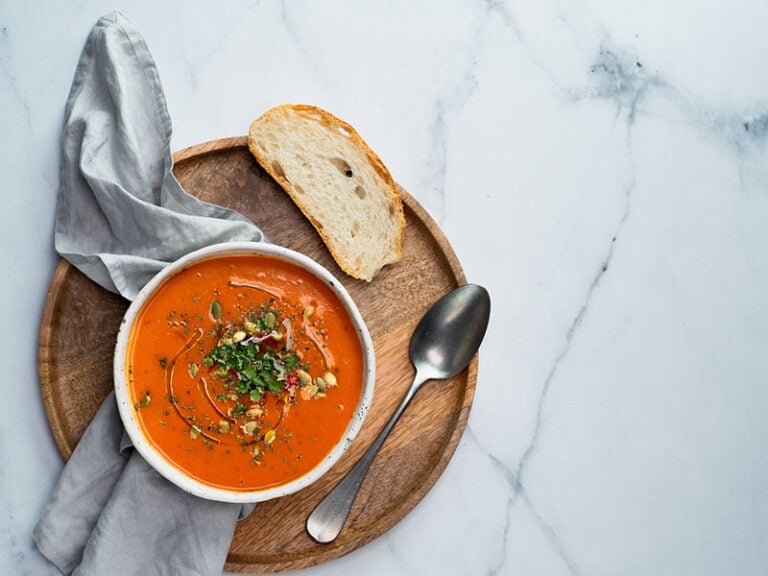
Gazpacho
Gazpacho is a Spanish cold soup made with various herbs, raw vegetables, and olive oil. Modern recipes often feature fruits like watermelons, grapes, strawberries, and avocados.
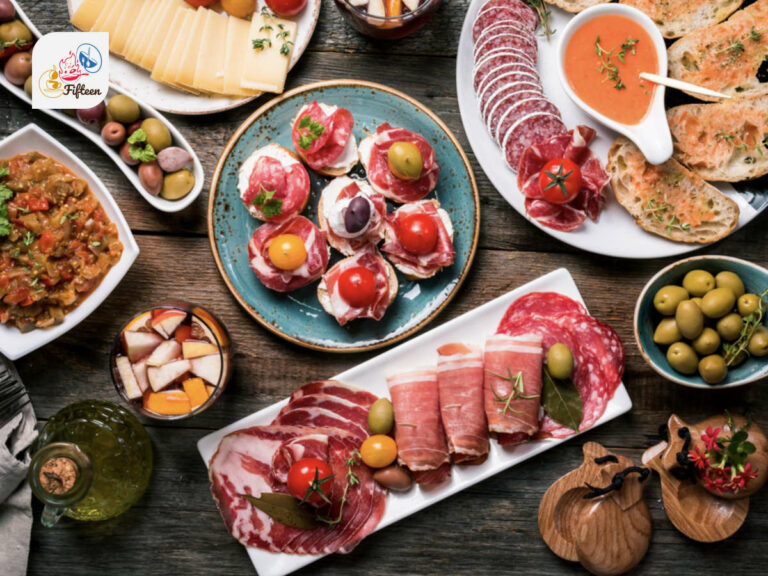
Tapas
Tapas refers to small savory dishes that are often served as a snack or part of a larger meal in Spain. Cured olives are an important part of tapas.
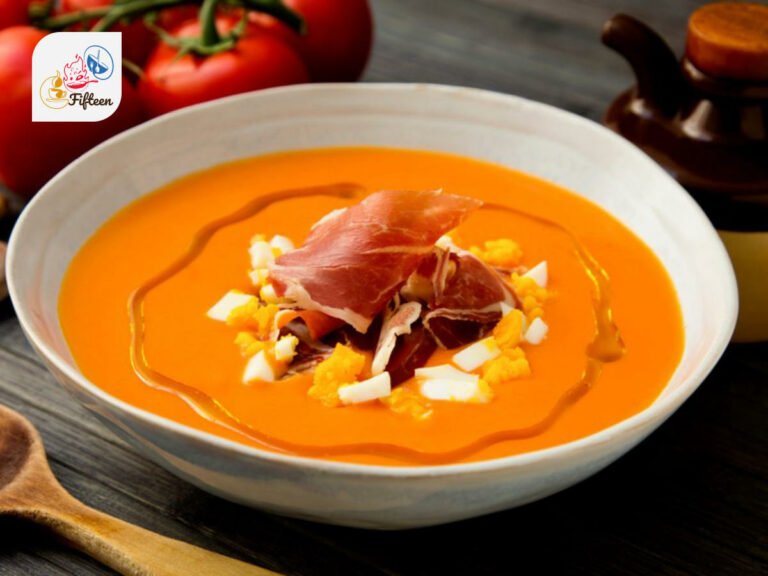
Salmorejo
Salmorejo is a cold, creamy Spanish soup featuring ripe tomatoes, bread, garlic, and olive oil.
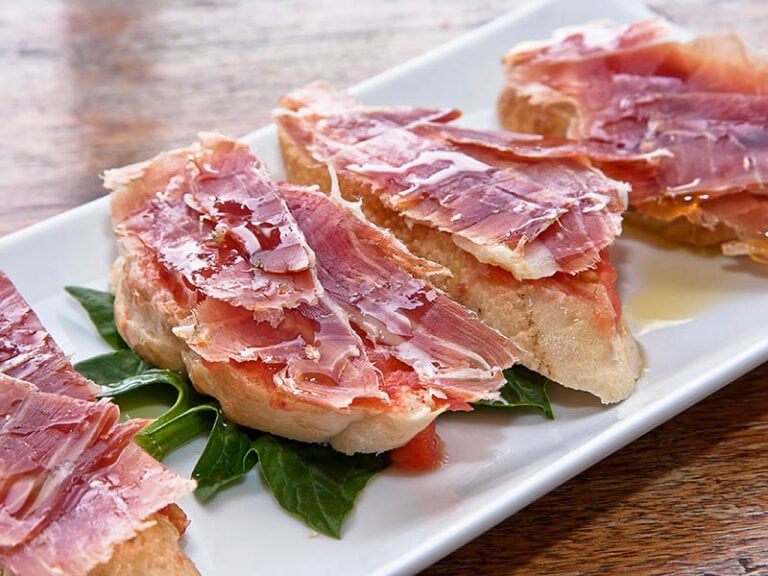
Montadito
Montadito is a small, open-faced Spanish sandwich consisting of a crusty bread base and various toppings, namely cold cuts, seafood, cheese, and olives.
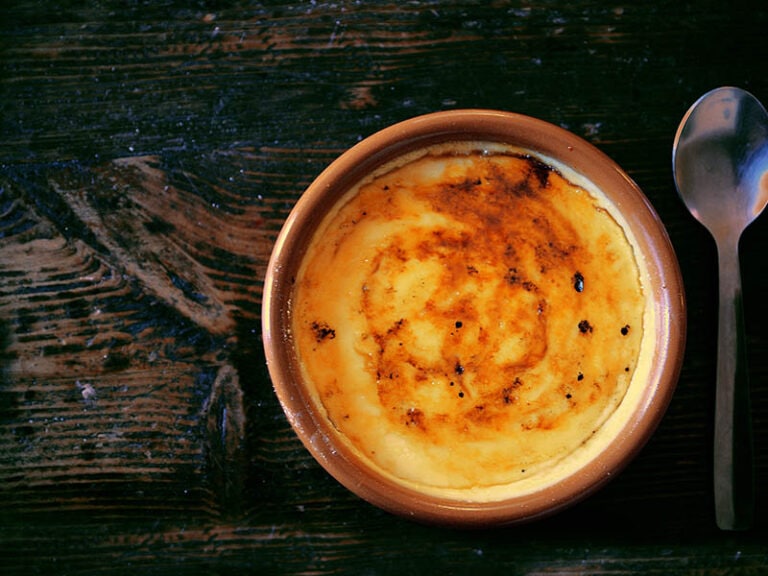
Crema Catalana
Crema catalana is a Spanish custard dessert made from milk, eggs, cornstarch, and lemon peel or cinnamon.
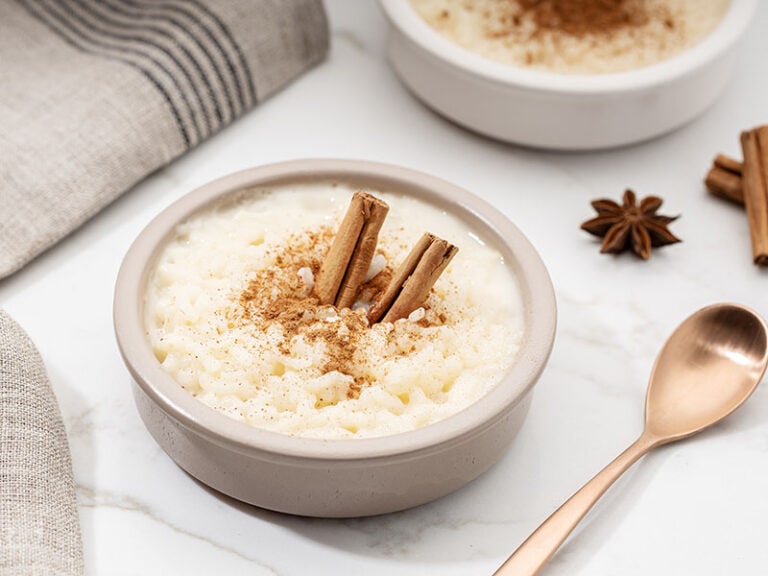
Arroz con Leche
Arroz con leche is a Spanish rice pudding dish flavored with cinnamon and fresh lemon rinds or lemon extract.
Feel free to check out more delicious dishes from Spain if you want to experience the full depth of Spanish cuisine.
Beverages play an important role in making your Spanish food experience complete. Let’s discover the best beverages made with fruits next.
What Are The Spanish Beverages That Utilize Fruits?
Below is a concise list of the most prominent Spanish beverages with fruits as the main ingredient.
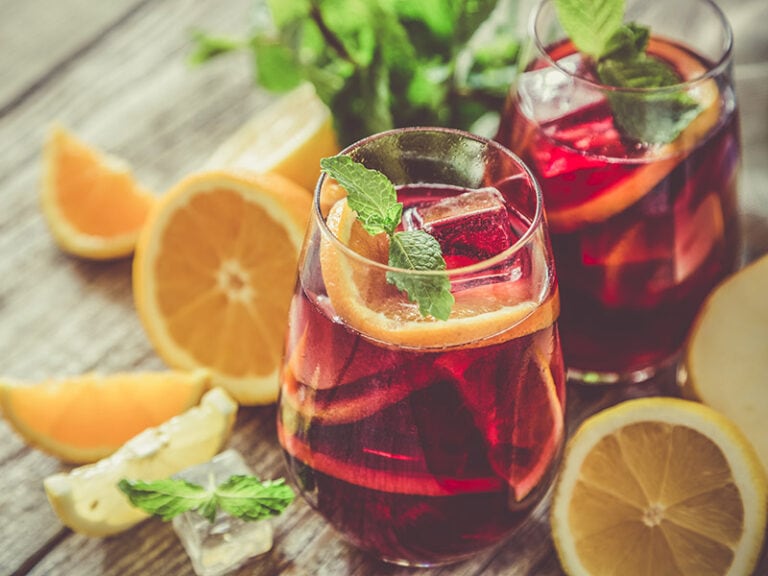
Sangria
Sangria is an iconic Spanish mixed alcoholic beverage consisting of red wine and chopped fruits, namely oranges, grapes, peaches, apples, strawberries, and pears.
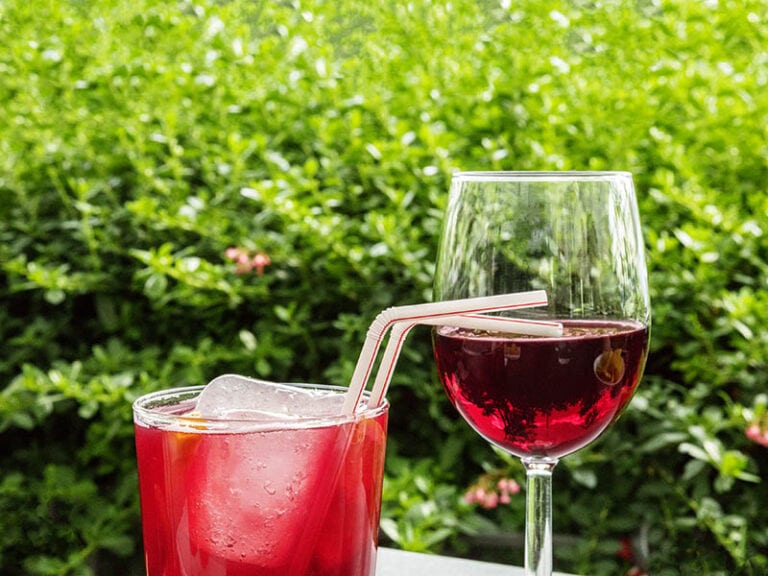
Tinto de Verano
Tinto de verano is a popular cold cocktail Spaniards prepare by mixing one part lime-flavored soda and one part red wine.

Agua de Valencia
Agua de Valencia is a Spanish cocktail from the coastal city of València. Its main ingredients are orange juice, cava (a type of Spanish sparkling wine), and spirits.
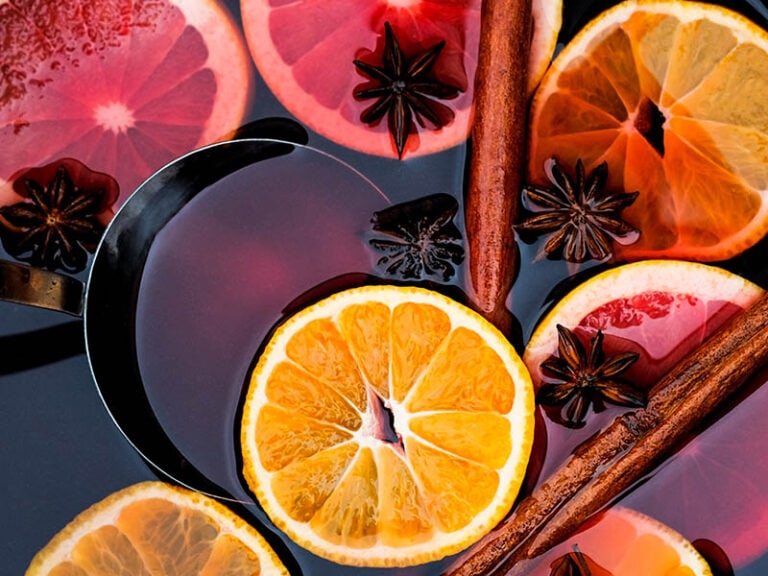
Zurracapote
Zurracapote is a Spanish mixed alcoholic beverage made with red wine, dried fruits, fruit juices, and spices. It often incorporates peaches, lemons, oranges, grapes, and strawberries.
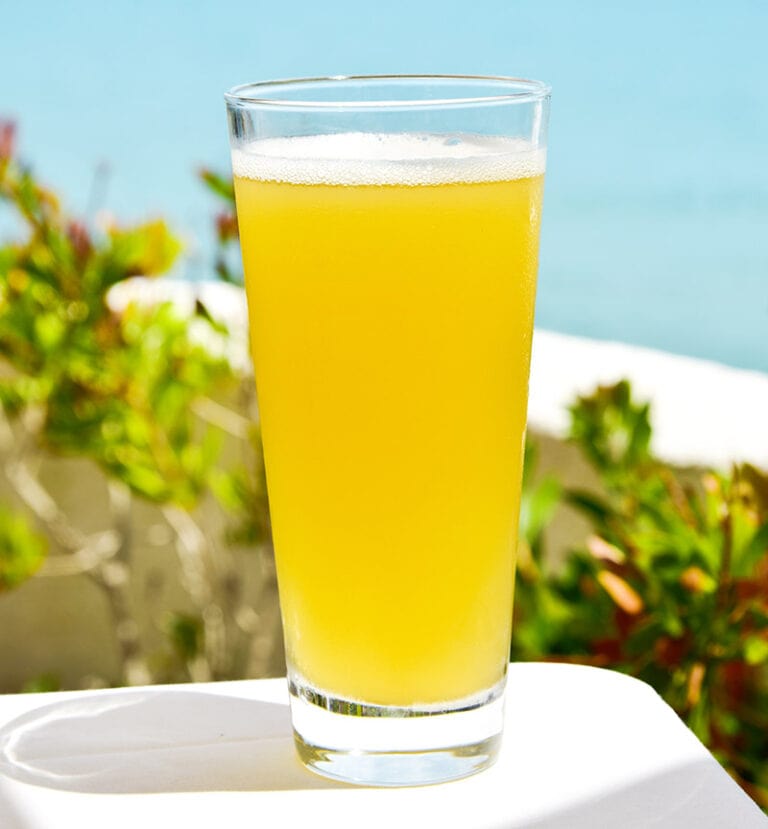
Clara
Clara is a renowned Spanish beverage made with Spanish beer and lemonade or lemon-flavored tonic water.
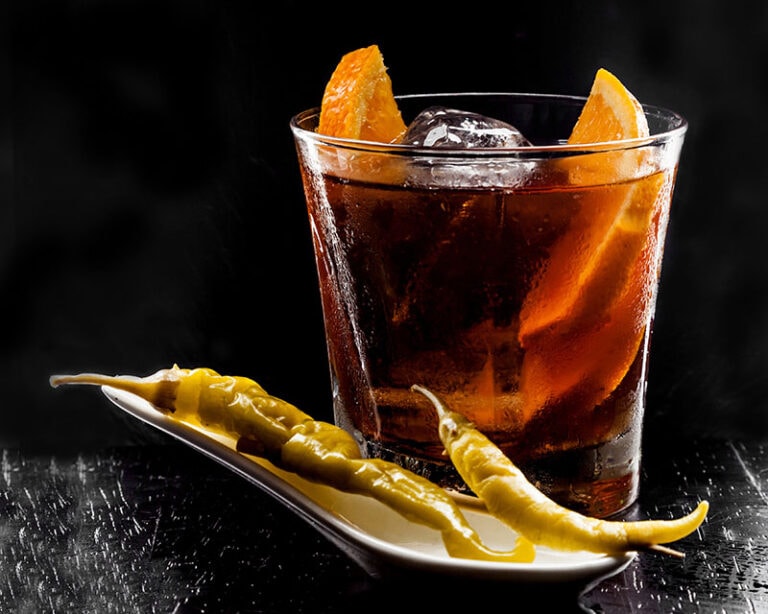
Vermouth
Vermouth is a fragrant fortified wine in Spain. Depending on the varieties, it can use white grapes, red grapes, or a mix of both.
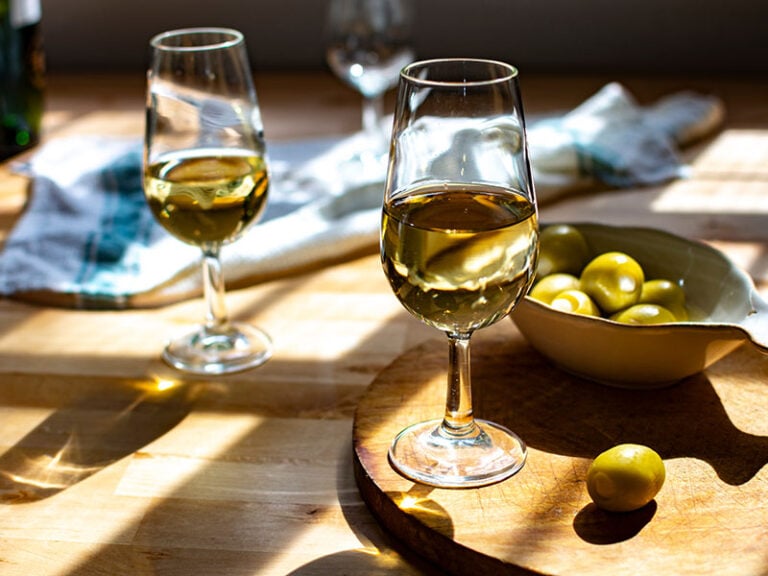
Sherry
Sherry is a Spanish white wine made from grapes grown near the city of Jerez de la Frontera in Cádiz.
Have you found your favorite drink yet? Don’t hesitate to check out the full compilation of the best Spanish beverages to diversify your options.
Spanish fruits and vegetables are equally important in local cuisine. To give you an all-rounded knowledge, I will cover this topic next.
What Vegetables Are Used in Spanish Cuisine?
As part of the Mediterranean, Spain is home to many excellent vegetables. Here are some of the most widely consumed options in the country.
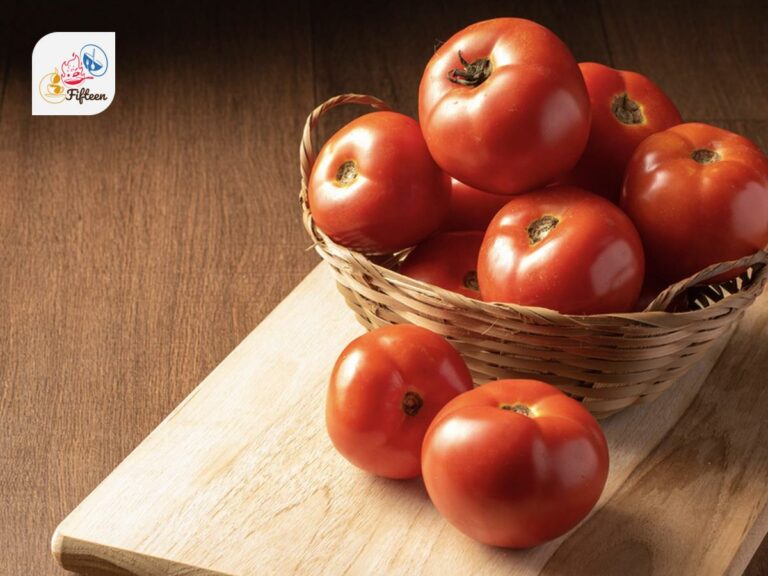
Tomato
Tomato is a versatile Spanish vegetable with multiple applications in salads, sauces, hot and cold soups, and many savory dishes.
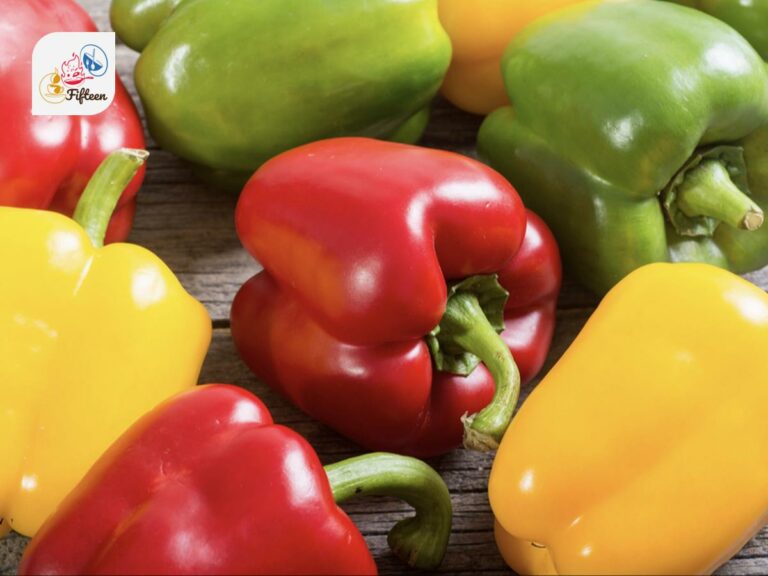
Bell Pepper
Bell pepper is commonly used in Spanish cooking to impart a grassy sweetness and vibrant flavors to various dishes.
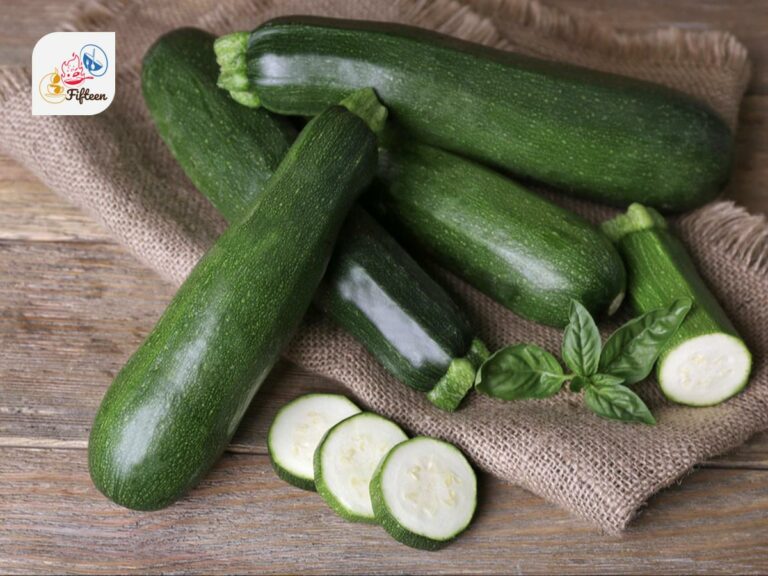
Zucchini
Zucchini is often used as a summer vegetable in baked or sautéed dishes, adding a soft texture and mild flavor.
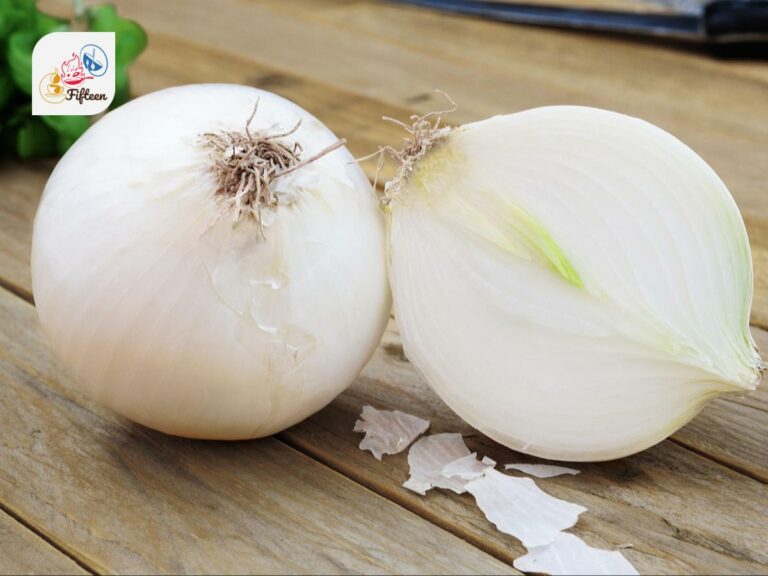
Onion
Onion provides a flavorful foundation for many Spanish specialties, from stews to seafood dishes.
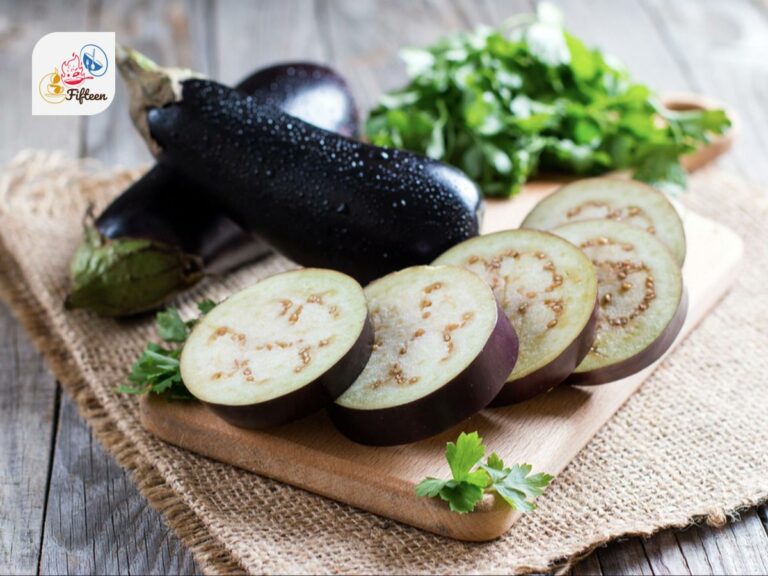
Eggplant
Eggplant is a popular choice in Spain for vegetable-centric dishes because of its rich, meaty texture.
Which Spanish fruits do you like best? I’d love to hear different opinions in the comment section. If you have any tips or stories to share, go ahead and make my day! Before you leave, please share this list of Spanish fruits with your friends!
Jamie Scott
Editor in Chief, Senior Content Writer
Expertise
Home Cooking, Meal Planning, Recipe Development, Baking and Pastry, Food Editor, Cooking-video Maker, Western Food Evaluation Expert
Education
Le Cordon Bleu College of Culinary Arts
Local Community College, New York, NY
Jamie Scott is a skilled culinary expert and content creator specializing in Western cuisine. With over 15 years in the culinary field and formal training from Le Cordon Bleu, Paris, Jamie deeply understands how to blend nutrition with delicious flavors. His passion for cooking matches his commitment to making healthy eating accessible and enjoyable.
On Fifteen.net, Jamie brings a fresh perspective to classic dishes and beverages, offering readers insightful recipes, cooking tips, and a fresh view on meal planning that emphasizes taste, health, and simplicity.