

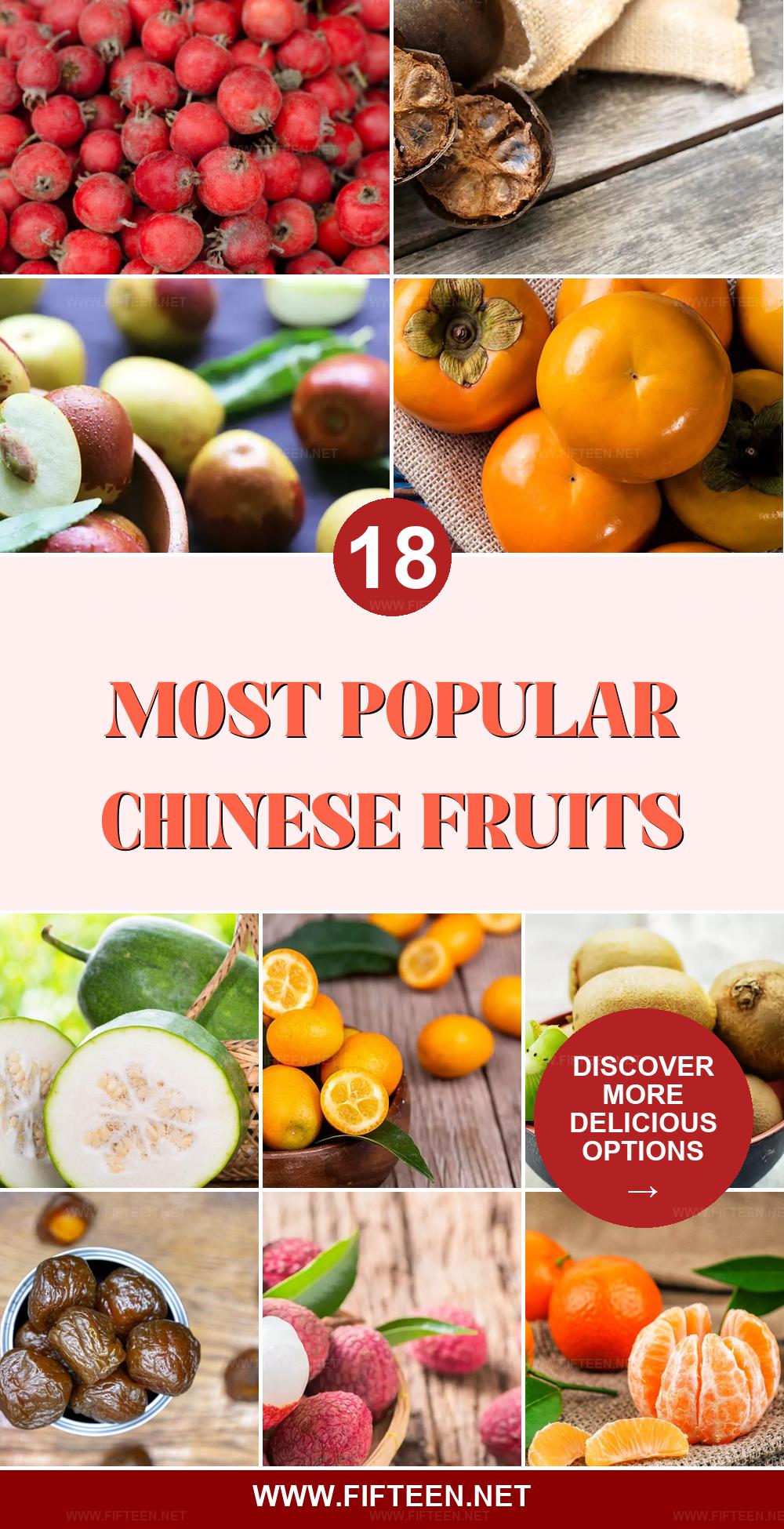
Chinese fruits are fruits native or predominantly cultivated in China. These fruits also include varieties that originated in other countries but have been grown and consumed in China for generations.
Chinese people enjoy fresh fruits and use them to prepare dishes and beverages. From soups to desserts and alcoholic beverages to non-alcoholic drinks, Chinese fruits are very versatile ingredients.
Read on to explore the best 18 fruits in China. For each entry, I will highlight its culinary role and other information, such as its origin, flavor, appearance, and varieties.
Afterward, you’ll discover the importance of these fruits in numerous Chinese dishes and Chinese beverages. Lastly, I will give you an overview of Chinese fruits to help you keep track of their best features.
18 Chinese Fruits with Filters
Below are 18 Chinese fruits, featuring native, non-native, national, and exotic selections. They are perfect for culinary uses, such as making dishes, drinks, and garnishes.
What Are Chinese Dishes That Feature Fruits?
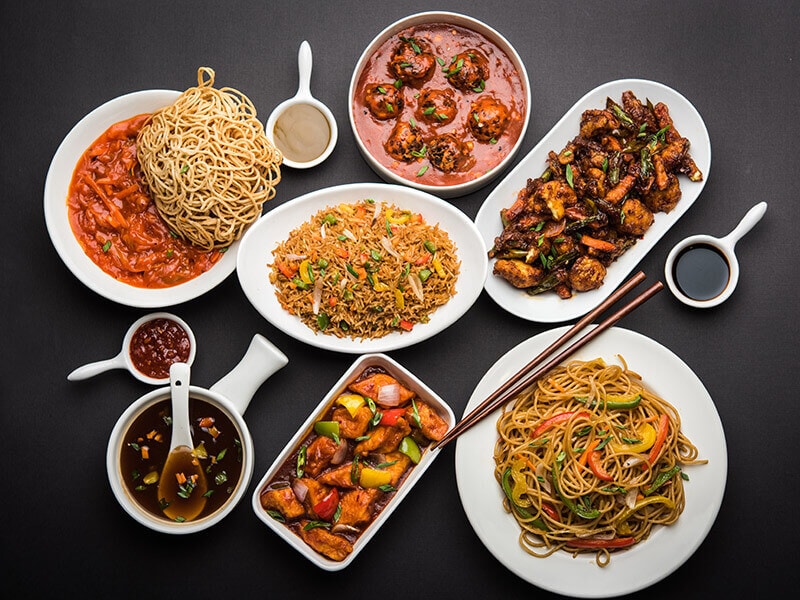
Fruits are an essential ingredient or flavoring in various Chinese dishes, especially in the following options.
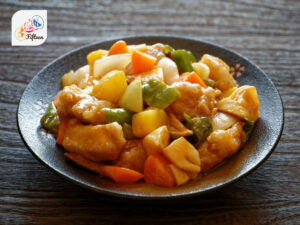
Sweet and Sour Pork
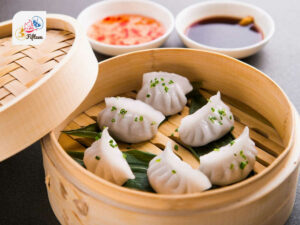
Dim Sum
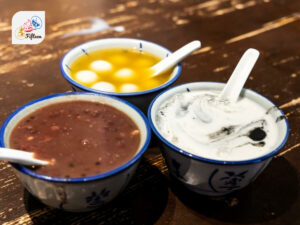
Tong Sui
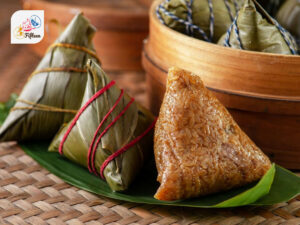
Zongzi
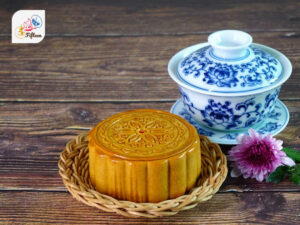
Mooncake
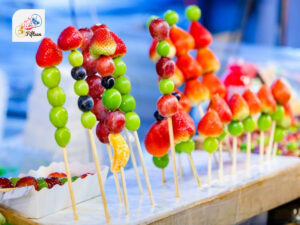
Tanghulu

Aiwowo
I hope these Chinese specialties will make excellent additions to your diet. In the next section, I will reveal the most popular Chinese beverages prepared with fruits.
What Are Fruit-based Beverages in China?
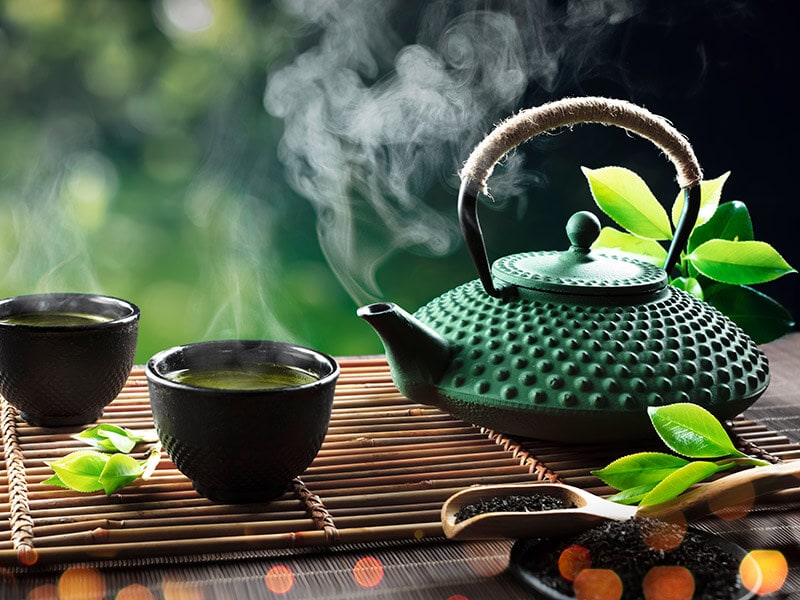
Below is a breakdown of the most well-known beverages in China that are prepared or flavored with fruits.
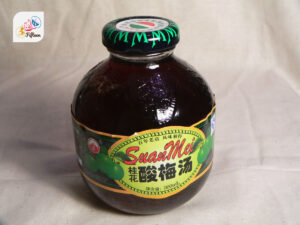
Suanmeitang
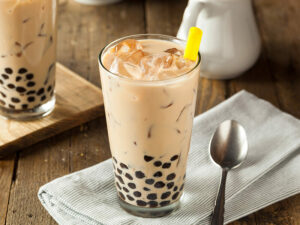
Bubble Tea
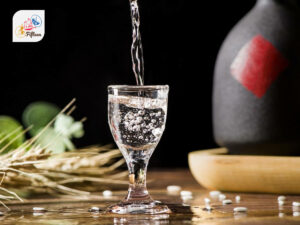
Baijiu
Besides these options, there are many other refreshing drinks in China that are worth a look.
You now have a good understanding of the applications of Chinese fruits in preparing dishes and beverages.
Fruits aren’t the only fiber-rich ingredient used in Chinese cuisine; local vegetables are no less important. Read on to discover well-liked varieties in China.
What Are the Most Popular Vegetables in China?
Below are some vegetables that Chinese people usually utilize in their cooking.
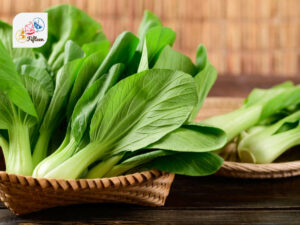
Bok Choy
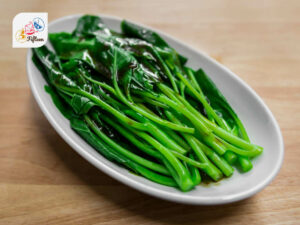
Chinese Broccoli
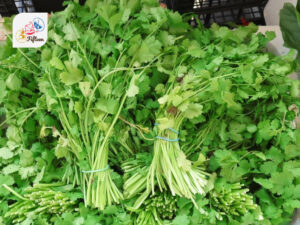
Leaf Celery
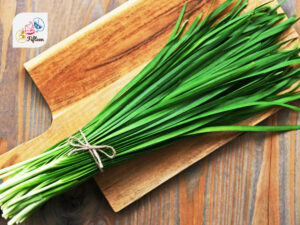
Garlic Chive
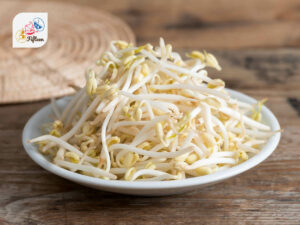
Mung Bean Sprout
Now that you’ve learned about the best vegetables in China, it’s time to get back to fruits. I will focus on the features that distinguish Chinese fruits from others.
What Is Special About Chinese Fruits?
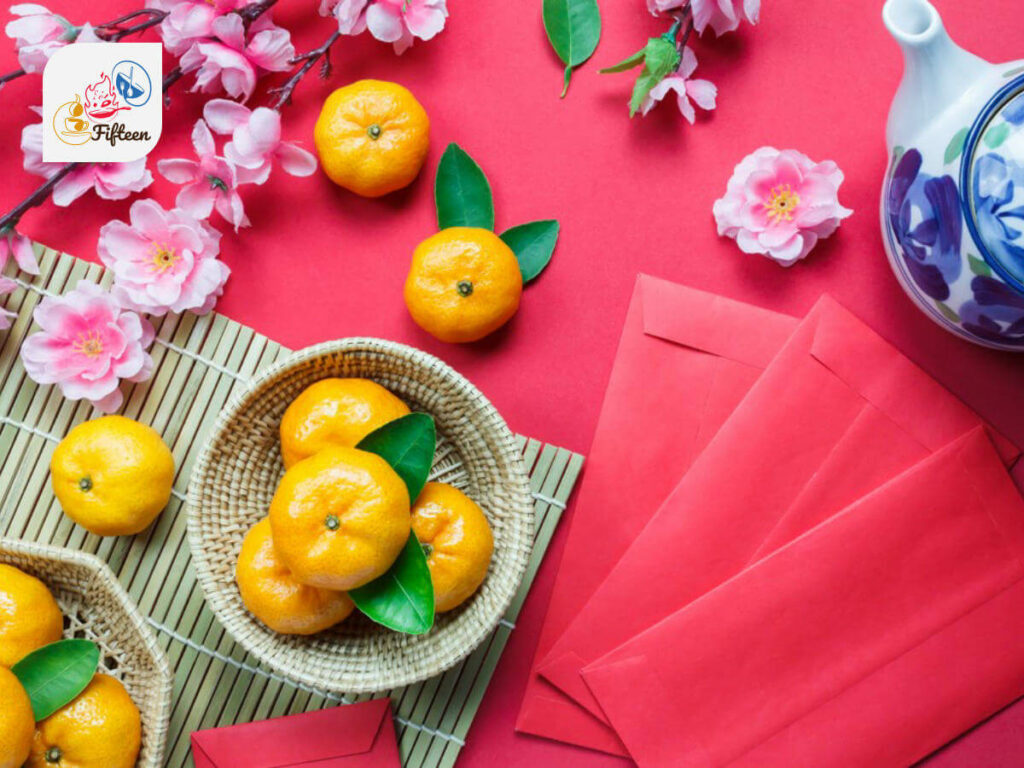
Here is an overview of what makes Chinese fruits special, from their distribution to cultural significance.
Lunar New Year Fruits
During the Lunar New Year, Chinese people often give each other fruits that symbolize good luck and happiness. These auspicious fruits often include citrus fruits like kumquats, mandarin oranges, and Buddha’s hands.
Diversity
China’s vast and varied geography, ranging from tropical in the south to temperate in the north, allows for a wide variety of fruits to be grown.
The most notable examples range from tropical fruits like lychee and longan in the south to temperate fruits like Chinese hawthorns and pears in the north.
Seasonality
Many Chinese fruits are associated with certain seasons of the year. For instance, lychees are a summer fruit, while persimmons are typically harvested in the fall.
Medicinal Uses
Many fruits play an important role in traditional Chinese medicine since they offer various health benefits. For example, longans help improve sleep quality, goji berries enhance the immune system and improve eyesight, and jujubes calm the mind and strengthen heart health.
What do you think about my Chinese fruit recommendations? Let me know your opinion and feedback in the comment section. Don’t forget to share this compilation of Chinese fruits with your friends!
Jamie Scott
Editor in Chief, Senior Content Writer
Expertise
Home Cooking, Meal Planning, Recipe Development, Baking and Pastry, Food Editor, Cooking-video Maker, Western Food Evaluation Expert
Education
Le Cordon Bleu College of Culinary Arts
Local Community College, New York, NY
Jamie Scott is a skilled culinary expert and content creator specializing in Western cuisine. With over 15 years in the culinary field and formal training from Le Cordon Bleu, Paris, Jamie deeply understands how to blend nutrition with delicious flavors. His passion for cooking matches his commitment to making healthy eating accessible and enjoyable.
On Fifteen.net, Jamie brings a fresh perspective to classic dishes and beverages, offering readers insightful recipes, cooking tips, and a fresh view on meal planning that emphasizes taste, health, and simplicity.