

Korean fruits are diverse; many are grown locally and consumed throughout the year. They play an essential role in people’s daily diet. They are eaten as a dessert or added to many wonderful recipes, from traditional South Korean delights to drinks.
Popular fruits include persimmons, Korean pears, apples, and citruses like orange and tangerine, which are widely enjoyed for their freshness.
According to the Helgi Library, in 2021, South Korea’s total fruit consumption reached 1,150 kilotons. In 2022, locals consumed tangerines the most, at 11.8 kilograms per capita, followed by apples at 11 kilograms, according to Statista.
Therefore, exploring some essential things about them before taking a trip to South Korea is necessary. Here, I’ll guide you through the most popular fruits in this country. Alongside, you’ll discover some classic dishes and beverages of South Koreans that use these delicious fruits.
You’ll also learn about the seasonal availability of these fruits, which ones are cheapest, and get acquainted with popular vegetables in South Korea.
Let’s get started with a list of the 13 most popular fruits.
13 Popular South Korean Fruits with Filters
Get to know about the fruits of South Korea with a diverse range of flavors. Make use of the filter system to view these fruits employed for dishes, beverages, or garnish.
Plus, let me provide you with some categories like native, non-native, exotic, and national fruit options.
What Are South Korean Dishes with Fruits?
The following details are some traditional delights of South Korea utilizing fruits as main elements or for flavoring.
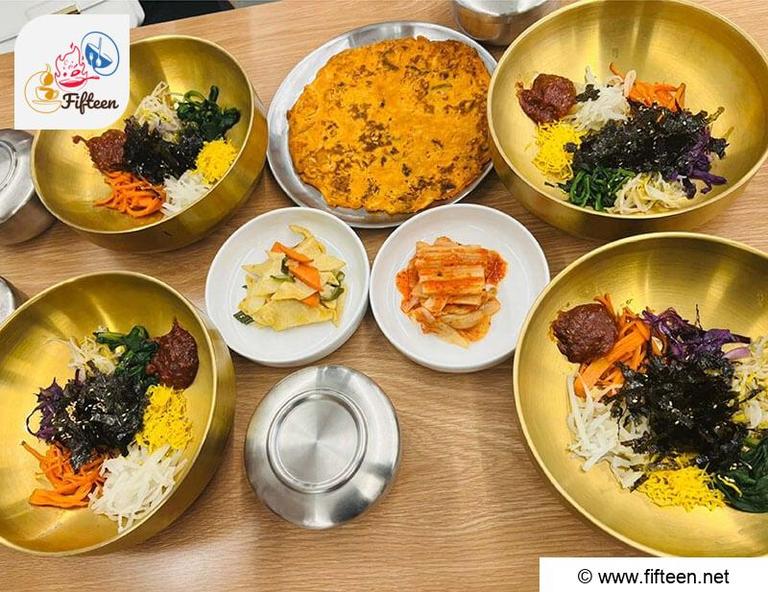
Bibimbap
While not traditionally made with fruit, some variations of Bibimbap add slices of fresh persimmon for a sweet, crunchy contrast to the spicy, savory flavors.

Bingsu
This dessert is made with shaved ice and often topped with sweet toppings, including chopped fruit (e.g., strawberries, melons, peaches, etc.), condensed milk, and fruit syrup.
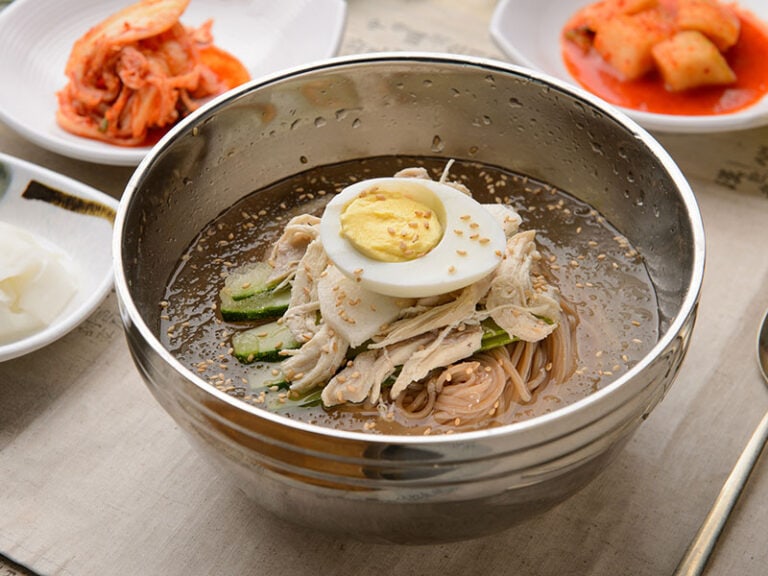
Naengmyeon
Specifically, the mul naengmyeon variant can include slices of Asian pear as a topping. The refreshing crispness of the pear complements the cold broth and chewy noodles.
Next up, I’ll dive into South Korea’s top fruit-based drinks.
What Are South Korean Beverages with Fruits?
Can you list any South Korean drink recipes that use fruits? Allow me to offer some suggestions!

Bokbunja-Ju
It’s made from fermented bokbunja berries, this wine boasts a signature blood-red color and sweet berry flavor.

Sujeonggwa
Sujeonggwa is a non-alcoholic beverage brewed with dried persimmons, cinnamon, and ginger. This drink has a mildly spicy and sweet taste, typically served cold.
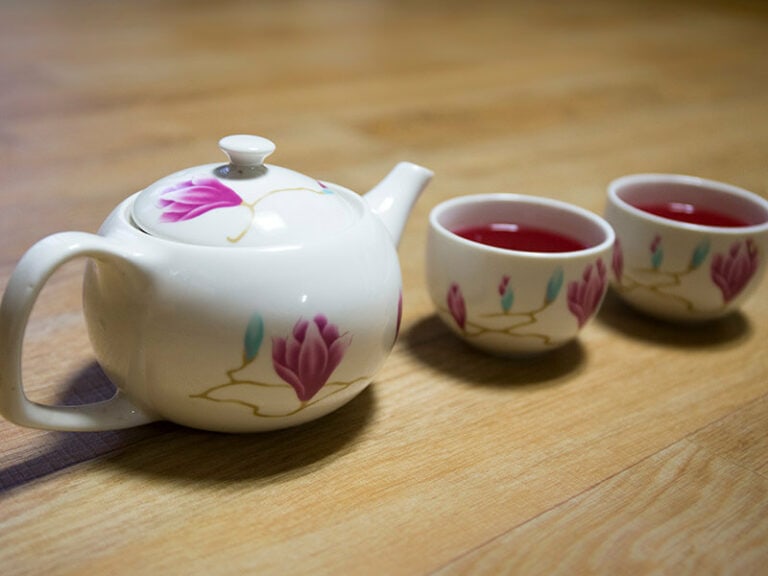
Omija-cha
This tea is made from the magnolia berry (aka omija berry). It’s normally served with honey.
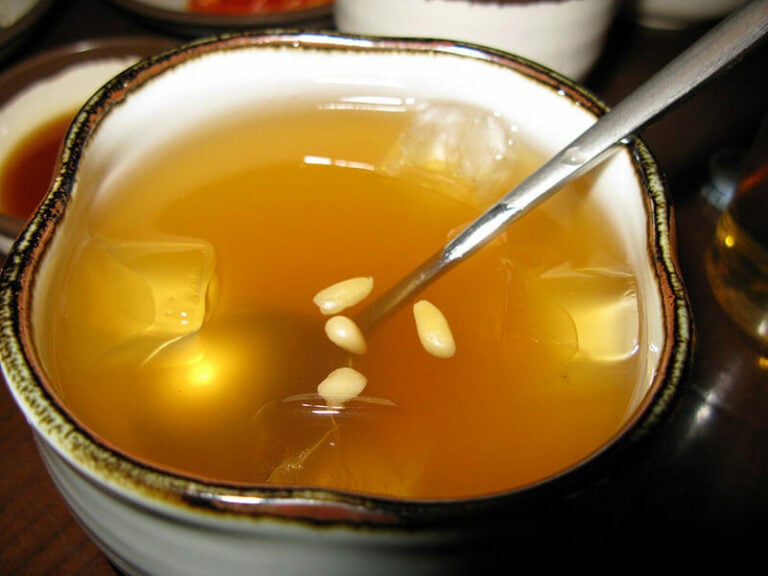
Maesil-cha
A plum tea made from fermenting plums into a thick syrup and then mixed with hot water to create a sweet, relaxing tea.
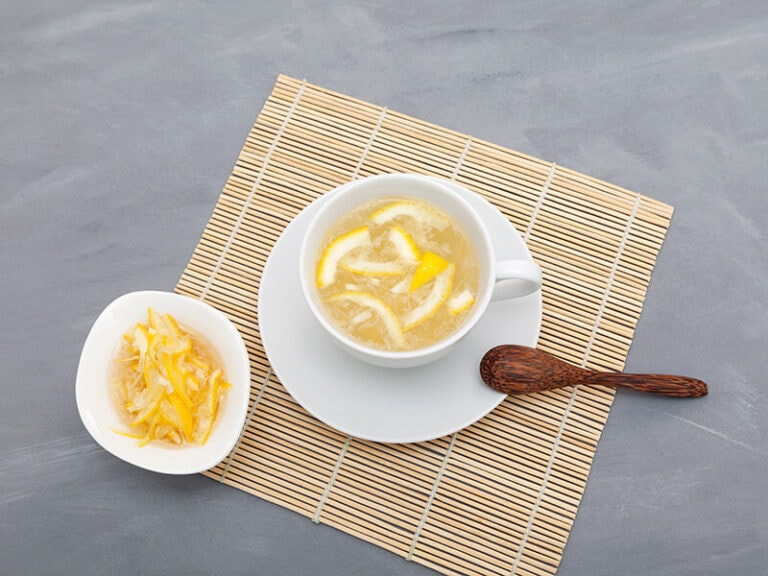
Yuja-cha
Also known as yuzu tea, this beverage is made by mixing yuzu marmalade with hot water, recognized for its tangy flavor and health benefits.
For a comprehensive view of these natural foods, let’s check out the fruit season in this country with the below part.
What Are the Seasons of Fruits in South Korea?
In South Korea, the availability of fresh fruits varies by season, reflecting the country’s temperate climate. Here’s a general guide to the seasons of various fruits in South Korea, arranged in bullet points:
Strawberries, Cherries.
Melons, Peaches, Plums, Grapes.
Apples, Pears, Persimmon.
Citrus fruits (including hallabong and tangerine).
Also, thanks to modern farming techniques like greenhouses, some fruits like strawberries can be found outside their traditional seasons, though at a higher price. If you want to know which fruits are more affordable, keep reading!
What Are the Cheapest Fruits in South Korea?
The cost of fruits in South Korea can vary significantly based on factors such as seasonality, local versus imported status, and where you shop (e.g., local markets vs. supermarkets). But generally, seasonal fruits are not only cheaper but also tastier.
Here are some fruits that are generally more budget-friendly throughout the year.
What Are Common South Korean Vegetables?
South Korean natural offerings also feature many kinds of vegetables, both unique to the region and common globally. Here are some common vegetables found in typical dishes in this country.
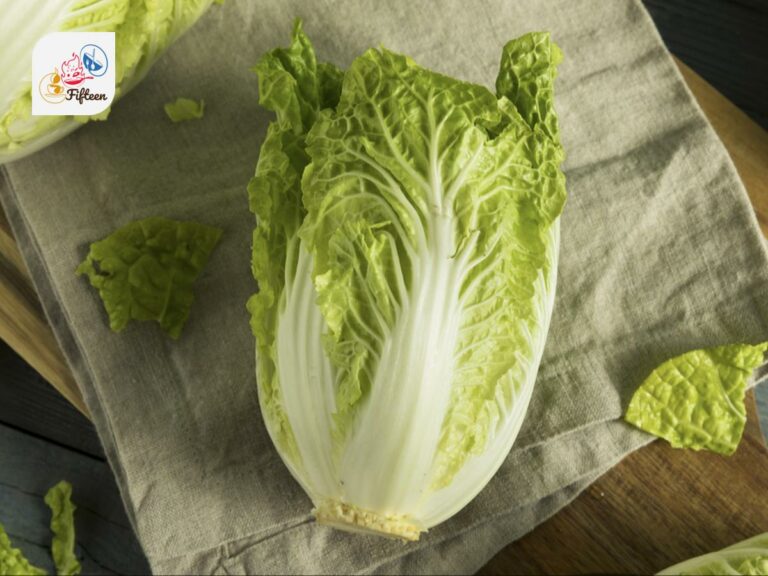
Napa Cabbage (Baechu)
Napa cabbage is essential for making kimchi, a staple in Korean cuisine.
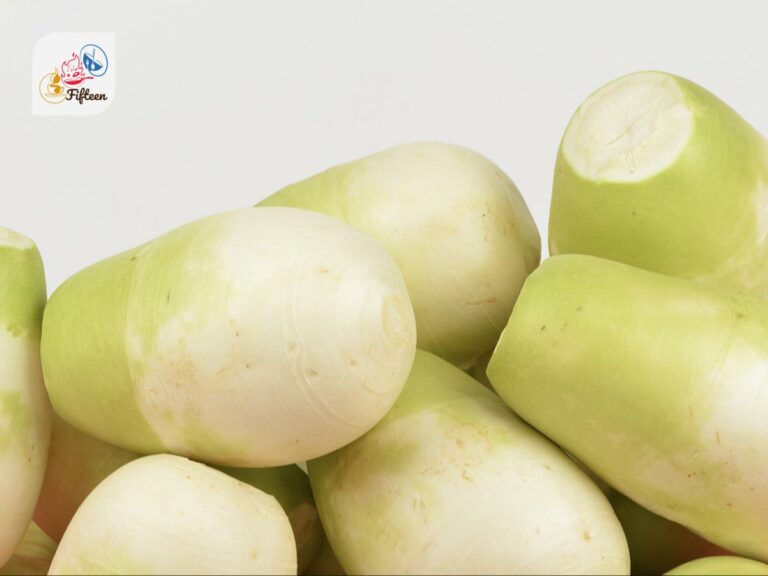
Korean Radish (Mu)
It’s another key ingredient in kimchi and various side dishes.
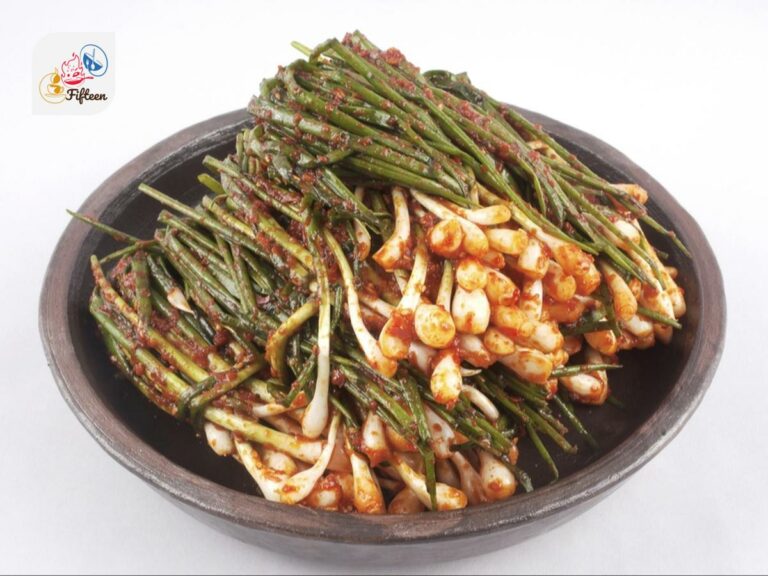
Green Onions (Pa)
It’s widely used as a garnish and in soups, stews, and pancakes.
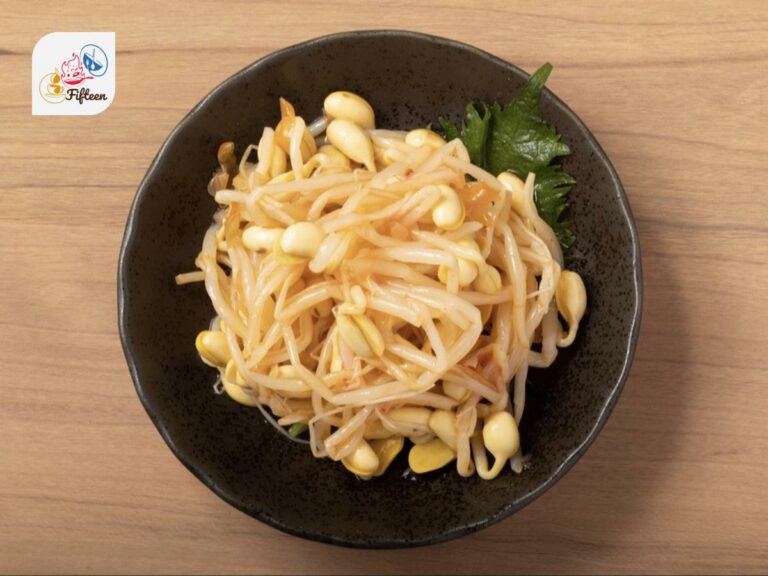
Soybean Sprouts (Kongnamul)
They are common in salads, soups, and side dishes.
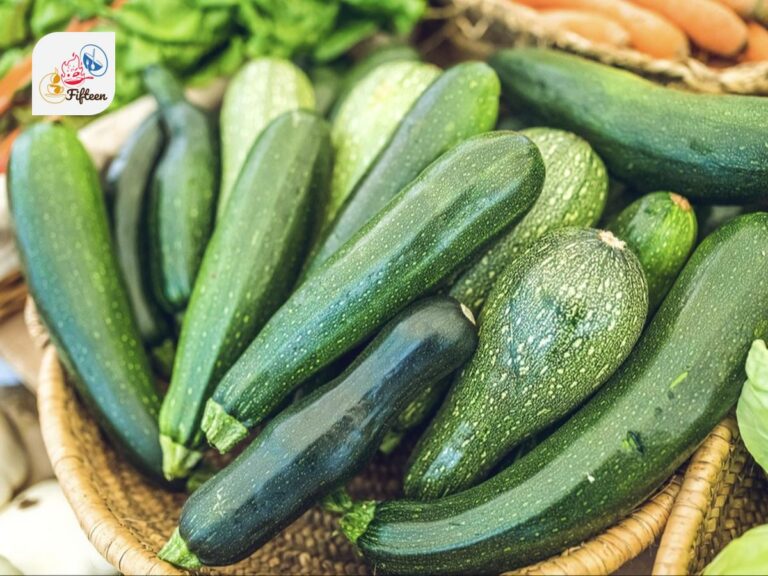
Zucchini (Aehobak)
Zucchini is a type of summer squash used in side dishes and pancakes.
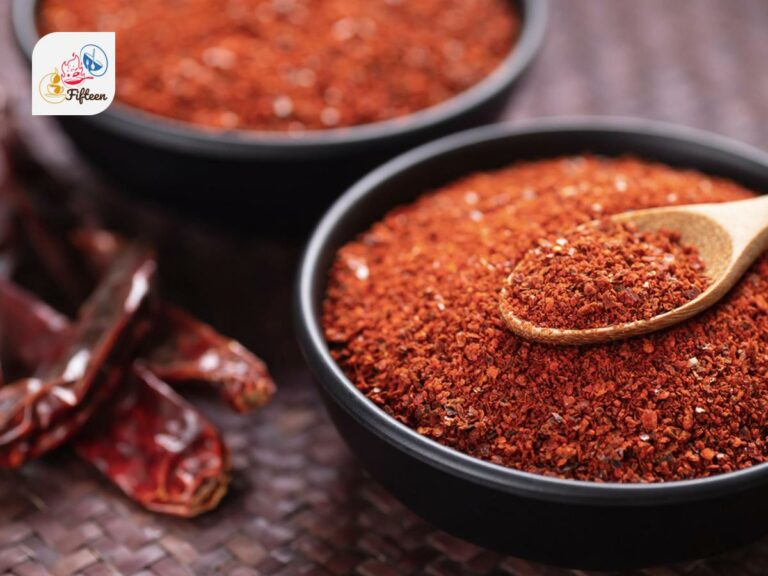
Chili Peppers (Gochu)
They are a key component for making gochujang (chili paste) and adding heat to dishes.
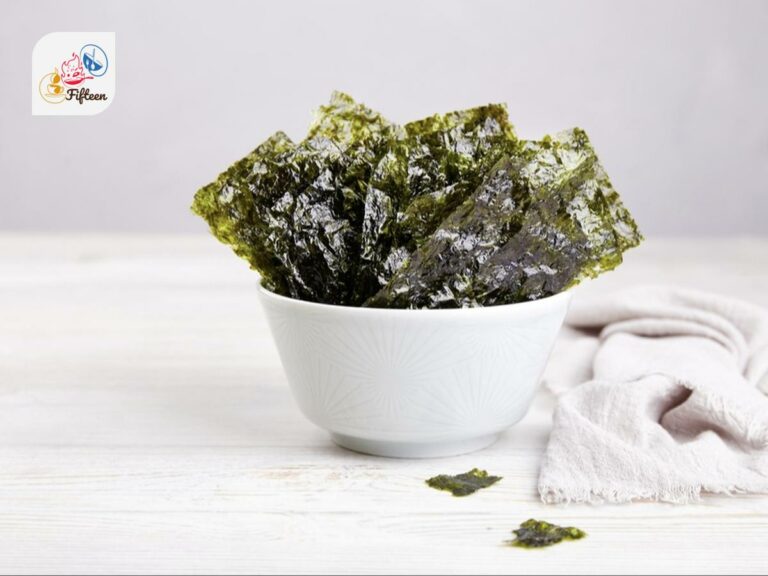
Seaweed (Miyeok/Gim)
Seaweed is used in soups (like miyeok-guk), salads, and as a wrap (gim).
These veggies grown in South Korea can be used in various ways, resulting in many special dishes with strong culinary practices of this country.
In short, it is hard to resist the attraction of these yummy Korean fruits. After reading this post, I hope you get all the valuable information about them.
So do you know other fantastic options? Do not hesitate to share them in the comment section. Or you can write down your opinion about them. Thanks for reading!

Jamie Scott
Editor in Chief, Senior Content Writer
Expertise
Home Cooking, Meal Planning, Recipe Development, Baking and Pastry, Food Editor, Cooking-video Maker, Western Food Evaluation Expert
Education
Le Cordon Bleu College of Culinary Arts
Local Community College, New York, NY
Jamie Scott is a skilled culinary expert and content creator specializing in Western cuisine. With over 15 years in the culinary field and formal training from Le Cordon Bleu, Paris, Jamie deeply understands how to blend nutrition with delicious flavors. His passion for cooking matches his commitment to making healthy eating accessible and enjoyable.
On Fifteen.net, Jamie brings a fresh perspective to classic dishes and beverages, offering readers insightful recipes, cooking tips, and a fresh view on meal planning that emphasizes taste, health, and simplicity.