

Middle Eastern vegetables are those that are widely cultivated and consumed in the Middle East. This region typically includes West Asia and Egypt, but I also expand the scope to North Africa due to the culinary connections between the two regions.
The Middle East is home to many globally popular vegetables. Many local vegetables were spread from this region to Europe and the rest of Asia, and vice versa.
Many dishes in Middle Eastern cuisine are based on vegetables, especially salads, stews, stuffed dishes, and grilled dishes. Certain local beverages also include vegetables, although they are less common than vegetable dishes.
Continue reading to discover the best 24 vegetables in the Middle East and the general characteristics of local vegetables.
Next, I will delve into popular dishes and beverages made with vegetables and suggest a few common Middle Eastern fruits.
24 Incredible Middle Eastern Vegetables with Filters
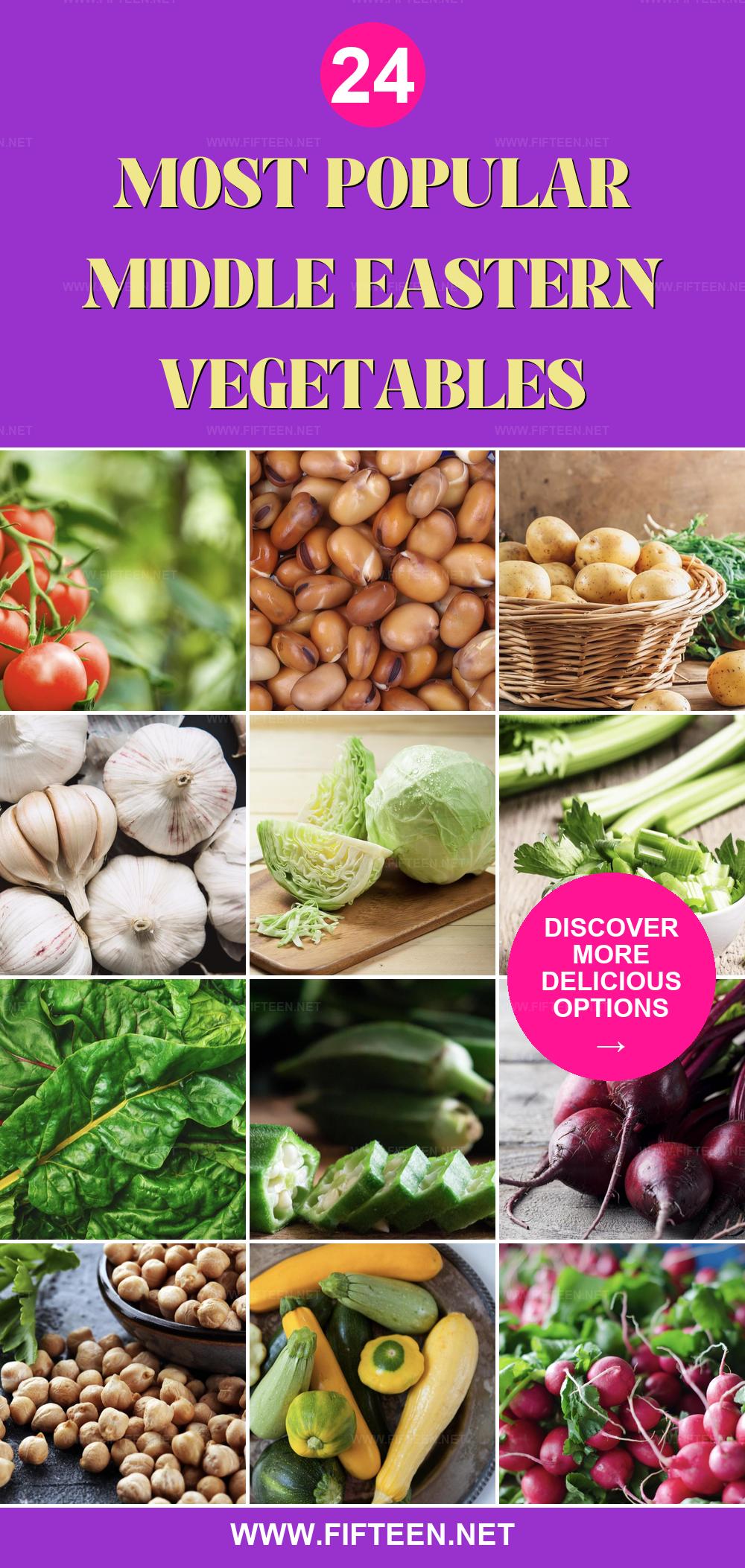
Here are 24 popular Middle Eastern vegetables, listed by popularity. You can use filters to see which ones are native, which are not originally from the region, and which are considered fruit vegetables.
The filters also help you find out which vegetables are commonly used in dishes, drinks, or as garnishes.
Now that you know about the most famous vegetables in the Middle East, let’s look at the characteristics they all share.
What Are the Main Features of Middle Eastern Vegetables?
Below is an overview of the most important factors contributing to the development of vegetables in the Middle East.
Diversity
Since the Middle East offers a wide range of climates and geographical features, it is home to many different kinds of vegetables, including leafy greens, root vegetables, and legumes. From the Mediterranean coast to the desert interior, there are many different vegetables available.
In addition, the Middle East sits at the crossroads of many large geographical regions, so vegetables from many places were brought here in ancient times and became integrated into local cuisine.
Heirloom Varieties
Many vegetables used in Middle Eastern cuisine are heirloom varieties that have been cultivated for generations. These varieties are often more flavorful and nutritious than their commercially grown counterparts.
Culinary Traditions
Middle Eastern vegetables are used in various ways, such as in stuffed dishes, grilled dishes, salads, pickles, and dips. In particular, stuffed vegetables are a cornerstone of Middle Eastern cuisine.
Continue reading for an in-depth understanding of how Middle Eastern dishes feature vegetables.
Which Middle Eastern Dishes Make Use of Vegetables?
The following Middle Eastern dishes highlight the wonderful flavors and textures of local vegetables.
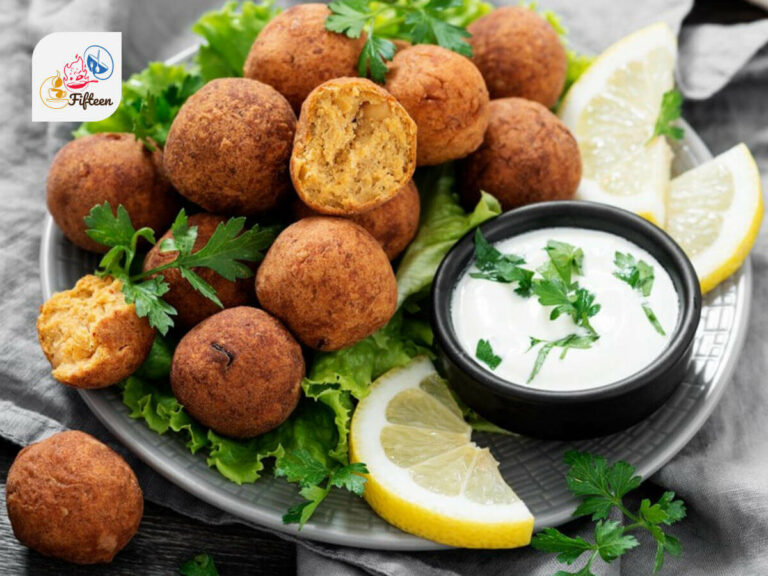
Falafel
Falafel is a traditional Middle Eastern dish in the form of deep-fried balls or patties made from ground chickpeas, fava beans, or a combination of both.
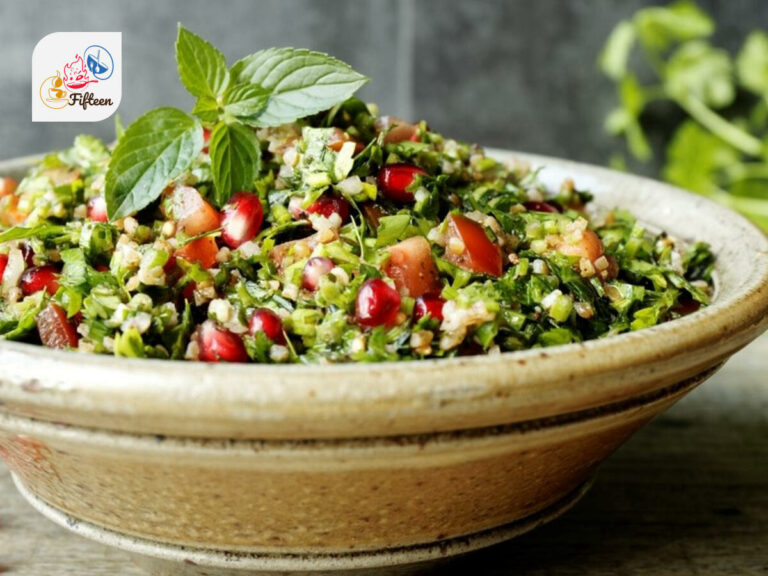
Tabbouleh
Tabbouleh is a Middle Eastern vegetarian salad prepared by mixing finely chopped parsley, mint, tomatoes, onions, and bulgur (parboiled and cracked wheat) in a mixture of olive oil and lemon juice.
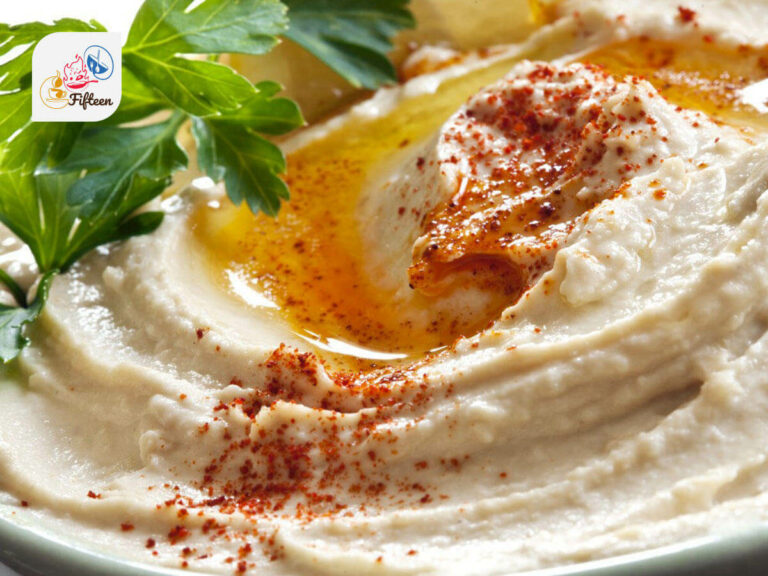
Hummus
Hummus is a traditional Middle Eastern spread or dip made from mashed chickpeas, tahini (sesame paste), lemon juice, garlic, olive oil, and spices like paprika.
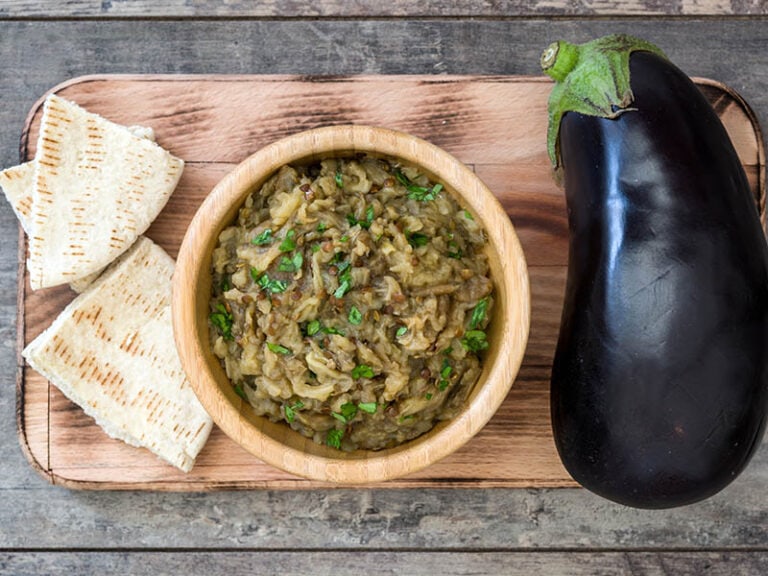
Baba Ganoush
Baba ghanoush is a classic Middle Eastern appetizer made from roasted eggplants, tahini, olive oil, lemon juice, and various seasonings.
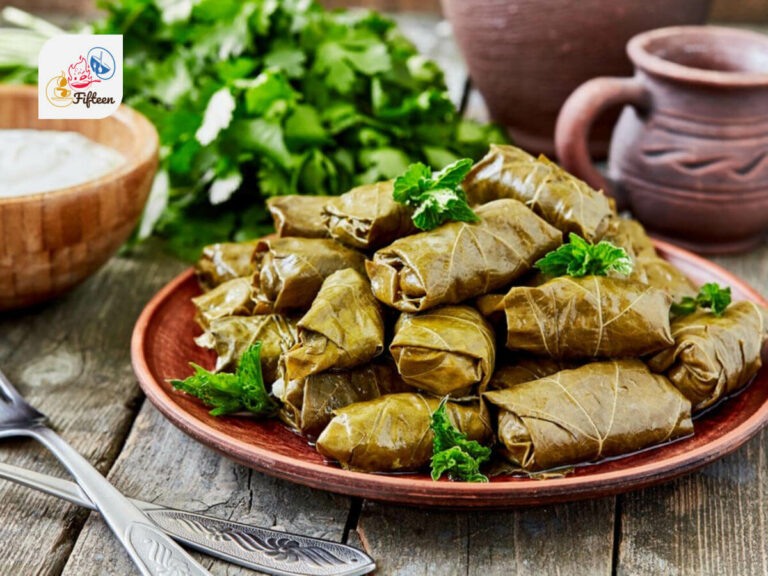
Dolma
Dolma refers to a family of stuffed dishes popular in the Middle East. People prepare it by stuffing bell peppers, tomatoes, zucchini, and eggplants with a mixture of rice, meat, and spices or wrapping grape and cabbage leaves around the filling.
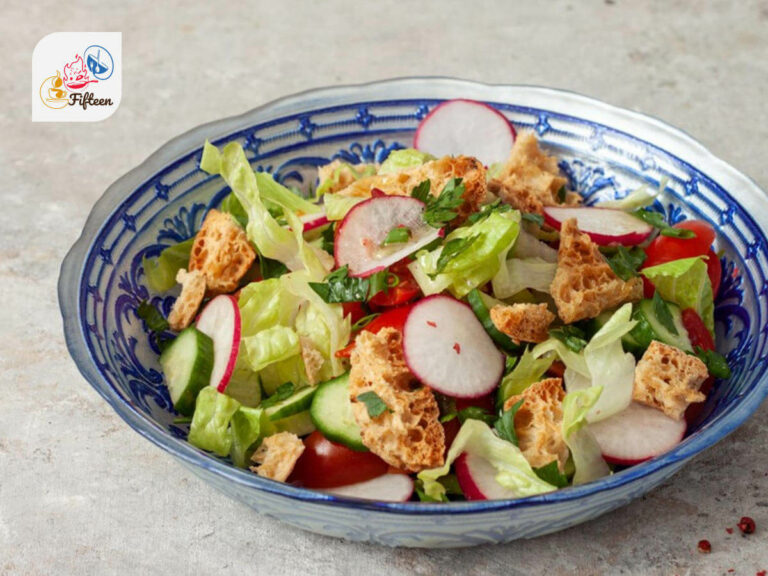
Fattoush
Fattoush is a vibrant Middle Eastern salad that combines toasted or fried khubz (Arabic flatbread) with fresh greens and vegetables, such as radishes and tomatoes.
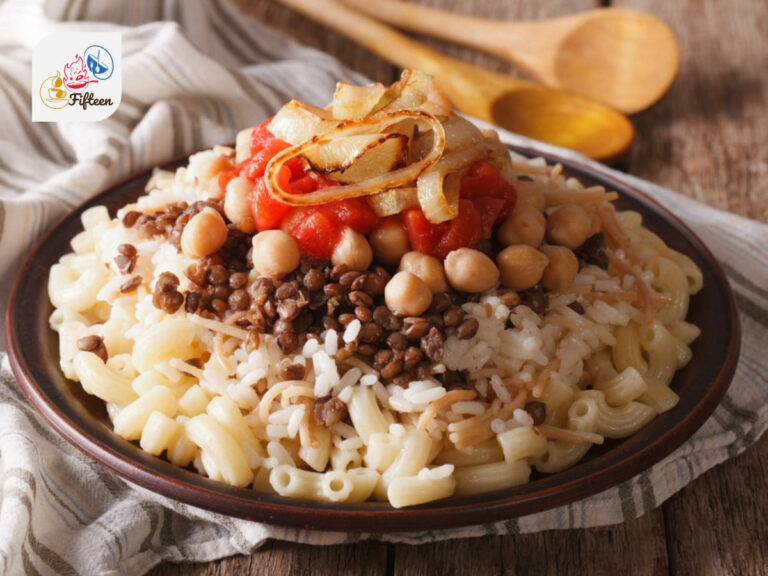
Koshary
Koshary is an Egyptian street food delight that consists of rice, macaroni, and lentils topped with a spicy tomato sauce, chickpeas, and crispy fried onions.
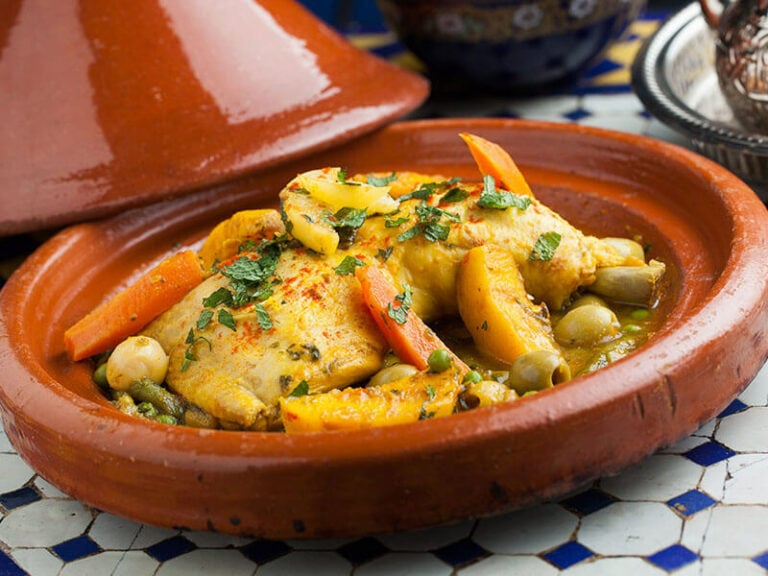
Tajine
Tajine is a time-honored North African that includes protein (meat, poultry, or fish), fried fruits, and vegetables, such as tomatoes, carrots, and potatoes.
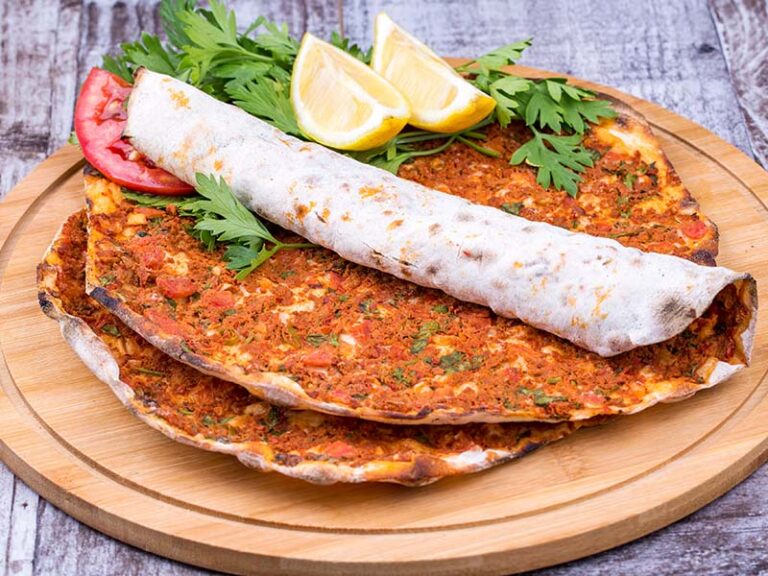
Lahmacun
It is a popular flatbread dish in the Middle East, especially in the Levant. It has a dough base topped with minced beef or lamb, herbs, and minced vegetables, including onions, garlic, and tomatoes.
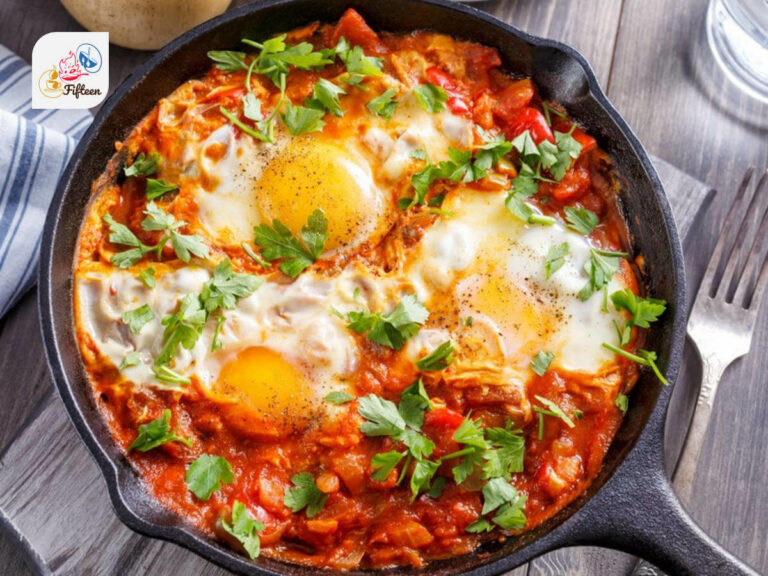
Shakshouka
Shakshouka, also known as shakshuka, is a savory Middle Eastern dish and breakfast item featuring eggs poached in a sauce of tomatoes, onions, peppers, and spices.
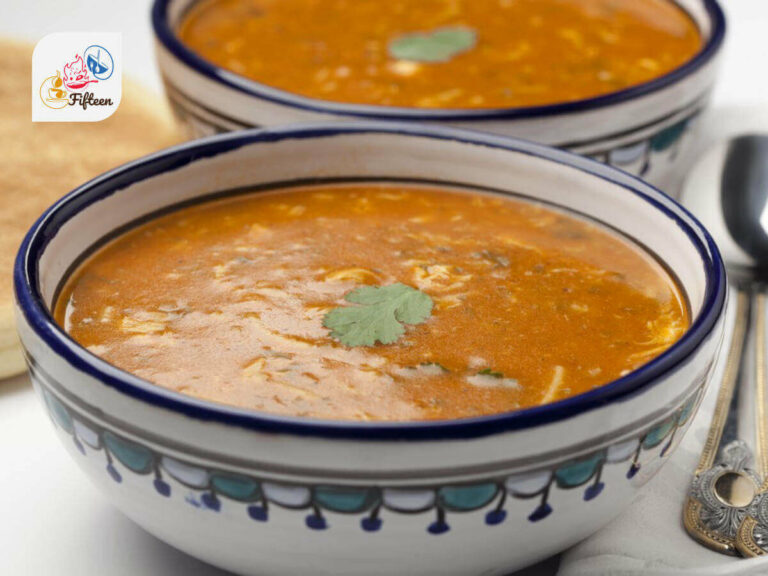
Harira
Harira is a North African soup of tomatoes, lentils, chickpeas, onions, rice, and meat, all together with spices in a flavorful broth.
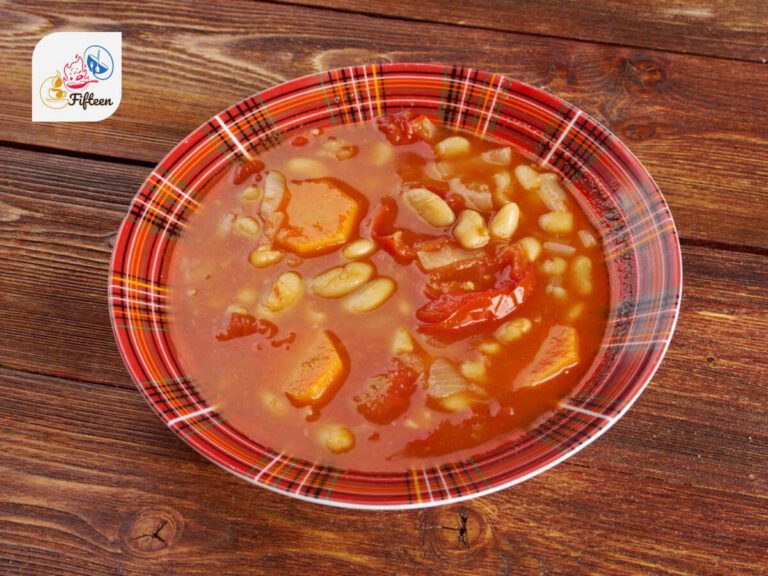
Fasolada
Fasolada, also known as fasoulada or fasoulia, is a traditional Cypriot soup made from dry white beans, olive oil, and vegetables like carrots, onions, celery, and tomatoes. It is also present in many Middle Eastern countries.
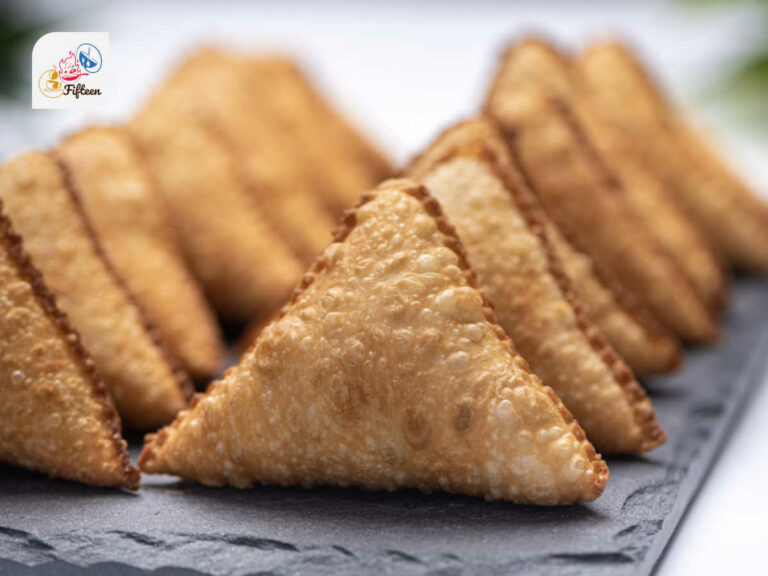
Samosa
Samosa is a stuffed fried pastry widely enjoyed in many regions, including the Middle East. Its filling features spiced potatoes, onions, peas, and sometimes meat or fish.
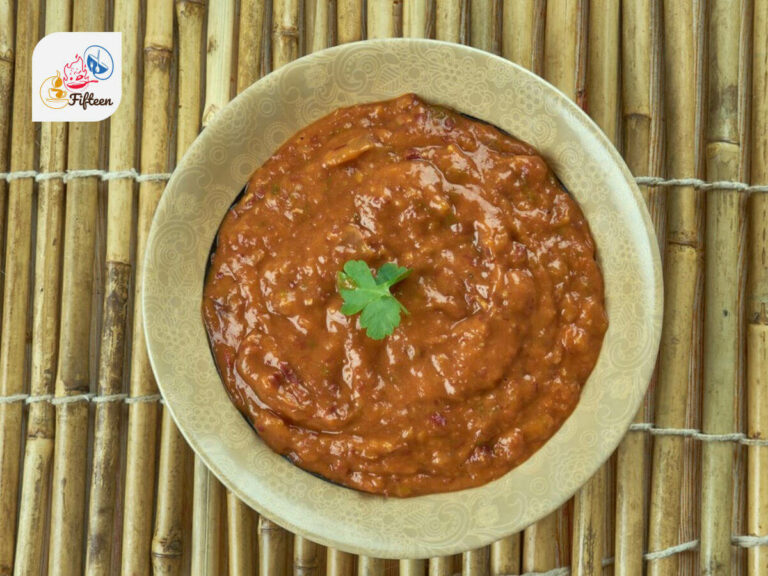
Ful Medames
Ful medames is an iconic Egyptian stew prepared by cooking mashed fava beans with olive oil, cumin, garlic, onion, lemon juice, and herbs.
If you want to try more flavors of local cuisine, there are many other Middle Eastern specialties worth discovering out there.
Do you know that a few Middle Eastern beverages are based on vegetables? Check out these options next!
What Are Middle Eastern Beverages That Incorporate Vegetables?
The following beverages are delicious drinks that feature vegetables either as the main ingredient or as the flavoring.
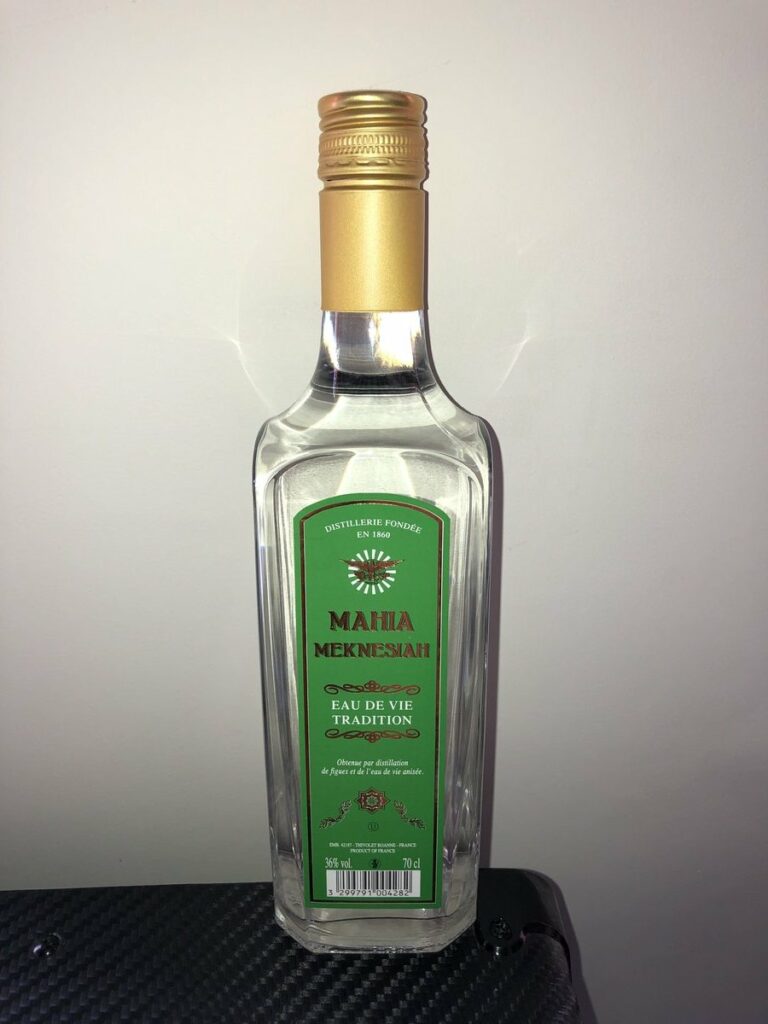
Mahia
Mahia is a Moroccan alcoholic made from dates or figs, pomegranate juice, anise seeds, rose water, ginger syrup, and pomegranate juice.
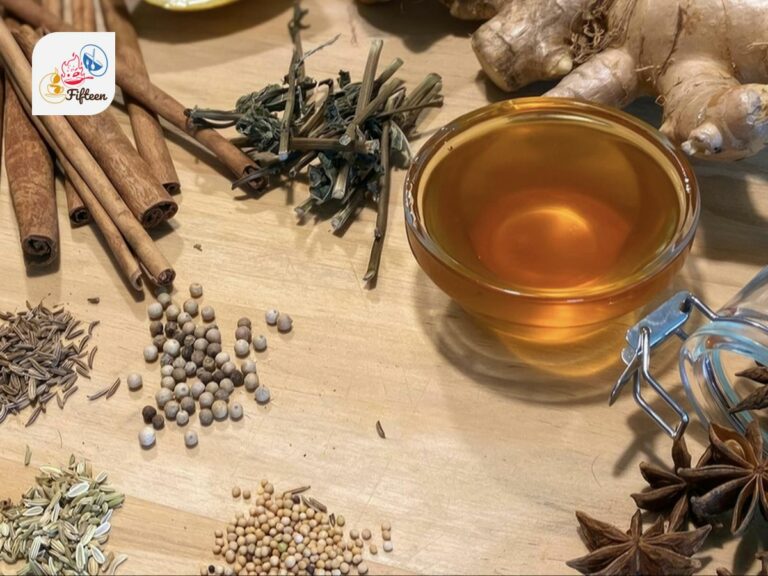
Khunjul
Khunjul is a well-known spiced tea drink in Morocco, blending ginger, galangal, cinnamon bark, cloves, mace, and other aromatic ingredients.
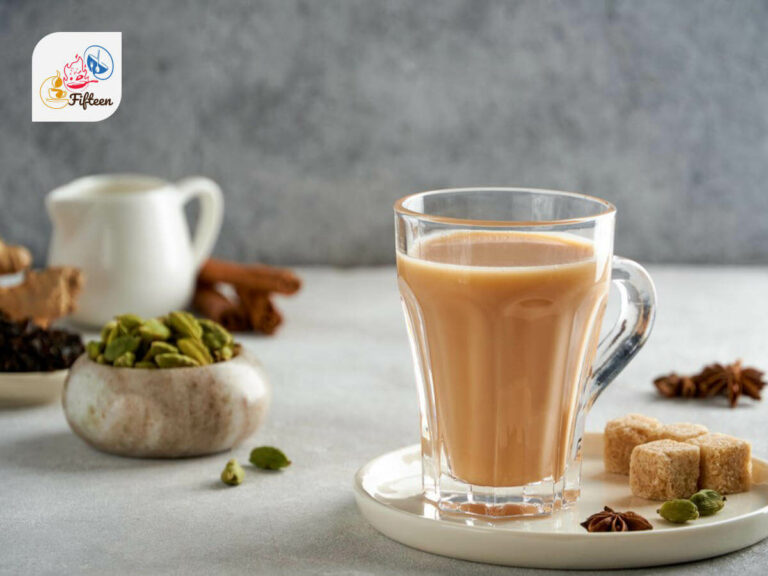
Chai
Chai is a popular type of Iranian tea made with loose black tea and flavored with ginger, cloves, cinnamon, and cardamom.
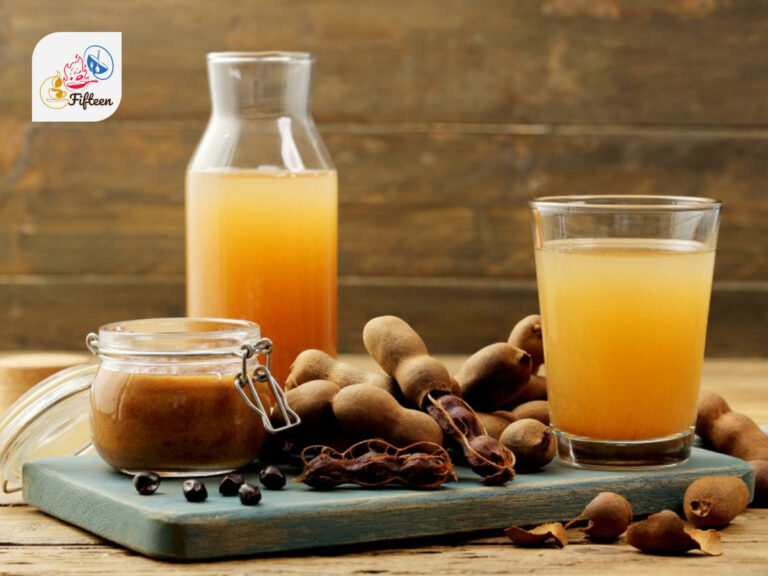
Tamer Hindi
Tamer hindi is a refreshing Middle Eastern beverage made with tamarind paste, sugar, rose water, and ginger juice.

Ayran
Ayran is a famous yogurt-based beverage in the Middle East. Locals usually add spices and cucumbers to balance its tang and richness.
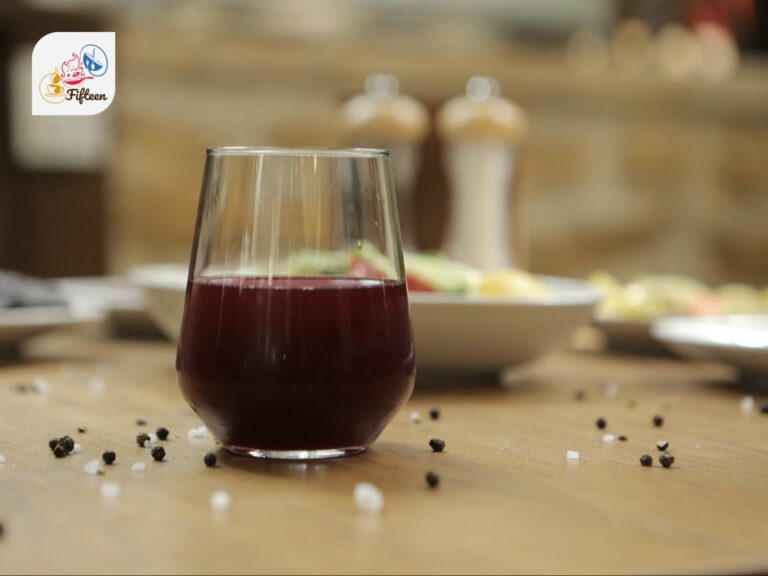
Şalgam
Şalgam is a Middle Eastern fermented beverage combining turnips, water, black carrots, bulgur flour, and salt.
Of course, those drinks aren’t the only options on the list of the best beverages in the Middle East. Explore this topic, and you will discover more refreshing beverages.
Fruits and vegetables often appear together in many Middle Eastern meals, so I will show you a few notable fruits in the region.
Which Fruits Are Well-known in the Middle East?
Wherever you are in the Middle East, I’m certain you will run into the following fruits because they are ubiquitous in the region.
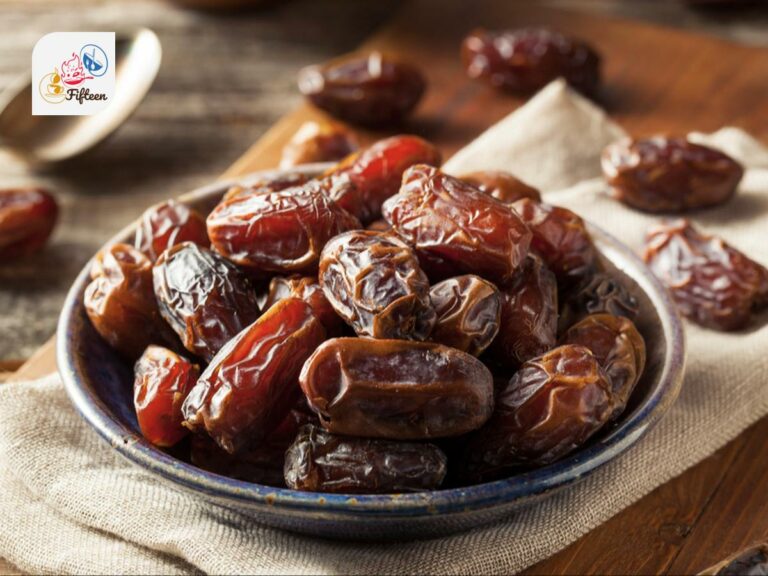
Date
Date is among the most culinarily and culturally significant fruits in the Middle East, offering a deeply sweet flavor and chewy texture.
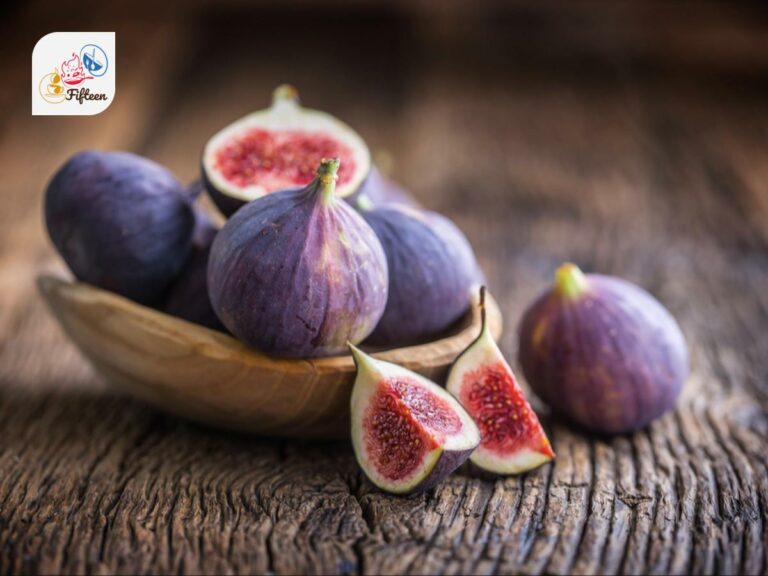
Fig
Fig is a juicy Middle Eastern fruit with crunchy edible seeds and a honeyed taste.
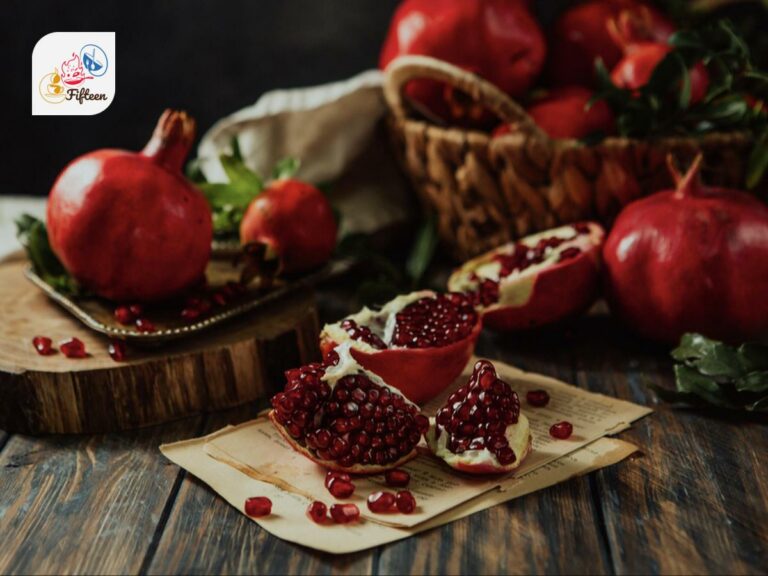
Pomegranate
Pomegranate is a popular Middle Eastern red fruit with sweet, juicy arils. It is used in making pomegranate juice and pomegranate molasses.
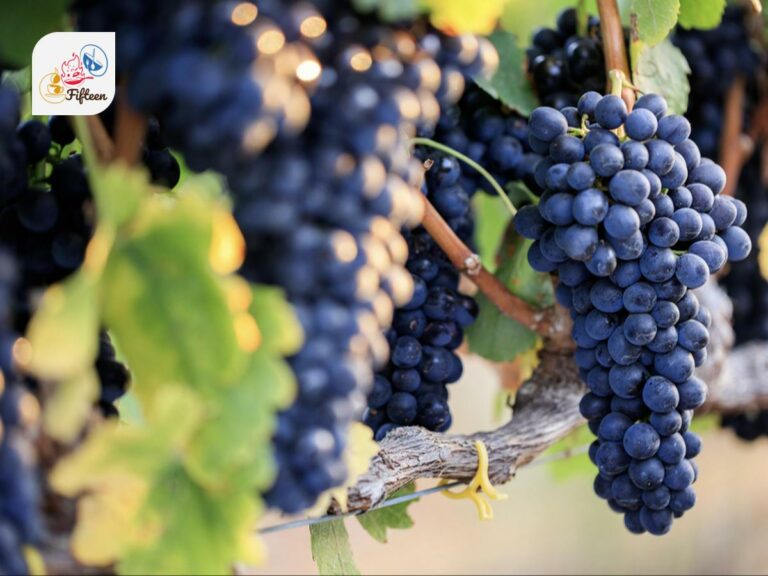
Grape
Grape is a common berry fruit with many uses in the Middle East. Locals mainly utilize them in making wine and raisins.
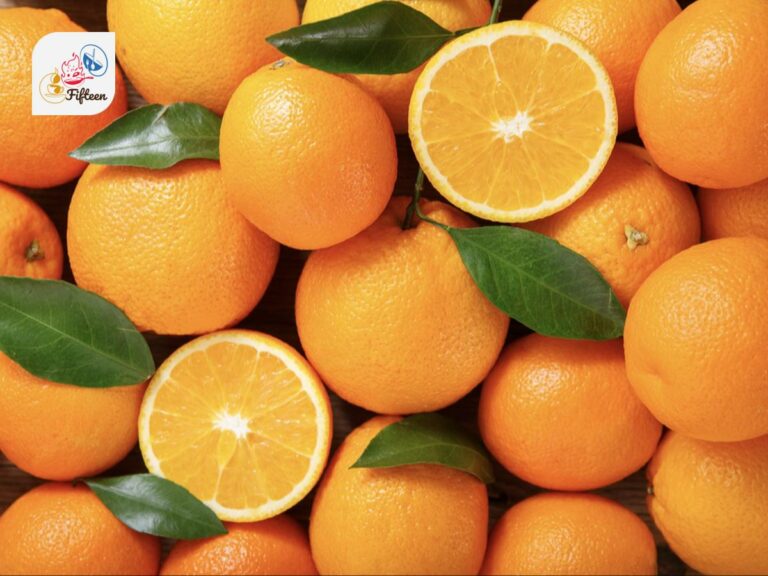
Orange
Orange is one of the most popular citrus fruits in the Middle East, serving as a common ingredient in local dishes and beverages.
The options above are the most popular fruits in the Middle East. Many other fruits aren’t on this list, but they are also worth learning about.
How many vegetables from the Middle East that you are familiar with? Share with me your experience with those vegetables in the comment section; I’m all ears for your tale! Before you leave, don’t forget to share this list of Middle Eastern vegetables with your friends!
Jamie Scott
Editor in Chief, Senior Content Writer
Expertise
Home Cooking, Meal Planning, Recipe Development, Baking and Pastry, Food Editor, Cooking-video Maker, Western Food Evaluation Expert
Education
Le Cordon Bleu College of Culinary Arts
Local Community College, New York, NY
Jamie Scott is a skilled culinary expert and content creator specializing in Western cuisine. With over 15 years in the culinary field and formal training from Le Cordon Bleu, Paris, Jamie deeply understands how to blend nutrition with delicious flavors. His passion for cooking matches his commitment to making healthy eating accessible and enjoyable.
On Fifteen.net, Jamie brings a fresh perspective to classic dishes and beverages, offering readers insightful recipes, cooking tips, and a fresh view on meal planning that emphasizes taste, health, and simplicity.