

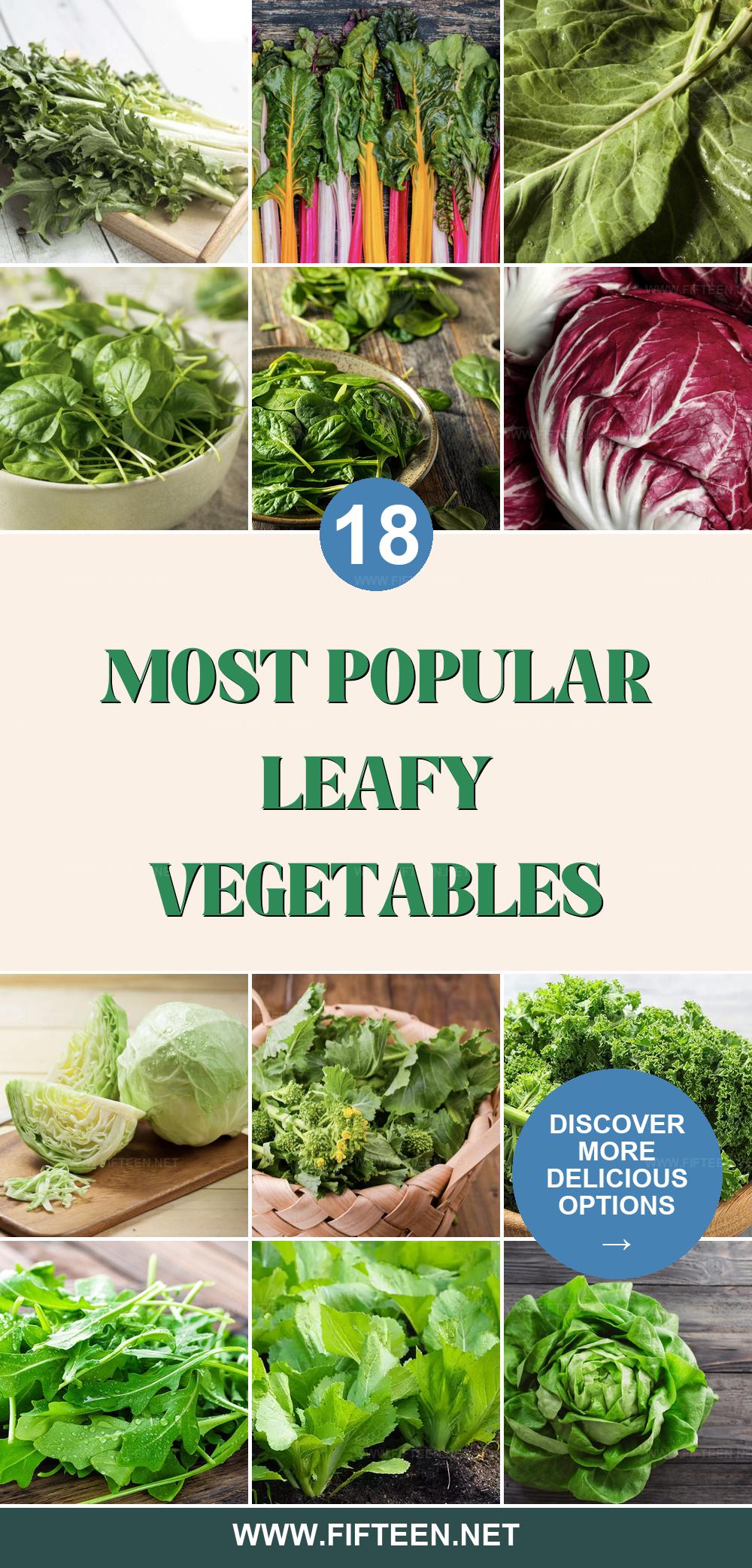
Leafy vegetables are plant leaves consumed as a vital part of the human diet. They belong to a vegetable group commonly called “leafy greens” or simply “greens.” Known for their high nutritional value, they can be eaten raw, as in salads, or cooked in various dishes.
Leafy vegetables thrive in diverse climates and are cultivated globally, making them accessible year-round. Their versatility allows them to be incorporated into soups, stews, smoothies, and more, offering a range of flavors from mild to bitter.
This article will introduce you to the most common leafy vegetables enjoyed worldwide. Stick around till the end to discover how to store these leafy greens and where they grow.
Start reading now!
Leafy vegetables are plant leaves consumed as a vital part of the human diet. They belong to a vegetable group commonly called “leafy greens” or simply “greens.” Known for their high nutritional value, they can be eaten raw, as in salads, or cooked in various dishes.
Leafy vegetables thrive in diverse climates and are cultivated globally, making them accessible year-round. Their versatility allows them to be incorporated into soups, stews, smoothies, and more, offering a range of flavors from mild to bitter.
This article will introduce you to the most common leafy vegetables enjoyed worldwide. Stick around till the end to discover how to store these leafy greens and where they grow.
Start reading now!
18 Best Leafy Vegetables from Different Colors
Here are 18 outstanding leafy vegetables, available in various colors like green, red, white, and more. Make sure to use the filter function to swiftly find the ideal leafy green for your needs.
How to Store Leafy Vegetables Properly?
Here are 3 methods for storing leafy veggies effectively:
1. At Room Temperature
Room temperature storage is generally not recommended for leafy vegetables, as they tend to wilt quickly. If you need to keep them outside the refrigerator, find a cool, shady spot and store them there for only a few hours at most to prevent them from spoiling.
2. In the Fridge
Refrigerator storage is the most common method for leafy greens. Start by washing the leaves gently to remove any dirt or pesticides, then dry them thoroughly to avoid excess moisture, which can lead to spoilage.
Wrap the vegetables in a paper towel. Then place them in a breathable bag or an open container, and store them in the crisper drawer of your refrigerator. This method can keep your leafy greens crisp and fresh for about 5 to 7 days.
3. In the Freezer
Freezer storage is suitable for long-term preservation. First, blanch the greens by briefly boiling them and then cooling them quickly in ice water to preserve color and texture.
After drying, spread them on a tray to freeze individually before transferring them to airtight containers or freezer bags. When stored properly, leafy greens can last for 8 to 12 months in the freezer.
With these preservation methods, even though it’s not the season to grow vegetables, you still have the opportunity to enjoy their freshness.
Where Do Leafy Vegetables Grow?
Leafy vegetables are one common type of vegetable that is a staple in kitchens worldwide, thriving in cool climates during the spring and fall seasons across continents. Here’s a look at where they grow and how they’re used in cooking:
The Americas
In North America, leafy greens like spinach, kale, and lettuce thrive, especially in California, Arizona, Florida, and Canada’s Ontario and British Columbia.
South America, particularly Brazil and Argentina, grows collard greens and Swiss chard year-round due to diverse climates and fertile soils. These leafy vegetables are used in chips, salads, and various sautéed and boiled dishes across the Americas.
Europe
Europe is known for its leafy greens, with Spain, Italy, and the Netherlands leading production. Various European dishes use these greens.
Spain’s mild climate supports lettuce and arugula for salads, Italy provides radicchio and spinach for risotto and lasagna, and the Netherlands uses greenhouses to supply greens for soups and stews even in winter.
Africa
In the African veggie collection, leafy ones like amaranth and kale are diet staples. Nigeria and Kenya are key producers. Amaranth is often cooked into stews, while kale is featured in dishes like Kenyan sukuma wiki, a sautéed green dish.
Asia
Leafy vegetables are one of the main groups in the list of vegetables in Asia, with China, India, Japan, and the Philippines at the forefront.
Bok choy and Chinese cabbage are common leafy vegetables from China for stir-fries and soups. The Philippines features leafy ones like malunggay, kangkong, malabar spinach, and moringa leaves in soups, stews, and sautéed dishes.
Spinach and fenugreek are examples of Indian greens with edible leaves used for dishes like palak paneer and methi paratha.
Oceania
In Oceania, Australia’s diverse climates and New Zealand’s fertile soils support the growth of leafy vegetables like spinach, lettuce, rocket, kale, and bok choy. These greens are grown using sustainable practices and are used in salads, soups, stir-fries, and side dishes.
Which leafy vegetable are you excited to try next? Let me know in the comments below! Don’t miss out on other articles for more food tips and dishes from around the world.
Jamie Scott
Editor in Chief, Senior Content Writer
Expertise
Home Cooking, Meal Planning, Recipe Development, Baking and Pastry, Food Editor, Cooking-video Maker, Western Food Evaluation Expert
Education
Le Cordon Bleu College of Culinary Arts
Local Community College, New York, NY
Jamie Scott is a skilled culinary expert and content creator specializing in Western cuisine. With over 15 years in the culinary field and formal training from Le Cordon Bleu, Paris, Jamie deeply understands how to blend nutrition with delicious flavors. His passion for cooking matches his commitment to making healthy eating accessible and enjoyable.
On Fifteen.net, Jamie brings a fresh perspective to classic dishes and beverages, offering readers insightful recipes, cooking tips, and a fresh view on meal planning that emphasizes taste, health, and simplicity.